
Last updated September 22, 2026
Free visual inspection and a written scope of work before any mitigation begins - photos, moisture readings, and drying logs go in your claim file
The scope we write is the scope we bill. Anything new gets shown to you, in writing, before we touch it.
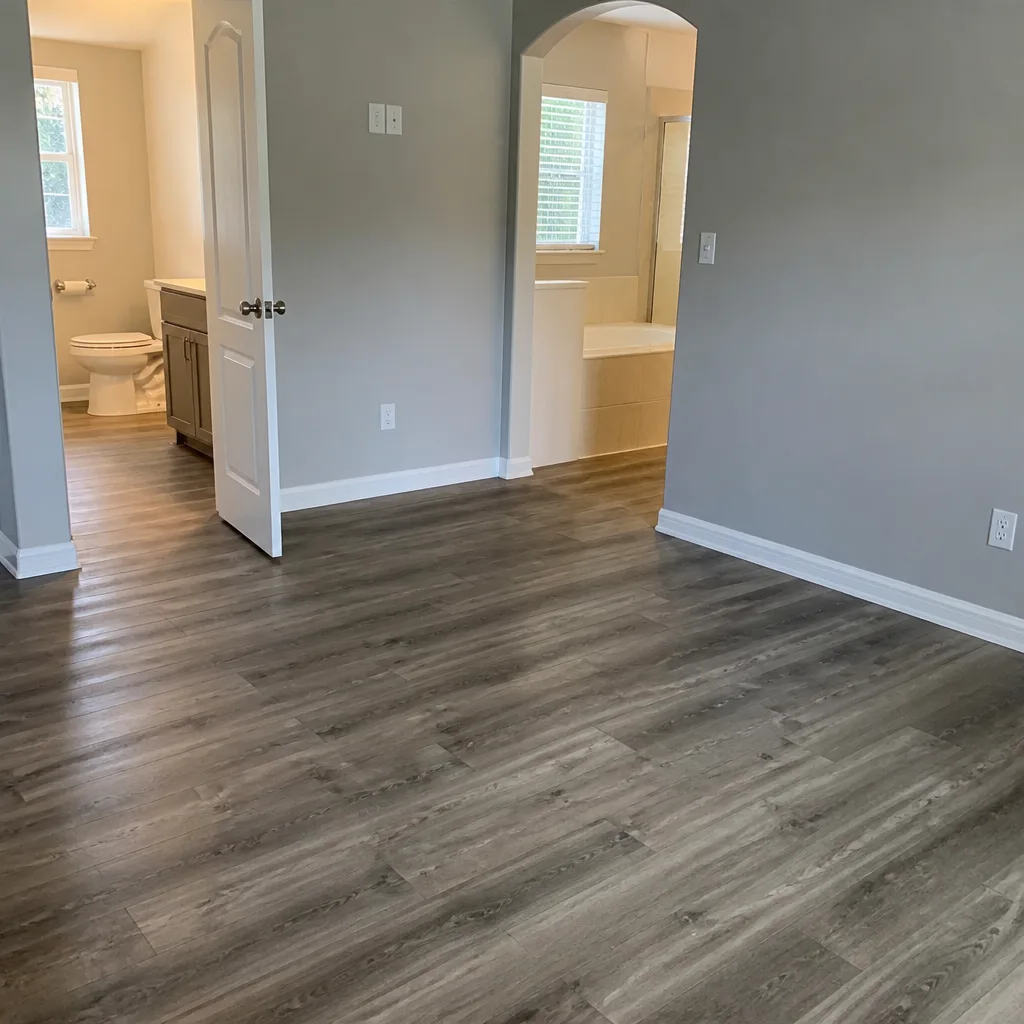
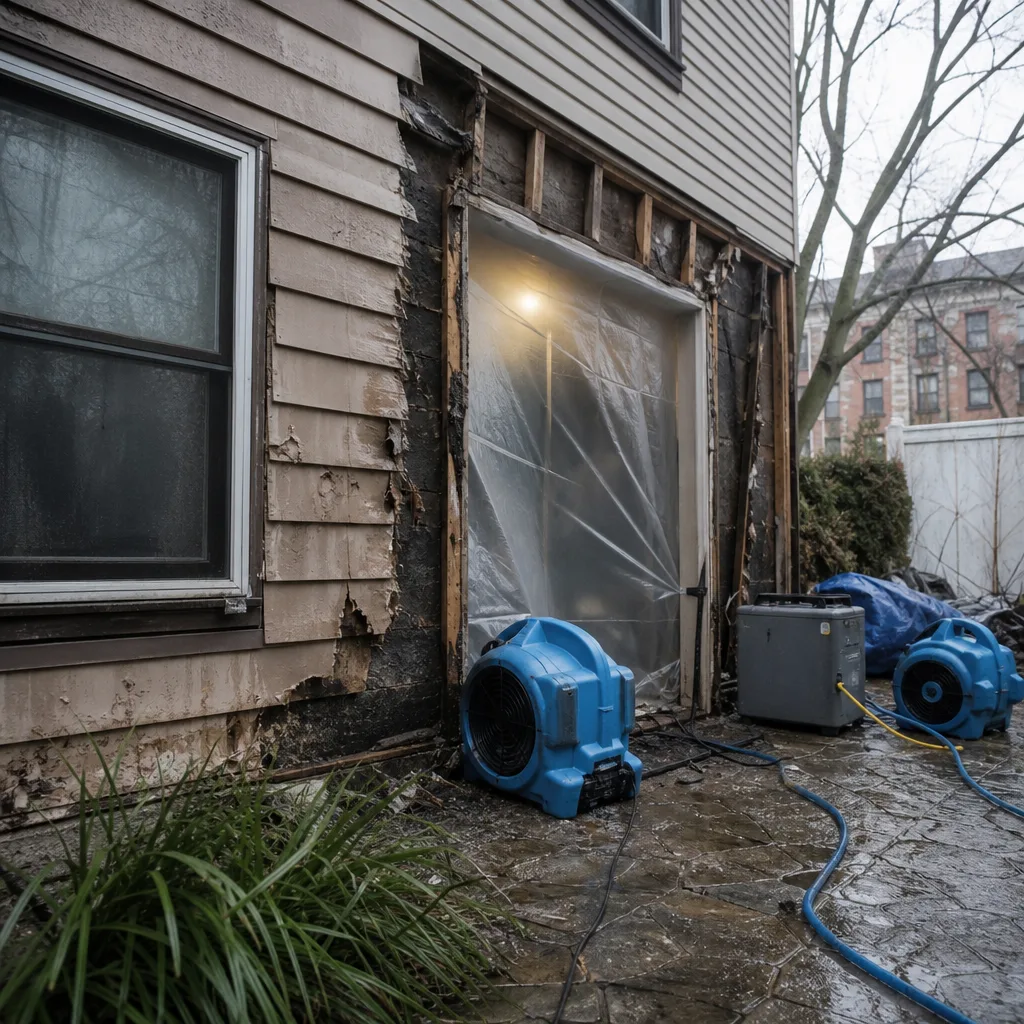 Before
 After
After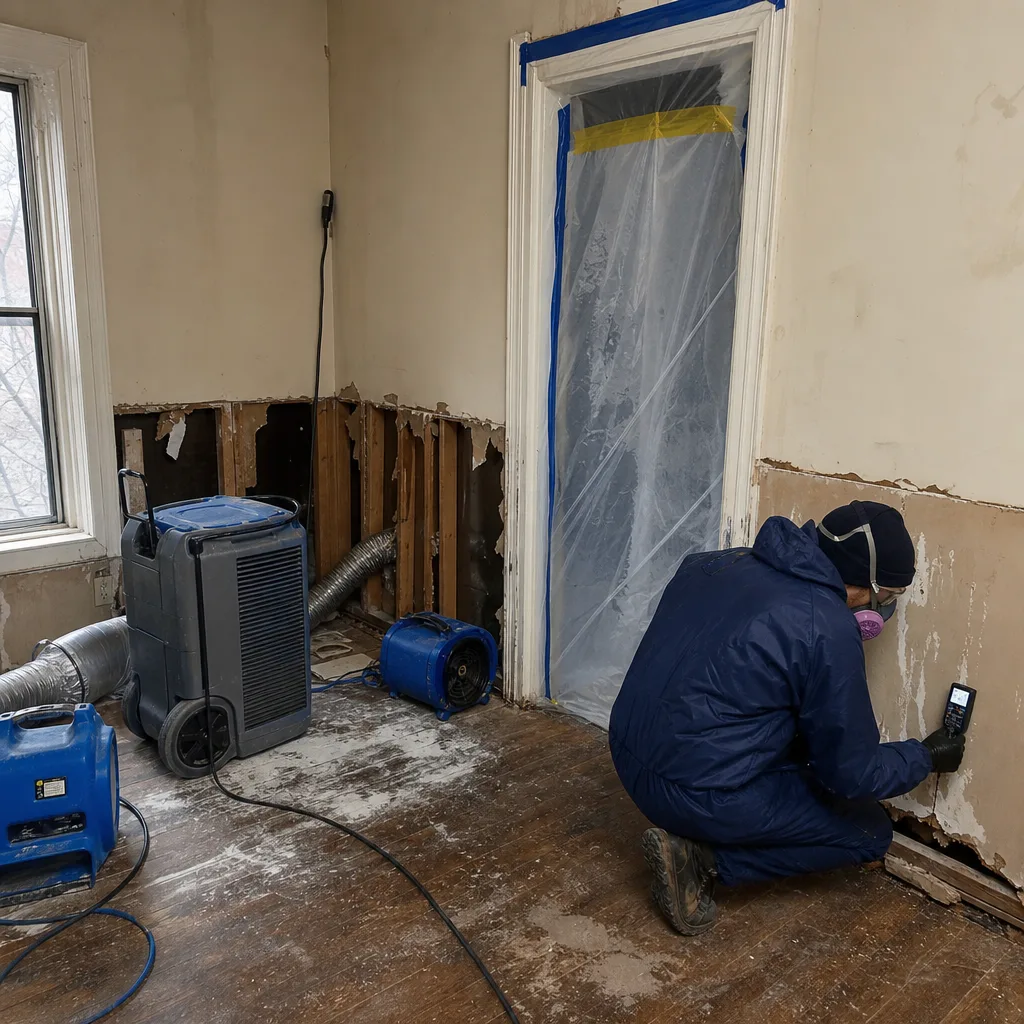 Before
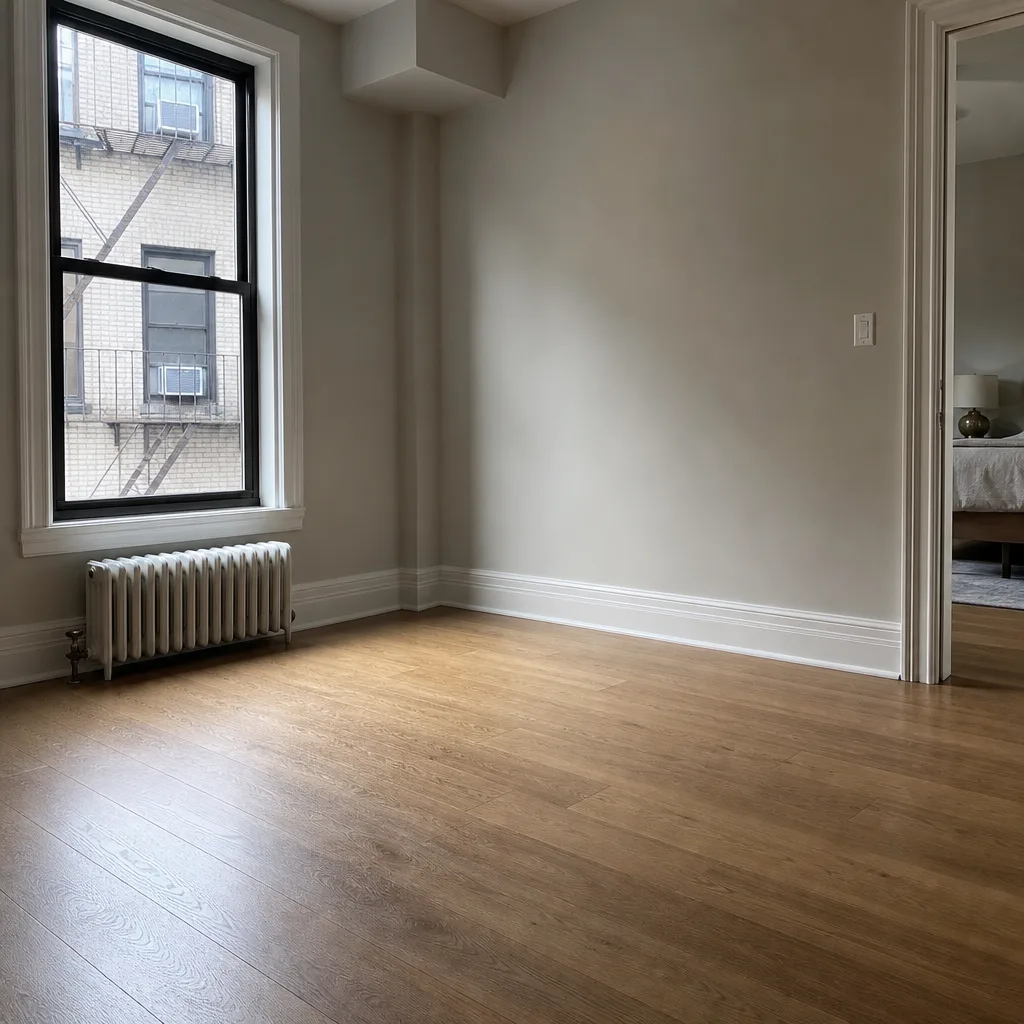 After
After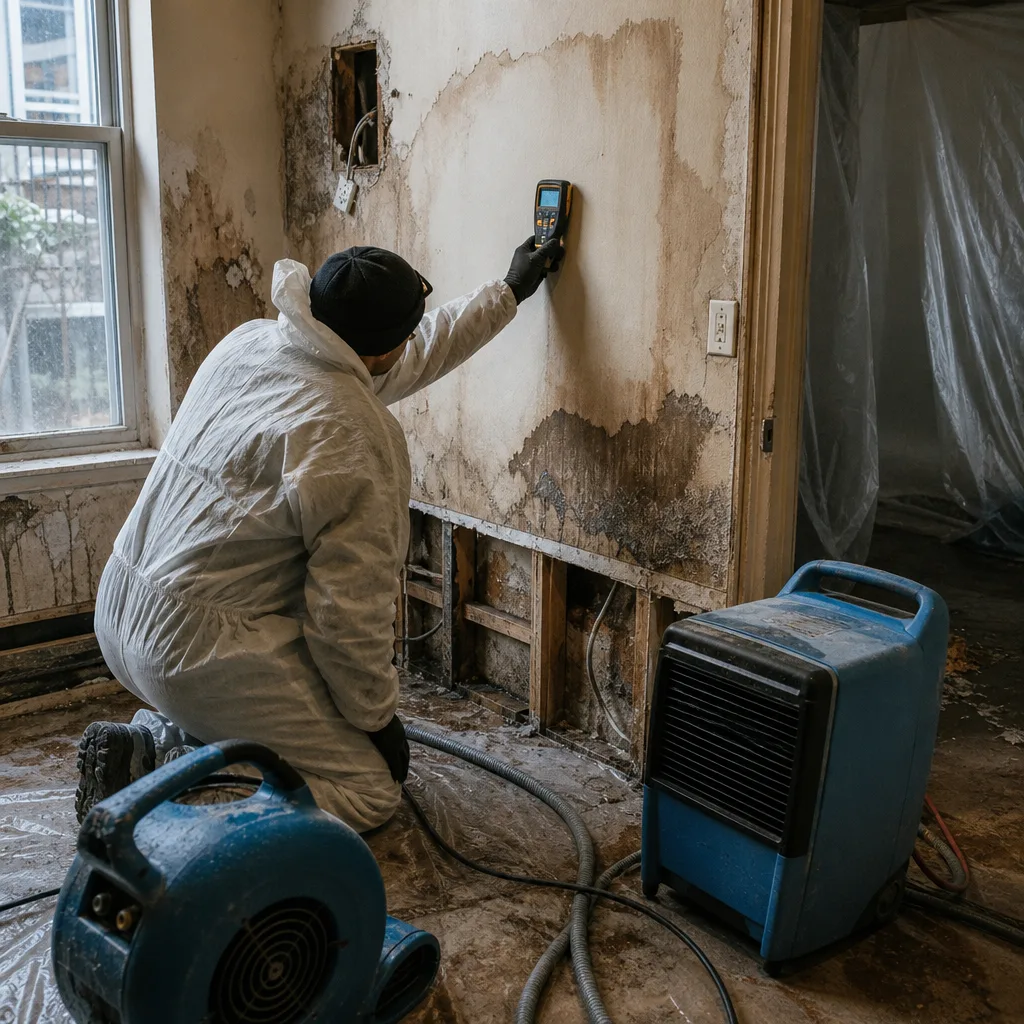 Before
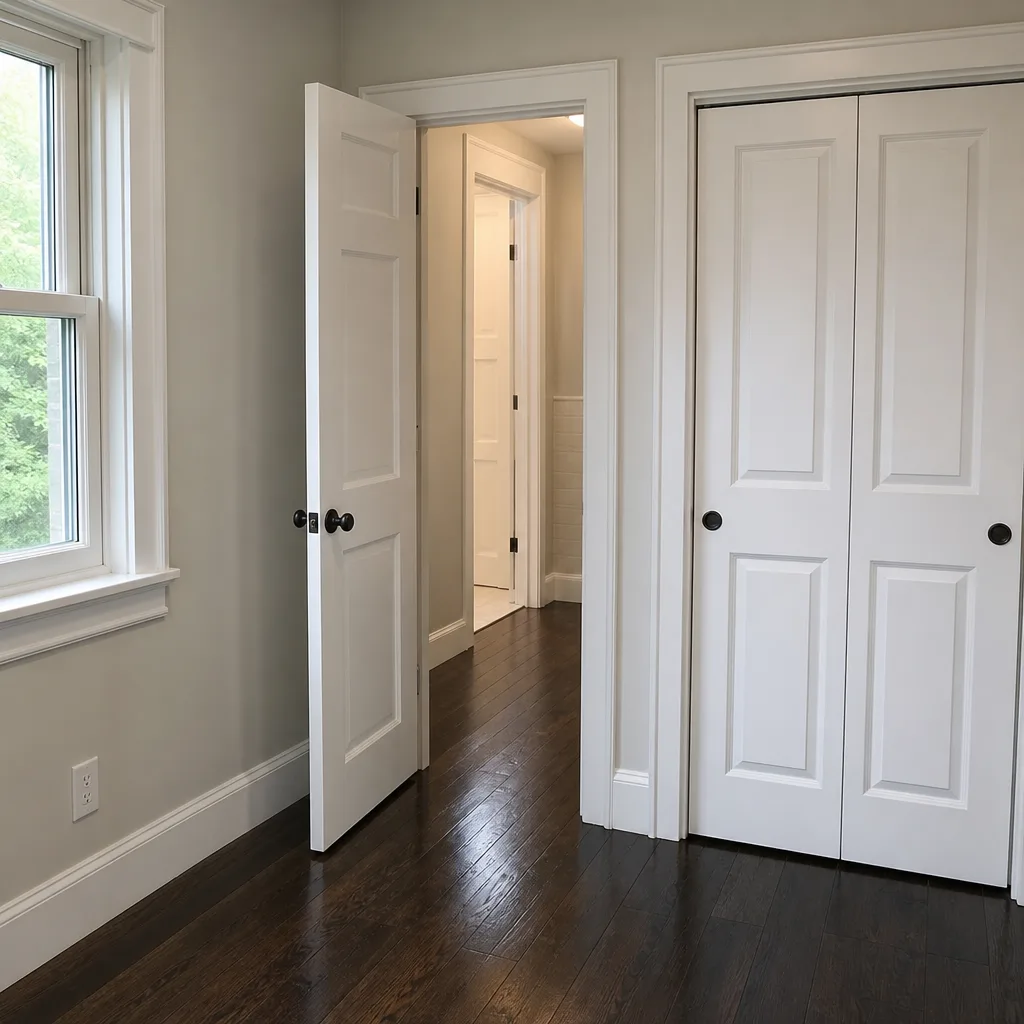 After
AfterDIY vs Professional Damage Restoration: The Manhattan Homeowner’s Decision Guide
A Manhattan homeowner rented a wet-vac from a hardware store on West 23rd, extracted standing water from their pre-war co-op, and ran box fans for three days. They filed an insurance claim with photographs of dry-looking floors. The insurer denied it. No daily moisture readings existed to prove wall cavities or the subfloor beneath original oak parquet reached dry standard under IICRC S500. Without psychrometric data, DIY extraction is indistinguishable from incomplete drying. In Manhattan’s vertical housing market, where water travels through steel framing and concrete slabs between units, the question is rarely whether you can do the work yourself. It is whether your documentation will survive an adjuster’s review. This guide draws the decision line at what the insurance record requires, not what the task demands. For how to hire a damage restoration contractor in Manhattan, see our step-by-step guide.
Quick Answer
DIY water damage mitigation is appropriate in Manhattan only for Category 1 water affecting less than 50 square feet of non-porous materials, with no intrusion into wall cavities, subfloors, or adjacent units, and only when the homeowner documents ambient relative humidity and surface moisture readings daily. For everything else, including any Category 2 or 3 water, any co-op or condo with board-mandated contractor requirements, or any claim that will be filed with insurance, professional documentation is non-negotiable. The cost difference between DIY and professional service in Manhattan typically ranges from $0 (when insurance covers professional mitigation after a deductible) to $8,000-$25,000 in uncovered secondary damage when DIY drying fails to reach standard.
Table of Contents
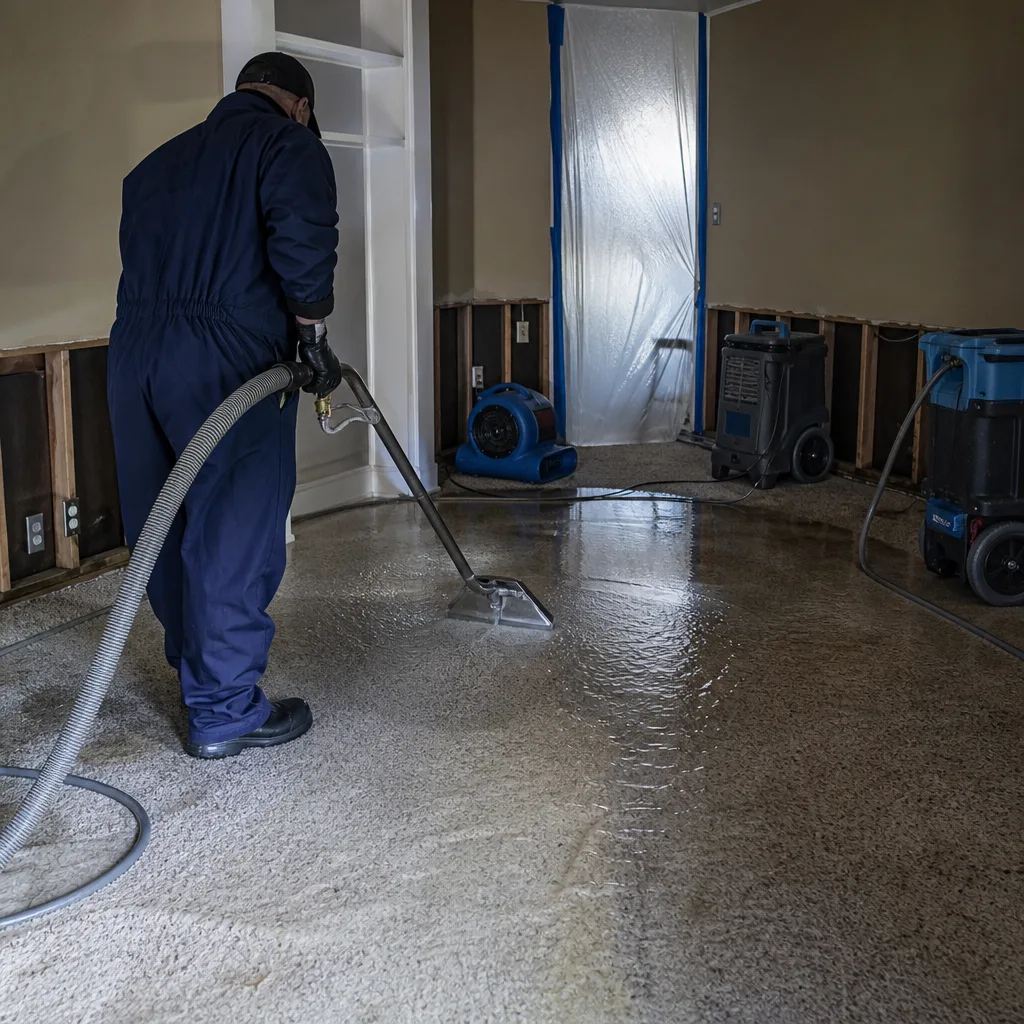
- What “Dry Standard” Actually Means and Why You Cannot Self-Certify It
- Where DIY Ends: The Four-Question Decision Tree
- Manhattan Co-op and Condo Board Rules That Override Your Choice
- The Hidden Cost of DIY: Secondary Damage and Claims Denial
- The Equipment Reality: What Rented Fans Cannot Do
- The Documentation Gap: Why Adjusters Reject DIY Claims
- Legitimate DIY Scenarios in Manhattan
- What a Professional Scope Looks Like Under The Haven Standard
BeforeAfterWhat “Dry Standard” Actually Means and Why You Cannot Self-Certify It
Dry standard is not a visual judgment. Under IICRC S500, the water damage restoration standard referenced by virtually every property insurance policy in Manhattan, a structure reaches dry standard when three conditions are met simultaneously: the moisture content of affected structural materials matches the moisture content of unaffected materials in the same building; the ambient relative humidity (RH) stabilizes between 30% and 50%; and the vapor pressure differential between the drying environment and the material being dried approaches equilibrium.
These are instrumented measurements, not observations. A non-porous tile floor can look dry while the concrete slab beneath it holds 85% relative humidity. Original plaster walls in a 1920s Upper West Side co-op can feel dry to touch while the lath behind them registers 18% wood moisture content, five points above the dry standard for that material class. The only way to know is with calibrated equipment: pinless and pin-type moisture meters for material readings, thermo-hygrometers for ambient conditions, and infrared cameras to locate thermal anomalies that indicate trapped moisture.
We have tested the consumer-grade moisture meters available at Manhattan hardware stores against our professional meters. The pinless models typically read within 3-4 percentage points at surface level but cannot penetrate beyond 0.75 inches. They cannot read inside a wall cavity, beneath a subfloor, or through a concrete slab. A homeowner using this equipment has no way to document that the structural elements an insurer cares about, the ones that determine whether mold will grow or structural damage will develop, have actually reached standard.
The psychrometric data matters because it creates a time-stamped record of the drying curve. Professional drying logs record temperature, RH, and specific humidity every 24 hours, along with moisture content readings at multiple points per affected room. This curve demonstrates to an adjuster that the space was actively managed toward dry standard, not merely observed after the fact. Without it, an insurer has no basis to distinguish successful mitigation from a homeowner who stopped when the carpet felt dry.
In Manhattan’s climate, this gap is especially consequential. Summer humidity regularly pushes ambient RH above 70%, which means a drying space without dehumidification is fighting the outdoor air. Winter heating dries the air but creates temperature differentials that drive vapor into cold exterior walls. Neither season forgives incomplete drying.
Where DIY Ends: The Four-Question Decision Tree
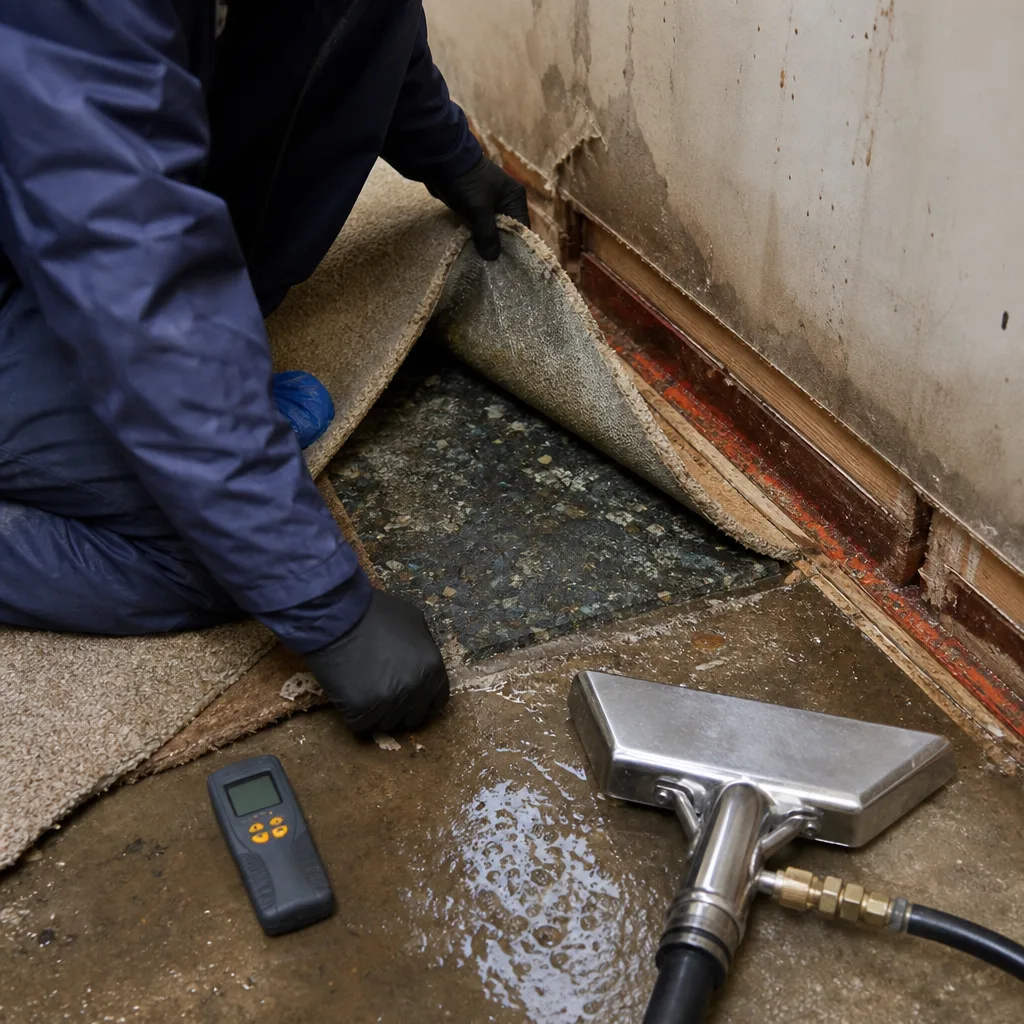
Before you rent equipment or call anyone, answer these four questions. The outcomes map directly to whether DIY is documentable or professional scope is required.
- What category is the water? Category 1 is clean water from a broken supply line or overflowing sink. Category 2 is gray water with significant contamination, dishwasher discharge, or washing machine overflow. Category 3 is black water: sewage, seawater, or water that has passed through ground or building materials. Category 1 can be considered for DIY only if all other conditions below are met. Category 2 and 3 require professional remediation in every Manhattan jurisdiction due to health code requirements.
- How many square feet are affected, and what materials are involved? DIY is only potentially appropriate for non-porous materials (tile, sealed concrete, metal, glass) in an area under 50 square feet with no water migration into walls, cabinets, or subfloors. Once water has touched drywall, plaster, wood flooring, insulation, or carpet pad, the affected area is larger than it appears, and professional extraction and drying equipment is required to reach standard without demolition.
- Is this a co-op, condo, or rental building with board or landlord notification requirements? Manhattan co-op and condo boards typically require immediate notification of any water intrusion and mandate licensed contractors for work affecting common elements, including walls, floors, or ceilings shared with other units. DIY work in these buildings can violate your proprietary lease or bylaws, exposing you to liability for damage to neighboring units and fines from the board.
- Will you file an insurance claim? If yes, DIY is not a documentable option. Every major carrier writing policies in Manhattan requires “reasonable and necessary” mitigation with documentation of dry standard achievement. Consumer-grade equipment and self-recorded readings do not meet this standard. The cost of professional mitigation is typically covered under your policy’s additional coverage provisions, less your deductible.
If your answers are Category 1, under 50 square feet, non-porous materials only, single-family home or townhouse with no board requirements, and no insurance claim, a documented DIY plan is feasible. Any other combination requires professional scope. The documentation requirement is not about your competence. It is about what an insurer or court will accept as proof that the work was done correctly.
Manhattan Co-op and Condo Board Rules That Override Your Choice
Manhattan’s housing stock is overwhelmingly multi-unit. Co-ops comprise roughly 75% of owned apartments, with condos making up most of the remainder. Both building types impose contractual restrictions on what unit owners can do themselves, and these restrictions are stricter for water damage than for almost any other home repair.
In a typical Manhattan co-op, the proprietary lease defines the apartment as everything from the interior finish surfaces inward. The walls, floors, and ceilings themselves are common elements owned by the corporation. When water penetrates beyond the paint or wallpaper, the work touches common property and requires board approval and typically a licensed contractor. The standard alteration agreement in most Manhattan co-ops prohibits unit owners from performing work that affects building systems or common elements, and water damage restoration invariably does.
Condo bylaws vary but generally follow a similar pattern. The declaration defines unit boundaries at the mid-point of walls, floors, and ceilings, but water does not respect these lines. A burst pipe in a Financial District condo can affect the unit below, the hallway, and the building’s risers. Most Manhattan condo boards require immediate notification and reserve the right to direct the remediation contractor, particularly when common elements or other units are involved.
The liability exposure is specific and serious. If DIY drying fails and mold develops in a neighboring unit, or if water travels through slab penetrations to the floor below, the unit owner who performed the work may be personally liable for the resulting damage. Board insurance typically covers the building’s common elements but not damage caused by a unit owner’s unlicensed work. Your HO-6 policy may exclude coverage for work that violated the proprietary lease or bylaws.
We have responded to calls in Chelsea and the Upper East Side where DIY extraction by a unit owner led to $40,000-plus mold remediation claims from downstairs neighbors, with the original insurer denying coverage due to unlicensed initial response. The board then assessed the unit owner for the building’s deductible and legal costs. The few hundred dollars saved by renting equipment became a five-figure liability.
Before doing anything, review your proprietary lease or declaration, or call your managing agent. Most Manhattan management companies have 24-hour emergency lines for water damage specifically because the board’s interest in proper documentation matches the insurer’s.
The Hidden Cost of DIY: Secondary Damage and Claims Denial
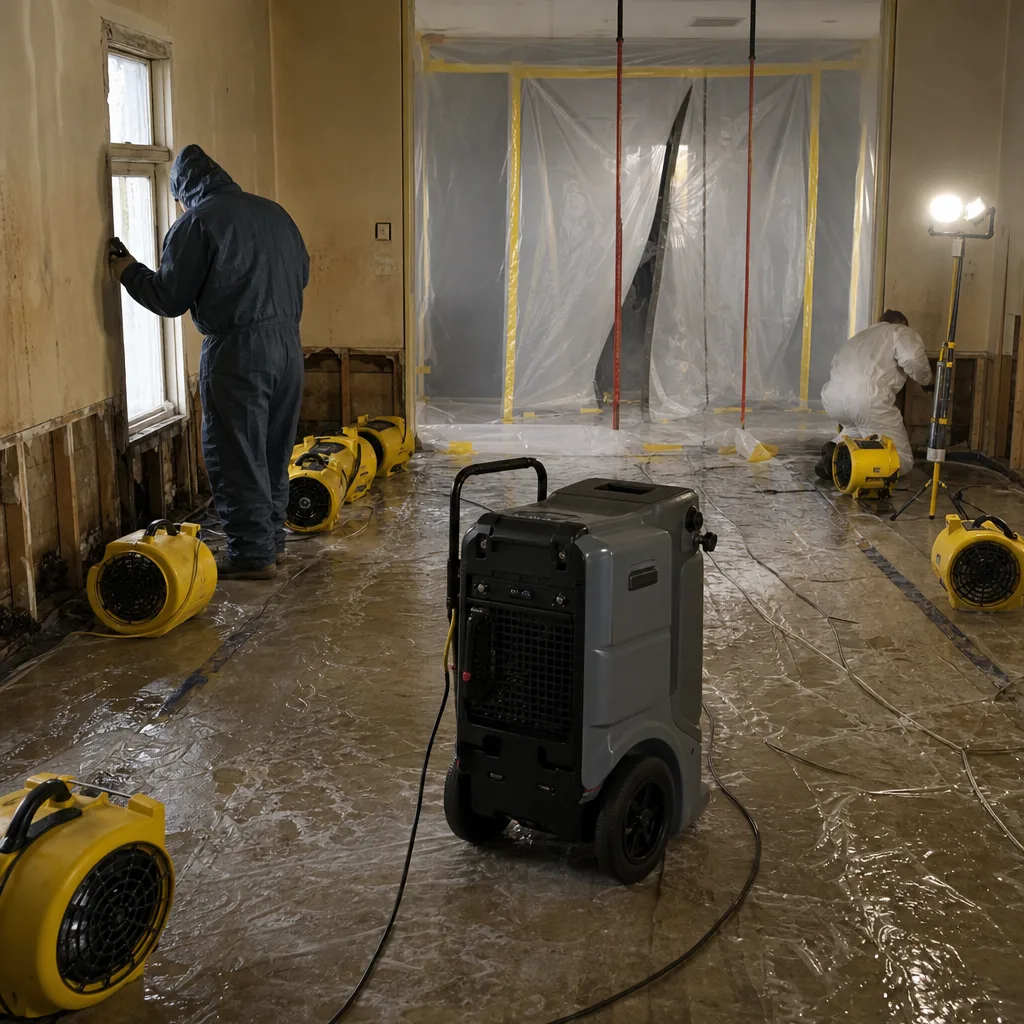
The most expensive DIY water damage job is the one that looks successful. Surface drying conceals trapped moisture. That moisture drives secondary damage: mold growth, wood rot, corrosion of fasteners, delamination of flooring materials, and degradation of insulation. In Manhattan’s older buildings, it can also mobilize lead-containing dust or asbestos-containing materials if disturbed by uncontrolled drying air movement.
The financial mechanism that makes DIY costly is called attribution. When a professional assessor later discovers secondary damage, the insurer must determine whether that damage resulted from the original loss or from inadequate initial response. If the initial response was DIY without documentation, the insurer has a basis to attribute the secondary damage to the homeowner’s failure to mitigate properly, excluding coverage for that portion of the loss.
We have reviewed claims where the initial water loss was $3,000 in covered damage, but mold remediation discovered six months later cost $18,000. The insurer covered $3,000 and denied $15,000, citing the homeowner’s failure to achieve or document dry standard. The homeowner’s argument that the space looked dry was not admissible evidence.
The protection against this outcome is a documented professional scope from day one. When Water Damage Restoration in Manhattan is performed with daily drying logs, photo documentation, and instrumented verification of dry standard, secondary damage is presumptively part of the original loss. The burden shifts to the insurer to prove otherwise.
In Manhattan’s market, this documentation gap is particularly acute because many homeowners carry high deductibles ($2,500 to $10,000 is common in co-op and condo HO-6 policies) and initially attempt DIY to avoid a claim. When secondary damage develops and the claim is finally filed, the lack of initial documentation becomes the basis for denial. The homeowner saved the deductible and lost the coverage.
The Haven Standard, Clause 1, requires a written price before work begins precisely so homeowners can compare the certain cost of professional mitigation against the uncertain cost of DIY failure. A written scope for a Category 1 water loss in a Manhattan one-bedroom typically ranges from $1,800 to $4,500, depending on affected square footage and material types. The cost of attributed secondary damage from failed DIY drying typically ranges from $8,000 to $25,000, often uncovered.
The Equipment Reality: What Rented Fans Cannot Do
Consumer rental equipment and professional drying systems operate on different physical principles. Understanding the difference clarifies why DIY extraction, even when performed diligently, rarely achieves documentable dry standard in Manhattan conditions.
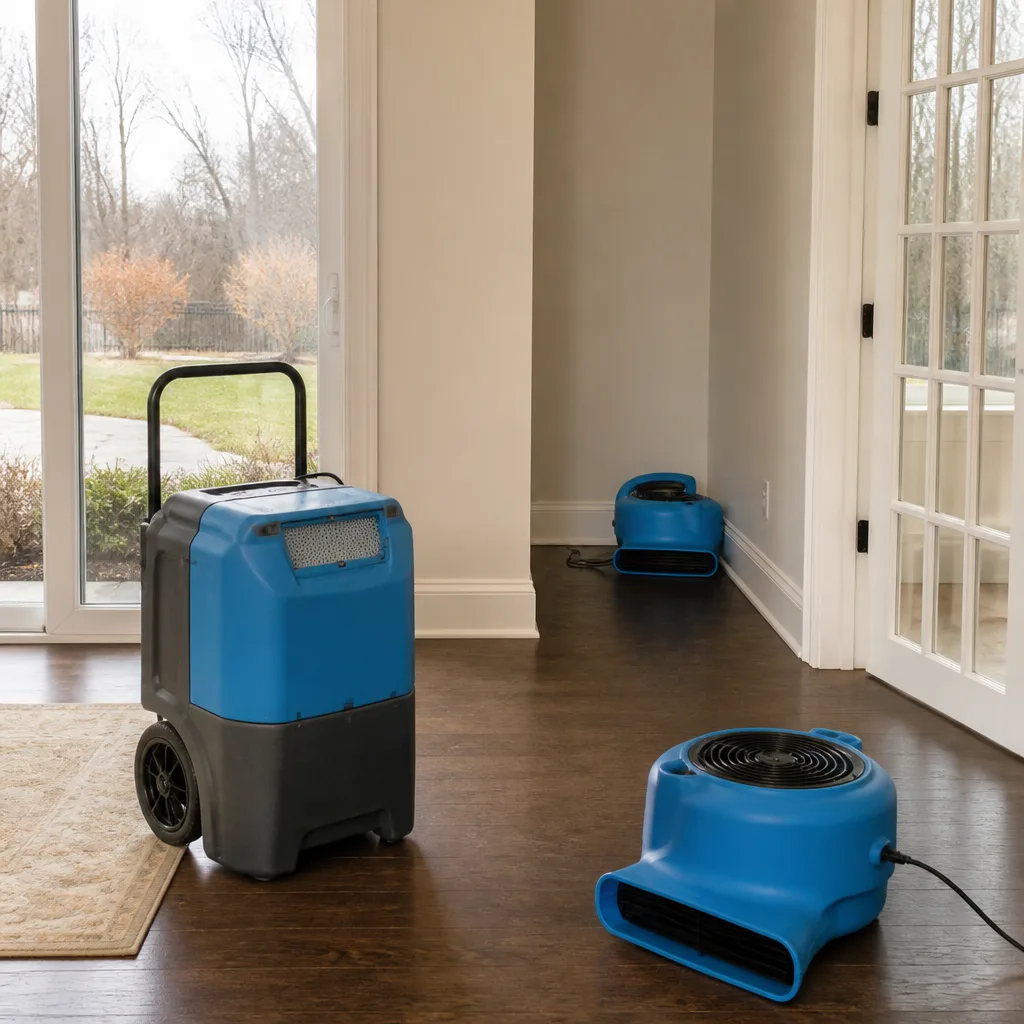
A standard box fan moves air at approximately 1,000 to 1,500 cubic feet per minute (CFM) with no directed airflow pattern. It evaporates surface moisture and displaces humid air only in its immediate path. A professional axial air mover from XPOWER or B-Air delivers 2,000 to 3,000 CFM with a focused laminar airflow that creates a boundary layer across wet surfaces, accelerating evaporation at the material-air interface where drying actually occurs. The difference is not incremental. Professional air movers reduce drying time by 50% or more because they target the physics of evaporation, not just air circulation.
Dehumidification is where the gap widens further. A consumer dehumidifier rated at 30 pints per day operates effectively only in small, enclosed spaces with temperatures above 65°F and RH above 60%. In Manhattan’s winter, when heating systems dry the air but exterior walls run cold, these units frost up and shut down. A professional low-grain refrigerant (LGR) dehumidifier from Dri-Eaz or Phoenix extracts 100 to 130 pints per day and maintains performance at lower temperatures and humidity levels. More critically, it produces documented grain depression data, the psychrometric measurement that proves the drying environment is actively removing moisture from materials rather than merely circulating air.
Wall cavity drying requires injection systems. The Injectidry system, which we deploy on most Manhattan jobs involving plaster or drywall, creates negative pressure within wall cavities through sealed access points, pulling moisture vapor directly from the interior space without removing finish materials. No rental equipment performs this function. In pre-war Manhattan buildings with plaster on lath, cavity drying without injection typically requires removal of finish materials, a cost that professional equipment often avoids.
Subfloor and hardwood drying presents similar constraints. Professional drying mats from Dri-Eaz seal to hardwood surfaces and create negative pressure that extracts moisture from the subfloor beneath. A homeowner with box fans is drying the surface of the wood while the subfloor remains saturated. In Manhattan’s many buildings with original oak or pine floors over concrete or wood subfloors, this distinction determines whether the floor can be saved or must be replaced.
The equipment gap is not about speed, though professional systems dry faster. It is about reach: the ability to dry spaces that are not visible or accessible, and to document that they reached standard. A homeowner cannot rent this capability. It exists only in professional inventories documented to IICRC, RIA, and IFA standards.
The Documentation Gap: Why Adjusters Reject DIY Claims
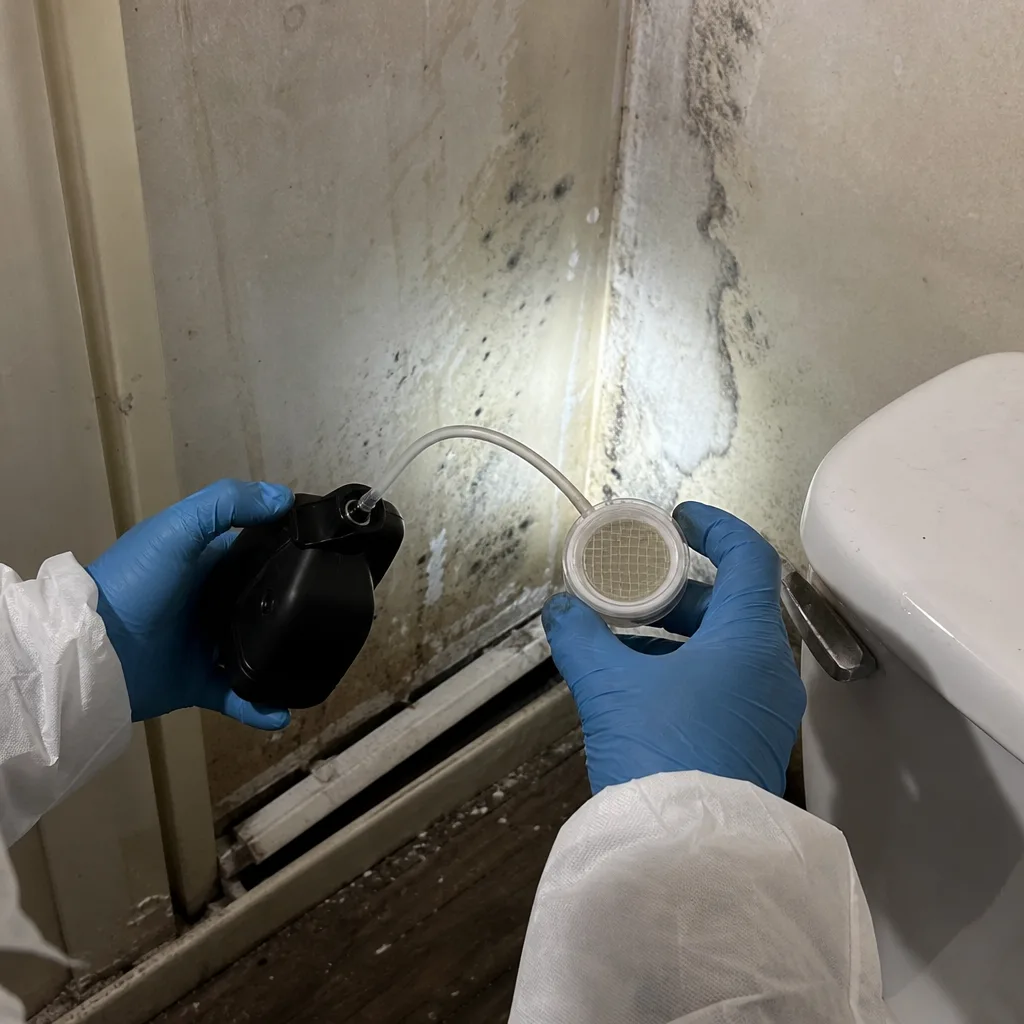
Insurance adjusters evaluate water damage claims against a standard of proof, not a standard of appearance. The policy language in most Manhattan HO-6 and homeowner policies requires the insured to “mitigate further damage” and to provide “reasonable documentation” of mitigation efforts. What constitutes reasonable documentation is defined by industry practice, and industry practice is defined by IICRC S500.
An IICRC-compliant drying record contains: a moisture map identifying all affected materials and their initial moisture content; daily readings of temperature, relative humidity, and specific humidity at multiple points; material moisture content readings at 24-hour intervals until dry standard is achieved; equipment placement diagrams; and photographic documentation of conditions at each visit. This record is typically 15 to 40 pages for a residential water loss.
A DIY mitigation produces none of this. Photographs of dry-looking surfaces are not moisture maps. Receipts for rented fans are not drying logs. A homeowner’s statement that “it seemed dry” is not a material moisture content reading. When an adjuster reviews a DIY claim, the absence of this documentation creates an evidentiary gap that the policy language does not fill in the homeowner’s favor.
The specific language that supports denial appears in most policies as a condition requiring “reasonable and necessary” mitigation. An insurer can argue, and courts have upheld, that mitigation without documentation of dry standard is not reasonable because it does not demonstrate that further damage was actually prevented. The homeowner performed work, but cannot prove it worked.
We built Back to Dry Restoration Manhattan home around this documentation gap. Alicia Brennan founded the company in 2011 after working as a claims adjuster and repeatedly seeing homeowners lose legitimate claims for lack of paperwork. The daily drying logs, room-by-room moisture readings, and photo records we produce are designed to turn a restoration invoice into a claim that processes without dispute. This is not a marketing distinction. It is the specific output that insurance policy language requires.
For Manhattan homeowners, the practical implication is stark. If you intend to file a claim, DIY mitigation is not a cost-saving measure. It is a documentation failure that may cost you the entire claim. Professional mitigation, with its documented record, is the only path to coverage verification.
Legitimate DIY Scenarios in Manhattan
DIY has a place in water damage response, but that place is narrow and specific. Understanding where it legitimately applies prevents both unnecessary expense and dangerous overreach.
The appropriate DIY scenario is a Category 1 water release affecting only non-porous materials in an area under 50 square feet, in a single-family townhouse or a building where no board notification or licensed contractor requirement applies, with no insurance claim intended. A toilet tank supply line failure caught immediately, with water contained to a tile bathroom floor, is the classic example. Even here, documentation matters: photograph everything before and after, record the date and time of discovery and response, and run a consumer dehumidifier for 72 hours minimum while monitoring for any musty odor or visible change. See our water damage restoration maintenance checklist for Manhattan homeowners for a complete reference.
What DIY can legitimately accomplish in the first minutes of any water loss, regardless of scale, is source control and initial extraction. Shutting off the water supply, removing standing water with any available means, and moving unaffected items out of the wet area limits the loss and demonstrates good faith mitigation to an insurer. These actions do not substitute for professional drying, but they do not preclude it either. Document what you did and when, then call for professional scope.
What DIY cannot do, under any circumstances that will support an insurance claim, is certify dry standard. The moment the water has touched porous materials, entered wall cavities, or affected more than minimal square footage, professional equipment and documentation are required for any claimable loss. The homeowner who extracts standing water thoroughly and then calls for professional drying has done exactly the right thing. The homeowner who extracts, sets fans, and assumes the job is done has created a documentation gap that may void their coverage.
In Manhattan’s co-op and condo market, even the narrow DIY scenario above may be contractually prohibited. Check your proprietary lease or declaration before acting. The few minutes spent reviewing your obligations can prevent months of board dispute and uncovered liability.
What a Professional Scope Looks Like Under The Haven Standard
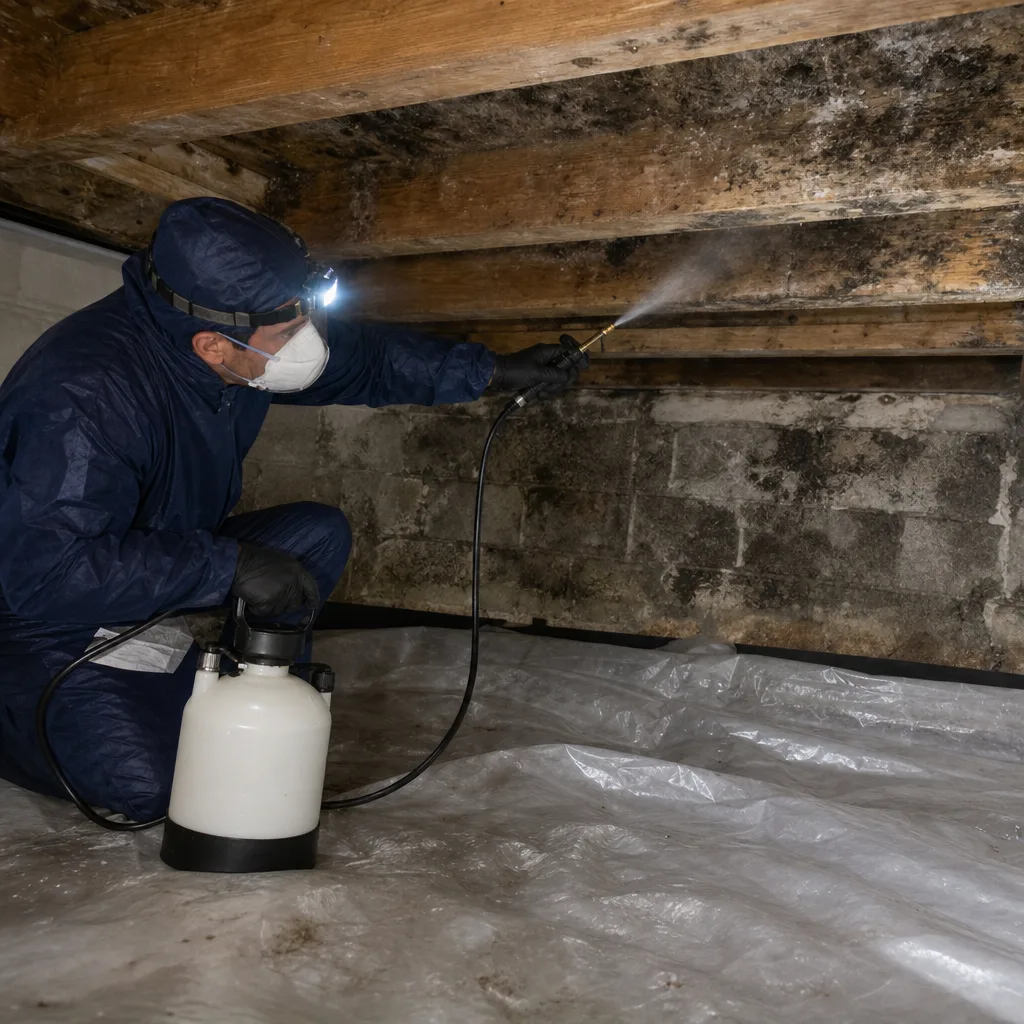
When you call a professional restoration company, the deliverables should be specific and documented. The Haven Standard, which governs every job we accept, specifies what a homeowner receives and when. This standard exists so that documentation is never an upsell or an afterthought.
Haven Standard, Clause 1: A written price is delivered before any work begins. Not an estimate range, not a “call for final pricing” after work starts. A written scope with line-item costs for extraction, drying, demolition if necessary, and reconstruction if required. You sign it before equipment is deployed.
The scope itself contains: a moisture map with initial readings for every affected material; a drying plan specifying equipment type, quantity, and placement; a projected timeline to dry standard based on psychrometric calculations; and a reconstruction assessment if structural materials cannot be dried in place. For a typical Manhattan one-bedroom with Category 1 water affecting 200 square feet, this scope runs 8 to 12 pages.
Once work begins, the documentation continues. Daily drying logs record temperature, RH, specific humidity, and grain depression at each equipment location. Material moisture readings are taken at 24-hour intervals until dry standard is achieved. Photographs document conditions at every visit, not just the first and last. This record is your evidence if an adjuster questions the work.
The equipment deployed matters to the documentation. Professional-grade drying systems from Dri-Eaz, Phoenix, and Injectidry produce data that consumer equipment cannot: grain depression readings that prove the dehumidifier is actively removing moisture from the air; vapor pressure differential calculations that confirm moisture is moving from wet materials to the drying environment; and airflow measurements that verify air mover placement is optimized for the space geometry. This data is recorded automatically or manually and becomes part of the permanent job file.
The 365-Day Done Right Promise, also under The Haven Standard, means that if any issue related to the original loss develops within one year, we return and correct it at no charge. This is a written guarantee, not a verbal assurance. It exists because documentation without accountability is merely paperwork.
For Fire & Smoke Damage Restoration in Manhattan, the documentation requirements are even more stringent, involving pre-cleaning photographs, inventory of affected contents, and coordination with the fire marshal’s report. The principle is identical: evidence first, work second, verification always.
Common Mistakes to Avoid
- Assuming visible dryness equals structural dryness. A surface that looks and feels dry can harbor saturated subfloors or wall cavities. Only instrumented readings verify actual condition, and only documented readings satisfy an insurer.
- Waiting to call a professional until after DIY fails. The first 24 to 48 hours are critical for preventing secondary damage. Delayed professional response often requires more demolition, longer drying, and higher cost, and the insurer may attribute the additional damage to the delay.
- Failing to notify a Manhattan co-op or condo board immediately. Most proprietary leases require same-day notification of water intrusion. Delayed notification can result in fines, liability for expanded damage, and denial of coverage for work performed without board approval.
- Using bleach on mold or Category 2/3 water damage. Bleach does not kill mold on porous materials and can drive spores deeper into drywall or plaster. On contaminated water, it is ineffective and creates a false sense of resolution while biological contamination persists.
- Discarding damaged materials before documentation. An adjuster needs to see what was affected to value the loss. Photograph everything before removal, and retain samples of damaged materials if possible. Undocumented removal becomes “unverified damage” in claim terminology.
- Accepting a verbal estimate or scope. Haven Standard, Clause 1 exists because verbal commitments are unenforceable and unverifiable. Any restoration company that will not put pricing and scope in writing before work begins is not producing the documentation your claim requires.
- Neglecting to document the source and timing of the water. Insurance coverage often depends on whether water was sudden and accidental versus gradual. Note the exact time of discovery, the apparent source, and any steps taken to stop it. This narrative belongs in the initial claim report.
When to Call a Professional
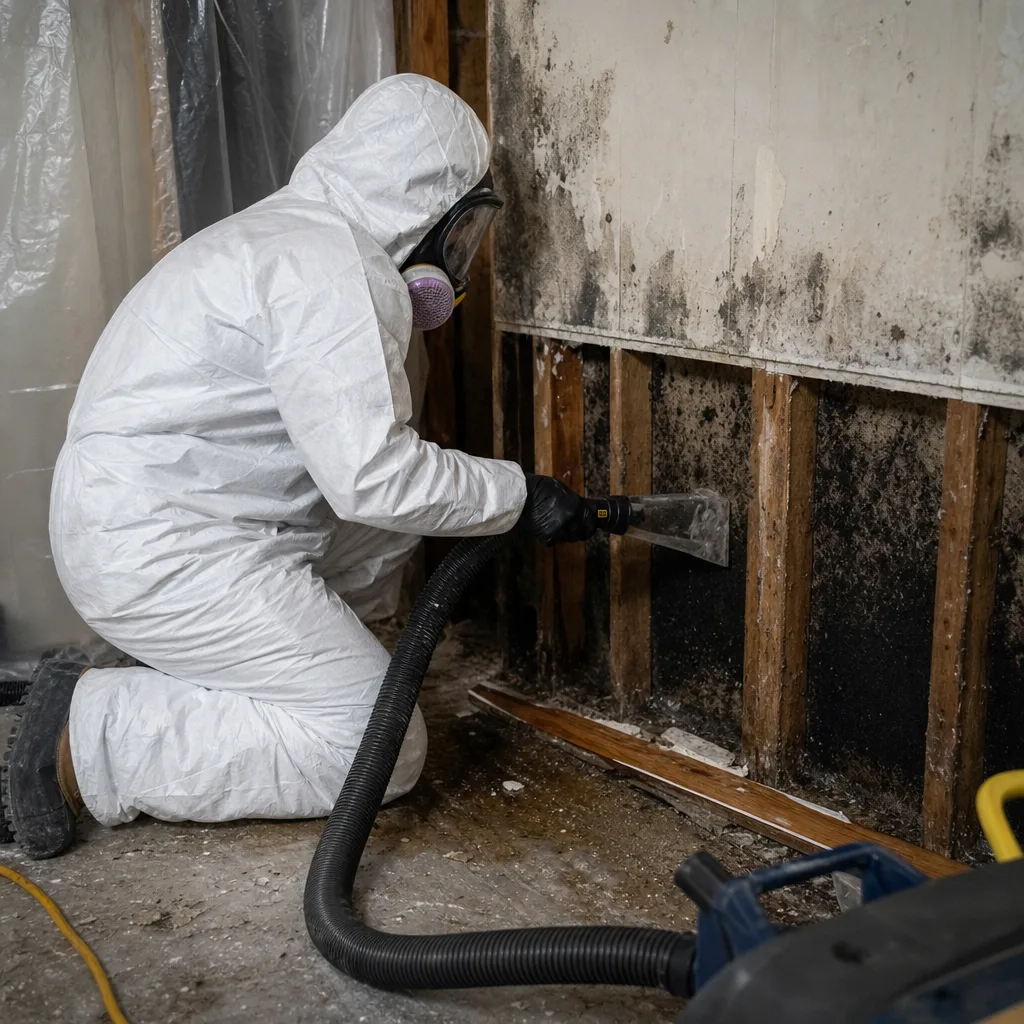
Call a professional when any of the following apply: the water is Category 2 or 3; the affected area exceeds 50 square feet or includes porous materials; water has entered wall cavities, subfloors, or ceiling spaces; you live in a Manhattan co-op or condo with board notification requirements; you intend to file an insurance claim; or you cannot verify dry standard with calibrated equipment and produce a daily drying log. These conditions cover virtually every water loss in Manhattan that justifies professional mitigation. The cost of professional service is typically recoverable through insurance, while the cost of failed DIY rarely is. Back to Dry Restoration Manhattan offers free estimates in Manhattan, including a Free Second Opinion on any competitor’s written estimate. Call (516) 687-5786 to schedule assessment.
Frequently Asked Questions
A typical Category 1 water loss in a Manhattan one-bedroom apartment ranges from $1,800 to $4,500 for extraction and drying, while Category 2 or 3 losses, or those requiring wall cavity drying or subfloor treatment, range from $4,500 to $12,000 or more depending on affected square footage and material types. Reconstruction costs are additional and scoped separately. Most homeowner and HO-6 policies cover professional mitigation less the deductible, provided dry standard is documented. Call (516) 687-5786 for a written price before work begins, Haven Standard, Clause 1.
Generally no. Most Manhattan insurers require “reasonable and necessary” mitigation with documentation of dry standard achievement under IICRC S500. DIY extraction without daily moisture logs, psychrometric data, and material moisture readings does not meet this standard. The insurer may cover the original loss but deny any secondary damage attributed to inadequate mitigation. Professional documentation is the only reliable path to full coverage verification.
Back to Dry Restoration Manhattan maintains live phone coverage 24 hours a day, 7 days a week with no voicemail on emergency lines. Response time to Manhattan locations is typically 60 to 90 minutes during normal hours and under two hours overnight, depending on traffic and building access procedures. Co-op and condo buildings with doorman or security requirements may need advance notification to prevent entry delays.
Mold remediation is required when visible mold growth exceeds 10 square feet, when mold is present in HVAC systems, or when mold growth is suspected but not visible based on moisture history and musty odor. Cleaning is appropriate only for small, surface-level growth on non-porous materials with no underlying moisture problem. In Manhattan’s older buildings, disturbed mold can also release lead-containing dust or asbestos fibers, making professional containment and HEPA filtration necessary for health and legal compliance. Mold Remediation in Manhattan requires specific documentation for insurance and board purposes.
You should receive: a written scope and price before work begins; a moisture map with initial readings; daily drying logs with temperature, RH, and material moisture content; equipment placement diagrams; photographs from every visit; and a final report certifying dry standard achievement with supporting data. Under The Haven Standard, all of this is standard deliverable, never an upsell. If a company cannot describe its documentation package in these terms, it is not producing claim-supporting evidence.
Yes, within narrow limits. Source control, initial extraction of standing water, and removal of unaffected items from the wet area are appropriate DIY actions that limit the loss and demonstrate good faith. These actions do not substitute for professional drying and documentation, but they do not preclude them either. The cost-saving opportunity is not in avoiding professional service, but in preventing secondary damage that expands the scope and in choosing a company that provides a written price before work begins to prevent scope creep.
The Bottom Line
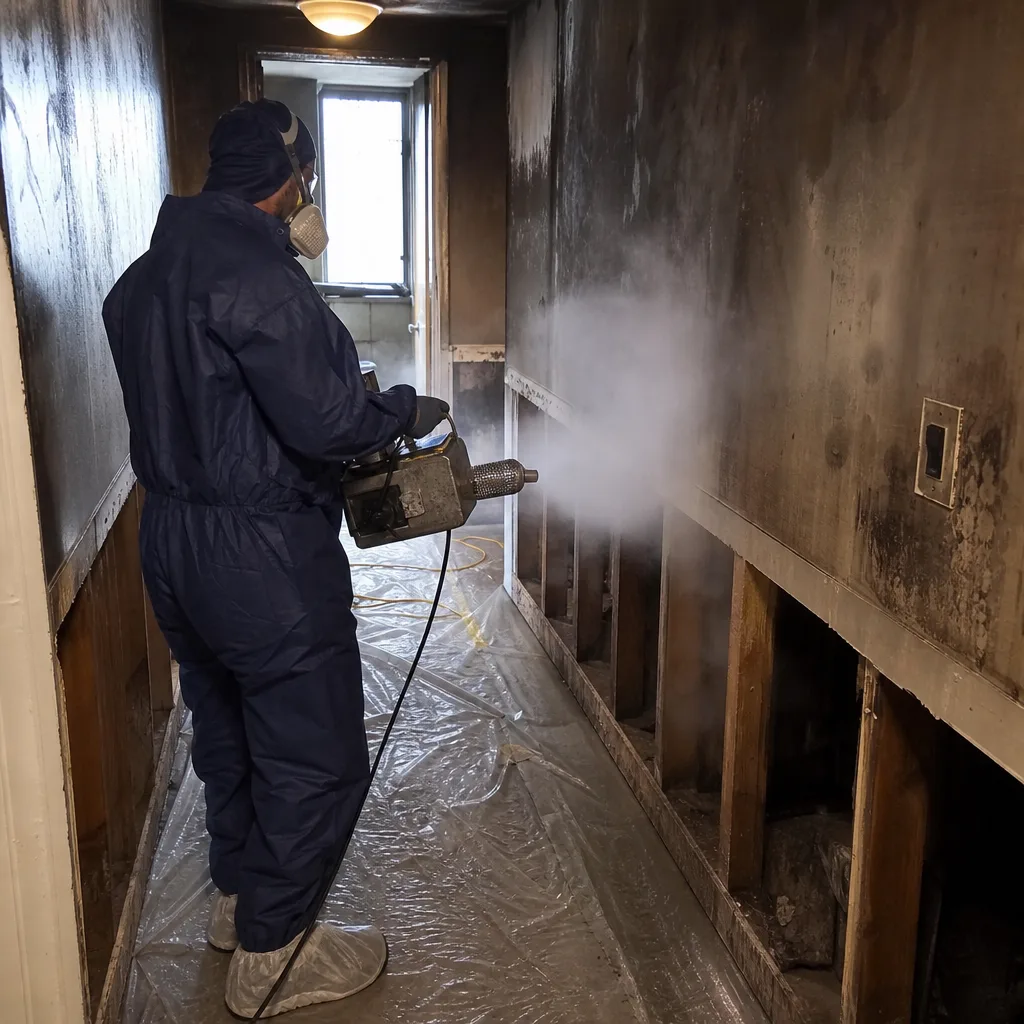
The DIY versus professional question in Manhattan restoration is a documentation question disguised as a capability question. A capable homeowner with rented equipment can extract water and run fans. What they cannot produce is the instrumented, time-stamped record of dry standard achievement that insurance policy language requires. In Manhattan’s vertical, high-density housing market, the stakes of that documentation gap include denied claims, board liability, and uncovered secondary damage that can exceed the original loss tenfold. The decision tree is simple: if no claim will be filed, no board requirements apply, and the loss is Category 1 affecting under 50 square feet of non-porous materials, documented DIY is feasible. For everything else, professional scope with written pricing, daily drying logs, and photo documentation is the only path that protects both the property and the claim. The Haven Standard was built around this reality, and every clause in it exists to close the documentation gap that costs homeowners their coverage.
Written by Alicia Brennan, Owner at Back to Dry Restoration Manhattan, serving Manhattan since 2011.