
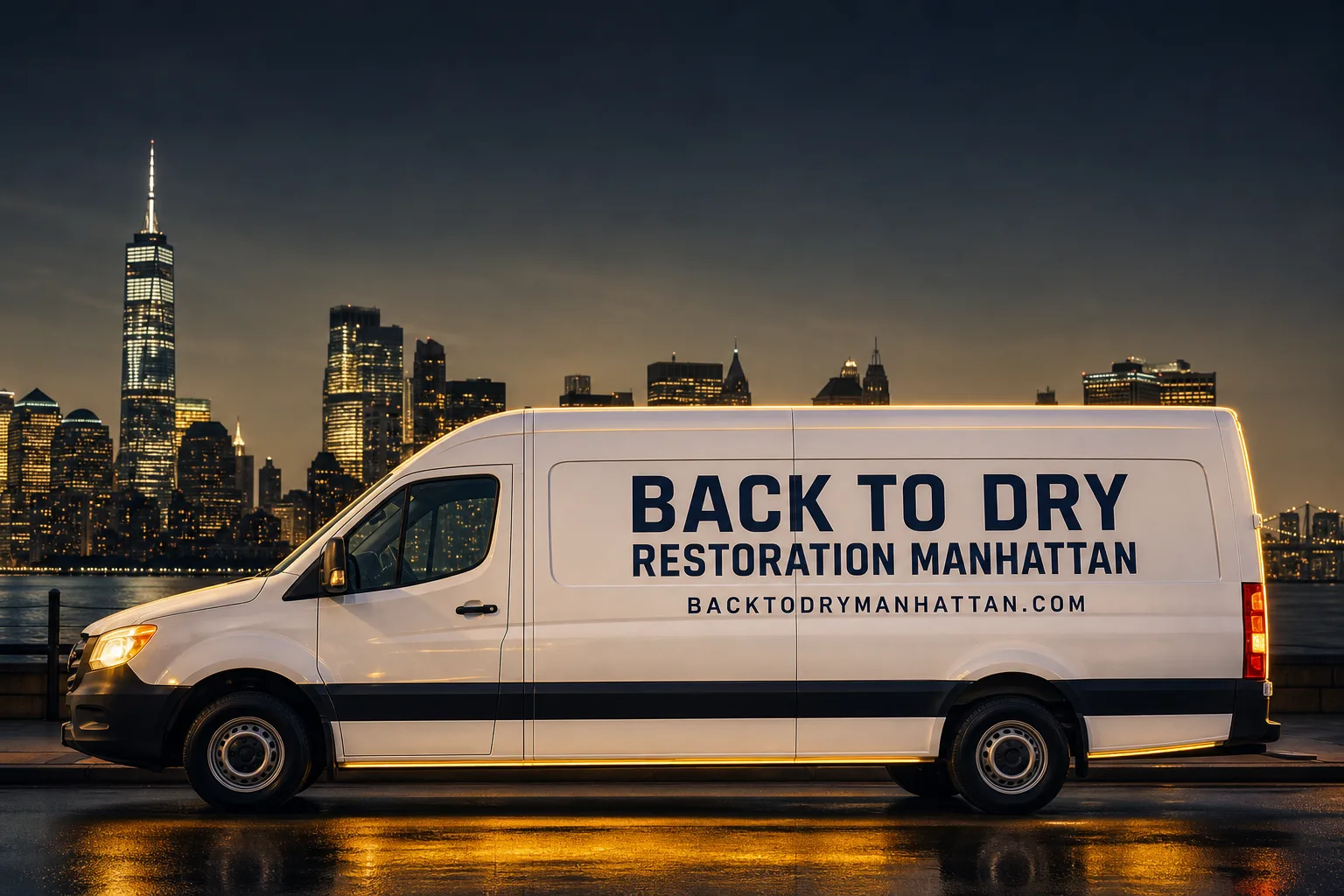
Free visual inspection and a written scope of work before any mitigation begins - photos, moisture readings, and drying logs go in your claim file
The scope we write is the scope we bill. Anything new gets shown to you, in writing, before we touch it.
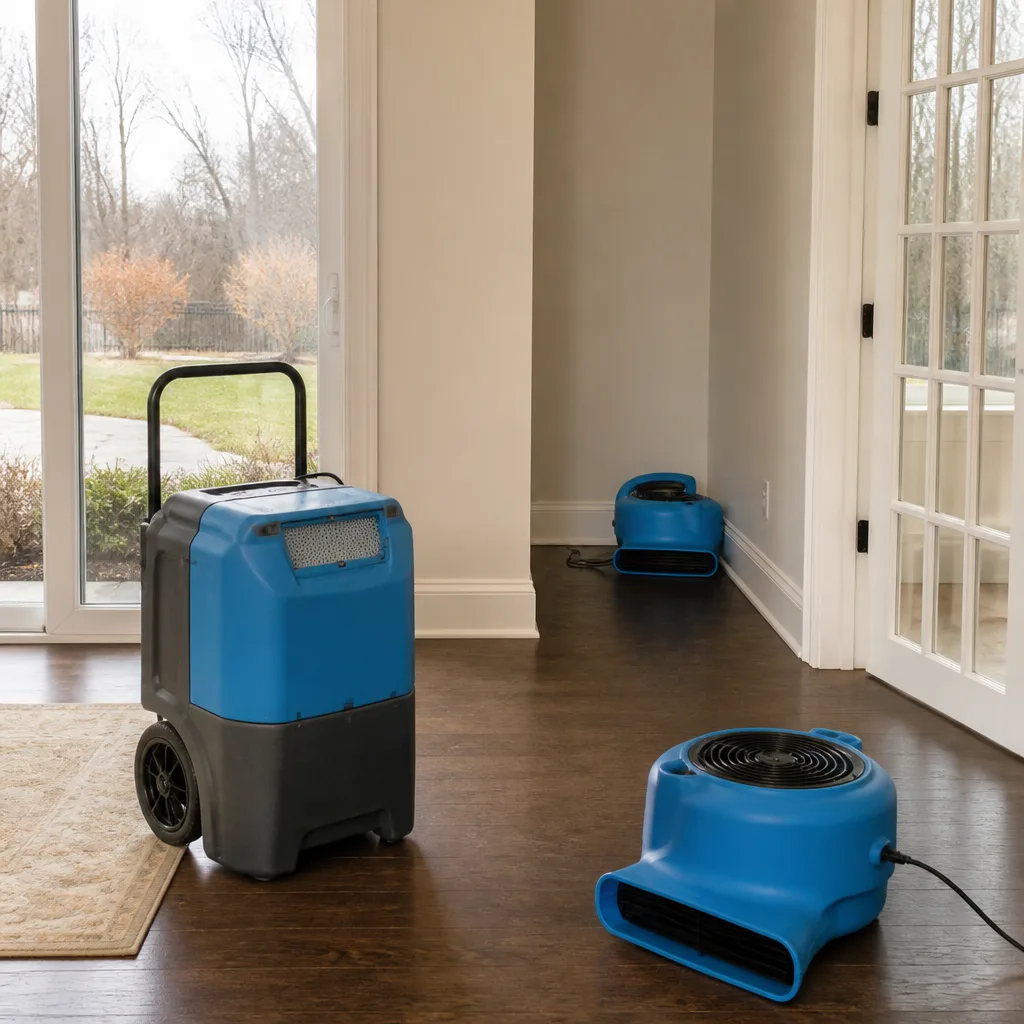
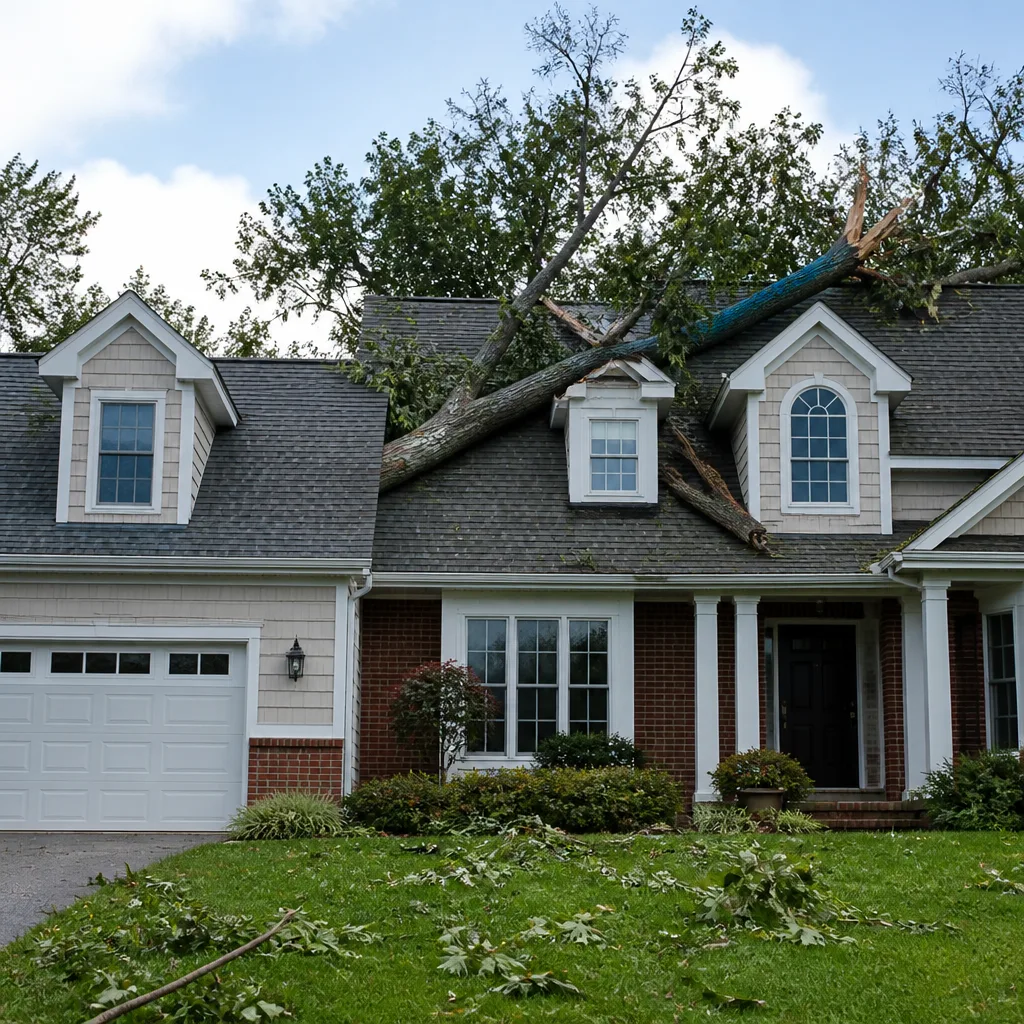
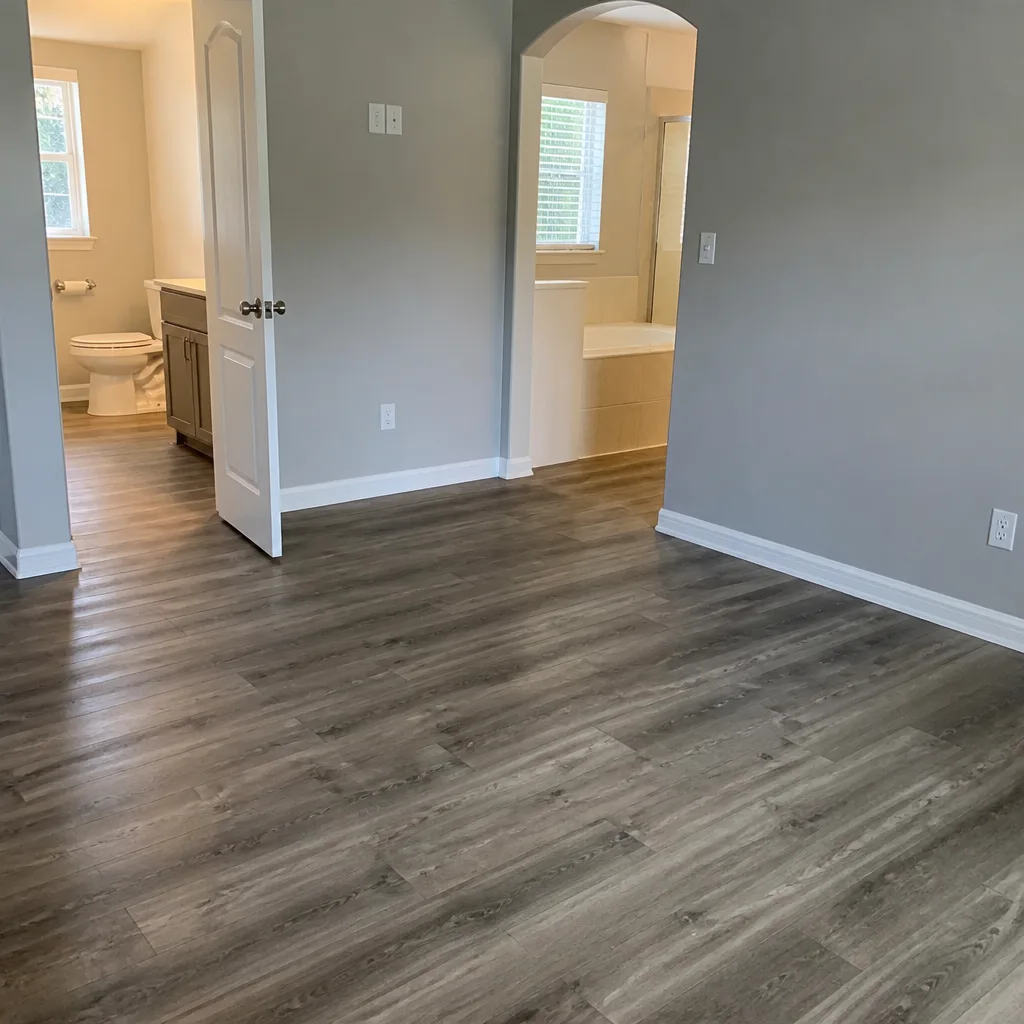
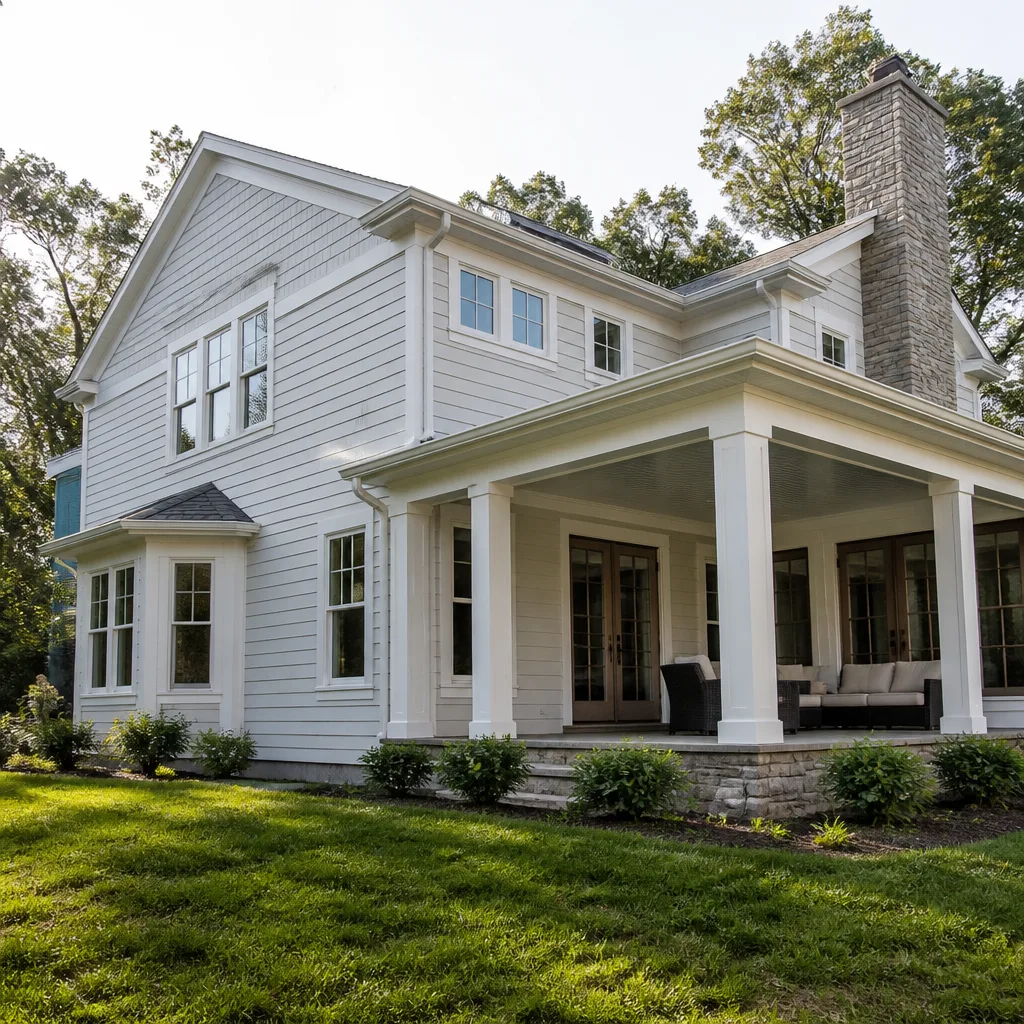
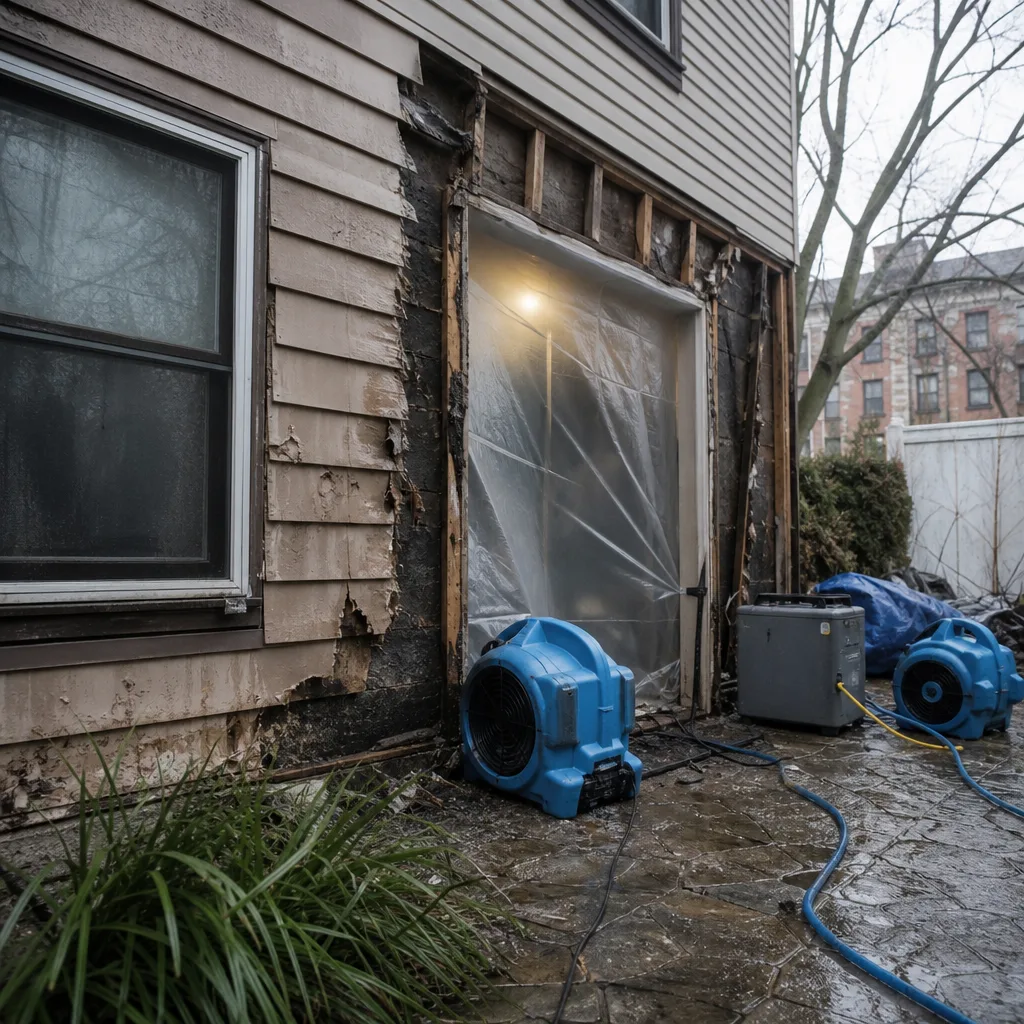 Before
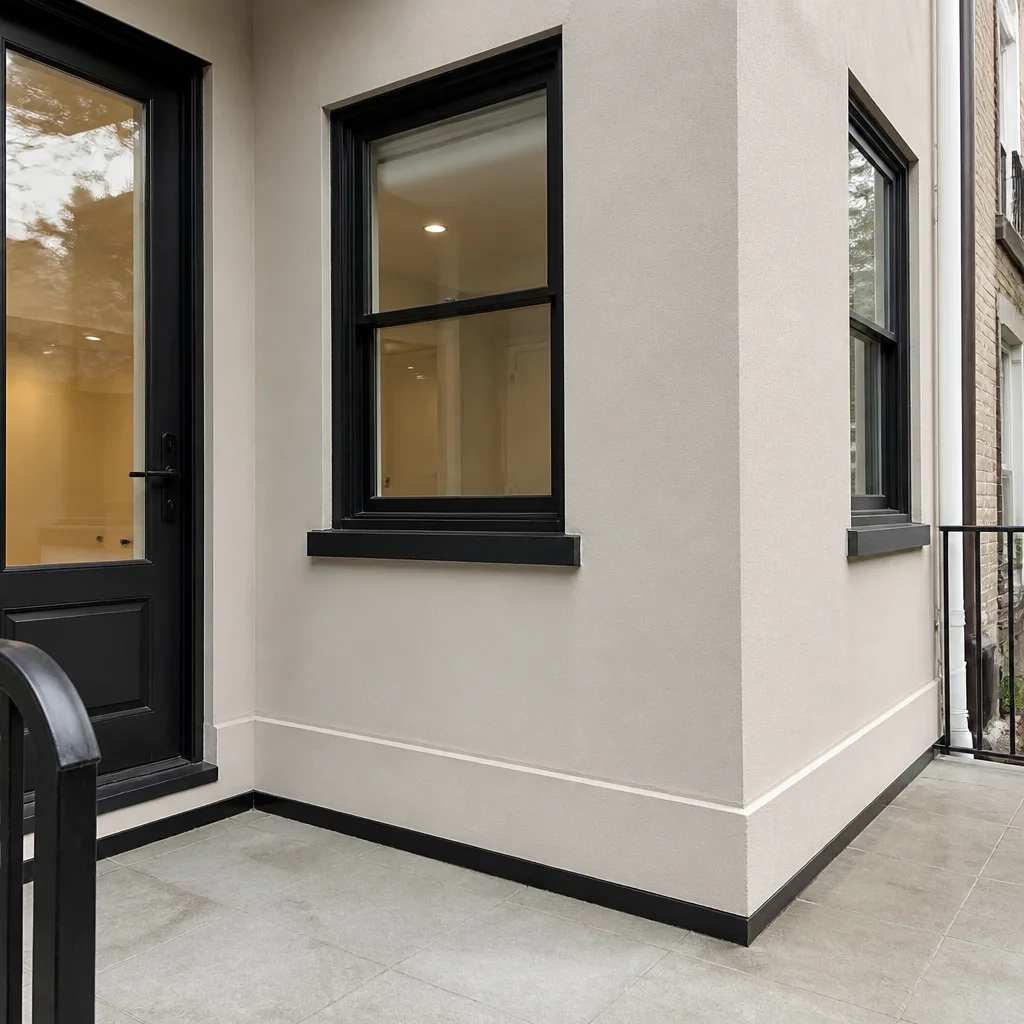 After
After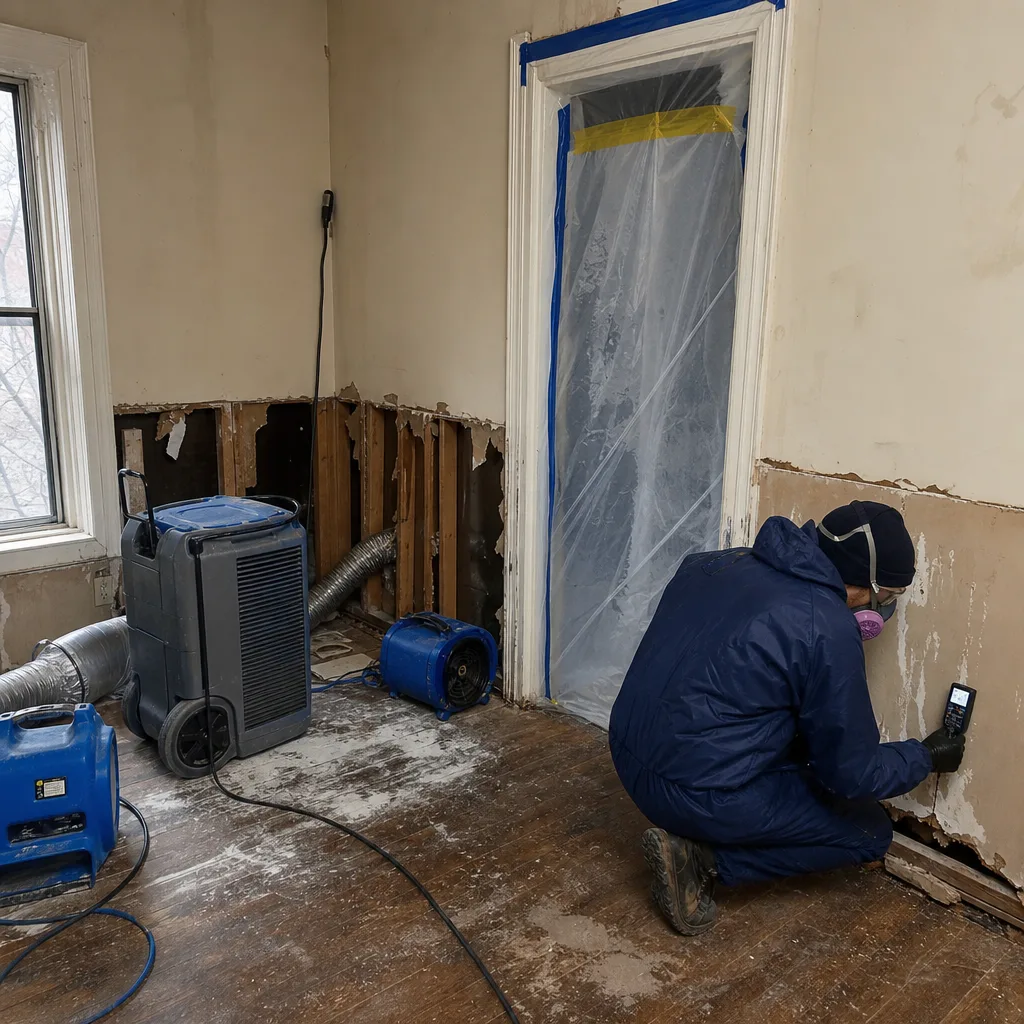 Before
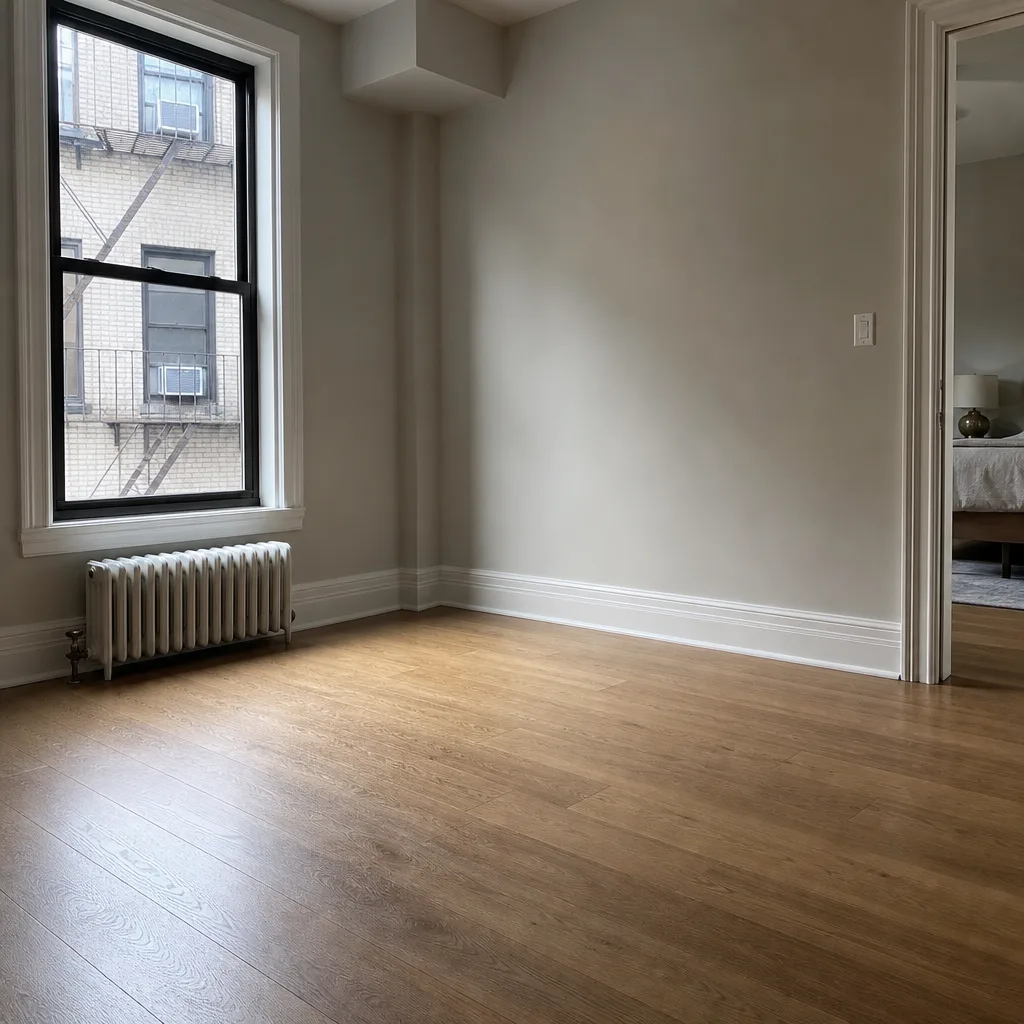 After
After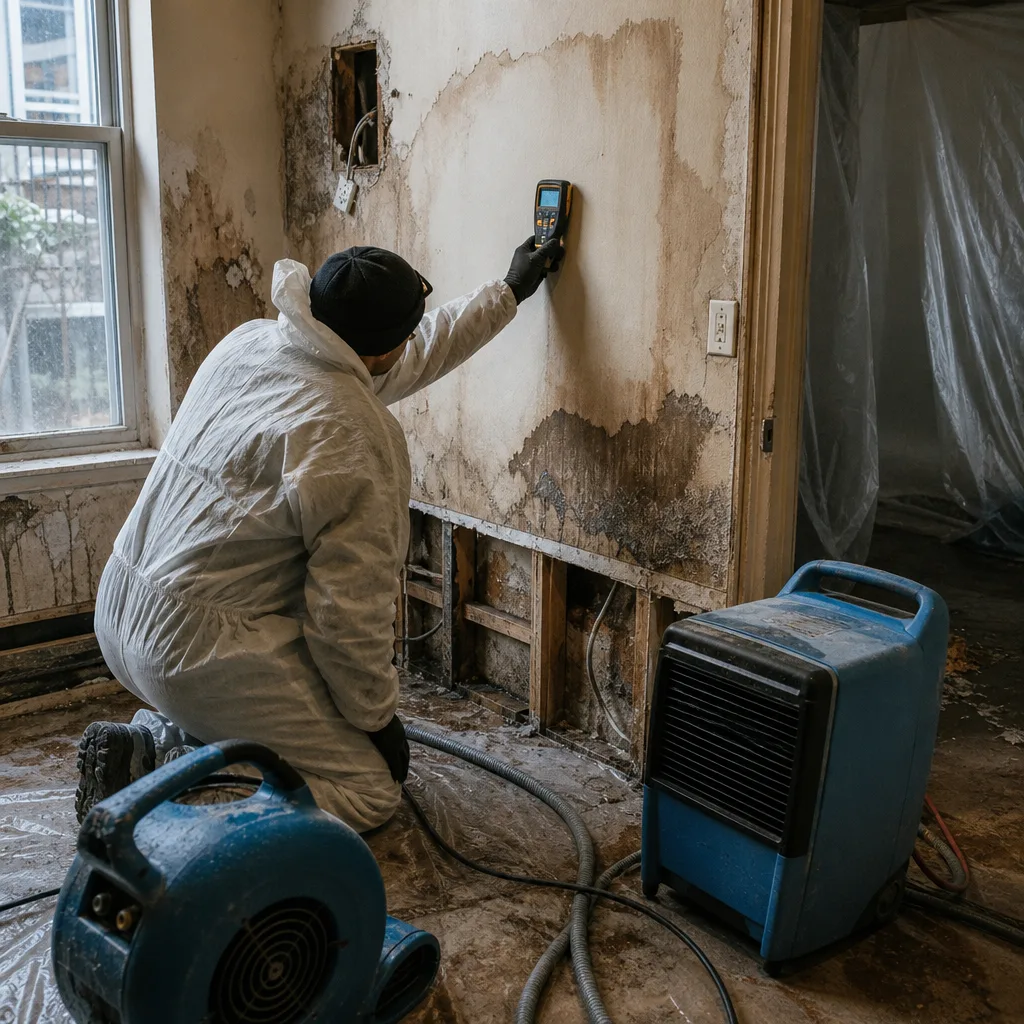 Before
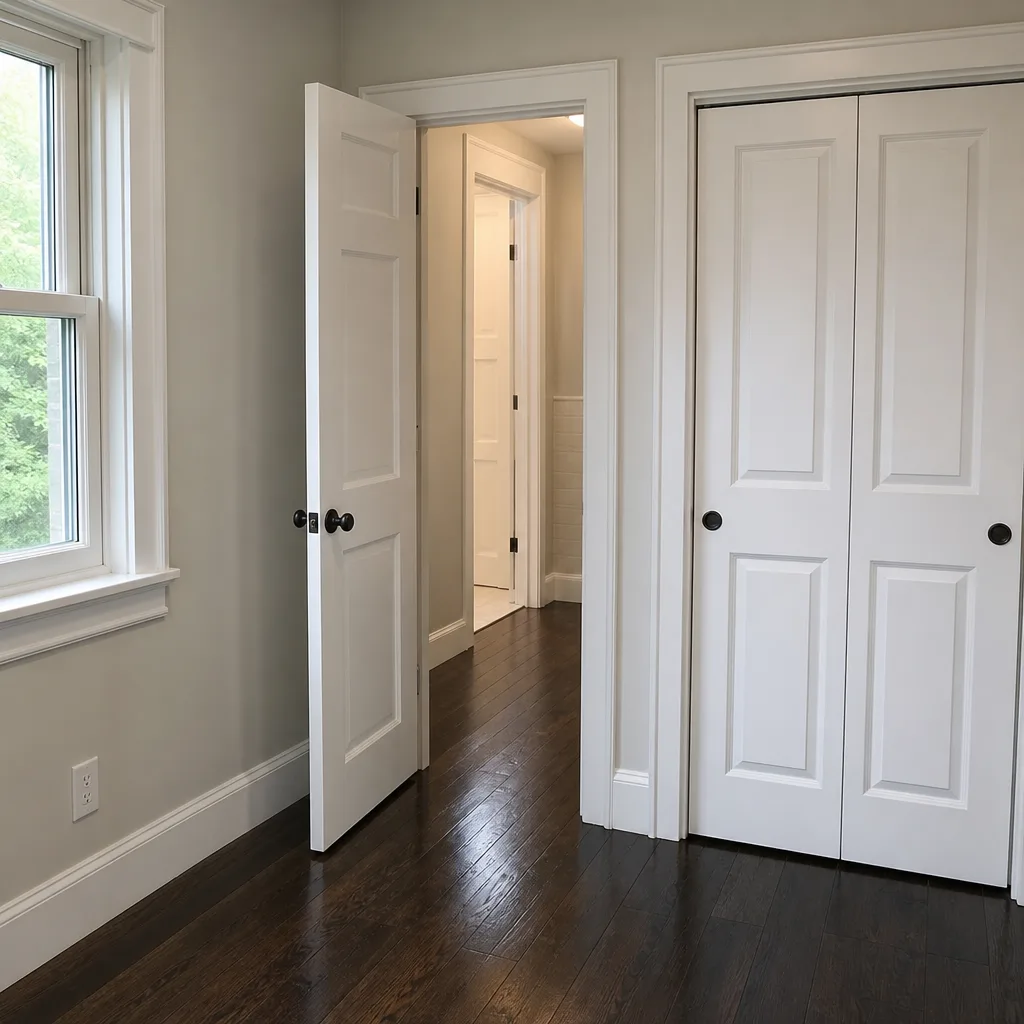 After
AfterDamage Restoration in Long Island City, NY
Storm and disaster restoration in Long Island City typically runs $3,200-$8,500 for residential flood damage, with emergency board-up and roof tarping starting lower and full-structure drying after East River surge events landing at the higher end. We’re Back to Dry Restoration, and we dispatch crews to Long Island City from our New York City office with live phone coverage 24 hours a day, 7 days a week at (516) 687-5786. Every job starts with a written price before anyone touches your property, documented to IICRC, RIA, and IFA standards, and backed by our 365-Day Done Right Promise under The Haven Standard.
Why Long Island City Homes Are Different
Long Island City sits on low-lying waterfront terrain, literally sandwiched between the East River to the west and the Newtown Creek Superfund site to the north, placing much of the neighborhood inside FEMA AE flood zones. Hunters Point South remains actively mapped where base flood elevations are enforced, a vulnerability made catastrophically real when Sandy’s surge inundated the area in 2012.
The building stock compounds every restoration job. Early-20th-century industrial warehouses and printing plants converted to loft residences in Hunters Point and Dutch Kills carry manufacturing-era materials: mid-century asphalt 9×9 floor tiles containing chrysotile asbestos, pipe insulation, and industrial lead paint that trigger mandatory NYC DEP abatement protocols before drying can legally begin. The Ravenswood NYCHA towers, pre-war walk-ups, and newer glass-curtain-wall high-rises each present distinct moisture migration patterns. Combined sewer infrastructure shared with Newtown Creek also means heavy rain pushes sewage-contaminated backflow into basement and ground-floor units, elevating jobs to Category 3 black water remediation.
Our Main Long Island City Services
Most calls we field from Long Island City homeowners fall into two urgent categories: sudden water intrusion from storm surge or plumbing failure, and the mold that follows. These three services have dedicated Long Island City pages with deeper local detail.
Water Damage Restoration in Long Island City
Water damage in Long Island City’s converted industrial lofts often reveals hidden complications once flooring comes up. We document every moisture reading with psychrometric data, produce daily drying logs for your insurance file, and never begin extraction without a written scope and price. Our crews carry Dri-Eaz and Phoenix dehumidification systems sized for the high cubic volumes typical of loft conversions. Water Damage Restoration in Long Island City
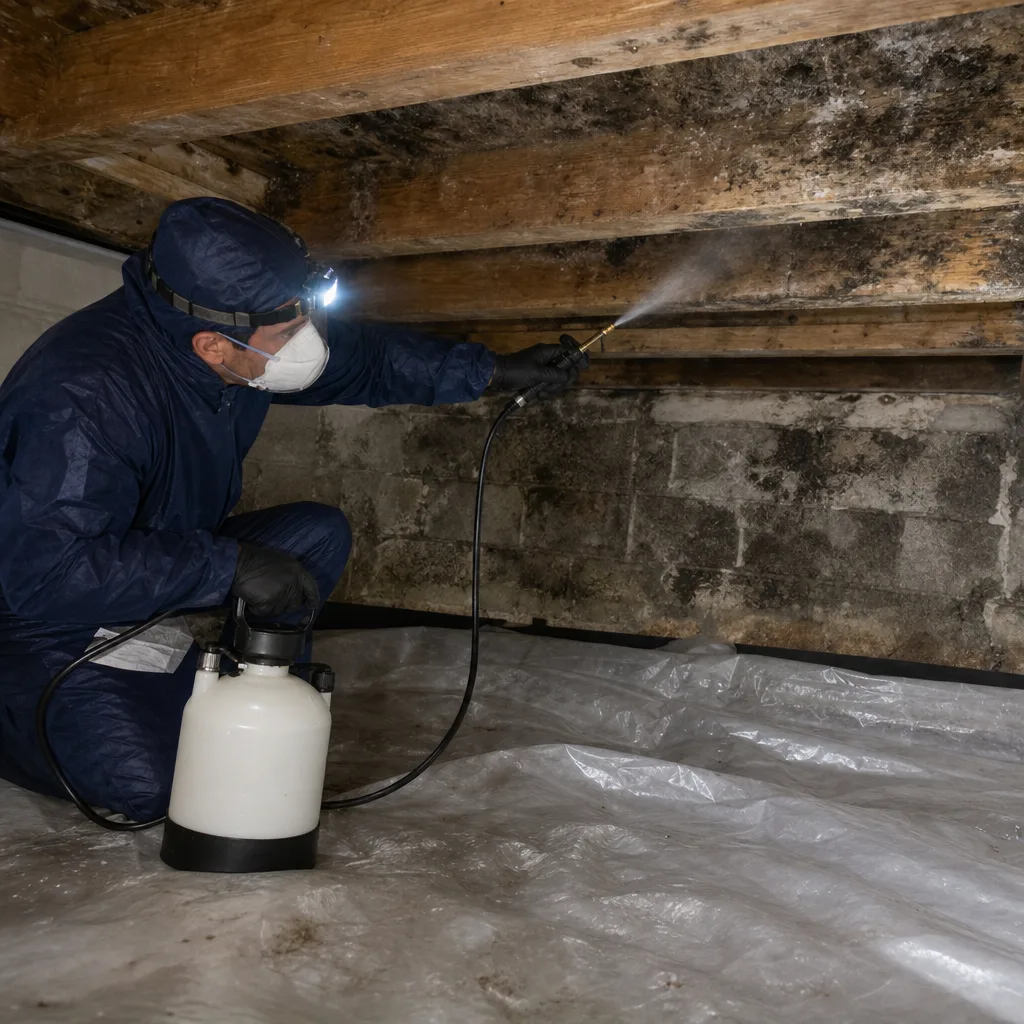
Mold Remediation in Long Island City
Mold in Long Island City’s aging conversions frequently traces to slow leaks in original cast-iron plumbing or poorly sealed curtain-wall interfaces in newer towers. We establish containment per IICRC S520, document airborne spore counts before and after, and deliver a written clearance report. Every remediation includes a photo record on every visit and a written price before work starts, Haven Standard, Clause 1. Mold Remediation in Long Island City
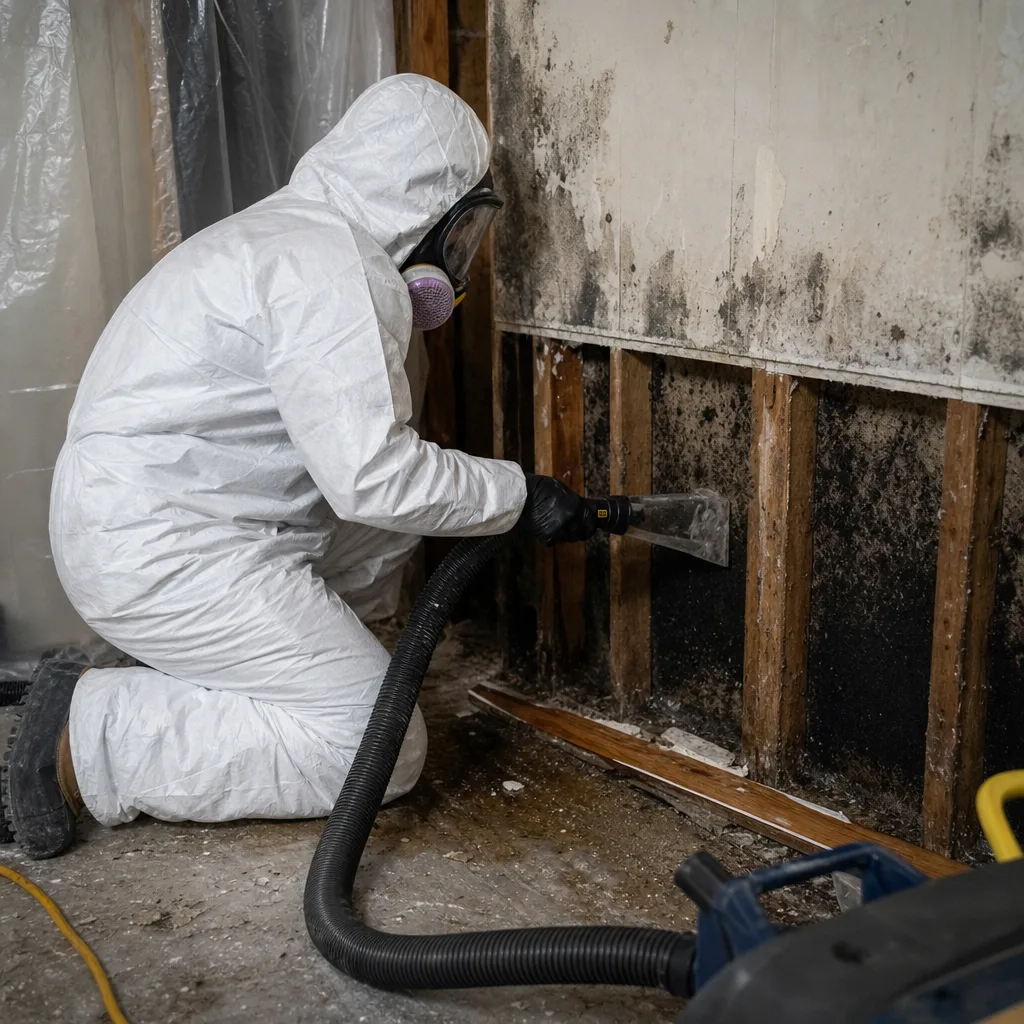
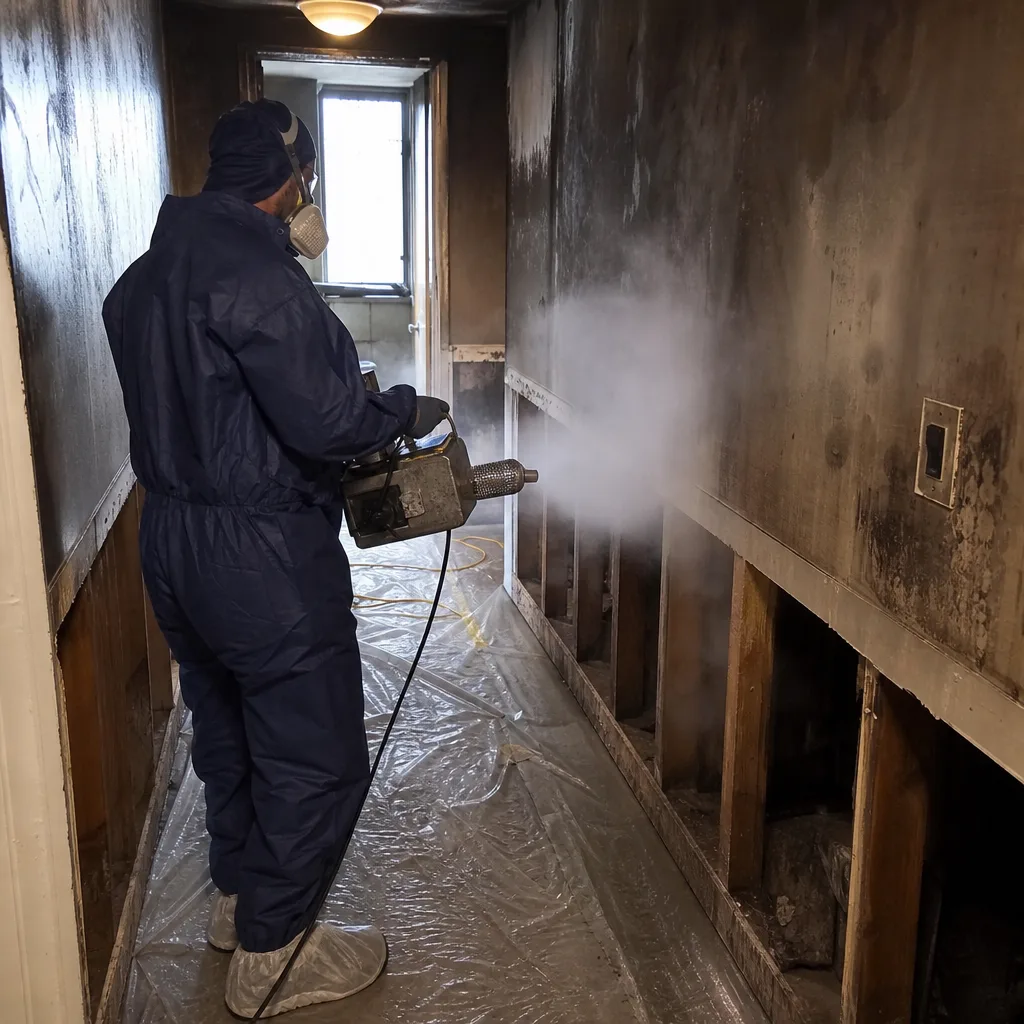
Fire & Smoke Damage Restoration in Long Island City
Fire damage in Long Island City’s dense residential blocks, from the NYCHA towers to the converted warehouses of Dutch Kills, demands rapid odor neutralization and contents inventory before corrosion sets in. We deploy hydroxyl generators and thermal fogging with documented treatment logs, and coordinate directly with your adjuster on photo-documented scope changes. Our written price locks before work begins; no additions once the crew is inside. Fire & Smoke Damage Restoration in Long Island City
What happens when you call
- 1
A real person answersNo phone trees - you reach a local pro.
- 2
You get an upfront price rangeHonest numbers before anyone is dispatched.
- 3
A background-checked tech heads outLicensed & insured, dispatched right away.
- 4
You approve before work beginsNothing starts until you say go.
BeforeAfterStorm & Disaster Restoration in Long Island City
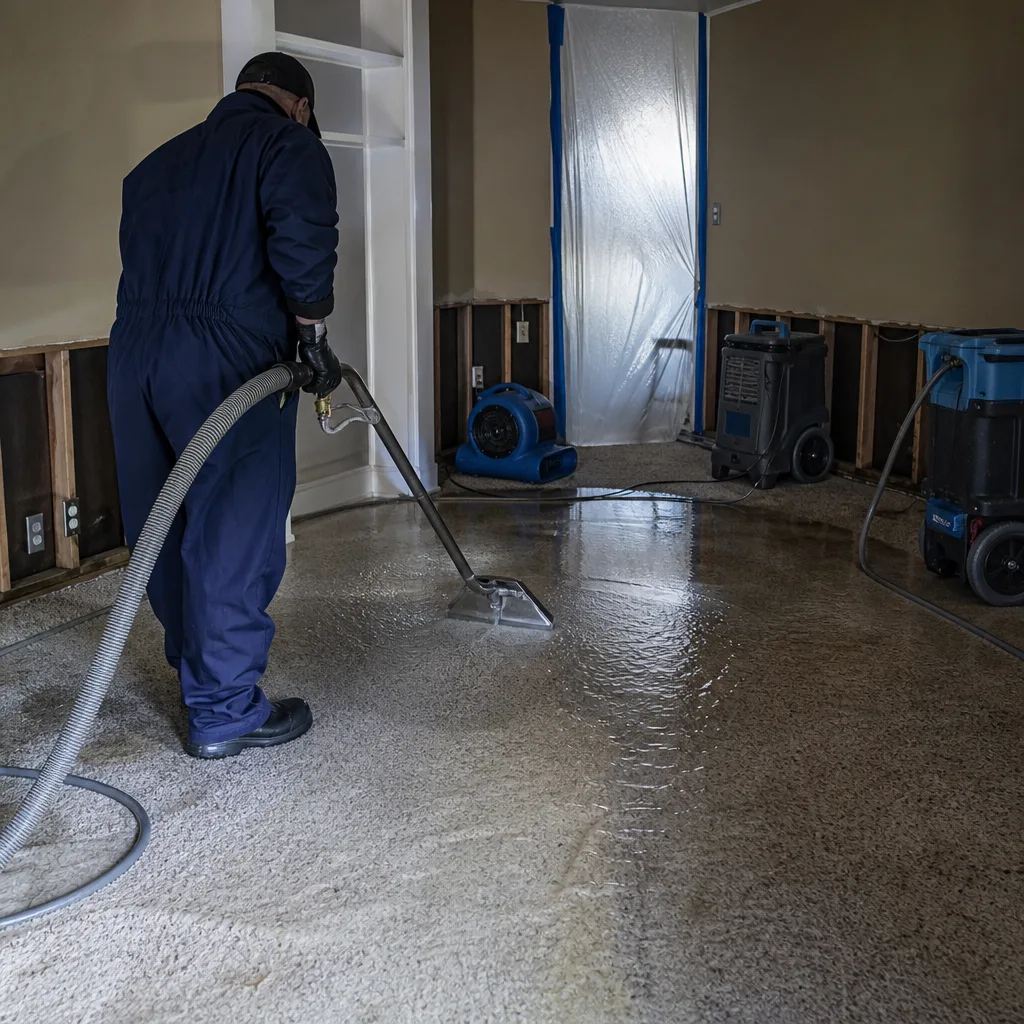
Long Island City’s position on the western Queens shore puts it directly in the path of East River storm surge, and the 2012 Sandy inundation of Hunters Point proved how fast water moves through converted loft buildings with their original loading docks and below-grade spaces. When disaster hits, Storm & Disaster Restoration from Back to Dry means emergency response within hours, not days, with crews who understand the local building stock and the NYC DEP protocols that govern hazardous material discovery.
We’ve restored more than 12,000 homes since 2011, and the Long Island City jobs that stick in our files are the ones where scope expanded dramatically after opening walls: industrial-era asbestos, lead paint, and structural systems no longer manufactured. Our documentation-first approach, born from Alicia Brennan’s background as a claims adjuster, means every moisture reading, every photo, and every drying log is compiled into a claim file insurers pay without dispute.
Storm Damage Cleanup
Signs you need it
Wind-driven rain through compromised roof membranes, water staining on exposed brick or timber beams, and saturated insulation in converted loft ceiling cavities.
What it costs in Long Island City
Storm damage cleanup in Long Island City typically ranges from $2,800 to $6,500 for residential structures, with industrial conversions running higher due to larger volumes and hazardous material protocols.
How we do it
We establish emergency power if needed, extract standing water with truck-mounted systems, deploy Dri-Eaz and Phoenix dehumidifiers sized to the space, and produce daily moisture logs until psychrometric readings confirm tertiary drying is complete.
Flood Damage Restoration
Signs you need it
Standing water in below-grade units, wicking in original hardwood or concrete slab flooring, and musty odors indicating vapor pressure differential has driven moisture into wall assemblies.
What it costs in Long Island City
Flood damage restoration in Long Island City typically ranges from $3,200 to $8,500, with FEMA AE zone properties and Category 3 black water events at the upper end due to containment and disposal requirements.
How we do it
We pump and extract, remove compromised materials with documented photo records, set up Injectidry cavity drying systems, and maintain daily drying logs until moisture content readings meet IICRC S500 completion criteria.
What Storm & Disaster Restoration Costs in Long Island City
| Item | Typical range in Long Island City |
|---|---|
| Emergency board-up (residential) | $450 - $1,200 |
| Roof tarping | $350 - $950 |
| Storm damage cleanup (full service) | $2,800 - $6,500 |
| Flood damage restoration | $3,200 - $8,500 |
How fast can you get to Long Island City after a storm?
Our live dispatch answers 24 hours a day, 7 days a week, and crews typically arrive within 2-4 hours for active water intrusion in Long Island City. Call (516) 687-5786 for status on current storm response times.
Will insurance cover storm surge damage in Long Island City’s flood zones?
Standard homeowners policies exclude flood damage; NFIP or private flood coverage is required for FEMA AE zone properties in Hunters Point South. We document every photo and drying log to support your claim and coordinate directly with adjusters.
Sewage Cleanup in Long Island City
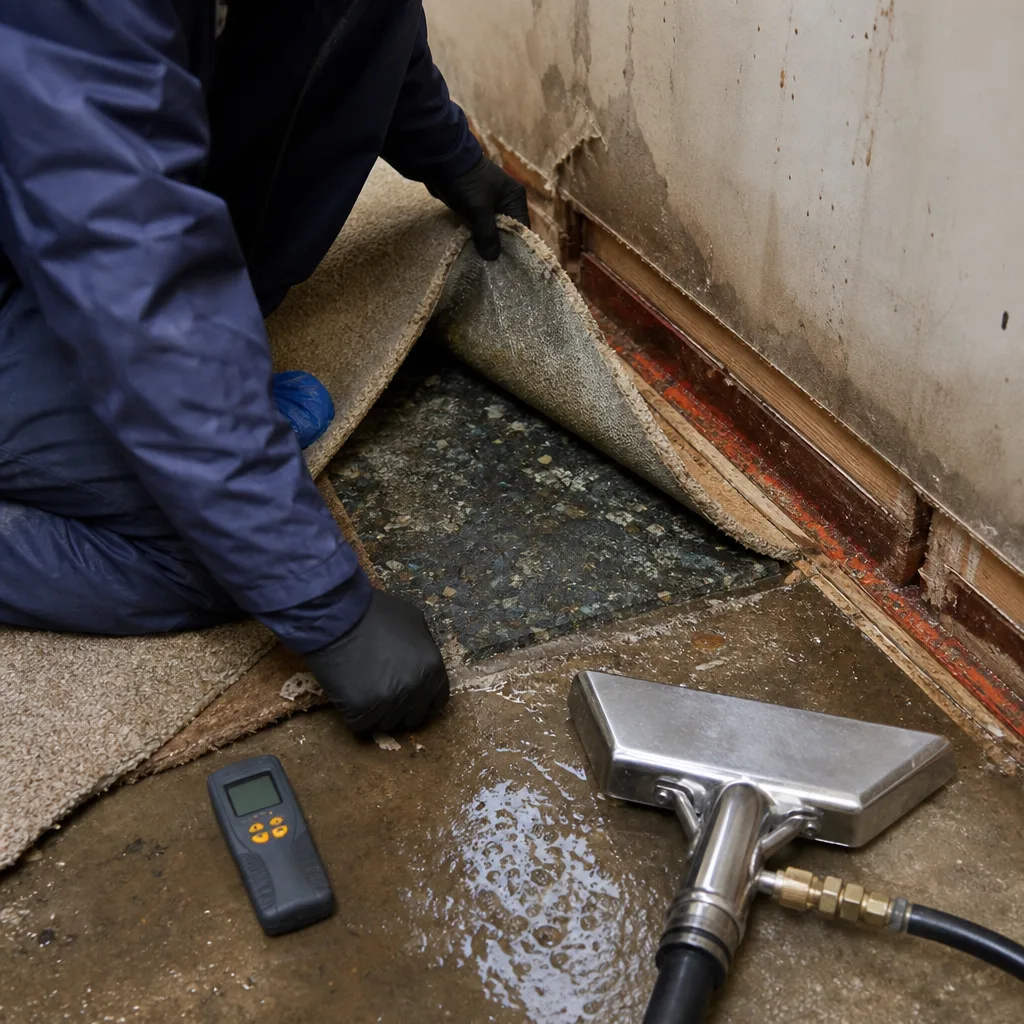
Long Island City’s combined sewer infrastructure, shared with the Newtown Creek watershed, means heavy rain events routinely push contaminated backflow into basement and ground-floor units, particularly in the pre-war walk-ups and converted industrial buildings of Dutch Kills and Hunters Point. Sewage Cleanup from Back to Dry treats every job as Category 3 black water from the start, with containment protocols, documented disposal manifests, and written scopes that account for the hazardous materials often embedded in Long Island City’s manufacturing-era construction.
We’ve pulled up flooring in LIC loft conversions and found the mid-century asphalt 9×9 tiles that stop every job cold until NYC DEP-licensed abatement clears the space. Our crews arrive with PPE for black water, negative-air machines, and the understanding that what looks like a simple backup may become a multi-phase project.
Sewage Backup Cleanup
Signs you need it
Dark water rising from floor drains, gurgling in original cast-iron stacks, and Category 3 contamination confirmed by visible organic matter or confirmed backflow from combined sewer overflow.
What it costs in Long Island City
Sewage backup cleanup in Long Island City typically ranges from $2,500 to $5,800, with industrial conversions and asbestos-containing material discovery adding licensed abatement costs.
How we do it
We establish OSHA-compliant containment, extract black water with sealed disposal, apply EPA-registered disinfectant to all affected surfaces, and deliver photo-documented clearance before any reconstruction begins.
Black Water Extraction
Signs you need it
Standing water with visible contamination, saturated porous materials in contact with sewage, and HVAC systems that have drawn contaminated air through wall cavities.
What it costs in Long Island City
Black water extraction in Long Island City typically ranges from $3,000 to $6,200, with larger loft volumes and required hazmat protocols pushing toward the higher end.
How we do it
We deploy submersible pumps and truck-mounted extractors, remove and bag contaminated materials with manifest documentation, and run HEPA air scrubbers until airborne particulate counts meet clearance standards.
What Sewage Cleanup Costs in Long Island City
| Item | Typical range in Long Island City |
|---|---|
| Sewage backup cleanup | $2,500 - $5,800 |
| Black water extraction | $3,000 - $6,200 |
| Sanitization & disinfection (add-on) | $800 - $1,800 |
Do I need to leave my home during sewage cleanup?
Evacuation is required for Category 3 black water jobs until containment is established and initial disinfection is complete; we provide a written re-entry protocol with air quality documentation. Call (516) 687-5786 for immediate assessment.
Who handles disposal of contaminated materials?
Back to Dry manages all manifest-documented disposal to licensed facilities; the photo record and disposal documentation are included in your claim file for direct adjuster coordination.
Biohazard & Crime Scene Cleanup in Long Island City
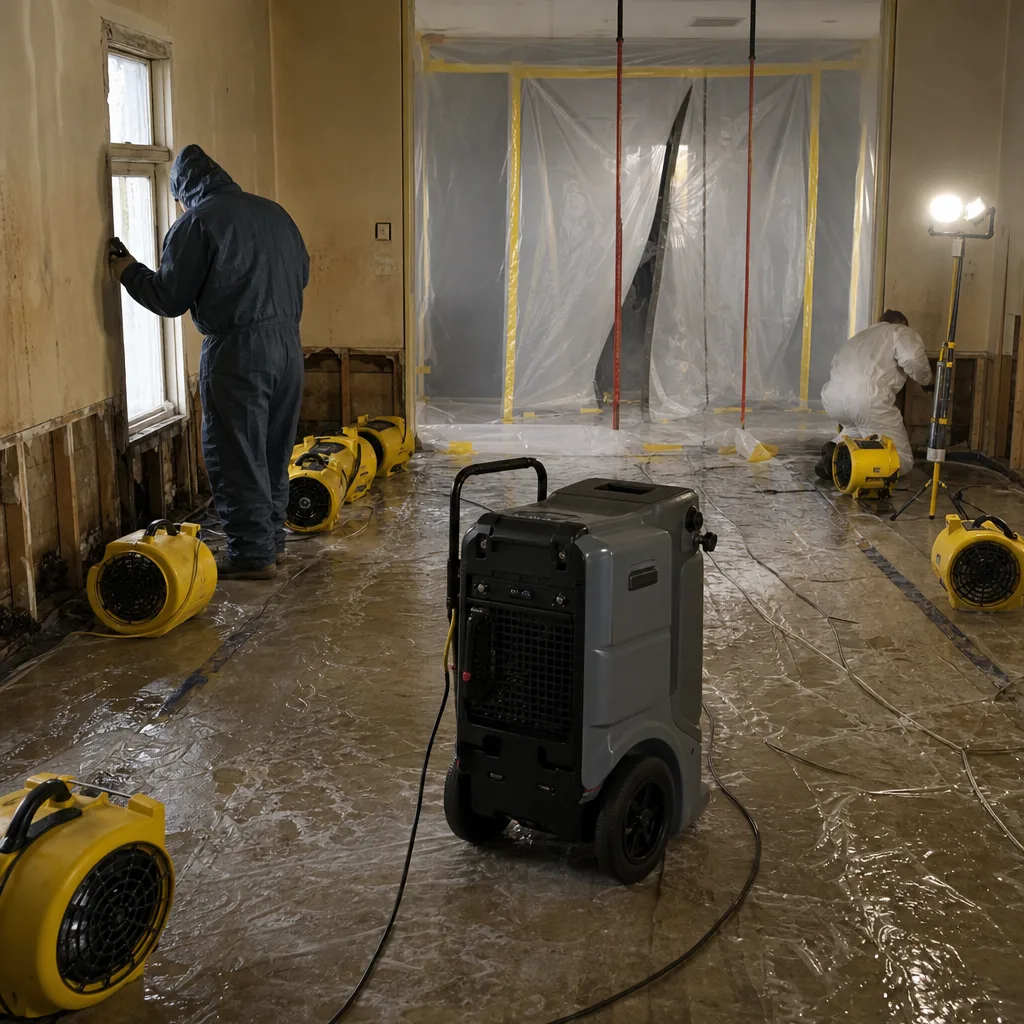
Long Island City’s dense mix of residential conversions, NYCHA towers, and commercial spaces creates distinct biohazard scenarios: unattended deaths in isolated loft units, trauma in high-traffic buildings requiring discrete containment, and the infectious disease risks that come with multi-unit housing. Biohazard & Crime Scene Cleanup from Back to Dry follows OSHA 29 CFR 1910.1030, EPA, and CDC protocols with background-checked, uniformed technicians who understand the privacy and documentation requirements of insurance and law enforcement coordination.
Alicia Brennan built our biohazard division around the same documentation standard that governs every other service: written price before work begins, photo record on every visit, and a 365-Day Done Right Promise. In Long Island City’s converted warehouses, where original floor drains and unusual layouts complicate containment, that precision matters.
Crime Scene Cleanup
Signs you need it
Law enforcement release of the scene, bloodborne pathogen exposure from traumatic injury, and fingerprint powder or chemical agents requiring specialized removal from porous industrial-era surfaces.
What it costs in Long Island City
Crime scene cleanup in Long Island City typically ranges from $3,500 to $7,500, with larger loft spaces and extended containment requirements increasing scope.
How we do it
We coordinate with investigating authorities for scene release, establish biohazard containment with negative air, remove and dispose of contaminated materials with chain-of-custody documentation, and deliver a written clearance report.
Trauma & Unattended Death Cleanup
Signs you need it
Decomposition in isolated spaces, bodily fluid saturation into original hardwood or concrete substrates, and odor penetration into HVAC ductwork common in converted industrial buildings.
What it costs in Long Island City
Trauma and unattended death cleanup in Long Island City typically ranges from $4,000 to $9,000, with advanced decomposition and structural material removal at the higher end.
How we do it
We assess contamination spread with UV detection, remove affected materials with documented disposal manifests, treat substrates with enzyme-based neutralizers, and verify clearance with ATP testing.
What Biohazard & Crime Scene Cleanup Costs in Long Island City
| Item | Typical range in Long Island City |
|---|---|
| Crime scene cleanup | $3,500 - $7,500 |
| Trauma & unattended death cleanup | $4,000 - $9,000 |
| Infectious disease disinfection | $2,000 - $4,500 |
Will my insurance cover biohazard cleanup?
Most homeowners policies cover biohazard cleanup under sudden and accidental provisions; we provide the documented photo record and written scope that adjusters require for approval. Call (516) 687-5786 for a free second opinion on any competitor’s estimate.
How do you maintain privacy during crime scene cleanup?
We arrive in unmarked vehicles, establish discreet containment, and release no information to third parties without written authorization; documentation is delivered only to the property owner and designated adjuster.
Reconstruction & Cleanup in Long Island City
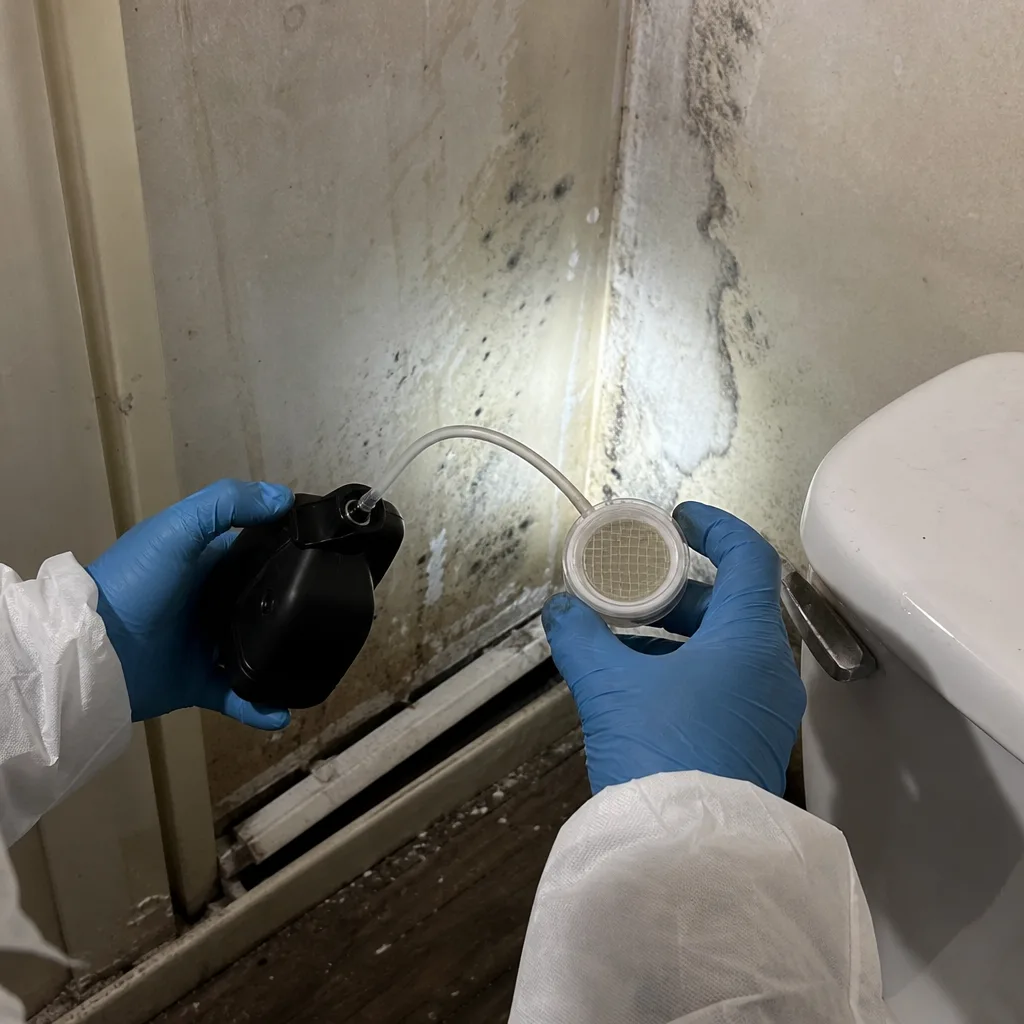
Reconstruction in Long Island City follows a predictable pattern: water or fire damage opens walls, the industrial-era substrate is exposed, and what was quoted as drywall repair becomes a phased project involving NYC DEP asbestos abatement before restoration can legally resume. Reconstruction & Cleanup from Back to Dry handles this transition with written scopes that anticipate discovery, not hide from it, and a 365-Day Done Right Promise that covers both the drying and the rebuild.
We’ve rebuilt kitchens in Hunters Point lofts where original terrazzo floors had to be matched, and restored fire-damaged units in Ravenswood towers where NYC Housing Authority specifications governed every material choice. Every phase is priced in writing before work begins, with photo documentation at each inspection point.
Full-Service Reconstruction
Signs you need it
Structural compromise from water, fire, or storm damage, discovery of asbestos or lead paint requiring abatement before rebuilding, and insurance scopes that require line-item documentation for each trade.
What it costs in Long Island City
Full-service reconstruction in Long Island City typically ranges from $8,500 to $35,000, with industrial loft conversions and hazardous material protocols at the upper end.
How we do it
We deliver a written scope with material specifications and trade sequencing, coordinate licensed abatement when required, and produce photo-documented progress reports for adjuster review at each milestone.
Drywall & Flooring Repair
Signs you need it
Water-stained or sagging drywall, buckled hardwood or delaminated engineered flooring, and subfloor moisture readings above 16% that prevent finished material installation.
What it costs in Long Island City
Drywall and flooring repair in Long Island City typically ranges from $2,200 to $7,500, with historic material matching and asbestos substrate discovery adding scope.
How we do it
We verify substrate dryness with pinless moisture meters, install with documented vapor barrier specifications, and deliver a written completion certificate with photo record for your insurance file.
What Reconstruction & Cleanup Costs in Long Island City
| Item | Typical range in Long Island City |
|---|---|
| Drywall & flooring repair | $2,200 - $7,500 |
| Contents restoration & pack-out | $1,800 - $5,500 |
| Full-service reconstruction | $8,500 - $35,000 |
Do you handle the abatement if asbestos is found?
We coordinate NYC DEP-licensed abatement contractors, include their scope in our written price, and schedule reconstruction to resume immediately upon clearance documentation. Call (516) 687-5786 to schedule assessment.
How long does reconstruction take in Long Island City?
Typical drywall and flooring repair runs 5-10 business days after substrate drying is complete; full-service reconstruction with abatement phases extends to 3-6 weeks, with written schedules updated at each milestone.
Brands We Service in Long Island City
We stock and service professional-grade drying and decontamination equipment from Dri-Eaz, Phoenix, and XPOWER, with Injectidry cavity drying systems for the complex wall assemblies common in Long Island City’s converted industrial buildings. Parts are sourced through our New York City office with typical turnaround of 24-48 hours. our brands
Pricing for Damage Restoration in Long Island City, NY
| Service | Typical range in Long Island City |
|---|---|
| Emergency board-up | $450 - $1,200 |
| Roof tarping | $350 - $950 |
| Storm damage cleanup | $2,800 - $6,500 |
| Flood damage restoration | $3,200 - $8,500 |
| Sewage backup cleanup | $2,500 - $5,800 |
| Black water extraction | $3,000 - $6,200 |
| Crime scene cleanup | $3,500 - $7,500 |
| Trauma & unattended death cleanup | $4,000 - $9,000 |
| Drywall & flooring repair | $2,200 - $7,500 |
| Full-service reconstruction | $8,500 - $35,000 |
Prices in Long Island City push higher when industrial-era hazardous materials require licensed abatement before restoration can proceed, or when FEMA AE zone flooding demands extended drying protocols. Haven Standard, Clause 1: your written price is delivered before any work starts, with no scope-creep additions once the crew is inside.
Neighborhoods We Serve in Long Island City
We respond to damage restoration calls across Long Island City’s distinct neighborhoods, from the converted warehouse lofts of Dutch Kills to the high-rise towers of Hunters Point South. Crews typically arrive within 2-4 hours for emergency calls anywhere in the area.
- Hunters Point
- Dutch Kills
- Ravenswood
- Queensbridge
- Hunters Point South
Service Area - Cities Near Long Island City
Back to Dry Restoration serves Long Island City and surrounding Queens and Manhattan communities with the same documentation-first standard. We also respond to Astoria, NY, Jackson Heights, NY, Elmhurst, NY, and Manhattan, NY from our New York City office, with live dispatch available 24 hours a day, 7 days a week.
Serving Long Island City, NY - Our Local Coverage Area
We’re based in the Long Island City area and know this community well. Use the map below to see our service coverage - if you’re nearby, we can almost certainly help.
FAQs About Damage Restoration in Long Island City
NYC DEP permits are required for asbestos or lead paint abatement, which we coordinate as part of our written scope; standard water damage drying and mold remediation below containment thresholds do not require permits. We identify permit triggers during initial assessment and include them in your upfront price.
Call (516) 687-5786 for a scheduled assessment; we deliver a written scope and price within 24 hours, with reconstruction phases booked after you approve. Unlike emergency mitigation, reconstruction is scheduled, not dispatched, with start dates confirmed in writing.
We restore units in Long Island City’s co-op, condo, and NYCHA buildings regularly, coordinating with building management for access, insurance documentation, and any required certificate of insurance. We provide COIs on request and work within building-specified hours when required.
What happens when you call
- 1A real person answersNo phone trees - talk to a local damage restoration pro.
- 2You get an upfront price rangeHonest numbers before anyone is dispatched. No surprises.
- 3We come out and measureLicensed & insured, at a time that suits you - the visit and the quote are both free.
- 4You get the price in writingLine-itemed, yours to keep, and nothing starts until you say go.
What Long Island City Customers Say
"Daily moisture readings, written down, room by room. When the adjuster questioned the drying time they sent the log and the conversation ended."
- Constance E."Storm took part of the roof. They tarped it the same evening and the written scope came through the next morning."
- Emmett L."Burst supply line upstairs. They had equipment in the house within a few hours and told me honestly which flooring could be saved and which could not."
- Jarrod P.