
Free visual inspection and a written scope of work before any mitigation begins - photos, moisture readings, and drying logs go in your claim file
The scope we write is the scope we bill. Anything new gets shown to you, in writing, before we touch it.
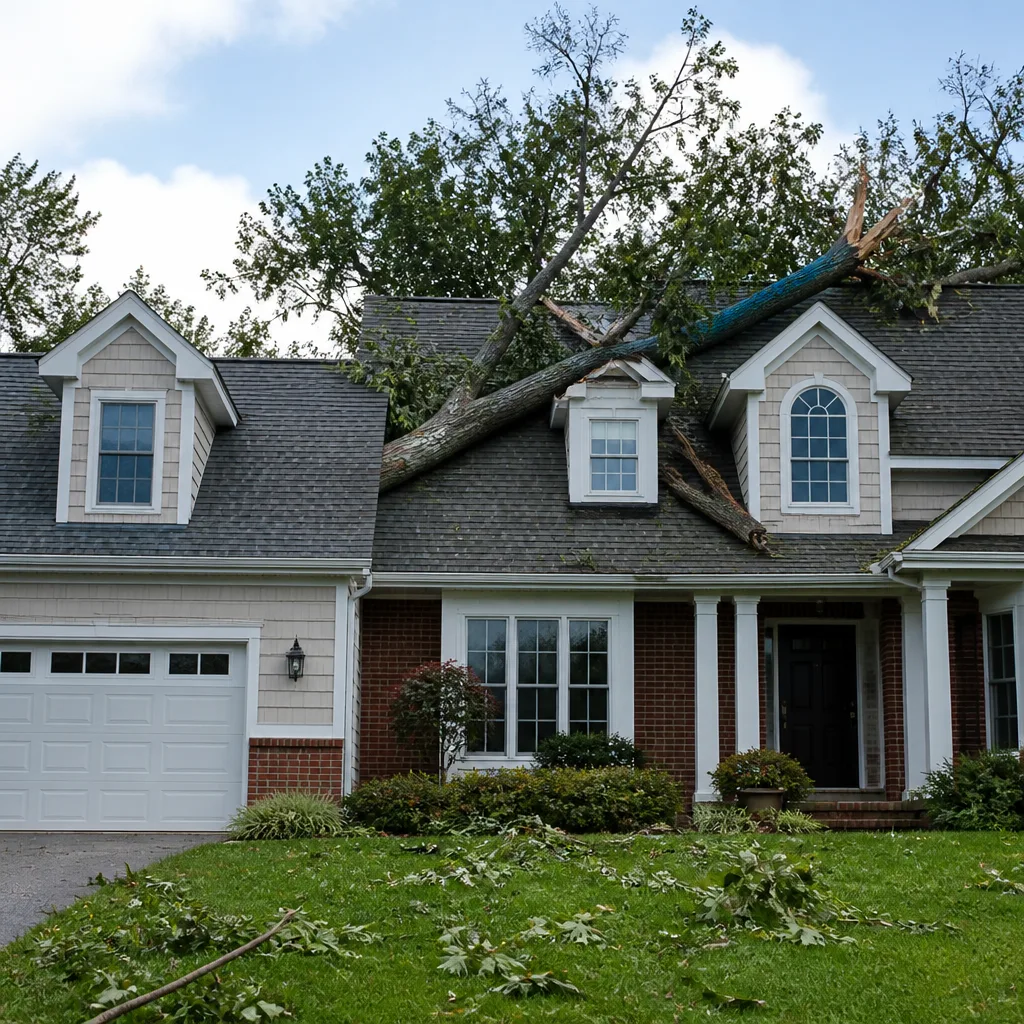
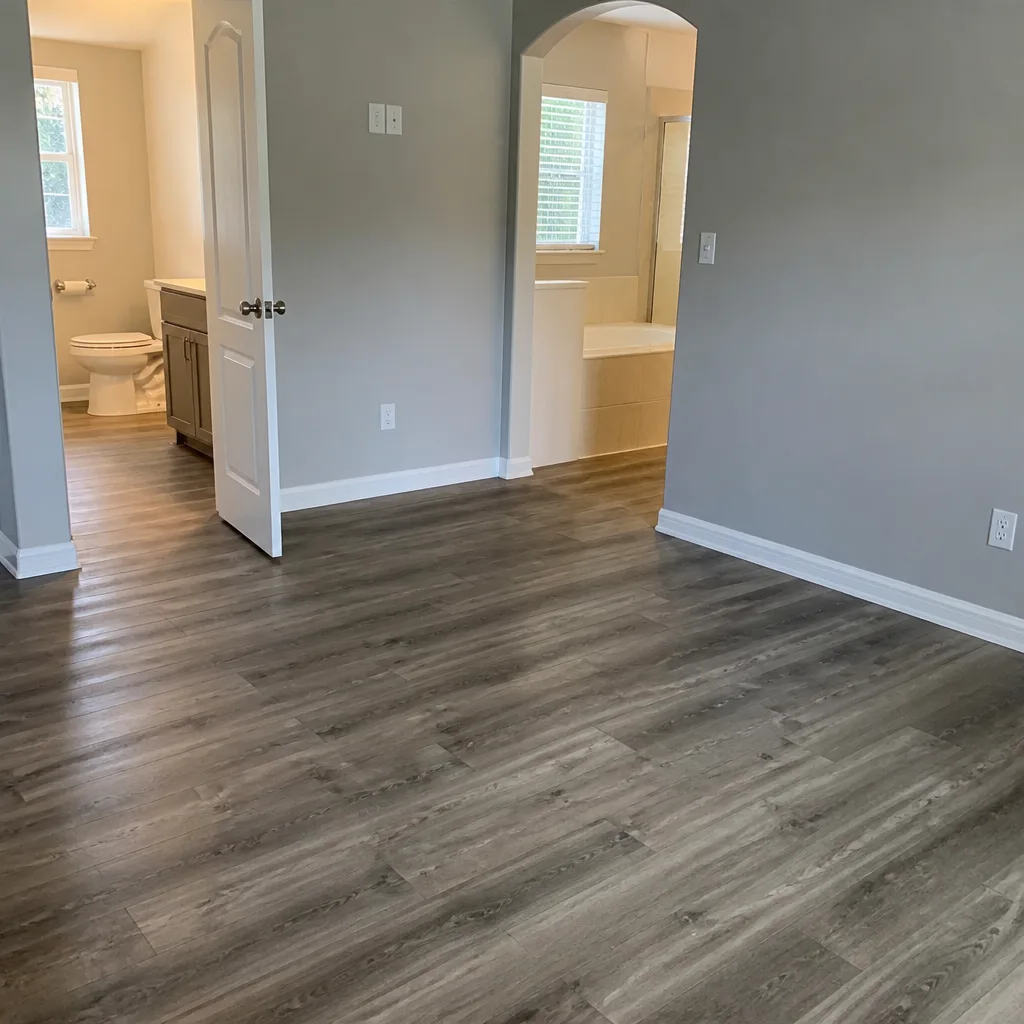
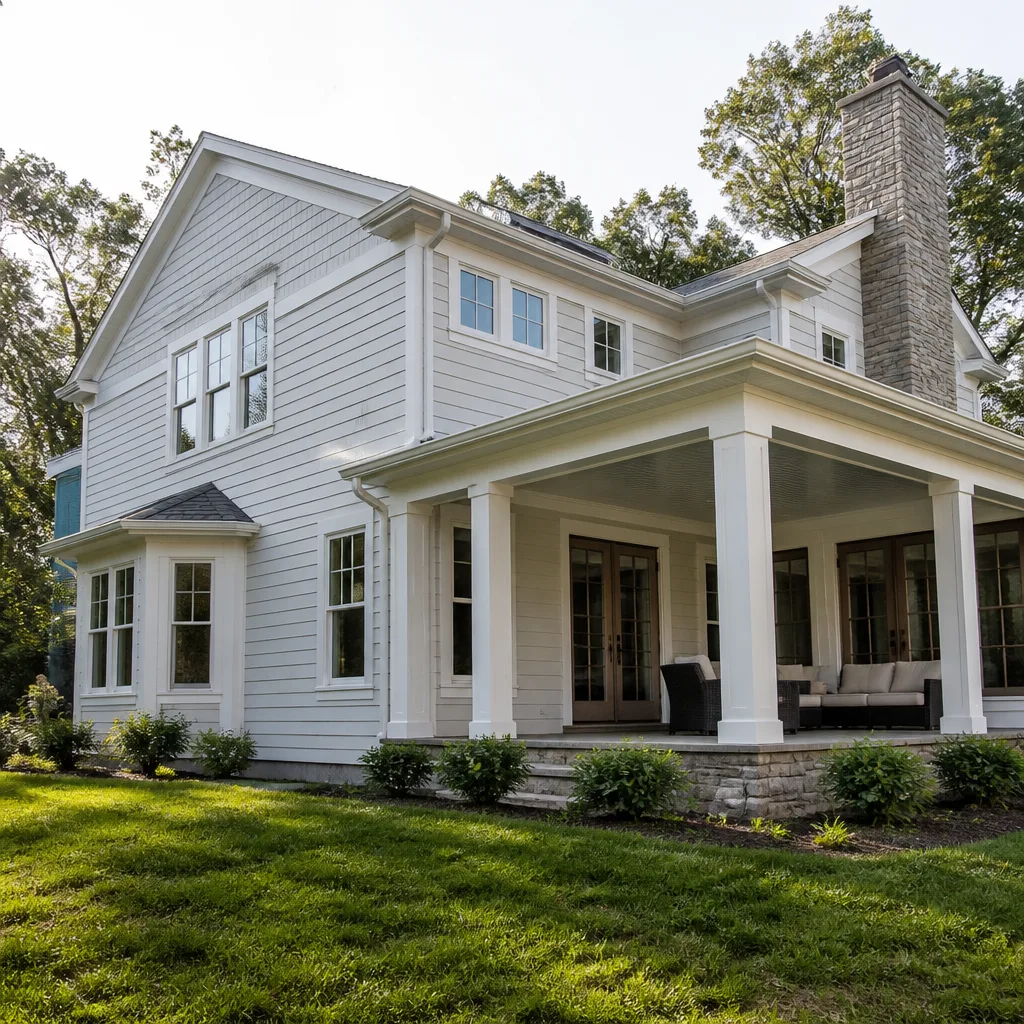
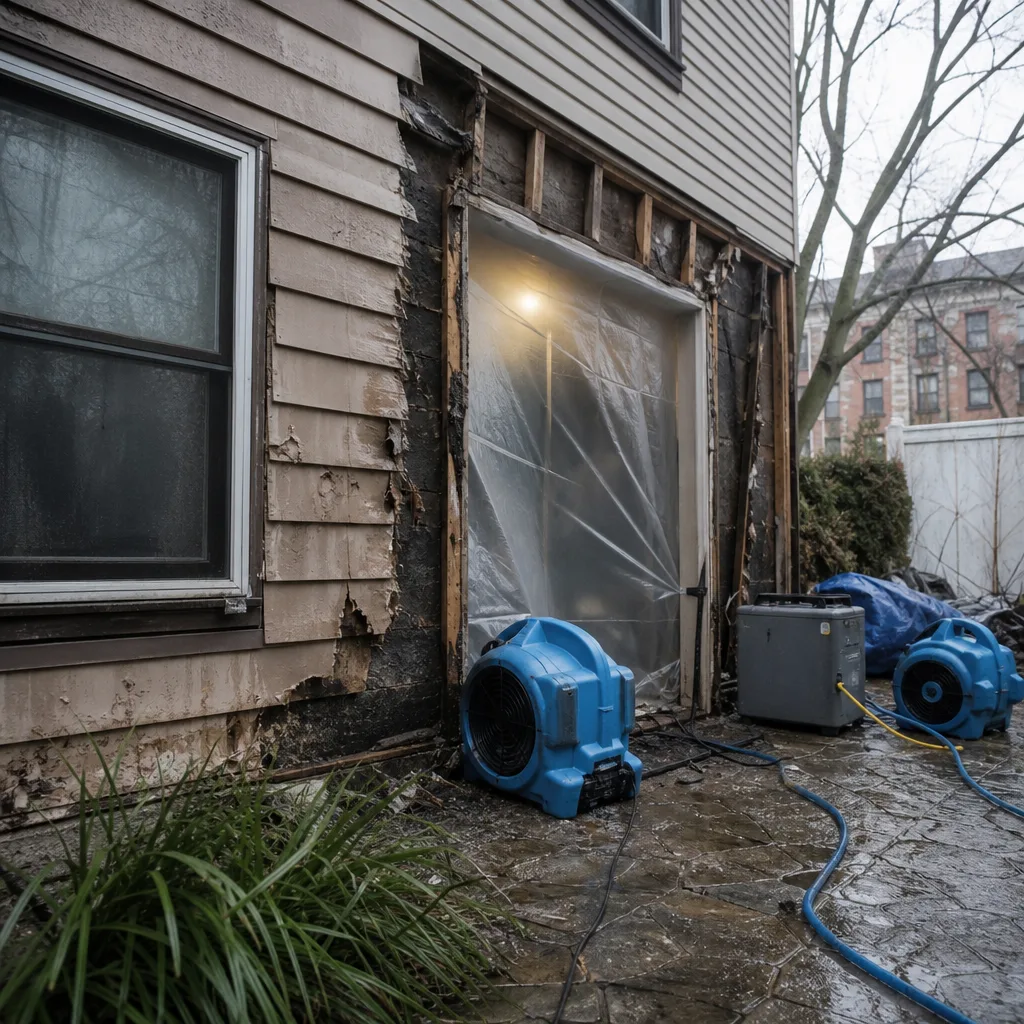 Before
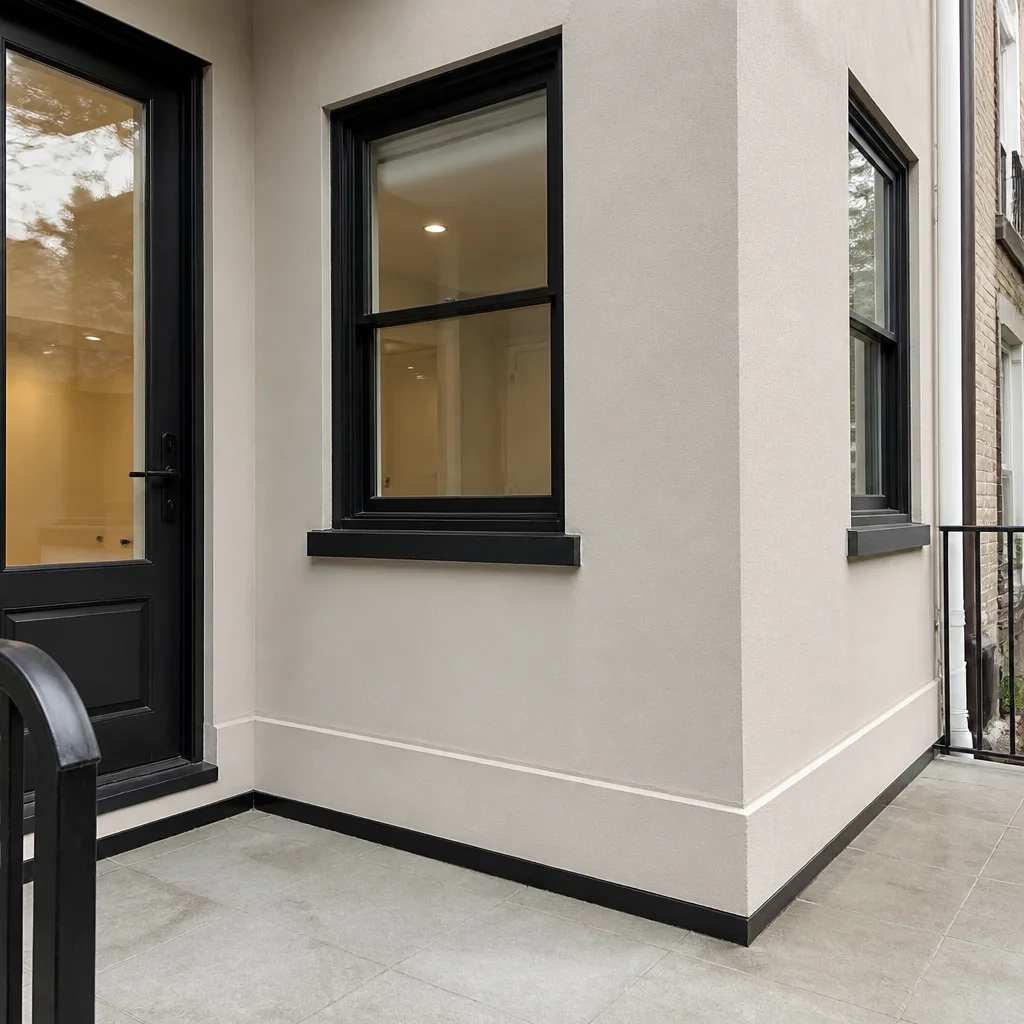 After
After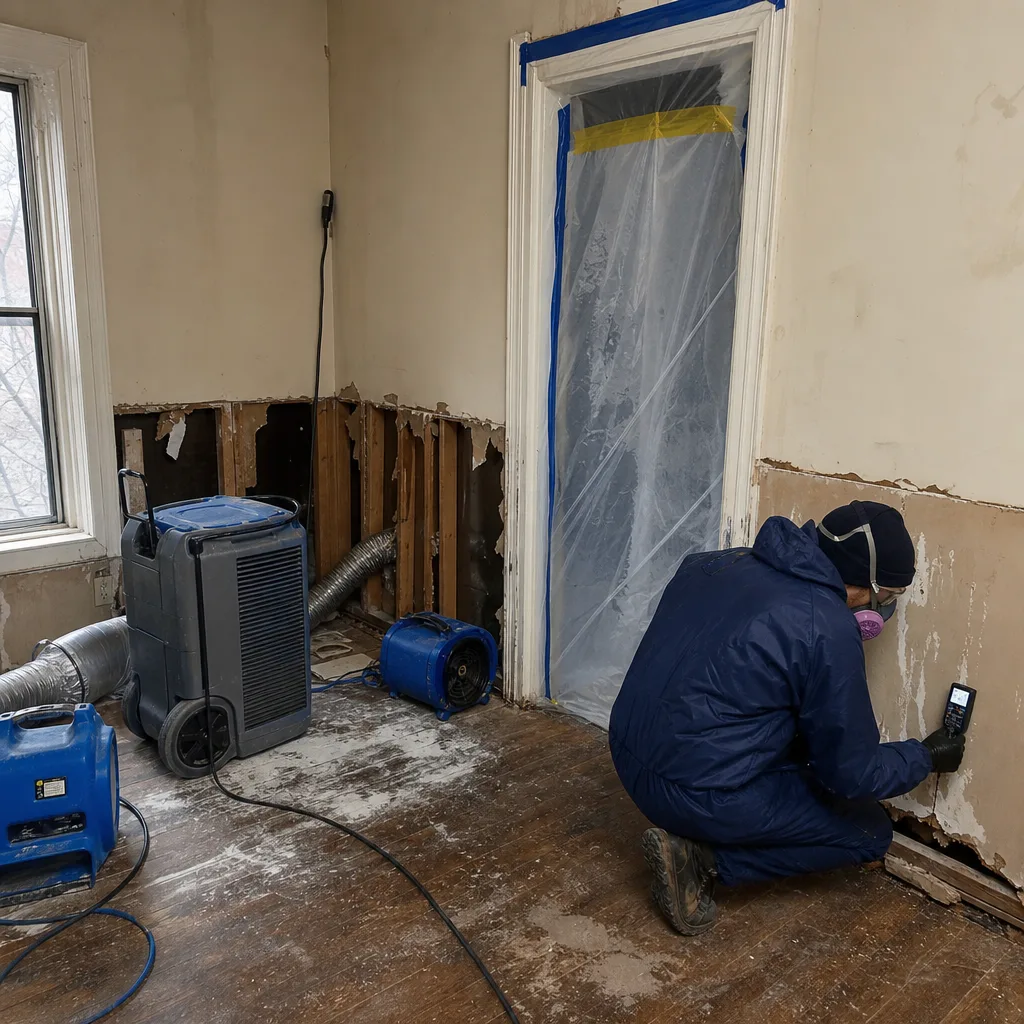 Before
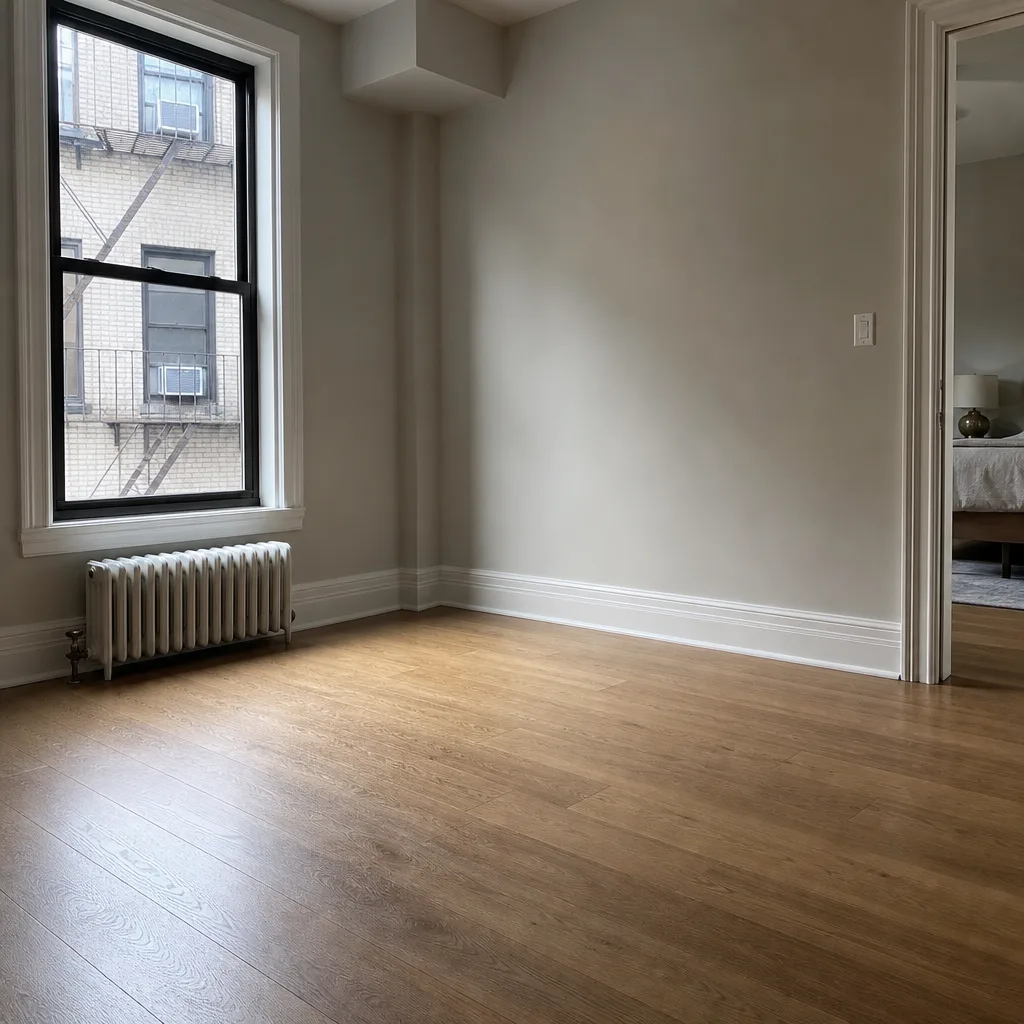 After
After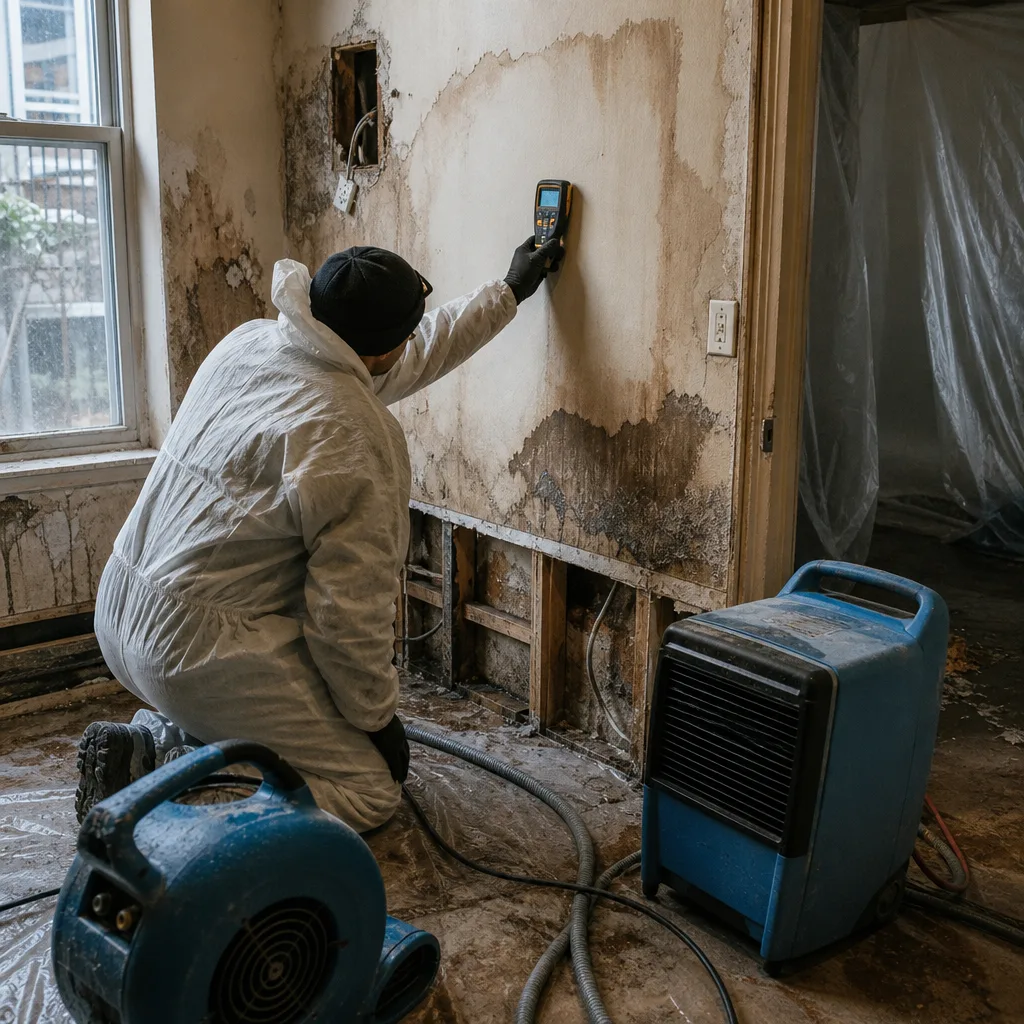 Before
 After
After24/7 Emergency Water Damage Restoration in Long Island City
Water damage restoration in Long Island City typically costs $2,800-$7,500 for residential jobs, with emergency extraction starting at $450-$950 and full structural drying running $1,800-$4,200 depending on square footage and contamination level. Most extraction calls in the Hunters Point and Dutch Kills corridors are answered live and crews dispatched within 45 minutes. Call (516) 687-5786 now - a real person answers, 24 hours a day, with no voicemail trees while water is still moving through your building.
The first hour determines whether you’re looking at a two-day dry-out or a six-week reconstruction. In Long Island City’s converted industrial buildings, water migrates through concrete slab channels, wicks into century-old masonry, and pools in floor assemblies where 9×9 asbestos tiles wait underneath. Every minute of delay means more square footage affected, more materials classified as non-salvageable, and more documentation your adjuster will challenge. Our Water Damage Restoration team runs live phone coverage around the clock, and we dispatch from our New York City office with crews already positioned across western Queens.
Understanding Water Damage Restoration Severity in Long Island City Properties
Water damage is classified by contamination level, not by how wet things look. Category 1 is clean supply-line water - a burst copper pipe, an ice-maker line, a failed water heater. Category 2 is grey water with chemical or biological load - dishwasher discharge, sump pump failures, groundwater seepage. Category 3 is black water: sewage, flood surge, or any water that has passed through soil or waste systems. In Long Island City, we see Category 1 jobs reclassified to Category 3 more often than anywhere else we work in Queens.
Here’s why. LIC’s Hunters Point and Dutch Kills loft conversions sit in FEMA AE flood zones fed by both East River surge and Newtown Creek backflow. A supply-line failure on a ground floor often shares a slab with groundwater contaminated by combined sewer overflow. Once our moisture mapping detects that connection - and we always map the full slab - the job pivots from a straightforward extraction to Category 3 containment, negative air pressure, and hazmat disposal protocols. The moisture reading that triggers this isn’t at the surface; it’s the thermographic signature of water wicking laterally through the subfloor, sometimes six feet from the visible damage.
Structural drying in these buildings requires psychrometric calculation - measuring vapor pressure differential between the wet materials and the ambient air - to set our dehumidification capacity and air-mover placement. Tertiary drying, the final phase where bound moisture is drawn from dense materials, can take 72 hours or more in poured concrete slabs typical of 1920s factory conversions. We document every reading, every day, in drying logs formatted to IICRC S500 standards so your insurer sees exactly when the building returned to dry standard.
Why Long Island City Property Owners Choose Back to Dry Restoration Manhattan
- 45-minute response commitment to Hunters Point, Dutch Kills, Ravenswood, and the Court Square corridor - our crews are already staged across western Queens, not dispatched from Nassau County.
- 24/7 live answer - a real person, never an automated system. At 3:47 AM on a Sunday, you reach someone who can dispatch, not a callback promise for Monday morning.
- IICRC-certified crews - WRT (Water Damage Restoration Technician), FSRT (Fire & Smoke Restoration Technician), and AMRT (Applied Microbial Remediation Technician) certifications on every job, with license numbers documented in your file.
- Free visual inspection - we walk the loss, identify the water category, map moisture boundaries, and deliver a written scope before any equipment is placed. Haven Standard, Clause 1.
- Direct insurance billing - we coordinate with your adjuster from hour one, providing photo documentation, moisture logs, and line-item estimates in Xactimate format.
- One team from extraction to reconstruction - no handoffs between mitigation contractors and rebuild crews, no gaps in documentation, no disputed scope between phases.
BeforeAfterOur Water Damage Restoration Process
1. Inspection & Assessment
We arrive with thermal imaging cameras, non-penetrating moisture meters, and penetrating probes to map the full extent of water migration. In Long Island City’s converted loft buildings, we pay particular attention to concrete slab channels and the floor assemblies beneath original hardwood, where water travels laterally and hides from surface detection. Every reading is photographed, geotagged, and logged.
2. Extraction & Stabilization
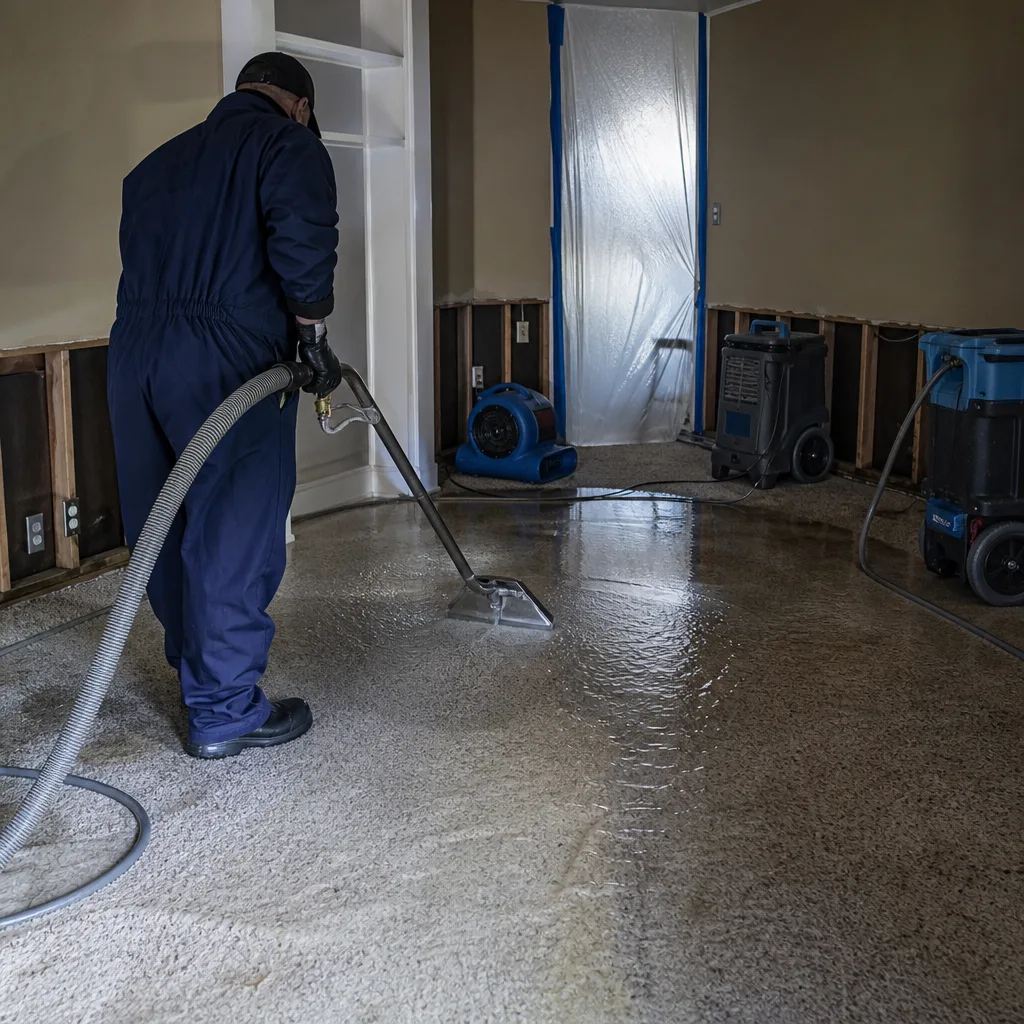
Standing water is removed with truck-mounted extraction systems and weighted water claws for carpeted areas. For hard surfaces, we use squeegee wands and portable extraction units. In basement units near Newtown Creek, we immediately test for sewage contamination and establish containment if Category 3 conditions are present.
3. Drying & Dehumidification
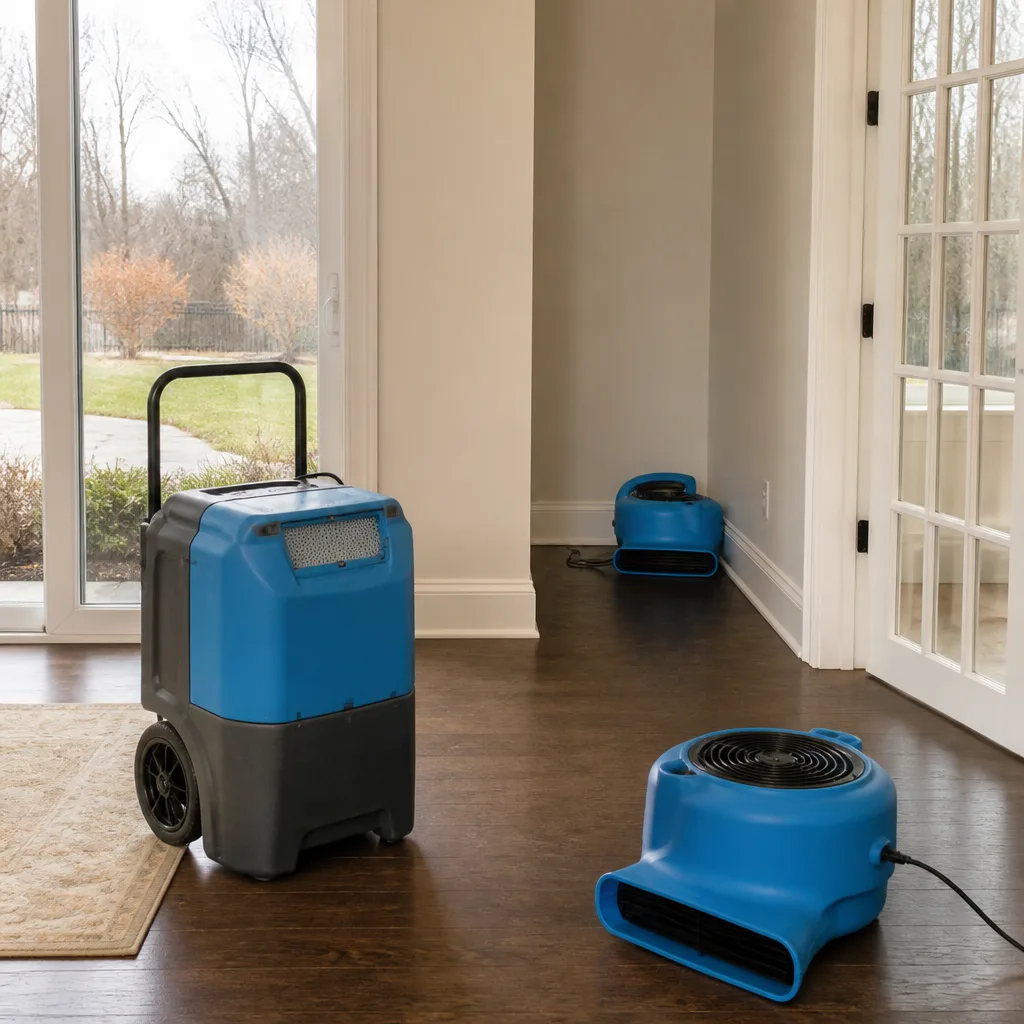
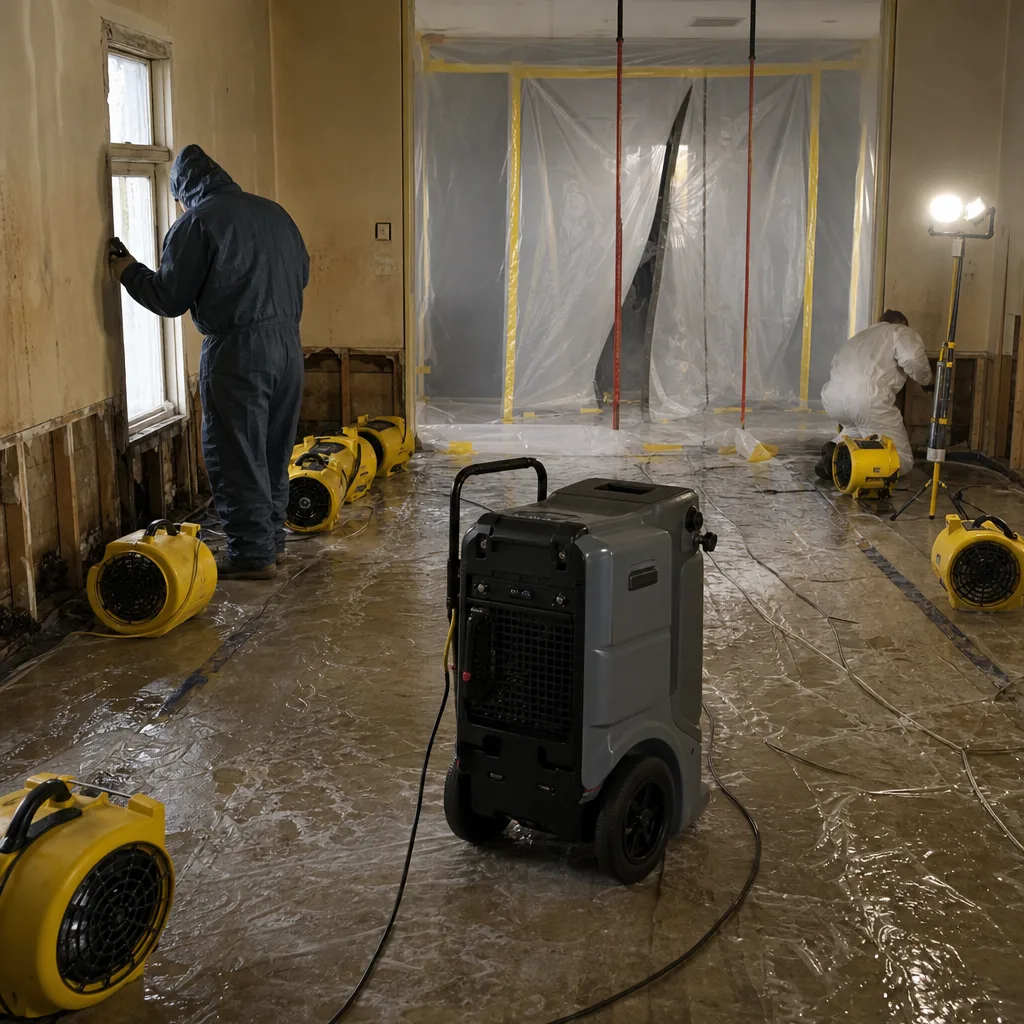
We deploy Dri-Eaz and Phoenix LGR dehumidifiers sized to the psychrometric load, plus XPOWER and B-Air air movers positioned to create laminar airflow across wet surfaces. In industrial conversions with high ceilings and exposed ductwork, we calculate air changes per hour differently than in standard residential construction - and we document that calculation.
4. Cleaning & Sanitization
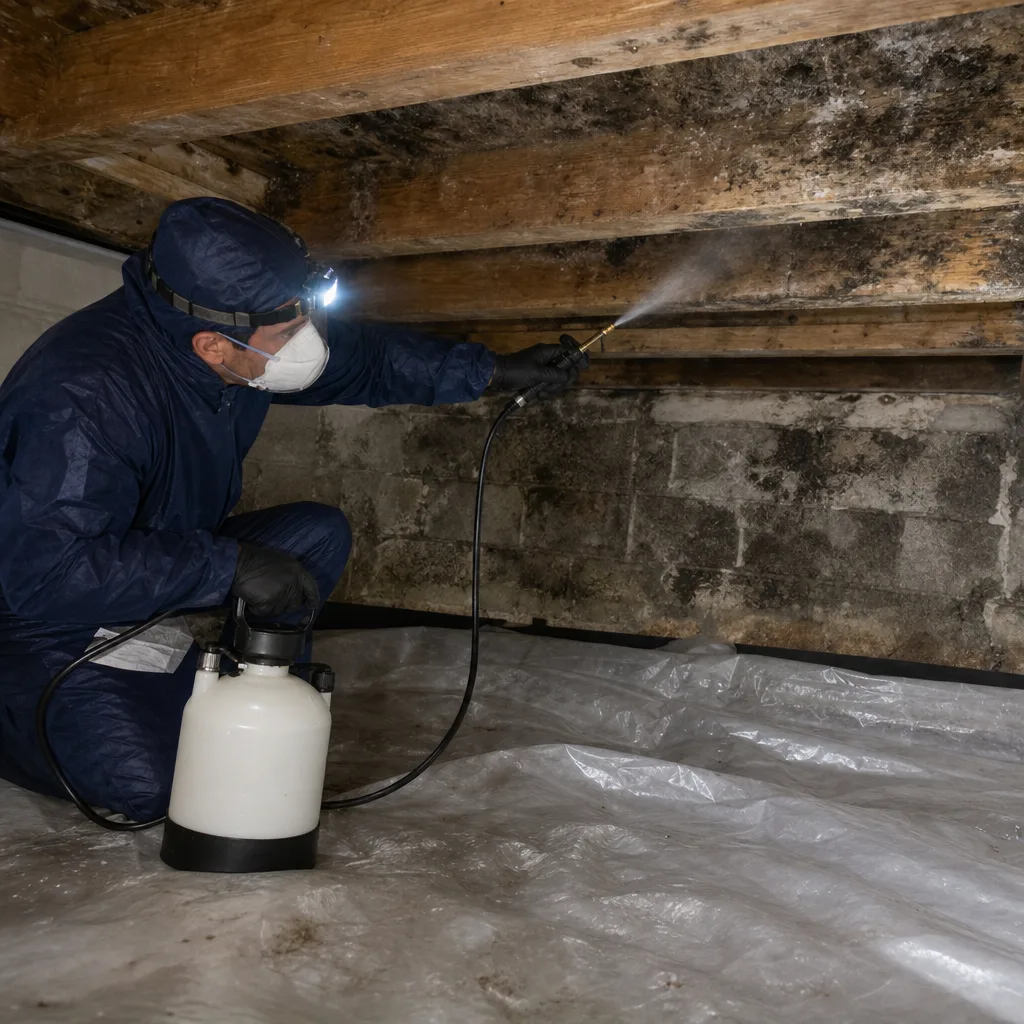
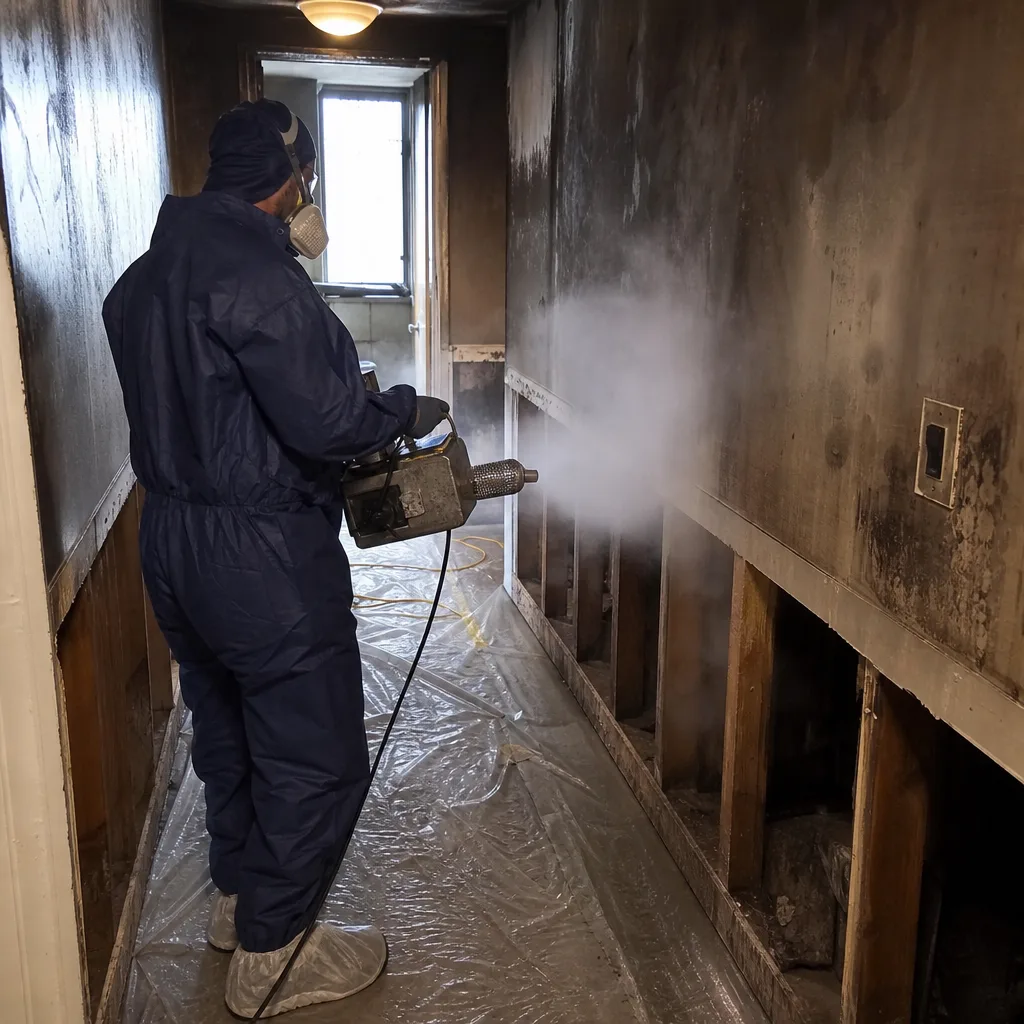
All affected surfaces receive antimicrobial treatment appropriate to the water category. Category 3 jobs get full HEPA air scrubbing, negative air containment, and disposal of porous materials per NYC DEP regulations. We photograph before and after conditions for every treated area.
5. Asbestos & Hazardous Materials Management
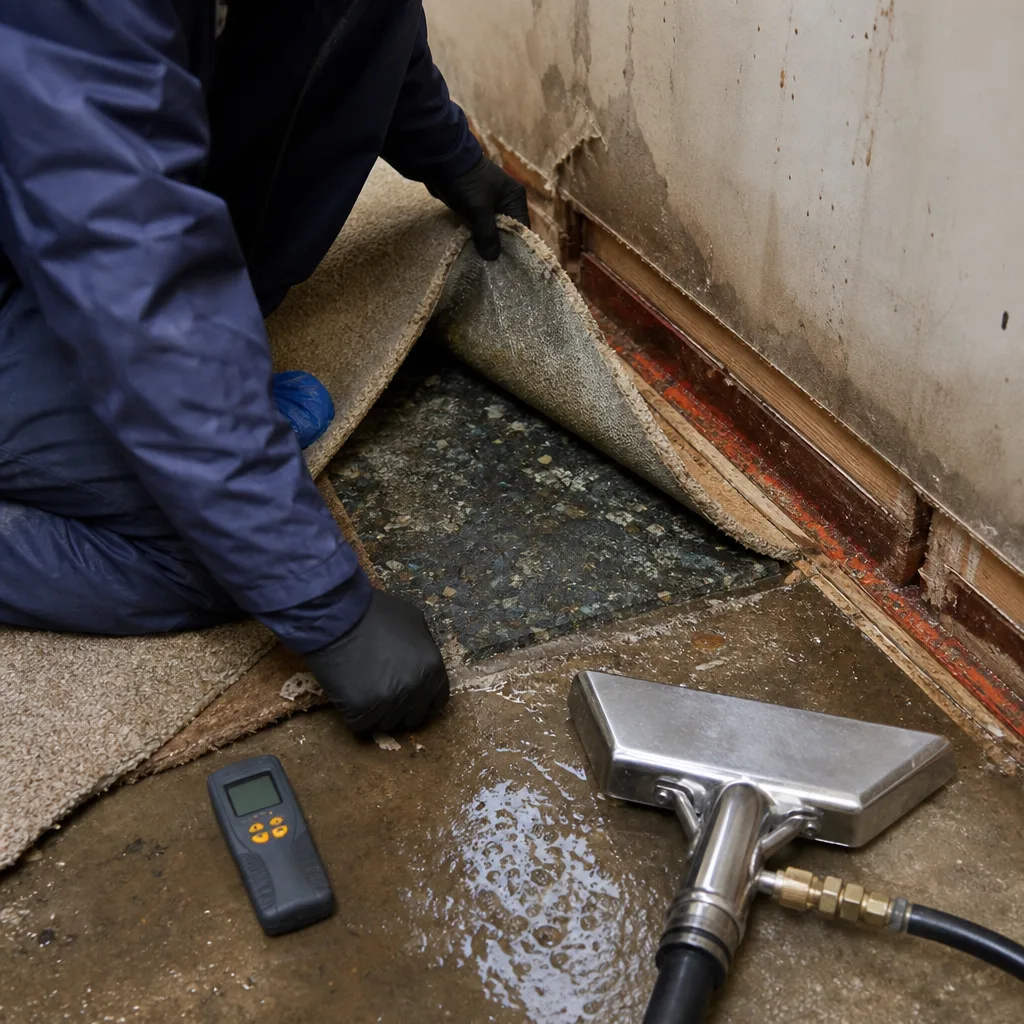
In Long Island City’s converted factories and warehouses, water damage routinely uncovers asbestos floor tiles, pipe insulation, and industrial lead paint. We were called to a Hunters Point loft near the Vernon Boulevard waterfront after a supply-line failure soaked a ground-floor studio, and when our tech pulled the waterlogged flooring we found mid-century 9×9 asphalt tiles - the classic chrysotile asbestos signature - so we stopped the dry-out, contained the area, and had it tested before drying could legally resume. We ran moisture mapping across the concrete slab, set up a DEP-compliant abatement sequence, then completed structural drying with air movers and dehumidification once clearance came back.
6. Repairs & Restoration
Once drying goals are met and documented, we deliver a written reconstruction scope with firm pricing - no additions once work begins, per Haven Standard, Clause 1. Our crews handle drywall, flooring, cabinetry, and paint, with the same photo documentation applied to every repair phase.
Need Emergency Water Damage Restoration in Long Island City Now?
Crews minutes away, answering live 24 hours a day. The sooner we start, the less it costs.
Working With Your Insurance Company
Insurance claims fail on documentation gaps. A moisture reading that wasn’t logged. A photo that wasn’t geotagged. A scope that wasn’t line-itemed in the format your adjuster’s software requires. Back to Dry was founded in 2011 by a former claims adjuster who built the company around exactly these failures - and our daily drying logs, written scopes, and room-by-room photo records turn restoration invoices into claims that get paid without dispute.
From the first hour of every Long Island City job, we build the file your adjuster needs: thermal images showing water boundaries, moisture-content readings with date and time stamps, material classifications by trade name, and a written scope in Xactimate format. We coordinate directly with your carrier, answer their documentation requests same-day, and never ask you to chase payment between mitigation and reconstruction. If you’ve received a competitor’s estimate, our Free Second Opinion will review it at no charge - we frequently find scope gaps that leave homeowners paying out-of-pocket for work their policy should cover.
What We Provide Your Insurer
- Thorough documentation of the loss
- Photos of all damage, room by room
- Moisture readings and drying logs
- A detailed, line-item scope of work
- Direct coordination with your carrier
Built for Long Island City’s Loss Calendar
January deep freezes split copper supply lines in pre-war buildings and freeze hose bibs on waterfront high-rises. The thaw that follows drives groundwater through foundation cracks in Dutch Kills basements. Spring storms overload the combined sewer system shared with Newtown Creek, pushing Category 3 backflow into ground-floor units - we see this pattern every April and May. Summer thunderstorms hit fast and hard; LIC’s low-lying waterfront terrain collects sheet flow from the East River side, and buildings without functioning sump systems flood in hours.
September through November brings nor’easter season, when storm surge stacks against the Long Island City waterfront and basement seepage becomes widespread. The 2012 Sandy inundation of Hunters Point isn’t historical memory here - it’s the benchmark for building preparation and why many property owners also keep our Fire & Smoke Damage Restoration in Long Island City contact on hand. Winter brings frozen condensate lines in newer high-efficiency mechanical systems, and the cycle repeats. Every season produces distinct damage signatures, and our response protocols adjust accordingly: freeze jobs get immediate heat and extraction, surge jobs get Category 3 containment from arrival, sewer backflow gets full hazmat protocol before any drying begins.
Water Damage Restoration Across Long Island City’s Neighborhoods
Hunters Point - the waterfront corridor from Anable Basin to Hunters Point South Park, where FEMA AE flood zones and luxury high-rises sit blocks from converted industrial lofts. Storm surge hits ground floors first; in converted buildings, we find water wicking through concrete slabs toward the East River. The newer towers have their own challenges - centralized mechanical systems can distribute water damage across multiple units from a single chiller or boiler failure.
Dutch Kills - the northern zone toward Queens Boulevard and the Sunnyside Yards, where early-20th-century warehouses and printing plants became residential lofts and studios. These buildings carry the highest asbestos-discovery rate we see in Queens. A water job here almost always includes a hazardous materials assessment before drying can proceed.
Ravenswood - anchored by the NYCHA towers and the Ravenswood Generating Station, with a mix of mid-century housing stock and newer infill. Basement flooding from combined sewer overflow is common during heavy rain; we maintain dedicated extraction equipment sized for the larger footprints in this area.
Court Square - the transit hub where new construction meets older commercial buildings. Water damage here often involves mixed-use properties with residential above retail, requiring phased containment to keep businesses operating while we mitigate upstairs losses.
Our Water Damage Restoration in Long Island City coverage extends to every corner of the neighborhood, with crews positioned for 45-minute response to all four corridors.
Specialized Water Damage Restoration Services We Offer in Long Island City
Emergency Water Extraction
Standing water doesn’t wait. Our truck-mounted extraction systems remove thousands of gallons per hour, and portable units access high-rise units where truck mounts can’t reach. In Long Island City’s converted lofts with freight elevators or narrow stairwells, we size our equipment to the building’s access constraints - not the other way around. Typical emergency extraction in Long Island City runs $450-$950 for residential jobs.
Structural Drying & Dehumidification
We calculate dehumidification capacity from psychrometric data - temperature, relative humidity, and specific humidity - then deploy Dri-Eaz and Phoenix LGR units sized to the vapor load. Air movers from XPOWER and B-Air create controlled airflow across wet surfaces. Daily moisture logs track progress to IICRC S500 dry standards. Full structural drying in Long Island City typically ranges $1,800-$4,200.
Flood Cleanup
Flood damage in Long Island City carries unique risk. East River surge and Newtown Creek backflow both deliver Category 3 contamination - sewage, chemicals, and petroleum products from industrial legacy. We establish negative-air containment, deploy HEPA scrubbers, and dispose of porous materials per NYC DEP protocol. Flood cleanup jobs here run $3,500-$8,500 depending on contamination level and square footage.
Burst Pipe Restoration
January freezes split copper in pre-war buildings; corroded galvanized lines fail in industrial conversions. We extract, dry, and document the full migration path - including the lateral wicking through concrete slabs that competitors miss. Burst pipe restoration in Long Island City typically falls between $2,200-$5,800.
Basement Water Removal
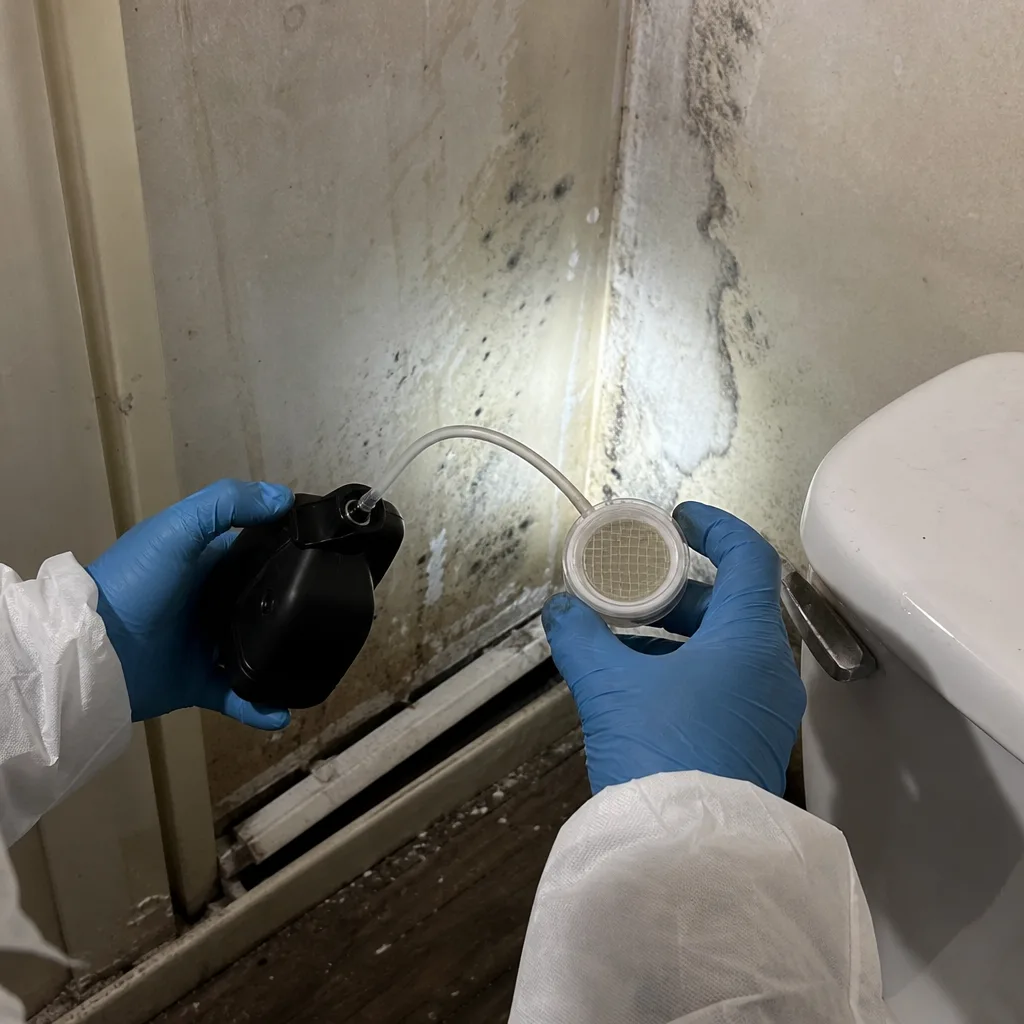
LIC basements face combined sewer overflow during heavy rain, groundwater intrusion from high water tables, and failed sump systems. We pump, extract, and assess contamination level before any drying begins. Basement jobs in the Dutch Kills and Ravenswood areas frequently test positive for sewage indicators, triggering Category 3 protocols. Basement water removal starts at $650-$1,400 for extraction, with full remediation running higher if contamination is present.
What happens when you call
- 1
A real person answersNo phone trees - you reach a local pro.
- 2
You get an upfront price rangeHonest numbers before anyone is dispatched.
- 3
A background-checked tech heads outLicensed & insured, dispatched right away.
- 4
You approve before work beginsNothing starts until you say go.
Water Damage Restoration Costs in Long Island City, NY
Here’s what we actually charge for Water Damage Restoration work in Long Island City, based on jobs completed in the last 18 months:
| Service | Typical Range |
|---|---|
| Emergency water extraction | $450 - $950 |
| Structural drying & dehumidification | $1,800 - $4,200 |
| Flood cleanup (Category 3) | $3,500 - $8,500 |
| Burst pipe restoration | $2,200 - $5,800 |
| Basement water removal | $650 - $1,400 (extraction only) |
| Full restoration with reconstruction | $5,500 - $14,000+ |
What moves the price: square footage affected, water category (Category 3 costs 40-60% more than Category 1), whether asbestos or lead abatement is required, and how many levels of the building are involved. Insurance typically covers sudden and accidental water damage from supply lines, appliances, and weather events; gradual leaks and maintenance issues are usually excluded. We deliver a written price before any work starts - Haven Standard, Clause 1 - and we review competitor estimates free if you want a second opinion. Call (516) 687-5786 for an exact quote; estimates are free.
We Also Serve Cities Near Long Island City
Our crews respond throughout western Queens and into Manhattan: Astoria to the east, where pre-war brick buildings face similar freeze-thaw pipe risks; Jackson Heights and Elmhurst to the southeast, with their own combined sewer overflow patterns and basement flooding profiles; and Manhattan across the Queensboro Bridge and through the Midtown Tunnel, where high-rise water damage requires different equipment staging but the same documentation discipline.
Serving Long Island City, NY - Our Local Coverage Area
We’re based in the Long Island City area and know this community well. Use the map below to see our service coverage - if you’re nearby, we can almost certainly help.
Long Island City Water Damage Restoration Questions, Answered
Why does water damage in Long Island City lofts sometimes turn into a multi-week project instead of a two-day dry-out?
Asbestos discovery stops the clock. When we pull waterlogged flooring in converted industrial buildings and find 9×9 asphalt tiles or pipe insulation, NYC DEP regulations require licensed abatement before any restoration work can resume. Testing, containment, removal, and clearance sampling add 10-14 days to what looked like a simple dry-out. We scope for this possibility from the first walkthrough in Dutch Kills and Hunters Point lofts, so you’re not surprised mid-job.
What makes a basement flood in LIC different from a basement flood in inland Queens?
Combined sewer overflow. Long Island City shares infrastructure with Newtown Creek, and heavy rain events push sewage-contaminated backflow into basements and ground-floor units. That reclassifies the job to Category 3 black water, requiring full containment, HEPA air scrubbing, and hazmat disposal. Inland Queens basements more often face clean groundwater intrusion. The equipment, timeline, and cost are substantially different. Call (516) 687-5786 if you’re unsure which category you’re facing - we’ll assess on arrival.
How fast do you need to start drying after a pipe bursts in a Hunters Point loft?
Within 4 hours for Category 1 water, immediately for Category 2 or 3. In Hunters Point lofts, water migrates through concrete slab channels and can saturate subflooring while surface readings still look manageable. We run thermal imaging and probe moisture mapping to find the real boundary, then establish drying equipment before mold growth begins - typically 24-48 hours in humid conditions. Our 45-minute response commitment is built around this timeline.
Do waterfront high-rises along the East River need the same mitigation as the older Dutch Kills conversions?
No. High-rises face different failure modes: centralized mechanical distribution, stack effect pulling moisture vertically through utility chases, and glass-curtain-wall leaks that pool in spandrel areas. The equipment is similar - LGR dehumidifiers, air movers, moisture mapping - but the containment strategy and documentation focus on protecting common systems and neighboring units. Dutch Kills conversions more often trigger hazardous materials protocols and require phased abatement before drying.
Can you dry a floor without removing the 9×9 tiles we suspect are asbestos?
Sometimes, if the tiles are intact and the water hasn’t penetrated beneath them. We test first - never guess. If the tiles are non-friable and the subfloor is accessible from below, we may establish drying from the basement or crawl space. If water has lifted, cracked, or saturated the tiles, DEP regulations require abatement before any disturbance. We document the condition, explain the options, and never proceed without your written authorization and a clear scope. Call (516) 687-5786 for an assessment.
Will my insurance cover water damage restoration in Long Island City?
Sudden and accidental damage from burst pipes, appliance failures, and weather events is typically covered under standard homeowners policies. Gradual leaks, maintenance issues, and flood damage from rising water usually require separate flood insurance. We document every job to insurance standards from hour one, coordinate directly with your adjuster, and provide the line-item scope in Xactimate format that carriers expect. If you’ve already received a denial or a low estimate, our Free Second Opinion will review it at no charge.
How long does structural drying take in Long Island City’s concrete-slab buildings?
3-5 days for standard residential construction, 5-10 days for poured concrete slabs typical of industrial conversions. Concrete holds moisture in capillary channels and releases it slowly - that’s what tertiary drying addresses. We don’t guess; we measure daily moisture content in the slab, the air, and adjacent materials, and we don’t remove equipment until all readings meet IICRC S500 standards. Rushing this phase guarantees mold and guarantees your insurer will dispute the invoice.
What should I do in the first 30 minutes after discovering water damage?
Stop the source if you can do so safely - shut off the main water valve, not individual fixtures. Don’t enter standing water if electrical outlets or equipment are submerged. Call (516) 687-5786 for live dispatch. While you wait, move small valuables to dry areas and take photos from multiple angles - your adjuster will want them. Don’t run household fans on Category 2 or 3 water; you’ll aerosolize contamination. We’ll assess the category on arrival and establish proper containment before any air movement begins.
Written by Alicia Brennan, Owner at Back to Dry Restoration, serving Long Island City since 2011.