
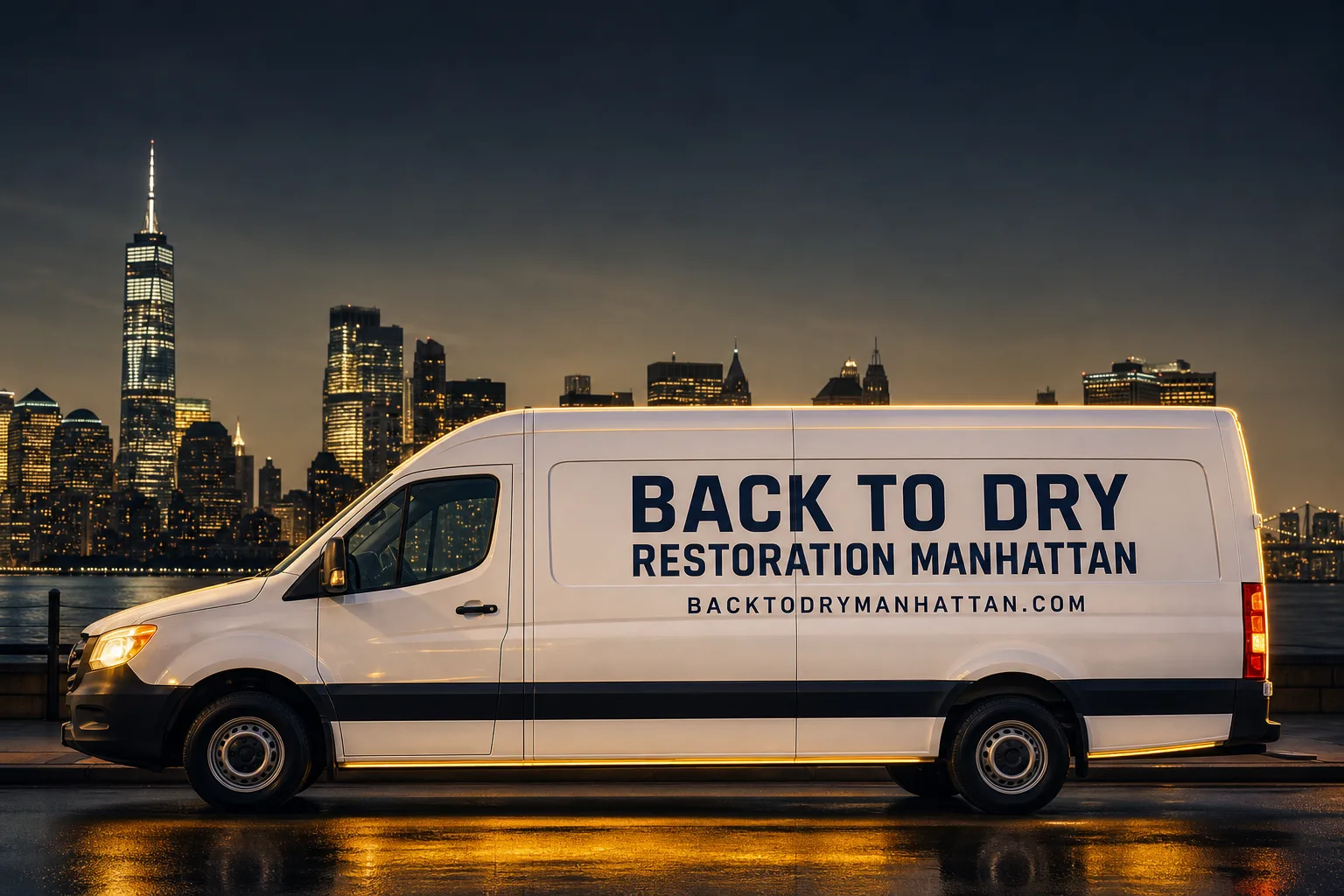
Free visual inspection and a written scope of work before any mitigation begins - photos, moisture readings, and drying logs go in your claim file
The scope we write is the scope we bill. Anything new gets shown to you, in writing, before we touch it.
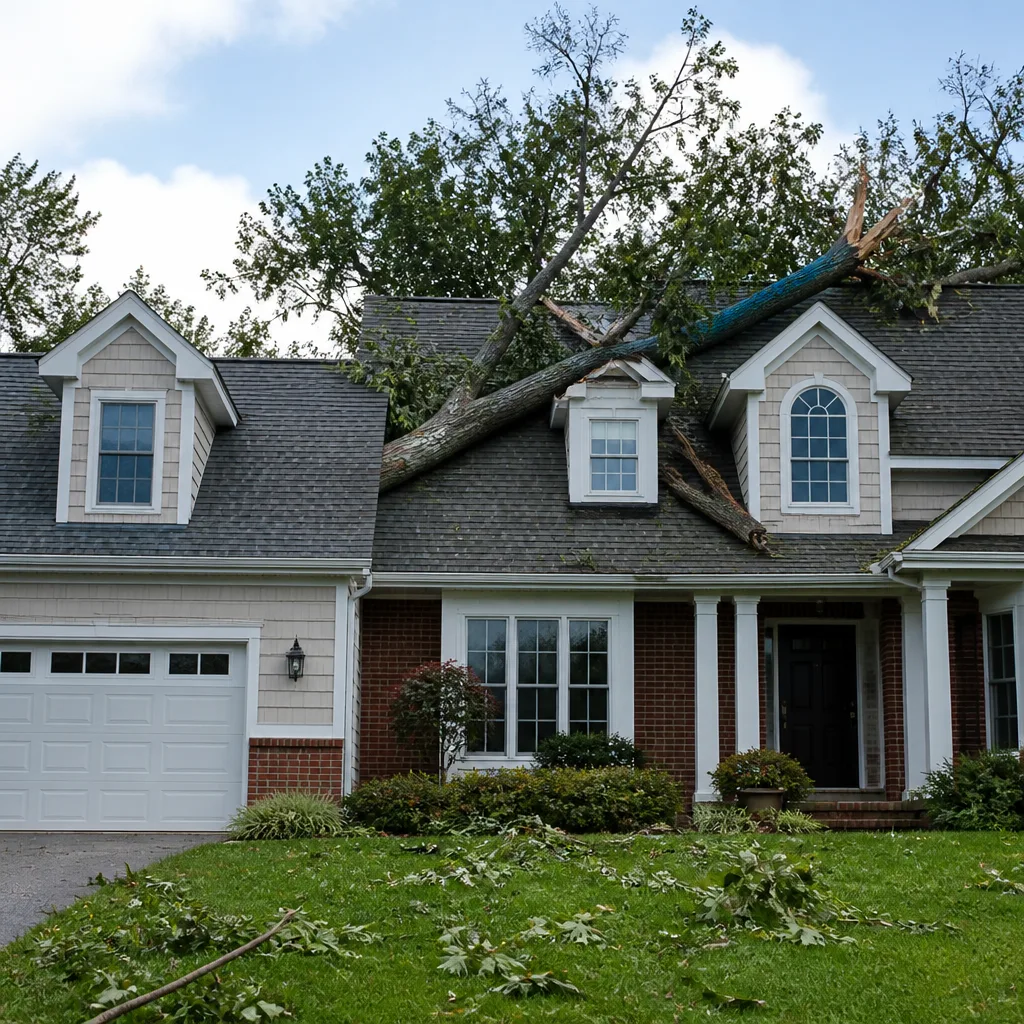
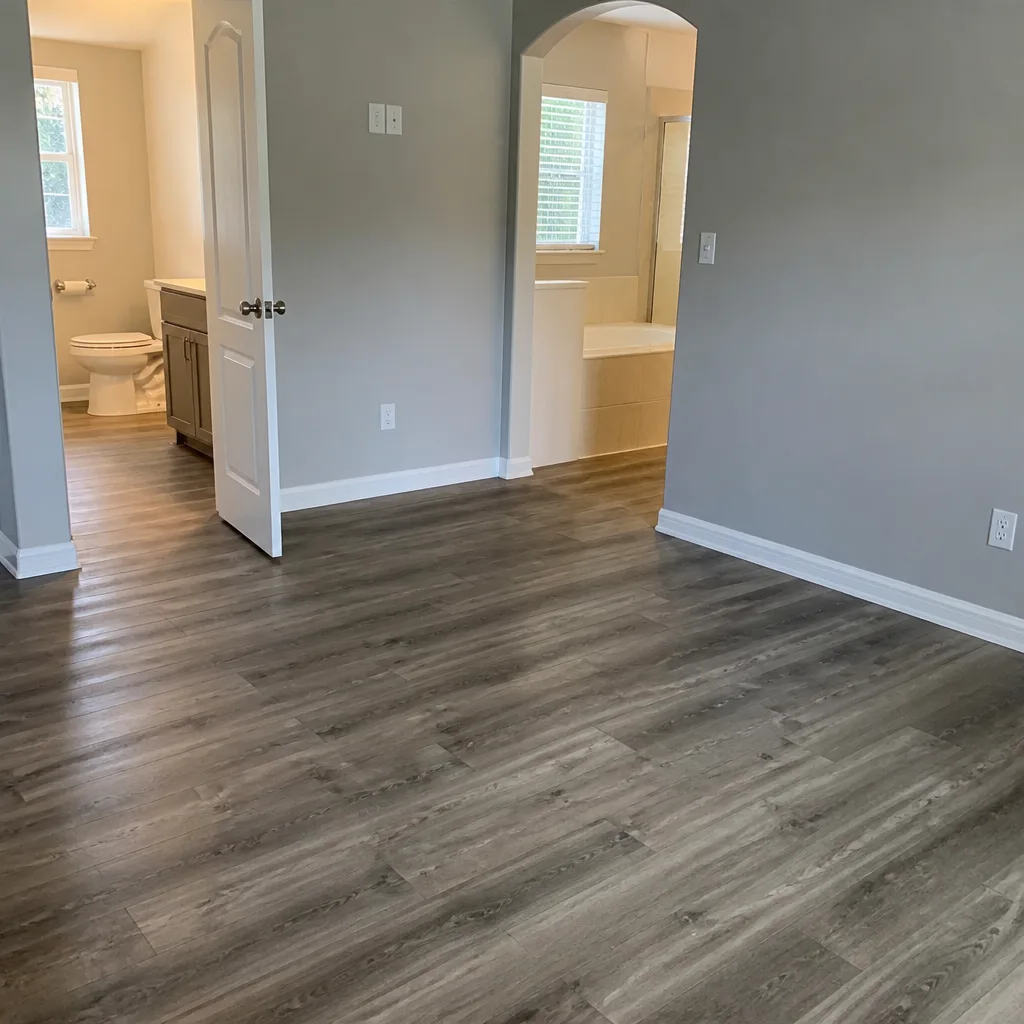
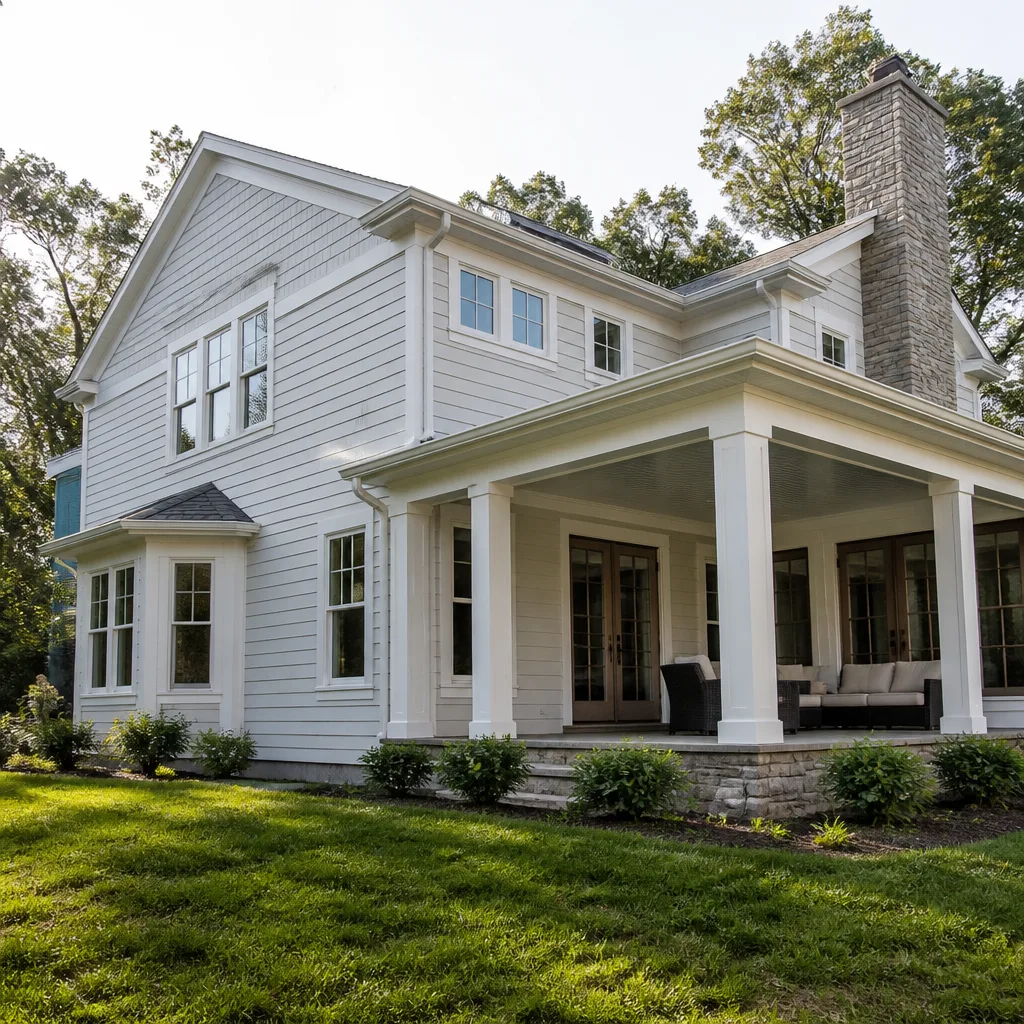
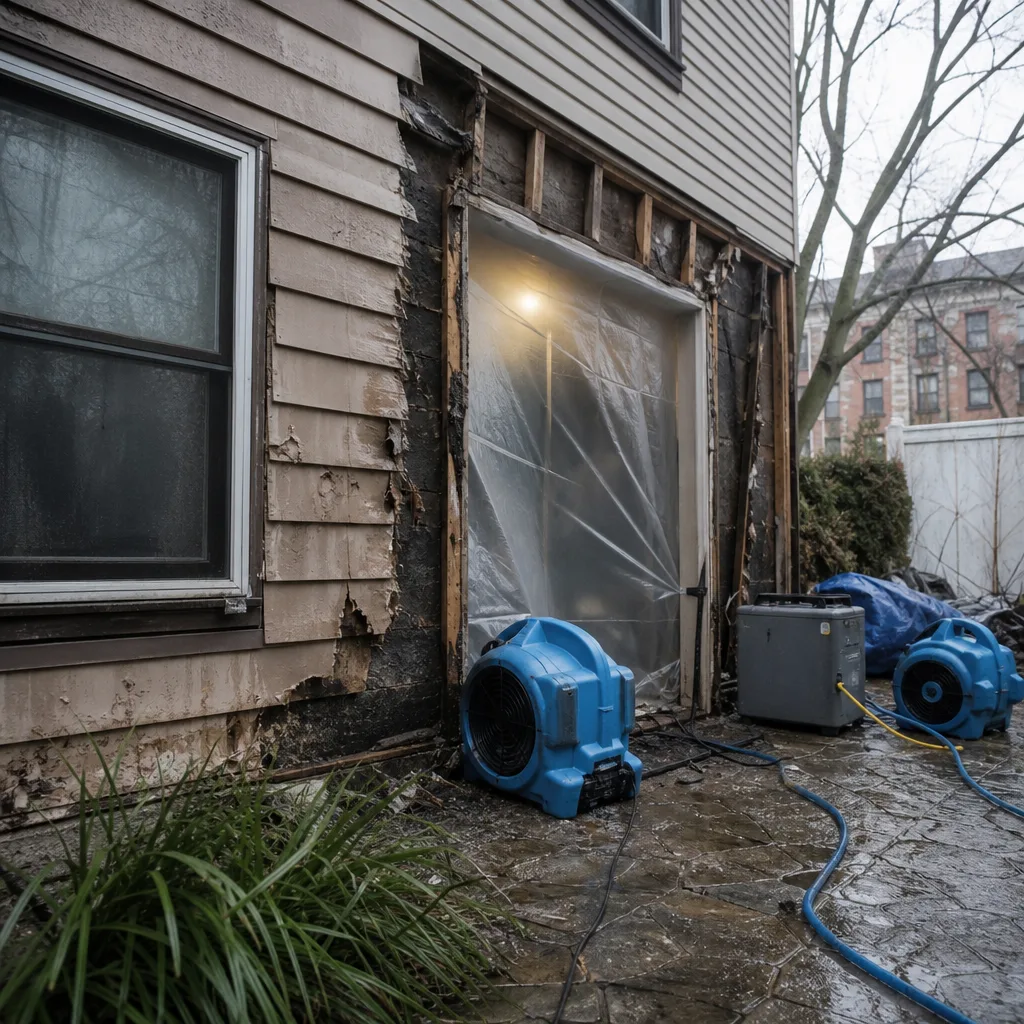 Before
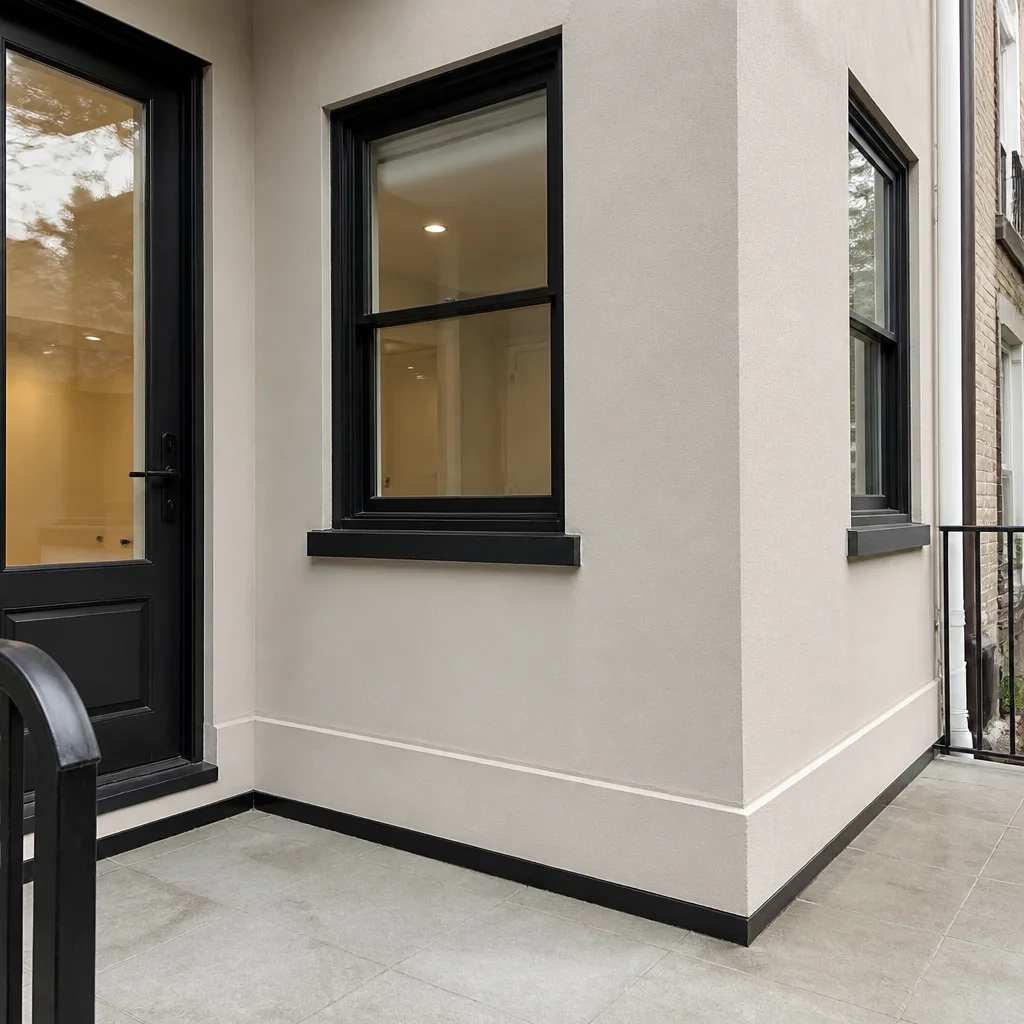 After
After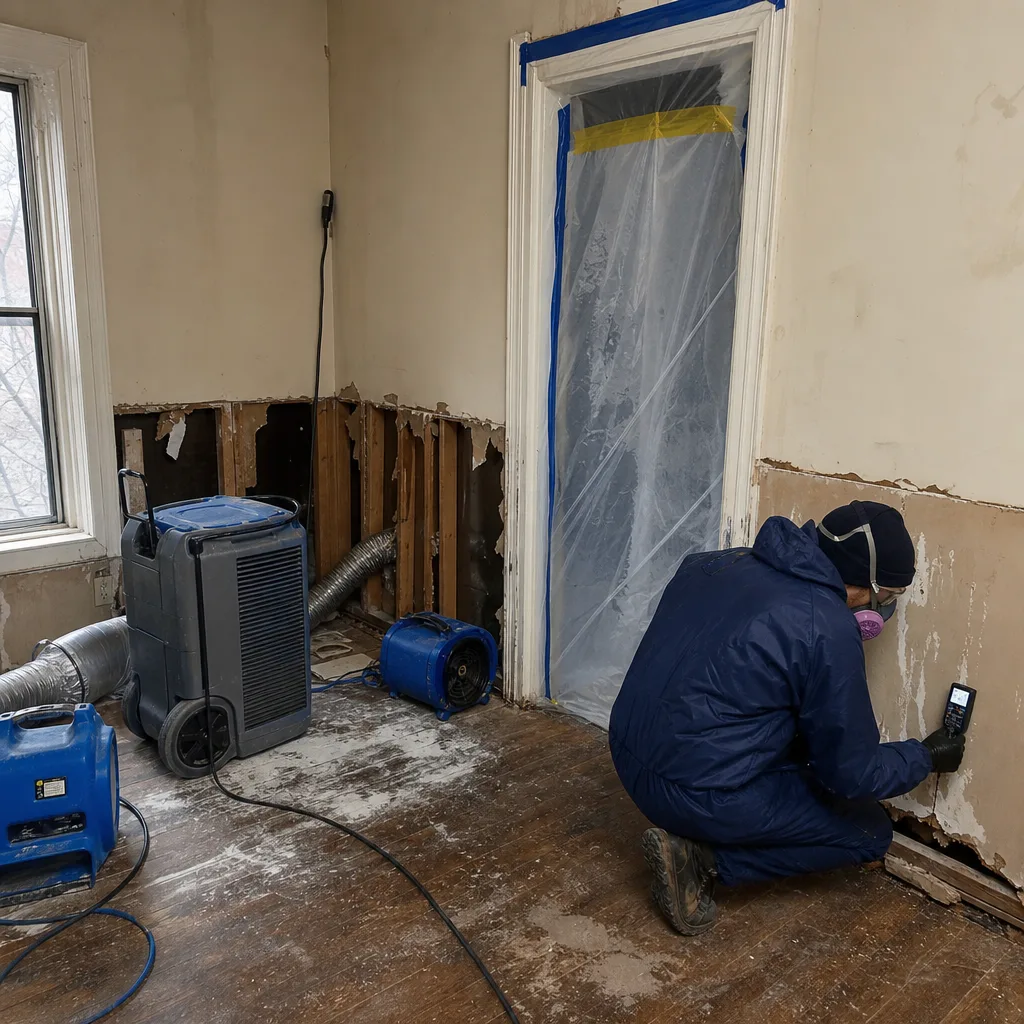 Before
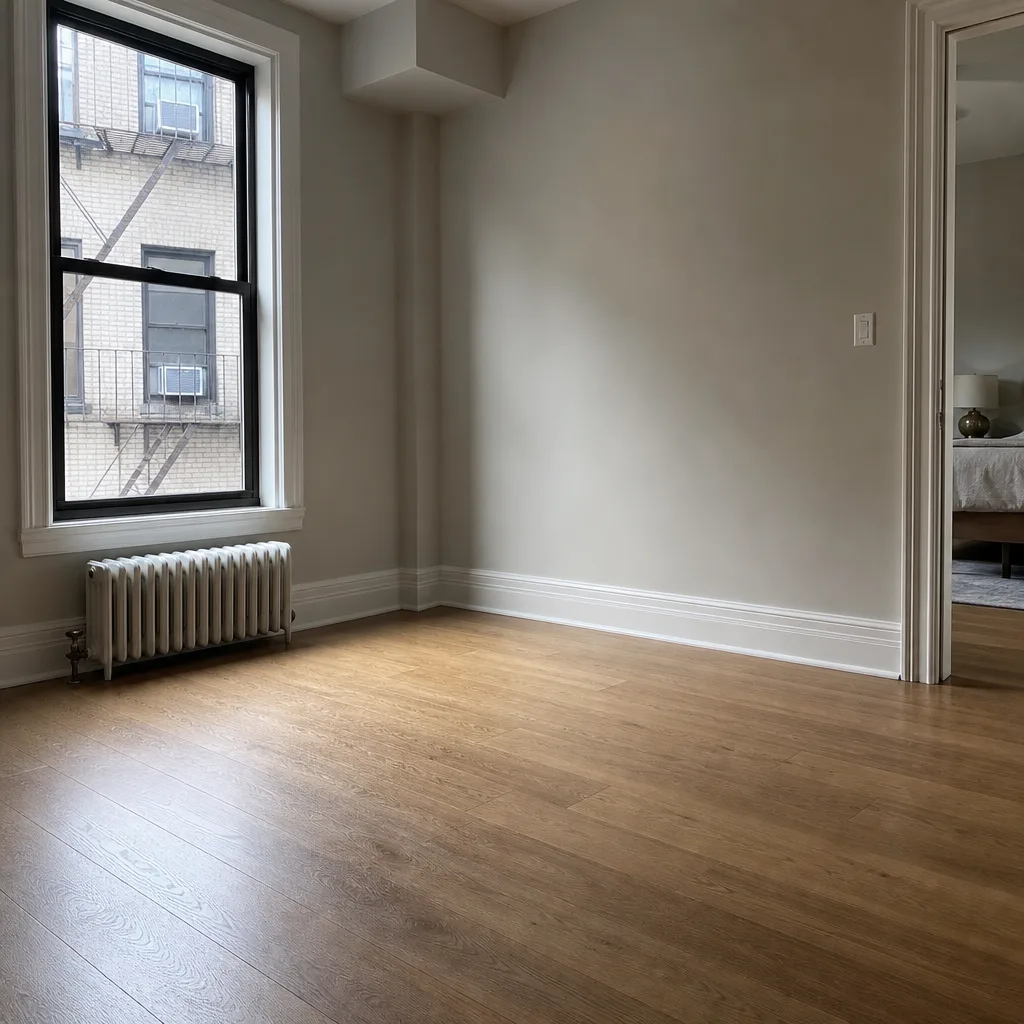 After
After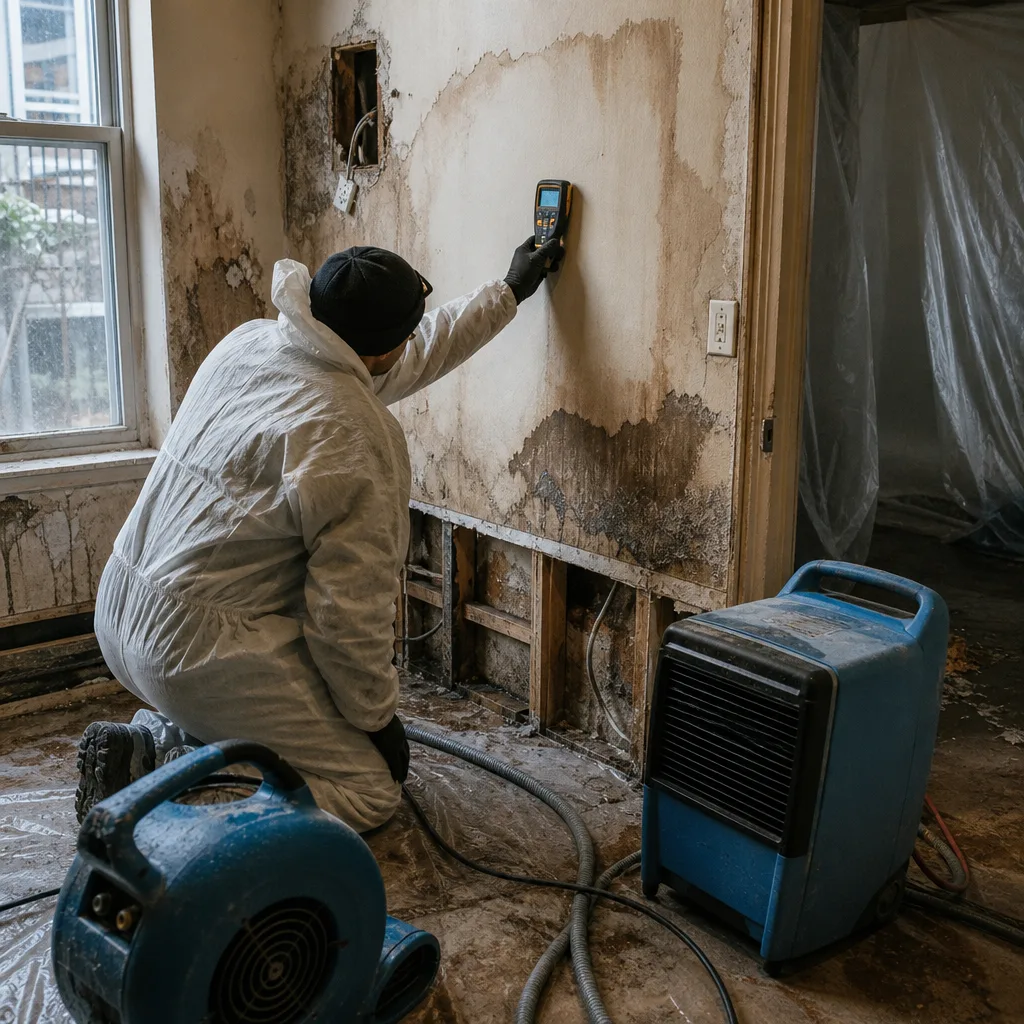 Before
 After
After24/7 Emergency Fire & Smoke Damage Restoration in Long Island City
A fire in your Long Island City property demands immediate response. Call (516) 687-5786 and a live person answers, 24 hours a day, 7 days a week. No voicemail, no callback queue. Our crews dispatch throughout the Hunters Point, Dutch Kills, and Ravenswood corridors within 45 minutes of your call, because smoke damage compounds by the hour and firefighting water left standing breeds secondary mold in as little as 48 hours.
We provide a free visual inspection on arrival, document every surface with photo evidence, and deliver a written price before any work begins. Haven Standard, Clause 1. The first hour determines whether soot residues remain surface-level or etch permanently into plaster, glass, and stainless steel. In Long Island City’s converted industrial lofts, that first hour also reveals whether we’re facing a straightforward smoke mitigation or a layered project involving DEP asbestos abatement and Category 3 water protocols.
Understanding Fire & Smoke Damage Restoration Severity in Long Island City Properties
Fire damage in Long Island City sorts into three severity tracks, and the building type tells us which track we’re on before we step inside. Dry smoke residues from fast-burning, high-heat fires produce powdery, non-smeary soot that responds to dry cleaning sponges and HEPA vacuuming. Wet smoke residues from slow, oxygen-starved fires - common in cluttered basement units or enclosed utility rooms - leave sticky, smeary deposits that require solvent-based cleaning and often strip finishes. Protein fires from kitchen grease incidents leave nearly invisible but pungent residues that etch painted surfaces and demand specialized deodorization.
Smoke migration follows the path of least resistance, and in Long Island City’s converted warehouse lofts, that means old factory duct chases, elevator shafts, and balloon-frame wall cavities carry odor and particulate far beyond the fire room. We’ve traced smoke damage from a ground-floor kitchen fire to a fifth-floor unit through a 1920s ventilation chase in Dutch Kills. The Hunters Point and Ravenswood NYCHA towers present the opposite problem: sealed concrete construction limits migration but concentrates odor in the unit of origin, where thermal layering pushes soot to ceiling corners and HVAC intakes.
Our crews classify firefighting water using IICRC standards. Category 1 is clean supply line discharge. Category 2 carries significant contamination. Category 3 contains pathogenic or toxigenic agents. In Long Island City, firefighting water frequently becomes Category 3 when it mixes with combined-sewer backflow from Newtown Creek infrastructure, particularly in basement and ground-floor units in FEMA AE zones.
Why Long Island City Property Owners Choose Back to Dry Restoration Manhattan
- 45-minute response commitment to any address in the 11101, 11106, or 11109 zip codes, with dispatch coordinated from our New York City office.
- 24/7 live answer by a real person - never an automated system, never a voicemail tree, never a next-business-day callback while smoke residue is etching your countertops.
- IICRC-certified crews holding FSRT (Fire and Smoke Restoration Technician) and WRT (Water Damage Restoration Technician) credentials, with background checks and license verification completed before any technician arrives at your door.
- Free visual inspection with documented photo record included as standard, never an upsell.
- Direct insurance billing with adjuster coordination from day one - we speak the language of claims because Alicia Brennan founded this company in 2011 after seeing how documentation gaps cost homeowners their settlements.
- One team from emergency board-up through final reconstruction, so no handoff confusion and no contractor gap where moisture gets missed.
BeforeAfterOur Fire & Smoke Damage Restoration Process
1. Inspection & Assessment
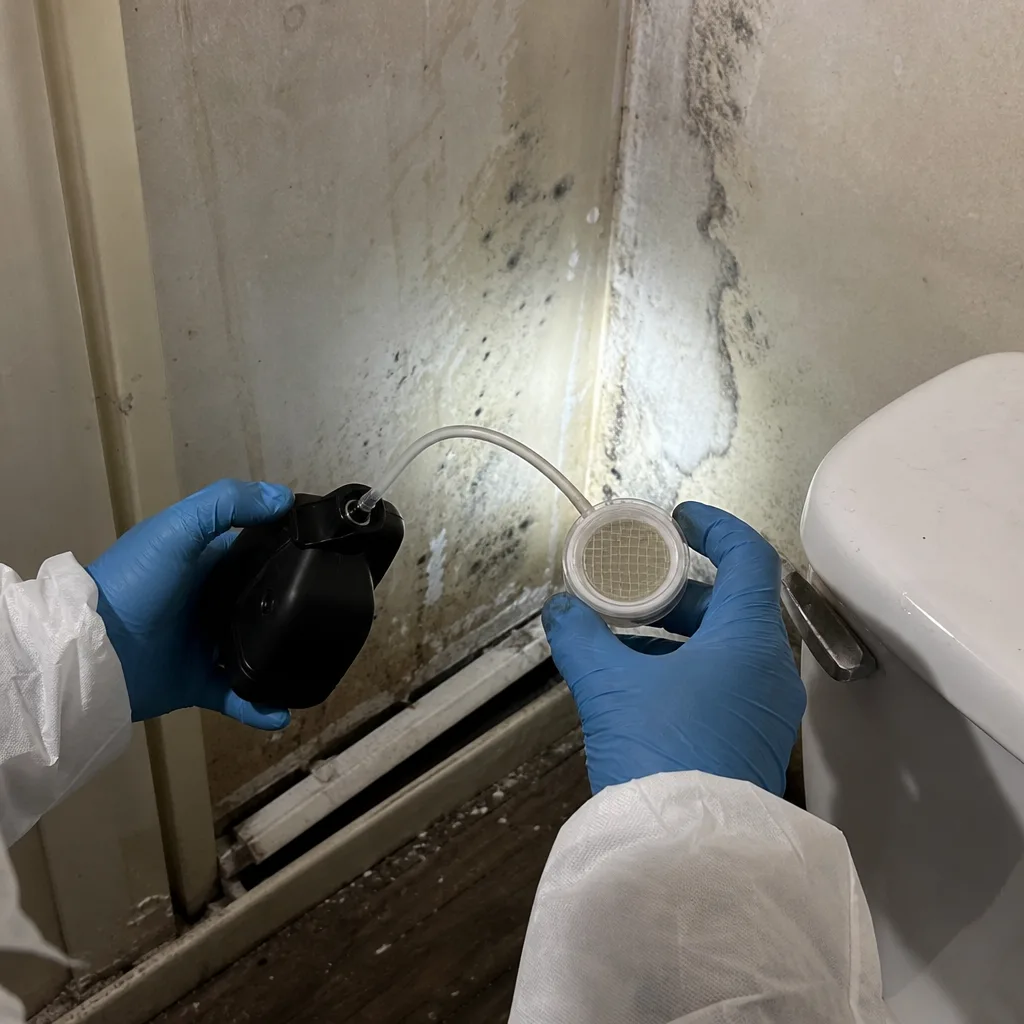
We arrive with thermal imaging cameras, hygrometers, and moisture meters to map the full extent of fire, smoke, and water damage. In Long Island City’s industrial conversions, this includes checking for asbestos-containing materials and lead paint before any demolition begins. You receive a written scope and price before work starts.
2. Emergency Board-Up & Stabilization
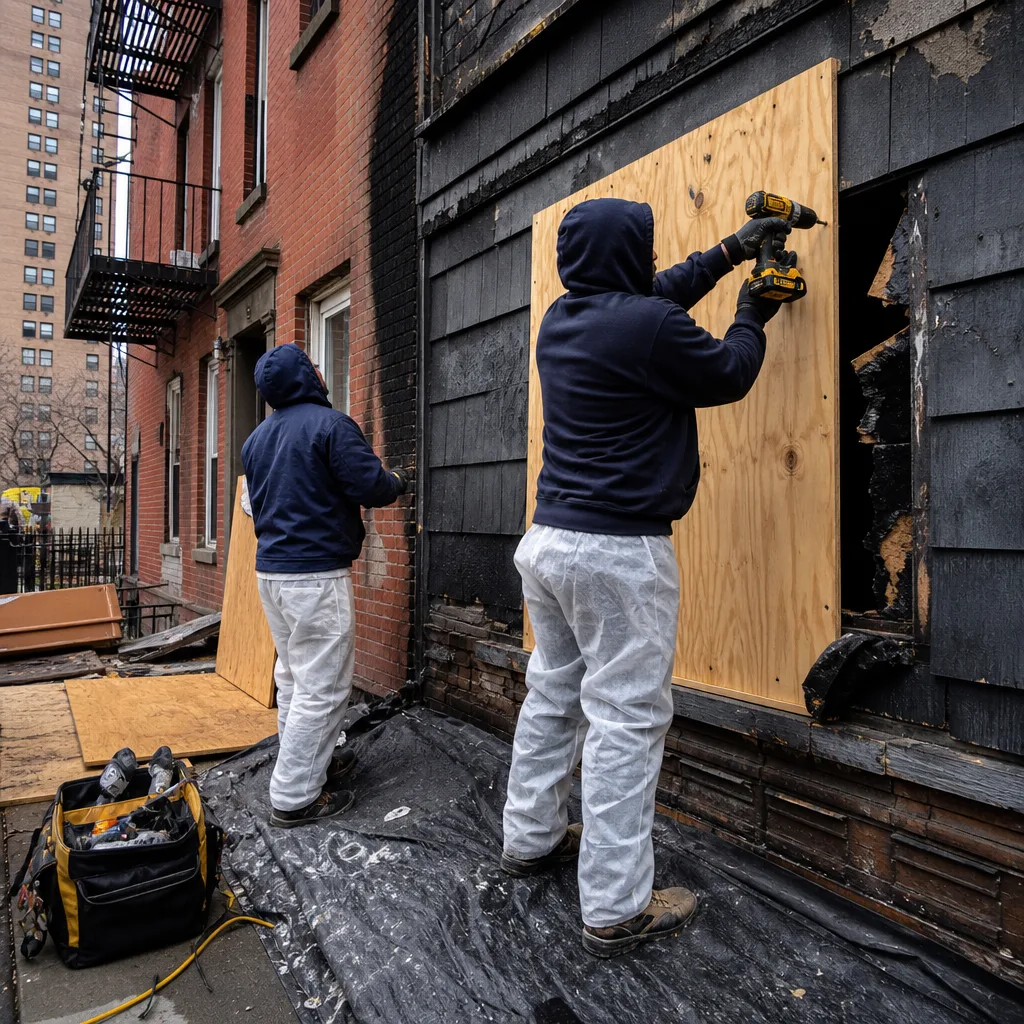
Broken windows, compromised roofs, and damaged doors get secured with plywood and weatherproof tarps to prevent secondary damage and satisfy insurance occupancy requirements. We document every board-up with photos for your claim file.
3. Water Extraction & Structural Drying
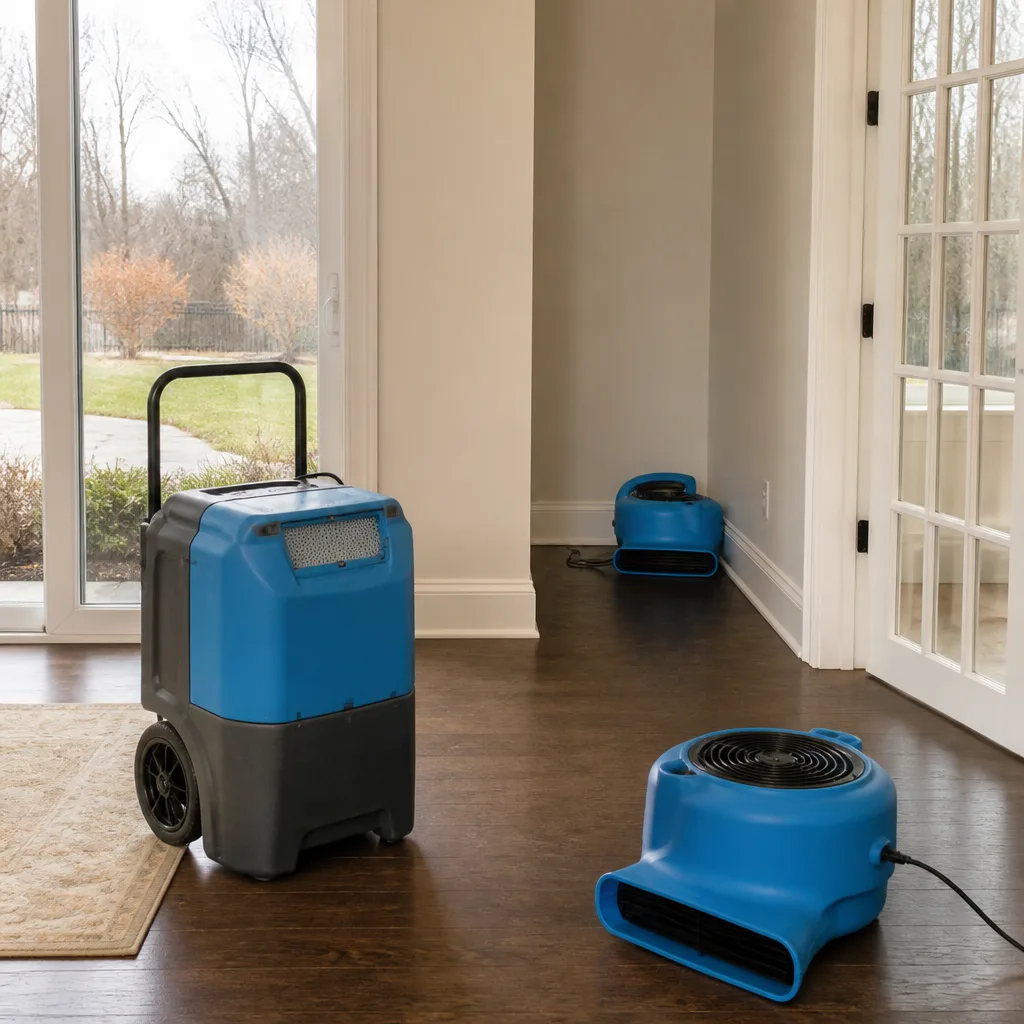
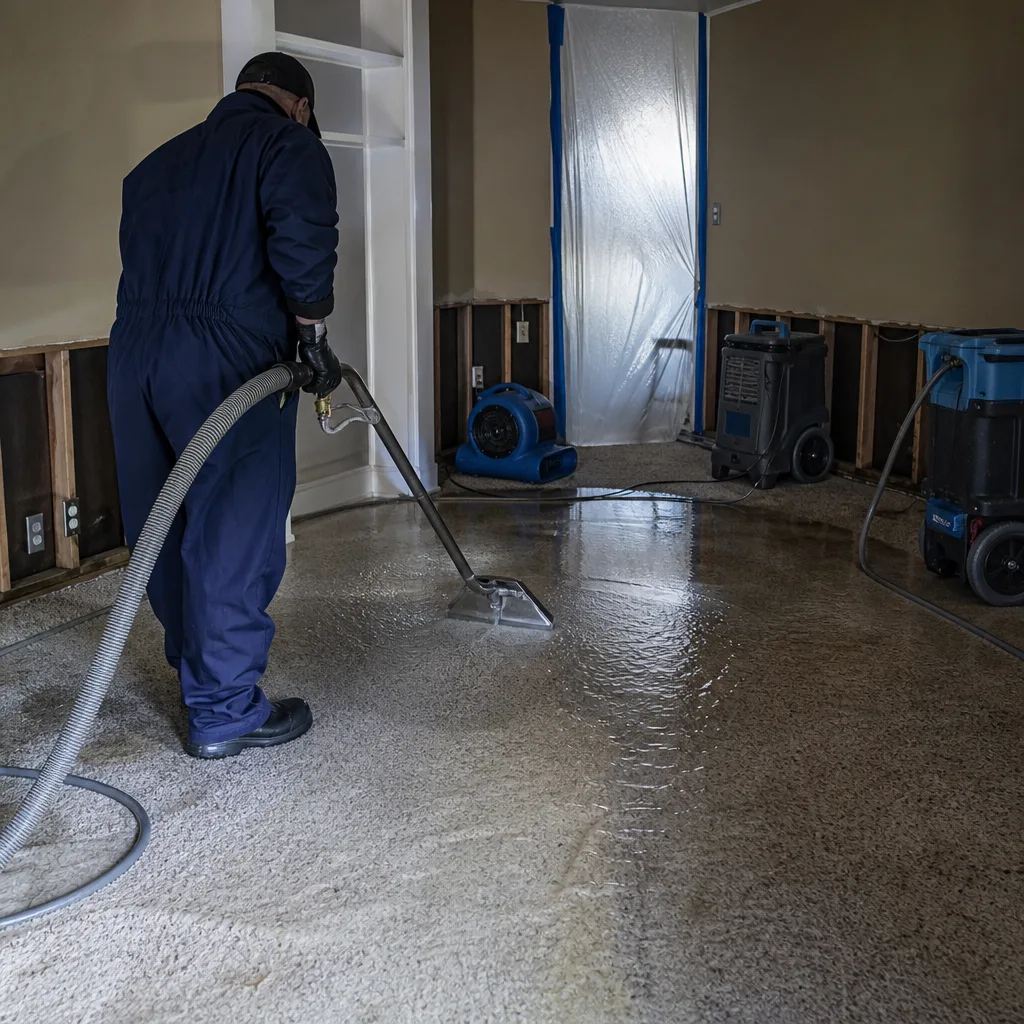
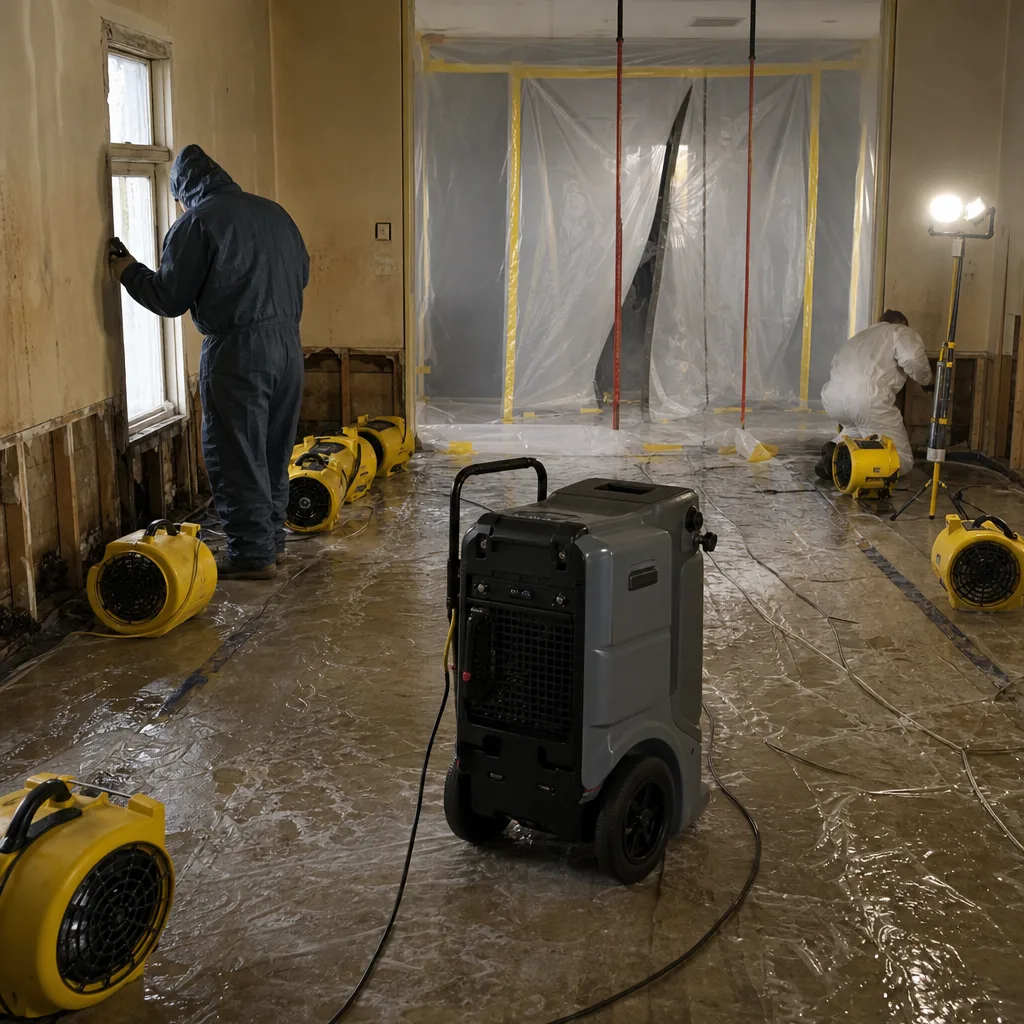
Firefighting water gets extracted using truck-mounted and portable systems, then we deploy Dri-Eaz and Phoenix dehumidifiers with axial air movers to establish vapor pressure differential - the measurable force that pulls moisture from materials into the air for removal. Daily moisture logs track progress to IICRC standards.
4. Smoke & Soot Removal
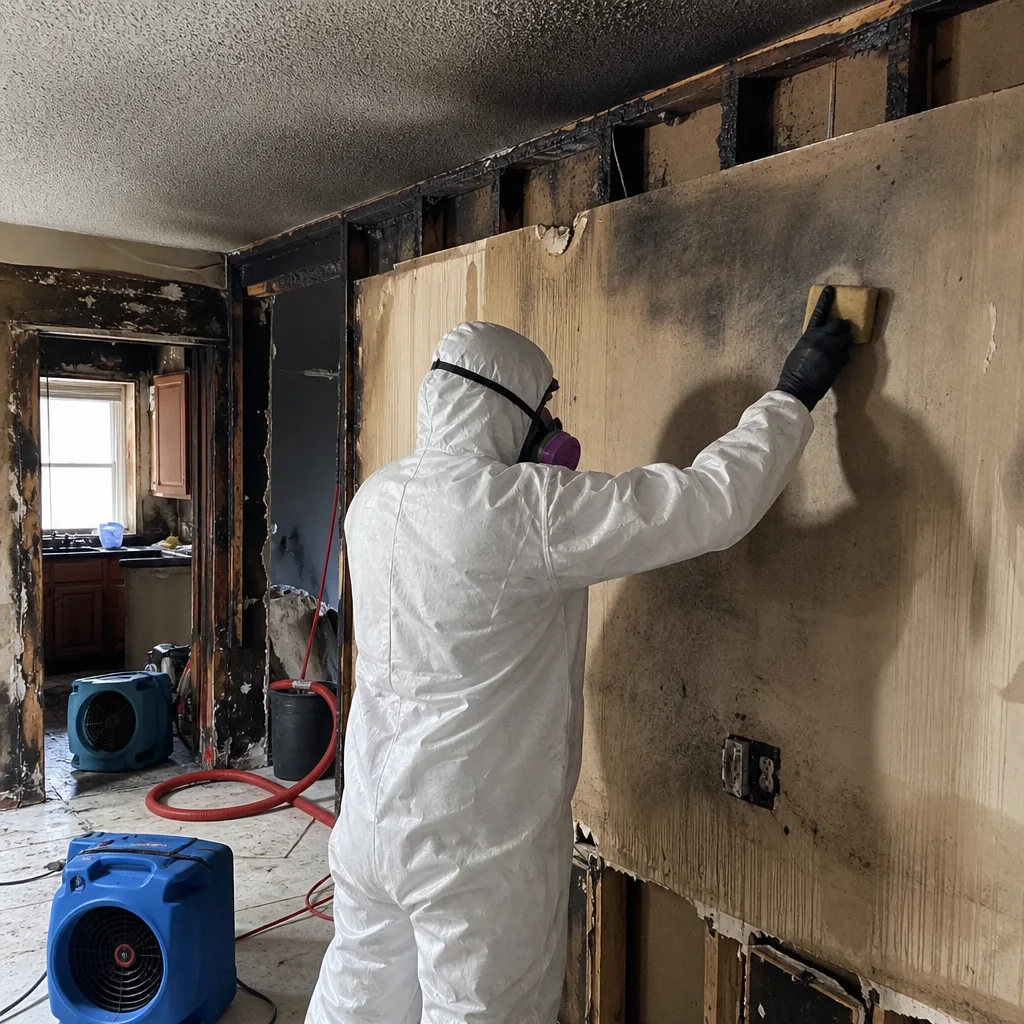
HEPA-filtered vacuums capture loose particulate before wet cleaning begins. Dry cleaning sponges lift dry smoke residue from unfinished wood and brick. Solvent-based agents break wet smoke deposits on painted and synthetic surfaces. In loft conversions with exposed timber and brick, we often need multiple cleaning passes.
5. Odor Removal & Deodorization
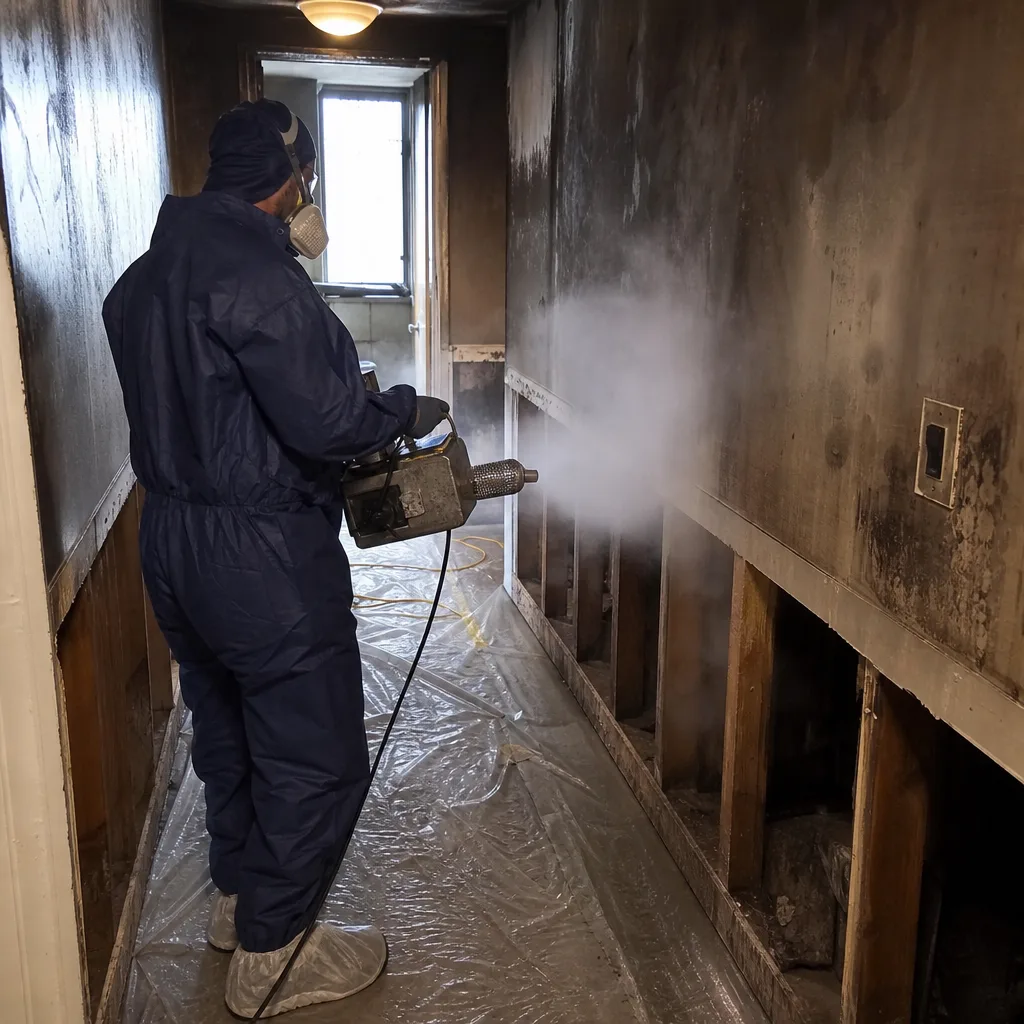
Thermal fogging, ozone treatment, and hydroxyl generators neutralize odor molecules at their source. For persistent protein fire odors or smoke trapped in HVAC systems, we seal affected substrates and run negative air containment with HEPA scrubbers until clearance testing confirms safe reoccupation.
6. Repairs & Restoration
Our reconstruction team replaces drywall, flooring, cabinetry, and fixtures to match pre-loss condition. Every repair is photo-documented and covered by our 365-Day Done Right Promise under The Haven Standard: if it’s not done right, we make it right.
Need Emergency Fire & Smoke Damage Restoration in Long Island City Now?
Crews minutes away, answering live 24 hours a day. The sooner we start, the less it costs.
Working With Your Insurance Company
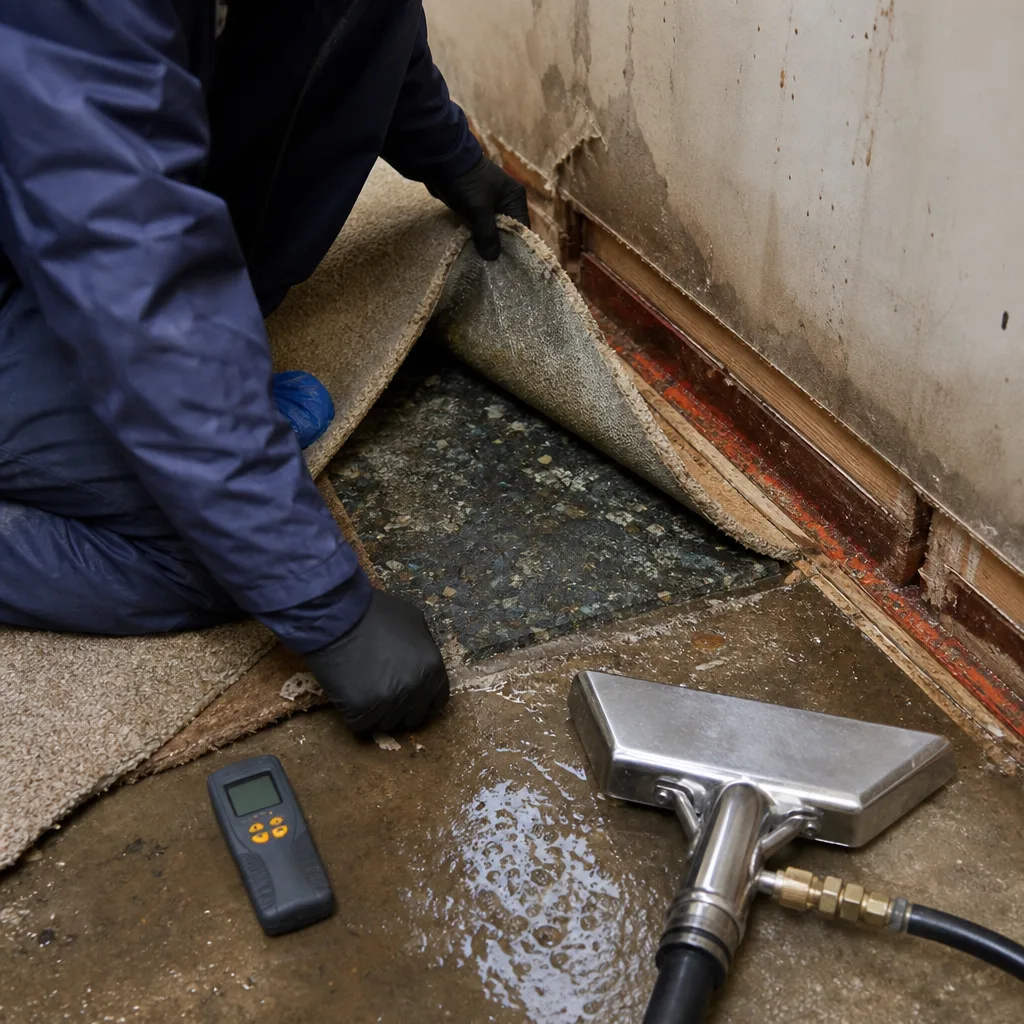
Fire claims fail when documentation is incomplete or when the restoration invoice describes work the adjuster cannot verify. We eliminate that risk from the first hour. Our technicians photograph every room before touching anything, record moisture readings at every visit, and maintain daily drying logs that translate directly into line-item estimates in Xactimate format, the industry standard.
Alicia Brennan built Fire & Smoke Damage Restoration at Back to Dry around the documentation gap she witnessed as a claims adjuster: homeowners left holding bills because the contractor’s invoice said “clean and deodorize” without proving what was cleaned, how, and to what standard. We don’t write invoices that way. We write evidence.
We coordinate directly with your adjuster, provide supplementary documentation on request, and never ask you to pay upfront and seek reimbursement. Our photo records, moisture logs, and written scopes have supported thousands of payable claims since 2011.
What We Provide Your Insurer
- Thorough documentation of the loss
- Photos of all damage, room by room
- Moisture readings and drying logs
- A detailed, line-item scope of work
- Direct coordination with your carrier
Built for Long Island City’s Loss Calendar
January deep freezes crack aging supply lines in pre-war walk-ups and NYCHA buildings, and when a pipe freeze triggers a boiler-room fire, the resulting smoke damage spreads through riser closets before anyone smells it. Spring thaw brings basement seepage in FEMA AE zones, and any fire in a below-grade unit during this period means we’re managing Category 3 water from combined-sewer backflow alongside soot mitigation. Summer thunderstorms flash-flood Vernon Boulevard and 44th Drive, pushing water into ground-floor commercial kitchens where grease fires are already a heightened risk.
Fall and winter heating season stresses the old electrical systems in Dutch Kills and Hunters Point conversions, where knob-and-tube remnants, overloaded panels, and tenant-installed space heaters cause residential fires that our crews respond to monthly. Nor’easters compound everything: wind-driven rain breaches compromised roofing, fire departments use more water knowing the structure is already saturated, and salt air corrosion on electrical components increases ignition risk in waterfront buildings. We plan for this calendar because Long Island City’s geography makes it inevitable.
Fire & Smoke Damage Restoration Across Long Island City’s Neighborhoods
In Hunters Point, the converted warehouse lofts along Vernon Boulevard and Center Boulevard present our most complex fire jobs. Smoke pushes through original factory duct chases and heavy timber floor assemblies. Firefighting water meets century-old construction and often exposes asbestos floor tile or lead paint the moment we open walls. We coordinate DEP abatement contractors and adjust timelines without surprising the property owner with scope changes. Haven Standard, Clause 1 means the price gets rewritten and re-approved, not appended in fine print.
Dutch Kills, north of Queens Boulevard and west of 31st Street, mixes pre-war tenements with surviving industrial buildings and newer development. The older stock has plaster-and-lath walls that hold smoke odor in wall cavities long after surface cleaning appears complete. Our crews test for hidden char and run thermal fogging through injection ports to reach what wiping cannot.
Ravenswood, anchored by the NYCHA towers and the power plant, demands rapid response to high-density residential fires where multiple units share HVAC risers and smoke migration threatens dozens of families. We deploy multiple HEPA air scrubber units and establish floor-by-floor containment while coordinating with FDNY and building management on reoccupancy sequencing.
The East River waterfront high-rises, newer construction with glass curtain walls and sealed mechanical systems, experience more contained fires but more extensive sprinkler discharge. Water extraction and drying dominate these jobs, with smoke limited to the unit of origin and common areas. The challenge here is protecting high-end finishes from water staining while achieving dry standards fast enough to prevent mold.
Specialized Fire & Smoke Damage Restoration Services We Offer in Long Island City
Fire Damage Cleanup
We remove charred structural materials, debris, and compromised contents, then clean and test remaining substrates for restoration viability. In Long Island City’s converted industrial buildings, this often means evaluating heavy timber beams for structural integrity and coordinating with a structural engineer before declaring a space salvageable.
Smoke & Soot Removal
Dry, wet, and protein soot residues each demand specific cleaning chemistry and technique. Our FSRT-certified technicians identify residue type before selecting agents, then clean from ceiling to floor to avoid recontaminating finished surfaces. Exposed brick in Hunters Point lofts often requires multiple cleaning passes and sealant application to prevent odor re-release.
Odor Removal & Deodorization
Thermal fogging, ozone, and hydroxyl generation neutralize odor at the molecular level. For persistent smoke odor trapped in Long Island City’s old factory ductwork and timber framing, we combine deodorization with HEPA containment and air scrubbing until independent clearance testing confirms safe reoccupation.
Contents Cleaning & Pack-Out
Fire-damaged belongings get inventoried, photographed, and packed to our cleaning facility or secure storage. We clean textiles, electronics, documents, and furniture offsite while structural work proceeds, then return items when your Long Island City property is ready. Every item is barcoded and tracked.
Emergency Board-Up & Tarping
Broken windows, roof holes, and compromised doors get secured immediately to prevent weather intrusion and satisfy insurance requirements. We document every board-up with photos for your claim file and maintain the security of your property until full repairs begin.
What happens when you call
- 1
A real person answersNo phone trees - you reach a local pro.
- 2
You get an upfront price rangeHonest numbers before anyone is dispatched.
- 3
A background-checked tech heads outLicensed & insured, dispatched right away.
- 4
You approve before work beginsNothing starts until you say go.
Fire & Smoke Damage Restoration Costs in Long Island City, NY
Fire damage restoration in Long Island City typically ranges from $4,200 for a contained kitchen fire with limited smoke migration to $38,000+ for a multi-room loft fire with water damage, asbestos abatement, and reconstruction. Smoke and soot removal alone runs $1,800-$5,500 depending on square footage and residue type. Odor removal and deodorization adds $900-$3,200. Contents cleaning and pack-out ranges from $1,200 for a single-unit job to $8,000+ for full loft inventories.
What moves the price: the building type (industrial conversions cost more due to abatement surprises), the water category (Category 3 requires costlier containment and disposal), the extent of smoke migration through shared systems, and whether reconstruction is included or handled separately. Insurance typically covers direct fire and smoke damage plus necessary water mitigation; gradual deterioration or pre-existing conditions are excluded. We provide a free visual inspection and written scope before you commit, and we offer a Free Second Opinion on any competitor’s written estimate.
We Also Serve Cities Near Long Island City
Our crews respond daily to Astoria, Jackson Heights, Elmhurst, and Manhattan. Same documentation standards, same written-price guarantee, same live-answer dispatch. If your property sits near a borough line or you manage multiple locations, one call coordinates everything.
Serving Long Island City, NY - Our Local Coverage Area
We’re based in the Long Island City area and know this community well. Use the map below to see our service coverage - if you’re nearby, we can almost certainly help.
Long Island City Fire & Smoke Damage Restoration Questions, Answered
Does a fire in a Long Island City loft conversion take longer to restore than a fire in a newer waterfront high-rise?
Yes, typically by 30-60% longer. Loft conversions in Hunters Point and Dutch Kills contain manufacturing-era materials - asbestos floor tile, lead paint, heavy timber with decades of absorbed contaminants - that trigger NYC DEP abatement protocols once exposed. That work must complete before structural repairs or occupancy can resume. Newer high-rises have modern, known materials and sealed mechanical systems that contain smoke damage to the unit of origin. Call (516) 687-5786 for a timeline estimate specific to your building.
Why is firefighting water in a Hunters Point basement sometimes treated as Category 3 rather than Category 1?
Because Long Island City’s combined-sewer infrastructure, shared with the Newtown Creek watershed, can push sewage-contaminated backflow into basements during heavy rain or high-tide events. When firefighting water mixes with this backflow, IICRC standards classify it as Category 3 black water, requiring full PPE, strict containment, and disposal at licensed facilities rather than standard extraction and drying. We test and classify on arrival. Call (516) 687-5786 for immediate assessment.
What happens if soot and smoke odor keeps coming back after a fire in an old Dutch Kills warehouse conversion?
Recurring odor means the initial cleaning missed hidden reservoirs - typically inside old duct chases, behind lath-and-plaster walls, or in porous heavy timber. We return with thermal imaging to locate residual contamination, establish HEPA containment, and run deodorization with hydroxyl generators or ozone until clearance testing confirms elimination. Our 365-Day Done Right Promise covers this at no additional cost. Call (516) 687-5786 to schedule follow-up.
Can you board up and tarp a fire-damaged Long Island City property before the full scope of work is approved?
Yes, and we recommend it. Emergency board-up and tarping prevents secondary weather damage, satisfies insurance occupancy requirements, and protects your claim from exclusions for “failure to mitigate.” We document every board-up with photos, provide a separate written price for this phase, and never proceed beyond stabilization without your signed approval of the full scope. Haven Standard, Clause 1 applies to every phase. Call (516) 687-5786 for immediate dispatch.
How does salt air and coastal exposure near the East River affect fire and smoke damage restoration in Long Island City?
Salt air accelerates corrosion of electrical components, increasing ignition risk in waterfront buildings, and corrodes metal fasteners in roofing and siding that fail during fires or compromise board-up integrity. After a fire, salt residue on surfaces interacts with soot to form more aggressive compounds that etch glass and stainless steel faster than inland soot alone. Our cleaning protocols account for this with accelerated timing and specific agent selection for coastal properties. Call (516) 687-5786 for a coastal-specific assessment.
How fast can your crew actually get to my Long Island City property?
We commit to 45 minutes from call to arrival for any address in the 11101, 11106, or 11109 zip codes. Dispatch is coordinated from our New York City office, and crews are staged for Queens response. Live answer 24/7 means no delay in activation. Call (516) 687-5786 now.
Will my insurance cover the full restoration, or will I pay out of pocket?
Homeowners and commercial policies typically cover direct fire damage, smoke and soot removal, necessary water mitigation, and reasonable reconstruction to pre-loss condition. Exclusions apply to gradual deterioration, code-upgrade costs beyond mandated minimums, and contents limits on high-value items. We provide the documentation your adjuster needs to maximize covered scope, and we coordinate directly with your carrier. Call (516) 687-5786 for a free inspection and insurance review.
What should I do in the first 30 minutes after a fire is extinguished?
Do not re-enter until FDNY clears the structure. Call us at (516) 687-5786 for immediate board-up and assessment. Do not touch soot-covered surfaces - skin oils set permanent stains. Do not attempt to operate electrical systems or HVAC. If safe from outside, open windows for ventilation, but only if weather conditions won’t cause additional water damage. Our live dispatcher will guide you through immediate steps while crews are en route.
We were called to a fire in a converted Hunters Point warehouse loft off Vernon Boulevard where smoke had pushed through old duct chases and a sprinkler line had soaked the floor assembly. When our techs pulled up charred flooring, they exposed mid-century 9×9 asphalt tiles, so we stopped mitigation, had the material tested, and coordinated a licensed NYC DEP asbestos abatement before structural drying could resume. After abatement, we set containment, ran dehumidification and air movers, logged moisture readings across the loft’s timber beams, and completed odor removal and pack-out for the tenant’s contents.
Written by Alicia Brennan, Owner at Back to Dry Restoration, serving Long Island City since 2011.
Fire & Smoke Damage Restoration in Nearby Areas