
Free visual inspection and a written scope of work before any mitigation begins - photos, moisture readings, and drying logs go in your claim file
The scope we write is the scope we bill. Anything new gets shown to you, in writing, before we touch it.
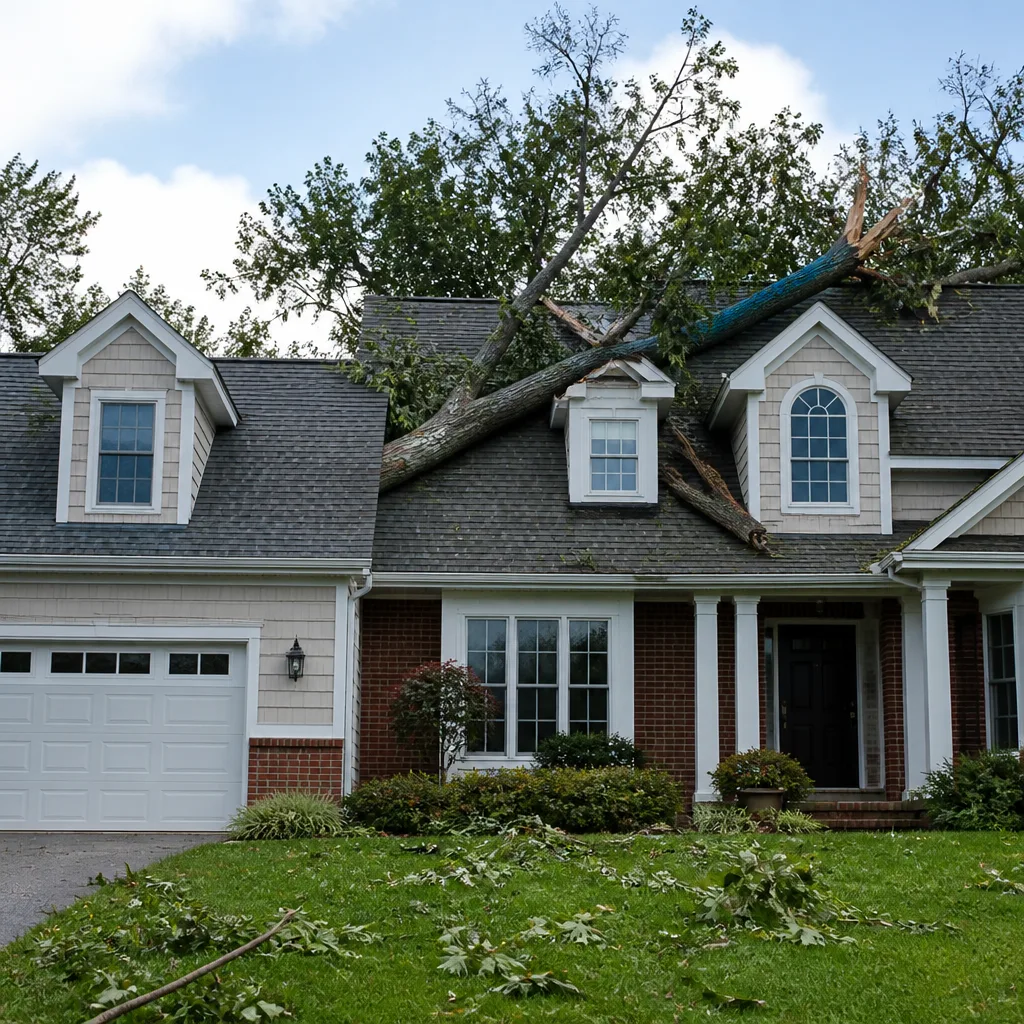
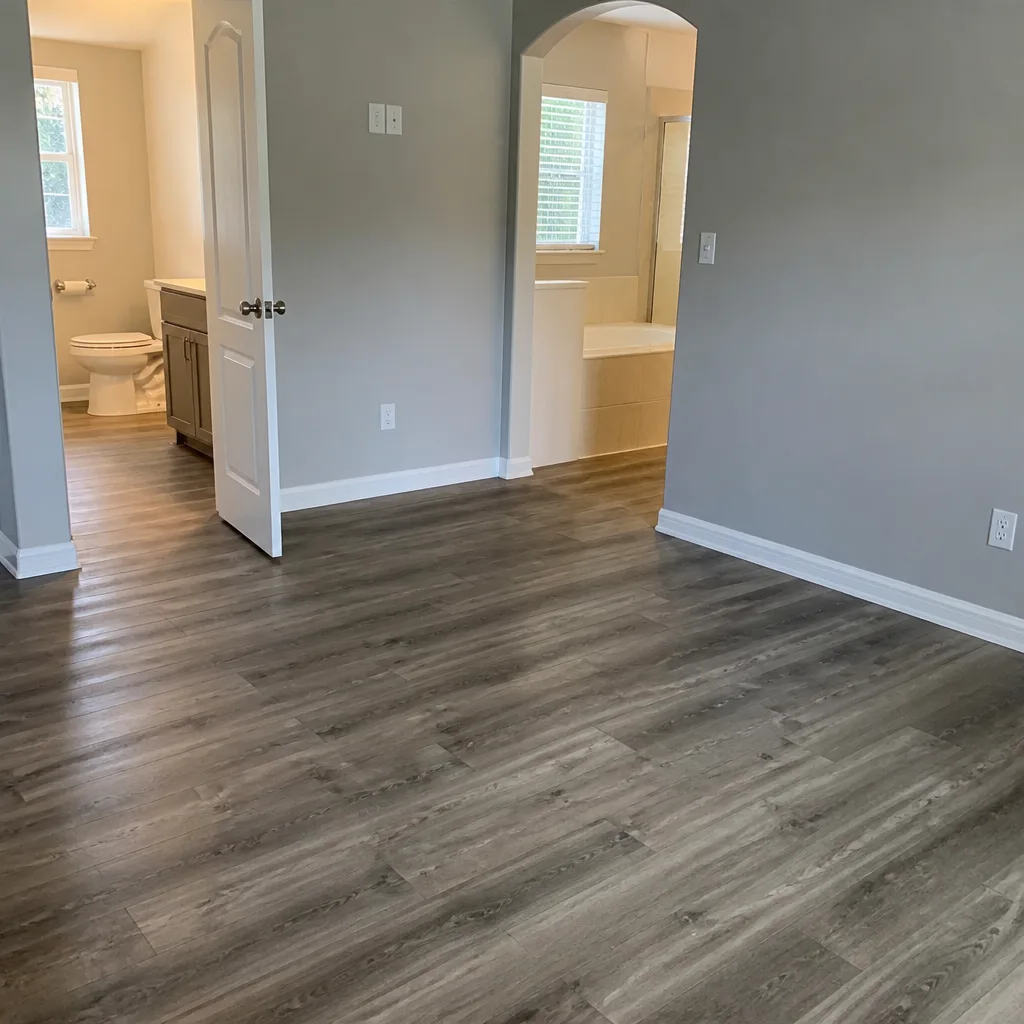
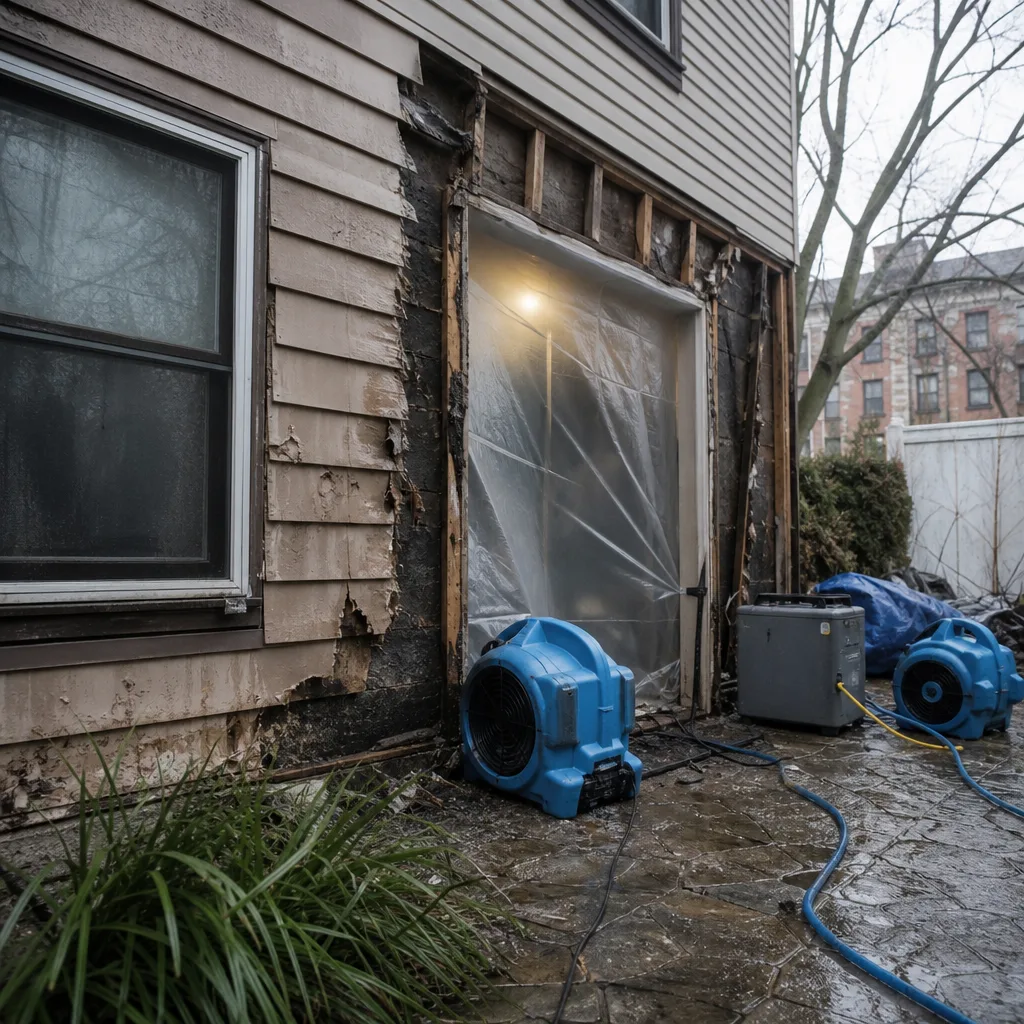 Before
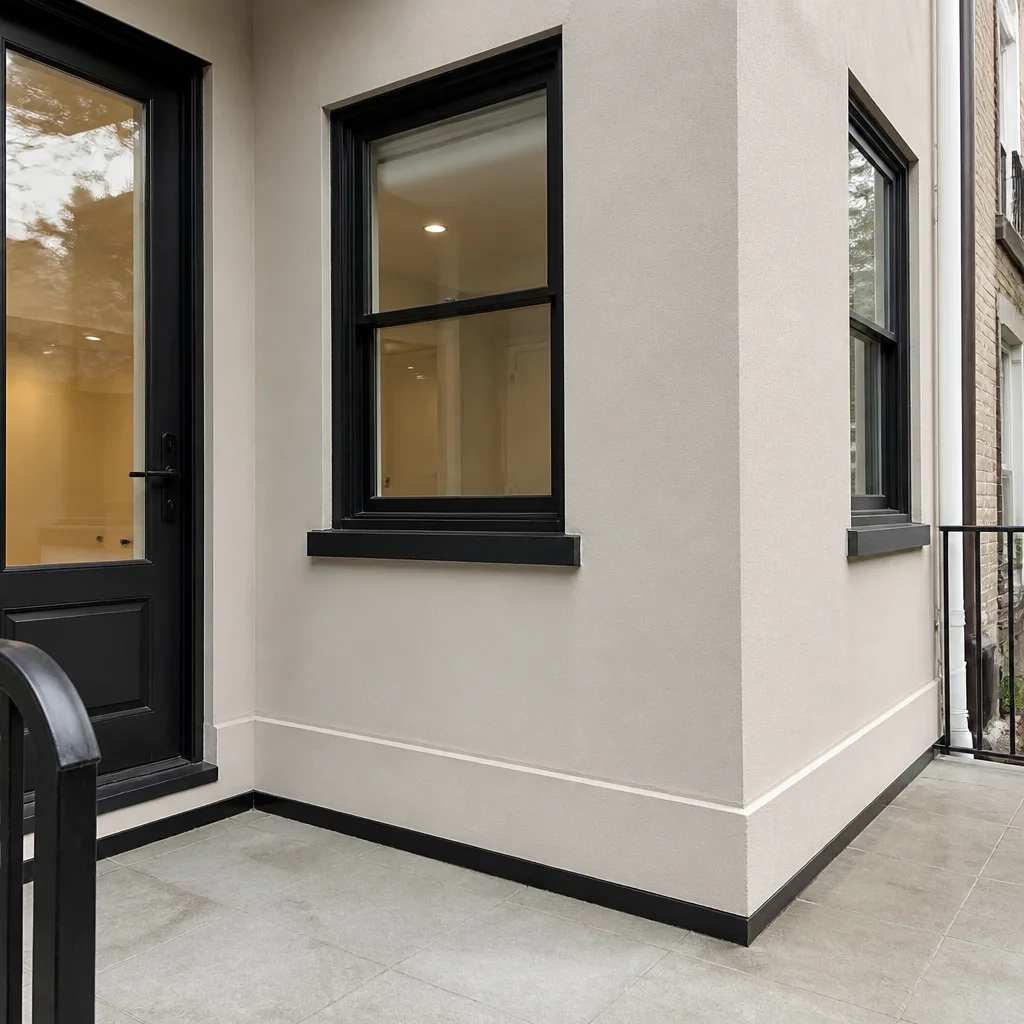 After
After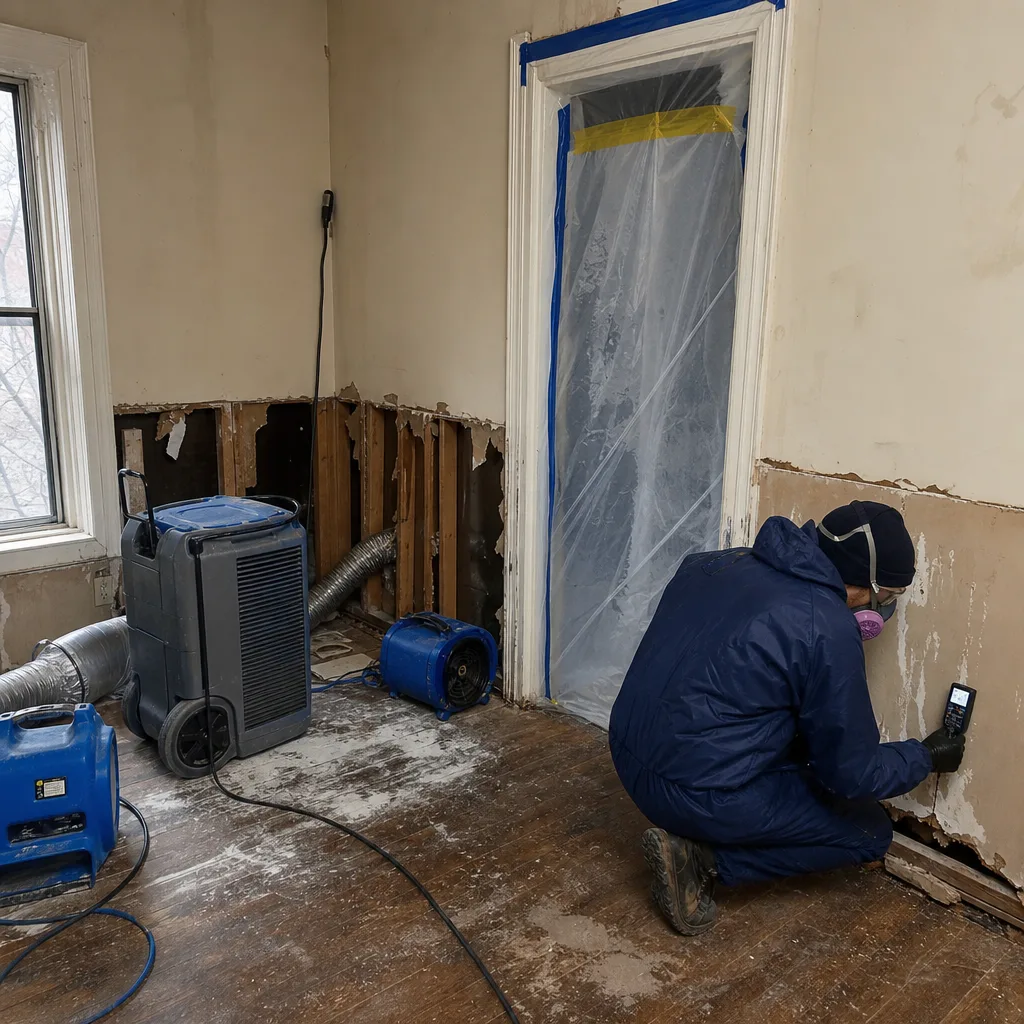 Before
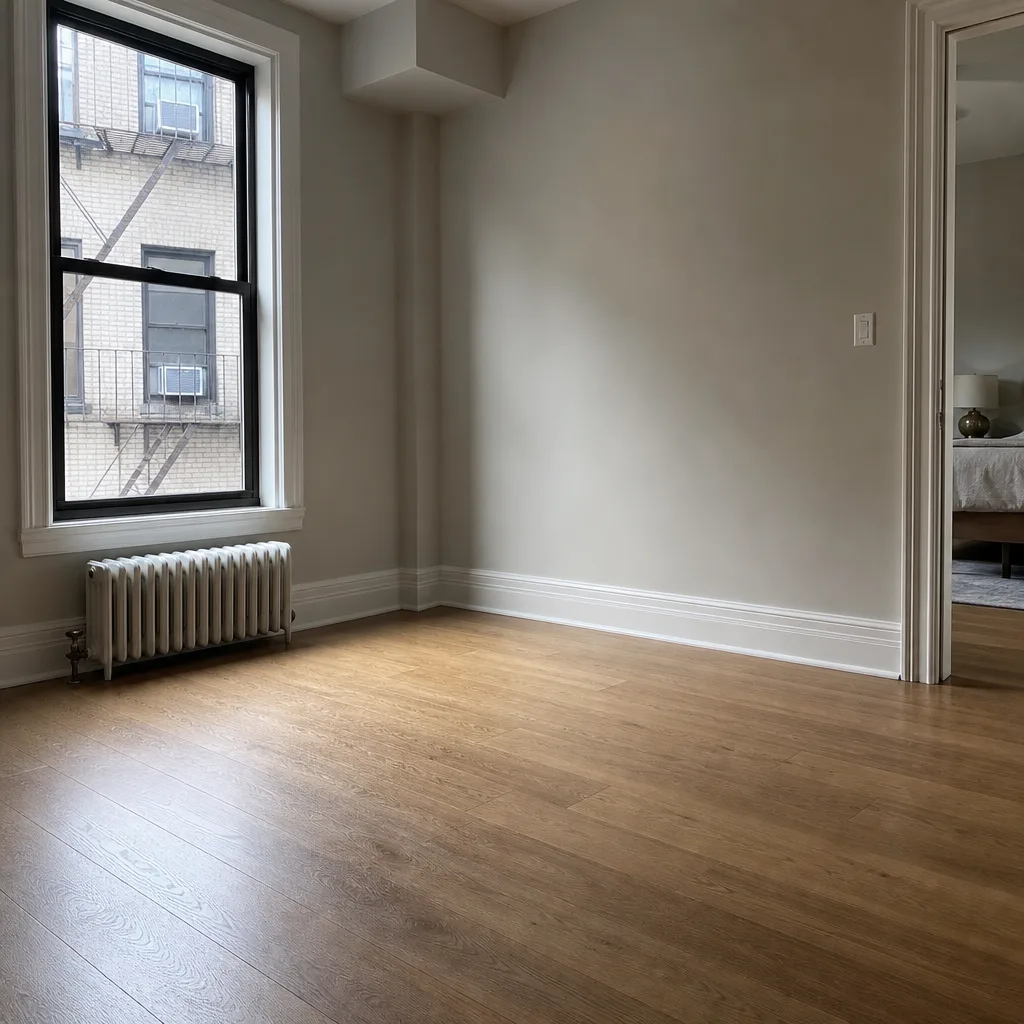 After
After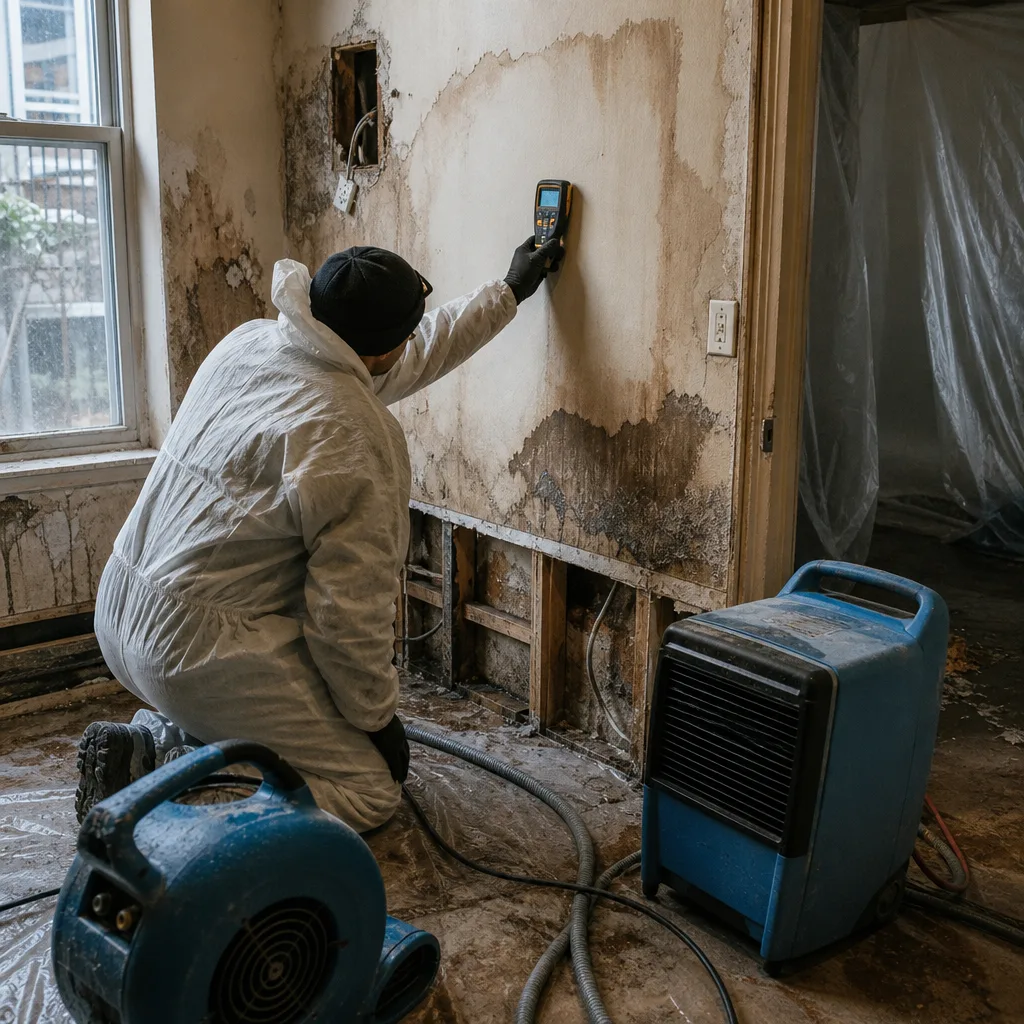 Before
 After
AfterTrusted Mold Remediation for Manhattan Homeowners
Mold Remediation in Manhattan typically costs $1,200-$4,500 for residential units under 1,500 square feet, with most projects completed in 2-5 business days depending on containment complexity and material removal requirements. Back to Dry Restoration Manhattan, led by Alicia Brennan, has performed mold remediation under The Haven Standard since 2011, delivering a written price before work begins on every job - Haven Standard, Clause 1 - with photo-documented assessments that insurance adjusters accept without dispute. We answer our phones live at (516) 687-5786, 24 hours a day, 7 days a week, because mold doesn’t wait for business hours and neither should your documentation.
Manhattan’s housing stock presents distinct mold challenges that differ from suburban construction. Pre-war buildings on the Upper West Side breathe through plaster and lathe, trapping moisture behind decades of paint. Post-war high-rises in Midtown Manhattan develop condensation patterns around curtain-wall failures that show up as streaking on sheetrock. In East Harlem and Morningside Heights, aging steam distribution systems create chronic humidity in basements and utility closets. We’ve documented these patterns across 12,000+ homes since 2011, and our drying logs reference the specific psychrometric conditions - temperature, relative humidity, and vapor pressure differential - that produced each mold colony. This is how restoration invoices become payable claims.
Our technicians are background-checked, uniformed, and arrive with license documentation visible. Every visit produces a photo record included as standard, never an upsell. The 365-Day Done Right Promise, backed by The Haven Standard, means if we miss secondary growth or fail to resolve the moisture source, we return at no charge. No verbal assurances. A signed guarantee on every job.
What Our Mold Remediation Service Includes
Mold Inspection & Testing
Mold Inspection & Testing identifies the species present, the moisture source driving growth, and the full spatial extent of contamination - not just what’s visible. In Manhattan, where square footage commands premium pricing, accurate scope definition prevents both undertreatment and costly over-removal. Back to Dry Restoration Manhattan uses moisture meters, thermal imaging, and air sampling to map the damage before anyone removes a single square foot of material. We deliver a written scope with line-item pricing before work begins, so you know exactly what you’re paying for and why. Our inspection reports include room-by-room moisture readings, material classifications by trade name, and photographic documentation formatted for insurance submission.
Mold Removal
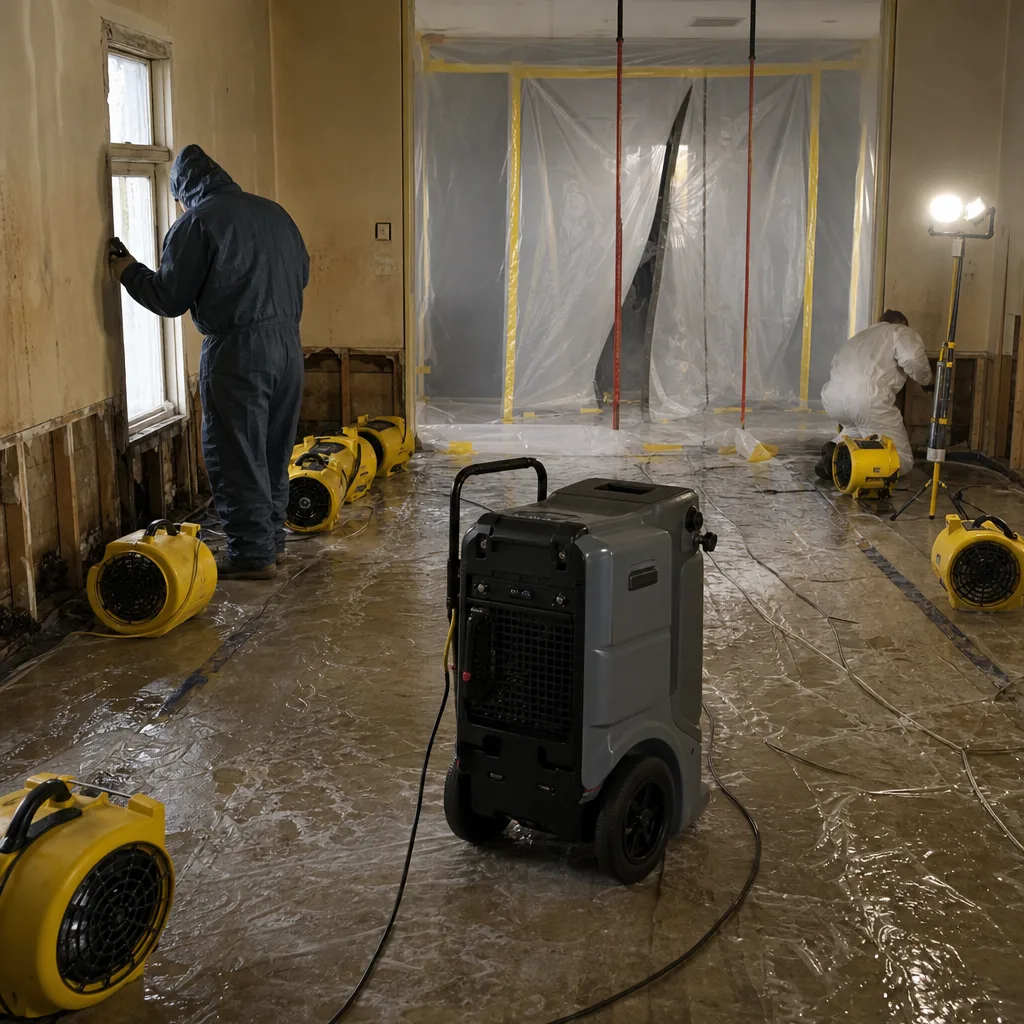
Mold Removal is the controlled physical elimination of contaminated materials following IICRC S520 standards for containment, negative air pressure, and proper disposal. In Manhattan’s dense building environment, containment failure means cross-contamination into adjacent units - a liability exposure no co-op board or condo association tolerates. Back to Dry Restoration Manhattan builds polyethylene containment barriers with HEPA-filtered negative air machines on every removal project, documenting the setup with photographs before demolition begins. We classify removed materials by type: Category 1 porous (drywall, insulation), Category 2 semi-porous (wood framing, concrete), and non-porous (metal, glass, ceramic), each with distinct disposal protocols and documentation requirements. Your written scope specifies exactly which materials come out and which stay.
Black Mold Remediation
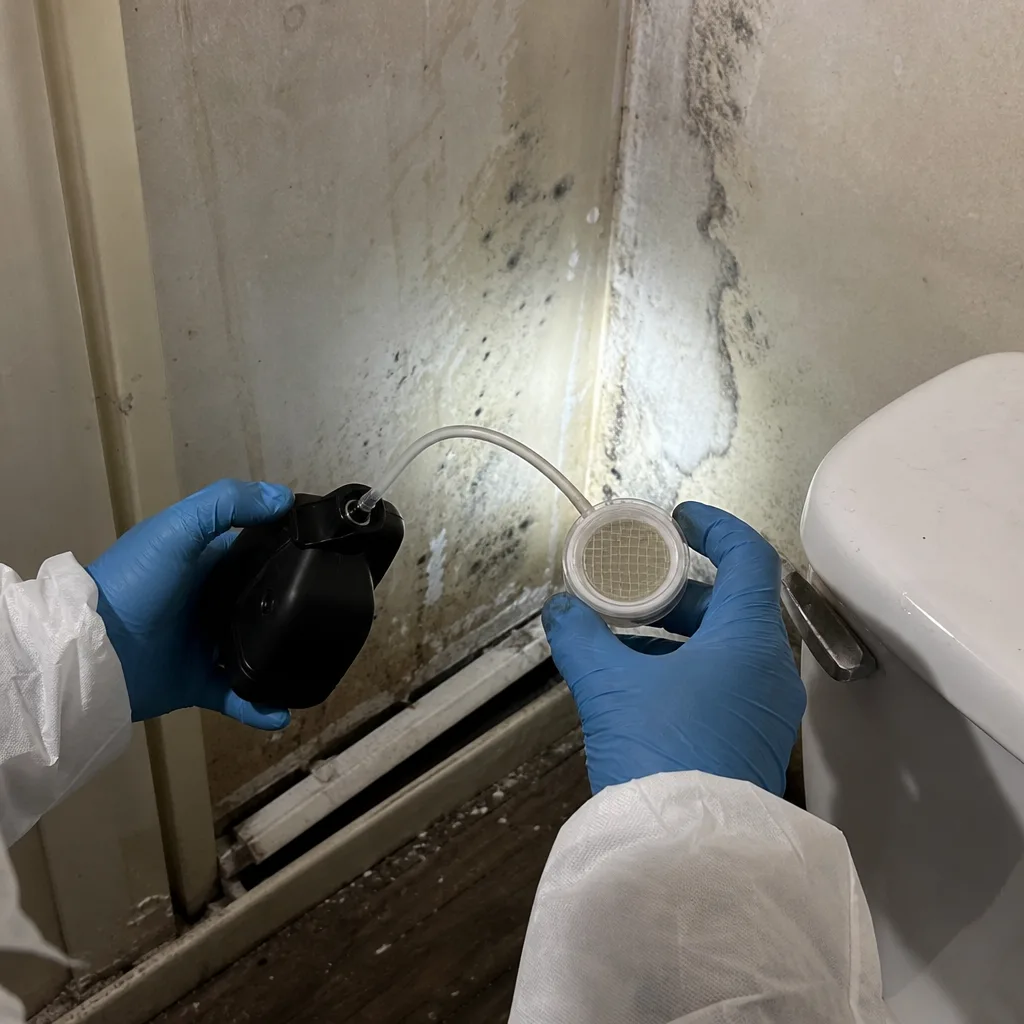
Black mold remediation addresses toxigenic species, primarily Stachybotrys chartarum, which require enhanced containment and personal protective equipment due to mycotoxin potential. Manhattan’s chronic humidity problems - steam pipe leaks, facade infiltration, failed HVAC condensate drains - create the sustained moisture conditions this species demands. Back to Dry Restoration Manhattan treats black mold with full-face respirator protocols and disposable protective suits, with containment verified via smoke pencil testing before work proceeds. We don’t use the term “black mold” as a scare tactic; we use it as a scope classification that triggers specific safety and documentation protocols under our standard operating procedures. Every black mold job includes third-party post-remediation verification sampling at client request.
Air Quality Restoration
Air quality restoration returns indoor environments to background spore levels through source removal, HEPA filtration, and controlled ventilation - not masking with ozone or chemical foggers that insurers increasingly reject. Manhattan apartments recirculate air through shared HVAC risers and window units that redistribute spores floor to floor. Back to Dry Restoration Manhattan deploys portable HEPA air scrubbers at 6-12 air changes per hour during remediation, with particle counters documenting reduction to <1,000 particles per cubic foot of 0.3 micron size. We measure what we manage: pre-remediation air samples establish baseline, during-remediation readings verify scrubber performance, and post-remediation samples confirm return to acceptable levels. The data goes in your file, not our memory.
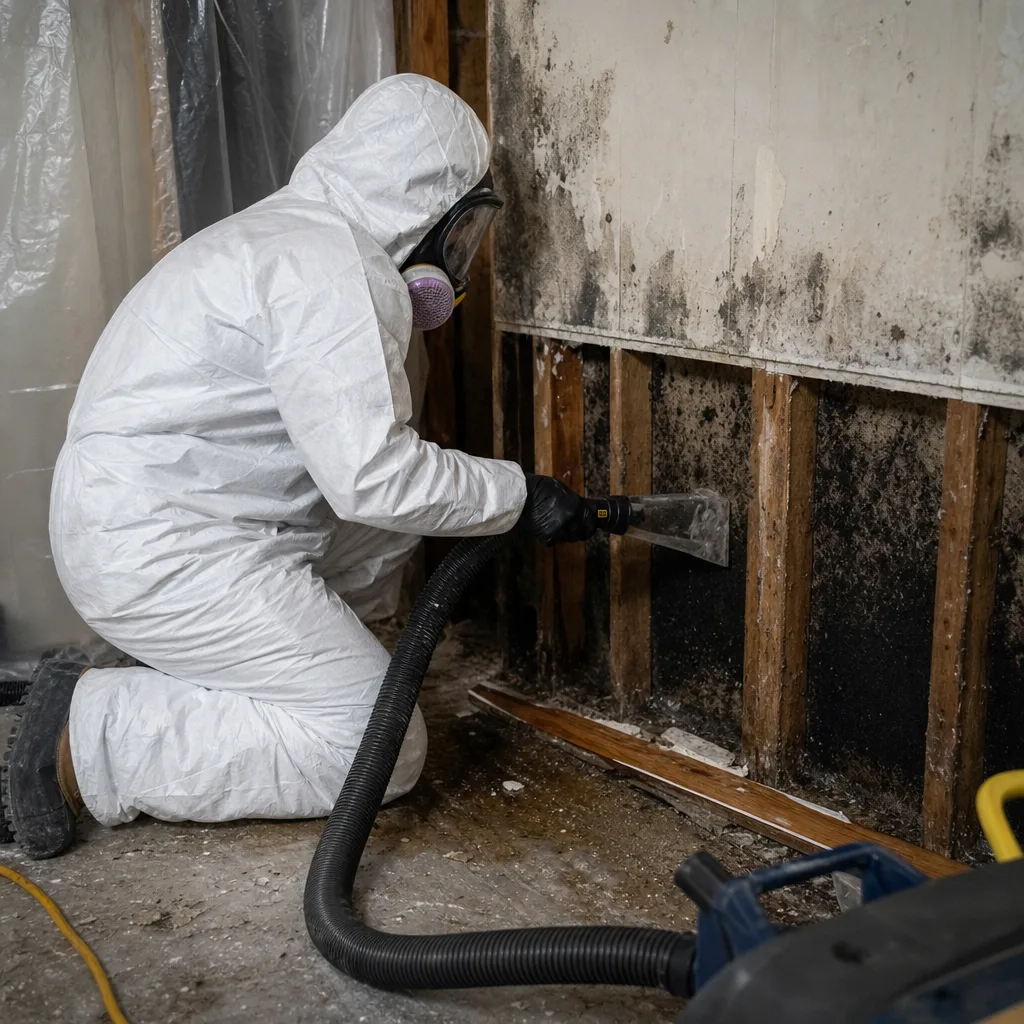
Crawl Space Treatment
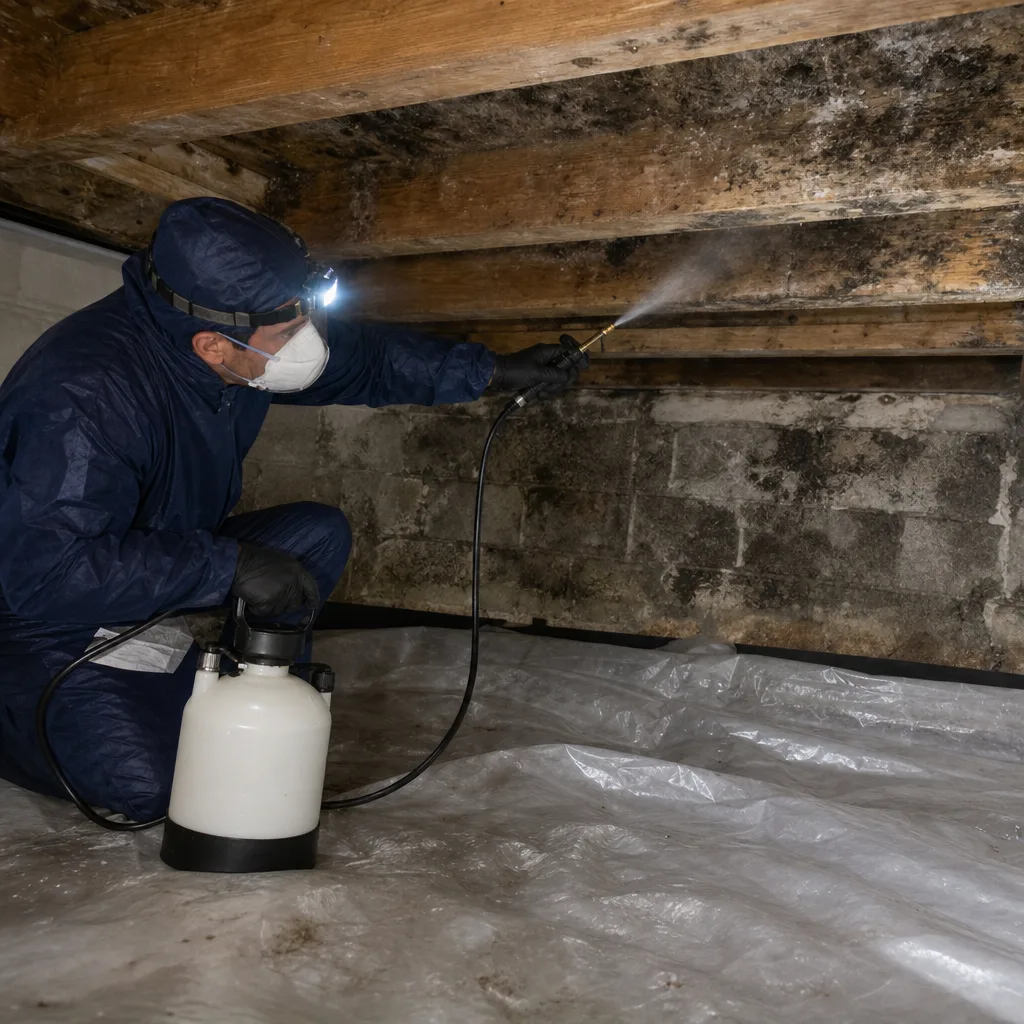
Crawl space treatment addresses the sub-grade voids beneath Manhattan’s brownstones, townhouses, and low-rise buildings where groundwater, sewer backup, and foundation seepage create perpetual moisture. These spaces rarely exceed 3 feet in height, making access difficult and documentation harder - which is why many competitors skip them entirely. Back to Dry Restoration Manhattan uses borescope cameras and remote moisture sensors to inspect crawl spaces without full entry when structural conditions warrant, then delivers photographs and readings you can review before approving scope. Treatment typically involves vapor barrier installation, dehumidification, and targeted removal of contaminated joists or subflooring. We specify exactly which structural members require replacement and which can be cleaned in place, with written justification for each.
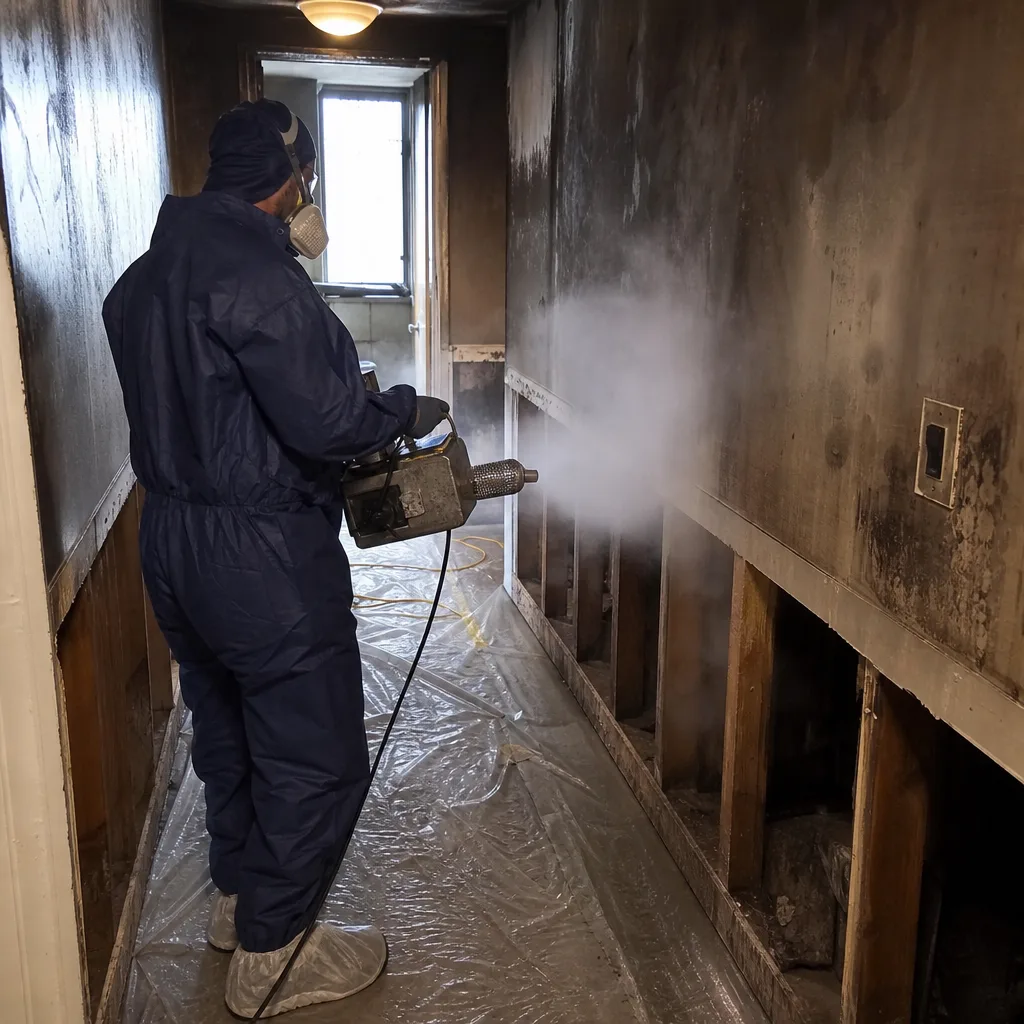
Moisture & Humidity Control
Moisture and humidity control eliminates the conditions that caused mold, preventing recurrence without the guesswork of “it should be fine now.” Manhattan’s seasonal swings - summer dew points above 70°F, winter radiator-driven aridity below 20% RH - stress building envelopes differently. Back to Dry Restoration Manhattan installs permanent dehumidification where appropriate, repairs identified leaks with written warranty, and provides drying logs showing the psychrometric trajectory from active growth conditions to stable equilibrium. Our equipment roster includes Dri-Eaz and Phoenix commercial dehumidifiers sized by pint-per-day capacity to the specific cubic footage and vapor load of your space. We don’t leave until the numbers prove the problem is solved, not until the work looks finished.
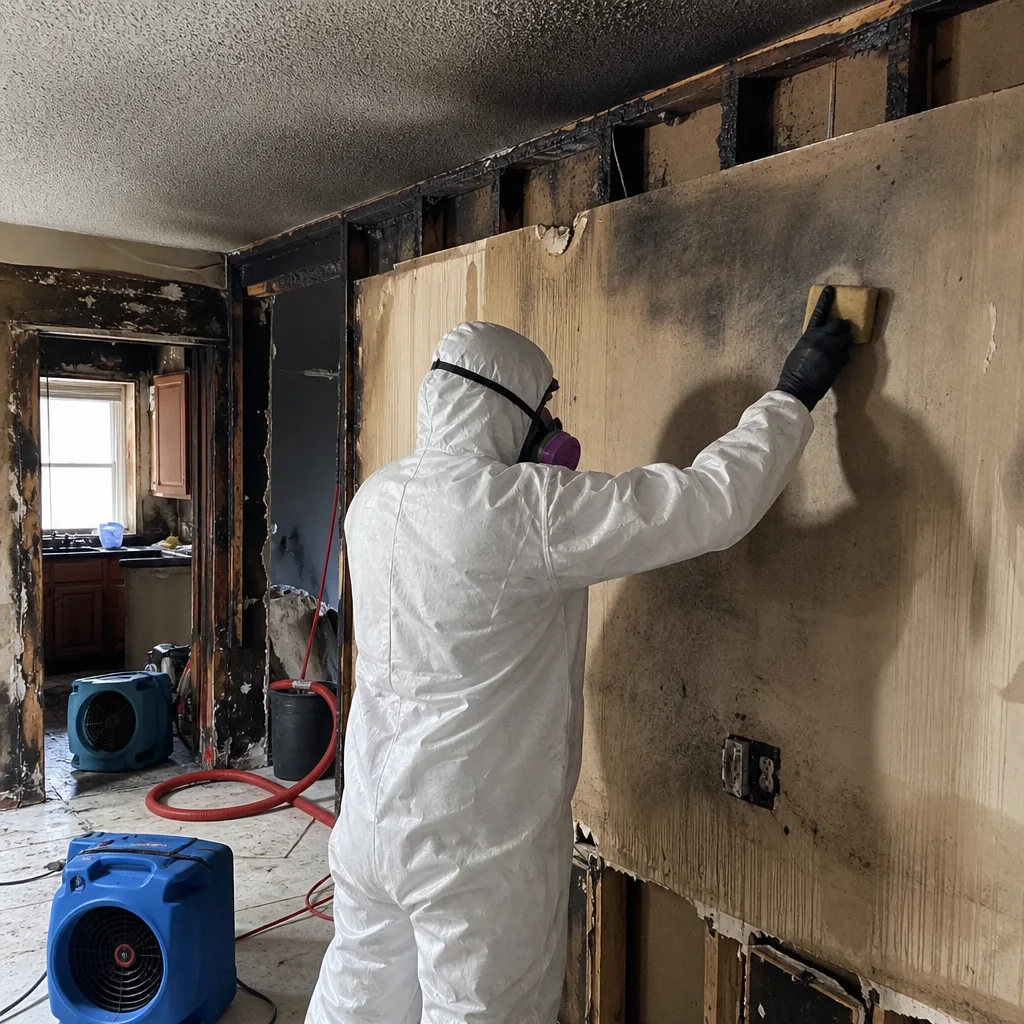
What happens when you call
- 1
A real person answersNo phone trees - you reach a local pro.
- 2
You get an upfront price rangeHonest numbers before anyone is dispatched.
- 3
A background-checked tech heads outLicensed & insured, dispatched right away.
- 4
You approve before work beginsNothing starts until you say go.
Signs You Need Mold Remediation Right Now
- Visible discoloration on walls, ceilings, or baseboards. Mold appears as spotting, streaking, or fuzzy growth in colors ranging from black and green to white and orange. In Manhattan pre-war buildings, it often follows plumbing risers or appears where exterior mortar has failed, creating a thermal bridge that condenses interior humidity. Any visible growth exceeding 10 square feet triggers IICRC containment requirements and warrants professional assessment.
- Persistent musty odor that intensifies with humidity. The microbial volatile organic compounds (MVOCs) that produce musty smells indicate active metabolism, not just dormant spores. In Midtown Manhattan high-rises, these odors often trace to hidden condensate pan overflows or failed bathroom exhaust ducts. If air fresheners and ventilation don’t resolve it within 48 hours, the source is likely concealed growth requiring investigation.
- Recent water damage that wasn’t professionally dried. A leak stopped but not properly dried leaves moisture in wall cavities and subfloors that supports mold within 24-72 hours. Manhattan’s tight construction - steel framing, concrete floors, multiple unit boundaries - slows natural evaporation and extends drying timelines. If your previous water incident lacked moisture mapping and daily drying logs, secondary mold damage is probable.
- Respiratory symptoms that improve when you leave the building. Occupant health complaints are valid diagnostic indicators, particularly in immunocompromised individuals or households with young children. We don’t diagnose medical conditions, but we do document air quality parameters and spore counts that physicians and industrial hygienists can correlate with symptom patterns. Our reports include the data points health professionals request.
- Peeling paint, warping trim, or efflorescence on masonry. These are moisture signatures, not mold itself, but they identify the water source that sustains growth. In Harlem and East Harlem brownstones, efflorescence on basement walls signals hydrostatic pressure and chronic dampness. In Murray Hill and Upper East Side pre-war buildings, peeling paint around windows indicates failed glazing compound and interior condensation. The mold follows the moisture; we find both.
BeforeAfterOur Mold Remediation Process - Step by Step
- 1
Documented Assessment and Written Scope
Our technician arrives with a moisture meter, thermal imaging camera, and particle counter. We photograph every affected surface, record humidity and temperature readings, and identify the moisture source. Within 24 hours, you receive a written scope with line-item pricing for each phase: containment, removal, cleaning, drying, and post-verification. Haven Standard, Clause 1: no work begins until you’ve reviewed and approved the price in writing. - 2
Engineered Containment and Negative Air Establishment
We construct polyethylene barriers sealed with painter’s tape and spray adhesive, creating a contained work zone under negative pressure relative to adjacent spaces. HEPA-filtered air scrubbers exhaust filtered air outside the containment or through window ports. In Manhattan co-ops and condos, we coordinate with building management on exhaust routing and notify adjacent unit owners when shared wall cavities are involved. Documentation includes containment photographs and smoke-pencil verification of negative pressure. - 3
Controlled Removal and Material Classification
Contaminated materials are removed with minimum dust generation, bagged in 6-mil polyethylene, and sealed before transport through the building. We classify each removed item by material type and contamination level, documenting square footage and linear footage of affected surfaces. Salvageable non-porous materials - metal studs, glass, ceramic tile - are HEPA-vacuumed and cleaned in place rather than removed, reducing scope and cost when appropriate. - 4
HEPA Cleaning and Antimicrobial Treatment
All surfaces within the contained area receive sequential HEPA vacuuming and damp wiping with EPA-registered antimicrobial solutions. We don’t fog or spray without source removal; that approach leaves dead mold fragments that still trigger allergic responses and fail post-remediation verification. Our cleaning logs record product name, concentration, contact time, and application method for insurance documentation. - 5
Drying, Verification, and Warranty Documentation
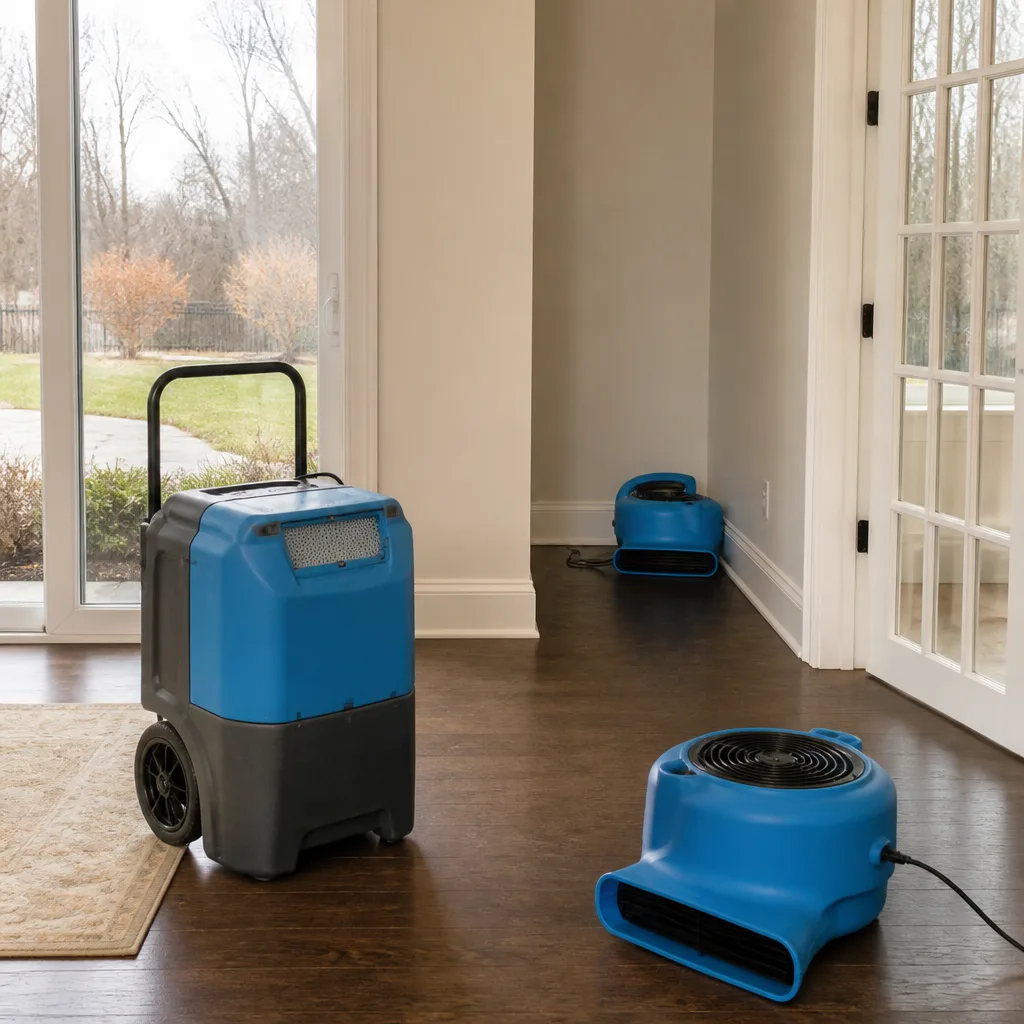
We deploy Dri-Eaz or Phoenix dehumidifiers and air movers to return materials to established drying goals, documented with daily moisture readings. Post-remediation verification includes visual inspection, moisture content measurement below 16% for wood framing, and optional air sampling showing spore levels at or below outdoor baseline. Your final packet contains all photographs, drying logs, product data sheets, and the signed 365-Day Done Right Promise under The Haven Standard.
How Much Does Mold Remediation Cost in Manhattan?
| Service | Typical Range | What Drives Price |
|---|---|---|
| Localized mold removal (bathroom, closet, single wall) | $1,200 - $2,800 | Containment complexity, material type, access difficulty |
| Room-scale remediation (bedroom, kitchen, basement area) | $2,800 - $5,500 | Square footage, HVAC involvement, structural member replacement |
| Whole-unit or multi-room remediation | $5,500 - $12,000+ | Unit size, containment engineering, post-remediation reconstruction |
| Crawl space treatment | $3,500 - $7,500 | Access conditions, vapor barrier requirements, structural repairs |
| Air quality restoration with HEPA scrubbing | $800 - $2,200 | Duration, equipment count, particle monitoring frequency |
Manhattan pricing runs 15-25% above national averages due to labor rates, parking and access logistics, and the engineering required for high-rise containment. A typical localized removal in a Upper West Side pre-war apartment runs $1,800-$3,200 when plaster and lathe are involved, versus $1,200-$2,200 for standard drywall in a Murray Hill post-war building. Black mold remediation adds 20-30% for enhanced PPE, third-party verification sampling, and extended containment protocols.
What affects your specific price: the moisture source location (roof leak versus pipe condensation), material composition (plaster versus drywall versus tile), building access (elevator versus walk-up), and whether the mold has compromised structural members requiring engineered replacement. What doesn’t affect it: our mood, your insurance company’s initial estimate, or pressure to “just get started and figure it out later.” Haven Standard, Clause 1 exists precisely to end that habit.
How to avoid overpaying: get a second opinion. Back to Dry Restoration Manhattan provides a Free Second Opinion on any competitor’s written estimate - bring their scope and we’ll review it at no charge, identifying unnecessary removals, missing moisture source repairs, or inflated equipment charges. We’ve found competitor scopes with 40% excess removal area and missing containment specifications that would have failed post-remediation verification.
What’s included in our free estimate: on-site inspection, moisture mapping, thermal imaging, written scope with line-item pricing, and a photo record of conditions found. No obligation, no deposit, no “today only” pressure. Call (516) 687-5786 to schedule.
Mold Remediation Near Manhattan - Our Service Area
Back to Dry Restoration Manhattan serves the full island plus immediate transit-accessible areas. Response times average 45-90 minutes to home base locations in Midtown Manhattan, the Upper West Side, and the Upper East Side. Morningside Heights and Harlem typically see 60-120 minute arrival. East Harlem, Murray Hill, and Long Island City fall within our standard service radius with comparable response. For Astoria, West New York, and Union City, we schedule assessments with confirmed arrival windows rather than emergency dispatch. All areas receive the same Haven Standard documentation: written price before work, photo record on every visit, and the 365-Day Done Right Promise.
Serving Manhattan, NY - Our Local Coverage Area
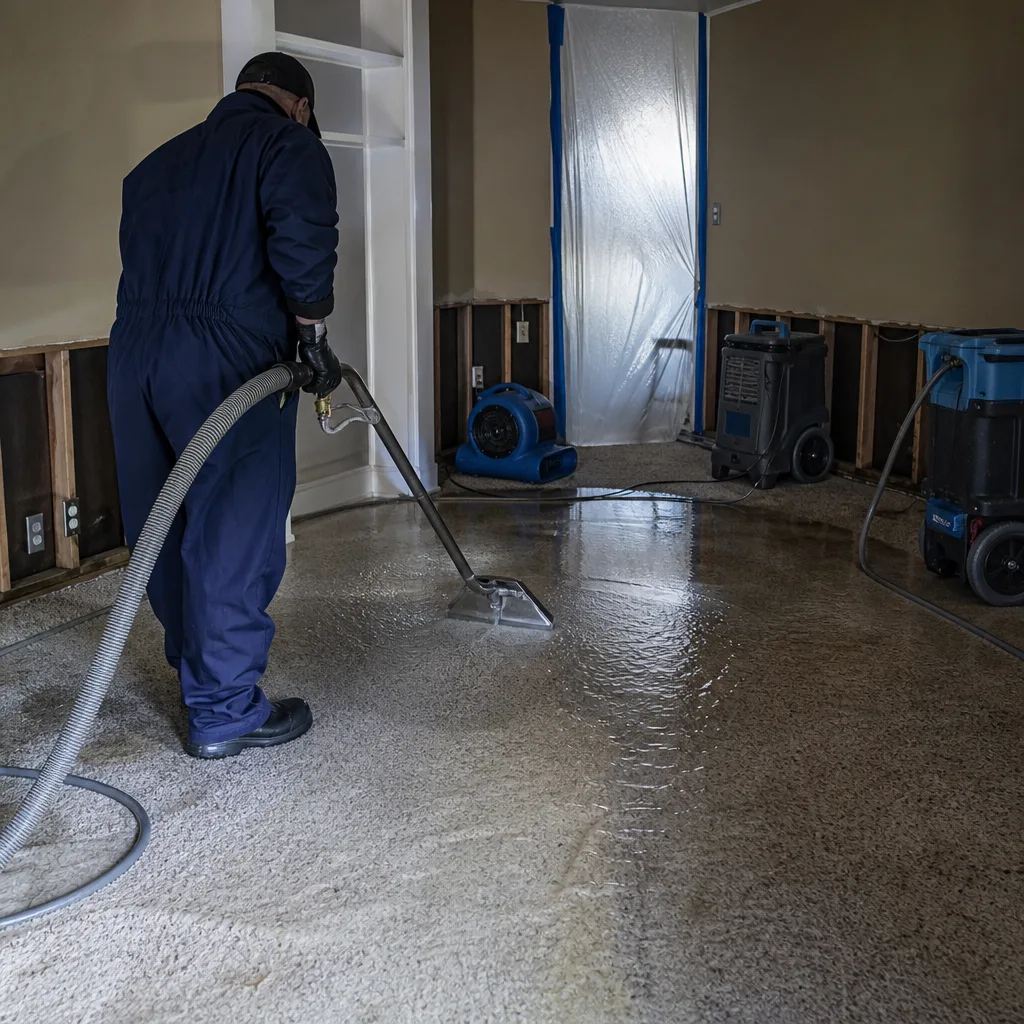
We’re based in the Manhattan area and know this community well. Use the map below to see our service coverage - if you’re nearby, we can almost certainly help.
Frequently Asked Questions - Mold Remediation in Manhattan
Mold remediation is the comprehensive process of containing, removing, and verifying elimination of mold growth, including correction of the moisture source that caused it. Mold cleaning, by contrast, typically addresses only visible surface growth without containment engineering or source elimination. Back to Dry Restoration Manhattan performs full remediation under IICRC S520 standards, with documented containment, negative air pressure, material classification, and post-remediation verification - not just wiping visible spots. Call (516) 687-5786 for a scope that specifies exactly which approach your situation requires.
Most Manhattan residential mold remediation projects complete in 2-5 business days, with single-wall localized removals often finished in 1-2 days and whole-unit treatments extending to 7-10 days for complex containment. Timeline depends on square footage, material drying requirements, and whether third-party post-remediation verification sampling is requested. We provide a specific day-by-day schedule in your written scope, with daily moisture logs documenting progress. Call (516) 687-5786 for a timeline based on your unit’s conditions.
Mold remediation in Manhattan typically ranges from $1,200 for localized removal to $12,000+ for whole-unit treatment, with most residential projects falling between $2,800 and $5,500. See our Mold Remediation cost guide for detailed pricing factors. Insurance coverage depends on the cause: sudden water damage events (pipe burst, appliance leak) are typically covered, while long-term maintenance issues (chronic humidity, deferred repairs) usually are not. Back to Dry Restoration Manhattan documents every project with photo records and drying logs formatted for adjuster review, and we coordinate directly with your insurance company when coverage applies. Call (516) 687-5786 - we’ll review your policy language and damage cause to clarify coverage before you commit to scope.
Yes. We’ve remediated mold in every major Manhattan building type: pre-war co-ops with steam heat and plaster construction, post-war concrete high-rises with PTAC units, new construction with ERV ventilation, and landmarked brownstones with original millwork. Our technicians carry equipment adapters for limited electrical capacity in older buildings and coordinate with superintendents on riser shutdowns when needed. Whether your building is on Riverside Drive or in the heart of Midtown Manhattan, we document the specific construction conditions and adjust containment accordingly. Call (516) 687-5786 to discuss your building’s requirements.
Active mold growth that threatens occupant health or structural integrity qualifies for emergency response, and we answer our phones live 24 hours a day, 7 days a week at (516) 687-5786. However, proper mold remediation cannot be rushed through containment and scope development - we won’t sacrifice documentation quality for speed. For true emergencies (post-flood mold with compromised containment, immunocompromised occupants), we can arrive within 90 minutes to Manhattan locations and establish emergency containment while completing full assessment. For non-emergency situations, we schedule within 24-48 hours to allow thorough preparation. Call to discuss your timeline and we’ll be direct about what response mode fits.
Every mold remediation project carries the 365-Day Done Right Promise under The Haven Standard: if mold recurs in the treated area due to our workmanship or moisture source correction failure, we return and remediate at no charge. This is a written guarantee, signed by Alicia Brennan, not a verbal assurance. The warranty requires that the moisture source we identified and repaired remains controlled - new leaks, building envelope failures, or occupant behavior changes (unventilated showers, blocked exhaust) are excluded. Your final documentation packet includes the signed warranty terms, moisture source repair details, and maintenance recommendations. Call (516) 687-5786 for warranty specifics.
Clear access to the affected area and any adjacent spaces our technician may need to inspect for moisture migration or containment engineering. Gather any prior inspection reports, insurance correspondence, or maintenance records related to water damage or humidity problems. Note when you first observed the mold, whether symptoms correlate with time spent in specific rooms, and any previous remediation attempts. Don’t clean or disturb the visible growth before our arrival - we document conditions as found for accurate scope development and insurance purposes. We’ll handle containment setup, material protection, and post-work cleaning. Call (516) 687-5786 to schedule; estimates are free with no obligation.
Schedule Your Mold Remediation Service in Manhattan Today
Call (516) 687-5786 now for a free, written estimate with line-item pricing - no voicemail, no callback queues, no “call for a quote” runaround. Alicia Brennan and the team at Back to Dry Restoration Manhattan answer live 24 hours a day, 7 days a week. Every scope is delivered in writing before work begins under Haven Standard, Clause 1, with photo documentation on every visit and the 365-Day Done Right Promise backing every job. Whether you’re in a Midtown Manhattan high-rise, a Morningside Heights brownstone, or a Murray Hill walk-up, we document what we find, price what we document, and guarantee what we do.
Written by Alicia Brennan, Owner at Back to Dry Restoration Manhattan, serving Manhattan since 2011.