
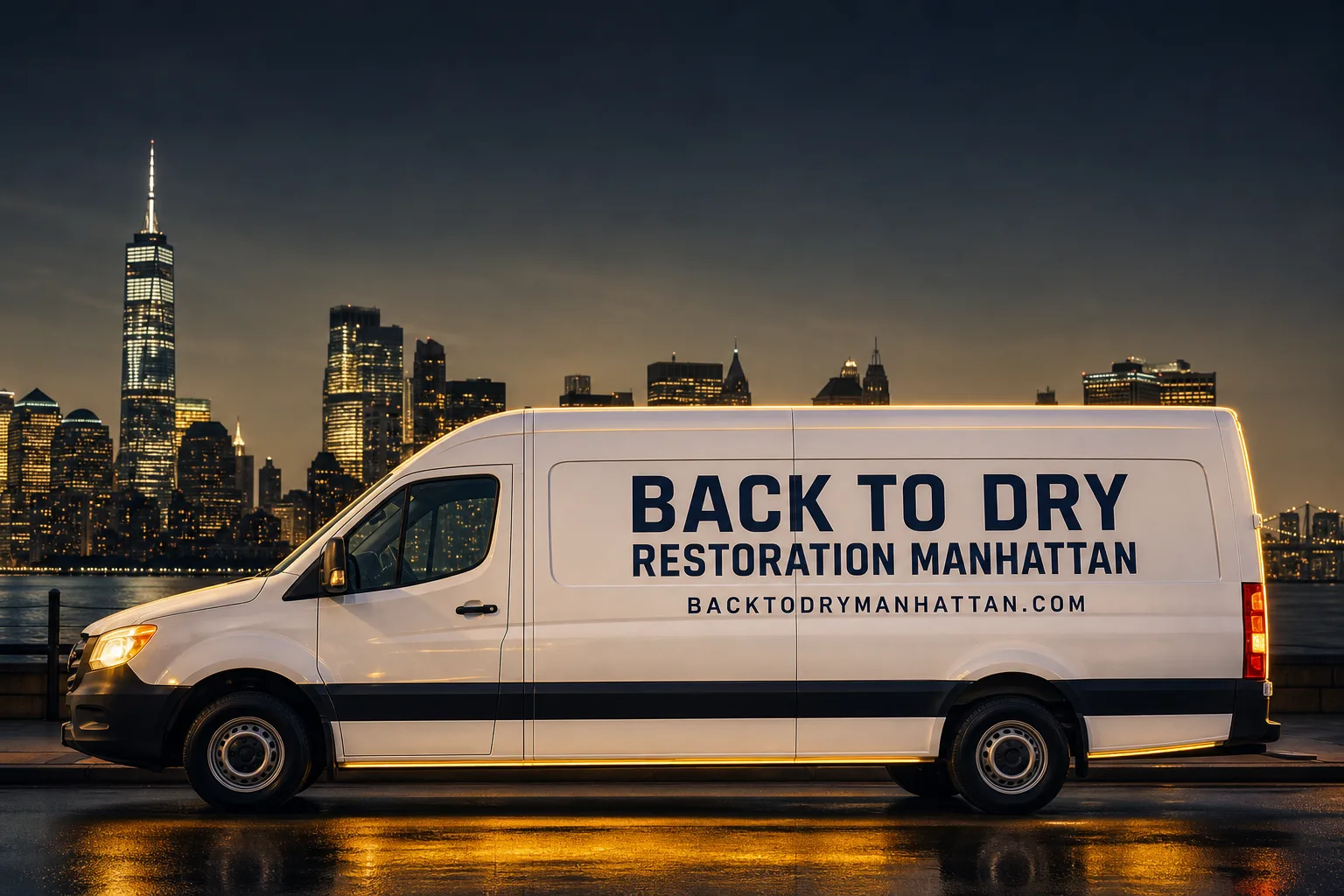
Free visual inspection and a written scope of work before any mitigation begins - photos, moisture readings, and drying logs go in your claim file
The scope we write is the scope we bill. Anything new gets shown to you, in writing, before we touch it.
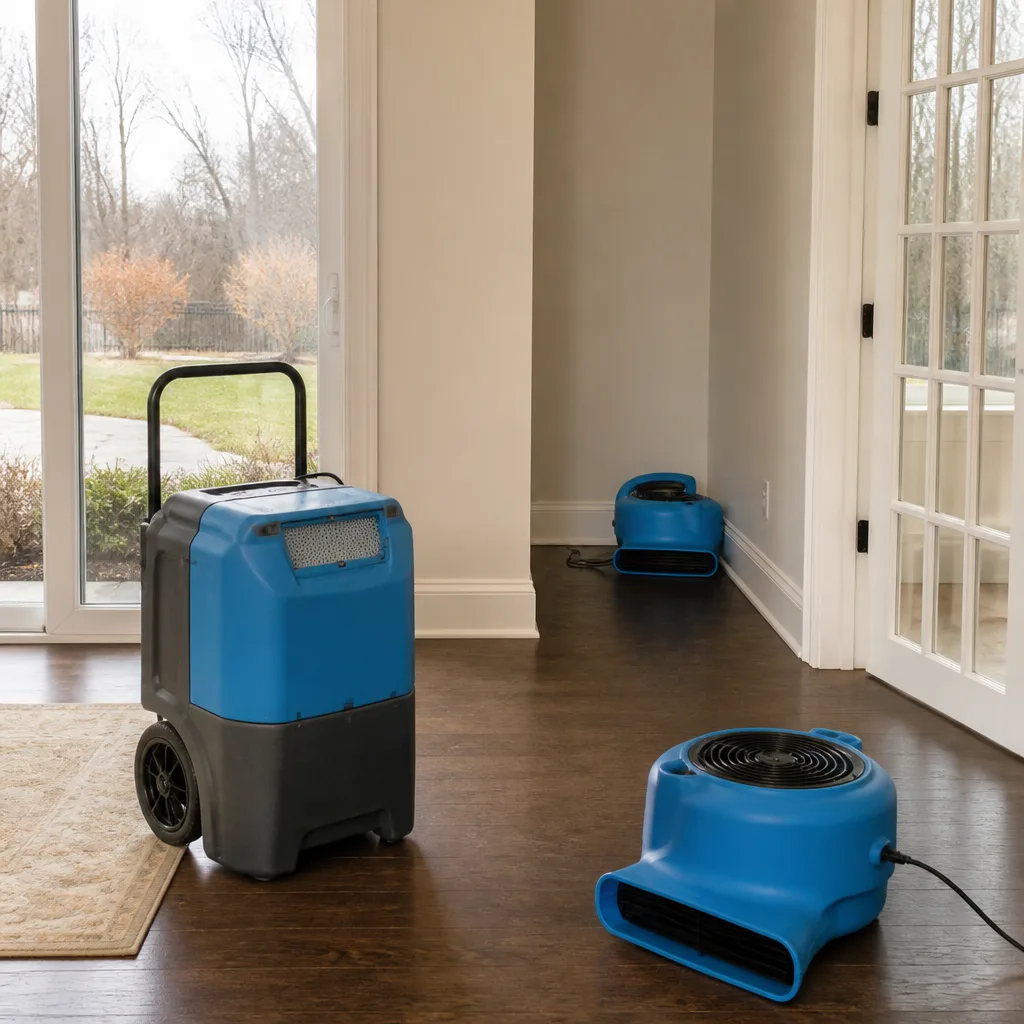
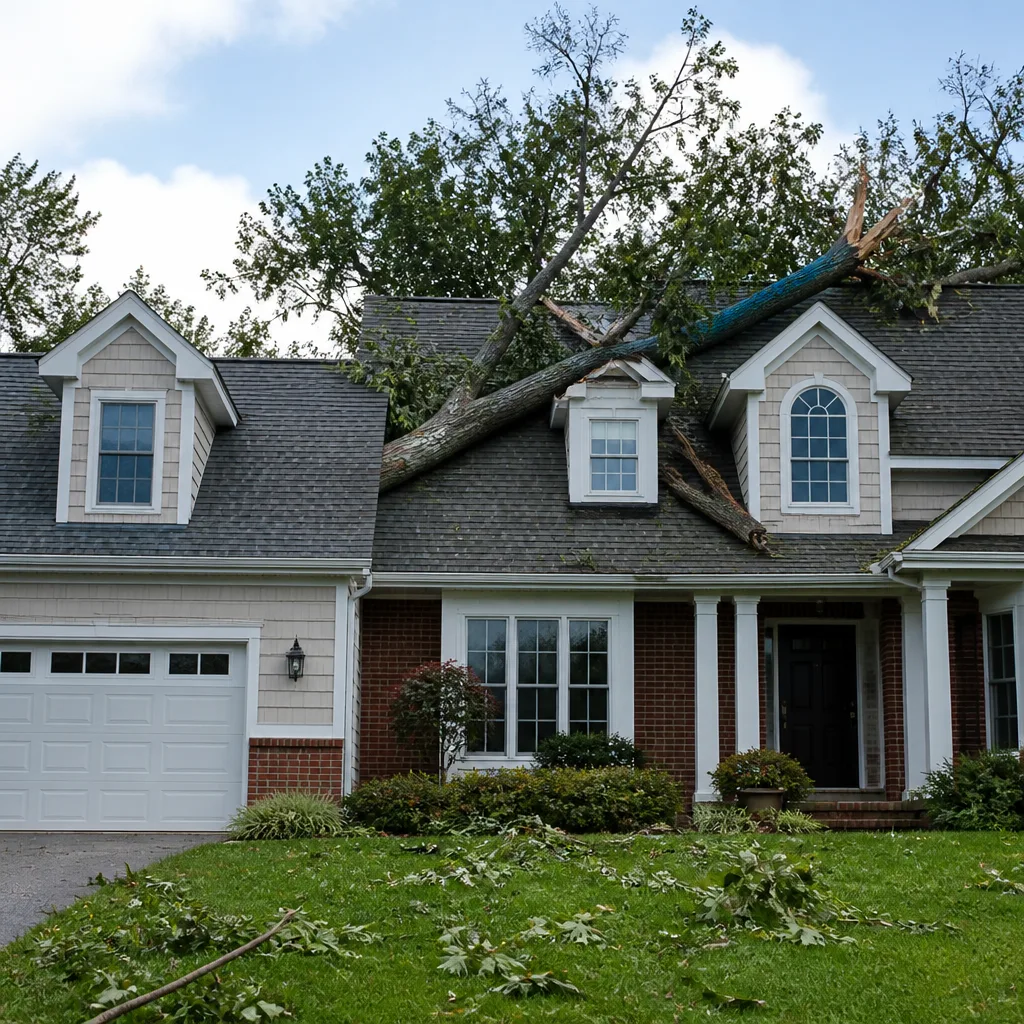
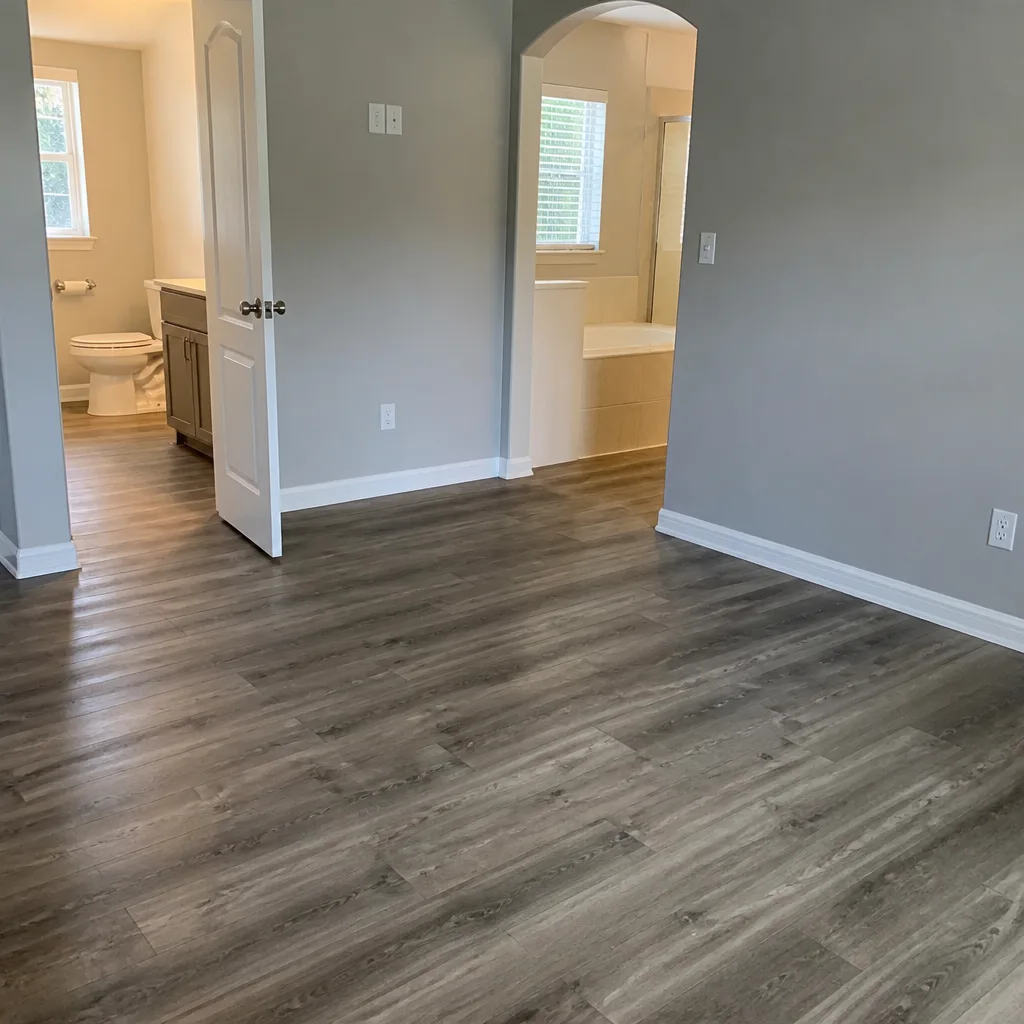
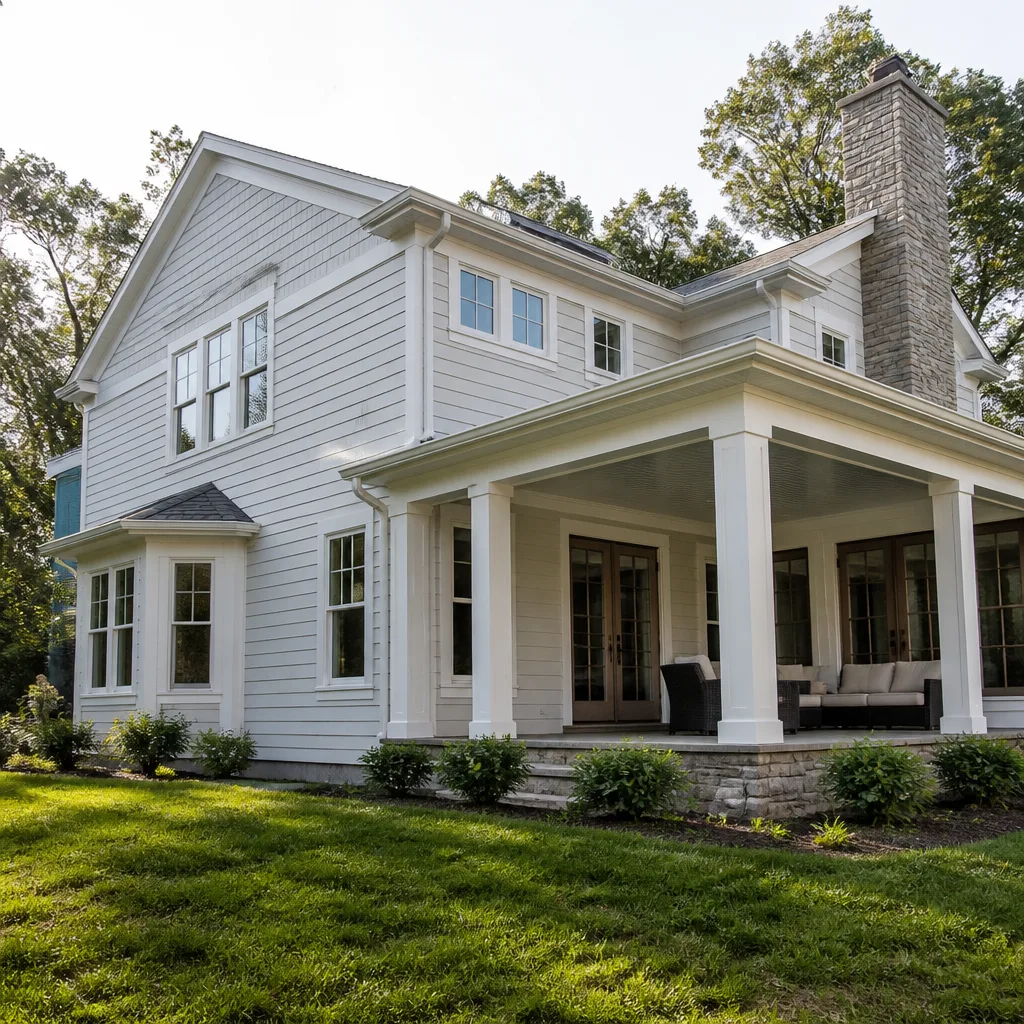
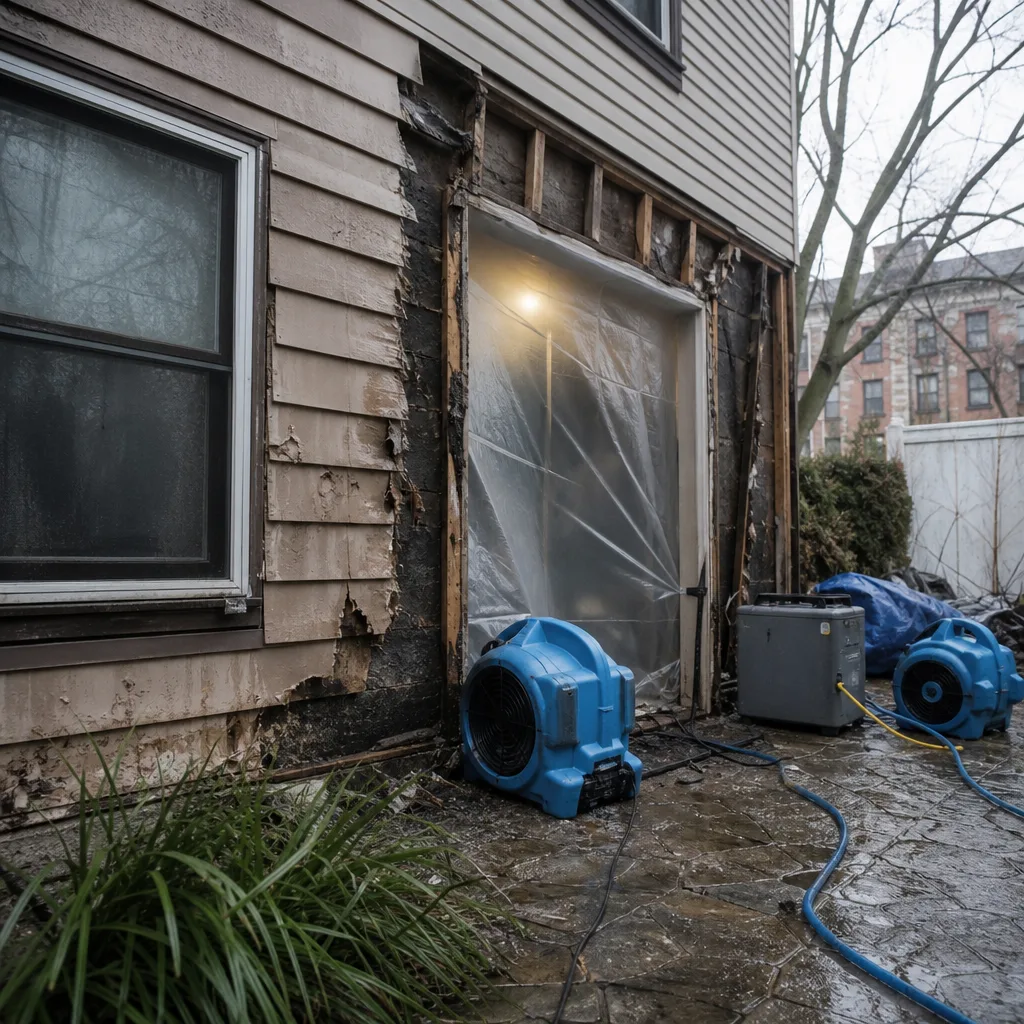 Before
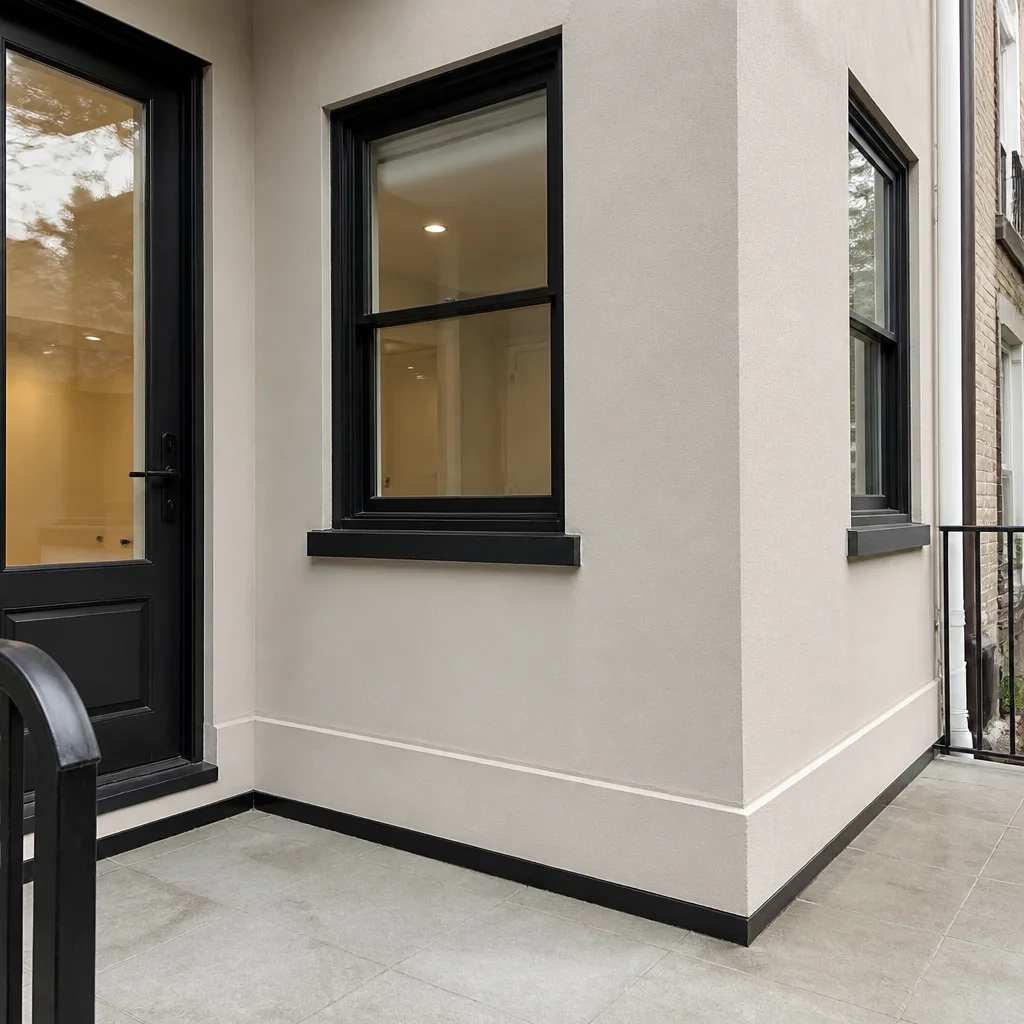 After
After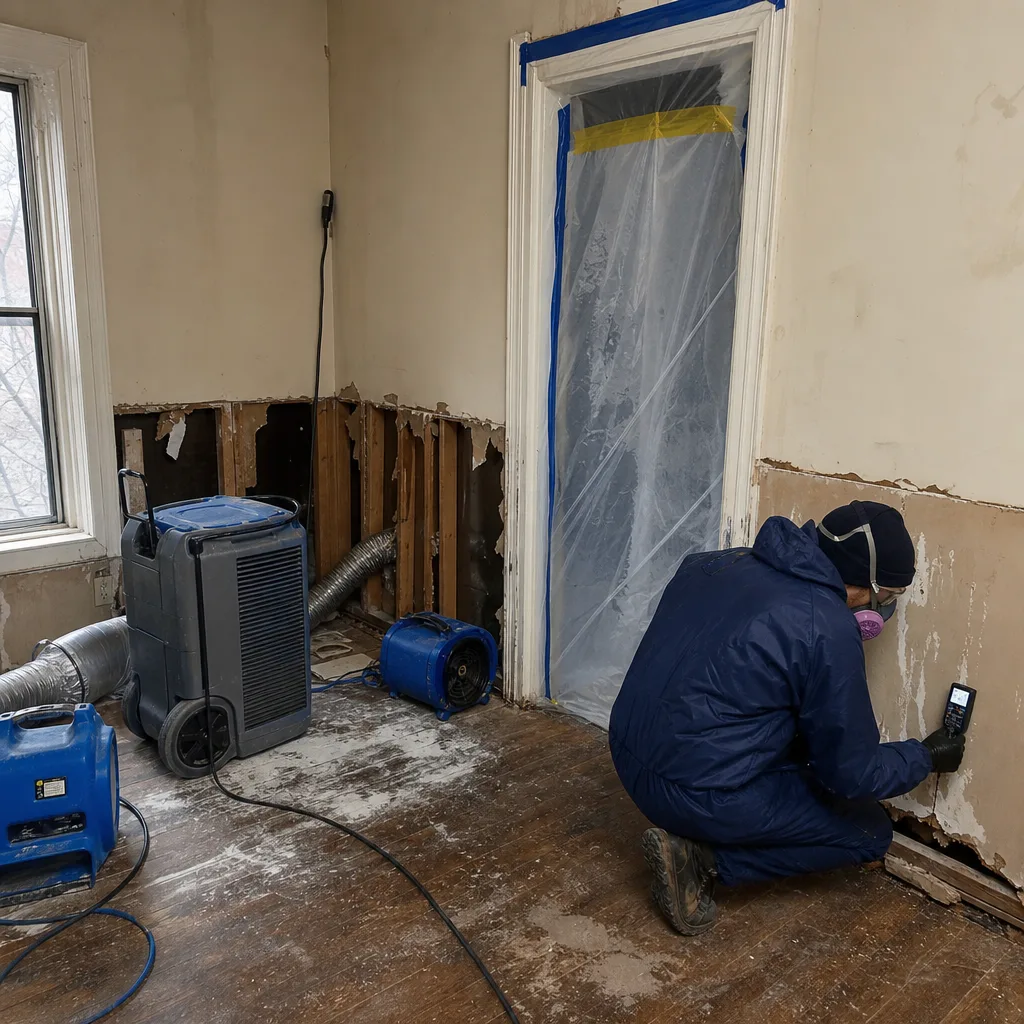 Before
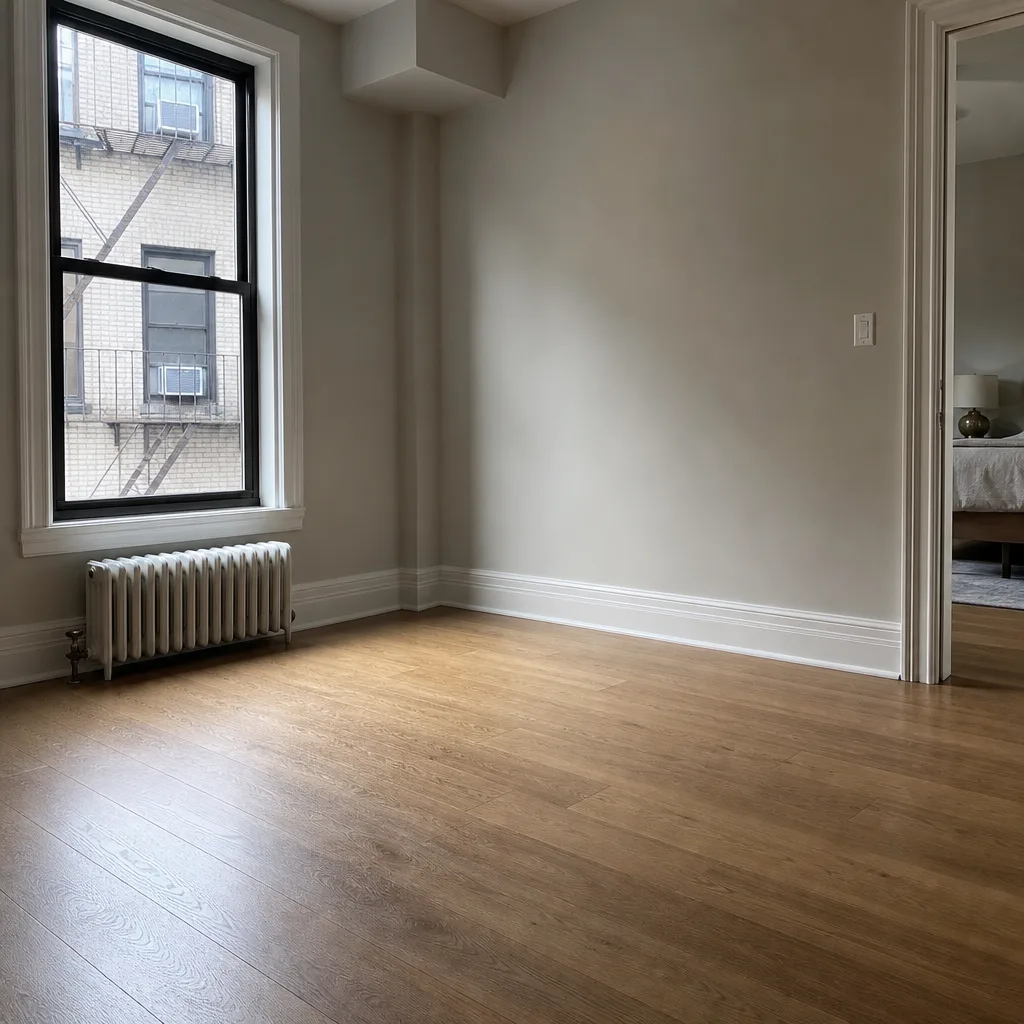 After
After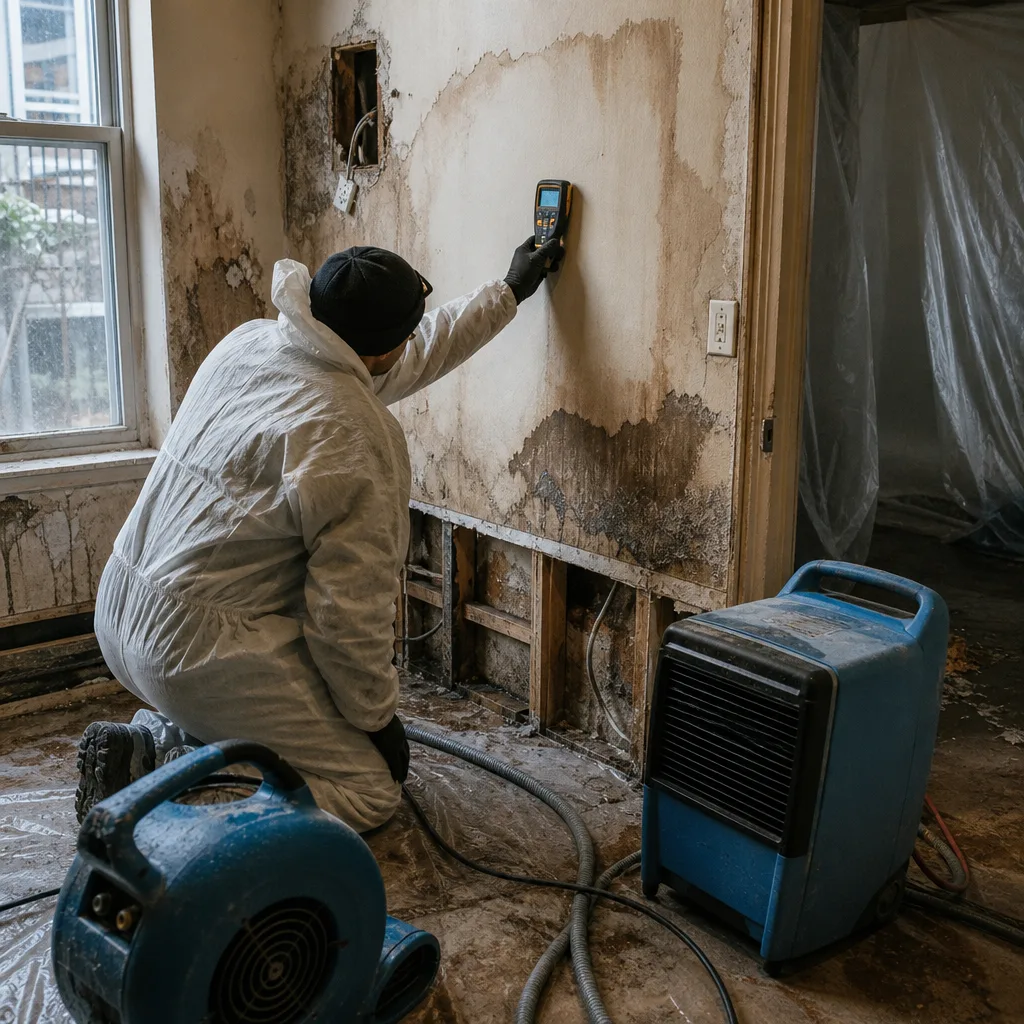 Before
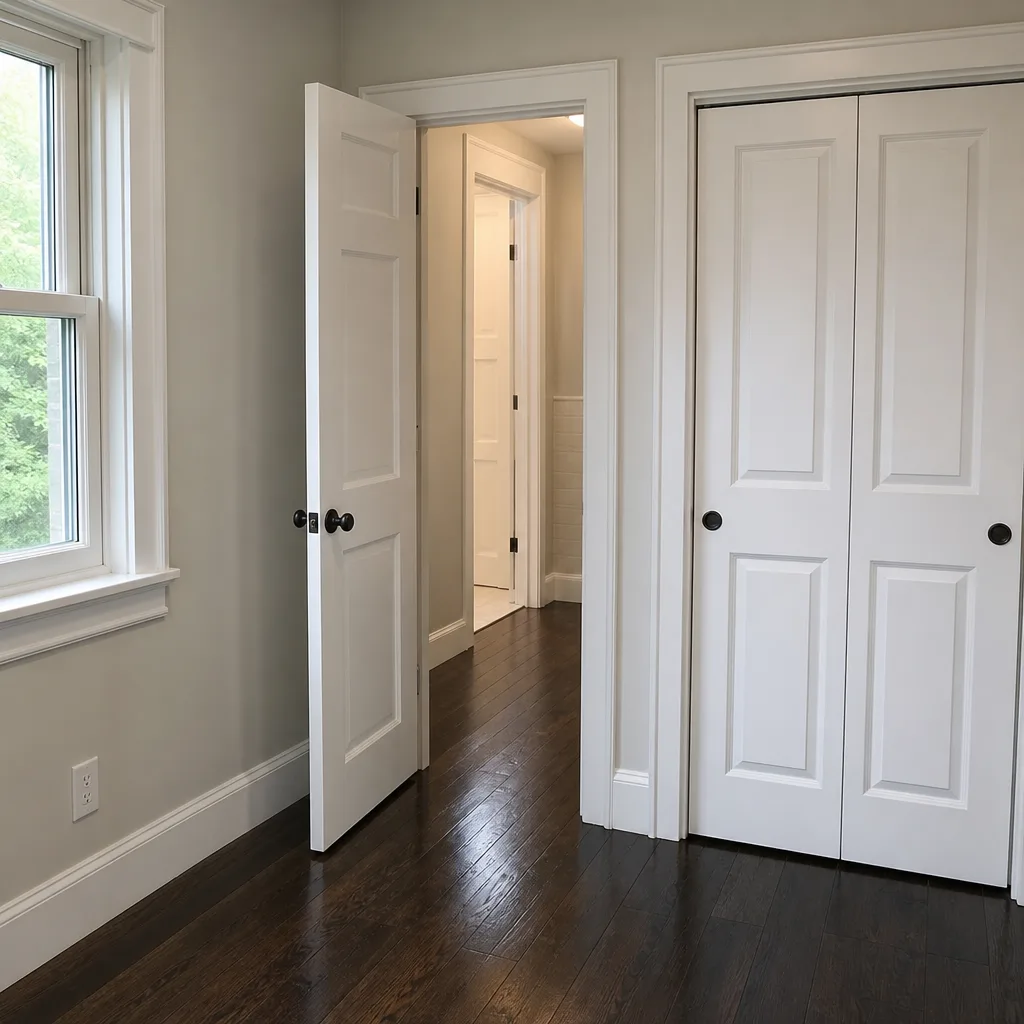 After
AfterDamage Restoration in Manhattan, NY
Storm and disaster restoration in Manhattan typically runs $3,500-$12,000 for residential units affected by flooding or wind damage, with emergency response available through our 24-hour live dispatch at (516) 687-5786. Manhattan’s pre-war high-rise housing stock, coastal island geography, and co-op governance structure create restoration challenges found nowhere else in the country, from cast-iron stack failures cascading through 20 stacked units to managing-agent access delays that can cost critical drying hours. Back to Dry Restoration coordinates dispatch and scheduling from our New York City office, with crews serving Manhattan buildings directly.
Why Manhattan Homes Are Different
Manhattan sits at the confluence of the Hudson and East Rivers on a low-lying coastal island, and Hurricane Sandy’s 2012 storm surge flooded basements, electrical switchgear rooms, and elevator pits across Lower Manhattan, Battery Park City, and the FDR Drive waterfront corridor. Winter nor’easters drive wind-loaded rain horizontally into century-old masonry facades, making lateral water intrusion through exterior walls a leading cold-weather damage source distinct from plumbing failures.
The housing stock compounds every problem. Pre-war co-ops and rentals, many 12 to 25 stories, contain original cast-iron drain stacks and galvanized supply branches from the 1910s-1940s. When one fails, water cascades vertically through 10 to 20 units, triggering overlapping claims between the building’s master policy and individual unit-owner policies. The co-op governance structure means a managing agent or board must authorize crew access, compressing the critical drying window in ways that do not exist in low-rise or owner-occupied markets. In pre-war buildings on the Upper West Side and Upper East Side, reaching that agent after hours can cost 12 to 24 hours, routinely turning a Category 1 water loss into a Category 2 or mold-risk situation.
Our Main Manhattan Services
Manhattan homeowners most often call us for water damage and mold issues born from the island’s unique building stock and coastal exposure. Each service below has its own dedicated Manhattan page with deeper detail.
Water Damage Restoration in Manhattan
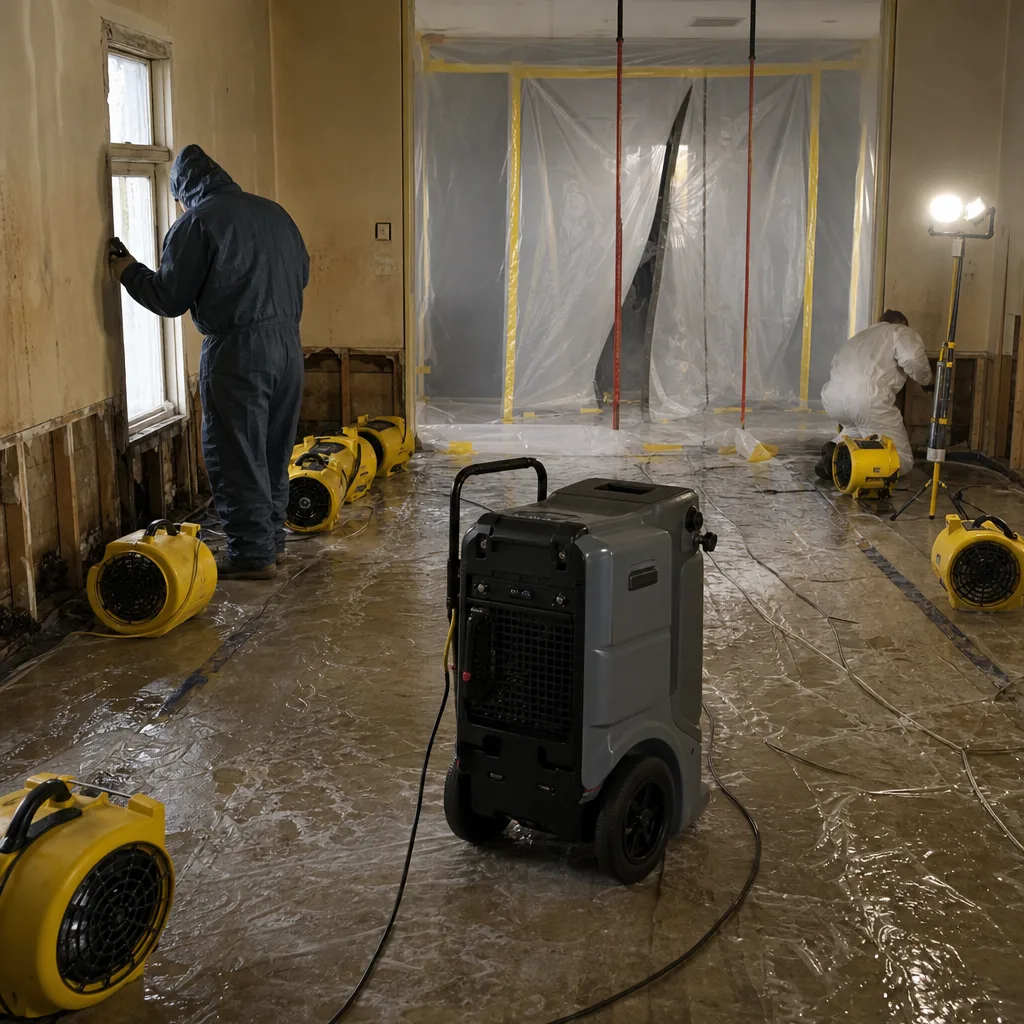
Water damage in Manhattan rarely stays in one unit. A failed washing machine hose on the 14th floor of a pre-war co-op can saturate plaster-over-wood-lath walls, herringbone parquet, and ornate millwork across five floors before the super shuts off the riser. We document moisture readings in every affected unit, photograph each elevation, and produce written scopes that account for the “match original” restoration standard these buildings demand. Water Damage Restoration in Manhattan
Mold Remediation in Manhattan
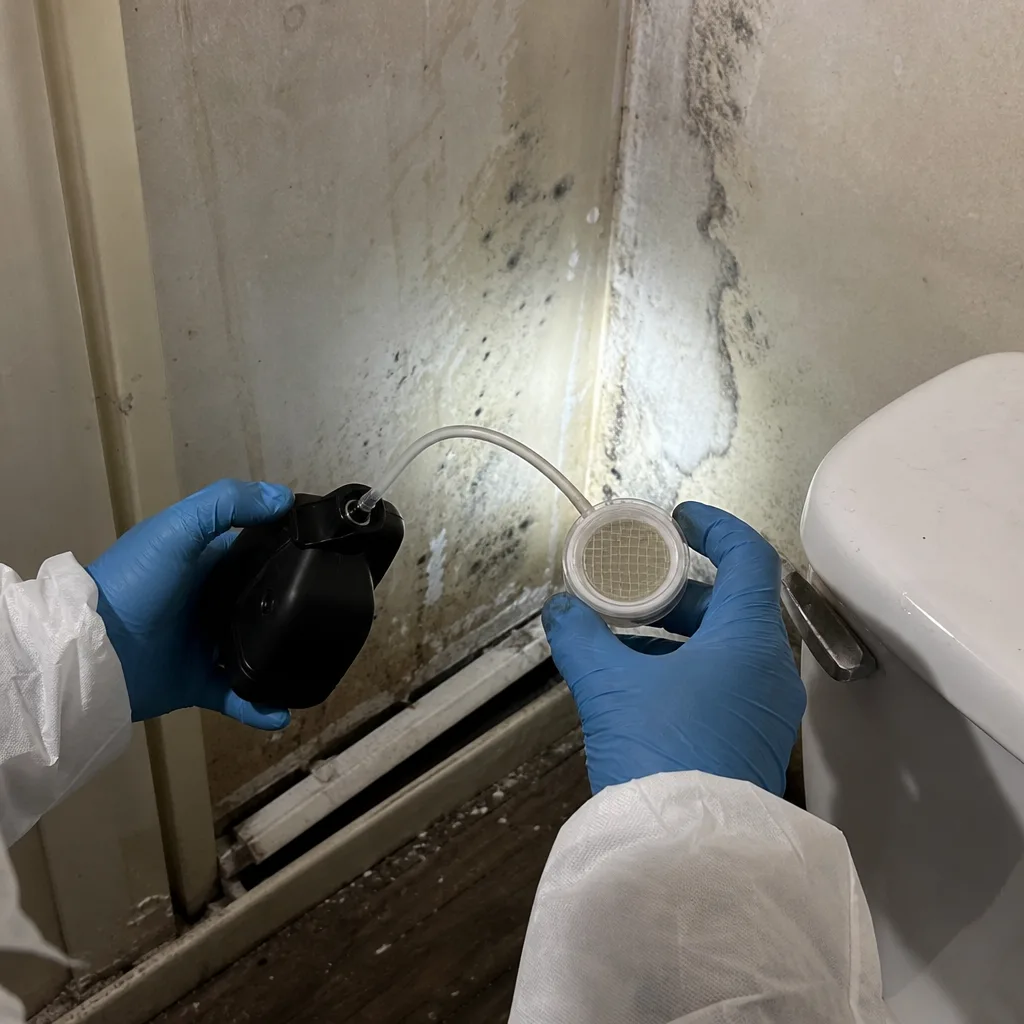
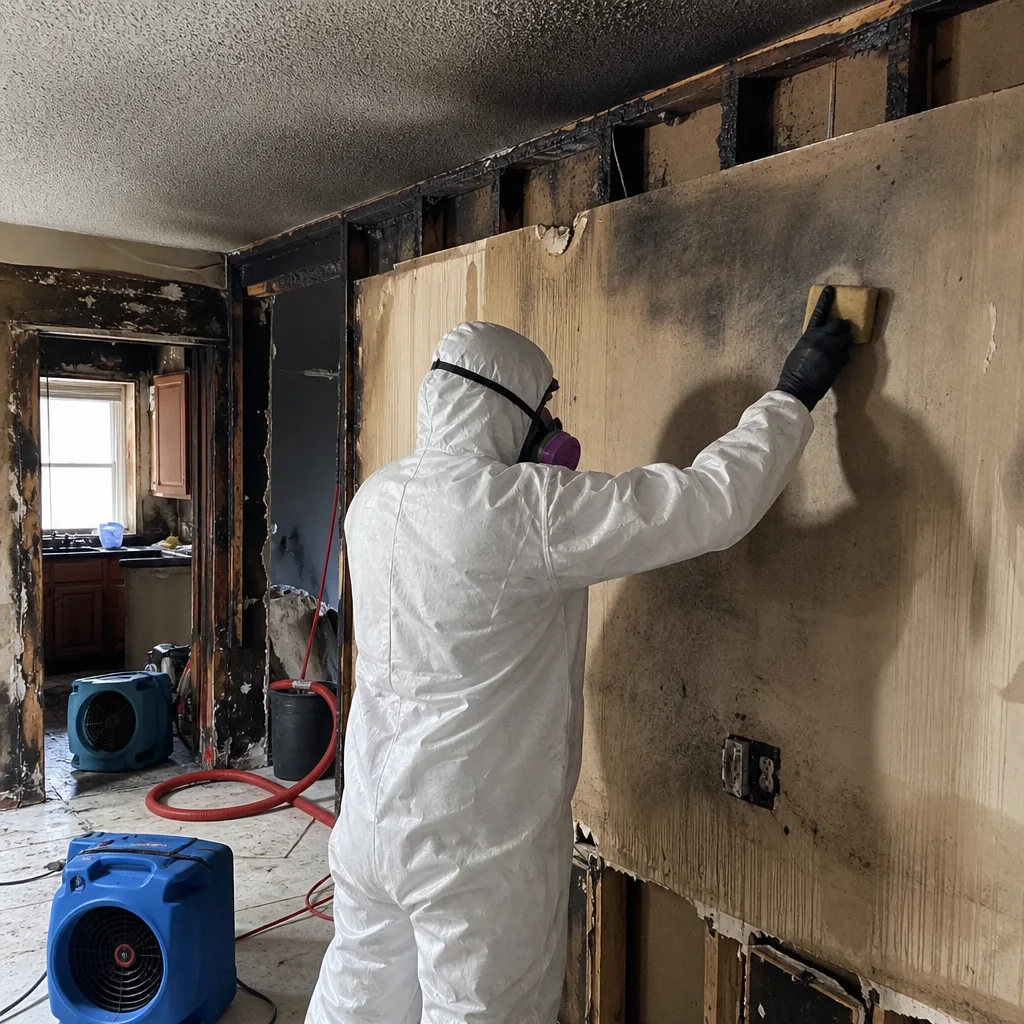
Manhattan’s aging HVAC systems, steam-heated perimeter radiators, and curtain-wall gasket failures create humidity pockets behind baseboards and within exterior wall cavities that standard inspections miss. We use moisture meters, borescopes, and air sampling to locate hidden colonization, then build containment under negative pressure before removing affected plaster lath or drywall. Every remediation includes a written clearance report with laboratory results. Mold Remediation in Manhattan
Fire & Smoke Damage Restoration in Manhattan
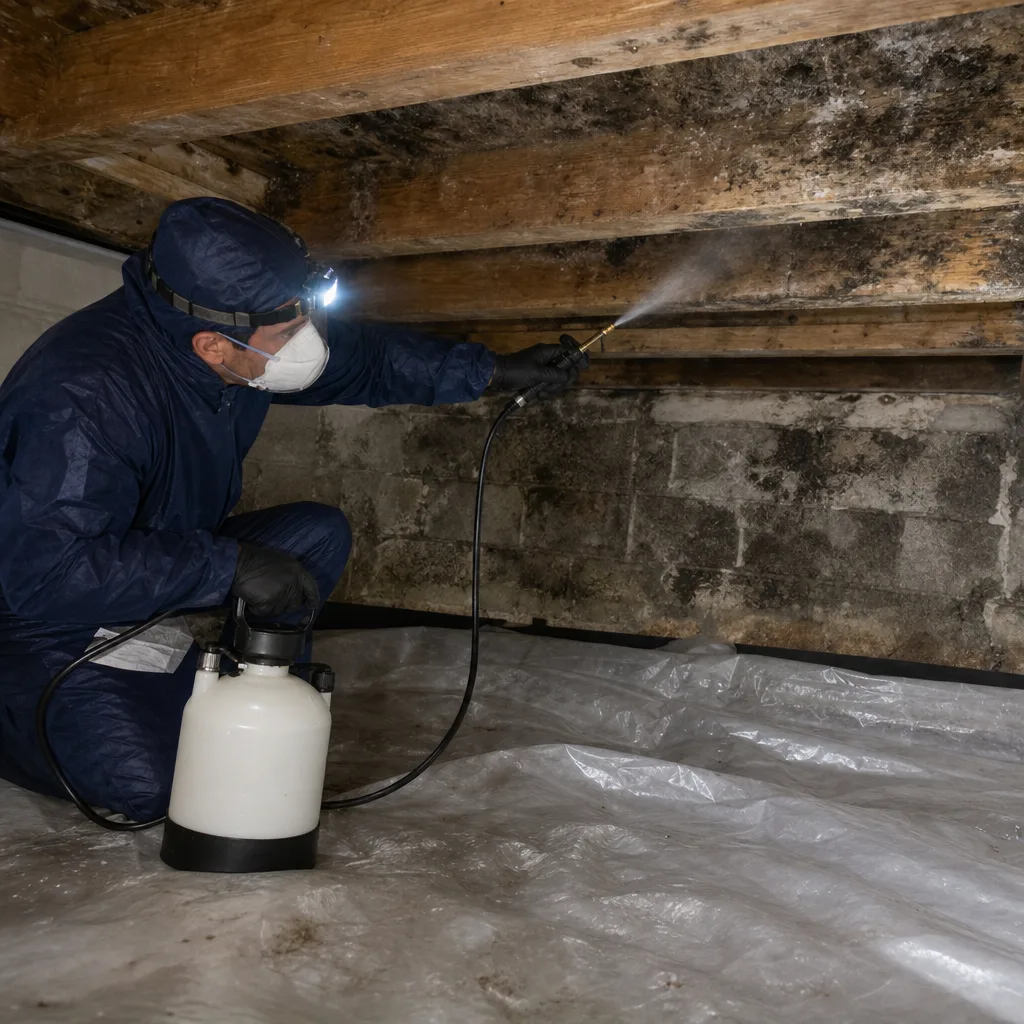
Kitchen fires in Manhattan’s compact units send protein smoke and soot through shared HVAC risers and elevator shafts, affecting units far from the origin. We test surfaces with chem sponges to determine smoke type, then clean or seal affected substrates room by room. Our photo documentation tracks every decision for the building’s master policy and individual unit-owner carriers. Fire & Smoke Damage Restoration in Manhattan
What happens when you call
- 1
A real person answersNo phone trees - you reach a local pro.
- 2
You get an upfront price rangeHonest numbers before anyone is dispatched.
- 3
A background-checked tech heads outLicensed & insured, dispatched right away.
- 4
You approve before work beginsNothing starts until you say go.
BeforeAfterStorm & Disaster Restoration in Manhattan
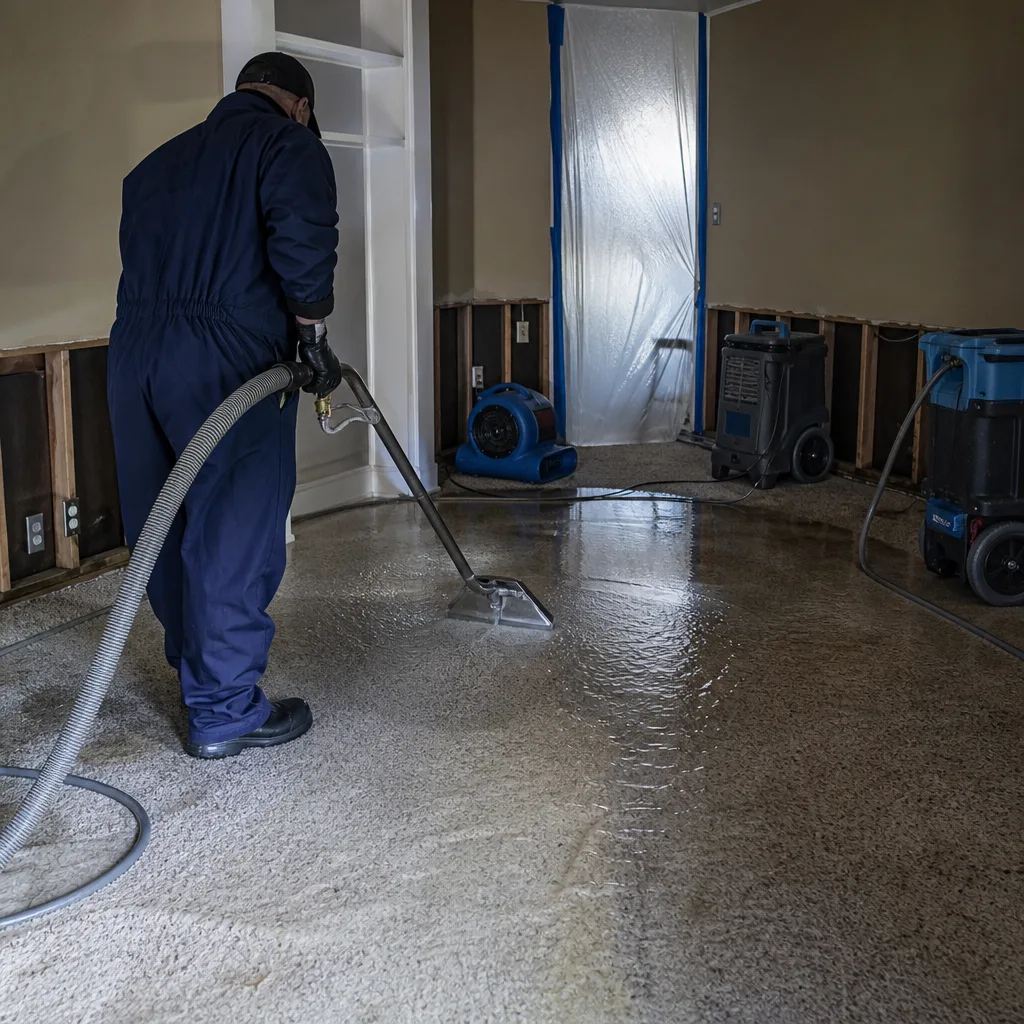
Manhattan’s coastal position and dense vertical housing make storm damage a multi-unit, multi-policy event unlike suburban single-family losses. When Hurricane Sandy’s storm surge reached 14 feet in some Lower Manhattan locations, it filled elevator pits, submerged electrical rooms, and saturated basement-level mechanical systems in buildings from Battery Park City to the East River waterfront. Winter nor’easters drive rain through deteriorating masonry and failed curtain-wall gaskets in postwar towers, creating lateral intrusion that mimics plumbing failure but requires entirely different remediation. Storm & Disaster Restoration in Manhattan demands crews who understand these building-specific failure modes and can document them for overlapping insurance claims.
Flood Damage Restoration
Signs you need it
Standing water in basement storage, elevator pits, or parking garages; warped hardwood or buckled parquet in ground-floor units; musty odors appearing 48-72 hours after a storm event.
What it costs in Manhattan
Flood damage restoration in Manhattan typically ranges from $4,500 for a single affected unit with limited material saturation to $15,000+ for multi-unit basement and mechanical room flooding with contaminated water.
How we do it
We pump standing water, remove saturated porous materials, deploy Dri-Eaz and Phoenix dehumidification systems sized to the cubic volume, and produce daily psychrometric logs documenting moisture content reduction until materials reach established drying goals.
Emergency Board-Up
Signs you need it
Broken windows from wind-borne debris, damaged storefronts or lobby glazing, compromised roof access hatches, or structural openings that expose the building to further weather intrusion.
What it costs in Manhattan
Emergency board-up in Manhattan typically runs $800-$2,500 for residential windows and small commercial openings, and $3,500-$8,000 for lobby glazing or large-format curtain-wall temporary sealing with engineered supports.
How we do it
We measure openings, cut marine-grade plywood or polycarbonate panels to fit, secure with tamper-resistant fasteners, and photograph each installation for the property manager’s emergency repair file and insurance submission.
What Storm & Disaster Restoration Costs in Manhattan
| Item | Typical range in Manhattan |
|---|---|
| Flood damage restoration (single unit, clean water) | $3,500 - $7,500 |
| Flood damage restoration (multi-unit, basement/mechanical) | $8,000 - $18,000 |
| Emergency board-up (standard windows/openings) | $800 - $2,500 |
| Emergency board-up (large commercial/lobby) | $3,500 - $8,000 |
| Roof tarping (residential/complex access) | $1,200 - $4,500 |
Will insurance cover storm damage restoration in Manhattan?
Most building master policies cover storm damage to common elements and building systems, while individual unit-owner policies cover personal property and unit interior finishes. We photograph all damage, document cause and origin, and coordinate directly with both adjusters to prevent coverage gaps. Call (516) 687-5786 for documentation support.
How fast can you respond to a storm emergency in Manhattan?
Our live dispatch answers every call, 24 hours a day, 7 days a week, with no voicemail trees. Crew mobilization depends on building access authorization from the managing agent or board, which we help expedite with pre-formatted access request letters. Call (516) 687-5786 to start the process immediately.
Sewage Cleanup in Manhattan
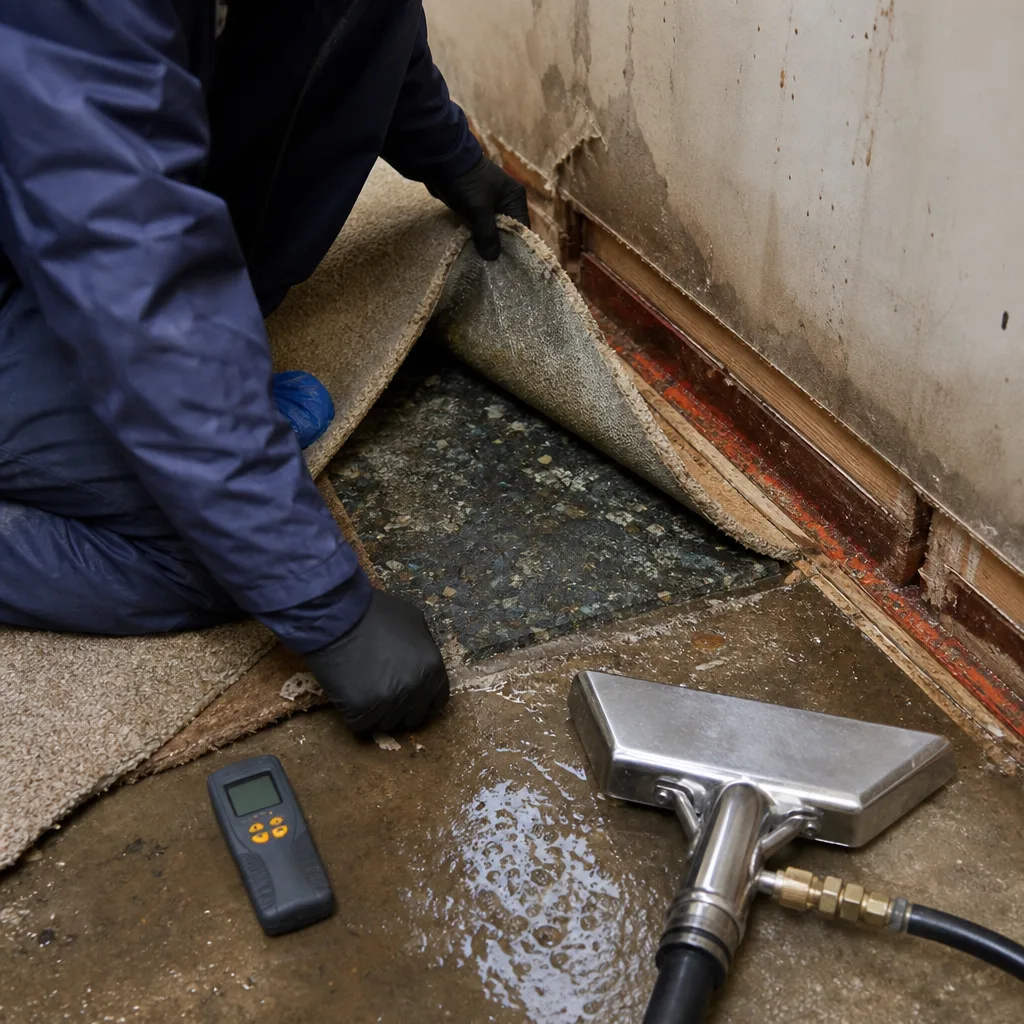
Manhattan’s pre-war cast-iron waste stacks, now 80-100 years old in many Upper West Side and Upper East Side co-ops, corrode from the inside until they crack or separate at hub joints, releasing Category 3 black water into multiple stacked units simultaneously. The island’s combined sewer system, overwhelmed during heavy rain events, also backs up through floor drains in basement-level apartments and commercial spaces from the Village to Harlem. Sewage Cleanup in Manhattan requires crews trained in bloodborne pathogen protocols who can work within the tight access windows co-op managing agents permit.
Sewage Backup Cleanup
Signs you need it
Black water emerging from floor drains, toilets, or tub overflows with visible organic matter and characteristic sulfurous odor, often during or immediately after heavy rainfall overwhelming the combined sewer system.
What it costs in Manhattan
Sewage backup cleanup in Manhattan typically ranges from $2,800 for a contained single-bathroom incident to $8,500 for multi-unit basement saturation with HVAC contamination requiring duct cleaning and air scrubbing.
How we do it
We establish OSHA-compliant containment, remove all saturated porous materials, apply EPA-registered disinfectant to non-porous surfaces, deploy HEPA air scrubbers to establish negative pressure, and provide written clearance testing before rebuild.
Sanitization & Disinfection
Signs you need it
Residual odors after visible sewage removal, positive ATP surface testing, or situations involving immunocompromised occupants where standard cleaning is insufficient for health clearance.
What it costs in Manhattan
Post-sewage sanitization and disinfection in Manhattan typically runs $1,200-$3,500 for a single affected unit, and $4,000-$9,000 for common areas, hallways, or elevator cabs with shared air handling.
How we do it
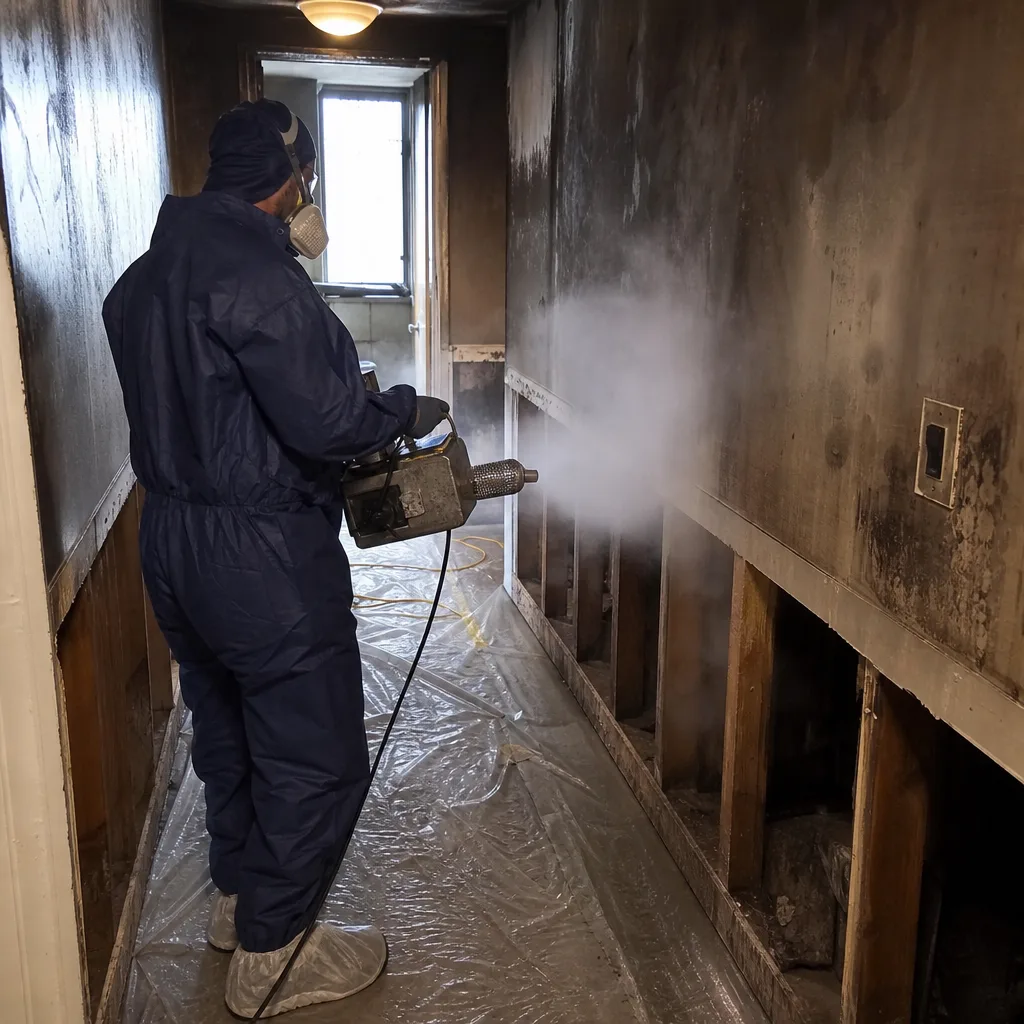
We apply hospital-grade disinfectant via electrostatic sprayer to all contacted surfaces, verify efficacy with ATP bioluminescence testing, and document results with time-stamped photos for the building’s health department filing.
What Sewage Cleanup Costs in Manhattan
| Item | Typical range in Manhattan |
|---|---|
| Sewage backup cleanup (single bathroom/limited area) | $2,500 - $5,500 |
| Sewage backup cleanup (multi-unit, basement, HVAC involved) | $6,000 - $12,000 |
| Sanitization & disinfection (single unit) | $1,200 - $3,500 |
| Sanitization & disinfection (common areas/elevator) | $4,000 - $9,000 |
Is sewage cleanup covered by insurance in Manhattan?
Most unit-owner policies exclude sewer backup unless specific rider coverage was purchased, while building master policies may cover common line failures depending on maintenance records. We document cause and origin with photos and written scope to support both claims. Call (516) 687-5786 for a free second opinion on any estimate.
How dangerous is raw sewage exposure in a Manhattan apartment?
Category 3 black water contains bloodborne pathogens, gram-negative bacteria, and endotoxins that can cause serious infection; immunocompromised individuals, children, and elderly residents face elevated risk. We treat every sewage incident as a biohazard and do not recommend DIY cleanup. Call (516) 687-5786 for immediate containment.
Biohazard & Crime Scene Cleanup in Manhattan
Manhattan’s density means biohazard incidents, from unattended deaths in rent-stabilized studios to trauma events in high-rise condos, affect neighboring units through shared HVAC and hallway air pressure. The city’s strict Department of Health and Mental Hygiene regulations require licensed biohazard waste transport and documented chain-of-custody for all biological materials. Biohazard & Crime Scene Cleanup in Manhattan demands discretion, regulatory compliance, and crews who can work within the access constraints of doormen, co-op boards, and building management.
Trauma & Unattended Death Cleanup
Signs you need it
Discovery of a deceased individual after any length of time, with biological fluids affecting flooring, subflooring, wall cavities, or furnishings and producing decomposition odors that penetrate adjacent units.
What it costs in Manhattan
Trauma and unattended death cleanup in Manhattan typically ranges from $3,500 for a contained scene with limited fluid migration to $12,000+ for extended decomposition with subfloor, HVAC, and multi-room contamination requiring structural remediation.
How we do it
We remove all affected porous materials, treat structural elements with enzyme cleaners and disinfectants, seal non-removable substrates with odor-blocking encapsulants, and provide written clearance with waste manifest documentation for regulatory compliance.
Infectious Disease Disinfection
Signs you need it
Confirmed or suspected exposure to C. difficile, MRSA, tuberculosis, or other CDC-notifiable pathogens in residential, commercial, or healthcare-adjacent Manhattan properties requiring documented decontamination.
What it costs in Manhattan
Infectious disease disinfection in Manhattan typically runs $1,500-$4,000 for a single residential unit, and $5,000-$15,000 for commercial spaces, common areas, or multi-unit residential buildings with shared ventilation systems.
How we do it
We establish containment, apply hospital-grade disinfectant via electrostatic or fogging application to all surfaces including vertical and overhead, verify with ATP and specific pathogen testing where indicated, and provide written clearance documentation.
What Biohazard & Crime Scene Cleanup Costs in Manhattan
| Item | Typical range in Manhattan |
|---|---|
| Crime scene cleanup (limited area, no structural damage) | $3,000 - $6,500 |
| Trauma/unattended death cleanup (contained scene) | $3,500 - $7,500 |
| Trauma/unattended death cleanup (extended decomposition, structural) | $8,000 - $15,000 |
| Infectious disease disinfection (residential unit) | $1,500 - $4,000 |
| Infectious disease disinfection (commercial/common areas) | $5,000 - $15,000 |
Who pays for crime scene cleanup in Manhattan?
Property owners are typically responsible for structural remediation, while victim compensation funds or property insurance may cover costs depending on the incident. We provide a written scope and photo documentation for any funding source or claim submission. Call (516) 687-5786 for confidential consultation.
How discreet is biohazard cleanup in a Manhattan co-op building?
Our technicians arrive in unmarked vehicles and plain uniforms, work during hours coordinated with building management, and communicate only with designated contacts. No signage, no disruption to common areas, and all documentation is sealed and transmitted securely. Call (516) 687-5786 to discuss access protocols.
Reconstruction & Cleanup in Manhattan
Manhattan’s “match original” restoration standard, applied by pre-war co-op boards and landmark preservation requirements, makes reconstruction materially different from suburban rebuilds where modern replacement is acceptable. Herringbone parquet, plaster crown molding, and millwork profiles from the 1910s-1940s cannot be sourced from big-box retailers; they require specialized subcontractors, custom fabrication, and documented approval from managing agents or LPC where applicable. Reconstruction & Cleanup in Manhattan succeeds only when the scope anticipates these approval timelines and material lead times before demolition begins.
Full-Service Reconstruction
Signs you need it
Structural drying is complete with moisture readings documented below 16% wood moisture equivalent, but walls, flooring, or cabinetry require full replacement to pre-loss condition per insurance or co-op requirements.
What it costs in Manhattan
Full-service reconstruction in Manhattan typically ranges from $8,500 for a single-room gut with standard finishes to $35,000+ for multi-room projects with custom millwork replication, plaster restoration, and landmark-compliant materials.
How we do it
We deliver a written scope with line-item pricing before any demolition, photograph pre-existing conditions, coordinate material approvals with the managing agent or board, and produce daily progress photo logs until final walkthrough.
Drywall & Flooring Repair
Signs you need it
Water-stained or sagging plaster or drywall, buckled hardwood or delaminated parquet, or subfloor moisture readings that have dropped to acceptable levels but left visible damage requiring finished surface replacement.
What it costs in Manhattan
Drywall and flooring repair in Manhattan typically runs $2,500-$6,000 for plaster or drywall replacement in a single room, and $4,500-$12,000 for hardwood or parquet restoration requiring custom milling to match existing profiles.
How we do it
We remove damaged sections to exposed structure, install moisture-barrier-rated drywall or three-coat plaster as specified, and source matching flooring through our network of specialty suppliers with sample approval before installation begins.
What Reconstruction & Cleanup Costs in Manhattan
| Item | Typical range in Manhattan |
|---|---|
| Drywall/plaster repair (single room) | $2,500 - $6,000 |
| Hardwood/parquet repair or replacement (custom match) | $4,500 - $12,000 |
| Full-service reconstruction (single room, standard finishes) | $8,500 - $15,000 |
| Full-service reconstruction (multi-room, custom/landmark) | $18,000 - $45,000 |
| Contents pack-out, cleaning, and return | $3,500 - $9,000 |
How long does reconstruction take in a Manhattan co-op?
Material lead times for custom millwork or landmark-approved plaster range from 4-8 weeks, and co-op board approval adds 2-4 weeks for any work affecting common elements or building systems. We build these timelines into the written scope so expectations are set before demolition starts. Call (516) 687-5786 to schedule a pre-scope consultation.
Will my insurance cover full reconstruction or just basic replacement?
Standard policies cover “like kind and quality” replacement, but pre-war buildings often require materials that exceed this standard; we document the “match original” requirement with photos, material specifications, and contractor estimates to support supplemental claims. Call (516) 687-5786 for documentation assistance.
Brands We Service in Manhattan
We maintain local inventory of Dri-Eaz and Phoenix dehumidification systems, XPOWER air movers, and Injectidry specialty drying equipment, with factory-authorized parts availability that eliminates the multi-day shipping delays that can cost Manhattan buildings their critical drying window. our brands
Pricing for Damage Restoration in Manhattan, NY
| Service | Typical range in Manhattan |
|---|---|
| Storm damage cleanup (single unit) | $3,500 - $7,500 |
| Storm damage cleanup (multi-unit, basement/mechanical) | $8,000 - $18,000 |
| Emergency board-up (standard openings) | $800 - $2,500 |
| Emergency board-up (large commercial/lobby) | $3,500 - $8,000 |
| Sewage backup cleanup (limited area) | $2,500 - $5,500 |
| Sewage backup cleanup (multi-unit, HVAC involved) | $6,000 - $12,000 |
| Biohazard cleanup (contained scene) | $3,000 - $7,500 |
| Biohazard cleanup (extended decomposition, structural) | $8,000 - $15,000 |
| Reconstruction (single room, standard finishes) | $8,500 - $15,000 |
| Reconstruction (multi-room, custom/landmark) | $18,000 - $45,000 |
Prices in Manhattan run higher than national averages due to vertical access complexity, co-op approval requirements, custom material sourcing, and the “match original” standard pre-war buildings demand. Haven Standard, Clause 1: every job receives a written price before any work begins, with no scope-creep additions once the crew is inside.
Neighborhoods We Serve in Manhattan
Back to Dry Restoration serves Manhattan from Battery Park City to Inwood, with crews experienced in the specific building types and access protocols of each district. Response times depend on building authorization rather than distance; our live dispatch at (516) 687-5786 coordinates directly with managing agents and doormen to expedite entry.
- Upper West Side
- Upper East Side
- Midtown East and West
- Greenwich Village and SoHo
- Lower Manhattan and Financial District
- Harlem and Washington Heights
Service Area - Cities Near Manhattan
Our New York City office dispatches crews throughout the metro area, including Long Island City, NY, Astoria, NY, Elmhurst, NY, and Jackson Heights, NY. Each location has distinct building stock, regulatory environment, and insurance landscape; we adjust our documentation and scope approach accordingly.
Serving Manhattan, NY - Our Local Coverage Area
We’re based in the Manhattan area and know this community well. Use the map below to see our service coverage - if you’re nearby, we can almost certainly help.
FAQs About Damage Restoration in Manhattan
Yes. Manhattan co-op boards and managing agents must authorize any contractor access to individual units or common elements, and many require certificate of insurance naming the building, specific work hours, and waste disposal plans. We prepare these documents as standard practice and submit them before scheduling to avoid the 12-24 hour delays that turn manageable water losses into major remediation projects.
Properties within designated landmark districts or individual landmarks require Landmarks Preservation Commission approval for any exterior alteration, and many interior changes affecting “significant architectural features.” We identify landmark status during initial scope, include LPC filing timelines in the written schedule, and source approved materials to prevent compliance delays.
We document every project with separate photo records and written scopes for each policy layer, coordinate directly with both adjusters, and attend any joint inspection the carriers request. This dual-documentation approach, developed from founder Alicia Brennan’s claims-adjusting background, prevents the coverage gaps that leave Manhattan homeowners paying out of pocket for losses that should be shared.
What happens when you call
- 1A real person answersNo phone trees - talk to a local damage restoration pro.
- 2You get an upfront price rangeHonest numbers before anyone is dispatched. No surprises.
- 3We come out and measureLicensed & insured, at a time that suits you - the visit and the quote are both free.
- 4You get the price in writingLine-itemed, yours to keep, and nothing starts until you say go.
What Manhattan Customers Say
"Daily moisture readings, written down, room by room. When the adjuster questioned the drying time they sent the log and the conversation ended."
- Constance E."Storm took part of the roof. They tarped it the same evening and the written scope came through the next morning."
- Emmett L."Burst supply line upstairs. They had equipment in the house within a few hours and told me honestly which flooring could be saved and which could not."
- Jarrod P.