
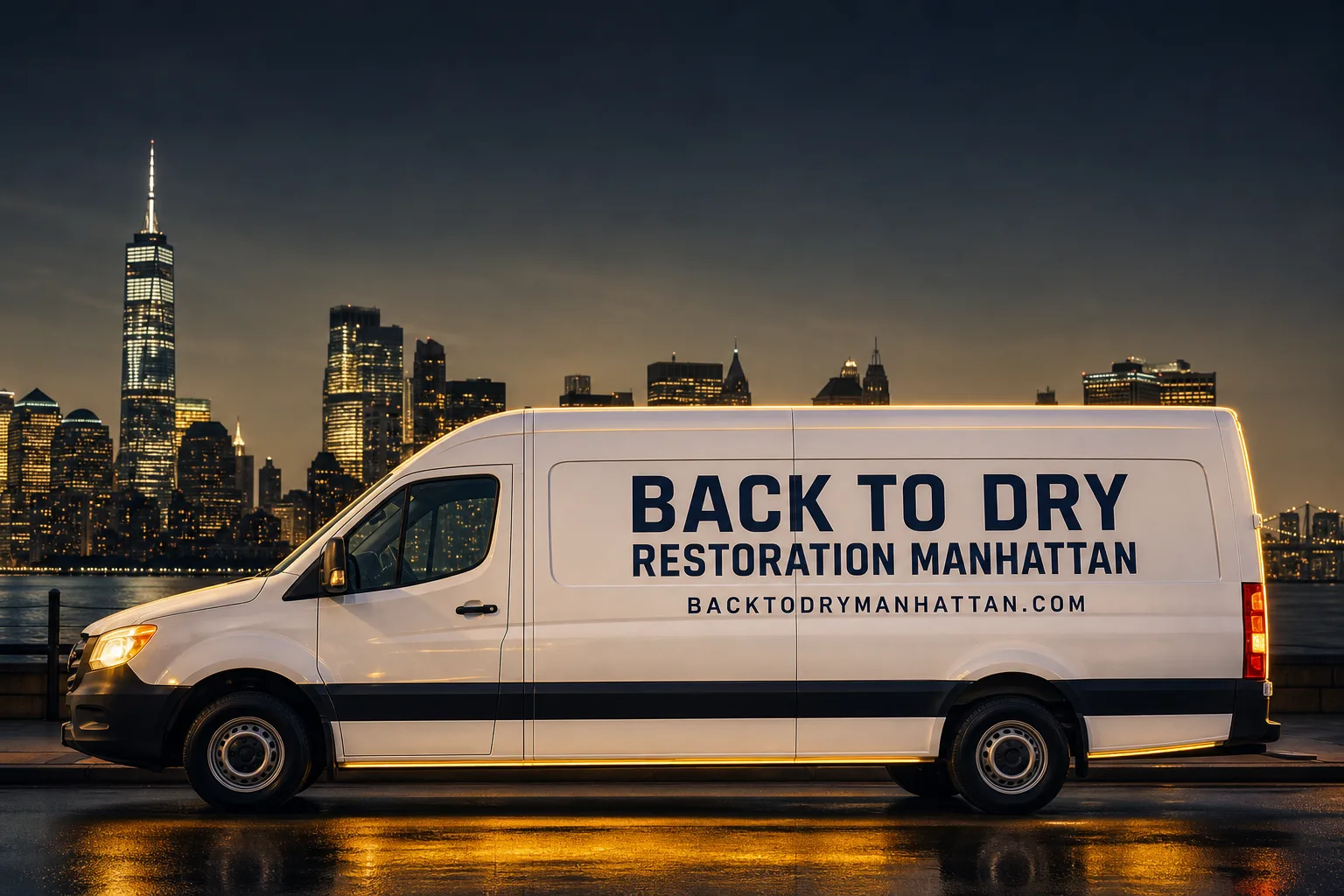
Free visual inspection and a written scope of work before any mitigation begins - photos, moisture readings, and drying logs go in your claim file
The scope we write is the scope we bill. Anything new gets shown to you, in writing, before we touch it.
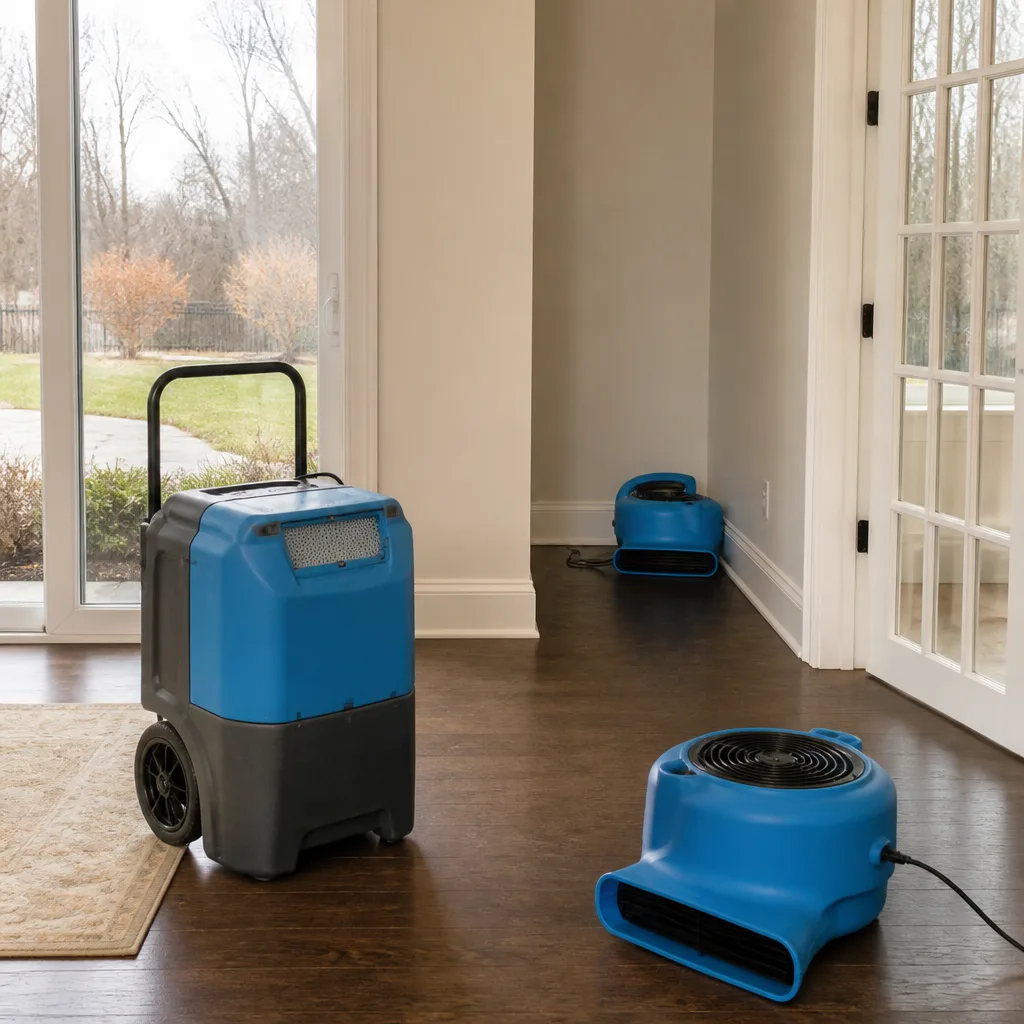
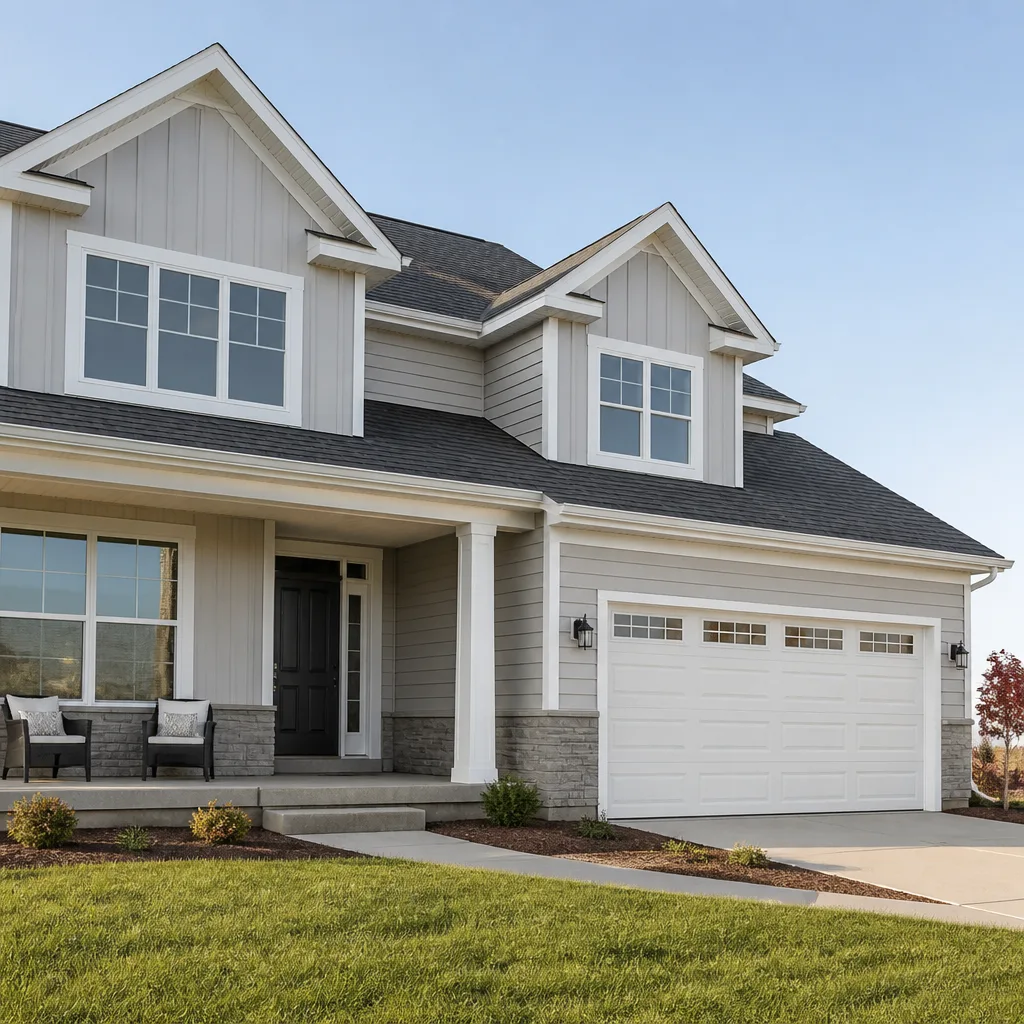
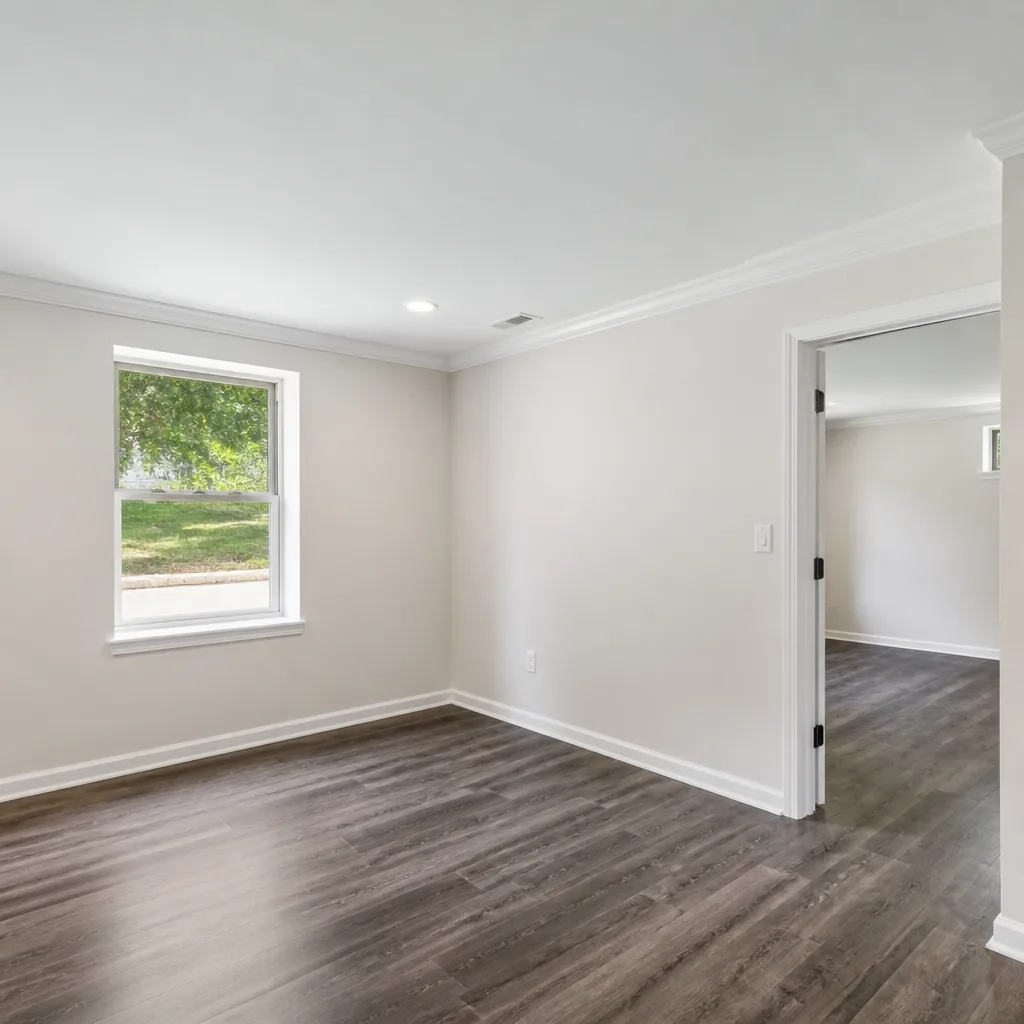
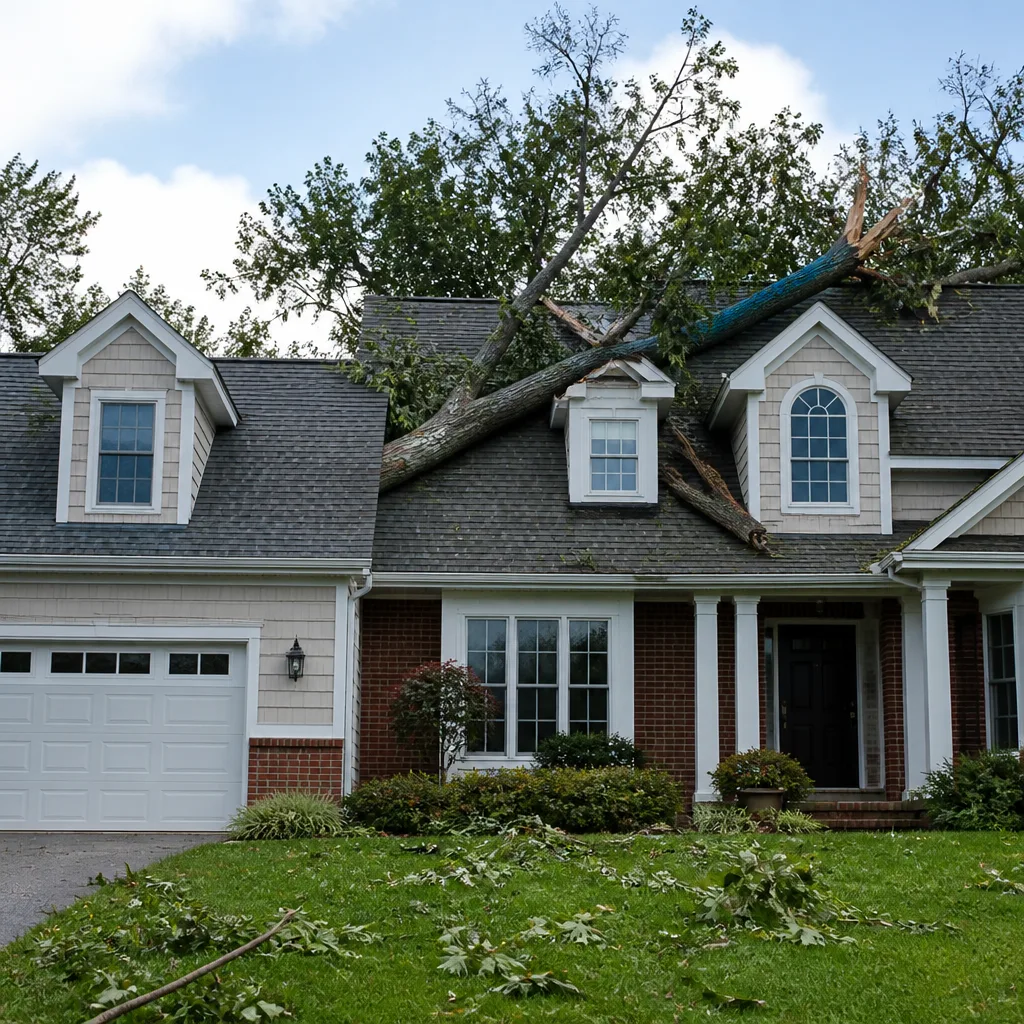
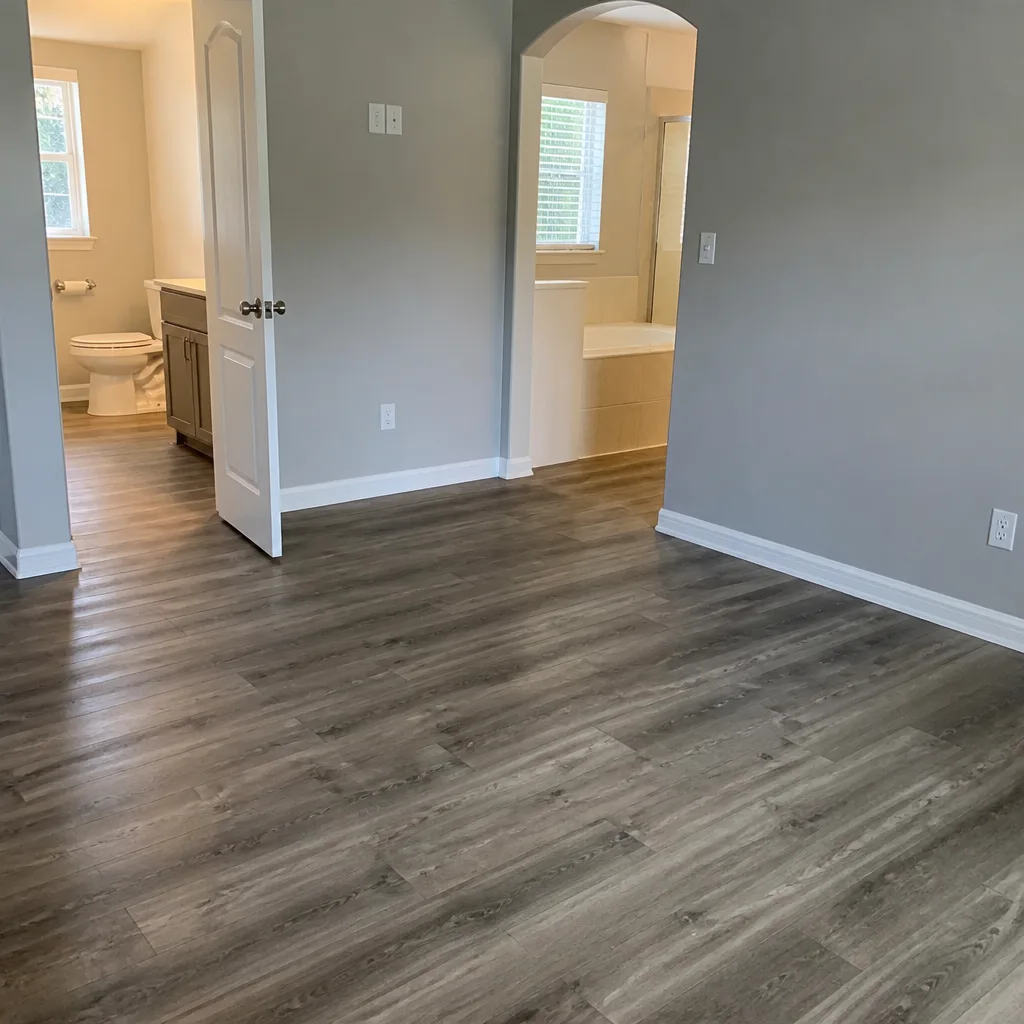
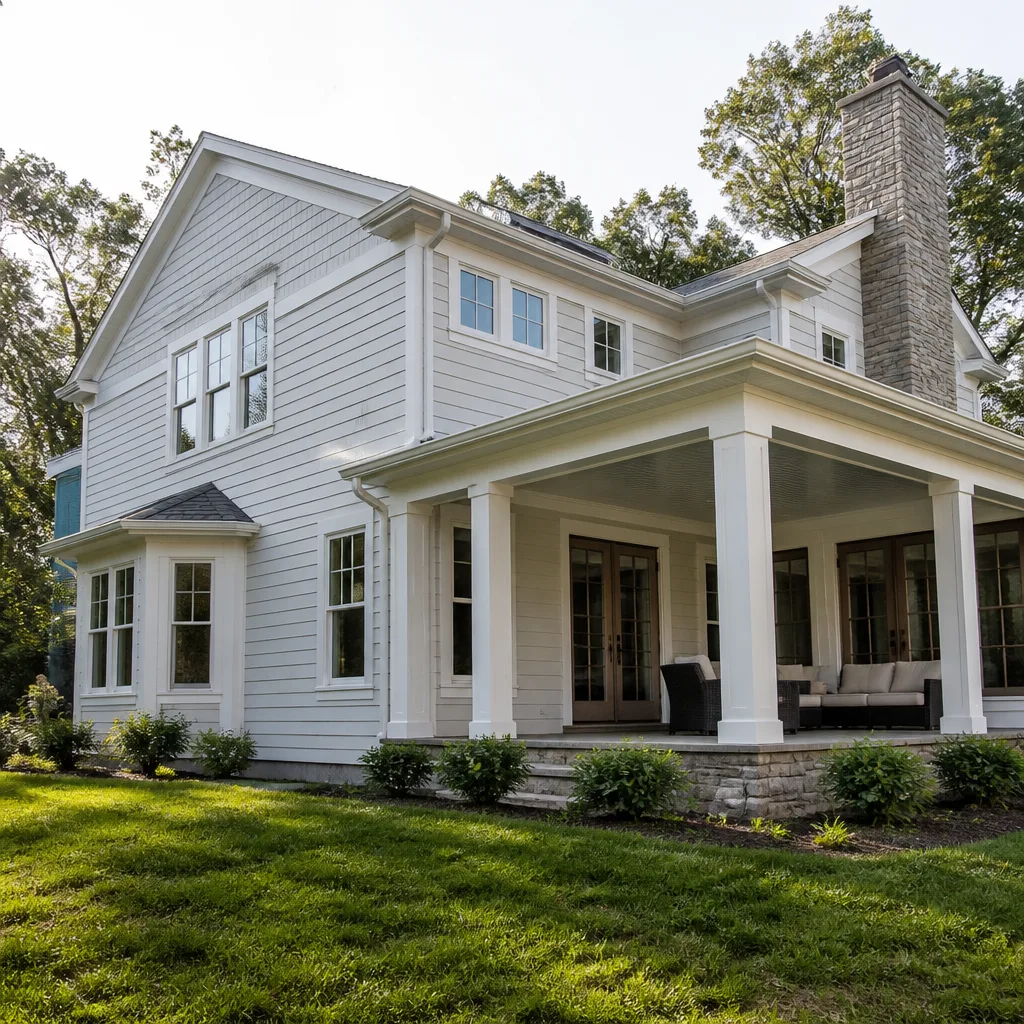
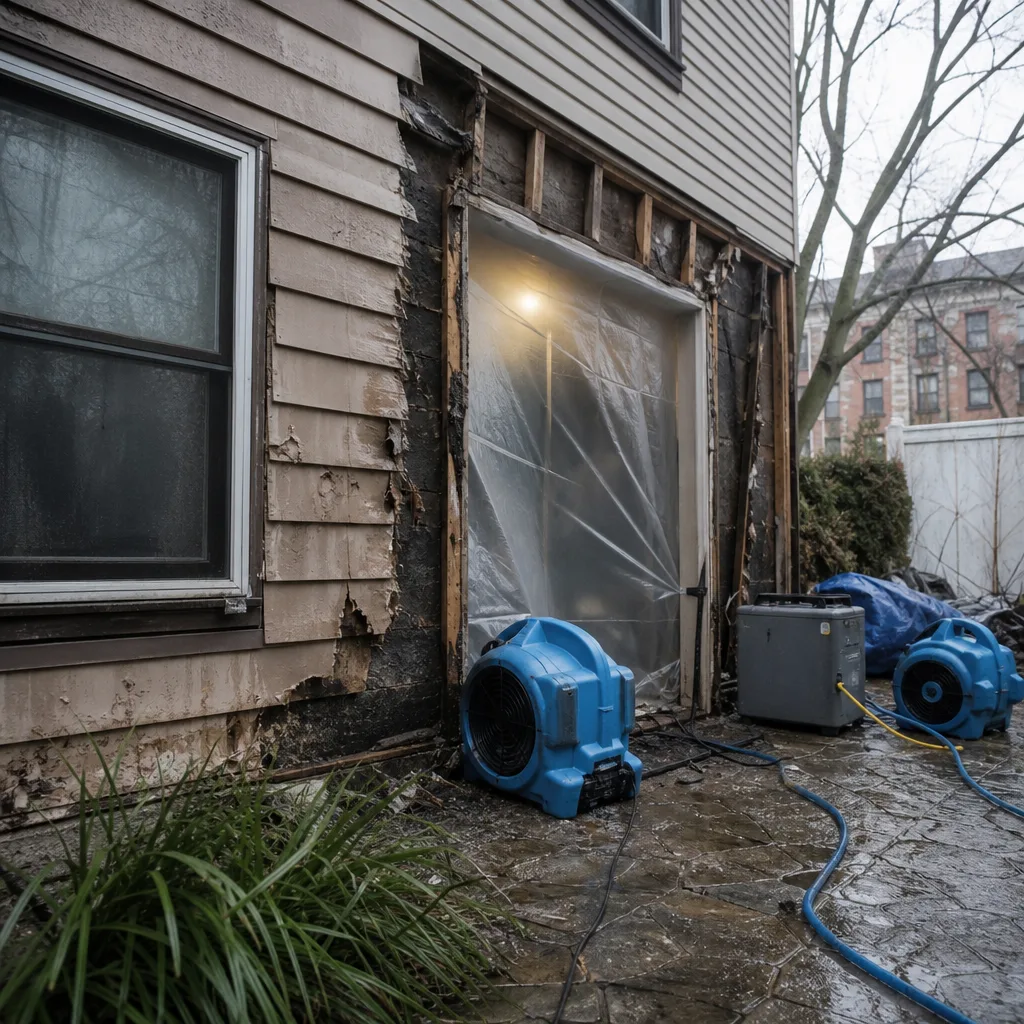 Before
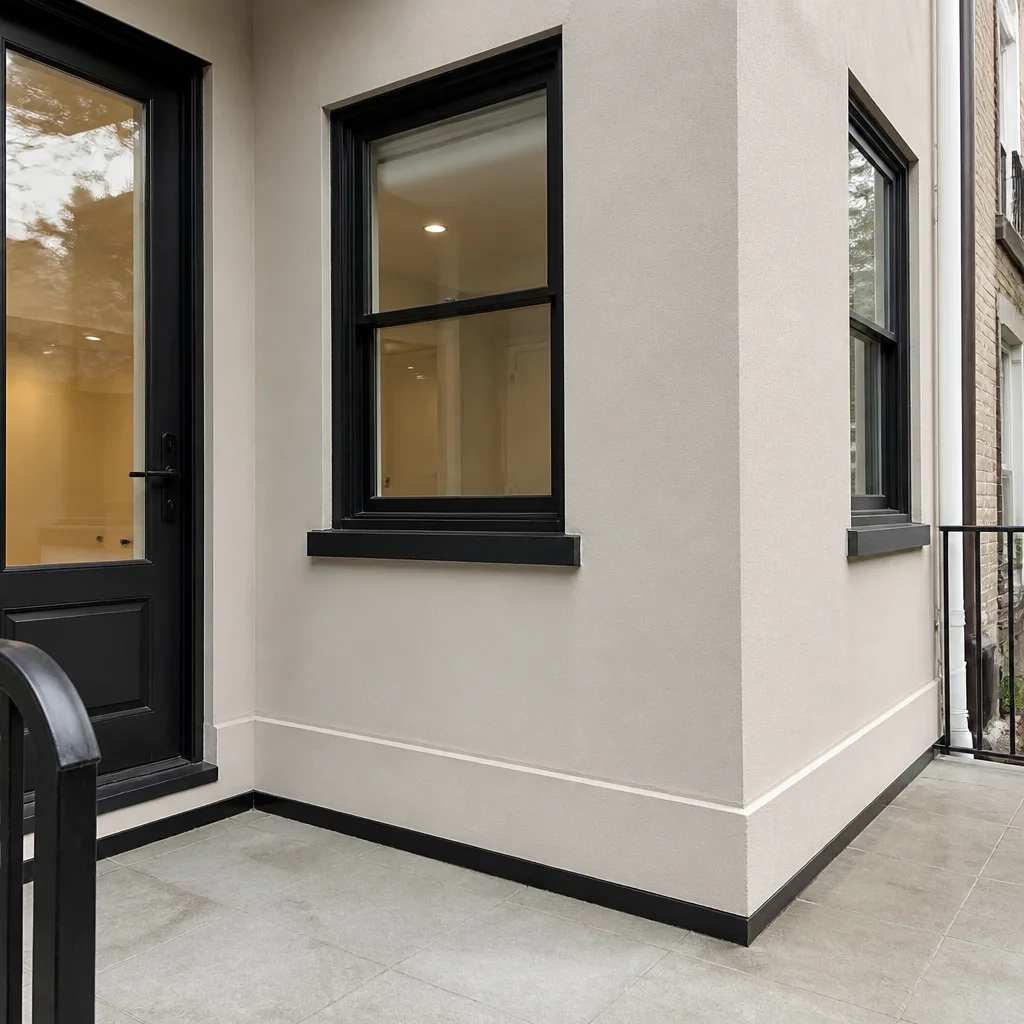 After
After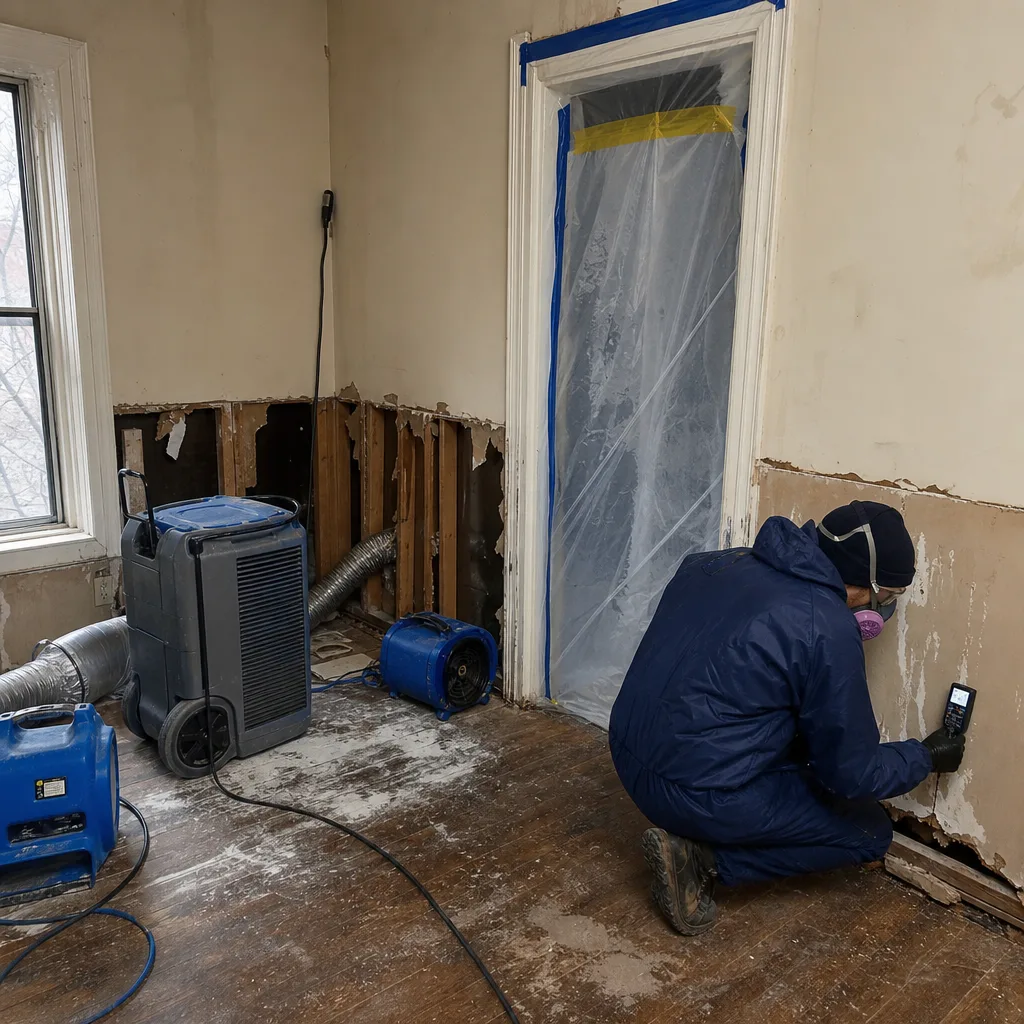 Before
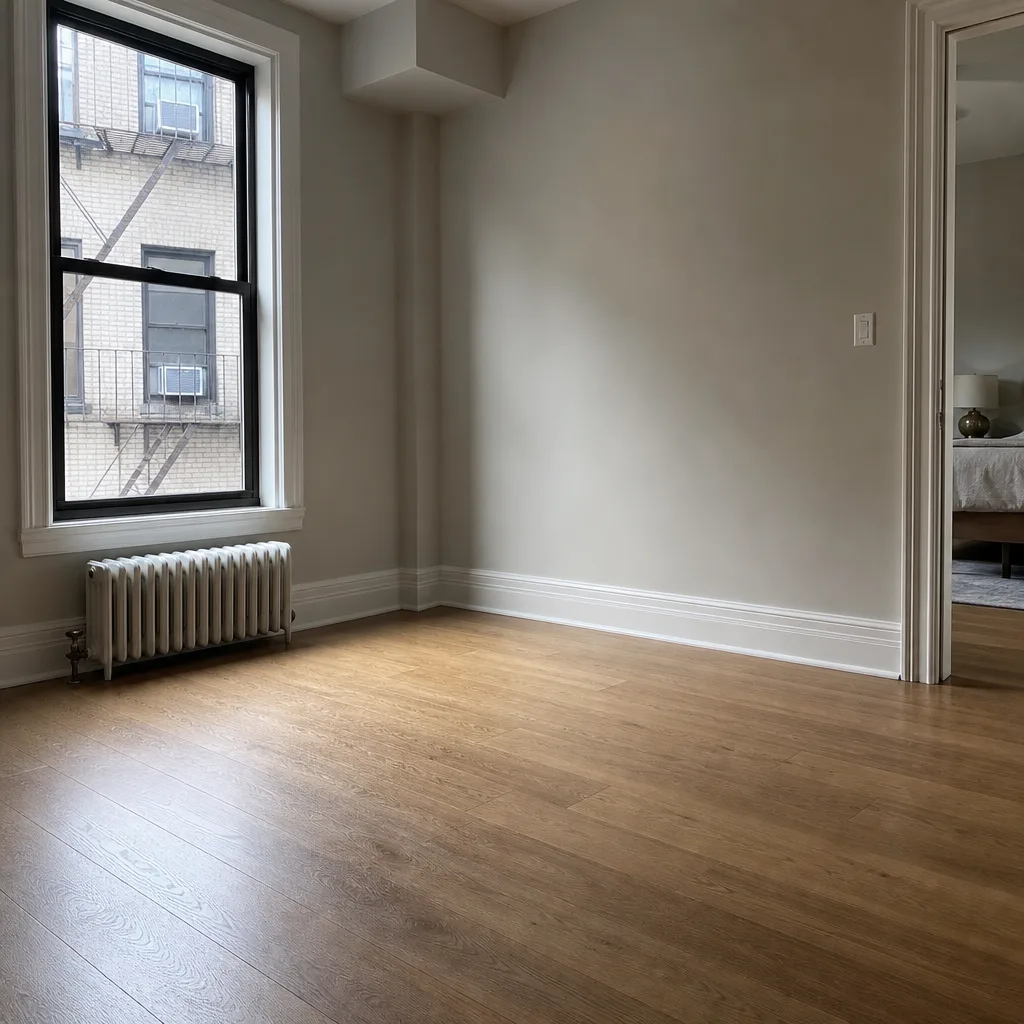 After
After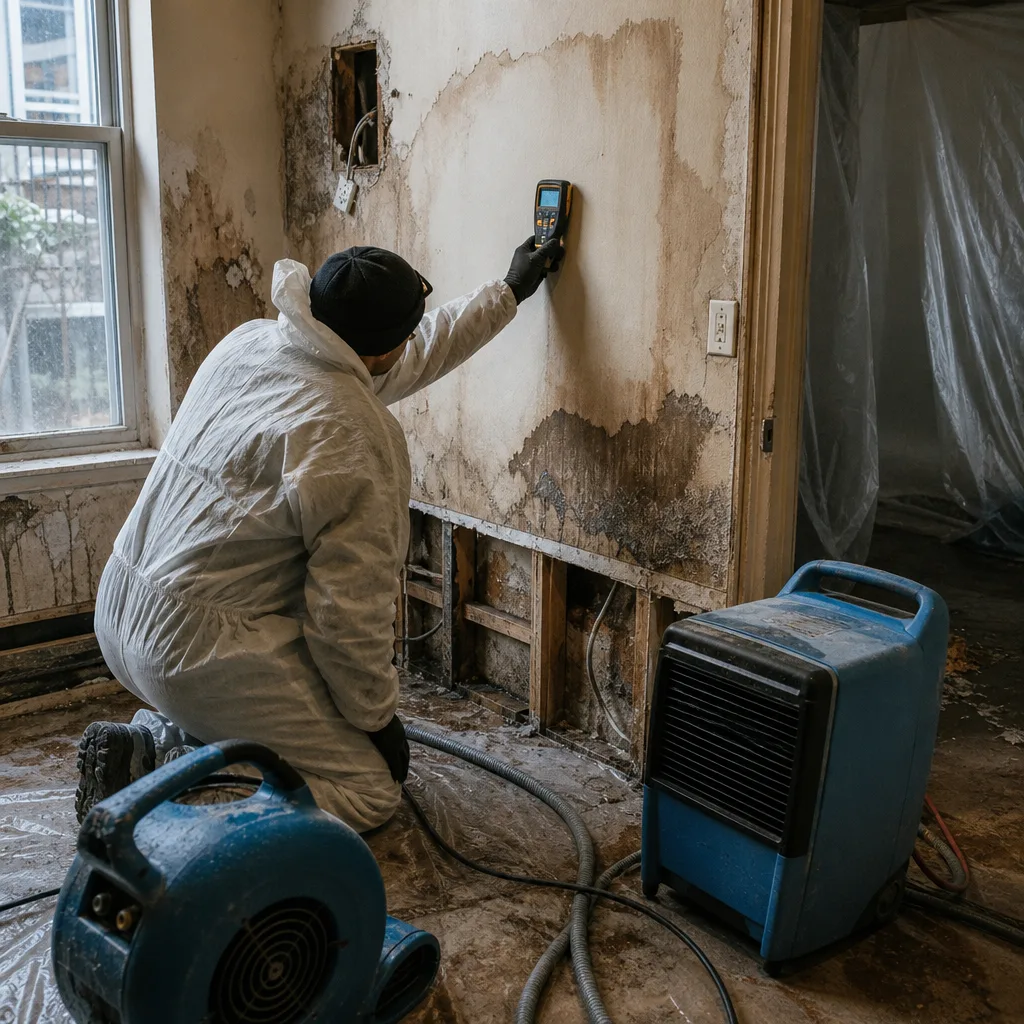 Before
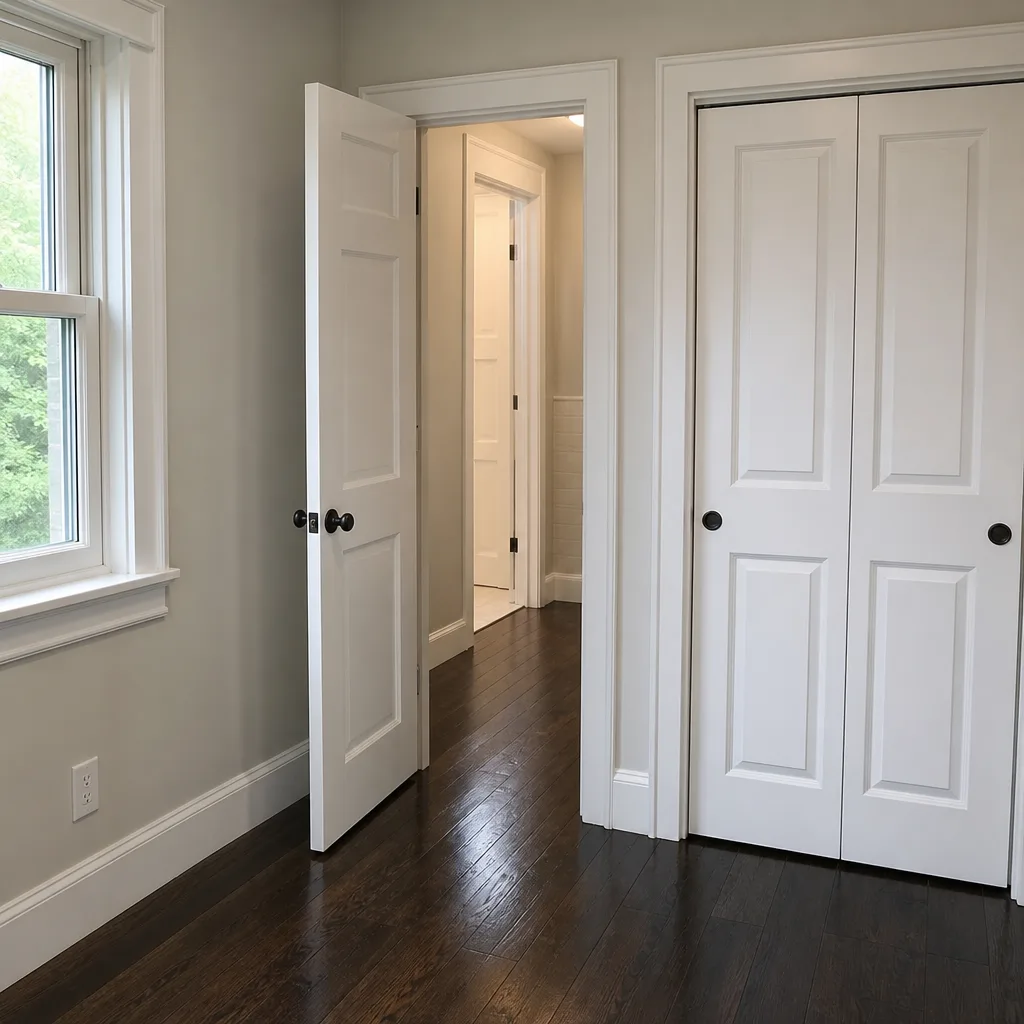 After
After24/7 Emergency Fire & Smoke Damage Restoration in Elmhurst
A fire in an Elmhurst attached row house rarely stays in one unit. Smoke migrates through shared party walls, and suppression water pools in basements that may not appear in city records. If you’re standing in damage right now, call (516) 687-5786 - a live person answers, 24 hours a day, and crews are dispatched from our New York City office to Elmhurst addresses without voicemail delays. We arrive with thermal imaging cameras, moisture meters, and containment equipment to stop secondary damage before it spreads to adjacent units. The first hour determines whether smoke odor becomes a permanent fixture in your plaster walls or whether we can halt migration through the party wall into your neighbor’s home.
Understanding Fire & Smoke Damage Restoration Severity in Elmhurst Properties
Fire damage in Elmhurst’s 1920s-1960s attached brick row houses follows patterns that newer construction simply doesn’t replicate. The dominant housing stock here - two-to-four-family brick buildings with shared party walls, original clay tile sewer laterals, and aging galvanized supply lines - creates a specific severity profile we document on every call.
Soot residue types define our initial approach. Dry soot, produced by fast-burning, oxygen-rich fires, powders off surfaces and responds to HEPA vacuuming and dry-chem sponges. Wet soot, from slow, smoldering fires in oxygen-starved spaces, bonds to plaster and requires alkaline-based cleaning agents. Protein residue, nearly invisible but pungent, comes from kitchen fires and etches painted surfaces if left untreated. In Elmhurst’s older kitchens with original cabinetry, we see protein fires weekly.
Smoke migration behaves predictably in these buildings. Hot smoke rises, cools, and settles into the “smoke zone” - the three-to-four-foot band at ceiling level where ionized particles deposit heaviest. But in attached row houses with unsealed basement conversions, smoke also travels laterally through wall cavities and vertically through plumbing chases, reaching units the fire never touched. Our Fire & Smoke Damage Restoration team maps this migration with thermal imaging before writing any scope.
Suppression water adds a second damage category. Firefighting water in Elmhurst’s aged housing stock mixes with legacy pipe sediment, rust from galvanized lines, and below-grade sewage backflow from the area’s combined sewer overflow system. We test this water on arrival. Category 2 - significantly contaminated - or Category 3 - grossly contaminated - is common, not exceptional. That classification changes equipment deployment, antimicrobial protocol, and drying timeline.
Why Elmhurst Property Owners Choose Back to Dry Restoration Manhattan
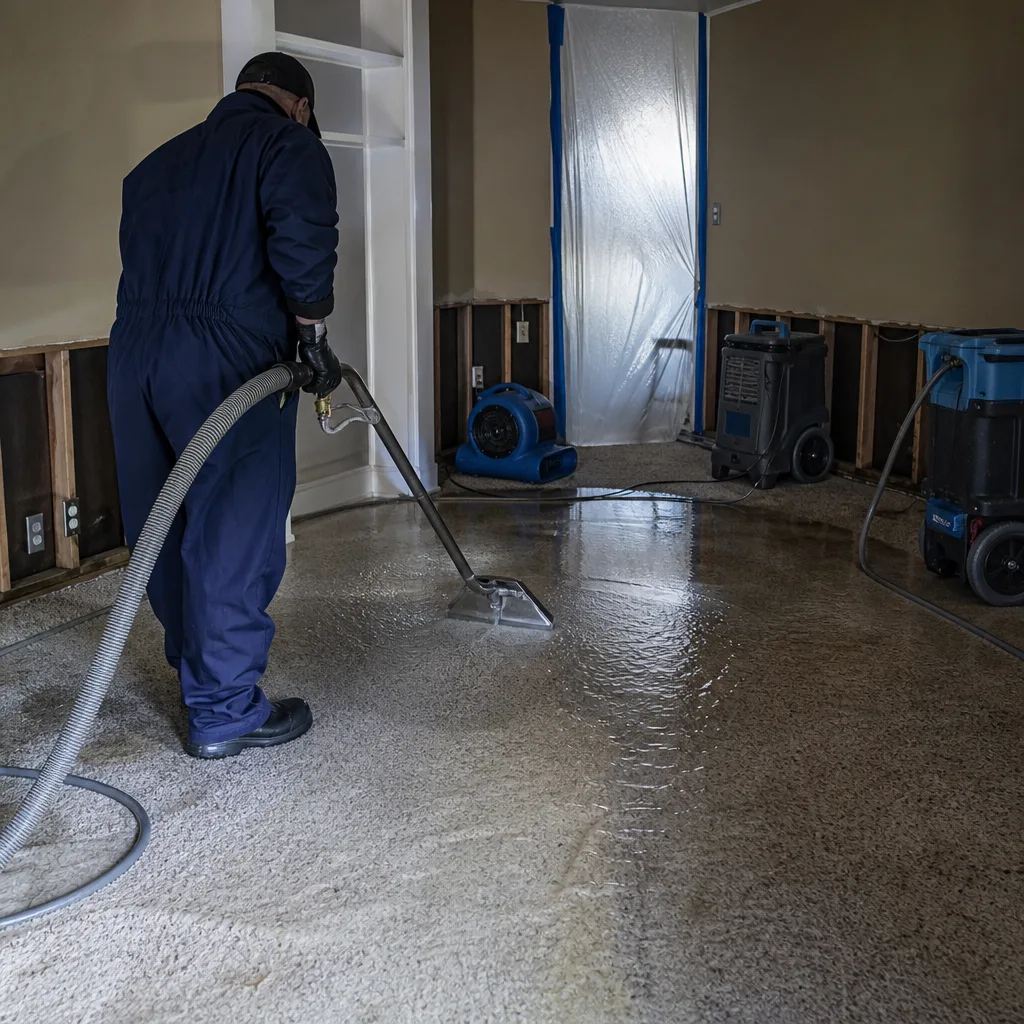
- 45-minute response commitment to Elmhurst addresses from our New York City dispatch office - measured from live answer to crew arrival, not from voicemail callback.
- 24/7 live answer: a real person, never an automated system or next-business-day queue, because fire damage compounds every hour it sits.
- IICRC-certified crews holding FSRT (Fire and Smoke Restoration Technician) and WRT (Water Damage Restoration Technician) certifications, with license numbers provided on request before anyone enters your property.
- Free visual inspection with documented photo record included as standard - never an upsell, never withheld from your insurance file.
- Direct insurance billing with adjuster coordination handled by our documentation team, not passed to a third-party billing service.
- One team from board-up to reconstruction - same crew, same file, same moisture readings, eliminating the handoff gaps that stall claims.
BeforeAfterOur Fire & Smoke Damage Restoration Process
1. Inspection & Assessment
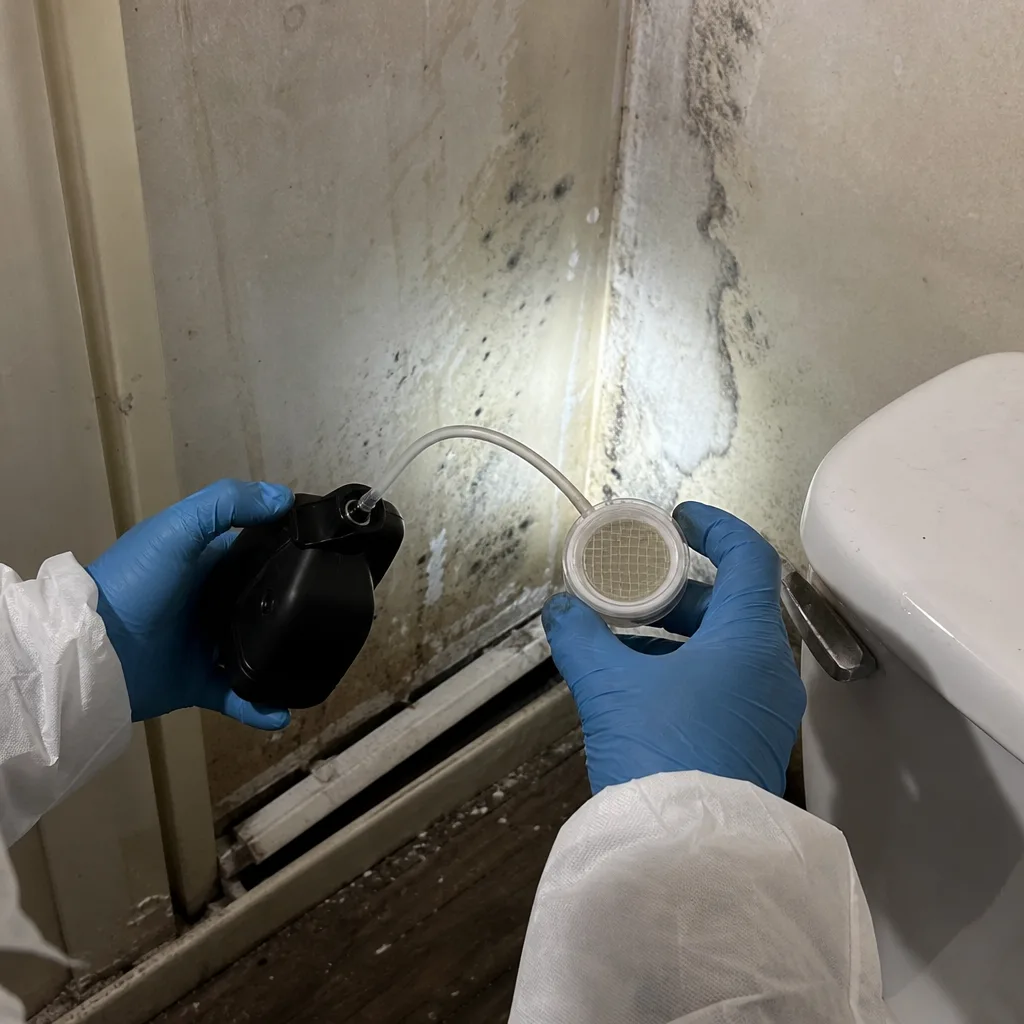
We arrive with thermal imaging cameras, hygrometers, and moisture meters to map visible fire damage, hidden smoke migration through party walls, and suppression water saturation in framing and subfloors. Every reading is logged with timestamp and location for your insurance file.
2. Emergency Board-Up & Tarping
Broken windows, compromised roofs, and exposed wall cavities are sealed to prevent weather intrusion and unauthorized entry. In Elmhurst’s dense row house blocks, this also protects adjacent units from secondary exposure.
3. Water Extraction & Structural Drying
Suppression water is extracted with truck-mounted systems, then dried using Dri-Eaz and Phoenix air movers, LGR dehumidifiers, and Injectidry cavity drying systems where wall voids hold moisture. Daily moisture readings track progress to IICRC S500 standards.
4. Smoke & Soot Removal
Dry, wet, and protein soot residues are identified and treated with the appropriate cleaning chemistry - dry-chem sponges for light dry soot, alkaline cleaners for bonded wet soot, enzyme treatments for protein residue. HEPA air scrubbers run continuously during this phase.
5. Odor Removal & Deodorization
Thermal fogging, ozone treatment, and hydroxyl generators neutralize odor molecules at the source, not masking them. In Elmhurst’s plaster-walled row houses, this step is critical - plaster absorbs smoke odor more aggressively than drywall and releases it for months if inadequately treated.
6. Repairs & Restoration
Charred framing is replaced, electrical systems restored by licensed subcontractors, and finishes rebuilt to match pre-loss condition - or to code-compliant standards for unpermitted spaces, with full documentation of every decision for your adjuster.
Need Emergency Fire & Smoke Damage Restoration in Elmhurst Now?
Crews minutes away, answering live 24 hours a day. The sooner we start, the less it costs.
Working With Your Insurance Company
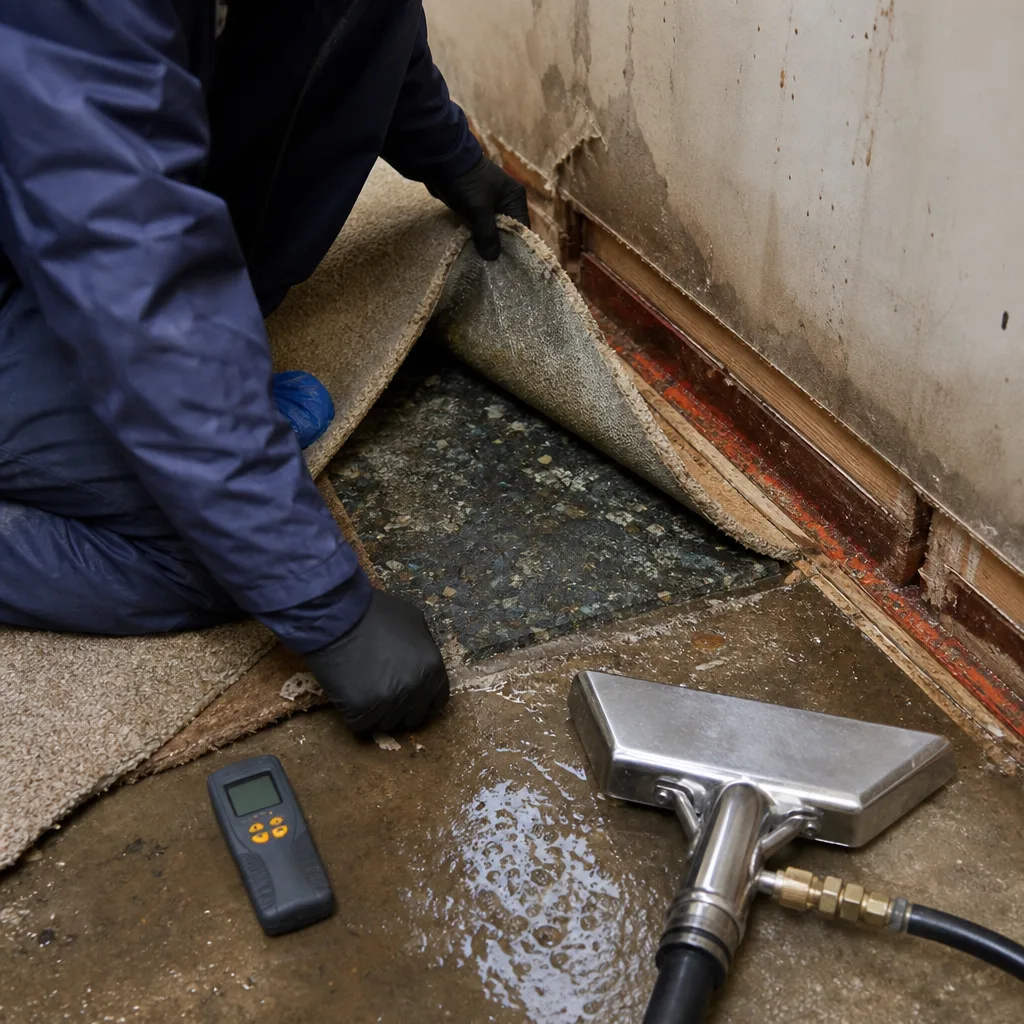
Insurance claims on fire damage fail at the documentation stage, not the damage stage. Back to Dry was founded in 2011 by a former claims adjuster who watched homeowners lose tens of thousands because contractors delivered invoices without the moisture logs, photo sequences, and line-item scopes that adjusters need to approve payment.
We document from the first hour. Every visit produces dated photos, moisture readings with psychrometric data (temperature, relative humidity, vapor pressure differential - the measurable forces that determine whether materials are actually dry), and a written scope before any work begins. Haven Standard, Clause 1: written price before work starts. No exceptions.
Our estimators write to Xactimate standards, the pricing database used by most major carriers, and communicate directly with your adjuster rather than dumping a bill on you to forward. When two policies are involved - common in Elmhurst’s multi-unit row houses - we maintain separate files with clear attribution of which damage belongs to which unit.
What We Provide Your Insurer
- Thorough documentation of the loss
- Photos of all damage, room by room
- Moisture readings and drying logs
- A detailed, line-item scope of work
- Direct coordination with your carrier
Built for Elmhurst’s Loss Calendar
Elmhurst’s fire damage follows seasonal patterns tied to its housing stock and climate. January and February bring the highest volume of electrical fires in aging systems - knob-and-tube wiring in pre-war buildings overheats under modern load, and space heaters overload circuits in unpermitted basement apartments with inadequate electrical service. We see these calls cluster in Fresh Pond Junction and along the older blocks near the 9/11 Woodside Firefighters Memorial corridor.
Spring and fall shoulder seasons bring cooking fires - windows closed, ventilation poor, grease accumulation in original exhaust systems. Summer adds lightning strike damage to roof systems and electrical service entrances, plus air conditioner overload fires in buildings with 60-amp services running multiple window units.
The deepest complexity arrives with weather events that combine fire and water damage. When Hurricane Ida’s remnants hit in 2021, Elmhurst’s combined sewer overflow system backflowed sewage into basements while electrical fires started in water-compromised panels - simultaneous Category 3 water and fire damage in the same structure, requiring crews trained in both protocols with the documentation discipline to keep each damage type distinct for insurance purposes.
Fire & Smoke Damage Restoration Across Elmhurst’s Neighborhoods
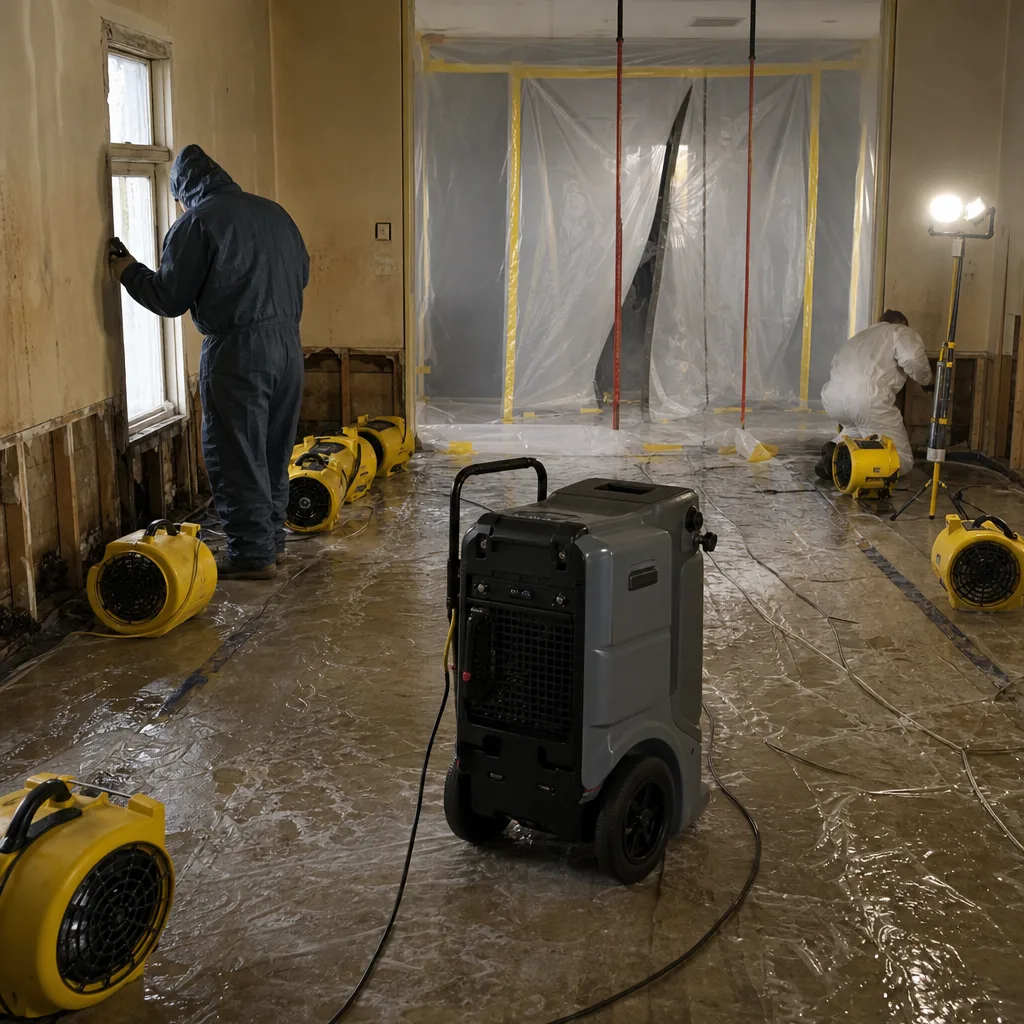
Elmhurst is not uniform, and our response varies by block.
Fresh Pond Junction and the blocks north of Grand Avenue hold some of the oldest attached brick stock in the area - 1920s buildings with original plaster, minimal electrical upgrades, and basement conversions that predate any permitting database. Fire calls here almost always involve knob-and-tube or early Romex, and smoke migration through party walls is the rule, not the exception. We arrive with containment barriers sized for narrow row house entries and pre-planned coordination protocols for adjacent unit access.
Linden Hill, south of the LIRR Port Washington Branch, has a similar housing stock but higher density of informal basement apartments. In Linden Hill, a knob-and-tube fire started behind a first-floor wall of a 1930s attached brick row house; because the party wall carried smoke into the neighboring unit, we had to run containment and odor removal in both addresses at once. After our techs pulled burned legacy wiring, we packed out the family’s contents, applied antimicrobial treatment to the charred framing, and used Dri-Eaz and Phoenix air movers plus dehumidification to dry the water left by suppression - with daily moisture readings logged so both insurers could see pre-loss condition. The outcome: two separate claims documented from one fire, and no cross-contamination between units.
Glendale and the western edge near the cemetery corridor see more detached and semi-detached construction, slightly newer, with better access for equipment staging. But the same aging infrastructure applies - original clay tile sewers, galvanized supply lines, and electrical panels that haven’t been upgraded since the 1970s. Fires here spread through exterior wood framing and roof cavities rather than party walls, changing our containment strategy.
Near Jackson Heights along the Roosevelt Avenue corridor, commercial-residential mixed buildings add grease fire risk from ground-floor kitchens with residential units above. Vertical smoke migration through inadequately sealed shaftways is the dominant pattern - we deploy vertical containment and shaft pressurization techniques on these calls.
Specialized Fire & Smoke Damage Restoration Services We Offer in Elmhurst
Fire Damage Cleanup
Structural cleanup after fire requires material-specific protocols. Charred wood framing is removed to sound material, with antimicrobial treatment applied to remaining structure to prevent mold colonization in water-saturated framing. In Elmhurst’s plaster-walled buildings, we preserve original plaster where possible - replacement with drywall changes the building’s thermal mass and acoustic properties, and insurers sometimes dispute the scope if the restoration doesn’t match like-for-like.
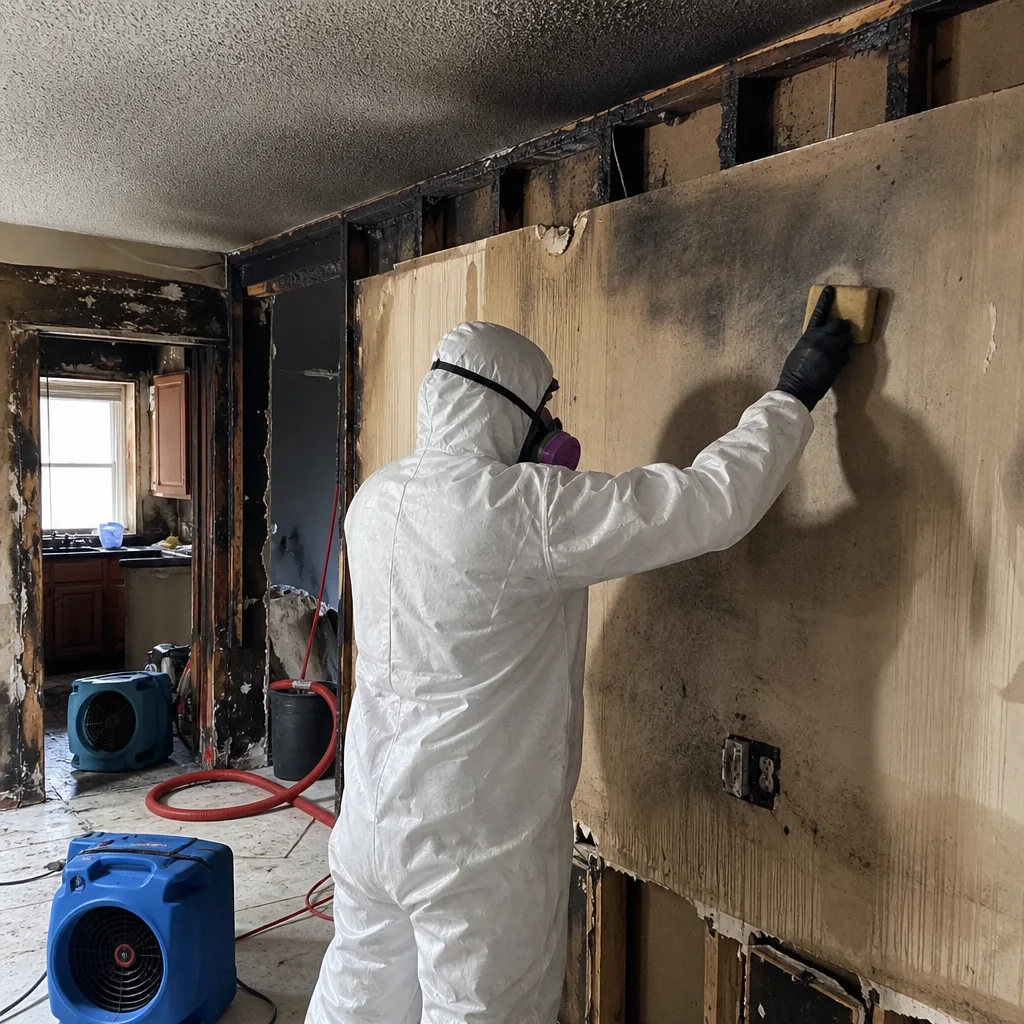
Smoke & Soot Removal
Soot is acidic. Within hours, it etches glass, corrodes metal, and bonds permanently with porous surfaces. Our FSRT-certified technicians identify residue type on arrival and deploy the correct cleaning chemistry immediately. In Elmhurst’s row houses with original millwork and built-in cabinetry, this timing is critical - replacement of custom woodwork is expensive and often disputed by carriers.
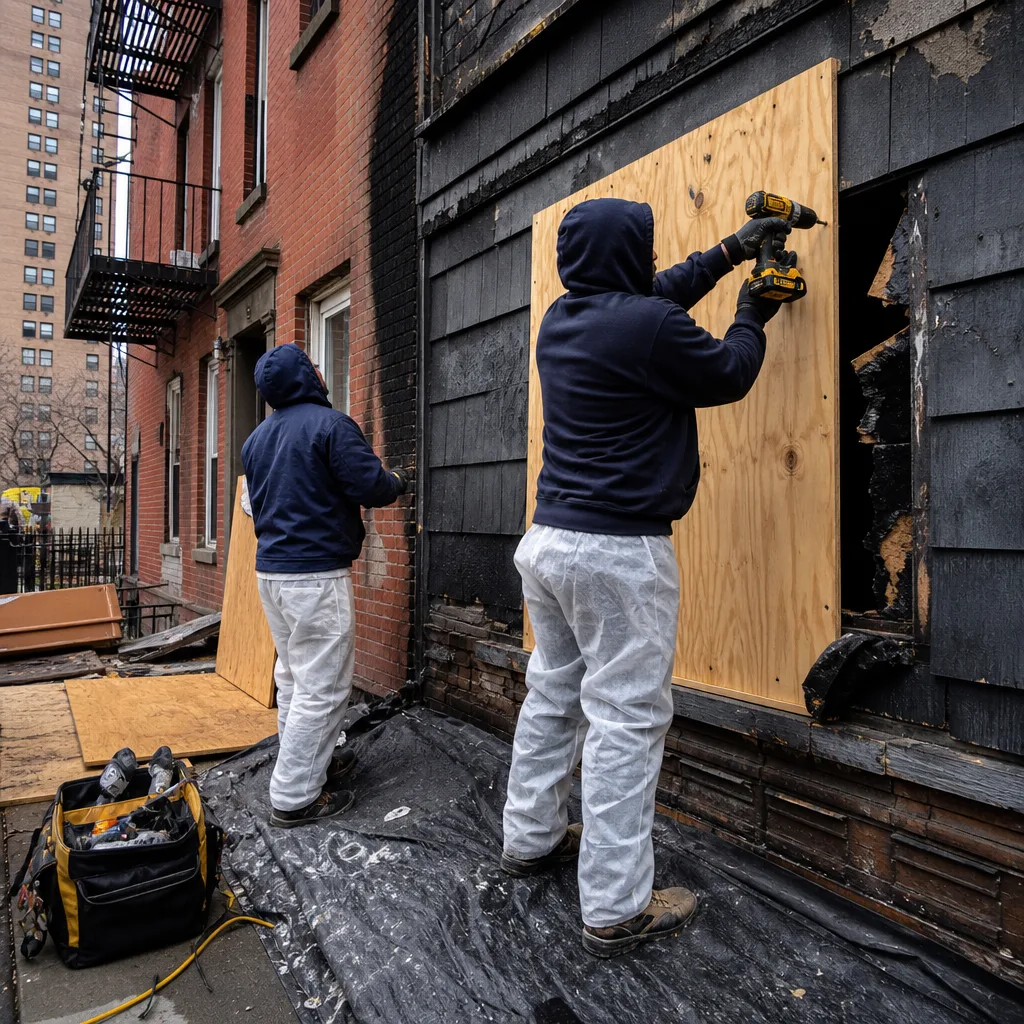
Odor Removal & Deodorization
Smoke odor persists when molecules penetrate porous materials and re-vaporize with temperature and humidity changes. Thermal fogging deposits deodorizing compounds in the same distribution pattern as the original smoke. Ozone treatment oxidizes odor molecules at the source. Hydroxyl generators are safe for occupied spaces with contents in place. For Elmhurst’s plaster walls, we often need multiple modalities - plaster’s porosity demands more aggressive treatment than modern drywall.
Contents Cleaning & Pack-Out
Fire-damaged contents are inventoried, photographed, and packed to our cleaning facility or secure storage. Textiles receive ozone treatment, electronics get corrosion inspection, and documents may undergo freeze-drying if water-damaged. Every item is tracked with barcode inventory linked to your claim number. In Elmhurst’s multi-unit buildings, we maintain strict chain of custody - contents from adjacent units are never commingled.
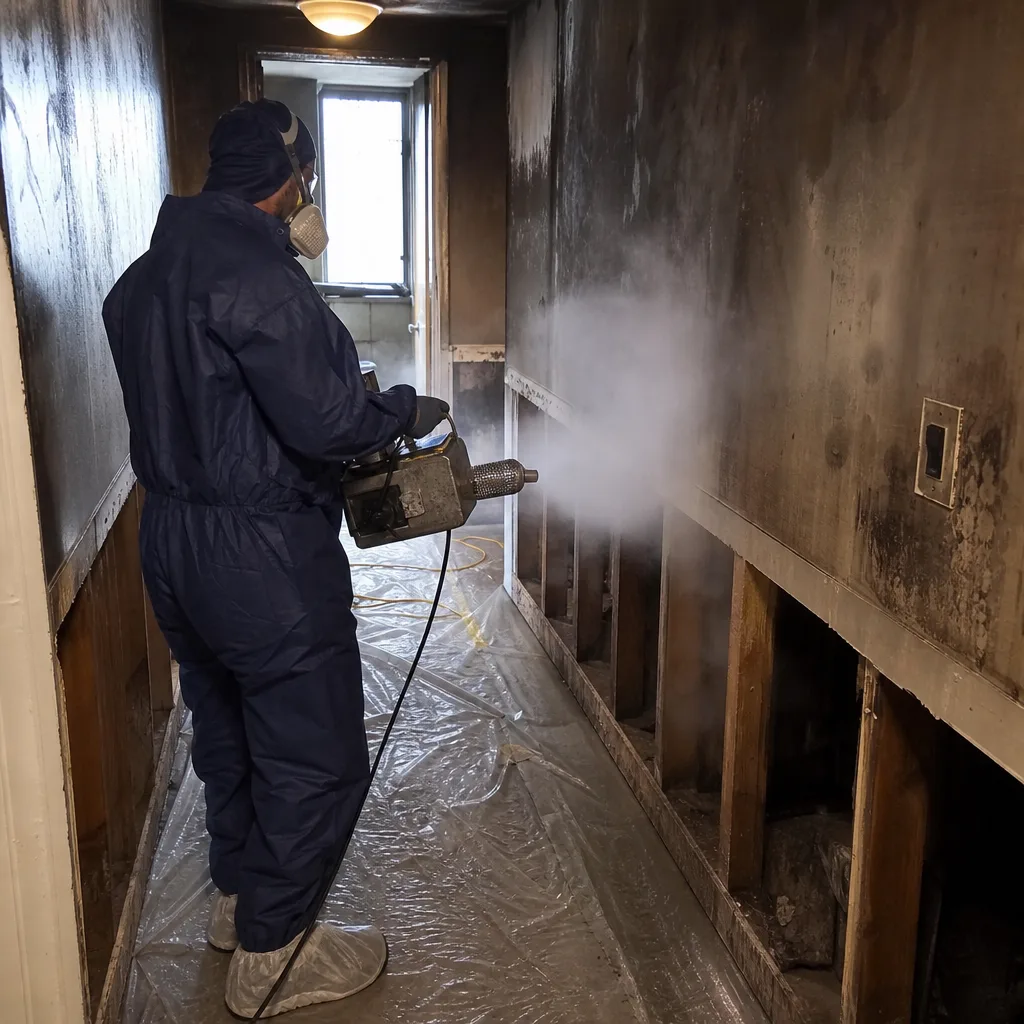
Emergency Board-Up & Tarping
Structural compromise from fire requires immediate weather protection and security. We board windows, tarp roof damage, and install temporary fencing where needed. In Elmhurst’s dense blocks with sidewalk-facing entries, this also protects pedestrians and satisfies municipal liability concerns.
What happens when you call
- 1
A real person answersNo phone trees - you reach a local pro.
- 2
You get an upfront price rangeHonest numbers before anyone is dispatched.
- 3
A background-checked tech heads outLicensed & insured, dispatched right away.
- 4
You approve before work beginsNothing starts until you say go.
Fire & Smoke Damage Restoration Costs in Elmhurst, NY
Actual pricing for Elmhurst’s market, based on 12,000+ jobs since 2011:
| Service | Typical Range in Elmhurst |
|---|---|
| Emergency board-up (single opening) | $350-$650 |
| Smoke & soot cleanup (single room, light residue) | $800-$1,400 |
| Smoke & soot cleanup (full floor, heavy residue) | $2,800-$5,500 |
| Odor removal & deodorization (whole unit) | $1,200-$2,800 |
| Contents pack-out and cleaning (1-2 rooms) | $1,500-$3,200 |
| Water extraction & structural drying (suppression water) | $2,200-$4,800 |
| Structural repairs & reconstruction (per room) | $3,500-$8,500 |
What moves price: square footage affected, soot residue type (protein fires require more labor than dry soot), whether suppression water requires Category 2 or 3 protocol, and whether party wall damage extends to adjacent units requiring separate claim documentation.
Insurance coverage for fire damage is typically straightforward - fire is a named peril in virtually all homeowner policies. Complexity arises with unpermitted basement units, where carriers may deny or limit coverage for spaces not recognized as habitable by city records. We navigate this by scoping restoration to code-compliant minimums rather than matching illegal layouts, with full documentation for your adjuster.
Haven Standard, Clause 1 applies: written price before work begins, every time. Free Second Opinion on any competitor’s written estimate. Call (516) 687-5786 for inspection and firm scope.
We Also Serve Cities Near Elmhurst
Our crews respond throughout central and western Queens and into Manhattan. We regularly handle Fire & Smoke Damage Restoration in Elmhurst and neighboring Jackson Heights, Long Island City, Astoria, and Manhattan - same documentation standards, same live-answer dispatch, same written-price guarantee on every job.
Serving Elmhurst, NY - Our Local Coverage Area
We’re based in the Elmhurst area and know this community well. Use the map below to see our service coverage - if you’re nearby, we can almost certainly help.
Elmhurst Fire & Smoke Damage Restoration Questions, Answered
A fire in our Linden Hill row house pushed smoke into the neighbors’ unit through the shared brick wall. Whose claim covers that?
The neighbor’s policy covers their unit’s damage, not yours - but your liability coverage may apply if negligence is established. We document smoke migration with thermal imaging and write separate scopes for each unit, with clear attribution of which damage originated where. Both insurers receive independent files with room-by-room photo records and moisture readings. Call (516) 687-5786 and we’ll inspect both units, document the migration path, and provide each homeowner with their own scope for their own carrier.
Our basement apartment in Elmhurst isn’t in city building records. Will that affect fire and smoke restoration?
Yes, and we plan for it from the first inspection. Insurers frequently deny or reduce claims on unpermitted spaces, and restoring an illegal apartment “like for like” can shift code-violation liability onto the contractor. Our scope will rebuild to minimum legal egress and ventilation standards rather than matching the original illegal layout, with documentation that protects both you and us. We check city records before writing any scope in Elmhurst - it’s standard protocol for our crews working the Jackson Heights-Elmhurst-Corona corridor. Call (516) 687-5786 for inspection.
Why do you test for smoke odor in rooms the fire never reached?
Smoke migrates through wall cavities, plumbing chases, and electrical conduits - especially in attached row houses with shared party walls and unsealed basement conversions. Ionized smoke particles are drawn to cool surfaces and can deposit heavily in distant rooms. We test with thermal imaging and surface sampling to find migration paths that visual inspection misses. Missing hidden smoke damage is the most common cause of persistent odor complaints six months after a fire. Call (516) 687-5786 for full migration mapping.
Firefighters used a lot of water in our Corona unit. Is that water treated as clean?
Often no. In Elmhurst’s aged housing stock, firefighting water mixes with legacy pipe sediment, rust from galvanized supply lines, and below-grade sewage backflow from the combined sewer overflow system. We test on arrival - Category 2 (significantly contaminated) or Category 3 (grossly contaminated) is common. That classification changes our protocol from simple structural drying to antimicrobial treatment, negative-air containment, and disposal of porous materials per IICRC S500 standards. The water test result is documented for your insurance file. Call (516) 687-5786 for immediate assessment.
How soon after a fire do you need to start work on smoke and soot?
Within hours, not days. Soot is acidic and begins etching surfaces immediately. Within 24 hours, metal tarnishes, glass etches, and porous materials absorb odor permanently. In Elmhurst’s humid summer climate, the timeline compresses further - moisture from suppression water accelerates chemical bonding. Our 45-minute response commitment exists because we’ve seen the cost difference between same-day and next-day intervention. Call (516) 687-5786 for immediate dispatch.
How long does full fire and smoke restoration take?
Light smoke damage with no structural involvement: 3-5 days. Moderate damage with suppression water and partial pack-out: 2-3 weeks. Major structural fire with reconstruction: 6-12 weeks, depending on permit timelines and adjuster approval cycles. Elmhurst’s older buildings often reveal hidden damage - compromised knob-and-tube wiring, asbestos-containing materials, or lead paint - that extends timelines but must be addressed for code compliance. We provide weekly progress reports with updated moisture logs and photo documentation. Call (516) 687-5786 for timeline estimate specific to your damage.
Can we stay in our home during fire and smoke restoration?
Usually not during the initial phase. Air quality from soot particles and cleaning chemistry requires HEPA containment and negative air pressure that makes occupancy unsafe. Once air scrubbers show particulate levels below EPA standards and odor treatment is complete, partial occupancy may be possible if structural areas are segregated. We test and document air quality before authorizing re-entry - no verbal assurances, only meter readings in your file. Call (516) 687-5786 to discuss your specific situation.
What certifications do your fire restoration technicians hold?
Our lead technicians hold IICRC FSRT (Fire and Smoke Restoration Technician) and WRT (Water Damage Restoration Technician) certifications, with AMRT (Applied Microbial Remediation Technician) for projects involving Category 2 or 3 water contamination. All technicians are background-checked, uniformed, and licensed - license numbers provided on request before anyone enters your property. Equipment is documented to IICRC, RIA, and IFA standards, with daily calibration logs for moisture meters and thermal imaging cameras. Call (516) 687-5786 for credential verification.
Back to Dry Restoration Manhattan has restored 12,000+ homes since 2011, every one with a written price before work started and a documented record when the crew left. Our 365-Day Done Right Promise, backed by The Haven Standard, means if it’s not done right, we make it right - in writing, not as a marketing line.
Written by Alicia Brennan, Owner at Back to Dry Restoration, serving Elmhurst since 2011.
Fire & Smoke Damage Restoration in Nearby Areas