
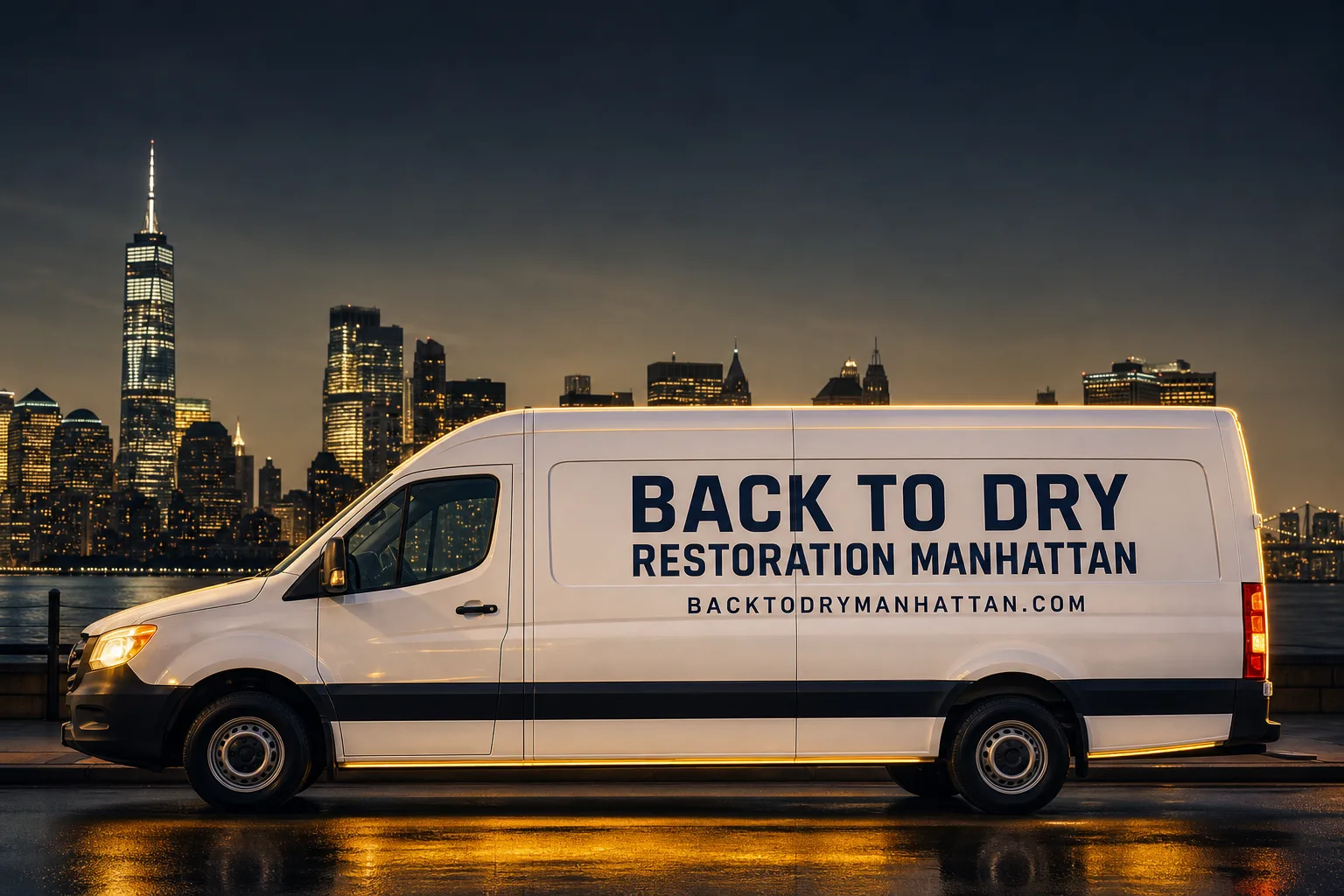
Free visual inspection and a written scope of work before any mitigation begins - photos, moisture readings, and drying logs go in your claim file
The scope we write is the scope we bill. Anything new gets shown to you, in writing, before we touch it.
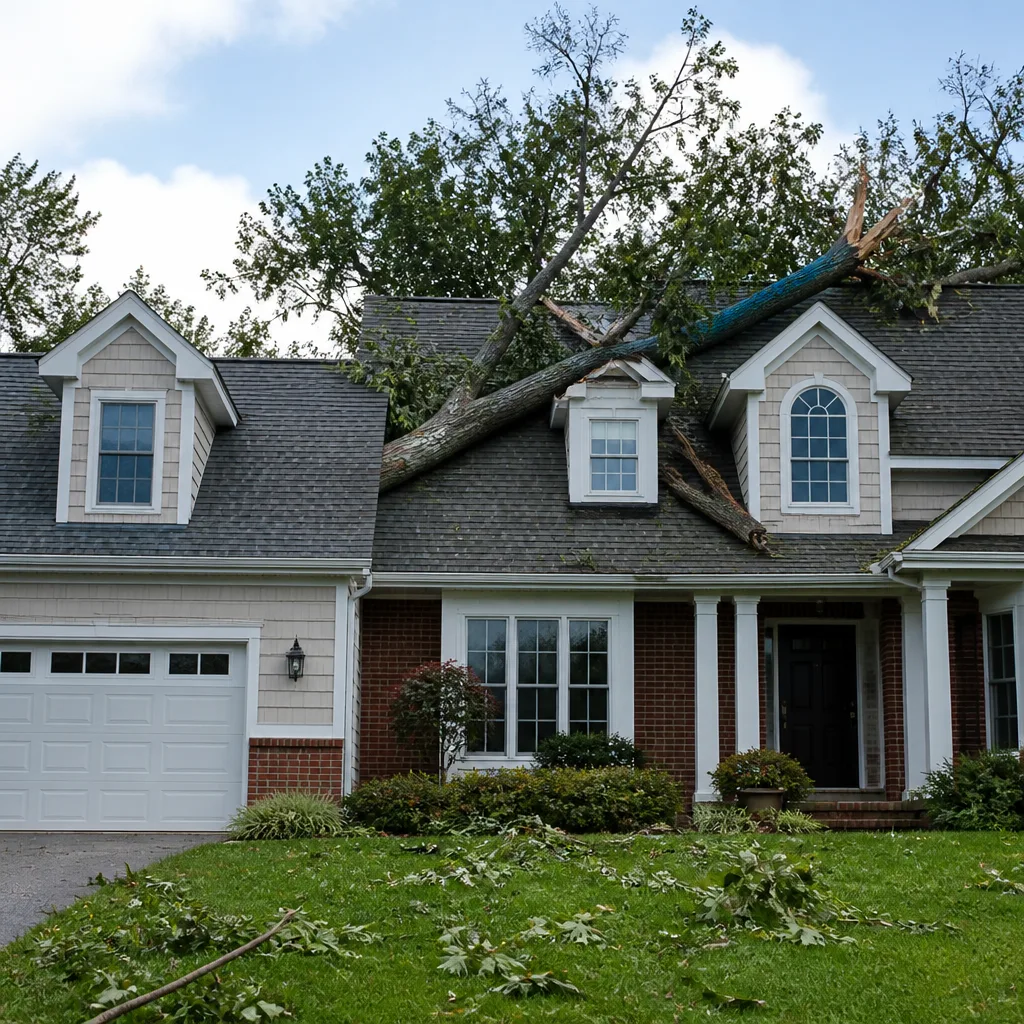
 Before
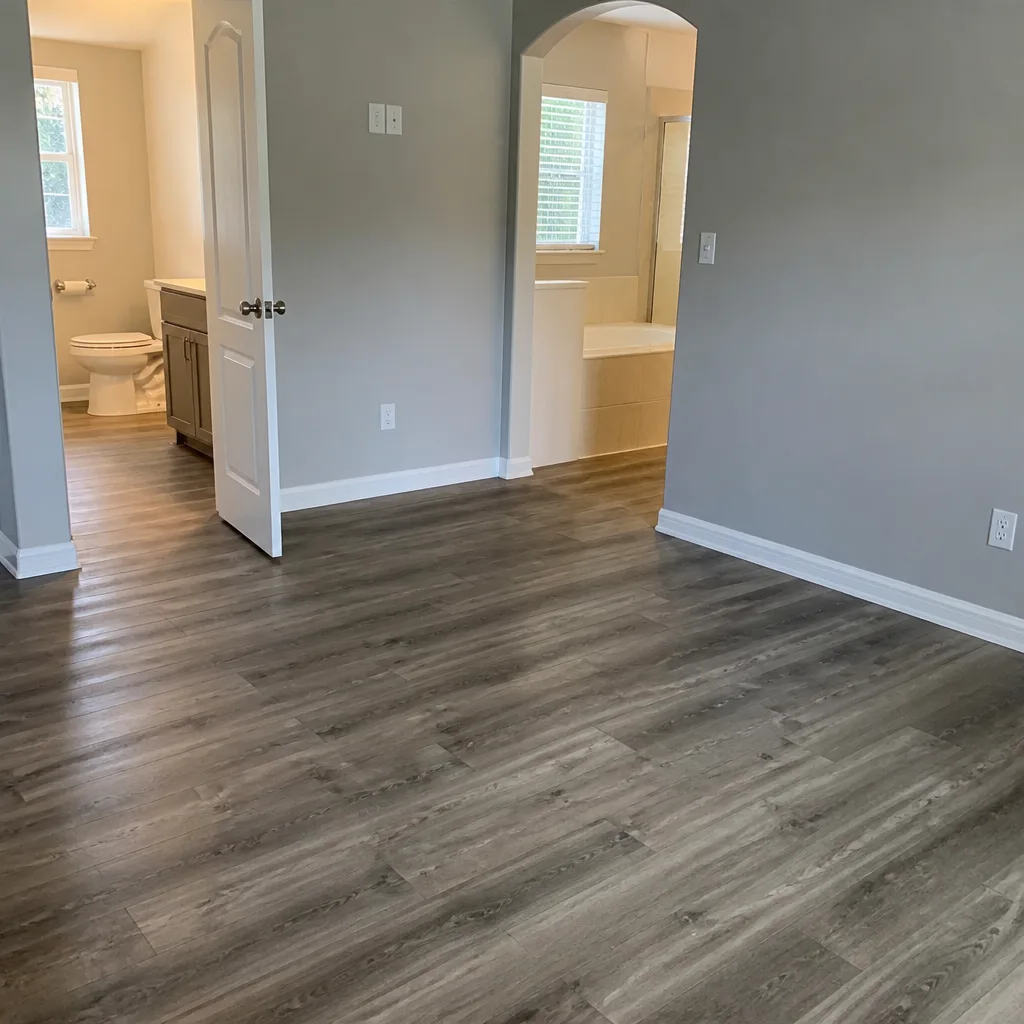
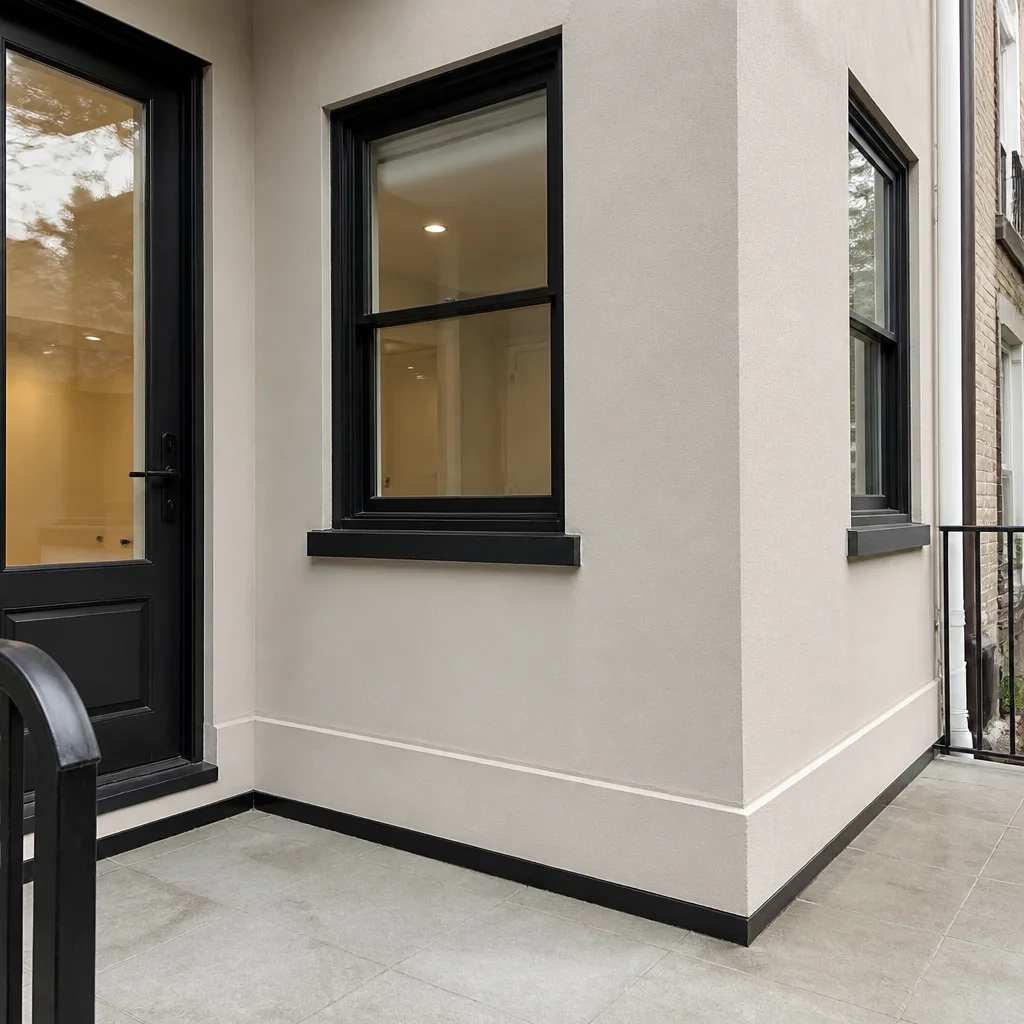 After
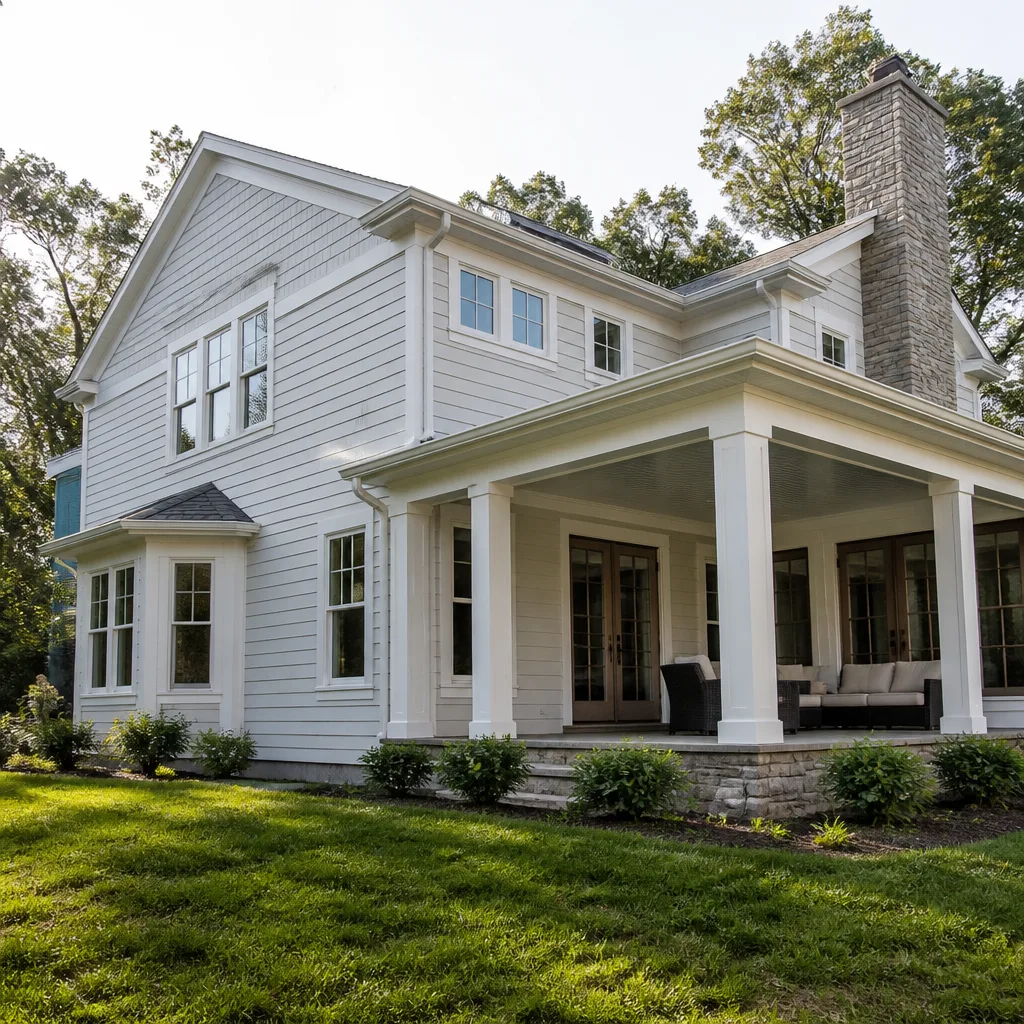
After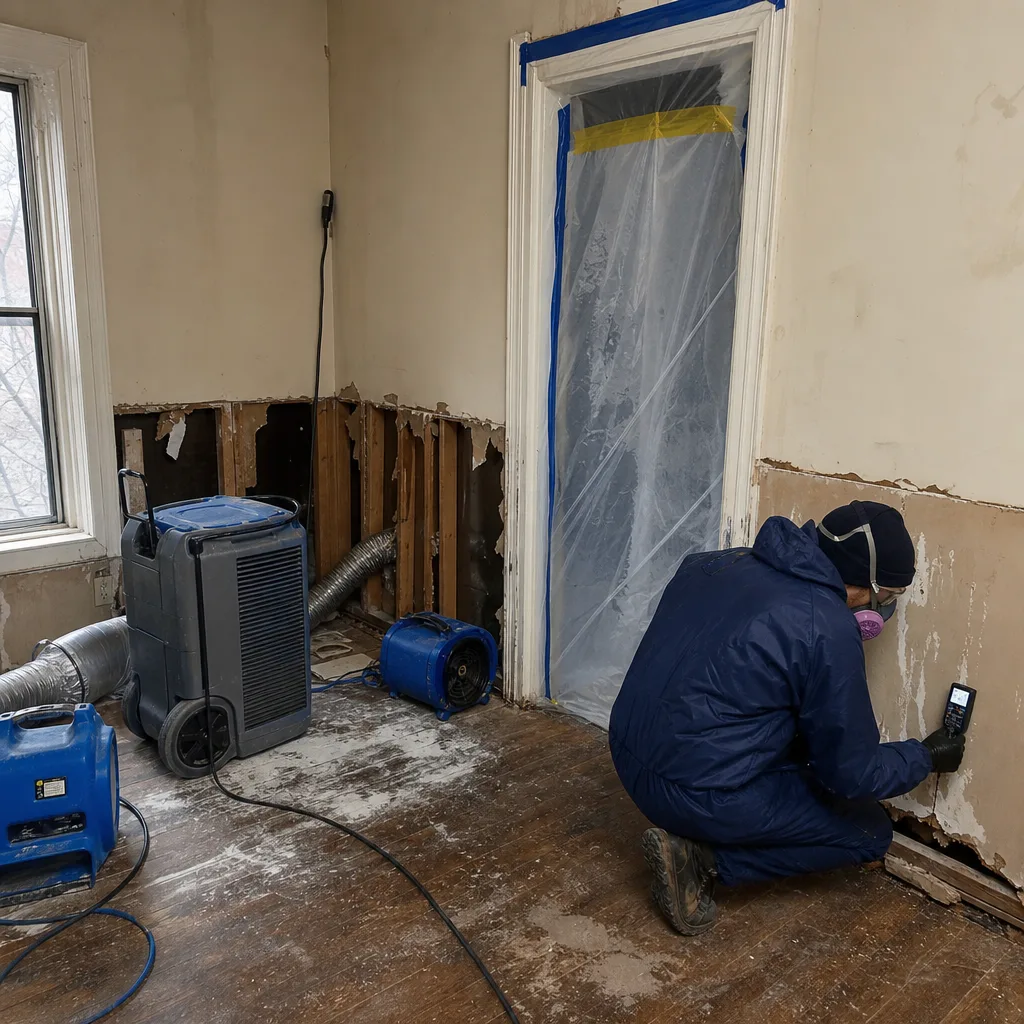 Before
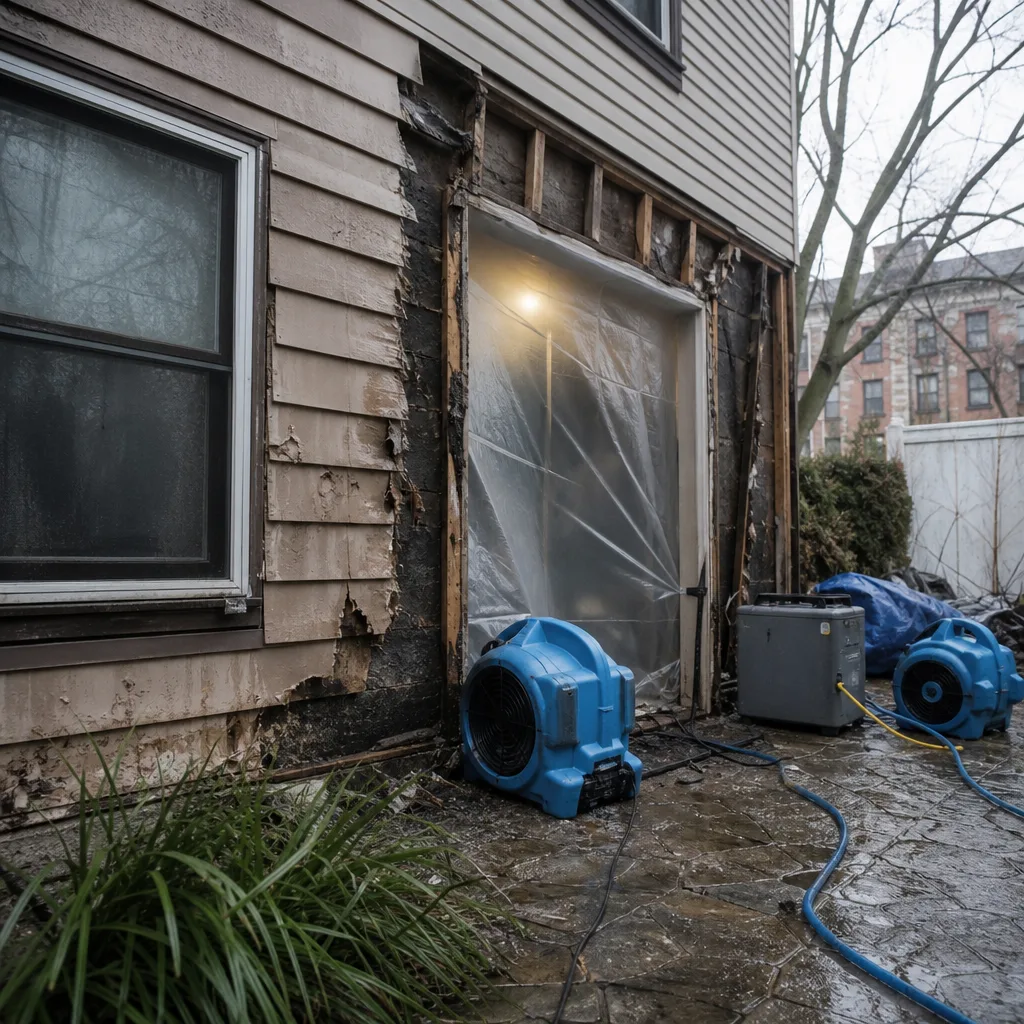
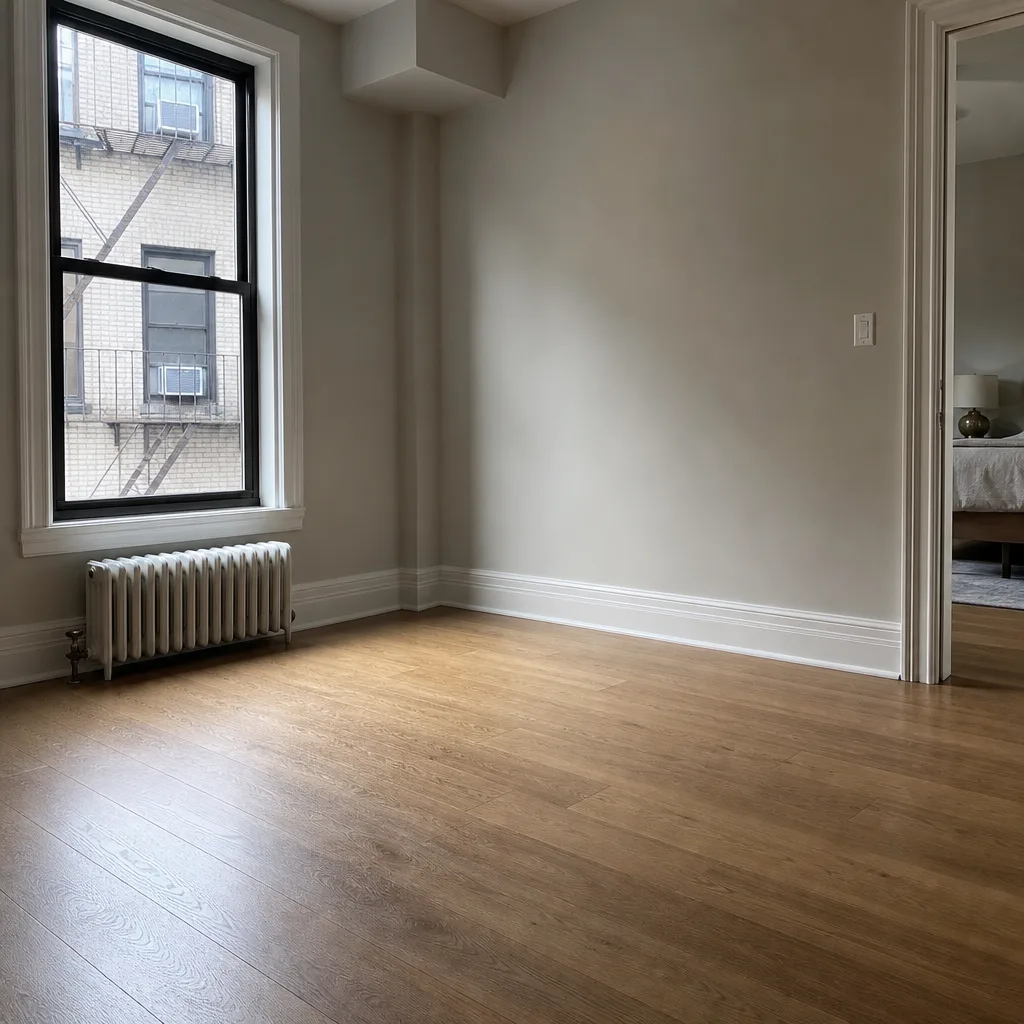 After
After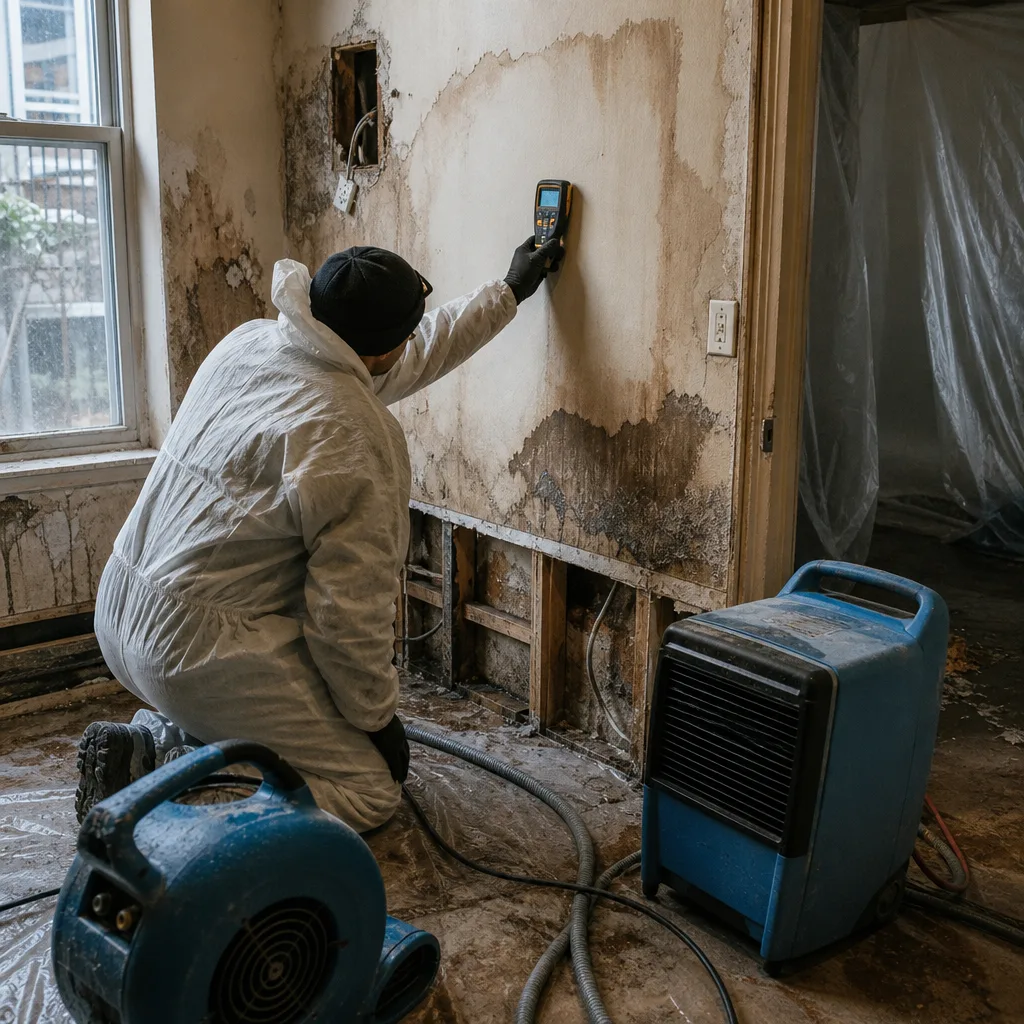 Before
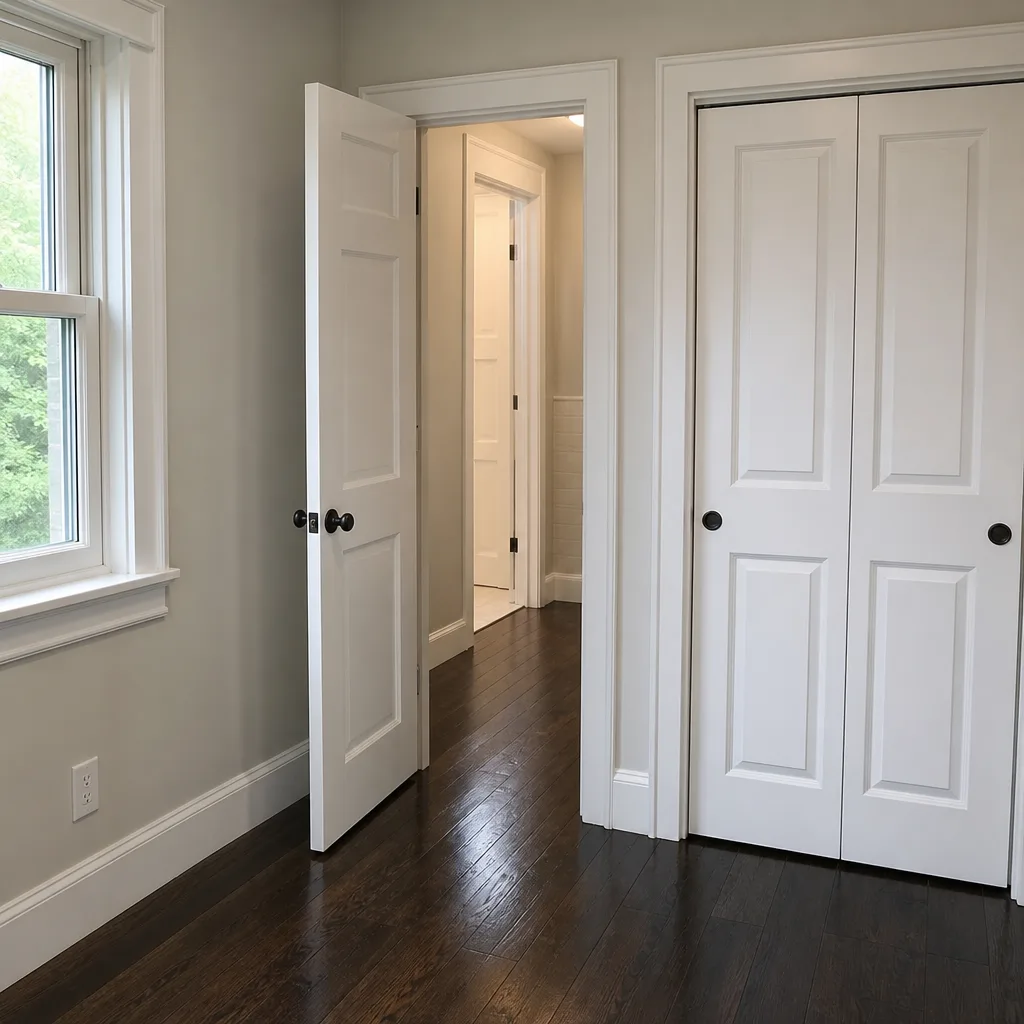 After
After24/7 Emergency Mold Remediation in Elmhurst
Call (516) 687-5786 now and a live person answers, 24 hours a day, 7 days a week. No voicemail, no callback queue. Our crews dispatch to Elmhurst within minutes, not hours, because mold doesn’t wait for business hours. We provide a free visual inspection on arrival, and we deliver a written price before any work begins - Haven Standard, Clause 1.
The first hour after water intrusion is when mold colonies establish their foothold. In Elmhurst’s dense row houses, that timeline compresses further. Shared party walls mean moisture migrates horizontally into adjacent units while you’re still looking at the puddle on your floor. By hour 24, visible growth is likely. By hour 48, it’s certain. Our Mold Remediation team treats every Elmhurst basement call as a potential Category 3 black water event until proven otherwise - because Elmhurst’s flat terrain and aging combined sewer overflow system make that assumption accurate far more often than not.
Understanding Mold Remediation Severity in Elmhurst Properties
Mold remediation severity in Elmhurst is determined by three factors: the water category that preceded it, the square footage of colonized material, and the structural path the moisture took through attached construction. We classify every Elmhurst job against IICRC S520 standards for professional mold remediation, with AMRT-certified technicians assessing each site.
Category 1 water - clean supply line breaks - can produce Category 2 or 3 mold conditions if left untreated beyond 48 hours. But in Elmhurst, we rarely see Category 1 origins in basement units. The near-zero topographic relief of central Queens means stormwater has no natural drainage gradient. During heavy rain, combined sewage and rainwater surge back through floor drains and toilet bases well before street flooding is visible. This makes Category 3 black water the default starting assumption on any basement mold call here, not an edge case. The wrong classification means drying materials that must legally be removed, exposing occupants to pathogens and exposing the claim to denial.
Containment strategy changes based on building type. The attached two-to-four-family brick row houses that dominate Elmhurst’s housing stock, built between the 1920s and 1960s, share party walls with minimal fireblocking. Negative air pressure containment with HEPA-scrubbed exhaust is non-negotiable before removing moldy drywall. Skip this step and spores cross into adjacent units, triggering multi-policy disputes that can stall every claim on the block.
Why Elmhurst Property Owners Choose Back to Dry Restoration Manhattan
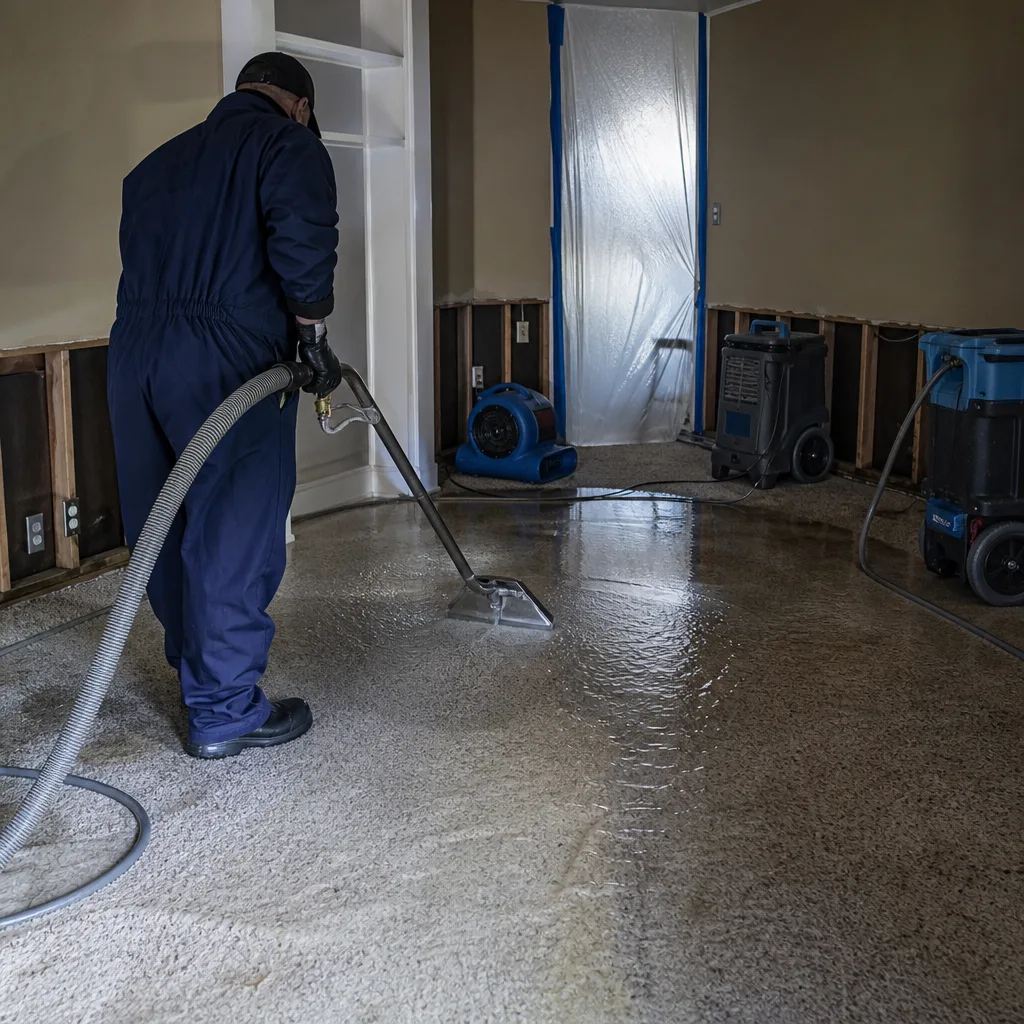
- 45-minute response commitment to Elmhurst from our New York City dispatch office - crews carry containment materials, air scrubbers, and moisture meters on every truck.
- 24/7 live answer - a real person, never an automated system or voicemail tree, picks up every call to (516) 687-5786 within three rings.
- IICRC-certified crews - our technicians hold WRT (Water Damage Restoration Technician), AMRT (Applied Microbial Remediation Technician), and FSRT (Fire & Smoke Restoration Technician) certifications where relevant to your loss type.
- Free visual inspection - we assess moisture readings, identify visible colonization, and document conditions with photos before any scope is written.
- Direct insurance billing - we coordinate with your adjuster, provide line-item estimates in industry-standard format, and handle documentation that turns restoration invoices into payable claims.
- One team from extraction to reconstruction - the same crew that sets containment and removes mold-affected materials returns to rebuild to legal standards, with no handoff gaps.
BeforeAfterOur Mold Remediation Process
1. Inspection & Assessment
We arrive with moisture meters, thermal imaging cameras, and hygrometers to map the full extent of water intrusion and visible mold colonization. In Elmhurst, we specifically check whether basement units appear in city building records - unpermitted apartments are so prevalent here that restoring them “like for like” can expose a contractor to code-violation liability.
2. Containment & Air Quality Control
We establish negative air pressure containment with 6-mil polyethylene barriers and HEPA-filtered air scrubbers before disturbing any mold-affected material. In attached row houses, this step prevents spore migration through shared wall cavities into adjacent units - a multi-policy disaster we’ve seen too many contractors trigger.
3. Extraction & Material Removal
Standing water is extracted with truck-mounted or portable systems. Category 3-contaminated porous materials - drywall, insulation, carpet pad, baseboard - are removed per IICRC S500 standards and bagged for proper disposal. We document every square foot removed with photos for your claim file.
4. Structural Drying
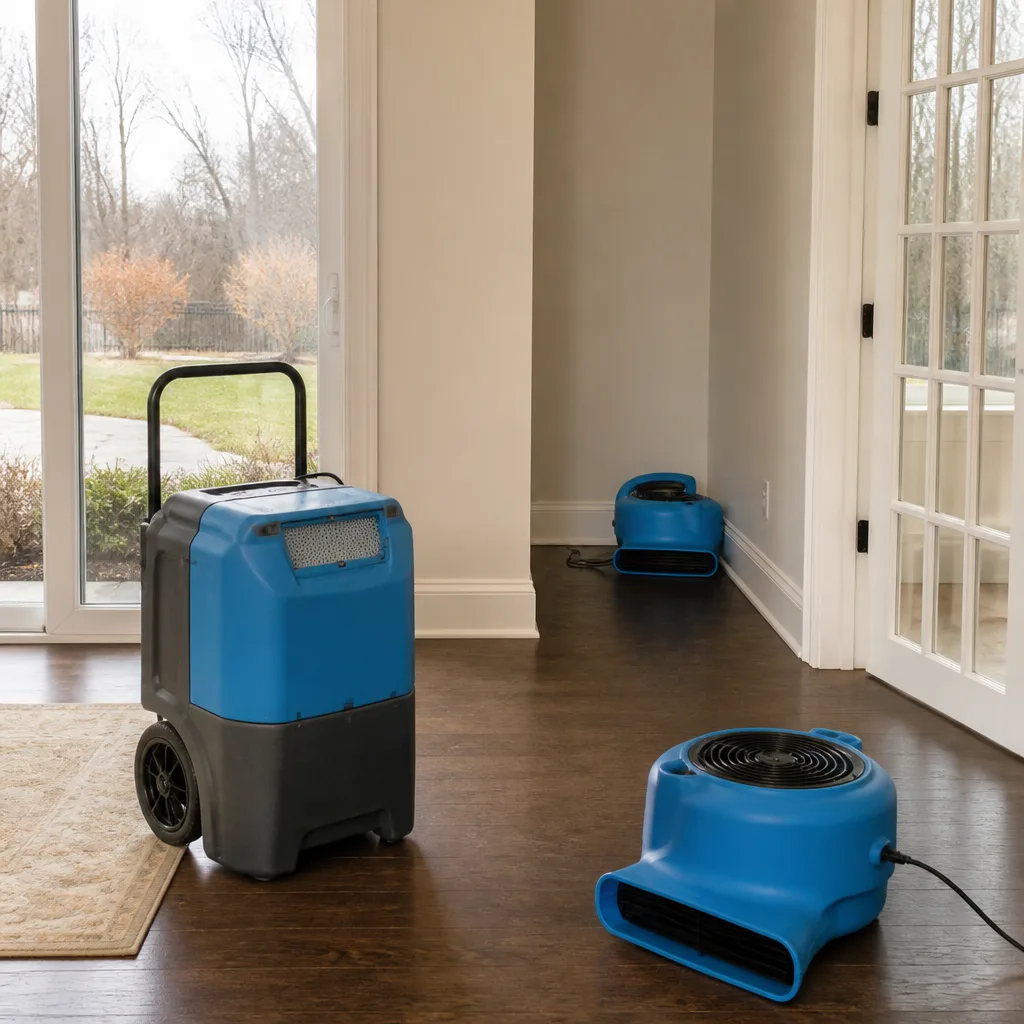
We deploy Phoenix dehumidifiers and XPOWER air movers to establish vapor pressure differential - the measurable force that pulls moisture from wet structural materials into the drier air stream. Daily moisture logs track wood moisture content and relative humidity until materials read within acceptable drying goals.
5. Antimicrobial Treatment & HEPA Filtration
All affected surfaces receive antimicrobial application appropriate to the material classification. HEPA air scrubbers run continuously during and after treatment, capturing 99.97% of particles 0.3 microns and larger. We perform clearance testing with third-party lab analysis when required by your insurer or by The Haven Standard’s own quality protocol.
6. Repairs & Legal Rebuild
Reconstruction follows the written scope agreed before work began. For unpermitted basement units in Elmhurst, we rebuild to minimum legal egress and ventilation standards rather than matching illegal layouts - protecting you from code violations and giving insurers no grounds to deny the rebuilt portion of your claim.
Need Emergency Mold Remediation in Elmhurst Now?
Crews minutes away, answering live 24 hours a day. The sooner we start, the less it costs.
Working With Your Insurance Company
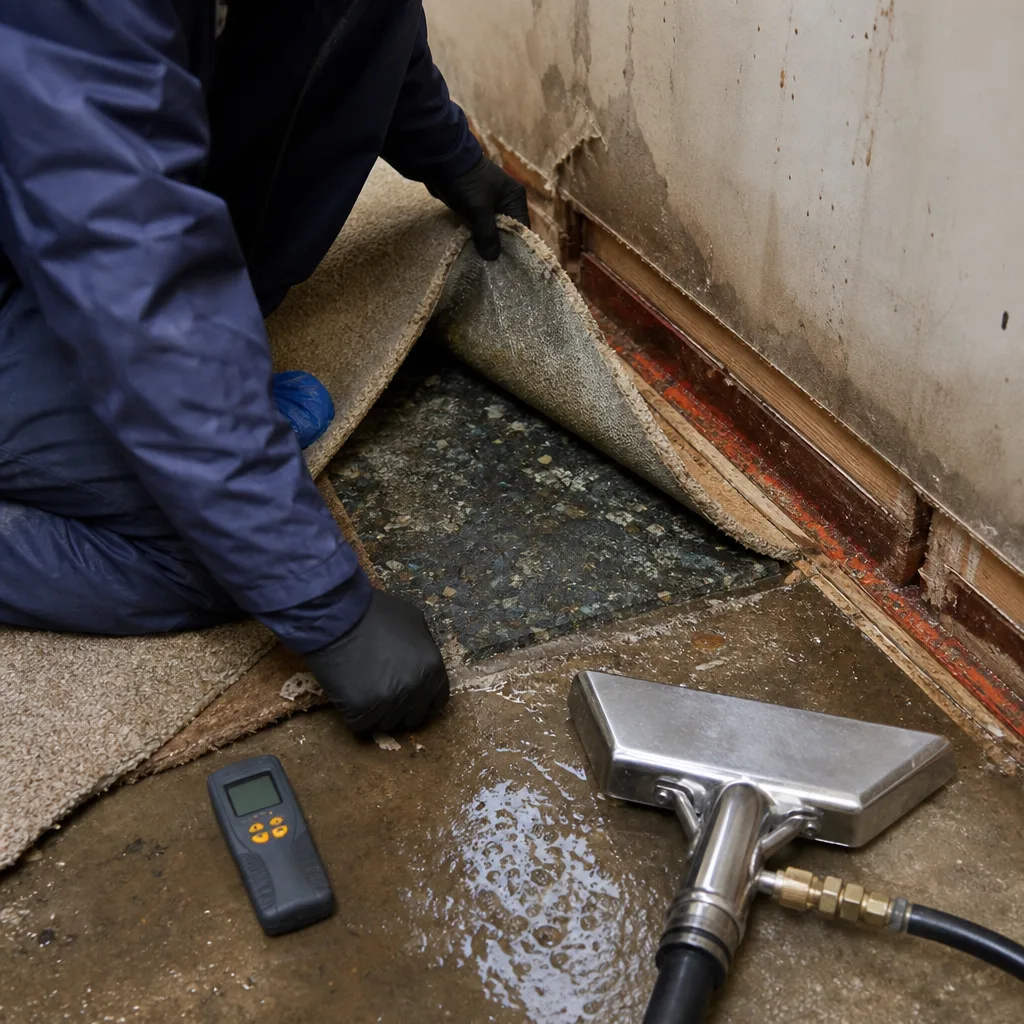
We built Back to Dry Restoration around the documentation gap that costs homeowners their claims. Alicia Brennan founded the company in 2011 after working as a claims adjuster and watching restoration invoices get denied for missing photos, incomplete moisture logs, or scopes that didn’t match the documented damage. Every Elmhurst job we handle produces the evidence your adjuster needs to pay without a fight.
From the first hour, we photograph every room, record moisture readings on every visit, and maintain daily drying logs that show psychrometric data - temperature, relative humidity, and vapor pressure - in plain language your insurer can verify. Our estimates follow industry-standard Xactimate or Symbility format. We communicate directly with your adjuster, answer documentation requests same-day, and never ask you to chase payment between two companies.
What We Provide Your Insurer
- Thorough documentation of the loss
- Photos of all damage, room by room
- Moisture readings and drying logs
- A detailed, line-item scope of work
- Direct coordination with your carrier
Built for Elmhurst’s Loss Calendar
January deep freezes split aging galvanized supply lines in Elmhurst’s pre-war row houses. The thaw that follows drives basement seepage through foundation cracks that have been widening since the 1950s. Spring 2024 brought repeated flash flood warnings to central Queens; Elmhurst’s flat terrain turned every warning into actual water in basements.
Summer thunderstorms arrive with little warning and extreme rainfall rates. The combined sewer overflow system, designed for a different century’s storm patterns, backs up through floor drains before street flooding is even visible. Nor’easters in October through March drive wind-driven rain through failed door seals and window flashing on aging brick structures. Hurricane Ida in 2021 made national news for fatal flooding in nearby Queens basement apartments; the same vulnerability exists throughout Elmhurst’s unpermitted basement stock.
Every season produces a distinct mold risk profile. Winter pipe bursts start clean but become Category 2 within 48 hours if heat loss accompanies the water. Summer sewer backflows begin Category 3 and stay there. The constant factor: Elmhurst’s attached housing means no loss stays in one unit.
Mold Remediation Across Elmhurst’s Neighborhoods
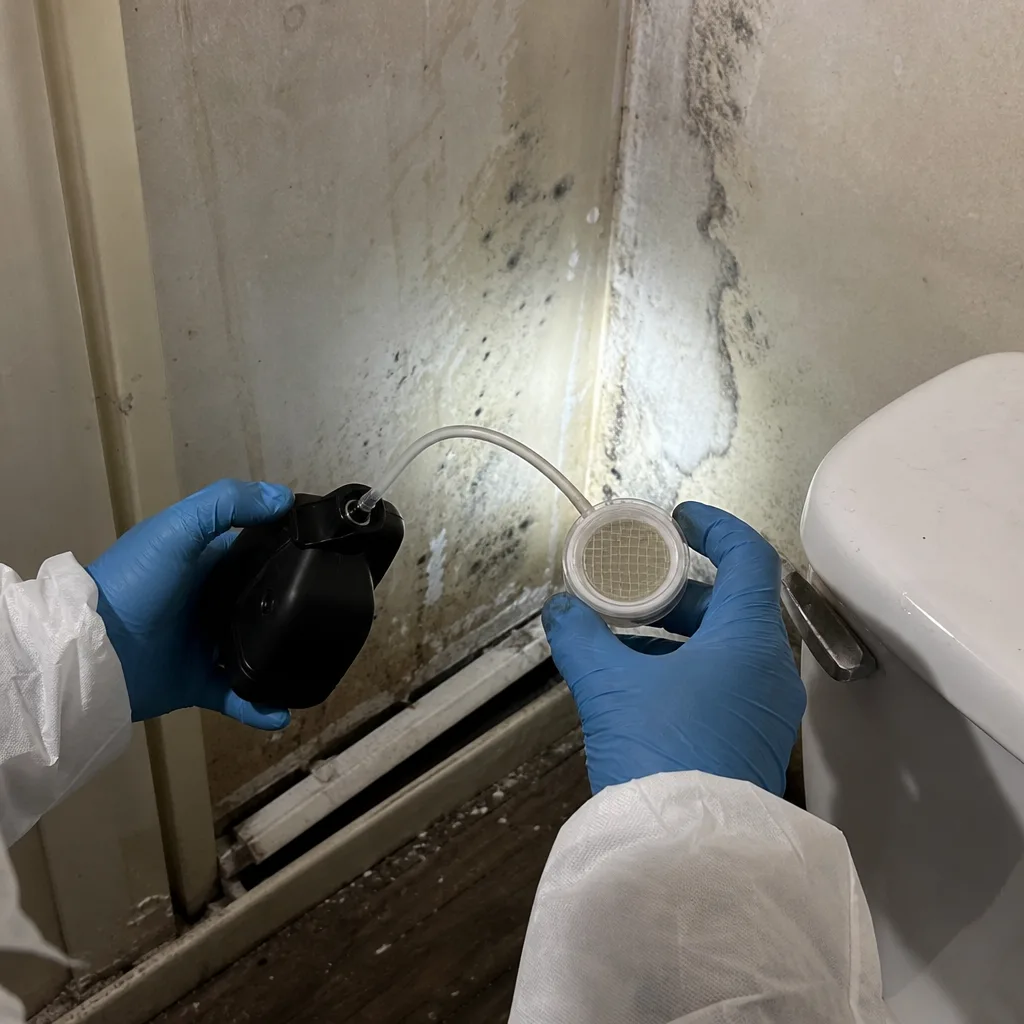
We got a call from a two-family brick row house off Corona Avenue in East Elmhurst where a failed door seal during a nor’easter let wind-driven rain pour into a below-grade unit. Our techs pulled moisture readings that pegged the drywall at saturation, set up containment, and ran Phoenix dehumidifiers and XPOWER air movers for three days of structural drying. The mold had already started colonizing the paper facing by hour 30 - we removed the affected drywall, applied antimicrobial treatment, and logged every reading for the drying logs our scope of work required.
Fresh Pond Junction properties near the Brooklyn-Queens border see more groundwater intrusion than areas closer to the subway corridor - the low elevation relative to the surrounding moraine means spring thaw produces basement seepage even without rain. We adjust our dehumidification strategy accordingly, running longer drying cycles with lower specific humidity targets.
Glendale’s industrial-to-residential transition zone includes converted loft spaces with HVAC systems that were never designed for residential moisture loads. Mold colonizes ductwork and ceiling plenums that standard visual inspection misses; we deploy borescope cameras and air sampling to find it.
The Jackson Heights-Elmhurst-Corona corridor is where we most frequently encounter the unpermitted basement apartment problem. Restoration technicians working this area learn to check city building records before writing any scope. Mold Remediation in Elmhurst often requires rebuilding to legal egress and ventilation standards rather than matching the original illegal layout - a constraint that shapes every material order and labor estimate we produce.
Specialized Mold Remediation Services We Offer in Elmhurst
Mold Inspection & Testing
We inspect with moisture meters, thermal imaging, and borescope cameras where wall cavities are suspect. Air sampling and surface swab testing go to third-party labs when clearance documentation is required. In Elmhurst’s attached row houses, we sample adjacent units when party wall moisture migration is suspected - a step many inspectors skip.
Mold Removal
Removal follows containment, never before. We establish negative air pressure, HEPA-scrub the work zone, and remove colonized materials with controlled demolition techniques. Category 3 water history means porous materials come out; non-porous materials get antimicrobial treatment and HEPA vacuuming.
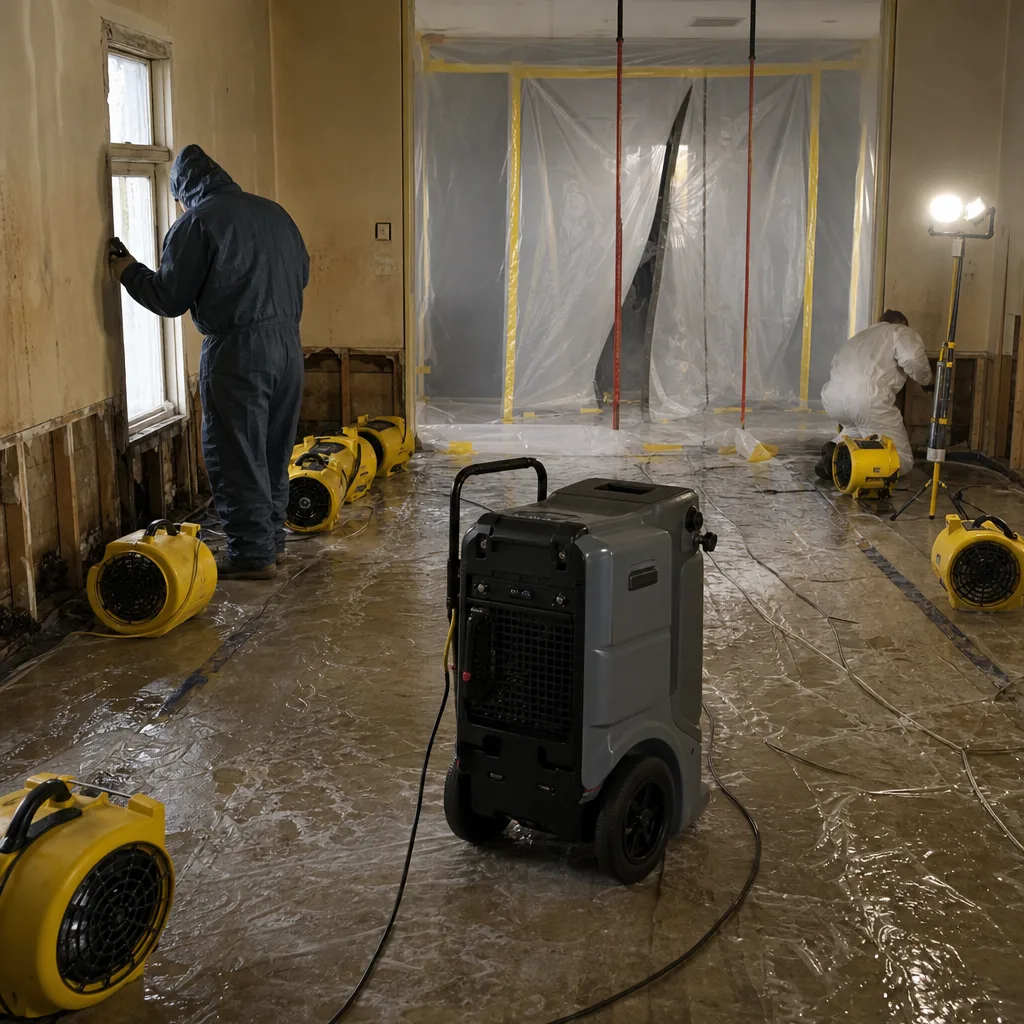
Black Mold Remediation
Stachybotrys chartarum and other toxigenic species require enhanced containment, full-face respirator protocols, and specialized disposal. In Elmhurst, black mold remediation is frequently the correct classification for basement units affected by sewer backflow - not a scare tactic, but an accurate assessment of water origin and colonization type.
Air Quality Restoration
Post-remediation air quality restoration runs HEPA scrubbers for a calculated period based on room volume and air changes per hour. We measure results with particle counters and, when required, third-party lab analysis. The goal is breathable air, not just “better than it was.”
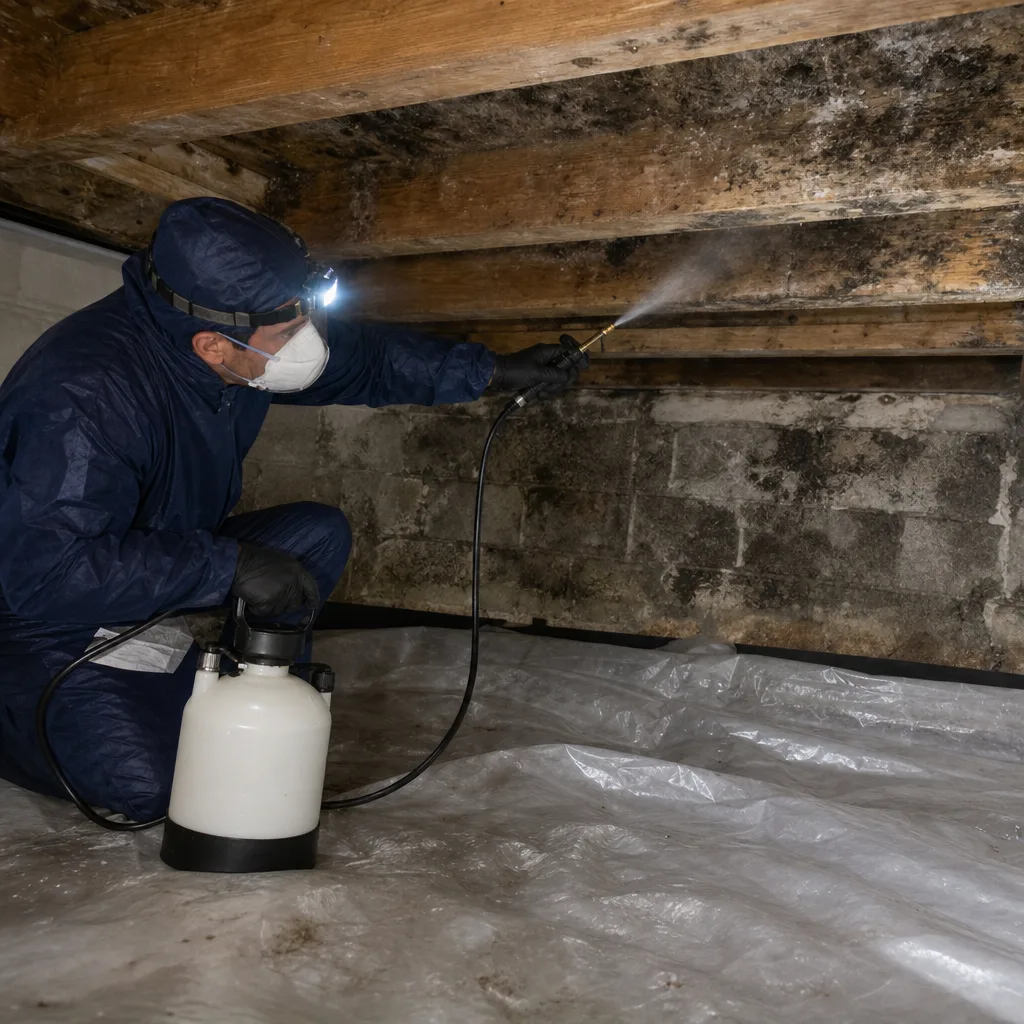
Crawl Space Treatment
Elmhurst’s older row houses have limited crawl space access, but where they exist, they’re often chronically damp from foundation seepage. We install vapor barriers, dehumidify to 50% relative humidity or below, and treat structural wood with borate-based preservatives where fungal decay is present.
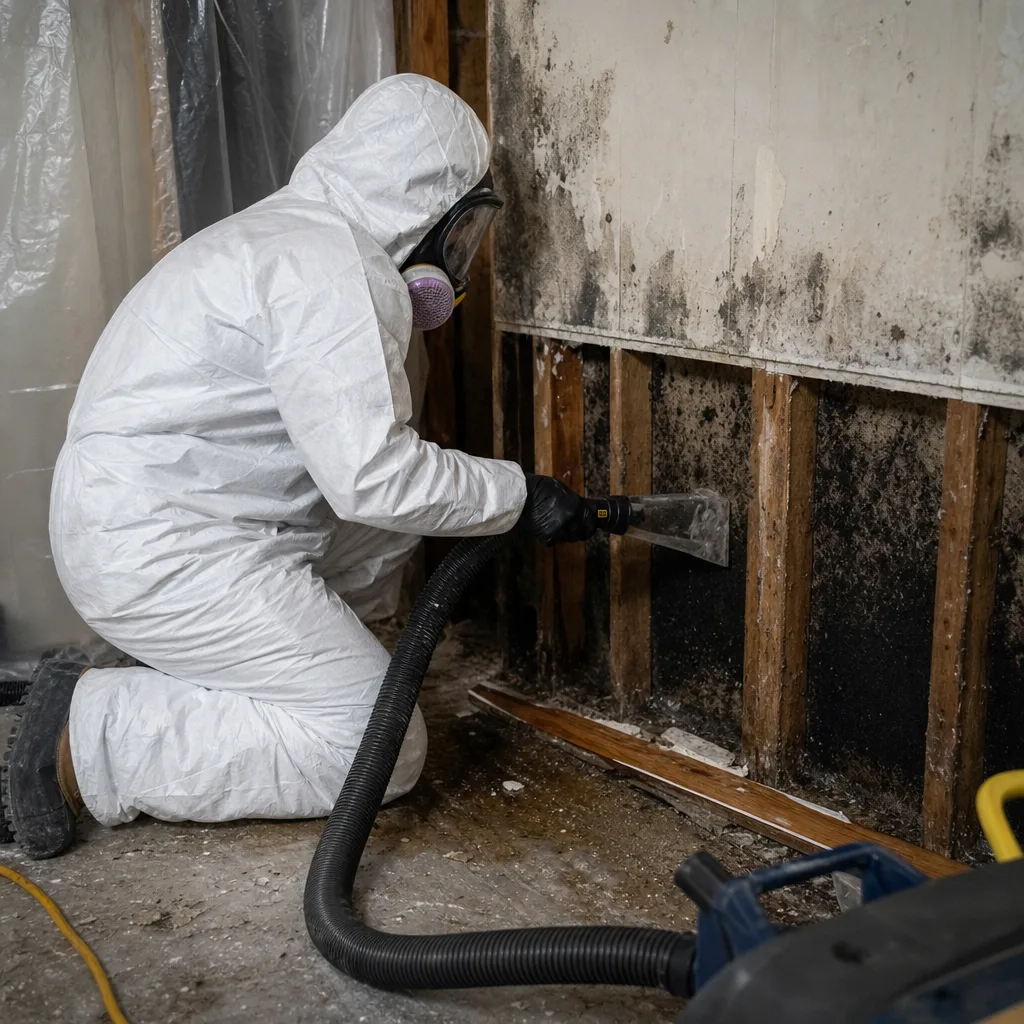
Moisture & Humidity Control
Long-term moisture control prevents recurrence. We specify and install permanent dehumidification, improve ventilation to code minimums, and recommend drainage improvements where site conditions allow. For unpermitted basement units, this often means bringing systems up to legal standards as a condition of insurability.
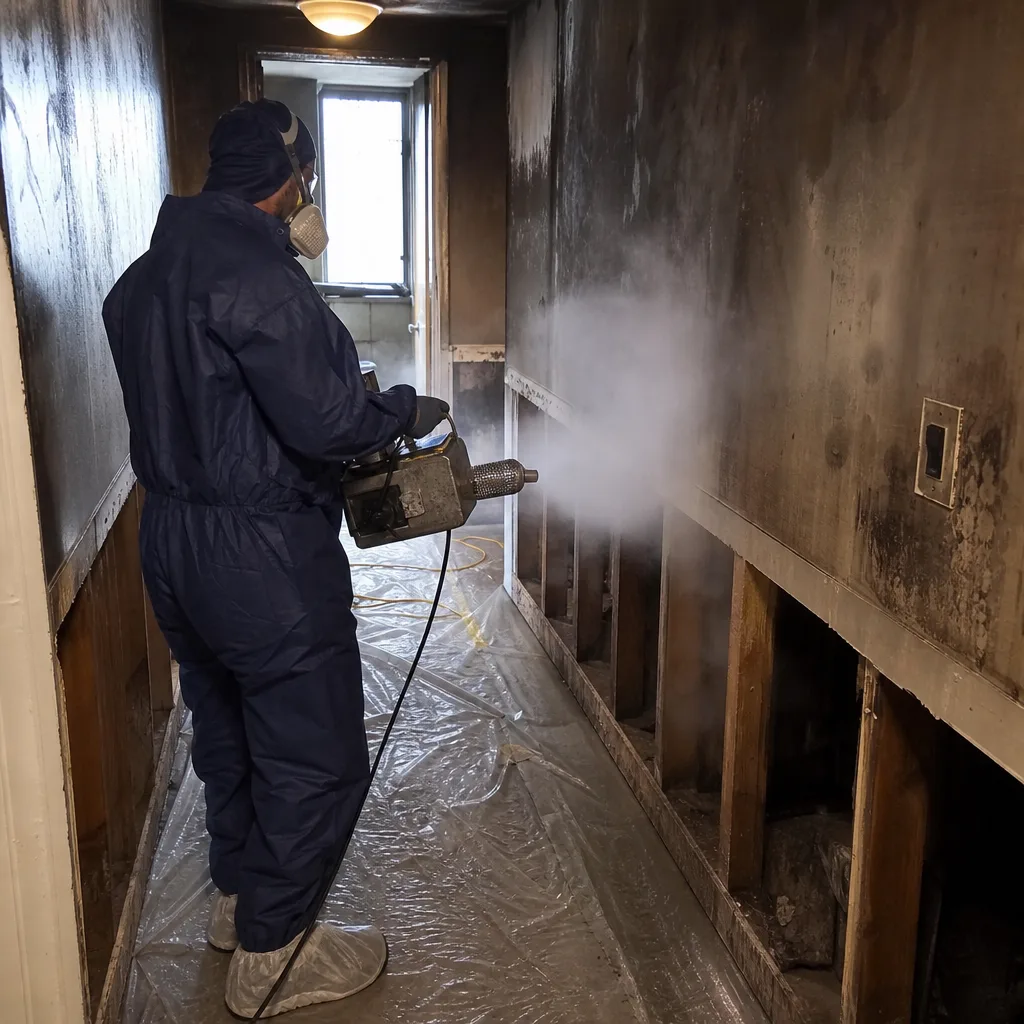
What happens when you call
- 1
A real person answersNo phone trees - you reach a local pro.
- 2
You get an upfront price rangeHonest numbers before anyone is dispatched.
- 3
A background-checked tech heads outLicensed & insured, dispatched right away.
- 4
You approve before work beginsNothing starts until you say go.
Mold Remediation Costs in Elmhurst, NY
A typical mold inspection with moisture mapping in Elmhurst runs $250-$450. Containment and remediation of a localized basement area, 100-200 square feet with Category 3 water history, typically costs $1,800-$3,400 including material removal, antimicrobial treatment, and structural drying. Whole-basement remediation in a multi-unit row house, with full containment across party walls and legal-rebuild reconstruction, can range $4,500-$8,500 depending on finished surface area and the extent of hidden colonization in wall cavities.
What moves the price: the water category (Category 3 requires more removal and more disposal), the linear footage of containment needed in attached construction, whether basement units are permitted (unpermitted units require legal-standard rebuild, not like-for-like), and whether air quality clearance testing is required. Insurance coverage varies: sudden water damage from a covered peril is typically covered; long-term maintenance-related moisture is not. We review your policy language and document the loss origin to support your claim.
Every job starts with a free visual inspection and a written price before work begins - Haven Standard, Clause 1. Call (516) 687-5786 for your exact scope.
We Also Serve Cities Near Elmhurst
Our crews respond throughout the corridor: Jackson Heights for its similar row-house stock and basement apartment density, Long Island City for its newer high-rise water losses and converted industrial spaces, Astoria for its pre-war multifamily buildings and elevated-storm-surge exposure, and Manhattan for commercial and residential losses across all borough service zones.
Serving Elmhurst, NY - Our Local Coverage Area
We’re based in the Elmhurst area and know this community well. Use the map below to see our service coverage - if you’re nearby, we can almost certainly help.
Elmhurst Mold Remediation Questions, Answered
Does a flooded basement in Elmhurst always mean black water mold remediation?
No, but it should be the starting assumption until proven otherwise. Elmhurst’s flat terrain and combined sewer overflow system routinely produce Category 3 backflow through floor drains during heavy rain, even when street flooding isn’t visible. We test water origin on every call and classify correctly before writing scope. Call (516) 687-5786 for a free inspection and written price.
How fast does mold grow after a storm causes water damage in an Elmhurst row house?
Mold colonization begins on wet drywall paper facing within 24-48 hours of water intrusion. In Elmhurst’s attached row houses, moisture also migrates through shared wall cavities into adjacent units, so visible growth in your unit may indicate hidden colonization next door. We inspect party walls with thermal imaging and moisture meters on every job. Call (516) 687-5786 for immediate response.
My Elmhurst basement apartment isn’t in city building records - will that affect my mold remediation claim?
Yes, frequently. Insurers often deny or reduce claims on spaces the city doesn’t recognize as habitable. We address this by rebuilding to minimum legal egress and ventilation standards rather than matching the illegal original layout - a scope that protects you from code-violation liability and gives the insurer a legitimate covered loss to pay. We document this approach in writing before work begins. Call (516) 687-5786 to review your specific situation.
How do you stop mold spores from spreading to the attached unit next door during remediation?
We establish negative air pressure containment with 6-mil polyethylene barriers and HEPA-filtered air scrubbers exhausting to the exterior before disturbing any mold-affected material. We seal electrical outlets, HVAC registers, and any gaps in party wall construction. Air scrubbers run continuously during removal and for a calculated period after. Post-remediation, we verify containment effectiveness with air sampling. Call (516) 687-5786 to discuss your building’s specific layout.
What equipment do you use for structural drying after black water extraction in Elmhurst?
We deploy Phoenix LGR dehumidifiers and XPOWER air movers to establish controlled vapor pressure differential, with daily moisture logs tracking wood moisture content and relative humidity. HEPA air scrubbers run parallel for air quality control. Thermal imaging identifies hidden moisture pockets in Elmhurst’s thick plaster and brick construction. All equipment is documented to IICRC, RIA, and IFA standards. Call (516) 687-5786 for equipment specifics on your job.
Will my insurance cover mold remediation in Elmhurst?
Coverage depends on the water origin and your policy language. Sudden, accidental water damage from a covered peril - burst pipes, storm intrusion through a failed roof - typically includes resulting mold remediation. Long-term maintenance issues, slow leaks, or unpermitted basement units may be excluded or limited. We document the loss origin with photos, moisture readings, and written scope to support your claim, and we coordinate directly with your adjuster. Call (516) 687-5786 for a free policy review with your inspection.
How long does mold remediation take in an Elmhurst row house?
Localized remediation in a single unit typically takes 3-5 days: one day for containment and removal, two to three days for structural drying, and one day for treatment and clearance verification. Multi-unit jobs with party wall concerns, or unpermitted units requiring legal-standard rebuild, extend to 7-14 days. We provide a written timeline with your scope before work begins - Haven Standard, Clause 1. Call (516) 687-5786 for your specific timeline.
Can my family stay in the home during mold remediation?
For contained, localized remediation in an unaffected area of the home, often yes. For Category 3 water history, whole-basement work, or toxigenic species like Stachybotrys, we typically recommend temporary relocation during active removal - a recommendation we document for your insurer if coverage includes additional living expenses. We discuss occupancy status during your free inspection and note it in your written scope. Call (516) 687-5786 to review your situation.
Back to Dry Restoration has restored 12,000+ homes since 2011, every one with a written price before work started and a documented record when the crew left. Our 365-Day Done Right Promise, backed by The Haven Standard, means if it’s not done right, we make it right - in writing, not as a verbal assurance. We also provide a Free Second Opinion on any competitor’s written estimate.
Call (516) 687-5786 now for 24/7 live answer and emergency dispatch to Elmhurst. A free visual inspection and written scope are available today.
Written by Alicia Brennan, Owner at Back to Dry Restoration, serving Elmhurst since 2011.
Mold Remediation in Nearby Areas