
Last updated September 22, 2026
Free visual inspection and a written scope of work before any mitigation begins - photos, moisture readings, and drying logs go in your claim file
The scope we write is the scope we bill. Anything new gets shown to you, in writing, before we touch it.
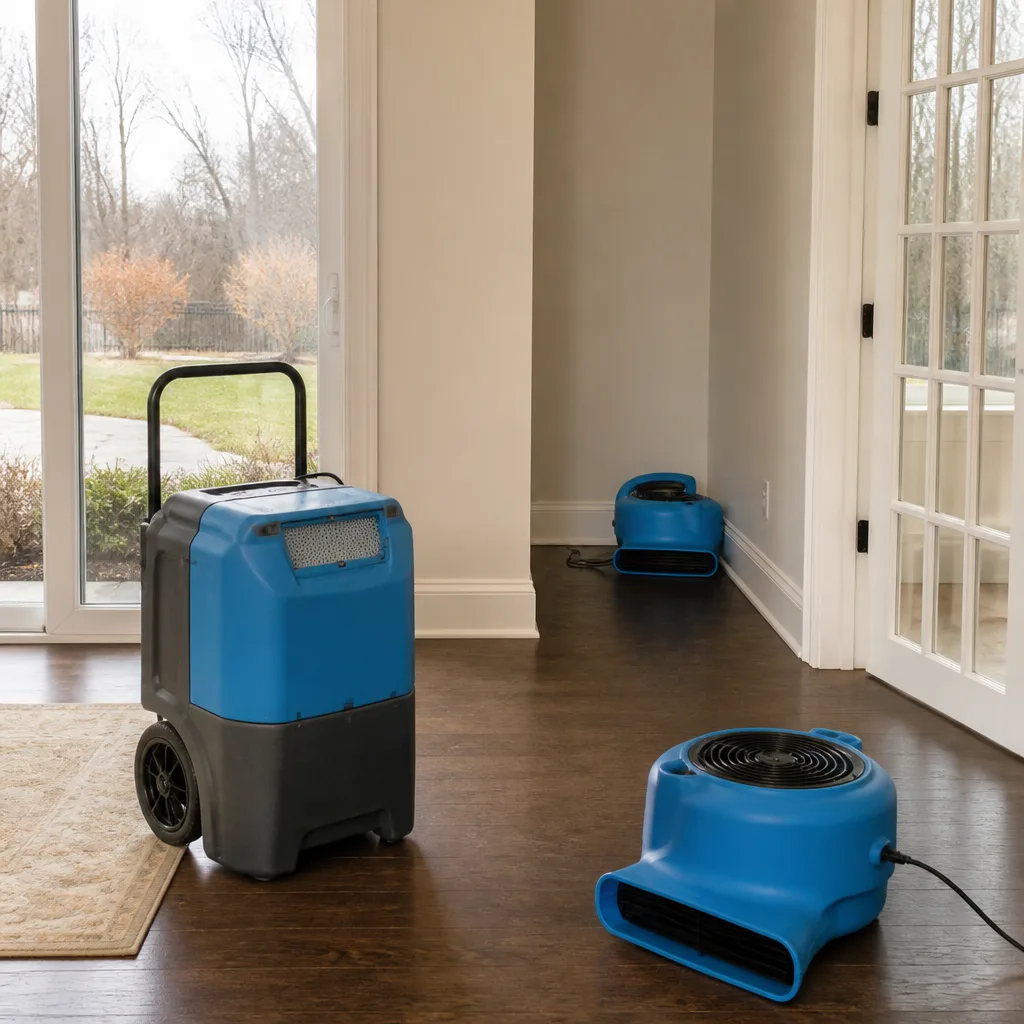

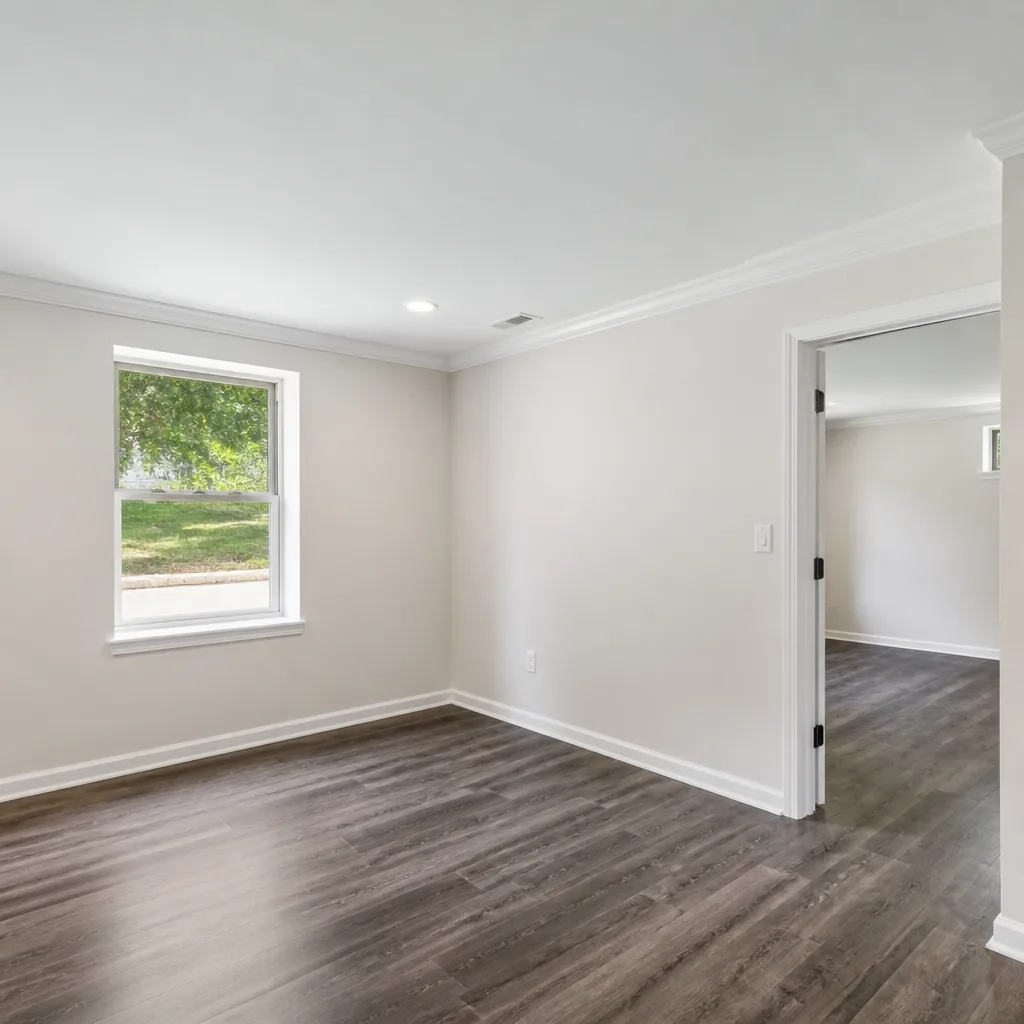
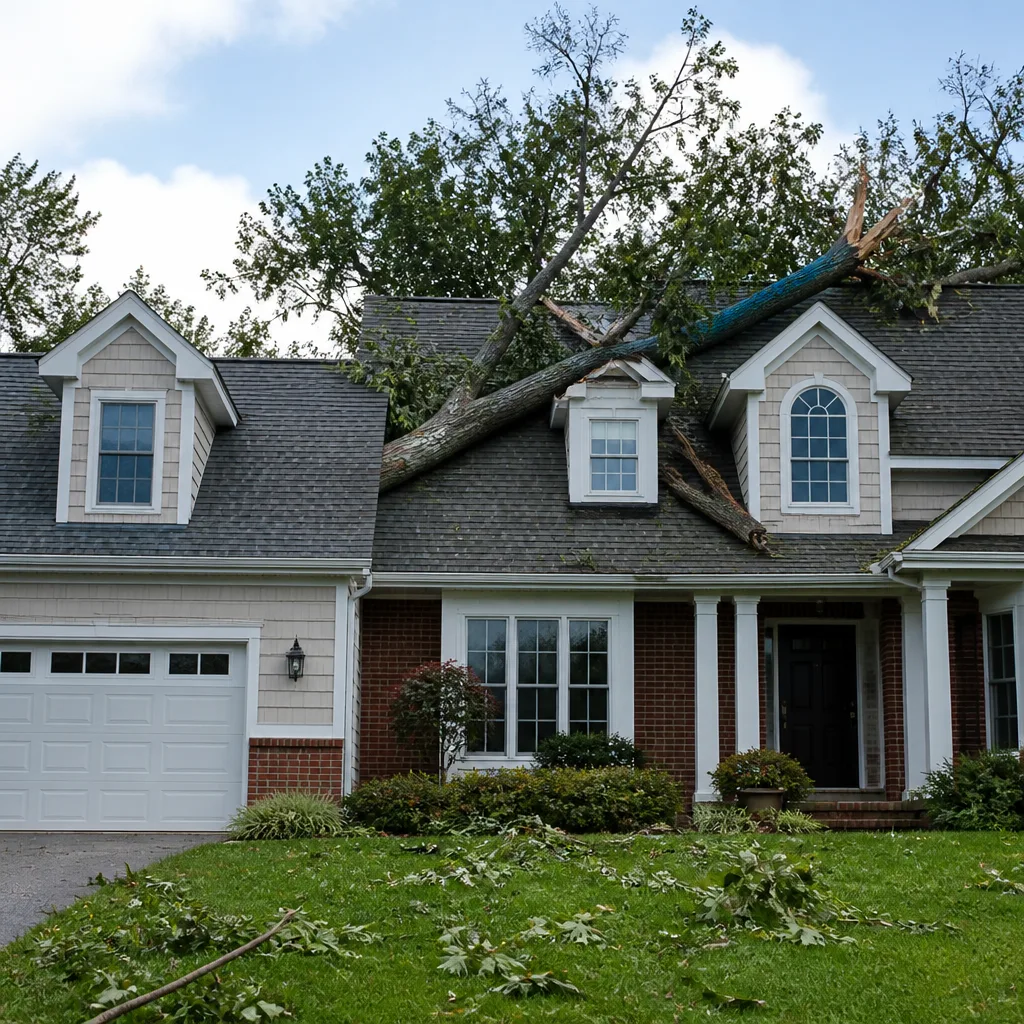
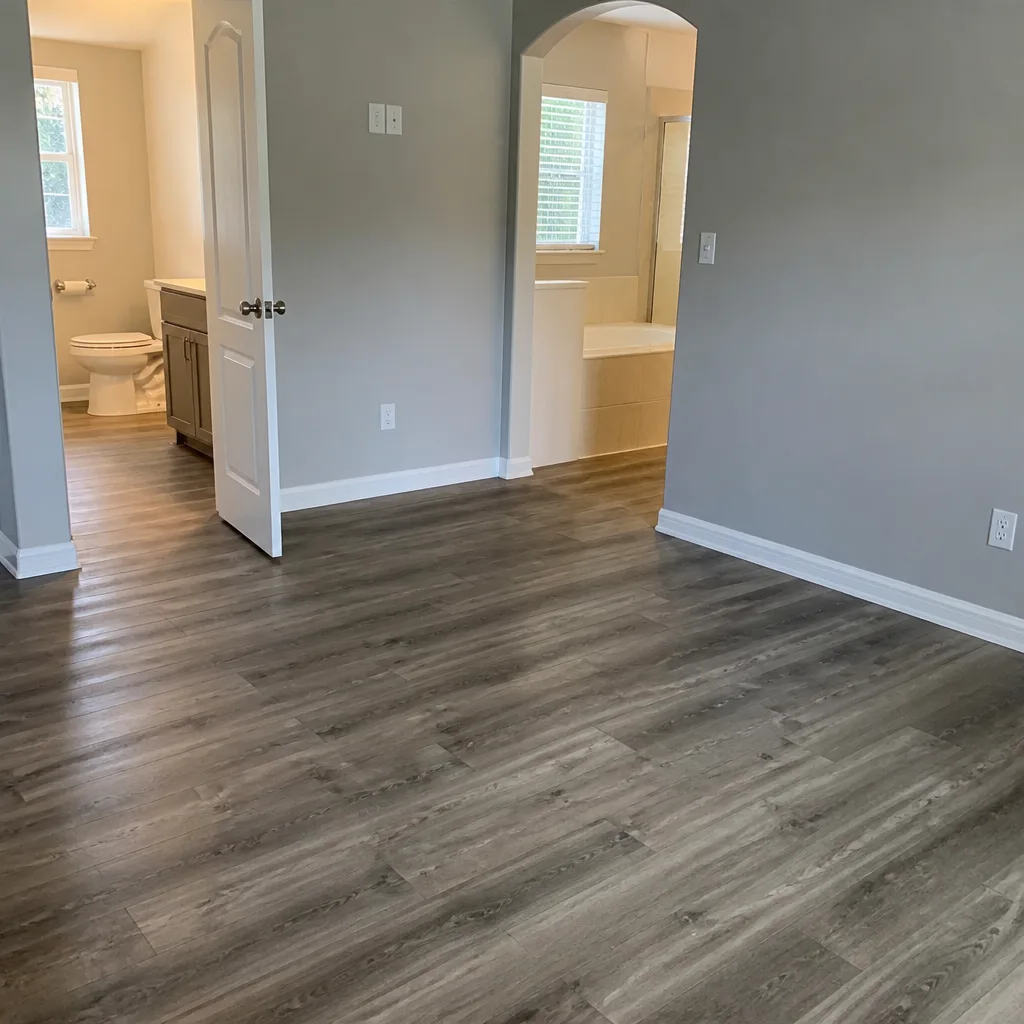

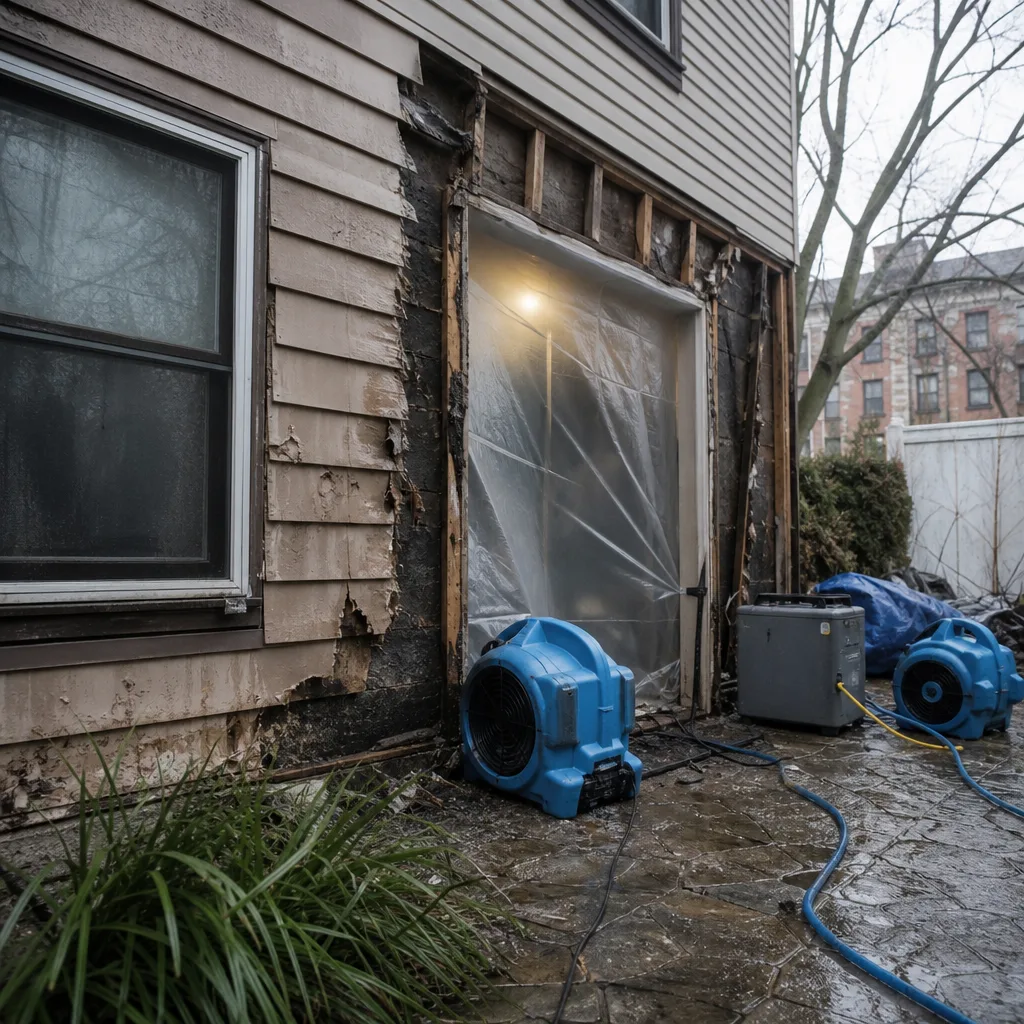 Before
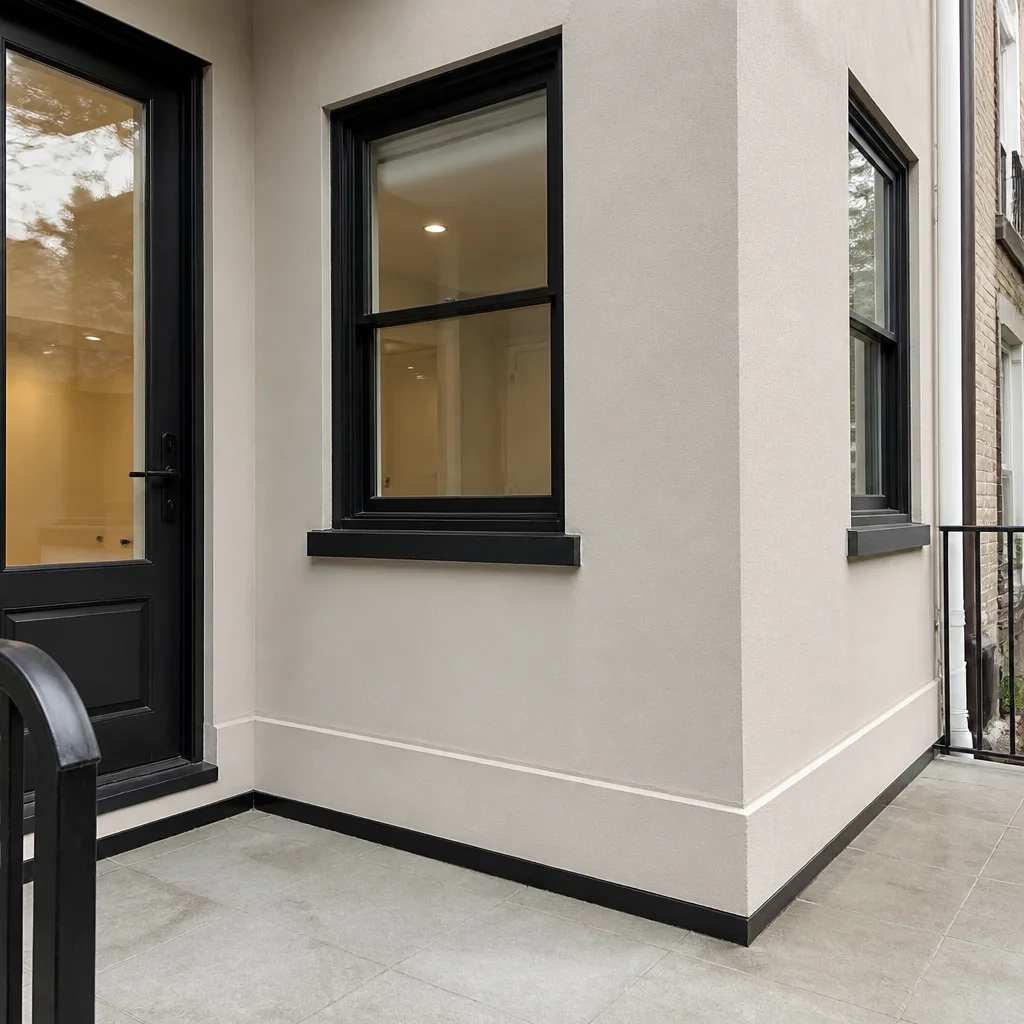 After
After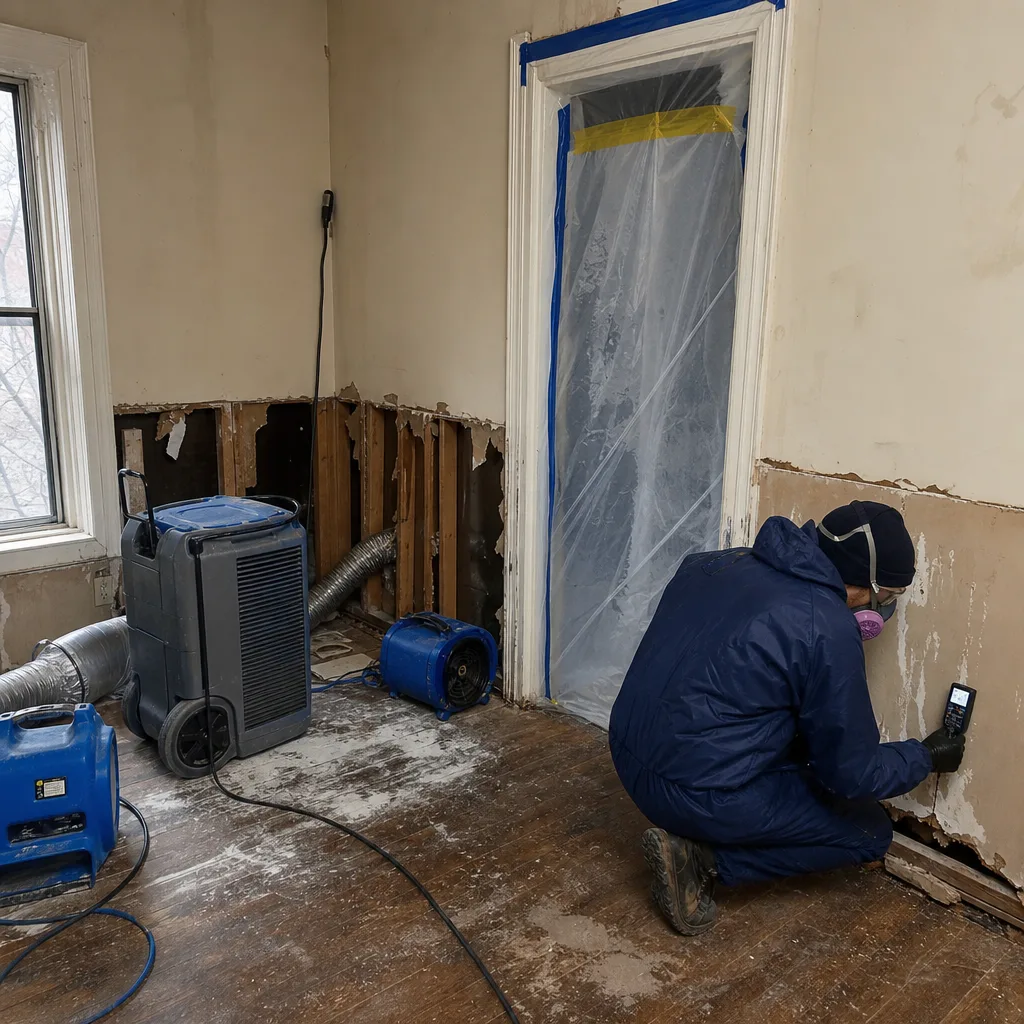 Before
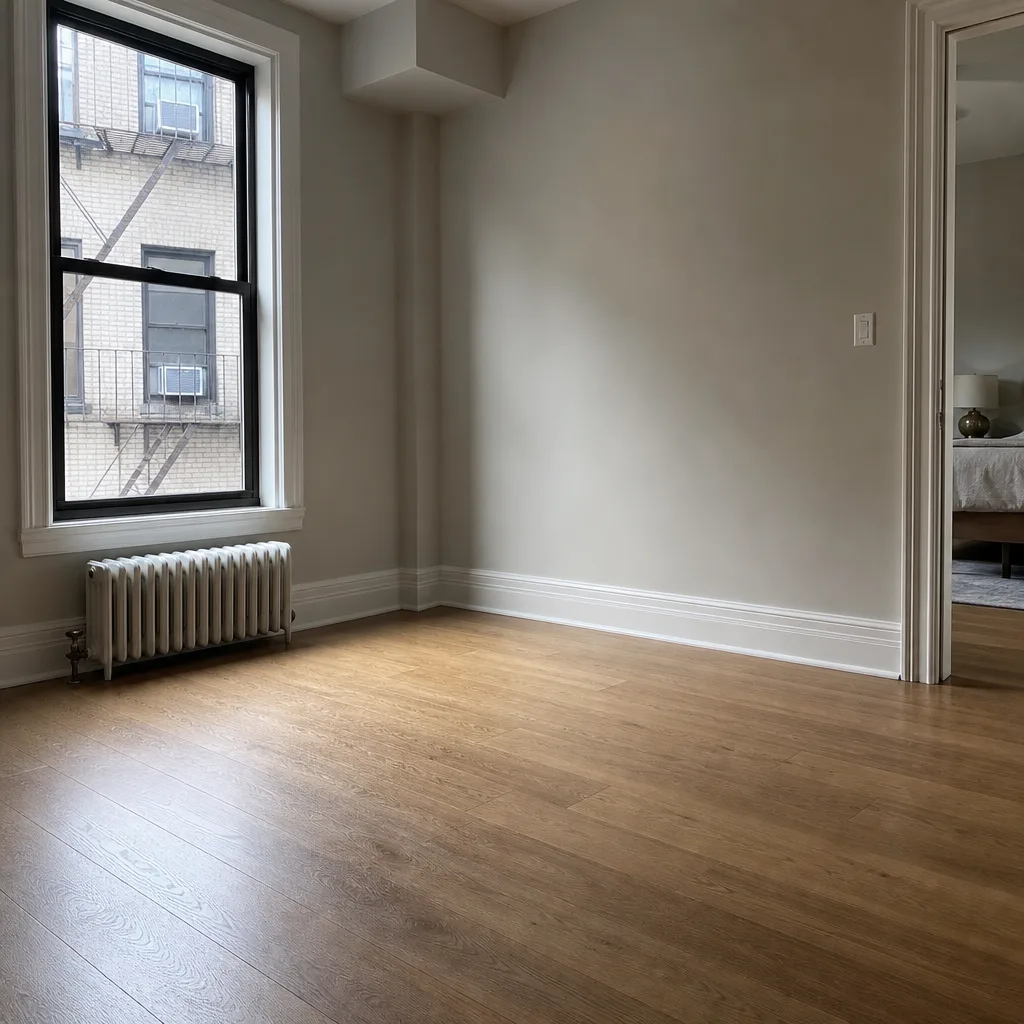 After
After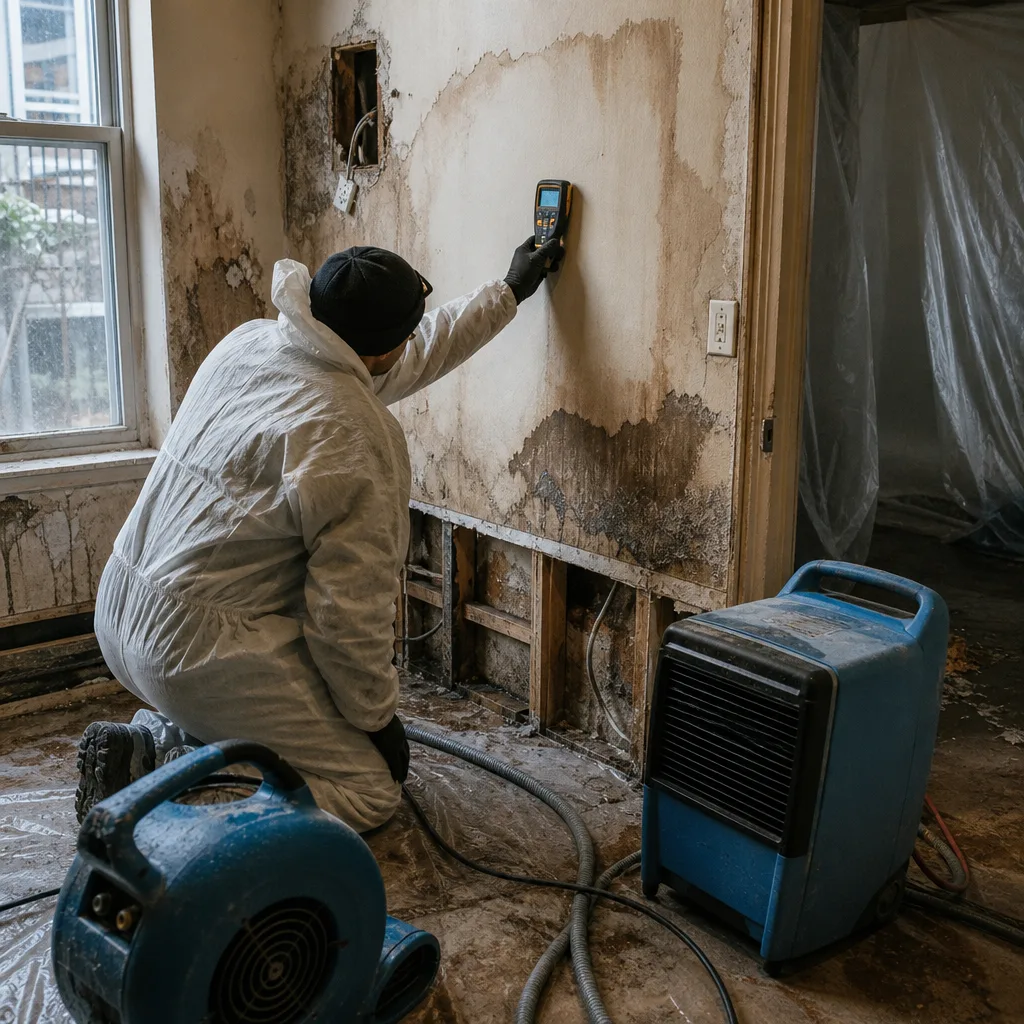 Before
 After
AfterSeasonal Damage Restoration Care for Manhattan: Year-Round Homeowner’s Guide
October in Manhattan isn’t fall - it’s steam heat startup season, when landlords fire boilers for the first time in six months and expansion stress fractures appear in pipes that held fine all summer. We’ve restored 12,000+ homes since 2011, and the pattern is consistent: the homeowners who avoid five-figure restoration bills aren’t luckier, they’re inspecting the right system in the right month. This guide maps each season’s specific risk to a single inspection action with a measurable outcome, so a $400 maintenance call doesn’t become a $40,000 water damage restoration in Manhattan. For a deeper look at protecting your property year-round, see our Complete Guide to Damage Restoration in Manhattan.
Quick Answer
Manhattan homeowners should perform four seasonal inspections: fall steam heat startup checks (October), winter exterior wall pipe penetration reviews (January), spring roof drain and parapet assessments (March), and summer HVAC condensate line inspections (July). Each takes under 30 minutes, creates a dated evidence file, and targets the damage mechanism most likely to trigger a claim that season. You can find more guides & resources on our blog to support your home maintenance routine.
Table of Contents
- Fall Steam Heat Startup: What to Inspect Before the First Heating Cycle
- Winter Freeze Risk: Manhattan’s Pre-War Building Envelope
- Spring Melt: Roof Drains, Parapets, and Co-op Documentation
- Summer HVAC Condensate Failures in High-Rise Buildings
- Building Your Seasonal Inspection Log as Evidence
- What Prevention Costs vs. What Restoration Costs
- Common Mistakes to Avoid
- When to Call a Professional
- Frequently Asked Questions
BeforeAfterFall Steam Heat Startup: What to Inspect Before the First Heating Cycle
Manhattan’s steam heat system is a pressure vessel that sits idle for six months, then wakes up fast. When the boiler fires in October, cast iron expands, pipe unions stress, and gaskets that dried out over summer crack under the first thermal cycle. We’ve documented this pattern across Upper East Side pre-wars, Chelsea lofts, and Washington Heights walk-ups: the first 72 hours of heating season produce more water damage calls than the entire month of November.
What to Listen For
Stand near each radiator for 30 seconds after the first heating cycle. You’re listening for three sounds:
- Hissing at the union (the threaded connection between valve and radiator): indicates a failed packing nut or cracked valve seat. Steam at 215°F and 1-2 PSI will find any gap.
- Hammering or water hammer (a single loud knock or repeated banging): means condensate isn’t draining back to the boiler. Slugs of water hit steam pockets at velocity, stressing pipe hangers and eventually cracking fittings.
- Continuous venting from the air valve: normal for 5-10 minutes, problematic if it persists. A stuck-open vent releases live steam into the room, raising humidity to levels that trigger secondary mold growth within 48 hours.
What to Document Visually
Before the first cycle, photograph each radiator valve, union, and floor condition. Use your phone’s timestamp. Include:
- The valve body and union threads (close enough to read manufacturer marks)
- The floor directly beneath, showing pre-existing stains or rust
- The air vent, oriented so the vent direction is visible
Store these in a dated folder. If a valve fails in January and your insurer questions whether the damage was “sudden and accidental” or gradual deterioration, these photos are your evidence of pre-season condition.
In our experience with water damage restoration in Manhattan, the buildings with the highest steam heat failure rates share one trait: valves original to the 1960s or earlier, never rebuilt, with packing nuts tightened repeatedly until the stem threads stripped. A $12 packing nut replacement in October prevents a $3,400 ceiling and floor restoration in February.
Winter Freeze Risk: Manhattan’s Pre-War Building Envelope
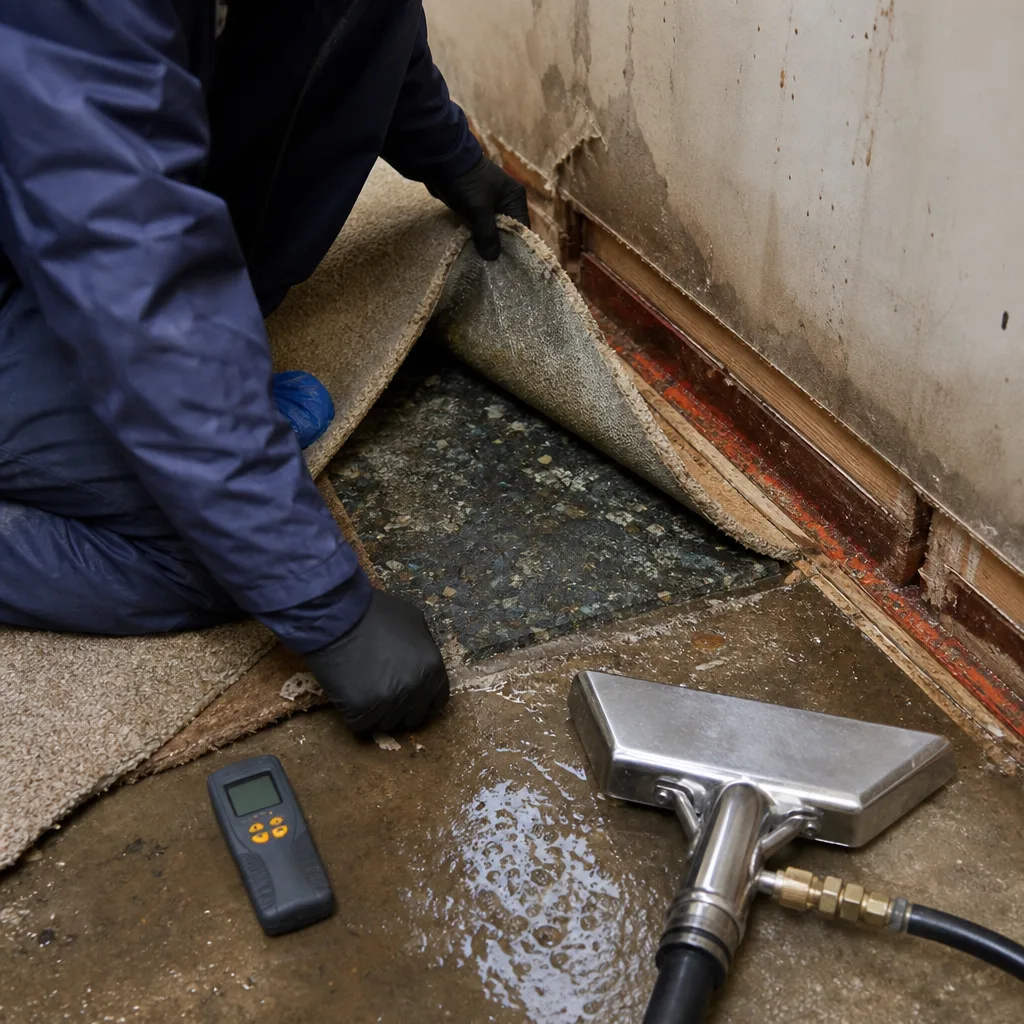
Manhattan’s building stock is old by American standards. Pre-war construction means uninsulated exterior walls, plaster on lath, and pipe chases that run through unheated voids. When polar air drops the wind chill below 10°F for 48 hours - a pattern we’ve tracked in January 2014, January 2018, and February 2021 - pipes in specific locations freeze at predictable rates.
Highest-Risk Units by Building Characteristic
| Unit Location | Risk Factor | Specific Vulnerability |
|---|---|---|
| Top floor, pre-war | Highest | Roof parapet penetration for vent stack; no heat source above |
| Corner unit, any floor | High | Two exterior walls, amplified wind exposure, limited interior thermal mass |
| Ground floor, walk-up | High | Foundation perimeter pipes in unheated crawl or areaway |
| Any unit with window AC left installed | Elevated | Gap around sleeve creates cold air channel to interior wall cavity |
The Inspection Action: January Pipe Penetration Review
On the coldest day of January, perform a 15-minute walk-through with an infrared thermometer or thermal camera app. You’re hunting for surface temperatures below 40°F on interior walls, which indicates cold air infiltration reaching pipe depth.
- Check kitchen and bath exterior walls: place your hand or thermometer on the wall where supply lines enter. A reading below 45°F means the pipe behind is at risk.
- Inspect under sinks on exterior walls: open cabinet doors. If the cabinet interior is noticeably colder than the room, the wall cavity is not thermally isolated.
- Verify heat reach in pipe chases: in pre-war buildings, radiator placement often ignores pipe chase location. A chase behind a non-exterior wall with no heat source is a freeze trap.
Document readings with photos showing the thermometer display and wall location. If you open a cabinet and find 38°F, that’s a finding that justifies calling a plumber to reroute or insulate - and it’s dated evidence if the pipe freezes before the plumber arrives.
The Back to Dry Restoration Manhattan home team has responded to hundreds of winter freeze events. The cost pattern is stark: a $280 plumber call to insulate a pipe chase versus $8,000-$22,000 for water damage restoration, ceiling replacement, and contents drying when that pipe bursts at 2 AM.
Spring Melt: Roof Drains, Parapets, and Co-op Documentation
Manhattan’s spring melt window is compressed and intense. Snow loads accumulate through February, then March temperature swings - 25°F one day, 58°F the next - produce rapid melt with frozen drainage paths. Water that can’t exit through drains finds the path of least resistance: through parapet coping joints, behind flashing, and into perimeter walls.
NYC-Specific: The Parapet Problem
Manhattan’s zoning and street-wall requirements produced a city of flat roofs with parapets. These parapets are masonry, concrete, or metal coping over a wood or steel frame. The coping joints are sealed with sealant that degrades in UV and thermal cycling. After 10-15 years, the sealant fails, the coping shifts, and melt water enters the wall cavity.
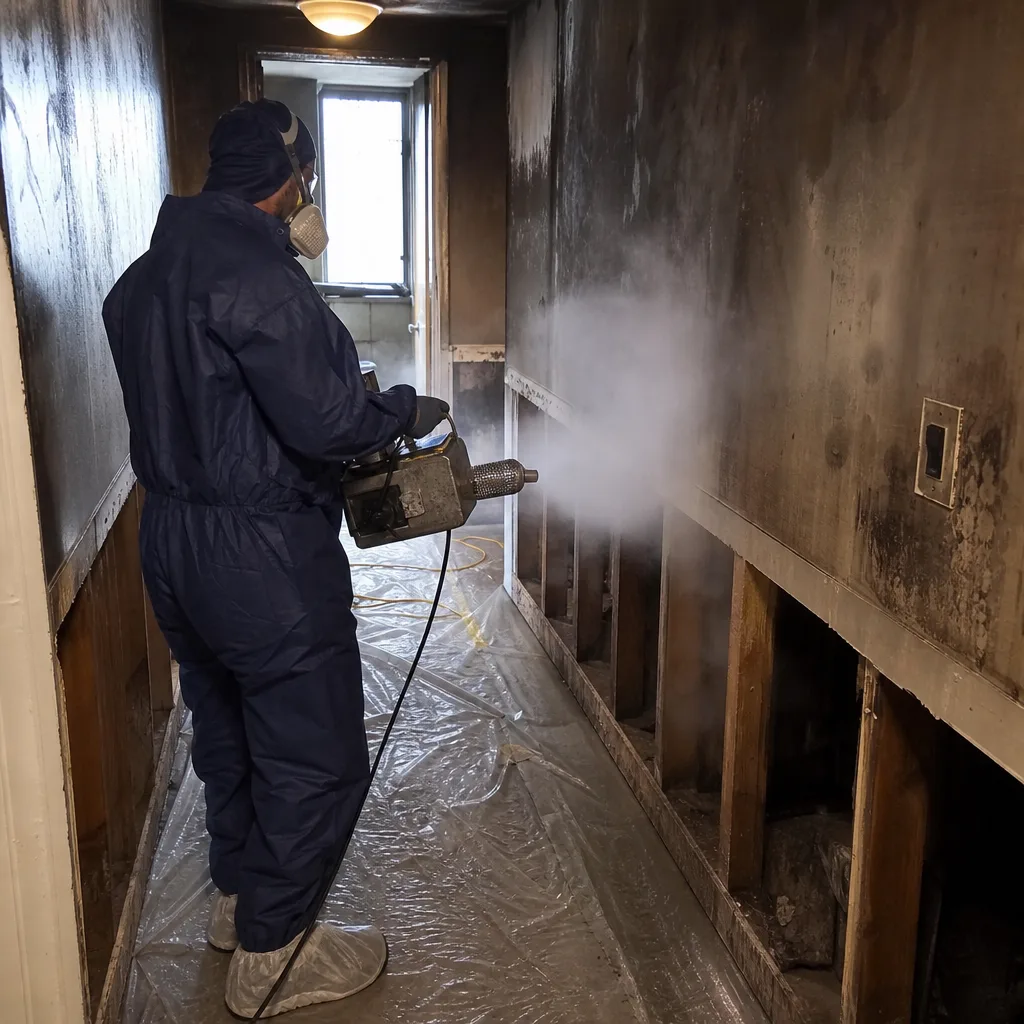
We’ve documented this in mold remediation in Manhattan projects from the Upper West Side to the Financial District: spring melt water enters through parapet failures, saturates the top 2-3 feet of perimeter walls, and by June the homeowner notices a musty odor or surface staining. The moisture has been present for 60+ days by then, and material classification shifts from Category 1 to Category 2, complicating both restoration scope and insurance coverage.
The March Inspection Protocol
Schedule this for the first 60°F day after a freeze cycle, when drains are clearing and problems become visible:
- Roof drain basket: remove and photograph debris load. A basket with more than 30% blockage indicates inadequate maintenance frequency. Note the date and debris type (leaves, gravel, construction residue).
- Parapet coping joints: walk the perimeter, photograph each joint. Look for missing sealant, displaced coping stones, or rust stains below metal coping - all indicate water entry paths.
- Interior top-floor perimeter: inspect ceiling corners and wall tops with a moisture meter if available, or look for paint bubbling, plaster cracking, or discoloration. Photograph any finding with a reference object for scale.
Co-op Board Documentation Format
Manhattan co-op shareholders often need board approval for exterior work. Your March inspection photos, combined with a dated written summary, become the evidence file for that request. Format:
- Date and weather conditions during inspection
- Photo of each drain basket (clean vs. blocked)
- Photo of each parapet joint (intact vs. failed)
- Interior photos with moisture meter readings if available
- Written recommendation with estimated repair cost range
This documentation also serves an insurance function. If spring melt damage occurs and your carrier questions whether the loss was preventable, your dated inspection record demonstrates due diligence.
Summer HVAC Condensate Failures in High-Rise Buildings
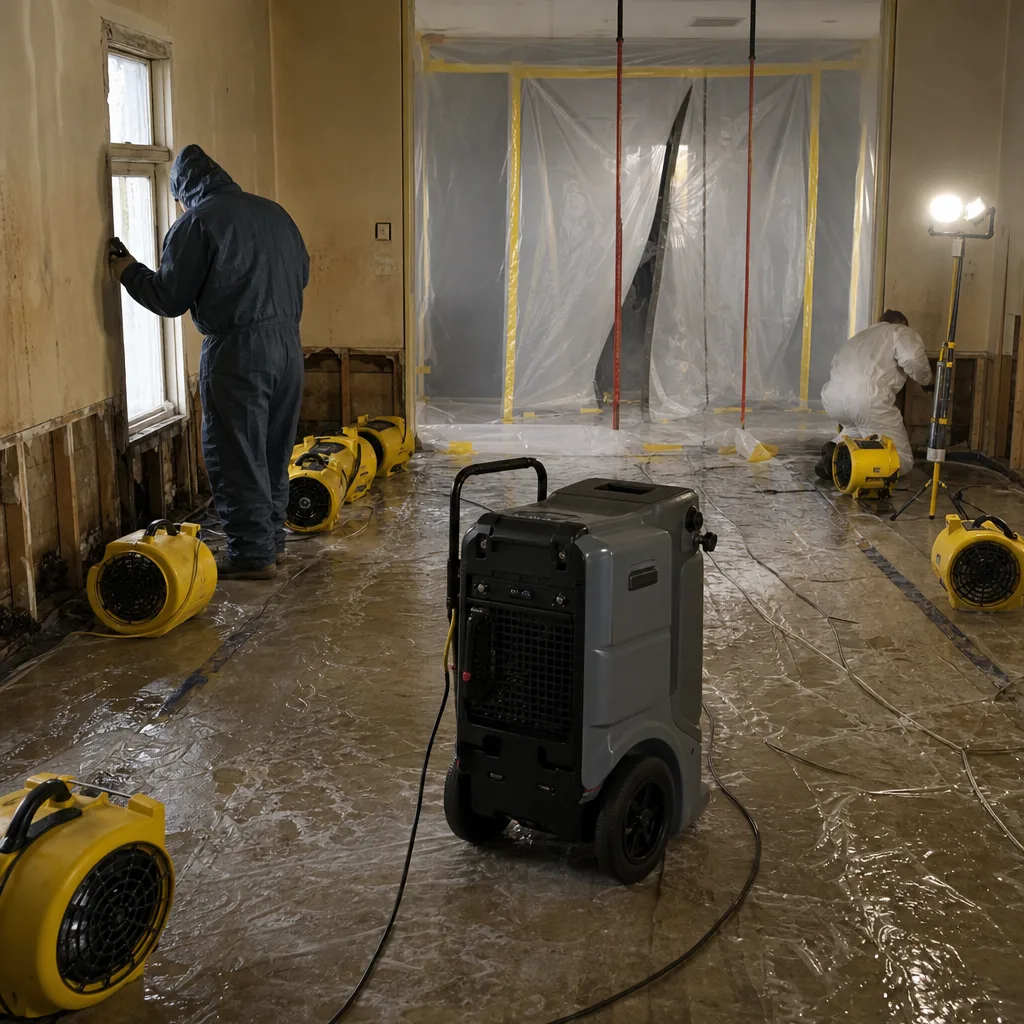
Manhattan’s high-rise residential stock - from 1960s white-brick towers to new glass curtain-wall buildings - shares a common summer failure mode: HVAC condensate line blockage or drain pan overflow. The pattern is floor-range specific and tied to building system design.
Why Condensate Fails in Manhattan High-Rises
Packaged terminal air conditioners (PTACs), fan coil units, and central air handlers all produce condensate: water extracted from humid air as it passes over the cooling coil. In Manhattan’s summer, with outdoor dew points regularly hitting 65-70°F, that condensate volume is substantial. A 3-ton residential unit produces 3-5 gallons of condensate per day during peak humidity.
The drainage path matters. PTACs typically drain to a pan that exits through the wall sleeve. Fan coil units in pre-war and post-war buildings drain to a building riser. Central systems drain to a dedicated condensate line, often shared across multiple units.
Floor Ranges and Failure Patterns
| System Type | Highest-Risk Floors | Failure Mechanism |
|---|---|---|
| PTAC units | 2nd-5th floor | Sleeve drain blocked by exterior debris; water backs up into unit and onto floor |
| Fan coil with building riser | Lowest unit on riser | Riser blockage from upper-floor debris; lowest unit overflows first |
| Central condensate line | Any unit with longest horizontal run | Line sag or blockage; algae growth in low-slope sections |
| High-rise with cooling tower | Top 3 floors | Tower blowdown or makeup water line failure; not condensate but often misdiagnosed |
The July Inspection Action
During the first sustained heat wave (3+ days above 85°F), inspect your HVAC drainage:
- PTAC or fan coil cabinet: remove the front panel, shine a flashlight into the drain pan. Water should not be visible - it should drain as fast as it arrives. Standing water indicates a blocked drain or negative slope.
- Condensate line exit point: trace the line to where it exits the building or enters the riser. Look for moisture, staining, or algae growth at joints.
- Secondary drain pan (if present): this pan exists to catch overflow from the primary pan. If it has water, your primary drain has already failed.
Document with photos showing pan condition, line routing, and any water staining. If you find standing water in the primary pan, schedule HVAC service before the next heat wave - not after. We’ve responded to water damage restoration in Manhattan calls where a blocked PTAC drain pan overflowed for 8 hours during a workday, saturating hardwood floors in a $2.4M Chelsea condo. The restoration cost exceeded $18,000; the drain cleaning would have cost $180.
Our crews deploy Phoenix and XPOWER drying systems on these jobs, documenting psychrometric data - temperature, relative humidity, and vapor pressure differential - to prove drying progress to insurers. Vapor pressure differential is the measurable force that drives moisture from wet materials into the dry air stream; we log it hourly until equilibrium is reached.
Building Your Seasonal Inspection Log as Evidence
A seasonal inspection only protects you if you can produce it when needed. We’ve seen homeowners win coverage disputes and lose them based entirely on documentation quality. The Haven Standard requires dated, photo-documented records on every job we perform; we recommend homeowners adopt the same discipline.
Log Format: Minimum Viable Documentation
For each seasonal inspection, create a single dated entry containing:
- Date, time, and weather conditions (temperature, precipitation in last 48 hours)
- Inspection type (fall steam heat, winter freeze risk, spring melt, summer HVAC)
- Photos with auto-timestamp enabled, minimum 4 per inspection
- Findings: “No issues observed” or specific items with location and severity
- Action taken: “None required,” “Plumber scheduled [date],” or “Board notification sent [date]”
- Next inspection date
Storage and Access
Store in cloud format with automatic backup: Google Drive, iCloud, or Dropbox. Share access with your partner or co-owner. If you file an insurance claim, your adjuster will request maintenance records; producing a 3-year inspection log with dated photos demonstrates responsible ownership and supports coverage for “sudden and accidental” losses.
Conversely, we’ve seen insurers deny claims where the homeowner had no maintenance records, arguing that the damage resulted from “long-term deterioration” or “lack of maintenance” - exclusions standard in most HO-3 and HO-5 policies.
The inspection log also serves a practical function beyond insurance. Reviewing three years of entries reveals patterns: the same radiator valve seeping each October, the same parapet joint opening each March. These are maintenance items to address permanently, not annually.
What Prevention Costs vs. What Restoration Costs
Back to Dry Restoration Manhattan operates under Haven Standard, Clause 1: a written price before any work starts, every time, with no exceptions. We’re providing these ranges based on 12,000+ jobs since 2011, so homeowners can evaluate prevention spending against realistic restoration exposure. For detailed pricing context, see our Damage Restoration Cost Breakdown: The Manhattan Homeowner’s Reference for 2026.
| Prevention Action | Typical Cost Range | Failure Cost if Not Addressed |
|---|---|---|
| Steam valve packing nut replacement | $12-$45 parts; $150-$280 plumber | $2,800-$6,500 water damage restoration; ceiling, floor, contents |
| Pipe chase insulation | $280-$650 plumber/HVAC | $8,000-$22,000 freeze burst restoration; mold risk if delayed |
| Roof drain cleaning (pro) | $350-$800 building-wide; $0-$150 individual | $5,000-$15,000+ perimeter wall drying; potential mold remediation |
| Parapet coping sealant repair | $800-$2,500 (varies with access) | $4,000-$12,000 interior restoration; structural if chronic |
| HVAC condensate line cleaning | $180-$350 HVAC service | $6,000-$18,000+ hardwood floor restoration; subfloor if severe |
| Seasonal inspection (your time) | 30 minutes, 4x annually | Documentation that prevents coverage disputes worth tens of thousands |
These restoration ranges assume prompt discovery and professional response within 24 hours. Delayed discovery - the leak that runs while you’re away for a weekend, the PTAC pan that overflows during a heat wave while you’re at work - can double or triple costs due to secondary damage and mold amplification.
Our fire & smoke damage restoration in Manhattan colleagues see a parallel pattern: the $85 smoke detector battery replacement versus the $35,000+ contents and structure restoration after a preventable fire. The economics of prevention are consistent across damage types.
Common Mistakes to Avoid
- Assuming the super’s inspection covers your unit. Building staff inspect common areas and systems they own. Your radiator valves, under-sink pipes, and PTAC drain pan are your responsibility. Document your own inspection; don’t rely on a log you can’t produce.
- Photographing without timestamps. An undated photo of a clean drain basket proves nothing. Enable auto-timestamp on your phone camera, or use an app that embeds GPS and date. Insurers and arbitrators weight dated evidence far higher.
- Ignoring “minor” seepage. A radiator valve that weeps a tablespoon of water per day deposits 7 gallons per heating season into your floor and the ceiling below. By February, that’s saturated subfloor, stained plaster, and a Category 2 water loss. Address weeping immediately.
- Waiting for visible damage to inspect. By the time you see ceiling staining or floor cupping, water has been present for days or weeks. The inspection protocol in this guide targets pre-visible conditions: sounds, temperature readings, and standing water in drain pans.
- Discarding old inspection logs. Keep 5 years minimum. New York’s statute of limitations for property damage claims is 3 years, but coverage disputes can extend timelines. A 4-year log showing consistent maintenance practice supports your position in any dispute.
- Using “call for a quote” restoration companies after a loss. Haven Standard, Clause 1 exists because we watched homeowners accept verbal estimates that ballooned 40% once crews were inside. A written price before work starts, with line-item scope, is your protection against scope creep.
- Neglecting to document post-repair condition. After any repair - plumber, roofer, HVAC - photograph the completed work. If the repair fails and damage recurs, you need to show the repair was performed and what it looked like when finished.
When to Call a Professional
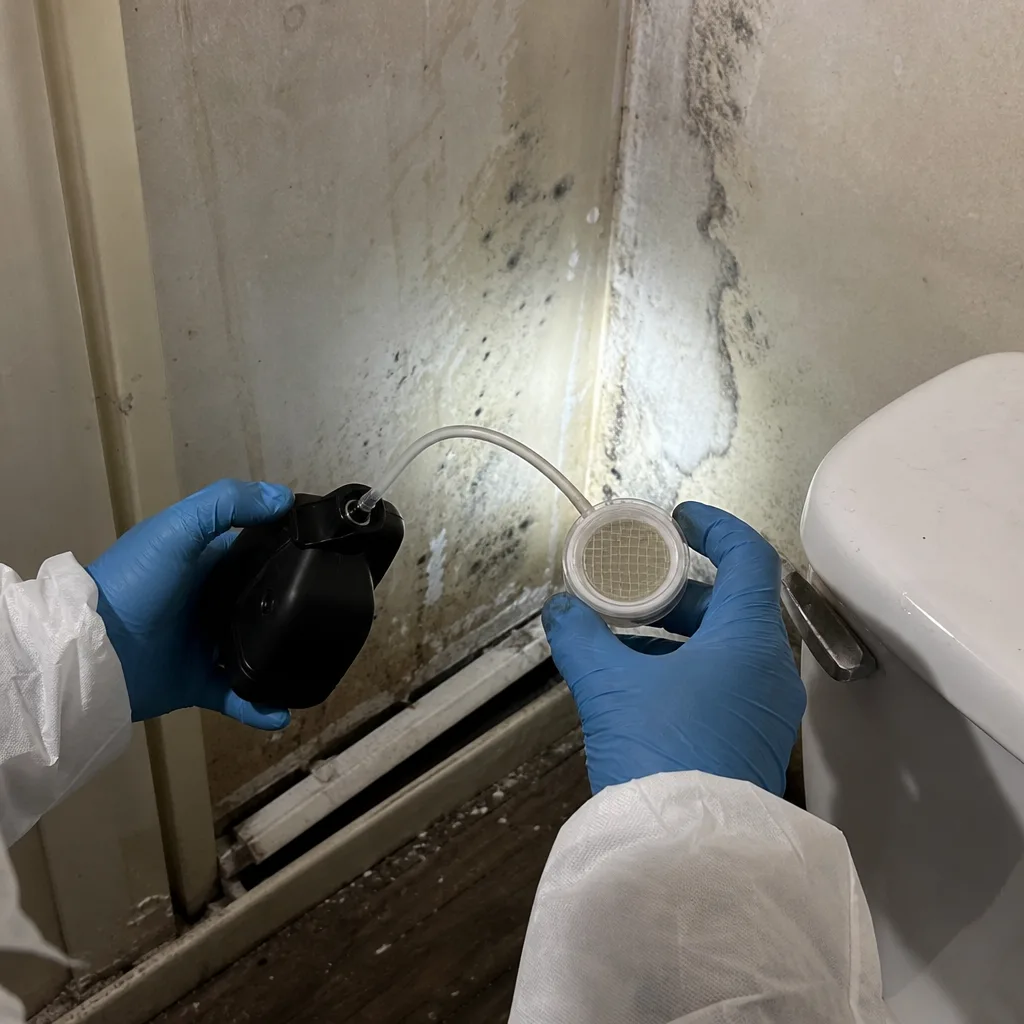
Some conditions exceed homeowner inspection and require immediate professional response. Call a licensed plumber, roofer, or restoration company when you observe: active water flow you cannot stop at the source; ceiling sagging or bulging (indicates trapped water volume that may collapse); electrical outlets or fixtures near water exposure; or mold growth covering more than 10 square feet (NYC Health Code threshold for professional remediation).
For water damage already in progress, speed matters. Every hour of standing water increases the damage classification and restoration scope. Back to Dry Restoration Manhattan offers free estimates in Manhattan - call (516) 687-5786. A live person answers every call, 24 hours a day, 7 days a week, with no voicemail on emergency lines. We’ll provide a written price before any work starts, documented with a photo record on every visit, under our 365-Day Done Right Promise backed by The Haven Standard.
Frequently Asked Questions
Direct annual prevention spending ranges from $400-$1,200 for most Manhattan apartments, covering one professional HVAC service, one plumber inspection, and seasonal self-inspection time. This compares to $5,000-$22,000 for typical restoration after a preventable failure. Call (516) 687-5786 for a free estimate on any active concern - estimates are free, and we provide a written price before any work starts under Haven Standard, Clause 1.
Maybe, but coverage becomes contested. Most HO-3 and HO-5 policies cover “sudden and accidental” water damage but exclude “long-term deterioration” or damage from “lack of maintenance.” Without dated inspection records, your insurer may argue the latter. A 3-year inspection log with photos shifts that argument in your favor. We review policy language and documentation during our free estimate process.
Our live dispatch answers immediately, and emergency crews are typically on-site in Manhattan within 60-90 minutes for active water damage. For non-emergency inspections or estimates, we schedule within 24 hours. Reconstruction and non-urgent work is scoped, scheduled, and priced in writing - never rushed. Call (516) 687-5786 to discuss your timeline.
It depends on duration and material classification. If you discover moisture within 48 hours and materials are Category 1 (clean water source), structural drying with B-Air and Injectidry systems may suffice. Beyond 48 hours, or with Category 2/3 water, mold growth is likely and professional remediation per IICRC S520 standards is warranted. We determine this with moisture readings and material sampling, documented in your written scope before work begins.
Back to Dry Restoration Manhattan coordinates directly with your adjuster, providing the daily drying logs, photo documentation, and written scopes that turn restoration invoices into payable claims. Our founder built this company as a former claims adjuster who watched homeowners lose coverage over documentation gaps. We close that gap by producing evidence in the format adjusters need.
Yes. Our Free Second Opinion on Any Written Estimate means you can bring a competitor’s written scope and we’ll review it at no charge. We’ll identify scope gaps, pricing anomalies, or documentation deficiencies. Haven Standard, Clause 1 requires our own written price before we start work, but we’re transparent about how our scope compares.
The PTAC or fan coil drain pan in summer. Homeowners assume HVAC service includes drain inspection, but many seasonal “tune-ups” only address refrigerant and filter. A 2-minute flashlight check of the drain pan in July prevents the most common high-rise water damage call we receive in August. The pan should be dry during operation; any standing water is a finding.
The Bottom Line
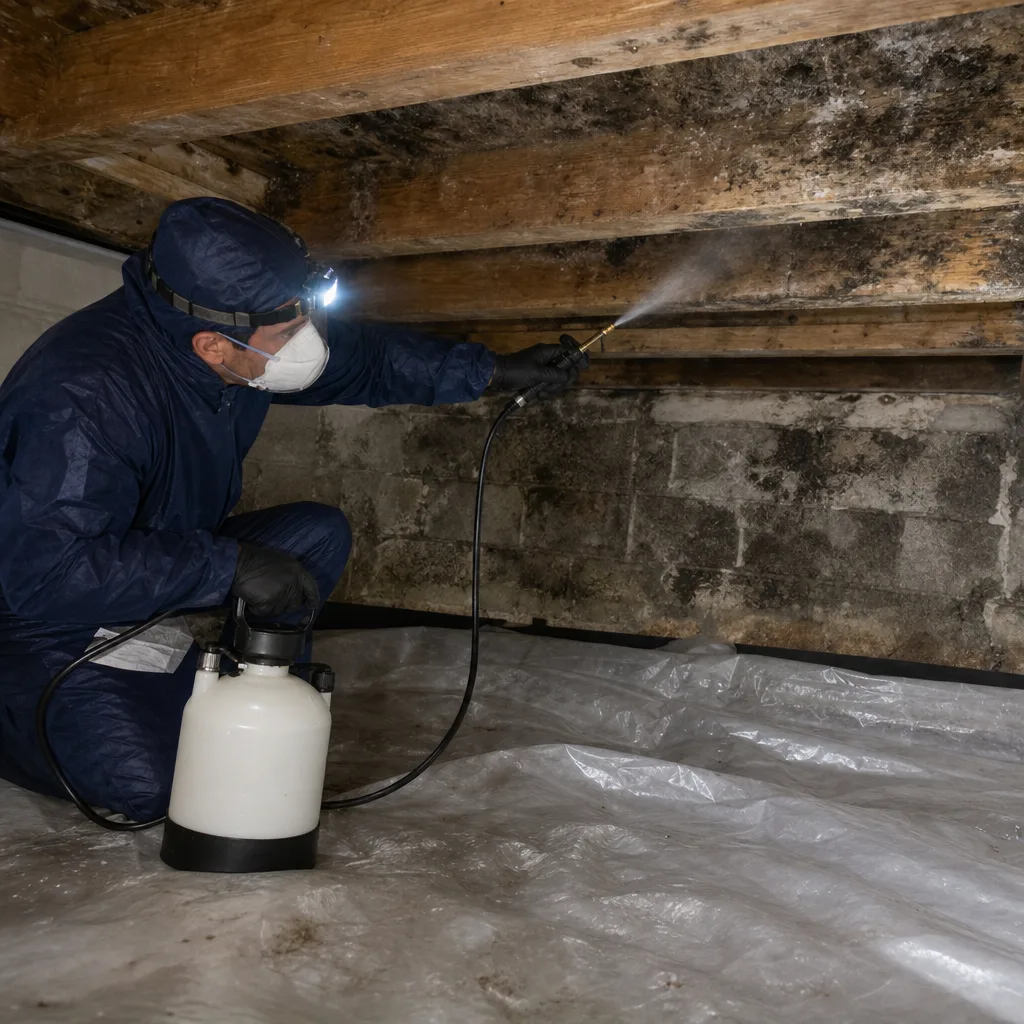
Manhattan’s four seasons produce four distinct damage mechanisms, each predictable enough to inspect and prevent. The homeowners who avoid restoration aren’t luckier - they’re inspecting steam heat unions in October, pipe penetrations in January, roof drains in March, and HVAC condensate lines in July. Each inspection takes under 30 minutes, creates a dated evidence file, and targets the specific failure most likely that season. The cost of prevention is measured in hundreds of dollars and hours of attention. The cost of restoration is measured in thousands, with coverage disputes, displacement, and secondary damage layered on top. Start your seasonal log this month. Your future self, and your future adjuster, will thank you.
Written by Alicia Brennan, Owner at Back to Dry Restoration Manhattan, serving Manhattan since 2011.