
Free visual inspection and a written scope of work before any mitigation begins - photos, moisture readings, and drying logs go in your claim file
The scope we write is the scope we bill. Anything new gets shown to you, in writing, before we touch it.
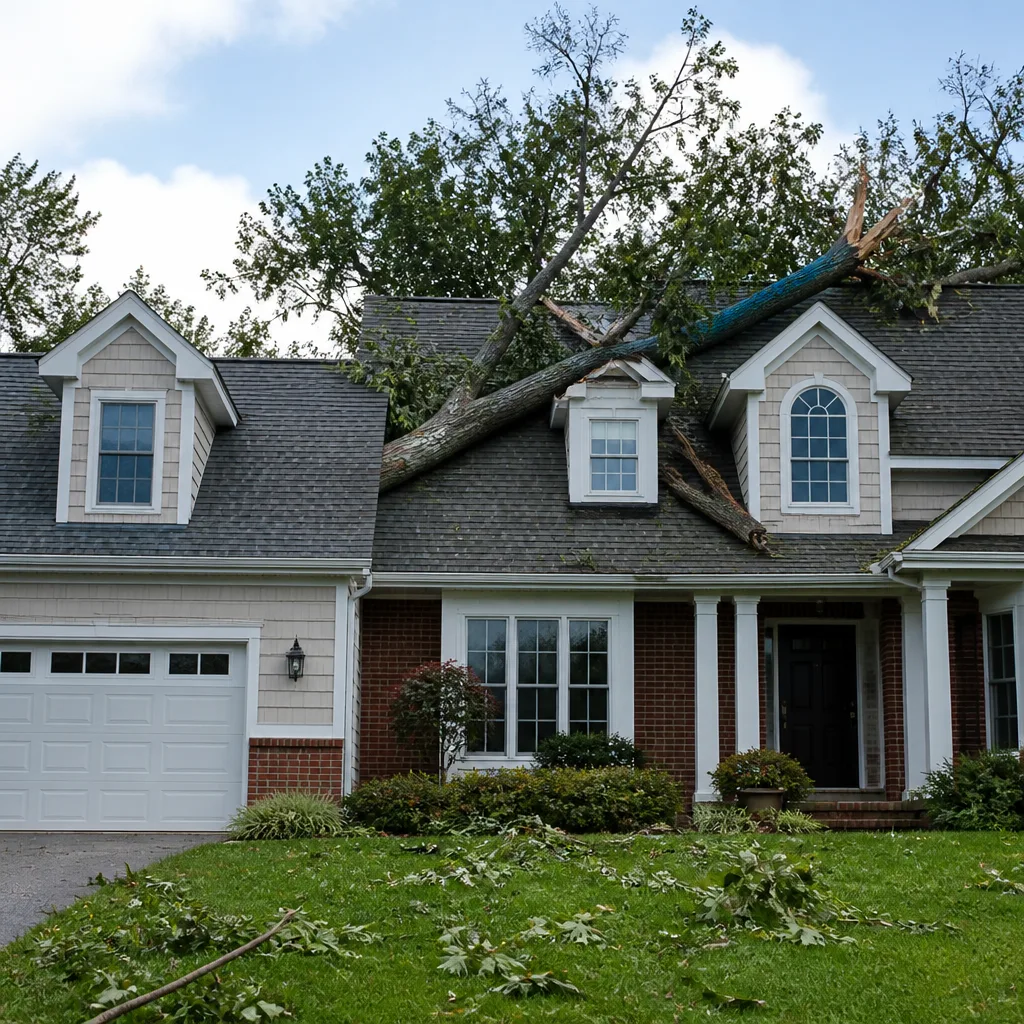
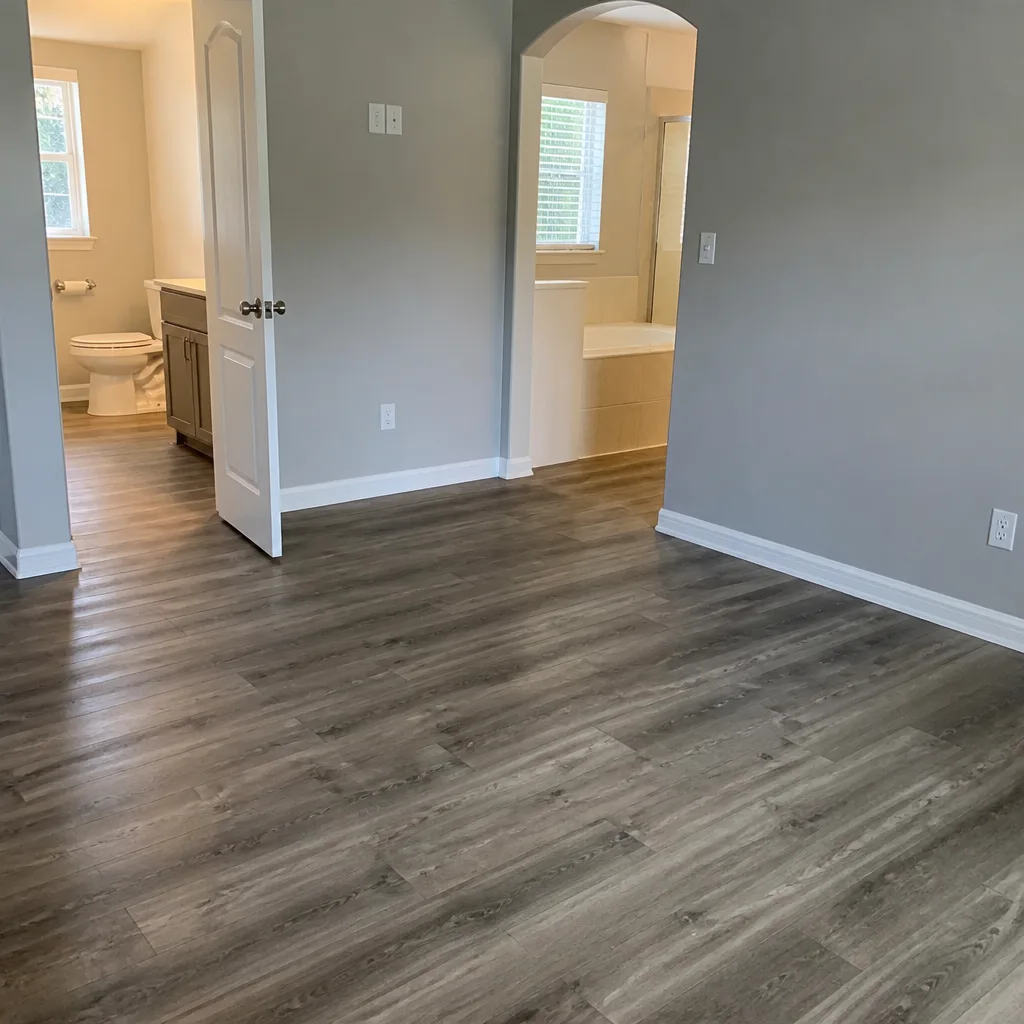
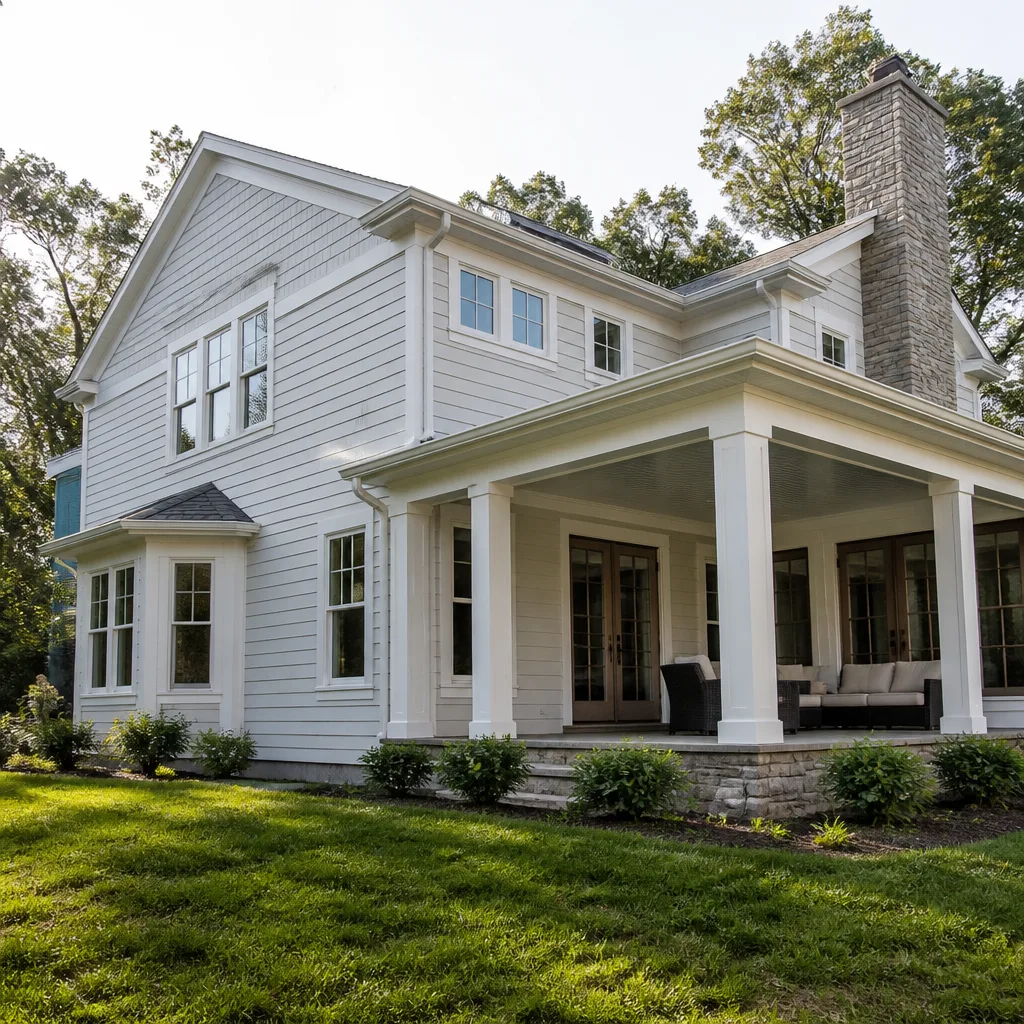
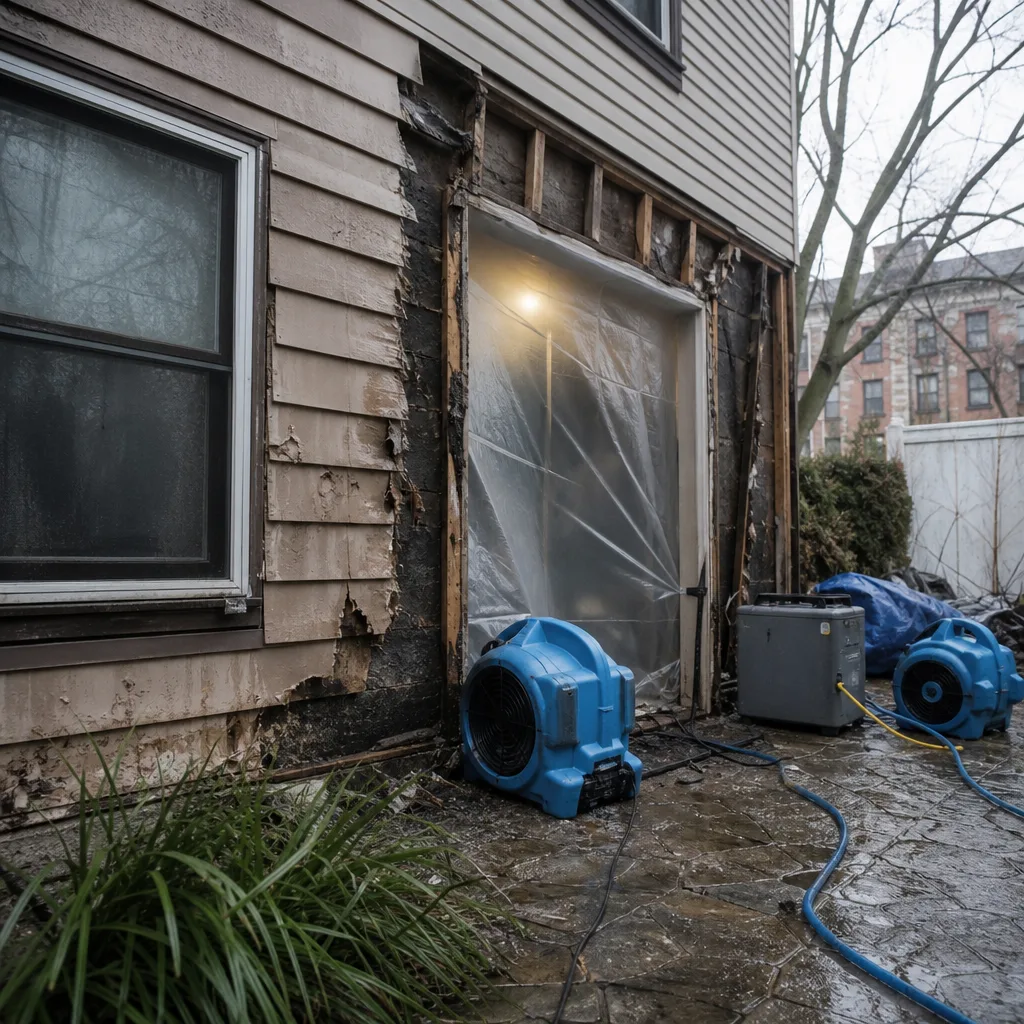 Before
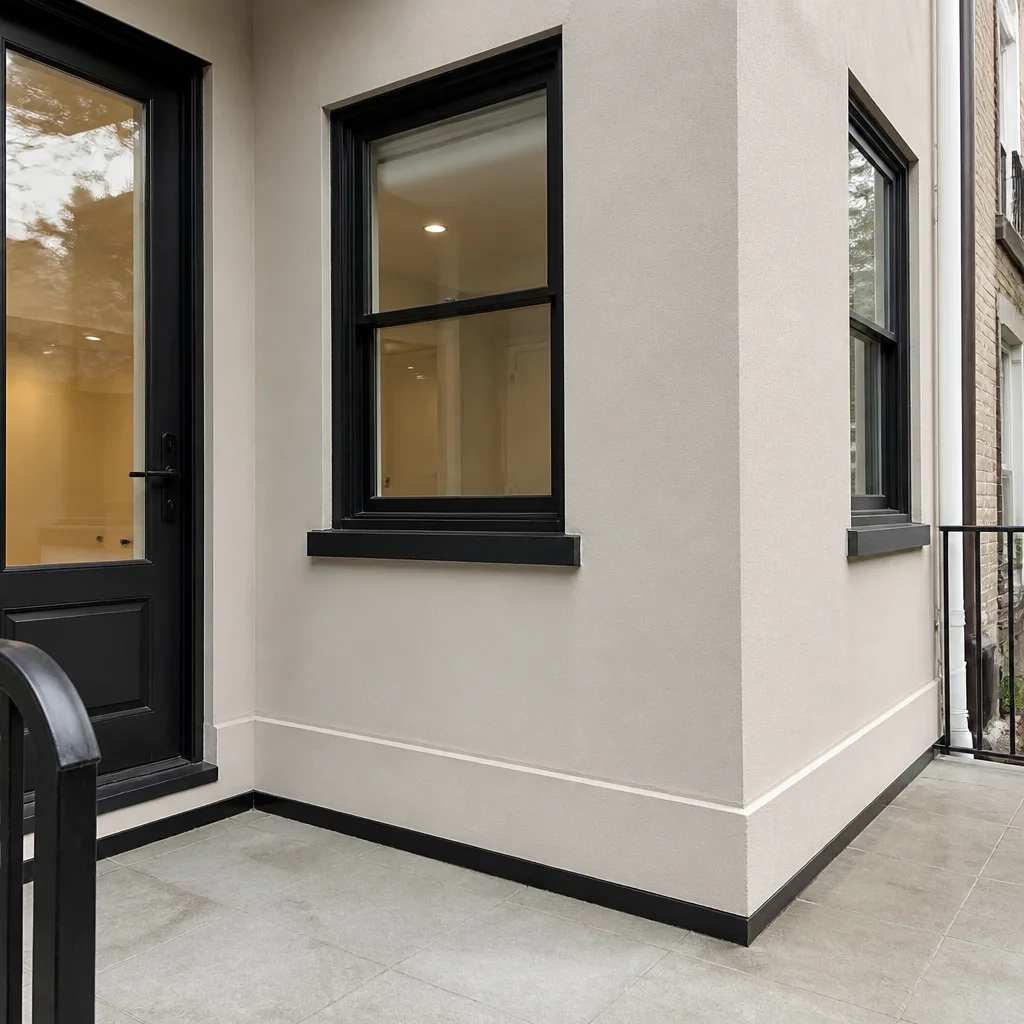 After
After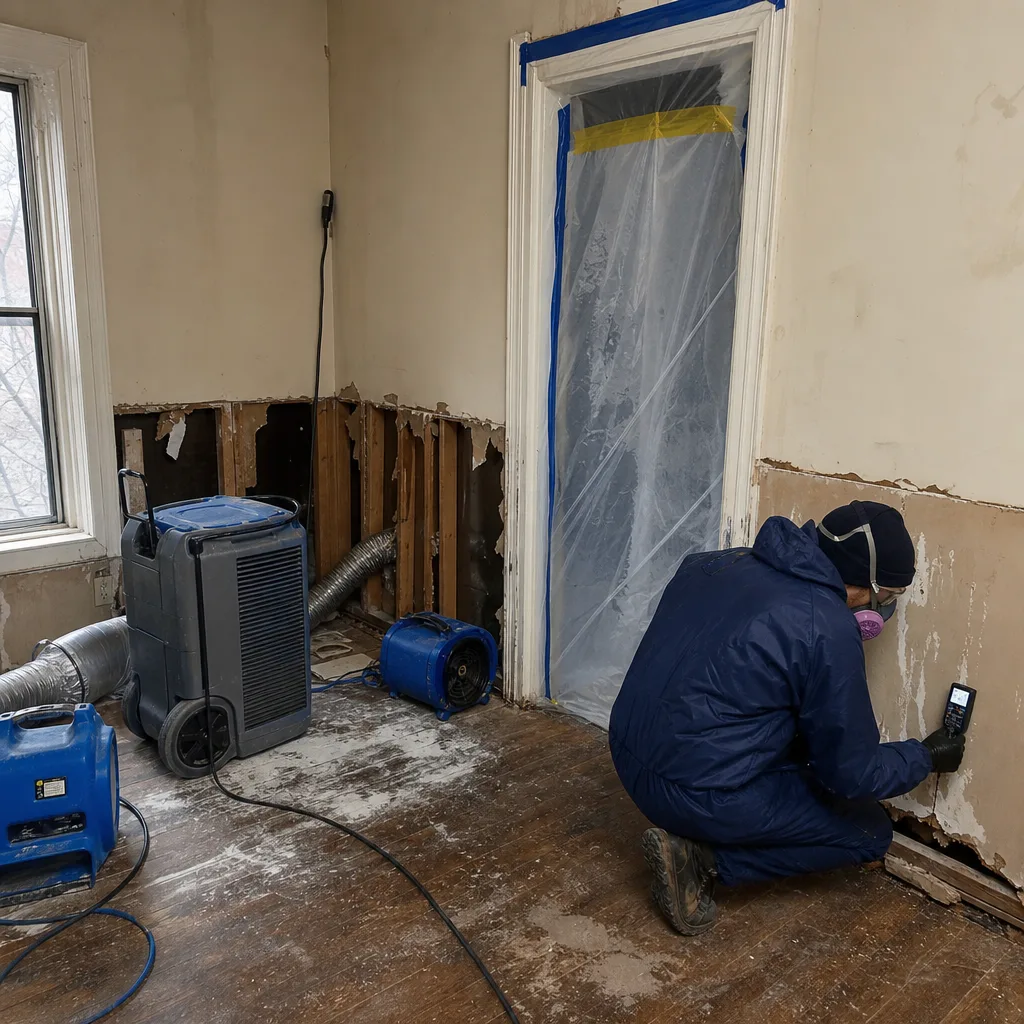 Before
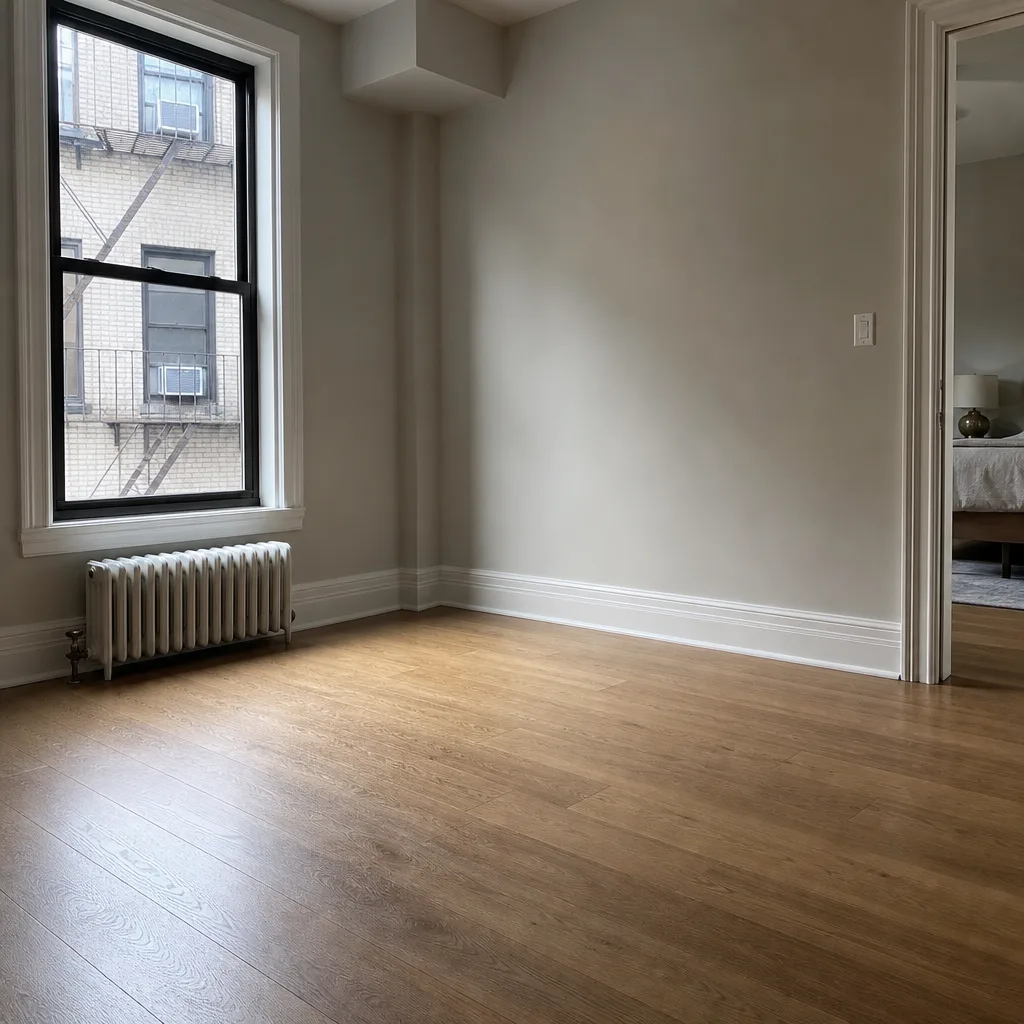 After
After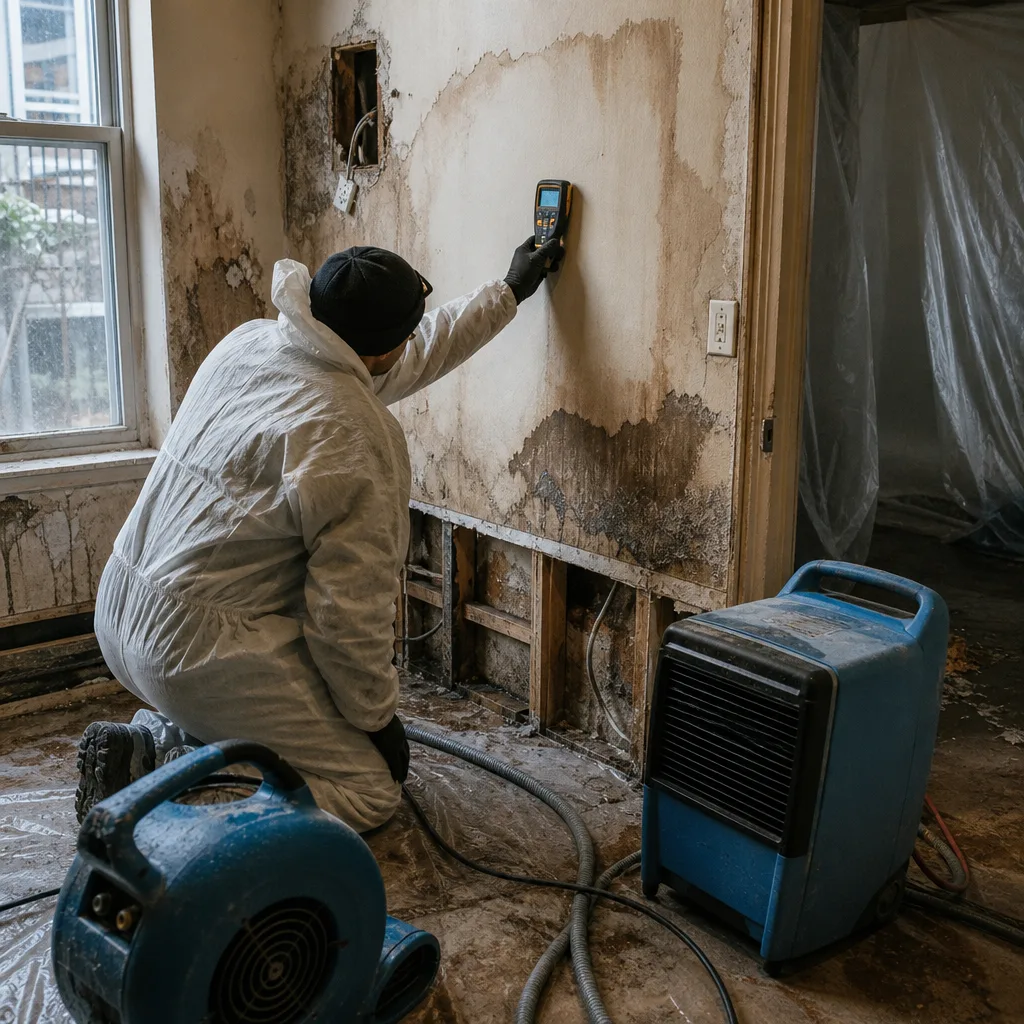 Before
 After
After24/7 Emergency Mold Remediation in Manhattan
Mold remediation in Manhattan typically costs $2,800-$8,500 depending on square footage and containment complexity, with most pre-war co-op jobs falling in the $4,200-$6,800 range due to plaster chase access and managing-agent coordination requirements. Our crews answer live at (516) 687-5786 twenty-four hours a day, seven days a week, with no voicemail trees, and we dispatch to Manhattan from our New York City office within forty-five minutes of authorization. The first twenty-four to forty-eight hours after water intrusion are critical: mold colonies establish on cellulose surfaces at moisture readings above 16 percent, and in Manhattan’s co-op buildings, the delay waiting for managing-agent approval routinely pushes past that window.
We provide a free visual inspection, a written price before any work starts per Haven Standard, Clause 1, and photo-documented assessments that your insurer and your building’s board can review. If you suspect mold behind plaster, under parquet, or inside a chase wall, call now. Waiting costs more than the call.
Understanding Mold Remediation Severity in Manhattan Properties
Mold severity in Manhattan is governed less by the water source than by how long it sat concealed. Category 1 water, clean supply-line leaks, becomes Category 2, gray water with microbial loading, within forty-eight hours of contact with plaster dust, aged cast-iron scale, and organic debris in pre-war chase walls. Category 3, black water with pathogenic contamination, follows if the leak originated from a waste stack or if the delay stretches past seventy-two hours.
Our crews classify every Manhattan job by affected square footage, material porosity, and hidden cavity extent. Plaster-over-wood-lath walls absorb water slowly but release it even slower than modern drywall, extending drying curves by three to five days and raising vapor pressure inside cavities. Herringbone parquet, common in 1920s co-ops along Central Park West and Park Avenue, swells at the tongue-and-groove joints and harbors moisture at the subfloor interface. We map this with thermal imaging and pinless moisture meters, then calculate psychrometric data, temperature, relative humidity, and vapor pressure differential, to set drying goals that match the material, not a generic timeline.
Containment in Manhattan high-rises requires negative-air isolation with HEPA-scrubbed exhaust, not just plastic sheeting. Shared HVAC risers, mail chutes, and elevator shafts can transport spores vertically through twenty floors if containment fails.
Why Manhattan Property Owners Choose Back to Dry Restoration Manhattan
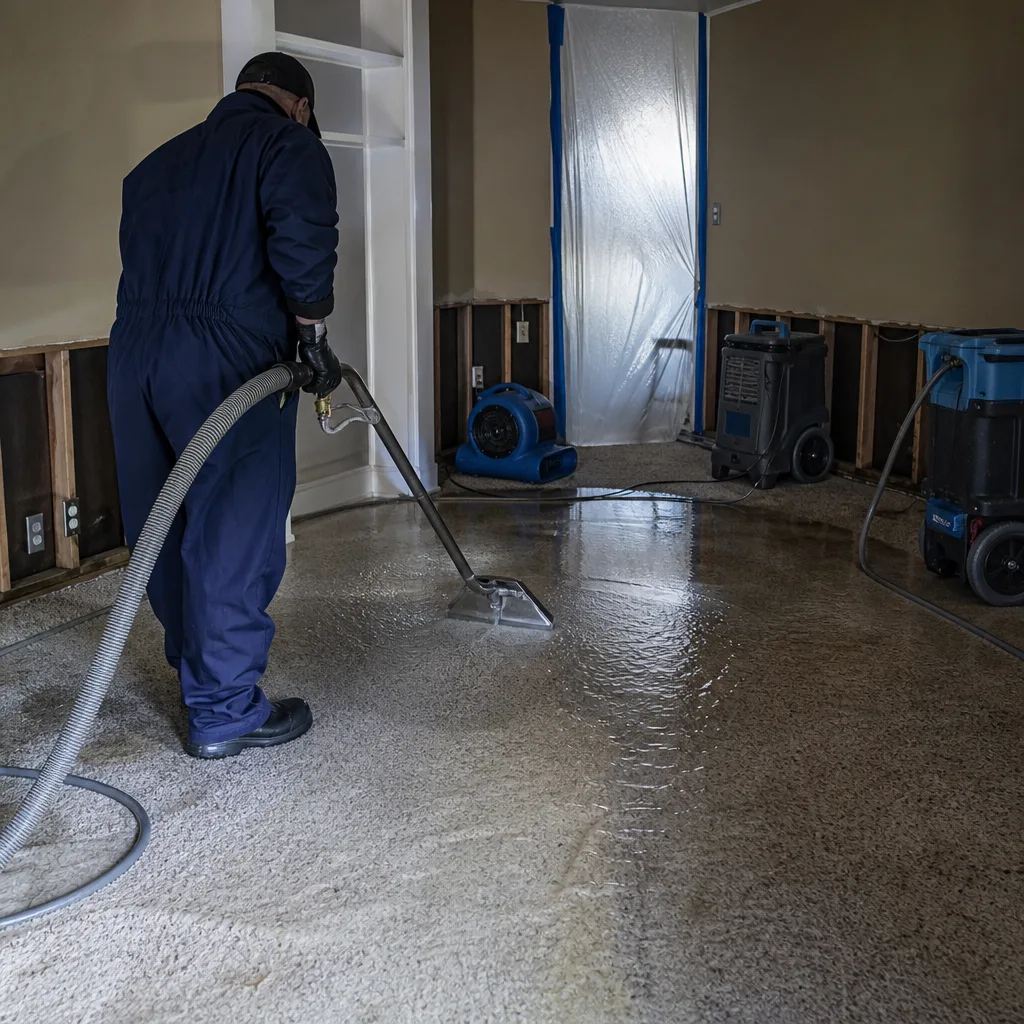
- Forty-five-minute response commitment once managing-agent or owner authorization is confirmed, because every hour of delay in a pre-war co-op increases mold risk exponentially.
- Twenty-four/seven live answer by a real person, never an automated system or next-business-day callback, so your building’s super or managing agent reaches us directly at any hour.
- IICRC-certified crews holding WRT, Water Damage Restoration Technician, and AMRT, Applied Microbial Remediation Technician, certifications, with license numbers documented on every job file.
- Free visual inspection and written estimate with no obligation, delivered before any containment is established or equipment is placed.
- Direct insurance billing and adjuster coordination, including photo documentation formatted to carrier standards and daily moisture logs that turn restoration invoices into payable claims.
- One team from mold inspection through reconstruction, eliminating handoff errors and scope-creep between separate vendors who blame each other when finishes do not match.
BeforeAfterOur Mold Remediation Process
1. Inspection & Assessment
We arrive with moisture meters, thermal imaging cameras, and borescopes to inspect concealed chase walls without destructive demolition. In Manhattan co-ops, we coordinate directly with your managing agent to schedule unit access and document pre-existing conditions per building requirements. Our written scope specifies affected square footage, material classifications, and containment strategy before any work begins.
2. Containment & Air Quality Control
We establish negative-pressure containment with 6-mil polyethylene barriers and HEPA air scrubbers exhausting to the exterior or through charcoal filtration. In high-rise buildings with no window access, we use inline HEPA filtration on the scrubber discharge to protect corridor air quality. Airborne spore counts are measured before and after with laser particle counters.
3. Moisture Elimination & Structural Drying
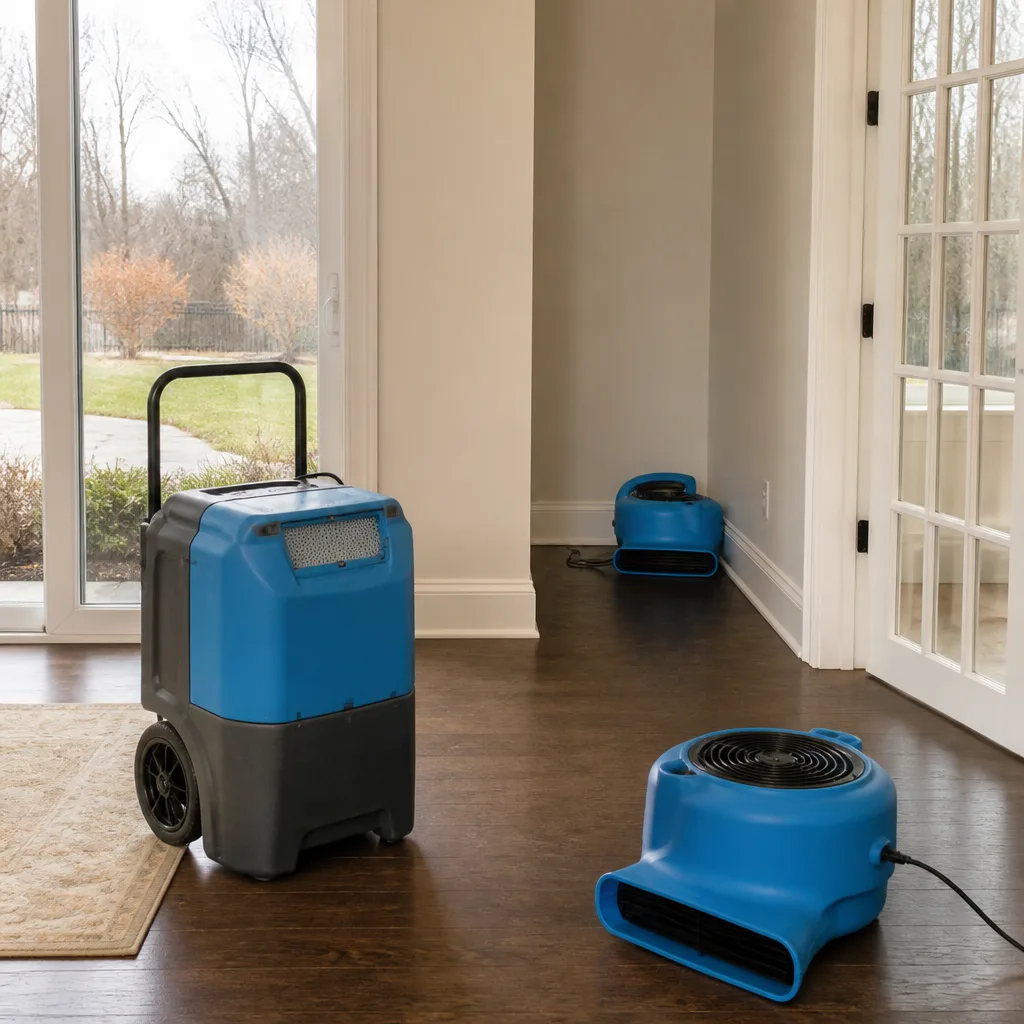
We deploy Dri-Eaz and Phoenix dehumidifiers, Injectidry panel-drying systems for plaster walls, and targeted air movers with velocity controlled to prevent delamination of historic finishes. Daily moisture logs track every room’s readings until materials return to pre-loss equilibrium, typically 10-12 percent for wood, 0.5 percent for plaster.
4. Cleaning & Antimicrobial Treatment
HEPA vacuuming removes settled spores from all surfaces, followed by EPA-registered antimicrobial application to porous materials that test below replacement thresholds. We document product lot numbers and application dates for your building’s environmental compliance file. Non-salvageable materials are removed with minimal disturbance to adjacent finishes.
5. Air Quality Restoration & Clearance Testing
Post-remediation, we run forty-eight hours of continuous HEPA filtration before third-party clearance testing. An independent laboratory analyzes air and surface samples for viable mold colonies; results are delivered with the photo record and drying log as a complete documentation package for your insurer and co-op board.
6. Repairs & Finish Matching
Our reconstruction team matches existing plaster profiles, millwork, and parquet patterns rather than substituting modern materials. We source profiled baseboards, crown molding, and herringbone stock to pre-war specifications, with finish samples submitted to your managing agent for approval before installation.
Need Emergency Mold Remediation in Manhattan Now?
Crews minutes away, answering live 24 hours a day. The sooner we start, the less it costs.
Working With Your Insurance Company
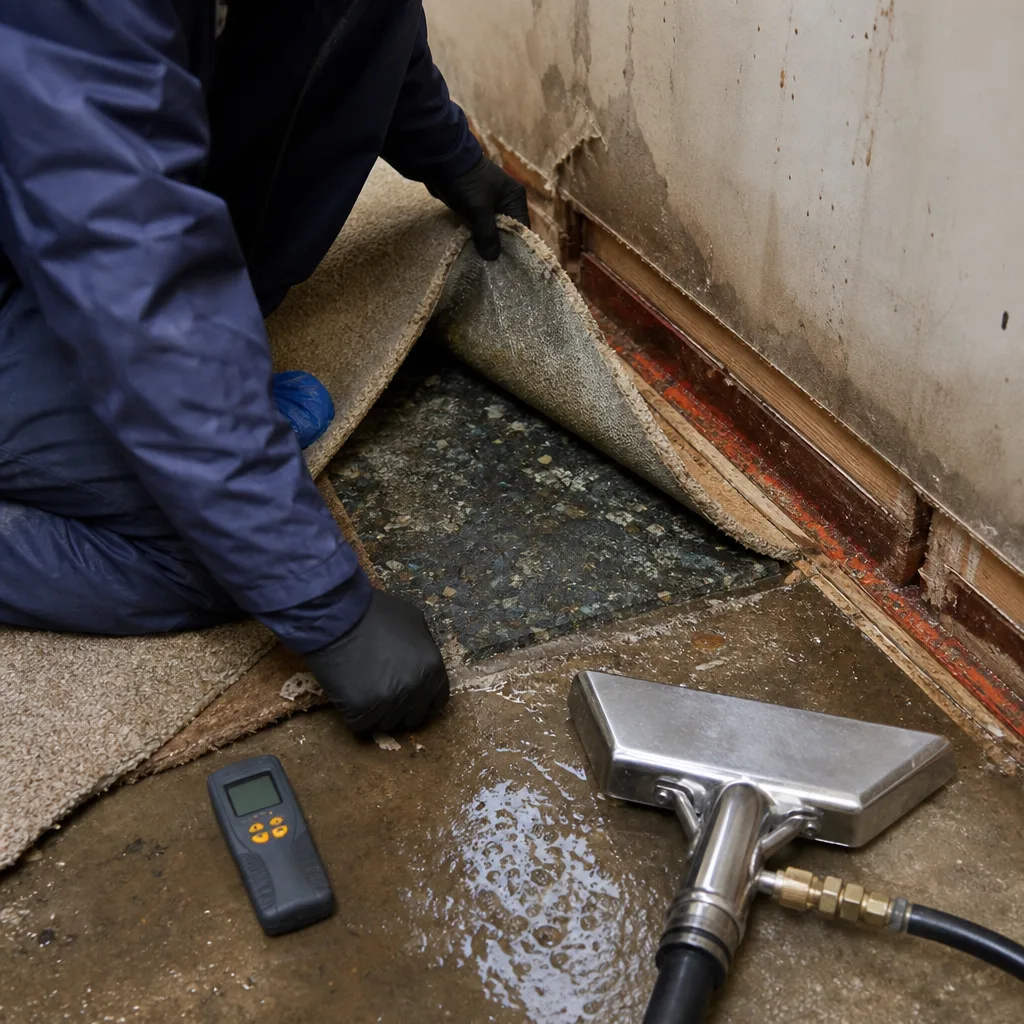
Manhattan co-op claims involve two policies: the building’s master policy covering original construction and the unit-owner’s HO-6 covering improvements and contents. Our documentation is built to satisfy both. From the first hour, we photograph every room, label damage by proximate cause, and separate building from contents losses so your adjuster and the building’s adjuster can process their respective scopes without dispute.
We write estimates to industry-standard pricing databases with line-item detail, not lump-sum guesses. Our project managers speak directly with carrier adjusters, provide supplemental documentation when hidden damage is found, and never ask you to pay upfront and seek reimbursement later. The daily moisture logs, photo records, and written scope are your evidence if the carrier questions whether drying was attempted before removal.
What We Provide Your Insurer
- Date-stamped photo documentation of all visible damage, room by room, before any equipment is placed
- Moisture mapping readings with equipment serial numbers and calibration dates
- Daily psychrometric logs showing temperature, relative humidity, and specific humidity at each dehumidifier location
- A detailed, line-item scope of work with material classifications and disposal quantities
- Direct coordination with your carrier’s adjuster, including field inspections and supplemental negotiations
Built for Manhattan’s Loss Calendar
January deep freezes split copper supply branches in 1920s risers, particularly in buildings where façade insulation was added later and trapped cold at the pipe wall. Spring thaw brings basement seepage in Lower Manhattan and Battery Park City buildings still recovering from Hurricane Sandy’s 2012 inundation of electrical switchgear and elevator pits. Summer humidity, July through September, pushes relative humidity above 70 percent in non-air-conditioned units, activating dormant spores in previously wet cavities.
October nor’easters drive wind-loaded rain horizontally into century-old masonry on the Upper East Side and Upper West Side, infiltrating through deteriorated mortar and window frames to saturate exterior wall cavities while the owner focuses on a visible plumbing leak on the interior. We see this dual-source pattern every autumn: a kitchen supply line gets the attention, but the lateral intrusion from the façade seeds mold in the bedroom wall six feet away. Our moisture mapping catches both.
Mold Remediation Across Manhattan’s Neighborhoods
On the Upper West Side, pre-war co-ops along West End Avenue and Riverside Drive present the classic Manhattan challenge: original cast-iron stacks inside plaster chases, herringbone parquet in foyers and galleries, and managing agents who require twenty-four-hour notice for non-emergency access. We maintain relationships with several major management companies to compress that window when a Category 1 leak is reported.
The Upper East Side, particularly the blocks between Park Avenue and Fifth in the Sixties and Seventies, adds another variable: white-glove buildings with freight elevator restrictions and narrow service corridors. Our containment systems break down to fit through thirty-inch doorways, and our technicians are background-checked and uniformed, named on the work order before arrival.
Lower Manhattan and Battery Park City carry the Sandy legacy. Buildings that took saltwater in 2012 still see elevated humidity in below-grade mechanical spaces, and we coordinate with building engineers to treat crawl-space-equivalent areas that were never designed for residential occupancy but now house critical systems.
Midtown’s 1950s-1980s postwar towers and newer glass-curtain-wall condos introduce different failure modes. Curtain-wall gasket degradation allows rain penetration at floor slabs, and mechanical-room flooding can affect multiple units simultaneously through the common plenum. Our Mold Remediation teams carry containment equipment scaled to these larger footprints.
Specialized Mold Remediation Services We Offer in Manhattan
Mold Inspection & Testing
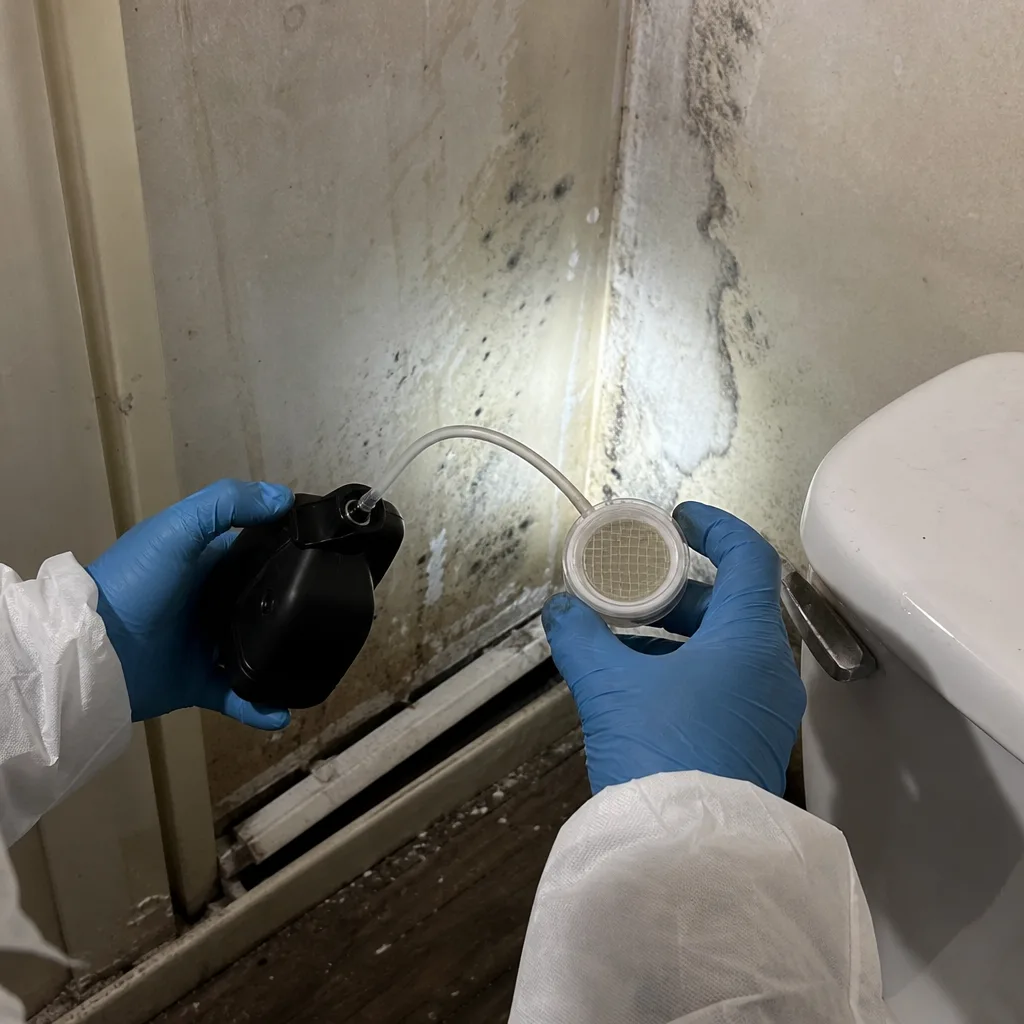
We begin with non-destructive moisture mapping and air sampling, using thermal imaging to locate concealed growth in plaster chase walls and subfloor cavities. In Manhattan co-ops, we coordinate access with your managing agent and provide written findings formatted for board review. Third-party laboratory analysis identifies species and concentration, distinguishing between allergenic and toxigenic molds for appropriate remediation scope.
Mold Removal
Removal follows IICRC S520 standards for containment, negative air, and HEPA filtration. In pre-war Manhattan buildings, we prioritize salvage of original plaster and parquet through controlled drying and antimicrobial treatment, removing only non-salvageable materials. Every removal action is photo-documented with disposal manifests for your building’s records.
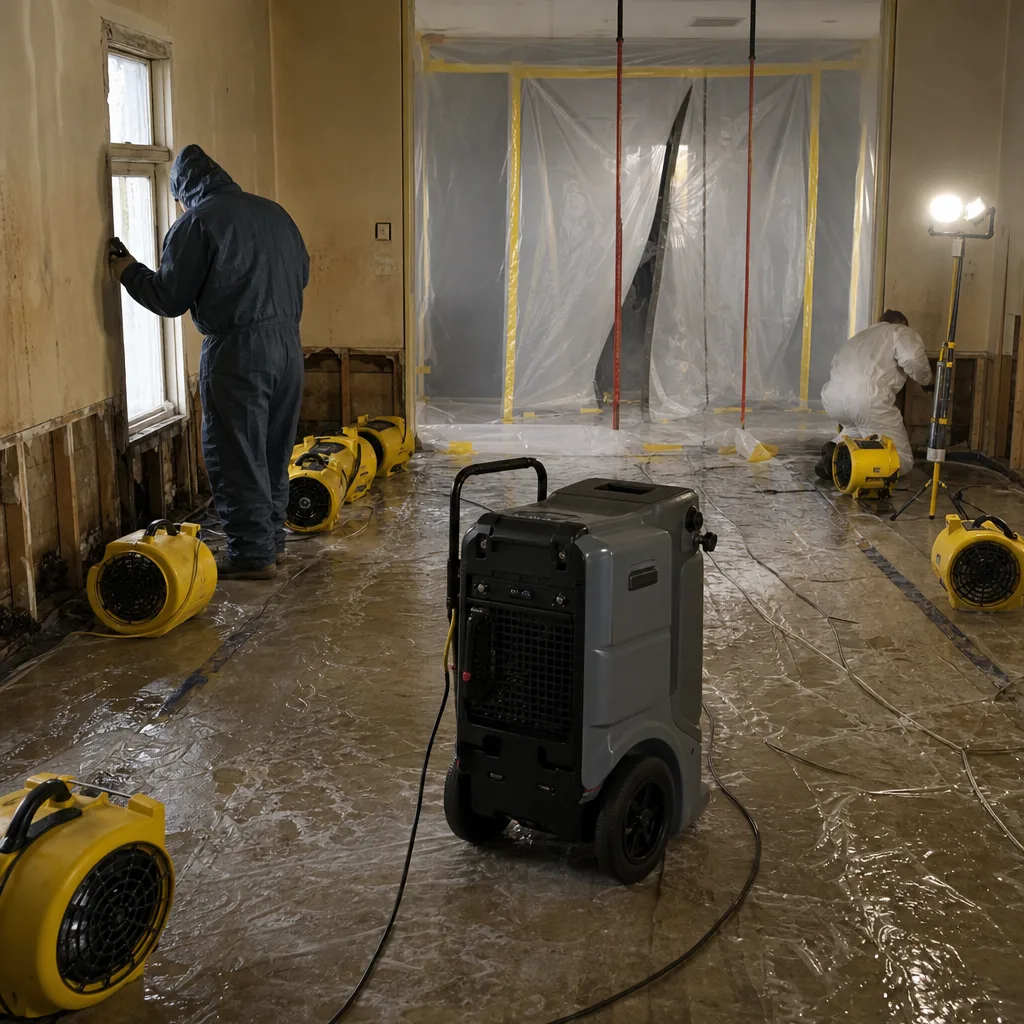
Black Mold Remediation
Stachybotrys chartarum and other toxigenic species require enhanced PPE, strict containment, and extended air scrubbing. We isolate the work area from common corridors and HVAC risers, critical in Manhattan high-rises where a single containment breach can affect twenty floors. Post-remediation verification includes air and surface sampling with independent laboratory confirmation.
Air Quality Restoration
After mold removal, we restore breathable air quality through extended HEPA filtration, duct cleaning where contamination has entered the HVAC system, and activated carbon filtration for volatile organic compounds. In Manhattan’s tight building envelopes, this step prevents recontamination of cleaned spaces through recirculated air.
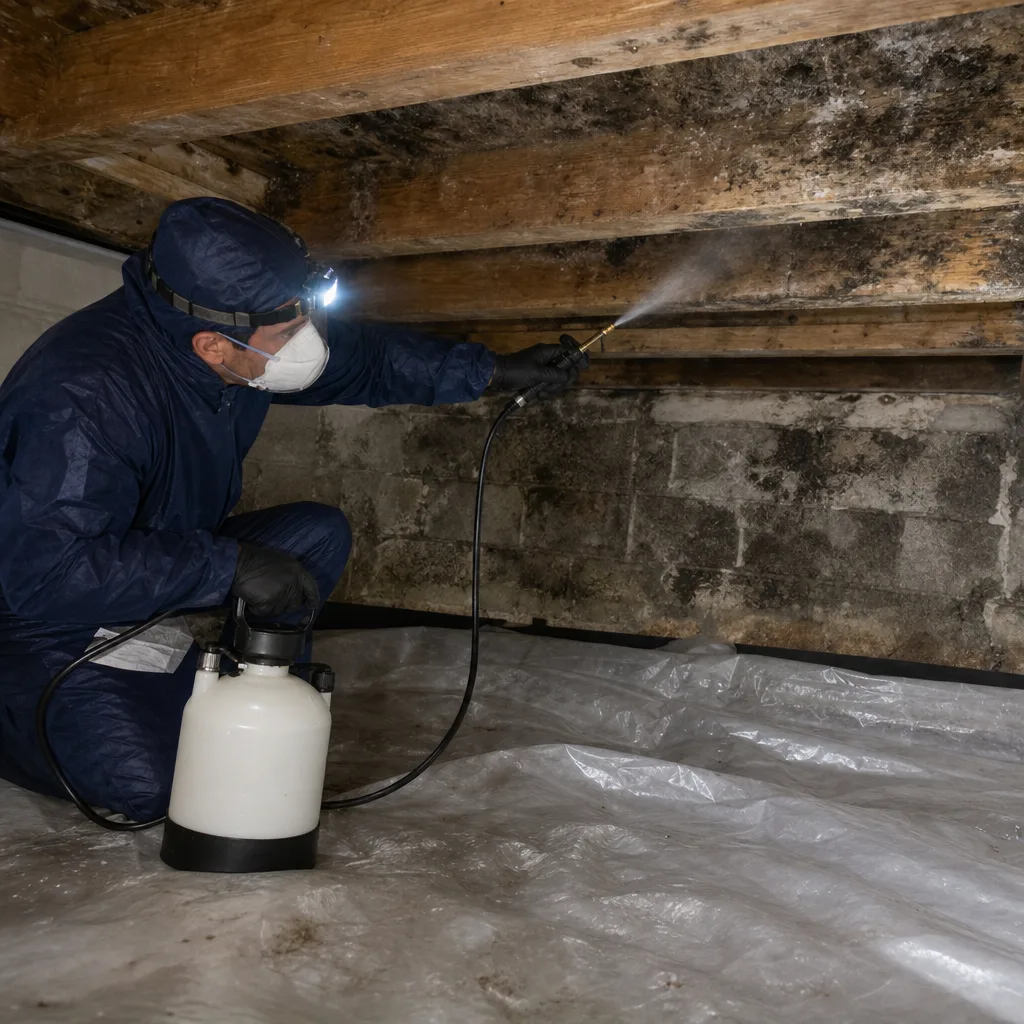
Crawl Space Treatment
Manhattan has few traditional crawl spaces, but below-grade mechanical rooms, elevator pits, and basement storage areas function similarly. We apply vapor barrier installation, dehumidification, and antimicrobial treatment to these spaces, particularly in Sandy-affected buildings in Battery Park City and the FDR Drive corridor where residual moisture persists a decade later.
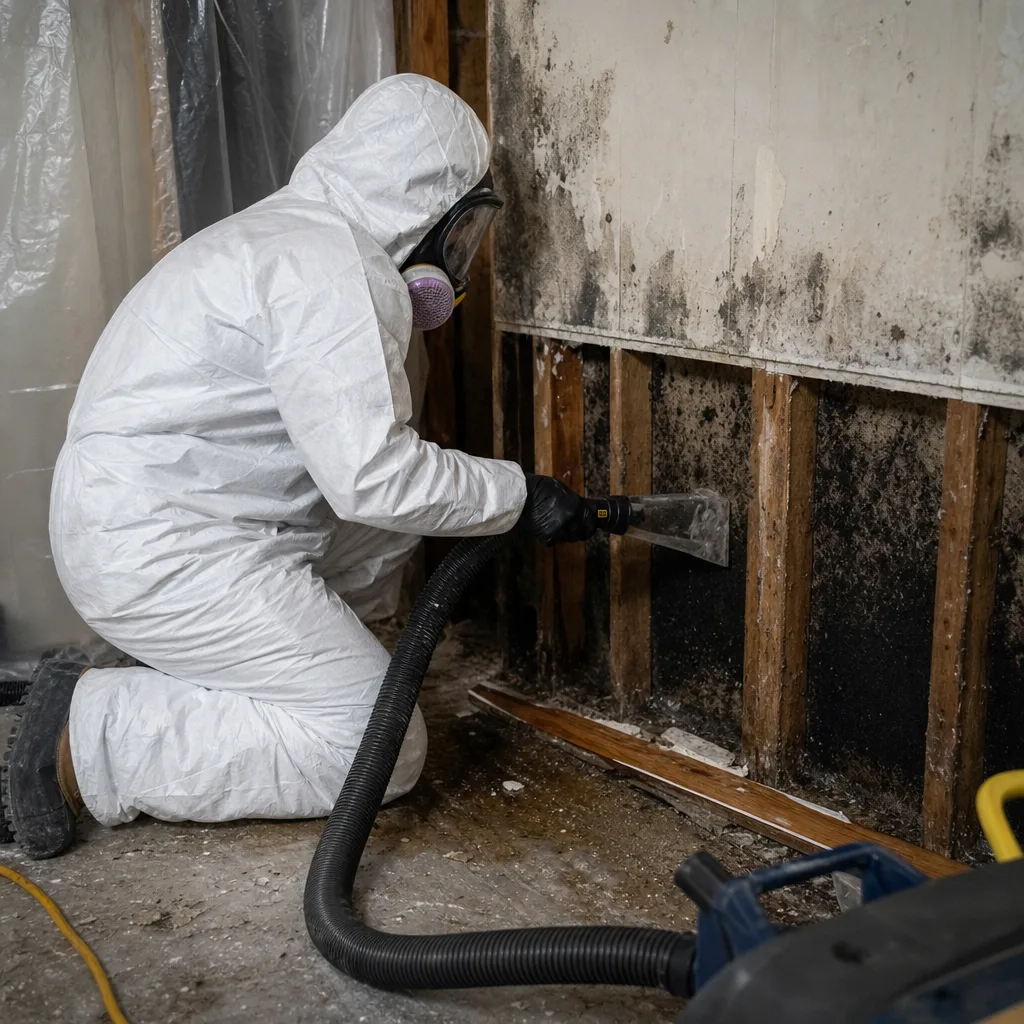
Moisture & Humidity Control
We install and monitor permanent dehumidification systems for chronically damp units, common in garden-level apartments and buildings with aging façades. Our humidity control plans include seasonal monitoring protocols and alerts to prevent the 60-plus percent relative humidity that triggers dormant spore activation.
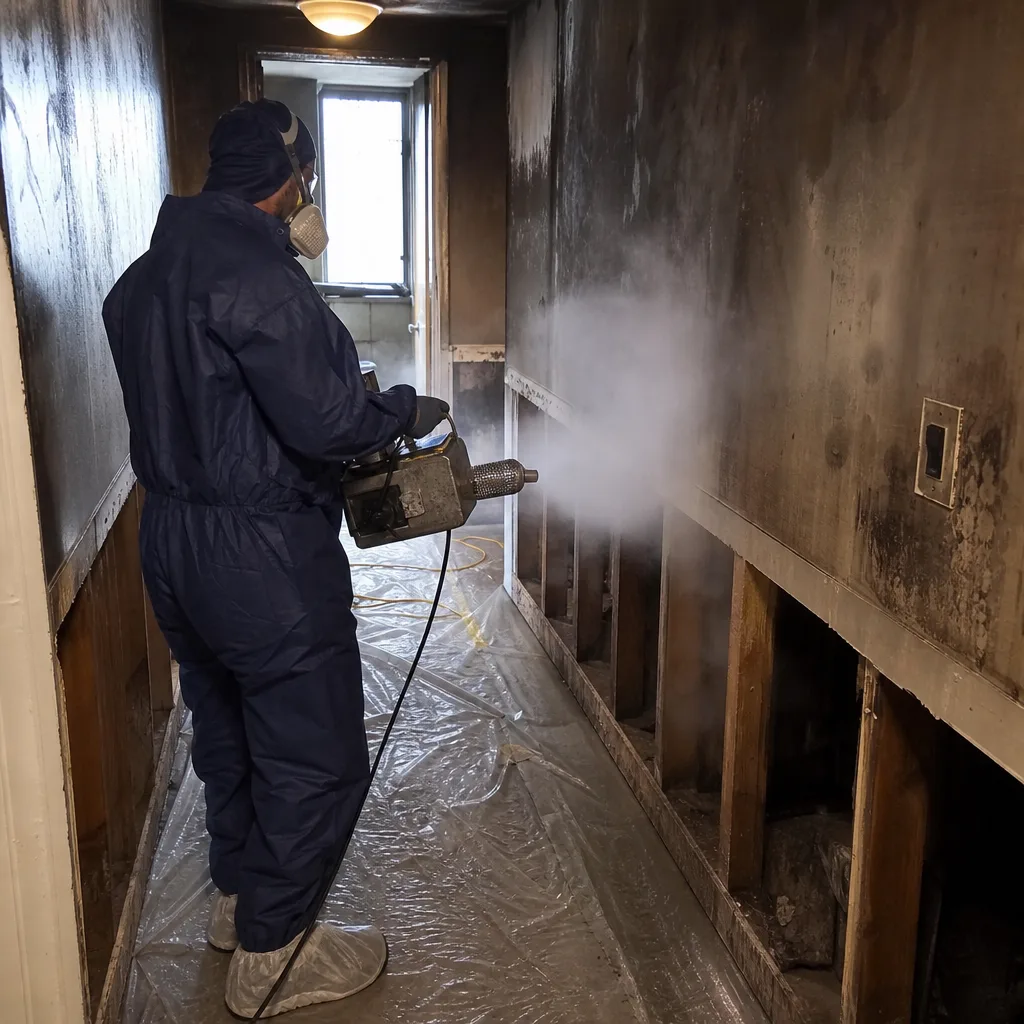
What happens when you call
- 1
A real person answersNo phone trees - you reach a local pro.
- 2
You get an upfront price rangeHonest numbers before anyone is dispatched.
- 3
A background-checked tech heads outLicensed & insured, dispatched right away.
- 4
You approve before work beginsNothing starts until you say go.
Mold Remediation Costs in Manhattan, NY
A typical contained mold remediation in a Manhattan studio or one-bedroom co-op runs $2,800-$4,500. Two-bedroom units with multiple affected rooms or chase-wall access requirements fall in the $4,200-$6,800 range. Whole-floor or penthouse jobs with extensive plaster removal and millwork matching can reach $8,500-$15,000.
What moves the price: square footage of visible growth, concealed cavity extent requiring borescope inspection or selective demolition, plaster versus drywall construction, and the containment complexity of high-rise logistics. Pre-war finish matching adds 15-30 percent over standard replacement with modern materials, but preserves irreplaceable architectural fabric that affects resale value in co-op board packages.
Insurance coverage depends on proximate cause: sudden and accidental water damage is typically covered, while long-term maintenance neglect is not. We document the loss origin with moisture mapping and material analysis to support your claim. Our free visual inspection produces a written scope with firm pricing, so you know the full cost before authorizing work. Haven Standard, Clause 1.
We Also Serve Cities Near Manhattan
Our crews respond from the New York City office to Manhattan and across the East River to Long Island City and Astoria in Queens, plus Elmhurst and Jackson Heights for building-wide losses that affect multiple units or require coordination with New York City Department of Buildings permitting. Same documentation standards, same written-price guarantee, same live-answer dispatch.
Serving Manhattan, NY - Our Local Coverage Area
We’re based in the Manhattan area and know this community well. Use the map below to see our service coverage - if you’re nearby, we can almost certainly help.
Manhattan Mold Remediation Questions, Answered
Why does mold remediation in a Manhattan co-op take longer to start than in other boroughs?
Co-op governance requires written authorization from the managing agent or board before any crew can enter an affected unit, and reaching that agent after hours or on weekends can add twelve to twenty-four hours.
This delay is unique to Manhattan’s pre-war co-op stock and routinely turns Category 1 water losses into Category 2 mold-risk situations while owners wait. We mitigate by pre-registering with major management companies and providing emergency contact protocols that compress the window. Call (516) 687-5786 to discuss your building’s specific access requirements.
Can you dry plaster-over-wood-lath walls and herringbone parquet without replacing them?
Yes, in most cases, if drying begins within the forty-eight-hour mold window and vapor pressure is controlled to prevent secondary damage.
We use Injectidry panel-drying systems and low-grain refrigerant dehumidifiers from Phoenix and Dri-Eaz to draw moisture from plaster without cracking the finish coat, and we control air velocity across parquet to prevent joint swelling and delamination. Daily moisture readings document progress toward 10-12 percent wood moisture content. Replacement is recommended only when plaster has detached from lath or wood has crowned beyond sanding recovery. Call (516) 687-5786 for a free assessment of your specific materials.
How quickly can mold start after a leak in a pre-war Manhattan apartment?
Mold colonization begins on cellulose materials at moisture readings above 16 percent within twenty-four to forty-eight hours in Manhattan’s typical indoor temperature range.
Pre-war plaster-over-wood-lath walls hold moisture longer than modern drywall, extending the risk window but also allowing more time for effective drying if started promptly. The critical factor is not the leak duration but the delay before moisture is reduced below the colonization threshold. In co-ops with managing-agent access delays, we often find active growth at seventy-two hours that would have been preventable at twenty-four. Call (516) 687-5786 immediately if you suspect hidden moisture.
Do nor’easters really cause mold problems inside Upper East Side and Upper West Side buildings?
Yes, wind-driven rain penetrates century-old masonry facades and deteriorated window frames to saturate exterior wall cavities, particularly in buildings with repointed mortar that does not match the original permeability.
We see this pattern every October through April: the owner notices a plumbing leak inside and calls for that, while the lateral intrusion from the façade seeds mold in bedroom or closet walls six feet away from the visible damage. Our thermal imaging catches both sources in the initial inspection. The moisture is real even when the entry point is invisible. Call (516) 687-5786 for moisture mapping that finds hidden intrusion.
What does mold remediation involve in a postwar or glass-curtain-wall Manhattan tower?
These buildings present different containment challenges: larger open plans, common HVAC plenums, and curtain-wall gasket failures that allow rain penetration at floor slabs rather than through masonry.
We scale containment to full-unit or multi-unit negative-air isolation, use inline HEPA filtration where exterior window discharge is not possible, and coordinate with building engineers for mechanical-room access when the source is a common-system leak. Finish replacement is typically with modern materials, so matching is less complex than pre-war work, but the logistics of high-rise containment are more demanding. Call (516) 687-5786 for a scope tailored to your building type.
Will my insurance cover mold remediation in my Manhattan co-op?
Coverage depends on whether the mold resulted from a sudden and accidental water event, covered, or from long-term maintenance neglect, typically excluded.
We document the loss origin with moisture mapping, material analysis, and photo evidence to establish proximate cause for your carrier and your building’s master policy. Our estimates are written to industry-standard pricing with line-item detail that adjusters recognize. We bill directly and negotiate supplements if hidden damage extends the scope. Bring any competitor’s written estimate for our free second opinion. Call (516) 687-5786 to start documentation.
How long does mold remediation take in a typical Manhattan apartment?
Contained remediation in a studio or one-bedroom runs three to five days of active work plus two days of clearance testing; pre-war plaster drying can extend this to seven to ten days.
The timeline depends on material porosity, concealed cavity extent, and whether managing-agent access allows continuous work or requires staged entry. We provide a written schedule with the initial scope and update it daily with moisture log progress. Reconstruction adds one to three weeks depending on finish matching complexity. Call (516) 687-5786 for a timeline specific to your unit.
Can we stay in the apartment during mold remediation?
Occupancy depends on containment integrity, spore species, and the affected area’s relation to sleeping and living spaces.
For small, contained areas with non-toxigenic species and intact negative-air isolation, residents often remain with HEPA filtration in adjacent rooms. For extensive remediation, toxigenic species, or when the only bathroom is within the containment zone, temporary relocation is recommended and may be covered by your insurance under additional living expenses. We specify occupancy recommendations in the written scope before work begins. Call (516) 687-5786 to discuss your situation.
On West End Avenue on the Upper West Side, a 1920s co-op’s original cast-iron stack failed inside a plaster chase, and while we waited on written authorization from the managing agent, we ran moisture mapping on the floors we could reach. Once inside, our techs used Injectidry and Dri-Eaz equipment for structural drying of the original herringbone parquet and plaster-over-wood-lath walls, logging moisture readings every visit and applying antimicrobial treatment to the wet chase. We matched the existing millwork during the pack-out rather than replacing it, because the ornate profiled base was irreplaceable.
That job is why we built our Manhattan practice around documentation that satisfies three audiences: the homeowner, the insurer, and the co-op board. One incomplete file and the claim stalls, the board rejects the contractor, and the owner pays out of pocket. We have seen it happen. We built Back to Dry to prevent it.
Call (516) 687-5786 for a free visual inspection and written estimate. Estimates are free. Delays are expensive.
Written by Alicia Brennan, Owner at Back to Dry Restoration, serving Manhattan since 2011.
Mold Remediation in Nearby Areas