
Last updated September 22, 2026
Free visual inspection and a written scope of work before any mitigation begins - photos, moisture readings, and drying logs go in your claim file
The scope we write is the scope we bill. Anything new gets shown to you, in writing, before we touch it.
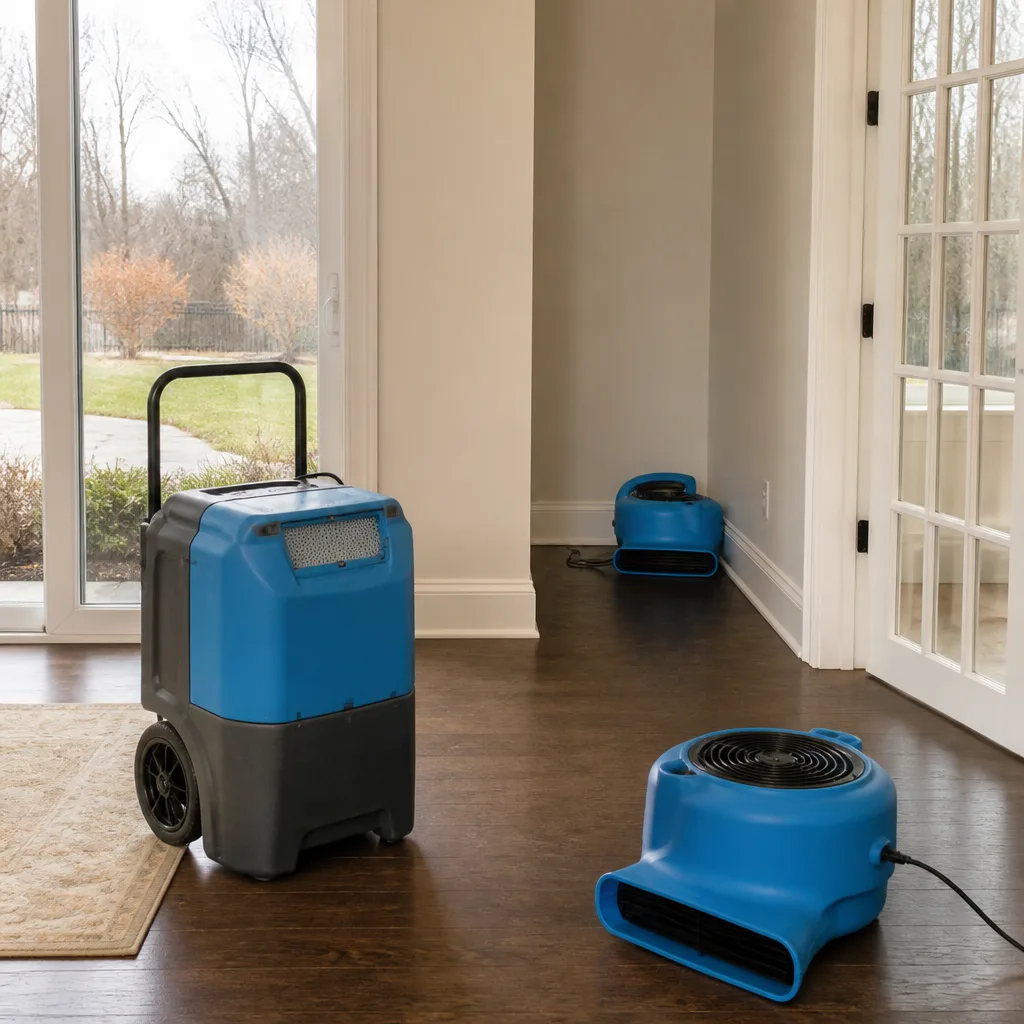

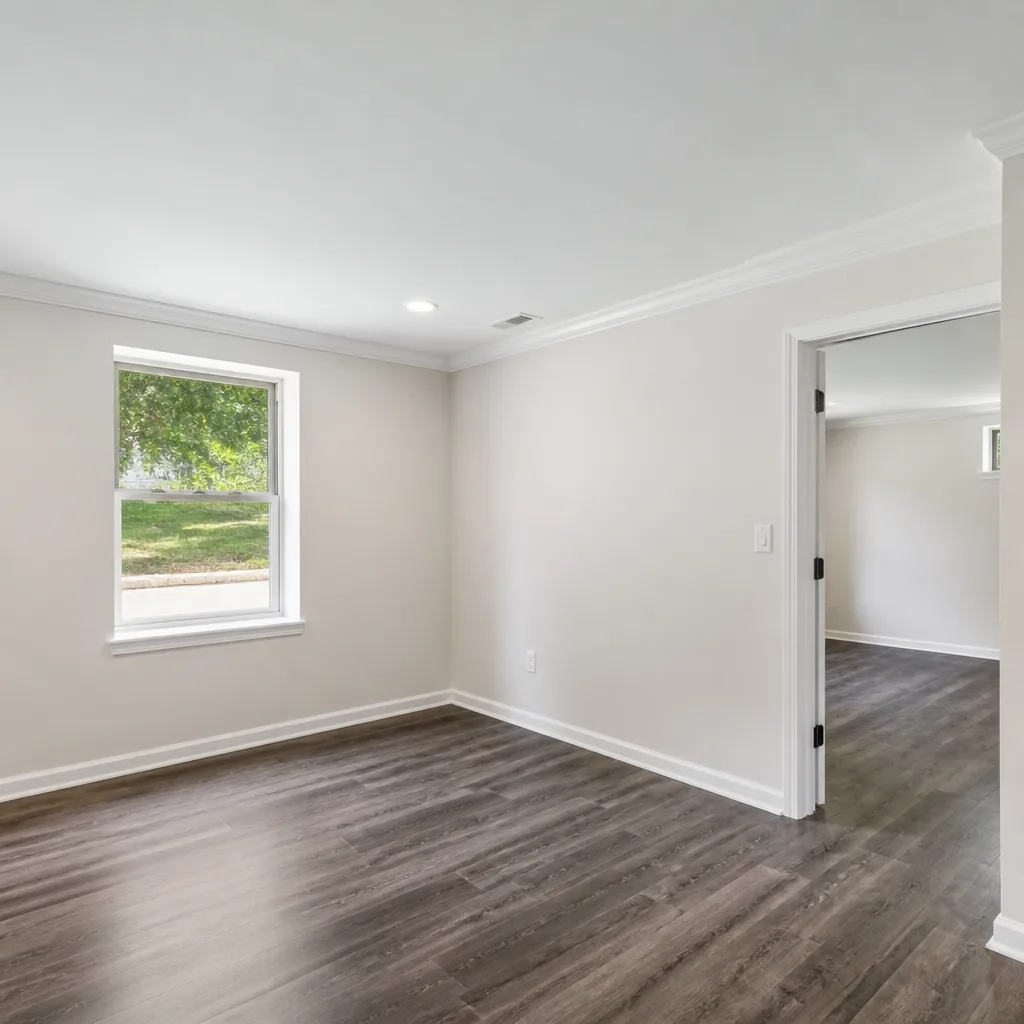
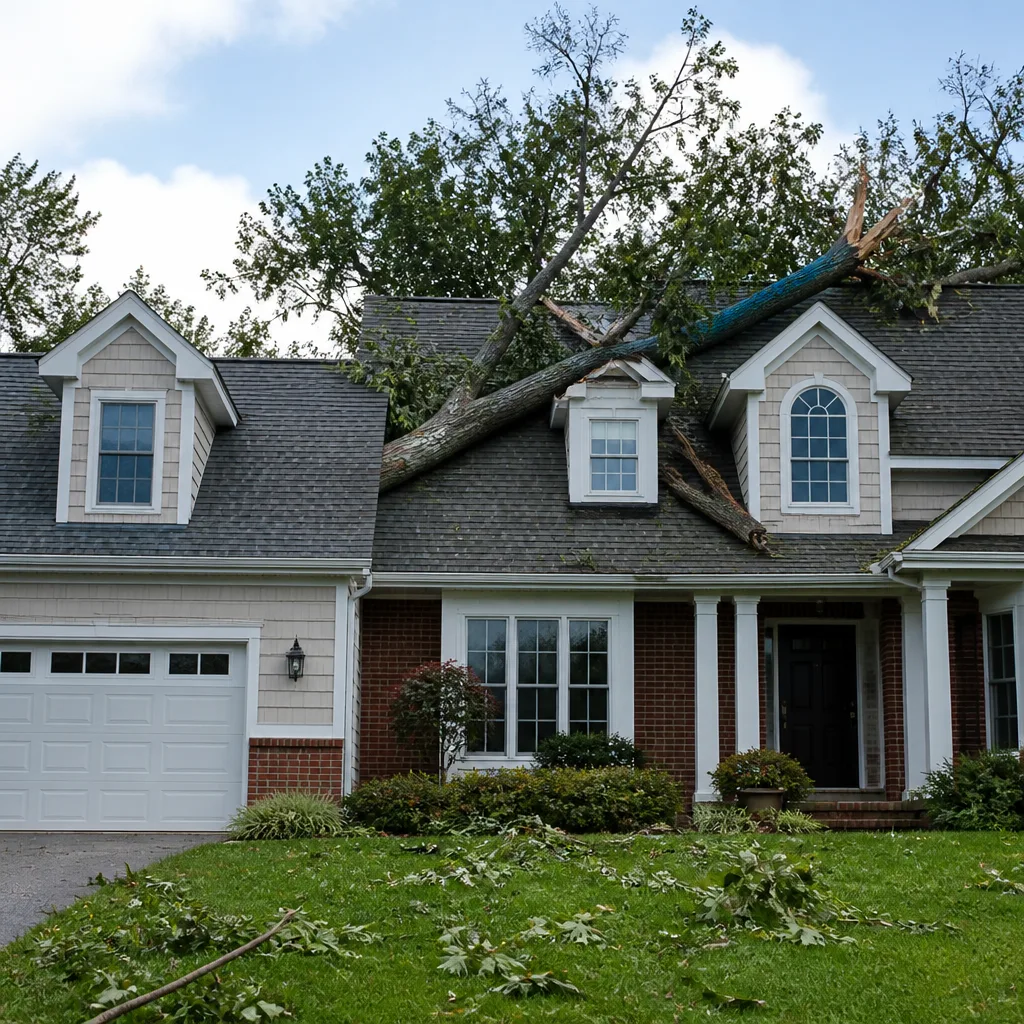
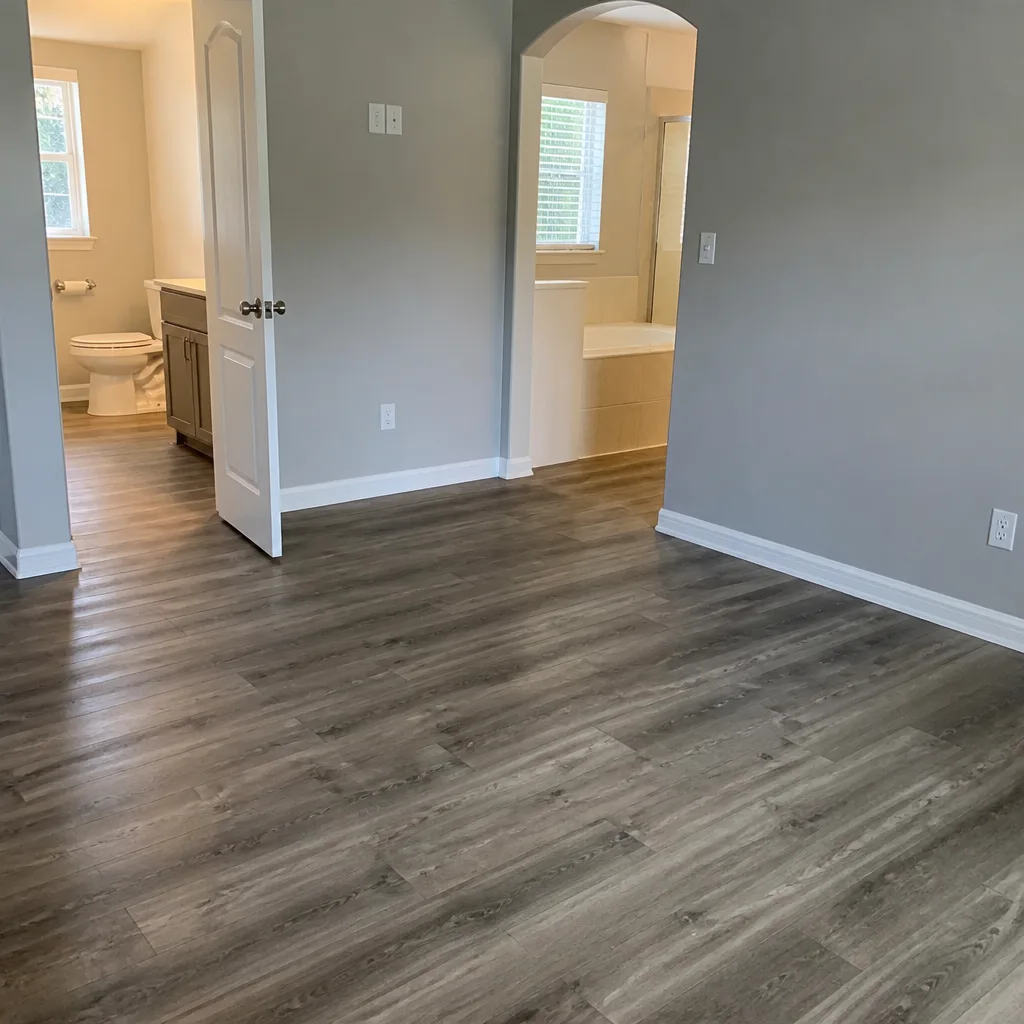

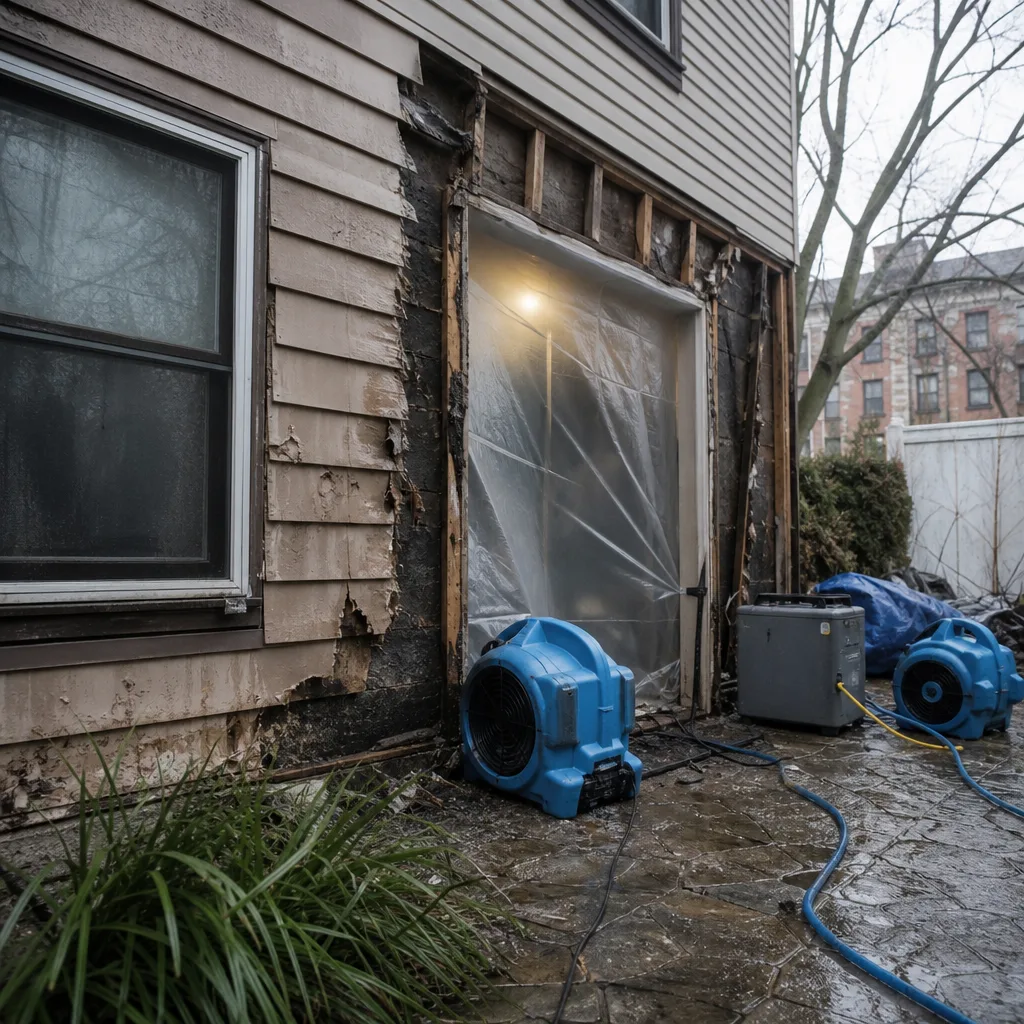 Before
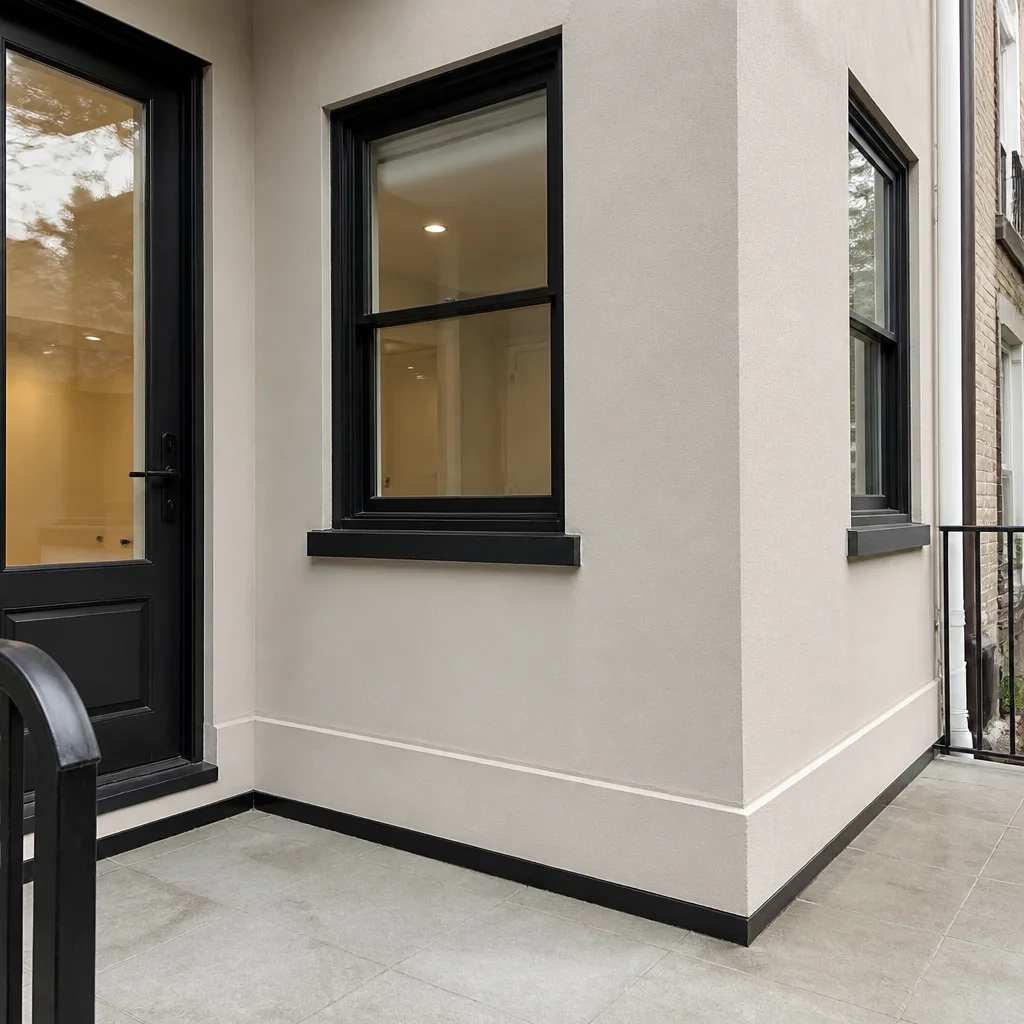 After
After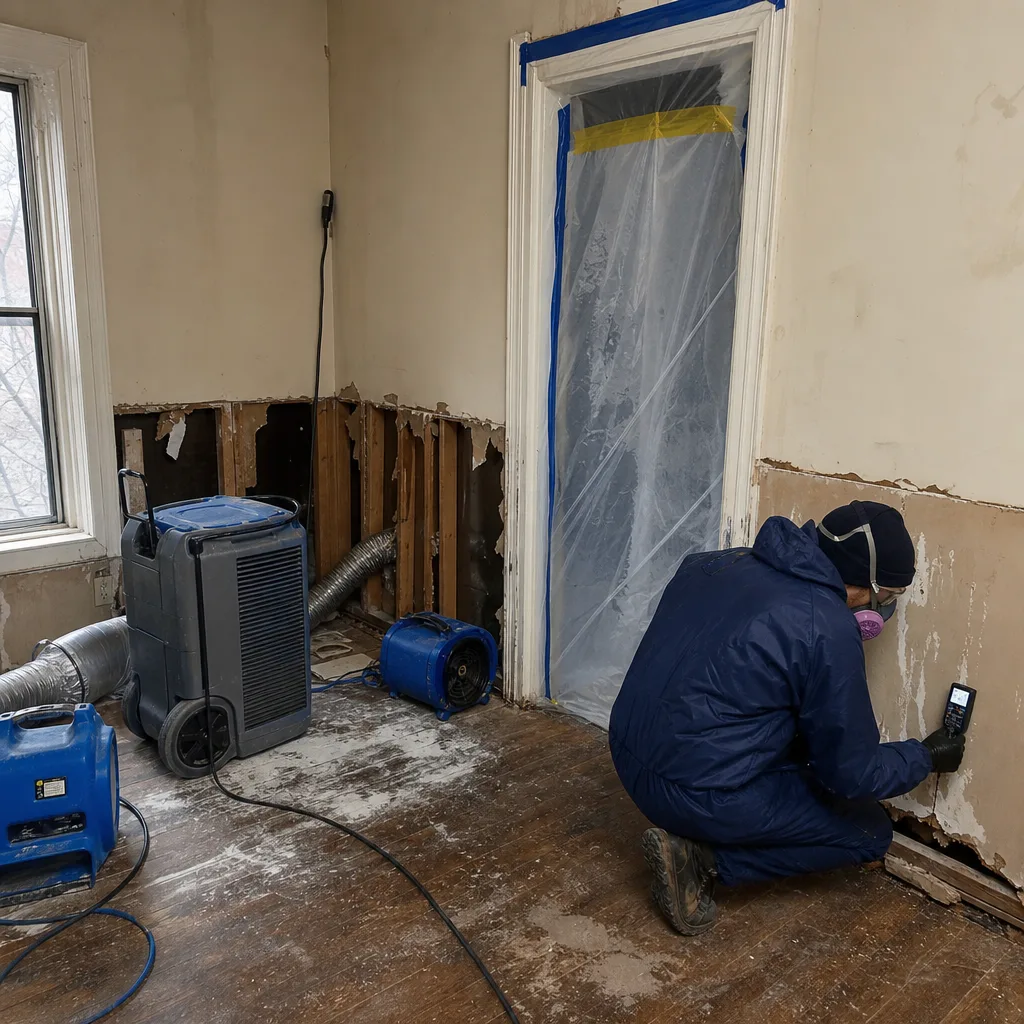 Before
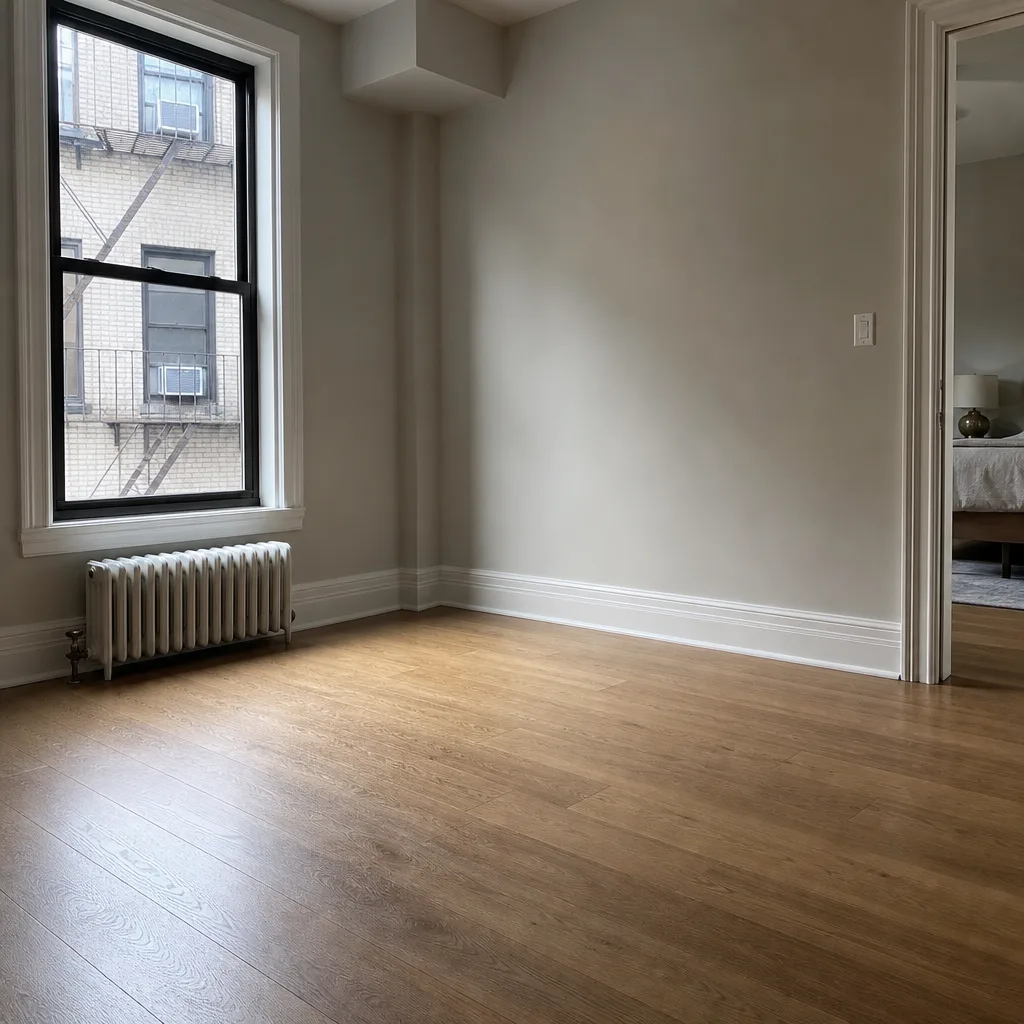 After
After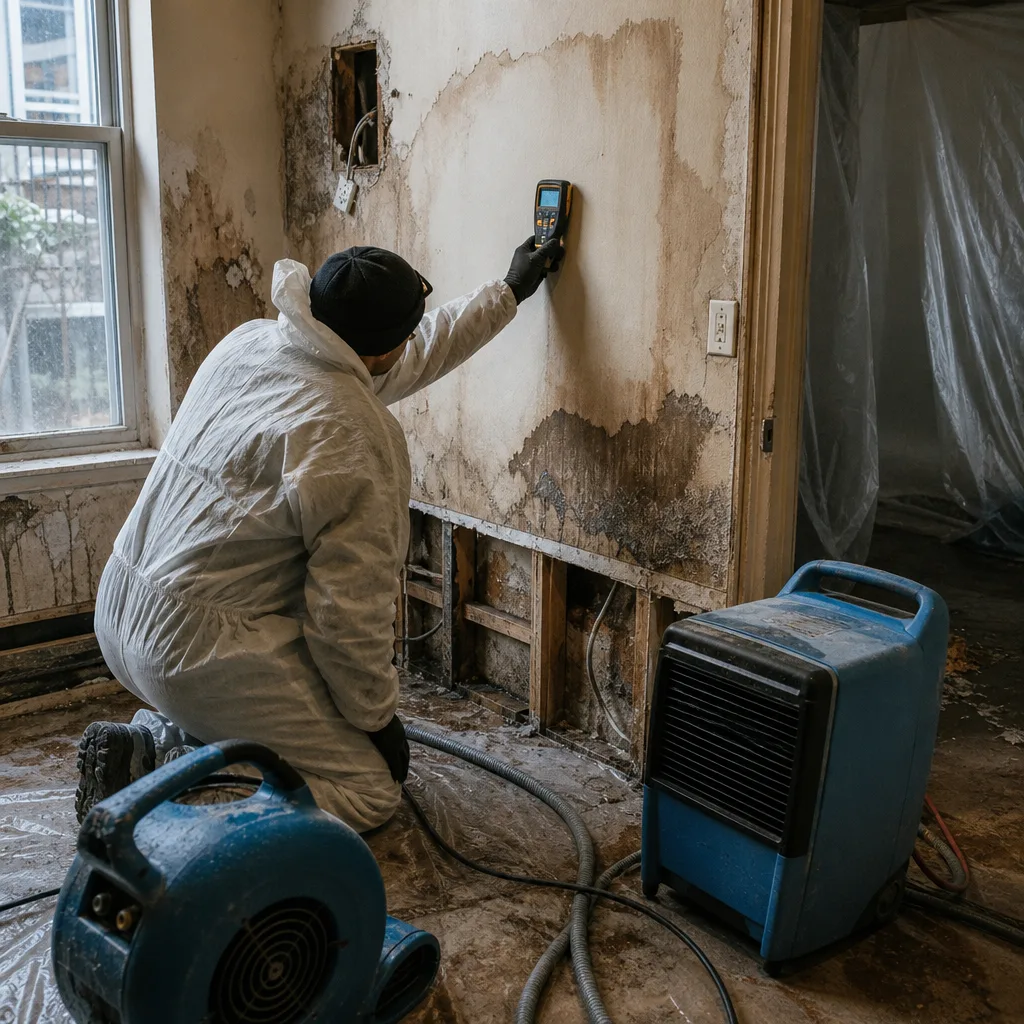 Before
 After
AfterWater Damage Restoration Maintenance Checklist for Manhattan Homeowners
Here’s the counterintuitive truth about water damage in Manhattan: the homeowner who loses the most money is rarely the one with the worst leak. It’s the one who cannot prove what their walls looked like before the water came. In our 12,000+ Water Damage Restoration jobs since 2011, we’ve watched insurers deny tens of thousands in legitimate claims because the homeowner had no dated moisture baseline, no photo record of pre-event conditions, no log showing their unit was dry on September 3rd and soaked on September 4th. This checklist isn’t a collection of chores. It’s a documentation system that turns your routine maintenance into evidence an adjuster can read and an insurer must honor. We’ll cover exactly what to measure, how to record it, where to store it, and which Manhattan-specific seasonal triggers demand your attention.
Quick Answer
A water damage maintenance checklist for Manhattan homeowners should include monthly pin-meter moisture readings by room with dated logs, seasonal inspections tied to steam heat startup and freeze-thaw cycles, building-era-specific checks for pre-war versus post-war construction, and documented neighbor-risk conversations. Store everything in cloud-backed format with photos; these baselines are what prove post-event damage scope to insurers.
Table of Contents
- Why Documentation Beats Prevention Alone
- Tools You Need and What They Cost
- The 12-Month Manhattan Maintenance Calendar
- Pre-War vs. Post-War Building Checks
- Documenting Neighbor Risk: Upstairs and Next Door
- How to Record and Store Baseline Moisture Readings
- Common Mistakes to Avoid
- When to Call a Professional
- Frequently Asked Questions
BeforeAfterWhy Documentation Beats Prevention Alone
The Complete Guide to Damage Restoration in Manhattan and every other water damage guide tells you to check your pipes and clean your gutters. Almost none tell you to write down what you found. That’s a costly omission in Manhattan, where the median sale price in 2024 exceeded $1.1 million and a disputed claim can stall a refinance, a sale, or a co-op board approval for months.
Prevention fails. Pipes burst behind walls you cannot access. Neighbors above you leave tubs running. Building supers delay repairs. When that happens, your insurer’s first question is not “How can we help?” It’s “How do we know this wasn’t pre-existing?”
We’ve seen this from both sides. Alicia Brennan founded Back to Dry Restoration Manhattan home in 2011 after working as a claims adjuster and watching homeowners lose legitimate payouts for one reason: they had no proof of pre-loss condition. A photo of dry baseboards from March. A moisture reading of 8.2% on the living room drywall from June. A dated email to the super about the dripping valve in 4B. These documents change outcomes.
The Haven Standard, which governs every job we take, requires a written price before work begins and a photo record on every visit precisely because documentation is what turns a restoration invoice into a payable claim. Your maintenance checklist should operate on the same principle.
Here’s what that means in practice. When you inspect your unit monthly, you are not just looking for problems. You are creating a contemporaneous record that a problem did not exist. If your bedroom wall reads 9% moisture content on October 1st and 34% on October 3rd after the radiator valve above you failed, that two-day delta is objective evidence. An insurer can dispute your memory. They cannot dispute a dated photograph of a pin-meter display.
This approach also protects you in co-op and condo disputes. Manhattan’s housing stock is overwhelmingly multi-unit. When water moves between floors, building management, unit owners, and insurers routinely point at each other. The owner with dated logs of their own conditions - not complaints, measurements - is the owner who controls the narrative.
Tools You Need and What They Cost
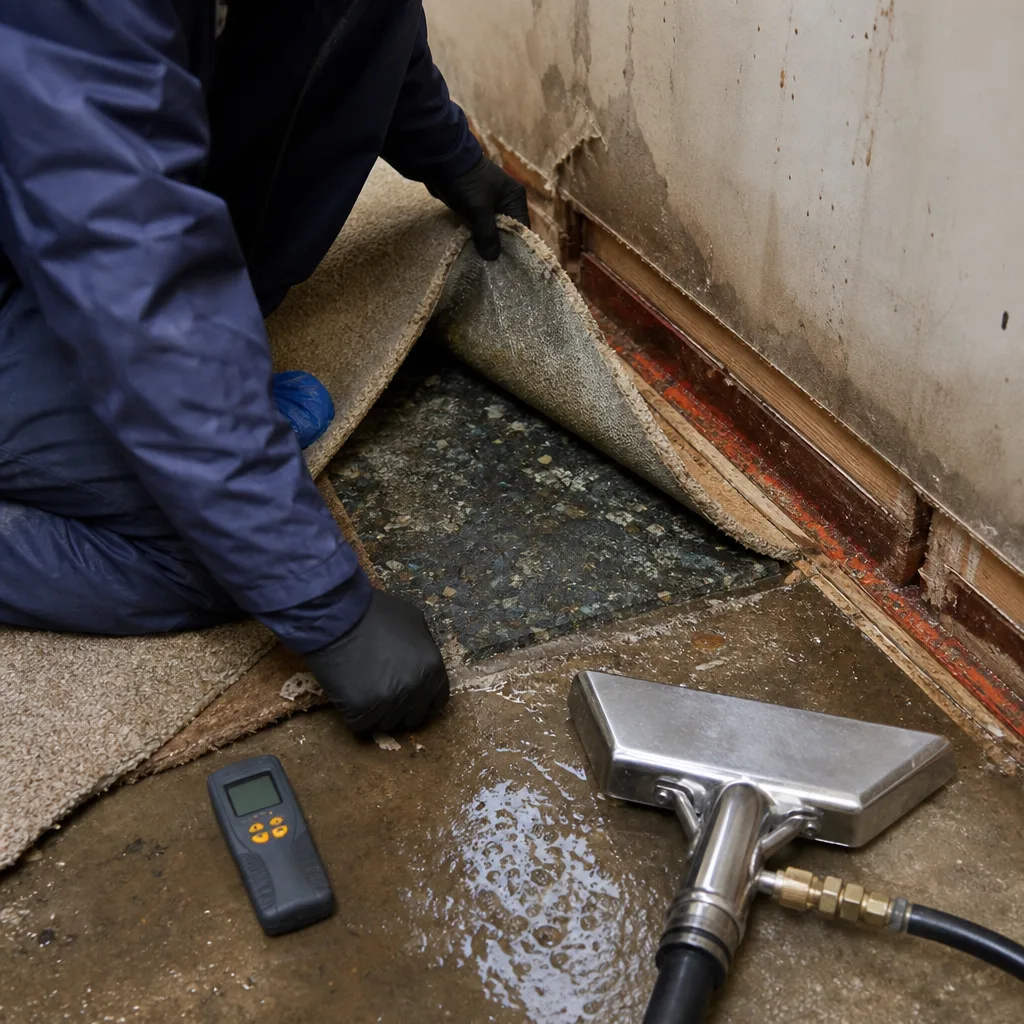
You do not need professional equipment to establish a defensible baseline. You need consistent technique and disciplined record-keeping. Here is what we recommend, with costs and purposes.
Pin-type moisture meter: $35-$80 for a reliable consumer model from brands like General Tools or Wagner. Pin meters penetrate the surface and measure electrical resistance between the pins, which correlates to moisture content in wood and gypsum. For Manhattan’s plaster-and-lath walls in pre-war buildings, pin meters are more accurate than pinless surface scanners because they reach past paint and wallpaper. Take readings in percentage moisture content (%MC), not the arbitrary “moisture level” scales some meters display.
Infrared thermometer (non-contact): $20-$40. Not a thermal camera, which runs $400+, but a simple laser thermometer that reads surface temperature. Cold spots on walls can indicate evaporative cooling behind the surface, a secondary indicator of moisture intrusion. Log temperatures alongside moisture readings for fuller documentation.
Flashlight with high CRI (Color Rendering Index): $25-$50. Water staining and early mold growth are often visible only under quality light that shows true color. The warm LED on your phone distorts both.
Cloud storage with automatic date stamping: Free to $12/month. Google Drive, Dropbox, or iCloud. Create a folder structure: Address / Year / Month. Upload photos immediately after taking them; metadata preserves location and time.
Printed log template or simple spreadsheet: Free. We provide a recommended format in the next section.
Total investment: under $150 for tools that last years. Compare that to the average disputed water damage claim in Manhattan, which our Damage Restoration Cost Breakdown: The Manhattan Homeowner’s Reference for 2026 shows ranges from $8,000 to $45,000 depending on affected square footage and material class. The return is not close.
The 12-Month Manhattan Maintenance Calendar
Manhattan’s climate and building systems create distinct seasonal risk windows. A checklist that ignores these rhythms misses the moments when prevention is actually possible. We structure inspections around four triggers specific to this market.
October: Steam Heat Startup
Most Manhattan buildings, especially pre-war stock, use one-pipe or two-pipe steam systems. When the boiler fires for the first time each fall, pressure shocks loosen sediment, crack valve seats, and reveal summer corrosion. Schedule your inspection for the week after startup.
- Photograph every radiator valve, supply pipe, and air vent from multiple angles
- Take pin-meter readings on walls behind radiators and in corners below risers
- Document any hammering, hissing, or wet spots with dated notes
- Email the super with your findings; keep the sent message
Pass/fail criterion: No wall reading above 12% MC. No visible moisture on pipe fittings. No unaddressed super response within 72 hours.
December-February: Freeze-Thaw at Pipe Penetrations
Manhattan’s building envelopes are porous. Cold air enters at window frames, balcony doors, and where risers pass through exterior walls. When interior humid air meets these cold surfaces, condensation forms; when temperatures drop further, pipes freeze.
- Check all exterior-wall penetrations for ice formation or staining
- Measure moisture in wall cavities below windows, especially north-facing units
- Verify that caulk and weatherstripping from prior seasons remain intact
- Photograph any gaps where light or draft passes
Pass/fail criterion: No surface temperature below 40°F on interior walls when thermostat reads 68°F. No moisture reading increase of more than 3% from October baseline.
May-September: HVAC Condensate and Humidity Spikes
Window units and through-wall PTAC systems generate condensate that drains poorly in Manhattan’s aging sleeves. Summer humidity also drives moisture into cooler interior spaces.
- Inspect condensate drain lines monthly; photograph any algae or blockage
- Measure moisture on walls below window units and near PTAC sleeves
- Run dehumidifier if interior relative humidity exceeds 60% for 48+ hours
- Log dehumidifier run hours and bucket volumes if applicable
Pass/fail criterion: Condensate drains freely with no pooling. Wall readings stable within 2% of spring baseline.
Year-Round: Neighbor and Building Events
Any work above, below, or adjacent to your unit alters risk. Renovation plumbing tests, roof membrane replacement, and facade work all introduce water.
- Log building notices with dates and scope descriptions
- Inspect your unit within 24 hours of any announced water shutdown or pressure test
- Photograph pre-event conditions if work is above you
Pre-War vs. Post-War Building Checks
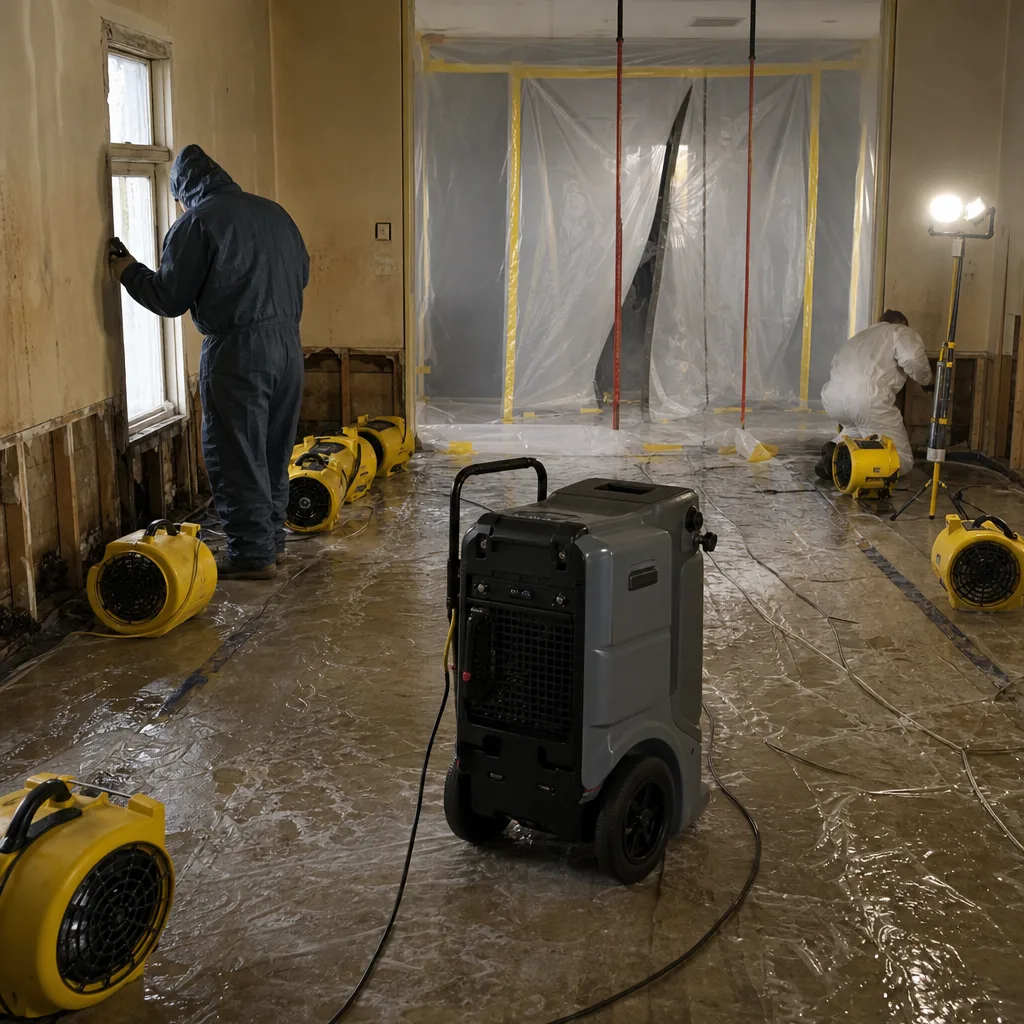
Manhattan’s housing stock splits roughly into pre-war (before 1945) and post-war construction, with distinct failure patterns in each. Your checklist should match your building’s era.
Pre-War (1890-1945): Plaster, Cast Iron, and Gravity
Pre-war buildings in Manhattan, from the Upper West Side’s brownstones to the Financial District’s early skyscrapers, share common vulnerabilities. Plaster and wood lath absorb water slowly but release it even more slowly, creating extended secondary damage timelines. Cast iron drain lines corrode from the inside, thinning until they crack under pressure or building settlement. Gravity-fed waste stacks in taller buildings experience hydraulic pressure at lower floors that accelerates this failure.
Specific checks:
- Plaster condition at ceiling-wall junctions: Look for hairline cracks that follow lath lines, indicating prior moisture cycling. Pin-meter readings above 15% in plaster suggest active or recent intrusion.
- Cast iron drain line access panels: If your unit has original cleanouts or access doors, open them annually. Photograph interior pipe walls; orange rust scaling or black graphitization (the pipe turning dark and soft) predicts failure within 2-5 years.
- Radiator riser packing glands: These threaded joints where vertical pipes pass through floors are designed to weep slightly as the building settles. Excessive moisture, green copper staining, or mineral buildup indicates packing failure that can release steam or hot water under pressure.
- Parquet and hardwood flooring: Pre-war units often have original wood floors over sleepers on concrete subfloors. Moisture from below warps boards upward at the center (cupping). Document seasonal flatness with photos taken from a low angle; compare October to March images.
Post-War (1945-1990): Drywall, Copper, and Curtain Walls
Post-war construction introduced gypsum drywall, copper supply lines, and curtain wall exteriors that changed how water moves and where it hides. Copper pinholes from acidic water chemistry are a known Manhattan issue, particularly in buildings with older mains. Curtain wall systems, common in Midtown and Battery Park City, rely on sealant joints that degrade predictably.
Specific checks:
- Drywall at all wet walls: Post-war buildings use gypsum board that deteriorates rapidly when wet. Check for bubbling tape joints, nail pops, and soft spots. Pin-meter readings above 1% on the reference scale (or 17% MC for gypsum) indicate saturation.
- Copper supply line discoloration: Green or blue staining at joints, valves, or behind access panels indicates acidic water attack. Pinhole leaks in copper spray outward under pressure, causing concentrated damage.
- Curtain wall sealant joints: Inspect perimeter sealant at window frames and slab edges. Failed sealant allows wind-driven rain to enter at floor lines, often tracking horizontally before appearing inside.
- Slab plumbing: Post-war buildings increasingly ran supply lines in concrete slabs. A warm spot on a tile floor, or moisture that appears only after running water, suggests slab leak. These are not DIY repairs; document and call a licensed plumber.
Documenting Neighbor Risk: Upstairs and Next Door
In Manhattan’s multi-unit buildings, your greatest water risk may be someone else’s negligence, delayed repair, or undisclosed leak history. Documentation protects you in three ways: it creates a record of your proactive inquiry, it establishes timeline if their failure damages your unit, and it supports your claim if their insurer disputes causation.
We recommend a simple, repeatable protocol.
Annual neighbor contact: Introduce yourself to units above, below, and adjacent if you do not know them. Ask directly: “Have you had any plumbing work, leaks, or moisture issues in the past two years?” Note their response with date and name. If they disclose a history, email your super and building management with that information, requesting confirmation that repairs were completed and inspected.
Super and building management log: Every conversation about building systems gets a same-day email summary. “Per our conversation at 2 PM today, you noted the riser replacement in 8B is scheduled for March 15-22. Please confirm water shutdown times and post-work inspection access.” This creates a paper trail that building management’s records may not.
Pre-event photography when work is announced: If the building notifies you of roof work, facade repair, or plumbing replacement in adjacent units, photograph your ceilings, walls, and floors from multiple angles before work begins. Store with the building notice. If water appears afterward, these images prove pre-event condition without dispute.
Insurance coordination: If you carry HO-6 or equivalent condo/co-op coverage, provide your insurer with annual updates including your maintenance log summary. Some carriers offer premium reductions for documented preventive maintenance. More importantly, your file shows proactive risk management if a claim arises.
We’ve handled Manhattan restorations where the difference between full coverage and a $20,000 denial was a single email to the super, sent three months before the event, reporting a known leak upstairs that management failed to address.
How to Record and Store Baseline Moisture Readings
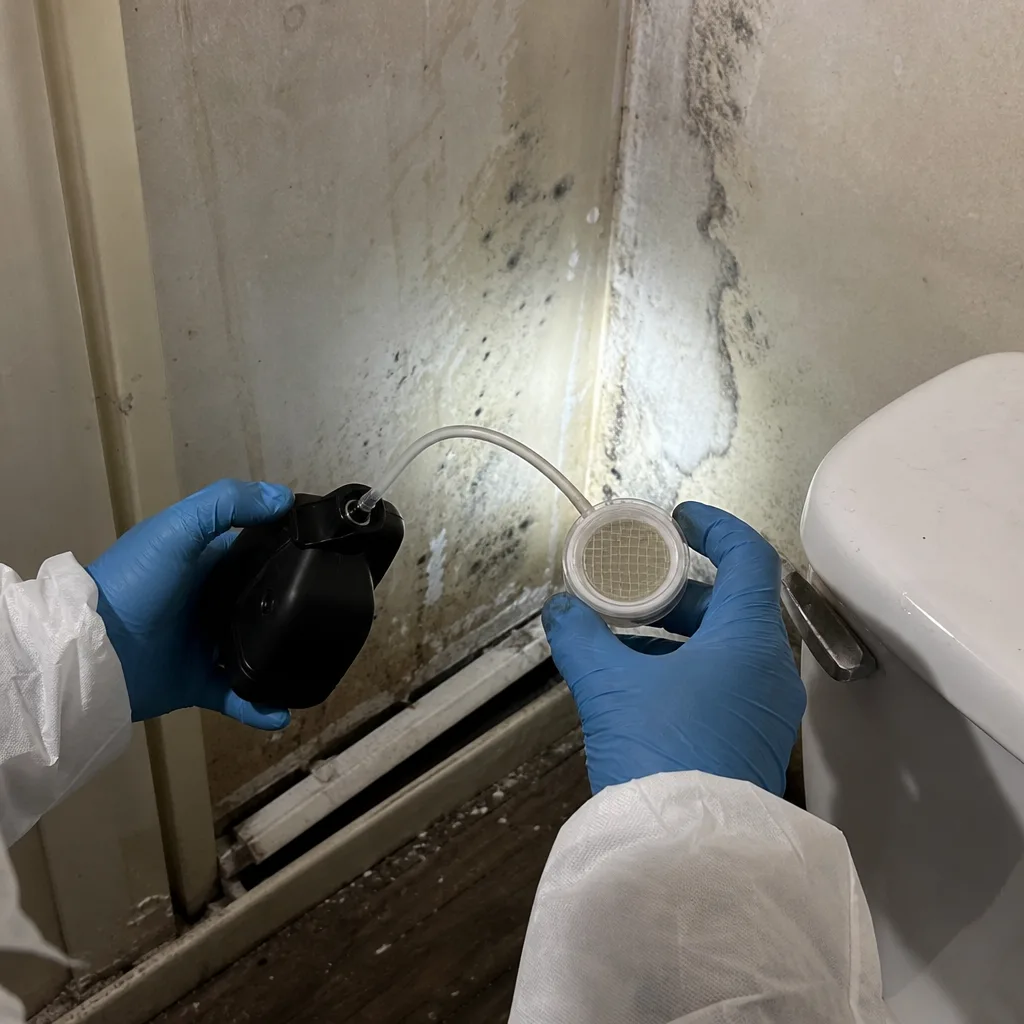
This is the core of the checklist, and one of our more guides & resources: a measurement system that insurers, adjusters, and restoration professionals can read and trust. Sloppy records are almost as bad as no records. Precision matters.
Step-by-Step Measurement Protocol
- Calibrate your meter monthly. Most pin meters include a calibration block or can be checked against known dry material. A meter reading 5% high creates false baselines that hurt you later.
- Mark consistent measurement points. Use painter’s tape to label locations: “LR-NW-Corner,” “BR-Closet-Left,” “K-Sink-Riser.” Remove tape only after photographing; the photo preserves location even if tape is later removed.
- Measure at the same depth and pressure. Push pins to full depth, or consistent partial depth for plaster. Record which you used. Pressure affects penetration and reading.
- Take three readings per location and average. Single readings catch anomalies. A nail, a wire, or dense paint can skew one measurement.
- Photograph the meter display at each location. The photo must show the reading, the location tape, and enough context to identify the room. Timestamp must be enabled.
- Record immediately in your log. Do not rely on memory or delayed entry.
Recommended Log Format
Use a simple spreadsheet with these columns:
- Date
- Room/Location Code
- Reading 1 (%MC)
- Reading 2 (%MC)
- Reading 3 (%MC)
- Average (%MC)
- Surface Temperature (°F)
- Notes (visible conditions, recent weather, building events)
- Photo Filename(s)
Save as PDF monthly for immutable record. Store original spreadsheet and photos in cloud folder with automatic backup.
What Readings Mean
For gypsum drywall in Manhattan’s heated interiors, 5-12% MC is normal range. Wood framing and lath run 6-14%. Readings above these ranges indicate active moisture source or recent intrusion. A reading that jumps 5%+ from prior month demands investigation. A reading above 20% on any material suggests conditions suitable for microbial growth within 48-72 hours.
These thresholds align with IICRC S500 standards for water damage restoration, which govern our work at Water Damage Restoration in Manhattan. When we arrive at a loss, we compare our initial readings to any baseline the homeowner provides. A documented baseline accelerates our scope development and strengthens the claim file we build for your adjuster.
Common Mistakes to Avoid
- Storing records only on paper in the unit. Floods destroy paper. Cloud backup with automatic sync is essential; anything less fails when you need it most.
- Taking readings only after you suspect a problem. A single “after” reading proves nothing. Baselines require months of prior data to establish normal range.
- Ignoring building-era-specific risks. Pre-war owners who check only drywall miss plaster degradation. Post-war owners who ignore curtain wall sealant miss the most common intrusion path.
- Relying on building management’s records. Supers change, management companies turn over, and records disappear. Your documentation is yours; never assume it exists elsewhere.
- Using pinless meters on coated surfaces. Paint, wallpaper, and tile glaze distort surface-scanning readings. Pin meters penetrate these layers for accurate subsurface measurement.
- Failing to document neighbor disclosures. A verbal “oh yeah, we had a leak last year” is inadmissible hearsay. An email to management referencing that conversation is evidence.
- Waiting for visible damage to call. By the time water shows on a Manhattan plaster ceiling, the damage above is extensive. Moisture readings catch problems 2-4 weeks before visible signs.
When to Call a Professional
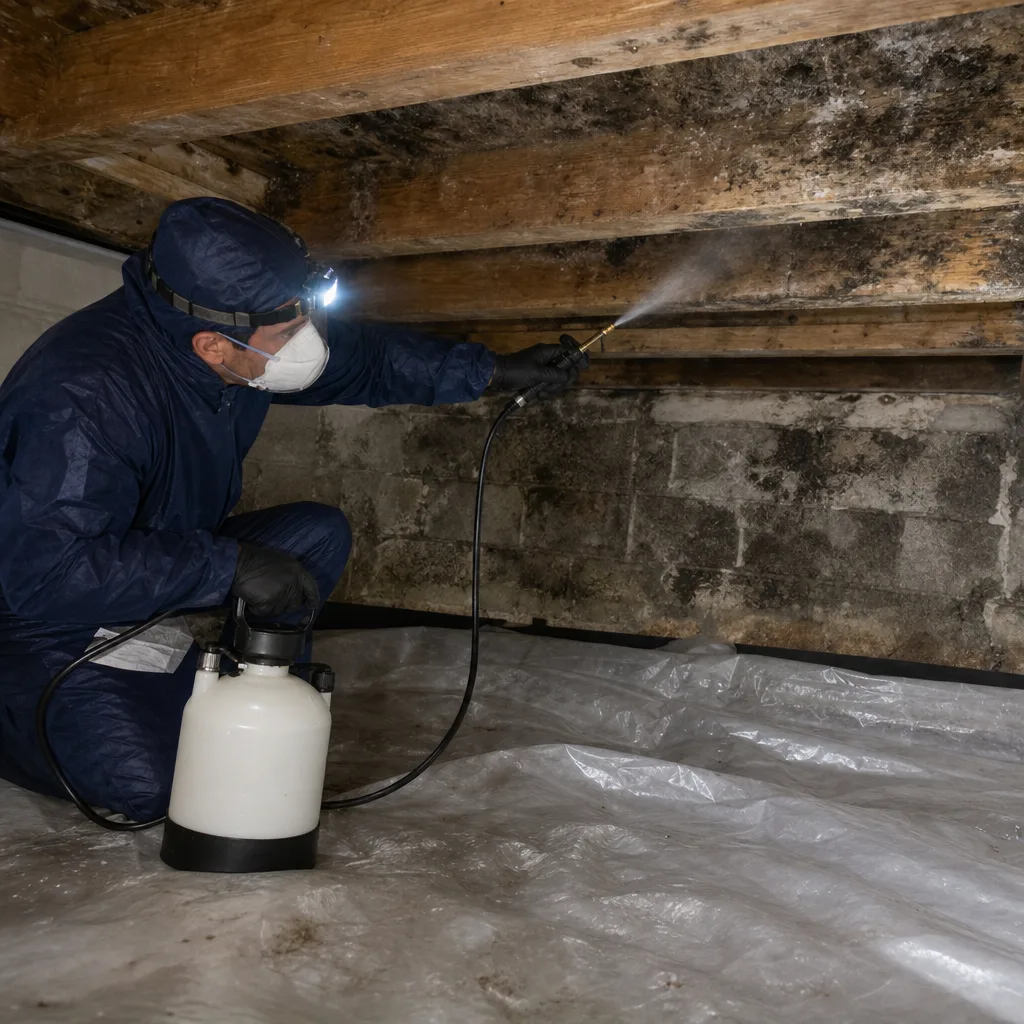
Some conditions exceed homeowner capability and require documented professional response. Call a licensed restoration contractor if: moisture readings exceed 20% on any material; you detect musty odor without visible source; water appears from an unknown origin; a neighbor’s leak has entered your unit through walls or floors; or your building’s systems (boiler, riser, roof) are involved.
Back to Dry Restoration Manhattan offers free estimates in Manhattan. Our response includes a written price before work begins, per Haven Standard, Clause 1. We document every visit with photo records and daily moisture logs to IICRC, RIA, and IFA standards. If you have a competitor’s estimate, we provide a free second opinion at no charge. Call (516) 687-5786 to schedule.
Frequently Asked Questions
Manhattan water damage restoration typically ranges from $3,500 for limited drywall and flooring drying to $18,000+ for multi-room losses with hardwood, plaster, or cabinet involvement. Category 3 sewage or long-standing moisture adds 30-50% due to decontamination requirements. Water Damage Restoration in Manhattan pricing from Back to Dry includes a written scope before work begins with no additions once the crew is inside. Call (516) 687-5786 for an exact quote; estimates are free.
Insurance may still cover the loss, but without maintenance records you face higher risk of partial denial or disputes over pre-existing conditions. Insurers increasingly use moisture mapping and material dating to argue that damage predated the claimed event. Dated baseline readings shift that burden back to the insurer by proving your unit was dry before the loss.
Back to Dry Restoration Manhattan answers live 24 hours a day, 7 days a week with no voicemail on emergency lines. Dispatch times vary by location and current event volume, but our Manhattan-based crews carry professional-grade drying systems from Dri-Eaz, Phoenix, and Injectidry for immediate deployment. For active water intrusion, speed limits secondary damage; call (516) 687-5786 to confirm current availability.
If you catch a leak within 24 hours and materials remain below 16% moisture content with no visible microbial growth, drying alone may suffice. Beyond 48 hours, or above 20% MC, porous materials likely require removal per IICRC S500 standards. A professional assessment with pin-meter verification and thermal imaging determines the correct scope. Never guess; misjudging this risks health hazards and claim denial.
Pre-war buildings risk slow, hidden damage in plaster and lath with cast iron drain corrosion and steam system failures. Post-war buildings face faster drywall deterioration, copper pinhole leaks, and curtain wall sealant failure. Your inspection checklist should match your building’s era; the tools are the same but the critical locations differ significantly.
Back to Dry coordinates directly with adjusters as part of our standard service. We provide daily drying logs, photo-documented assessments, and written scopes that align with adjuster requirements. Our documentation-first approach, developed from Alicia Brennan’s claims adjuster background, produces files that insurers pay without extended dispute. You are never left to translate technical reports to your carrier alone.
The Bottom Line
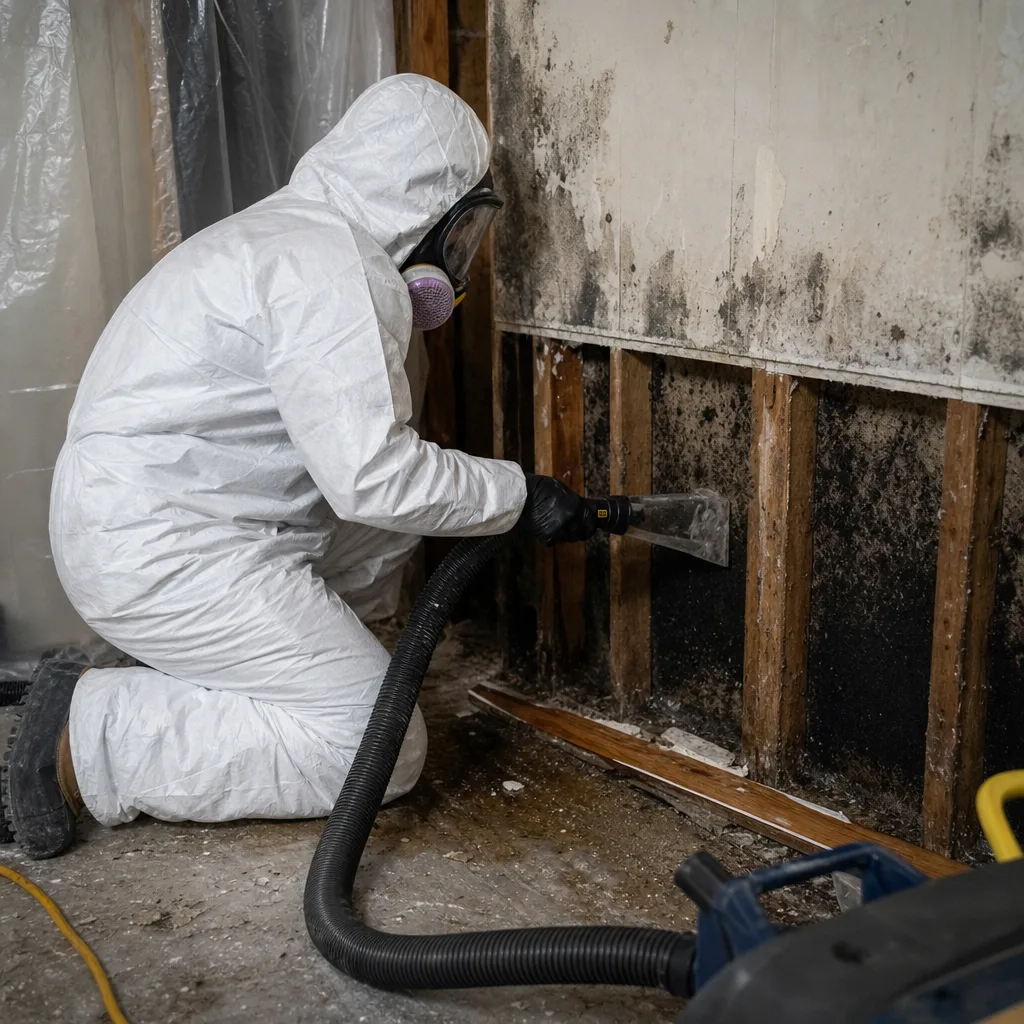
A maintenance checklist protects Manhattan homeowners only when it produces dated, measurable records that prove pre-event conditions. The $150 in tools, two hours monthly, and disciplined cloud storage create a documentation foundation that pays for itself in a single disputed claim. Match your inspection to your building’s era, align it with Manhattan’s seasonal triggers, and log neighbor and building risks with the same rigor you apply to your own pipes. When water comes, and it eventually does, the owner with evidence controls the outcome. The owner without it hopes for goodwill.
Written by Alicia Brennan, Owner at Back to Dry Restoration Manhattan, serving Manhattan since 2011.