
Last updated September 22, 2026
Free visual inspection and a written scope of work before any mitigation begins - photos, moisture readings, and drying logs go in your claim file
The scope we write is the scope we bill. Anything new gets shown to you, in writing, before we touch it.
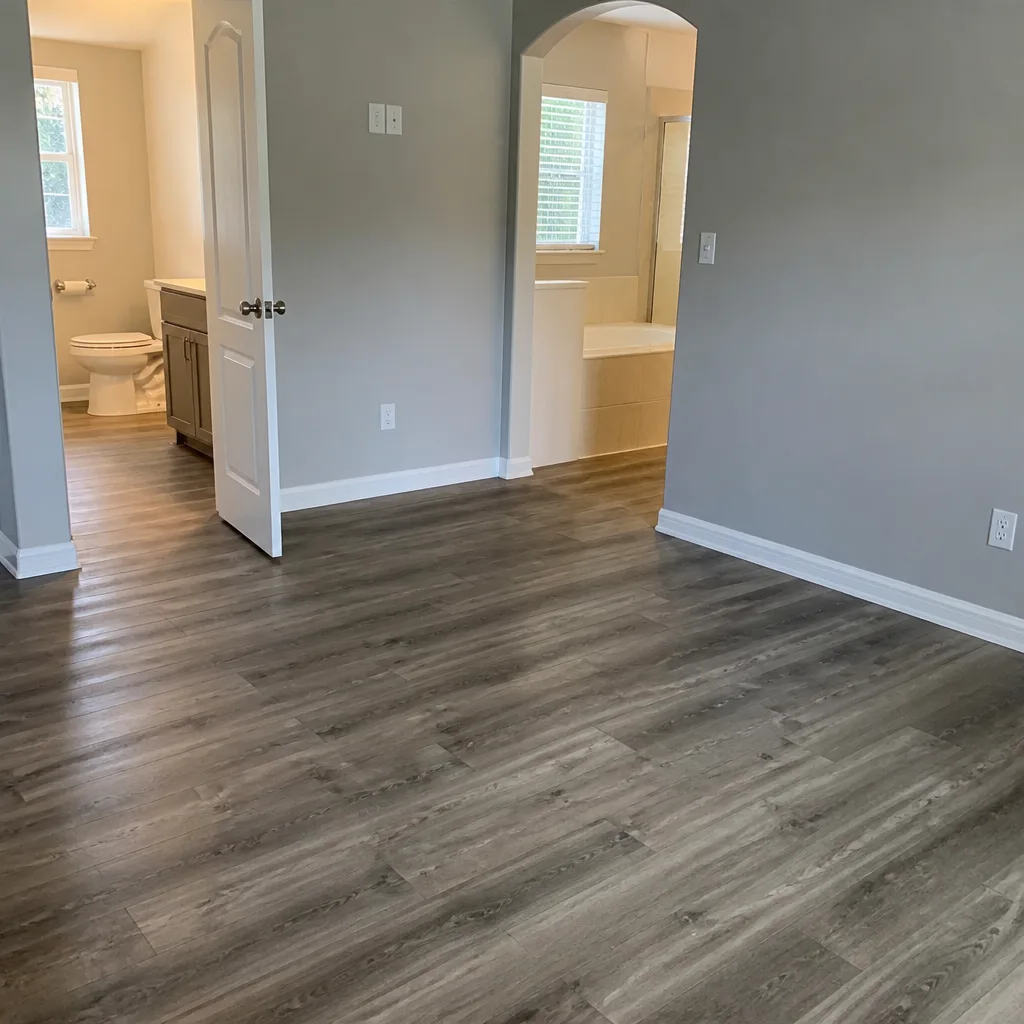
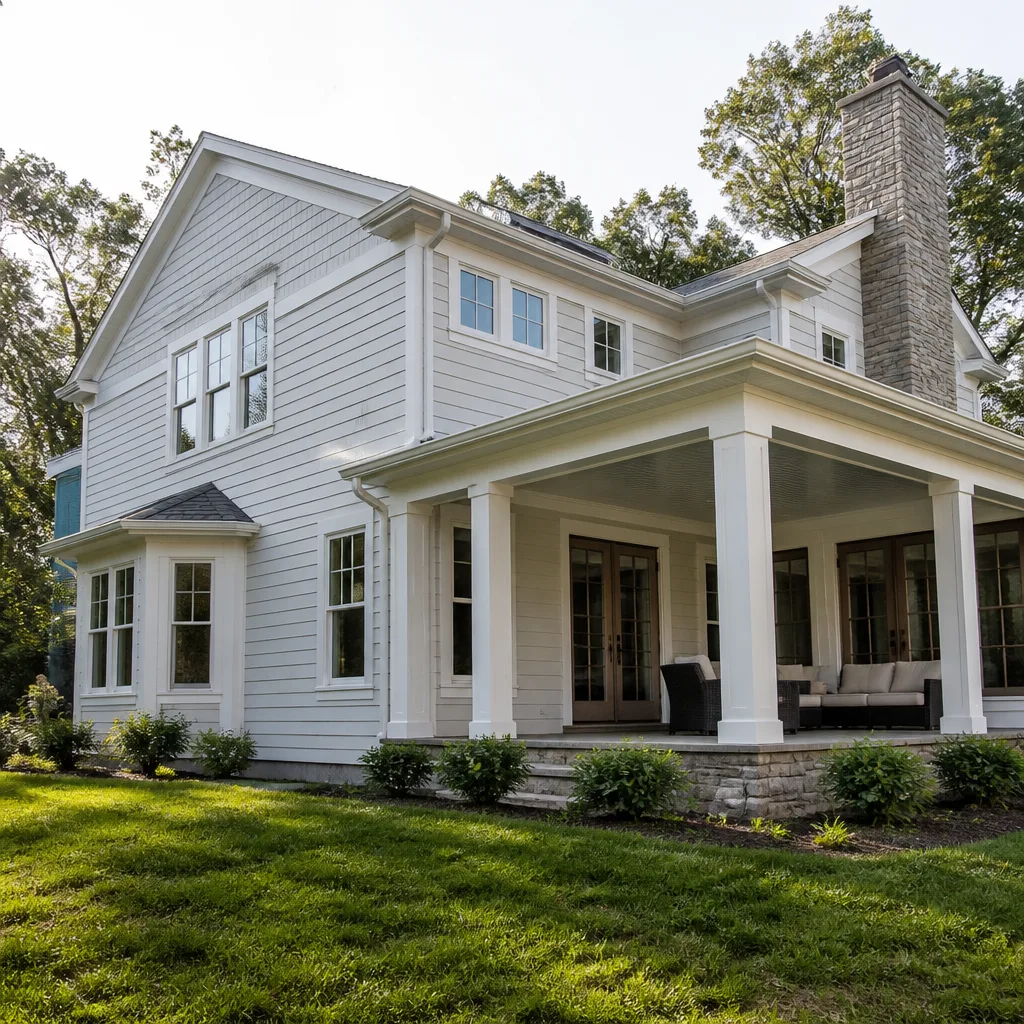
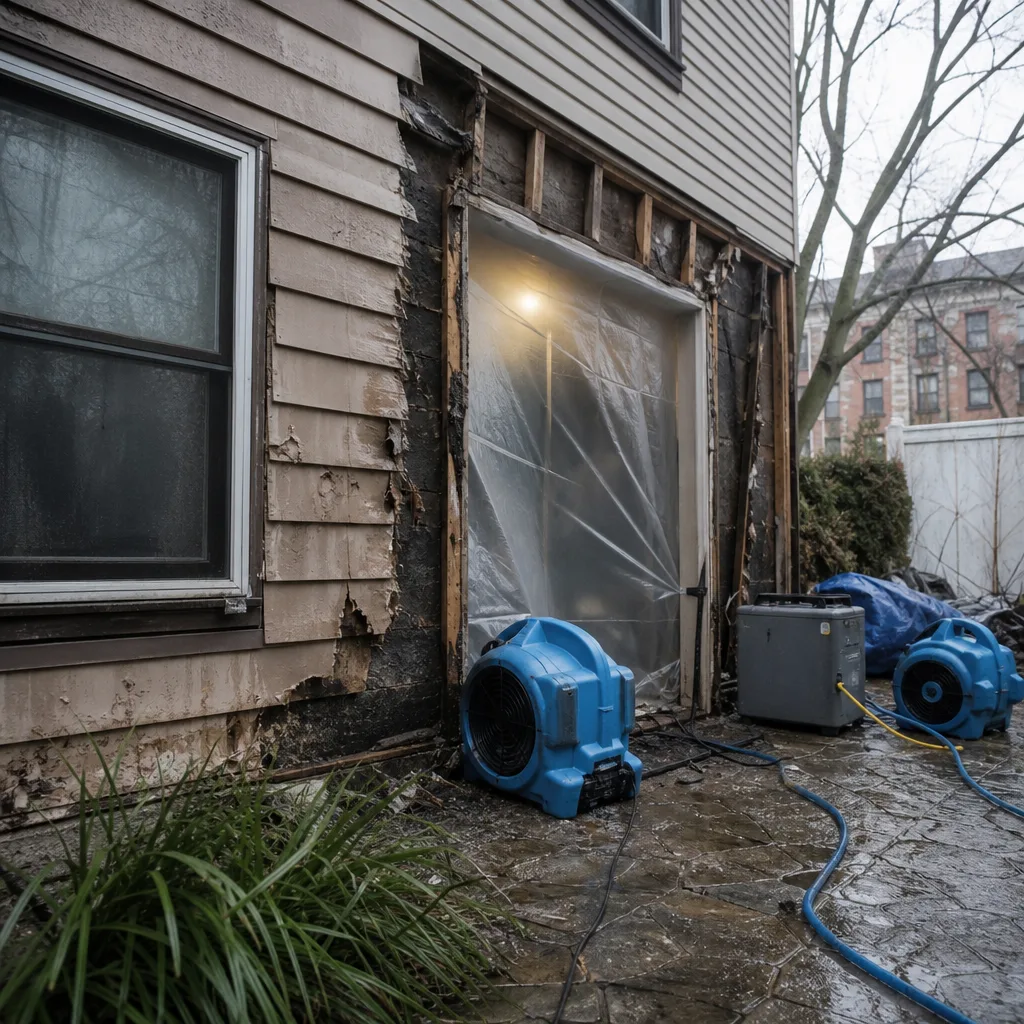 Before
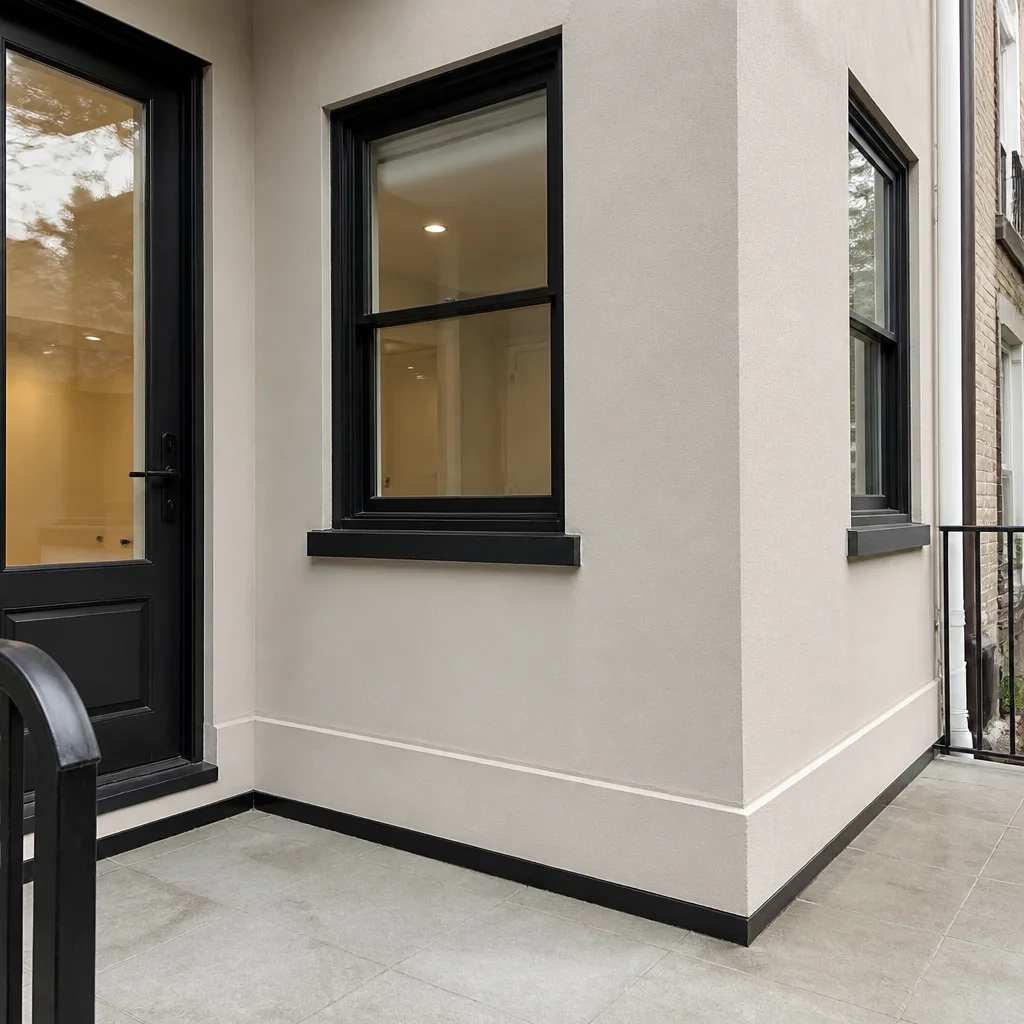 After
After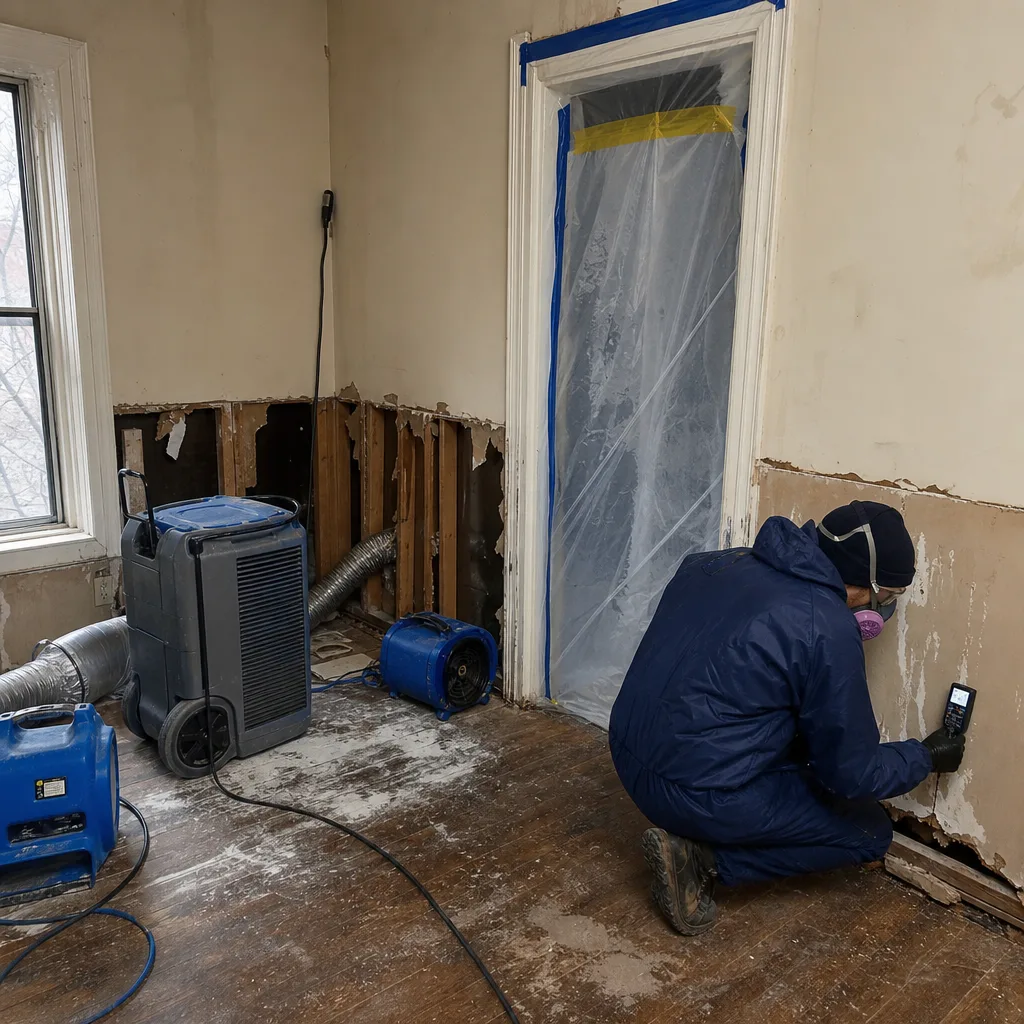 Before
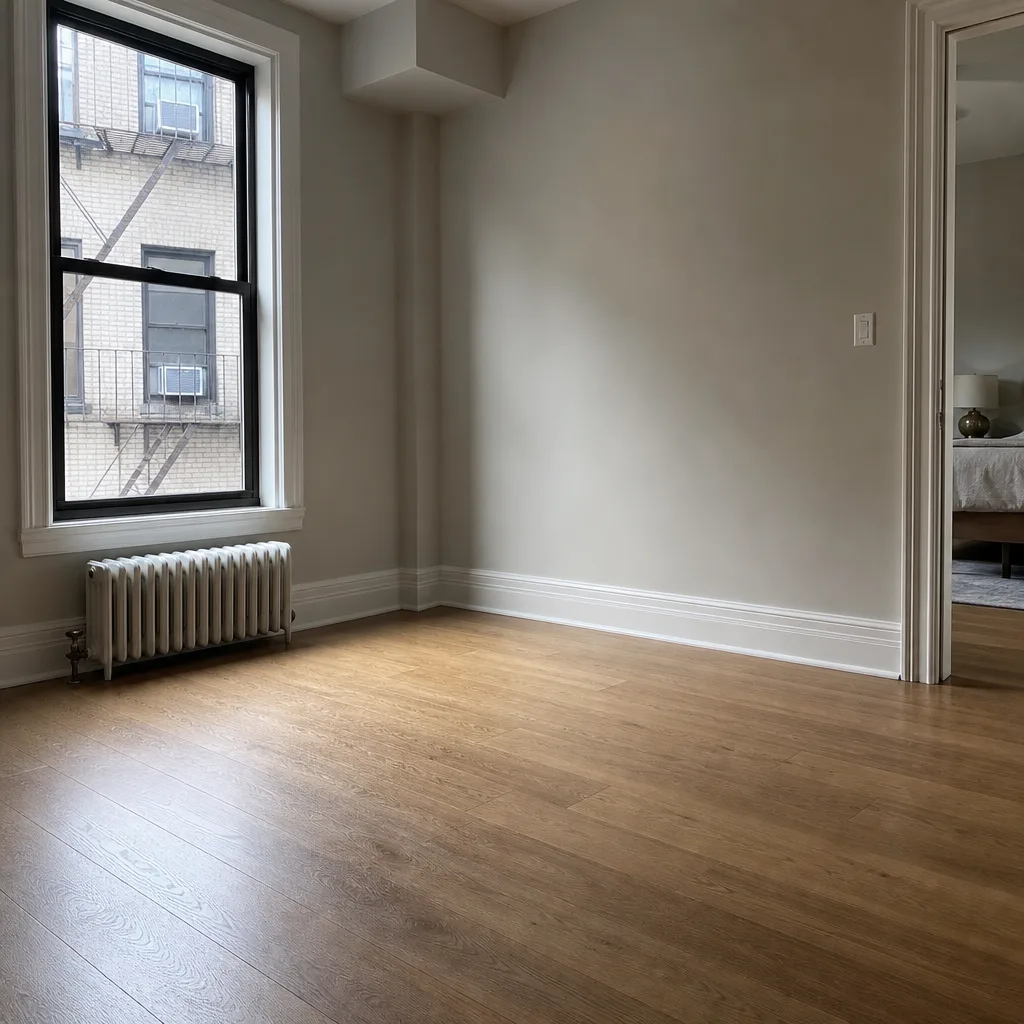 After
After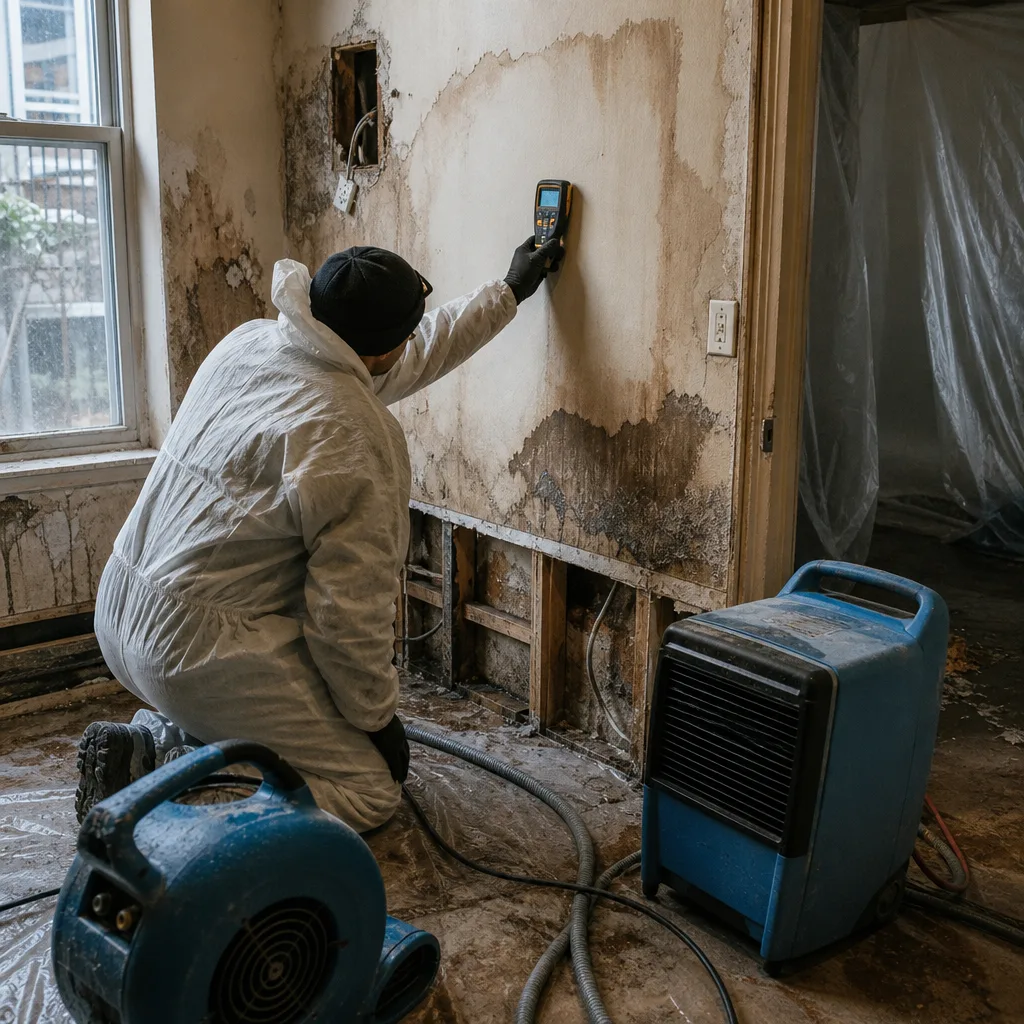 Before
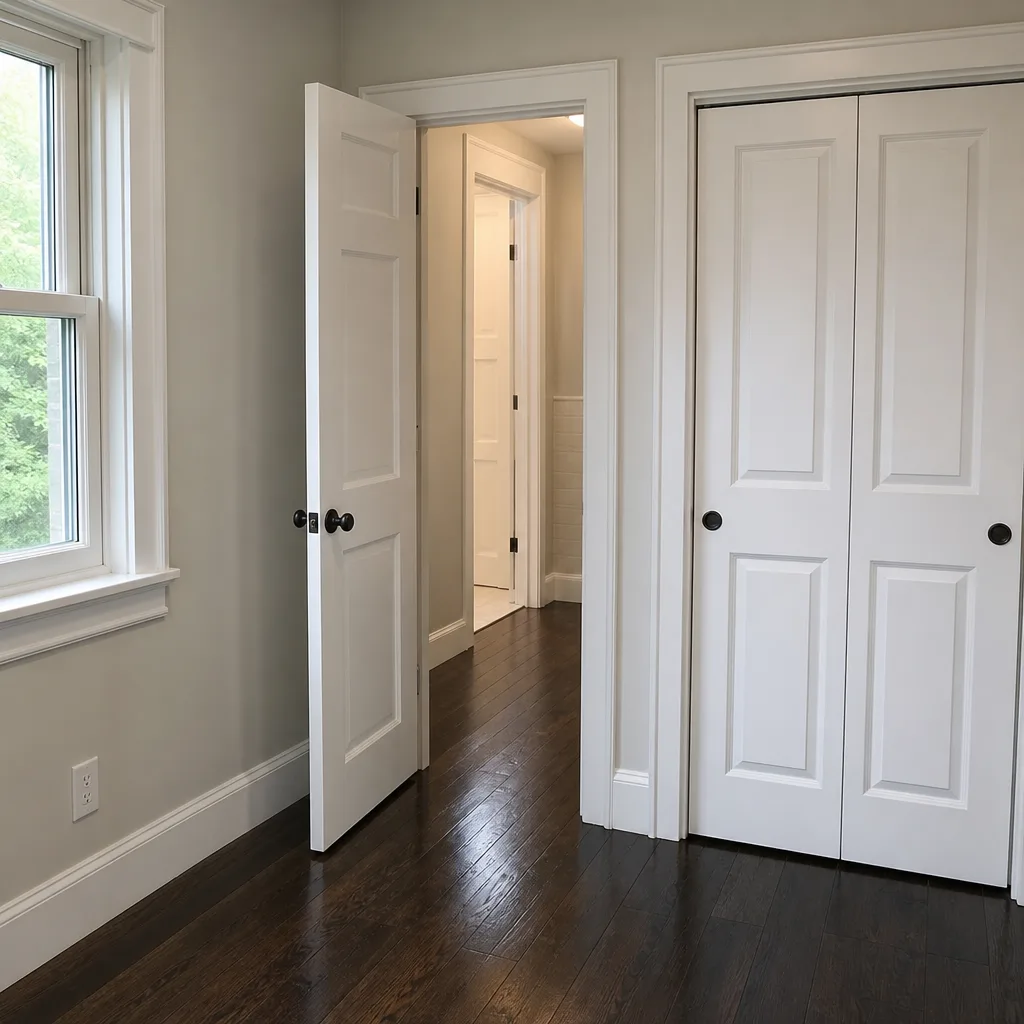 After
AfterDamage Restoration Permits, Codes & Inspections in NY: What You Need to Know
A Manhattan homeowner accepted a contractor’s verbal assurance that their mold remediation didn’t require a permit. Eighteen months later, a DOB violation appeared on their building’s record when they tried to sell, and their buyer’s lender demanded a $14,000 escrow holdback. The work itself was competent. The documentation was not. In New York City, the permit question in damage restoration isn’t administrative trivia. An unpermitted repair can trigger a stop-work order, void a certificate of occupancy, and give an insurer grounds to deny a subsequent claim. This guide identifies exactly when a permit is required, what the inspection record must show, and how to protect your property value before a crew opens the first wall. For related reading, see our Damage Restoration Warning Signs: A Manhattan Homeowner’s Reference Guide.
Quick Answer
Most water damage and mold remediation work in Manhattan requires a New York City Department of Buildings (DOB) permit when it involves structural alteration, electrical or plumbing modification, or removal of more than 25 square feet of wall or ceiling surface in a single room. Emergency stabilization work, such as water extraction and initial drying with Dri-Eaz or Phoenix dehumidification systems, typically does not require a permit if no structural elements are disturbed. However, the line between emergency mitigation and alteration is narrower than most contractors admit, and the permit history follows the property, not the contractor.
Table of Contents
- When Is a Permit Required for Restoration Work?
- NYC DOB Thresholds: Maintenance vs. Alteration
- Local Law 31 and Local Law 1: Lead and Mold Disclosure in Pre-1978 Buildings
- How to Pull a Job’s Permit History Before Hiring
- DOB Inspection vs. IICRC Clearance: Why You May Need Both
- Co-op Alteration Agreements: The Layer Above City Code
- What the Inspection Record Must Show
- Common Mistakes to Avoid
- When to Call a Professional
- Frequently Asked Questions
- The Bottom Line
BeforeAfterWhen Is a Permit Required for Restoration Work?
The question sounds simple. The answer depends on what the crew actually does, not what the estimate calls it.
In Manhattan, the NYC Department of Buildings draws a hard line between maintenance and alteration. Maintenance, in DOB terms, means returning a damaged element to its pre-loss condition using the same materials in the same configuration. Alteration means changing anything: moving a wall, replacing plaster with drywall, upgrading electrical while the wall is open, or removing enough surface area that the building’s fire rating or structural integrity is affected.
Here’s where restoration work typically falls:
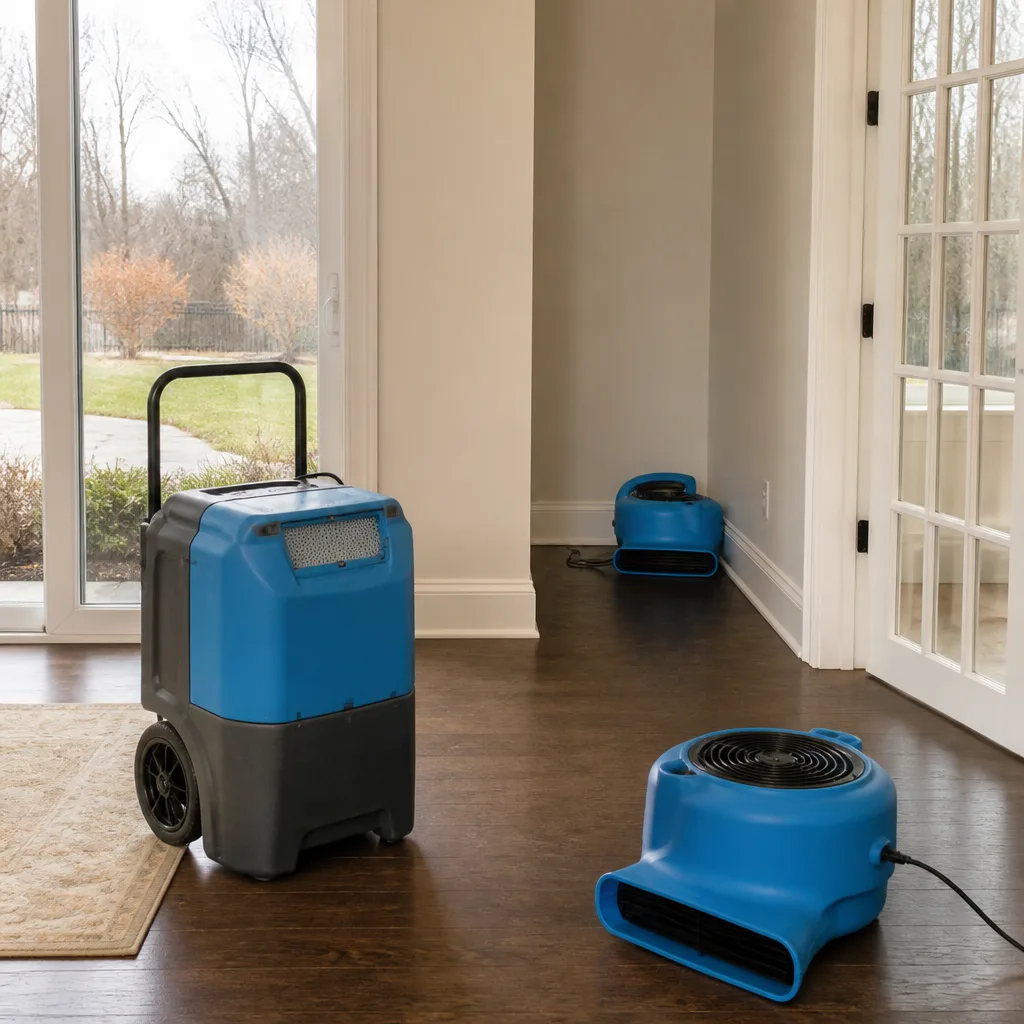
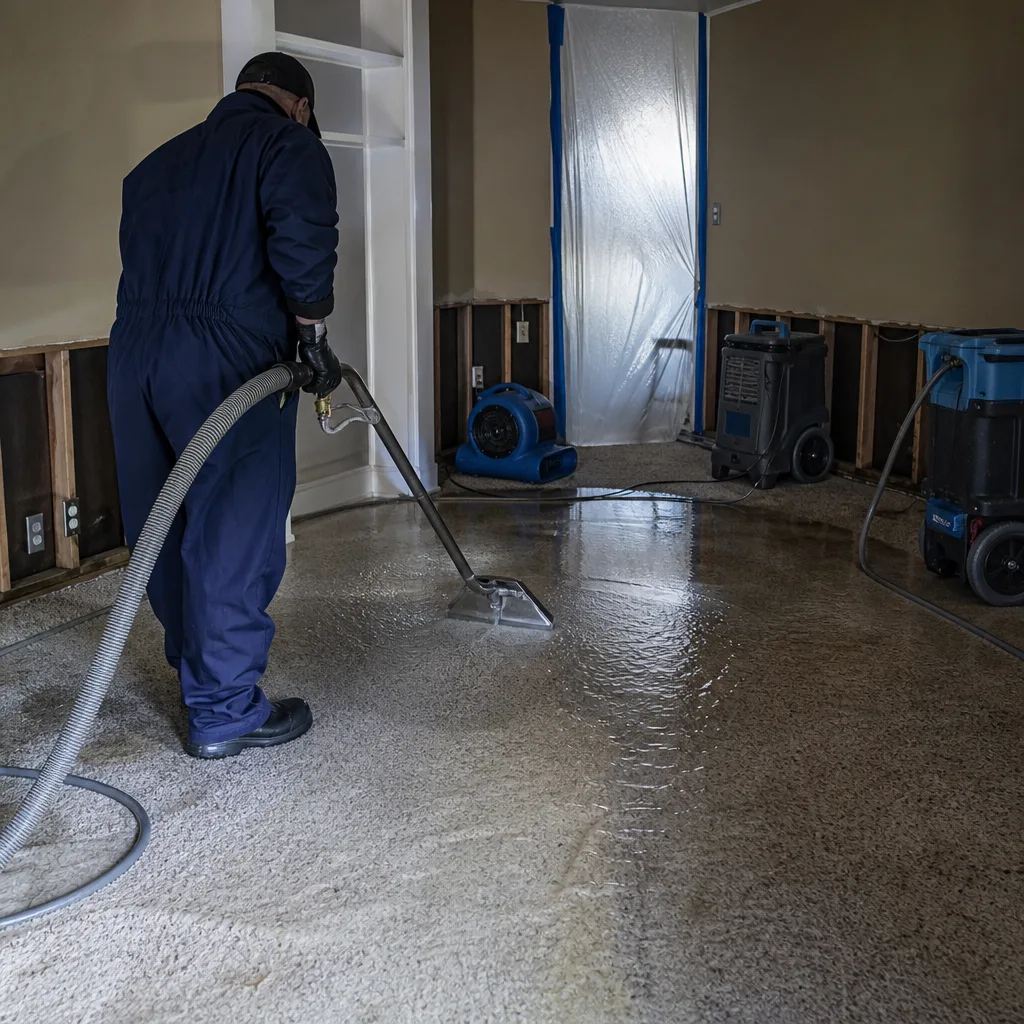
- No permit required: Water extraction, dehumidification with Dri-Eaz or Phoenix LGR units, air filtration with HEPA-negative air machines, surface cleaning, and removal of non-structural finish materials (carpet, pad, baseboard) totaling less than 25 square feet of wall or ceiling surface in a single room.
- Permit required: Removal of 25 square feet or more of wall or ceiling surface in one room; any work affecting plumbing, electrical, or HVAC systems; structural drying that requires opening wall cavities with inspection ports; mold remediation that disturbs substrate materials in a manner that changes the assembly; fire damage restoration that involves rebuilding structural elements; any work in a landmarked building or historic district requiring LPC approval.
- Permit plus specialized approval: Work in co-op or condo buildings where the alteration agreement imposes additional requirements; work in rent-stabilized buildings requiring DHCR notification; work involving asbestos-containing materials requiring NYCDEP notification and air monitoring.
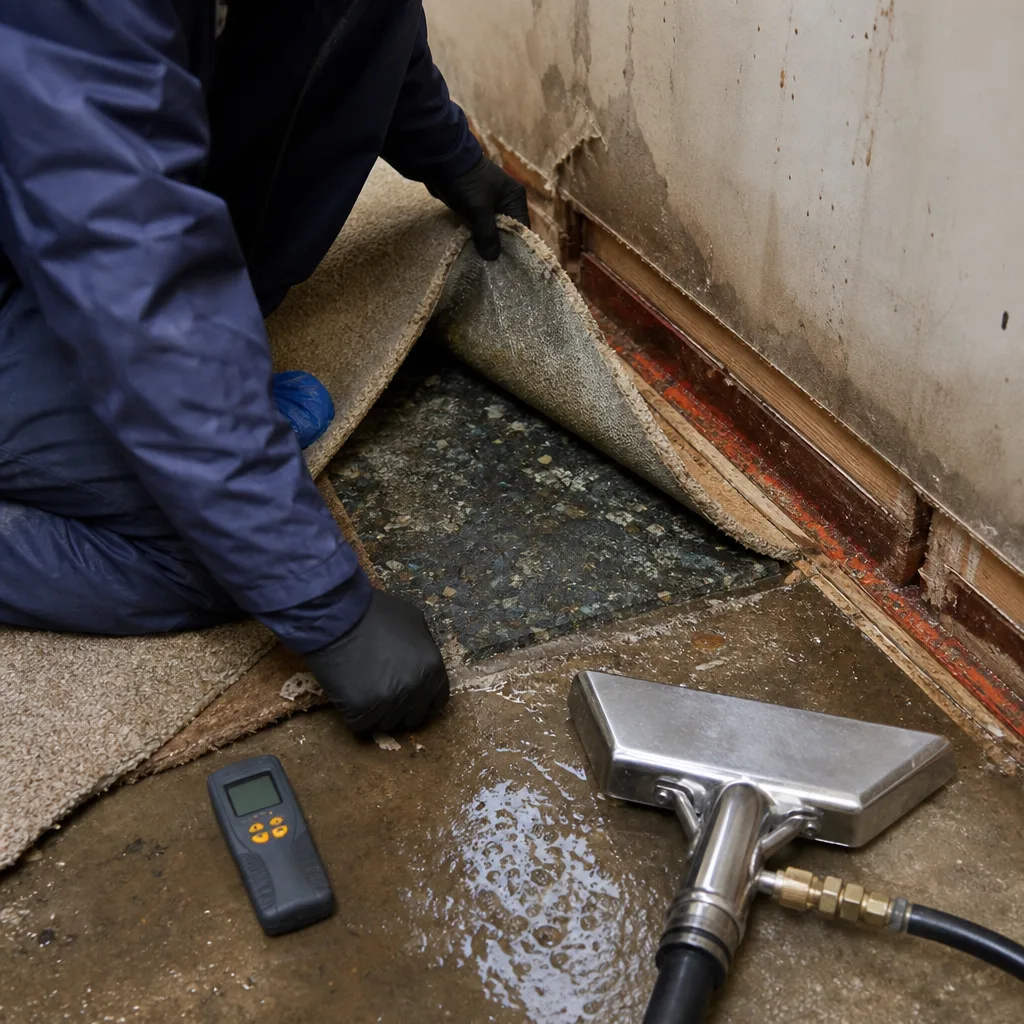
The 25-square-foot threshold is the one that surprises homeowners. A standard water damage job in a Manhattan prewar apartment, with plaster-and-lath walls and a slow leak behind the kitchen cabinets, can easily exceed this once the crew determines that the substrate is wet to the adjoining room. At that point, what started as emergency mitigation becomes alteration work under DOB rules.
We’ve seen this exact scenario in a 1920s building on West 86th Street. The initial call was for a washing machine supply line failure. The moisture mapping, documented with psychrometric data (temperature, relative humidity, and vapor pressure readings), showed lateral migration through two walls and into the hallway closet. The scope expanded from extraction and drying to controlled demolition of 34 square feet of plaster and lath, replacement with moisture-resistant drywall, and repair of the damaged copper supply line. Each of those elements required a separate permit or filing.
The contractor who skips this analysis and begins demolition without filing is gambling with the homeowner’s property record. Not their own.
NYC DOB Thresholds: Maintenance vs. Alteration
Understanding where DOB draws its lines requires reading the code the way an inspector does, not the way a marketing department wishes it were written.
Type 1 Alterations involve changes to the certificate of occupancy, egress, or structural elements. These are rare in standard restoration but common after major fire or collapse damage. A Type 1 requires full architectural plans, a registered design professional, and multiple inspections.
Type 2 Alterations cover changes that don’t affect use, egress, or occupancy. Most restoration work that requires a permit falls here: replacing damaged drywall, rewiring a water-damaged circuit, replumbing a failed riser. A Type 2 can be filed as a self-certification by a registered architect or engineer, which speeds the process but doesn’t reduce the documentation burden.
Type 3 Alterations are minor, involving one work type in a limited area. Some mold remediation and limited drywall replacement can qualify, but the 25-square-foot rule still applies.
The critical distinction for Manhattan homeowners is between emergency work and permanent repair. Under DOB rules, a licensed contractor can perform emergency work to prevent imminent danger to life, health, or property without a pre-filed permit, provided they file an Emergency Work Notification within 24 hours and obtain the proper permit retroactively within 72 hours. This is not a loophole. It’s a narrow exception, and the retroactive filing requirement is strict.
What qualifies as emergency work? Stopping active water flow, shoring a compromised structural element, or removing standing water that poses electrical hazard. What doesn’t qualify? Demolishing wet drywall that isn’t actively collapsing, running dehumidification equipment (which is mitigation, not emergency), or beginning mold remediation that could have been scoped and filed properly.
In our experience, the contractors most likely to abuse the emergency work exception are the ones who arrive with demolition tools before they’ve documented moisture readings or established a drying plan with target equilibrium moisture content. At Back to Dry Restoration Manhattan, we separate emergency stabilization from scoped repair. The first gets the notification filed within hours. The second gets the permit pulled before the crew returns.
Local Law 31 and Local Law 1: Lead and Mold Disclosure in Pre-1978 Buildings
Manhattan’s housing stock is old. Roughly 60% of residential buildings in the borough predate 1978, which places them under two overlapping regulatory regimes that restoration contractors ignore at serious legal risk.
Local Law 1 of 2004, the NYC Childhood Lead Poisoning Prevention Act, as amended by Local Law 31 of 2020, requires lead-safe work practices during any renovation, repair, or painting in residential buildings where a child under six resides or where the building owner knows or should know of lead-based paint. The trigger is broad: any work that disturbs painted surface in a dwelling unit or common area.
For restoration work, this means:
- Pre-renovation lead testing is required before disturbing painted surfaces in pre-1978 buildings, unless the building has a valid lead-free certificate from HPD.
- If lead is present or presumed present, the contractor must be EPA RRP-certified and follow NYCDOHMH lead-safe work practices, including containment, dust suppression, and specialized cleaning verification.
- Notification to tenants is required before work begins, with specific language and timing prescribed by law.
- Documentation of compliance must be maintained for three years and produced on request by HPD, DOB, or a tenant.
Local Law 31 of 2018, the mold law, adds another layer. It requires annual inspection for mold in buildings with 10 or more residential units, and immediate remediation when mold exceeds specified square footage thresholds: more than 10 square feet in a single room, or any amount if it was caused by a building system leak that the owner failed to repair. The law also requires mold assessment and remediation to be performed by separate licensed professionals, with the assessor preparing a remediation plan that the remediator must follow.
The mold assessor/remediator separation is where restoration companies often stumble. A contractor cannot assess their own mold problem and then remediate it under Local Law 31. The assessment must be performed by a licensed mold assessor, who produces a written scope. The remediator, who must also be licensed, follows that scope and then passes a post-remediation inspection by the original assessor or another independent party.
At Back to Dry Restoration Manhattan, we coordinate with independent licensed mold assessors on every Manhattan job that triggers Local Law 31. Our remediation plans are written to the assessor’s scope, not invented on site. Our post-remediation documentation includes the assessor’s clearance, our photo record, and the moisture verification data that proves the source was resolved, not just the symptom.
The intersection of lead and mold laws creates particular complexity in gut renovations after major water damage. A flooded basement in a pre-1978 Washington Heights rental building, for example, may require: lead-safe work practices for all painted surface disturbance; a separate mold assessment if visible mold exceeds 10 square feet; NYCDEP notification if asbestos-containing pipe insulation is disturbed; and DHCR notification if the building is rent-stabilized. Each of these has its own timeline, documentation requirement, and inspection protocol. A contractor who treats this as “just a water job” is creating liability that compounds with every layer they miss.
How to Pull a Job’s Permit History Before Hiring
Before you hire any restoration contractor in Manhattan, you should know what the building’s permit record already contains. An open violation or an expired permit can block your new work from being approved, and contractors rarely check this on the initial visit.
The NYC Buildings Information System (BIS) is the primary public database. Here’s how to use it effectively:
- Go to the BIS Property Profile Overview and enter your building’s block and lot number (found on your deed, tax bill, or ACRIS search).
- Review the “Jobs/Filings” tab for any open or recently closed permits. Note the job type, filing status, and whether a certificate of occupancy or letter of completion was issued.
- Check the “Violations” tab for active DOB violations, especially Class 1 (immediately hazardous) and Class 2 (major) violations that may require remediation before new work can proceed.
- Cross-reference with the ECB (Environmental Control Board) violation search for summonses related to unpermitted work, unsafe conditions, or stop-work orders.
- For co-op and condo buildings, request the building’s alteration log from the managing agent. This is not public record, but it’s essential. Many Manhattan buildings have internal violation systems that don’t appear in BIS but will block your contractor’s access.
What you’re looking for: any open permit for work in the same area of your apartment, which may need to be closed before new work can be filed; any stop-work order, which makes any new work illegal until resolved; any pattern of violations that suggests the building has a chronic compliance problem, which can affect insurance and resale; and any alteration that changed the certificate of occupancy, which may mean your unit’s legal configuration differs from what you believe you own.
We’ve arrived at jobs where the homeowner was unaware that a previous contractor’s permit had lapsed, leaving an open “A” (application) status that prevented our new filing for six weeks while the owner sorted out the old contractor’s abandonment. In a water damage scenario, six weeks of delay turns a $4,000 drying job into a $40,000 mold remediation with structural repair. The permit history matters.
For landmarked buildings or those in historic districts, add the Landmarks Preservation Commission (LPC) database to your search. LPC approval is required before DOB will issue permits for any visible exterior work and many interior alterations in designated buildings. The LPC permit is separate, slower, and non-negotiable.
DOB Inspection vs. IICRC Clearance: Why You May Need Both
Homeowners often assume that passing one inspection means passing all of them. In Manhattan restoration, that’s rarely true. You may need three separate inspections from three separate entities, each with different standards and different consequences for failure.
NYC DOB Inspection verifies that the work matches the approved plans and complies with building code. The inspector checks structural elements, egress, fire separation, and system installations. They do not check whether the wall is dry, whether mold is present, or whether the air quality meets health standards. A DOB sign-off means the work is code-compliant, not that the underlying damage is resolved.
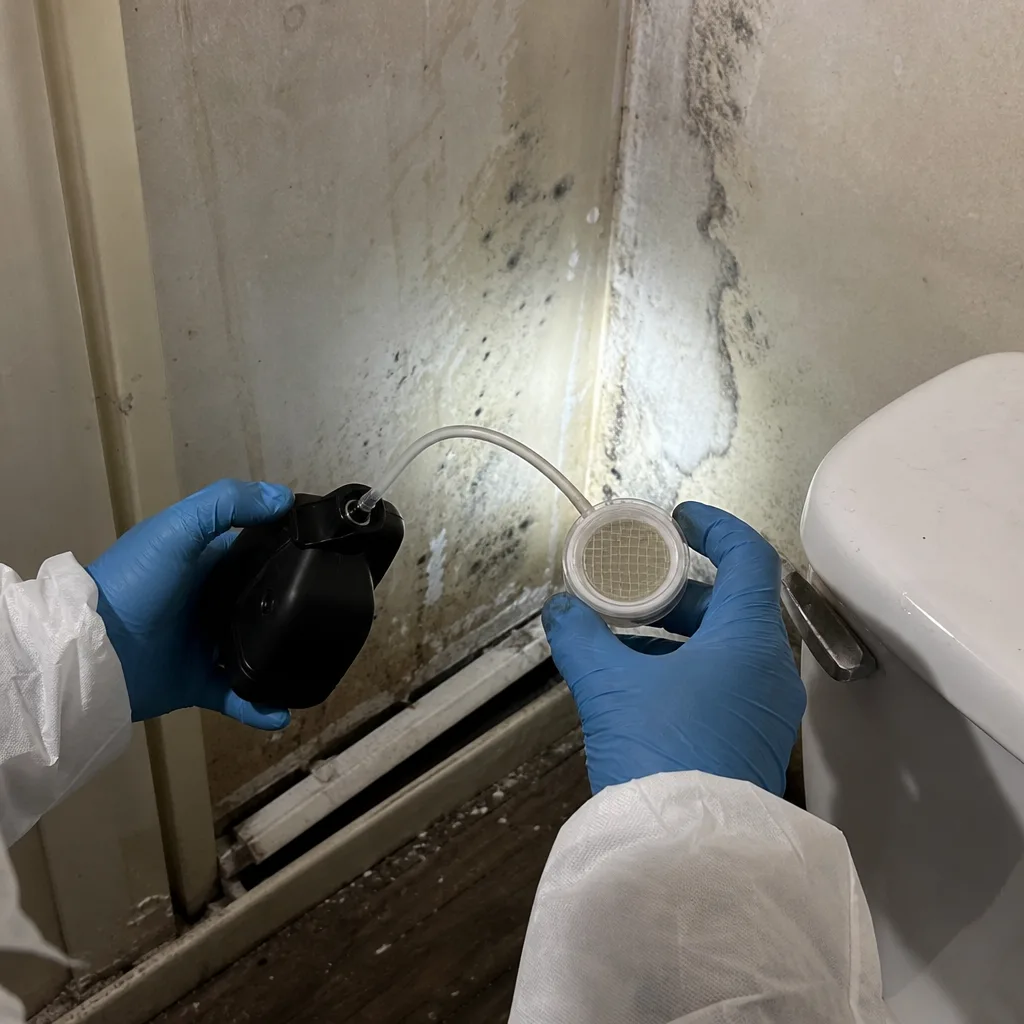
IICRC Clearance Testing is the restoration industry’s standard for verifying that water damage mitigation and mold remediation have achieved defined endpoints. For water damage, this means moisture content readings at or below the dry standard for the material (typically 12-16% for wood framing, verified with calibrated pin or pinless meters). For mold remediation, this means air sampling and surface sampling showing spore counts at or below outdoor baseline levels, with no visible mold growth in the remediated area.
IICRC clearance is performed by an independent third party, not the remediator, and follows protocols from the S500 (water damage) and S520 (mold remediation) standards. The clearance report includes: the scope of work performed; moisture readings or air sample results; photographs of the completed work; and a statement that the area meets the standard for return to normal condition.
Local Law 31 Mold Assessment Clearance is specific to NYC and adds a regulatory layer on top of IICRC standards. The licensed mold assessor who wrote the original remediation plan must inspect the completed work and confirm it was performed according to that plan. This is not the same as IICRC clearance, though the two can be coordinated. The Local Law 31 clearance is a legal requirement; the IICRC clearance is a professional standard. Both matter for different reasons.
Why you need both DOB and restoration clearance: DOB doesn’t care if your wall is still wet inside, as long as the new drywall is installed to code. IICRC doesn’t care if your new outlet is grounded, as long as the moisture is controlled. Insurance adjusters increasingly require both. A claim paid on code-compliant work that later develops mold because drying was incomplete becomes a subrogation target, and the homeowner is caught between the contractor’s warranty and the insurer’s denial.
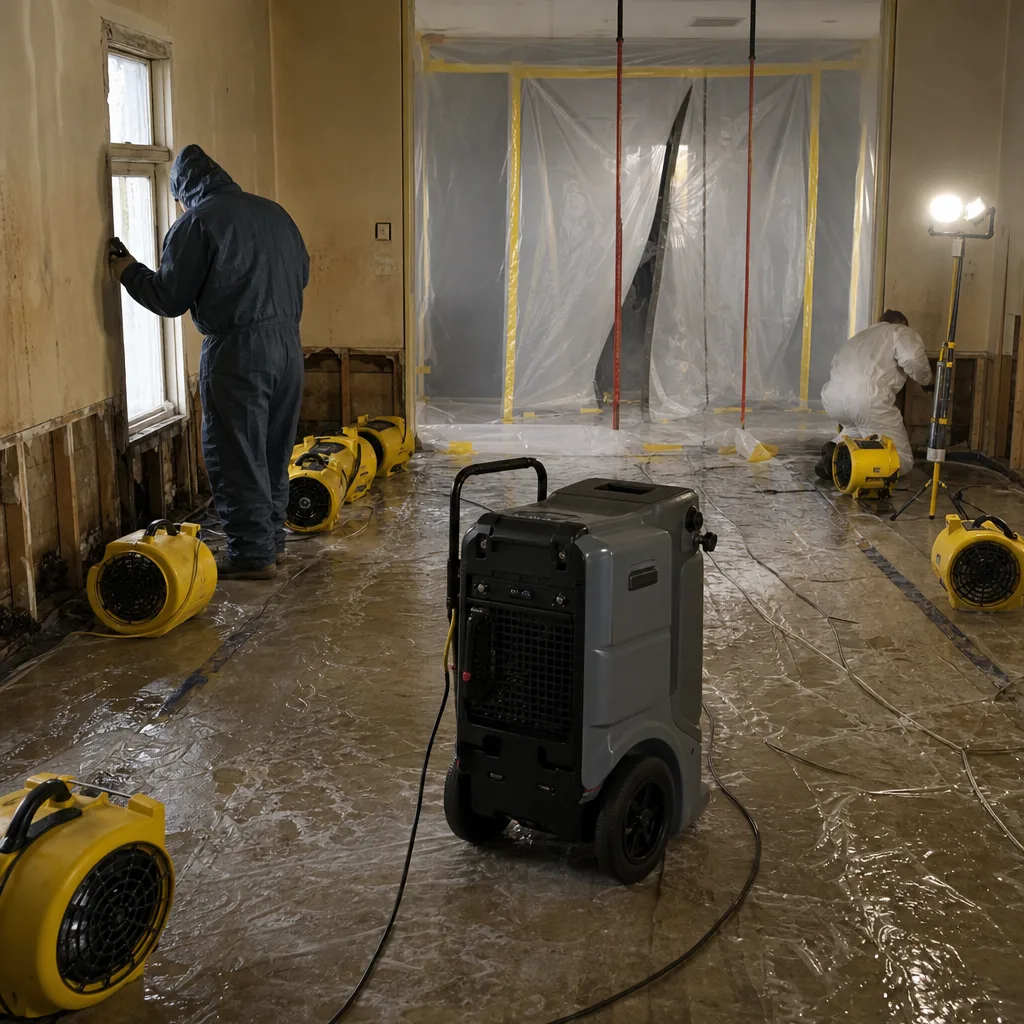
At Back to Dry Restoration Manhattan, we deliver both. Our daily drying logs, produced with equipment from Dri-Eaz, Phoenix, and XPOWER, document the psychrometric progression toward dry standard. Our photo record shows each stage. Our IICRC clearance testing is performed by independent third parties. And when DOB inspection is required, we coordinate the timing so that the restoration clearance precedes the final DOB sign-off, ensuring that no concealed wet material gets sealed behind code-compliant finish.
Co-op Alteration Agreements: The Layer Above City Code
Manhattan co-op buildings add a private regulatory layer that can override or supplement city code. The alteration agreement, house rules, and proprietary lease provisions govern what contractors can do, when they can do it, and what documentation they must provide to the board.
Typical co-op requirements that affect restoration work include:
- Pre-approval of all contractors: Many buildings maintain approved contractor lists or require submission of insurance certificates, licenses, and background checks before work begins. A contractor who arrives without board approval may be denied building access.
- Work hours restrictions: Restoration emergencies don’t always respect 9-to-5 windows, but co-ops often limit noisy work to specific hours and prohibit weekend or holiday work entirely.
- Protection requirements: Hallway and elevator protection, often with specific materials and installation standards, is typically the contractor’s responsibility and cost.
- Plumber and electrician specifications: Some buildings require use of specific master plumbers or electricians for any work affecting building systems, regardless of the contractor’s own licenses.
- Security deposits and insurance riders: The co-op may require a cash deposit against damage, and additional insured status on the contractor’s general liability policy.
- Inspection by building architect or engineer: For work affecting structural or system elements, the co-op’s professional may inspect before, during, and after, with approval required at each stage.
The critical point: co-op approval is separate from DOB permit approval, and neither guarantees the other. We’ve seen jobs where DOB issued the permit but the co-op board rejected the contractor’s insurance certificate because the coverage limit was below the building’s requirement. The permit was valid. The work was legally impossible.
In Manhattan’s co-op-heavy market, from the Upper East Side to the West Village, the alteration agreement is often the longest lead-time item in a restoration project. A contractor who doesn’t request it on day one is either inexperienced or hoping to pressure the board with an emergency narrative. At Back to Dry Restoration Manhattan, we obtain alteration agreement requirements during our initial assessment and include compliance in our written scope. Haven Standard, Clause 1: the written price before work begins includes all known regulatory costs, not just the visible damage.
What the Inspection Record Must Show
The inspection record is the permanent artifact of your restoration project. It follows the property through sale, refinance, and future claims. What it contains, and what it omits, determines whether the work protects or harms your property value.
For DOB-permitted work, the record must include:
- The approved application (AP) or permit (PW) number, with job description matching the actual scope
- Plans and specifications signed by a registered design professional, if required for the job type
- Inspection records showing sign-off at required stages: foundation, framing, insulation, final
- A letter of completion or certificate of occupancy amendment, if the work affected use or occupancy
- Final sign-off closing the permit and removing the job from open status
For restoration-specific verification, the record should include:
- Pre-loss documentation: photographs, moisture readings, material identifications, and scope of affected area
- Drying logs with daily psychrometric data: temperature, relative humidity, specific humidity, and vapor pressure differential (the force that drives moisture from wet materials into the air, measured in inches of mercury)
- Equipment placement diagrams showing Dri-Eaz, Phoenix, or XPOWER unit locations, air mover counts, and dehumidifier capacity in pints per day
- Material moisture content readings at start, during, and at completion, with target dry standards noted
- Photo record on every visit, date-stamped and geotagged, showing condition before, during, and after work
- Written scope of work, with written price before work begins, per Haven Standard, Clause 1
- Post-remediation verification: IICRC clearance report, Local Law 31 assessor clearance, or both
- 365-Day Done Right Promise documentation, signed and delivered
The gap we see most often is between the DOB record and the restoration record. A contractor files the permit, passes the DOB final, and delivers a certificate of completion. But the drying logs were never produced, the moisture readings were never taken, and the photo record consists of three cell phone pictures. Six months later, mold appears, the insurer denies the secondary claim for inadequate initial drying, and the homeowner has no documentation to prove otherwise.
Our standard at Back to Dry Restoration Manhattan is to produce both records in parallel. The DOB inspector sees code-compliant work. The insurance adjuster sees documented drying to IICRC standards. The homeowner receives both, with the photo record and drying logs included as standard deliverables, never as upsells. Twelve thousand homes restored since 2011, every one with a written price before work started and a documented record when the crew left. Browse more guides & resources on protecting your Manhattan property.
Common Mistakes to Avoid
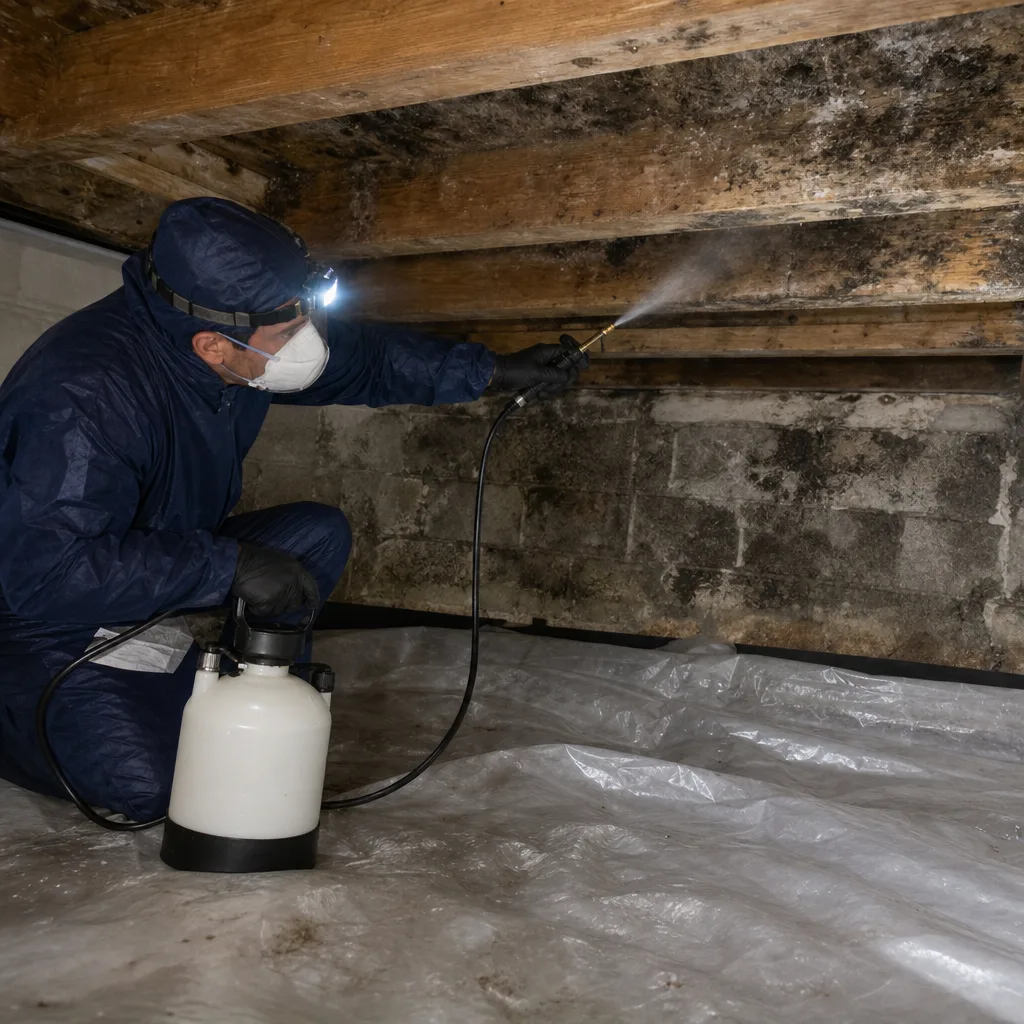
- Accepting a contractor’s verbal assurance that no permit is needed. The permit requirement follows the work performed, not the contractor’s opinion. A stop-work order issued mid-job costs more than filing correctly would have.
- Failing to verify that a previous owner’s permit was properly closed. Open permits and expired applications block new filings and appear on title searches. Check BIS before you authorize any work that requires a new filing.
- Assuming emergency mitigation exempts all subsequent work. The 24-hour emergency notification covers only immediate hazard abatement. Permanent repair requires proper filing, and the 72-hour retroactive permit window is strict.
- Neglecting Local Law 31 assessor/remediator separation. A contractor who assesses and remediates their own mold work in a covered building violates NYC law and produces unenforceable clearance documentation.
- Ignoring co-op alteration agreements until the crew is denied building access. Board approval can take weeks. It should be the first item on the project timeline, not the last.
- Confusing DOB sign-off with restoration completion. Code compliance and moisture control are different standards. A wall can be code-compliant and still wet enough to support mold growth.
- Not requesting the photo record and drying logs in writing. If the contractor won’t commit to producing these in the initial scope, they won’t produce them at all. Documentation is not an afterthought; it’s the product.
When to Call a Professional
Call a licensed restoration professional when the damage involves structural elements, building systems, or regulated materials; when the affected area exceeds 25 square feet of wall or ceiling surface; when the building was constructed before 1978 and may contain lead-based paint; when mold is visible or suspected behind finished surfaces; when the property is a Manhattan co-op or condo with alteration agreement requirements; or when an insurance claim is likely and documentation will determine payment.
Back to Dry Restoration Manhattan offers free estimates in Manhattan. Every estimate includes a written scope, a written price before work begins under Haven Standard, Clause 1, and a documented assessment of permit requirements for your specific building. We also provide a Free Second Opinion on any competitor’s written estimate. Call (516) 687-5786 to schedule.
Frequently Asked Questions
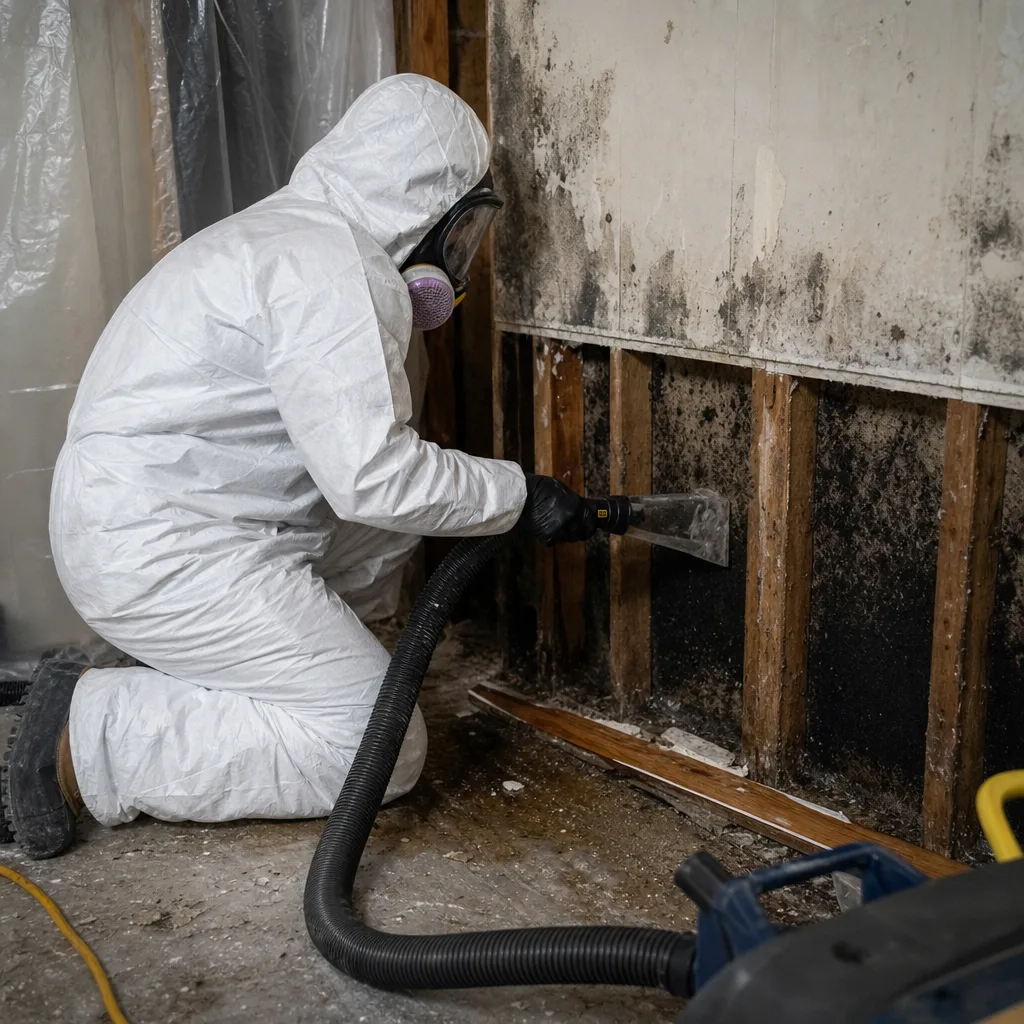
You need a DOB permit when the work involves removing 25 square feet or more of wall or ceiling surface in a single room, modifying plumbing or electrical systems, or altering structural elements. Emergency water extraction and dehumidification typically do not require a permit if no structural materials are disturbed. For an exact determination based on your specific damage, call (516) 687-5786 for a free assessment with written scope.
Most property insurance policies exclude coverage for work performed in violation of applicable building codes, and an unpermitted alteration can trigger this exclusion. Some insurers may pay for the initial damage but deny the cost of correcting unpermitted work, or deny a subsequent claim if the unpermitted repair contributed to new damage. Photo documentation and permit compliance, maintained from day one, are the strongest protections against this denial.
Back to Dry Restoration Manhattan maintains live phone coverage 24 hours a day, 7 days a week with no voicemail on emergency lines. Response time depends on traffic and building access protocols, but our crews are deployed from Manhattan-based staging points. The critical factor is not arrival speed but what happens on arrival: moisture mapping, documentation, and emergency stabilization with notification filing if needed. Call (516) 687-5786 for current response availability.
A DOB inspection verifies code compliance: structural integrity, fire safety, proper installation of systems. It does not test for mold, moisture, or air quality. A mold clearance test, performed under IICRC S520 and Local Law 31 requirements, verifies that remediation achieved defined spore count and visibility standards. A restoration job may pass DOB inspection and fail mold clearance, or vice versa. Both may be needed to close the project completely.
Yes. Manhattan co-op boards have denied building access to contractors for expired insurance certificates, missing background checks, failure to post required security deposits, and work scheduled outside approved hours. These are not trivial objections; without board approval, the work cannot proceed legally even with a valid DOB permit. The alteration agreement is a binding contract, and violation can result in fines, work stoppage, and legal action against the shareholder.
Search the NYC Buildings Information System (BIS) using your block and lot number, then check the Violations tab for active DOB violations and the ECB search for summonses. For co-op and condo buildings, also request the building’s alteration log and violation history from the managing agent. If you find open violations, they must typically be resolved before new permits will be approved. Back to Dry Restoration Manhattan includes this check in our initial assessment.
You should receive: a final written scope showing all work performed; a photo record on every visit, date-stamped; daily drying logs with psychrometric data if water damage was involved; moisture content readings showing achievement of dry standard; IICRC clearance report or Local Law 31 assessor clearance for mold work; DOB letter of completion or final sign-off for permitted work; and your signed 365-Day Done Right Promise under The Haven Standard. If any of these are missing, the documentation gap becomes your liability. Haven Standard, Clause 1 requires the written price before work begins; our standard deliverables require the complete record when it ends.
The Bottom Line
Permits, codes, and inspections in New York damage restoration are not bureaucratic obstacles. They are the documentation framework that determines whether your repair protects your property value or becomes a future liability. The Manhattan homeowner with the DOB violation on their record learned this at closing, when the cost of correction exceeded the original repair. The buildings that preserve value are the ones where every permit was filed, every inspection was passed, and every record was delivered to the owner in writing. At Back to Dry Restoration Manhattan, we build that record from the first moisture reading to the final sign-off, with a written price before work begins and a 365-Day Done Right Promise when it ends. For water damage, Water Damage Restoration in Manhattan; for mold, Mold Remediation in Manhattan; for fire and smoke, Fire & Smoke Damage Restoration in Manhattan. Call (516) 687-5786 for a free estimate with written scope.
Written by Alicia Brennan, Owner at Back to Dry Restoration Manhattan, serving Manhattan since 2011.