
Last updated September 22, 2026
Free visual inspection and a written scope of work before any mitigation begins - photos, moisture readings, and drying logs go in your claim file
The scope we write is the scope we bill. Anything new gets shown to you, in writing, before we touch it.
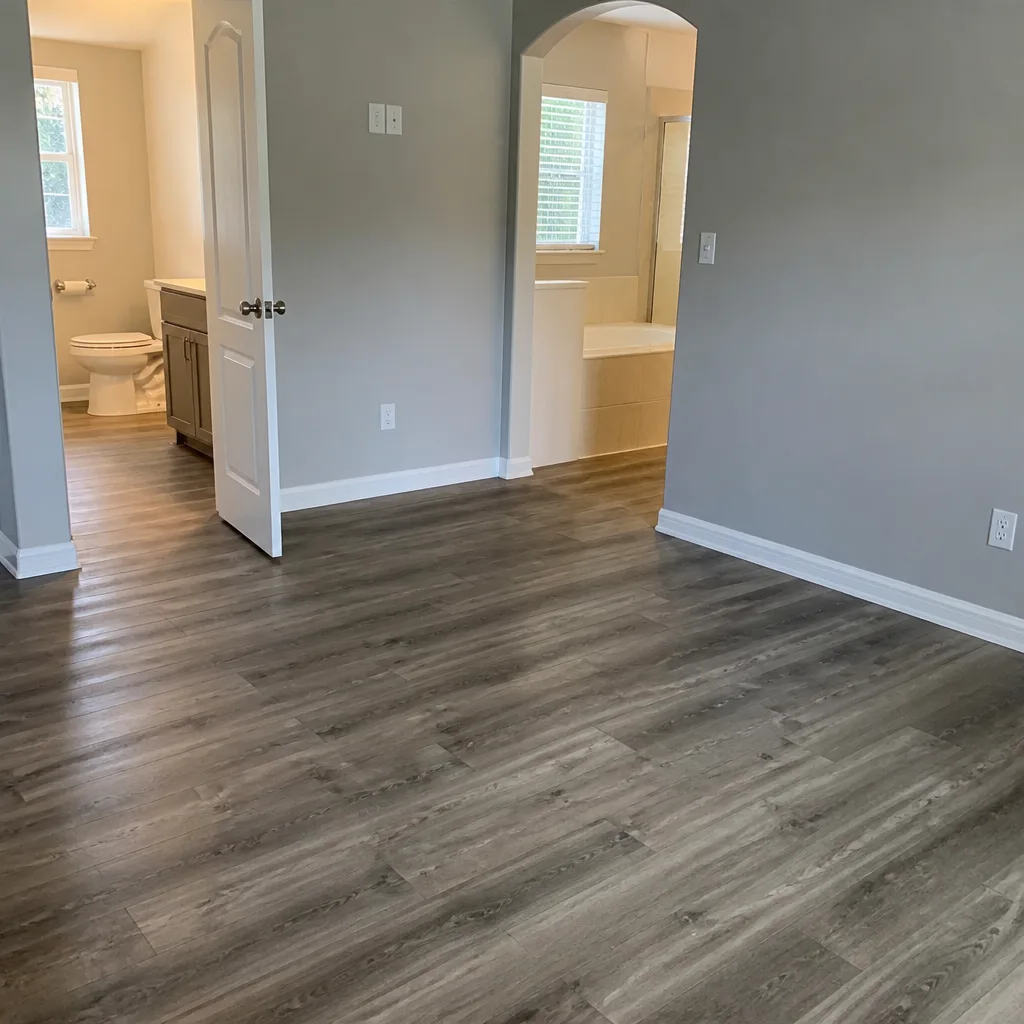
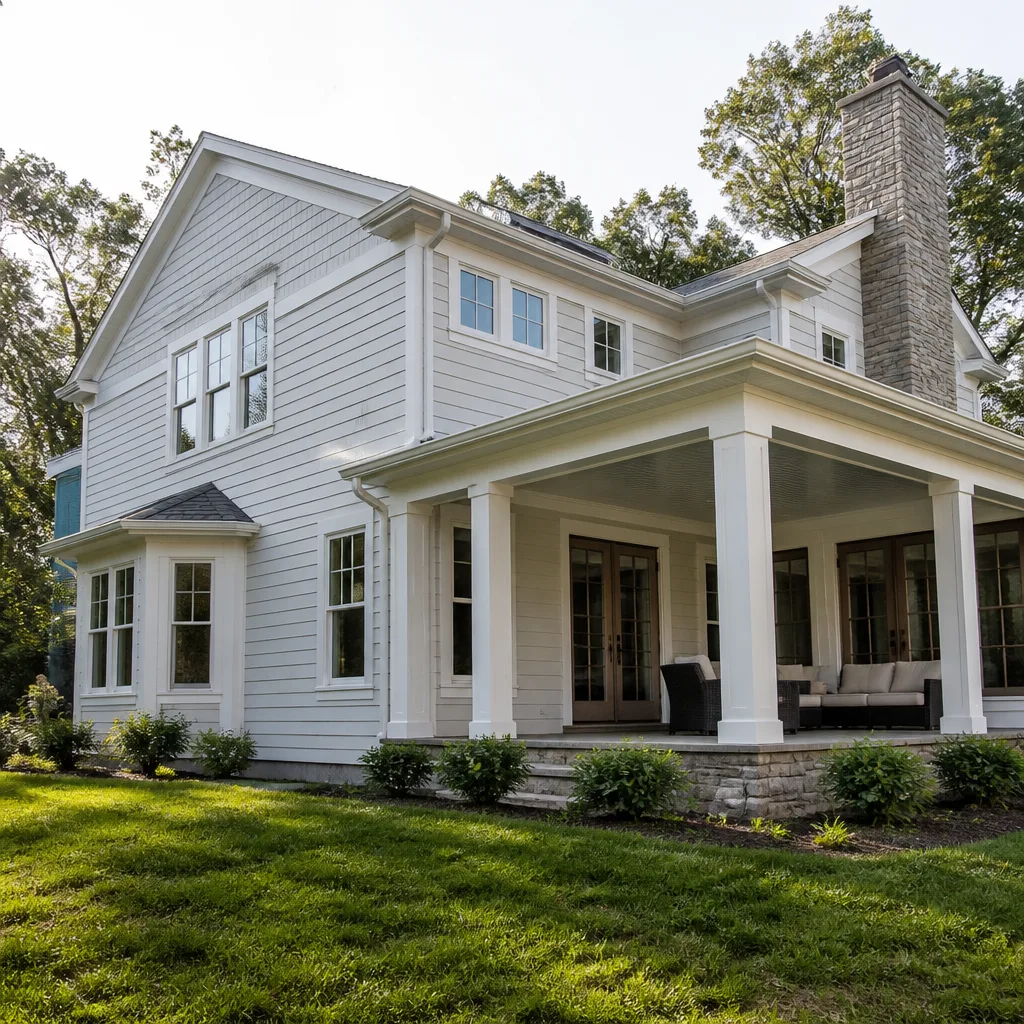
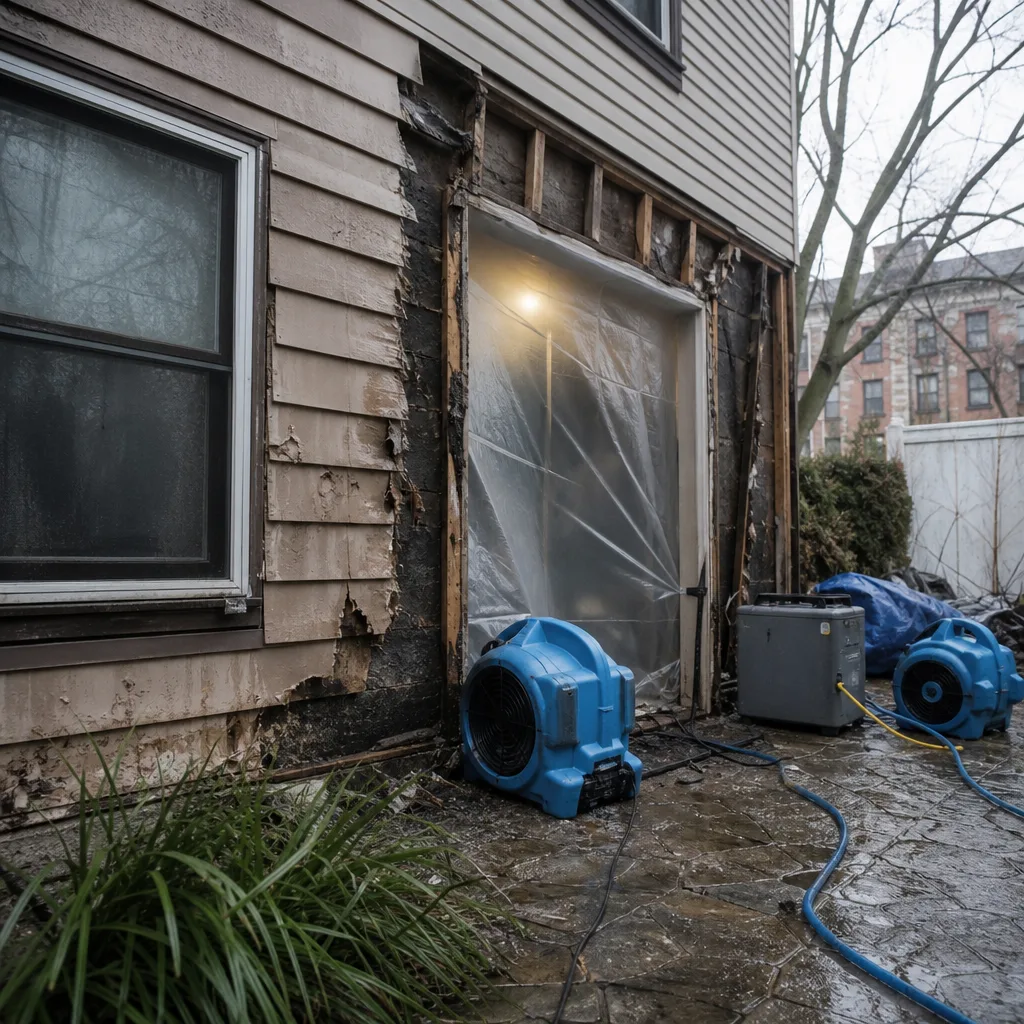 Before
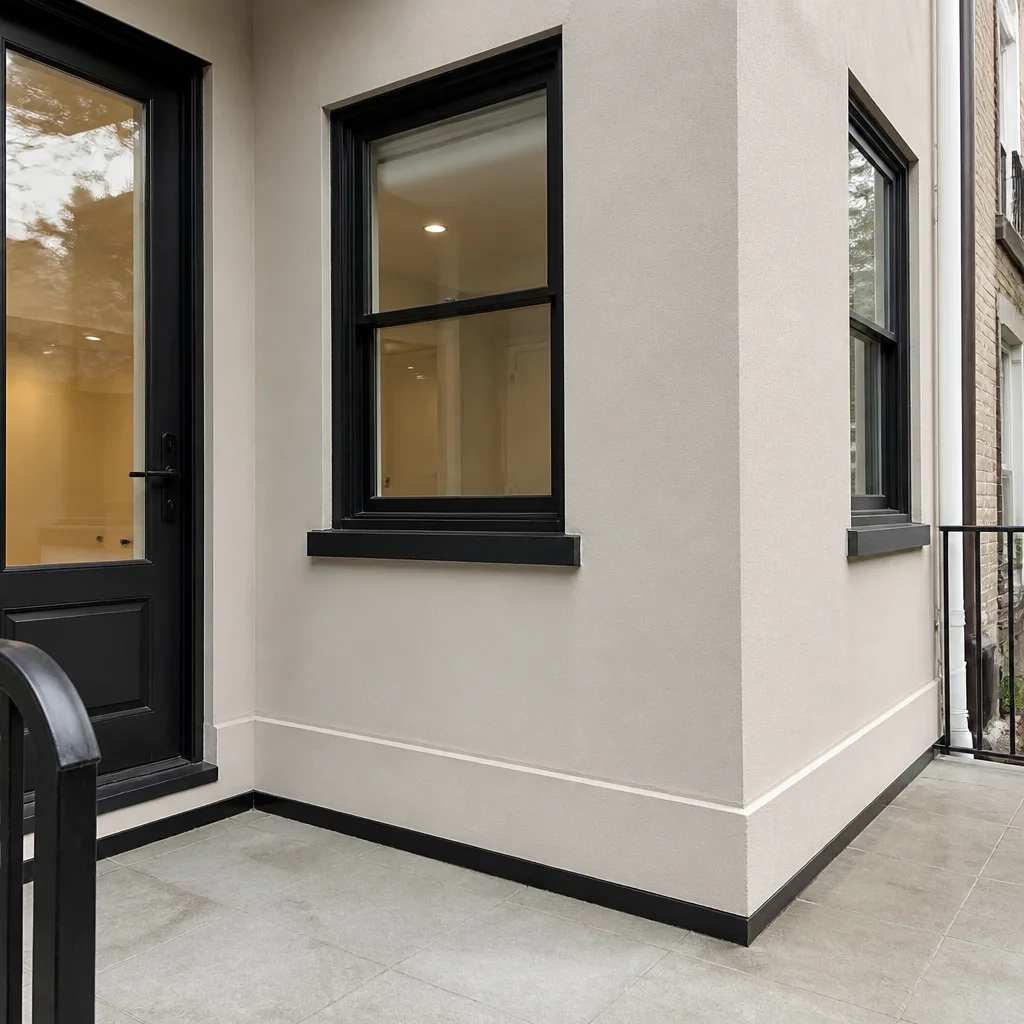 After
After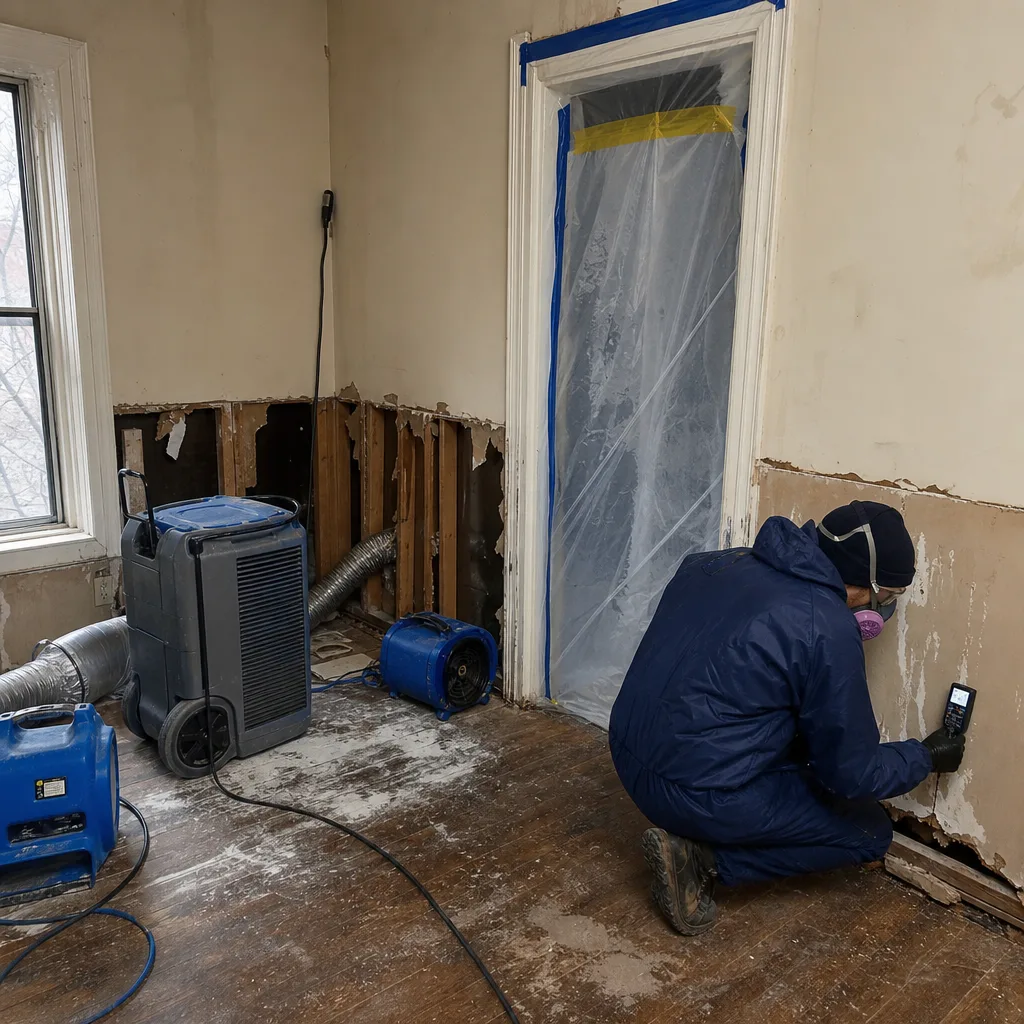 Before
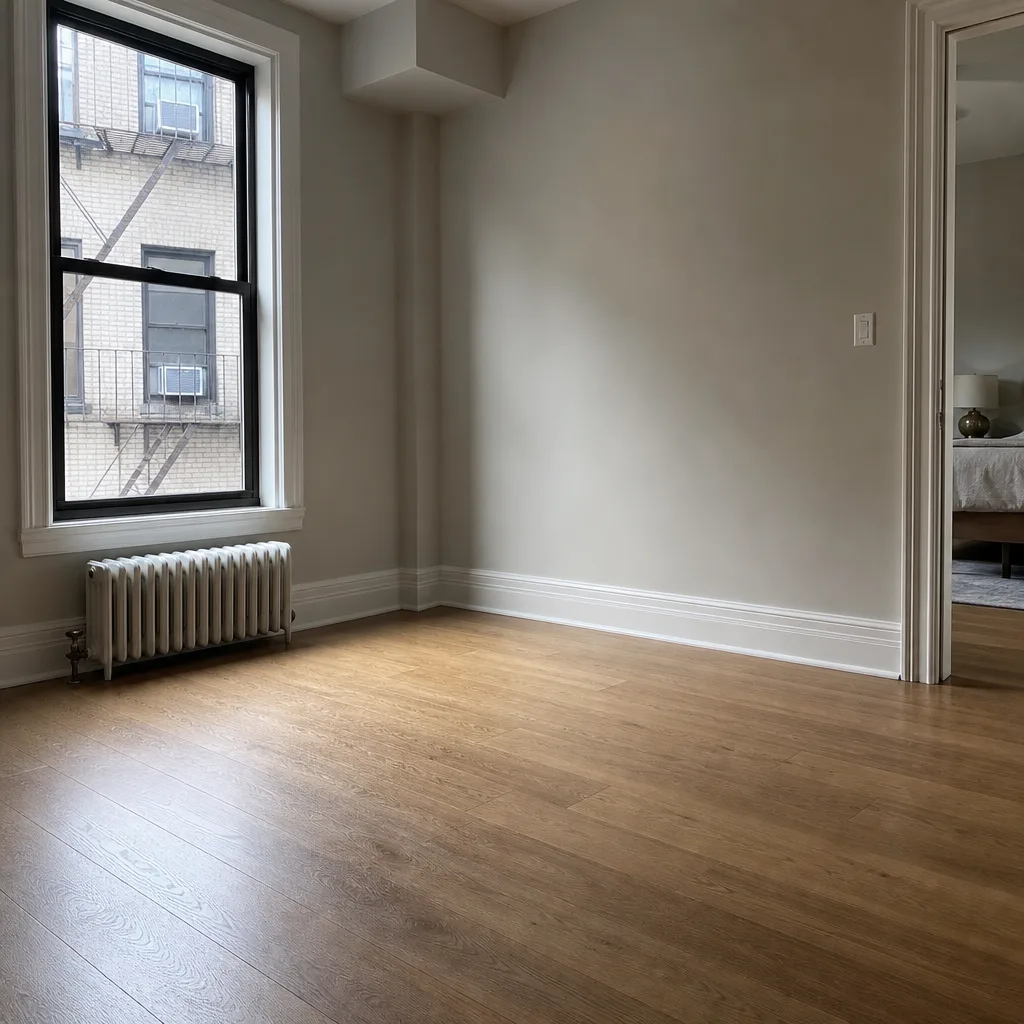 After
After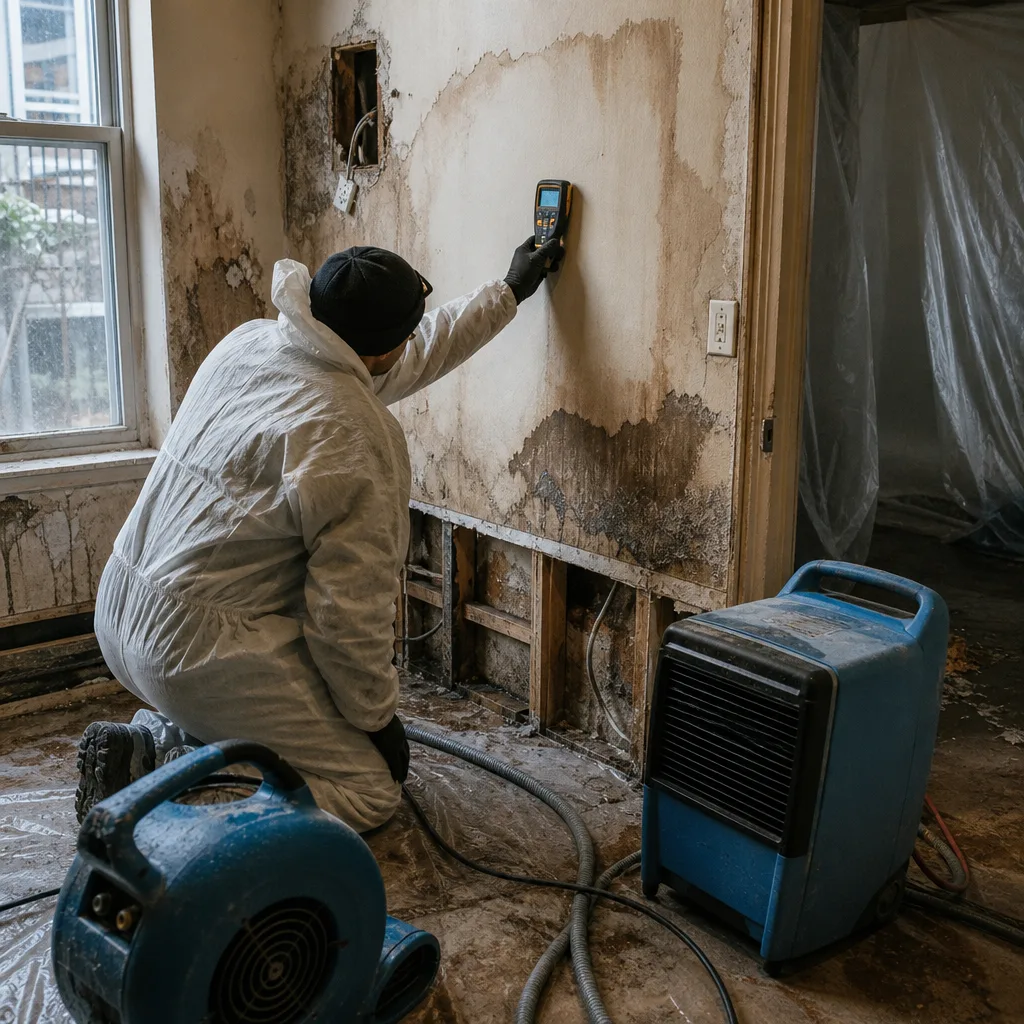 Before
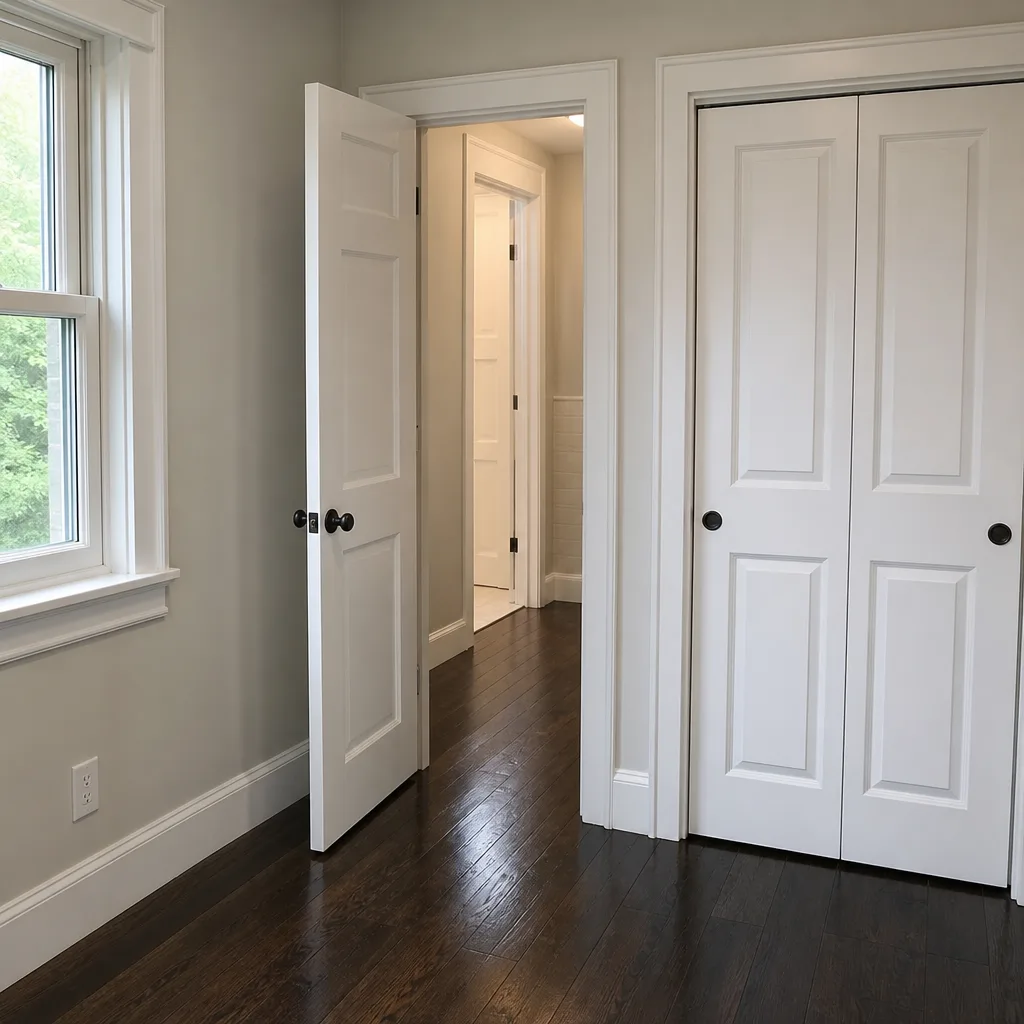 After
AfterHow to Hire a Damage Restoration Contractor in Manhattan: A Step-by-Step Guide
The contractor who arrives fastest after a Manhattan pipe burst is rarely the one whose paperwork will survive an insurance audit - and the two minutes it takes to ask three specific questions can be the difference between a paid claim and a disputed one. We’ve reviewed thousands of restoration invoices since 2011, and the pattern is consistent: homeowners who vet contractors before a loss occurs, using the same rigor they’d apply to hiring an architect or a general contractor, finish their claims faster and pay less out of pocket. This guide gives you a procurement framework built around documents, not promises, so you can hire with confidence in Manhattan’s unique building environment. For a deeper dive, see our Complete Guide to Damage Restoration in Manhattan.
Quick Answer
Hiring a damage restoration contractor in Manhattan requires verifying four documents before any work begins: a written scope of work, a written price, proof of IICRC certification, and a certificate of insurance naming your specific building. The best contractors document every visit with photos and moisture readings, follow ANSI/IICRC S500 or S520 standards by name, and can explain their drying targets in plain language. Treat this as a procurement decision, not an emergency reflex.
Table of Contents
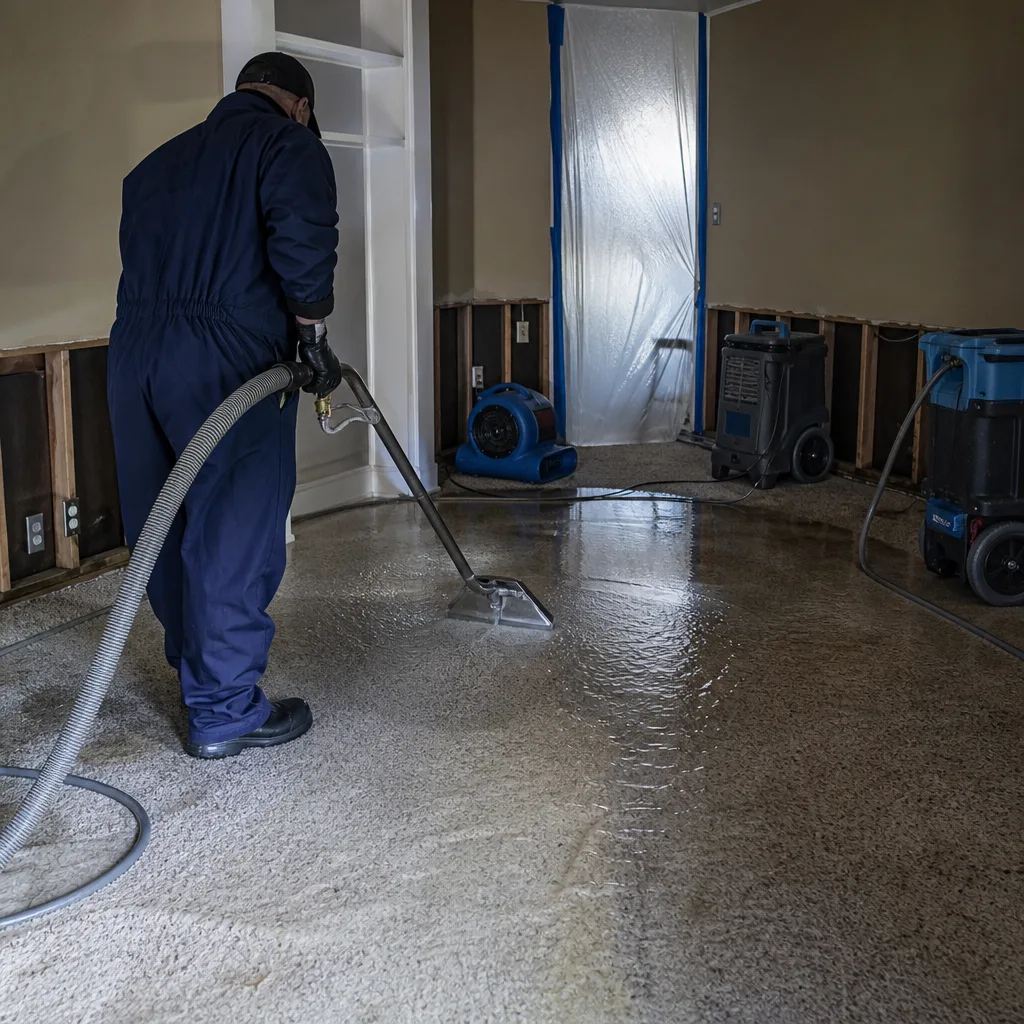
- Why Documentation Matters More Than Speed in Manhattan
- The Four Documents to Request Before Signing Anything
- Manhattan Co-op, Condo, and Building-Specific Requirements
- How to Evaluate a Contractor’s Documentation Protocol
- How to Compare Restoration Bids Line by Line
- Red Flags Specific to Manhattan Restoration Contractors
- Common Mistakes to Avoid
- When to Call a Professional
- Frequently Asked Questions
- The Bottom Line
BeforeAfterWhy Documentation Matters More Than Speed in Manhattan
Manhattan’s housing stock creates restoration challenges that don’t exist in suburban markets. Pre-war buildings with plaster-and-lath walls, post-war concrete structures with embedded steel, and new glass towers with curtain-wall envelopes each respond differently to water intrusion. A contractor who arrives in 30 minutes but cannot document moisture migration through a 1920s brownstone’s masonry wall will miss secondary damage that appears six months later - and your insurer may deny that subsequent claim as pre-existing.
The documentation gap is what costs homeowners their claims. We’ve seen it repeatedly: a contractor extracts standing water, sets fans, and leaves. No photos. No moisture readings. No written drying log. When the adjuster asks for evidence that the wall cavity was dried to below 16% moisture content - the threshold where mold risk drops significantly - there’s nothing to show. The homeowner pays for mold remediation that insurance would have covered, or worse, lives with undetected microbial growth until it becomes a health issue.
Speed matters for mitigation. Standing water in a Manhattan basement with a shared wall to an adjacent building can migrate horizontally through mortar joints and affect multiple units. But speed without documentation is just fast guesswork. The contractors who deliver both are the ones who’ve built systems, not just fleets.
Our approach at Back to Dry Restoration Manhattan home was built around this gap. Alicia Brennan founded the company in 2011 after working as a claims adjuster and seeing how often proper documentation - or its absence - determined whether a homeowner was made whole. The Haven Standard requires a written price before work starts (Clause 1), a photo record on every visit, and daily moisture logs that track psychrometric data: temperature, relative humidity, and specific humidity readings that prove the drying environment was controlled. Psychrometrics, in plain terms, is the study of how air holds moisture - and it’s how we know whether your walls are actually drying or just feeling dry on the surface.
Manhattan’s climate amplifies the need for this rigor. Summer humidity regularly exceeds 70%, which can overwhelm undersized dehumidification and create vapor pressure differentials that push moisture into apparently dry materials. Winter heating seasons create the opposite problem: forced-air systems dry surfaces while wall cavities remain wet. A contractor who cannot explain vapor pressure differential - the force that drives moisture from wet areas to dry ones - in the context of your specific building type is not equipped to document your claim properly.
The Four Documents to Request Before Signing Anything
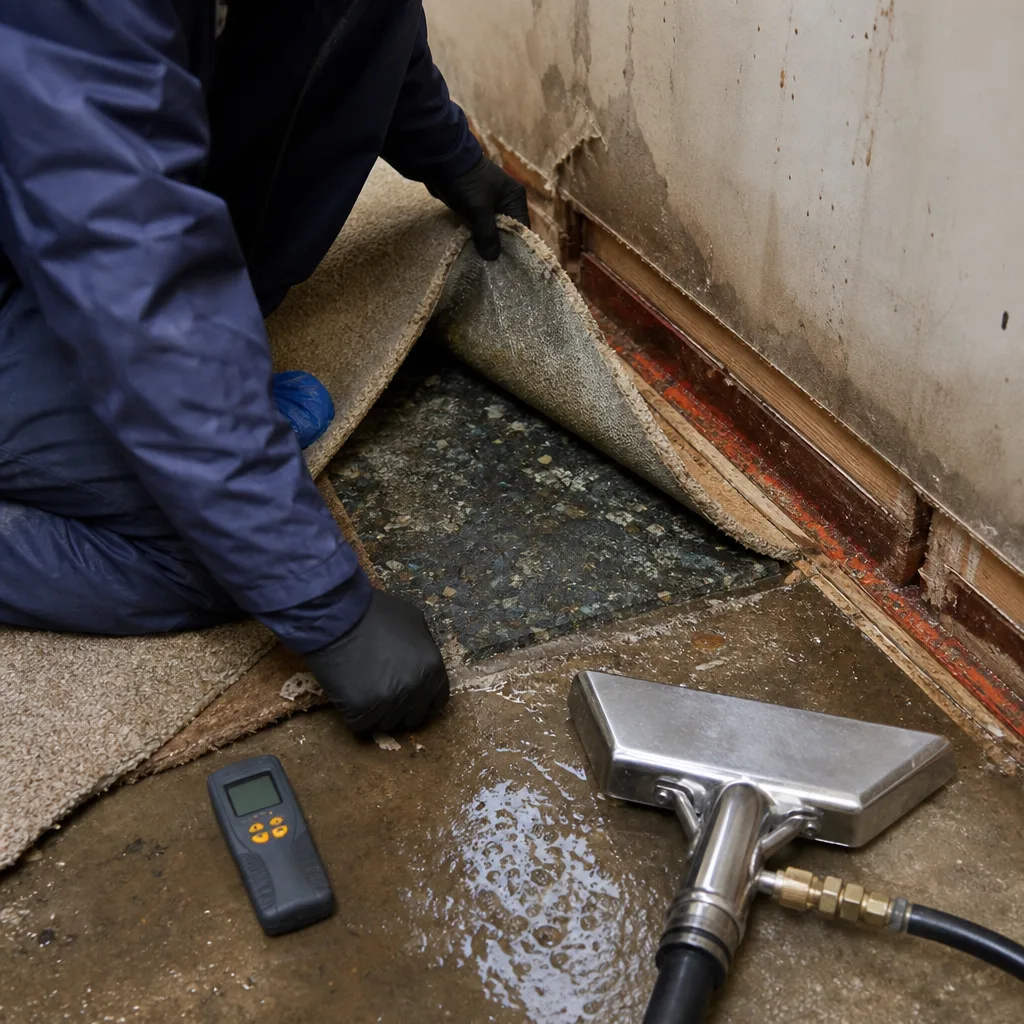
Every restoration contractor in Manhattan should produce these four documents without hesitation. If any are missing or delayed, that is your signal to continue your search.
1. Written Scope of Work
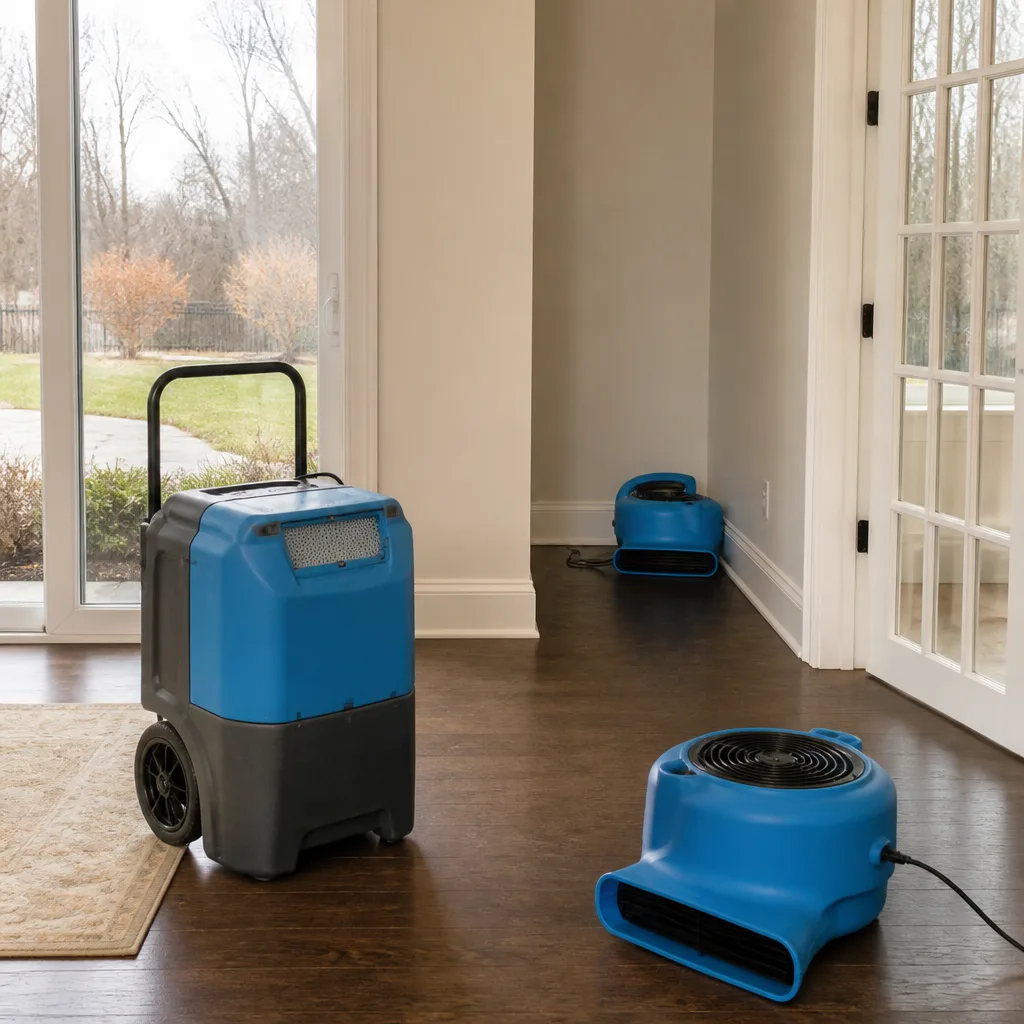
This document defines what will be done, where, and in what sequence. It should specify affected square footage by room, material classifications (Category 1, 2, or 3 water; Class 1-4 damage), and the drying standard being followed. For water damage, that standard is ANSI/IICRC S500; for mold, ANSI/IICRC S520. The scope should name equipment types and quantities, not just “fans and dehumidifiers.” A proper scope for a 1,200-square-foot Manhattan apartment with Class 3 water damage might specify: six air movers (Dri-Eaz or Phoenix), one LGR dehumidifier (minimum 70 pints/day extraction at AHAM conditions), and one Injectidry hardwood floor drying system for the oak flooring in the living room.
The scope should also define the endpoint: what moisture reading constitutes “dry.” For most structural materials in Manhattan’s climate, that means 4% or less above the established dry standard for that material, measured with a calibrated pinless moisture meter. The dry standard is determined by taking readings in unaffected areas of the same building, accounting for seasonal variation.
2. Written Price
Haven Standard, Clause 1: written price before work begins. This is non-negotiable. The price should be line-itemed, not a single lump sum, and should reference the scope document by date or job number. It should separate mitigation (emergency services) from reconstruction (repairs), since these are often billed differently and may involve different deductibles.
Be wary of any contractor who says pricing “depends on how long drying takes” without defining daily rates and maximums. Tertiary drying - the final phase where materials approach their dry standard - can extend timelines unpredictably if not managed with precise equipment calculations. A written price with daily maximums protects you from scope creep.
3. Proof of IICRC Certification
The Institute of Inspection, Cleaning and Restoration Certification (IICRC) sets the industry standards for water damage restoration, mold remediation, fire and smoke restoration, and trauma cleanup. Ask for the specific certification held: WRT (Water Damage Restoration Technician), ASD (Applied Structural Drying), AMRT (Applied Microbial Remediation Technician), or FSRT (Fire and Smoke Restoration Technician). The certificate should show the technician’s name, certification number, and expiration date.
Certification is not a one-time event. IICRC certifications require continuing education, and a technician whose WRT certificate expired two years ago is not current on the S500 standard’s latest revisions. Ask when the lead technician’s certifications were last renewed.
4. Certificate of Insurance Naming Your Building
This is where Manhattan diverges sharply from other markets. Your building, not just you, needs protection. The certificate should show general liability coverage (typically $1-2 million per occurrence), workers’ compensation, and pollution liability for mold or sewage jobs. Crucially, it should name your specific building address as an additional insured, not just “the property owner.”
Many Manhattan co-op and condo boards require additional insured endorsements with specific waiver of subrogation language. Subrogation is your insurer’s right to pursue another party for damages they’ve paid on your behalf; a waiver prevents your building’s insurer from coming after the contractor’s insurer if something goes wrong. This sounds like insurance minutiae until a $400,000 claim dispute between carriers leaves you in the middle for eight months.
Manhattan Co-op, Condo, and Building-Specific Requirements
Manhattan’s dense housing environment creates regulatory layers that suburban contractors rarely encounter. Understanding these before you hire prevents work stoppages mid-project.
Co-op and Condo Board Approval Processes
Most Manhattan co-ops and condos require contractor approval before work begins, even for emergency mitigation. The Upper East Side and Upper West Side co-ops we service typically require: proof of insurance with the building named as additional insured, a work schedule with hours restricted to 8 AM-4 PM weekdays (no weekends), and sometimes a security deposit or superintendent oversight fee. Some buildings on Central Park West and Fifth Avenue require contractors to use service elevators exclusively and protect hallway floors with Masonite - requirements that add time and cost that should appear in your written scope.
Condo boards, common in newer construction in Battery Park City, Hudson Yards, and the Financial District, often have less restrictive processes but may require notice to adjacent units if shared walls are affected. A contractor who has not worked in Manhattan condo buildings may not know to ask about these requirements, leading to stop-work orders when a neighbor complains about noise or dust migration.
Department of Buildings and Environmental Requirements
Manhattan restoration work may trigger NYC Department of Buildings requirements, particularly for asbestos-containing materials in pre-1980 buildings. Water damage to plaster ceilings, vinyl asbestos floor tiles, or pipe insulation requires testing before disturbance. A contractor who begins demolition without an asbestos survey risks DOB violations, work stoppage, and your personal liability as the property owner who hired them.
Mold remediation in Manhattan falls under NYC Department of Health guidelines, which require containment and negative air pressure for areas exceeding 30 square feet of visible mold. The contractor should be able to describe their containment setup: polyethylene sheeting sealed with duct tape, HEPA-filtered negative air machines creating 0.02 inches of water column pressure differential, and air scrubbers with 99.97% efficiency at 0.3 microns. These are not optional flourishes; they’re the minimum for legal compliance and effective remediation.
Insurance Riders for High-Rise Work
Manhattan buildings above six stories often require contractors to carry high-rise or swing-stage insurance endorsements that general contractors don’t need. If your damage is on a floor above the 10th, verify that your contractor’s policy includes this coverage. We’ve been called to jobs where a competitor’s insurance excluded work above 75 feet, leaving the homeowner to find a replacement contractor mid-mitigation - with water still active and mold clocks ticking.
How to Evaluate a Contractor’s Documentation Protocol
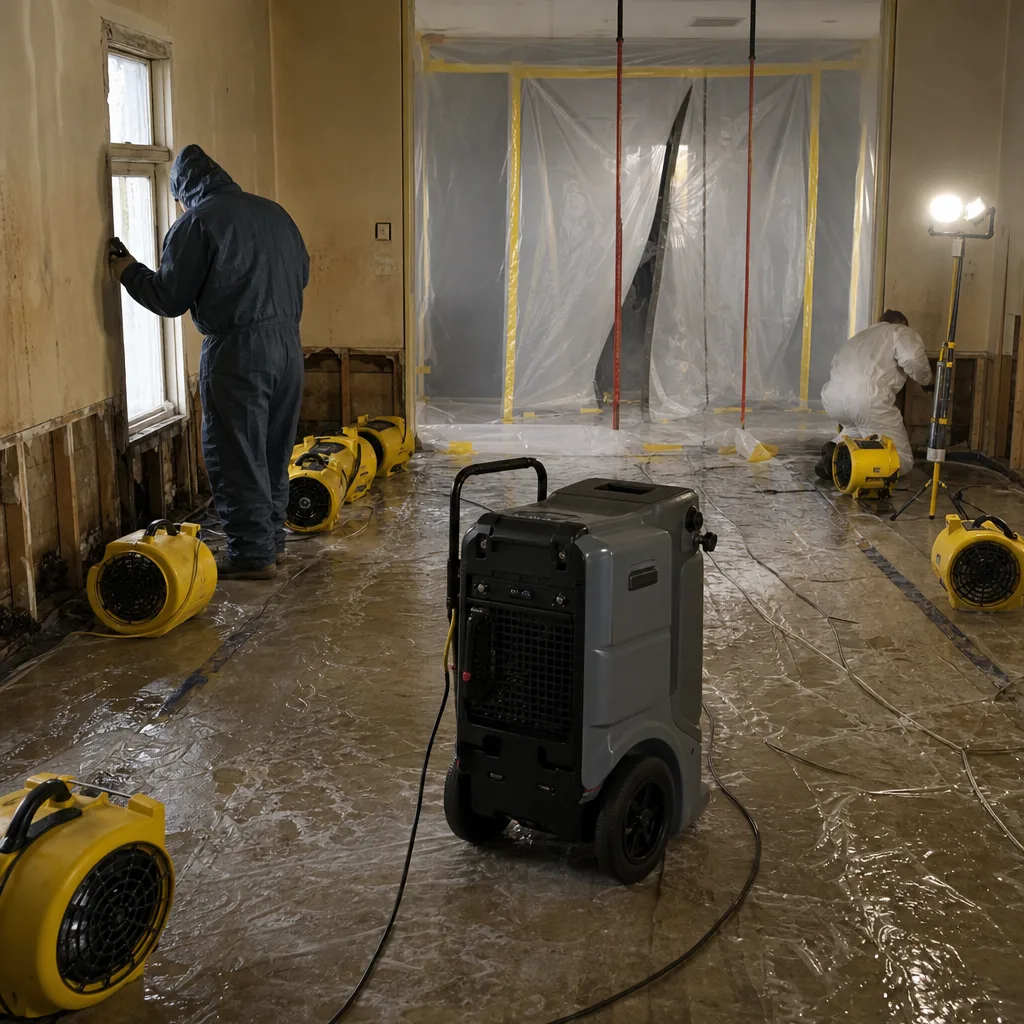
Documentation is where restoration separates from cleaning. A contractor with professional-grade equipment but sloppy documentation will struggle to justify their invoice to your adjuster. Here’s how to assess their systems before you hire.
Questions to Ask About Photo Documentation
- How many photos are taken per visit, and what do they capture? The answer should be specific: “Pre-work photos of every affected room, equipment placement photos showing air mover positions and dehumidifier settings, daily moisture reading photos with the meter display visible, and post-removal photos before reconstruction.” Vague answers like “we document everything” suggest no system exists.
- Who receives the photos, and when? Same-day delivery to you and your adjuster is the standard that turns documentation into claim support. Delayed photo delivery, or photos only available on request, defeats the purpose.
- Are photos geotagged and time-stamped? This matters for insurance disputes where the timeline of damage versus response is questioned. A photo taken at 2:47 PM on Tuesday with GPS coordinates proving it was taken in your apartment carries more weight than an undated image from an unknown location.
Questions to Ask About Moisture Logs
- What moisture meter do you use, and when was it last calibrated? Pinless meters like the Delmhorst Navigator Pro or Tramex Moisture Encounter should be calibrated annually. Pin-type meters for wood framing need calibration every six months with known standards. A contractor who cannot name their meter model or last calibration date is not taking measurements seriously.
- What is your daily drying target, and how do you adjust equipment when targets are missed? The answer should reference specific numbers: “We target a 3% moisture content reduction per 24 hours for Class 3 water damage in gypsum drywall. If we miss that target for two consecutive days, we add dehumidification capacity or introduce heat to raise vapor pressure and accelerate evaporation.” This is the language of controlled drying, not hope.
- Can you explain psychrometric data in terms I’ll understand? The contractor should be able to say: “We measure the air’s capacity to hold moisture. If the relative humidity in your bedroom is 85%, the air is nearly saturated and can’t absorb more water from your walls. We drop that to 30-40% with dehumidification, creating a gradient that pulls moisture out of materials.” If they can’t explain their own process, they can’t document it.
At Back to Dry Restoration Manhattan, our daily drying logs - detailed in our Water Damage Restoration Maintenance Checklist for Manhattan Homeowners - include: room-by-room temperature and relative humidity readings, specific humidity calculations (grains of moisture per pound of dry air), moisture content percentages for each material type, equipment run-times and settings, and photographic evidence of meter readings. These logs are delivered to you and your adjuster within 24 hours of each visit. This is the documentation that turns a restoration invoice into a payable claim.
How to Compare Restoration Bids Line by Line
Restoration bids are notoriously difficult to compare because contractors write scopes differently, use different terminology for similar tasks, and bundle or unbundle services inconsistently. Here’s how to translate between bids.
Create a Standardized Comparison Grid
Take each bid and extract these line items into your own spreadsheet:
- Emergency response fee (if any)
- Water extraction (gallons or hours)
- Equipment rental: air movers (per day, per unit)
- Equipment rental: dehumidifiers (type, pint capacity, per day)
- Equipment rental: specialty (Injectidry, air scrubbers, negative air machines)
- Demolition and disposal (affected square footage by material)
- Antimicrobial application (square footage, product name)
- Content manipulation (moving and protecting belongings)
- Daily monitoring visits (number, duration)
- Final cleaning
- Reconstruction (separate from mitigation; often a separate contractor)
If one bid lists “6 air movers @ $25/day” and another lists “drying equipment: $150/day,” you cannot compare them. Request clarification. The specific bid is almost always the more credible one.
Watch for Scope Gaps, Not Just Price Gaps
The lowest bid often omits necessary steps. Common omissions in Manhattan:
- No mention of containment for mold or sewage jobs
- No HEPA air scrubbing during demolition
- No content manipulation, assuming you’ll move your own furniture in a water-damaged apartment
- No allowance for building-specific requirements (Masonite protection, service elevator use, after-hours premiums)
- No daily monitoring - “we’ll check in 3 days” instead of daily visits
A bid that seems 20% lower but omits daily monitoring is not cheaper; it’s risking secondary damage that you’ll pay for later. The correct comparison is total project cost, including the cost of failures.
Understand Equipment Specifications
Not all dehumidifiers extract equally. An LGR (low-grain refrigerant) dehumidifier from Phoenix or Dri-Eaz extracts significantly more moisture at lower humidity levels than a standard refrigerant unit. A bid specifying “1 dehumidifier” without type or capacity is meaningless. Ask: “What is the AHAM-rated extraction capacity at 80°F, 60% relative humidity?” The answer should be 70+ pints per day for a residential job. If they don’t know what AHAM means (Association of Home Appliance Manufacturers, the standard testing condition), their equipment specification is guesswork.
Similarly, air mover positioning matters. The IICRC S500 specifies one air mover per 50-70 square feet of affected wet floor area in Class 2-3 water damage, with additional units for wall cavities and ceiling spaces. A bid with three air movers for a 1,000-square-foot affected area is under-equipped, regardless of price.
Red Flags Specific to Manhattan Restoration Contractors
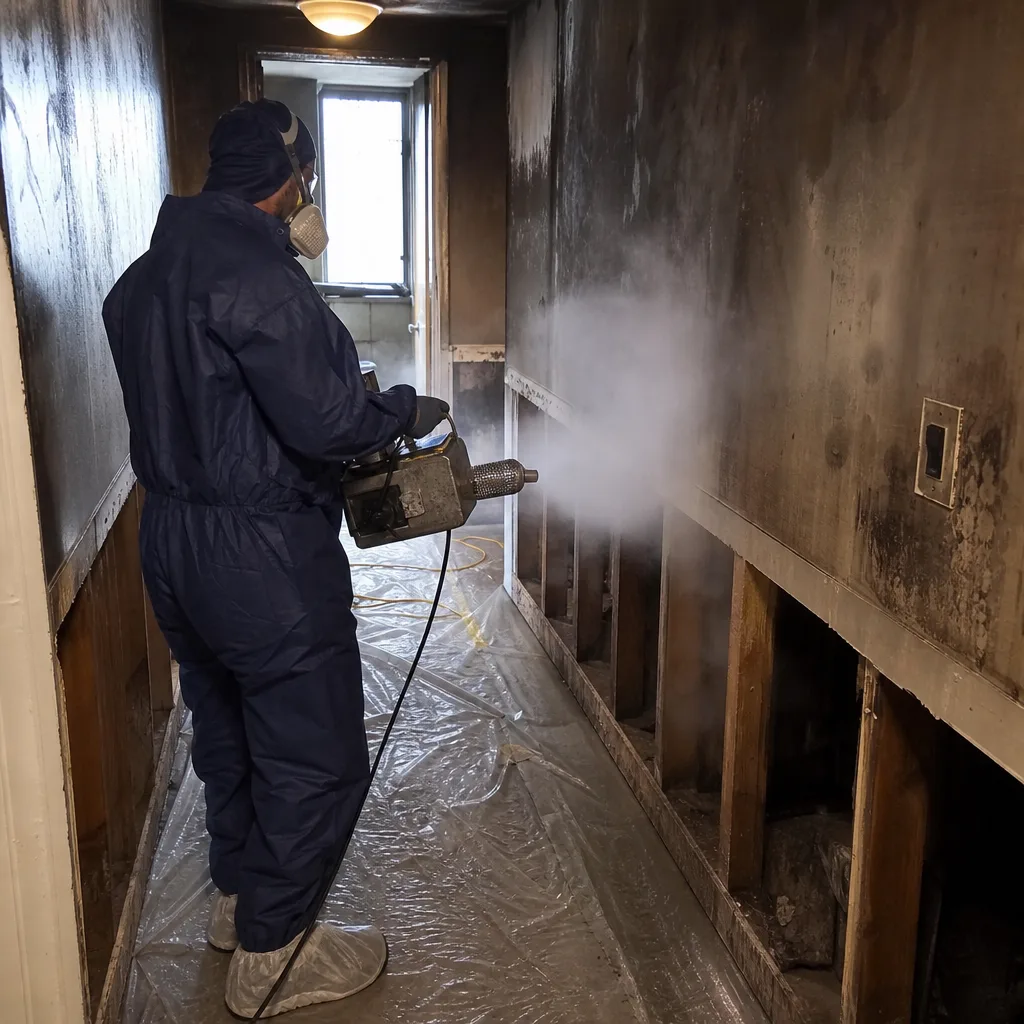
These warning signs are particularly common in the Manhattan market and should prompt immediate disqualification.
Pricing by the Room, Not by Measurement
A contractor who says “it’s $800 per room” or “$2,500 for a one-bedroom” is not following restoration standards. Proper pricing requires measured square footage, material classification, and equipment calculations. Room-based pricing incentivizes cutting corners - fewer air movers, shorter drying times - since the price doesn’t adjust for actual conditions. It also creates disputes when your “bedroom” is 180 square feet with 10-foot ceilings and a competitor priced a 120-square-foot room with 8-foot ceilings the same way.
Inability to Name the Drying Standard
Ask directly: “What standard do you follow for water damage restoration?” The answer should be immediate and specific: “ANSI/IICRC S500, 2021 edition” or “the RIA guidelines, which align with S500.” A pause, a vague reference to “industry standards,” or a claim to follow “our own protocol” means the contractor is not trained to document work to insurance-recognized benchmarks. This is disqualifying.
Pressure to Sign Before Insurance Approval
Some Manhattan contractors exploit the urgency of water damage to secure immediate authorization, claiming your insurance “will cover it anyway.” This is false reassurance. Insurance covers what is documented and reasonable, not what a contractor convinces you to authorize. Haven Standard, Clause 1 exists precisely to prevent this dynamic: a written price before work begins lets you present the scope to your adjuster for approval before committing.
Be especially wary of contractors who arrive with pre-printed “direction to pay” forms assigning your insurance benefits to them. This practice, while legal in some forms, removes your control over the claim and can lead to disputes where the contractor and insurer negotiate while you remain liable for uncovered amounts.
No Physical Address or Local Presence
Storm-chasing contractors, common after major weather events in Manhattan, often use virtual offices or hotel addresses. Verify the business address, check how long they’ve operated there, and ask for local reference jobs completed in the last 12 months. A contractor with no Manhattan track record cannot understand your building’s specific requirements.
Vague or Missing Warranty Language
A verbal “we guarantee our work” is not a warranty. Ask for the written warranty document. It should specify: duration (our 365-Day Done Right Promise is a minimum benchmark), what is covered (reappearance of mold, failure to dry to standard, odor recurrence), and the process for invoking it. The Haven Standard warranty is signed and stamped on every job, not offered as a verbal afterthought.
Common Mistakes to Avoid
- Hiring the first contractor who answers the phone at 2 AM. Emergency response speed matters for standing water, but 15 minutes of additional research to verify documentation protocols prevents months of claim disputes. Keep a shortlist of vetted contractors before you need them.
- Accepting a verbal estimate “to get started.” Every Manhattan contractor who operates professionally can produce a written scope and price before work begins. Verbal estimates are unenforceable and nearly always increase once work is underway.
- Ignoring building insurance requirements. Your co-op or condo’s insurance certificate requirements are not suggestions. Contractors who balk at additional insured endorsements or waiver of subrogation are revealing that their coverage is inadequate for Manhattan work.
- Comparing bids without standardizing scopes. A lower bid with fewer air movers, no daily monitoring, and no photo documentation is not a bargain. It’s a different service entirely. Normalize the scope first, then compare prices.
- Waiting for your insurance company to recommend a contractor. Insurers maintain vendor lists, but these relationships may prioritize cost control over your interests. You have the right to hire any qualified contractor, and a well-documented job from an independent contractor often settles faster than one from a preferred vendor with thin documentation.
- Neglecting to verify IICRC certification directly. Ask for the certificate number and verify it at iicrc.org. We’ve encountered contractors who claim certification but cannot produce current documentation, or whose certifications expired years ago.
- Assuming all equipment is equivalent. A contractor using consumer-grade dehumidifiers from a hardware store cannot achieve the drying rates of professional LGR units from Dri-Eaz or Phoenix. Equipment specification affects timeline, and timeline affects total cost and mold risk.
When to Call a Professional
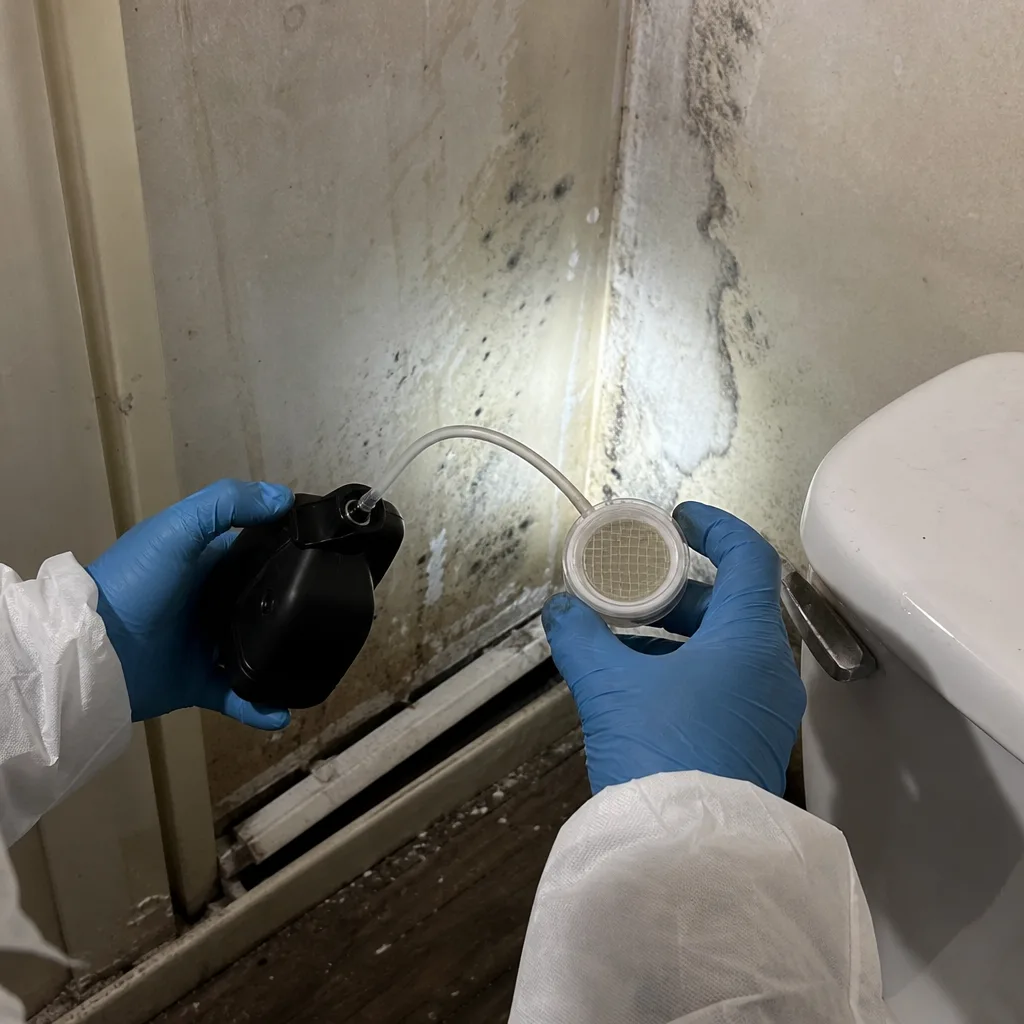
Certain scenarios in Manhattan require immediate professional response, not DIY assessment. Call a certified restoration contractor when: water has affected multiple rooms or traveled between floors in a multi-story building; sewage or gray water (Category 2 or 3) is involved; mold growth exceeds 10 square feet or is visible in HVAC systems; fire damage has occurred, even if primarily smoke and odor; or your co-op or condo board requires certified contractors for insurance or regulatory compliance.
Back to Dry Restoration Manhattan offers free estimates in Manhattan - call (516) 687-5786. We also provide a Free Second Opinion on any competitor’s written estimate, reviewing their scope and pricing against what the documentation should show. Our live phone coverage means a person answers every call, 24 hours a day, 7 days a week, with no voicemail on emergency lines.
Frequently Asked Questions
Water damage restoration in Manhattan typically ranges from $3,500 to $12,000 for residential mitigation, with reconstruction adding $8,000 to $35,000 depending on finish quality and building requirements. Category 1 clean water in a single room with prompt response stays at the lower end; Category 3 sewage backup affecting multiple rooms in a pre-war building with plaster walls and hardwood floors reaches the higher range. Call (516) 687-5786 for a written price before work begins - estimates are free.
Insurance covers sudden and accidental water damage that is properly documented, minus your deductible. Coverage disputes arise when documentation is insufficient to prove the damage was sudden (not long-term leakage) or when mitigation costs exceed what the adjuster considers reasonable. A contractor who provides daily moisture logs, photo records, and line-item scopes aligned with IICRC standards gives your adjuster the evidence needed to approve the full claim. Back to Dry Restoration Manhattan coordinates directly with adjusters and provides documentation packages designed for claim submission.
For emergency water mitigation, established Manhattan contractors typically arrive within 60-90 minutes during business hours and 90-120 minutes overnight, traffic and bridge/tunnel conditions permitting. Response time matters less than what the contractor does upon arrival: extraction, moisture mapping, equipment sizing, and documentation should all occur in the first visit. Reconstruction work is scheduled, not dispatched, and should never be rushed. Call (516) 687-5786 for current response times - our live dispatch can confirm availability without voicemail delays.
Remediation is required when mold growth exceeds 10 square feet, involves HVAC systems, or occurs after Category 2 or 3 water damage. Cleaning is appropriate only for small, surface-level growth on non-porous materials with no underlying moisture problem. Manhattan’s humidity and shared-wall construction mean that visible mold often indicates hidden growth in wall cavities. A contractor who recommends cleaning without moisture mapping and air sampling is not following ANSI/IICRC S520 standards. The correct approach is assessment first, then classification of the remediation required.
You retain responsibility for your claim, but a professional contractor should handle adjuster communication as part of their service. This includes: attending the adjuster’s site visit with documentation, providing line-item scopes in Xactimate or Symbility format (the software platforms adjusters use), and responding to documentation requests within 24 hours. Back to Dry Restoration Manhattan provides direct adjuster coordination as standard, with photo records and drying logs formatted for claim submission. You should never be left translating between your contractor and your insurer.
Request the specific deficiency from your board or managing agent: missing additional insured endorsement, insufficient coverage limits, excluded high-rise work, or missing waiver of subrogation. Provide this list to your contractor and request a corrected certificate within 24 hours. If the contractor cannot comply, they are not properly insured for Manhattan work, and you should select a different contractor. Back to Dry Restoration Manhattan carries coverage structured for Manhattan co-op and condo requirements and can name buildings as additional insured on request.
Ask to see the daily moisture log with progressive readings. In a properly drying environment, you should see: decreasing moisture content percentages in affected materials (target 3% reduction per 24 hours for Class 3 damage), decreasing relative humidity in the drying chamber (target 30-40%), and stable or decreasing specific humidity (grains per pound). If readings are flat or increasing after 48 hours, equipment is undersized, improperly positioned, or malfunctioning. A contractor who cannot show you these numbers in plain language is not monitoring your job.
The Bottom Line
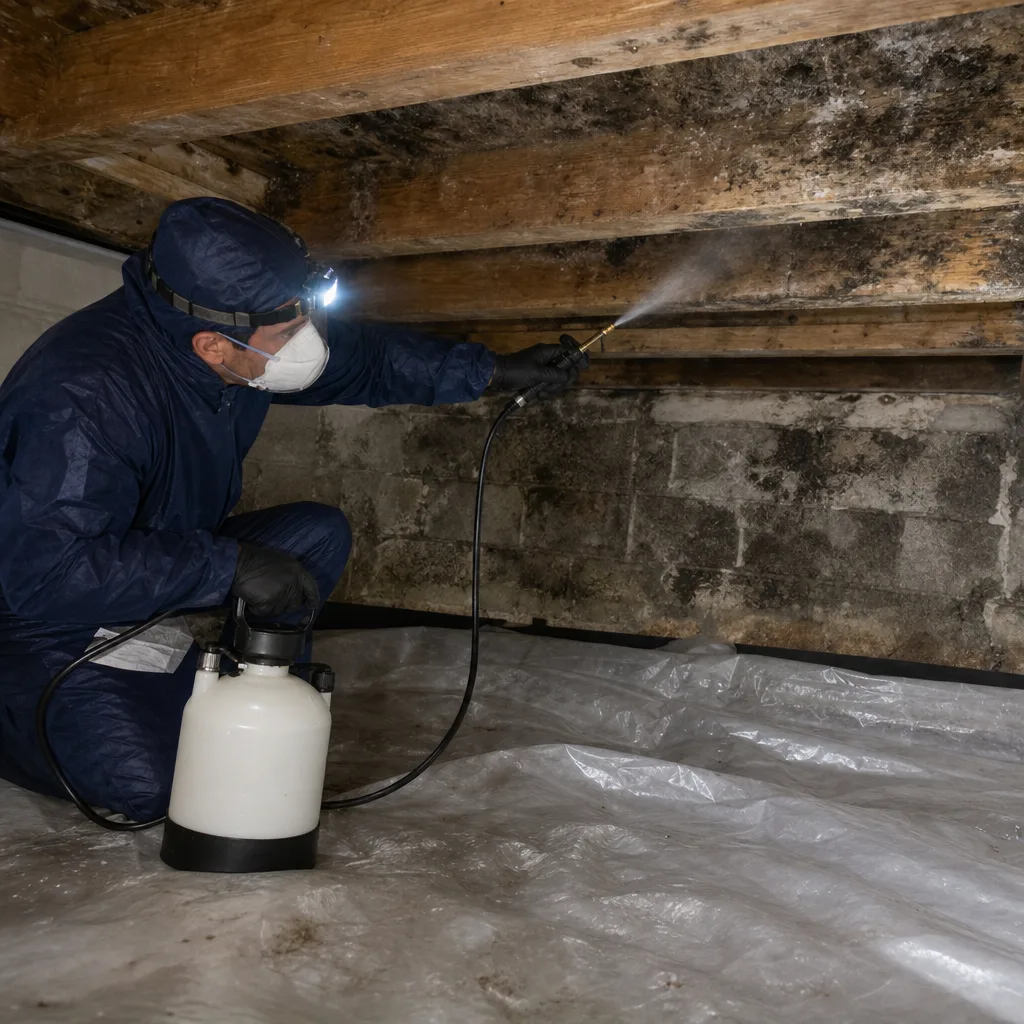
Hiring a damage restoration contractor in Manhattan is a procurement decision that rewards preparation. The four documents - written scope, written price, IICRC certification, and building-named insurance - separate professionals from operators. The documentation protocols - photo records, moisture logs, and defined drying standards - separate claims that get paid from claims that get disputed. And the building-specific knowledge - co-op requirements, DOB regulations, high-rise insurance - separates Manhattan-capable contractors from those who will learn on your job.
We’ve restored over 12,000 homes since 2011, every one with a written price before work started and a documented record when the crew left. The homeowners who fare best are the ones who treat this hire with the same rigor they’d apply to any major purchase: specific questions, verified answers, and no commitment until the paperwork proves the promise.
Written by Alicia Brennan, Owner at Back to Dry Restoration Manhattan, serving Manhattan since 2011.