
Free visual inspection and a written scope of work before any mitigation begins - photos, moisture readings, and drying logs go in your claim file
The scope we write is the scope we bill. Anything new gets shown to you, in writing, before we touch it.
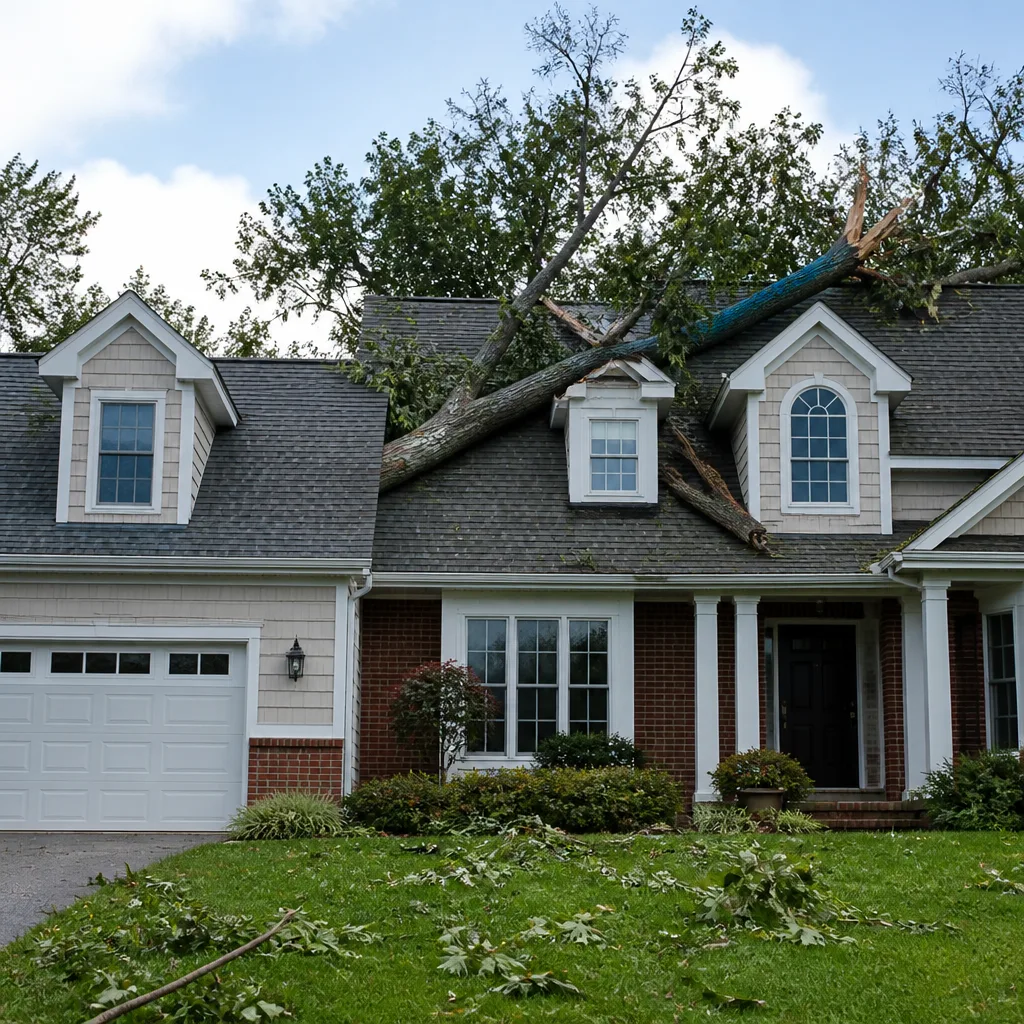
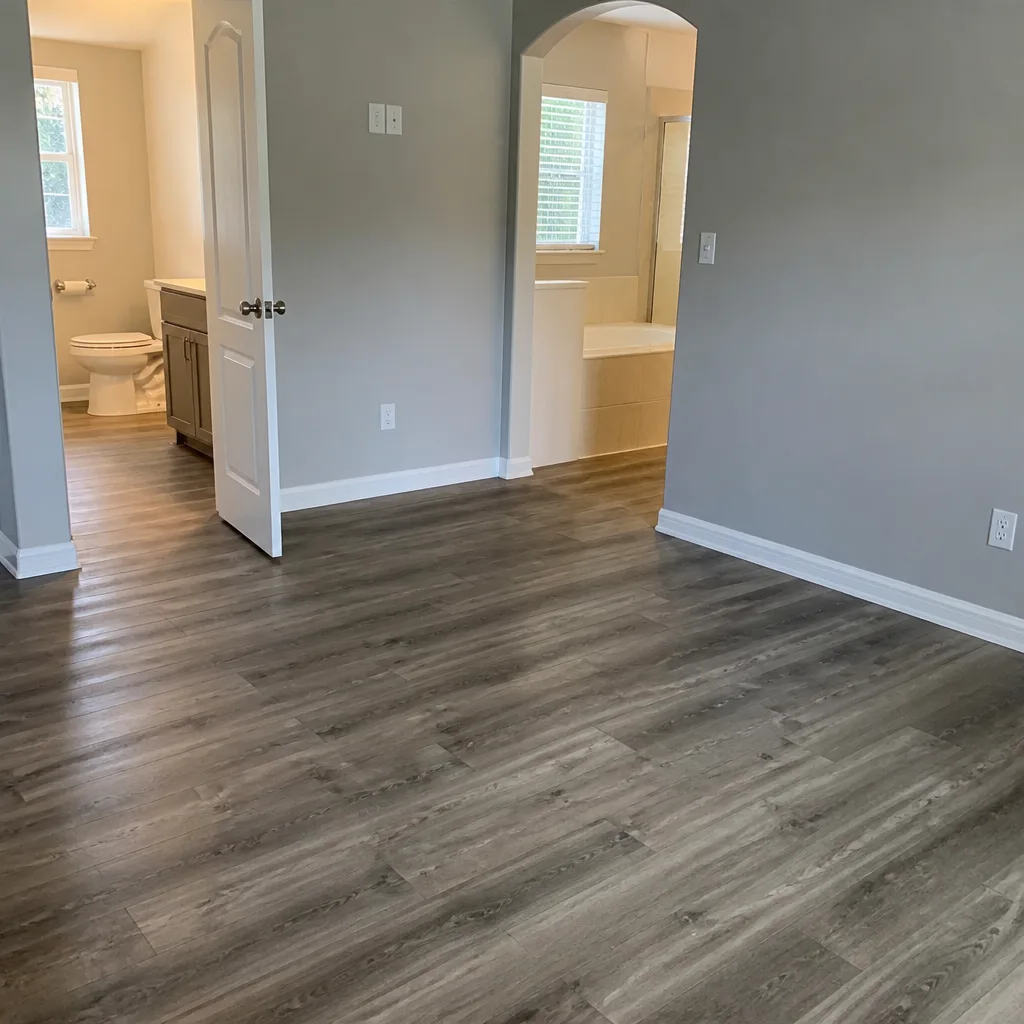
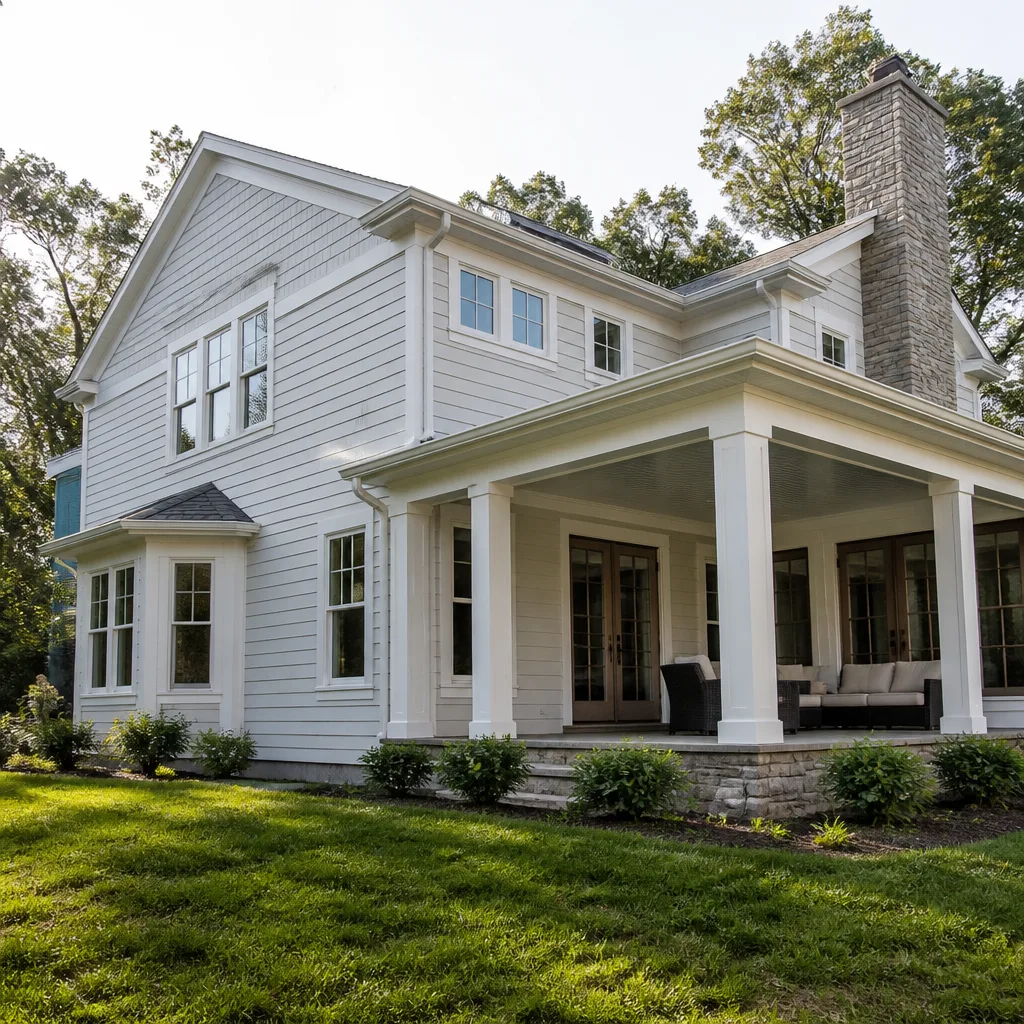
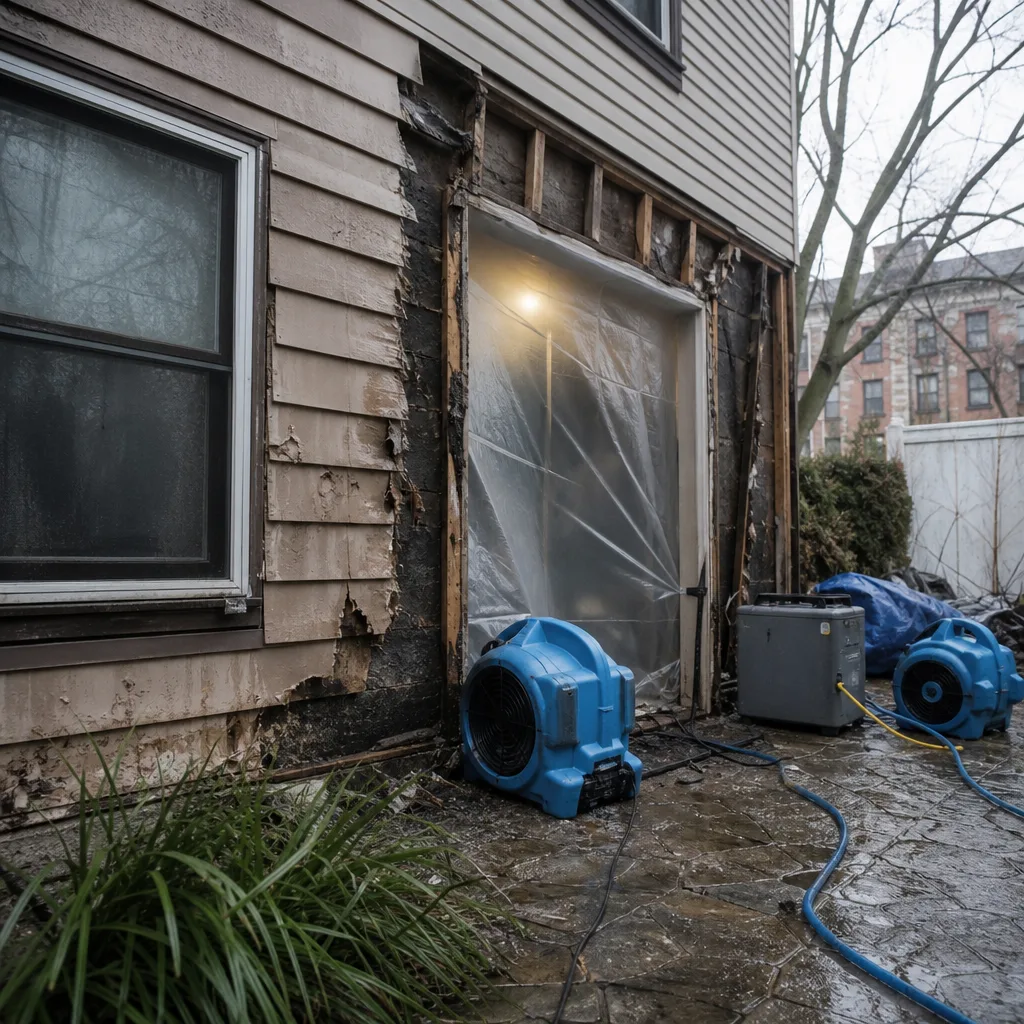 Before
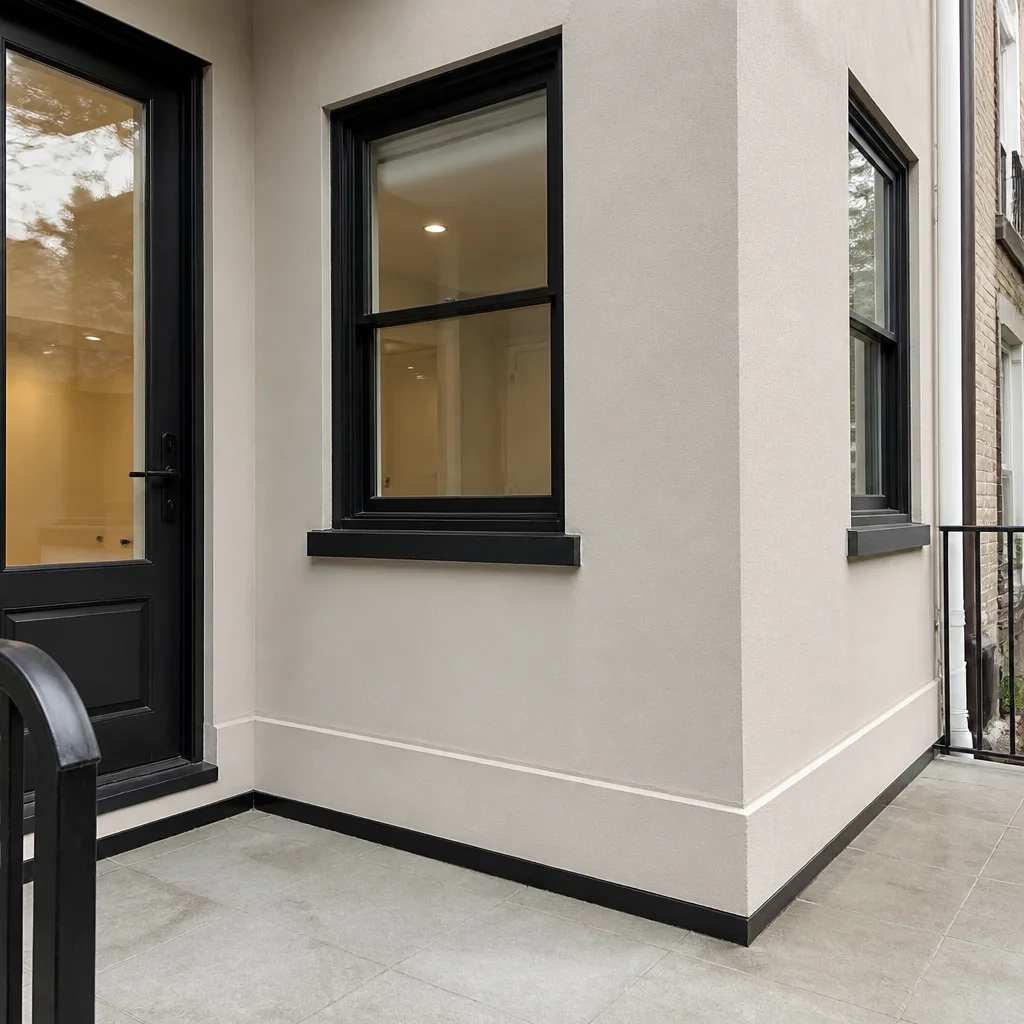 After
After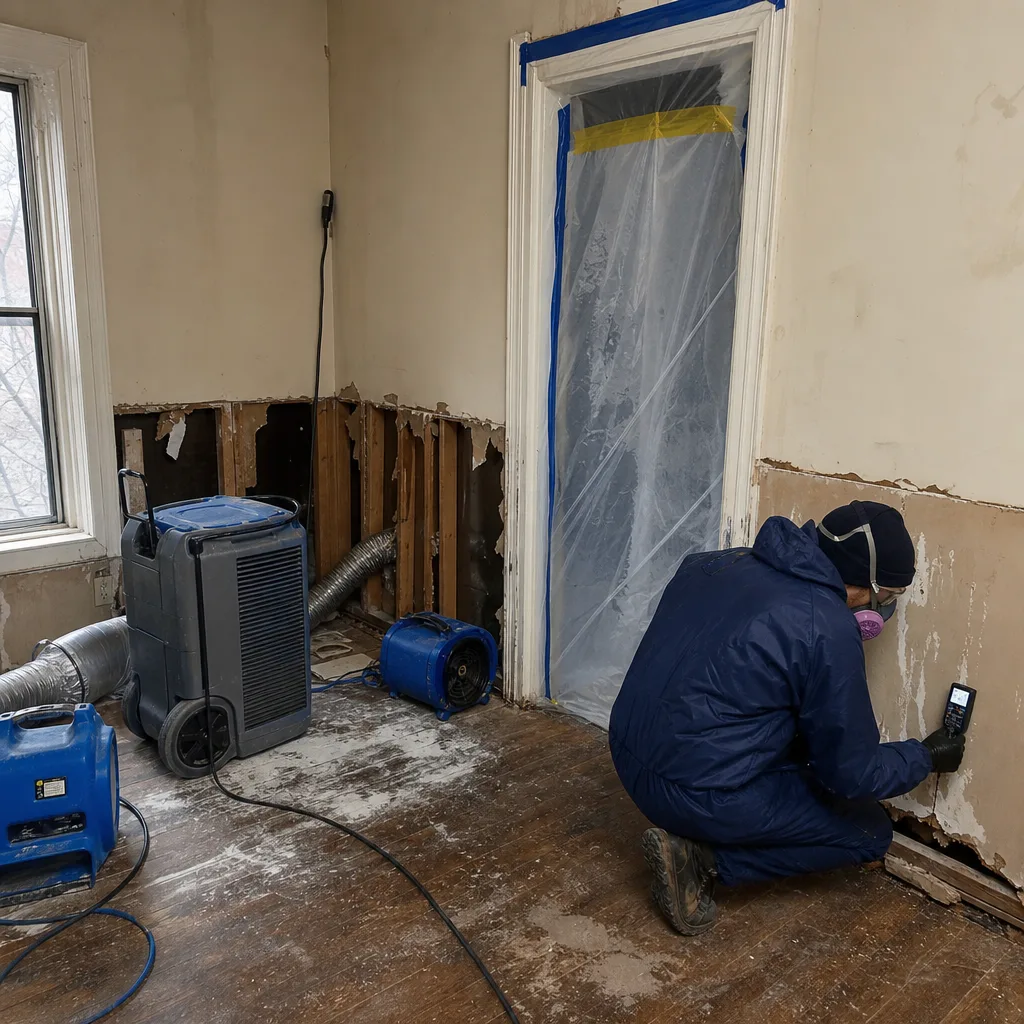 Before
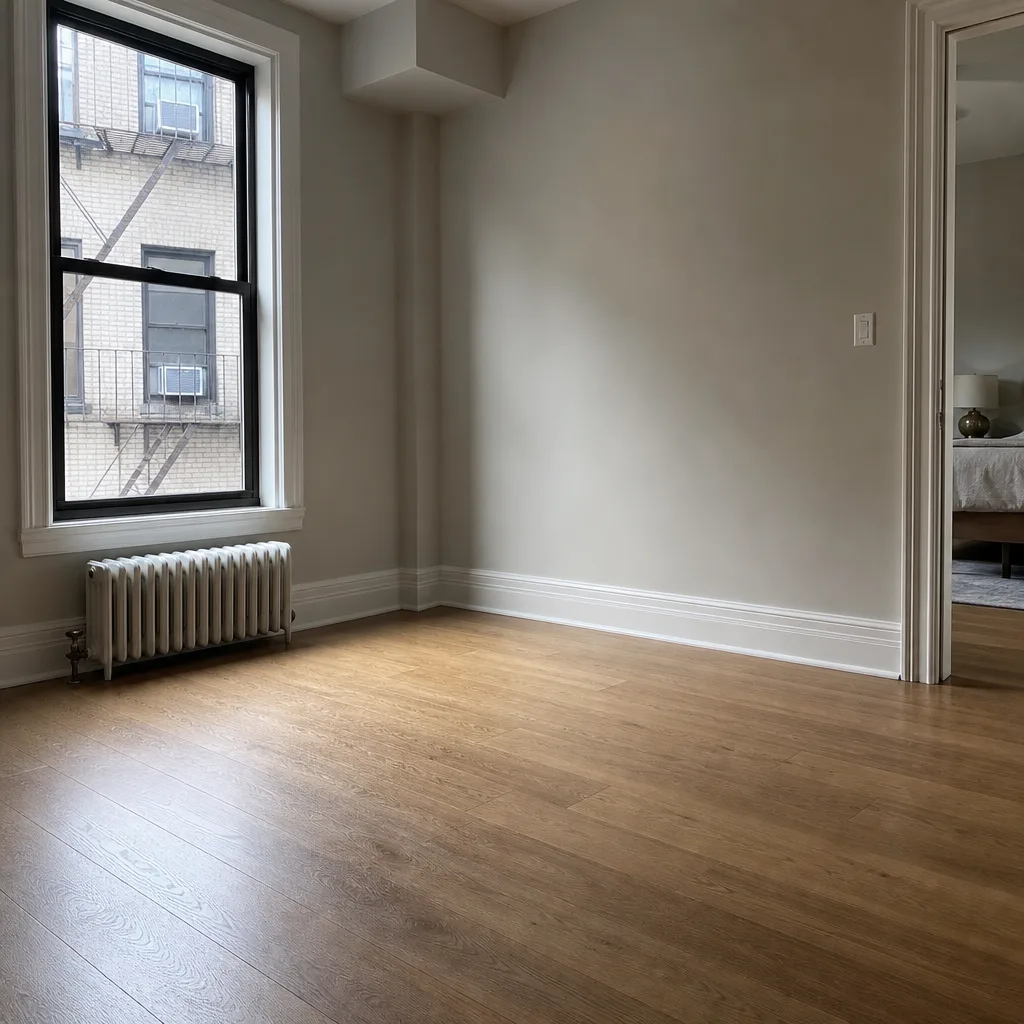 After
After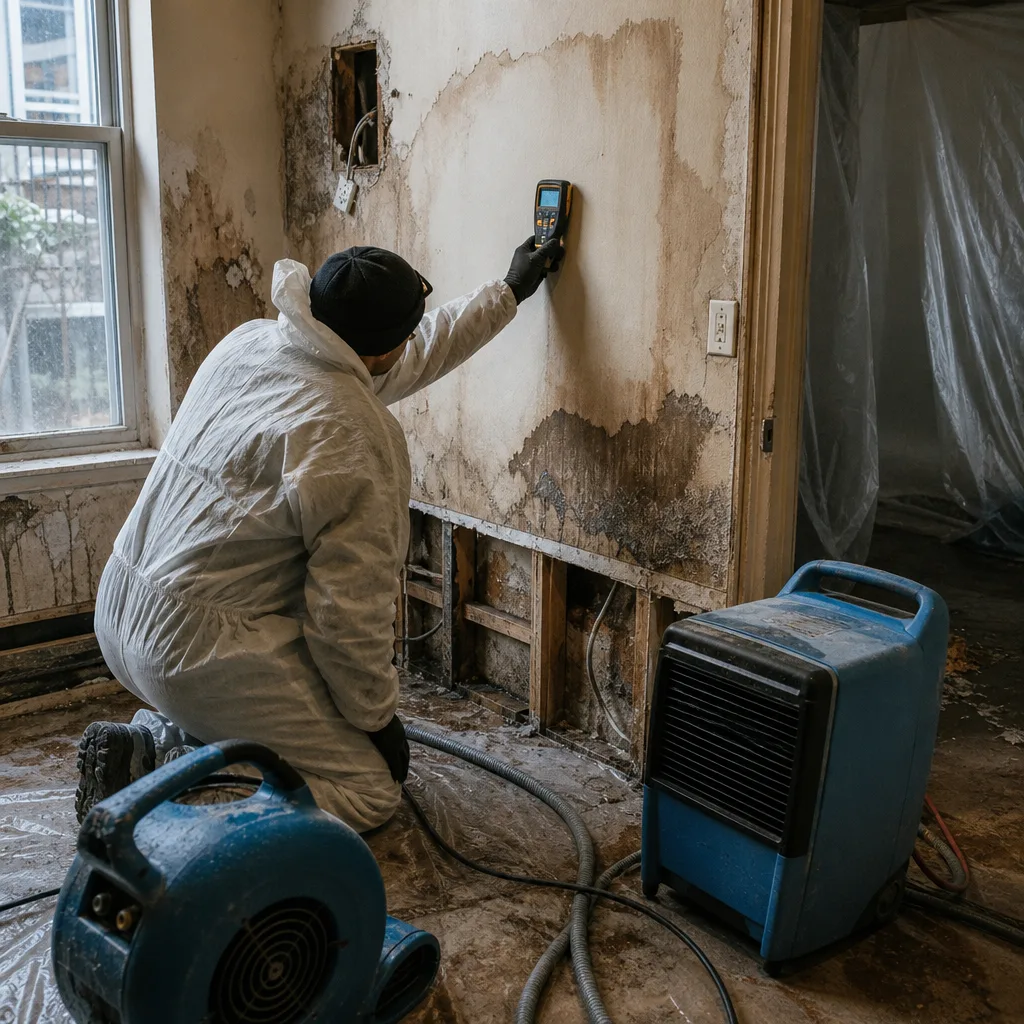 Before
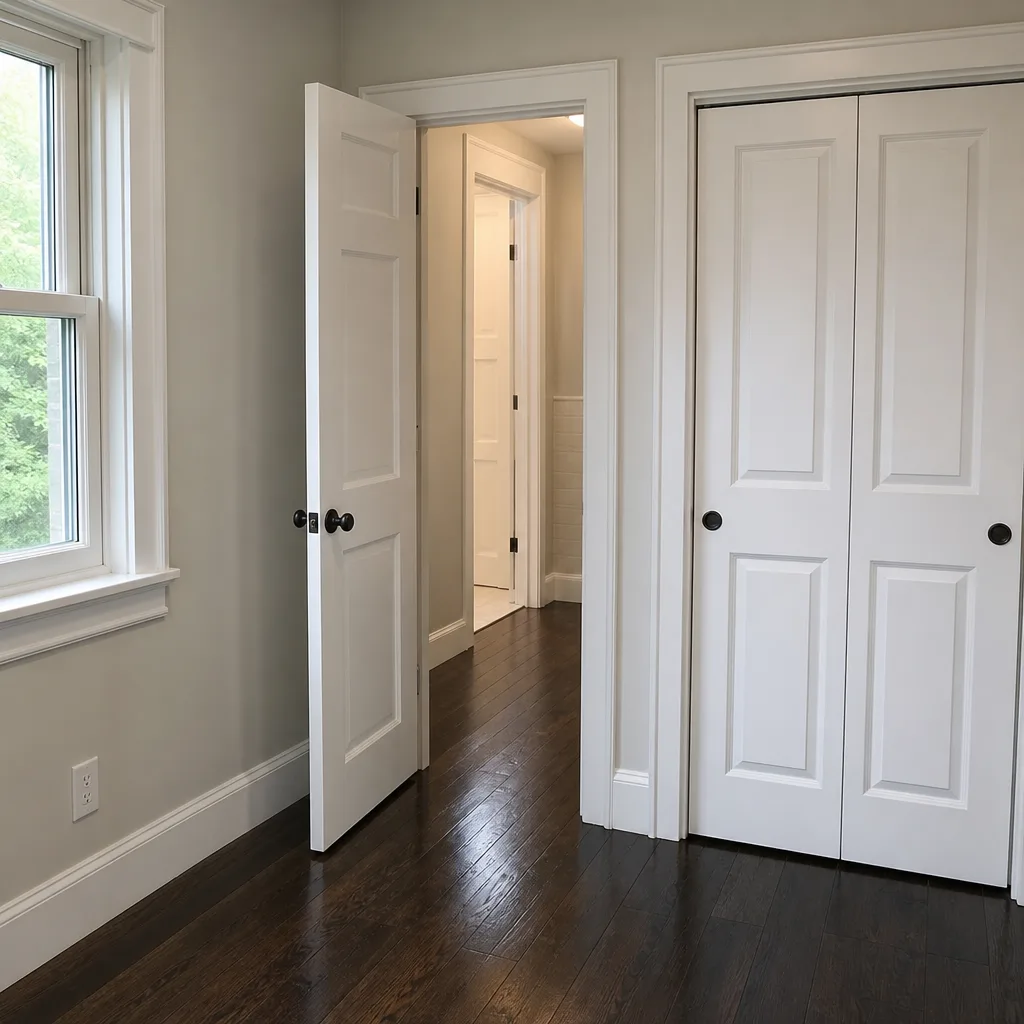 After
AfterTrusted Storm & Disaster Restoration for Manhattan Homeowners
Storm damage to a Manhattan home typically costs $3,500-$18,000 to restore depending on water intrusion depth, structural involvement, and whether the damage reaches tertiary building materials like insulation and subflooring - see our Storm & Disaster Restoration cost guide for detailed pricing factors. Back to Dry Restoration Manhattan dispatches crews within 60-90 minutes for emergency board-up and roof tarping, and every job begins with a written price before any work starts - Haven Standard, Clause 1. Call (516) 687-5786; a live person answers 24 hours a day, 7 days a week, no voicemail.
Since 2011, Alicia Brennan has built Back to Dry around a single observation from her years as a claims adjuster: the documentation gap between what happened to a home and what an insurer will pay for destroys more claims than the storm itself. We’ve restored 12,000+ homes, each with a written price agreed before work began, a photo record on every visit, and a 365-Day Done Right Promise backed by The Haven Standard. In Storm & Disaster Restoration - Manhattan, where building density complicates access and co-op boards demand contractor documentation before crews enter, our file-first approach isn’t a preference - it’s the difference between a paid claim and a disputed one.
What Our Storm & Disaster Restoration Service Includes
Storm Damage Cleanup
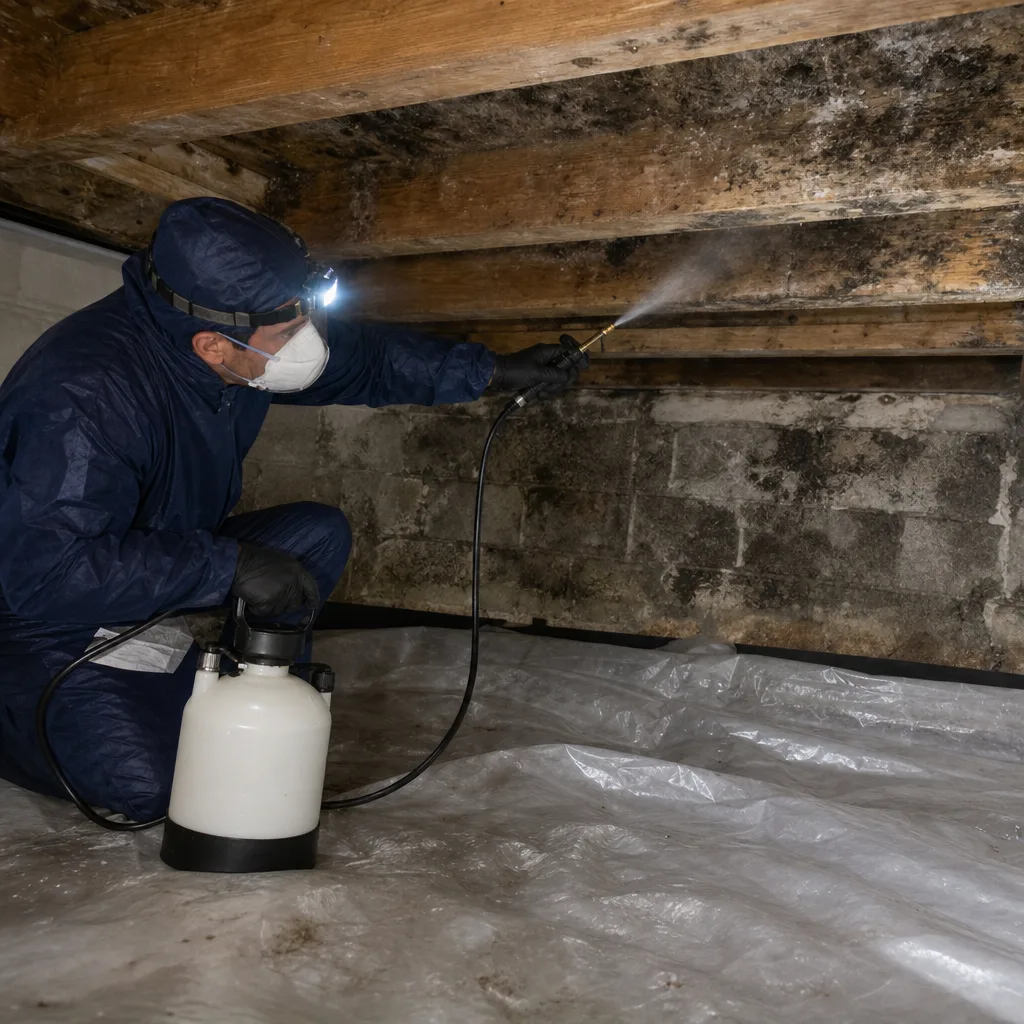
Storm damage cleanup addresses the full debris field left after a weather event: fallen tree limbs, shattered glass, displaced roofing materials, and waterlogged contents. In Manhattan, where brownstone parapet walls shed masonry during high winds and flat commercial roofs dump water into adjacent residential structures, cleanup must account for both visible debris and hidden moisture migration. Our crews document every removed item with photos, tag salvageable contents by room, and provide a written inventory that feeds directly into your insurance claim - no separate adjuster visit required.
Flood Damage Restoration
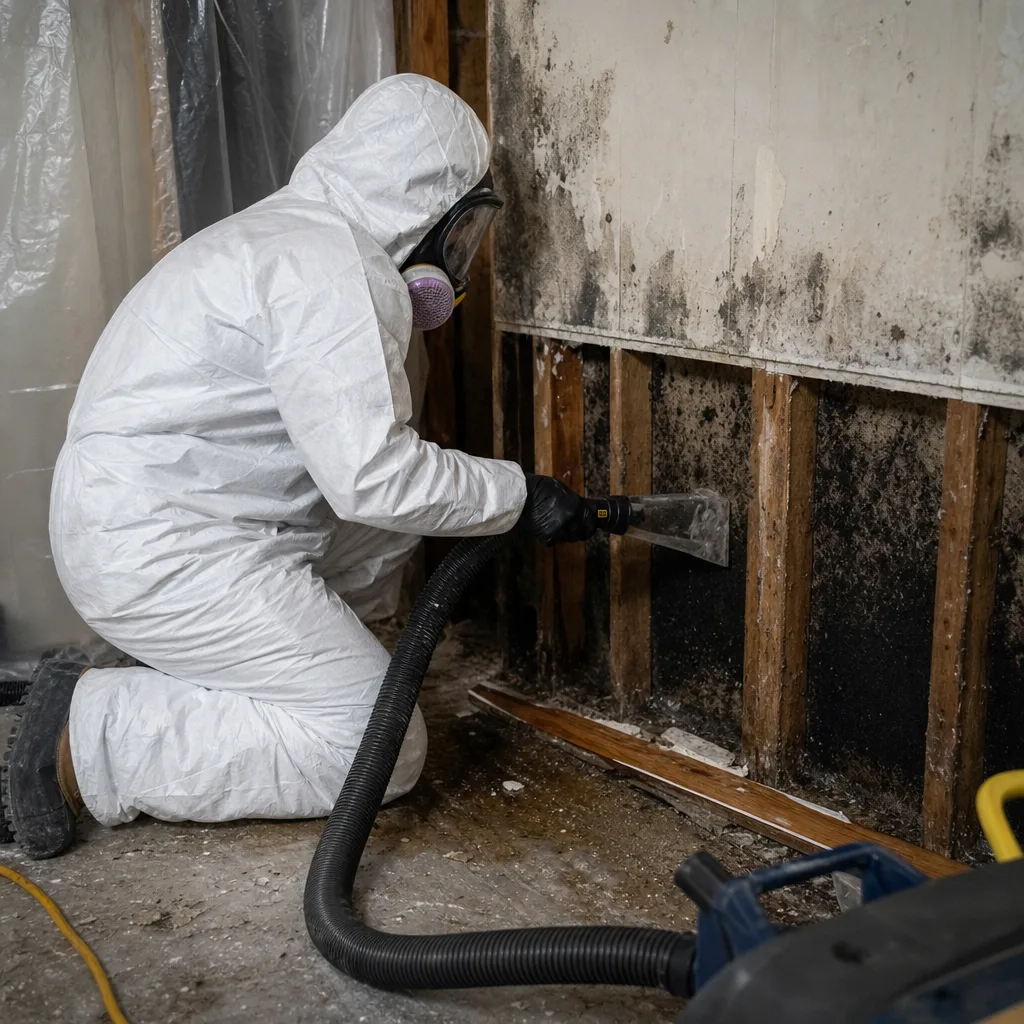
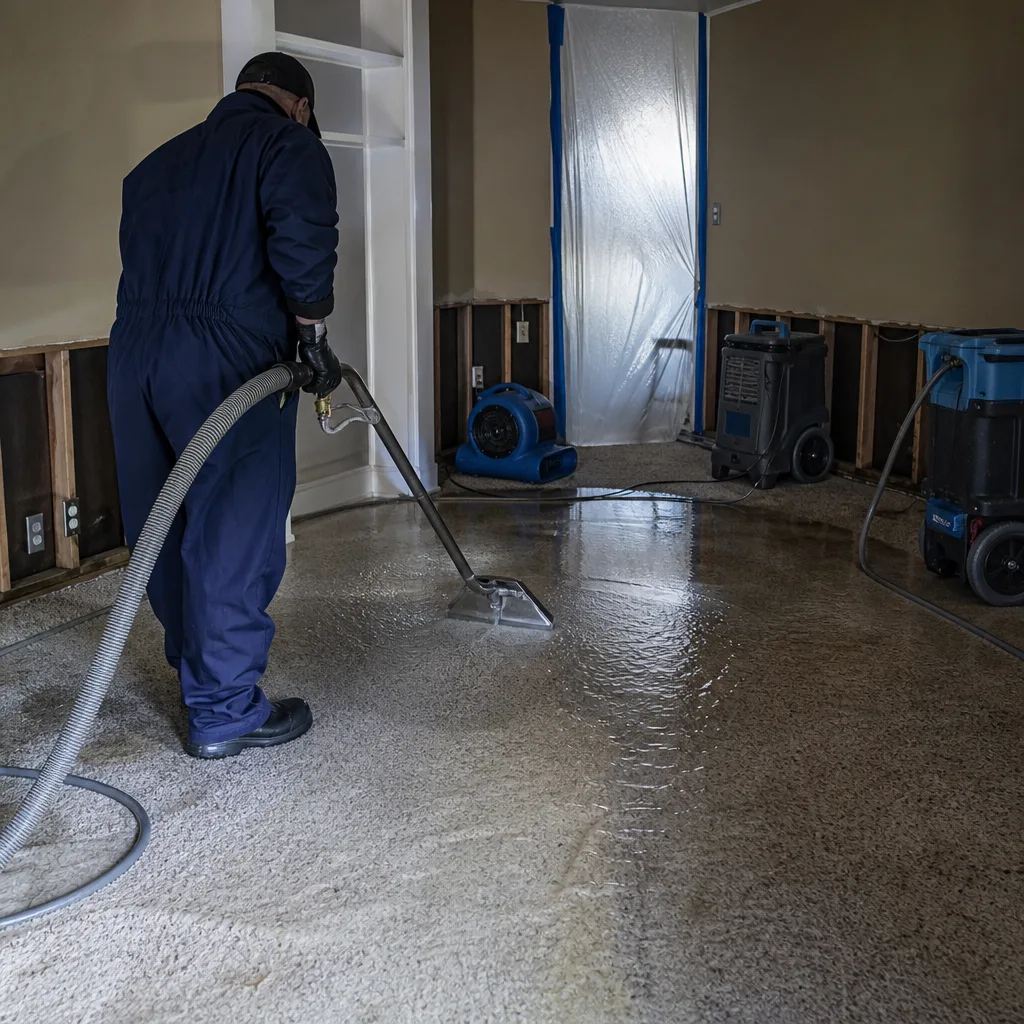
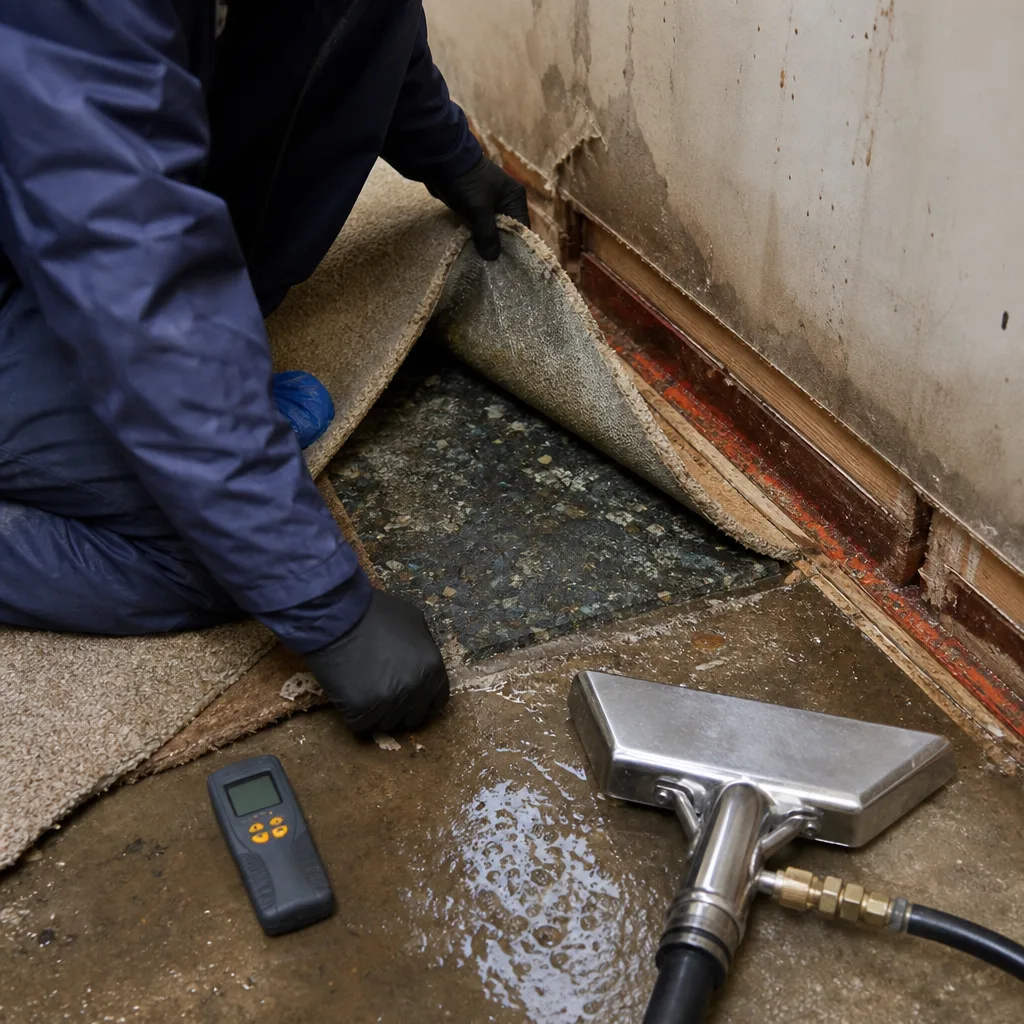
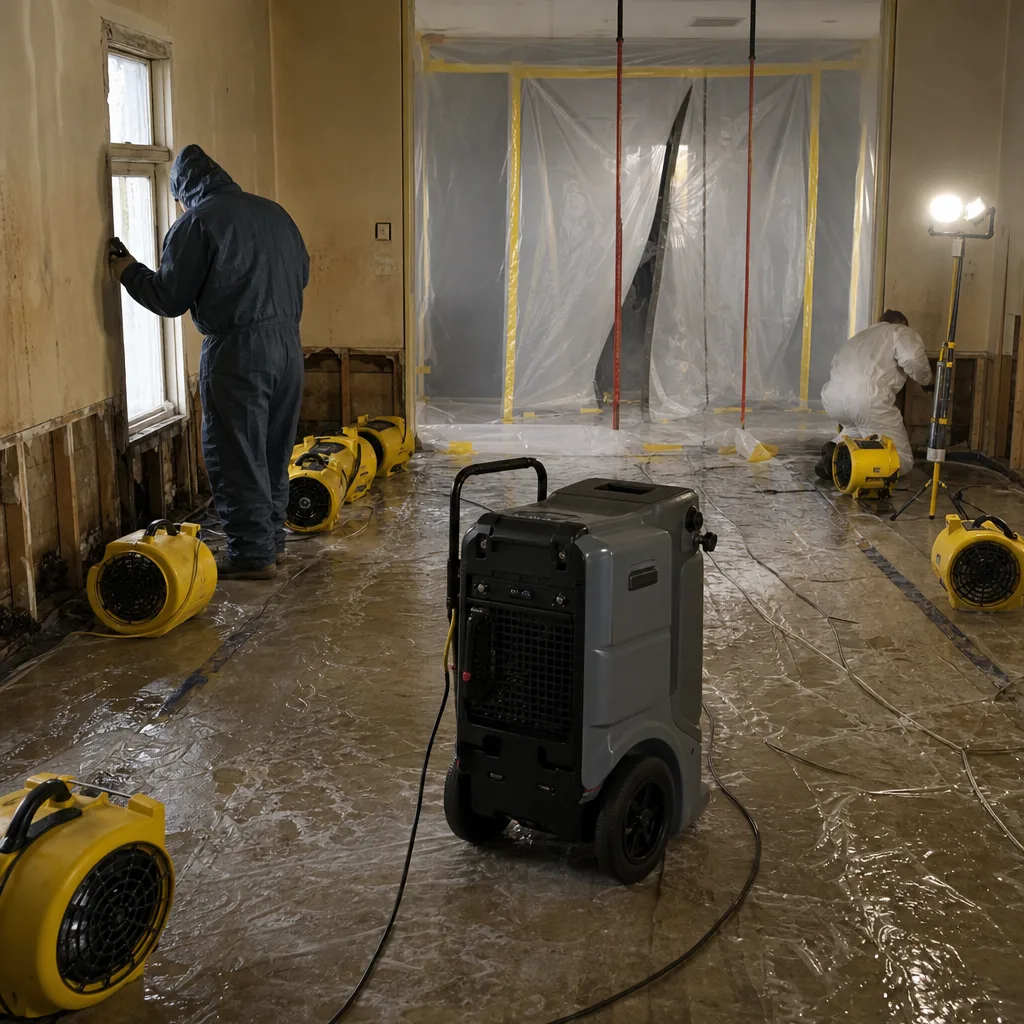
Flood damage restoration removes standing water, dries structural cavities, and restores materials to pre-loss moisture content measured in grains per pound. Manhattan’s combined sewer system backs up during intense rainfall, particularly in low-lying zones near the East River and in basements below the water table in Morningside Heights and Harlem. We deploy Dri-Eaz and Phoenix dehumidifiers with Injectidry cavity drying systems to reach moisture trapped behind plaster lathe and brick veneer, documenting psychrometric data - temperature, relative humidity, vapor pressure differential - in daily drying logs that insurers recognize as proof of work performed.
Emergency Board-Up
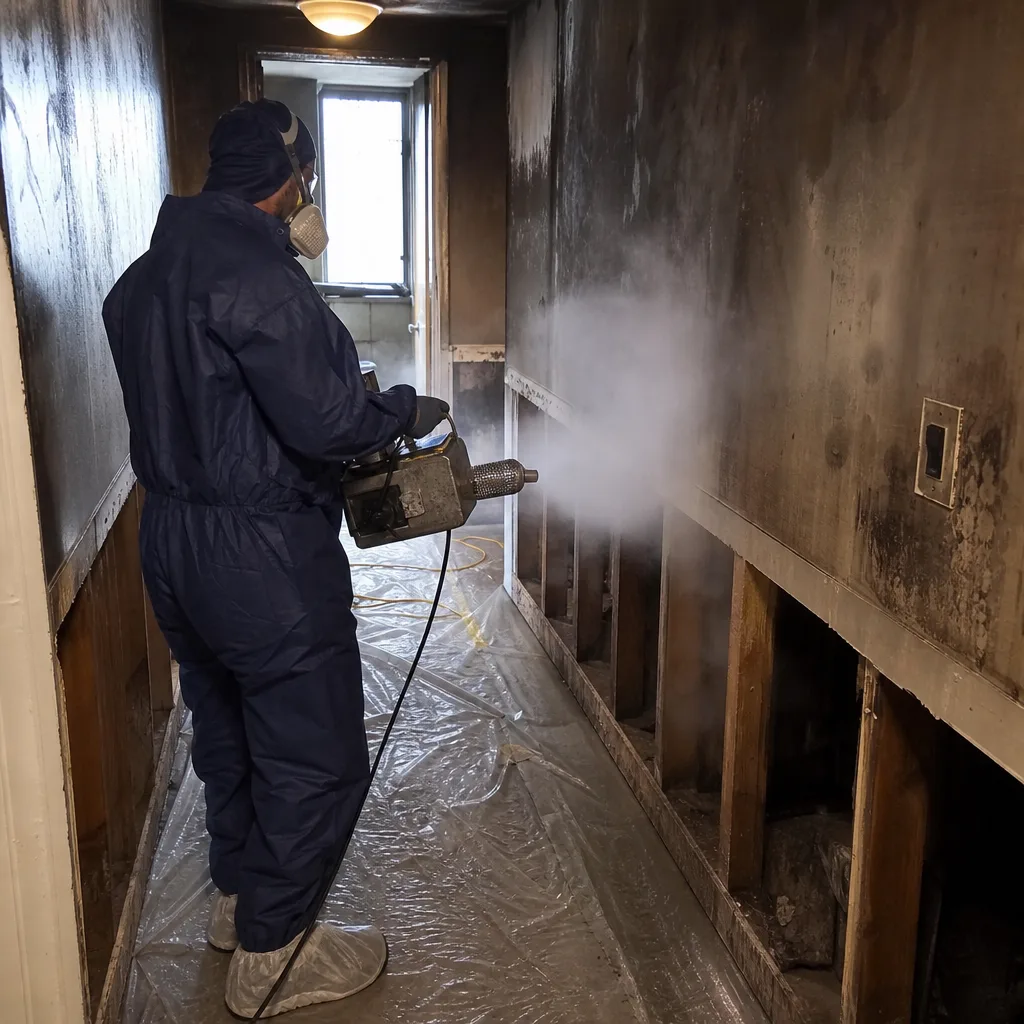
Emergency board-up secures compromised openings within hours of a storm breach to prevent secondary damage, theft, and liability exposure. In Manhattan, where a broken window on a ground-floor West Village brownstone or a blown-out retail facade in Midtown creates immediate security and weather intrusion risks, speed matters but so does technique - improper boarding damages historic frames and voids landmark compliance. Our technicians use pressure-fit systems where possible to preserve original millwork, photograph each opening before and after securing, and provide a written scope for permanent repair with pricing before any reconstruction begins.
Roof Tarping
Roof tarping provides temporary weather protection after shingle loss, flashing failure, or structural penetration until permanent repair can be scheduled and scoped. Manhattan’s dense roofscape - flat built-up roofs on pre-war buildings, modified bitumen on 1960s-era co-ops, green roof assemblies in newer construction - each requires different tarping technique and anchoring to avoid membrane damage. We inspect and photograph the full roof plane, note penetration points and drainage patterns, and install tarps with weighted perimeter anchoring where mechanical fastening would compromise the substrate, documenting every decision for the adjuster’s file.
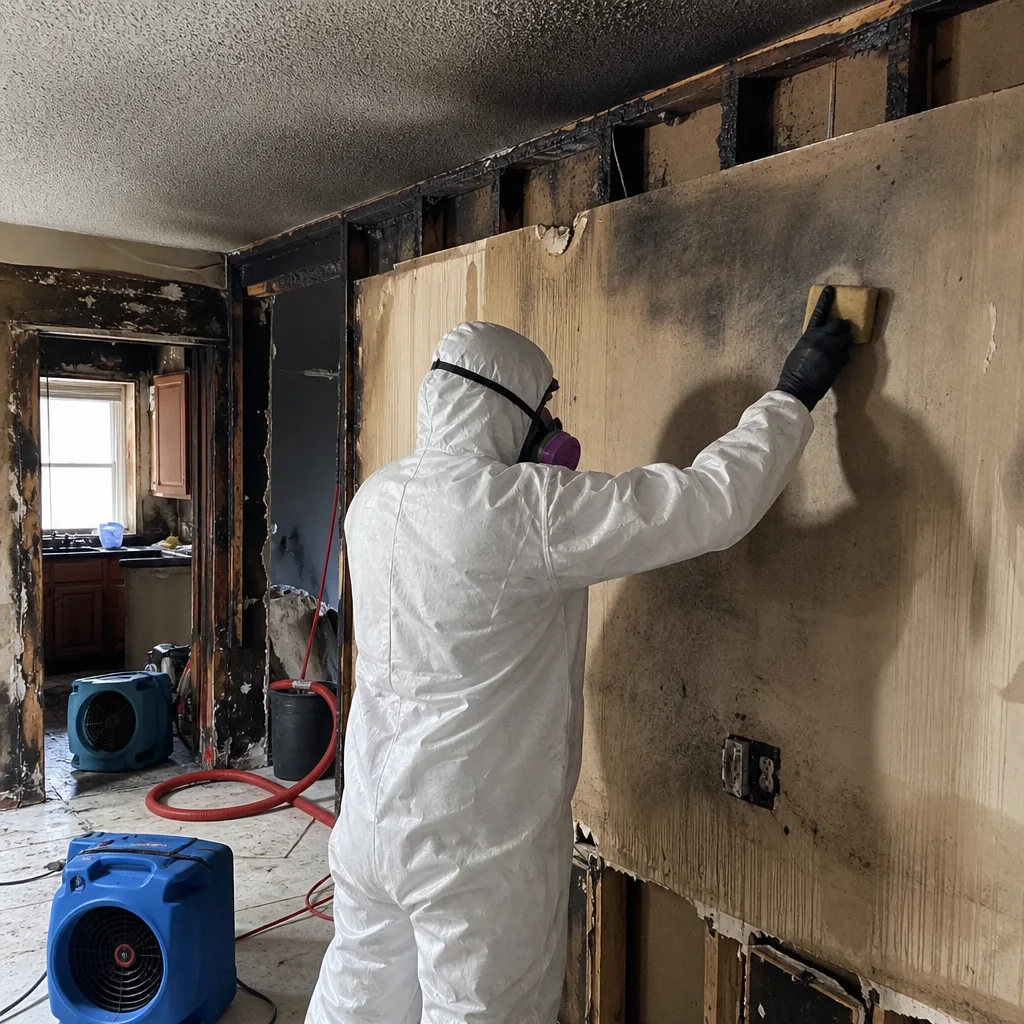
Debris Removal
Debris removal clears storm-generated waste that exceeds normal municipal pickup capacity: tree trunks, demolished fencing, collapsed awnings, and contaminated building materials. Manhattan’s Department of Sanitation has specific bulk pickup protocols and prohibited items, but storm debris often contains asbestos-containing materials from older buildings or pressure-treated lumber that requires special handling. We separate debris by waste stream on-site, provide manifests for hazardous materials, and coordinate with licensed haulers so your property doesn’t sit with a debris pile while permits process - a common delay we eliminate through pre-established disposal relationships.
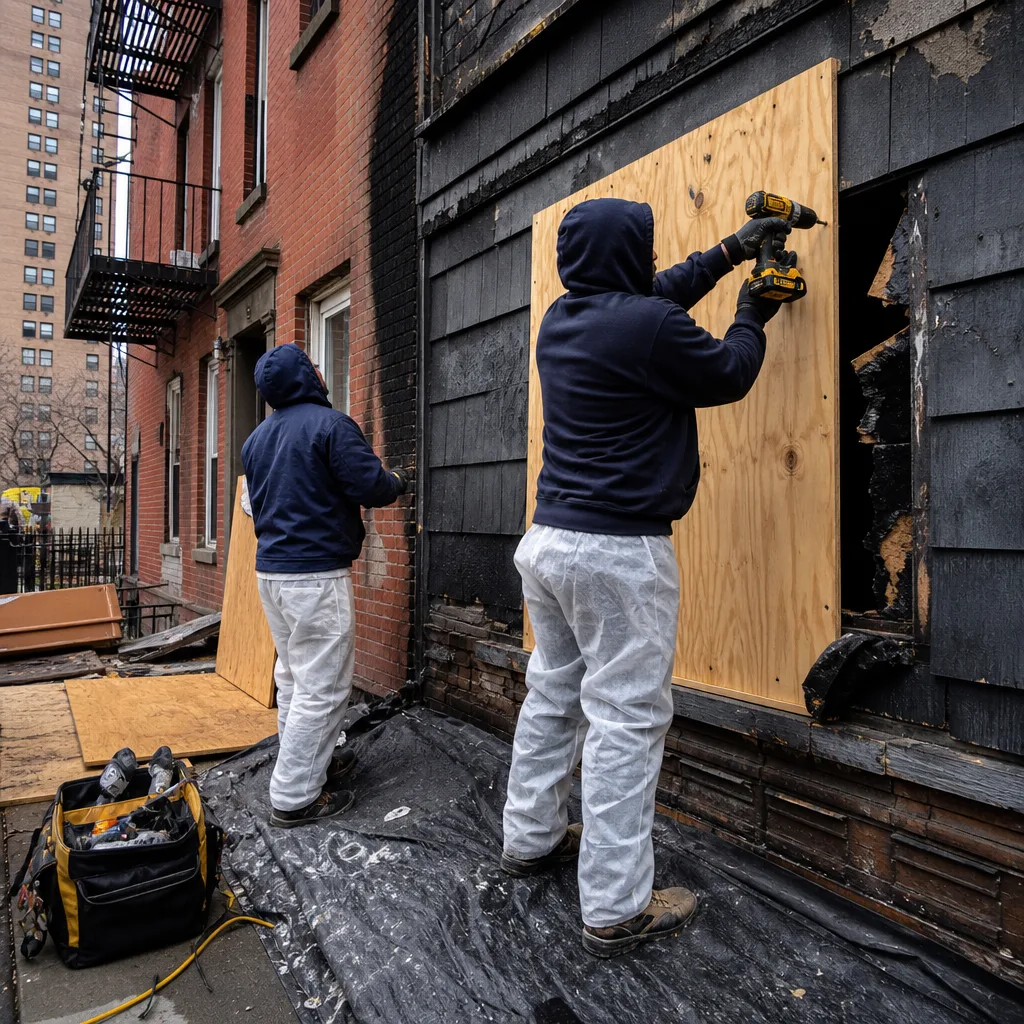
Wind Damage Repair
Wind damage repair restores structural and envelope components displaced or weakened by sustained high winds or microburst events. Manhattan’s wind tunnel effect between high-rise buildings accelerates gusts at street level, tearing loose coping stones, dislodging HVAC equipment, and peeling back roofing at parapet edges. Our assessment documents wind-driven rain paths that may have saturated wall cavities even where exterior damage appears minor, using moisture meters and thermal imaging to trace water migration - the hidden damage that, unaddressed, becomes a mold remediation six months later.
What happens when you call
- 1
A real person answersNo phone trees - you reach a local pro.
- 2
You get an upfront price rangeHonest numbers before anyone is dispatched.
- 3
A background-checked tech heads outLicensed & insured, dispatched right away.
- 4
You approve before work beginsNothing starts until you say go.
Brands We Service for Storm & Disaster Restoration
We’ve deployed Dri-Eaz dehumidification systems on hundreds of Manhattan jobs since 2011, from single-room drying in Murray Hill studios to full-building drying in Upper West Side co-ops after riser pipe failures. Dri-Eaz’s LGR technology maintains performance even in the high-humidity conditions common in Manhattan basements and enclosed courtyards, and we stock OEM filters and condensate pumps to eliminate parts delays.
Phoenix drying equipment forms the backbone of our large-loss response fleet, particularly in commercial and multi-family buildings where air exchange rates must be calculated per ASHRAE standards and documented for insurer review. Whether your property requires Dri-Eaz, Phoenix, or integrated systems from XPOWER, B-Air, and Injectidry, our technicians are trained to the equipment manufacturer’s specifications and document deployment decisions in the drying log that accompanies your claim file. If you have another equipment preference or your insurer specifies a particular system, we accommodate and document accordingly.
BeforeAfterSigns You Need Storm & Disaster Restoration Right Now
- Visible water intrusion or standing water anywhere in the structure, including basements, elevator pits, and parking garages. Water moves horizontally through Manhattan’s shared party walls and vertically via conduit chases; visible water in one unit often means hidden saturation in adjacent spaces that only thermal imaging reveals.
- Missing or displaced roofing materials observed from street level, neighboring buildings, or interior ceiling stains. Even a single missing shingle or separated membrane seam admits wind-driven rain that saturates insulation and deck sheathing before ceiling drywall shows damage.
- Broken windows, damaged doors, or compromised exterior walls that expose the interior to weather and unauthorized entry. In Manhattan’s dense environment, a breached opening affects not just your property but adjacent units and street-level pedestrian safety, creating liability exposure beyond the physical damage.
- Fallen trees, limbs, or structural debris contacting the building or blocking egress paths. Weight-bearing contact stresses roof and wall framing; even if no immediate collapse occurs, the load must be assessed by a structural technician and relieved under documented engineering guidance.
- Unusual odors, electrical malfunctions, or bubbling paint/wallpaper appearing 24-72 hours after a storm event. These indicate moisture trapped in wall cavities, a condition that progresses from salvageable drying to required material removal within 48-72 hours - the window where our documented intervention preserves more of your structure and reduces claim complexity.
Our Storm & Disaster Restoration Process - Step by Step
- 1
Emergency response and site securement. We arrive within 60-90 minutes for emergency calls, perform immediate safety assessment, and secure hazards - downed electrical lines, unstable debris, compromised structural elements - before any other work. For Manhattan properties, we coordinate with building management and FDNY as needed for access and utility shutoff, documenting every safety decision with timestamped photos.
- 2
Documented damage assessment. A trained technician walks the property with moisture detection equipment, thermal imaging camera, and structural assessment tools, recording moisture readings by room, material classification, and square footage affected. You receive a copy of this assessment; it becomes the baseline for the drying log and the adjuster’s scope comparison.
- 3
Written scope and price delivery. Haven Standard, Clause 1: we deliver a written price before any work begins, every time, with no exceptions. The scope specifies each task, the equipment deployed, the estimated duration, and the total cost. For insurance claims, we coordinate directly with your adjuster, providing our documentation package - photos, moisture readings, material classifications - to expedite approval.
- 4
Mitigation and stabilization. Upon written approval, crews begin water extraction, debris removal, board-up, tarping, or other emergency measures. We deploy professional-grade drying systems from Dri-Eaz, Phoenix, XPOWER, B-Air, and Injectidry as the moisture profile dictates, and we document equipment placement, psychrometric readings, and daily progress in a drying log that meets IICRC, RIA, and IFA standards.
- 5
Verification, documentation, and warranty. We confirm structural materials have returned to pre-loss moisture content using calibrated meters, remove equipment, and deliver final documentation: photo record of completed work, drying log summary, and signed 365-Day Done Right Promise under The Haven Standard. If anything isn’t right, we make it right - in writing, not as a verbal favor.
How Much Does Storm & Disaster Restoration Cost in Manhattan?
A typical emergency board-up or roof tarping in Manhattan runs $800-$2,500 depending on the number of openings, roof area, and whether specialized anchoring is required for historic or landmark structures. Storm damage cleanup and debris removal for a single-family or townhouse property typically ranges $1,500-$5,000; for multi-unit buildings or commercial properties with larger debris volumes and hazardous material considerations, $4,000-$12,000. Flood damage restoration with structural drying starts around $2,500 for contained, single-room intrusion and extends to $15,000-$35,000 for whole-building saturation reaching tertiary materials - insulation, subflooring, and structural framing - particularly in pre-war buildings with plaster and lathe construction common on the Upper West Side and in Harlem.
Several factors move pricing within these ranges. Building age and construction type matter: post-war drywall construction dries faster and more predictably than pre-war plaster and masonry, reducing labor and equipment days. Access constraints - elevator-only buildings, narrow Manhattan lots, co-op board notification requirements - add coordination time. The source of water matters too: clean rainwater from a roof breach requires less precaution than Category 2 or 3 water from sewer backup or storm surge, which triggers additional sanitation and disposal protocols. Insurance involvement affects out-of-pocket cost directly; we provide documentation formatted for adjuster review and coordinate direct billing where carriers permit.
To avoid overpaying, obtain a written scope from any contractor before work begins - Haven Standard, Clause 1 exists precisely because verbal estimates become inflated invoices. Compare line items, not just totals: equipment counts, labor hours, disposal fees, and material specifications should be explicit. Back to Dry Restoration Manhattan offers a Free Second Opinion on any competitor’s written estimate; bring us their scope and we’ll review it for completeness and fair pricing at no charge. Our estimates are free, detailed, and delivered in writing - call (516) 687-5786 to schedule.
Storm & Disaster Restoration Near Manhattan - Our Service Area
Back to Dry Restoration Manhattan dispatches crews throughout the borough and into adjacent markets with typical response times of 45-90 minutes depending on bridge and tunnel conditions. We regularly service Storm & Disaster Restoration in Upper West Side and Storm & Disaster Restoration in Upper East Side, with established relationships in co-op and condo buildings that expedite access. Our coverage extends to Morningside Heights, East Harlem, West New York, Midtown Manhattan, Harlem, Murray Hill, Astoria, Long Island City, and Union City - each with distinct building stock and storm vulnerability profiles that inform our pre-positioned equipment and crew assignments.
Serving Manhattan, NY - Our Local Coverage Area
We’re based in the Manhattan area and know this community well. Use the map below to see our service coverage - if you’re nearby, we can almost certainly help.
Frequently Asked Questions - Storm & Disaster Restoration in Manhattan
Storm & Disaster Restoration - Union City and surrounding areas follows the professional process of returning a property to pre-loss condition after weather-related damage, including water extraction, structural drying, debris removal, temporary protection, and repair of damaged building components. It differs from simple cleanup in its documentation rigor: moisture readings, drying logs, and photo records that satisfy insurance claim requirements. At Back to Dry Restoration Manhattan, every restoration job includes these deliverables as standard, not as optional add-ons.
Emergency board-up and roof tarping typically complete within 2-4 hours; debris removal and initial cleanup within one business day; structural drying requires 3-7 days depending on material saturation depth and ambient conditions; full reconstruction extends from one week to several months for complex losses. We provide a written timeline with our scope and price - Haven Standard, Clause 1 - and update it daily in the drying log so you and your adjuster track progress against the plan. Call (516) 687-5786 for a timeline estimate specific to your damage.
Most Manhattan storm restoration projects fall between $3,500 and $18,000, with emergency services like board-up starting at $800 and extensive flood restoration with structural drying reaching $35,000 for large or historic properties. The final price depends on water category, affected square footage, building construction type, and whether hazardous materials are present. We deliver a written price before any work begins - no exceptions - and offer a Free Second Opinion on any competitor’s written estimate.
Yes - we deploy Dri-Eaz and Phoenix systems as core components of our drying fleet, with technicians trained to manufacturer specifications and daily documentation to IICRC, RIA, and IFA standards. We also service properties with existing equipment from these manufacturers, providing maintenance, calibration verification, and integration with our monitoring systems. Whether your building has Dri-Eaz, Phoenix, or another professional system, we can assess, operate, and document its performance for your claim file.
Yes - a live person answers every call to (516) 687-5786, 24 hours a day, 7 days a week, with no voicemail trees or next-business-day callbacks. We dispatch emergency crews within 60-90 minutes for board-up, tarping, and water extraction in Manhattan and surrounding areas. This isn’t a rotating on-call service; it’s dedicated live coverage because storm damage doesn’t observe business hours.
Every job carries our 365-Day Done Right Promise under The Haven Standard: if it’s not done right, we make it right. This is a signed warranty, not a marketing line, and it covers both workmanship and materials for one year from completion. The warranty transfers to subsequent property owners if you sell, and we maintain digital records of every job since 2011 so claims can be verified years later.
Ensure personal safety first - avoid rooms with sagging ceilings, exposed electrical components, or standing water contacting energized circuits. If possible, shut off water at the main and electricity at the breaker panel for affected areas; if you’re uncertain, wait for our technician. Gather your insurance policy number and adjuster contact if available, but don’t delay calling for documentation - our photos and moisture readings strengthen your claim regardless of when the adjuster visits. Call (516) 687-5786 and we’ll guide you through immediate steps while crews are en route.
Schedule Your Storm & Disaster Restoration Service in Manhattan Today
Call (516) 687-5786 now - a live person answers, 24 hours a day, 7 days a week. We’ll schedule a free assessment, deliver a written price before any work begins under Haven Standard, Clause 1, and start documentation that turns your restoration into a payable claim. Ask about our Free Second Opinion if you have another estimate to compare. Back to Dry Restoration Manhattan is independently owned and operated under The Haven Standard since 2011.
Written by Alicia Brennan, Owner at Back to Dry Restoration, serving Manhattan since 2011.