
Last updated September 22, 2026
Free visual inspection and a written scope of work before any mitigation begins - photos, moisture readings, and drying logs go in your claim file
The scope we write is the scope we bill. Anything new gets shown to you, in writing, before we touch it.
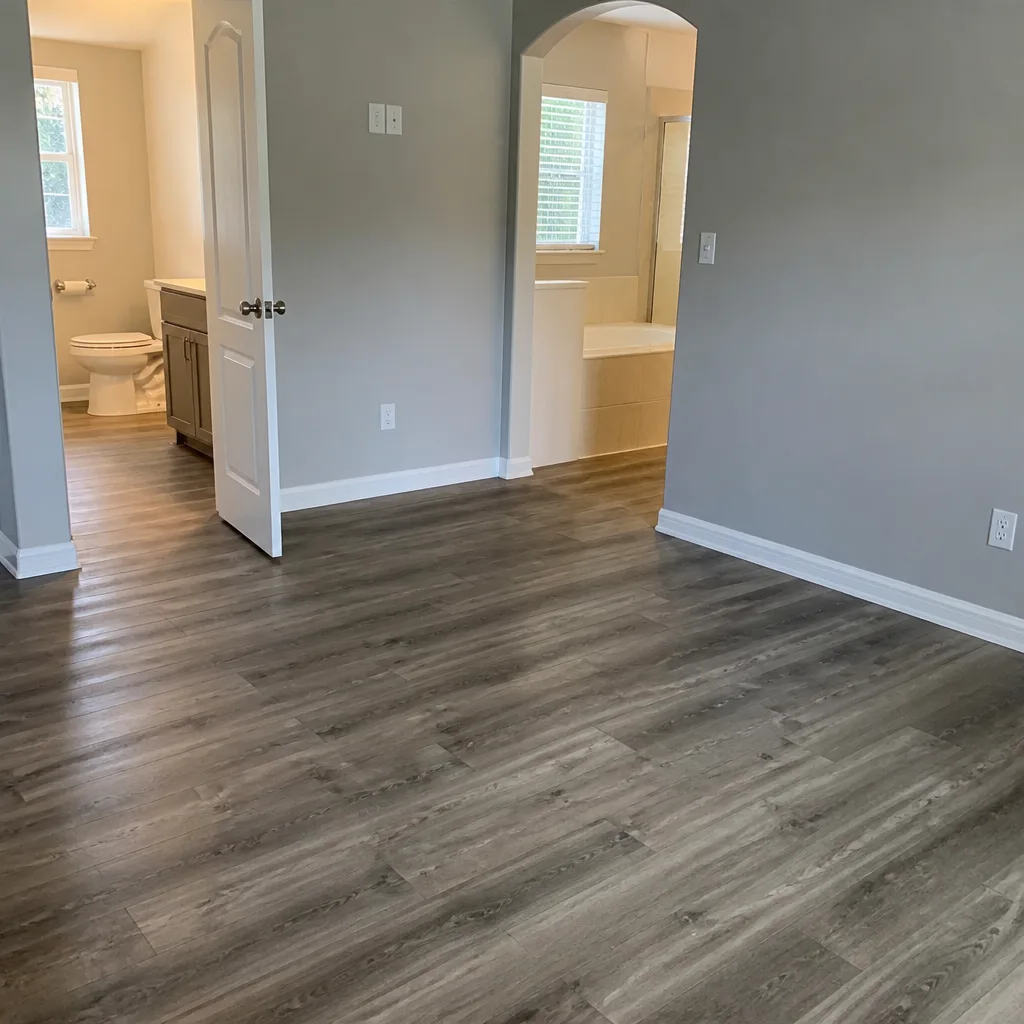
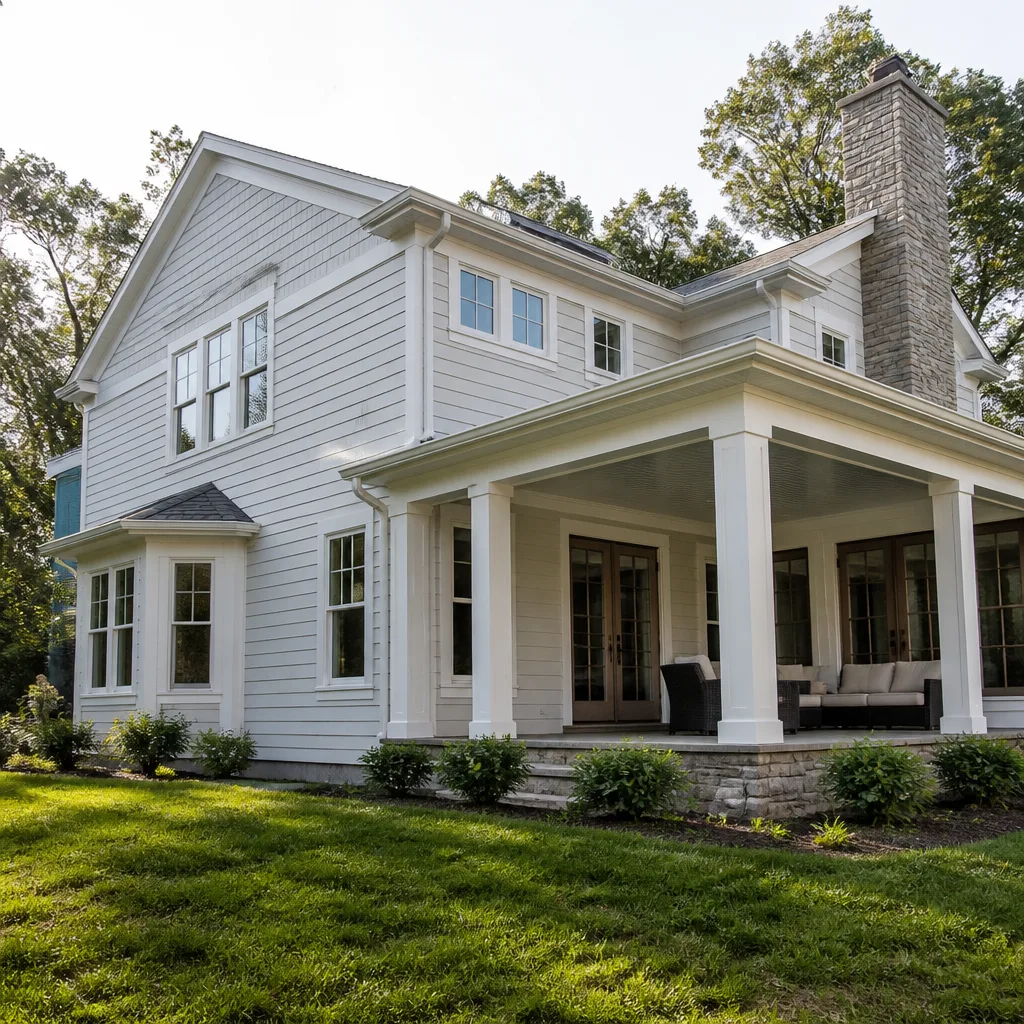
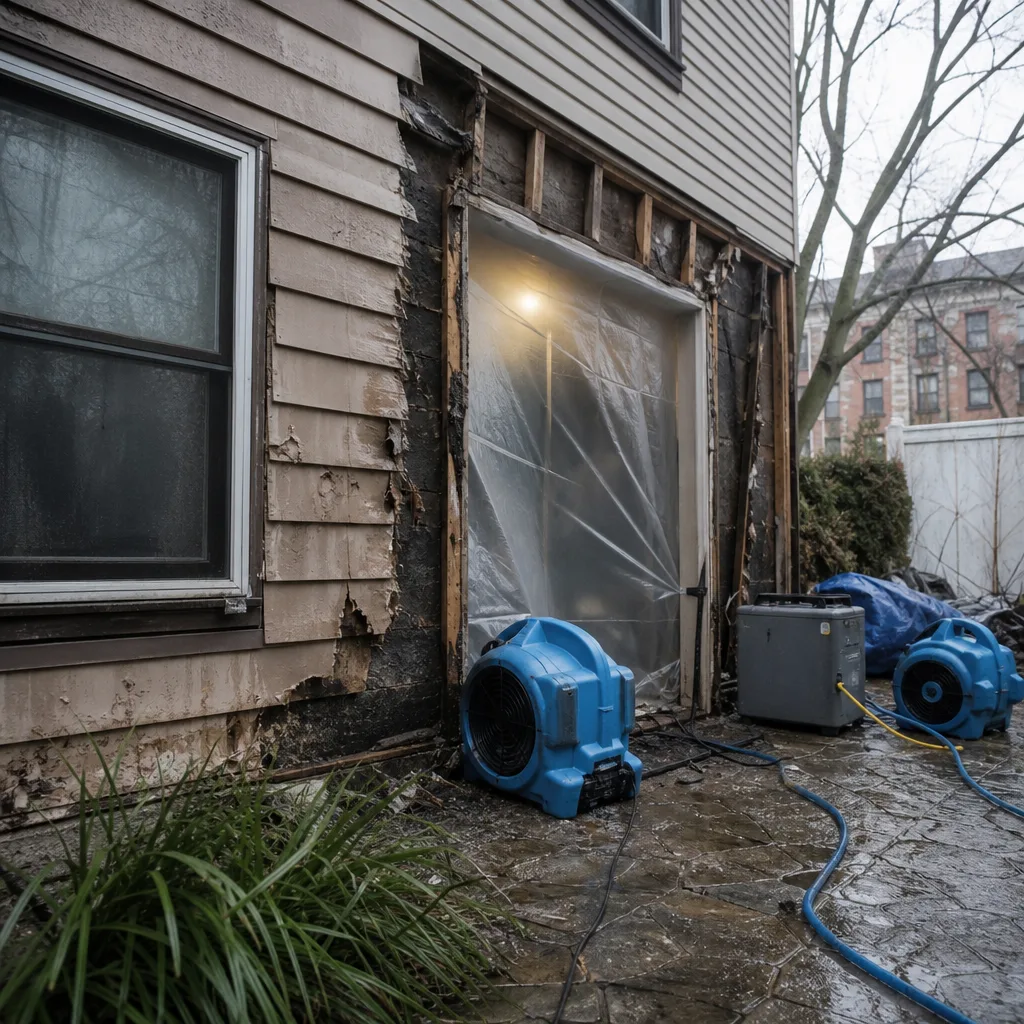 Before
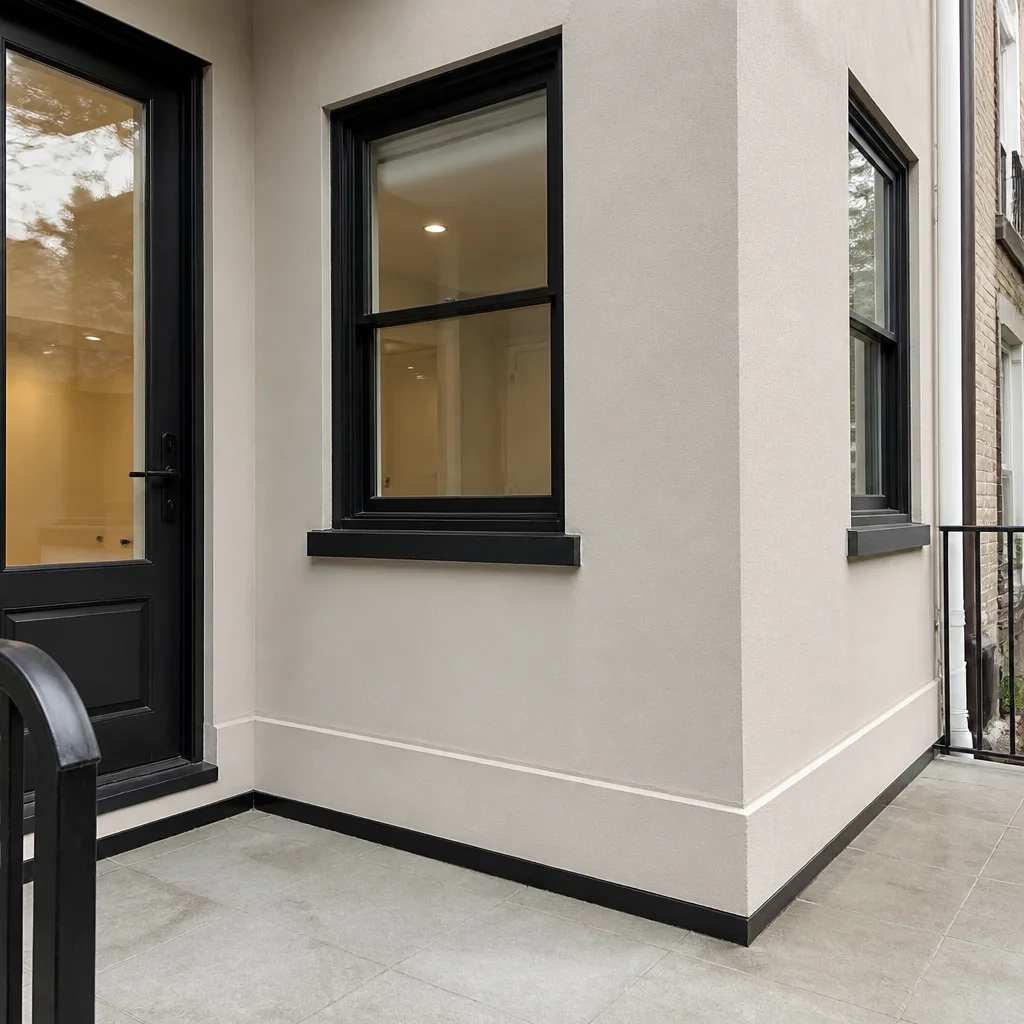 After
After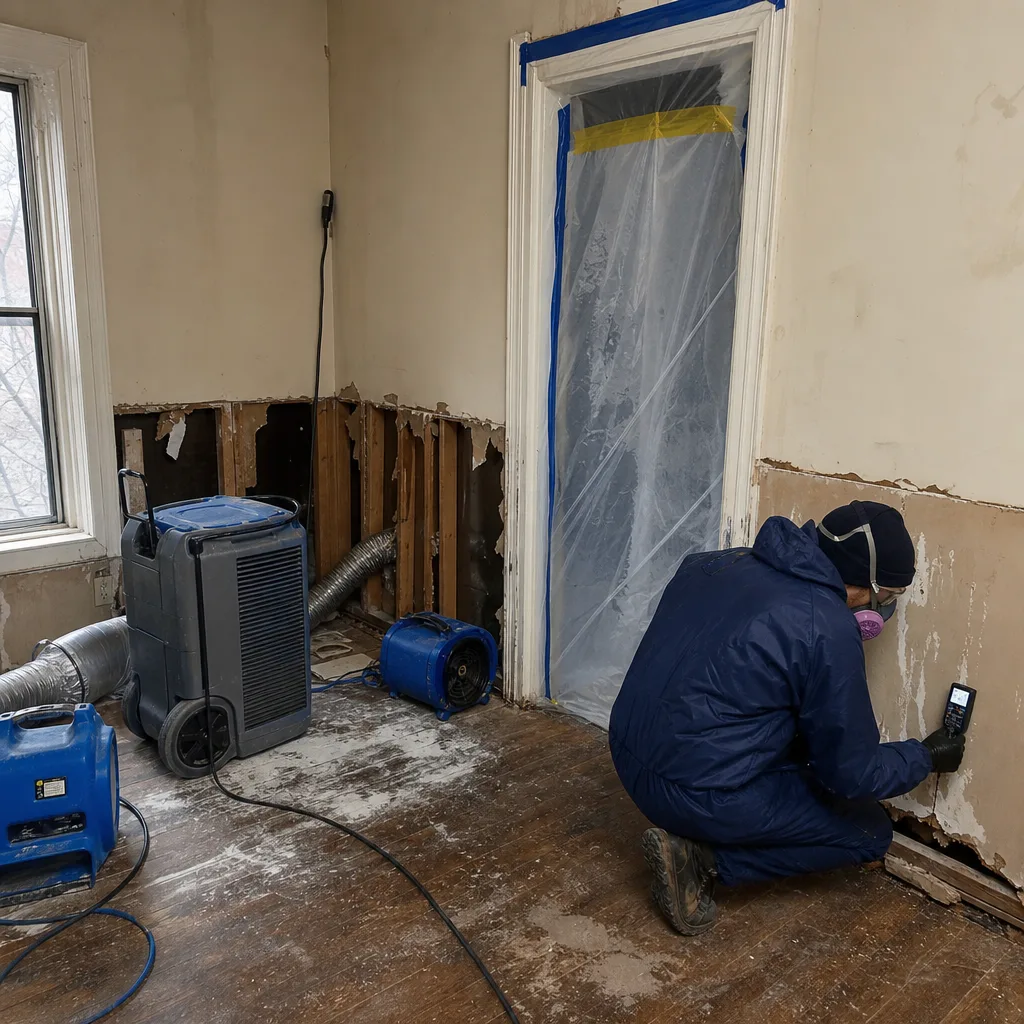 Before
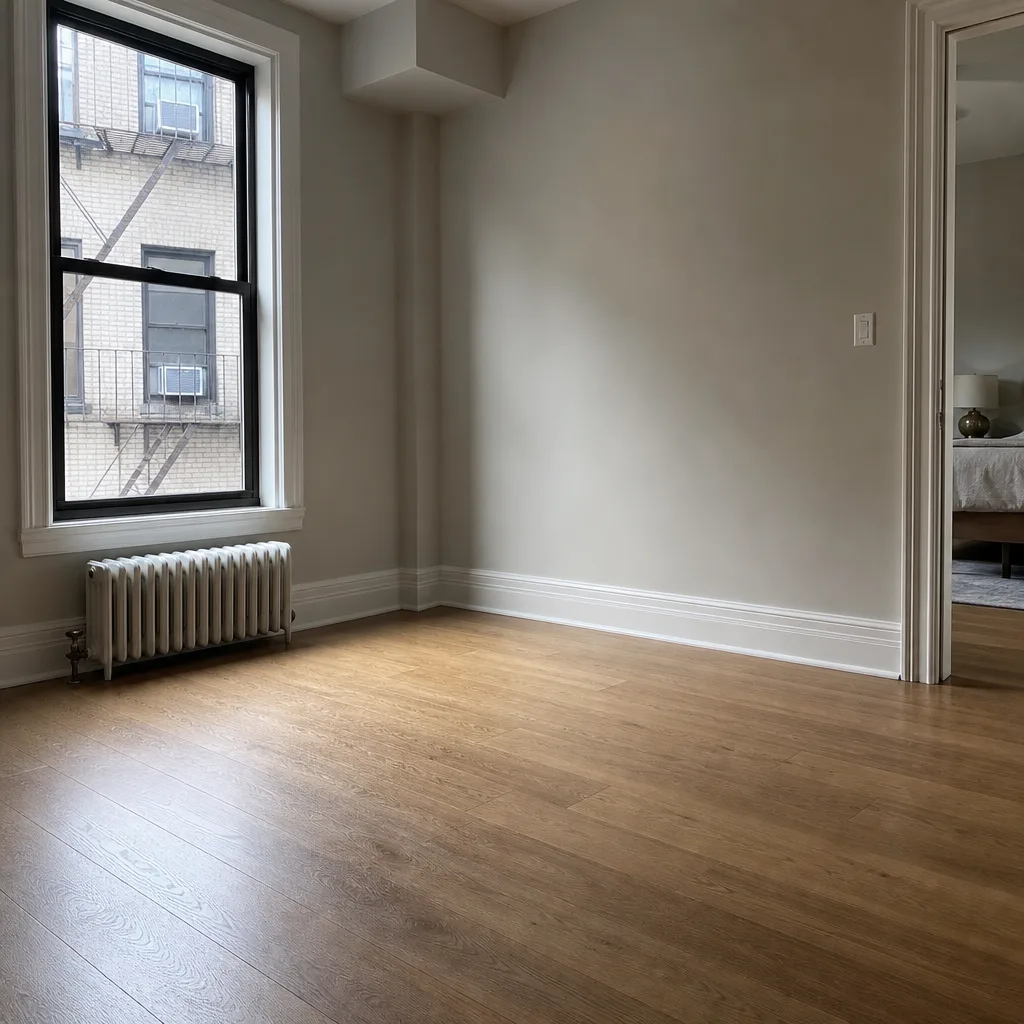 After
After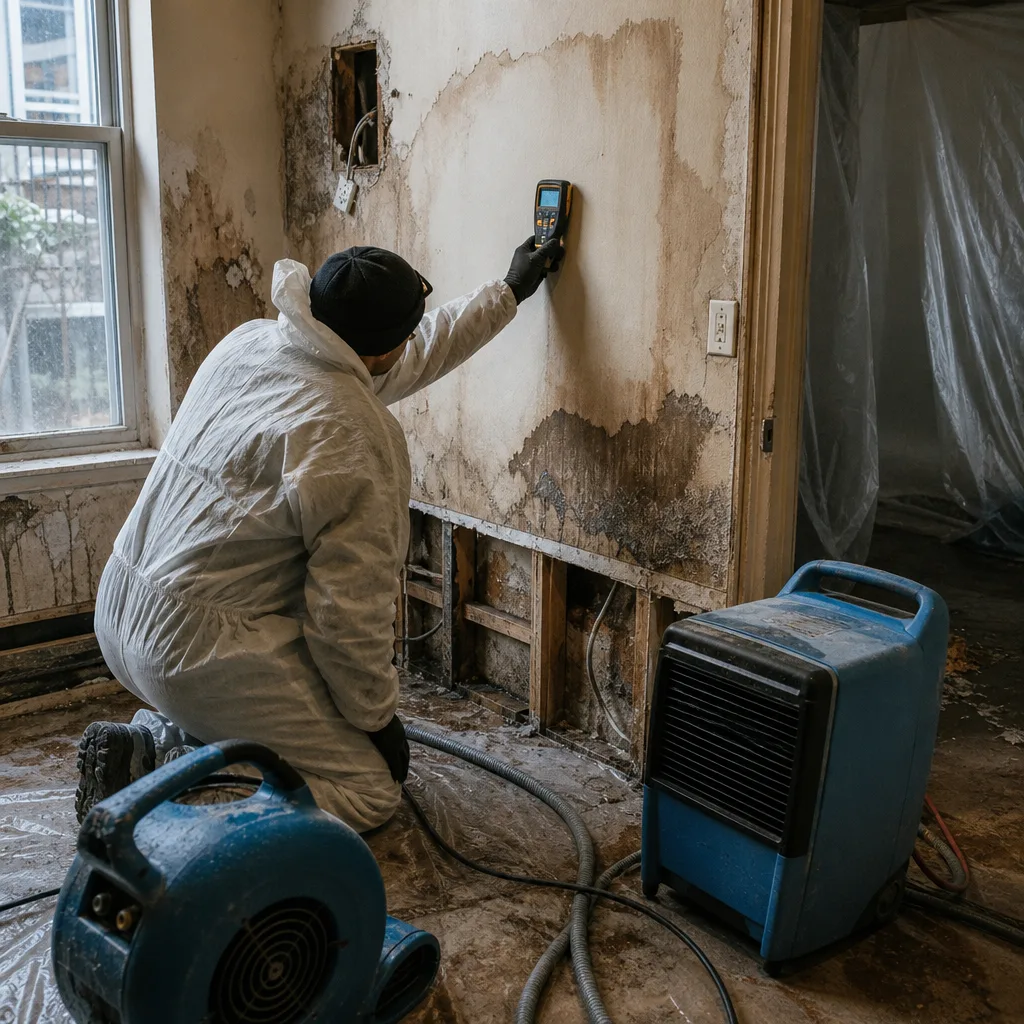 Before
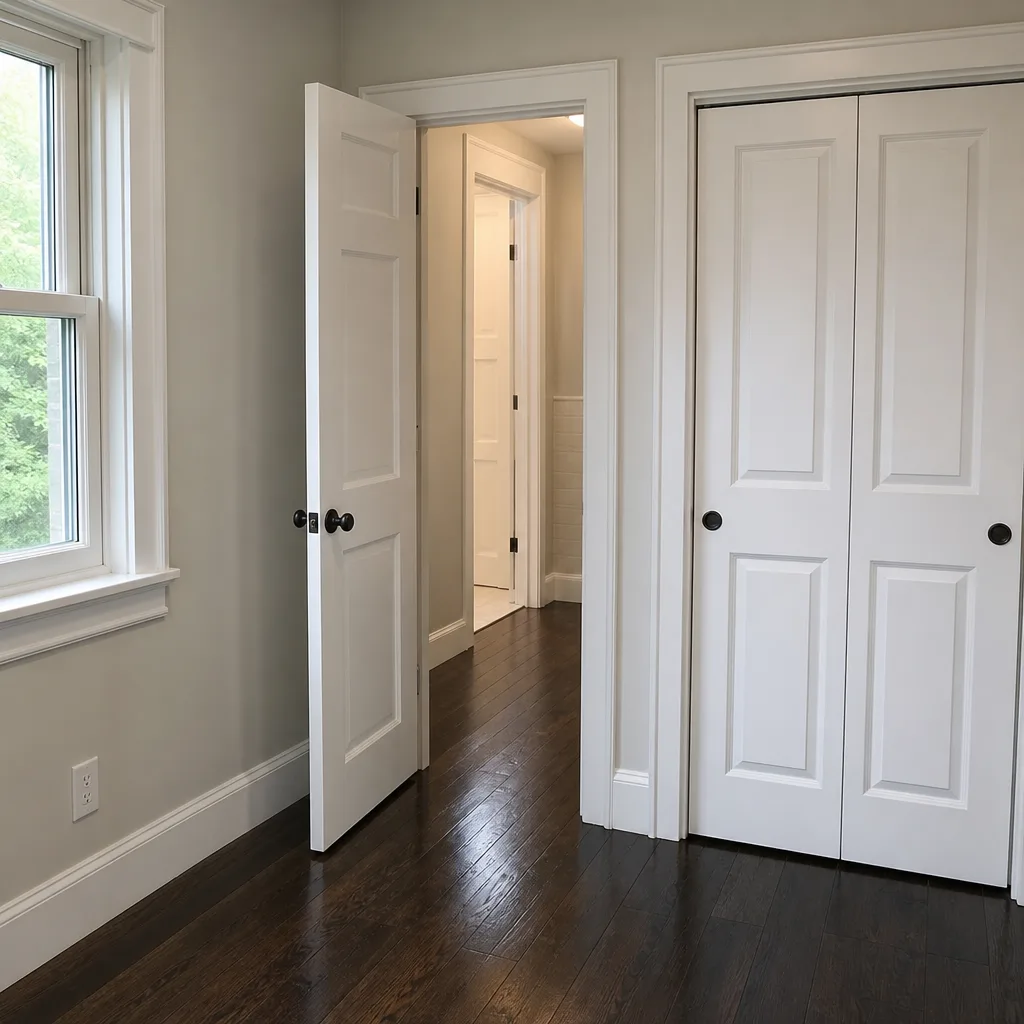 After
AfterDamage Restoration Cost Breakdown: The Manhattan Homeowner’s Reference for 2026
The average Manhattan water damage invoice includes at least three line items billed by the day with no corresponding daily log entry, and those are the items most likely to be cut when an adjuster reviews the file. We’ve seen it repeatedly since 2011: a homeowner pays a deposit, crews start work, and the final bill arrives with equipment rental charges stretching across days where no technician visited the property and no moisture reading was recorded. This guide exists because that opacity is not accidental. Vague line items are harder for homeowners and insurers to challenge, and Manhattan’s dense building environment, aging housing stock, and strict access protocols create even more places for costs to hide. What follows is a unit-cost reference for Manhattan restoration in 2026, built from twelve years of documented jobs, that lets any homeowner read an invoice and distinguish what is measured from what is merely asserted.
Quick Answer
Water damage restoration in Manhattan typically costs $18-$45 per square foot for extraction and drying, with rebuild costs adding $35-$85 per square foot depending on finish level. A 1,200-square-foot two-bedroom apartment with Category 2 water damage and no structural rebuild runs $8,500-$22,000. The final number depends on four measurable variables: water classification, affected square footage, building access constraints, and whether daily drying logs justify each equipment charge.
Table of Contents
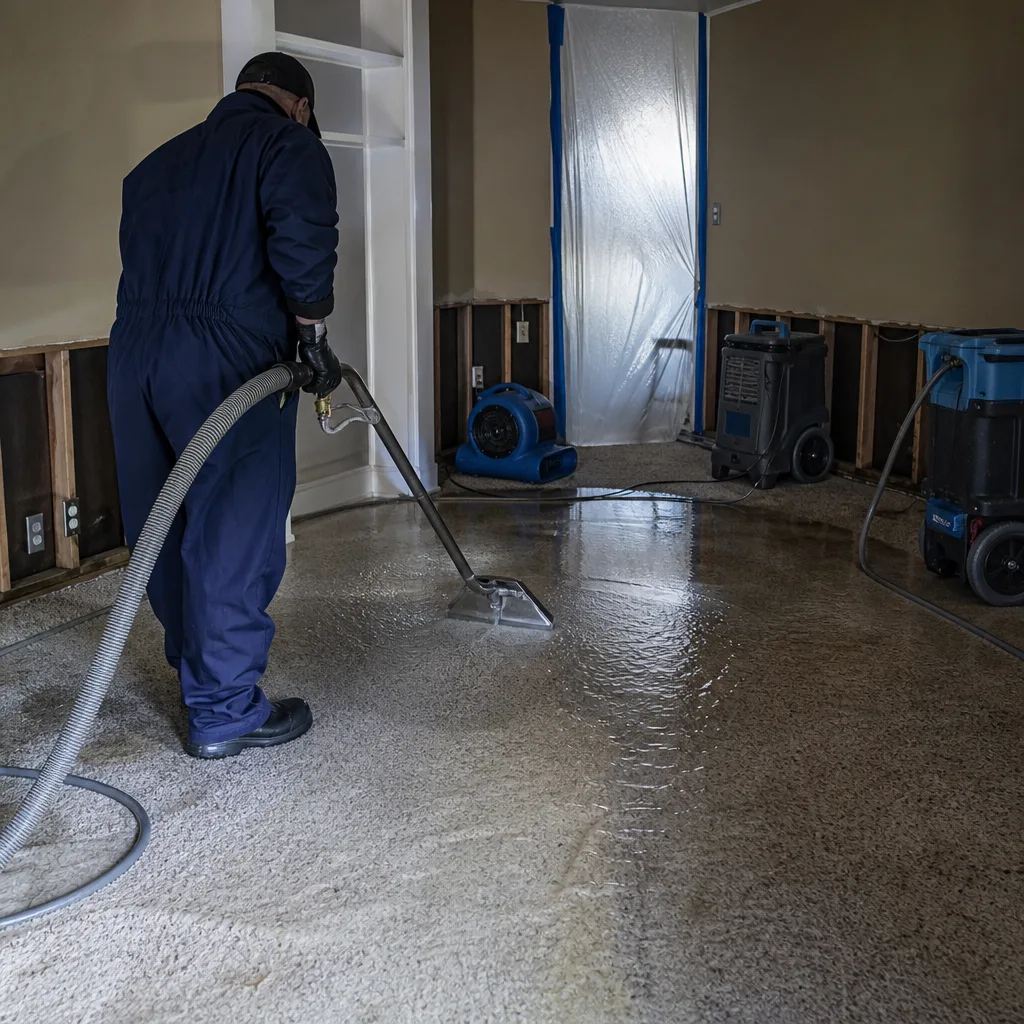
- How Manhattan Pricing Differs from National Averages
- Unit-Cost Reference for Manhattan Restoration in 2026
- Insurance Pricing (Xactimate) vs. Contractor Retail in Manhattan
- Manhattan Cost Multipliers: Access, Codes, and Building Age
- Cost Categories Consistently Overbilled in Manhattan
- What a Written Scope Must Contain to Be Defensible
- Documentation Standards That Protect Your Claim
- Common Mistakes to Avoid
- When to Call a Professional
- Frequently Asked Questions
- The Bottom Line
BeforeAfterHow Manhattan Pricing Differs from National Averages
National restoration cost guides published by insurance data aggregators show water damage averaging $12-$28 per square foot across the United States. Those figures are useless in Manhattan. The gap is not inflation or greed. It is structural.
First, Manhattan buildings constrain access. A crew in a suburban single-family home parks at the curb, runs hoses through the front door, and sets dehumidifiers in the garage. In Manhattan, the same crew coordinates with building management for freight elevator reservations, pays for parking or equipment staging in a loading zone, and sometimes carries equipment up service stairs when elevators are reserved or non-functional. Each constraint adds labor hours that do not appear in national pricing databases.
Second, Manhattan’s housing stock skews pre-1980, especially in neighborhoods like the Upper West Side, Greenwich Village, and parts of Harlem. Pre-1980 buildings trigger asbestos testing requirements under New York City Local Law 76, adding $450-$1,200 to any demolition project and potentially 2-5 business days of delay before work can proceed. See our related guide on Damage Restoration Permits, Codes & Inspections in NY: What You Need to Know. National averages rarely account for this because most U.S. markets do not have comparable mandatory testing regimes.
Third, Manhattan’s climate creates specific damage patterns. Summer humidity regularly exceeds 75% from June through September, extending drying times compared to drier western markets. Winter freeze-thaw cycles in January and February burst pipes in exterior walls, particularly in buildings with original 1920s-era plumbing risers. We’ve documented psychrometric data from jobs in Inwood and Washington Heights where vapor pressure differentials required 40% longer drying periods than equivalent water classifications in Queens or Brooklyn. These patterns are among the Damage Restoration Warning Signs: A Manhattan Homeowner’s Reference Guide.
Finally, Manhattan’s insurance market operates differently. Higher property values mean higher policy limits, which means adjusters scrutinize line items more carefully. A $4,000 equipment charge that passes without comment in Phoenix draws documentation demands in Manhattan. The pricing is higher because the documentation burden is higher, and contractors who fail to document get their invoices cut.
Unit-Cost Reference for Manhattan Restoration in 2026
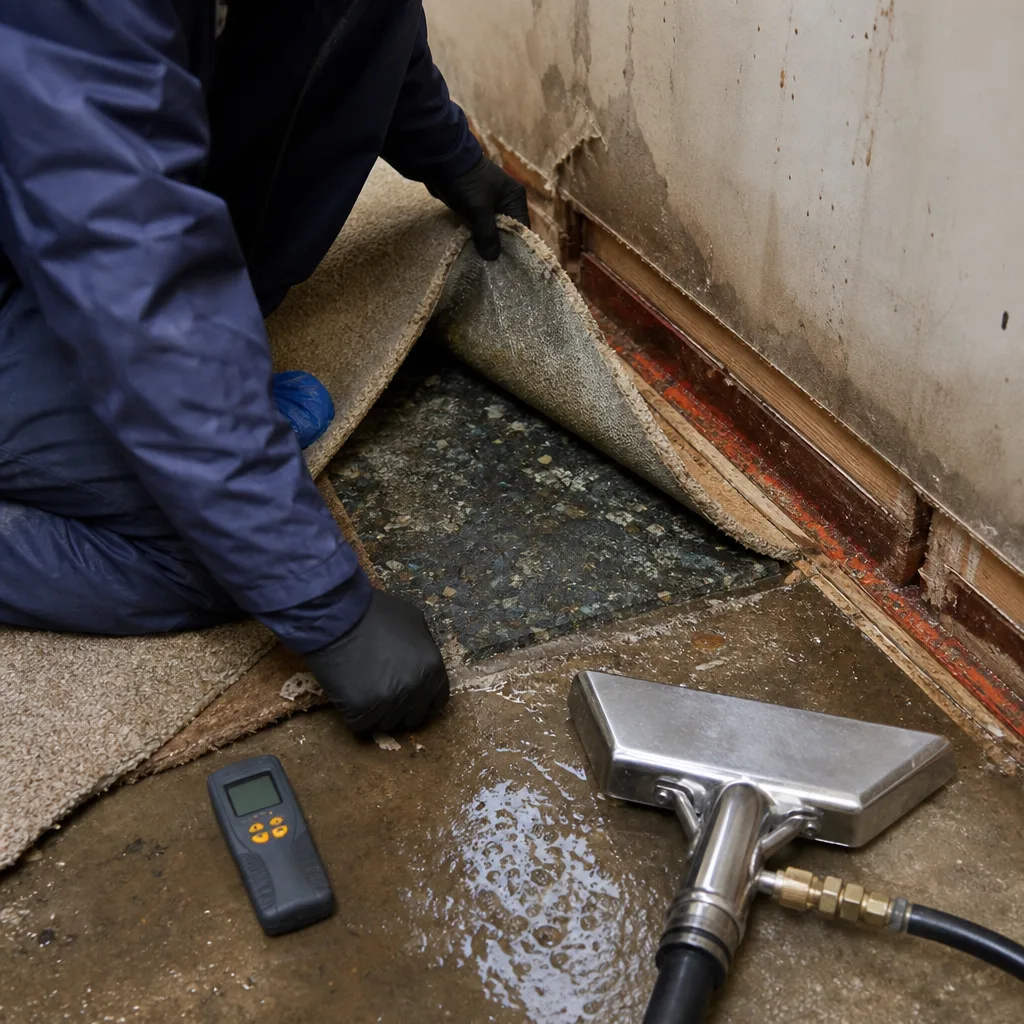
These ranges reflect our documented jobs across Manhattan from 2023-2025, adjusted for 2026 labor and material costs. Every range includes the documentation standard that justifies it.
Water Damage: Extraction and Drying
| Service | Unit | Manhattan Range | Documentation Required |
|---|---|---|---|
| Emergency water extraction | Per square foot | $2.50-$5.50 | Before/after moisture reading; extraction log with gallons removed |
| Structural drying (Category 1) | Per square foot | $4.00-$8.00 | Daily psychrometric data; equipment placement map; moisture content log |
| Structural drying (Category 2) | Per square foot | $6.50-$12.00 | Same as Category 1, plus antimicrobial application record |
| Structural drying (Category 3 / sewage) | Per square foot | $12.00-$22.00 | Same as Category 2, plus PPE log and disposal manifest |
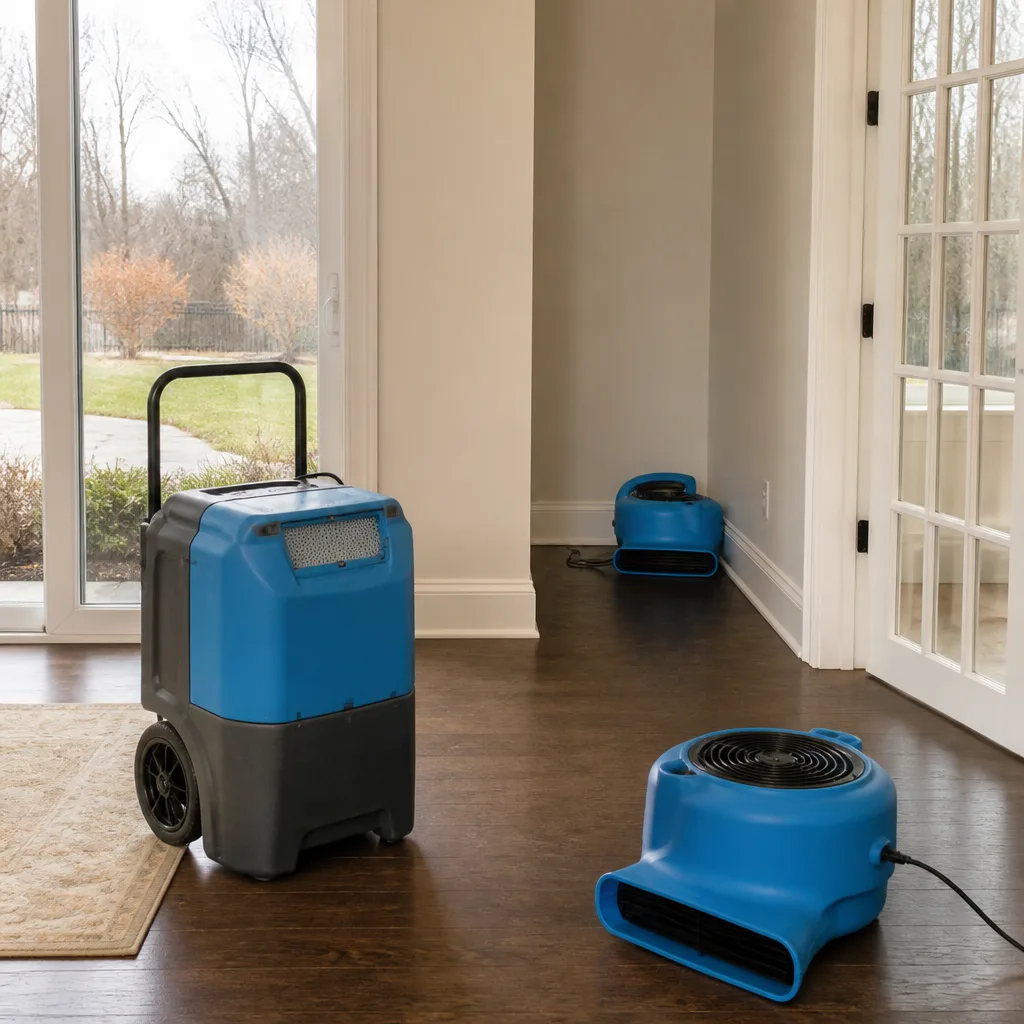
| Dehumidifier rental | Per day, per unit | $85-$150 | Daily photo of unit in place; hygrometer reading from same visit |
| Air mover rental | Per day, per unit | $25-$45 | Same as dehumidifier |
| Desiccant dehumidifier | Per day, per unit | $200-$350 | Vapor pressure differential log; justified for dense materials or high-rise applications |
Demolition and Removal
| Service | Unit | Manhattan Range | Documentation Required |
|---|---|---|---|
| Drywall removal (non-structural) | Per square foot | $3.50-$7.00 | Asbestos clearance (pre-1980); disposal weight ticket |
| Hardwood floor removal | Per square foot | $4.00-$8.50 | Moisture content at removal; salvageability assessment |
| Tile/subfloor removal | Per square foot | $5.50-$11.00 | Substrate condition photo; asbestos clearance if mastic present |
| Contents pack-out and inventory | Per cubic foot | $4.50-$9.00 | Photo inventory with item-level condition; chain of custody log |
Rebuild and Restoration
| Service | Unit | Manhattan Range | Documentation Required |
|---|---|---|---|
| Drywall installation and finish | Per square foot | $5.50-$12.00 | Material grade specified in writing; screw pattern inspection |
| Hardwood floor replacement (mid-grade) | Per square foot | $14.00-$28.00 | Species and grade documented; acclimation period logged |
| Tile installation | Per square foot | $18.00-$38.00 | Substrate prep photo; mortar type specified |
| Paint (walls, two coats) | Per square foot | $3.00-$6.50 | Paint brand and sheen documented; touch-up protocol |
| Electrical (outlet relocation, minor) | Per outlet | $250-$450 | Licensed electrician invoice; permit if required |
| Plumbing (fixture replacement) | Per fixture | $400-$850 | Licensed plumber invoice; water test documentation |
These ranges assume standard business hours access. After-hours or weekend work in Manhattan buildings with restricted service elevator hours adds 25-50% to labor rates. We’ve documented jobs in Midtown high-rises where after-hours access required building security escorts at $85 per hour, a cost that appears on few initial estimates.
Insurance Pricing (Xactimate) vs. Contractor Retail in Manhattan
Xactimate is the pricing database most insurers use to estimate restoration costs. Contractors in Manhattan routinely bill above Xactimate rates, and the gap is not automatically evidence of overcharging. Understanding why the gap exists helps homeowners negotiate claims without accepting inadequate settlements.
Xactimate updates pricing quarterly based on contractor surveys, but those surveys underrepresent Manhattan’s market. The database draws heavily from suburban and exurban contractors who do not face Manhattan’s access constraints. A drywall installation line item in Xactimate assumes ground-floor access, ample staging space, and standard 8-foot ceilings. It does not account for carrying 12-foot sheets through a narrow service stair in a West Village walk-up, or for protecting a lobby’s marble flooring during material transport.
The specific gaps we document:
- Labor rates: Xactimate’s Manhattan labor rate for water damage technicians runs 15-22% below what licensed, insured contractors actually pay in 2026, based on our payroll data and competitor interviews.
- Equipment: Xactimate caps dehumidifier rental at rates appropriate for standard refrigerant units, but Manhattan’s dense construction and high humidity often require desiccant dehumidifiers or specialized Injectidry cavity drying systems that cost 2-3 times more per day.
- Access fees: Xactimate has no line item for building access fees, parking permits, or security escorts, all standard in Manhattan high-rise work.
- Material handling: Xactimate’s “materials delivery” allowance assumes a truck at the curb. It does not cover freight elevator reservation fees or the labor to hand-carry materials up 15 flights when elevators are out of service, which we’ve encountered in pre-war buildings on the Upper East Side.
The practical implication: a homeowner who accepts an insurer’s Xactimate-based estimate without contractor review often receives 20-35% less than the job actually costs. The correct response is not to hire a cheaper contractor-see our DIY vs Professional Damage Restoration: The Manhattan Homeowner’s Decision Guide-but to demand that the insurer justify each line item against the actual building conditions, with documentation. A written scope from a qualified contractor, with photos and measurable unit costs, becomes the negotiating tool.
Back to Dry Restoration Manhattan provides free second opinions on any competitor’s written estimate or any insurer’s scope of work. Haven Standard, Clause 1 applies: the written price we deliver before work begins includes every access fee, equipment charge, and labor hour, with no additions once crews are inside.
Manhattan Cost Multipliers: Access, Codes, and Building Age
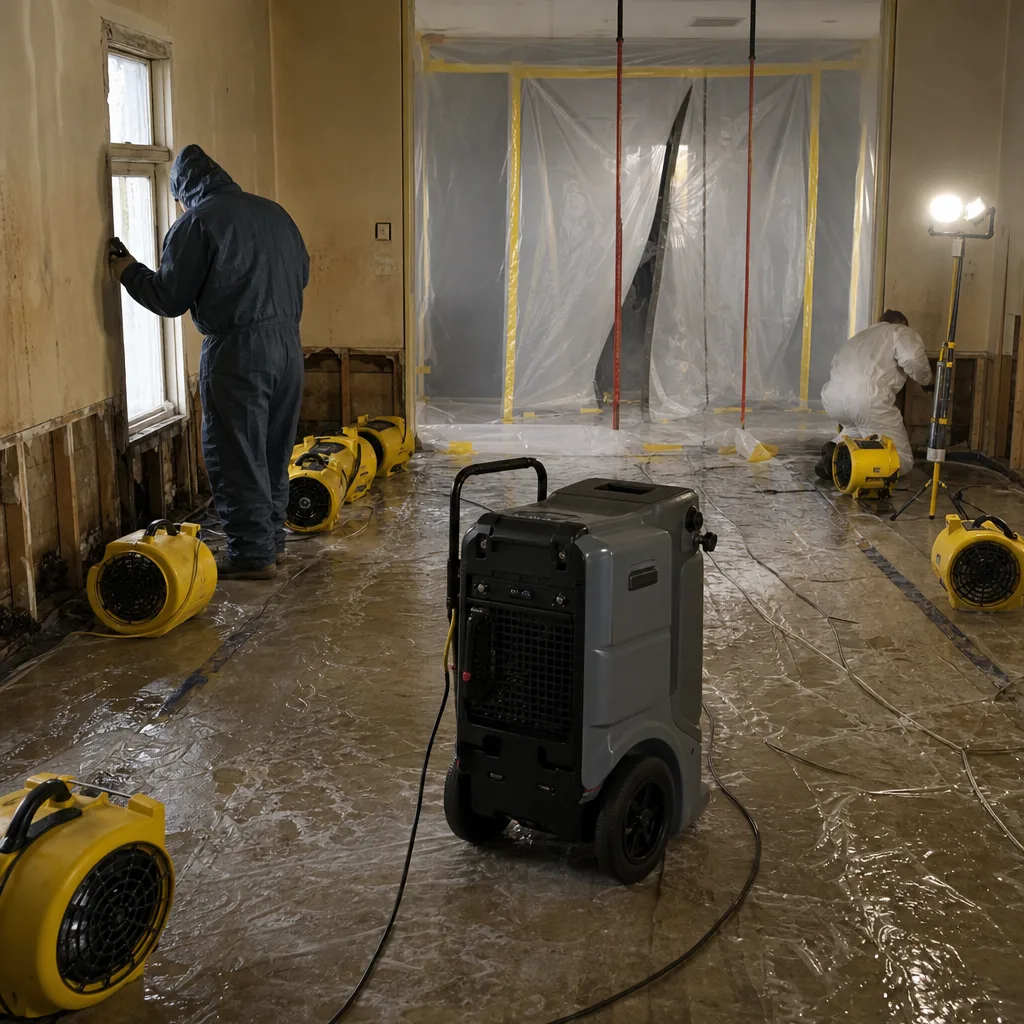
These are not theoretical add-ons. They appear on our invoices, documented, because they appear in the building’s requirements.
Elevator Access and Freight Reservations
Manhattan buildings with doormen or building management typically require freight elevator reservations for restoration equipment. Fees range from $75-$250 per reservation, with some buildings requiring deposits for elevator padding or after-hours security. Buildings without freight elevators, common in pre-war walk-ups in the East Village and Lower East Side, require equipment carried by hand. A single Phoenix 200HT dehumidifier weighs 107 pounds. Carrying it up four flights adds two labor hours before work begins.
After-Hours Building Access
Many Manhattan buildings restrict service access to 9 AM - 5 PM on weekdays. Water damage does not observe these hours. Emergency extraction at 11 PM on a Saturday may require waking a super, coordinating with building security, or waiting until morning, during which time water continues wicking into drywall and subflooring. After-hours access fees we’ve documented include security escort rates of $65-$125 per hour and super overtime of $50-$100 per call.
Parking and Equipment Staging
Commercial parking for a restoration truck in Manhattan averages $45-$85 per day. Equipment staging in a loading zone requires permits from the NYC Department of Transportation, with violations at $115-$515 per occurrence. Some jobs require parking a generator or desiccant unit on the street overnight, with NYPD permit fees and potential noise variance applications. These costs do not appear in national pricing guides.
Asbestos Testing in Pre-1980 Buildings
New York City Local Law 76 requires asbestos surveys before any renovation or demolition work in buildings constructed before 1980. The survey costs $450-$1,200 depending on square footage and number of material samples. If asbestos is found, abatement adds $15-$35 per square foot and 3-10 business days. We’ve worked on jobs in Hamilton Heights and Morningside Heights where original plaster and lath tested positive for asbestos, turning a three-day water damage job into a two-week abatement project. The alternative, skipping the test, exposes the homeowner and contractor to NYC Department of Environmental Protection fines starting at $5,000.
Co-op and Condo Board Requirements
Co-op boards in Manhattan often require additional insurance certificates, contractor background checks, and work-hour restrictions beyond building management rules. Some boards mandate specific restoration contractors from an approved vendor list. Others require wet methods over dry methods for dust control, affecting equipment selection and drying time. Board approval delays of 24-72 hours are common, during which damage progresses.
Cost Categories Consistently Overbilled in Manhattan
These are the line items we most often find inflated or undocumented when reviewing competitor estimates for our free second opinion service.
- Equipment rental days exceeding actual deployment. A dehumidifier billed for seven days that only appears in photos for four. The measurable check: demand a photo of each unit with a dated newspaper or digital timestamp, and a corresponding hygrometer reading from the same date.
- “Equipment delivery and pickup” charges without mileage documentation. In Manhattan, a contractor’s warehouse may be in Queens or the Bronx. A $250 delivery charge is reasonable for a 40-mile round trip with tolls. It is not reasonable for a contractor based in Tribeca working on a Financial District job. Ask for the warehouse address and calculate the distance.
- Demolition square footage exceeding affected area. We’ve seen 800 square feet of drywall removal billed for a 400-square-foot apartment with water damage confined to one wall. The check: compare the moisture map (which shows exactly where readings exceeded 16% wood moisture content) to the demolition scope.
- Antimicrobial treatments applied to unaffected areas. Category 1 clean water does not require antimicrobial treatment in dry, unaffected rooms. Category 2 gray water requires it only in the water migration path. The check: the antimicrobial application record should reference specific rooms with corresponding moisture readings.
- Labor hours for “supervision” or “project management” without specific activities. Legitimate project management includes site visits with photo documentation, adjuster coordination, and written scope revisions. Vague “supervision” line items with no attached activity log are frequently padded.
- Contents manipulation charges for items never moved. A pack-out billed at $1,200 for “furniture relocation” when the furniture remained in place and was dried in situ. The check: the photo inventory should show each item’s location at each phase of the job.
The common thread: overbilling hides in line items that cannot be verified against an independent measurement. Moisture readings, photos with timestamps, and disposal weight tickets are the homeowner’s protection.
What a Written Scope Must Contain to Be Defensible
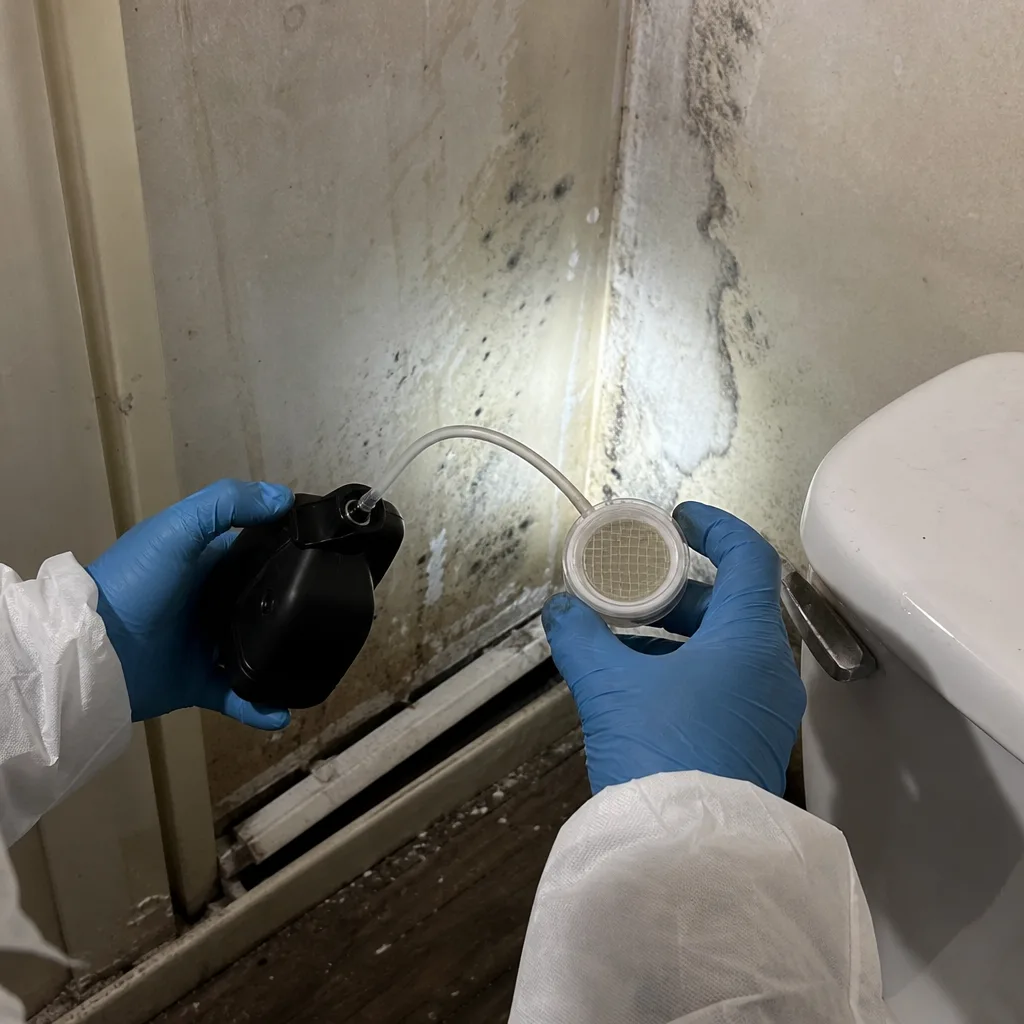
Haven Standard, Clause 1 requires a written price before any work starts. But a price without a scope is just a number. A defensible scope contains specific elements that let an adjuster, a building manager, or a second contractor verify what was promised against what was delivered.
Required Elements for Water Damage
- Water classification and category. Clean (Category 1), gray (Category 2), or black (Category 3), with the determining factor stated: source, contamination level, time elapsed.
- Affected square footage by room. Not “apartment-wide water damage.” “Living room: 240 sq ft affected, moisture readings 18-34% on north wall; Bedroom 2: 120 sq ft affected, moisture readings 16-28% on ceiling below bathroom.”
- Equipment inventory with justification. “Four Phoenix 200HT dehumidifiers (1 per 300 sq ft per IICRC S500), six B-Air Grizzly air movers (1 per 10-14 linear feet of wall), one Injectidry HP60 for cavity drying of north wall.”
- Drying target and verification method. “Dry to 12-15% wood moisture content or within 4% of a dry standard reading, verified with Delmhorst BD-2100 pin meter.”
- Demolition boundaries. Exact linear feet or square feet of material to be removed, with the criterion for removal: moisture content threshold, structural compromise, or contamination.
- Rebuild specifications. Material type, grade, and finish level. “5/8-inch Type X fire-rated drywall, Level 4 finish, Benjamin Moore Regal Select eggshell.”
- Documentation deliverables. What the homeowner receives: daily moisture logs, photo record, final dry verification, signed warranty.
A scope missing any of these elements is vulnerable to dispute. A scope containing all of them, with corresponding documentation, turns a restoration invoice into a claim that processes without fight.
Documentation Standards That Protect Your Claim
Back to Dry Restoration Manhattan was founded by a former claims adjuster who built the company around the documentation gap that costs homeowners their claims. The gap is real: insurers deny or reduce payment for line items that lack supporting evidence, and homeowners without documentation have no recourse. Our daily workflow closes that gap.
Daily drying logs. Every visit to an active job produces a moisture content log with readings by room, by material, with the meter model and calibration date noted. Psychrometric data includes temperature, relative humidity, and vapor pressure, recorded at the same time each day for consistency. These logs justify equipment rental days. Without them, an adjuster can cut equipment charges arbitrarily.
Photo documentation. Our standard is a minimum of 20 photos per visit: wide shots establishing room condition, close-ups of moisture meter readings with the display visible, equipment placement with serial numbers visible, and any changes to the scope. Photos are timestamped and geotagged. The homeowner receives the complete set, not a curated selection.
Written scope revisions. If hidden damage extends the scope, the change is documented in writing before additional work proceeds, with photos of the discovery and a revised price. Haven Standard, Clause 1 prohibits starting work on a revised scope without a new written price.
Equipment verification. Dehumidifiers and air movers from Dri-Eaz, Phoenix, XPOWER, B-Air, and Injectidry carry serial numbers logged to each job. The daily photo shows the specific unit in place, not a stock image. This prevents the common practice of billing for equipment that was never deployed.
Final dry verification. Before equipment removal, a final moisture reading set confirms the drying target is met. The homeowner signs the dry verification form, which becomes part of the claim file. If moisture returns within 365 days, Haven Standard warranty coverage applies.
All work is documented to IICRC, RIA, and IFA standards. These are not marketing claims. They are the protocols that determine whether an insurer pays the invoice in full or demands a reduction.
Common Mistakes to Avoid
- Accepting a phone estimate without a written scope. Phone estimates in Manhattan are guesses. Building access constraints, asbestos testing requirements, and hidden damage cannot be assessed remotely. Haven Standard, Clause 1 exists to end this practice.
- Starting work before insurance approval. Emergency mitigation to prevent further damage is always justified, but extensive demolition or rebuild should follow a documented scope that the adjuster has reviewed. Otherwise, the homeowner risks paying out of pocket for work the insurer disputes.
- Ignoring the moisture meter readings. A contractor who cannot or will not show you daily moisture readings with a calibrated meter is not documenting your job. Demand to see the readings, and photograph them yourself.
- Assuming all restoration companies document equally. They do not. Ask specifically: Will I receive daily drying logs? A photo record? A written scope revision if damage extends? If the answer is vague, the documentation gap will cost you at adjuster review.
- Paying for equipment days without daily logs. This is the most common overbilling vector in Manhattan. Each day of equipment rental should correspond to a technician visit with a moisture reading and photo. No visit, no charge.
- Failing to verify asbestos testing for pre-1980 buildings. Skipping this step to save $600 can result in $5,000+ DEP fines and health liability. Ask for the asbestos survey report before demolition begins.
- Not requesting a second opinion on a large estimate. Any estimate exceeding $10,000 deserves review. Back to Dry Restoration Manhattan provides free second opinions on any competitor’s written estimate.
When to Call a Professional
Call immediately for Category 2 or 3 water damage, any water affecting electrical systems, water in a multi-unit building where it may spread to neighbors, or any situation where you cannot identify the source. Speed matters for mitigation, but speed without documentation creates the invoice problems this guide describes.
For reconstruction and rebuild work, speed language does not apply. Rebuild is scoped, scheduled, and priced in writing like any remodeling project. The urgency belongs in the drying phase, where moisture continues causing damage until it is controlled.
Back to Dry Restoration Manhattan offers free estimates in Manhattan. A live person answers every call, 24 hours a day, 7 days a week, with no voicemail on emergency lines. Call (516) 687-5786 for a written scope before any work begins.
Frequently Asked Questions
Extraction and structural drying in Manhattan costs $18-$45 per square foot depending on water category, building access constraints, and equipment requirements. Category 1 clean water in a ground-floor apartment with standard access falls at the low end; Category 3 sewage backup in a high-rise with freight elevator restrictions falls at the high end. Call (516) 687-5786 for a written estimate specific to your property.
Insurance covers costs that are documented, reasonable, and within policy limits. The gap between Xactimate pricing and actual Manhattan costs means insurers often initial-pay less than the job requires. A written scope with daily logs, photos, and unit-cost justification is the tool to close that gap. Back to Dry Restoration Manhattan coordinates directly with adjusters and provides the documentation that supports full payment.
Emergency mitigation crews can typically arrive within 1-2 hours for active water damage in Manhattan, depending on building access coordination. Rebuild and reconstruction work is scheduled, not dispatched. The distinction matters: speed is appropriate when water is still moving; it is not appropriate when selecting paint colors or flooring materials.
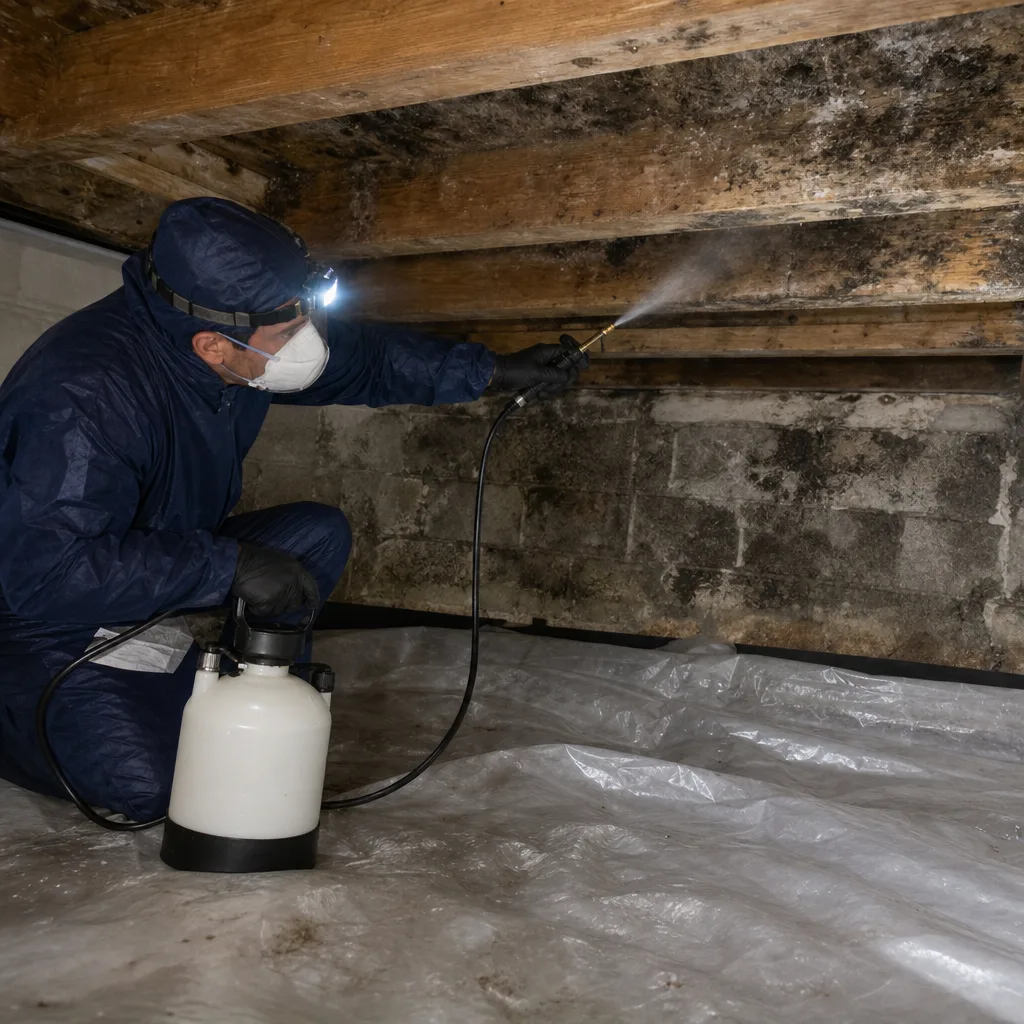
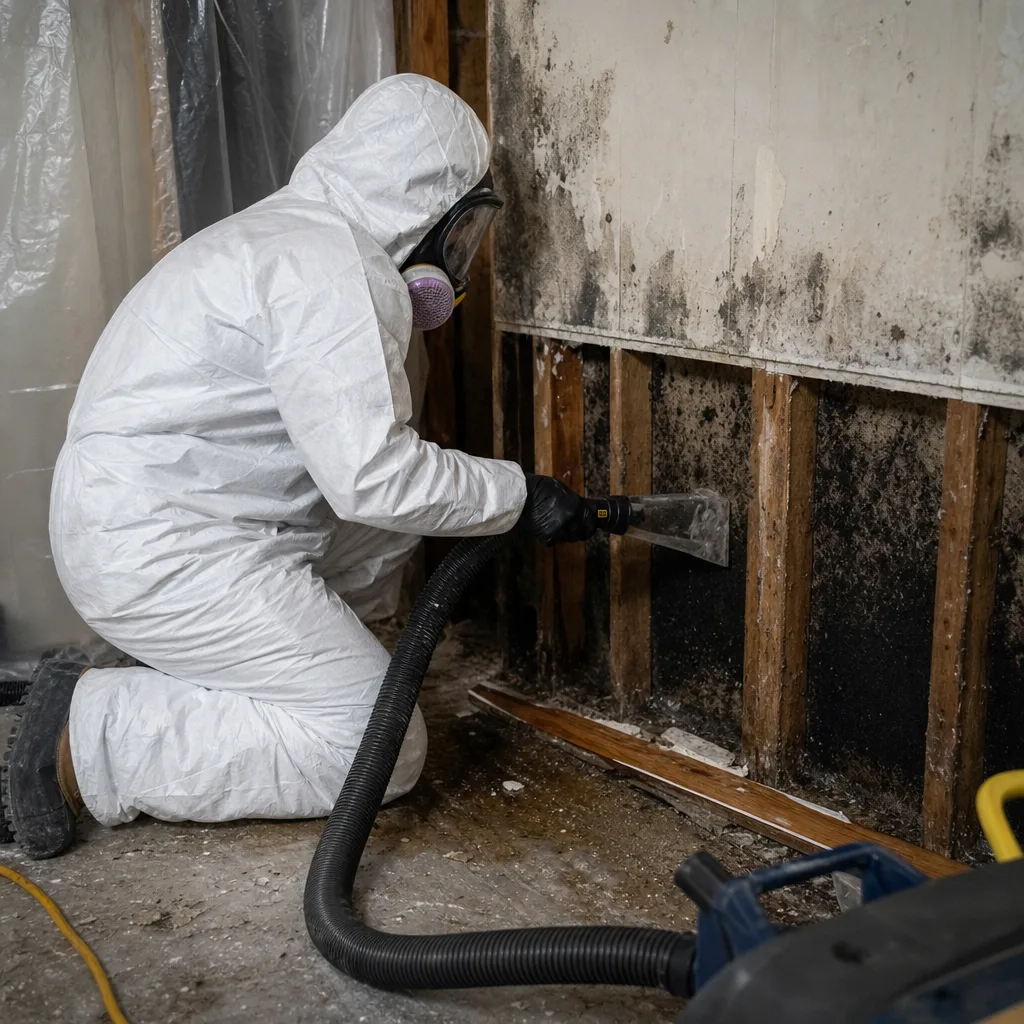
Visible mold on a surface often indicates more extensive hidden growth, especially in Manhattan’s humid climate and older buildings with plaster and lath construction that traps moisture. IICRC S520 defines remediation by square footage and contamination level, not visibility. A professional assessment with air sampling and moisture mapping determines the actual scope. Surface cleaning without moisture source elimination typically results in recurrence within 30-60 days.
The restoration company should coordinate directly with the adjuster, providing documentation that justifies each line item. At Back to Dry Restoration Manhattan, we provide adjusters with daily drying logs, photo records, equipment verification, and written scope revisions. The homeowner’s role is to review and approve scopes, not to negotiate unit costs with the adjuster.
Manhattan’s higher costs stem from building access constraints (freight elevator reservations, parking, security escorts), pre-1980 building stock requiring asbestos testing, higher commercial rents passed through as labor rates, and stricter co-op and condo board requirements. These are structural costs, not contractor markup, and they appear in documented line items on every Manhattan job we’ve completed since 2011.
The Bottom Line
Manhattan restoration pricing is only opaque if you accept opacity. The unit costs, multipliers, and documentation standards in this guide exist to make any invoice readable and any claim defensible. The key takeaways: demand a written scope before work begins, verify that each equipment charge corresponds to a daily log entry, understand how Manhattan’s building constraints affect pricing, and use documentation as your negotiating tool with insurers. A restoration job without documentation is a job vulnerable to dispute. A restoration job with daily logs, photos, and verified equipment is a job that gets paid.
Written by Alicia Brennan, Owner at Back to Dry Restoration Manhattan, serving Manhattan since 2011.