
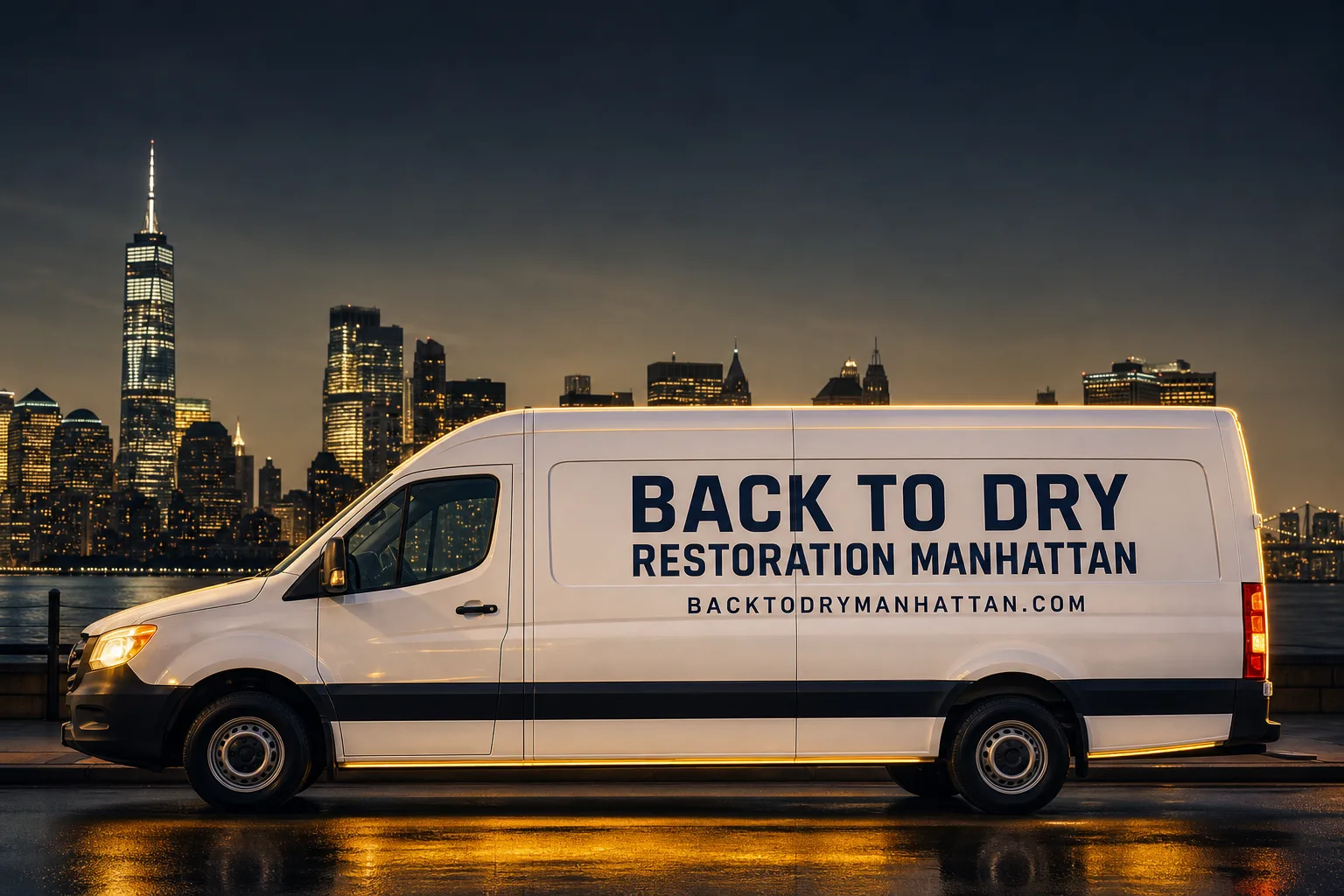
Free visual inspection and a written scope of work before any mitigation begins - photos, moisture readings, and drying logs go in your claim file
The scope we write is the scope we bill. Anything new gets shown to you, in writing, before we touch it.
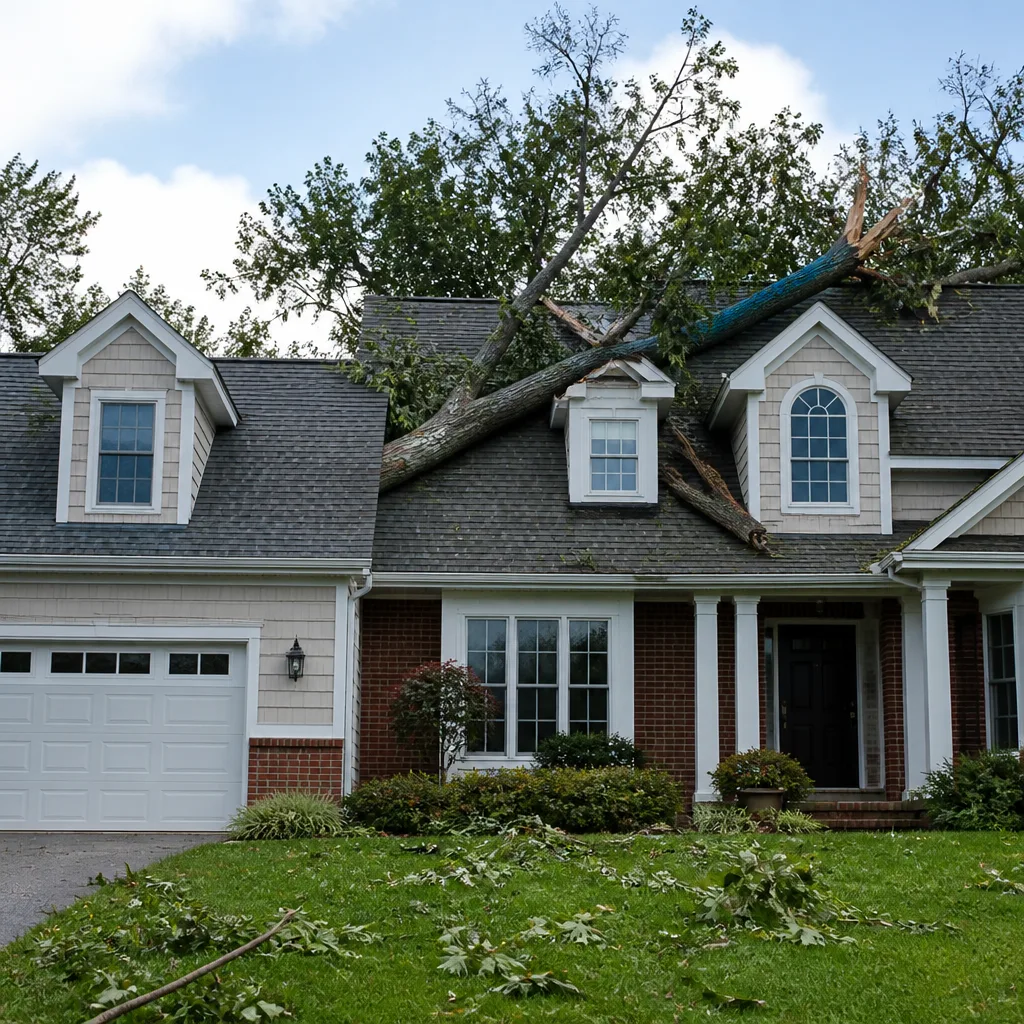
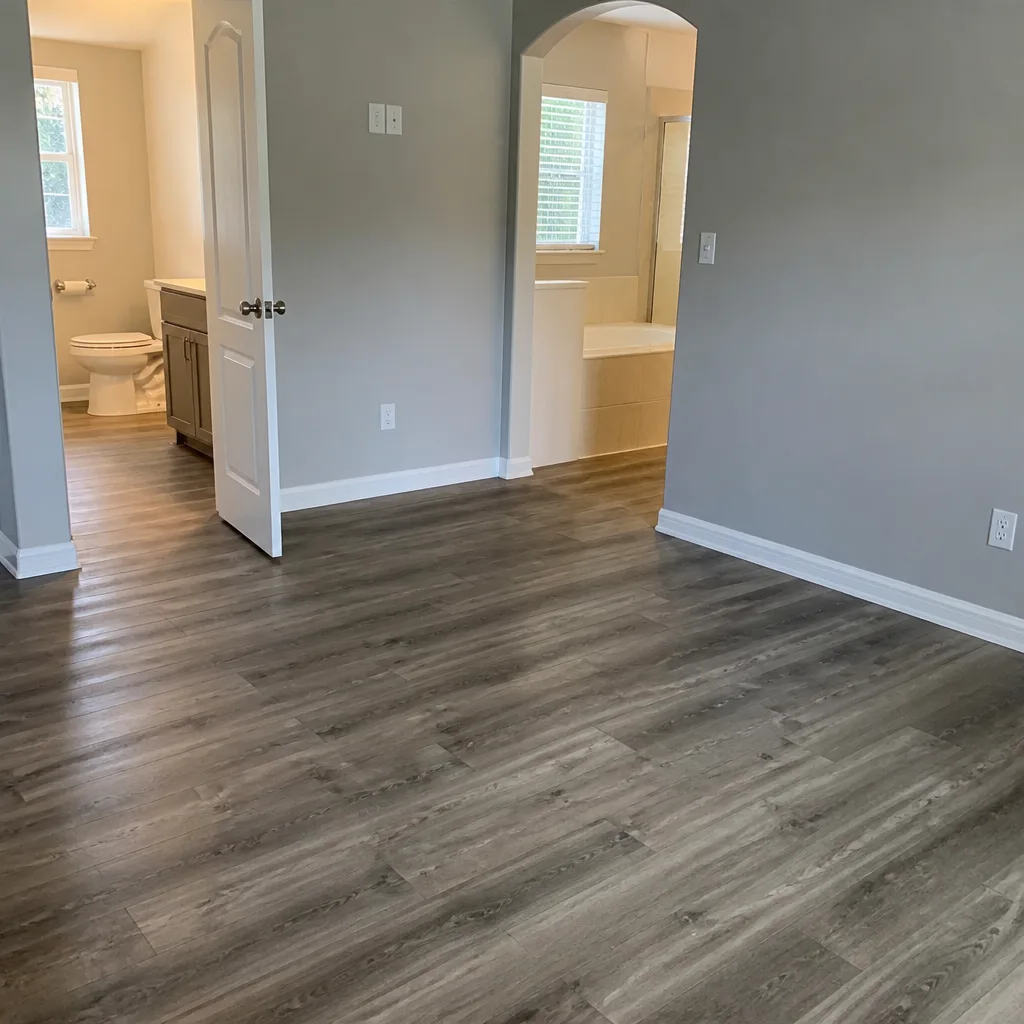
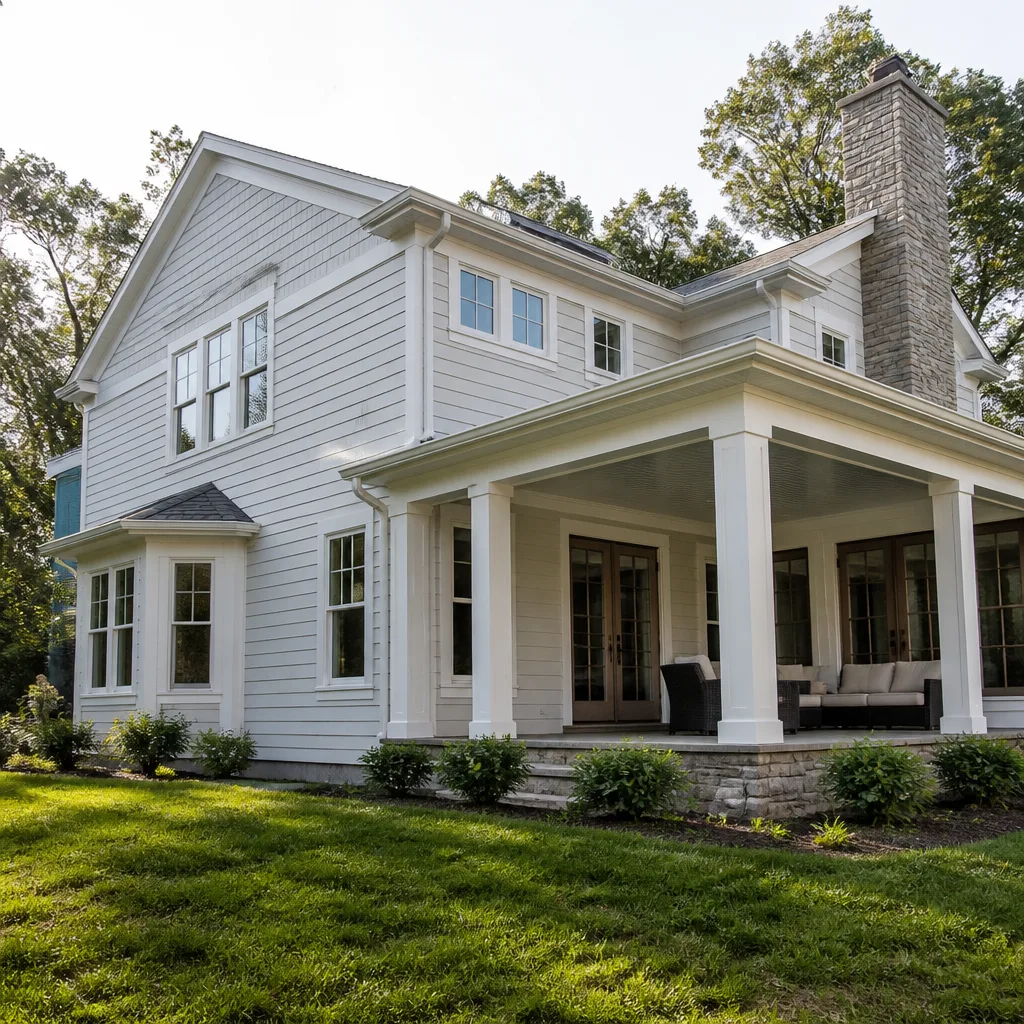
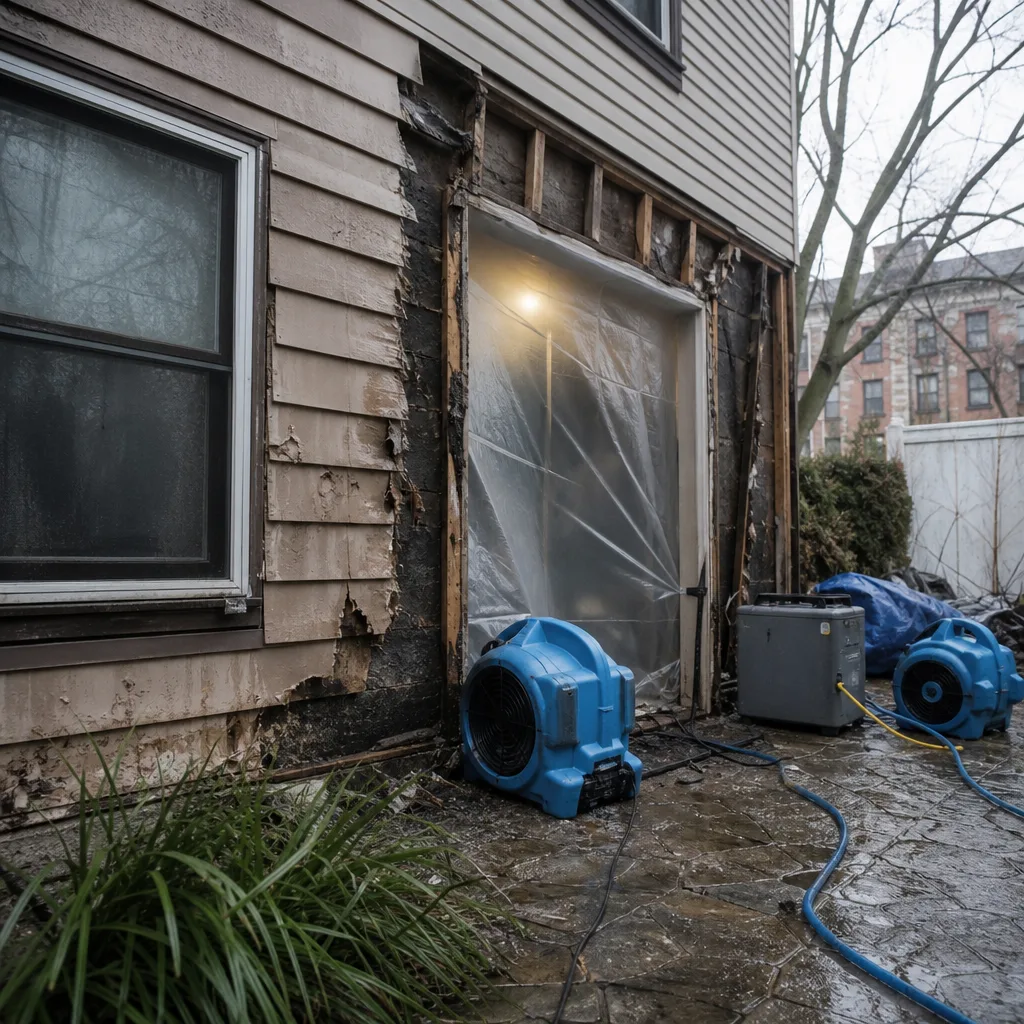 Before
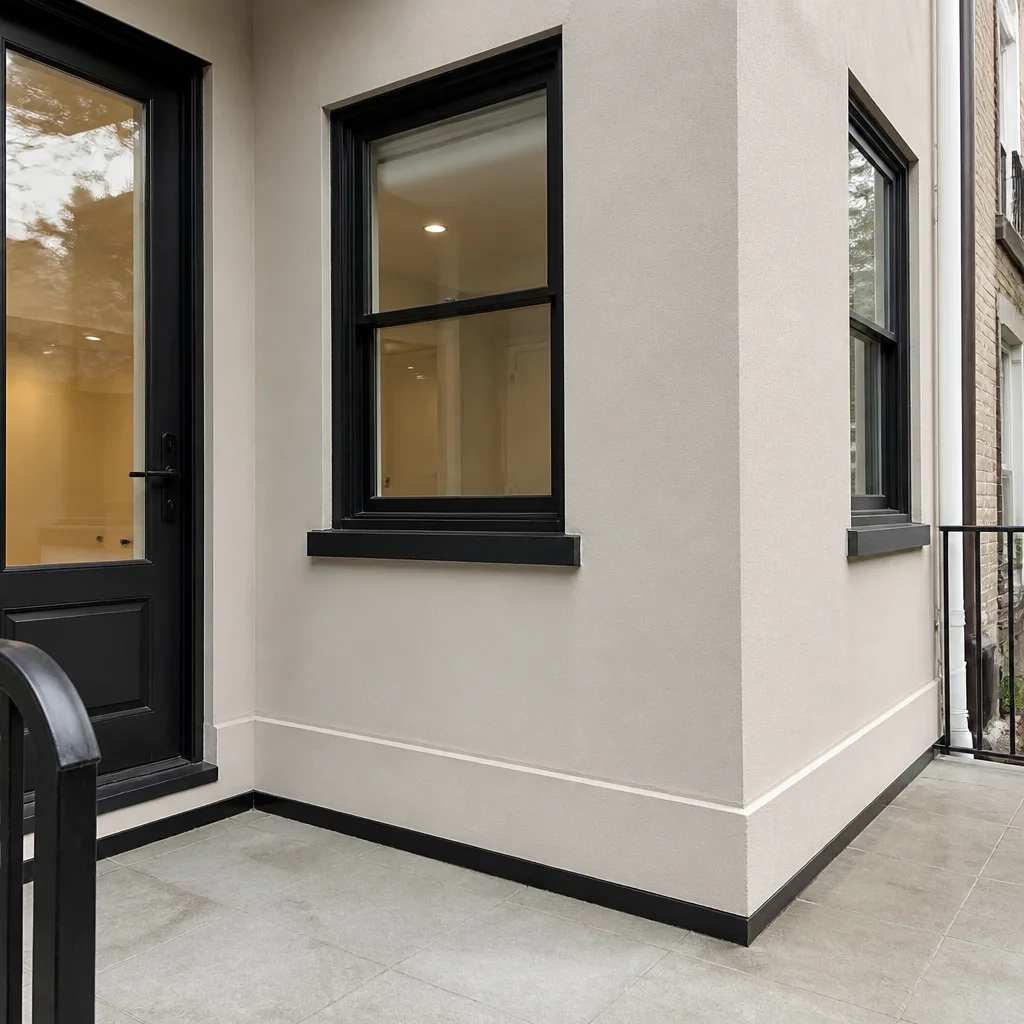 After
After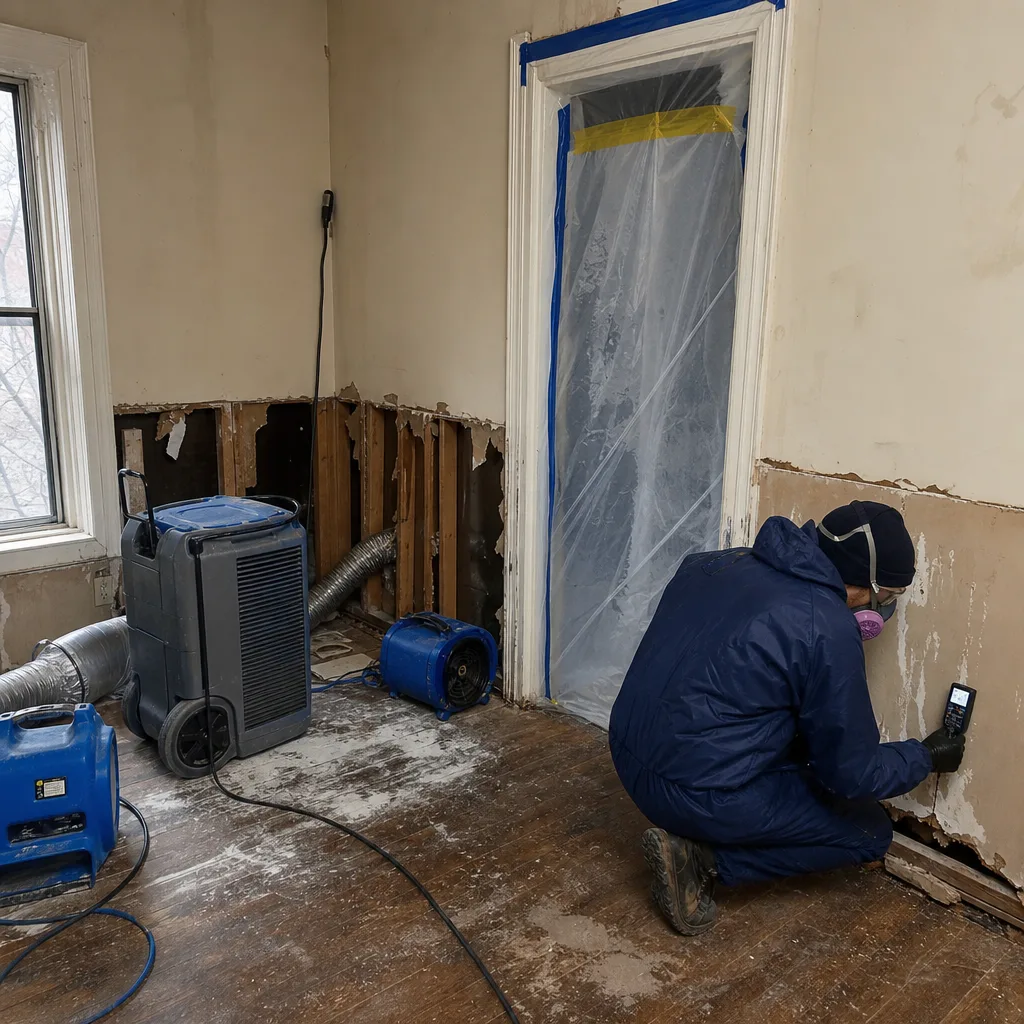 Before
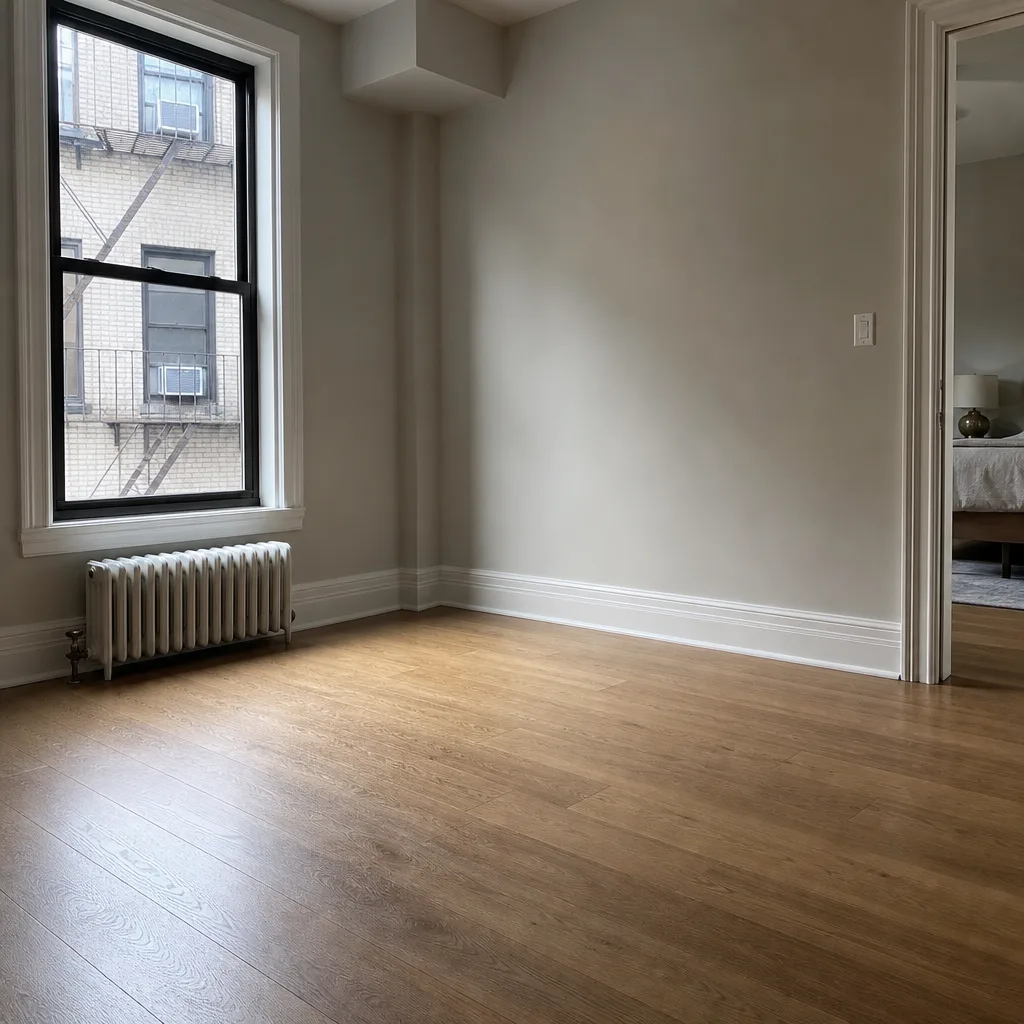 After
After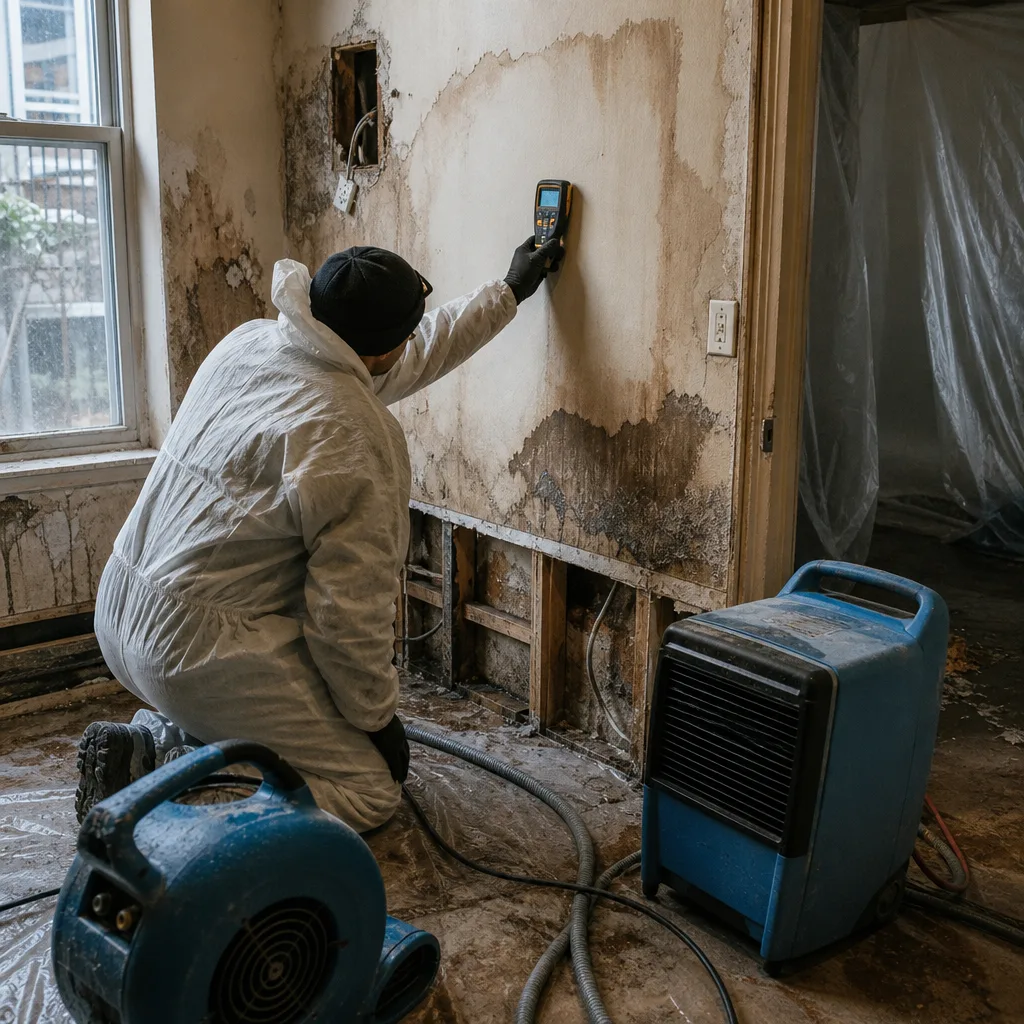 Before
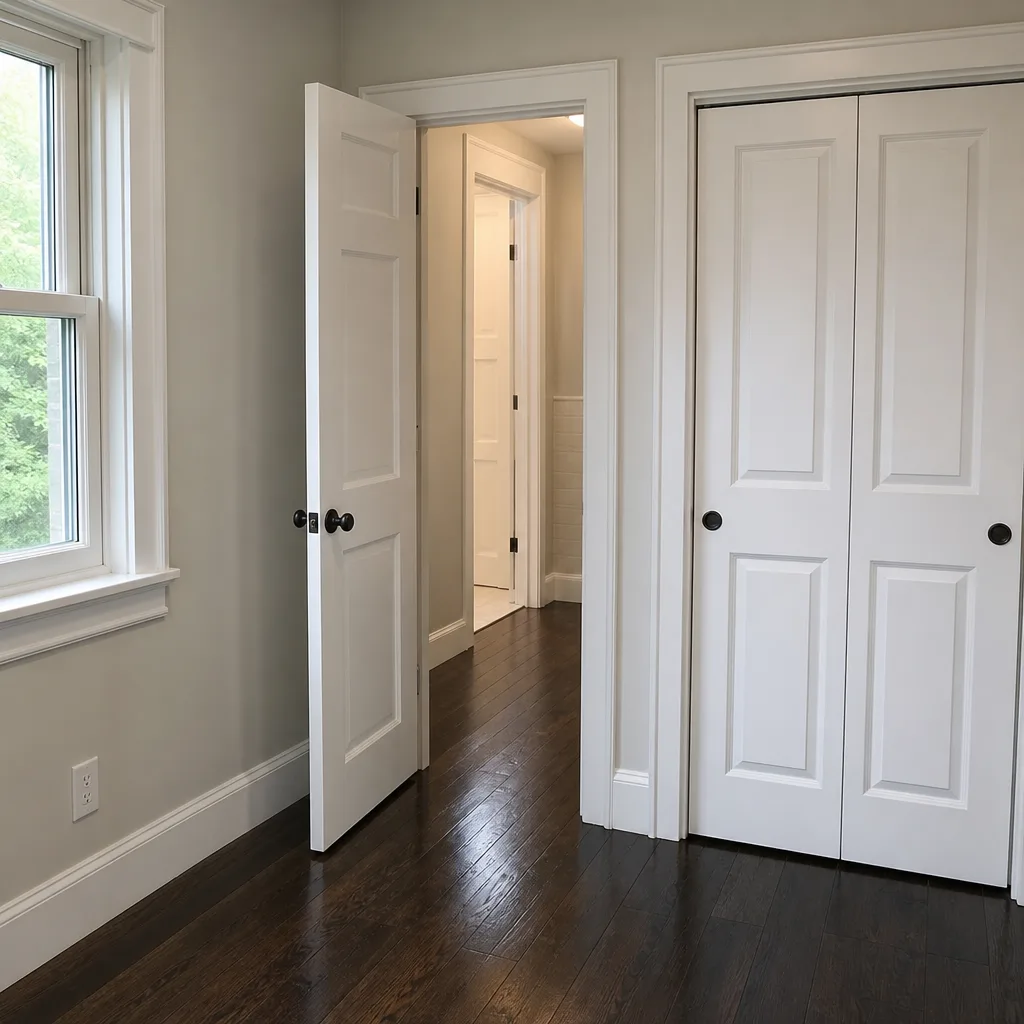 After
After24/7 Emergency Water Damage Restoration in Upper West Side
Water damage restoration in Upper West Side typically costs $2,800-$7,500 for a standard multi-room loss, with emergency extraction starting at $180-$340 per affected area and structural drying running $1,200-$3,200 depending on square footage and material classification. Crews from our Upper West Side response zone can be on-site within 45 minutes of your call, and we answer live at (516) 687-5786 24 hours a day, 7 days a week. No voicemail, no callback queues. The first hour determines whether Category 1 clean water becomes Category 2 gray water, or whether moisture wicking through pre-war plaster cavities reaches the electrical riser two floors down. In buildings where a single supply line serves six units through a shared wet column, speed is documentation, and documentation is what gets your claim paid.
We dispatch with moisture meters, thermal imaging, and the protocol knowledge to navigate Upper West Side building access: service elevator scheduling, rolling-code remote entry, and alley-load staging on West End Avenue or Central Park West. Our free visual inspection includes a written scope before any work begins, Haven Standard, Clause 1.
Understanding Water Damage Restoration Severity in Upper West Side Properties
Water damage in the Upper West Side follows a severity scale tied directly to this neighborhood’s building stock. Category 1 water - a burst supply line to a dishwasher in a 2010 condo conversion - is clean water with minimal microbial risk. Category 2 gray water carries chemical or biological load: a failed washing machine drain, a backed-up sink in a pre-war kitchen with original galvanized stack. Category 3 black water is sewage intrusion or ground flooding, and in UWS garden-level units below sidewalk grade along Amsterdam Avenue, this happens more often than owners expect during spring thaw.
The real severity driver here is not the water category but the building envelope. Pre-war co-ops on Central Park West and Riverside Drive have plaster-and-lath walls 2-3 inches thick, hollow cavities that act as wicks, and original parquet or herringbone hardwood floors over concrete slabs with no vapor barrier. Moisture mapping with penetrating probes and thermal imaging is non-negotiable; surface dryness means nothing when vapor pressure differential is still pushing moisture through shared partition walls into adjoining units. We document psychrometric data - temperature, relative humidity, specific humidity, and dew point - at every visit, because tertiary drying in dense masonry can extend 7-14 days past what a suburban drywall job requires.
Why Upper West Side Property Owners Choose Back to Dry Restoration Manhattan
- 45-minute response commitment to the Upper West Side service zone, with trucks staged for Manhattan dispatch from our New York City office.
- 24/7 live answer - a real person picks up every call, never an automated system or voicemail tree, because water doesn’t wait for business hours.
- IICRC-certified crews holding WRT (Water Damage Restoration Technician) and FSRT (Fire & Smoke Restoration Technician) credentials, with AMRT (Applied Microbial Remediation Technician) certification on mold-prone UWS jobs.
- Free visual inspection with a written scope delivered before any equipment is plugged in or any material is removed.
- Direct insurance billing and adjuster coordination, including photo-documented moisture logs formatted to carrier standards.
- One team from extraction through reconstruction - no handoffs to unknown subcontractors, no gaps in the documentation chain.
BeforeAfterOur Water Damage Restoration Process
1. Inspection & Assessment
We arrive with FLIR thermal imaging, penetrating and non-penetrating moisture meters, and hygrometers to map the full extent of the loss. In Upper West Side pre-war buildings, this means checking shared wet-wall cavities and units above, below, and beside the visible damage. You receive a written scope and firm price before any work begins, Haven Standard, Clause 1.
2. Extraction & Stabilization
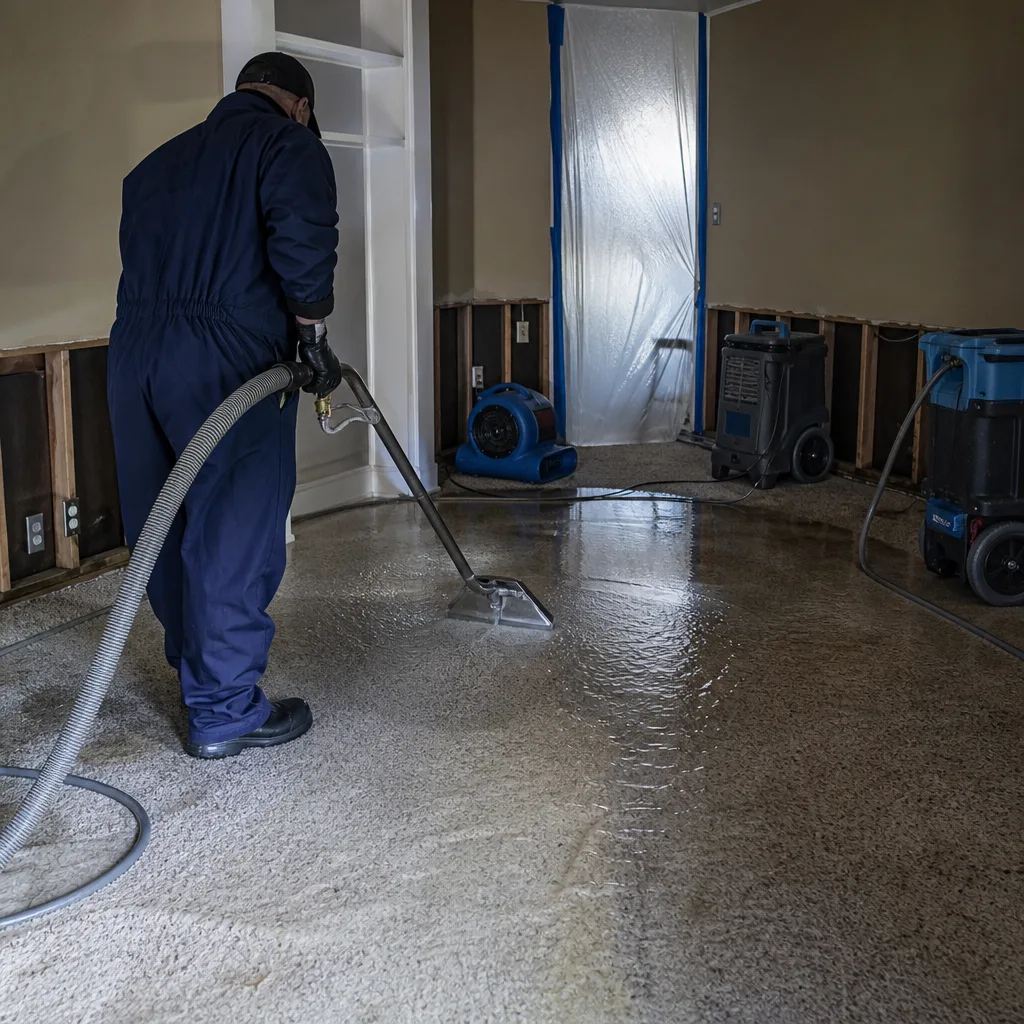
Standing water is removed with truck-mounted extraction systems and portable submersible pumps. For UWS buildings with alley-load access only or service-elevator size restrictions, we deploy portable XPOWER and Dri-Eaz extraction units that fit through 30-inch doorways. Containment is established to protect unaffected units.
3. Drying & Dehumidification
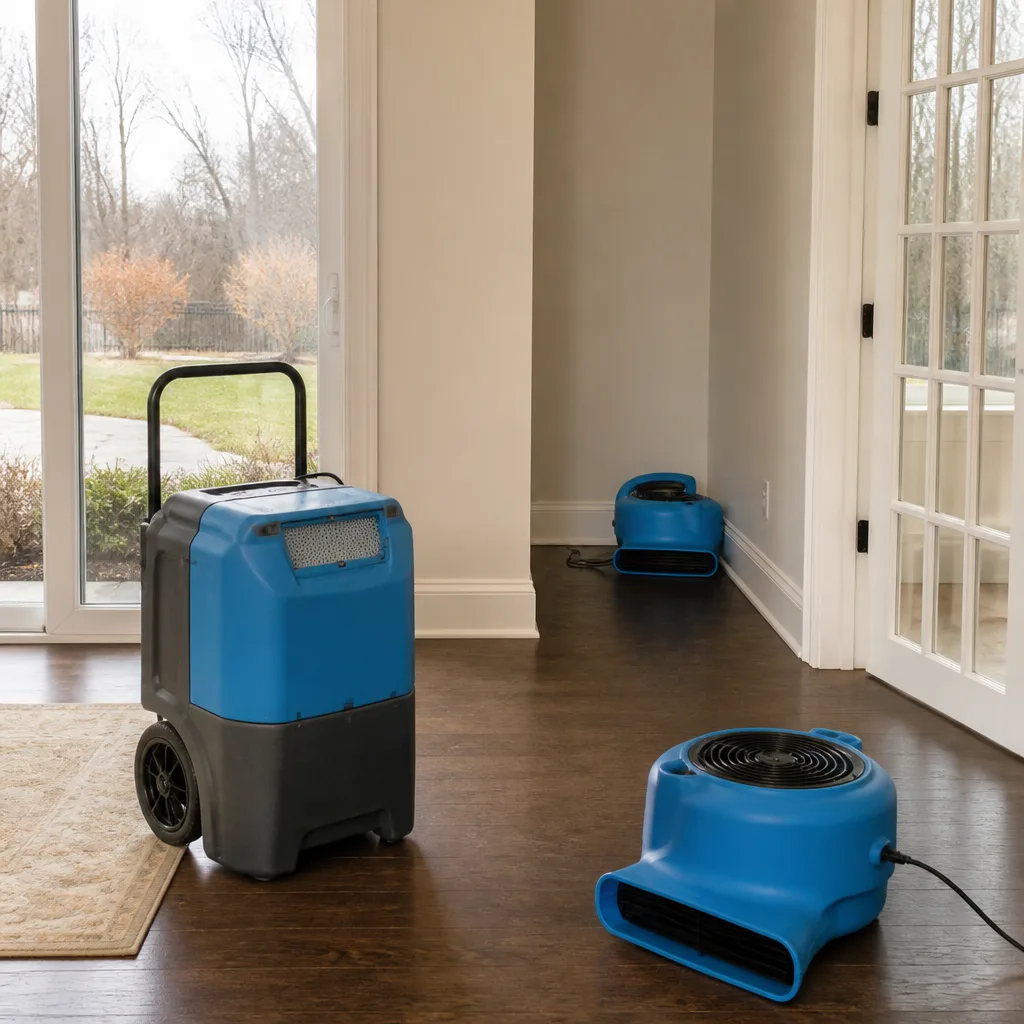
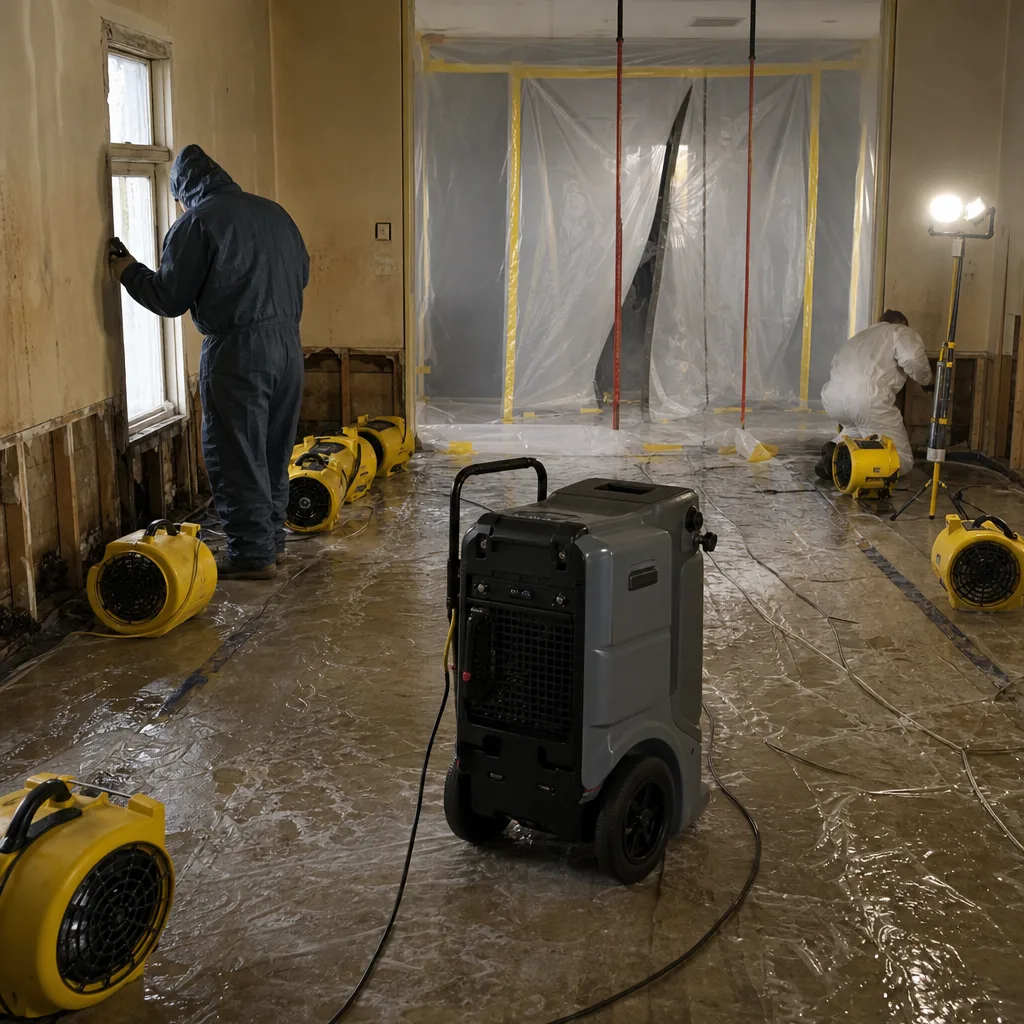
We deploy commercial dehumidifiers from Phoenix and Dri-Eaz, axial and centrifugal air movers from B-Air, and Injectidry mat systems for in-place drying of hardwood floors. Daily moisture readings are logged to IICRC S500 standards, producing the documentation your insurer requires to approve the invoice without dispute.
4. Cleaning & Sanitization
Category 2 and 3 losses receive antimicrobial treatment with EPA-registered products, followed by HEPA air scrubbing to capture airborne particulates. In UWS buildings with probable lead paint and asbestos-containing materials, we coordinate OSHA-compliant abatement before restoration proceeds.
5. Specialty Treatment: Shared-Wall & Multi-Unit Coordination
Unique to Upper West Side pre-war high-rises, we map moisture migration through shared wet columns and plaster cavities, set containment across multiple units when needed, and document each apartment separately for its own insurance carrier. Co-op board approval is secured before non-emergency structural work begins.
6. Repairs & Restoration
From plaster-and-lath repair matching original crown molding profiles to herringbone hardwood replacement, our reconstruction crew restores to pre-loss condition. Every job closes with a signed 365-Day Done Right Promise under The Haven Standard, and a complete photo record is delivered to you and your adjuster.
Need Emergency Water Damage Restoration in Upper West Side Now?
Crews minutes away, answering live 24 hours a day. The sooner we start, the less it costs.
Working With Your Insurance Company
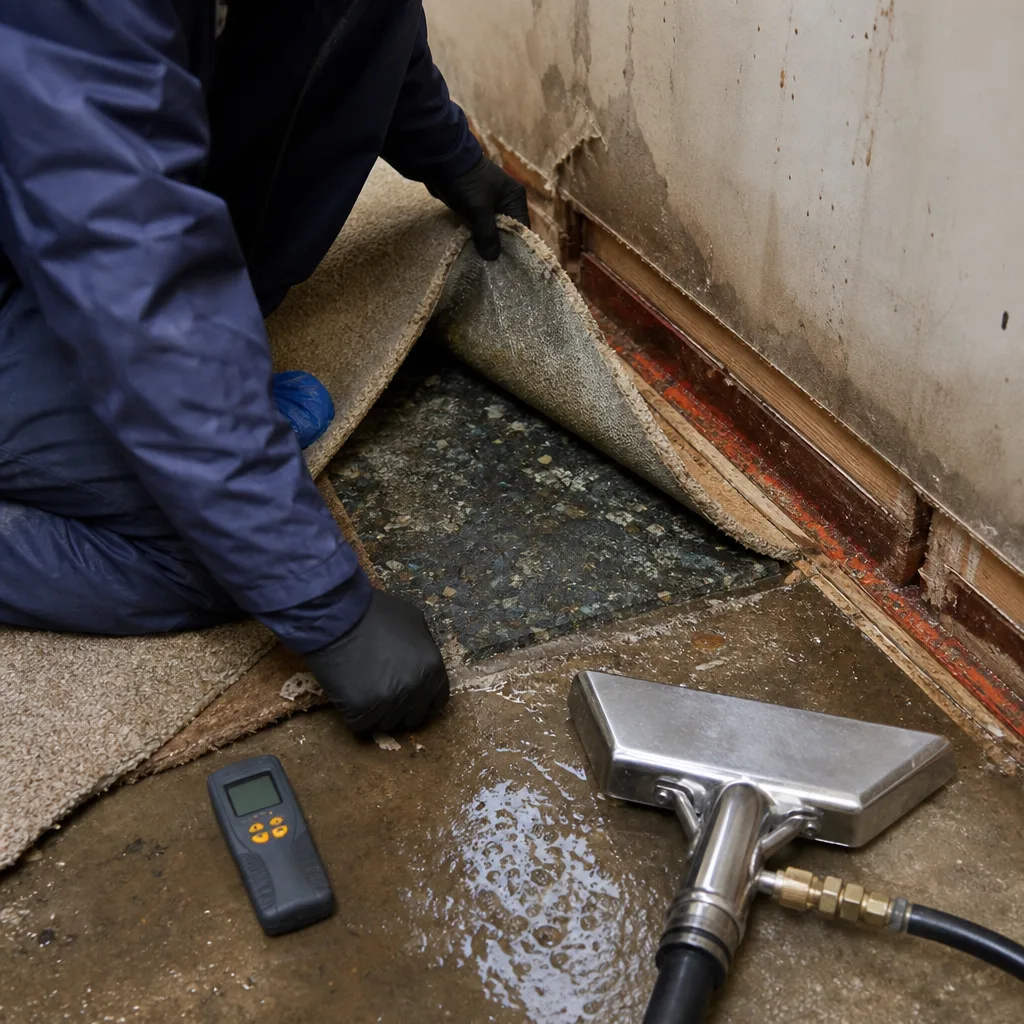
Back to Dry Restoration was founded in 2011 by a former claims adjuster who built the company around the documentation gap that costs homeowners their claims. We know what an adjuster needs to see to approve an invoice without a fight, and we produce it from hour one. Every Upper West Side job receives a room-by-room photo record, daily moisture logs with psychrometric data, and a line-item scope written to Xactimate or Symbility standards. We communicate directly with your carrier, not through you as a relay, and we bill insurance directly when coverage applies.
What We Provide Your Insurer
- Thorough documentation of the loss
- Photos of all damage, room by room
- Moisture readings and drying logs
- A detailed, line-item scope of work
- Direct coordination with your carrier
Built for Upper West Side’s Loss Calendar
January brings the sharpest spike: deep freezes burst supply lines in exterior-wall plumbing chases that were never properly insulated in 1920s construction. We see this annually along West End Avenue and Riverside Drive, where cast-iron steam risers contract in the cold and corroded elbows let go under pressure. Spring thaw drives basement seepage in below-grade units from Morningside Heights to Lincoln Square, especially where century-old drain stacks meet modern PVC retrofits at failed joints. Summer thunderstorms and flash flooding overwhelm roof drains on flat-top pre-war buildings, sending water through parapet walls and down elevator shafts. And every nor’easter tests the masonry envelope: wind-driven rain finds the hairline cracks in century-old mortar, and the humidity corridor of the Hudson River to the west plus Central Park’s micro-climate to the east keeps that moisture active longer than in drier markets. Mold remediation after water intrusion here is more aggressive than in Phoenix or Denver because the ambient humidity never fully drops.
Water Damage Restoration Across Upper West Side’s Neighborhoods
Central Park West from 59th to 110th Street is the corridor of grand pre-war co-ops: the Beresford, the San Remo, the El Dorado. Buildings here have dedicated service elevators, loading docks, and full-time doormen, but they also have the most complex board approval processes and the highest concentration of original plaster-and-lath construction. Our crews arrive with rolling-code remote protocols pre-coordinated with building management.
Riverside Drive presents a different access puzzle: no alley-load docks, street-level staging only, and narrow service entrances. We got a call from a co-op board president on Riverside Drive after a corroded supply elbow in a 1927 wet column let go overnight - by the time our techs arrived, Category 2 water had crossed three floors and the building’s rolling-code remote meant we had to get buzzed in unit by unit while our truck staged on the alley-load pad. We ran moisture mapping across every affected platter, set containment and Injectidry mats on the original herringbone floors, and pulled drying logs daily because the board needed carrier-ready documentation for four separate owner claims.
West End Avenue between 70th and 96th is dense with 12-16 story brick and limestone buildings from the 1910s-1930s, many with original galvanized supply lines now past 90 years of service life. The shared wet-wall plumbing here is our most common loss driver: a steam trap failure or supply elbow corrosion wicks moisture through hollow plaster cavities for weeks before visible staining appears.
Amsterdam Avenue and Columbus Avenue corridors mix pre-war rental buildings with 1960s-1980s condo conversions. The conversions often have polybutylene or early PEX supply lines at their 30-40 year failure point, plus the original drain stacks. Loss patterns here are more predictable but no less urgent when a stack backs up through three floors of kitchen drains.
Specialized Water Damage Restoration Services We Offer in Upper West Side
Emergency Water Extraction
Standing water removal within 45 minutes of your call, using truck-mounted or portable extraction systems sized to your building’s access constraints. In UWS buildings with service-elevator weight limits, we deploy portable units floor by floor rather than wait for freight elevator windows.
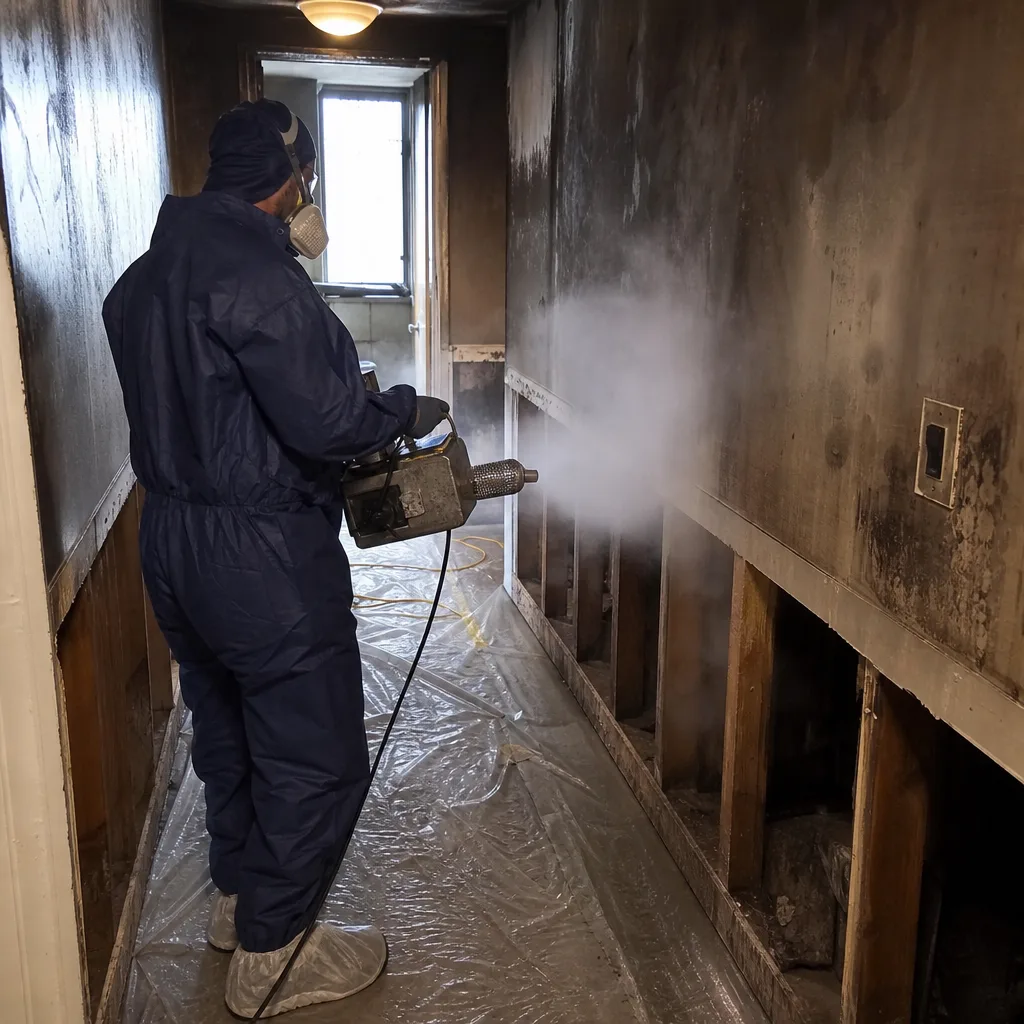
Structural Drying & Dehumidification
Commercial-grade dehumidification with daily moisture logging to IICRC S500 standards. In pre-war buildings with thick plaster walls and concrete slab floors, drying cycles run longer than in modern construction; we set expectations in the initial scope and document progress daily for your adjuster.
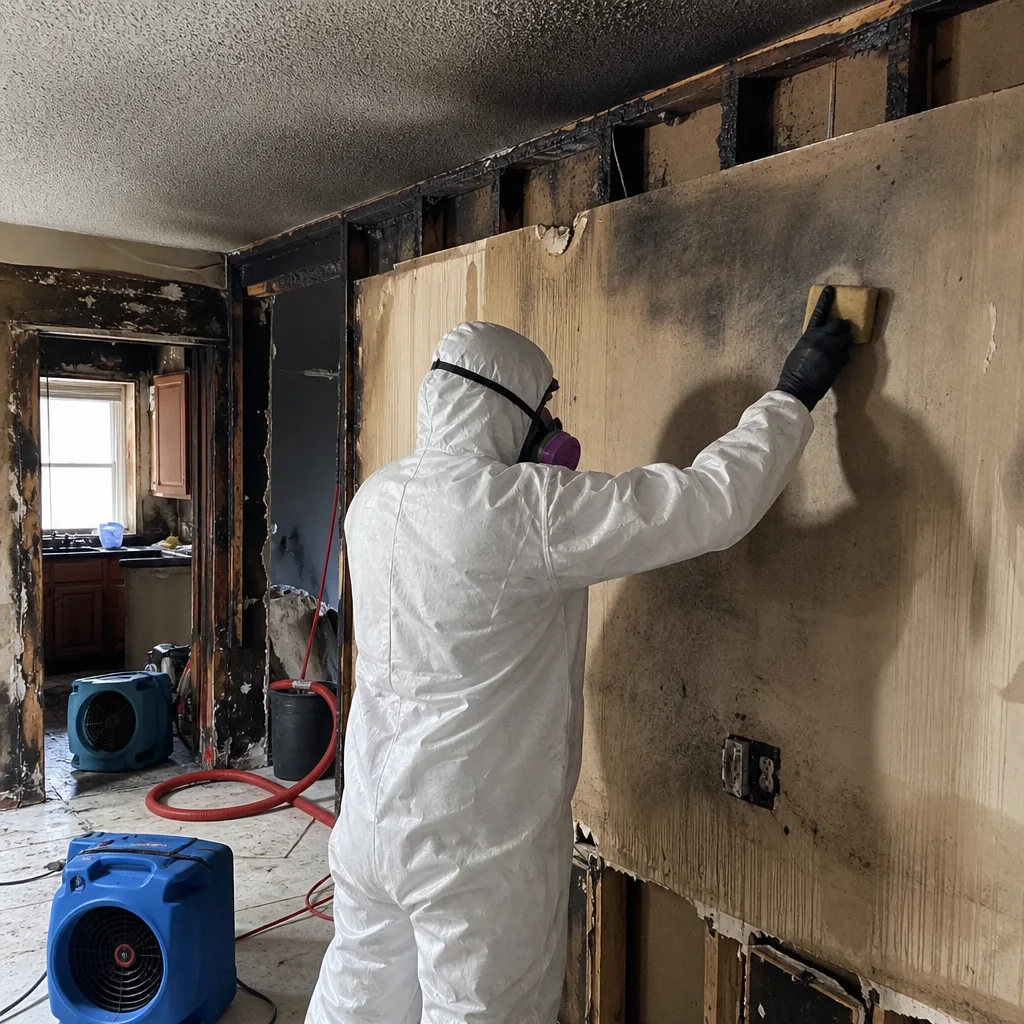
Flood Cleanup
Category 3 black water losses from sewer backup, ground flooding, or storm surge require full PPE, antimicrobial treatment, and structural material removal per EPA and OSHA protocols. Garden-level and basement units along Amsterdam Avenue are most vulnerable during spring thaw and heavy rain events.
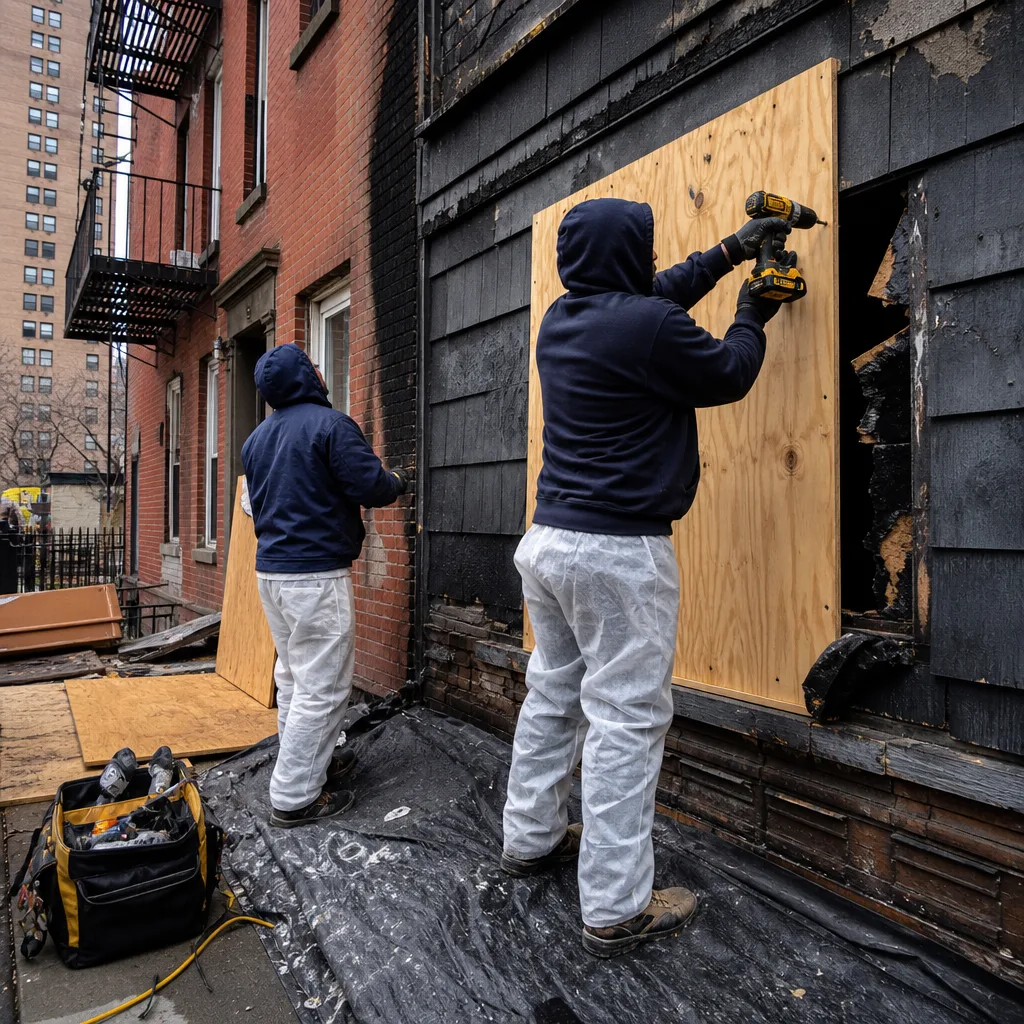
Burst Pipe Restoration
We coordinate emergency plumber referral for the immediate repair, then document the full water loss including hidden damage in shared walls and adjoining units. In UWS pre-war buildings, a single burst pipe often triggers four to six separate insurance claims; we keep each unit’s documentation separate and carrier-ready.
Basement Water Removal
Below-grade units and building mechanical rooms receive submersible pump deployment, vapor barrier assessment, and long-term moisture monitoring. Many UWS basements were never intended as living space and lack proper drainage; we address the restoration scope without promising to fix the underlying grade issue.
Ceiling & Roof Leak Water Damage
Flat-roof parapet failures and overflowed roof drains are common in pre-war construction. We trace the leak path through multiple floors, document each affected unit separately, and coordinate with roofing contractors for the source repair while handling the interior restoration.
What happens when you call
- 1
A real person answersNo phone trees - you reach a local pro.
- 2
You get an upfront price rangeHonest numbers before anyone is dispatched.
- 3
A background-checked tech heads outLicensed & insured, dispatched right away.
- 4
You approve before work beginsNothing starts until you say go.
Water Damage Restoration Costs in Upper West Side, NY
Emergency water extraction in Upper West Side runs $180-$340 per affected area, with structural drying at $1,200-$3,200 for a typical one-to-two-bedroom apartment and $3,500-$7,500 for multi-unit losses involving shared wet walls. Full reconstruction of plaster-and-lath walls with matching crown molding starts at $85-$140 per square foot, significantly above suburban drywall rates due to trade-skill requirements. What moves the price: the water category (Category 3 requires more remediation), the affected square footage, whether asbestos abatement is triggered, and how many units share the loss. Insurance typically covers sudden and accidental water damage; gradual leaks and maintenance issues are often excluded. We provide a free visual inspection and written scope before any work begins, and we offer a free second opinion on any competitor’s written estimate. Call (516) 687-5786 for your exact quote.
We Also Serve Cities Near Upper West Side
Our Water Damage Restoration crews respond throughout Manhattan, including the Upper East Side’s pre-war co-ops and post-war towers, Morningside Heights’ Columbia University-area rental stock, and East Harlem’s mixed-era residential buildings. Each area has distinct building ages, access protocols, and loss patterns; we adjust our documentation and drying protocols accordingly.
Serving Upper West Side, NY - Our Local Coverage Area
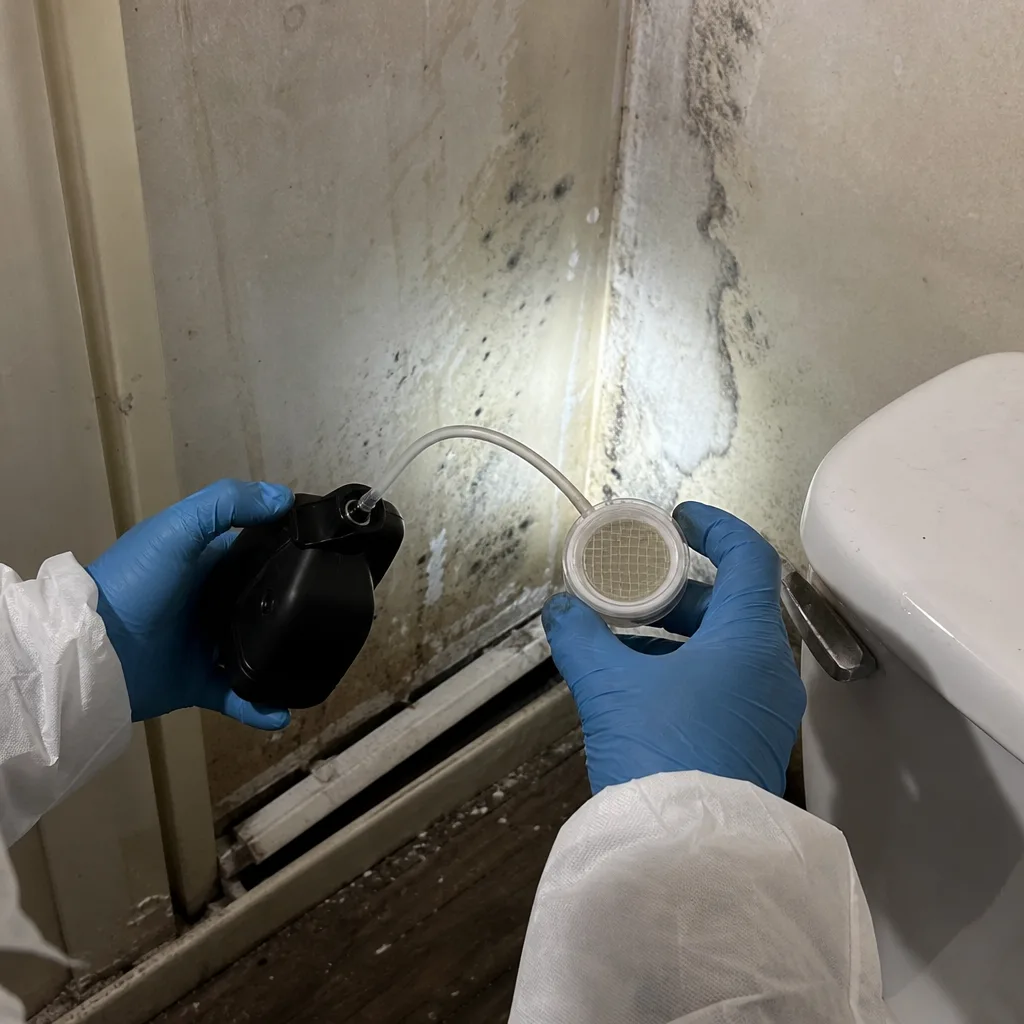
We’re based in the Upper West Side area and know this community well. Use the map below to see our service coverage - if you’re nearby, we can almost certainly help.
Upper West Side Water Damage Restoration Questions, Answered
Our Upper West Side co-op has a wet-column leak that hit three apartments - how do you keep the board and multiple insurance carriers straight?
We create separate job files and documentation packages for each affected unit, with individual moisture maps, photo records, and drying logs formatted to each owner’s carrier requirements. The board receives a master summary showing scope across all units, and we coordinate non-emergency structural work only after board approval is documented. Call (516) 687-5786 to discuss your building’s specific wet-column configuration.
What does a burst steam riser in a pre-war Central Park West building actually involve?
A burst steam riser releases Category 2 gray water under pressure, often at 212°F, which drives moisture deep into plaster-and-lath cavities and can warp herringbone hardwood floors before visible staining appears. We extract standing water, set Injectidry mat systems for in-place floor drying, map moisture through shared walls with thermal imaging, and document asbestos-containing material risk before any demolition begins. The full scope is written and priced before work starts.
How fast can you get into a UWS building given the doorman, rolling-code remote, and parking situation?
Our 45-minute response commitment includes pre-arrival coordination: we call ahead to your doorman or building manager, confirm service elevator availability, and stage on the nearest legal curb or alley-load access point. Crews carry portable equipment that fits through standard doorways and service elevators, so we’re extracting water within minutes of entry, not fighting logistics. Call (516) 687-5786 and we’ll initiate building contact while en route.
Why does a water stain on my ceiling on West End Avenue often mean the loss is bigger than one apartment?
West End Avenue pre-war buildings run steam risers and wet-column plumbing inside shared interior partition walls; when a supply elbow corrodes or a steam trap fails, moisture wicks laterally and vertically through hollow plaster cavities for weeks before ceiling staining appears. By the time you see the stain, three or four units typically have hidden moisture and mold growth in the common wet wall. Our thermal imaging and penetrating moisture probes map the full extent before any visible demolition begins.
Do you have to tear out my original plaster-and-lath walls, or can they be dried in place?
Plaster-and-lath can often be dried in place with controlled dehumidification and targeted air movement if we reach it within 48-72 hours of the water event and the plaster is not structurally compromised. We test for delamination and use Injectidry cavity-drying systems to push dry air through wall voids. If asbestos-containing material is present or the plaster has separated from the lath, removal with OSHA-compliant abatement is required; we document both paths in your written scope before any work begins.
Will insurance cover water damage restoration in my Upper West Side co-op?
Sudden and accidental water damage from burst pipes or appliance failures is typically covered under HO-6 condo policies and building master policies, though the allocation between unit and building coverage varies by co-op bylaws. Gradual leaks and maintenance issues are usually excluded. We provide the documented photo record, moisture logs, and line-item scope that adjusters need to determine coverage, and we bill insurance directly when applicable. Call (516) 687-5786 for a free inspection and policy review.
How long does structural drying take in an Upper West Side pre-war building?
Standard drying in modern drywall construction takes 3-5 days; in UWS pre-war buildings with thick plaster walls, concrete slab floors, and dense masonry envelopes, 7-14 days is common. We don’t guess: daily moisture readings with penetrating probes and psychrometric data tell us when the structure has reached dry standard, and we document every reading for your adjuster. Rushing to remove equipment before tertiary drying is complete guarantees mold callbacks.
Can we stay in our apartment during water damage restoration?
For Category 1 losses limited to one room with no electrical or HVAC contamination, occupants often remain with containment barriers in place. Category 2 and 3 losses, multi-unit jobs with shared air handling, or any asbestos abatement require temporary relocation. We state this clearly in the initial written scope so you can plan and document additional living expense claims with your carrier if coverage applies.
Back to Dry Restoration Manhattan has operated under The Haven Standard since 2011, completing 12,000+ homes with a written price before work started and a documented record when the crew left. Every job is covered by our 365-Day Done Right Promise. For emergency water damage restoration in Upper West Side, call (516) 687-5786 - we answer live, 24 hours a day.
Written by Alicia Brennan, Owner at Back to Dry Restoration, serving Upper West Side since 2011.
Water Damage Restoration in Nearby Areas