
Free visual inspection and a written scope of work before any mitigation begins - photos, moisture readings, and drying logs go in your claim file
The scope we write is the scope we bill. Anything new gets shown to you, in writing, before we touch it.
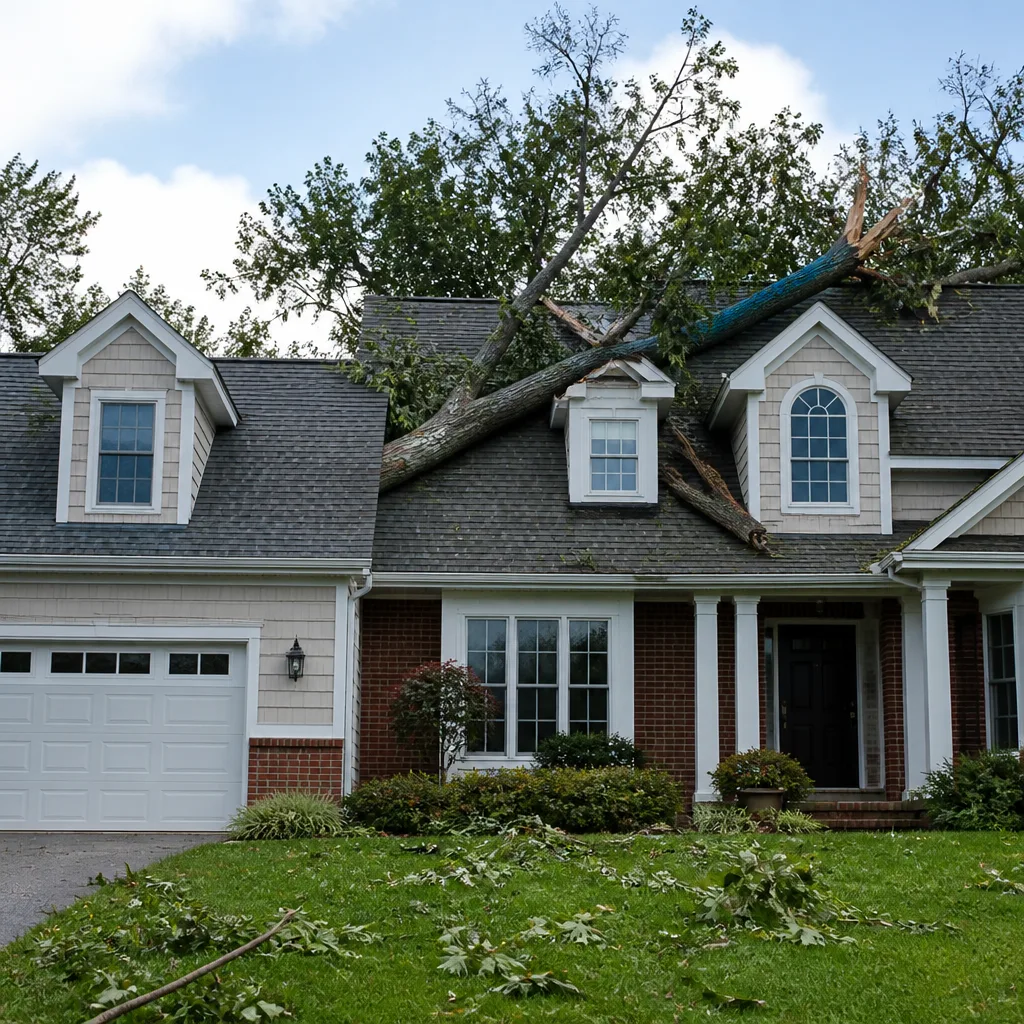
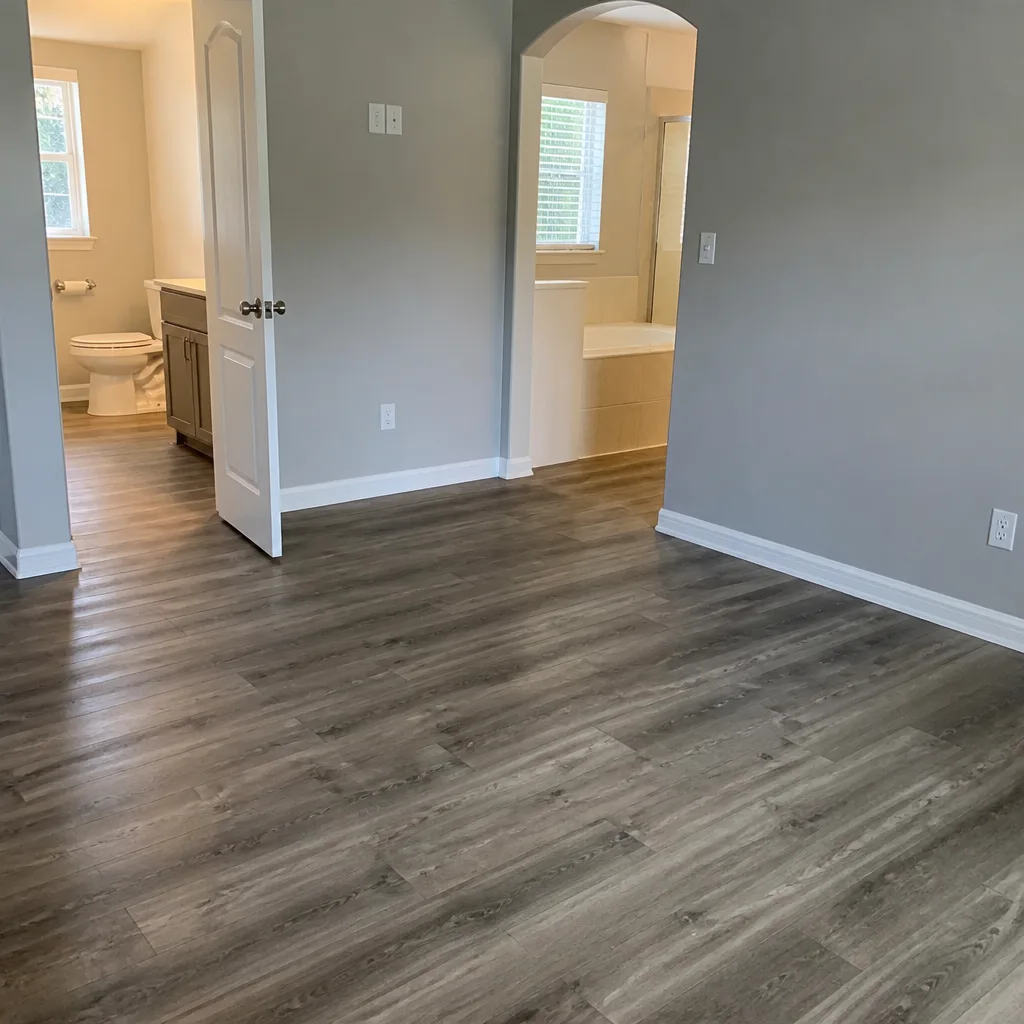
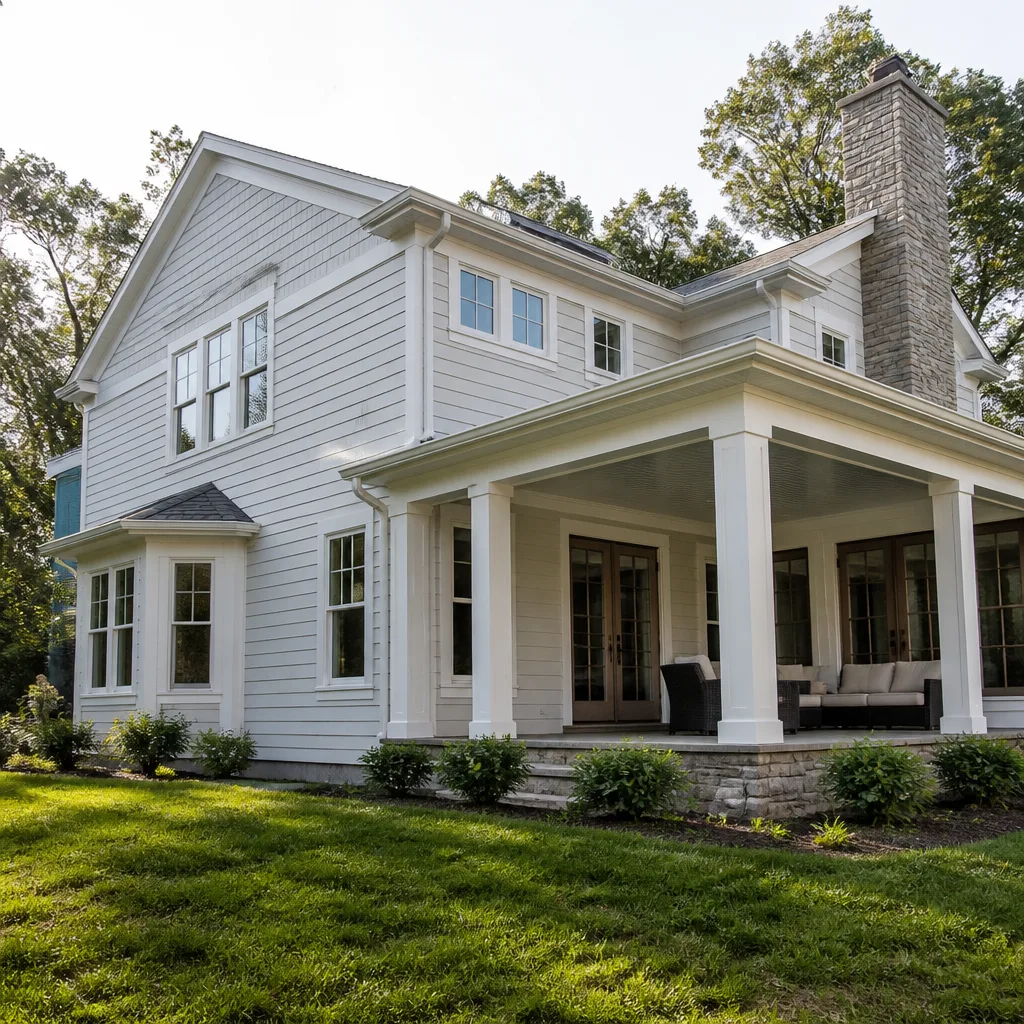
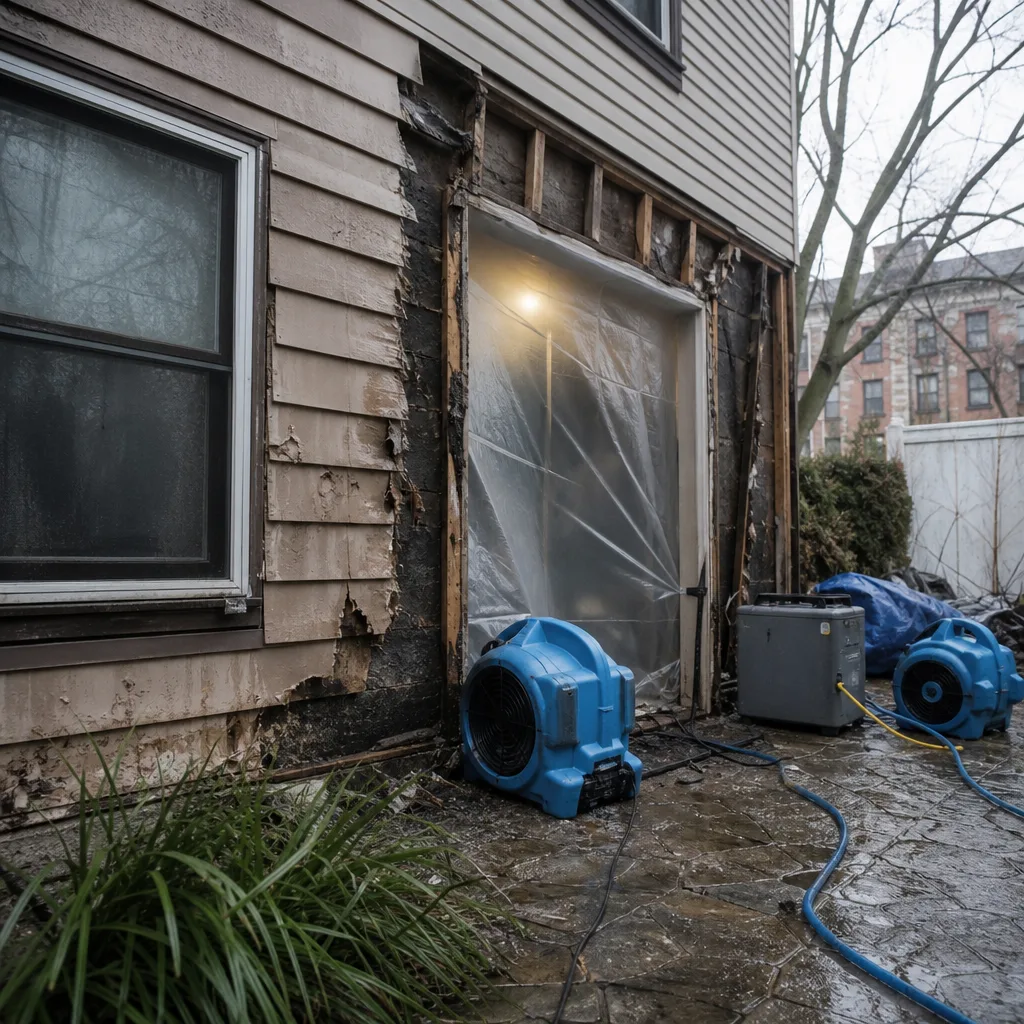 Before
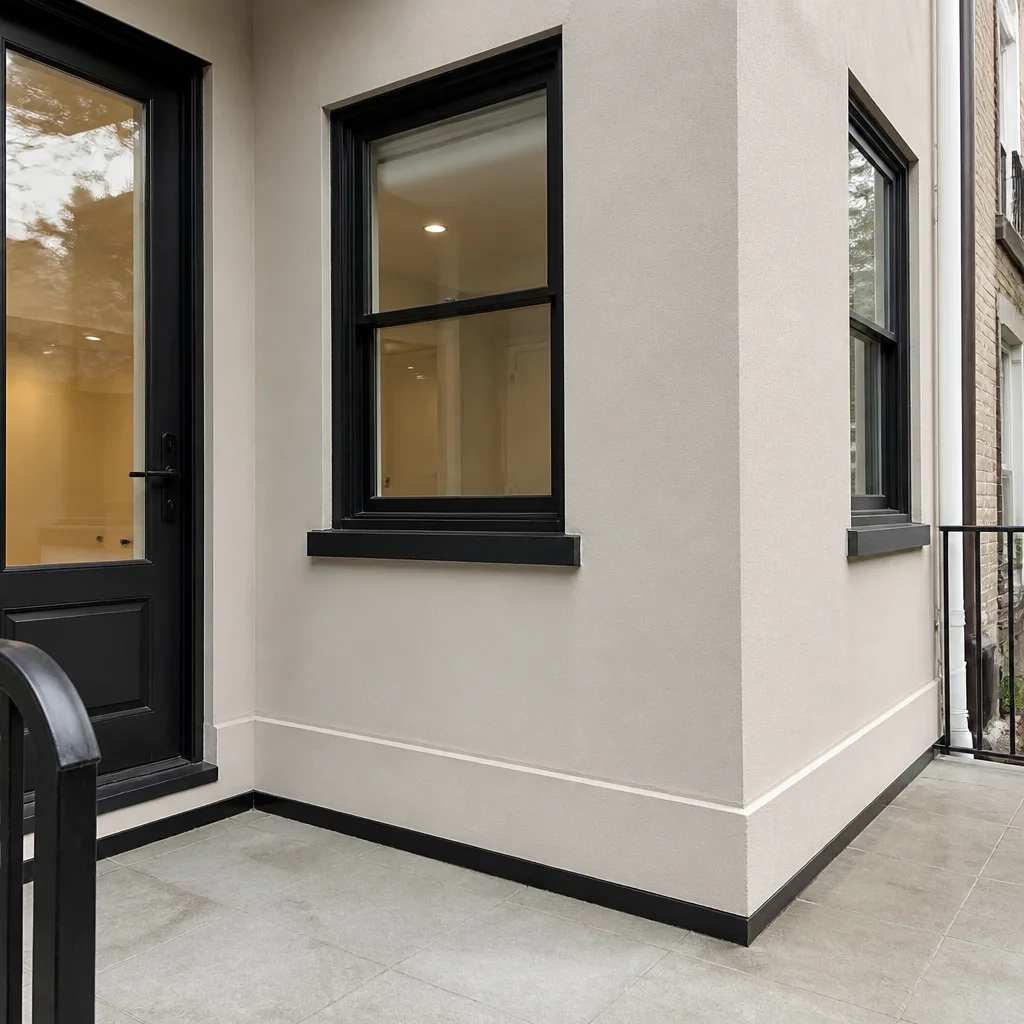 After
After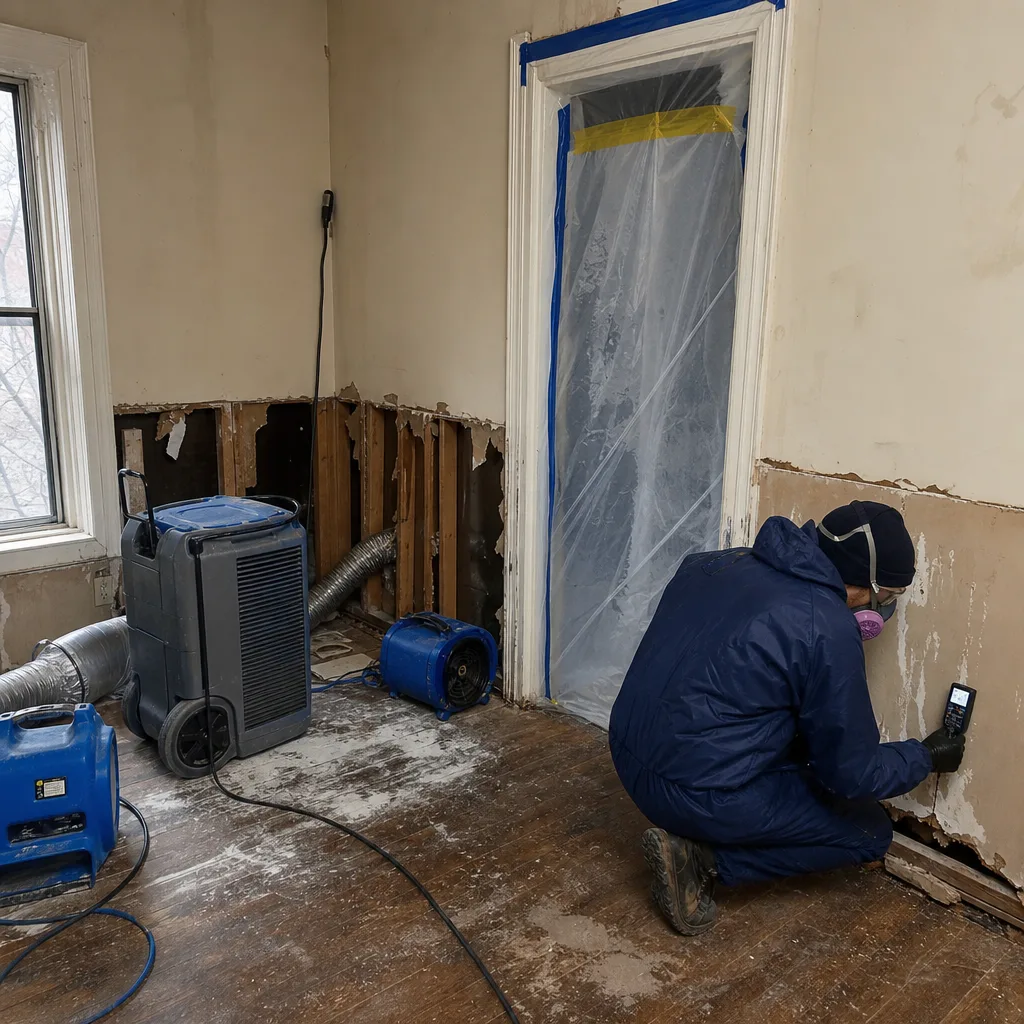 Before
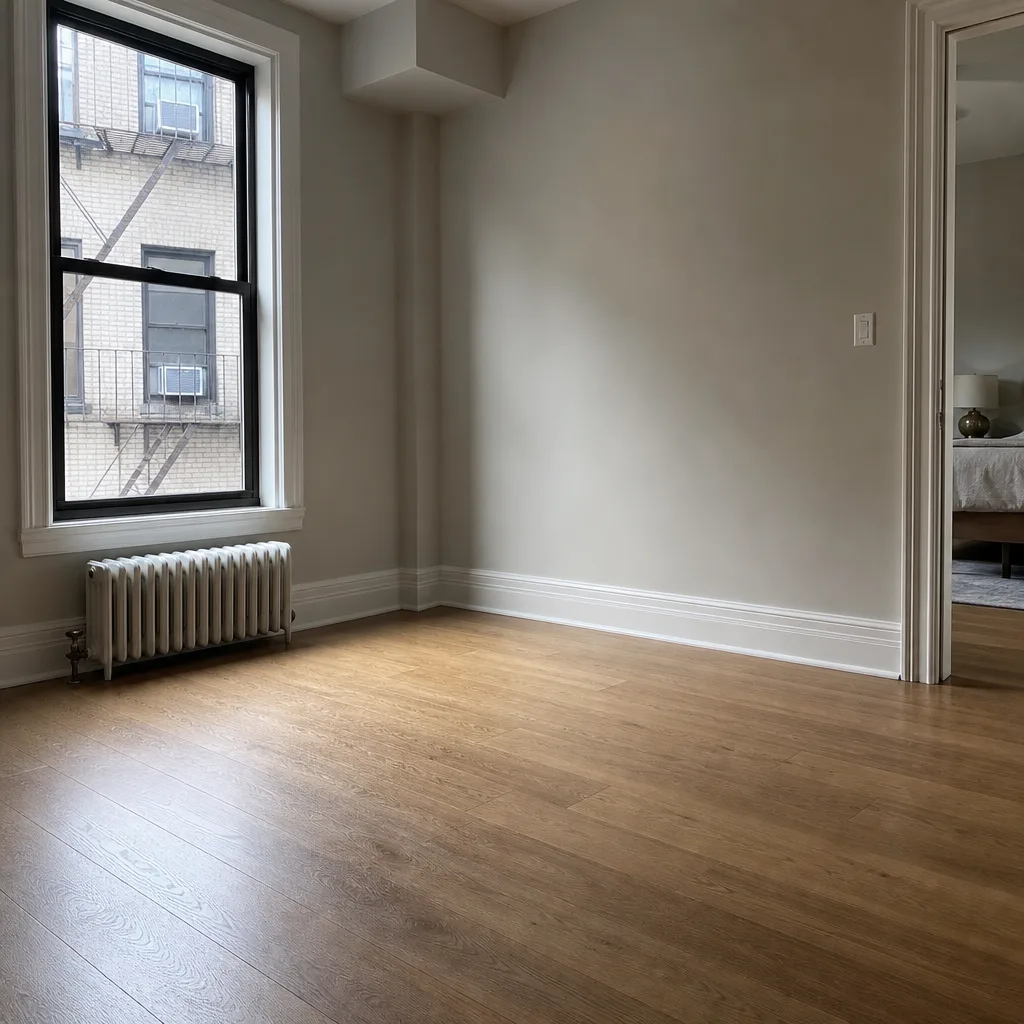 After
After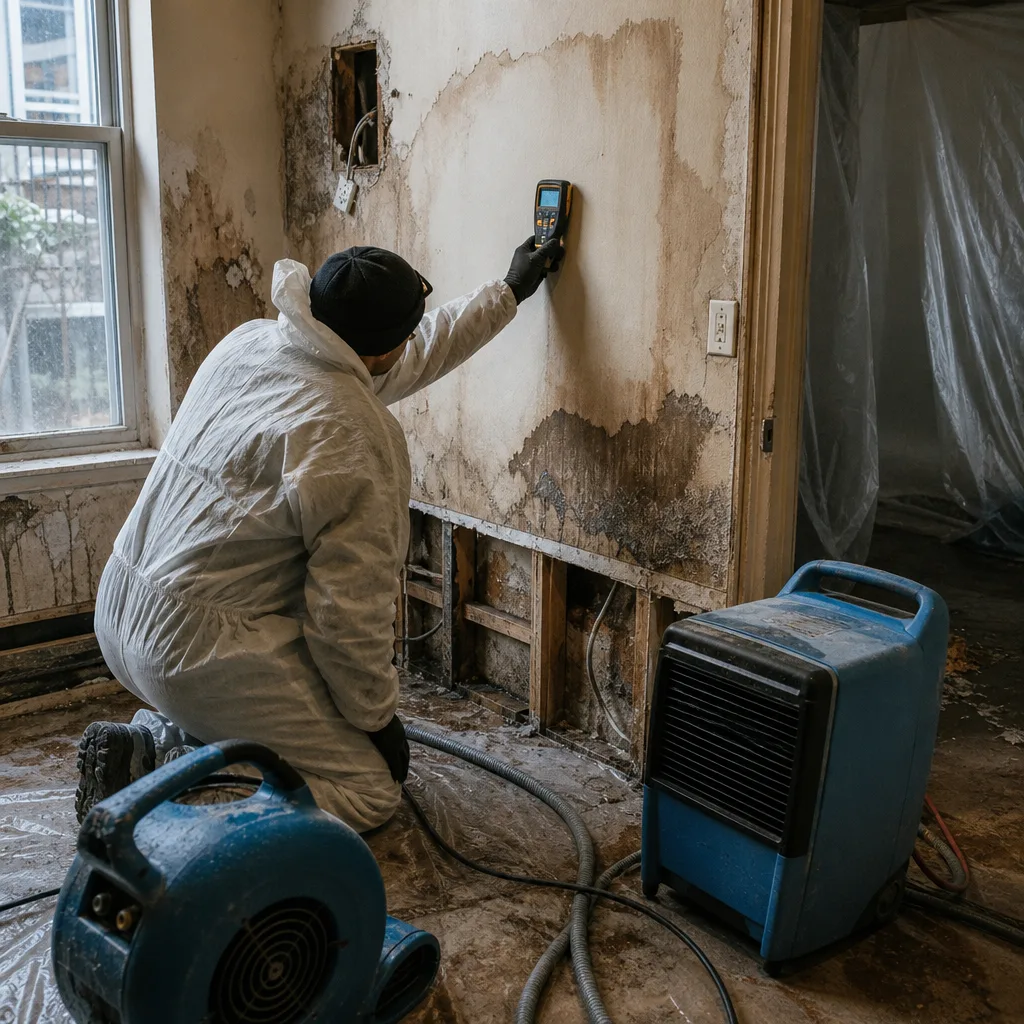 Before
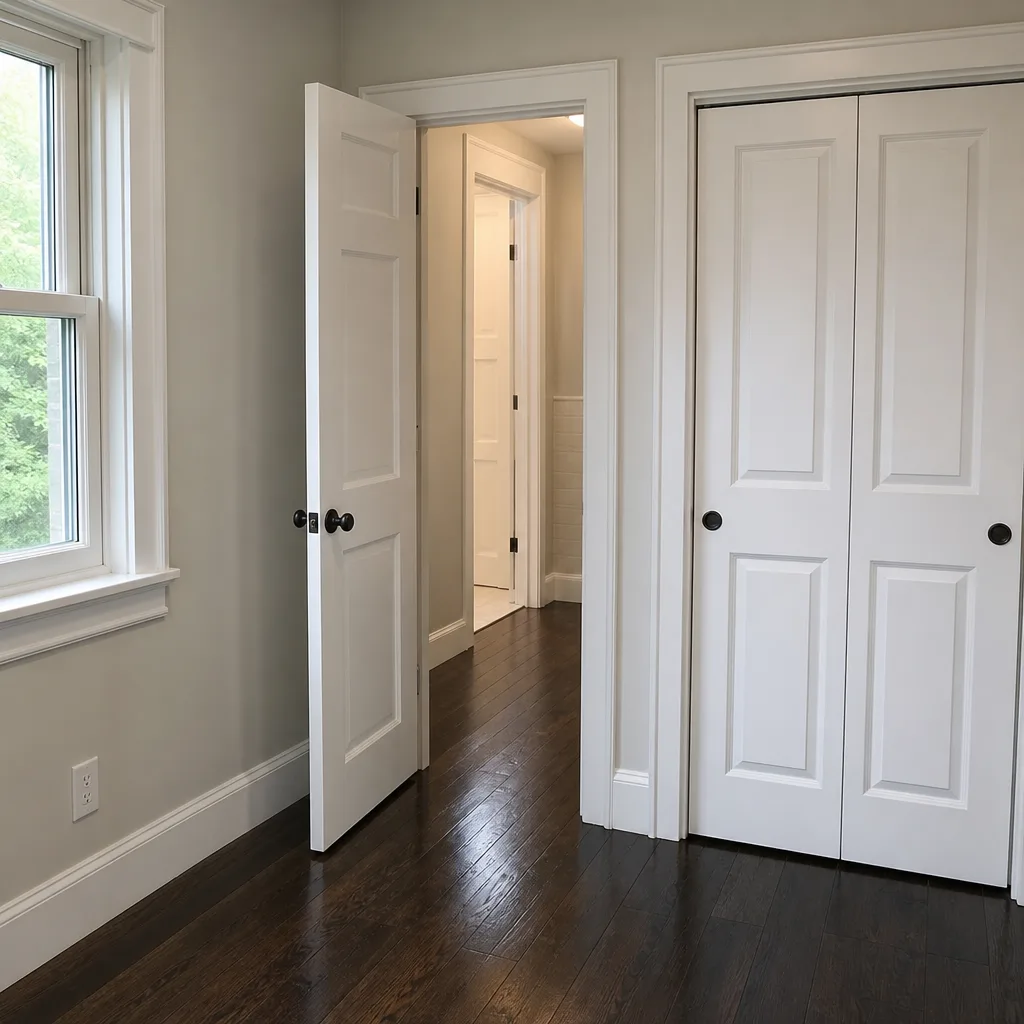 After
After24/7 Emergency Water Damage Restoration in Morningside Heights
Water damage in a Morningside Heights pre-war building moves fast. Call (516) 687-5786 and a live person answers, 24 hours a day, no voicemail, no callback queue. Our crews are dispatched from our New York City office and typically reach addresses between 116th and 125th Streets, from Morningside Park to the Hudson River, within 45 minutes of your call.
The first hour determines whether a burst pipe or steam-riser failure becomes a contained extraction job or a multi-floor reconstruction. Water follows the paths built into 1920s construction: down cast-iron risers, through ornamental plaster ceilings, behind herringbone hardwood floors, and into the wall cavities between units. We provide a free visual inspection on arrival, document everything with photos, and deliver a written price before any equipment runs. Haven Standard, Clause 1.
Understanding Water Damage Restoration Severity in Morningside Heights Properties
Water damage in Morningside Heights falls into three categories, and the neighborhood’s building stock makes each one behave differently than in newer construction.
Category 1 is clean water from a supply line or steam-riser failure. In a 10-to-15-story pre-war elevator building on Claremont Avenue or Broadway, this water is initially clean, but it picks up plaster dust, rust from galvanized pipes, and whatever sits in 90-year-old wall cavities. Within 24 to 48 hours, Category 1 becomes Category 2. The ornate plaster lath in these ceilings is especially vulnerable; once saturated, it loses structural bond and begins supporting microbial growth.
Category 2 is gray water with chemical or biological load. Common in Morningside Heights when a dishwasher or washing machine overflows in a renovated university apartment, or when a slow roof leak on a Cathedral Parkway building picks up roofing tar and bird debris before entering the living space.
Category 3 is black water: sewage backup, ground flooding, or water that has sat long enough to support bacterial colonies. Basements near Morningside Park are susceptible during heavy rain events when the combined sewer system surcharges.
We map moisture with thermal imaging cameras, pin-type meters, and non-invasive radio-frequency sensors to find the full extent. A reading above 16% moisture content in hardwood, or 1% above baseline in plaster, triggers active drying. Psychrometric data - temperature, relative humidity, and vapor pressure differential - drives our equipment placement, not guesswork.
Why Morningside Heights Property Owners Choose Back to Dry Restoration Manhattan
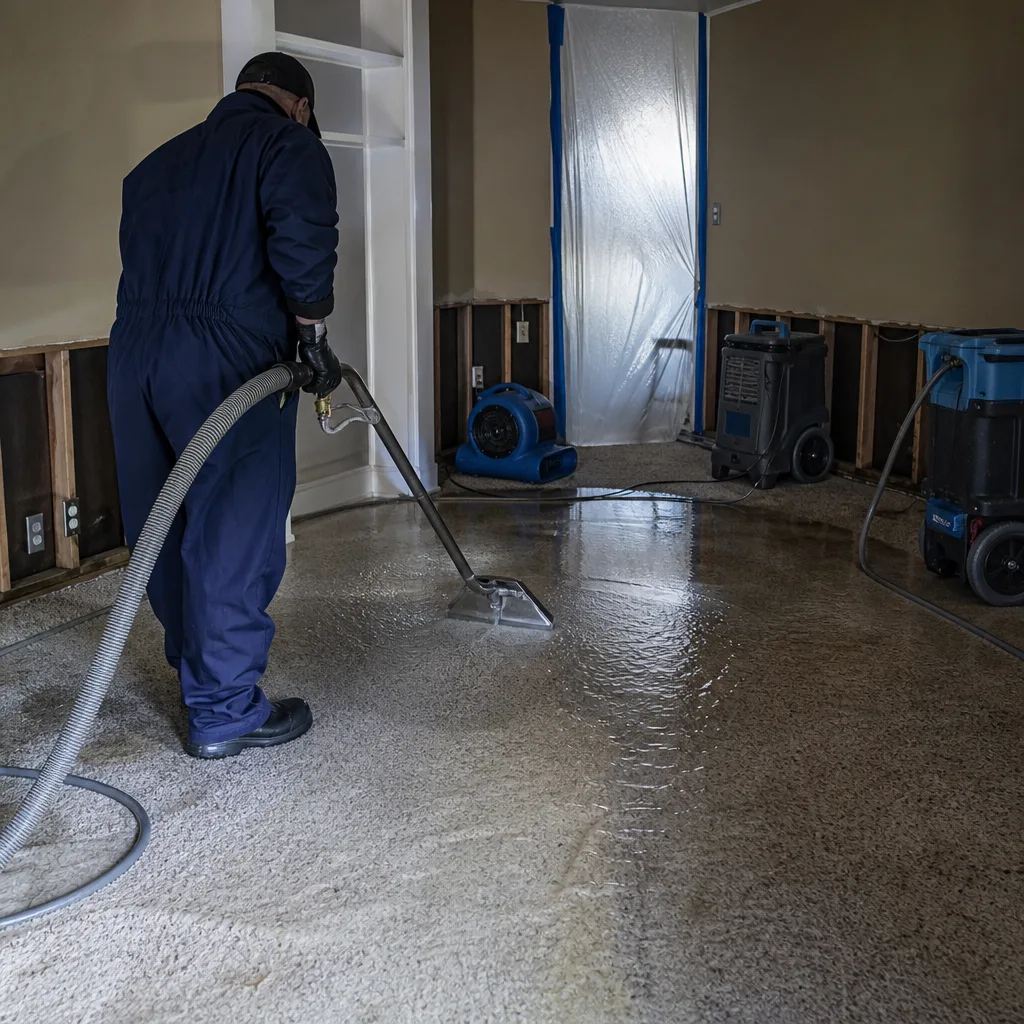
- 45-minute response commitment to addresses in the Morningside Heights service area, measured from dispatch to arrival.
- 24/7 live answer by a real person, never an automated system or voicemail tree, because water doesn’t wait for business hours.
- IICRC-certified crews holding WRT (Water Damage Restoration Technician) and FSRT (Fire & Smoke Restoration Technician) credentials, with AMRT (Applied Microbial Remediation Technician) certification on mold-prone plaster jobs.
- Free visual inspection with moisture mapping included; you receive a written scope and price before any work begins.
- Direct insurance billing and adjuster coordination, including the documentation protocols Columbia-affiliated carriers require.
- One team from extraction through reconstruction - no handoffs between subcontractors that lose institutional knowledge of your building’s conditions.
BeforeAfterOur Water Damage Restoration Process
1. Inspection & Assessment
We arrive with thermal imaging, pin meters, and hygrometers to map the full water boundary. In Columbia-managed buildings, we simultaneously document for Facilities and Real Estate review. You receive photos and moisture readings before we leave the site.
2. Extraction & Stabilization
Truck-mounted or portable extraction removes standing water. We deploy containment barriers to protect unaffected units, critical in multi-floor university housing where one riser failure affects dozens of tenants. Antimicrobial treatment begins on Category 2 and 3 losses immediately.
3. Drying & Dehumidification
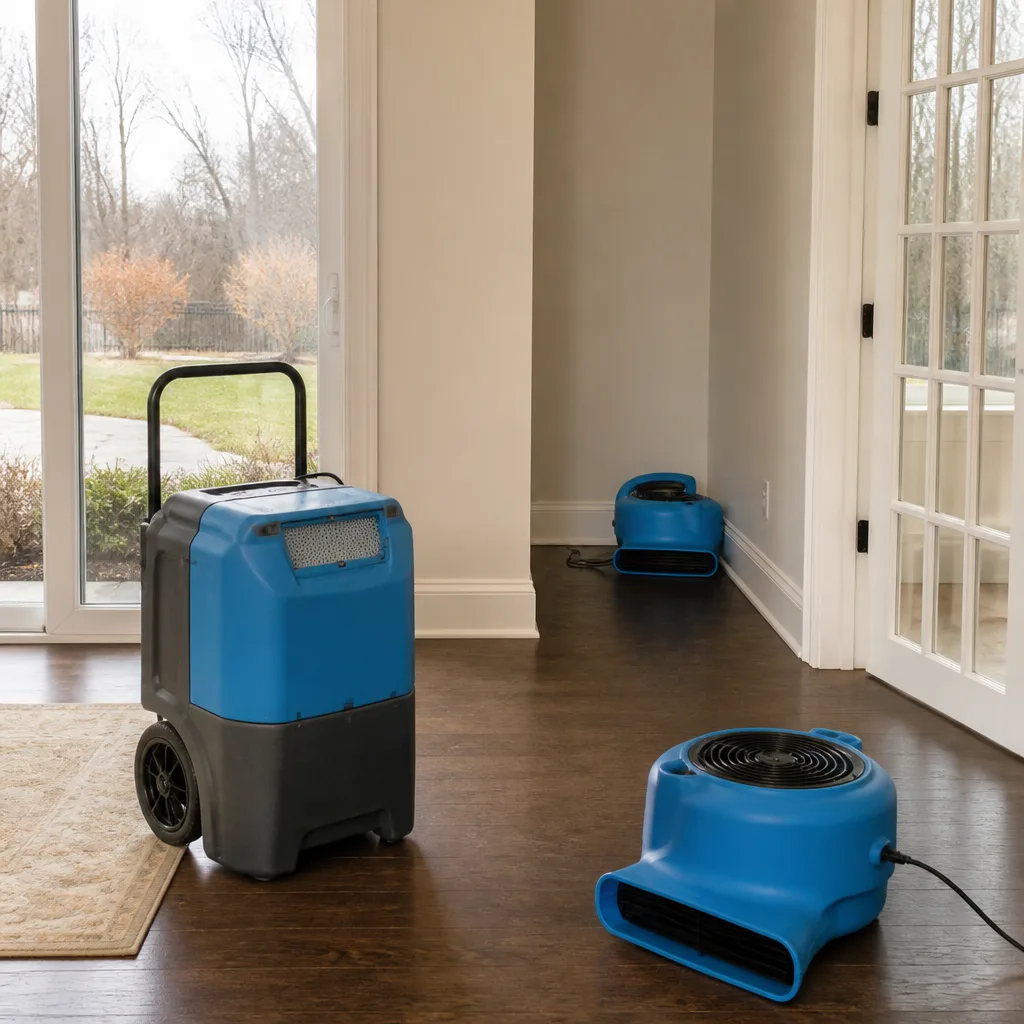
We calculate the exact cubic footage and place Dri-Eaz and Phoenix low-grain refrigerant dehumidifiers with XPOWER and B-Air air movers at specific angles to create laminar airflow across wet surfaces. For herringbone hardwood, we use Injectidry panel systems that draw moisture from below without forcing air directly across the grain, preventing cupping.
4. Cleaning & Sanitization
HEPA air scrubbers run continuously during drying to capture airborne mold spores and plaster dust. All affected surfaces receive antimicrobial treatment appropriate to the water category. We document every product by lot number for institutional carrier files.
5. Pre-War Material Specialty Treatment
Original ornamental plaster and herringbone hardwood in Morningside Heights buildings cannot be dried with standard drywall methods. We use low-velocity air movement, desiccant dehumidification when needed, and Injectidry cavity drying to bring moisture down gradually without cracking irreplaceable decorative work.
6. Repairs & Restoration
Our reconstruction crew repairs or replaces damaged materials to match existing finishes. For historic structures, we coordinate with preservation specialists. Every job closes with a final moisture reading report, photo documentation, and the 365-Day Done Right Promise under The Haven Standard.
Need Emergency Water Damage Restoration in Morningside Heights Now?
Crews minutes away, answering live 24 hours a day. The sooner we start, the less it costs.
Working With Your Insurance Company
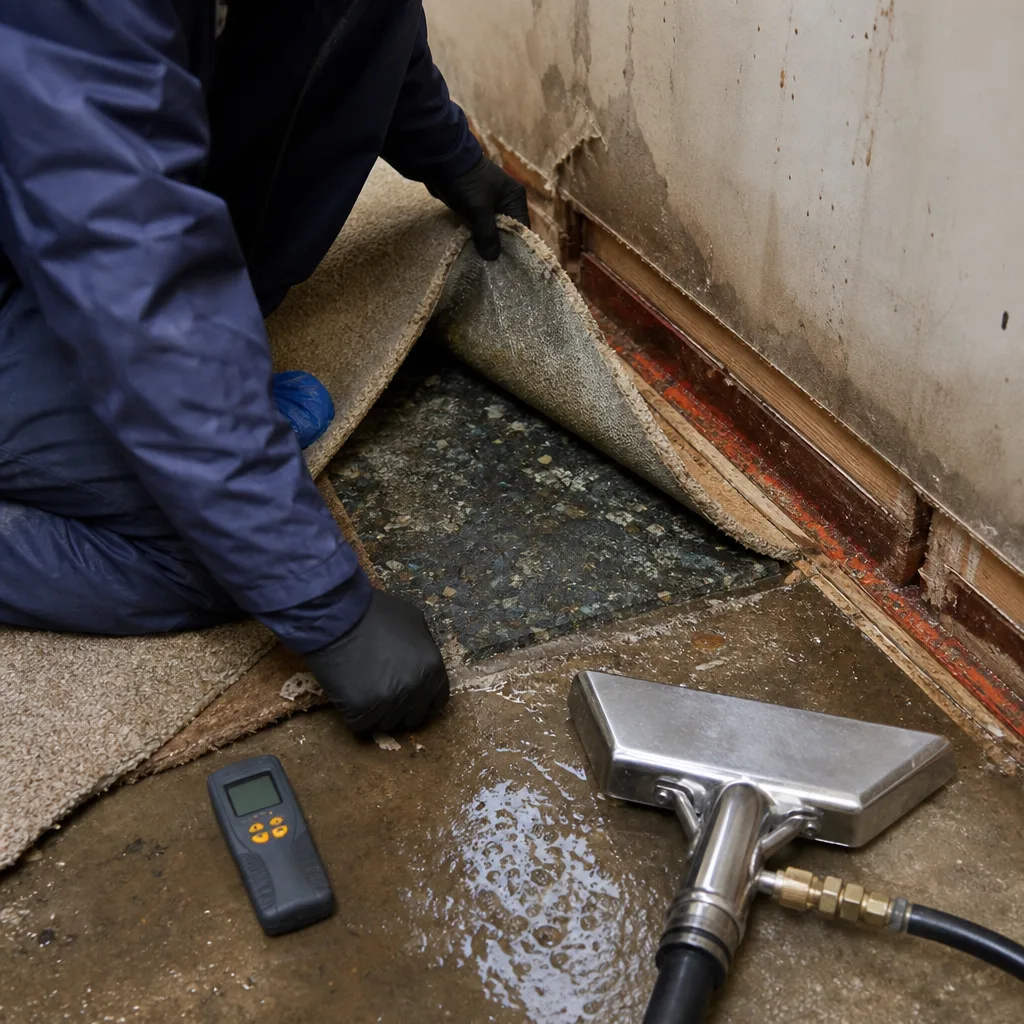
Documentation from the first hour is what turns a restoration invoice into a paid claim. Alicia Brennan founded Back to Dry in 2011 after seeing how many homeowners lost coverage because the initial damage was poorly recorded. We apply that same documentation discipline to every Morningside Heights job, whether the carrier is a private insurer or Columbia University’s institutional risk management.
Our estimates follow industry-standard formats that adjusters recognize immediately. We communicate directly with your carrier, provide supplemental documentation when hidden damage extends the scope, and never proceed beyond the written agreement without your signed approval and carrier acknowledgment.
What We Provide Your Insurer
- Thorough documentation of the loss
- Photos of all damage, room by room
- Moisture readings and drying logs
- A detailed, line-item scope of work
- Direct coordination with your carrier
Built for Morningside Heights’s Loss Calendar
January’s hard freeze-thaw cycles split steam-riser joints in buildings that still run original 1920s hydronic systems. The January 2024 cold snap kept our Water Damage Restoration crews in Morningside Heights for three consecutive days as cast-iron and galvanized supply lines failed across Columbia’s portfolio.
March and April bring spring thaw and basement seepage along Morningside Park’s lower elevations, where the Manhattan schist ridge directs groundwater toward building foundations. Summer thunderstorms overwhelm aging roof drains on flat and low-slope pre-war roofs, creating slow leaks that show first as ceiling stains in top-floor units. Fall nor’easters compound the problem with wind-driven rain through deteriorated parapet flashing.
The common thread: these buildings’ original materials - plaster lath, herringbone oak, cast-iron risers - respond to water differently than modern construction. Standard dry-out approaches destroy them. Our crews know the difference because we’ve documented thousands of these losses since 2011.
Water Damage Restoration Across Morningside Heights’s Neighborhoods
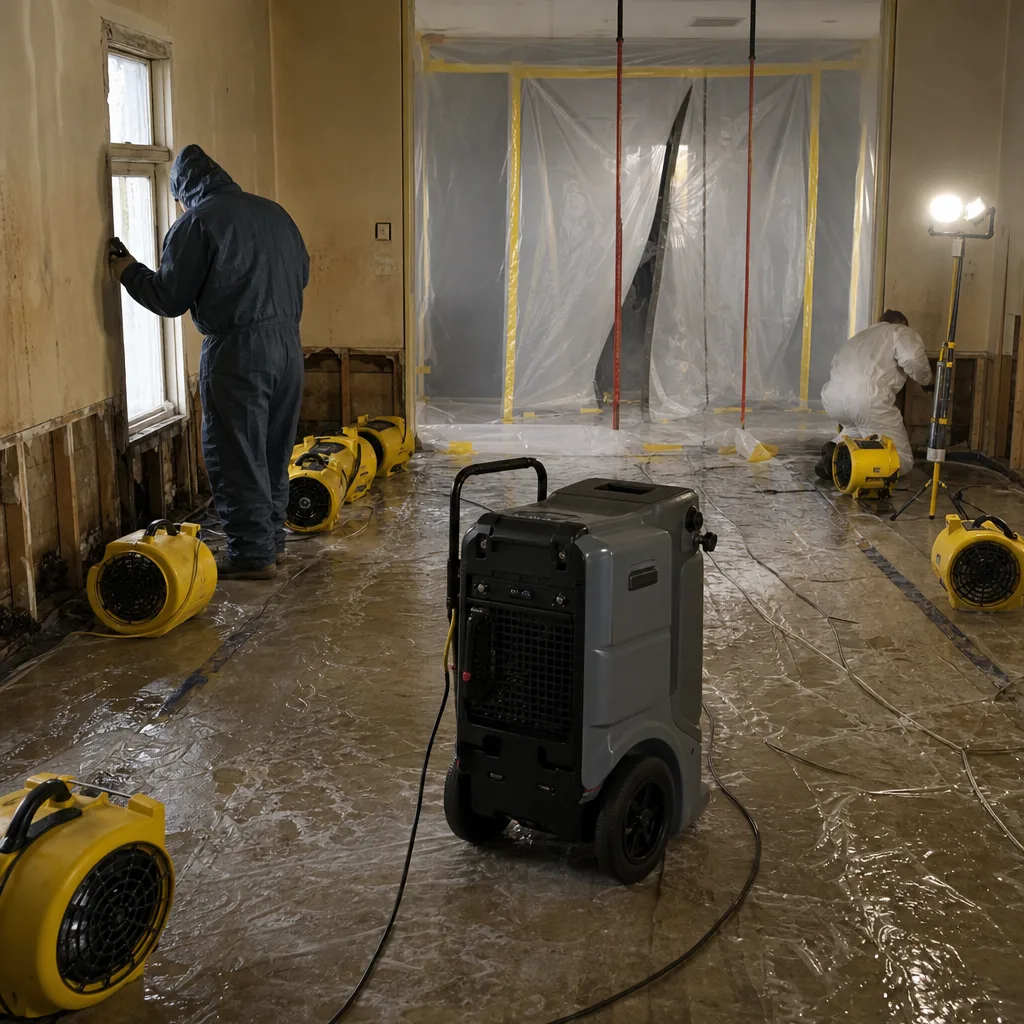
West 116th Street to 125th Street, from Morningside Drive to Riverside Drive, each corridor presents distinct conditions.
Claremont Avenue and the Columbia campus core: Dense concentration of 10-to-15-story pre-war elevator buildings, many with original steam heat and galvanized plumbing. Our crews know the building superintendents by name. Response routes avoid the Broadway academic corridor during class-change periods.
Cathedral Parkway (110th Street) near the Cathedral of St. John the Divine: The Gothic limestone complex and surrounding late-19th-century brownstones require historic-structure protocols. Decorative plaster medallions, limestone window surrounds, and original slate roofs demand documentation that satisfies both institutional carriers and preservation requirements.
Broadway corridor, 116th to 125th: Mixed university housing and retail with active basement spaces. Water main breaks on this transit-heavy corridor affect multiple properties simultaneously; we coordinate with DEP and building management to isolate damage quickly.
Riverside Drive and Morningside Park edge: Elevated exposure to wind-driven rain and the neighborhood’s most severe freeze-thaw cycling. Buildings here often show the first seasonal failures.
Specialized Water Damage Restoration Services We Offer in Morningside Heights
Emergency Water Extraction
Standing water in a pre-war building’s lobby or unit demands immediate removal before it reaches the subfloor and basement levels below. Our truck-mounted extraction systems handle large-volume losses; portable units navigate tight 1920s elevator cabs and stairwells when power is shut down for safety.
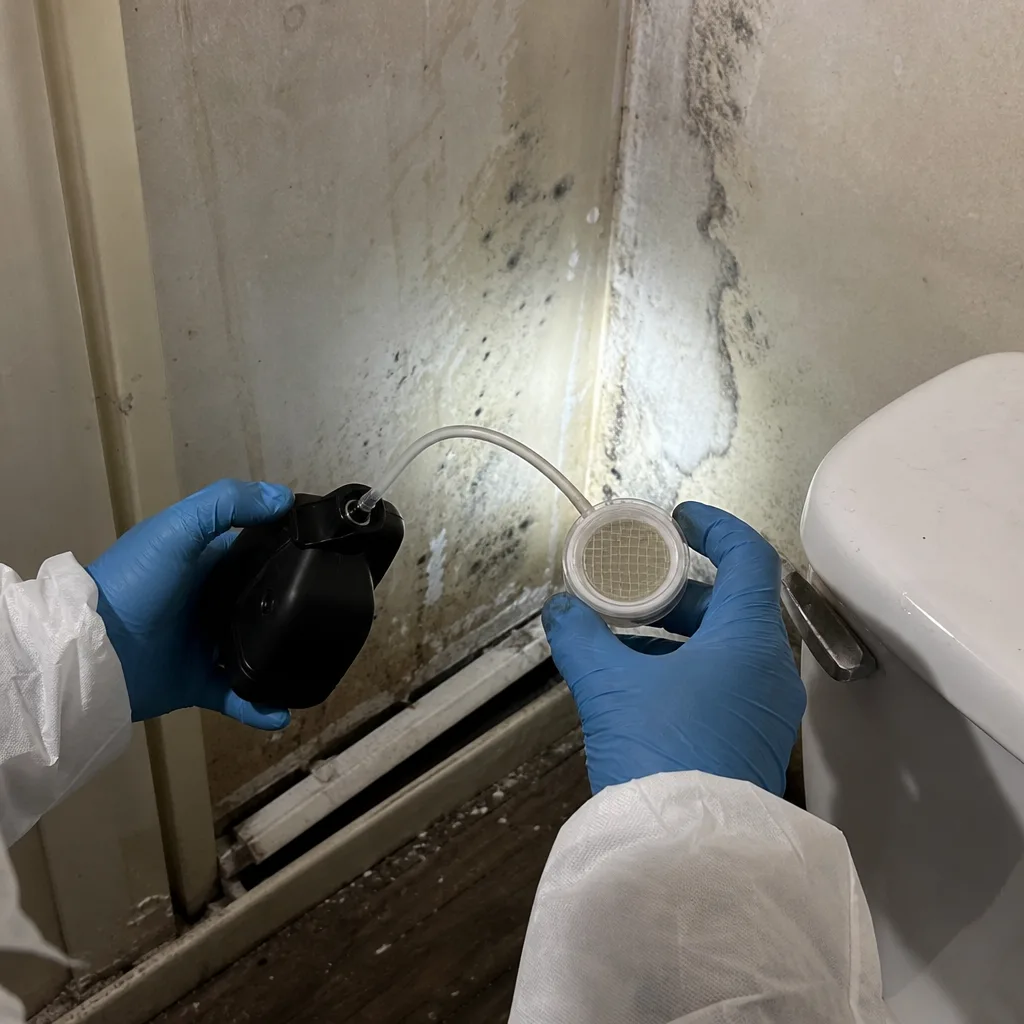
Structural Drying & Dehumidification
We calculate the precise dehumidification load using psychrometric formulas, then place Dri-Eaz and Phoenix equipment to achieve vapor pressure differential - the measurable force that pulls moisture out of wet materials into the drier air. Daily moisture logs track progress to pre-loss conditions, documented to IICRC, RIA, and IFA standards.
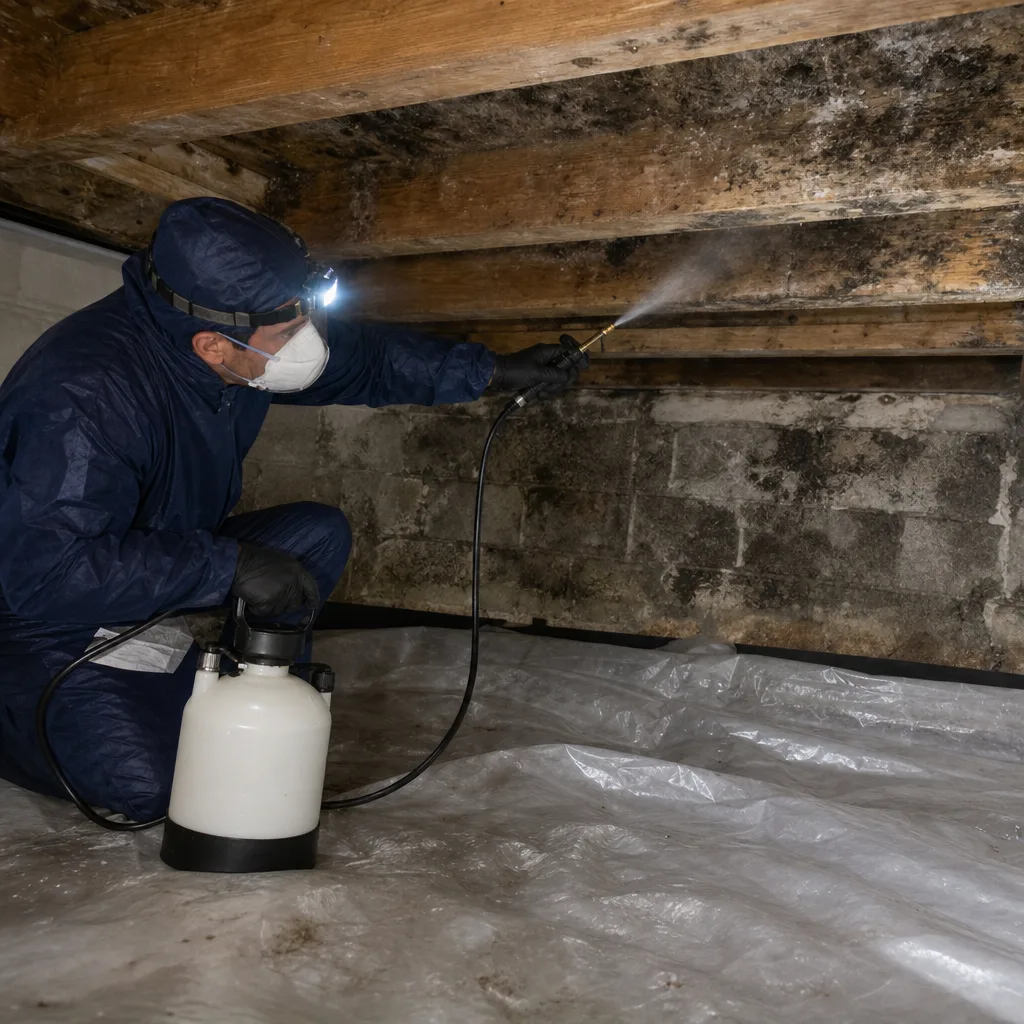
Flood Cleanup
Basement flooding near Morningside Park’s lower elevations, or combined sewer backup during extreme rain events, requires Category 3 protocols. We remove contaminated materials, apply EPA-registered antimicrobials, and verify dry conditions before any reconstruction begins.
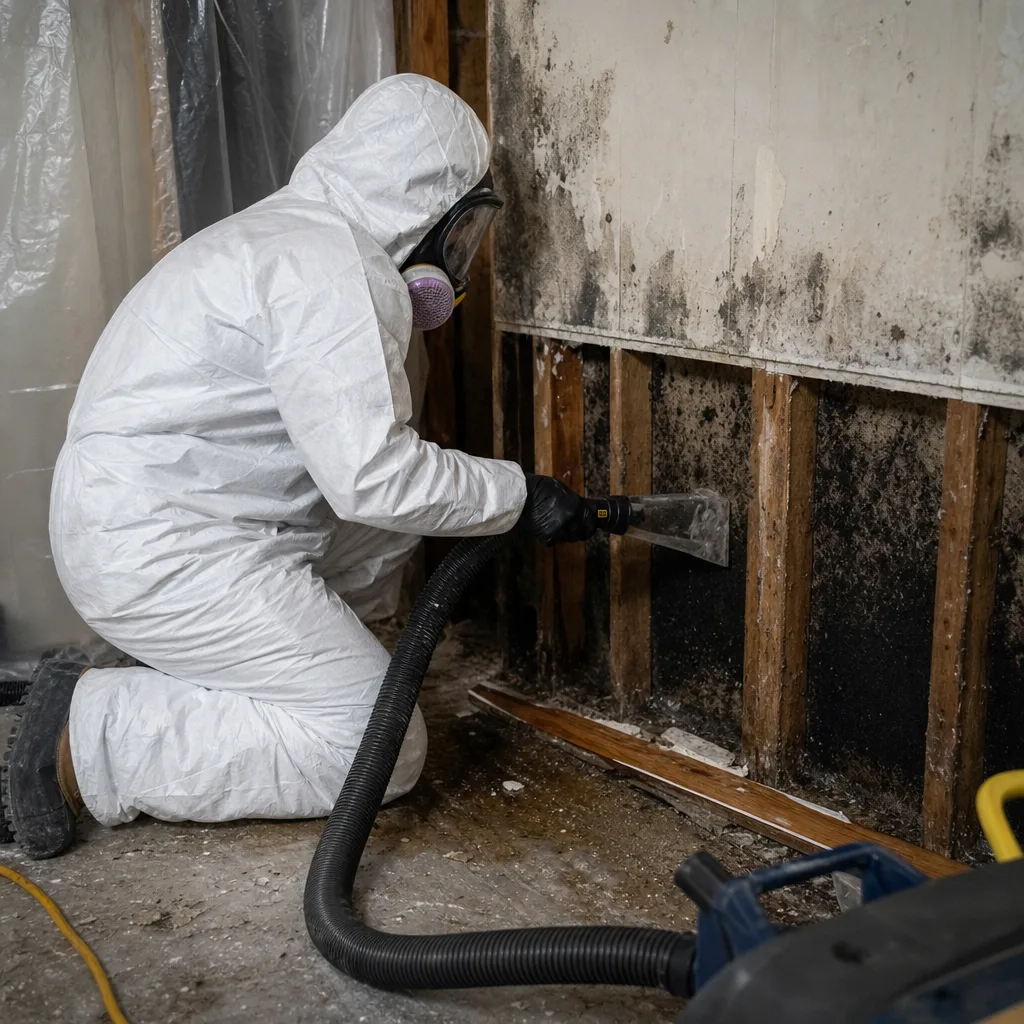
Burst Pipe Restoration
The freeze-thaw cycling on Morningside Heights’s elevated schist ridge drives recurring pipe failures in winter. Our crews locate the break, coordinate with licensed plumbers for repair, extract the released water, and restore affected finishes. We document the cause for insurance causation requirements.
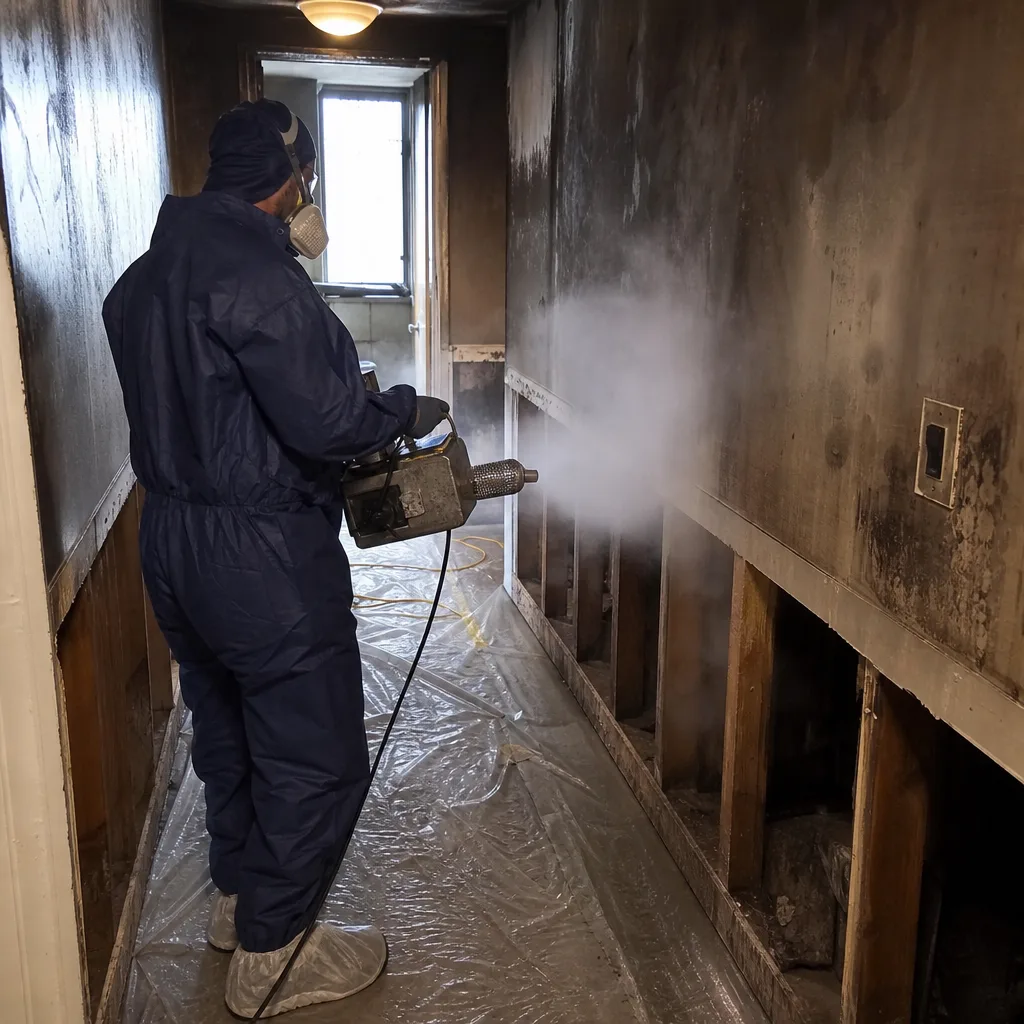
Ceiling & Roof Leak Water Damage
Flat and low-slope roofs on pre-war buildings pond water and form ice dams. By the time ceiling stains appear in upper-floor units, the leak may have run for weeks. We trace the water path with thermal imaging, dry the concealed cavity, and coordinate with roofers for permanent repair.
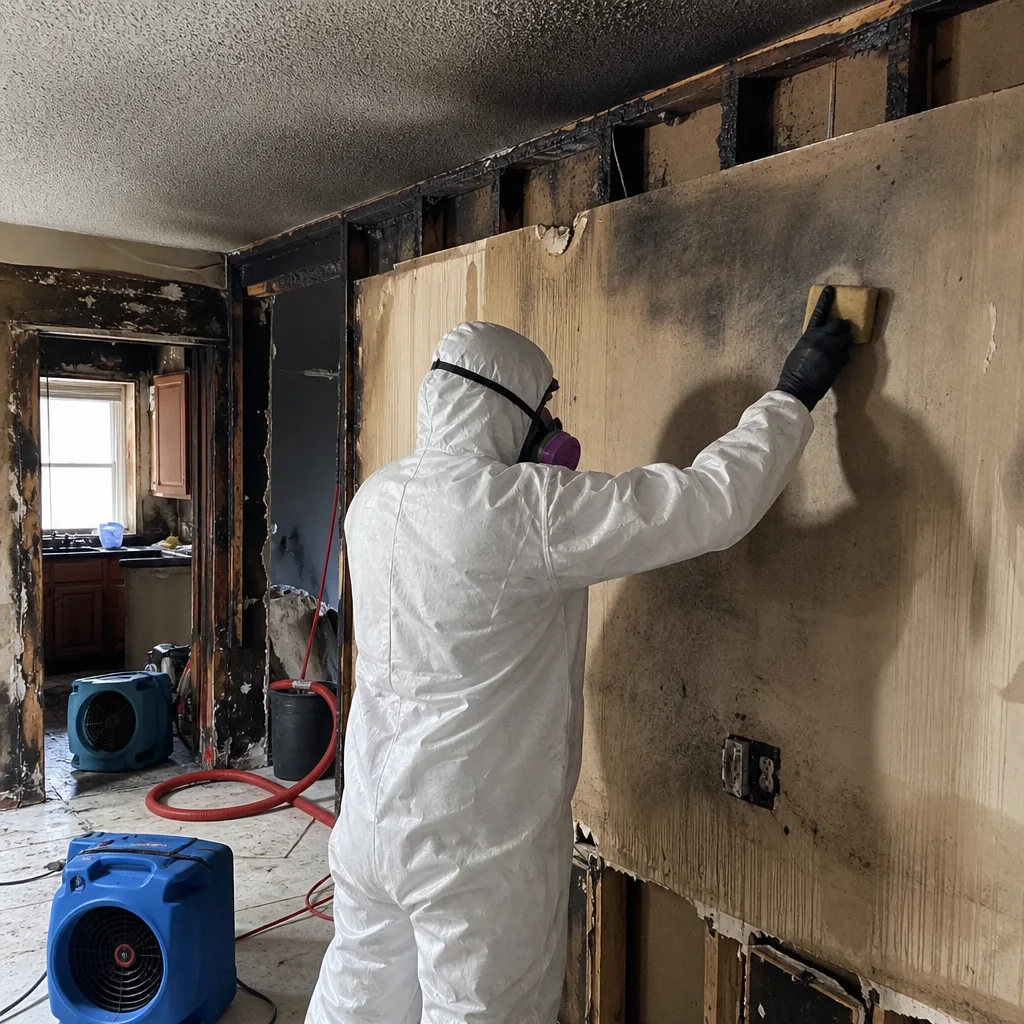
Basement Water Removal
Below-grade spaces in older masonry buildings are vulnerable to hydrostatic pressure and sewer backup. We pump, extract, and deploy specialized drying for stone and concrete foundations that retain moisture longer than modern slab construction.
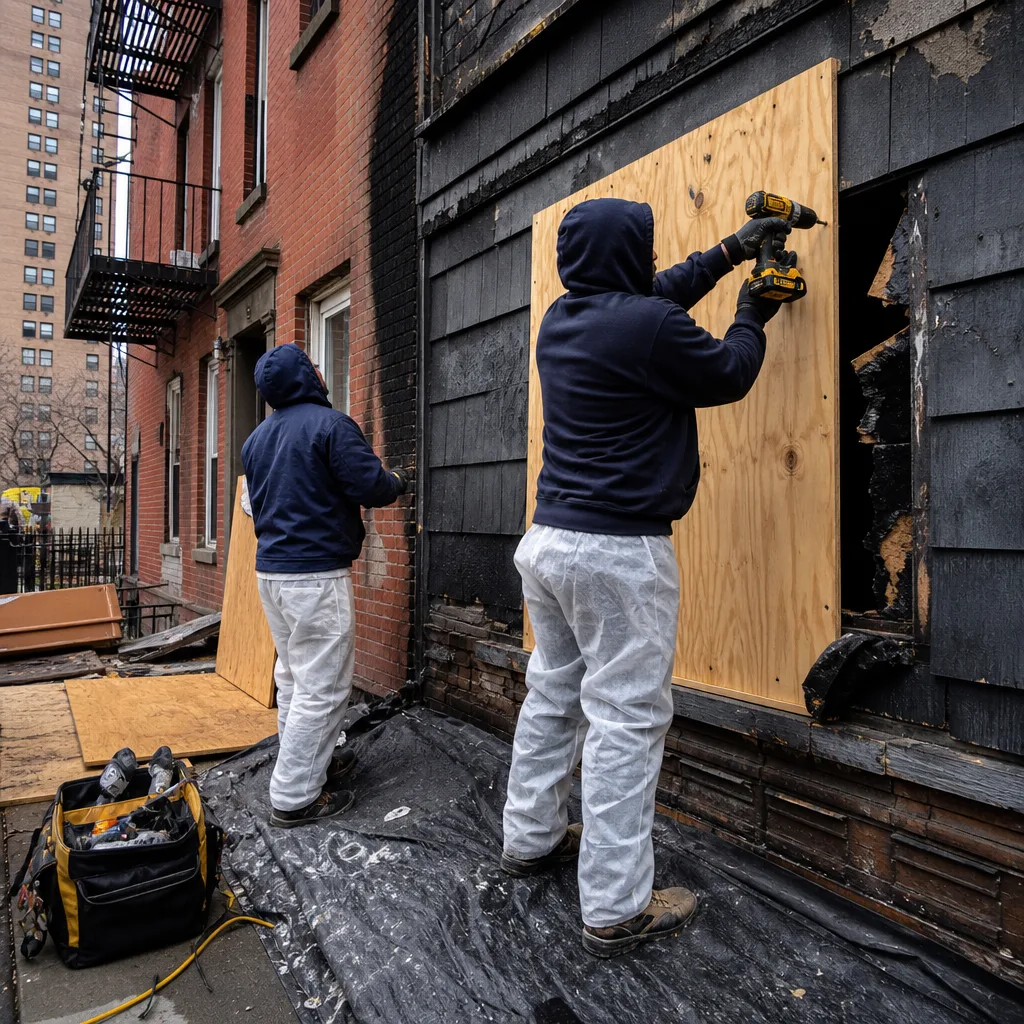
What happens when you call
- 1
A real person answersNo phone trees - you reach a local pro.
- 2
You get an upfront price rangeHonest numbers before anyone is dispatched.
- 3
A background-checked tech heads outLicensed & insured, dispatched right away.
- 4
You approve before work beginsNothing starts until you say go.
Water Damage Restoration Costs in Morningside Heights, NY
A typical emergency water extraction in Morningside Heights runs $350-$850 for a single unit with localized damage. Structural drying and dehumidification for a standard one-to-two-bedroom pre-war apartment costs $1,200-$2,800 depending on cubic footage and material type. Multi-floor steam-riser failures affecting 5-15 university-managed units scale to $8,000-$25,000+ before reconstruction.
What moves the price: the water category (Category 3 requires more intensive treatment), the number of affected rooms, whether original plaster and herringbone require specialty drying, and whether Columbia Facilities sign-off delays equipment staging. Insurance typically covers sudden and accidental water damage; gradual leaks and maintenance-related issues often fall to the property owner.
We provide a free visual inspection and written scope before any work begins. Haven Standard, Clause 1. Bring a competitor’s written estimate and we’ll review it at no charge - our Free Second Opinion.
We Also Serve Cities Near Morningside Heights
Our crews respond throughout Upper Manhattan and adjacent neighborhoods: Morningside Heights, Manhattan, Upper West Side, Upper East Side, and East Harlem. Dispatch and scheduling are coordinated from our New York City office.
Serving Morningside Heights, NY - Our Local Coverage Area
We’re based in the Morningside Heights area and know this community well. Use the map below to see our service coverage - if you’re nearby, we can almost certainly help.
Morningside Heights Water Damage Restoration Questions, Answered
Do you need Columbia University approval before starting water extraction in a Morningside Heights building?
Yes, in Columbia-owned or managed buildings, Facilities and Real Estate sign-off is required before equipment can be staged on upper floors, even for emergency dry-out work.
This approval process typically takes 24 to 48 hours, during which we document moisture conditions, set containment, and prepare scopes for institutional carrier review. Starting mitigation without sign-off risks crews being pulled off-site mid-job, leaving wet plaster and hardwood through the critical mold window. We coordinate directly with Columbia Facilities to prevent this delay from compounding the damage. Call (516) 687-5786 and we’ll begin the documentation immediately.
Can original plaster ceilings and herringbone floors in a 1920s Morningside Heights apartment be dried instead of demolished?
Yes, in most cases, if drying begins within the first 24 to 48 hours and uses appropriate methods.
Standard drywall dry-out approaches - high-velocity air movers aimed directly at the surface - will crack irreplaceable ornamental plaster and cup herringbone hardwood. We use Injectidry panel systems that draw moisture from below the wood, low-velocity air movement across plaster, and desiccant dehumidification when vapor pressure differential demands it. Daily moisture readings track progress. Demolition becomes necessary only when plaster has lost structural bond or wood has begun permanent deformation. The free inspection determines which path applies to your specific loss.
What does a steam-riser failure in a 12-story pre-war building actually look like by the time you arrive?
By the time we reach a Morningside Heights steam-riser failure, water has typically traveled through three to six floors via vertical chases, electrical conduits, and the gaps around cast-iron riser supports.
The visible damage - stained plaster ceilings, buckled herringbone, pooled water in light fixtures - understates the concealed saturation. Our field vignette: a hard freeze-thaw cycle in January split a steam riser joint in a 12-story pre-war building on Claremont Avenue, and by the time we arrived, category 1 water had traveled down through ornate plaster ceilings and herringbone hardwood on three floors of university-managed units. Our techs set containment, ran moisture mapping with thermal imaging and pin meters on every affected unit, and deployed Dri-Eaz and Phoenix air movers with Injectidry panel drying under the herringbone so the wood didn’t cup - but we still couldn’t stage equipment on the upper floors until Columbia Facilities and Real Estate cleared our scope of work 36 hours in. We logged moisture readings in every room for the institution’s carrier, ran antimicrobial treatment on the wet plaster lath, and delivered drying logs daily until all units read pre-loss condition.
Are slow roof leaks on the pre-war buildings under the Cathedral of St. John the Divine’s limestone complex different to handle?
Yes, these leaks present distinct challenges due to historic preservation requirements and the limestone structure’s thermal mass.
The Cathedral of St. John the Divine complex and surrounding Gothic Revival buildings have slate and copper roofs that fail gradually, often sending water through multiple limestone courses before entering interior spaces. By the time ceiling stains appear, the leak may have run for months, saturating decorative plaster and stone window surrounds that cannot be replaced with modern materials. We coordinate with preservation specialists, document all original fabric before any intervention, and use drying methods that won’t introduce soluble salts or thermal shock to the limestone. Insurance carriers with historic-structure riders require this level of documentation; we provide it as standard.
Do you provide the documentation a Columbia-affiliated building’s insurance carrier requires?
Yes, institutional carriers require more extensive documentation than standard residential policies, and we deliver it on every job.
This includes room-by-room moisture readings with equipment serial numbers, daily drying logs with psychrometric data, photo documentation with timestamps, line-item scopes referencing specific building materials, and direct adjuster coordination. Alicia Brennan built Back to Dry in 2011 specifically to close the documentation gap that costs homeowners and institutions their claims. Our files have supported payment on 12,000+ restored properties. Call (516) 687-5786 to discuss your carrier’s specific requirements.
How fast can someone actually get to my Morningside Heights building?
Our commitment is 45 minutes from dispatch to arrival for addresses in the Morningside Heights service area.
Dispatch runs from our New York City office, and crews are staged to reach 116th to 125th Streets, from Morningside Park to Riverside Drive, without crossing the transit-clogged academic corridor during peak hours. Live phone coverage means your call reaches a human who can dispatch immediately, 24 hours a day. The actual clock starts when you hang up, not when someone checks voicemail the next business day.
Will my insurance cover the full water damage restoration, or will I pay out of pocket?
Sudden and accidental water damage from burst pipes, steam-riser failures, or storm intrusion is typically covered by standard property policies, minus your deductible.
Gradual leaks, maintenance-related issues, and seepage from groundwater often fall outside coverage. We document the cause and timing of loss to support your causation argument with the carrier. Our direct adjuster coordination includes presenting the initial file, responding to supplemental requests, and defending the scope when carriers attempt to downgrade material matching or specialty drying requirements. The free inspection includes a preliminary coverage assessment based on what we find.
Can we stay in the apartment during water damage restoration?
It depends on the extent of damage, the water category, and whether containment barriers can isolate the work area.
Single-unit Category 1 losses with localized extraction often allow occupants to remain, though dehumidifiers run continuously and generate noise. Multi-floor Category 2 or 3 losses, or jobs requiring extensive containment, typically require temporary relocation - especially in university-managed housing where Columbia may arrange alternate accommodations. We assess this during the initial inspection and coordinate with building management when displacement is necessary. Your safety and the drying effectiveness drive the decision, not scheduling convenience.
Written by Alicia Brennan, Owner at Back to Dry Restoration, serving Morningside Heights since 2011 under The Haven Standard.
Water Damage Restoration in Nearby Areas