Free visual inspection and a written scope of work before any mitigation begins - photos, moisture readings, and drying logs go in your claim file
The scope we write is the scope we bill. Anything new gets shown to you, in writing, before we touch it.
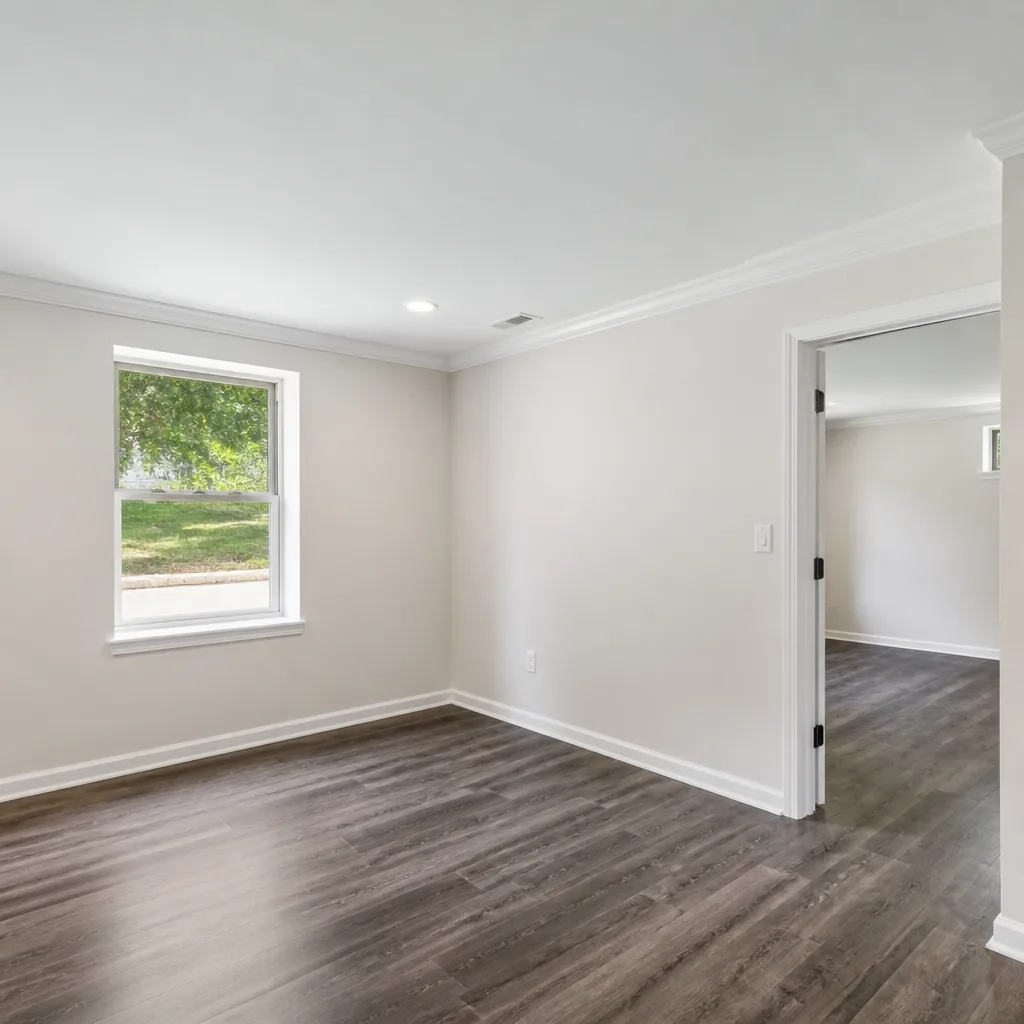
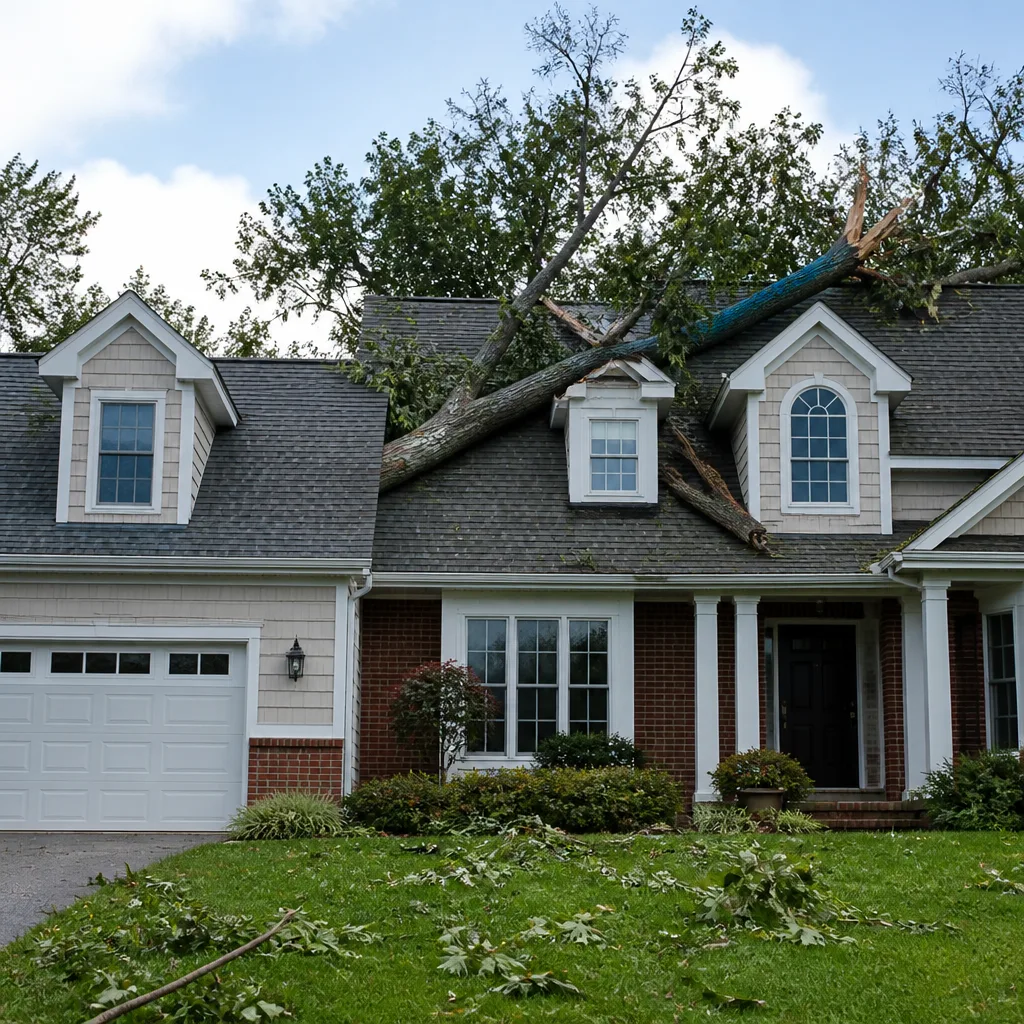
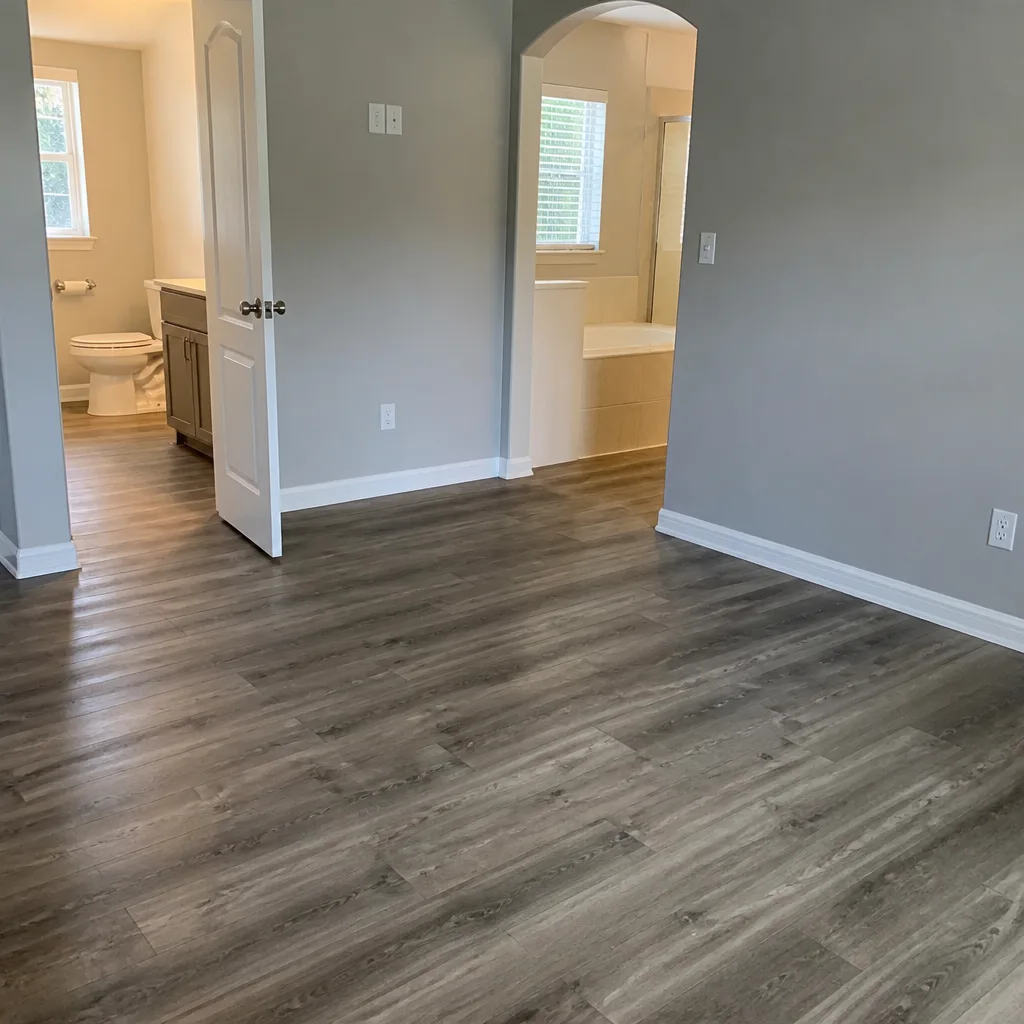
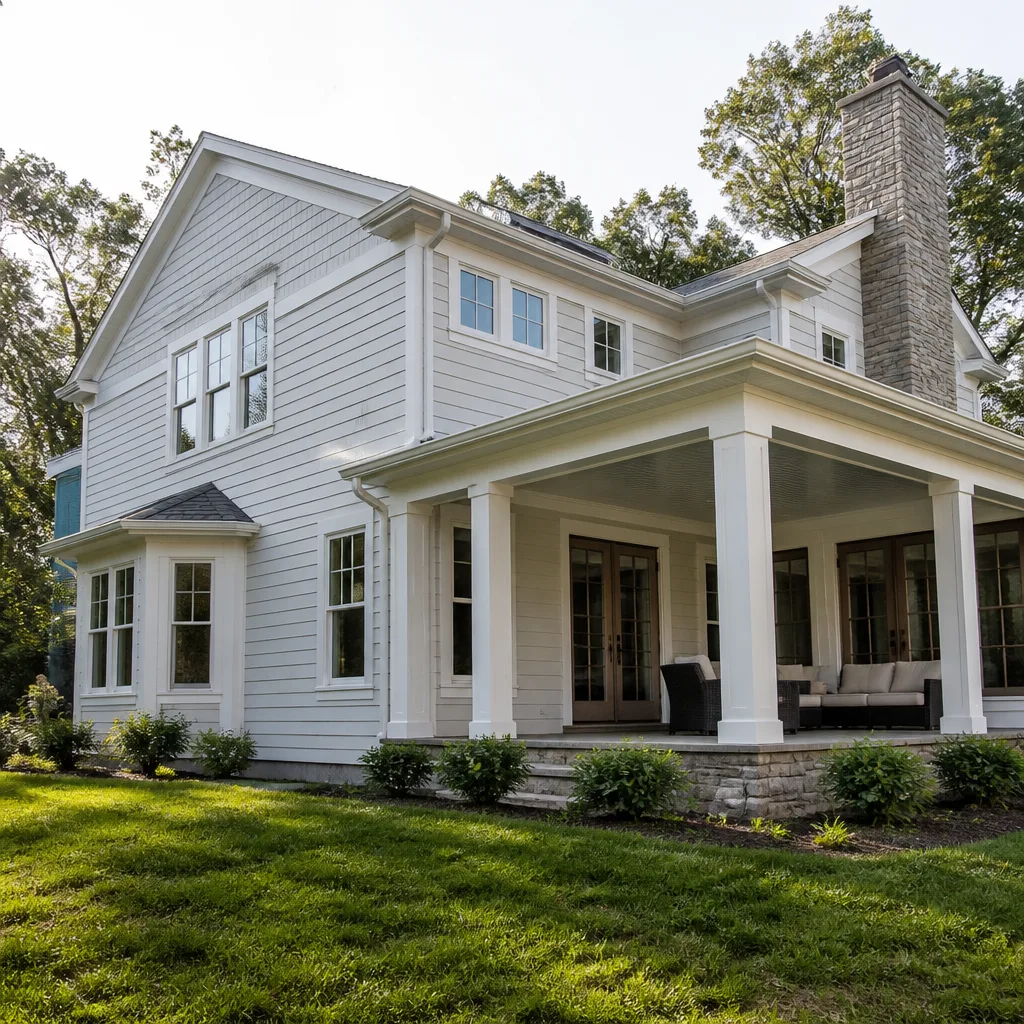
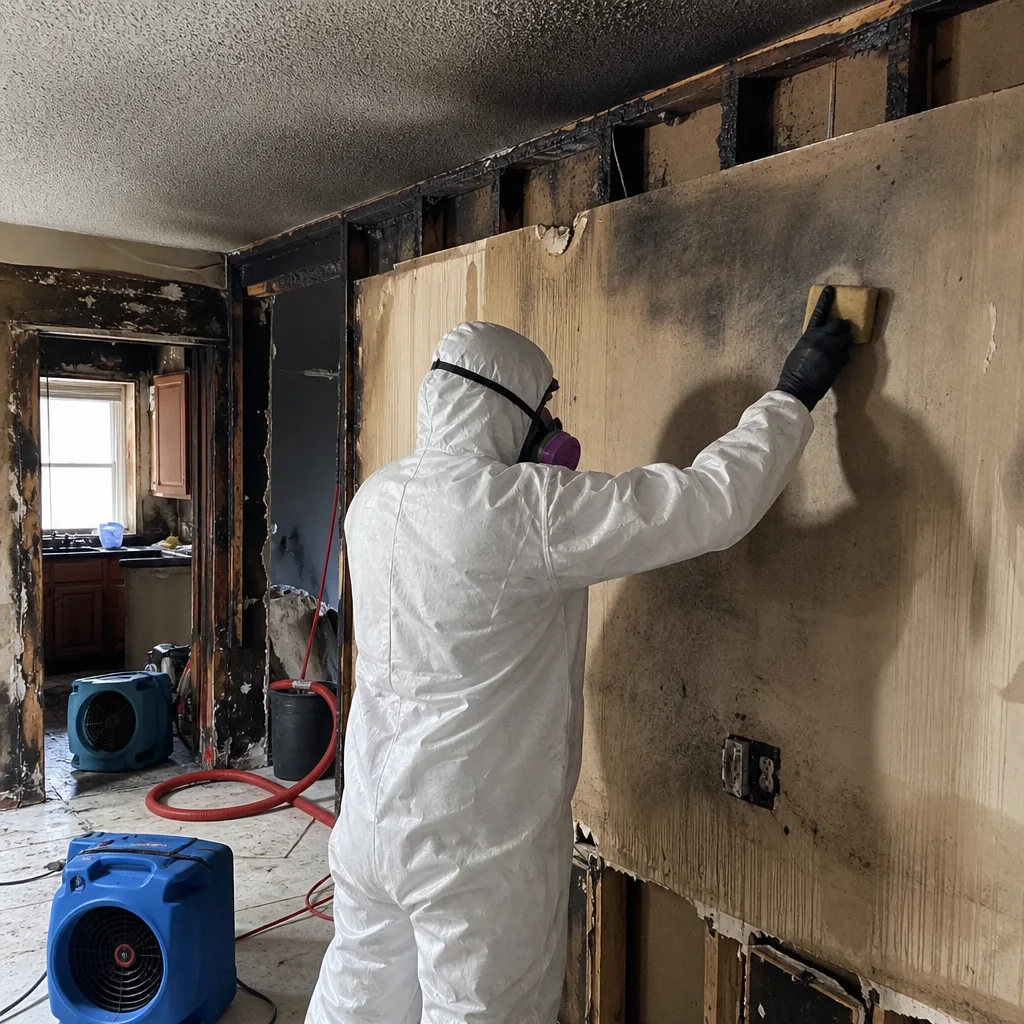
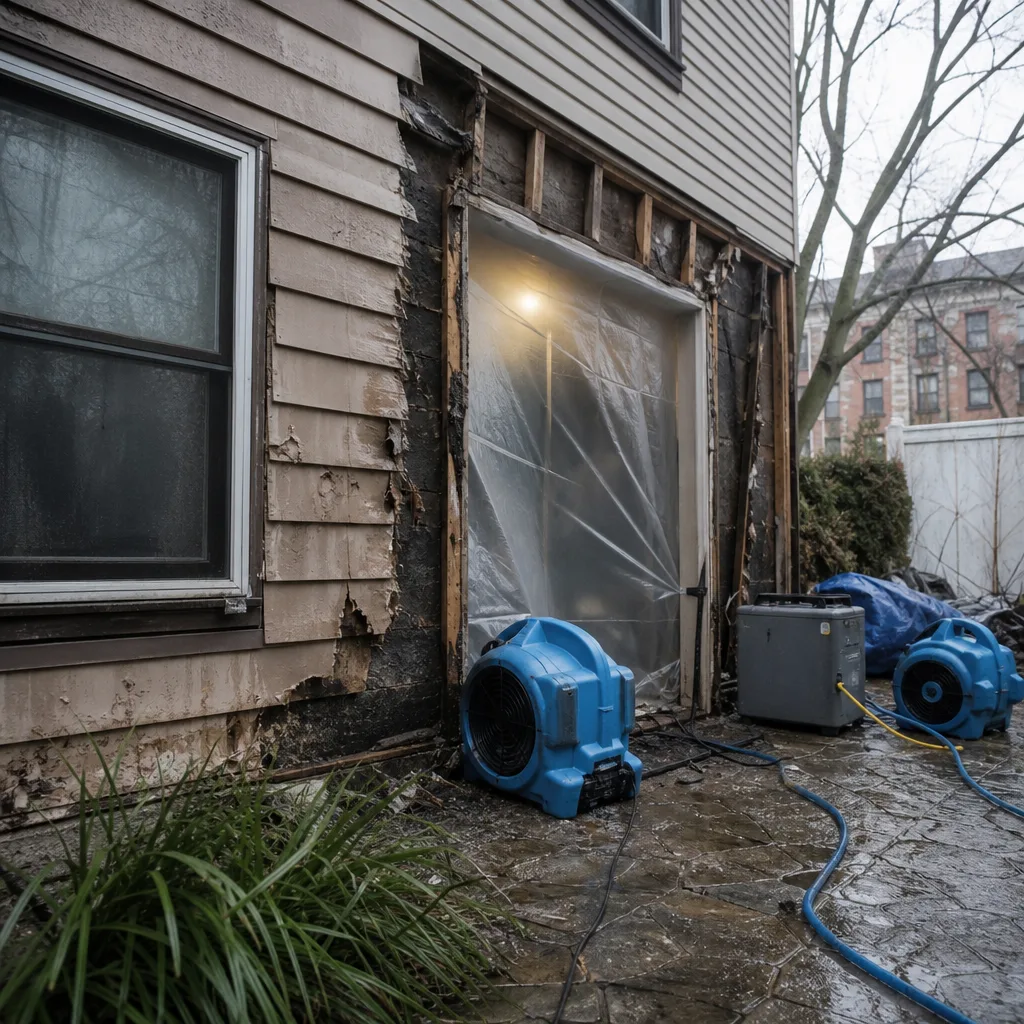 Before
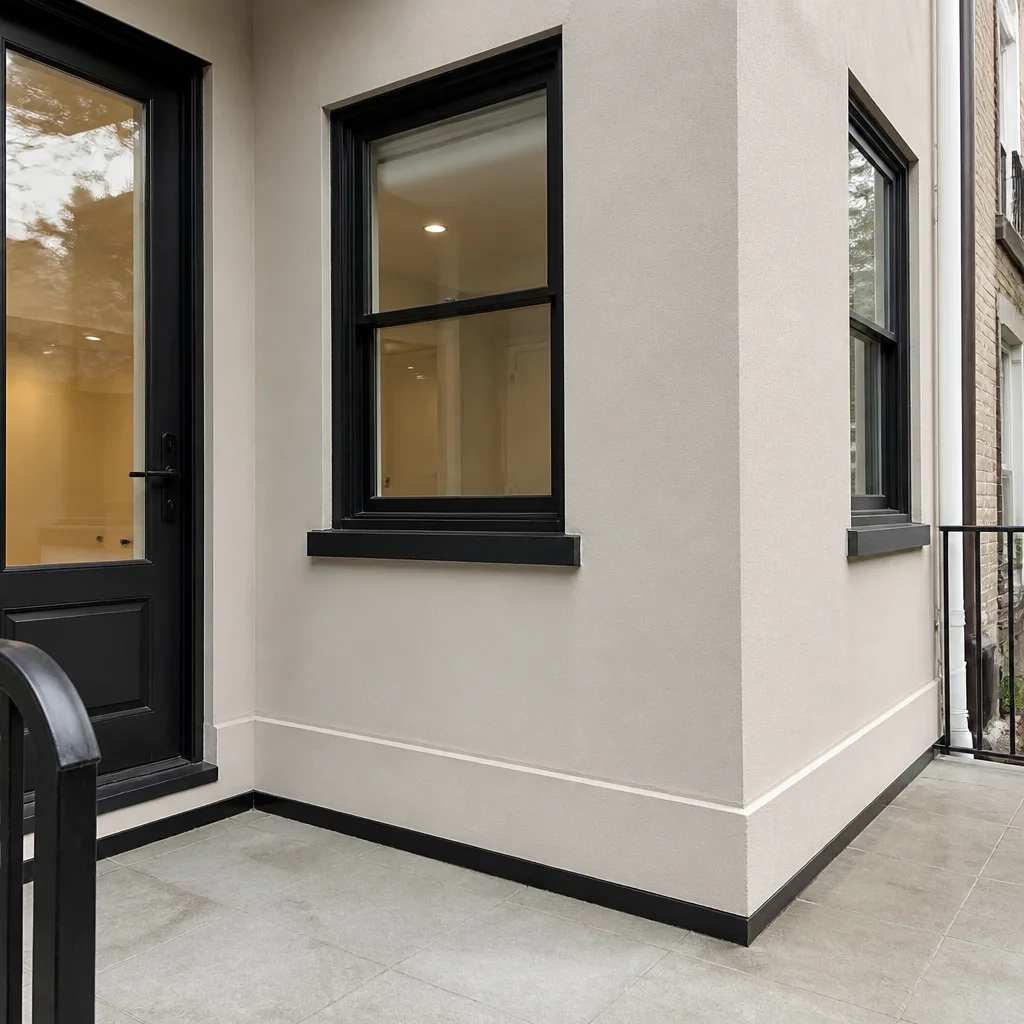 After
After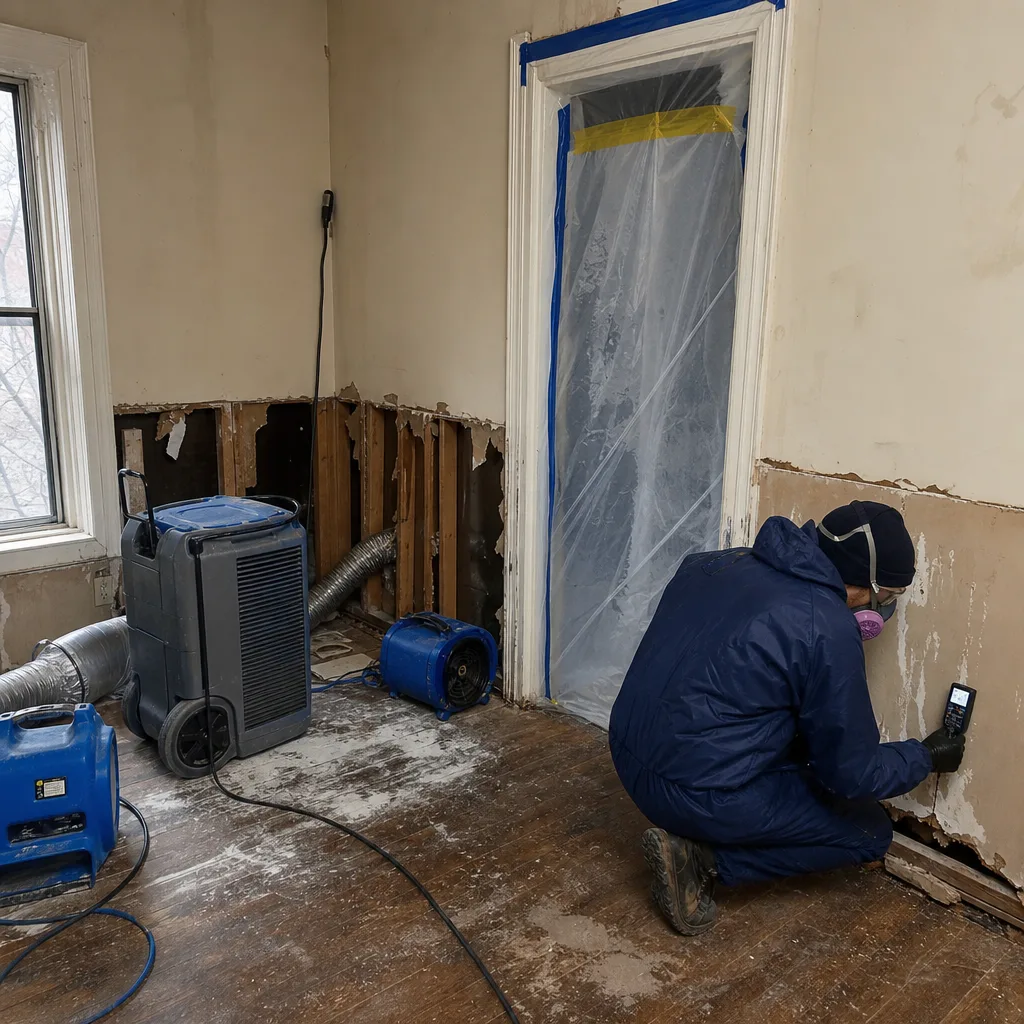 Before
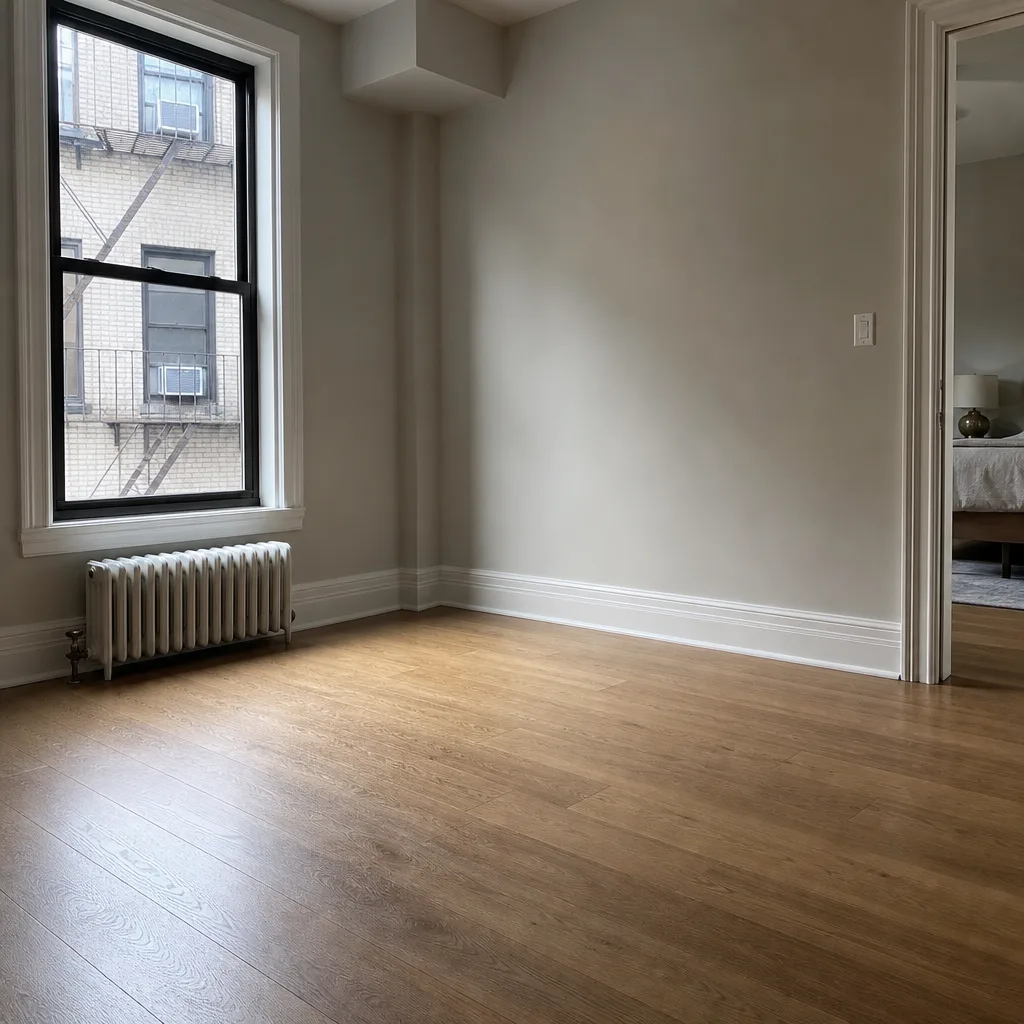 After
After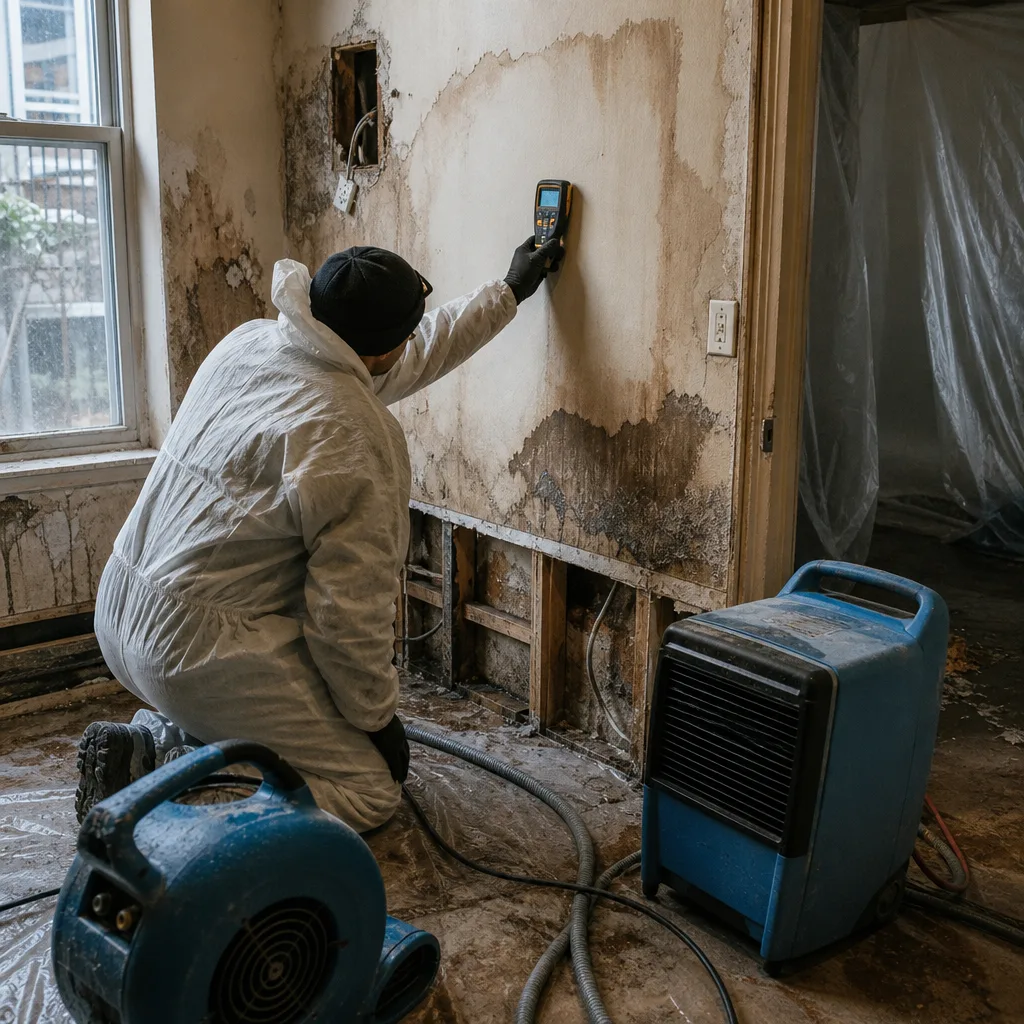 Before
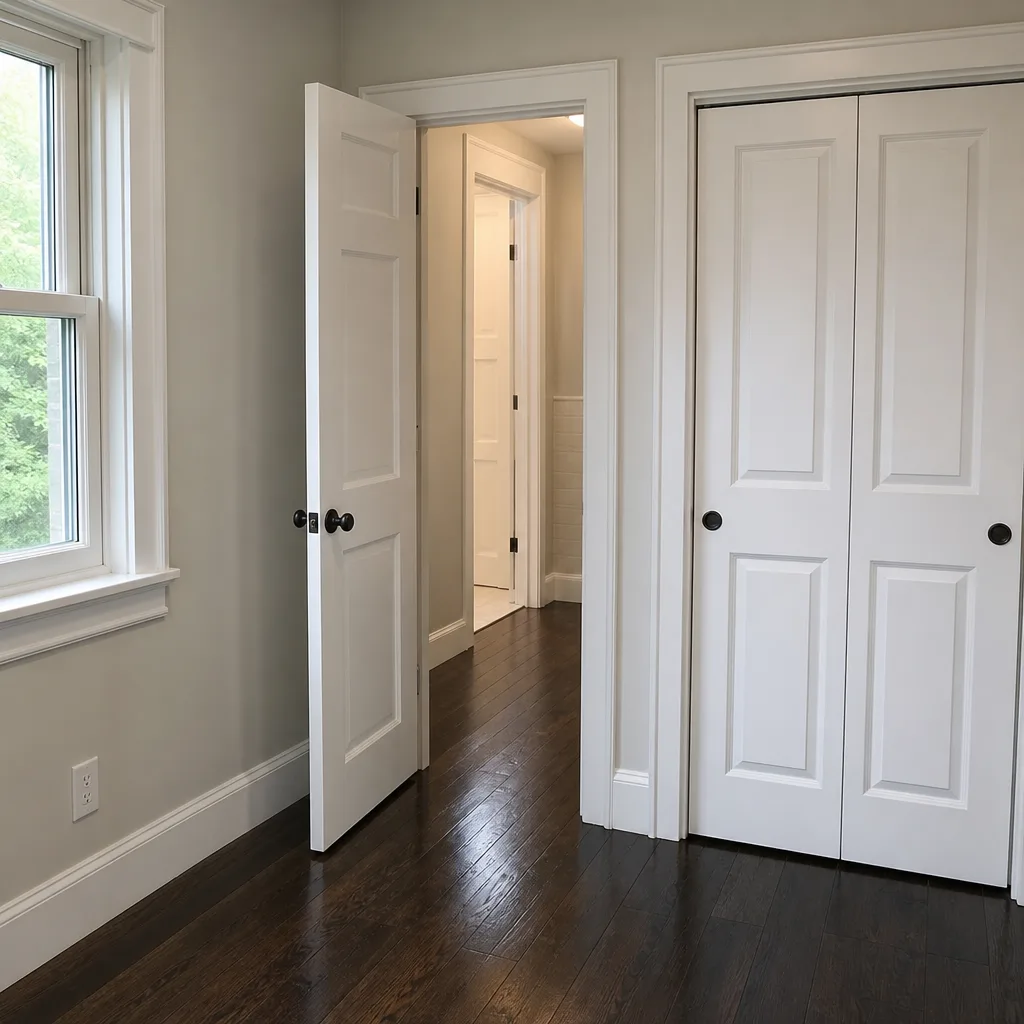 After
After24/7 Emergency Water Damage Restoration in East Harlem
Water damage in East Harlem spreads fast. A burst pipe or ceiling leak can saturate plaster-over-lath walls in hours, and every minute of delay pushes the loss from a dryable category 2 into a tear-out category 3. Call (516) 687-5786 now - a live person answers, 24 hours a day, 7 days a week, no voicemail trees. Our crews dispatch from our New York City office and are typically on-site in East Harlem within 45 minutes. We provide a free visual inspection, document everything with photos from the first minute, and deliver a written price before any equipment runs. The first hour is when you save the wall. After that, you’re often saving the stud.
Understanding Water Damage Restoration Severity in East Harlem Properties
Water damage in East Harlem falls into three categories under IICRC standards, and the neighborhood’s building stock pushes most losses toward the severe end faster than you’d expect. Category 1 is clean water from a broken supply line - rare here because East Harlem’s pre-war galvanized and cast-iron plumbing usually carries enough sediment and corrosion to foul the water on contact. Category 2, gray water with chemical or biological load, is the typical starting point: a cracked steam riser, a backed-up kitchen drain, a washing machine hose in a NYCHA tower. Category 3, black water with pathogenic agents, follows within 48-72 hours if category 2 sits in plaster-over-lath or concrete slab without aggressive extraction and drying.
Moisture mapping with thermal imaging and penetrating hygrometers tells the real story in East Harlem’s pre-war tenements. The plaster surface may read dry while the lath and horsehair behind it holds 30% moisture content - a recipe for mold colonization that shows up the following winter when steam radiators drive humidity back into those same cold cavities. Our crews log psychrometric data - temperature, relative humidity, and vapor pressure differential - at every visit, building the documented drying curve that your adjuster needs to see.
NYCHA buildings present a parallel severity scale. A category 2 loss in a Wagner Houses unit doesn’t escalate from water chemistry alone; it escalates from time spent waiting in the centralized work-order queue. Three days of wet concrete and soaked gypsum board turns a $3,200 mitigation into an $8,500 gut and rebuild.
Why East Harlem Property Owners Choose Back to Dry Restoration Manhattan
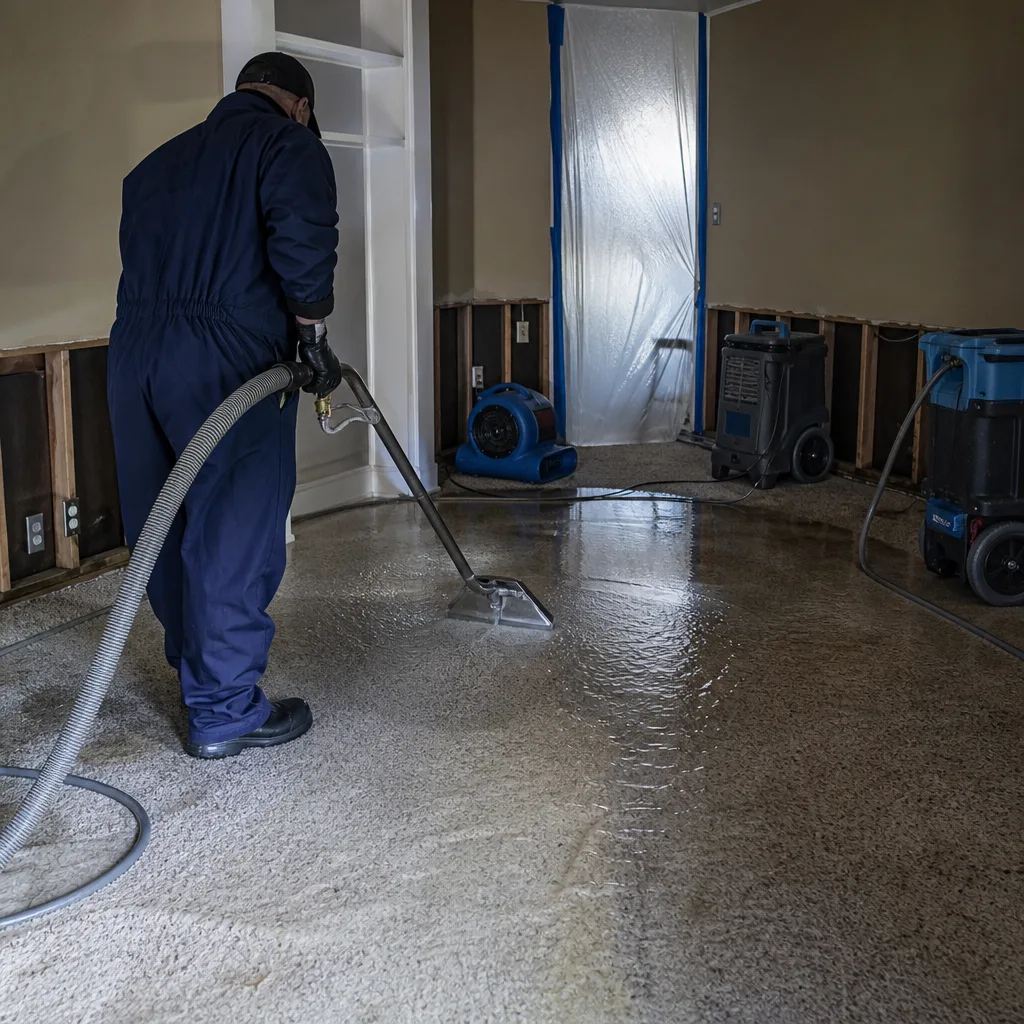
- 45-minute response commitment to East Harlem from our New York City office - we measure it on every dispatch, and we publish the average monthly.
- 24/7 live answer - a real person, never an automated system, picks up every call to (516) 687-5786 within three rings.
- IICRC-certified crews - our lead technicians hold WRT (Water Damage Restoration Technician), FSRT (Fire & Smoke Restoration Technician), and AMRT (Applied Microbial Remediation Technician) certifications, with license numbers on file.
- Free visual inspection - we assess the loss, map the moisture, and explain what we found before you commit to anything.
- Direct insurance billing - we coordinate with your carrier, submit our documentation package, and don’t get paid until you get paid.
- One team from extraction to reconstruction - the same crew that pulls the water writes the drying log, packs your belongings, and rebuilds the wall.
BeforeAfterOur Water Damage Restoration Process
1. Inspection & Assessment
We arrive with thermal imaging cameras, penetrating and non-penetrating moisture meters, and a tablet to document every reading. In East Harlem pre-war buildings, we specifically check plaster-over-lath for hidden saturation and test for the presence of lead paint and asbestos-containing materials that trigger mandatory NYC DEP clearance before demolition. A written scope and price follows within the hour - Haven Standard, Clause 1.
2. Extraction & Stabilization
Standing water comes out first with truck-mounted extraction units and portable flood pumps. For burst pipe scenarios, we isolate the supply, document the break with photos for your adjuster, and set up containment to protect unaffected rooms. Category 2 water in a fifth-floor walk-up off Lexington Avenue requires careful pack-out before extraction to protect the tenant’s belongings from cross-contamination.
3. Drying & Dehumidification
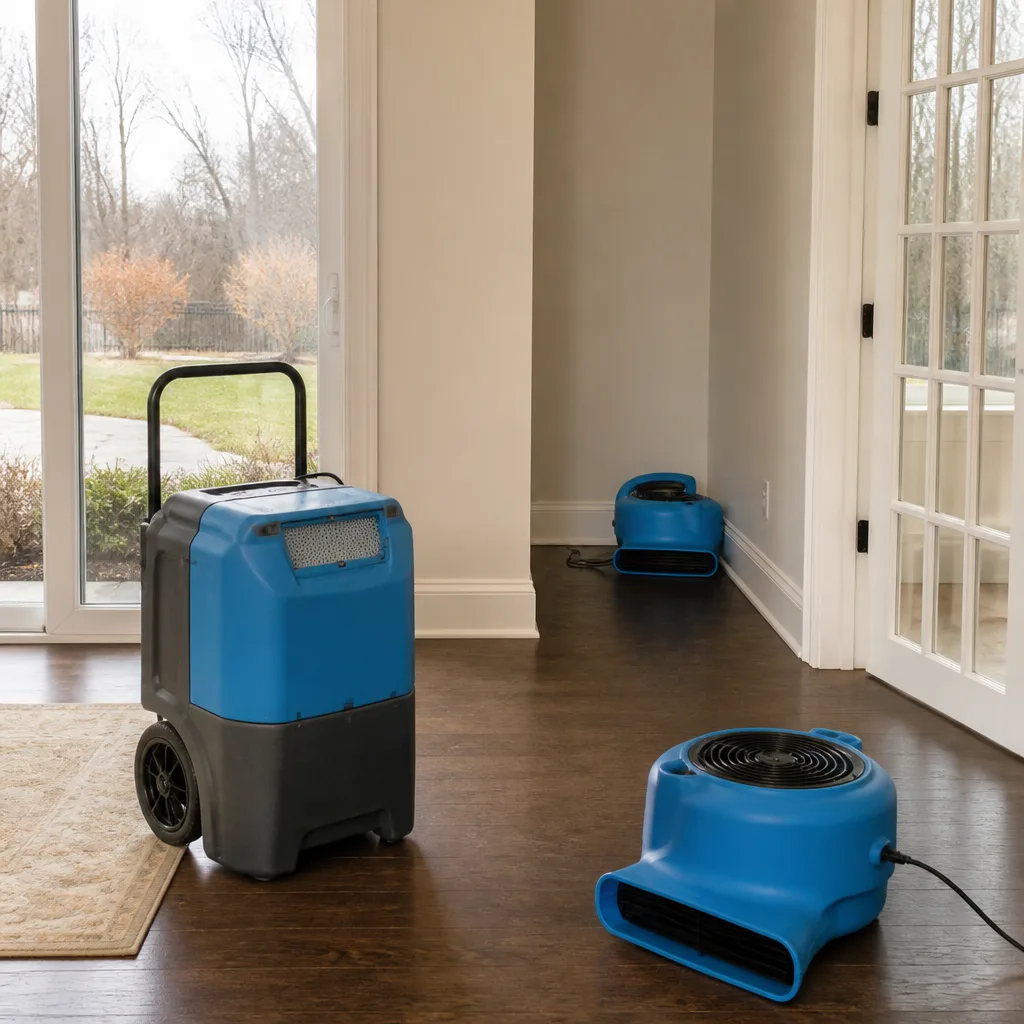
We deploy Dri-Eaz and Phoenix LGR dehumidifiers, XPOWER and B-Air axial air movers, and Injectidry hardwood floor drying systems where applicable. Drying targets are set by IICRC S500 standards, not guesswork: 12% moisture content for wood framing, equilibrium with ambient conditions for drywall. Daily moisture logs track progress and prove completion to your insurer.
4. Cleaning & Sanitization
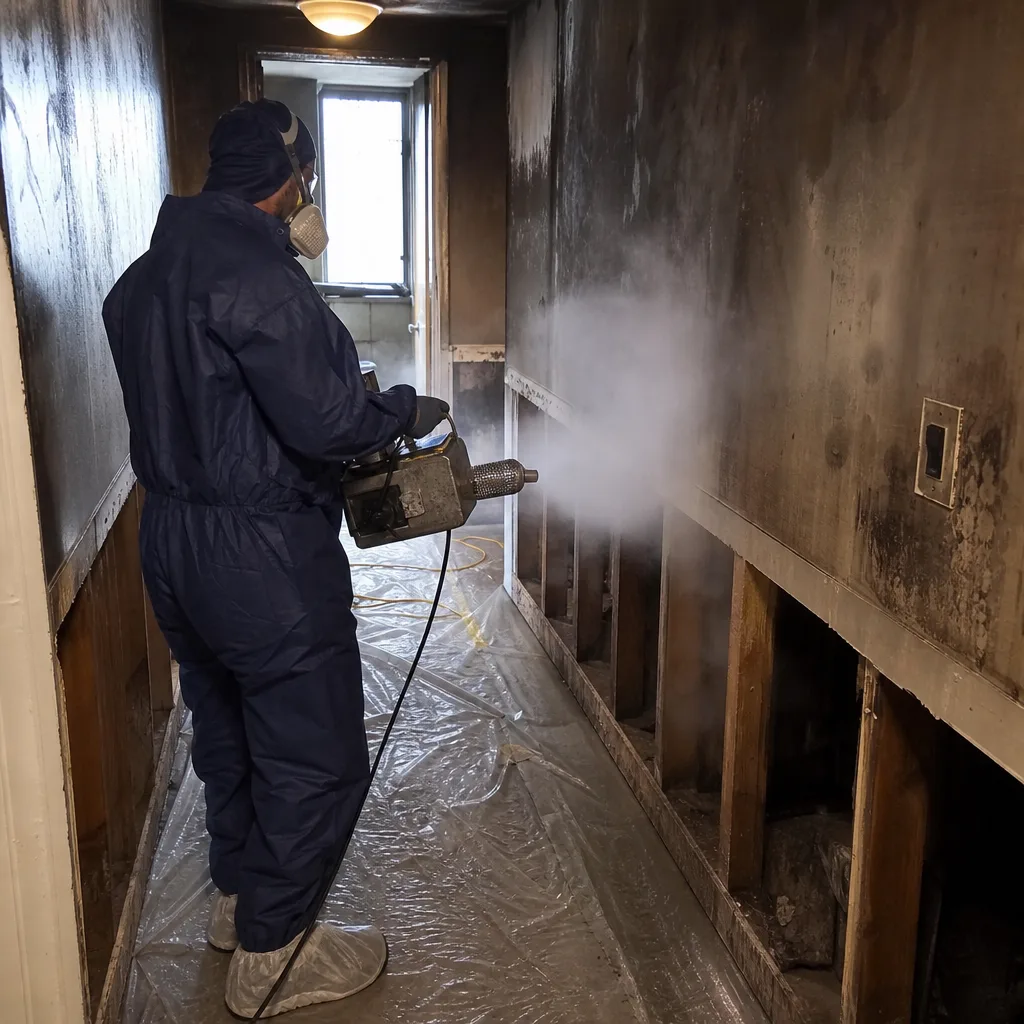
Category 2 and 3 losses receive antimicrobial treatment of affected surfaces, HEPA air scrubbing to capture airborne particulates, and detailed cleaning of salvageable contents. In East Harlem’s older buildings, we pay particular attention to residual odors trapped in porous plaster - ozone or hydroxyl treatment may be specified in the written scope.
5. Asbestos & Lead Clearance Coordination
Because East Harlem’s pre-war housing stock and mid-century NYCHA towers carry near-universal lead paint and asbestos-containing floor tiles and pipe insulation, we coordinate the mandatory NYC DEP asbestos survey and any required lead abatement before structural repairs begin. We maintain relationships with certified third-party inspectors to keep this from stalling your job. This step doesn’t appear on suburban water damage pages for a reason.
6. Repairs & Restoration
Once drying targets are met and clearances are in hand, our crew repairs or replaces damaged structure: new plaster or drywall, refinished flooring, repainted surfaces. The photo record from day one becomes the baseline for the rebuild scope. Every job closes with a signed 365-Day Done Right Promise under The Haven Standard.
Need Emergency Water Damage Restoration in East Harlem Now?
Crews minutes away, answering live 24 hours a day. The sooner we start, the less it costs.
Working With Your Insurance Company
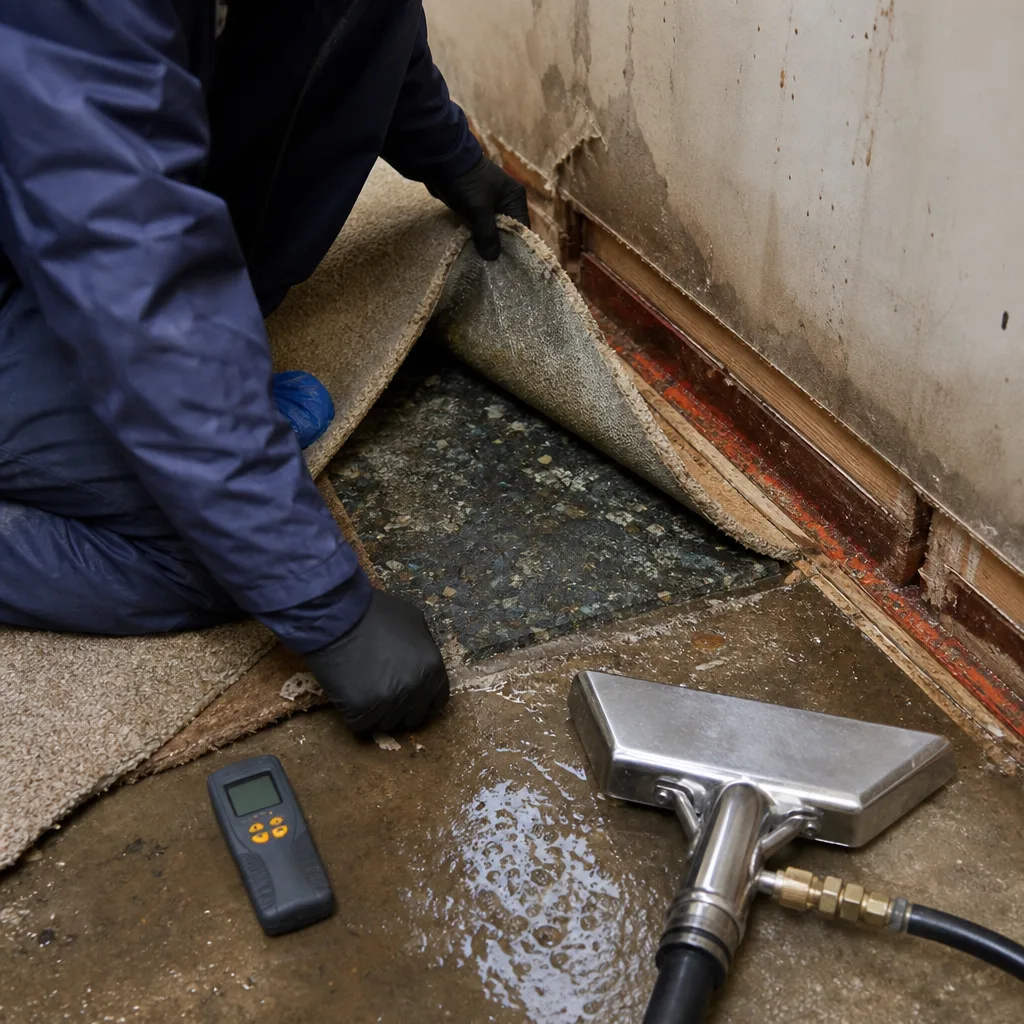
Back to Dry Restoration was founded in 2011 by a former claims adjuster who built the company around the documentation gap that costs homeowners their claims. We know what your adjuster needs to see because we’ve sat in that chair. From the first hour, we photograph every angle of the loss, record moisture readings room by room, and build an industry-standard estimate with line-item detail. Our team speaks directly with your carrier, submits the drying logs and photo record as standard deliverables, and doesn’t get paid until you get paid. We’ve handled claims with every major carrier writing policies in East Harlem, and we understand the specific documentation requirements for both private-market policies and NYCHA master insurance programs.
What We Provide Your Insurer
- Thorough documentation of the loss
- Photos of all damage, room by room
- Moisture readings and drying logs
- A detailed, line-item scope of work
- Direct coordination with your carrier
Built for East Harlem’s Loss Calendar
January deep freezes split galvanized supply lines in pre-war tenements along Third Avenue and Lexington, often while tenants are away for the holiday. The water runs until a neighbor notices it seeping through plaster ceilings two floors down. Spring thaw brings basement seepage in the low-lying blocks near the Harlem River, where century-old combined sewers back up during heavy rain. Summer thunderstorms hit fast and hard; flat roofs on tenement walk-ups pool water until the membrane fails, sending category 1 water through light fixtures and down interior walls. Nor’easters in October through December drive wind-driven rain through aging mortar joints in brick facades, especially on east-facing exposures above 116th Street.
And then there’s the recurring winter pattern unique to East Harlem’s steam-heat tenements. Radiators run 180°F supply water through cast-iron pipes all winter, driving interior humidity into cold exterior brick cavities. Come spring, we get calls about “mold that keeps coming back” in the same units we dried the year before. The moisture readings tell the truth: the wall dried, but the building envelope didn’t.
Water Damage Restoration Across East Harlem’s Neighborhoods
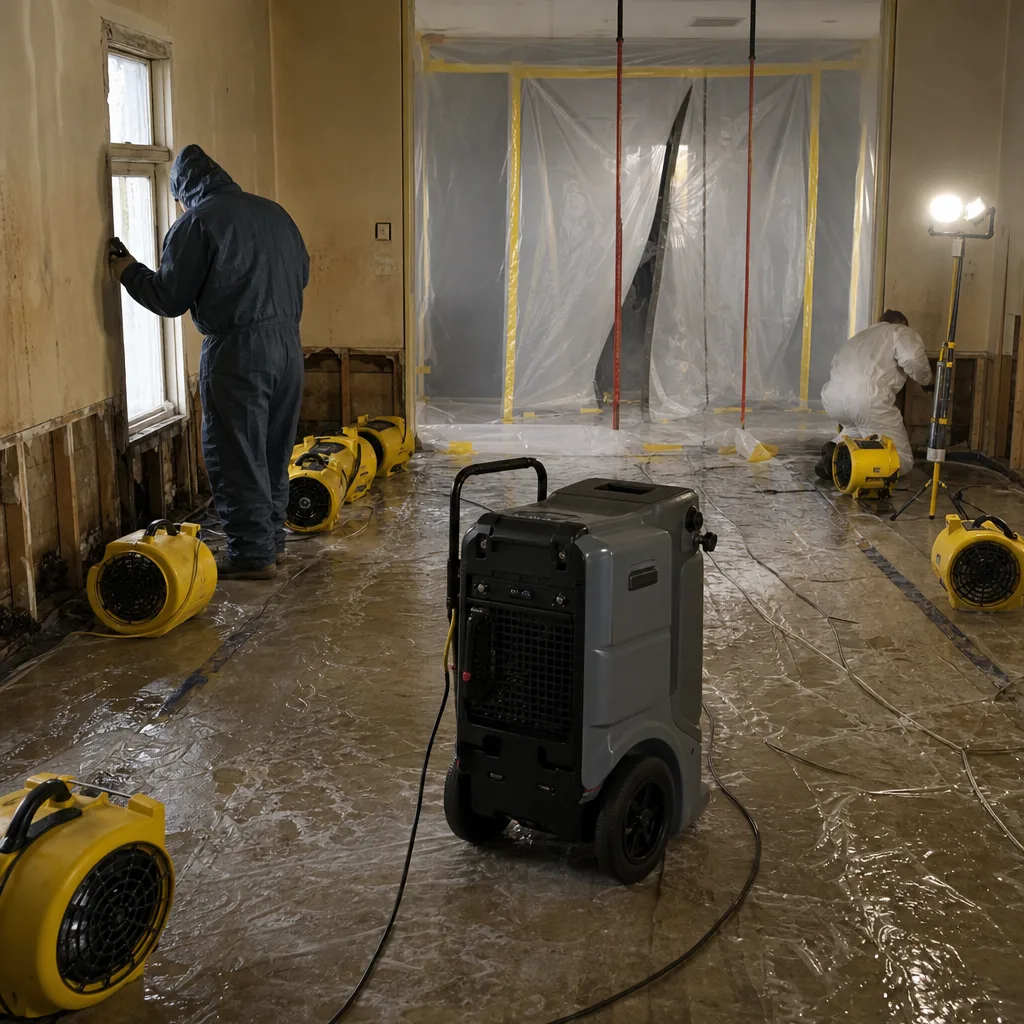
Our crews know the difference between a job on 116th Street in El Barrio and one in the East River Houses corridor, and it’s not just the travel time. El Barrio’s pre-war tenements, many still rent-stabilized with original plaster-over-lath and galvanized plumbing, demand careful asbestos and lead assessment before any demolition. A ceiling stain spreading from a cracked riser in a fifth-floor walk-up off Lexington requires moisture mapping through multiple joist bays, pack-out of the tenant’s belongings, and coordination with a landlord who may not live in the state.
The NYCHA campuses - Jefferson, Wagner, Carver, Taft, and Johnson Houses - are a different workflow entirely. Since the 2018 federal consent decree installed a HUD monitor, every remediation scope must clear NYCHA’s centralized work order queue and meet HUD reporting templates. Contractors who aren’t pre-registered as NYCHA-approved vendors are legally locked out of the exact jobs tenants call them about directly. We’ve maintained that registration since the decree took effect.
Pleasant Avenue and the blocks toward the Harlem River see more basement water intrusion from high water tables and aging sewer infrastructure. 125th Street corridor commercial spaces - the bodegas, laundromats, and small retail that anchor the neighborhood - face after-hours pipe bursts with inventory at risk and tight timelines for reopening. Each route we drive carries different equipment loads and different documentation requirements.
Specialized Water Damage Restoration Services We Offer in East Harlem
Emergency Water Extraction
Standing water comes out now, not tomorrow. Our truck-mounted extraction units handle category 2 and 3 losses in East Harlem tenements where elevator access is limited and portable equipment must climb stairs. For NYCHA tower blocks, we coordinate loading dock access and service elevator scheduling to get extraction gear to the unit fast.
Structural Drying & Dehumidification
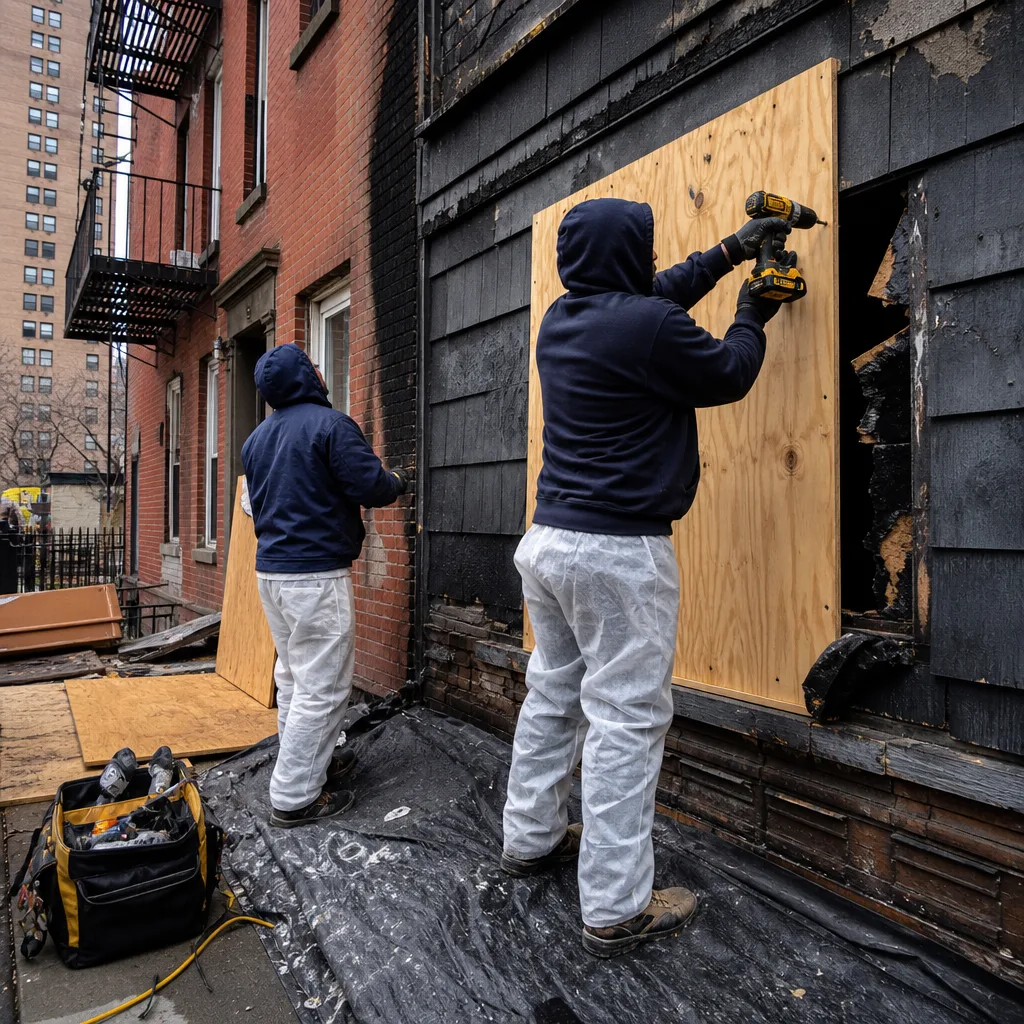
Plaster-over-lath walls don’t dry like modern drywall. They require longer drying cycles, lower temperature setpoints, and careful monitoring to prevent “dry” surface readings over saturated substrate. We run Dri-Eaz and Phoenix LGR dehumidifiers with targeted air mover placement, logging psychrometric data twice daily until the wall hits IICRC-mandated moisture content.
Flood Cleanup
East Harlem’s combined sewer system backs up during intense rainfall, especially in basement-level spaces near the Harlem River. Flood cleanup here means category 3 black water protocol: full PPE, antimicrobial treatment, and often removal of porous materials that can’t be sanitized. We coordinate DEP reporting requirements for sewer backup incidents.
Burst Pipe Restoration
Galvanized supply lines in pre-war tenements corrode from the inside; cast-iron drains crack at the hub. We document the break type and location with photos for your adjuster, extract the water, dry the structure, and rebuild. In winter 2024, we handled seventeen burst pipe calls in East Harlem during a single January cold snap.
Basement Water Removal
Below-grade spaces in East Harlem’s older buildings face hydrostatic pressure through foundation walls and sewer backup through floor drains. We deploy submersible pumps, wet/dry extraction, and dehumidification sized to the cubic volume. Every basement job includes moisture mapping of the sill plate and rim joist - the areas where hidden rot develops.
Ceiling & Roof Leak Water Damage
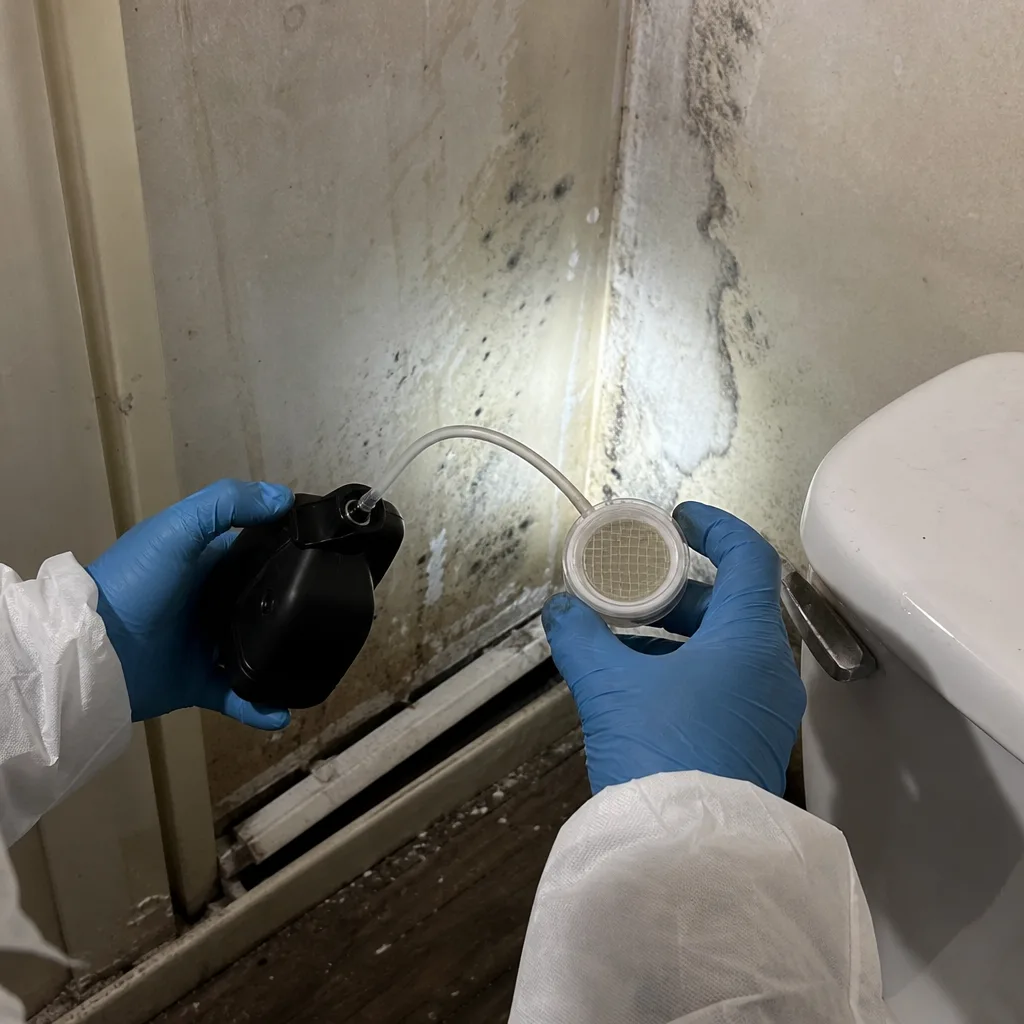
Flat roofs on tenement walk-ups pool water until the membrane fails. We trace the leak path through multiple units, document each affected space separately for insurance purposes, and coordinate with roofing contractors for the source repair while we handle the interior mitigation.
What happens when you call
- 1
A real person answersNo phone trees - you reach a local pro.
- 2
You get an upfront price rangeHonest numbers before anyone is dispatched.
- 3
A background-checked tech heads outLicensed & insured, dispatched right away.
- 4
You approve before work beginsNothing starts until you say go.
Water Damage Restoration Costs in East Harlem, NY
We publish ranges because Haven Standard, Clause 1 requires a written price before work starts, and you can’t write a price without knowing the market. A typical category 2 water extraction and drying in an East Harlem pre-war one-bedroom runs $2,800-$4,500. Category 3 flood cleanup with porous material removal in a basement-level space runs $5,500-$9,200. Burst pipe restoration with drywall and flooring replacement in a NYCHA two-bedroom runs $4,200-$7,800, though NYCHA’s procurement timeline can extend temporary housing costs beyond the mitigation itself.
What moves the price: square footage affected, category of water, whether asbestos/lead clearance is required before demolition, and whether contents pack-out is needed. Insurance typically covers sudden and accidental water damage from burst pipes or appliance failures; it rarely covers long-term leaks or maintenance-related issues. We provide a free visual inspection, deliver a written scope with a firm price, and offer a Free Second Opinion on any competitor’s written estimate.
We Also Serve Cities Near East Harlem
Our crews dispatched from the New York City office serve East Harlem locally and respond regularly to Manhattan, Upper West Side, Upper East Side, and Morningside Heights. Each carries distinct building stock and distinct documentation requirements; our Water Damage Restoration team adjusts the approach to the neighborhood, not the other way around.
Serving East Harlem, NY - Our Local Coverage Area
We’re based in the East Harlem area and know this community well. Use the map below to see our service coverage - if you’re nearby, we can almost certainly help.
East Harlem Water Damage Restoration Questions, Answered
How fast can you get to East Harlem for a water damage emergency?
Our typical response to East Harlem is 45 minutes from dispatch, measured from the time you speak to our live operator at (516) 687-5786 until a crew arrives at your door. During major weather events, we add crews and extend shifts to maintain that window. Call now for current availability.
Will insurance cover my water damage restoration in East Harlem?
Sudden and accidental water damage from burst pipes, appliance failures, or storm intrusion is typically covered under standard homeowner and renter policies in New York. Long-term leaks, maintenance neglect, and flood damage from rising groundwater usually are not. We document the loss cause with photos and moisture data from hour one, submit directly to your adjuster, and coordinate the claim so you’re not chasing paperwork. Call (516) 687-5786 and we’ll review your policy type.
Do I need full remediation or just water extraction?
Extraction removes standing water; remediation addresses what the water affected. In East Harlem’s plaster-over-lath construction, water wicks horizontally through walls and vertically through floor assemblies in ways that aren’t visible without moisture mapping. We extract first, then measure. If moisture readings remain above IICRC drying standards after 24 hours, structural drying is required. If mold is present or materials are category 3 contaminated, remediation follows. The written scope we deliver before work starts defines exactly which phase applies to your loss.
How does water damage restoration cost in East Harlem compare to nearby Manhattan neighborhoods?
East Harlem’s costs run roughly comparable to Upper Manhattan and Morningside Heights, with two local factors: pre-war tenements often require asbestos and lead clearance before demolition, adding $800-$1,500 to jobs that would be simpler in newer construction; and NYCHA work carries administrative delays that extend temporary housing and storage costs. We account for both in our written scope. Call (516) 687-5786 for a free inspection and firm price.
How long does structural drying take in East Harlem?
Standard structural drying runs 3-5 days in modern drywall construction. East Harlem’s pre-war plaster-over-lath walls typically require 5-8 days at lower temperature setpoints to prevent surface cracking while the lath and substrate dry. We log moisture readings twice daily and don’t remove equipment until the wall hits IICRC-mandated equilibrium. Rushing this step guarantees a callback for mold the following winter.
Can my family stay in the home during water damage restoration?
For category 1 losses limited to one room, usually yes. For category 2 or 3 losses, or when multiple rooms are affected, we recommend relocation during active extraction and the first 48 hours of drying, when dehumidifiers and air movers run continuously and noise levels are high. We can coordinate contents pack-out and storage as part of the written scope. Your adjuster may cover temporary housing; we document the recommendation in our daily logs.
What certifications do your East Harlem water damage technicians hold?
Our lead technicians hold IICRC WRT (Water Damage Restoration Technician), FSRT (Fire & Smoke Restoration Technician), and AMRT (Applied Microbial Remediation Technician) certifications. All are background-checked, uniformed, and licensed with numbers on file. Work is documented to IICRC, RIA, and IFA standards. We don’t send trainees to run solo jobs - ever.
What should I do in the first 30 minutes after discovering water damage?
Shut off the water source if you can locate it safely. Don’t enter standing water if electrical outlets or panels are submerged. Call (516) 687-5786 - our live operator will guide you through immediate steps while dispatching a crew. Don’t start throwing wet items away; your adjuster needs to see what was damaged. Take photos with your phone if it’s safe to do so. We’ll handle the rest from there.
Water damage in East Harlem doesn’t resolve itself, and the neighborhood’s two parallel building stocks - private pre-war tenements and NYCHA tower blocks - demand two entirely different restoration workflows. A tenant on a fifth-floor walk-up off Lexington in El Barrio called about a ceiling stain spreading after a riser leak; our techs ran moisture mapping through plaster-over-lath and found the joist bays soaked from a cracked galvanized supply line. We set containment, pulled category 2 water with extraction and air movers, logged moisture readings twice a day, then packed out the tenant’s belongings before the asbestos floor-tile survey cleared. Because we were pre-registered as NYCHA vendors, the same crew later worked a Wagner Houses unit the private landlord kept waiting weeks. Whether you’re in a 1920s tenement or a 1960s tower, we map which workflow you’re actually in and document every step.
Written by Alicia Brennan, Owner at Back to Dry Restoration, serving East Harlem since 2011.
Water Damage Restoration in Nearby Areas