
Free visual inspection and a written scope of work before any mitigation begins - photos, moisture readings, and drying logs go in your claim file
The scope we write is the scope we bill. Anything new gets shown to you, in writing, before we touch it.
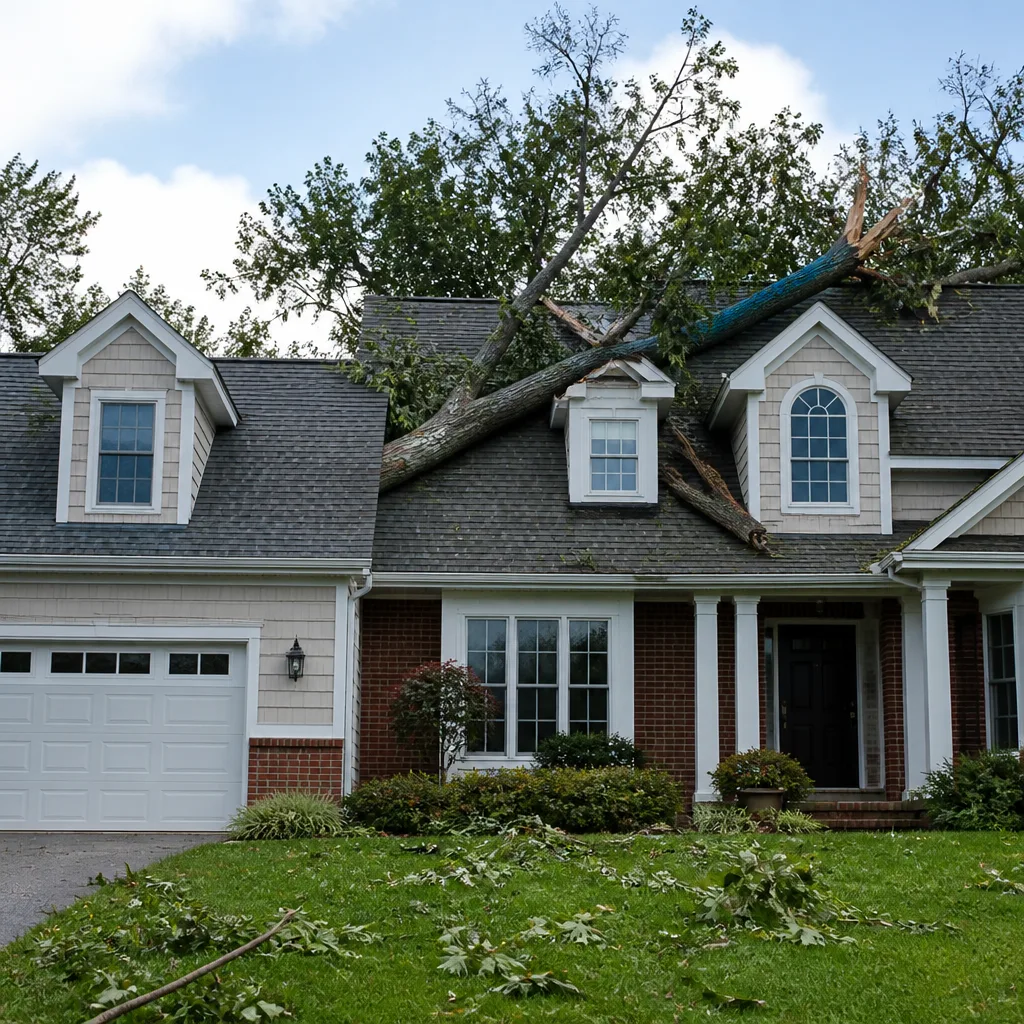
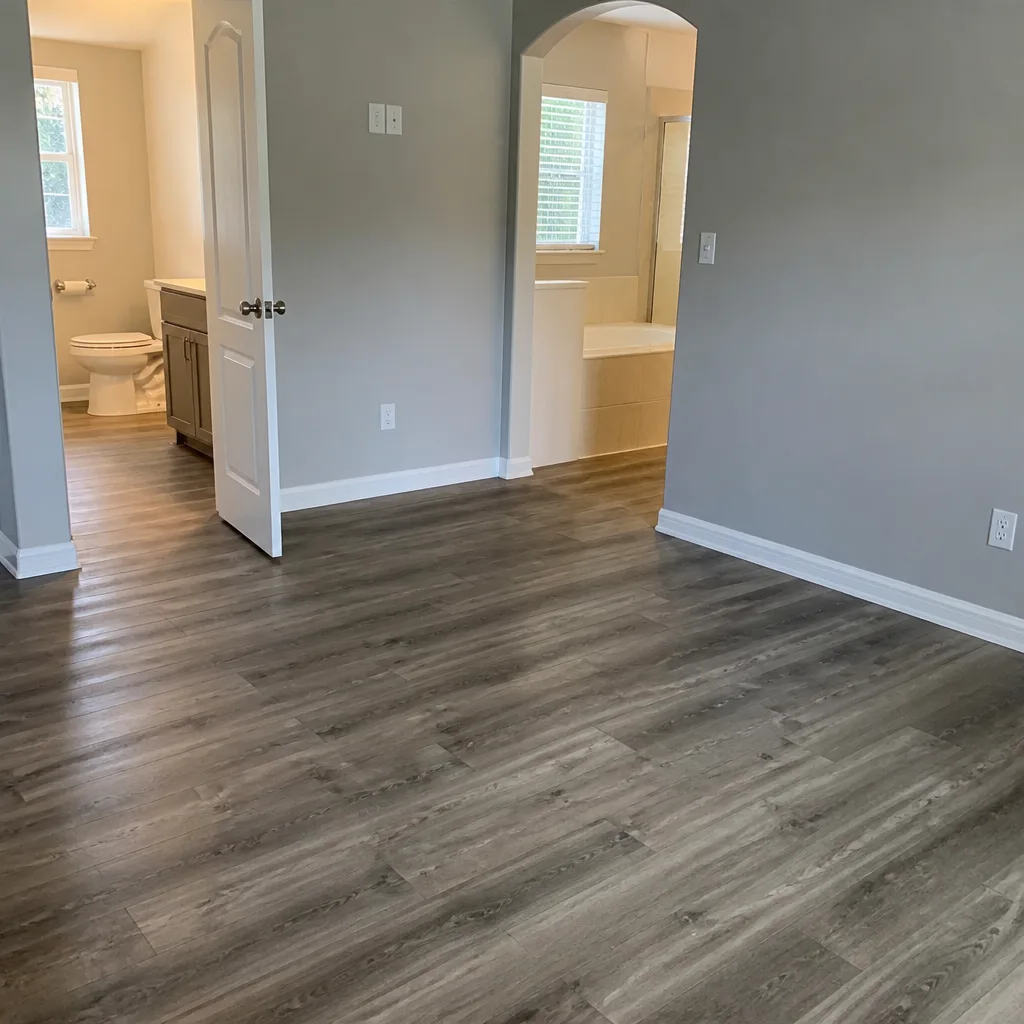
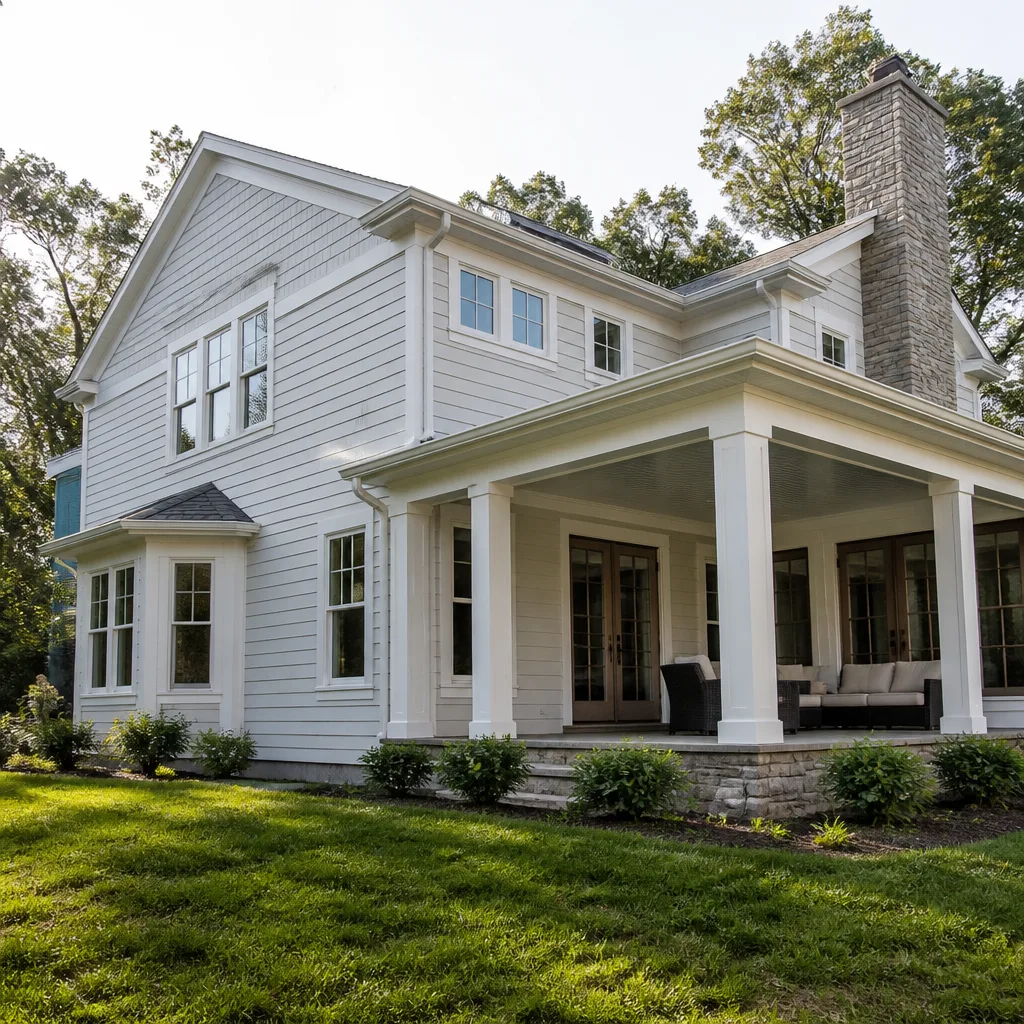
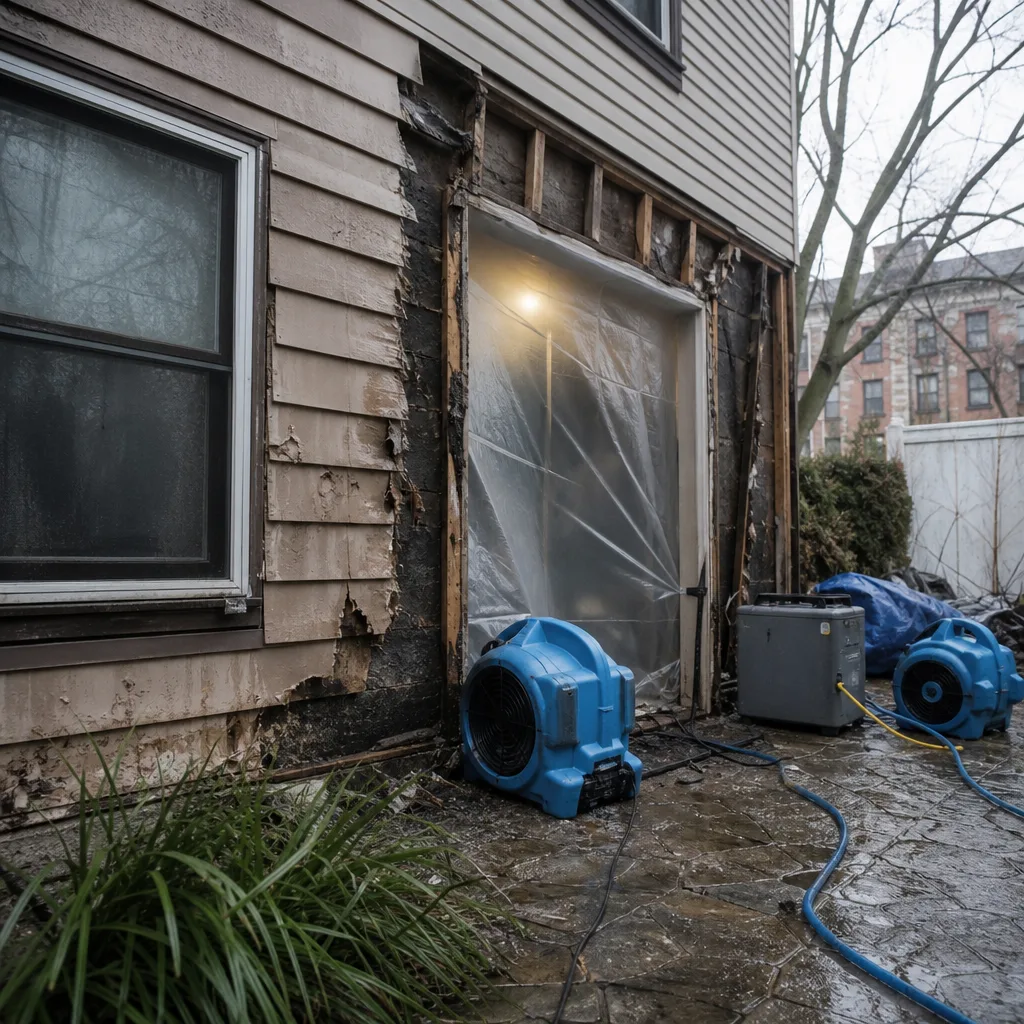 Before
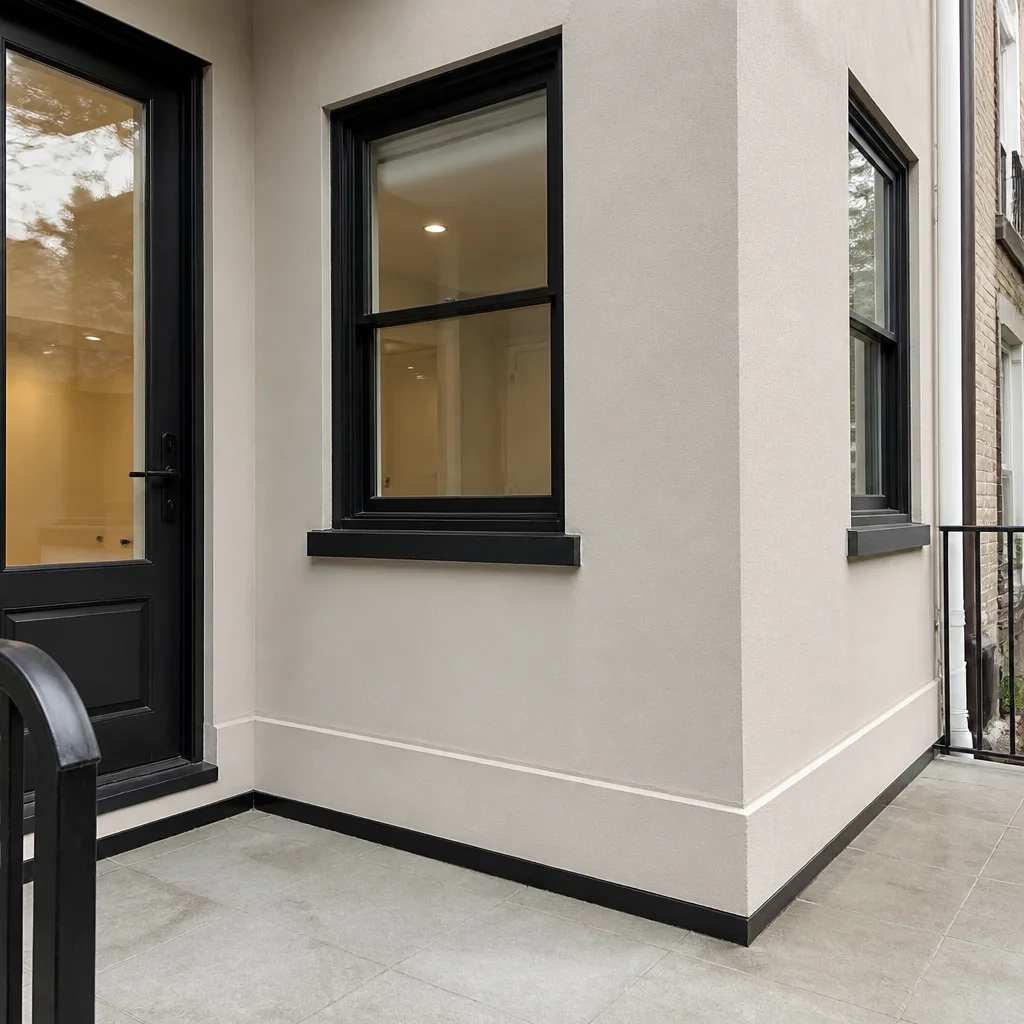 After
After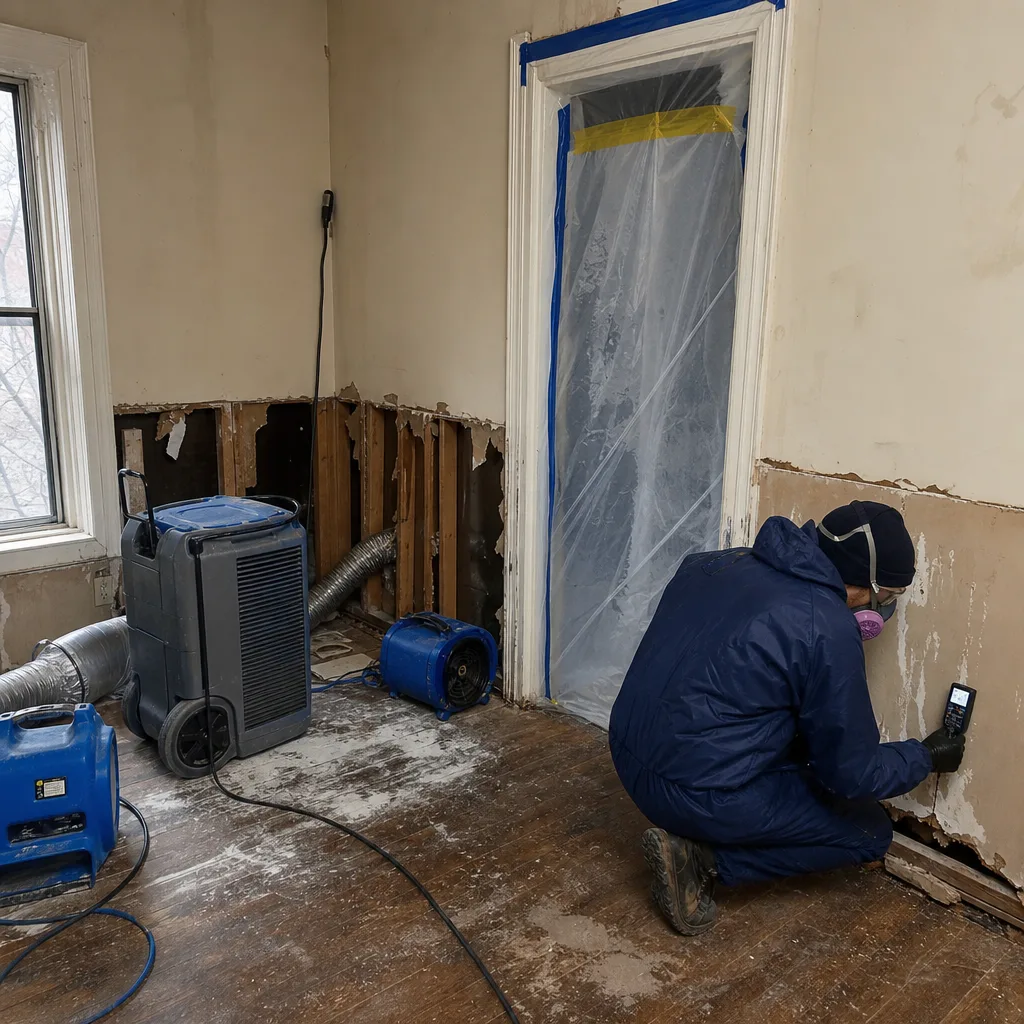 Before
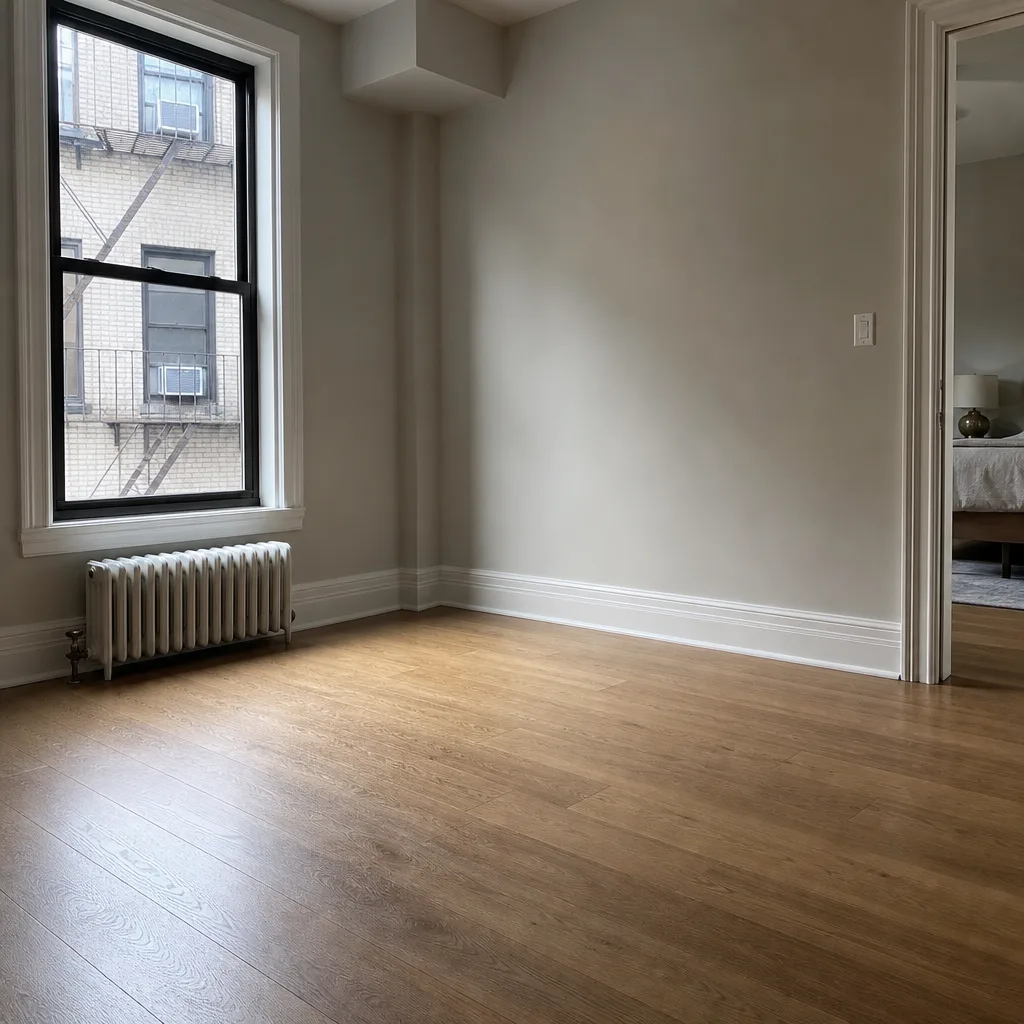 After
After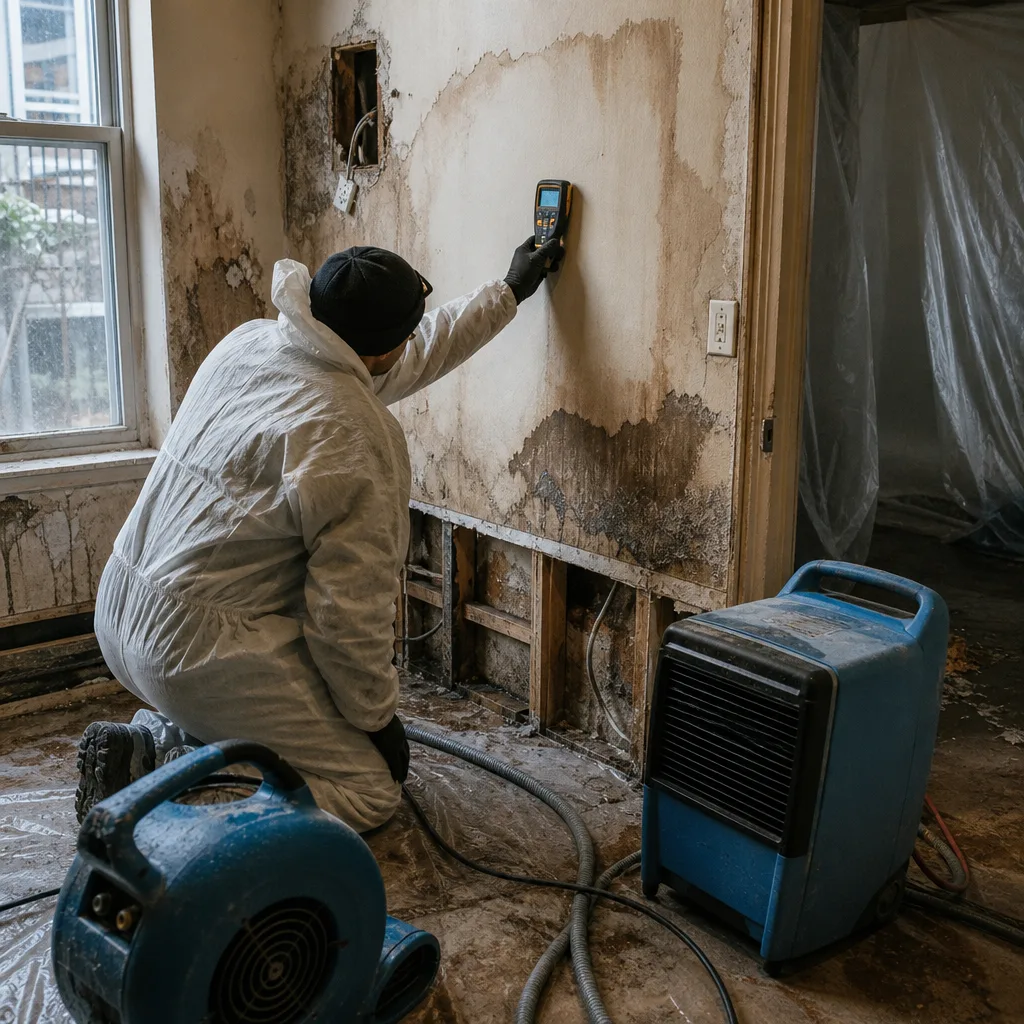 Before
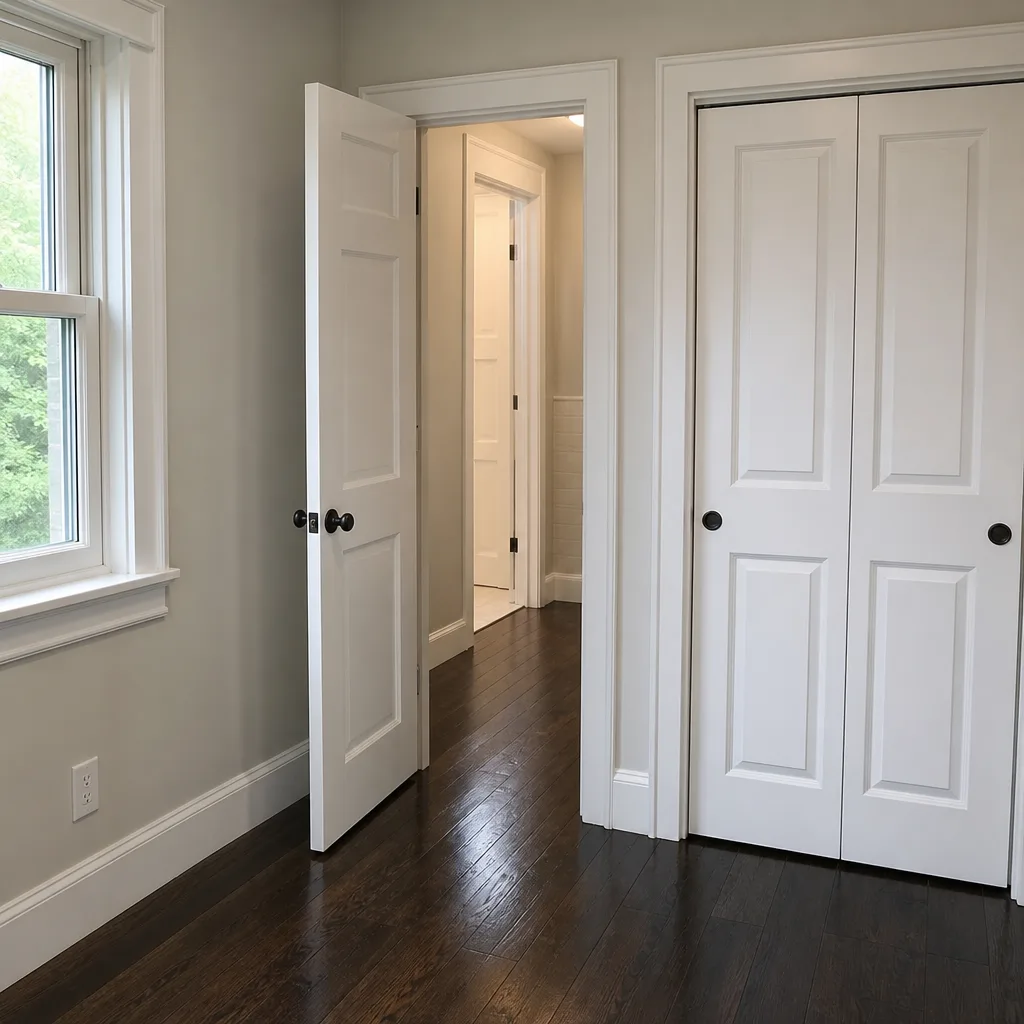 After
After24/7 Emergency Fire & Smoke Damage Restoration in Upper West Side
Fire and smoke damage restoration in Upper West Side typically costs $4,200-$18,500 depending on the affected square footage, smoke residue type, and whether the building requires lead or asbestos abatement before structural work can begin. Most emergency board-ups and stabilization start within 45 minutes of your call. Call (516) 687-5786 now - a live person answers, 24 hours a day, every day.
Smoke moves fast in Upper West Side buildings. The pre-war co-ops and condos along Central Park West and West End Avenue share hollow plaster cavities and steam risers between units, so a kitchen fire on the eighth floor can leave soot odor inside a closet three floors away before the super even knows there’s damage. The first hour determines whether we’re containing a single unit or remediating a six-unit corridor. Our crews are staged for Upper West Side dispatch from our New York City office, carrying HEPA containment, air scrubbers, and the documentation gear to start your photo record before the fire marshal clears the scene.
Understanding Fire & Smoke Damage Restoration Severity in Upper West Side Properties
Fire damage in Upper West Side properties breaks into three severity tiers, each demanding different containment, equipment, and documentation protocols. Light smoke intrusion - protein residues from kitchen fires, dry smoke from paper or wood - typically affects 200-800 square feet with surface-level soot on walls, ceilings, and HVAC registers. Moderate damage involves wet smoke from slow-burning plastics or synthetics, leaving thick, oily residue that bonds to plaster-and-lath, ornate crown moldings, and herringbone hardwood; this range runs 800-2,500 square feet and usually requires pack-out of contents before cleaning begins. Heavy structural damage - charred framing, compromised plaster keys, melted electrical - exceeds 2,500 square feet and triggers full OSHA-compliant abatement before restoration starts.
Upper West Side’s housing stock intensifies every tier. Those limestone and brick elevator buildings along Riverside Drive, built 1900-1940, contain original cast-iron steam risers and galvanized supply lines inside thick plaster walls. When fire damages these systems, restoration crews must first determine whether lead paint or asbestos-containing materials are present - a near-certainty in pre-war construction - before any demolition or air scrubber staging. Smoke migration through shared wet-column walls, common in buildings where plumbing chases were never sealed between units, means our moisture mapping and soot assessment must extend beyond the visibly burned rooms to adjacent apartments and vertical stacks.
Why Upper West Side Property Owners Choose Back to Dry Restoration Manhattan
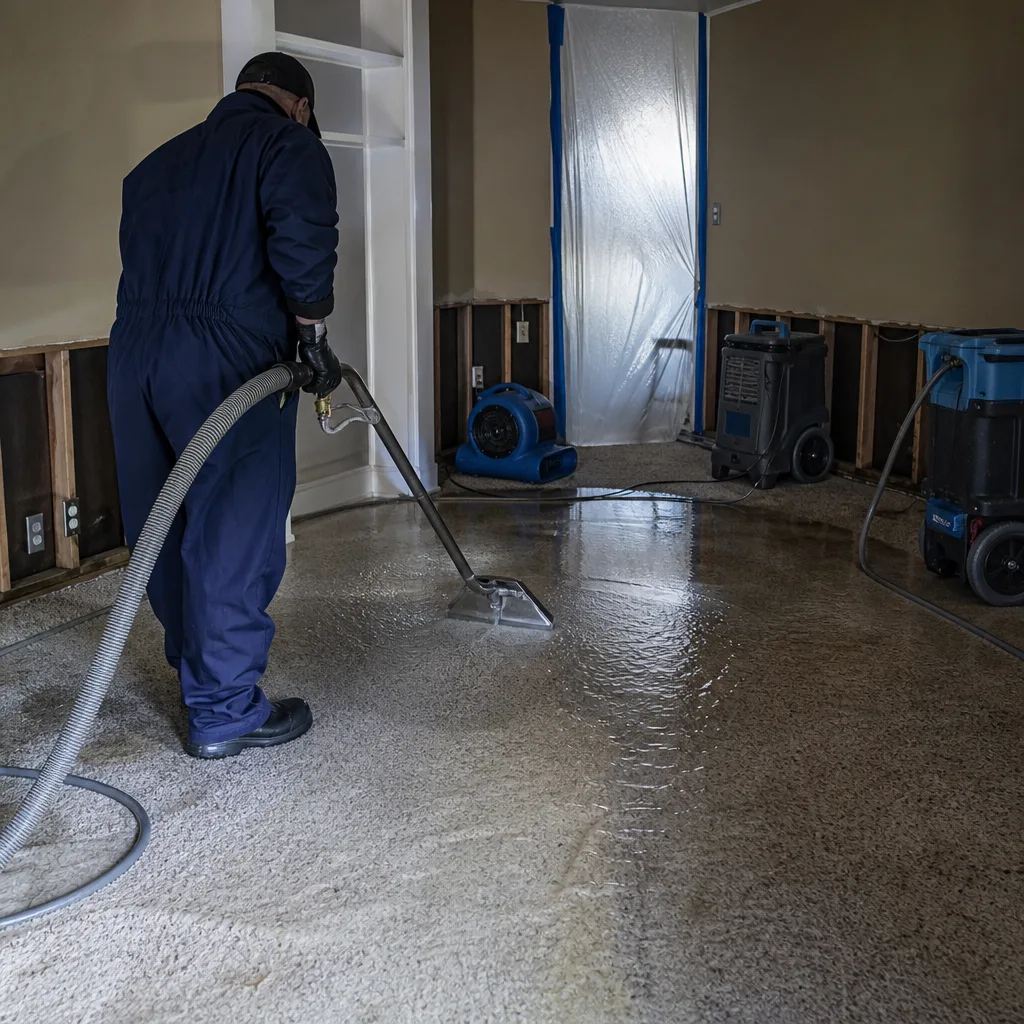
- 45-minute response commitment to Upper West Side addresses, with crews carrying HEPA containment and air scrubbers pre-loaded for pre-war building protocols.
- 24/7 live answer - a real person, never an automated system or voicemail tree, picks up every call to (516) 687-5786.
- IICRC-certified crews holding FSRT (Fire and Smoke Restoration Technician) and WRT (Water Damage Restoration Technician) credentials, with AMRT (Applied Microbial Remediation Technician) certification for the secondary mold issues that follow fire suppression.
- Free visual inspection with a written scope delivered before any work begins - Haven Standard, Clause 1.
- Direct insurance billing with photo-documented estimates formatted to carrier standards, plus direct adjuster coordination on every claim.
- One team from emergency board-up through final reconstruction - no handoffs between mitigation and rebuild contractors that lose institutional knowledge of your building’s alteration agreement requirements.
BeforeAfterOur Fire & Smoke Damage Restoration Process
1. Inspection & Assessment
We arrive with thermal imaging cameras, moisture meters, and soot classification kits to map visible and hidden damage. In Upper West Side pre-war buildings, this includes testing adjacent units for smoke migration through shared wet walls and identifying lead-paint or asbestos-containing materials that must be abated before structural work. Every finding is photographed and logged for the carrier and co-op board.
2. Emergency Board-Up & Stabilization
Broken windows, compromised doors, and fire-damaged roof sections get temporary protection using flame-retardant plywood and weatherproof tarping. On West End Avenue and Central Park West buildings with tight service entrances, we coordinate with the super to stage materials during approved delivery windows and secure the board-up without blocking resident access.
3. Smoke & Soot Containment
We establish negative-air containment using Dri-Eaz HEPA air scrubbers and poly-barrier isolation, sized to the cubic footage of affected corridors and units. For pre-war buildings with original plaster-and-lath, we avoid the aggressive demolition methods used on drywall - instead, we test cleaning agents on hidden sample patches to preserve ornate moldings and herringbone floors while removing bonded soot.
4. Contents Cleaning & Pack-Out
Salvageable items - textiles, electronics, documents, artwork - are inventoried, photographed, and transported to our facility for ultrasonic, ozone, or specialized dry-cleaning treatment. Non-salvageable items are documented for the insurance claim with pre-loss condition photos. In Upper West Side co-ops with limited elevator access, we schedule pack-out during building-mandated service hours.
5. Odor Removal & Deodorization
Surface cleaning removes visible soot; odor neutralization requires hydroxyl generators and thermal fogging to reach smoke particles absorbed into porous plaster, hardwood, and insulation. We run vapor pressure differential monitoring - measuring the force that drives residual smoke compounds out of materials - until readings confirm the environment has returned to pre-loss odor baseline.
6. Structural Repairs & Reconstruction
After board approval and DOB sign-off, we repair plaster with matching skim-coat techniques, blend herringbone hardwood using reclaimed or custom-milled stock, and reconstruct fire-damaged framing to current code. Every repair is photo-documented, moisture-logged, and backed by our 365-Day Done Right Promise under The Haven Standard.
Need Emergency Fire & Smoke Damage Restoration in Upper West Side Now?
Crews minutes away, answering live 24 hours a day. The sooner we start, the less it costs.
Working With Your Insurance Company
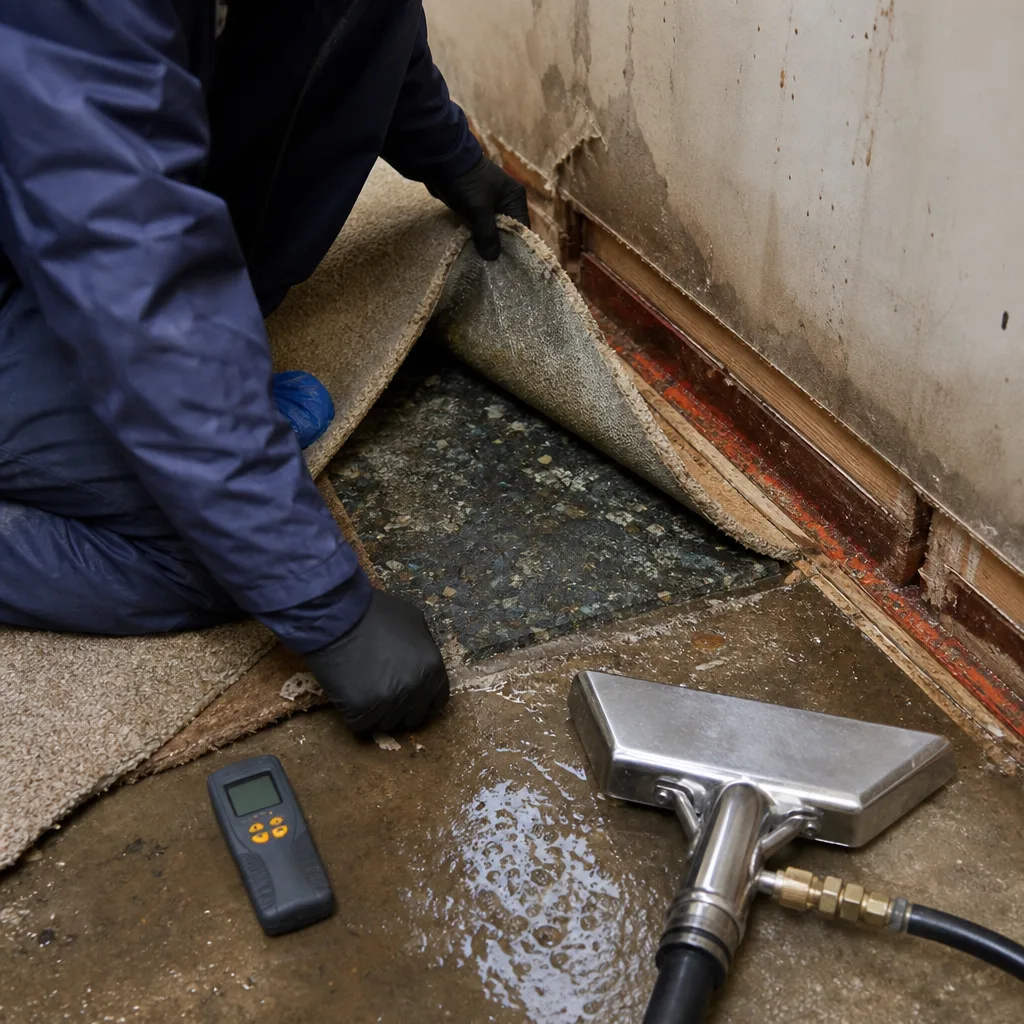
Fire claims in Upper West Side co-ops and condos involve multiple stakeholders - the owner’s carrier, the building’s master policy, and sometimes a neighbor’s insurer when smoke has migrated through shared walls. From the first hour, we document everything: thermal images showing hidden heat signatures, moisture readings from fire-suppression water, soot classification by room, and a line-item scope that separates emergency stabilization from rebuild work. This documentation prevents the coverage disputes that stall payment when carriers can’t determine which damage belongs to which policy period.
We write our estimates to Xactimate and Symbility standards, the formats adjusters recognize, and we coordinate directly with your carrier’s assigned representative rather than handing you a bill to dispute alone. Our photo record - standard on every visit, never an upsell - gives the adjuster timestamped evidence of progress and pre-loss condition.
What We Provide Your Insurer
- Thorough documentation of the loss with room-by-room damage classification
- Photos of all damage, including thermal imaging of hidden smoke migration
- Moisture readings and drying logs from fire-suppression water
- A detailed, line-item scope of work separating emergency from reconstruction phases
- Direct coordination with your carrier and the building’s master policy adjuster when applicable
Built for Upper West Side’s Loss Calendar
Fire and smoke losses in Upper West Side spike in two distinct patterns. December through February, heating system failures - cracked heat exchangers, blocked flues, overloaded space heaters in units with inadequate steam distribution - cause the bulk of winter fire calls. The pre-war steam systems along West End Avenue and Riverside Drive, running at pressure levels designed for a different era of insulation, stress aging cast-iron components past their design limits. Spring and fall bring electrical fires from window AC units and aging knob-and-tube remnants still active in gut-renovated apartments where circuits were never fully modernized.
Summer lightning strikes to limestone parapets and rooftop mechanical penthouses cause localized fire damage that often goes undetected until water intrusion follows. And year-round, kitchen fires from high-BTU gas ranges in compact pre-war galley kitchens - vented through 80-year-old ductwork - produce the protein smoke residues that bond most aggressively to plaster and require the longest deodorization cycles.
Fire & Smoke Damage Restoration Across Upper West Side’s Neighborhoods
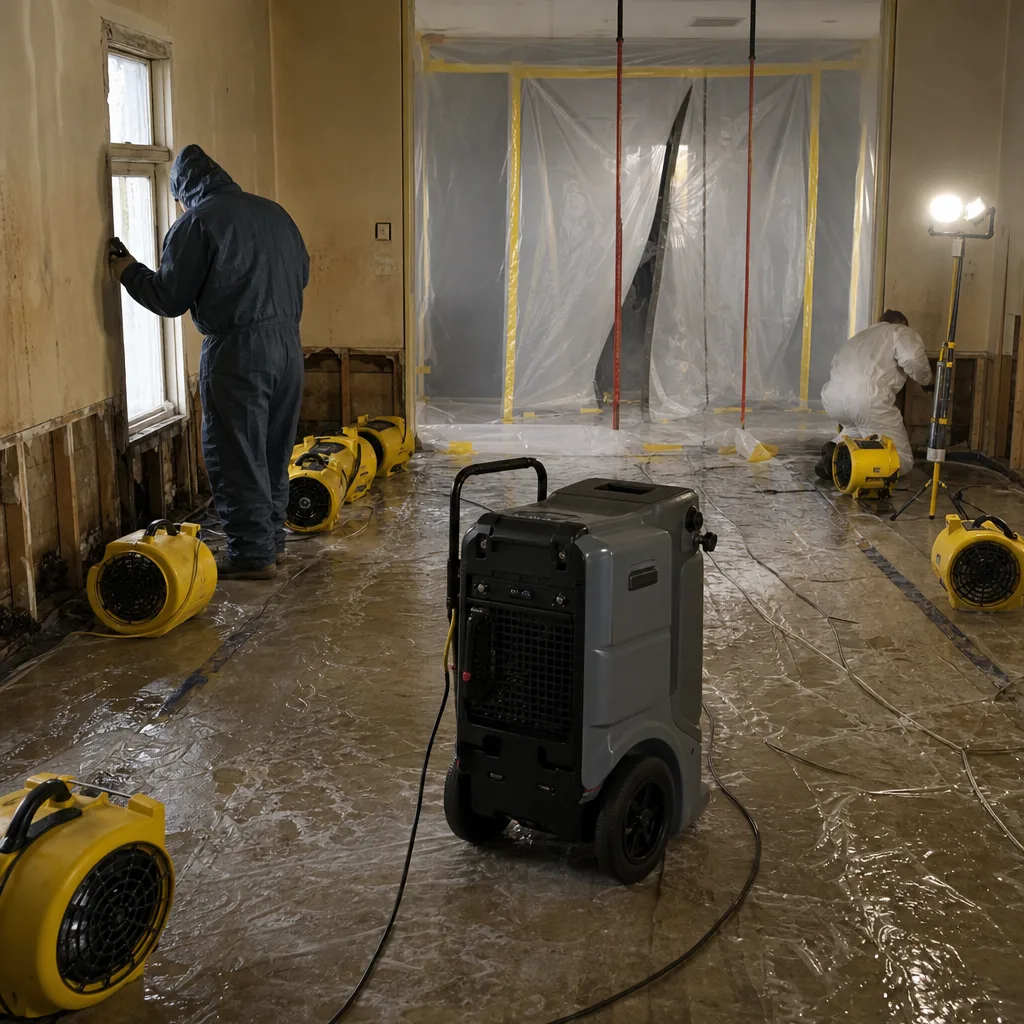
Our Fire & Smoke Damage Restoration team knows the building types and access constraints of each Upper West Side corridor. On Central Park West, the 15-20 story white-glove co-ops - the Beresford, the El Dorado, buildings of that era - require crew background checks logged with the doorman 48 hours in advance, service elevator reservations, and material staging in basement receiving rooms before any equipment reaches the affected floor. We’ve restored units where a fireplace flue failure sent smoke through the entire line of apartments sharing a common vent shaft.
West End Avenue’s slightly less formal but equally dense pre-war stock presents tighter loading docks and more restrictive delivery windows; our crews carry compact HEPA units that fit service elevators rated for 2,500 pounds. Riverside Drive buildings, with their Hudson River exposure, face accelerated freeze-thaw damage to exterior masonry that complicates fire-related envelope breaches - we often coordinate board-up with structural engineers when parapet or cornice fire damage threatens weather integrity.
The side streets between Amsterdam and Columbus - West 70s through West 90s - mix pre-war walk-ups and mid-century elevator buildings with varying degrees of modernization. Here, we’ve responded to fires where unpermitted gas-line work in renovated kitchens created flash fires that damaged original plaster in three contiguous units. The corridor from Lincoln Center to Morningside Heights includes institutional buildings with mixed residential and commercial occupancy, requiring fire-restoration protocols that account for public assembly spaces and FDNY inspection schedules.
Specialized Fire & Smoke Damage Restoration Services We Offer in Upper West Side
Fire Damage Cleanup
We remove charred debris, classify structural integrity, and stabilize remaining materials for repair rather than replacement where the co-op board’s alteration agreement requires material conservation. In Upper West Side pre-war buildings, this means preserving plaster keys and lath integrity rather than defaulting to drywall demolition.
Smoke & Soot Removal
Dry smoke, wet smoke, and protein residues each demand different cleaning chemistry. We test on hidden patches first, then clean ornate moldings and herringbone hardwood by hand rather than with abrasive methods that destroy irreplaceable finishes. Our FSRT-certified technicians document soot type per room for the insurance file.
Odor Removal & Deodorization
Smoke odor in pre-war plaster doesn’t respond to surface treatments. We deploy hydroxyl generators safe for occupied spaces, thermal fogging for unoccupied areas, and run vapor pressure differential monitoring until readings confirm odor compounds have off-gassed from porous materials. This process typically runs 3-7 days for light intrusion, 10-21 days for heavy wet-smoke saturation.
Contents Cleaning & Pack-Out
Textiles, electronics, documents, and artwork receive ultrasonic, ozone, or specialized dry-cleaning at our facility. In Upper West Side buildings with limited service elevator access, we coordinate pack-out schedules with building management and provide detailed inventory logs for the insurance claim.
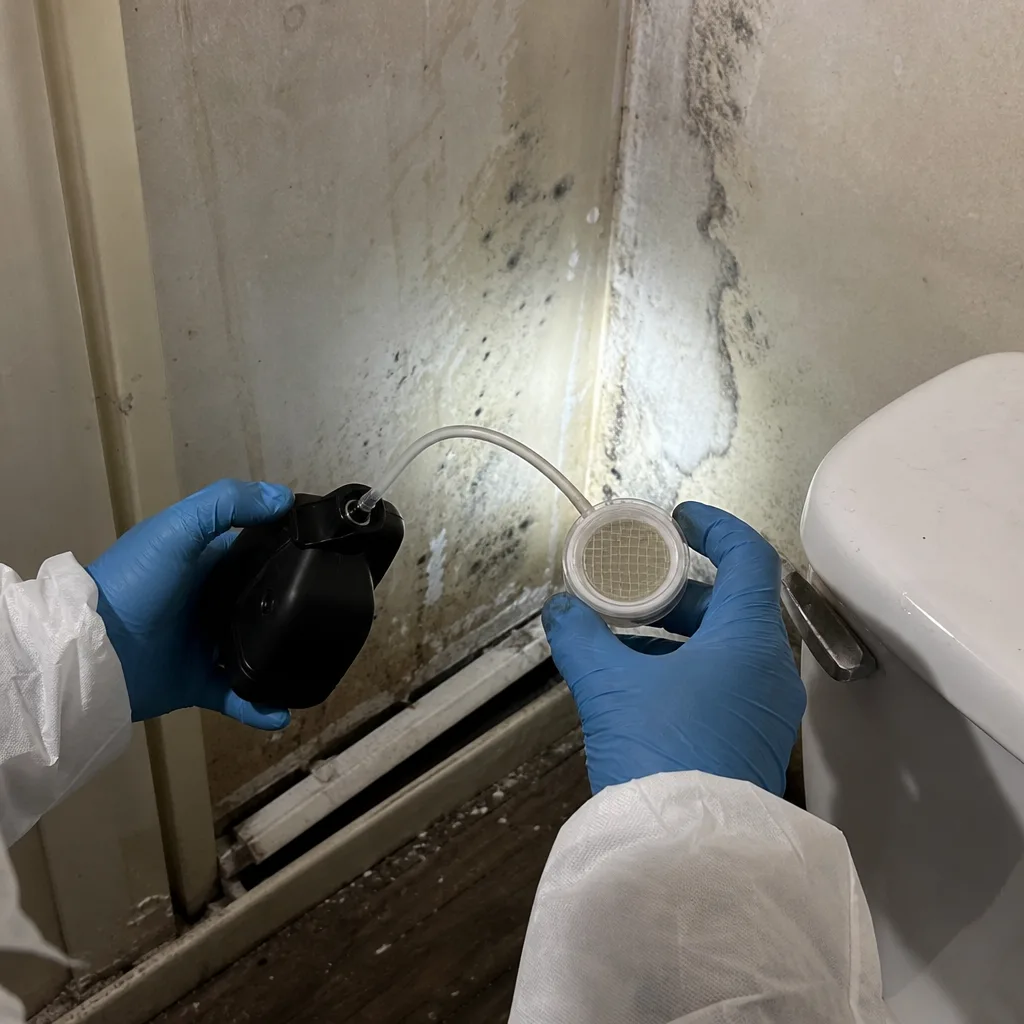
Emergency Board-Up & Tarping
Flame-retardant plywood and weatherproof membrane protect compromised envelopes from secondary water damage. We stage materials to avoid blocking service entrances during quiet hours and coordinate with the super on temporary access solutions for residents.
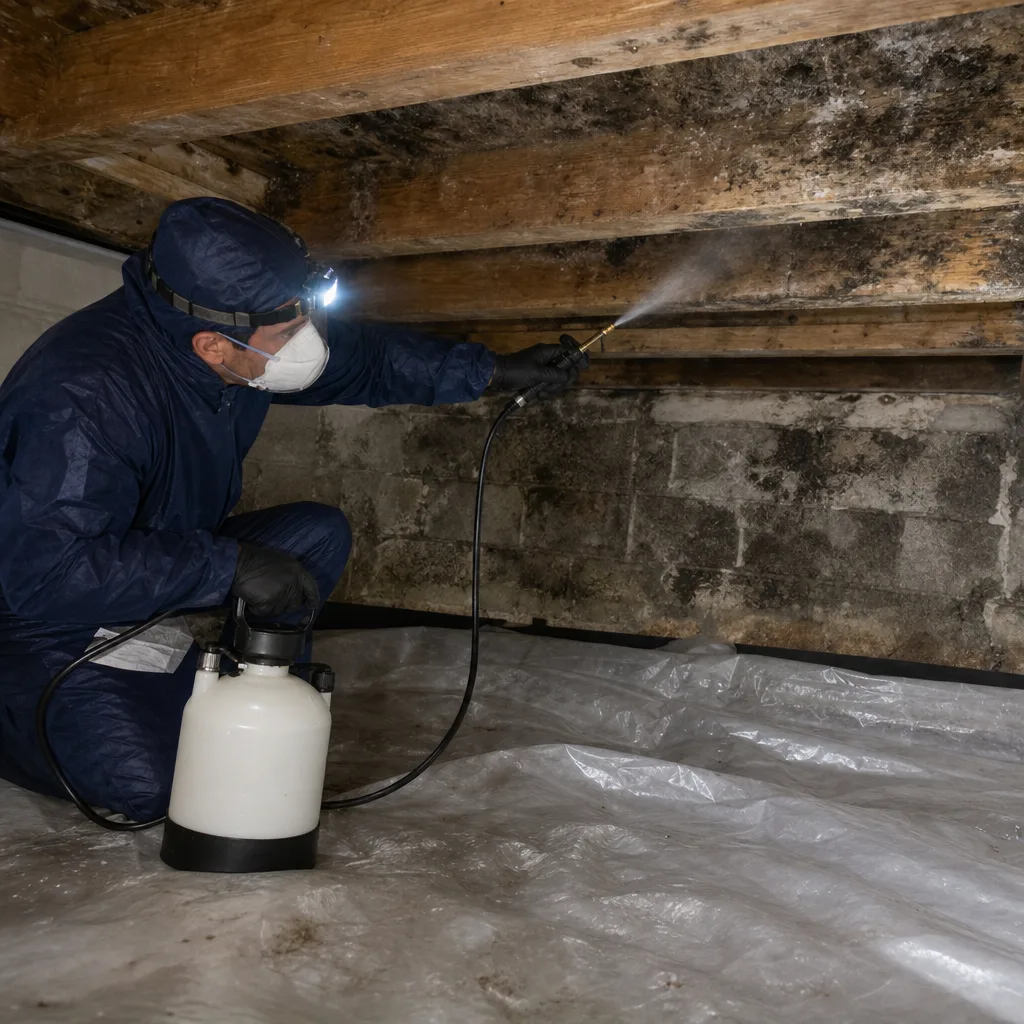
What happens when you call
- 1
A real person answersNo phone trees - you reach a local pro.
- 2
You get an upfront price rangeHonest numbers before anyone is dispatched.
- 3
A background-checked tech heads outLicensed & insured, dispatched right away.
- 4
You approve before work beginsNothing starts until you say go.
Fire & Smoke Damage Restoration Costs in Upper West Side, NY
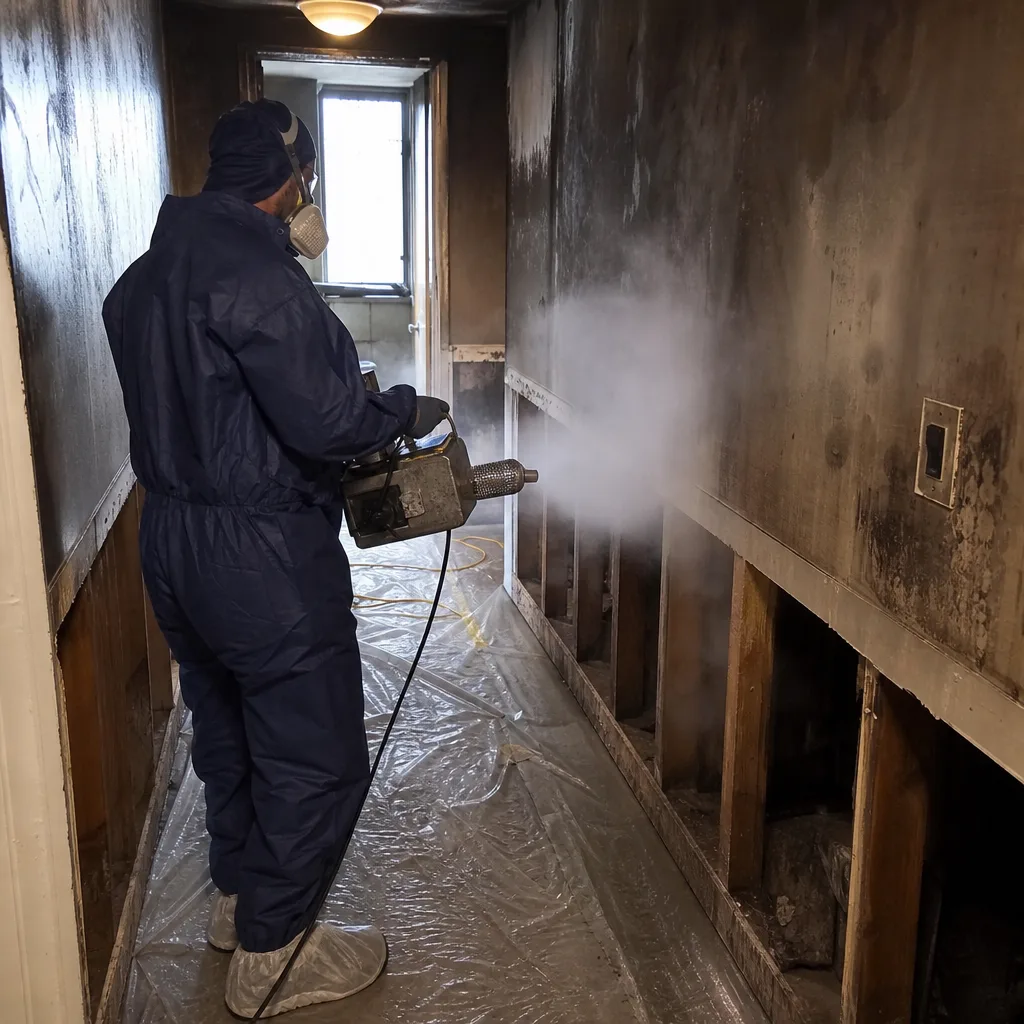
Fire and smoke restoration in Upper West Side runs higher than outer-borough or suburban markets due to pre-war building protocols, co-op board coordination, and near-certain lead or asbestos abatement requirements. Here’s what we typically see:
| Service | Typical Range in Upper West Side |
|---|---|
| Emergency board-up & stabilization | $1,800 - $4,500 |
| Light smoke cleanup (single room, surface soot) | $2,500 - $5,200 |
| Moderate smoke & soot removal (multiple rooms, wet smoke) | $5,500 - $12,000 |
| Heavy structural fire damage with abatement | $15,000 - $45,000+ |
| Odor removal & deodorization (standalone) | $1,200 - $3,800 |
| Contents pack-out & cleaning | $2,000 - $8,500 |
What moves the price: square footage affected, smoke residue type (wet smoke requires significantly more labor than dry), whether lead or asbestos abatement is required before structural work, and the extent of contents requiring off-site treatment. Insurance typically covers direct fire and smoke damage plus necessary abatement; our written scope, delivered before work begins per Haven Standard Clause 1, separates covered from non-covered items so there are no surprises. Bring any competitor’s written estimate and we’ll review it free - Haven Standard, Clause 7.
We Also Serve Cities Near Upper West Side
Our crews respond throughout Upper West Side and surrounding Manhattan neighborhoods: the Upper West Side corridor itself, plus Upper East Side across Central Park with its similar pre-war co-op stock, Morningside Heights and its Columbia University-area institutional buildings, and East Harlem with its mix of historic and modernized residential construction. Each area presents distinct fire-restoration challenges; our documentation protocols adapt to the building type.
Serving Upper West Side, NY - Our Local Coverage Area
We’re based in the Upper West Side area and know this community well. Use the map below to see our service coverage - if you’re nearby, we can almost certainly help.
Upper West Side Fire & Smoke Damage Restoration Questions, Answered
Does a fire in my Upper West Side co-op require board approval before restoration starts?
Yes, for any non-emergency structural work. Emergency stabilization - board-up, water extraction, initial soot cleaning - can proceed immediately under most proprietary leases, but demolition, plaster repair, or material replacement requires board approval through the alteration agreement process. We document pre-loss condition and prepare the scope of work in the format most co-op boards require, then submit directly to your managing agent to prevent delays. Call (516) 687-5786 and we’ll review your building’s specific requirements during the free inspection.
What makes fire and smoke damage different in a pre-war building with plaster-and-lath walls?
Plaster is far more porous and irregular than drywall, so smoke particles penetrate deeper and bond more tenaciously to the surface. Standard drywall-method demolition destroys irreplaceable plaster keys and ornate moldings, triggering board rejection and scope inflation. We clean plaster with tested chemistry and controlled abrasion, preserving original finishes while removing bonded soot. The process takes longer but preserves the architectural fabric that gives Upper West Side pre-war units their value.
Do you handle lead paint and asbestos abatement during a fire loss in an Upper West Side pre-war building?
We coordinate certified abatement contractors as part of the restoration scope. Pre-war buildings in Upper West Side almost certainly contain lead-based paint and probable asbestos in plaster compounds, pipe insulation, and floor tiles. Fire damage that disturbs these materials triggers OSHA and DOB notification requirements; we handle the permitting, containment setup, and air clearance testing before restoration crews begin structural work. This is not optional, and crews that skip it get shut down mid-job.
How do you get equipment into a West End Avenue or Central Park West building with tight service entrances?
We use compact Dri-Eaz and Phoenix HEPA units that fit standard service elevators, and we coordinate delivery with building management during approved windows. For buildings with weight-restricted elevators, we stage equipment in basement receiving rooms and transport in multiple loads. Our crews arrive with the building’s loading dock requirements already confirmed - no surprise turnaways at the door.
Can smoke odor from a fire in one unit travel to other apartments through shared walls?
Yes, and it happens routinely in Upper West Side pre-war buildings. Steam risers and wet-column plumbing run inside hollow plaster partition walls shared across multiple units; smoke and soot particles travel through these cavities via stack effect and pressure differentials during the fire event. We always inspect adjacent units vertically and horizontally from the fire origin, using thermal imaging and air sampling to detect hidden smoke migration that residents haven’t yet noticed. Documentation of this migration protects you from later neighbor claims.
How long does fire and smoke restoration typically take in an Upper West Side co-op?
Emergency stabilization completes in 24-72 hours. Full restoration, including board approval, abatement, cleaning, deodorization, and reconstruction, typically runs 4-12 weeks depending on severity and board processing speed. Heavy wet-smoke damage with multi-unit migration can extend to 16 weeks. We provide a written timeline with the scope before work begins, updated weekly with photo documentation.
Will my insurance cover the full cost of fire and smoke restoration?
Most homeowner and co-op policies cover direct fire and smoke damage, emergency stabilization, and necessary abatement. Coverage disputes arise when carriers can’t determine whether damage is from the fire itself, from suppression water, or from pre-existing conditions. Our documentation - room-by-room photos, moisture logs, soot classification, and the written scope - gives the adjuster clear evidence to approve the full claim. We coordinate directly with your carrier and can review your policy’s specific language during the free inspection.
What should I do in the first 30 minutes after a fire in my Upper West Side apartment?
Ensure everyone is safe and the FDNY has cleared re-entry. Do not touch soot-covered surfaces - the oils in your skin set the residue permanently. Open windows only if weather permits and the fire marshal approves; premature ventilation can drive smoke deeper into porous materials. Call (516) 687-5786 immediately - our live dispatcher will guide you through immediate steps while crews mobilize, and we’ll begin the photo documentation that protects your claim from the first moment we’re on site.
We responded to a kitchen fire in a pre-war co-op on West End Avenue, where the fire had charred original plaster-and-lath and sent smoke through a shared wet wall. Using Dri-Eaz air scrubbers and HEPA filtration, we set containment and ran moisture mapping alongside soot removal; our tech cleaned the ornate crown molding by hand, neutralized smoke odor with a hydroxyl generator plus antimicrobial treatment, and documented pre-loss condition for the co-op board’s alteration review. After pack-out and board sign-off, we repaired the plaster with a matching skim coat, blended the herringbone hardwood, and left drying logs that satisfied both the building’s managing agent and the owner’s carrier.
Fire and smoke restoration in Upper West Side is not a standard mitigation job. The pre-war construction, co-op governance, and shared-wall infrastructure demand a restoration company that documents before it demolishes, coordinates before it builds, and guarantees its work in writing. That’s what The Haven Standard requires, and what we’ve delivered on 12,000+ homes since 2011.
Call (516) 687-5786 now for a free visual inspection and written scope. A live person answers, 24 hours a day.
Written by Alicia Brennan, Owner at Back to Dry Restoration, serving Upper West Side since 2011.