
Free visual inspection and a written scope of work before any mitigation begins - photos, moisture readings, and drying logs go in your claim file
The scope we write is the scope we bill. Anything new gets shown to you, in writing, before we touch it.
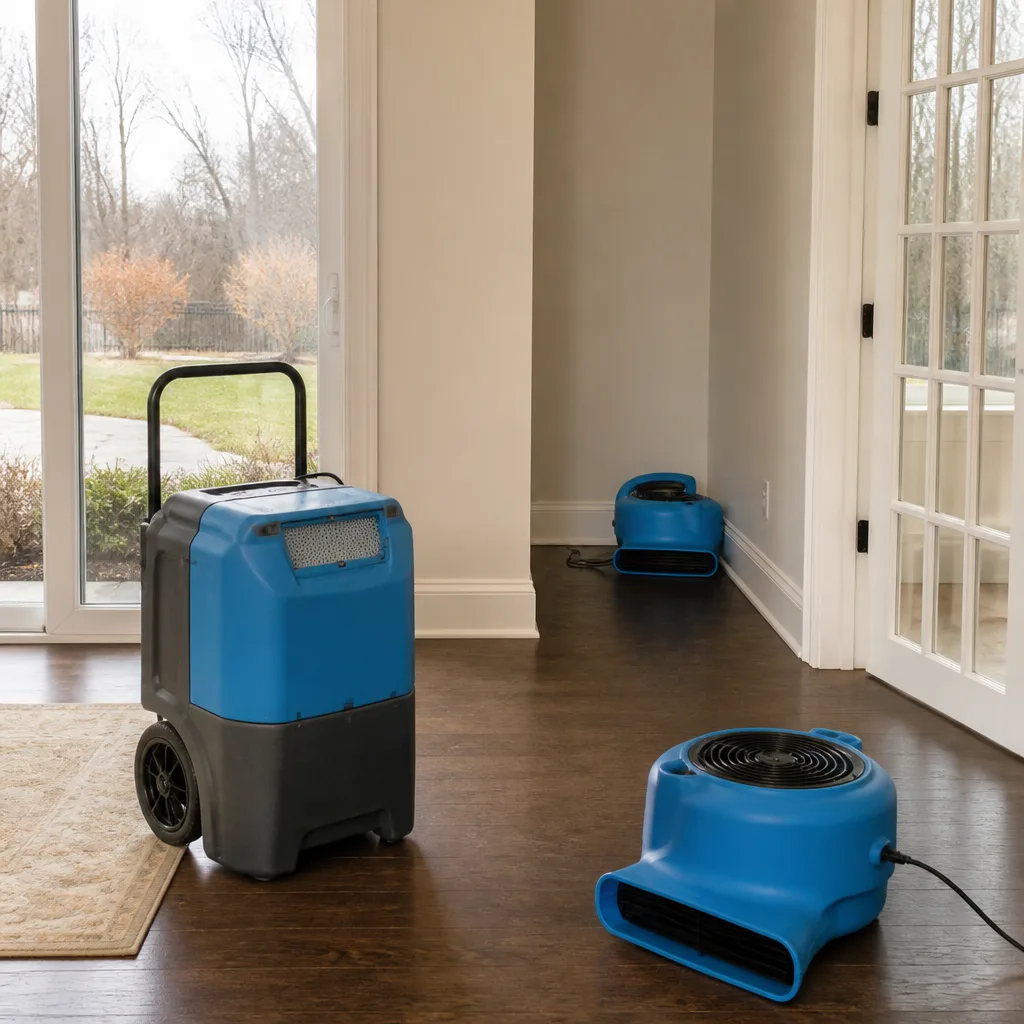
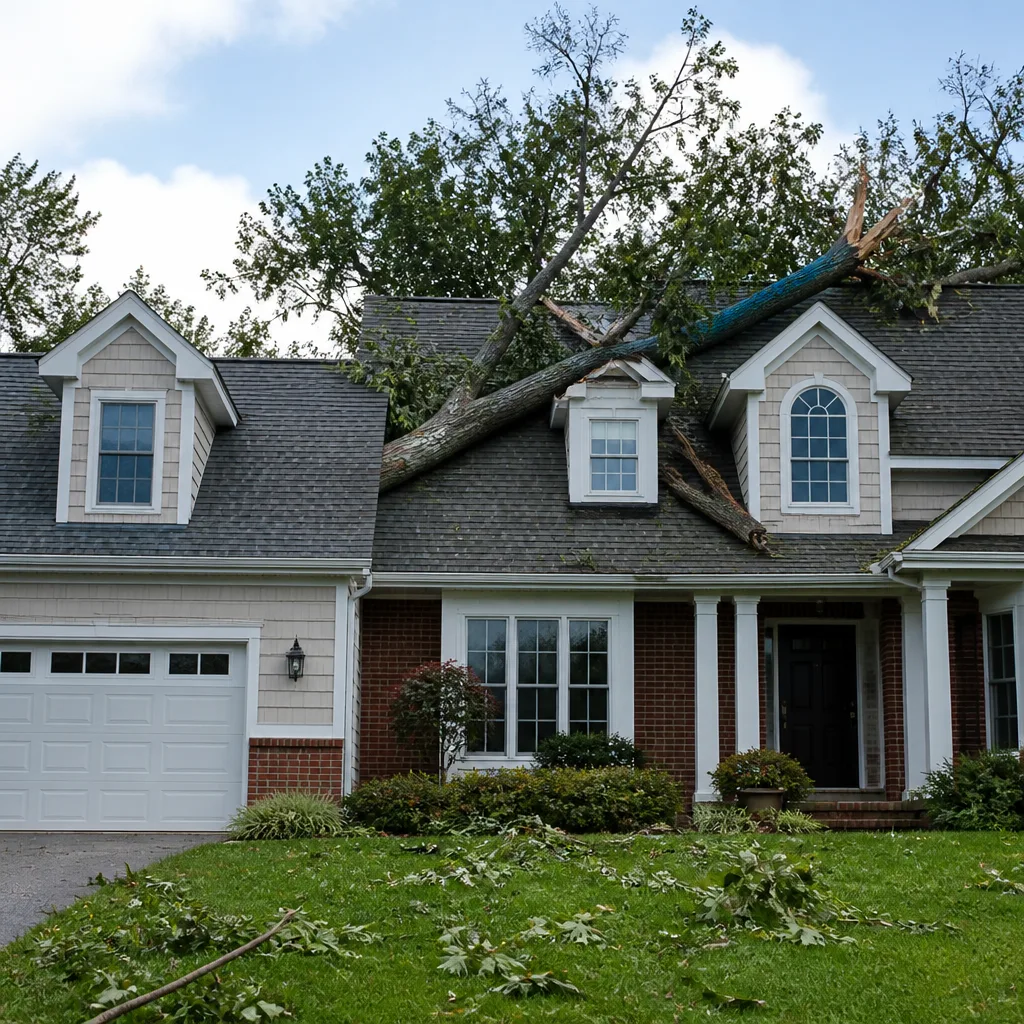
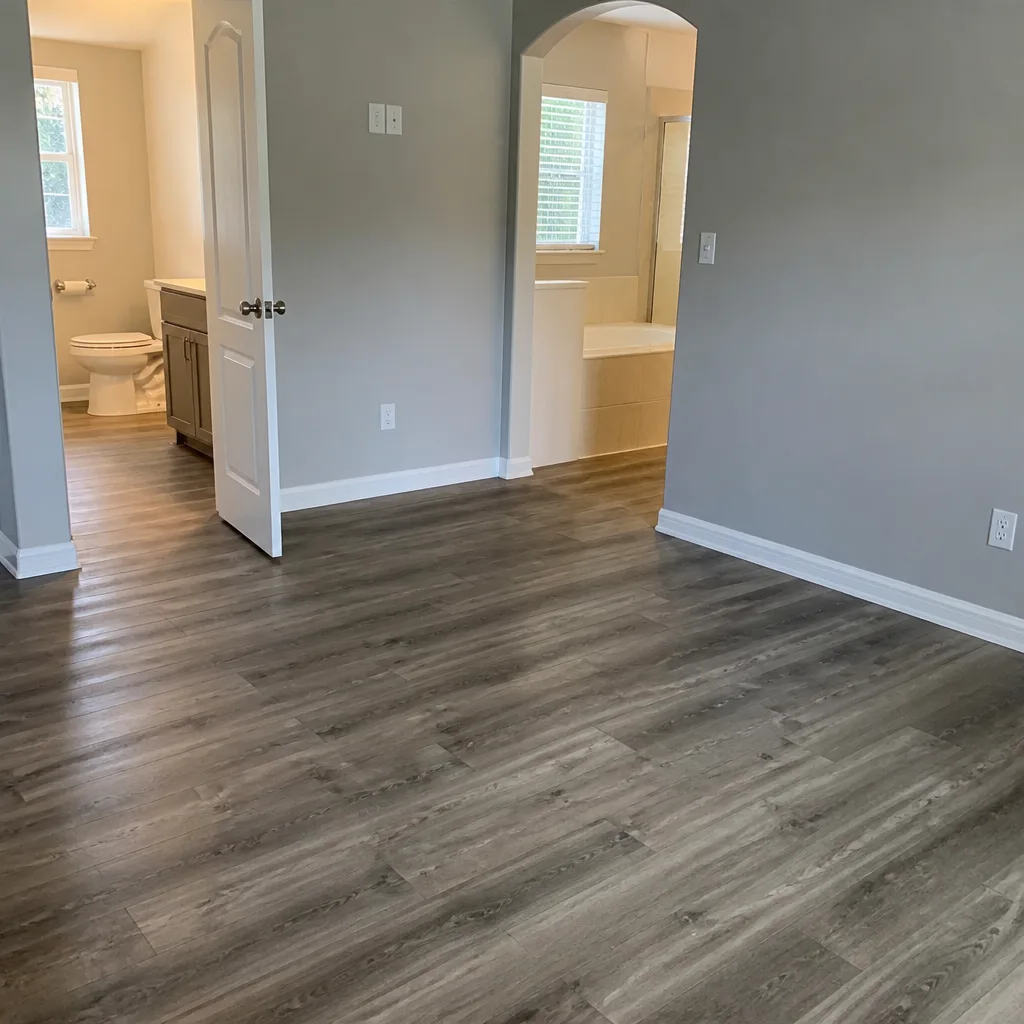
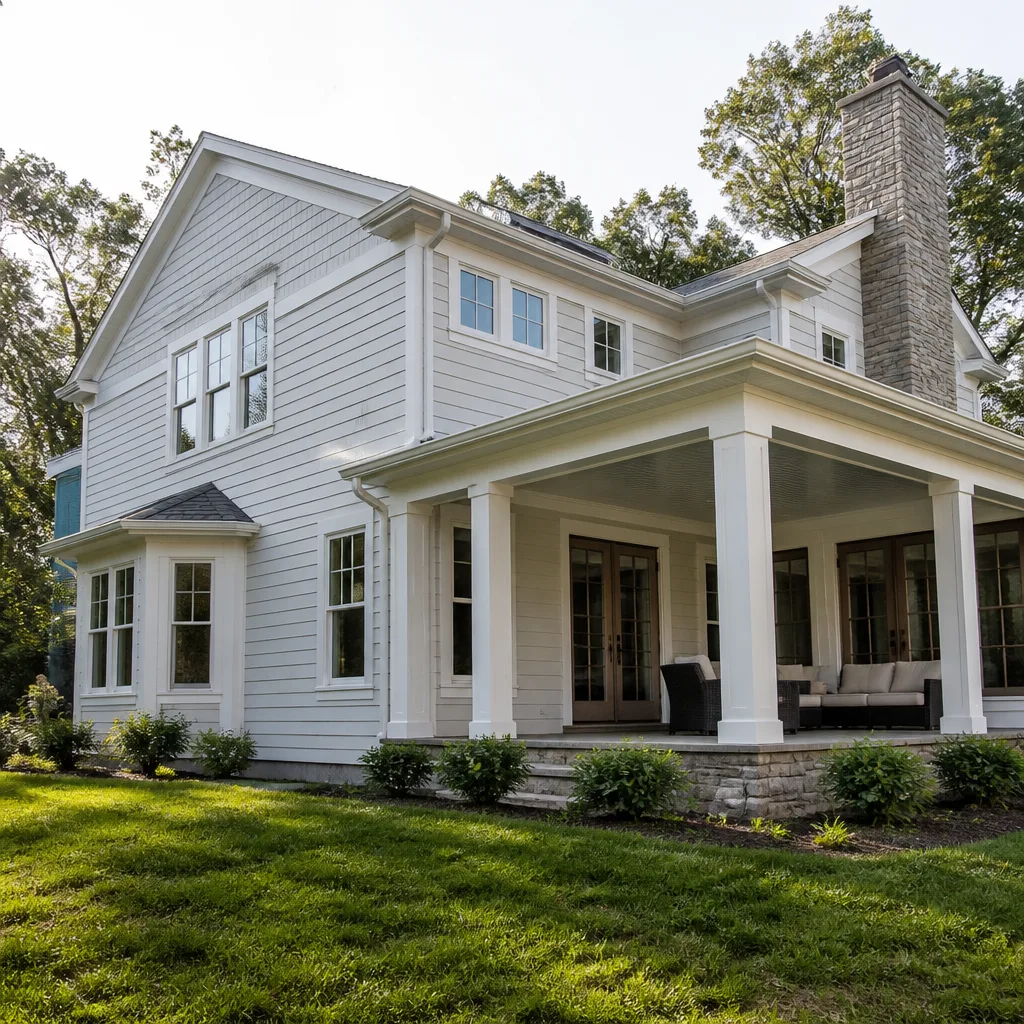
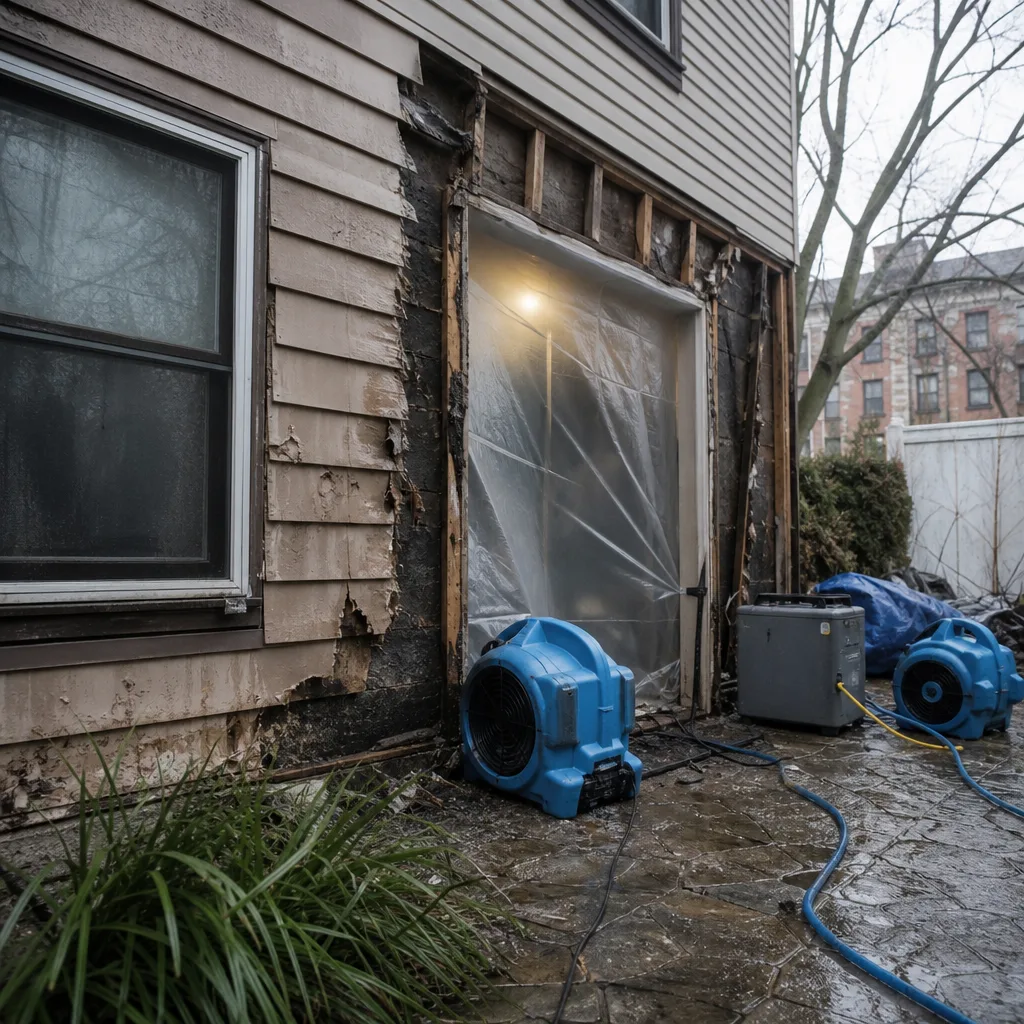 Before
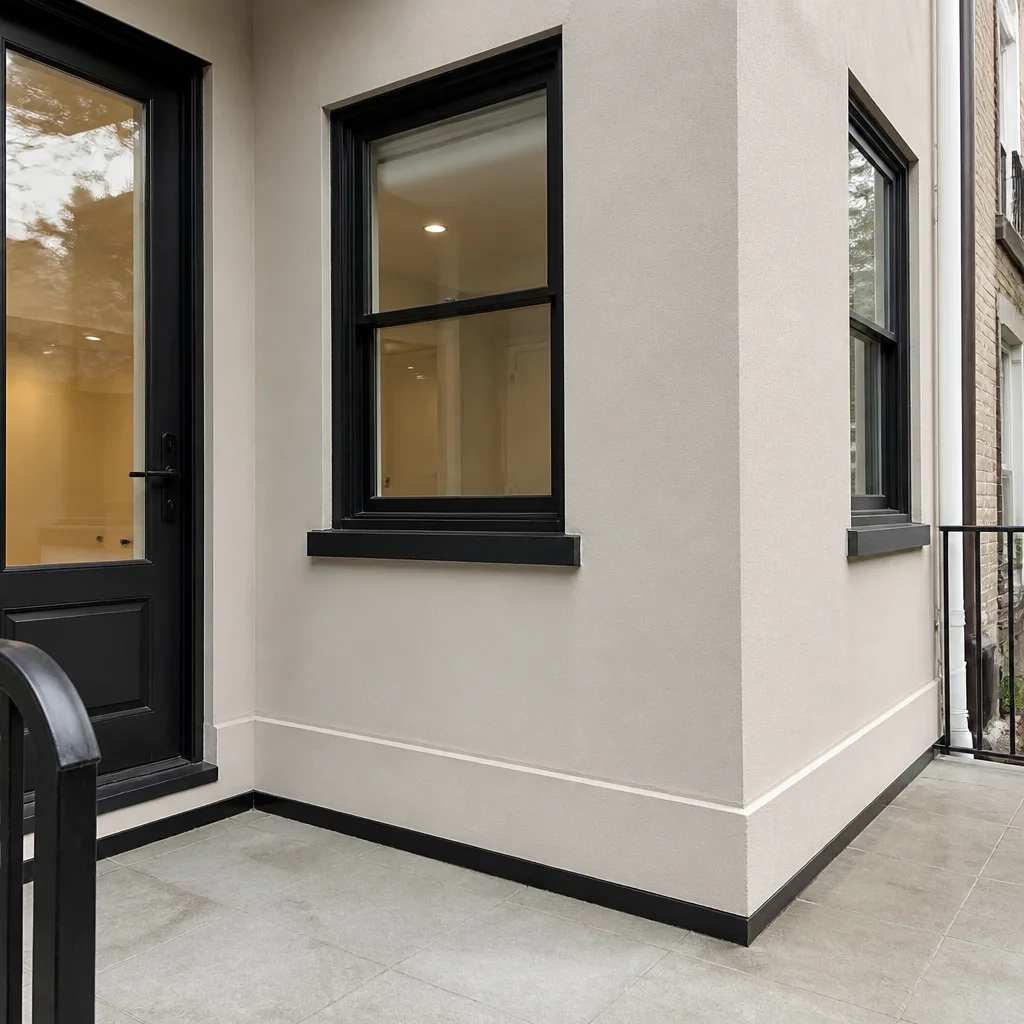 After
After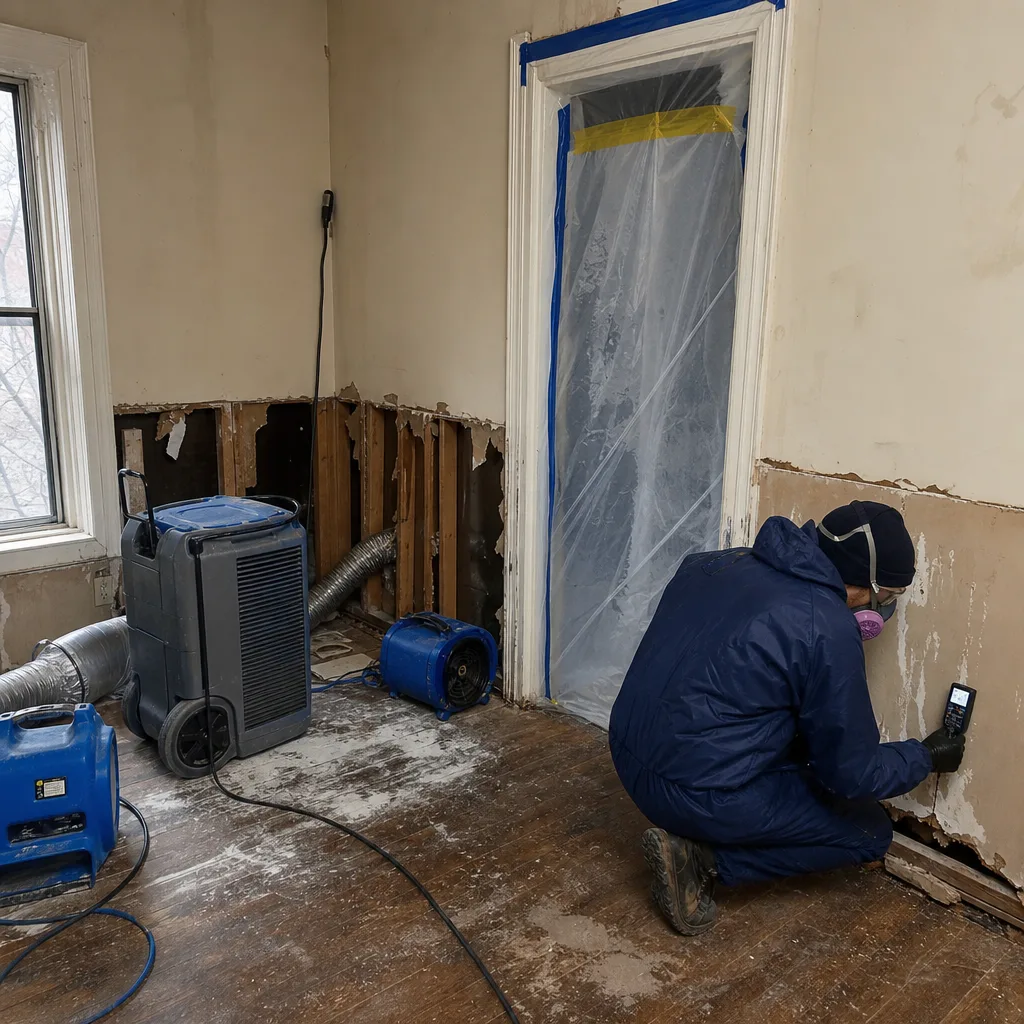 Before
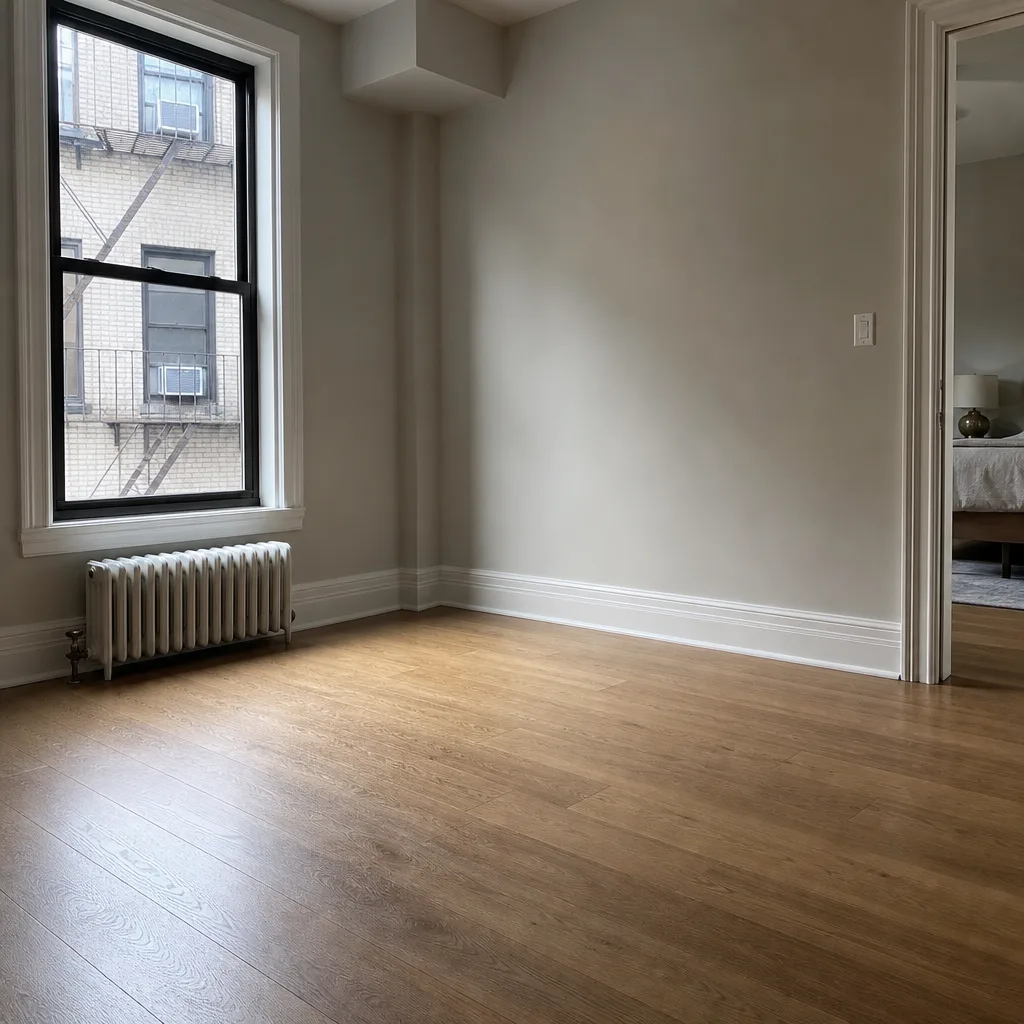 After
After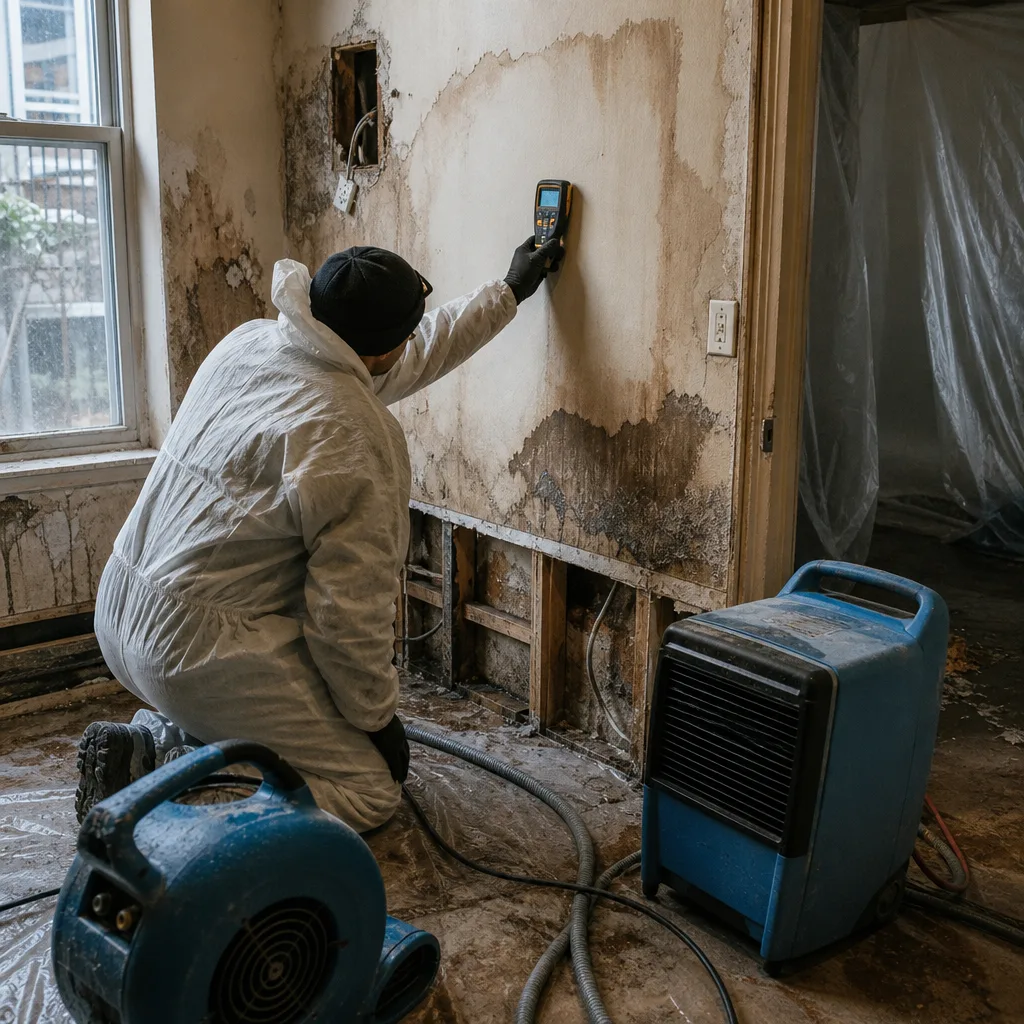 Before
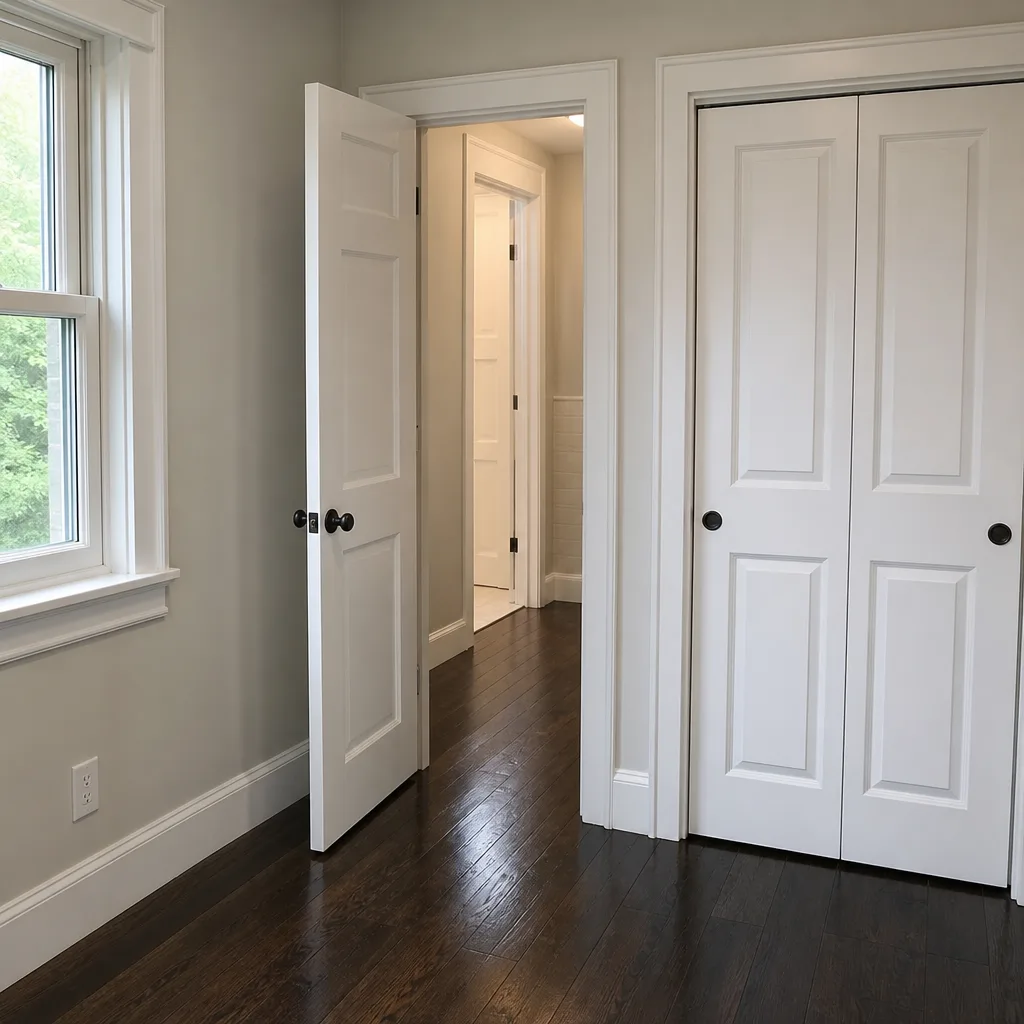 After
After24/7 Emergency Water Damage Restoration in Upper East Side
Water damage restoration in Upper East Side typically costs $2,800-$7,500 for residential extraction and drying, with crews available for emergency dispatch throughout the neighborhood. Call (516) 687-5786 and a live person answers, 24 hours a day, 7 days a week. No voicemail trees, no next-business-day callbacks while water is still moving through your building.
We coordinate dispatch from our New York City office and route crews directly to Upper East Side addresses, including the pre-war co-op corridors along Fifth and Park Avenues, the Yorkville blocks east of Lexington, and the Carnegie Hill zone near the Guggenheim. The first hour determines whether Category 1 clean water becomes Category 2 gray water, or whether moisture trapped in plaster-and-lath walls triggers mold growth before a co-op board can approve cavity access. Our Water Damage Restoration team arrives with thermal imaging cameras, moisture meters, and the documentation tools to start your claim file correctly from minute one.
Understanding Water Damage Restoration Severity in Upper East Side Properties
Water damage in Upper East Side buildings falls into three categories under IICRC S500 standards. Category 1 is clean water from a broken supply line or overflowing fixture. Category 2 carries contaminants from dishwasher or washing machine discharge. Category 3 is black water from sewage backup, rising groundwater, or storm surge intrusion off the East River. The distinction matters for your co-op claim because Category 2 and 3 losses require antimicrobial treatment, more extensive material removal, and stricter documentation for insurer acceptance.
Moisture mapping with thermal imaging reveals what the eye cannot: water wicking behind plaster-and-lath walls, pooling in subfloors beneath original parquet, or tracking along cast-iron riser stacks between floors. Structural drying uses psychrometric data, temperature, and vapor pressure differential to force evaporation and then remove the moisture from the air. In pre-war Upper East Side buildings, standard drywall replacement is often prohibited by co-op boards. Our crews understand the material classifications by trade name: horsehair plaster, strip oak parquet, gumwood trim. Each requires documented drying protocols that preserve rather than destroy the original fabric.
Why Upper East Side Property Owners Choose Back to Dry Restoration Manhattan
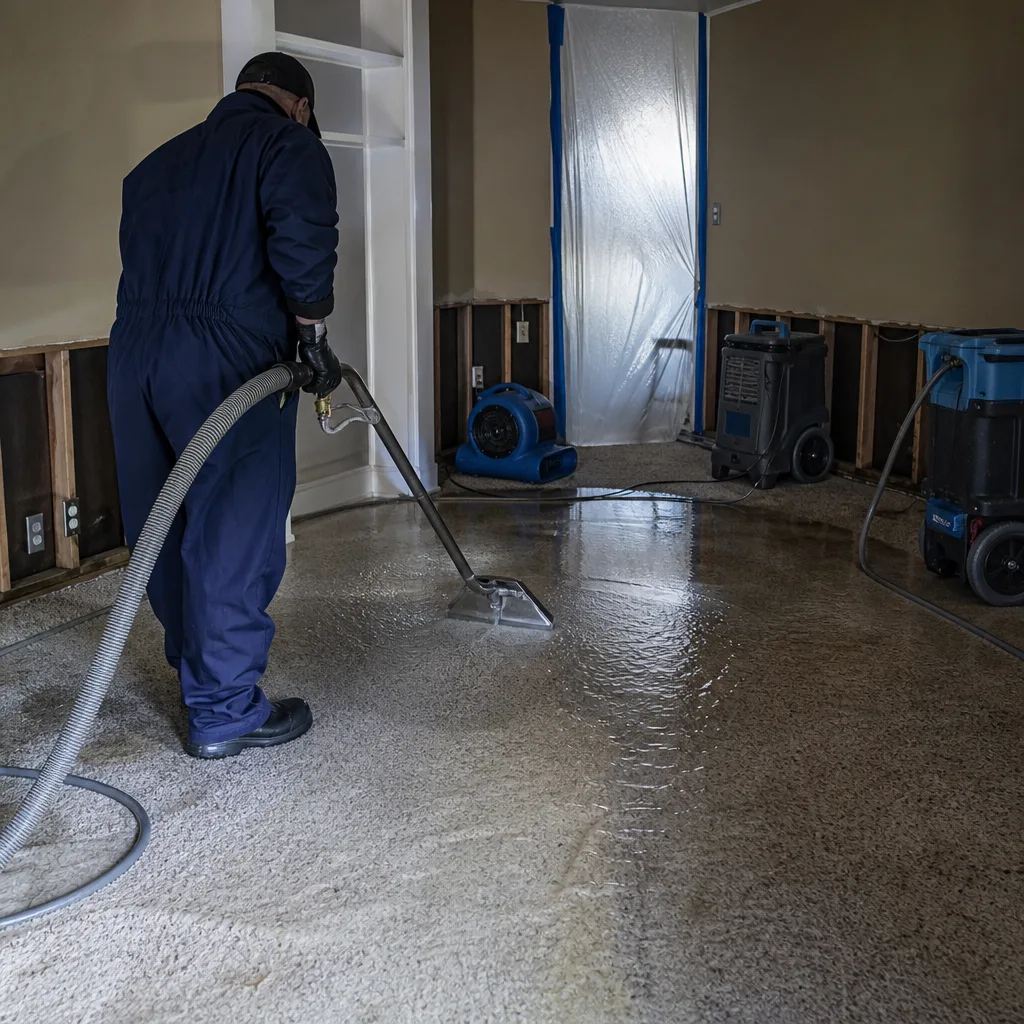
- 45-minute response commitment to Upper East Side addresses from our New York City dispatch center, with GPS-tracked crew routing.
- 24/7 live answer by a real person, never an automated system or voicemail tree, on every call to (516) 687-5786.
- IICRC-certified crews holding WRT (Water Damage Restoration Technician), FSRT (Fire & Smoke Restoration Technician), and AMRT (Applied Microbial Remediation Technician) credentials.
- Free visual inspection and moisture assessment, documented with photos before any work is proposed.
- Direct insurance billing and adjuster coordination, including multi-party claim management for stacked co-op losses.
- One team from extraction through reconstruction, eliminating handoff gaps that delay co-op board approvals.
BeforeAfterOur Water Damage Restoration Process
1. Inspection & Assessment
We document the loss with thermal imaging, moisture meters, and hygrometers, then classify the water category and map affected materials. In Upper East Side co-ops, this includes identifying which units share the riser stack and notifying the managing agent before any cavity access.
2. Extraction & Stabilization
Standing water is removed with truck-mounted extraction systems and portable units. We deploy containment barriers and protect unaffected areas. For multi-unit losses, we seal each apartment separately to prevent cross-contamination between claims.
3. Structural Drying & Dehumidification
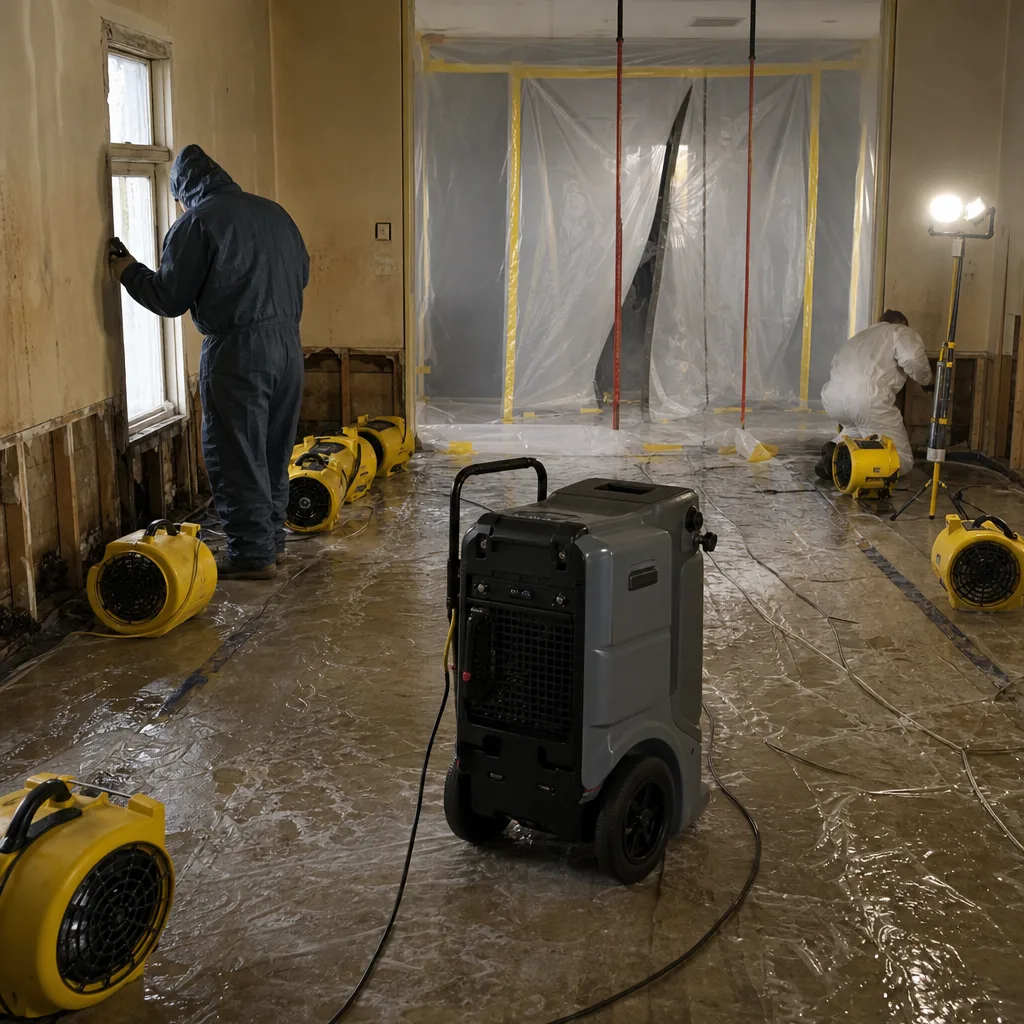
We install Dri-Eaz and Phoenix dehumidifiers, XPOWER air movers, and Injectidry wall-cavity drying panels to create controlled drying zones. Daily moisture logs track relative humidity, temperature, and specific humidity until materials reach established drying goals.
4. Cleaning & Sanitization
Category 2 and 3 losses receive antimicrobial treatment per IICRC standards. HEPA air scrubbers run during demo to capture particulates. We document all treated surfaces with pre- and post-cleaning photos for adjuster review.
5. Multi-Party Claim Coordination
For stacked co-op losses, we compile separate drying logs, moisture readings, and photo records for each unit and adjuster. Our written scopes specify like-kind materials, plaster restoration, and custom millwork matching required by board guidelines.
6. Repairs & Restoration
Reconstruction follows board-approved specifications using period-appropriate materials. We restore horsehair plaster, repair or replace strip oak parquet to match existing patterns, and replicate custom crown molding. The 365-Day Done Right Promise applies to all finished work.
Need Emergency Water Damage Restoration in Upper East Side Now?
Crews minutes away, answering live 24 hours a day. The sooner we start, the less it costs.
Working With Your Insurance Company
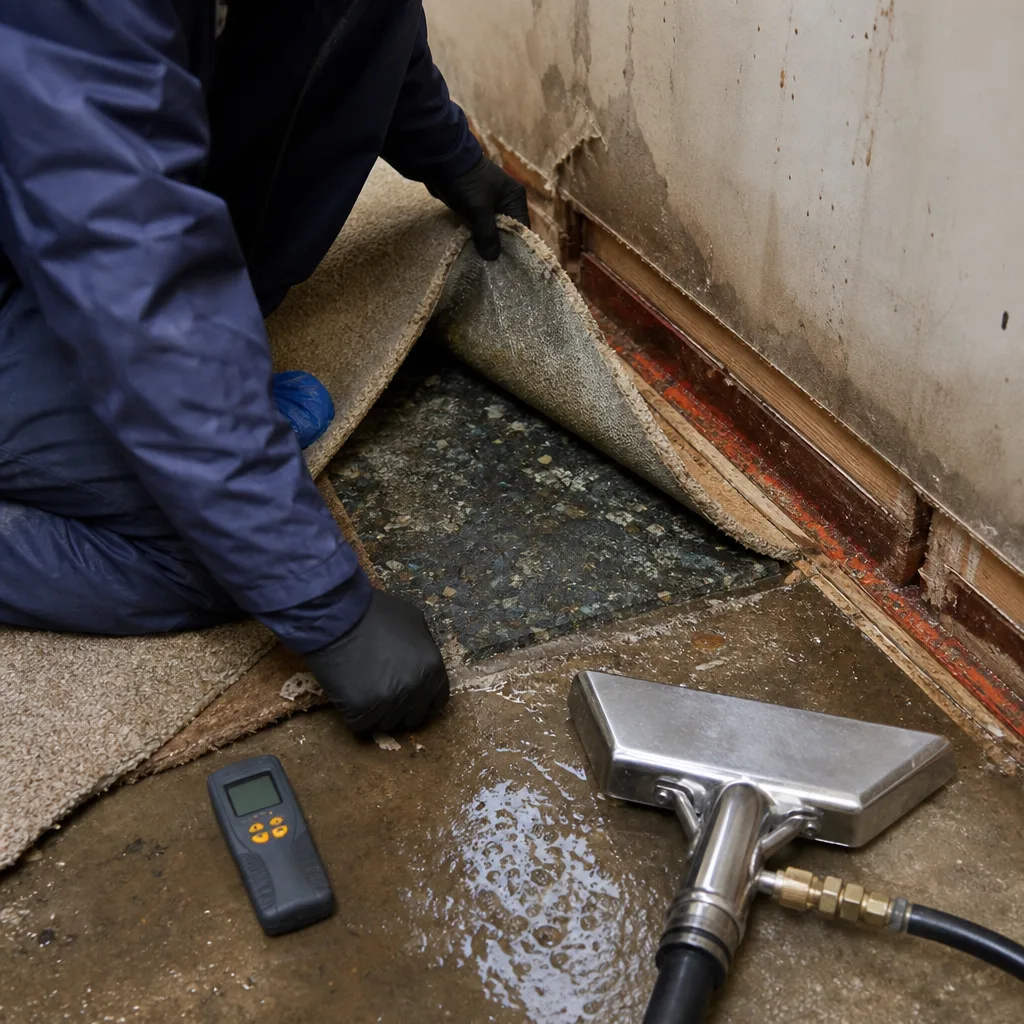
Back to Dry Restoration was founded in 2011 by a former claims adjuster who built the company around the documentation gap that costs homeowners their claims. We produce the daily drying logs, written scopes, and room-by-room moisture readings that turn a restoration invoice into a claim an insurer pays without a fight. Every job starts with a written price before work begins, Haven Standard, Clause 1. No scope-creep additions once the crew is inside your building.
We communicate directly with your adjuster, provide industry-standard estimates, and coordinate multi-party claims for stacked co-op losses where five or more policies may be involved. Alicia Brennan established this protocol after seeing too many Upper East Side homeowners denied coverage because restoration contractors failed to document water categories, drying progress, or pre-loss conditions.
What We Provide Your Insurer
- Thorough documentation of the loss
- Photos of all damage, room by room
- Moisture readings and drying logs
- A detailed, line-item scope of work
- Direct coordination with your carrier
Built for Upper East Side’s Loss Calendar
January deep freezes split aging cast-iron and galvanized steel supply lines in pre-war buildings, making burst pipe restoration our most frequent winter call on Fifth and Park Avenue corridors. The freeze-thaw cycle stresses joints that have corroded for decades. Spring thaw brings basement seepage to Yorkville’s lower-lying blocks near the FDR Drive, where Hurricane Sandy proved persistent flood vulnerability. Summer thunderstorms overwhelm aging roof drains and parapet walls, sending ceiling and roof leak water damage through top-floor units, or Fire & Smoke Damage Restoration in Upper East Side if lightning triggers electrical fires. Fall nor’easters drive wind-driven rain through window frames and masonry joints that have loosened across a century of thermal cycling.
Each season produces distinct failure modes. Winter riser bursts create multi-unit Category 1 losses that become Category 2 if standing water sits past 48 hours. Spring basement flooding in Yorkville often tests as Category 3 due to groundwater contaminants. Summer roof leaks saturate insulation and plaster ceilings that co-op boards refuse to replace with drywall. Our crews calibrate equipment and documentation protocols to each scenario.
Water Damage Restoration Across Upper East Side’s Neighborhoods
Carnegie Hill, between 86th and 96th Streets east of Fifth Avenue, holds some of the neighborhood’s most architecturally significant pre-war co-ops. Water damage here often involves museum-quality interiors where plaster restoration and parquet repair must meet landmark-adjacent standards. Our crews document every decorative element before any cavity access.
Yorkville, from Third Avenue to the East River between 79th and 96th Streets, combines pre-war stock with post-war towers and persistent basement flooding vulnerability near the FDR Drive. We maintain specialized pump and extraction capacity for sub-grade water removal, and our moisture mapping accounts for slab-on-grade construction that wicks groundwater differently than suspended floors.
Lenox Hill, roughly 60th to 77th Streets between Fifth and Lexington Avenues, mixes pre-war co-ops with newer condops and medical office conversions. The building age range means our inspection protocols must quickly identify whether a given structure has plaster-and-lath, steel-frame drywall, or mixed construction before proposing drying strategies.
The Fifth and Madison Avenue corridor below 86th Street, including the Metropolitan Museum area, contains some of the city’s most restrictive co-op boards. Our written scopes specify like-kind materials by trade name because board rejection of generic rebuild specs is routine. We have worked with managing agents on East 72nd, East 79th, and East 84th Streets who require pre-approval of every material substitution.
Specialized Water Damage Restoration Services We Offer in Upper East Side
Emergency Water Extraction
Standing water is removed within hours of your call using truck-mounted and portable extraction systems. In Upper East Side high-rises, we coordinate with building staff for freight elevator access and water shutoff, then deploy containment to protect common corridors and neighboring units.
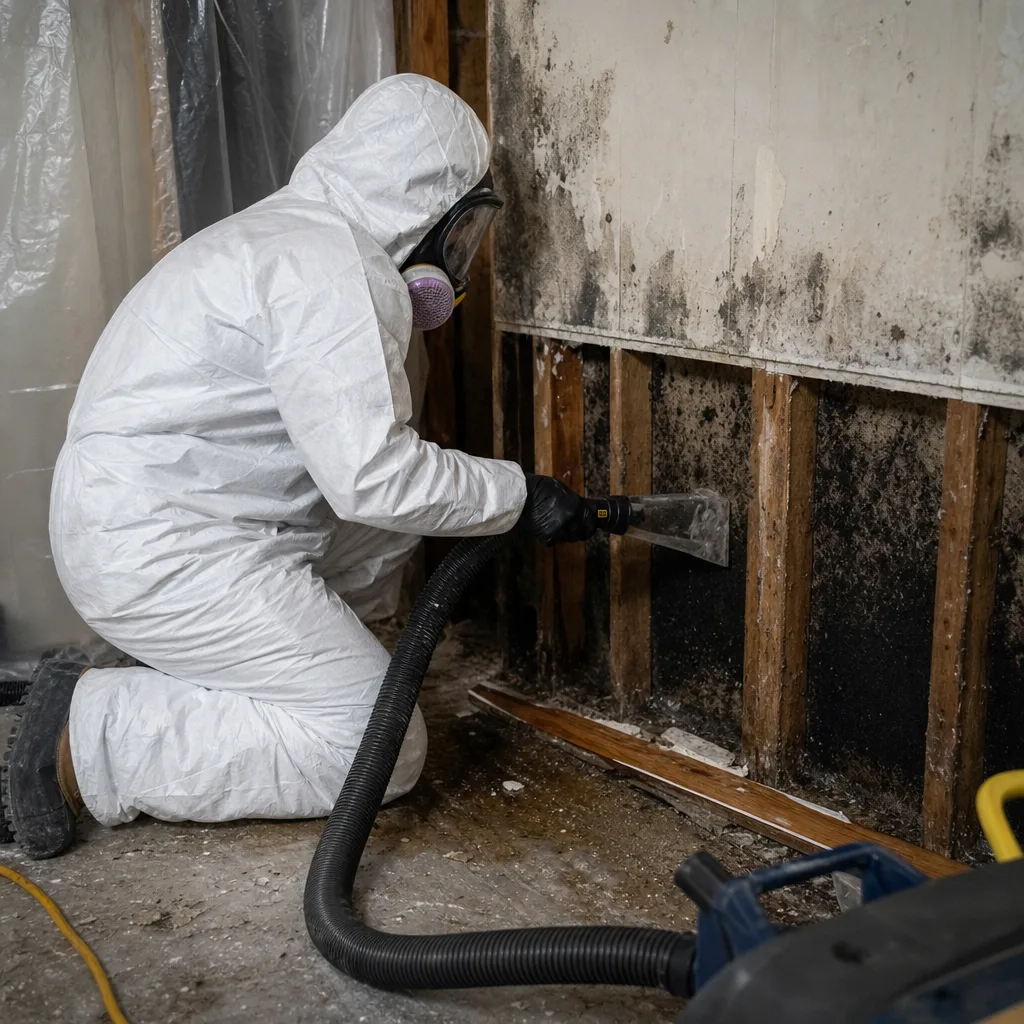
Structural Drying & Dehumidification
We create controlled drying environments with Dri-Eaz and Phoenix LGR dehumidifiers, XPOWER air movers, and Injectidry interwall drying systems that circulate dry air through cavities without destructive demo. Daily psychrometric logs document progress toward drying goals that satisfy both IICRC standards and co-op board requirements.
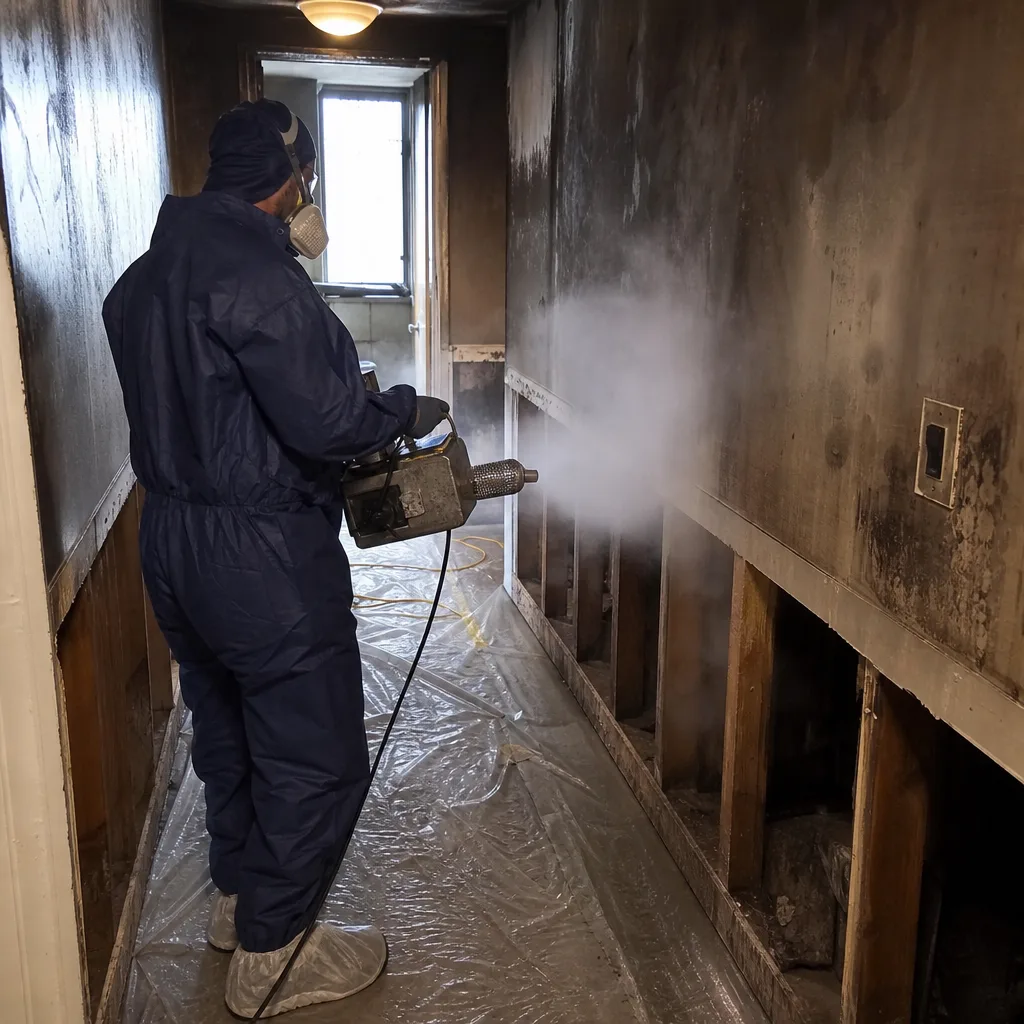
Flood Cleanup
Yorkville’s low-lying position near the East River creates recurring basement and sub-grade flood risk. Our flood cleanup protocols include Category 3 classification, antimicrobial treatment, and documentation of groundwater contamination for adjuster acceptance. We coordinate with building engineers to identify entry points and recommend permanent mitigation.
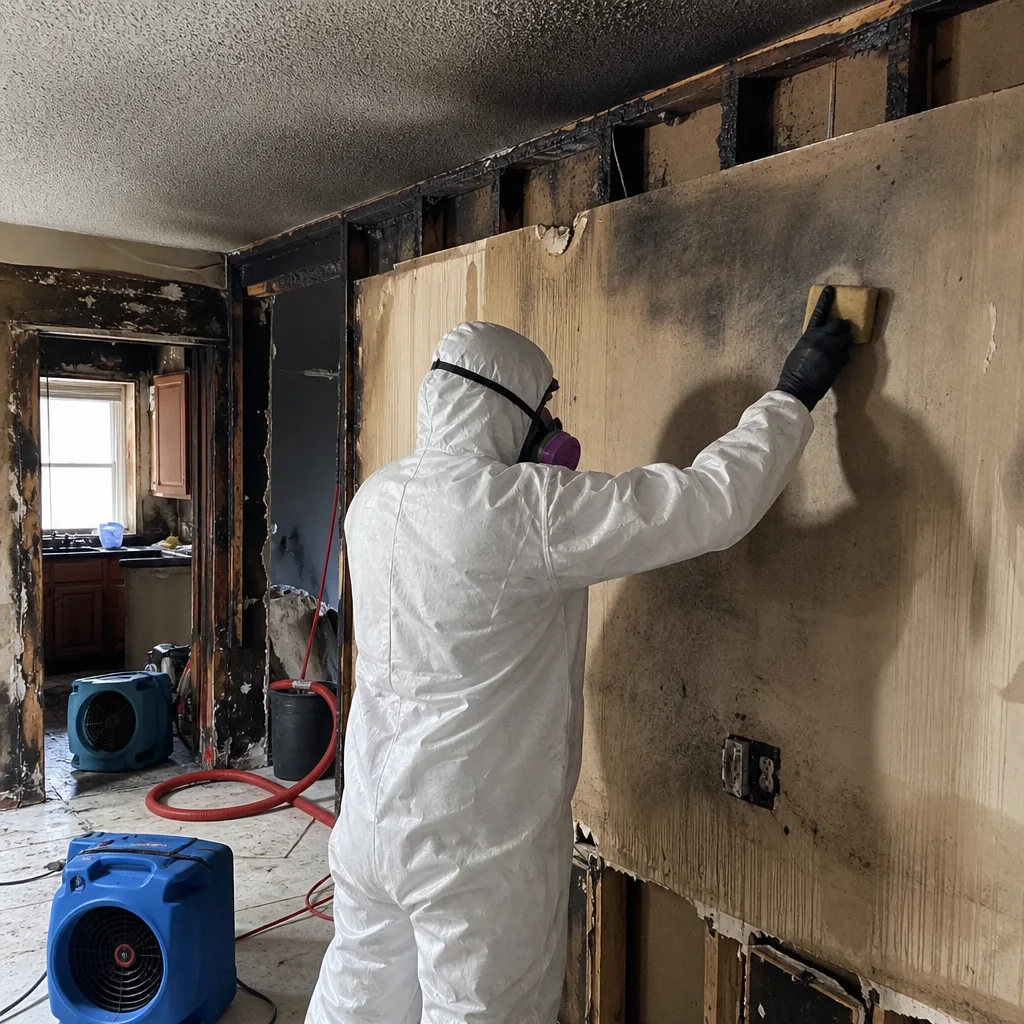
Burst Pipe Restoration
Winter freeze events and corroded cast-iron risers are the leading cause of water damage in Upper East Side pre-war buildings. Our burst pipe restoration includes extraction, drying of affected units, and coordination with licensed plumbers for permanent repair. For stacked losses, we manage separate claims documentation for each unit while tracing the full riser stack to prevent hidden migration.
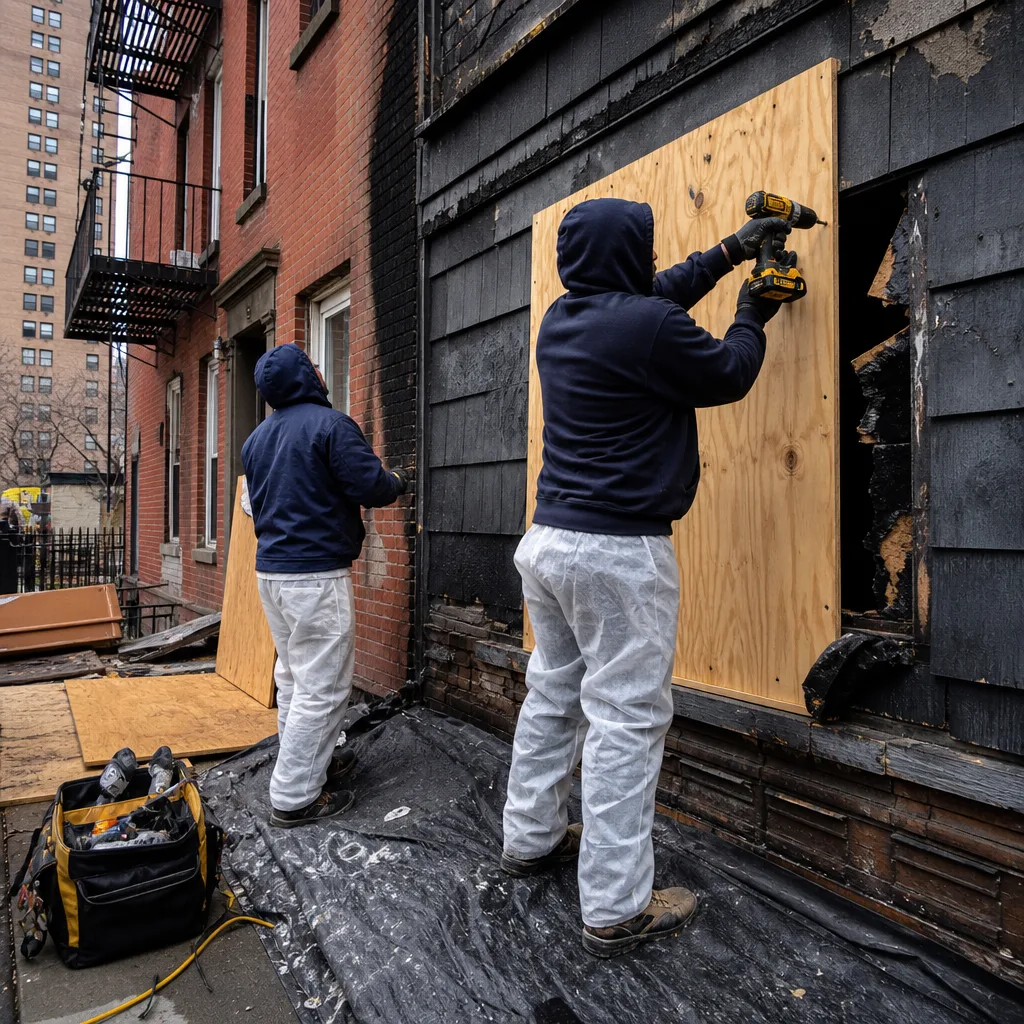
Ceiling & Roof Leak Water Damage
Top-floor co-ops and penthouses face distinct ceiling and roof leak water damage from parapet failure, drain overflow, and wind-driven rain. We inspect roof assemblies with building maintenance, document structural saturation with thermal imaging, and specify like-kind plaster ceiling restoration that meets board approval.
Basement Water Removal
Sub-grade spaces in Yorkville and near the FDR Drive require pump-assisted extraction and specialized drying for concrete and masonry substrates. We test for Category 3 contamination, install HEPA air scrubbers during demo, and document all phases for flood insurance claims where standard HO-6 policies exclude coverage.
What happens when you call
- 1
A real person answersNo phone trees - you reach a local pro.
- 2
You get an upfront price rangeHonest numbers before anyone is dispatched.
- 3
A background-checked tech heads outLicensed & insured, dispatched right away.
- 4
You approve before work beginsNothing starts until you say go.
Water Damage Restoration Costs in Upper East Side, NY
Emergency water extraction and stabilization in Upper East Side typically runs $2,800-$4,200 for a one-bedroom co-op with Category 1 water and no cavity access required. Structural drying and dehumidification for the same unit adds $1,800-$3,400 depending on material saturation and drying days. Multi-unit stacked losses with five or more affected apartments range $12,000-$35,000+ for extraction through drying, with reconstruction priced separately per board-approved scope.
Category 2 and 3 losses cost 30-60% more due to antimicrobial treatment, additional material removal, and stricter documentation requirements. Burst pipe restoration involving riser stack access and managing agent coordination typically adds $800-$1,500 to base extraction costs. Basement water removal in Yorkville flood zones runs $3,500-$6,500 for pump extraction, Category 3 treatment, and concrete drying.
Insurance covers sudden and accidental water damage in most Upper East Side HO-6 and building policies, excluding gradual leaks and flood damage without separate NFIC coverage. We provide a written price before work begins, Haven Standard, Clause 1, and offer a Free Second Opinion on any competitor’s written estimate. Call (516) 687-5786 for a free visual inspection and firm scope.
We Also Serve Cities Near Upper East Side
Our crews respond throughout Manhattan, including the Upper East Side and adjacent neighborhoods: Upper West Side, Morningside Heights, and East Harlem. Each area presents distinct building stock and loss patterns, and our documentation protocols adapt to co-op, condo, and rental structures accordingly.
Serving Upper East Side, NY - Our Local Coverage Area
We’re based in the Upper East Side area and know this community well. Use the map below to see our service coverage - if you’re nearby, we can almost certainly help.
Upper East Side Water Damage Restoration Questions, Answered
A riser burst in our Upper East Side co-op and water hit units on five floors - how does the co-op approval process change the restoration timeline?
The co-op board or managing agent must approve every phase of demolition and like-kind reconstruction before work proceeds, which typically adds 24-72 hours to cavity access compared to single-family homes. We mitigate this by submitting complete moisture mapping, drying logs, and material specifications with our initial request, and by using Injectidry wall-cavity drying panels that minimize destructive demo. Call (516) 687-5786 and we will coordinate directly with your managing agent to compress approval cycles.
My UES pre-war apartment has plaster-and-lath walls and original parquet - can you dry it without a full tear-out?
Yes, in many cases. Injectidry interwall systems circulate dry air through cavities via small injection ports, preserving plaster-and-lath surfaces. Surface drying of parquet with controlled dehumidification and air movement can restore strip oak without removal if started within 48 hours. We document pre-loss condition and drying progress with photos for board and adjuster review. Call (516) 687-5786 for a free moisture assessment.
How fast does mold become a problem after water damage in an Upper East Side apartment?
Mold colonization begins 24-48 hours after water intrusion in plaster-and-lath wall cavities where organic material and trapped moisture create ideal conditions. The co-op approval timeline for cavity access often pushes Upper East Side properties toward the edge of this window, which is why we prioritize non-invasive drying and submit documentation packages within hours, not days. Call (516) 687-5786 for immediate response.
Why does the FDR/Yorkville side of the UES flood differently than inland blocks?
The eastern edge of Yorkville sits in a low-lying zone that experienced measurable storm surge intrusion during Hurricane Sandy, with persistent basement and sub-grade flooding vulnerability that inland blocks above 72nd Street and west of Lexington do not share. Groundwater pressure, tidal influence, and aging combined sewer systems create recurring Category 3 flood risk distinct from upper-floor supply line failures elsewhere in the neighborhood. Call (516) 687-5786 for flood-specific assessment and documentation.
What is the difference between Category 1, 2, and 3 water, and why does it matter for my UES co-op claim?
Category 1 is clean water from broken supply lines or overflowing fixtures. Category 2 contains contaminants from appliances or sump pump failures. Category 3 carries sewage, groundwater, or storm surge and requires antimicrobial treatment and more extensive material removal. The category determines insurer coverage limits, required documentation, and whether your co-op board will permit material preservation versus mandatory replacement. Misclassification by restoration contractors is a leading cause of claim denial. Call (516) 687-5786 for accurate classification and documented proof.
Will my insurance cover water damage restoration in my Upper East Side co-op?
Most HO-6 policies cover sudden and accidental water damage from burst pipes or appliance failures, but exclude gradual leaks, maintenance issues, and flood damage without separate NFIP coverage. Building master policies may cover common areas and riser stacks. We review both policies, document the loss to meet each carrier’s requirements, and coordinate directly with adjusters. Call (516) 687-5786 for insurance-specific documentation.
How long does structural drying take in a pre-war Upper East Side building?
Standard drying for plaster-and-lath walls and hardwood floors runs 3-5 days with professional dehumidification and air movement. Dense masonry, multiple affected floors, or restricted cavity access can extend this to 7-10 days. We provide daily moisture logs showing specific humidity, relative humidity, and material moisture content until goals are reached. Call (516) 687-5786 for timeline estimates based on your specific loss.
Can I stay in my Upper East Side apartment during water damage restoration?
Occupancy depends on water category, affected square footage, and equipment noise. Category 1 losses with contained drying may allow occupancy with HEPA air scrubbers running. Category 2 and 3 losses, or multi-unit demo, typically require relocation for health and safety reasons. We document occupancy recommendations for adjuster reimbursement of temporary housing costs. Call (516) 687-5786 to discuss your specific situation.
Back to Dry Restoration has restored 12,000+ homes since 2011, every one with a written price before work started and a documented record when the crew left. Our Water Damage Restoration team serves Water Damage Restoration in Upper East Side with the documentation-first approach that turns restoration invoices into payable insurance claims.
Call (516) 687-5786 for 24/7 live answer, free visual inspection, and a written price before any work begins. Haven Standard, Clause 1. Free Second Opinion on any competitor’s written estimate.
Written by Alicia Brennan, Owner at Back to Dry Restoration, serving Upper East Side since 2011.