Free visual inspection and a written scope of work before any mitigation begins - photos, moisture readings, and drying logs go in your claim file
The scope we write is the scope we bill. Anything new gets shown to you, in writing, before we touch it.
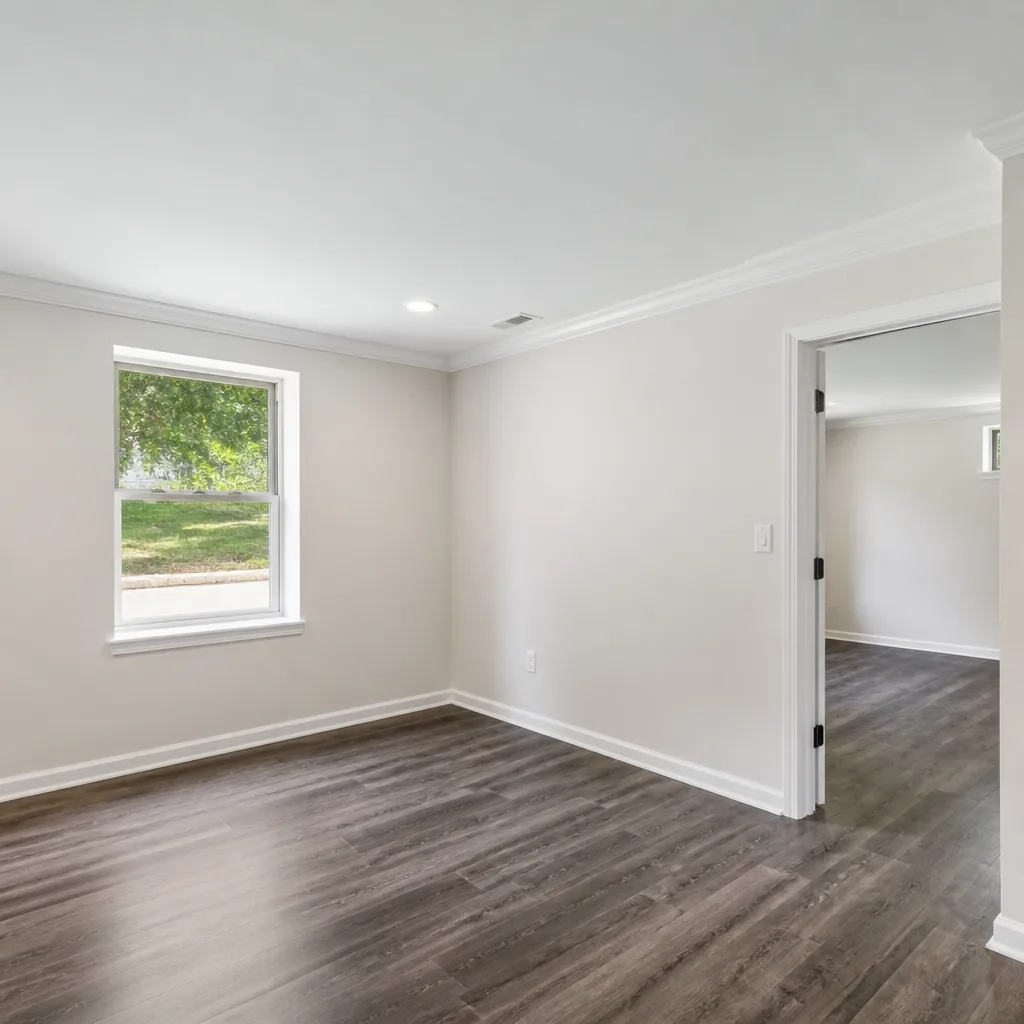
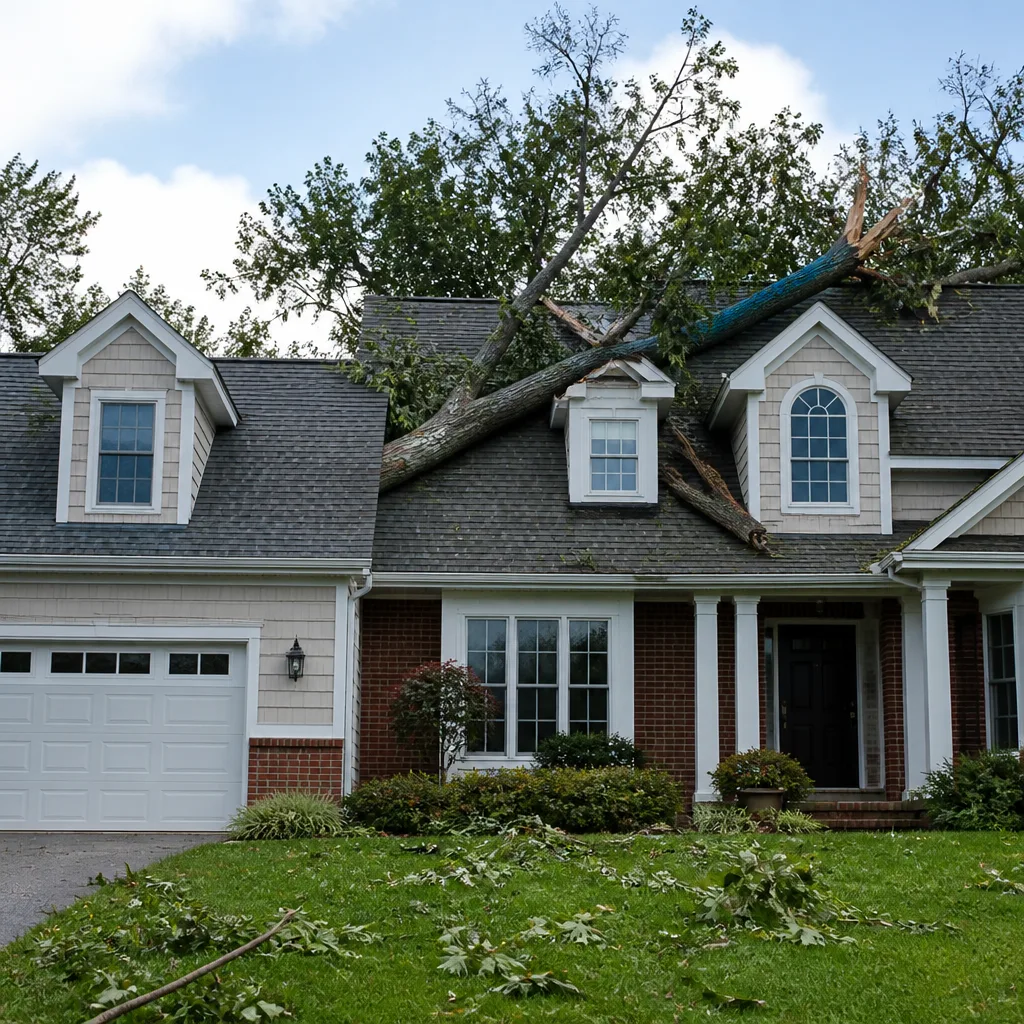
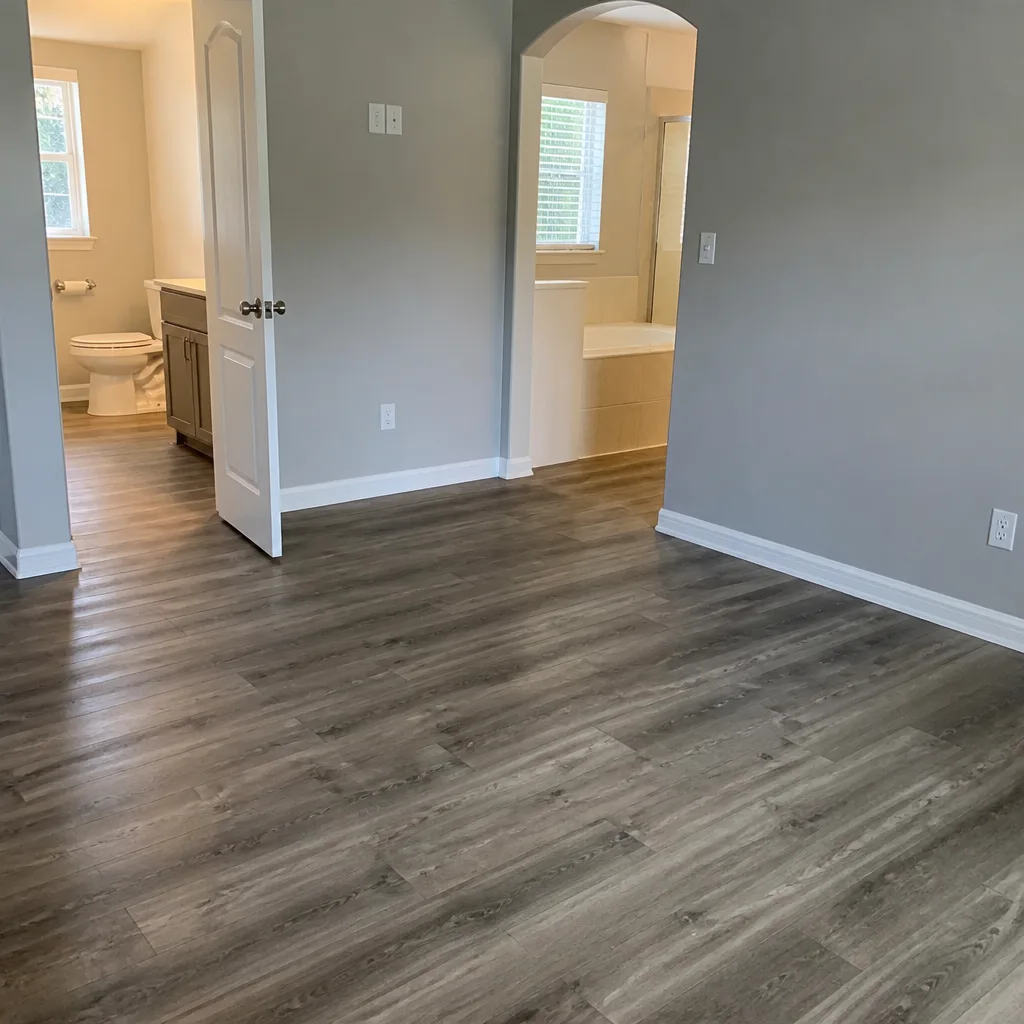
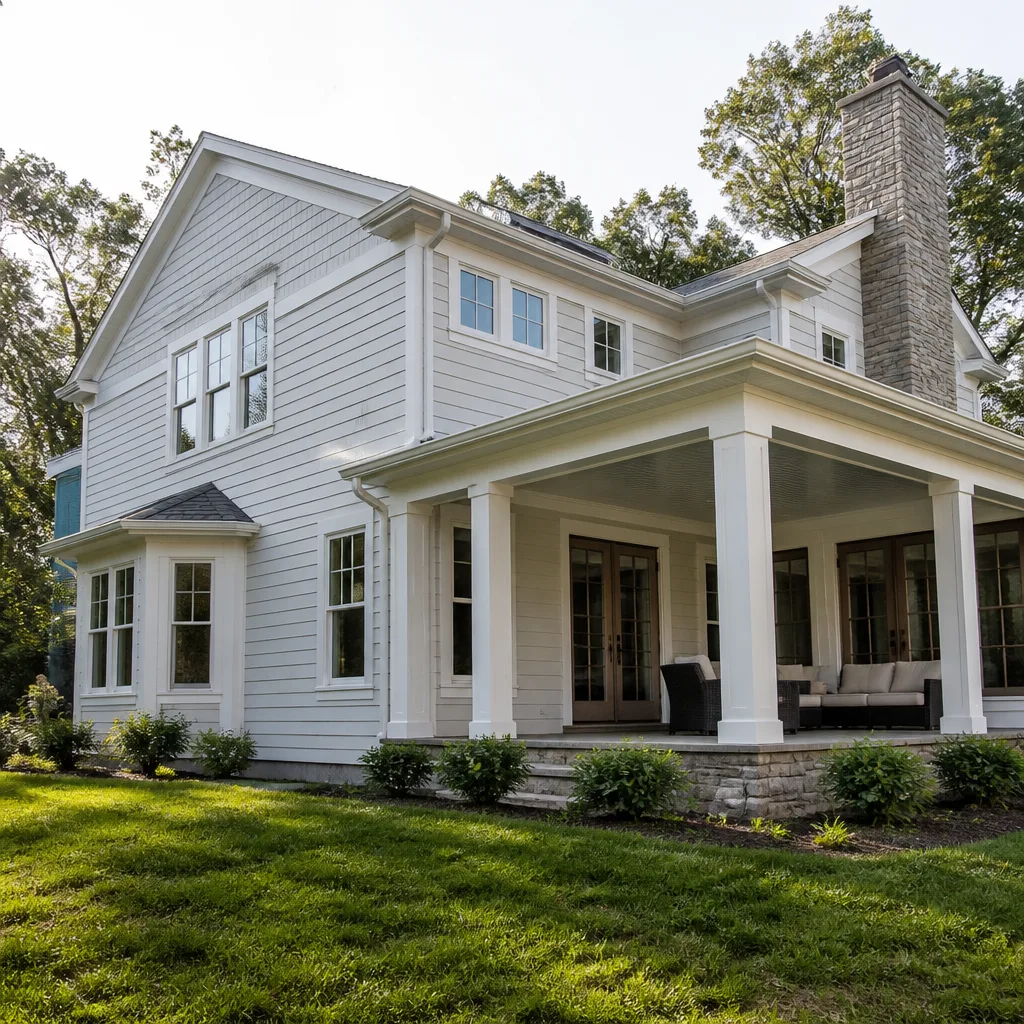
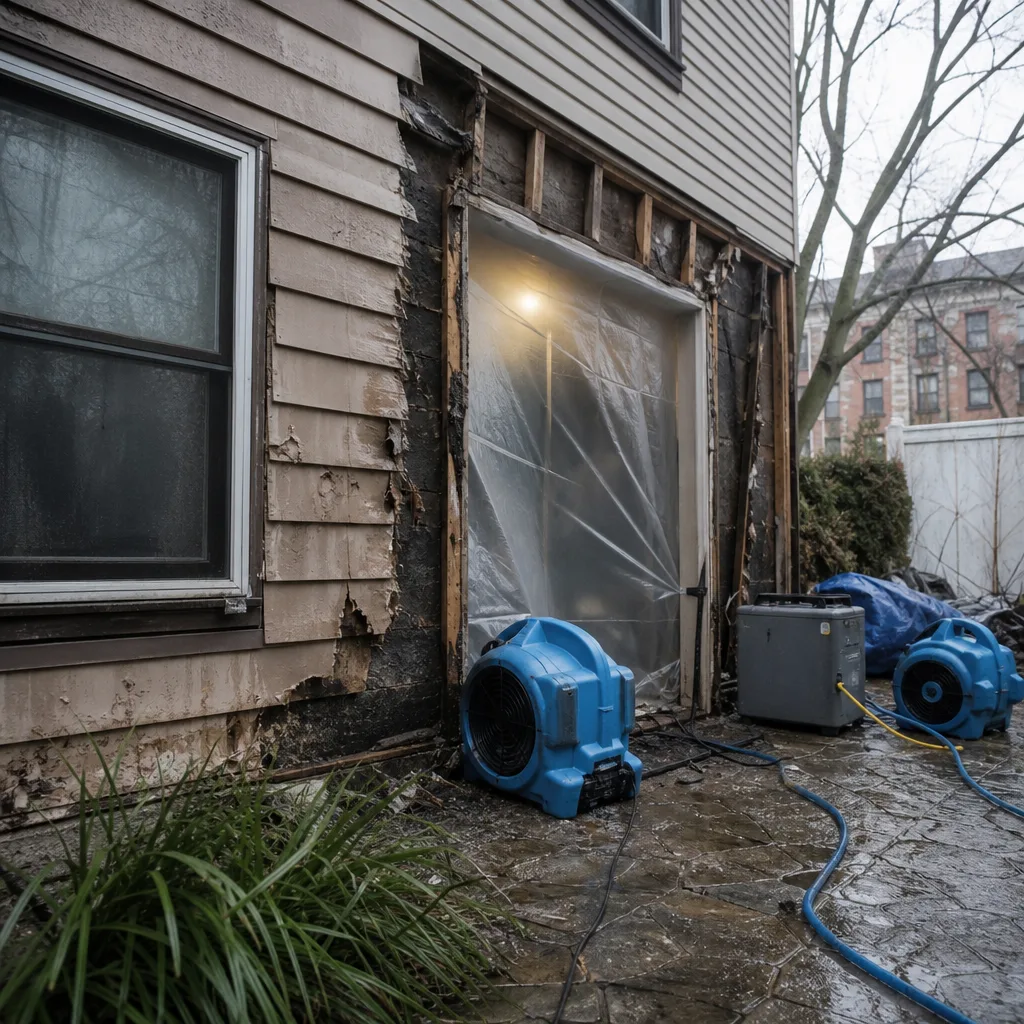 Before
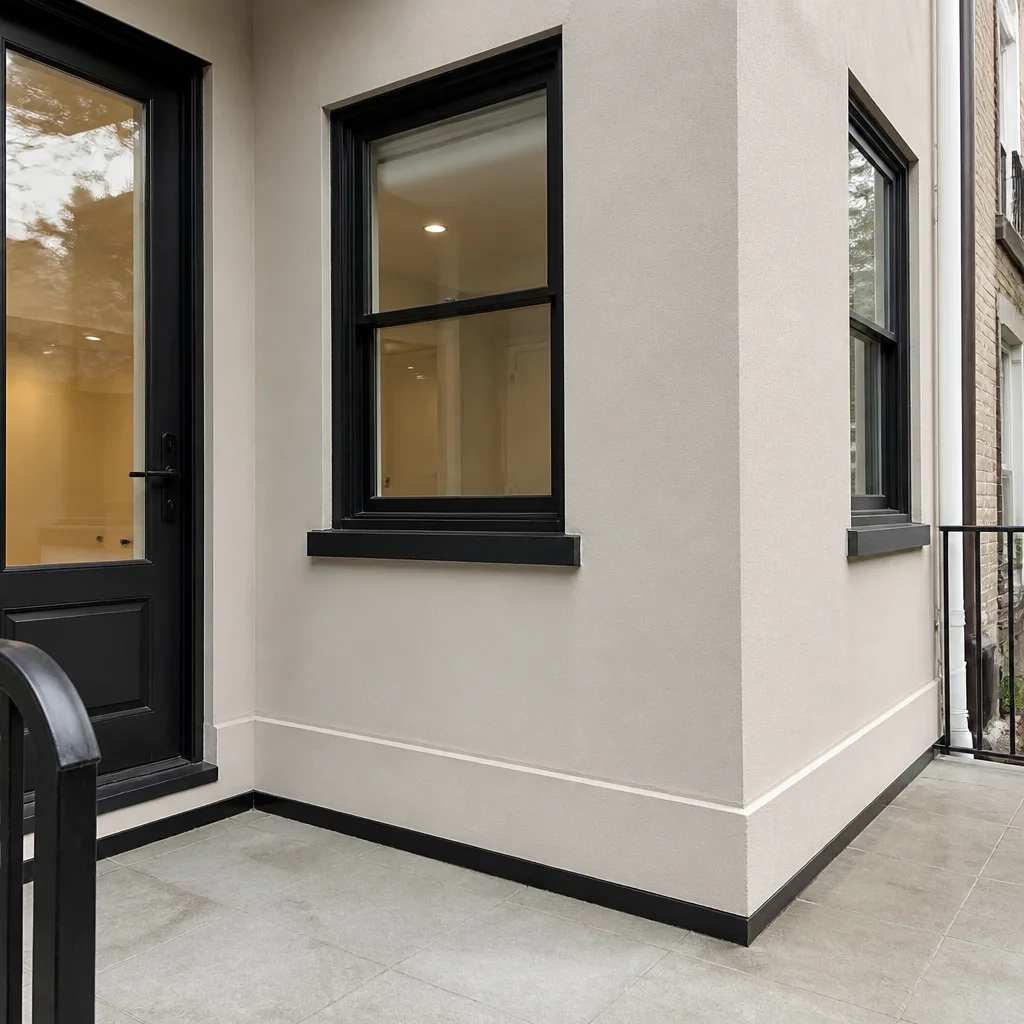 After
After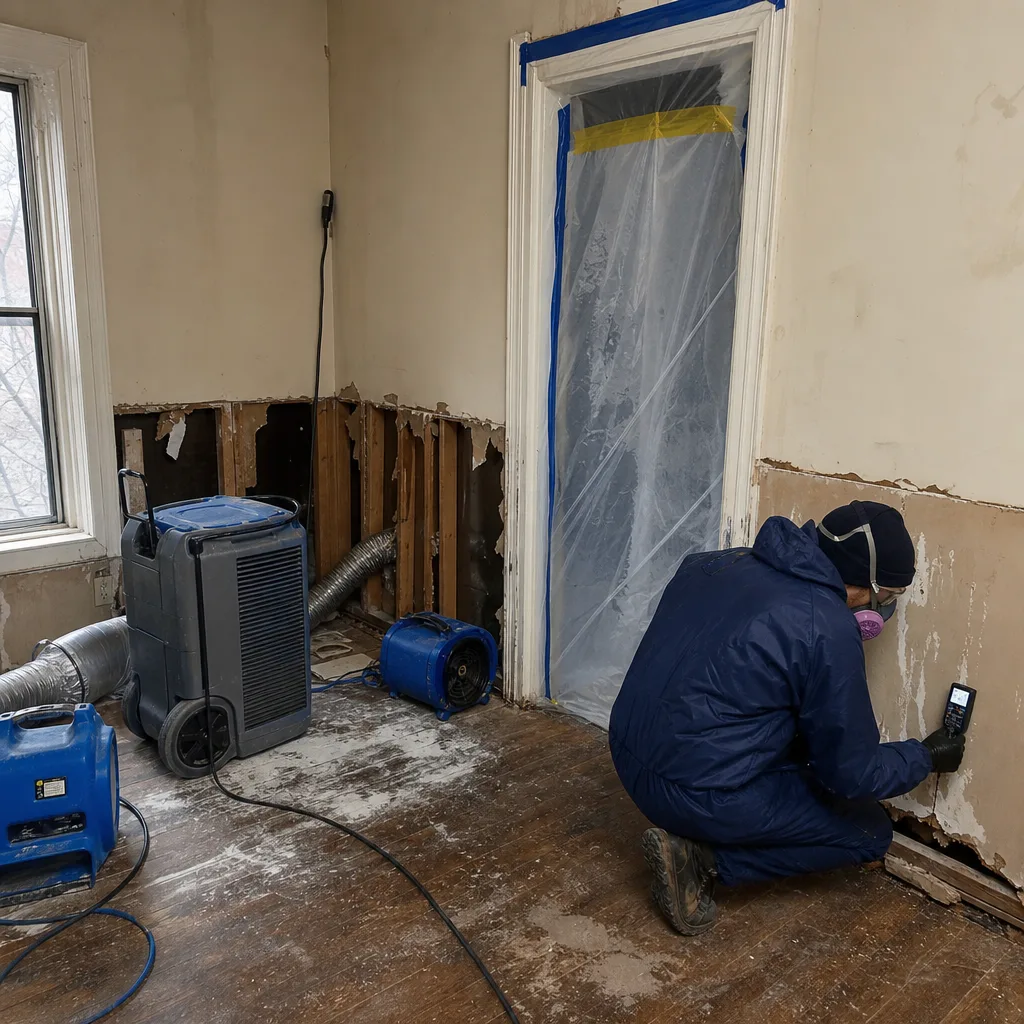 Before
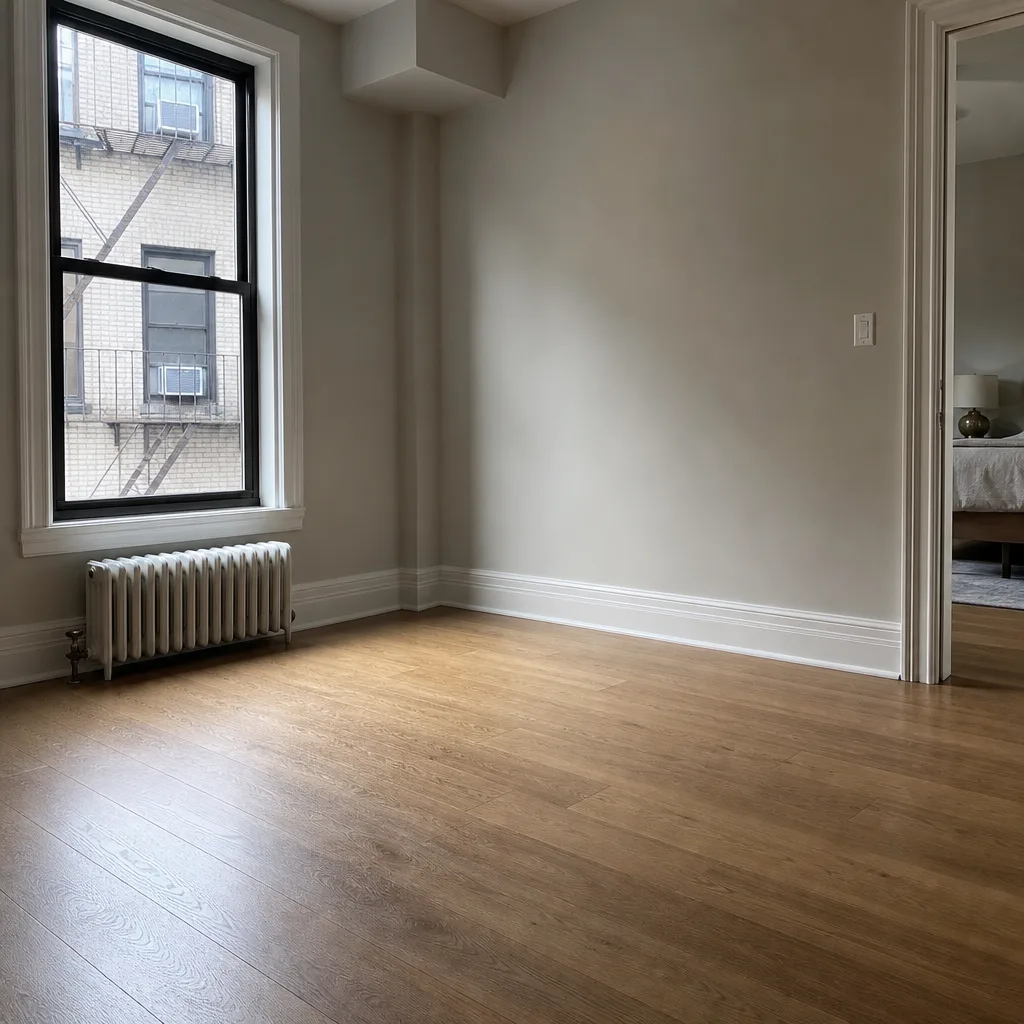 After
After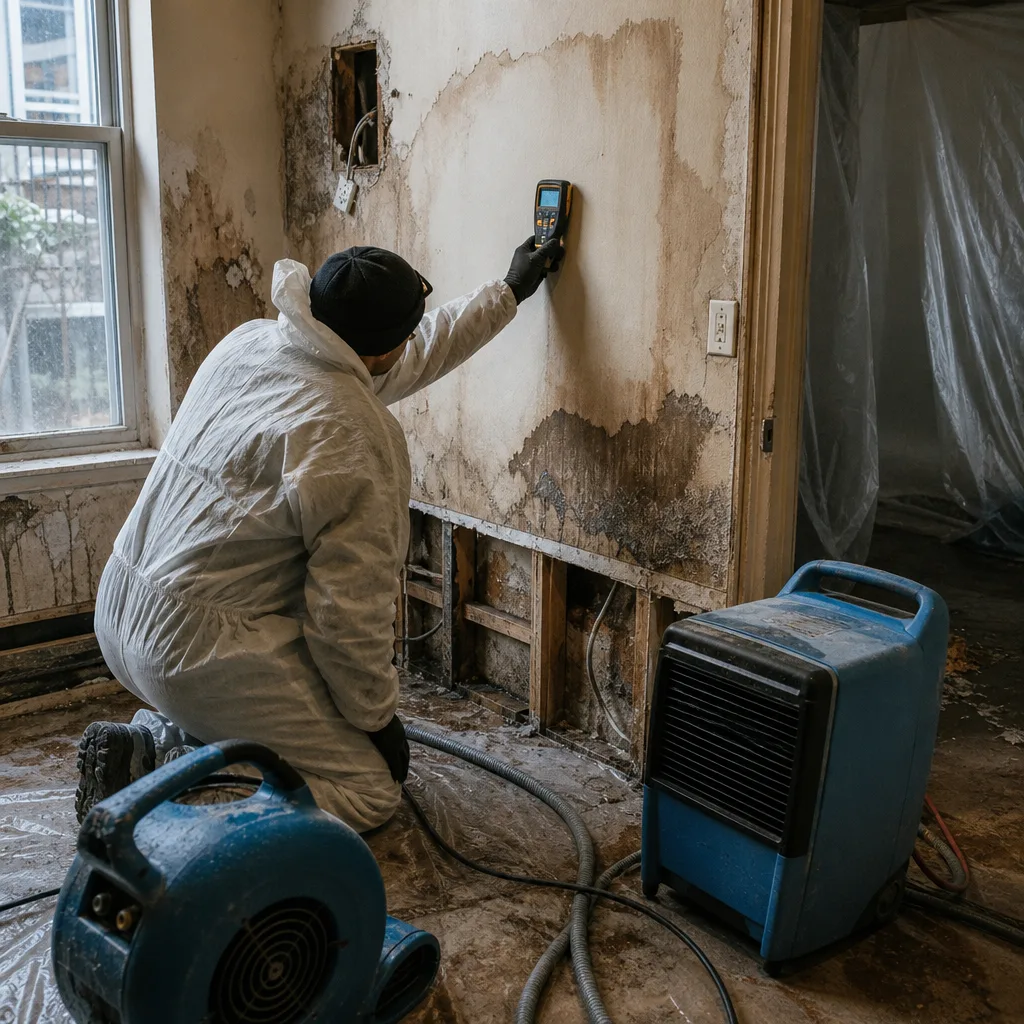 Before
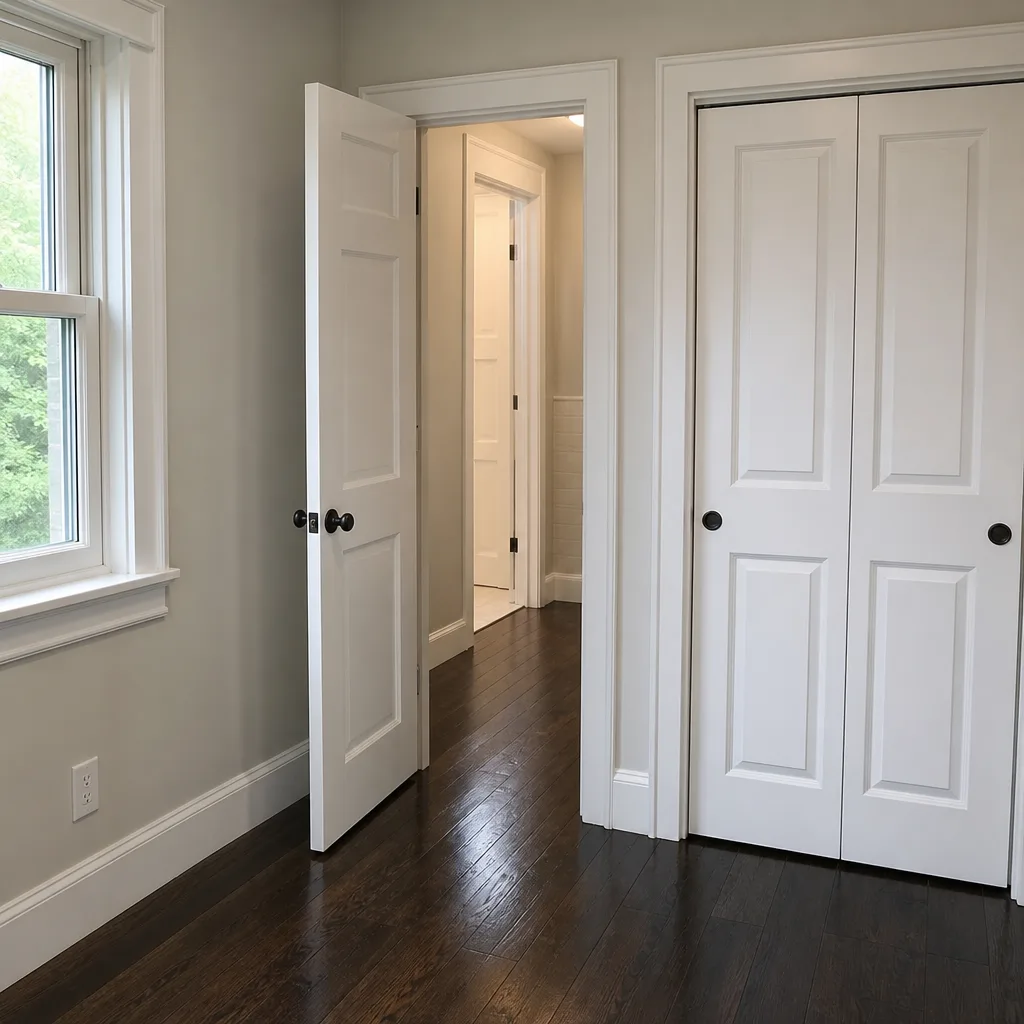 After
After24/7 Emergency Fire & Smoke Damage Restoration in Harlem
A kitchen fire in a Harlem brownstone can spread smoke through three floors of original horsehair-plaster walls in under ten minutes. If you’re facing fire or smoke damage right now, call (516) 687-5786 - a live person answers, 24 hours a day, and our crews are dispatched from our New York City office to Harlem within the hour. The first hour after a fire is when smoke residues set into porous surfaces and firefighting water begins wicking into legacy timber joists. Wait, and you’re looking at secondary mold growth, permanent odor embedding, and demolition scopes that grow by the square foot. We arrive with thermal imaging cameras, moisture meters, and HEPA containment already staged, perform a free visual inspection, and deliver a written price before any work begins - Haven Standard, Clause 1.
Understanding Fire & Smoke Damage Restoration Severity in Harlem Properties
Fire damage in Harlem isn’t graded just by what burned. It’s graded by what the building is made of. The neighborhood’s 1880s-1930s housing stock - brownstone rowhouses, railroad tenements, and pre-war walk-ups - contains materials that change the entire restoration timeline.
Smoke migration follows the path of least resistance through balloon framing and shared party walls. In Harlem’s rowhouses, that often means a second-floor kitchen fire deposits protein soot on fifth-floor ceiling joists three units away. We classify soot residue by type: dry smoke (fast-burning, high-heat fires), wet smoke (slow-burning, low-heat fires), and protein residue (nearly invisible, extremely pungent, common in kitchen fires). Each demands a different cleaning chemistry and contact time. Horsehair plaster, original to virtually every Harlem pre-war building, holds soot in its pores long after surface wiping looks clean. Without sealed containment and negative air pressure from HEPA scrubbers, that odor recirculates for months.
Then there’s the water damage from suppression. A single hose line can introduce 150-250 gallons per minute. In modern drywall assemblies, that water is visible and extractable. In Harlem’s legacy buildings, it soaks into old-growth timber joists and masonry cavities behind plaster, creating vapor pressure differentials that standard drying equipment can’t reach. We map moisture content at multiple depths - surface, substrate, and structural - and maintain psychrometric data until readings stabilize, not just until they look acceptable.
Why Harlem Property Owners Choose Back to Dry Restoration Manhattan
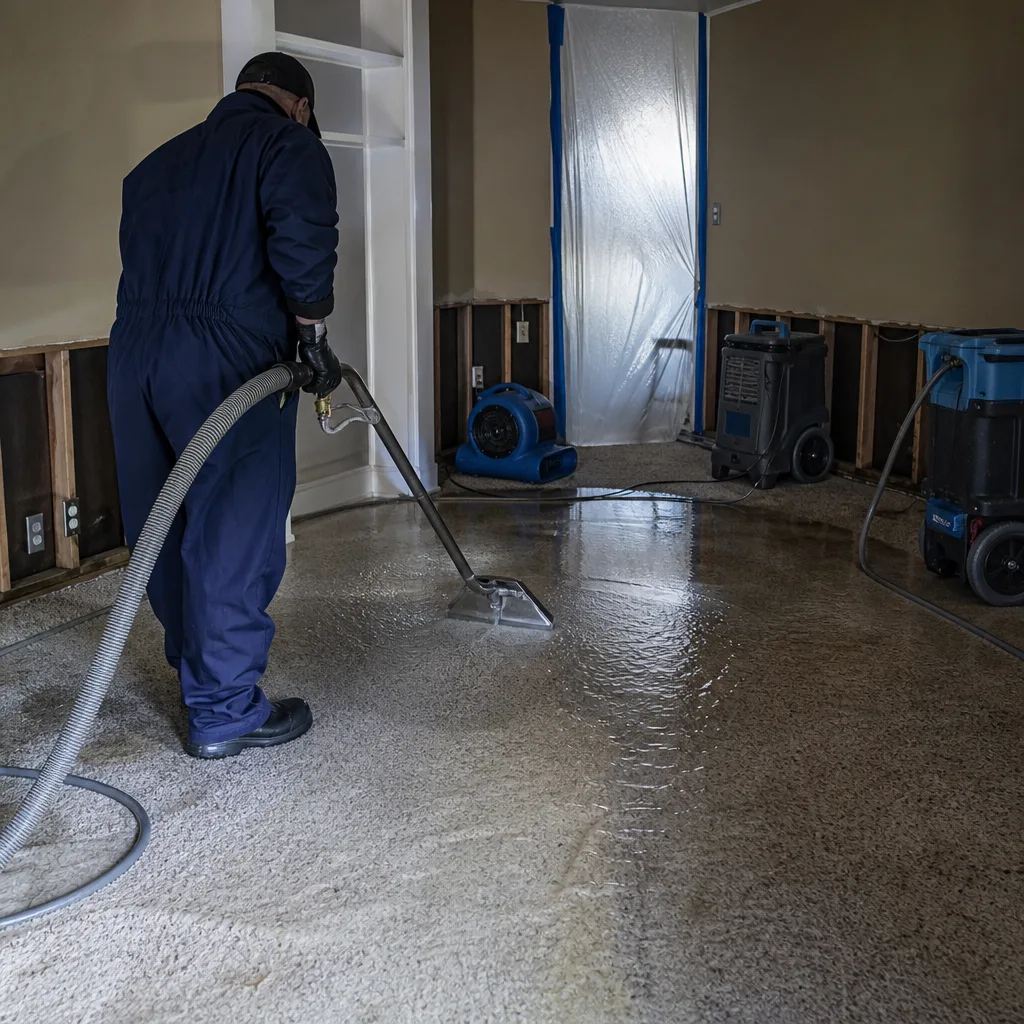
- 45-minute response commitment to Harlem from dispatch - our New York City office coordinates crews who know the street grid from Morningside Park to the Harlem River.
- 24/7 live answer - a real person, never an automated system or voicemail tree, picks up every call to (516) 687-5786.
- IICRC-certified crews - our technicians hold FSRT (Fire & Smoke Restoration Technician) and WRT (Water Damage Restoration Technician) certifications, with AMRT (Applied Microbial Remediation Technician) credentials for the mold that follows missed moisture.
- Free visual inspection - we document what we find, explain what it means, and leave you with a written scope and price before you decide.
- Direct insurance billing - we coordinate with your adjuster, submit line-item estimates, and handle documentation so your claim moves without dispute.
- One team from extraction to reconstruction - no handoffs between mitigation contractors and rebuild crews who blame each other for what the other missed.
BeforeAfterOur Fire & Smoke Damage Restoration Process
1. Inspection & Assessment
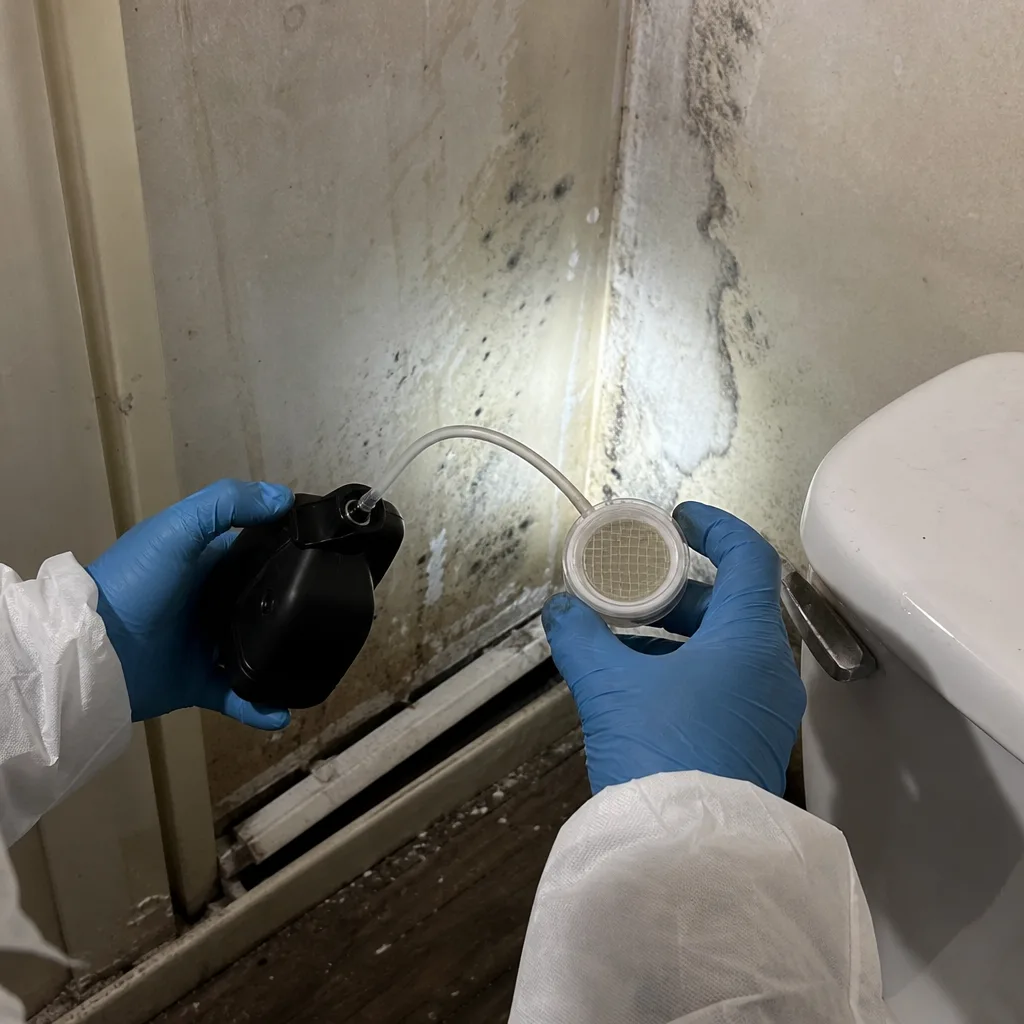
We arrive with thermal imaging cameras, moisture meters, and borescopes to see inside wall cavities. Every Harlem job starts with testing for lead paint and asbestos - because starting demolition without it shuts the job down mid-stream. We document everything with photos and deliver a written scope and price before any work begins.
2. Emergency Board-Up & Stabilization
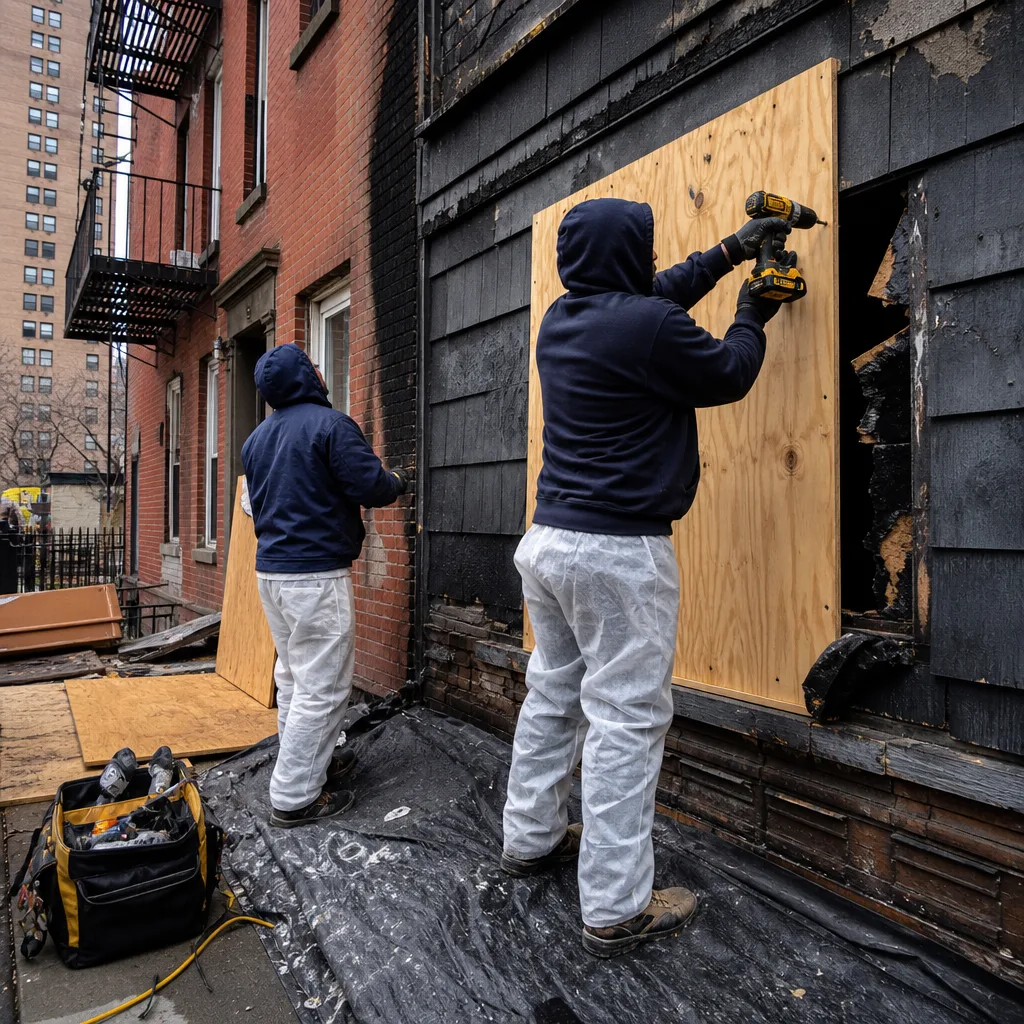
Broken windows, compromised roofs, and damaged doors get secured with plywood and weatherproof tarps the same day. In Harlem’s dense rowhouse blocks, a single unprotected opening exposes adjoining properties to weather, theft, and liability. We seal it fast.
3. Water Extraction & Structural Drying
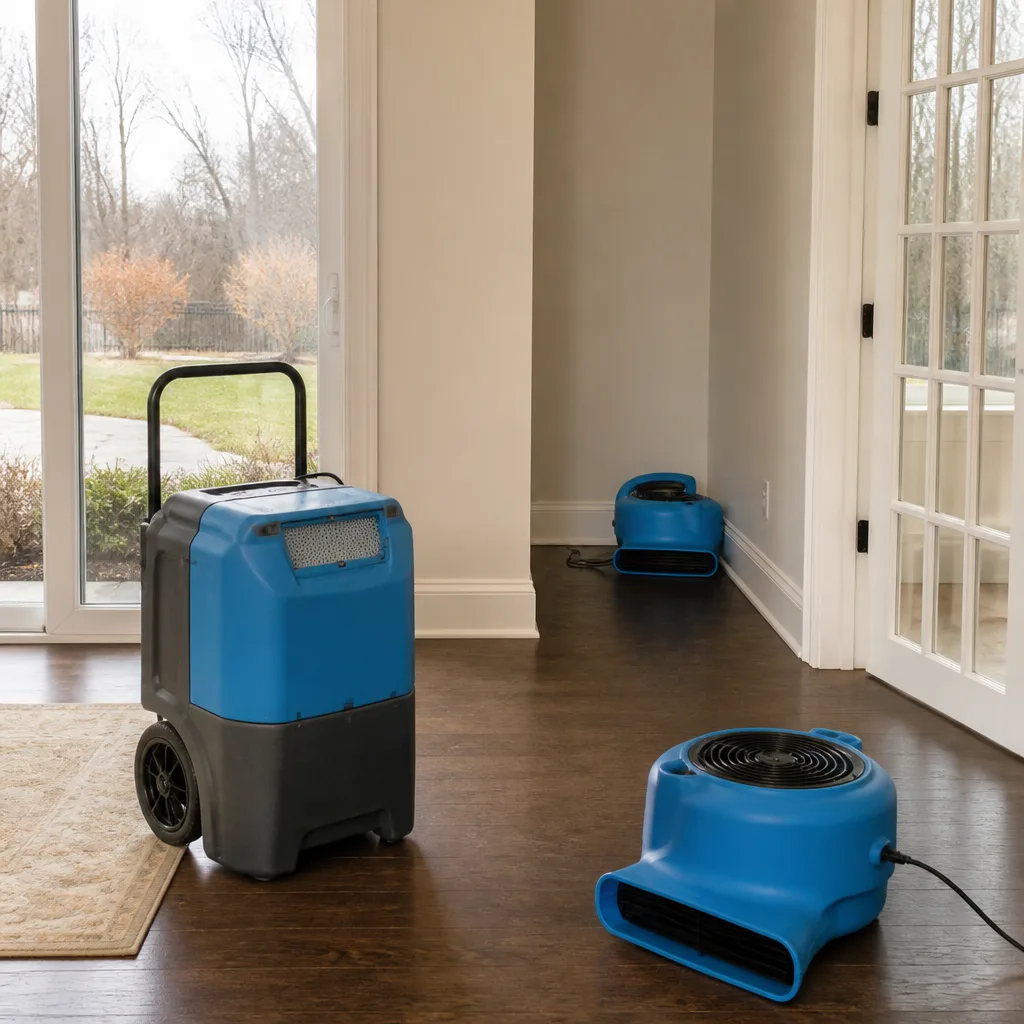
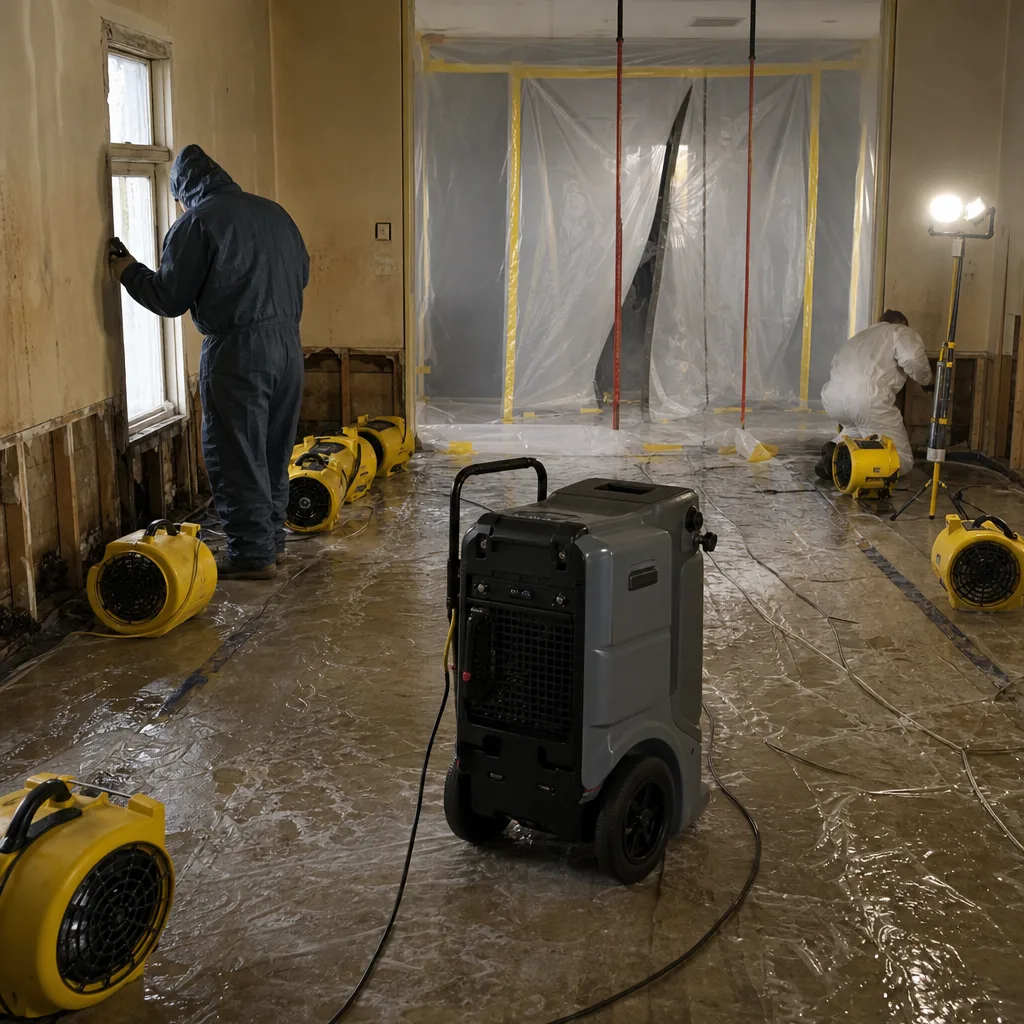
Fire suppression water gets extracted with truck-mounted and portable systems, then we deploy Dri-Eaz and Phoenix dehumidifiers with targeted air movement from XPOWER air movers. In horsehair plaster and old-growth timber, drying takes longer than modern assemblies - we log moisture readings daily and don’t call it done until vapor pressure differential readings confirm equilibrium.
4. Smoke & Soot Removal
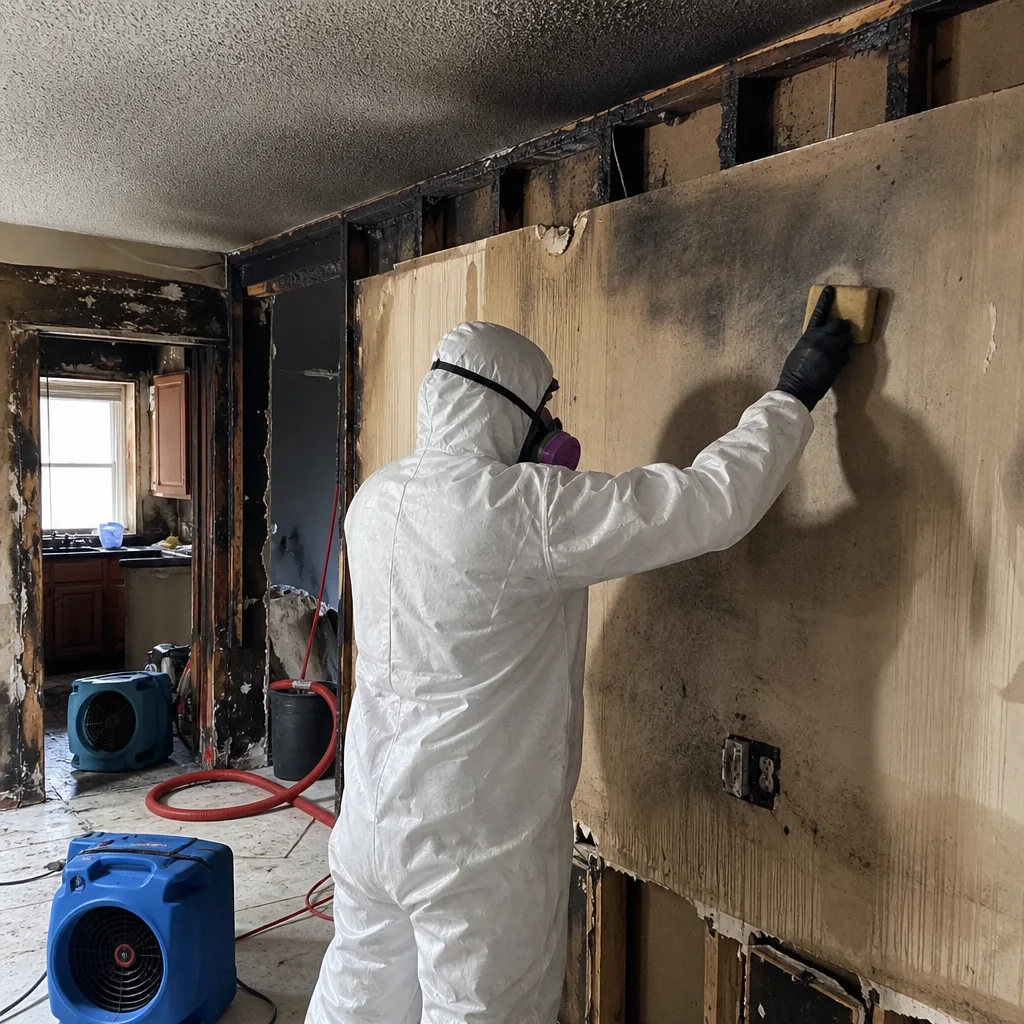
We establish sealed containment with negative air pressure and run HEPA air scrubbers continuously. Soot chemistry gets matched to residue type - dry, wet, or protein - and surfaces are cleaned with appropriate agents, agitation, and contact time. Plaster walls that test clean on the surface but register particulate in pores get sealed with specialized primers before any finish coat.
5. Odor Removal & Deodorization
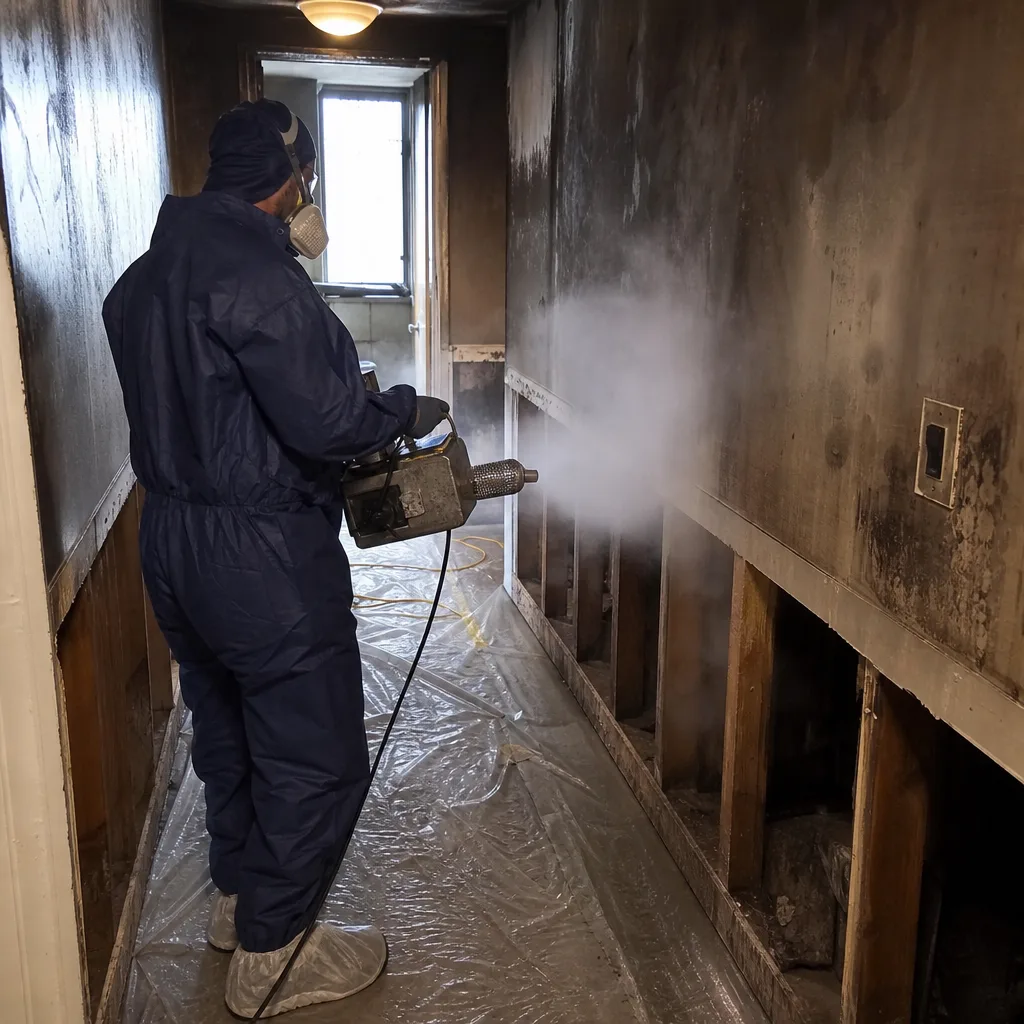
Surface cleaning isn’t enough for embedded smoke odor. We deploy thermal fogging, ozone treatment, and hydroxyl generators depending on the contamination level and occupancy status. In Harlem’s legacy buildings, odor molecules bond with plaster pores and timber resins - we treat until independent air sampling confirms clearance, not until it smells okay to us.
6. Structural Fire Repair & Rebuild
Once abatement is complete and drying logs show stable readings, we rebuild with materials matched to pre-loss condition. That means horsehair plaster repair where plaster existed, not cheap drywall substitutions that insurers sometimes push. Every rebuild carries our 365-Day Done Right Promise under The Haven Standard.
Need Emergency Fire & Smoke Damage Restoration in Harlem Now?
Crews minutes away, answering live 24 hours a day. The sooner we start, the less it costs.
Working With Your Insurance Company
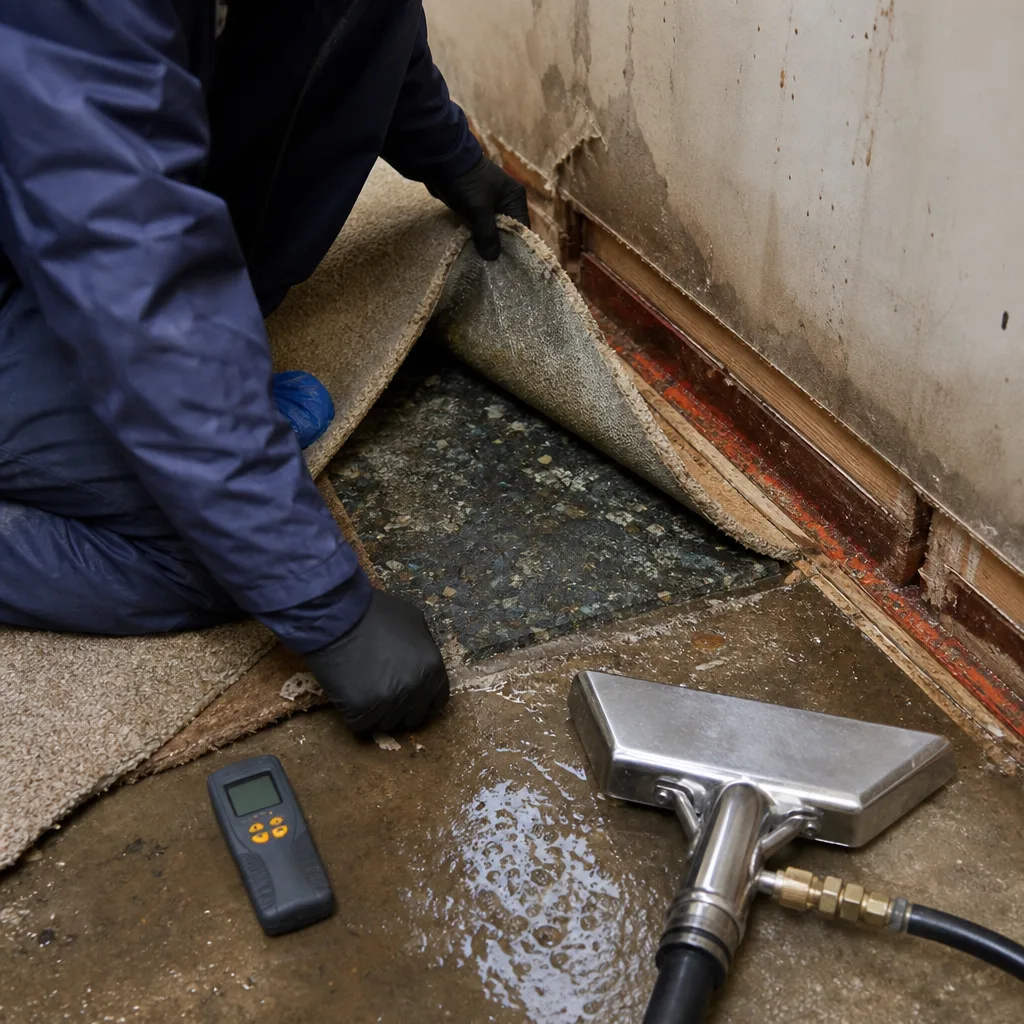
Fire claims in Harlem’s older housing stock get complicated fast. Your adjuster needs evidence that the scope is necessary, not inflated. We start building that file from the first hour - photo documentation, moisture mapping, material testing results, and daily drying logs that show exactly what was wet, how we dried it, and when it reached acceptable levels.
Our estimates follow industry-standard formats that carriers recognize. We coordinate directly with your adjuster, answer their documentation requests same-day, and push back when scopes get cut below what the building actually needs. Alicia Brennan founded Back to Dry in 2011 after working as a claims adjuster and watching homeowners lose legitimate coverage because their contractor’s paperwork couldn’t support the invoice. That gap is what we close.
What We Provide Your Insurer
- Thorough documentation of the loss
- Photos of all damage, room by room
- Moisture readings and drying logs
- A detailed, line-item scope of work
- Direct coordination with your carrier
Built for Harlem’s Loss Calendar
Fire risk in Harlem follows patterns tied to its housing stock and climate. January through March, portable space heaters and overloaded electrical circuits in buildings with original knob-and-tube remnants cause spike fires - often in basements or rear extensions where wiring was never upgraded. Spring brings wind-driven roof fires from aging built-up roofing with dried-out asphalt, especially on tenement blocks where parapet walls have cracked from freeze-thaw cycles. Summer kitchen fires peak as window air conditioners strain circuits already near capacity in railroad apartments with 15-amp service to entire floors.
The deeper pattern is deferred maintenance. Cast-iron electrical conduits, original gas lines with outdated shutoff configurations, and chimneys that haven’t been lined in decades - these are the conditions our crews find behind the fire damage. We document them because they affect the rebuild scope, and because insurers need to know whether the loss was sudden and accidental or the result of long-term deterioration that may limit coverage.
Fire & Smoke Damage Restoration Across Harlem’s Neighborhoods
Harlem isn’t uniform, and neither are its fire restoration challenges.
In West Harlem around Hamilton Heights and West 145th Street, the brownstone stock is among the finest in the city - but many were subdivided into SROs mid-century and later reconverted, leaving party-wall penetrations, unsealed chases, and below-grade garden apartments with no waterproofing. A fire in one unit often means smoke and water damage across three adjoining buildings, each with a different owner and insurer. We coordinate multi-party scopes regularly.
Central Harlem along Lenox Avenue and Adam Clayton Powell Jr. Boulevard has dense tenement blocks with original cast-iron radiators, shared stairwells, and roof bulkheads that act as smoke chimneys during fires. Emergency board-up here means securing not just the fire unit but common entrances and egress paths that other residents depend on.
East Harlem below East 116th Street and around Lexington Avenue includes some of the neighborhood’s oldest stock, with buildings that predate the 1880s cutoff. Lead paint is essentially universal, and asbestos-containing pipe insulation appears in nearly every basement. We build mandatory testing into every initial scope - no exceptions, because starting without it wastes everyone’s time and money.
Morningside Heights at Harlem’s southern edge blends institutional buildings with residential conversions. Fire damage here often involves mixed-use properties with commercial kitchens on ground floors and residential units above, creating complex contamination profiles that demand FSRT-certified crews who understand both protein residue and commercial suppression system discharge.
Specialized Fire & Smoke Damage Restoration Services We Offer in Harlem
Fire Damage Cleanup
We remove debris, evaluate structural integrity, and stabilize what can be saved. In Harlem’s brownstones, that often means salvaging original millwork, plaster ornament, and hardwood flooring that replacement simply cannot match. We document salvageable materials with photos and moisture readings before any demolition begins.
Smoke & Soot Removal
Soot chemistry determines cleaning protocol. Dry smoke residues respond to dry sponging and HEPA vacuuming. Wet smoke, common in slow-burning fires with incomplete combustion, requires solvent-based cleaning with controlled agitation. Protein residues from kitchen fires are nearly invisible but brutally pungent - we use enzyme digesters and thermal fogging with sealed containment. Horsehair plaster demands extended contact time and often post-cleaning sealers.
Odor Removal & Deodorization
Smoke odor in Harlem buildings isn’t a surface problem. It’s a penetration problem. We deploy hydroxyl generators for occupied spaces, ozone for unoccupied structures, and thermal fogging for deep timber and masonry penetration. Independent air clearance sampling confirms effectiveness - we don’t rely on nose tests.
Contents Cleaning & Pack-Out
Salvageable contents get inventoried, photographed, and transported to our facility for ultrasonic cleaning, ozone treatment, and specialized textile restoration. Non-salvageable items are documented for insurance replacement with make, model, and condition notes. In Harlem’s tight quarters, pack-outs require coordination with building management and often street-closure permits - we handle the logistics.
Emergency Board-Up & Tarping
Same-day securing of compromised openings with plywood, polycarbonate, and weatherproof membranes. In Harlem’s rowhouse blocks, emergency board-up protects against weather intrusion, theft, and liability exposure for adjoining owners. We document the condition of the building envelope before and after stabilization for insurance records.
Structural Fire Repair
Rebuild after abatement, drying, and cleaning are complete. We match materials to pre-loss condition - horsehair plaster repair, original-profile trim replication, hardwood floor weaving - and provide a written warranty under The Haven Standard’s 365-Day Done Right Promise. Every structural repair in Harlem’s legacy buildings requires lead-safe work practices; we build that into the scope from day one.
What happens when you call
- 1
A real person answersNo phone trees - you reach a local pro.
- 2
You get an upfront price rangeHonest numbers before anyone is dispatched.
- 3
A background-checked tech heads outLicensed & insured, dispatched right away.
- 4
You approve before work beginsNothing starts until you say go.
Fire & Smoke Damage Restoration Costs in Harlem, NY
Fire restoration pricing in Harlem runs higher than in newer submarkets because of the abatement and phased work that legacy buildings demand. Here’s what we typically see:
| Service | Typical Range in Harlem |
|---|---|
| Emergency board-up & stabilization | $800 - $2,400 |
| Smoke & soot removal (per affected room) | $1,200 - $3,500 |
| Structural drying & dehumidification | $1,500 - $4,800 |
| Asbestos/lead abatement (when required) | $2,000 - $8,500+ |
| Odor removal & deodorization | $900 - $2,800 |
| Contents pack-out & cleaning | $1,400 - $5,200 |
| Structural repair & rebuild | $4,500 - $25,000+ |
What moves the price: square footage affected, soot residue type, whether fire suppression water reached structural substrates, and whether asbestos or lead testing triggers mandatory abatement before rebuild. Most Harlem fire claims involve insurance coverage; we provide the documentation that gets scopes approved. Bring any competitor’s written estimate and we’ll review it free - Haven Standard, Clause 7. Call (516) 687-5786 for a written price before any work starts.
We Also Serve Cities Near Harlem
Our crews respond from the New York City metro office to Harlem and surrounding Manhattan neighborhoods: the Upper West Side, Upper East Side, and Morningside Heights. Each shares some of Harlem’s pre-war housing characteristics, though none match the concentration of 1880s-1930s brownstone and tenement stock that defines Harlem’s restoration challenges.
Serving Harlem, NY - Our Local Coverage Area
We’re based in the Harlem area and know this community well. Use the map below to see our service coverage - if you’re nearby, we can almost certainly help.
Harlem Fire & Smoke Damage Restoration Questions, Answered
Why does fire damage restoration in a Harlem brownstone take longer than in a newer building?
Because three legacy hazards - horsehair plaster, lead paint, and asbestos-containing pipe insulation - legally require certified abatement before any structural repair can begin. A kitchen fire that would be a drywall-and-paint job in a 1990s condo becomes a multi-phase project: containment and HEPA air scrubbing, moisture mapping and structural drying, mandatory testing, certified abatement if triggered, then rebuild. Each phase has its own timeline and documentation requirements. Call (516) 687-5786 and we’ll walk through the specific sequence for your property.
Does a kitchen fire in a Harlem tenement require asbestos abatement before repairs?
Not automatically, but testing is mandatory and abatement is common. Asbestos-containing pipe insulation, floor tile mastic, and plaster texture compounds appear frequently enough in Harlem’s pre-1930 buildings that we build testing into every initial scope. If ACM (asbestos-containing material) is found, EPA and NYC regulations require certified abatement contractors to remove it before demolition or disturbance. Starting without testing risks mid-job shutdown, contamination spread, and regulatory penalties. We handle testing coordination and abatement scheduling as part of our standard process.
How long after a fire in a Harlem apartment do we have before mold becomes a problem?
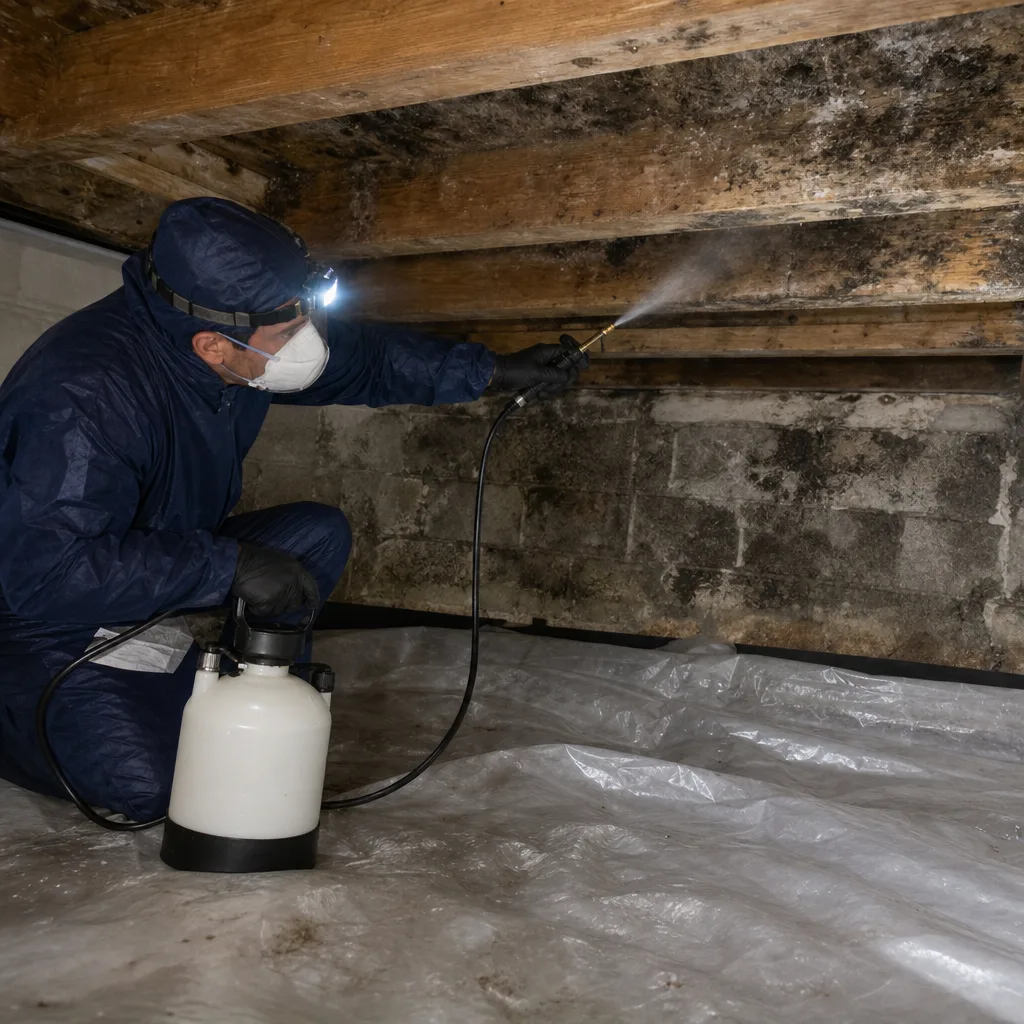
24 to 48 hours in most conditions, but faster in Harlem’s legacy buildings. Fire suppression water soaks into old-growth timber joists and masonry behind horsehair plaster, where it stays wet longer than modern drywall assemblies. Without immediate moisture mapping and targeted drying, mold colonizes in hidden cavities before surface readings look alarming. We deploy thermal imaging and deep-probe moisture meters on every Harlem fire job to find that water before mold does. Call (516) 687-5786 for same-day assessment.
Can smoke odor from a fire in an old Harlem building really be removed completely?
Yes, if the restoration protocol matches the building’s materials. Smoke odor persists in Harlem buildings when crews clean surfaces but skip sealed containment, HEPA air scrubbing during work, and post-cleaning sealers on porous plaster. We treat odor as a particulate penetration problem, not a surface smell. Hydroxyl generators, thermal fogging, and independent air clearance sampling confirm elimination - not masking. The 365-Day Done Right Promise covers odor recurrence; if it comes back, we return at no charge.
After a fire in a Harlem brownstone, what does emergency board-up and tarping actually protect against?
Weather intrusion, theft, liability for adjoining owners, and further structural deterioration. Harlem’s rowhouses share party walls and rooflines; a compromised parapet or open window exposes neighboring units to water damage and security risk. Board-up also stabilizes damaged structural elements until full assessment is complete. We document the pre-board condition with photos for insurance, then secure with plywood, polycarbonate, and weatherproof membranes same-day.
How fast can your crew actually get to Harlem?
Our 45-minute response commitment applies to Harlem dispatches from our New York City office. Live phone coverage at (516) 687-5786 means no voicemail delays - a real person takes your address, damage description, and dispatches crews immediately. Night, weekend, holiday - same process, same speed.
Will my insurance cover the full restoration, including abatement?
Most homeowner and landlord policies cover sudden and accidental fire damage, including necessary abatement when required by law. Coverage disputes arise when insurers argue damage was caused by long-term deterioration rather than the fire itself - for example, claiming electrical fire was due to deferred maintenance. We document the sudden event, the immediate damage, and the necessary restoration sequence in language adjusters recognize. Direct coordination with your carrier is standard on every job. Bring any competitor’s estimate for our free second opinion.
What should I do in the first 30 minutes after a fire is extinguished?
Ensure everyone is safe and accounted for, then call us. Do not enter until the fire department clears the structure - compromised floors, weakened stair stringers, and live electrical hazards are common. Do not attempt to clean or disturb anything; soot particles are abrasive and improper cleaning can permanently damage surfaces. If safe to do so from outside, photograph the exterior damage for your records. Then call (516) 687-5786 - we’ll guide immediate steps and dispatch crews with the equipment your specific building requires.
When a kitchen fire in a 1905 brownstone near West 138th Street sent smoke through the original horsehair-plaster walls, our crew set up containment and HEPA air scrubbers, then moisture-mapped the structure and pulled drying logs because the fire-suppression water had soaked deep into the old-growth timber floor joists and plaster. We found asbestos-containing pipe insulation in the basement chase and had to pause mitigation for certified abatement before we could rebuild - a delay that simply doesn’t happen in newer housing stock. We completed the smoke and soot removal, antimicrobial treatment, and structural drying over several phases, then rebuilt with materials matched to the building’s pre-loss condition.
Harlem’s brownstones and 1880s-1930s tenements are packed with original horsehair-plaster walls, cast-iron drain stacks, and asbestos-containing pipe insulation, so a fire loss here routinely forces certified abatement and lead-safe work practices before any structural repair can begin. That combination - legacy plaster, lead paint, and asbestos - turns even a one-room kitchen fire into a multi-phase restoration scope that would be a straightforward drywall-and-paint job in a newer building. Our Fire & Smoke Damage Restoration team documents every phase, coordinates with certified abatement contractors when required, and rebuilds with materials that respect the building’s character. The Haven Standard, Clause 1: written price before work begins. The Haven Standard, 365-Day Done Right Promise: if it’s not done right, we make it right.
Call (516) 687-5786 now. A live person answers, 24 hours a day. We’ll schedule your free visual inspection, deliver a written scope and price, and start documentation that turns your restoration invoice into a claim your insurer pays without a fight.
Written by Alicia Brennan, Owner at Back to Dry Restoration, serving Harlem since 2011 under The Haven Standard.
Fire & Smoke Damage Restoration in Nearby Areas