
Free visual inspection and a written scope of work before any mitigation begins - photos, moisture readings, and drying logs go in your claim file
The scope we write is the scope we bill. Anything new gets shown to you, in writing, before we touch it.
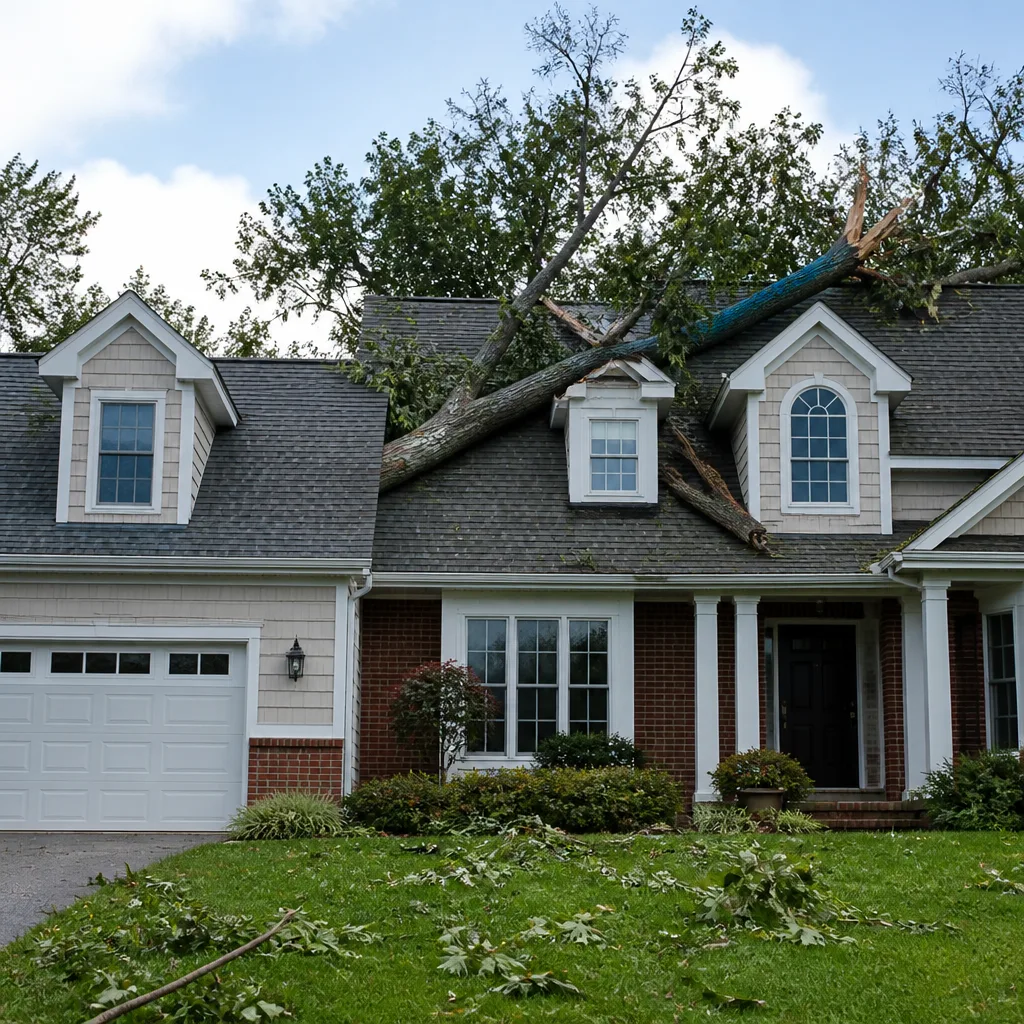
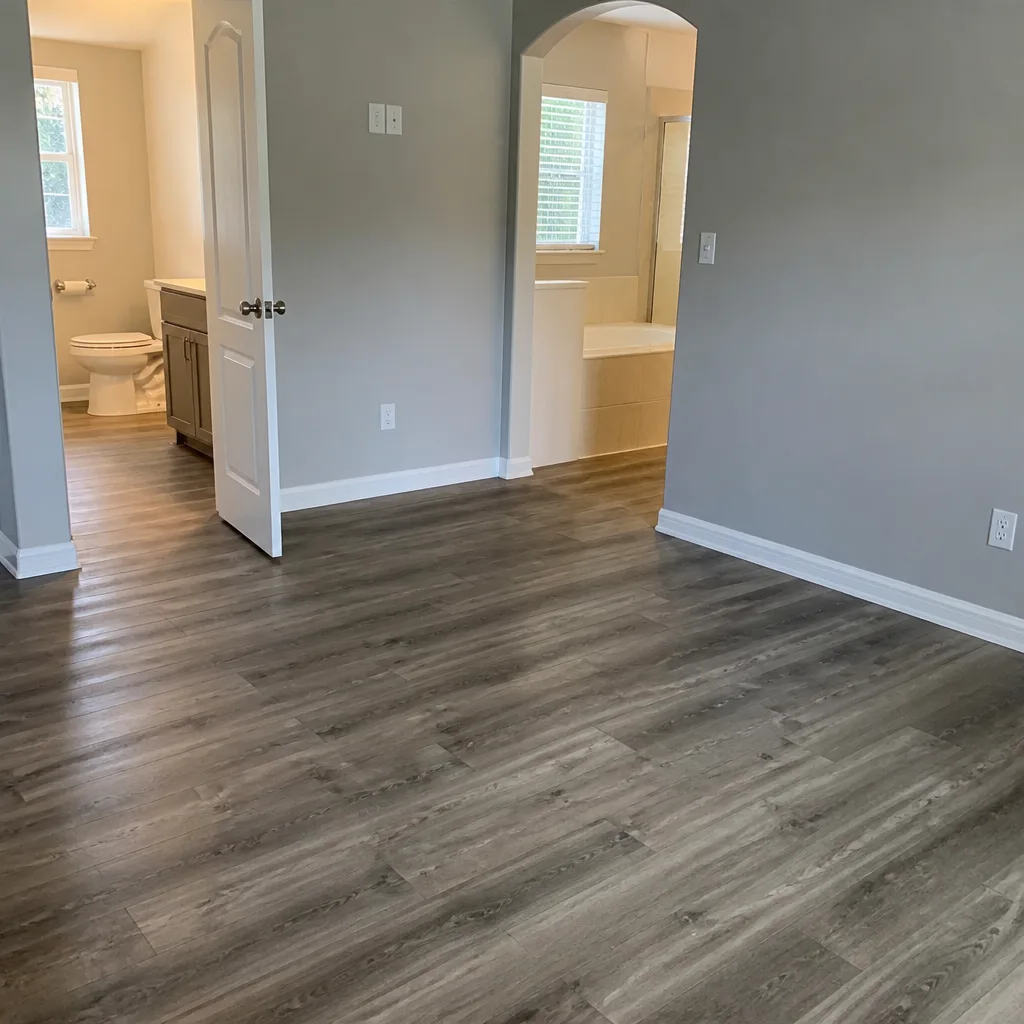
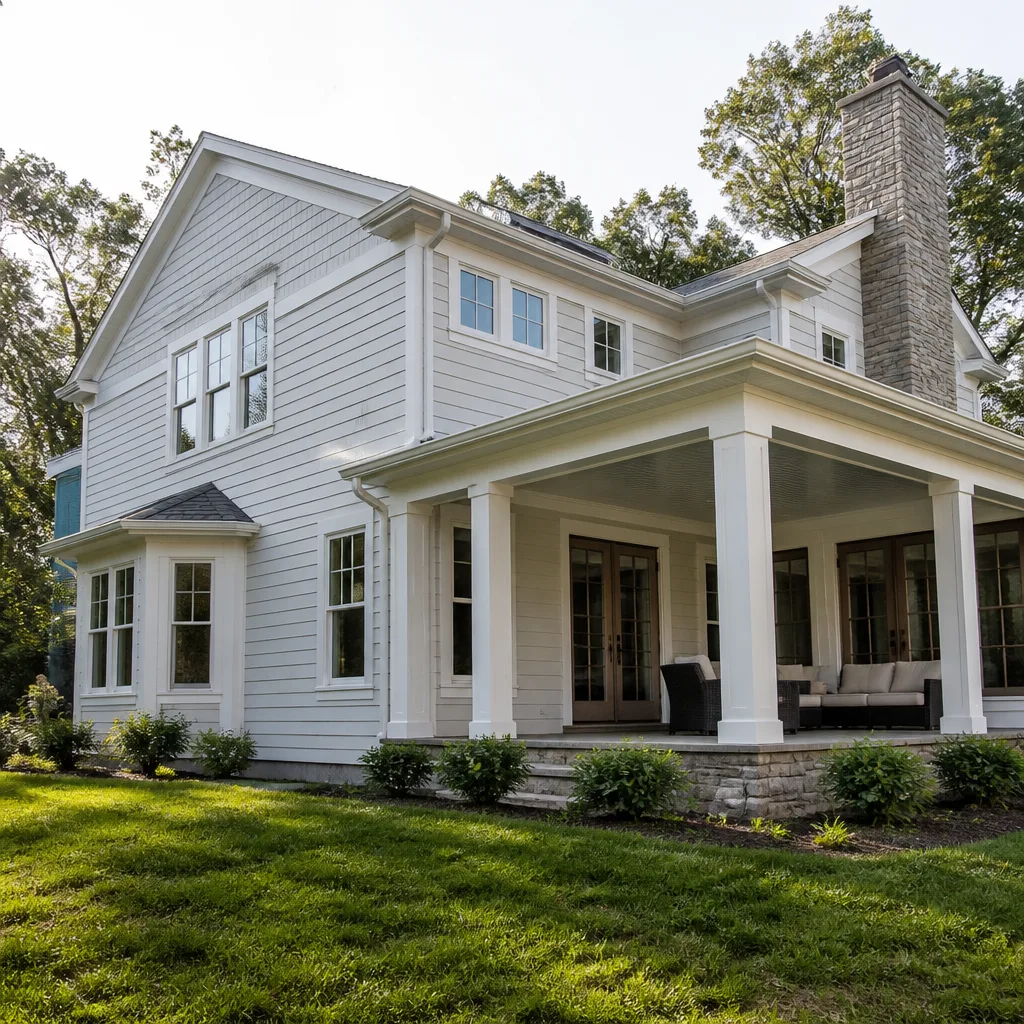
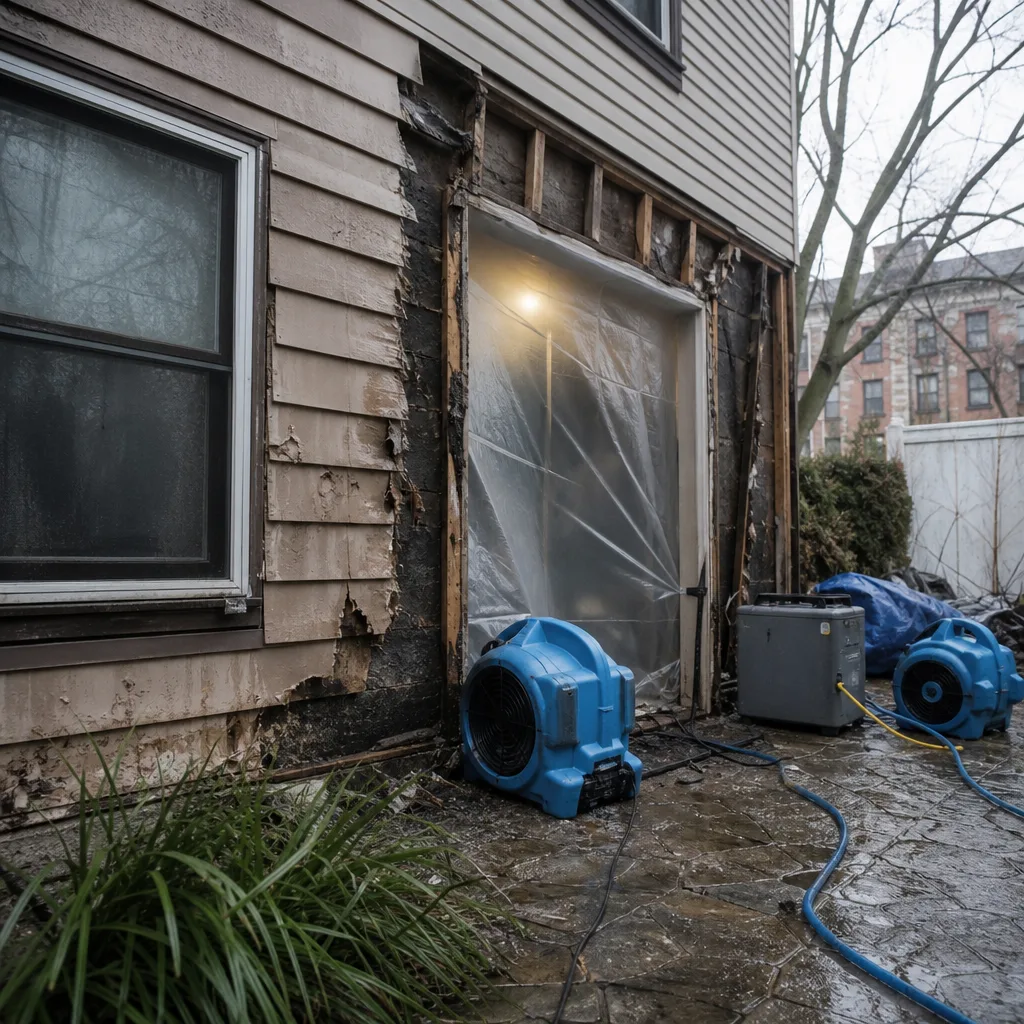 Before
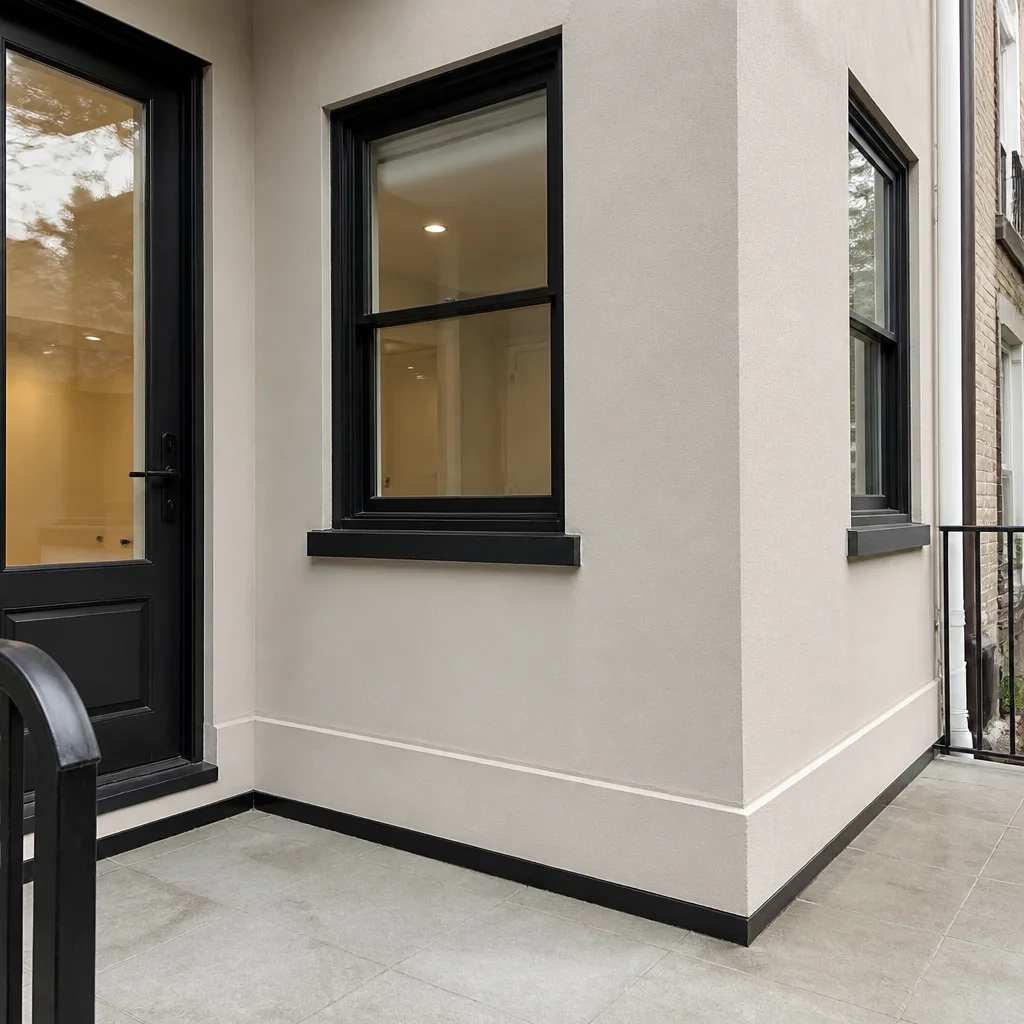 After
After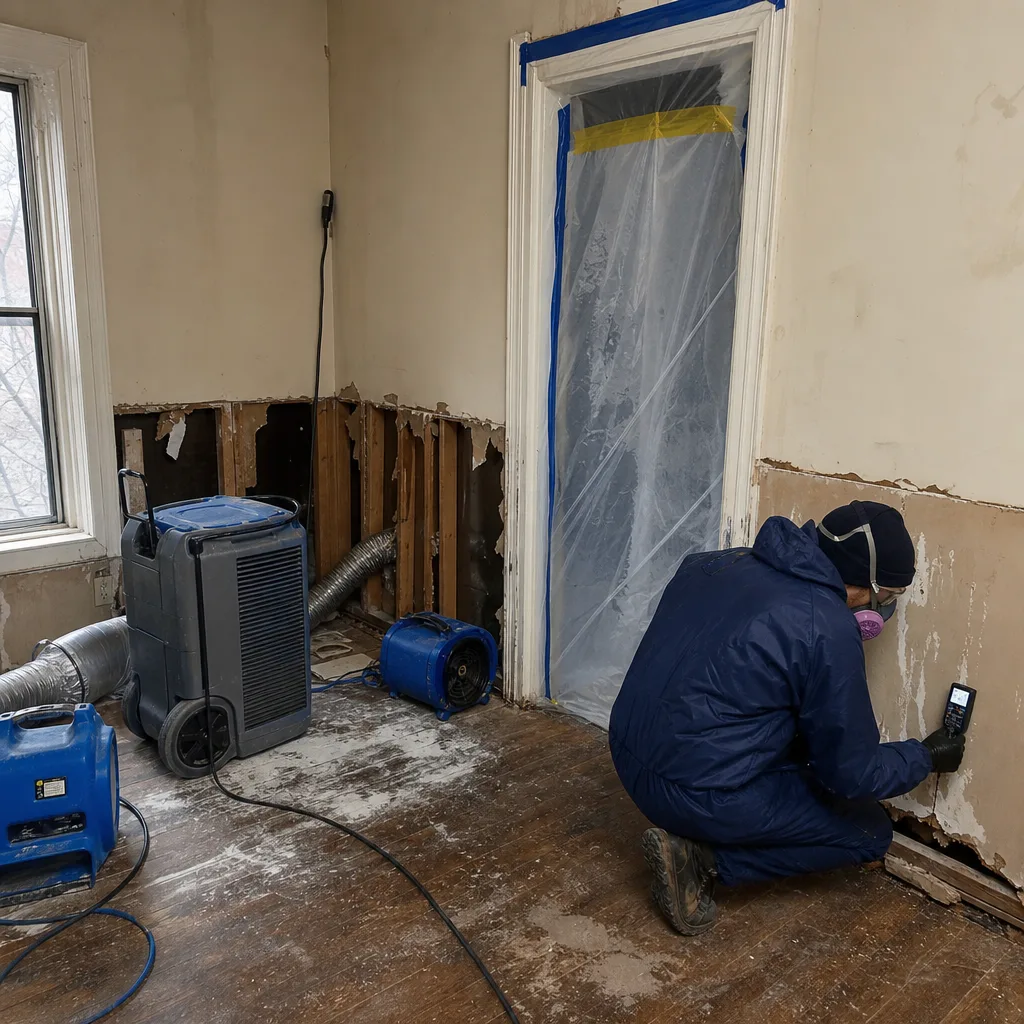 Before
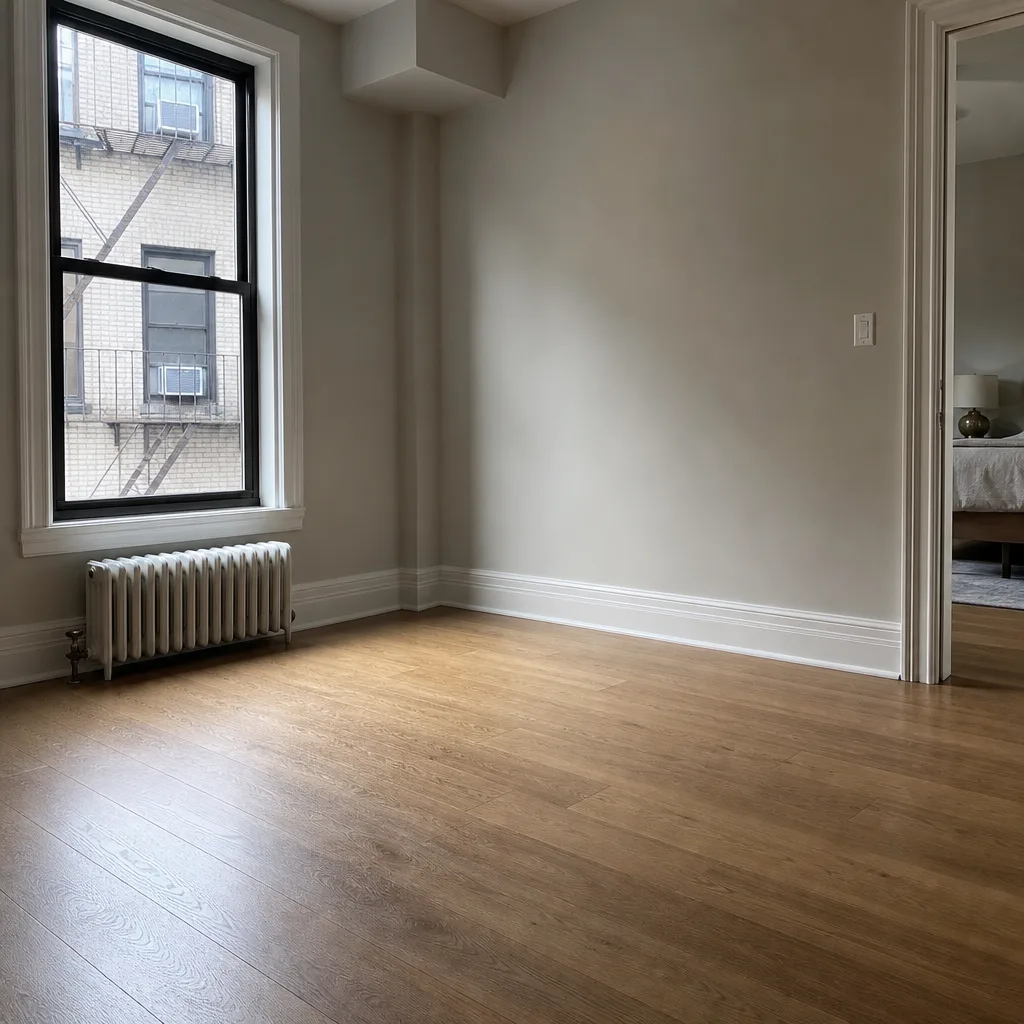 After
After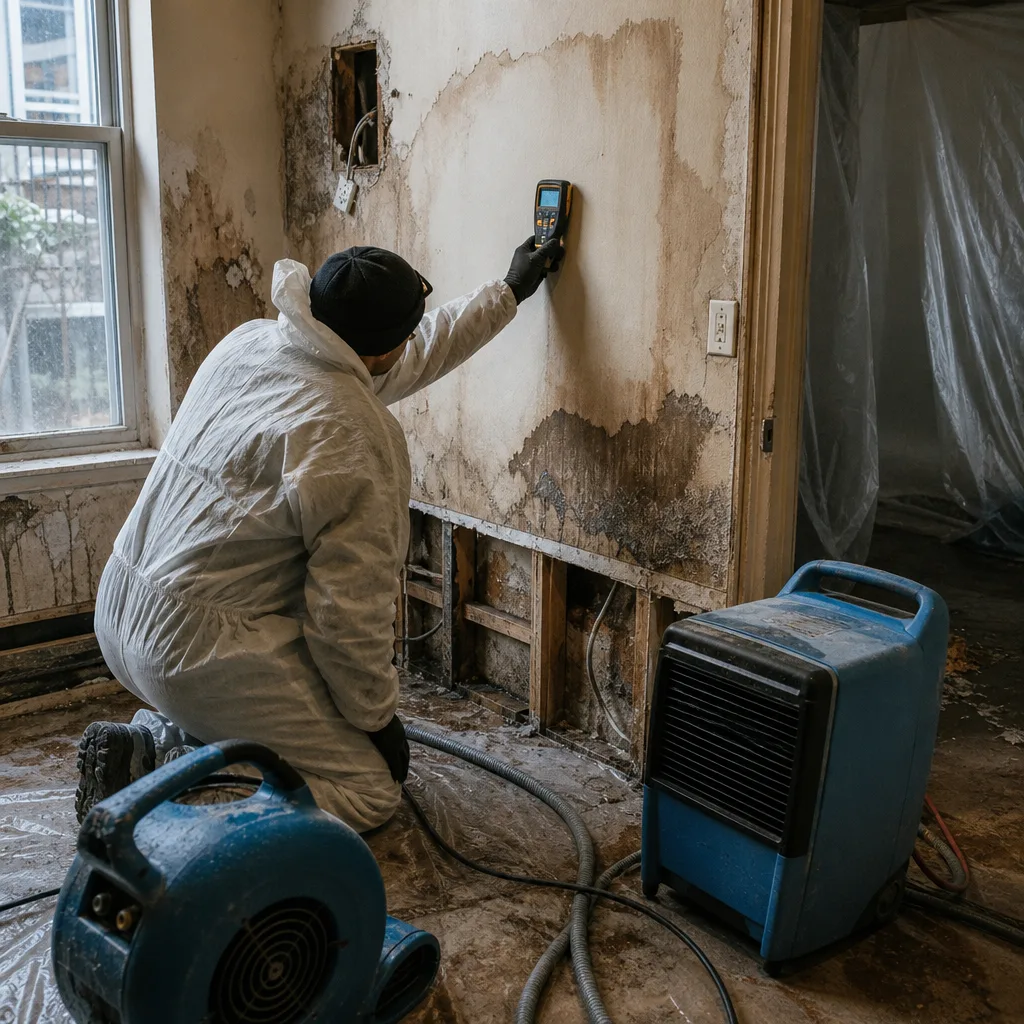 Before
 After
After24/7 Emergency Mold Remediation in Harlem
Mold remediation in Harlem typically runs $1,800-$6,500 depending on the affected square footage, contamination level, and whether asbestos abatement is required before demolition can begin. Most Harlem properties need 3-7 days of active remediation, with same-day crew dispatch available for Category 3 water losses that feed rapid mold growth - our Harlem Water Damage Restoration team responds immediately. Call (516) 687-5786 now - we answer live, 24 hours a day, 7 days a week, with no voicemail trees or next-business-day callbacks while moisture is still spreading.
Our crews serve Harlem from our New York City office, with response routes covering West Harlem, Central Harlem, and East Harlem. The first hour matters because mold colonies in pre-war plaster-and-timber assemblies can establish within 24-48 hours of water intrusion, and in Harlem’s 1880s-1930s housing stock, those colonies often grow behind original horsehair plaster for weeks before any visible bloom appears. We provide a free visual inspection, document moisture readings with thermal imaging, and deliver a written price before any work begins - Haven Standard, Clause 1.
Understanding Mold Remediation Severity in Harlem Properties
Mold contamination is classified by affected area and material porosity. Level I covers under 10 square feet of non-porous surfaces - tile, sealed concrete, metal ductwork. Level II spans 10-30 square feet and may involve limited porous material removal. Level III, 30-100 square feet, requires full containment with negative air pressure and HEPA filtration. Level IV exceeds 100 square feet or involves HVAC contamination, demanding full-scale remediation with independent clearance testing.
In Harlem’s brownstones and tenements, severity escalates faster than the square footage suggests. Horsehair plaster over masonry absorbs water slowly and releases it even slower; moisture mapping with thermal imaging and penetrating hygrometers routinely reveals readings above 17% wood moisture content (the threshold for mold germination on timber) in floor joists and wall studs that appear dry to the touch. Cast-iron drain stacks fail catastrophically rather than gradually, delivering Category 3 water into wall cavities where it wicks upward through capillary action in old-growth timber. The result: a small visible stain on a ceiling often masks a Level III or IV contamination extending through multiple floors and, via unsealed party-wall penetrations, into adjoining row houses.
Asbestos-containing pipe insulation, floor tile mastic, and plaster texture compounds are common enough in this housing stock that any remediation scope triggering demolition legally requires certified testing and abatement first - a mandatory step that surprises homeowners who expect mold removal to start immediately. We coordinate this testing as part of our initial assessment, with documentation to IICRC S520 and RIA standards.
Why Harlem Property Owners Choose Back to Dry Restoration Manhattan
- 45-minute response commitment to Harlem addresses - our dispatch routes cover West 110th to West 155th, river to river, with crews staged for Upper Manhattan’s combined-sewer backup season.
- 24/7 live answer by a real person, never an automated system - no voicemail trees, no “press 1” loops, no next-business-day callbacks while Category 3 water is still moving through timber joists.
- IICRC-certified crews holding WRT (Water Damage Restoration Technician), AMRT (Applied Microbial Remediation Technician), and FSRT (Fire & Smoke Restoration Technician) credentials - license-verified, background-checked, and uniformed before they arrive at your door.
- Free visual inspection with moisture mapping, thermal imaging, and documented photo record - included as standard, never an upsell.
- Direct insurance billing with adjuster coordination from day one - our daily drying logs and room-by-room photo documentation turn restoration invoices into claims carriers pay without dispute.
- One team from containment to reconstruction - no handoffs between mitigation contractors and rebuild crews, no gaps in documentation, no finger-pointing if moisture readings spike after initial remediation.
BeforeAfterOur Mold Remediation Process
1. Inspection & Assessment
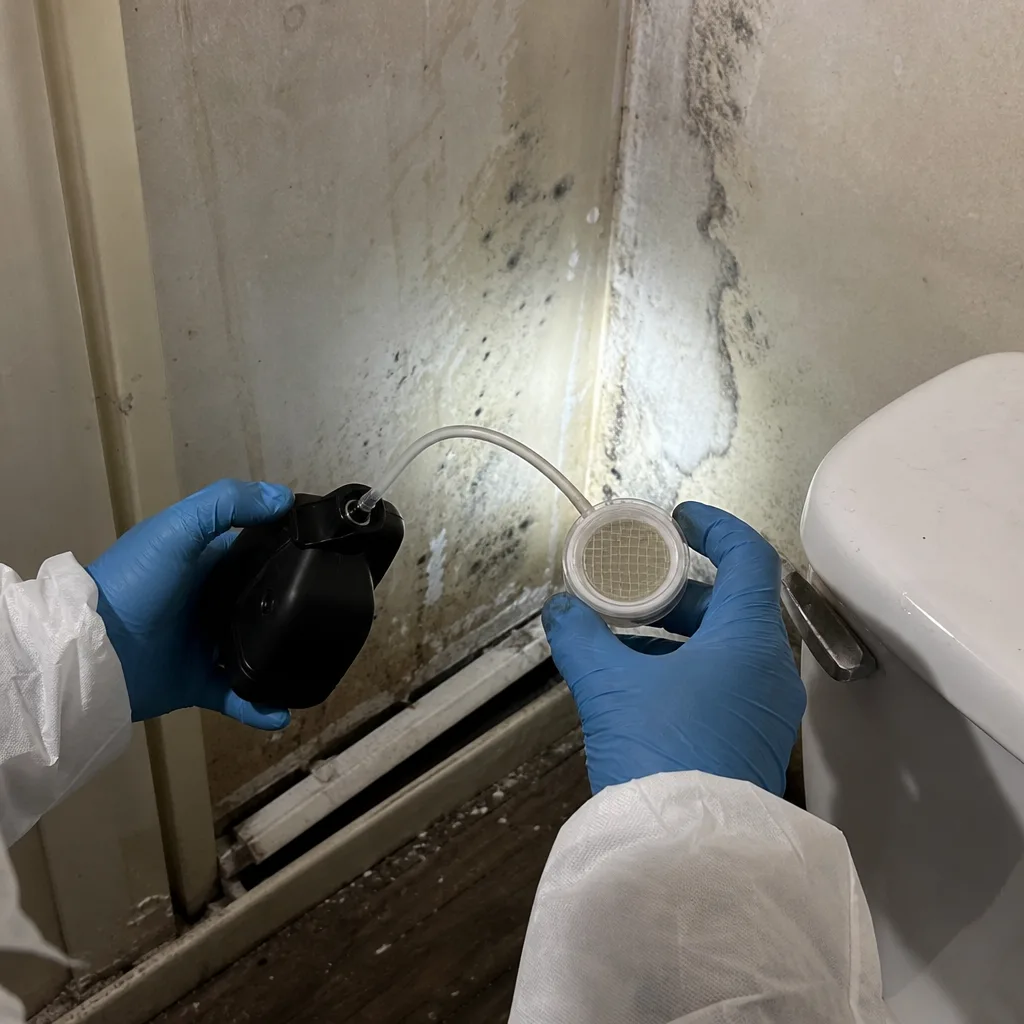
We map moisture with FLIR thermal imaging, penetrating hygrometers, and non-penetrating meters to locate hidden colonies behind horsehair plaster and within old-growth timber assemblies. Air and surface samples are collected for independent lab analysis when visible mold is ambiguous or health concerns exist. Every reading is logged, every photo geotagged, every finding written into a scope delivered before work begins.
2. Containment & Air Filtration
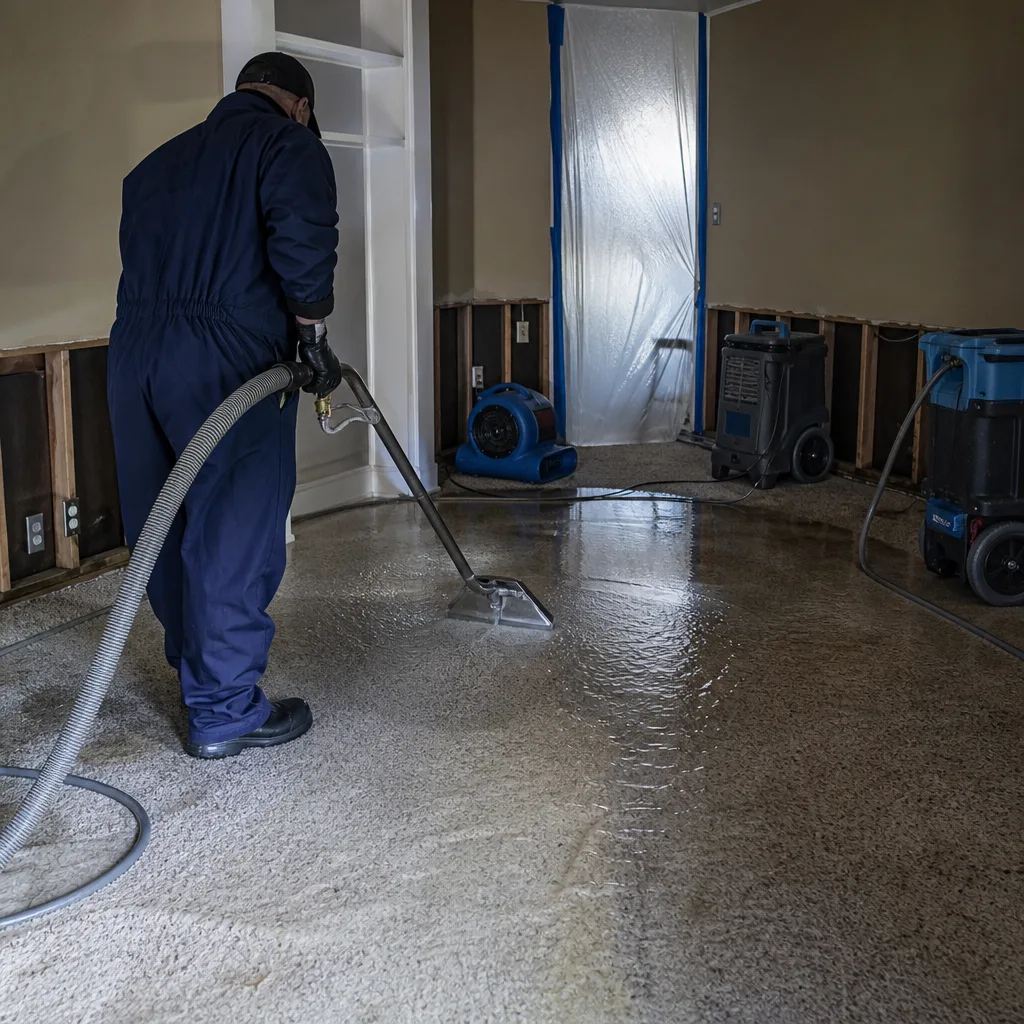
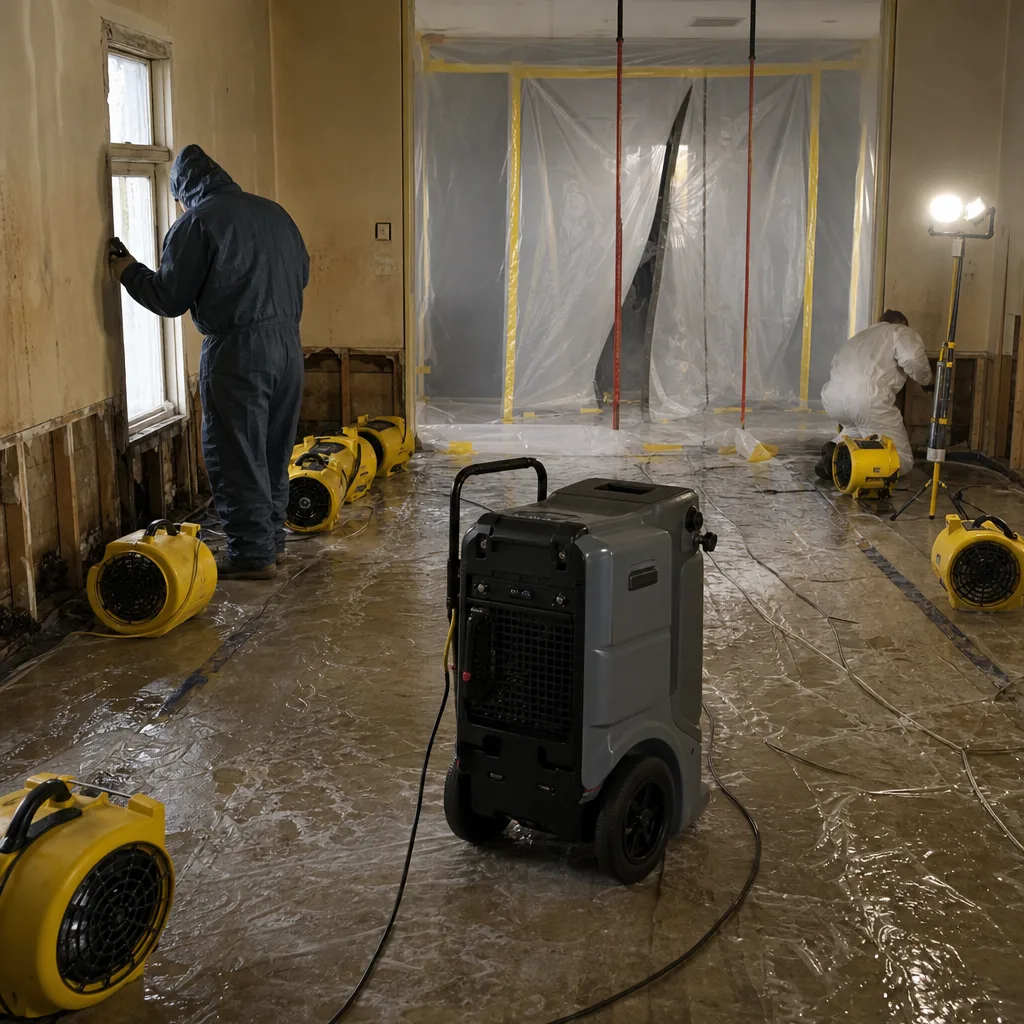
Polyethylene barriers establish negative-air containment around the work zone, sealed with zipper doors and duct-taped seams. HEPA air scrubbers (Phoenix Guardian units at 500 CFM minimum) run continuously to capture airborne spores at 0.3 microns. In Harlem’s railroad tenements, we often extend containment across multiple rooms where mold has traveled through shared HVAC chases or unsealed party-wall penetrations.
3. Drying & Dehumidification
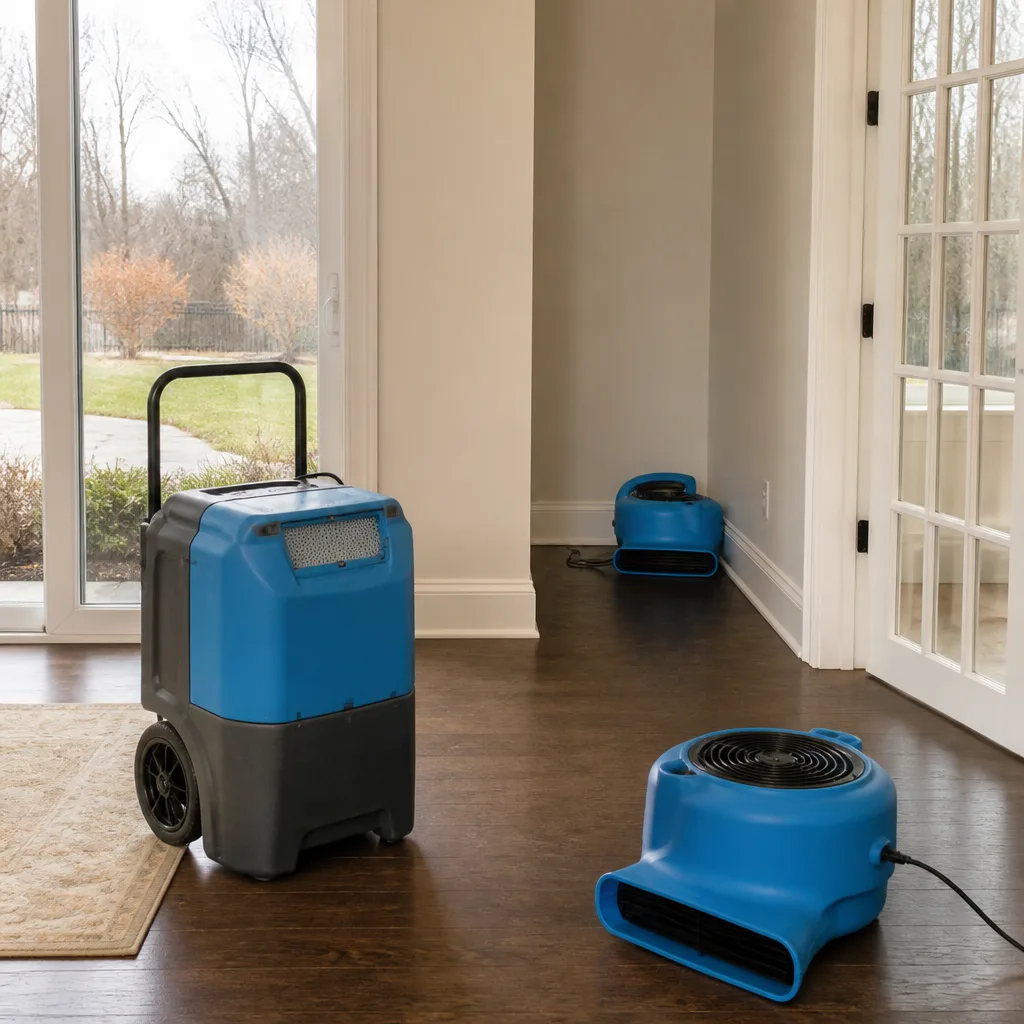
Structural drying targets equilibrium moisture content for the local climate, typically 9-12% for old-growth timber in Upper Manhattan’s summer humidity. We deploy Dri-Eaz Revolution LGR dehumidifiers and Injectidry floor-panel systems to pull vapor from within wall cavities without destructive demolition where possible. Daily psychrometric data - temperature, relative humidity, vapor pressure differential - is logged and shared with your adjuster.
4. Cleaning & Sanitization
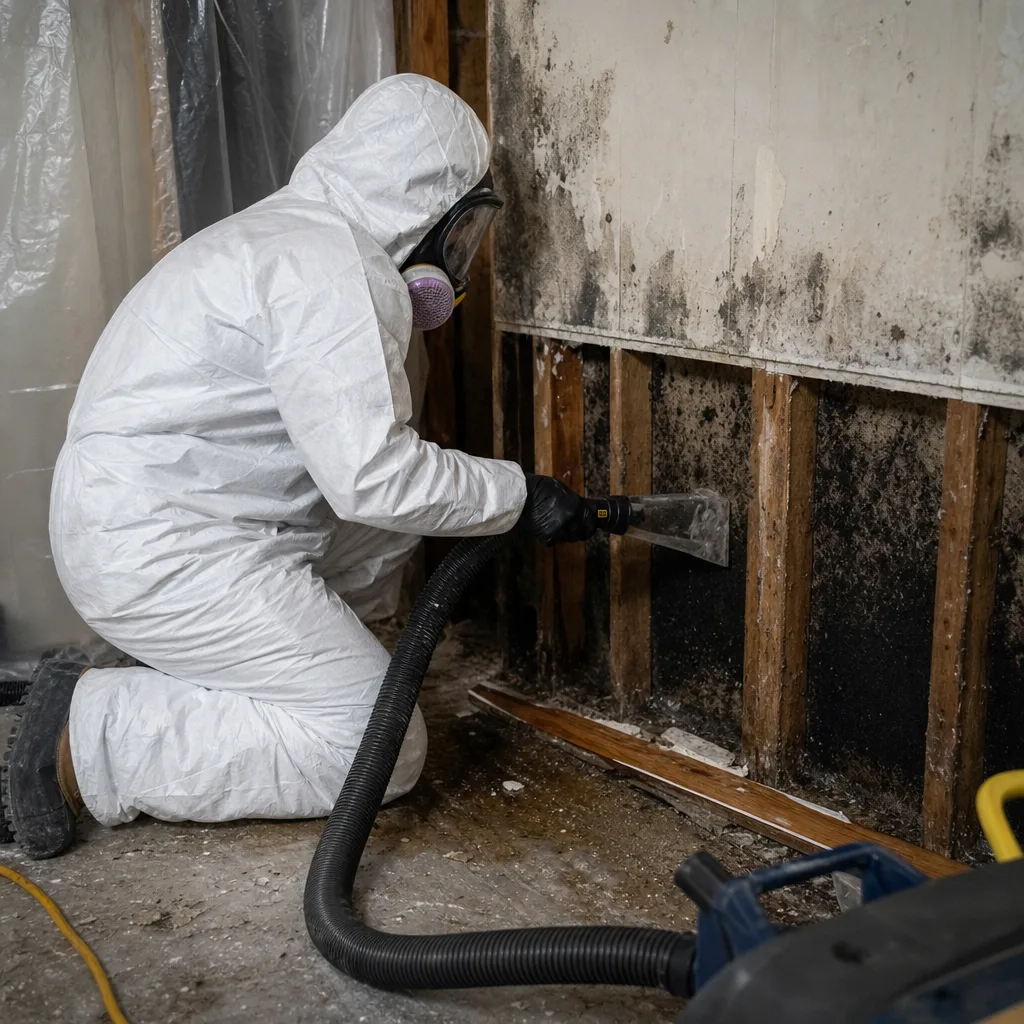
HEPA vacuuming precedes antimicrobial application on non-porous surfaces. Porous materials exceeding contamination thresholds - drywall, insulation, carpet pad, compromised plaster - are removed under containment and bagged for regulated disposal. In Harlem’s pre-war buildings, we frequently encounter multiple material eras in a single wall: original horsehair plaster, mid-century gypsum patches, and modern fiberglass insulation, each requiring distinct handling protocols.
5. Black Mold & Air Quality Restoration
Stachybotrys chartarum and other toxigenic species receive enhanced containment with full-face respirator protocols and double-bag waste handling. Post-remediation air sampling verifies spore counts below outdoor baseline levels before clearance. For Mold Remediation projects with health-compromised occupants, we coordinate third-party industrial hygienist verification at no markup.
6. Repairs & Restoration
Reconstruction follows only after moisture readings hold stable and clearance testing passes. We replace removed plaster with compatible lime-based or modern systems per the building’s designation, repair or replace damaged timber, and seal party-wall penetrations to prevent cross-building moisture migration. The 365-Day Done Right Promise, backed by The Haven Standard, covers all workmanship.
Need Emergency Mold Remediation in Harlem Now?
Crews minutes away, answering live 24 hours a day. The sooner we start, the less it costs.
Working With Your Insurance Company
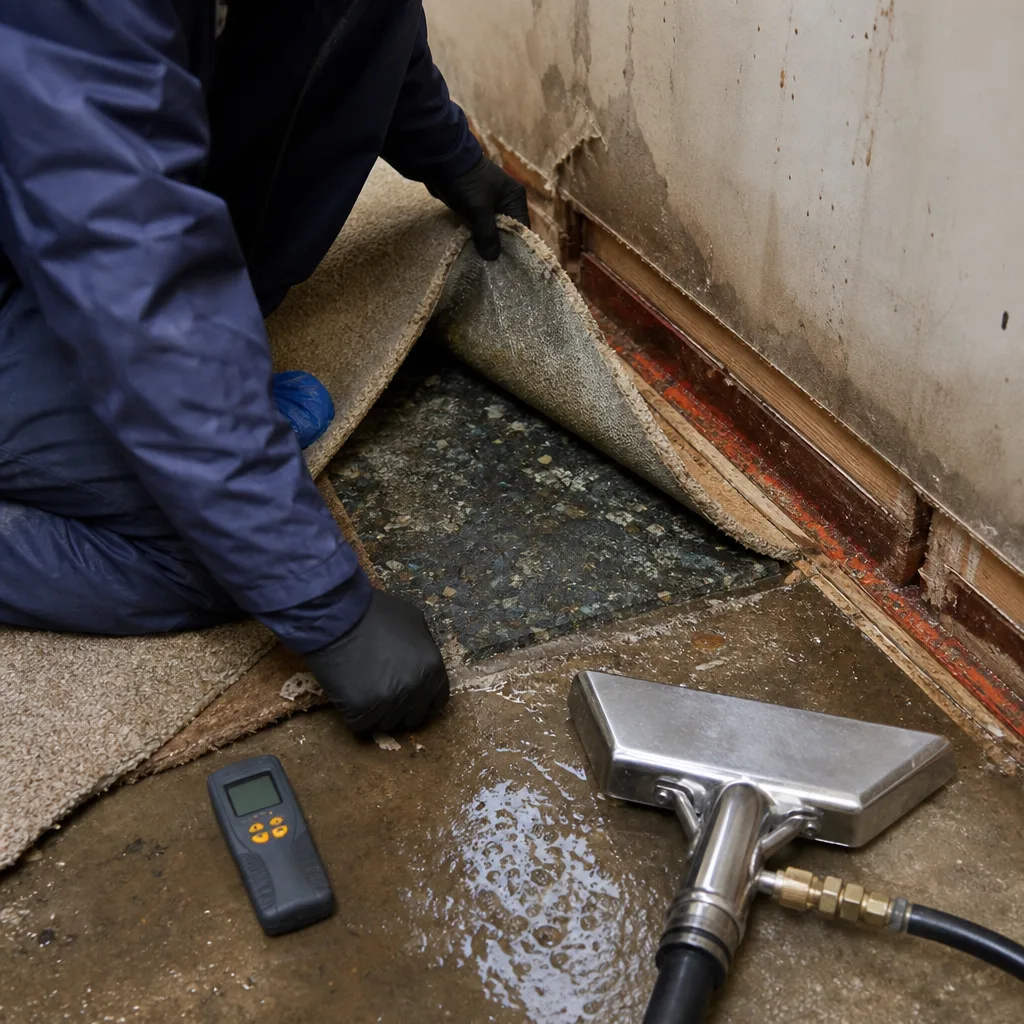
Documentation from the first hour is how claims get paid. Alicia Brennan founded Back to Dry in 2011 after years as a claims adjuster watching homeowners lose coverage disputes for lack of contemporaneous records. We operate in reverse: every moisture reading, every photo, every drying log is compiled into a claim file that answers adjuster questions before they are asked.
Our estimates follow Xactimate pricing standards with line-item detail. We coordinate directly with your carrier’s assigned adjuster, provide supplementary documentation for code-upgrade coverage where pre-war building requirements exceed standard replacement, and never ask you to float costs while coverage is determined. The photo record on every visit, the written scope before work starts, and the daily drying log are standard deliverables - not upsells, not afterthoughts.
What We Provide Your Insurer
- Thorough documentation of the loss
- Photos of all damage, room by room
- Moisture readings and drying logs
- A detailed, line-item scope of work
- Direct coordination with your carrier
Built for Harlem’s Loss Calendar
January deep freezes split cast-iron drain stacks and copper supply lines in unheated brownstone basements and garden apartments. The thaw that follows reveals not just the immediate leak but months of deferred maintenance: ice-dam water that penetrated parapet walls and cornices all winter, saturating horsehair plaster from the roofline down. Spring brings predictable roof-leak calls along Adam Clayton Powell Jr. Boulevard and Malcolm X Boulevard corridors, where flat built-up roofs on 1920s tenements have exceeded their service life by decades.
Summer thunderstorms overwhelm NYC’s combined sewer system, pushing Category 3 sewage-laced water into below-grade spaces across West Harlem and Hamilton Heights. The contamination is total - porous materials must be removed, not dried - and the multi-unit, multi-owner claim tangles that follow can stall mitigation for weeks. Fall nor’easters drive wind-driven rain through failed pointing and window casements. Each season produces a distinct mold risk profile, and our equipment roster - Dri-Eaz and Phoenix dehumidifiers, XPOWER air movers, Injectidry cavity-drying systems - is scaled for the volume and variety Harlem’s calendar demands.
Mold Remediation Across Harlem’s Neighborhoods
West Harlem, from Morningside Park to the Hudson River, holds some of the finest intact brownstone blocks in Manhattan - and some of the most complex restoration projects. On streets like Convent Avenue and Hamilton Terrace, 1890s Romanesque Revival row houses with original slate roofs and intact cornices require scaffold-access containment and lead-safe work practices that add time and documentation to every scope. The payoff: these buildings, properly remediated, dry to specifications that satisfy even conservative carriers.
Central Harlem, the historic core from 110th to 125th Street, mixes landmark-protected brownstones with 1960s-70s HUD-era apartment towers. The brownstones share the same plaster-and-timber risks as their West Harlem cousins; the towers present their own pattern - failed facade waterproofing that drives mold into perimeter units floor after floor, with building management and individual unit owners disputing responsibility while colonies expand. We have scoped both, documented both, and negotiated coverage for both.
East Harlem, or El Barrio, from 96th to 142nd Street east of Fifth Avenue, includes early-20th-century tenements, mid-century housing developments, and newer construction near the East River. The older stock mirrors Central Harlem’s challenges; the river-adjacent buildings add flood risk from storm surge and tidal backup. The 2012 lessons still apply: buildings that took water from the Harlem River required months of phased drying before reconstruction could begin. We maintain the equipment inventory and crew scheduling to sustain long-duration projects without rotating teams that break documentation continuity.
South Harlem, the corridor near Morningside Park and Columbia University’s expanding footprint, sees accelerated renovation activity that disturbs latent mold in walls opened for modernization. Contractors without microbial remediation training frequently spread contamination through HVAC systems. We are called after the fact to contain and remediate - a more expensive proposition than proper pre-demolition assessment would have been.
Specialized Mold Remediation Services We Offer in Harlem
Mold Inspection & Testing
Air sampling, surface tape-lift analysis, and ERMI/HERSTMI-2 dust analysis identify species and concentration levels before visible growth appears. In Harlem’s pre-war buildings, we recommend testing whenever water loss exceeds 48 hours before drying begins - the lag time in plaster-and-timber assemblies means surface dryness deceives.
Mold Removal
Physical removal of contaminated porous materials under containment, with regulated disposal documentation. Non-porous surfaces receive HEPA vacuuming and antimicrobial treatment. We specify exactly what comes out, what stays, and why - in writing, before demolition starts.
Black Mold Remediation
Stachybotrys chartarum and other toxigenic species require enhanced PPE, double-bag waste protocols, and independent post-remediation verification. In Harlem’s garden apartments and basement units, where Category 3 water losses are common, black mold colonization is a predictable secondary damage we scope and price from the initial assessment.
Air Quality Restoration
Post-remediation air scrubbing, duct cleaning where HVAC contamination exists, and third-party clearance testing to establish spore counts below outdoor baseline. For Mold Remediation in Harlem buildings with shared mechanical systems, we coordinate with building management to prevent recontamination.
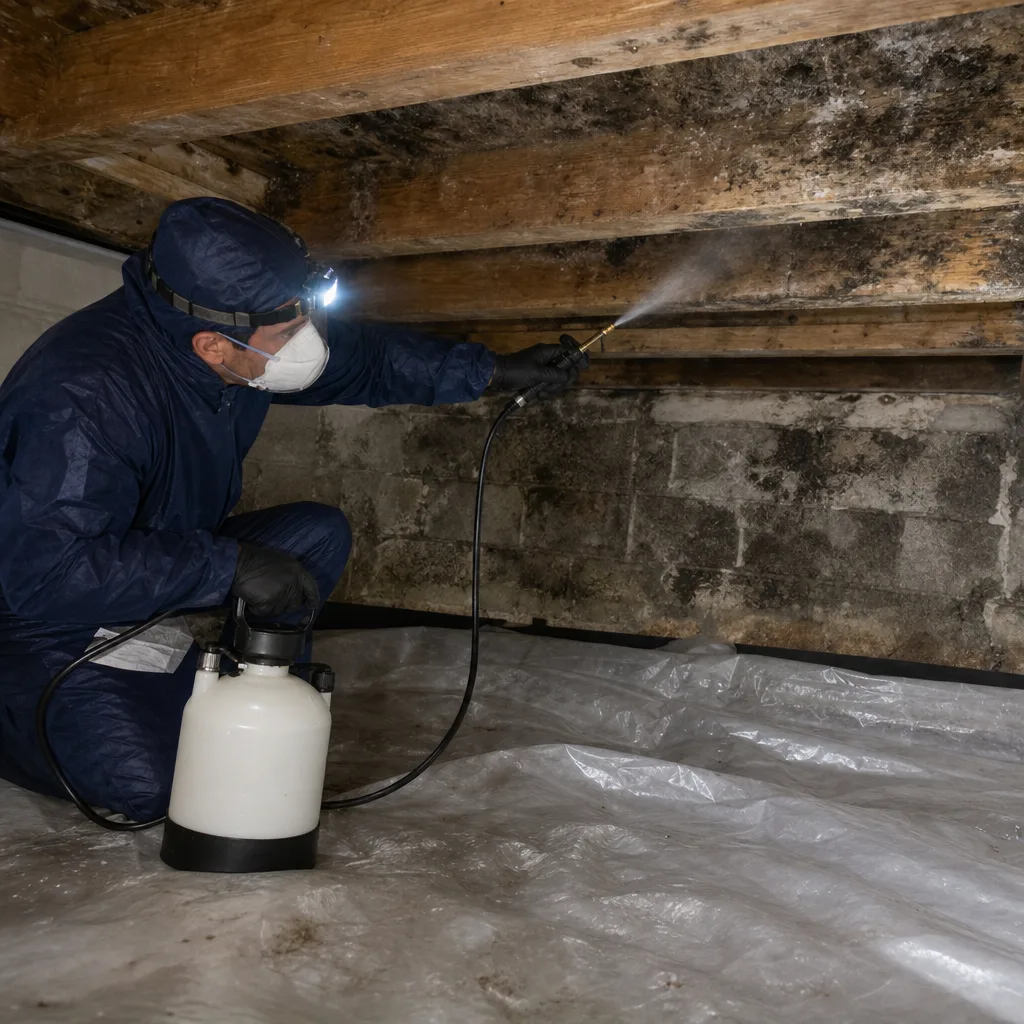
Crawl Space Treatment
Below-grade garden apartments and partial basements in reconverted brownstones receive vapor-barrier installation, dehumidification, and structural drying. The absence of original waterproofing membranes in many of these spaces makes ongoing moisture management essential, not optional.
What happens when you call
- 1
A real person answersNo phone trees - you reach a local pro.
- 2
You get an upfront price rangeHonest numbers before anyone is dispatched.
- 3
A background-checked tech heads outLicensed & insured, dispatched right away.
- 4
You approve before work beginsNothing starts until you say go.
Mold Remediation Costs in Harlem, NY
A typical Level I mold remediation in Harlem runs $1,800-$2,800 for under 10 square feet of non-porous surface treatment. Level II, 10-30 square feet with limited porous material removal, ranges $2,800-$4,500. Level III containment and remediation, 30-100 square feet, typically costs $4,500-$6,500. Level IV projects exceeding 100 square feet or involving HVAC contamination begin at $6,500 and scale with square footage, asbestos abatement requirements, and multi-unit coordination complexity.
What moves the price: asbestos testing and abatement adds $800-$2,400 depending on material type and quantity; independent post-remediation air quality testing runs $400-$800; multi-unit coordination across unsealed party walls adds scope negotiation time but not necessarily direct cost. Insurance typically covers mold remediation when it results from a covered water loss, with documentation from our daily logs supporting the causal link. Out-of-pocket scenarios usually involve long-term humidity issues or maintenance-related leaks excluded by policy language. Our free visual inspection produces a written, line-item scope with firm pricing before you commit - Haven Standard, Clause 1. Call (516) 687-5786 for your estimate.
We Also Serve Cities Near Harlem
Our crews respond throughout Upper Manhattan and adjacent neighborhoods: Harlem proper, Manhattan island-wide, the Upper West Side from 59th to 110th Street, the Upper East Side from 59th to 96th Street, and Morningside Heights along the Columbia University corridor. Dispatch and scheduling are coordinated from our New York City office; each service area receives the same documentation standards and 365-Day Done Right Promise.
Serving Harlem, NY - Our Local Coverage Area
We’re based in the Harlem area and know this community well. Use the map below to see our service coverage - if you’re nearby, we can almost certainly help.
Harlem Mold Remediation Questions, Answered
Why does mold keep coming back in my Harlem brownstone after a roof leak?
The roof leak is usually the symptom, not the source. Horsehair plaster over masonry absorbs water slowly and dries even slower; moisture readings in wall cavities can remain above 17% wood moisture content for weeks after surface plaster appears dry, feeding hidden colonies that re-bloom with the next humidity spike. We map with thermal imaging and penetrating hygrometers to find the residual moisture, then install Injectidry cavity-drying systems or remove compromised plaster to establish true dryness. Call (516) 687-5786 for moisture mapping - estimates are free.
A sewer backup flooded my basement apartment - can you dry it or does it all have to come out?
Category 3 water contamination requires removal of porous materials: carpet, pad, drywall, insulation, and compromised plaster. Non-porous surfaces - tile, sealed concrete, metal - can be cleaned and sanitized. In Harlem’s garden apartments, we frequently find that sewage has wicked into old-growth timber floor joists and crossed into adjoining units through unsealed party-wall penetrations, expanding the removal scope beyond the visibly wet area. Our assessment documents exactly what must be removed, what can be restored, and the drying protocol for retained materials. Call (516) 687-5786 for a written scope.
Does my Harlem pre-war building need asbestos testing before mold remediation demolition?
Yes, if the building was constructed before 1981 and the scope involves disturbing plaster, pipe insulation, floor tile, or mastic. Asbestos-containing materials are common enough in Harlem’s 1880s-1930s housing stock that we routinely coordinate certified testing as a preliminary step. Abatement, if required, must be completed by a licensed contractor before our remediation crew can begin demolition. We build this timeline into our initial scope so there are no surprises. Call (516) 687-5786 and we will verify testing requirements for your specific building.
Why did mold from my unit spread into the neighboring row house?
Unsealed party-wall penetrations - gaps around cast-iron stacks, electrical conduits, and former heating ducts - allow moisture and spores to migrate between adjoining brownstones. Many Harlem row houses were subdivided into rooming houses or SROs during the mid-20th century and reconverted with minimal attention to these penetrations. Our moisture mapping traces the full migration path, and our scope includes sealing penetrations to prevent recurrence. Multi-owner claims require documentation that satisfies multiple insurers; our photo records and drying logs are built for this complexity. Call (516) 687-5786 for cross-building assessment.
How fast do we need to act if we find water damage in our Harlem tenement?
Mold germination on organic materials begins at 24-48 hours of sustained moisture above 17% wood moisture content. In Harlem’s plaster-and-timber assemblies, the visible water stain is often the last sign, not the first - colonies may be established behind walls before you see surface discoloration. Same-day assessment and immediate drying protocol initiation limits the remediation scope and cost. Our 45-minute response commitment to Harlem addresses applies; call (516) 687-5786 to dispatch a crew.
How long does mold remediation take in a typical Harlem apartment?
Level I projects complete in 1-2 days. Level II-III containment and remediation require 3-5 days of active work plus 24-48 hours for post-remediation air clearance testing. Level IV projects or those requiring asbestos abatement sequencing extend to 7-14 days. Harlem’s pre-war buildings add complexity: plaster removal is slower than drywall demolition, timber drying takes longer than stud-wall drying, and multi-unit coordination introduces scheduling variables we document in our written timeline. Call (516) 687-5786 for a project schedule specific to your loss.
Can we stay in our Harlem home during mold remediation?
Level I projects may allow occupants to remain with work-area isolation. Level II and above require temporary relocation due to containment disruption, HEPA scrubber noise, and the psychological stress of observing demolition. We coordinate with your insurer on additional living expense coverage when policy provisions apply, and our documentation supports the necessity determination. Call (516) 687-5786 to discuss occupancy options for your specific contamination level.
What certifications do your mold remediation technicians hold?
Our lead technicians hold IICRC AMRT (Applied Microbial Remediation Technician), WRT (Water Damage Restoration Technician), and FSRT (Fire & Smoke Restoration Technician) credentials, with ongoing education to maintain certification. All technicians are background-checked, licensed, insured, and uniformed; license numbers are provided on request. Work is documented to IICRC S520, RIA, and IFA standards, with daily moisture logs and photo records that satisfy carrier audit requirements. Call (516) 687-5786 to verify current credentials for your assigned crew.
We were called to a brownstone on West 130th Street after a summer thunderstorm sent sewage-laced Category 3 water into a below-grade garden apartment. Our techs pulled moisture readings and moisture mapping that revealed elevated readings traveling through old-growth timber floor joists into the unit above, and we injected antimicrobial treatment behind the horsehair plaster walls while Injectidry panels and Phoenix dehumidifiers ran a structural drying cycle. Because the party-wall penetration had never been sealed, the moisture had also crossed into the adjoining row house, turning a single-unit mitigation into a multi-owner containment and scope-of-work negotiation. The documentation we produced - 247 geotagged photos, 14 days of psychrometric logs, and a line-item Xactimate estimate - supported coverage approvals from three separate carriers.
That case illustrates why Mold Remediation in Harlem’s pre-war housing requires more than standard protocol. It demands equipment scaled for slow-drying assemblies, documentation rigorous enough for multi-party claims, and crew experience with the regulatory layering - asbestos, lead, landmark - that turns a simple mold call into a multi-phase project. Back to Dry Restoration Manhattan has completed 12,000+ restorations since 2011, every one with a written price before work started and a documented record when the crew left. The 365-Day Done Right Promise, backed by The Haven Standard, applies to every Harlem project we undertake.
Written by Alicia Brennan, Owner at Back to Dry Restoration Manhattan, serving Harlem since 2011.