
Free visual inspection and a written scope of work before any mitigation begins - photos, moisture readings, and drying logs go in your claim file
The scope we write is the scope we bill. Anything new gets shown to you, in writing, before we touch it.
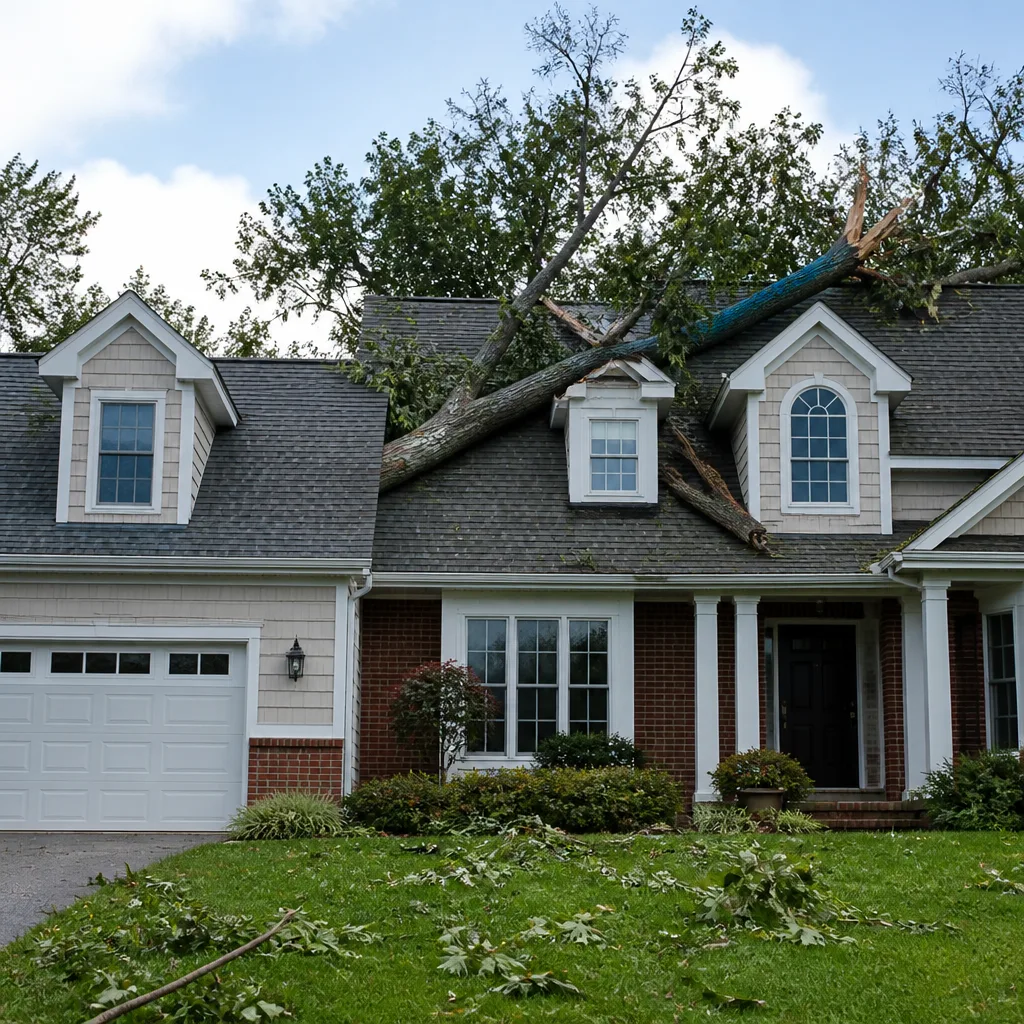
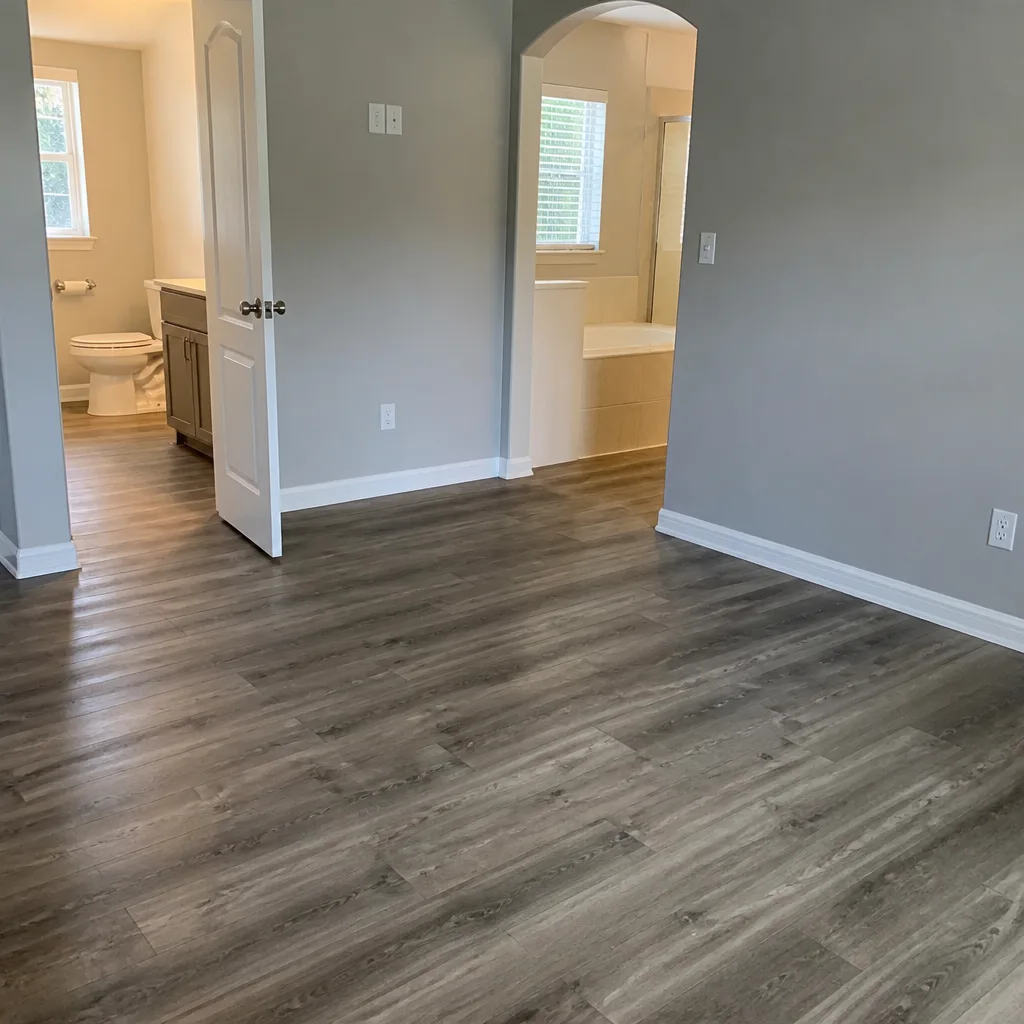
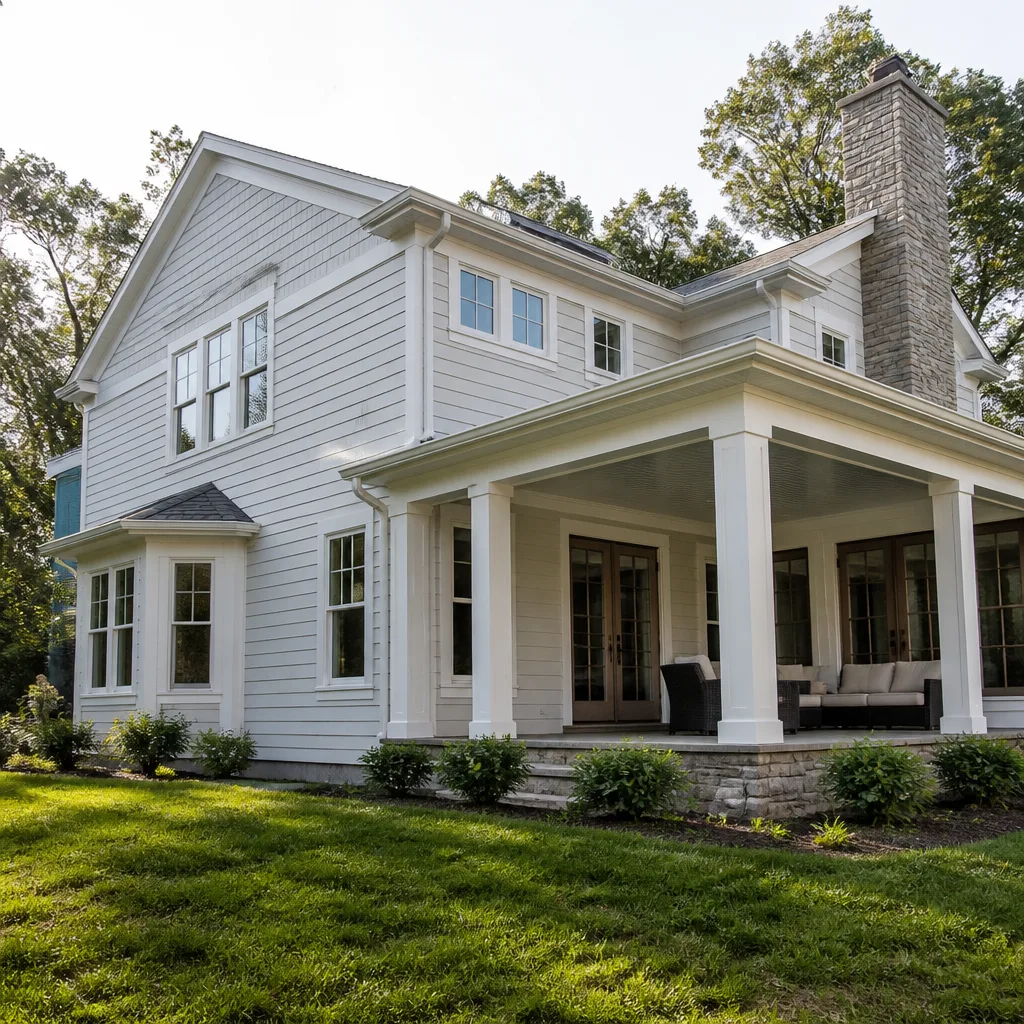
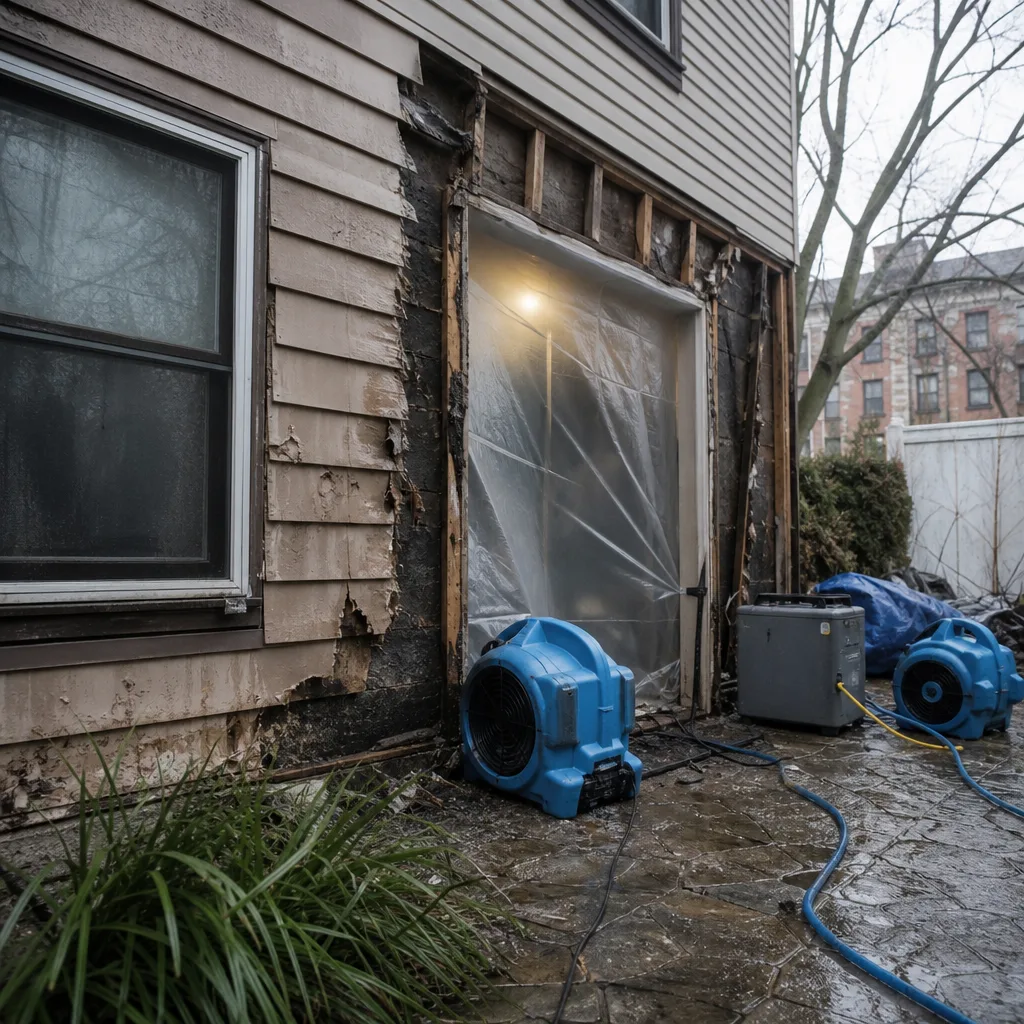 Before
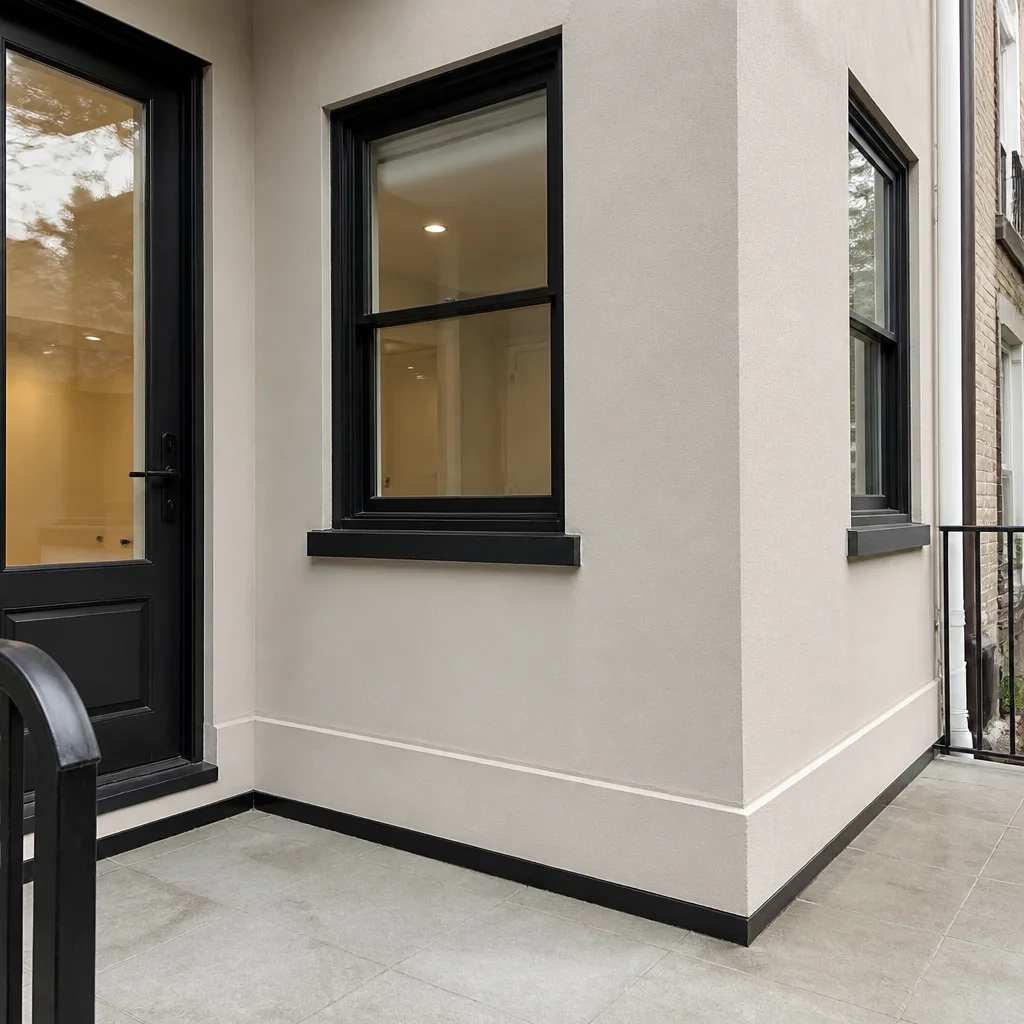 After
After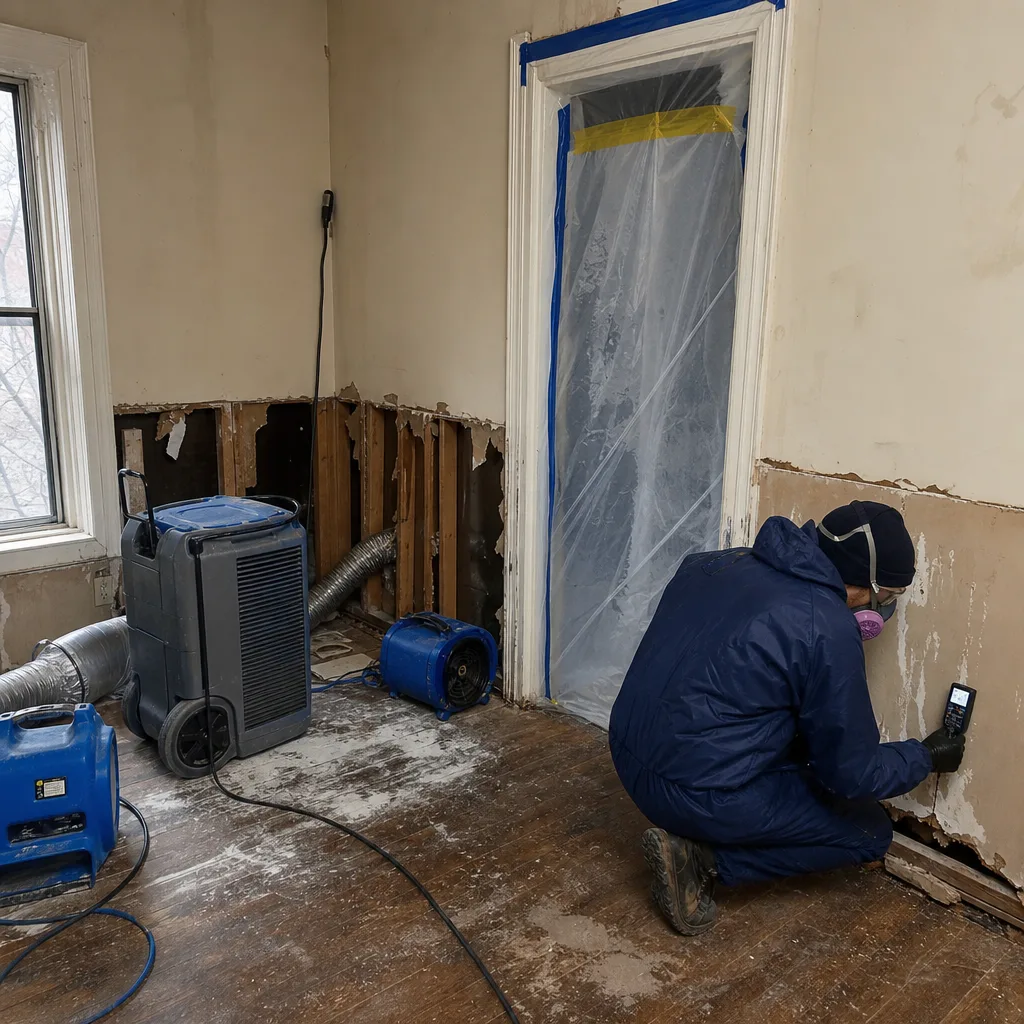 Before
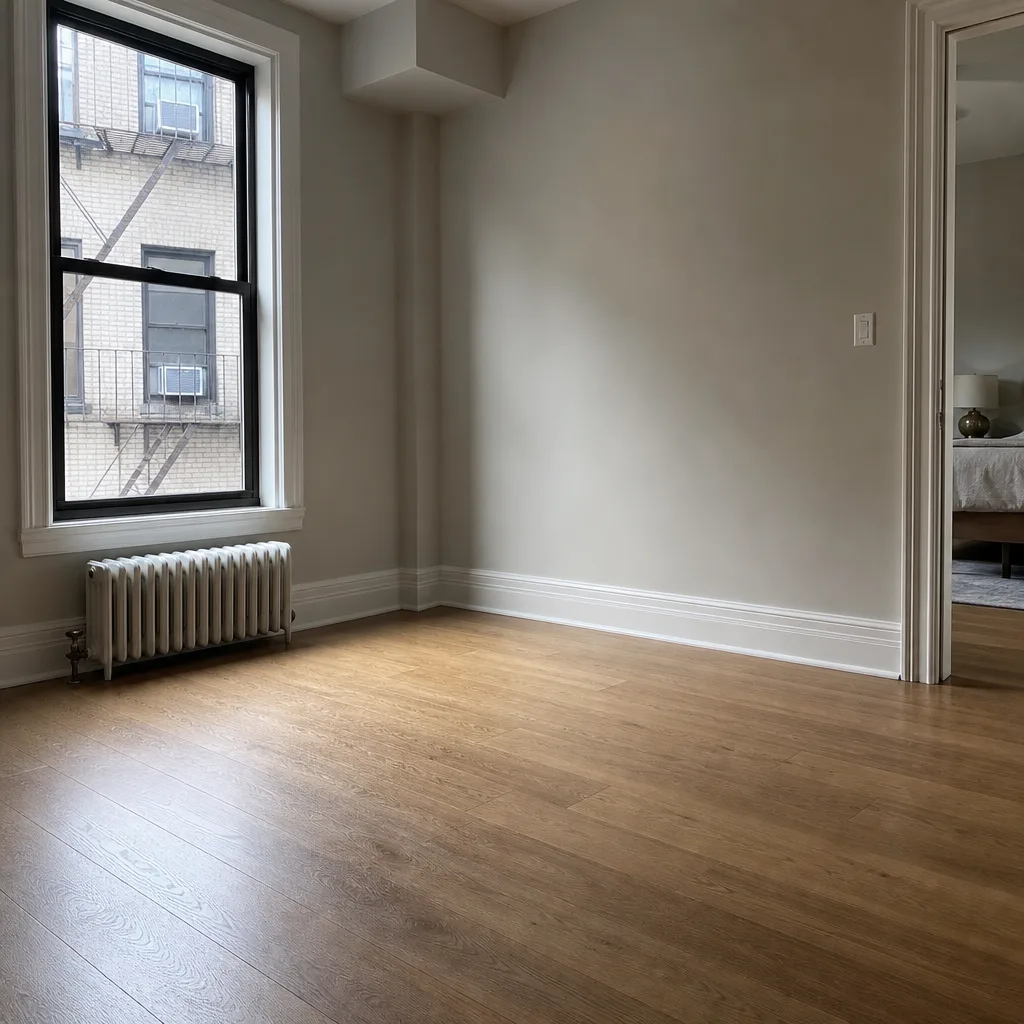 After
After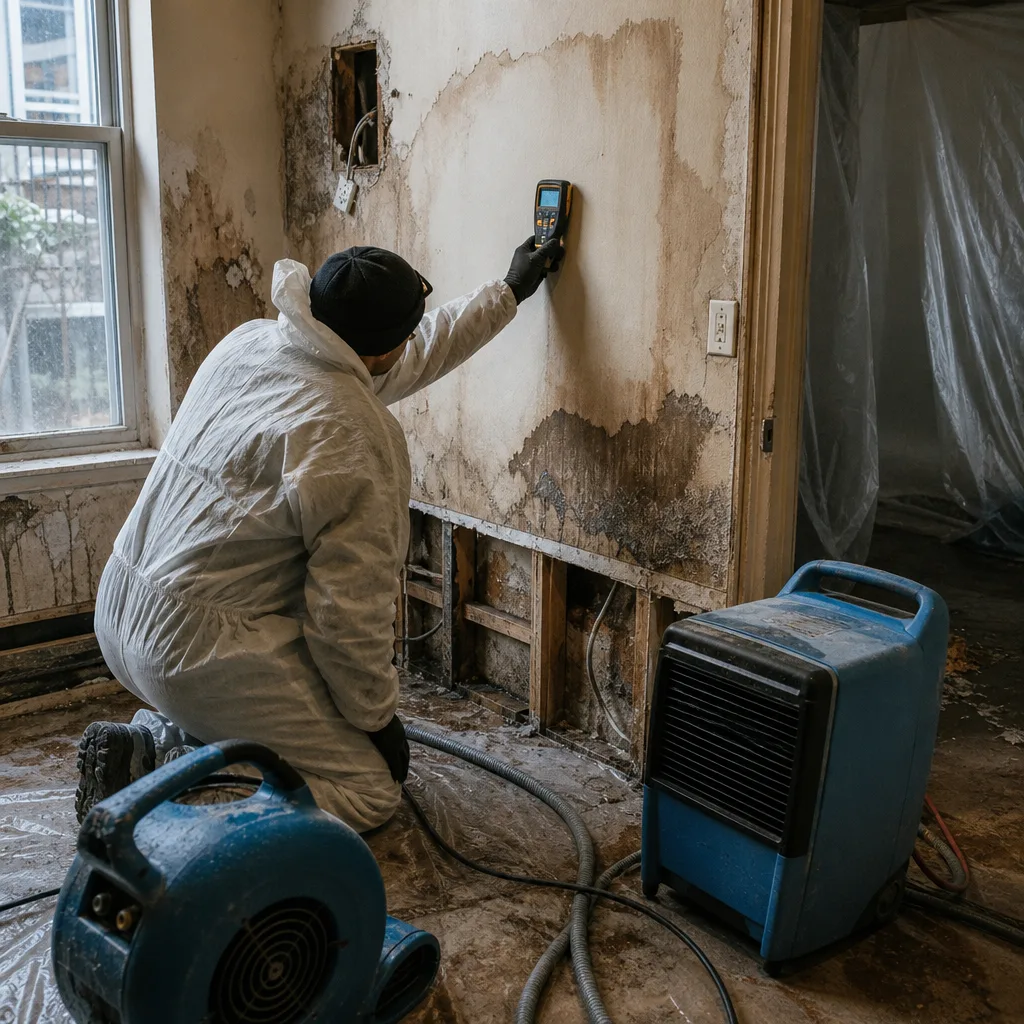 Before
 After
After24/7 Emergency Fire & Smoke Damage Restoration in Financial District
Fire and smoke damage in a Financial District converted tower demands a crew that understands both fire restoration and the flood compliance layer underneath it. We answer live at (516) 687-5786 twenty-four hours a day, seven days a week - a real person, never a voicemail tree. Our crews are dispatched from our New York City office and typically arrive in the Financial District within forty-five minutes of your call.
The first hour after a fire matters more than most property owners realize. Smoke migrates through HVAC risers and elevator shafts in these pre-war masonry towers faster than in wood-frame construction. Soot residues begin etching glass and corroding metal within hours. And in Financial District buildings, there’s often a second problem hiding below grade: the high water table along Water Street and the East River corridor means sub-basement switchgear and mechanical rooms may already hold standing water from a pre-existing intrusion, complicating every decision about where to set containment and how to sequence drying. In these cases, Mold Remediation - Financial District protocols must be integrated early to prevent secondary microbial growth.
We provide a free visual inspection on arrival, document everything with photos, and deliver a written price before any work begins - Haven Standard, Clause 1.
Understanding Fire & Smoke Damage Restoration Severity in Financial District Properties
Fire damage in Financial District buildings breaks into distinct categories that shape both the restoration scope and the compliance timeline. Dry smoke residue, produced by fast-burning, high-heat fires, powders across surfaces and requires specialized dry-cleaning sponges and HEPA vacuuming. Wet smoke residue, from slow-burning, low-oxygen fires, smears and bonds aggressively to porous materials - common in kitchen fires where plastics and synthetic furnishings burn incompletely. Protein smoke, nearly invisible but pungent, comes from grease and food fires and typically requires thermal fogging or ozone treatment to neutralize.
Smoke migration patterns in FiDi’s converted commercial towers differ sharply from standard residential construction. Original steel-frame masonry with plaster-on-lath walls creates channels for smoke travel through interstitial spaces. Elevator shafts act as thermal chimneys, distributing odor and soot to floors far above the fire origin. The sub-basement mechanical systems - originally designed for commercial occupancy, now serving residential units - can become reservoirs for smoke-contaminated air that recirculates until properly isolated and cleaned.
Building age adds another variable. Pre-1980 fireproofing, floor tiles, and pipe insulation in these towers routinely test positive for asbestos, triggering mandatory abatement protocols before any aggressive cleaning or demolition can proceed. The 19th-century low-rise masonry buildings around Stone Street and Fraunces Tavern carry historic-fabric preservation constraints that limit demolition options and extend rebuild timelines.
Why Financial District Property Owners Choose Back to Dry Restoration Manhattan
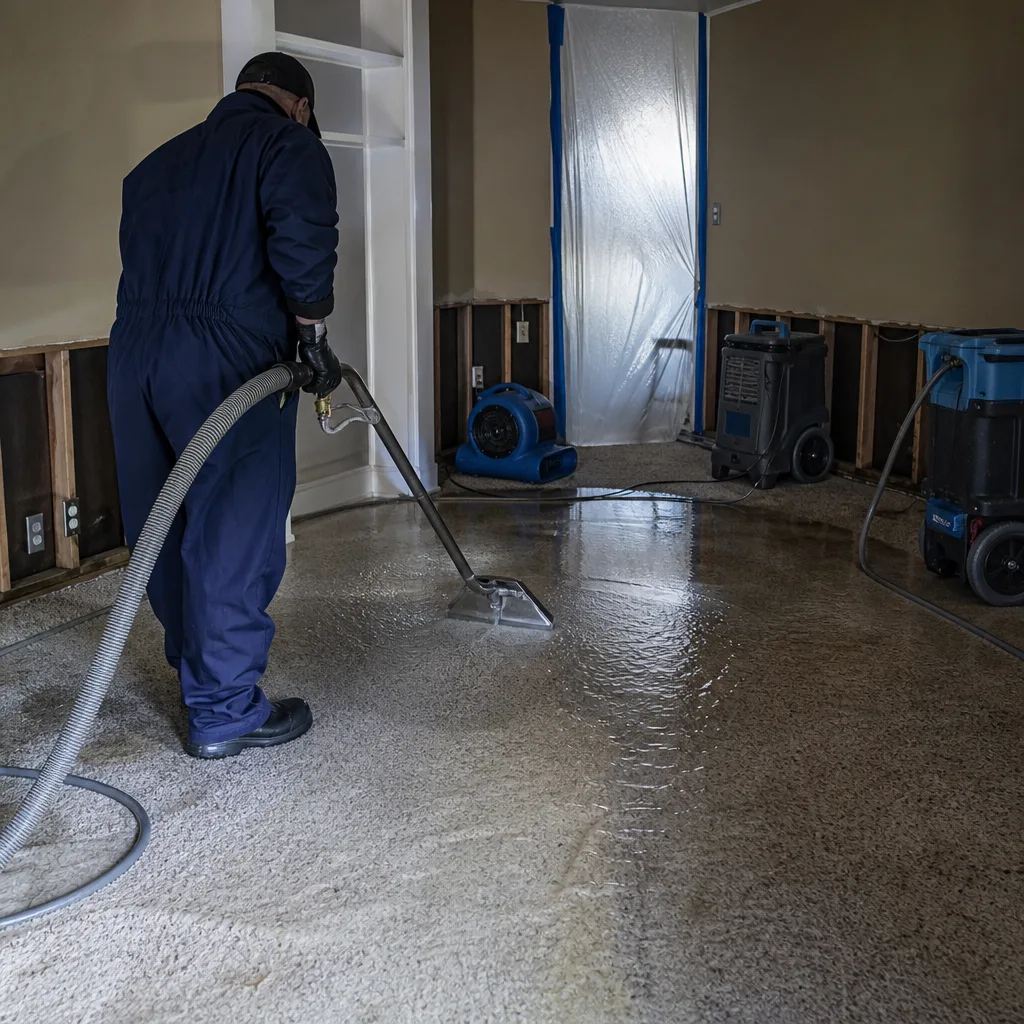
- 45-minute response commitment to the Financial District from our New York City dispatch office, with crews carrying IICRC FSRT (Fire and Smoke Restoration Technician) and WRT (Water Damage Restoration Technician) certifications.
- 24/7 live answer - a real person picks up every call, never an automated system or next-business-day callback while smoke residue continues etching your surfaces.
- IICRC-certified crews trained to FSRT, WRT, and AMRT (Applied Microbial Remediation Technician) standards, with license numbers documented on every job file.
- Free visual inspection and written scope delivered on-site before any equipment is powered on or demolition begins.
- Direct insurance billing with photo-documented loss files, daily drying logs, and line-item scopes formatted for adjuster review - the documentation standard that turns restoration invoices into payable claims.
- One team from extraction to reconstruction, including structural fire repair, contents pack-out, and the wind-rated envelope verification required for Flood Resilience Zoning compliance.
BeforeAfterOur Fire & Smoke Damage Restoration Process
1. Inspection & Assessment
We photograph every affected room, test surfaces for soot residue type (dry, wet, or protein), and use thermal imaging to trace smoke migration through wall cavities and ceiling plenums. In Financial District buildings, we also inspect sub-basement mechanical spaces for pre-existing water intrusion from the high water table - a condition we find on roughly one in three fire calls in the Water Street corridor.
2. Emergency Board-Up & Tarping
Broken windows and compromised doors are secured with materials rated for the wind loads this neighborhood faces. We verify impact-rated and wind-rated specifications against the building’s FEMA elevation certificate, because missing ratings can stall certificate-of-occupancy reissue even after mitigation is complete.
3. Water Extraction & Structural Drying
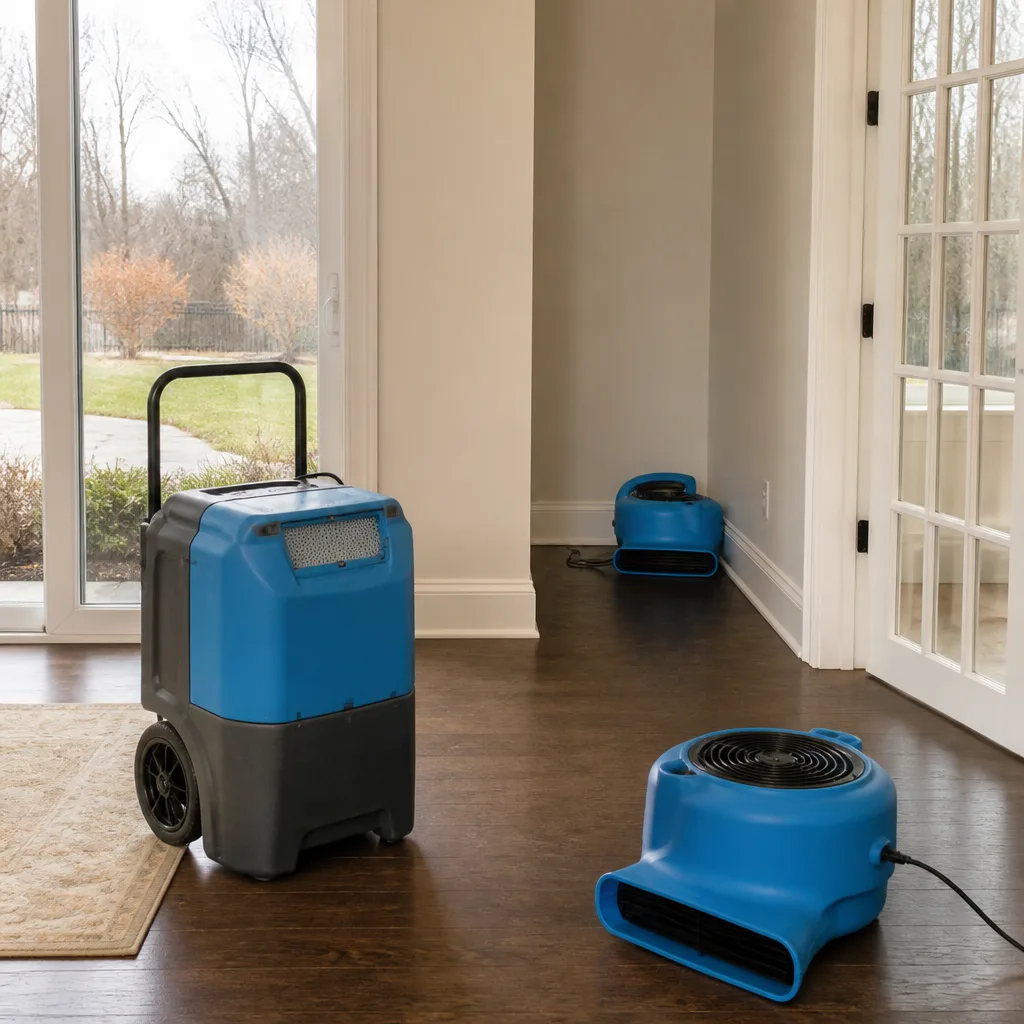
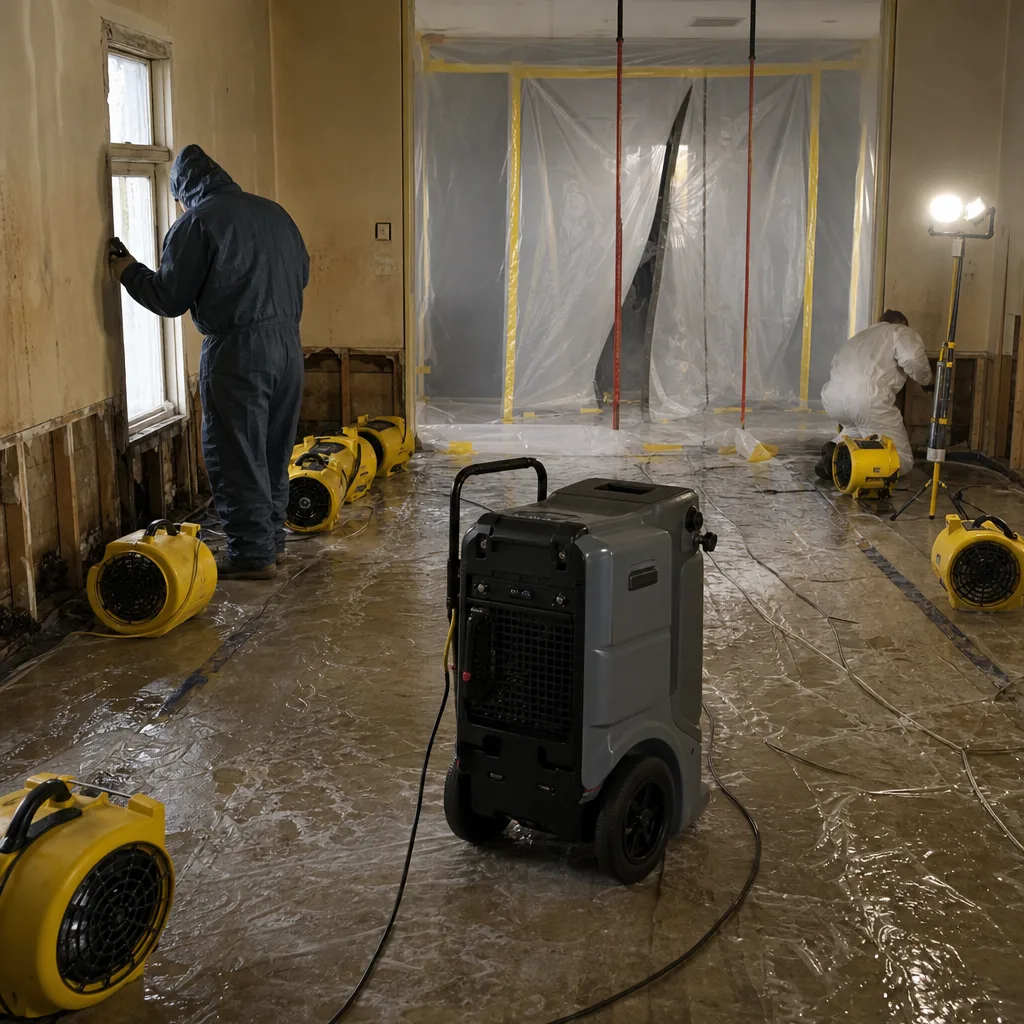
When sub-basement flooding coexists with fire damage - common in FiDi’s landfill-based eastern blocks - we extract standing water, deploy Dri-Eaz and Phoenix dehumidifiers and air movers, and establish vapor pressure differentials to pull moisture from masonry and concrete. Daily moisture readings are logged to IICRC and RIA standards.
4. Smoke & Soot Removal
Residue-specific cleaning: dry sponging for dry smoke, solvent-based cleaning for wet smoke, alkaline cleaners for protein residues. HEPA air scrubbers run continuously during this phase to capture airborne particulates. In buildings with asbestos-containing materials, abatement precedes aggressive mechanical cleaning.
5. Odor Removal & Deodorization
Thermal fogging, ozone treatment, or hydroxyl generation selected based on occupancy status and material sensitivity. We verify odor elimination with organoleptic testing - trained technician nose checks - and, where required, air sampling for volatile organic compounds before clearance.
6. Structural Fire Repair & Compliance Documentation
Rebuild includes fire-rated assemblies, mechanical system relocation above Base Flood Elevation where Flood Resilience Zoning requires it, and wind-rated door and window verification. Every phase is photo-documented for the compliance review that precedes certificate-of-occupancy reissue in post-Sandy converted towers.
Need Emergency Fire & Smoke Damage Restoration in Financial District Now?
Crews minutes away, answering live 24 hours a day. The sooner we start, the less it costs.
Working With Your Insurance Company
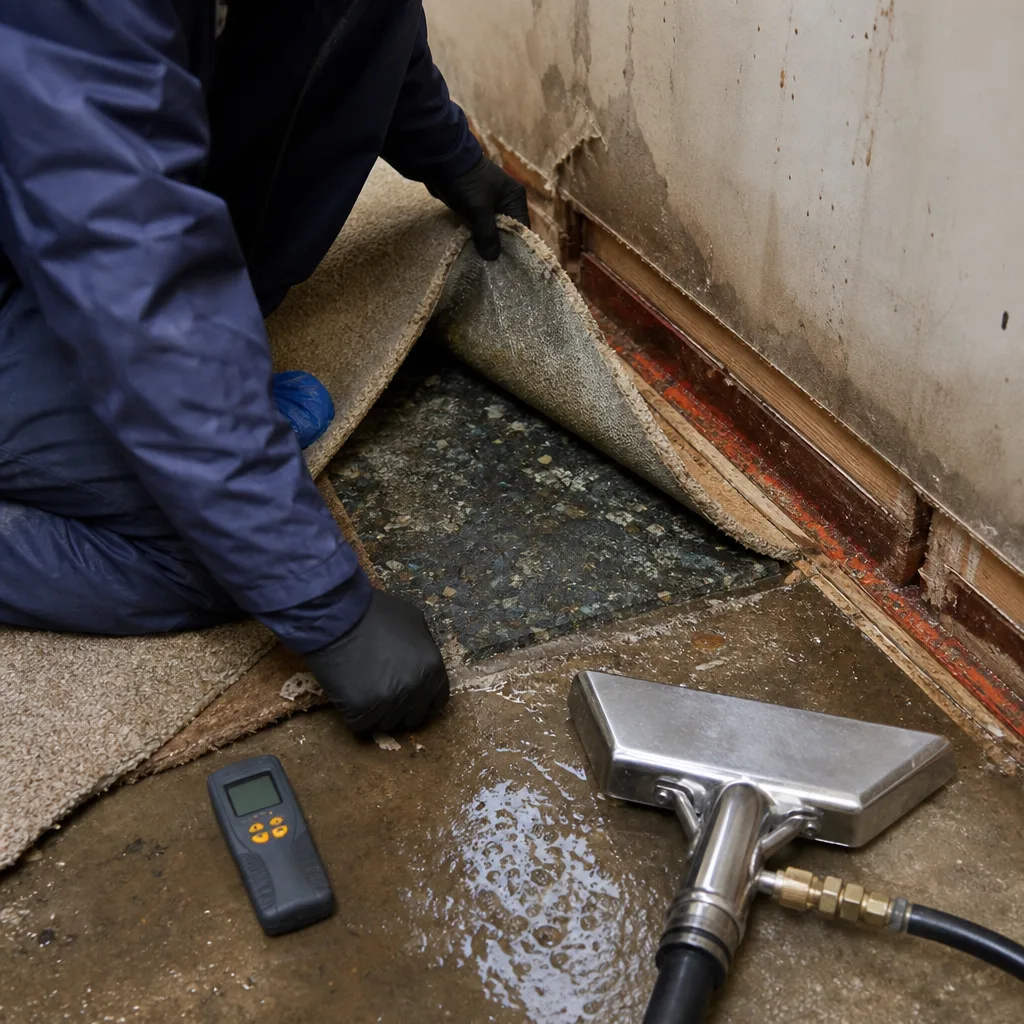
Fire claims in Financial District buildings carry documentation requirements that exceed standard residential losses. The Flood Resilience Zoning overlay means your insurer needs evidence that mechanical relocation and wind-rated envelope repairs are loss-related and code-required, not improvements. We begin documenting from the first hour - photos of the fire origin, smoke migration patterns, pre-existing water conditions, and the building’s FEMA elevation certificate baseline.
Our estimates follow industry-standard Xactimate pricing with line-item detail. We communicate directly with your adjuster, providing the moisture readings, drying logs, and written scope that transform a restoration invoice into a payable claim. Alicia Brennan founded Back to Dry in 2011 after working as a claims adjuster and watching homeowners lose legitimate claims to documentation gaps - our entire system exists to close that gap.
What We Provide Your Insurer
- Thorough documentation of the loss
- Photos of all damage, room by room
- Moisture readings and drying logs
- A detailed, line-item scope of work
- Direct coordination with your carrier
Built for Financial District’s Loss Calendar
January through March, deep freezes stress aging cast-iron and galvanized plumbing in these pre-war towers. Burst supply lines in vacant units or unoccupied floors send water cascading through vertical chases, and when heating systems fail, the resulting freeze-thaw cycles crack masonry and compromise fire-rated assemblies. Spring nor’easters drive storm surge up the Hudson and East River simultaneously, flooding sub-basements and shorting electrical switchgear - a condition that can spark fires when power is restored without proper inspection.
Summer brings thunderstorm flash flooding and the air-conditioning load that strains converted mechanical systems. July and August see the highest frequency of electrical fires in FiDi’s older buildings, where original switchgear was never engineered for residential occupancy density. Fall hurricane remnants and early winter coastal storms keep the flood risk elevated year-round. The convergence of fire and flood exposure is not seasonal here; it’s structural, built into the landfill geography and the conversion history of these towers.
Fire & Smoke Damage Restoration Across Financial District’s Neighborhoods
Our crews respond throughout the Financial District’s distinct corridors, each with its own building stock and typical loss pattern.
Water Street corridor toward the East River carries the highest hydrostatic pressure and the most chronic sub-grade water intrusion. Fire calls here almost always include a water component - category 2 or 3 backup in elevator pits, mechanical rooms, or parking garages. We arrive with extraction equipment and submersible pumps as standard gear, not as afterthoughts.
Stone Street and the Fraunces Tavern block present the tightest historic-fabric constraints. These 19th-century low-rise masonry buildings require approval from the Landmarks Preservation Commission for any exterior alteration, and interior demolition is limited by original plaster moldings, marble hearths, and pine flooring that cannot be replicated with modern materials. Our scopes specify in-kind replacement and document existing conditions with photographs before any disturbance.
The Battery and South Street Seaport-adjacent towers face the most severe Flood Resilience Zoning requirements. Buildings here carry post-Sandy elevation certificates with strict Base Flood Elevation thresholds. A fire in one of these towers triggers compliance review for mechanical relocation before certificate-of-occupancy reissue - a timeline that can add three to six weeks to what would otherwise be a straightforward rebuild.
Broad Street and Exchange Place contain some of the earliest residential conversions, from the late 1990s, with aging waterproofing systems and the highest incidence of asbestos-containing fireproofing. Fire restoration here routinely begins with negative-air containment and abatement before smoke cleaning can proceed.
Specialized Fire & Smoke Damage Restoration Services We Offer in Financial District
Fire Damage Cleanup
We remove charred structural elements, debris, and compromised materials with containment protocols that prevent cross-contamination to unaffected units. In Financial District towers, this includes isolating HVAC risers and elevator shafts that act as smoke distribution channels. Every removal is photo-documented for the insurance file and the compliance review.
Smoke & Soot Removal
Dry, wet, and protein residue cleaning selected by surface type and fire chemistry. We use HEPA vacuuming, dry sponging, solvent cleaning, and ultrasonic treatment for contents where appropriate. On a 1920s masonry tower near Stone Street, a smoky kitchen fire left char on the corridor and soot throughout an adjacent unit. While removing smoke residue and setting containment, our tech found the sub-basement switchgear had been inundated by a category 2 black-water backup - pre-existing from the high water table - so we ran moisture mapping, extracted standing water, and installed Dri-Eaz and Phoenix dehumidifiers and air movers for structural drying, then documented moisture readings and drying logs for the compliance review. The final scope of work included antimicrobial treatment and a pack-out of contents before any rebuild, with the building’s pre-loss condition and FEMA elevation certificate referenced for the mechanical relocation.
Odor Removal & Deodorization
Thermal fogging, ozone, and hydroxyl generation neutralize smoke odor at the molecular level. We select method based on occupancy status, material sensitivity, and the presence of porous contents that may require off-site treatment. Organoleptic verification confirms effectiveness before we release the space.
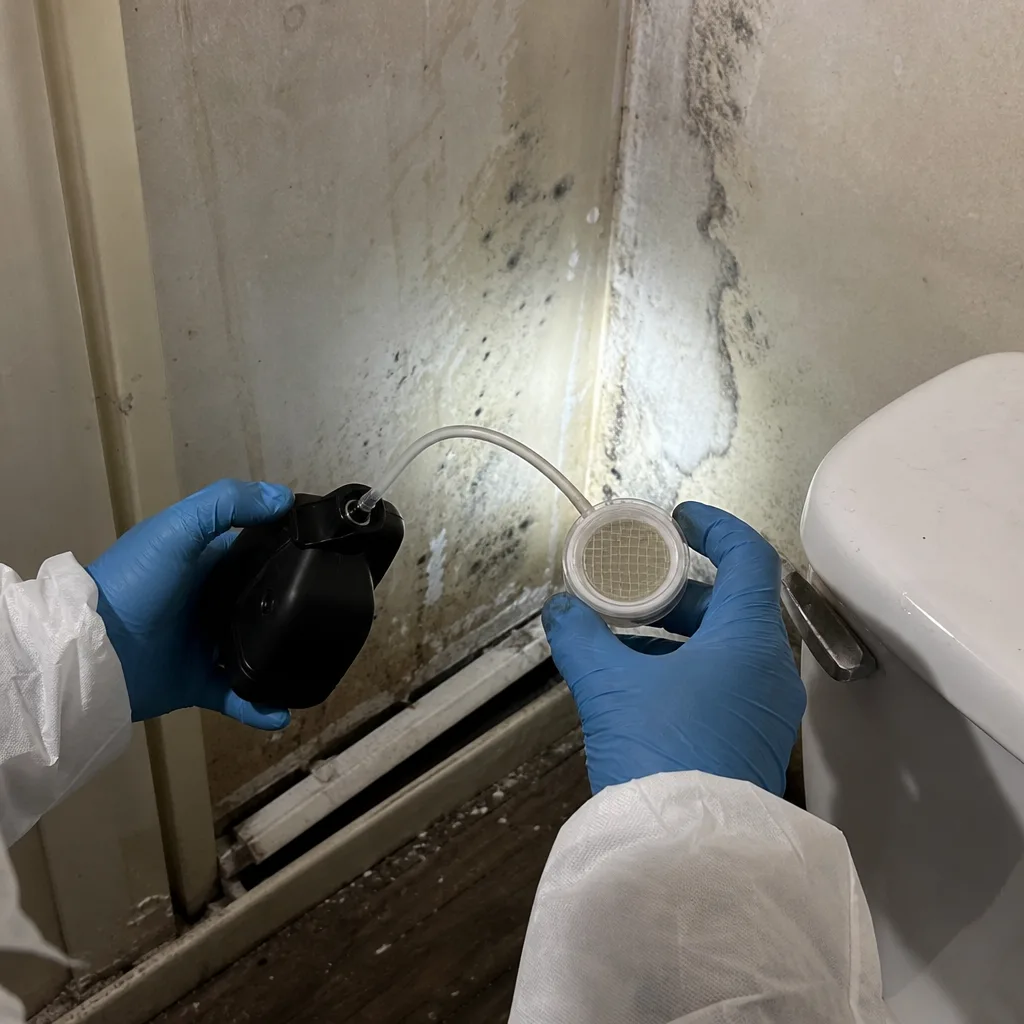
Contents Cleaning & Pack-Out
Smoke-damaged furnishings, documents, and electronics are inventoried, photographed, and transported to our facility for ultrasonic cleaning, deodorization, and restoration. Items are stored in climate-controlled conditions until the rebuild phase permits their return. The inventory list becomes part of the insurance documentation package.
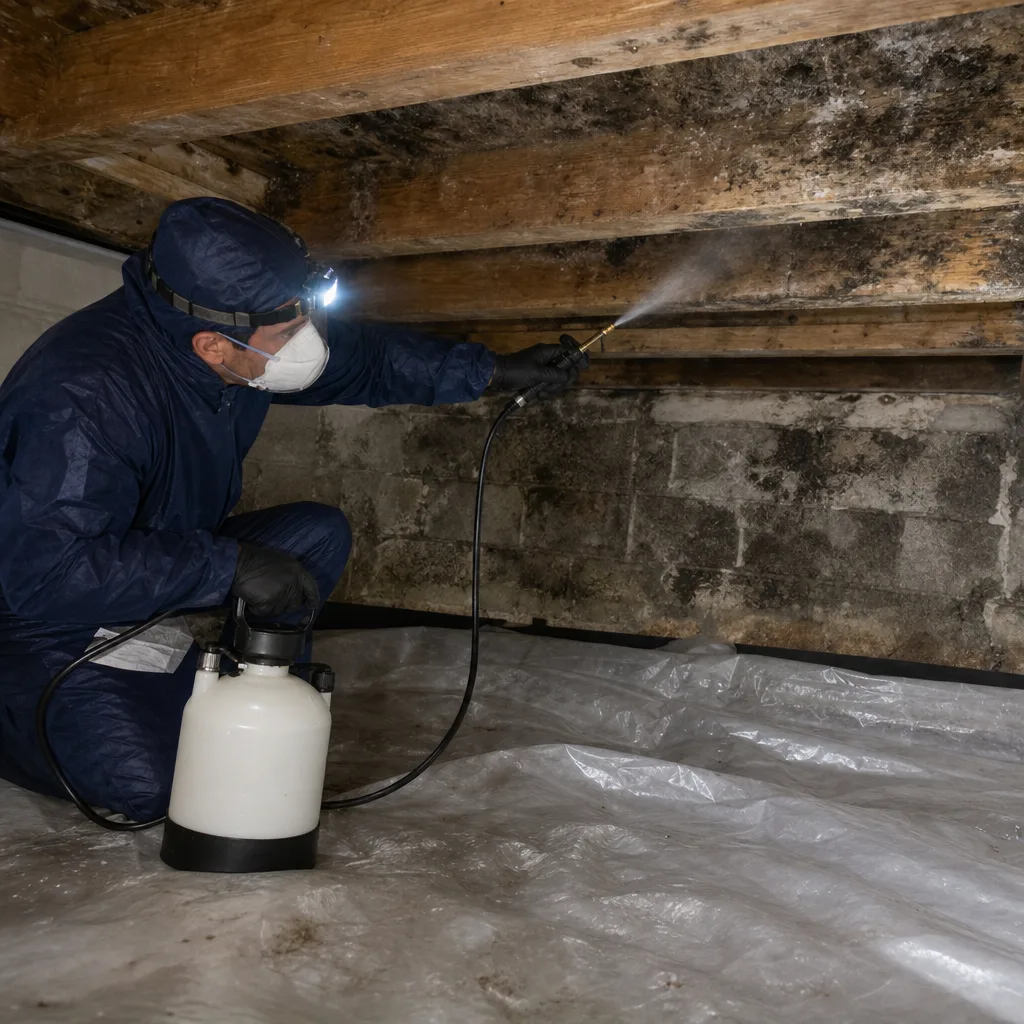
Emergency Board-Up & Tarping
Broken windows and compromised envelope openings are secured with materials that meet or exceed the building’s existing wind and impact ratings. In Financial District’s Flood Resilience Zoning overlay, this is not merely temporary protection - it’s compliance-critical, because the certificate of occupancy reissue requires verified wind-rated envelope integrity.
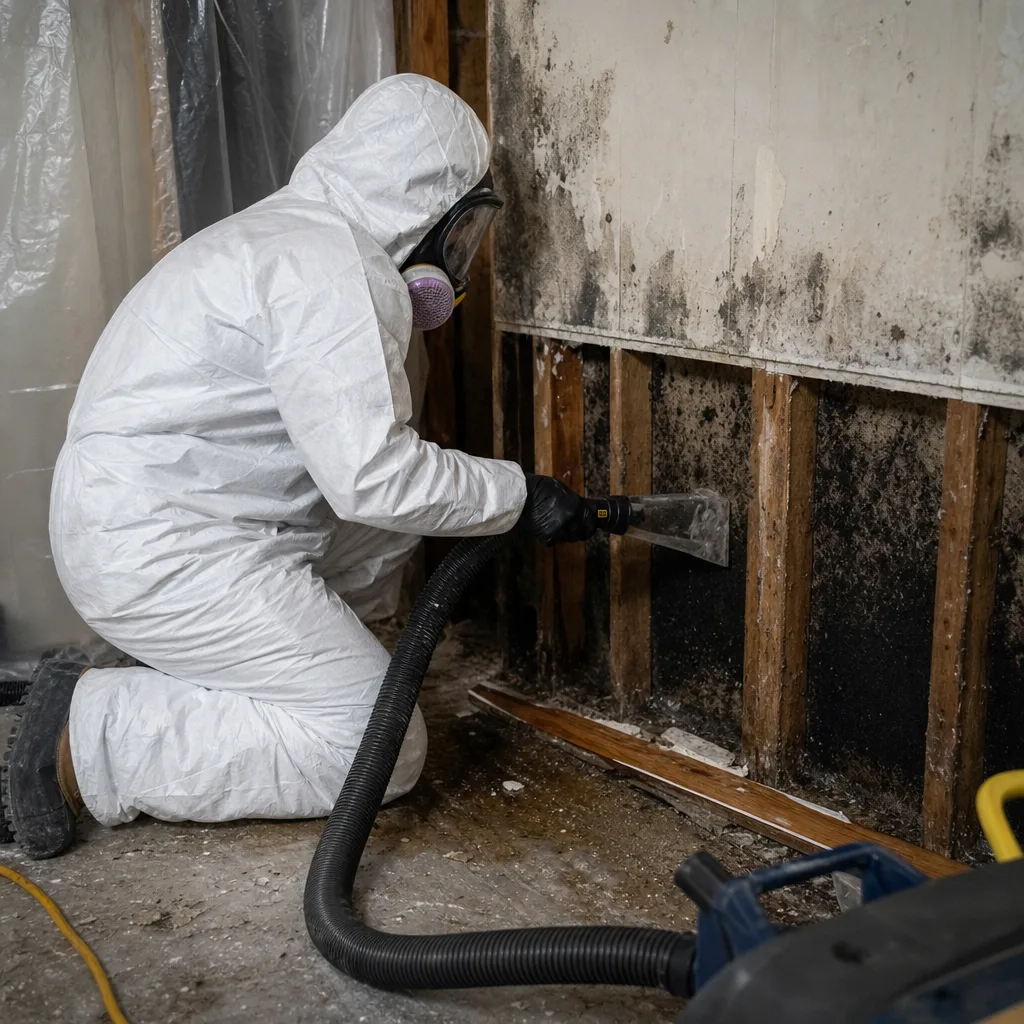
Structural Fire Repair
Rebuild includes fire-rated wall and ceiling assemblies, structural steel assessment for heat deformation, and mechanical system relocation above Base Flood Elevation where zoning requires. We coordinate with the building’s architect and the Department of Buildings to ensure the scope satisfies both structural and flood-compliance review.
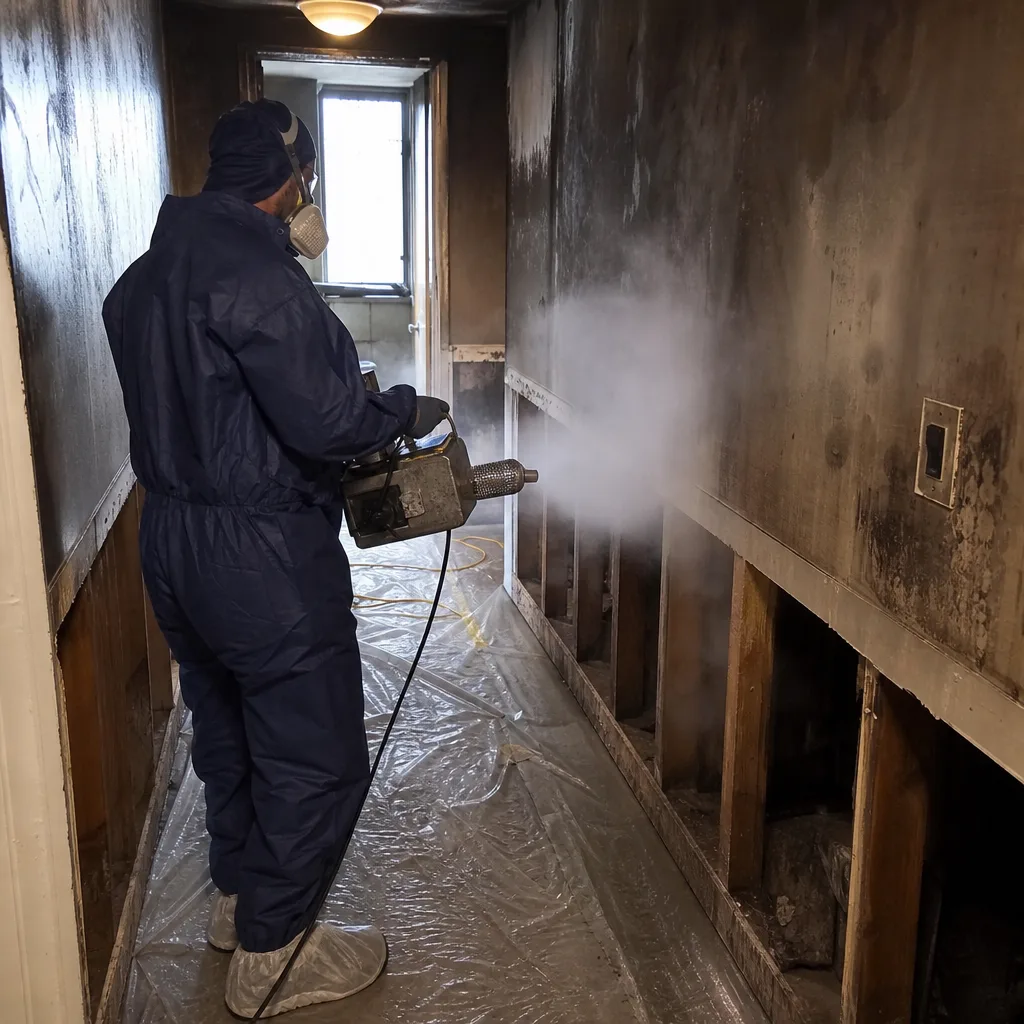
What happens when you call
- 1
A real person answersNo phone trees - you reach a local pro.
- 2
You get an upfront price rangeHonest numbers before anyone is dispatched.
- 3
A background-checked tech heads outLicensed & insured, dispatched right away.
- 4
You approve before work beginsNothing starts until you say go.
Fire & Smoke Damage Restoration Costs in Financial District, NY
Fire and smoke restoration in Financial District runs higher than outer-borough averages due to the compliance layer, the prevalence of asbestos abatement, and the complexity of working in occupied towers with limited freight access and after-hours restrictions.
| Service | Typical Range in Financial District |
|---|---|
| Emergency board-up and tarping | $800 - $2,400 |
| Smoke and soot removal (per affected room) | $1,200 - $3,500 |
| Odor removal and deodorization (whole unit) | $900 - $2,800 |
| Contents pack-out and cleaning | $2,000 - $6,500 |
| Asbestos abatement (where required) | $3,500 - $12,000 |
| Structural fire repair and rebuild | $8,000 - $45,000+ |
What moves the price: the square footage affected, the soot residue type, whether asbestos abatement is triggered, the extent of contents damage, and whether Flood Resilience Zoning compliance requires mechanical relocation or wind-rated envelope upgrades. Insurance typically covers direct fire and smoke damage, code-required upgrades, and debris removal; our written scope distinguishes covered from non-covered items before work begins - Haven Standard, Clause 1. Call (516) 687-5786 for your free visual inspection and exact written price.
We Also Serve Cities Near Financial District
Our Fire & Smoke Damage Restoration crews respond throughout lower Manhattan and beyond, including Financial District neighbors: Manhattan broadly, Upper West Side, Upper East Side, and Morningside Heights. Each area carries its own building stock and compliance environment, and our documentation system adapts to each.
Serving Financial District, NY - Our Local Coverage Area
We’re based in the Financial District area and know this community well. Use the map below to see our service coverage - if you’re nearby, we can almost certainly help.
Financial District Fire & Smoke Damage Restoration Questions, Answered
Does a fire in a Financial District converted tower require the same flood compliance review as a storm surge repair?
Yes, if the building is enrolled in the Flood Resilience Zoning overlay and carries a post-Sandy FEMA elevation certificate. The certificate of occupancy reissue requires mechanical systems to sit above Base Flood Elevation, regardless of whether the damage originated from fire, flood, or both. Our scope addresses both the fire restoration and the compliance documentation from day one. Call (516) 687-5786 to discuss your building’s specific requirements.
Why do so many FiDi fire jobs also involve sub-basement water extraction?
The high hydrostatic water table beneath the landfill-heavy eastern blocks, particularly along Water Street toward the East River, means chronic moisture intrusion into sub-grade spaces. A fire crew’s suppression water may add to existing standing water, or the fire may have damaged pumps that were managing a pre-existing condition. We inspect every sub-basement mechanical room as standard practice. Call (516) 687-5786 for a free inspection.
How do wind-rated doors and impact panels factor into a fire restoration scope in the Financial District?
Post-Sandy Flood Resilience Zoning requires verified wind-rated and impact-rated envelope components for certificate-of-occupancy reissue. If fire damage compromised doors or windows, replacement must meet or exceed the original rating, and documentation must be filed with the compliance review. We verify ratings and include the documentation in our scope. Call (516) 687-5786 for details on your building.
Do you always test for asbestos before drying and rebuild in these pre-war towers?
We assume asbestos-containing materials are present in any Financial District building constructed before 1980, and we test before disturbing fireproofing, floor tile, or pipe insulation. Abatement, when confirmed, is sequenced before aggressive cleaning or demolition to comply with NYC DEP and EPA regulations. The test results and abatement documentation become part of your insurance file. Call (516) 687-5786 to schedule testing.
What does a fire restoration scope look like for a 19th-century low-rise near Fraunces Tavern?
Historic-fabric preservation constraints limit demolition and require in-kind replacement of damaged plaster, woodwork, and masonry. We document existing conditions with detailed photography, coordinate with the Landmarks Preservation Commission for any exterior work, and specify traditional materials and methods in the written scope. The timeline typically extends twenty to forty percent beyond a comparable non-landmarked job. Call (516) 687-5786 for a site-specific assessment.
How fast can your crew actually get to a Financial District building?
Our target is forty-five minutes from call to arrival for emergency fire and smoke calls, dispatched from our New York City office. Live answer at (516) 687-5786 means no delay for voicemail or callback queues.
Will insurance cover the mechanical relocation required by Flood Resilience Zoning?
Most carriers cover code-required upgrades that are directly triggered by a covered loss, provided the upgrade is documented as necessary for certificate-of-occupancy reissue and not a voluntary improvement. We separate loss-related compliance work from elective upgrades in our written scope, and we coordinate directly with your adjuster to establish coverage. Call (516) 687-5786 for a free review of your policy and the specific requirements.
What should I do in the first 30 minutes after a fire is extinguished?
Ventilate if safe to do so without forcing smoke into clean areas, avoid touching soot-covered surfaces (oils from skin set the residue), and call (516) 687-5786 for immediate dispatch. Do not attempt to evaluate sub-basement mechanical spaces yourself - electrical hazards and contaminated water are common in Financial District buildings, and our technicians arrive equipped to assess both safely.
Back to Dry Restoration Manhattan provides Fire & Smoke Damage Restoration in Financial District and surrounding neighborhoods. Every job is quoted in writing before work begins, documented with a photo record on every visit, and covered by the 365-Day Done Right Promise under The Haven Standard. Founded in 2011 by a former claims adjuster, we have restored over 12,000 homes with the documentation that turns restoration invoices into payable claims. Free Second Opinion on any competitor’s written estimate.
Written by Alicia Brennan, Owner at Back to Dry Restoration, serving Financial District since 2011.