
Free visual inspection and a written scope of work before any mitigation begins - photos, moisture readings, and drying logs go in your claim file
The scope we write is the scope we bill. Anything new gets shown to you, in writing, before we touch it.
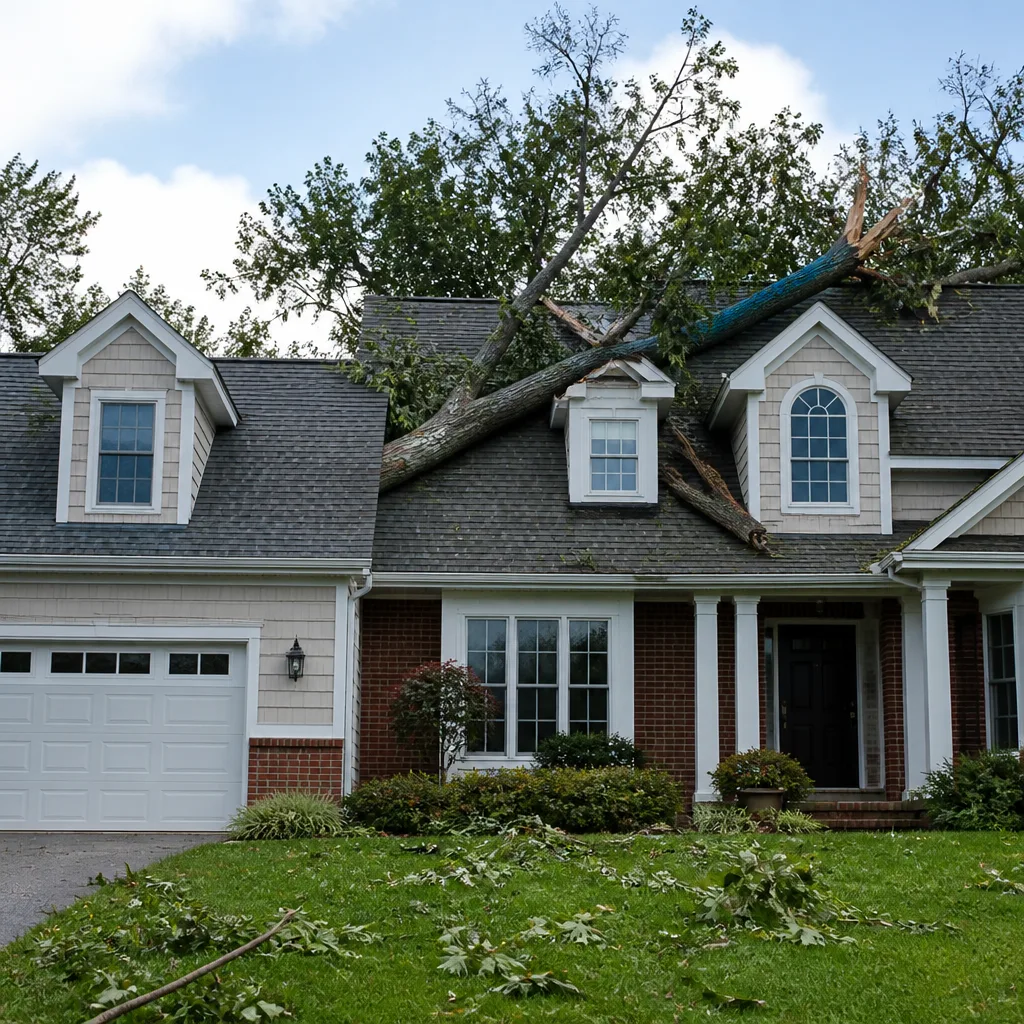
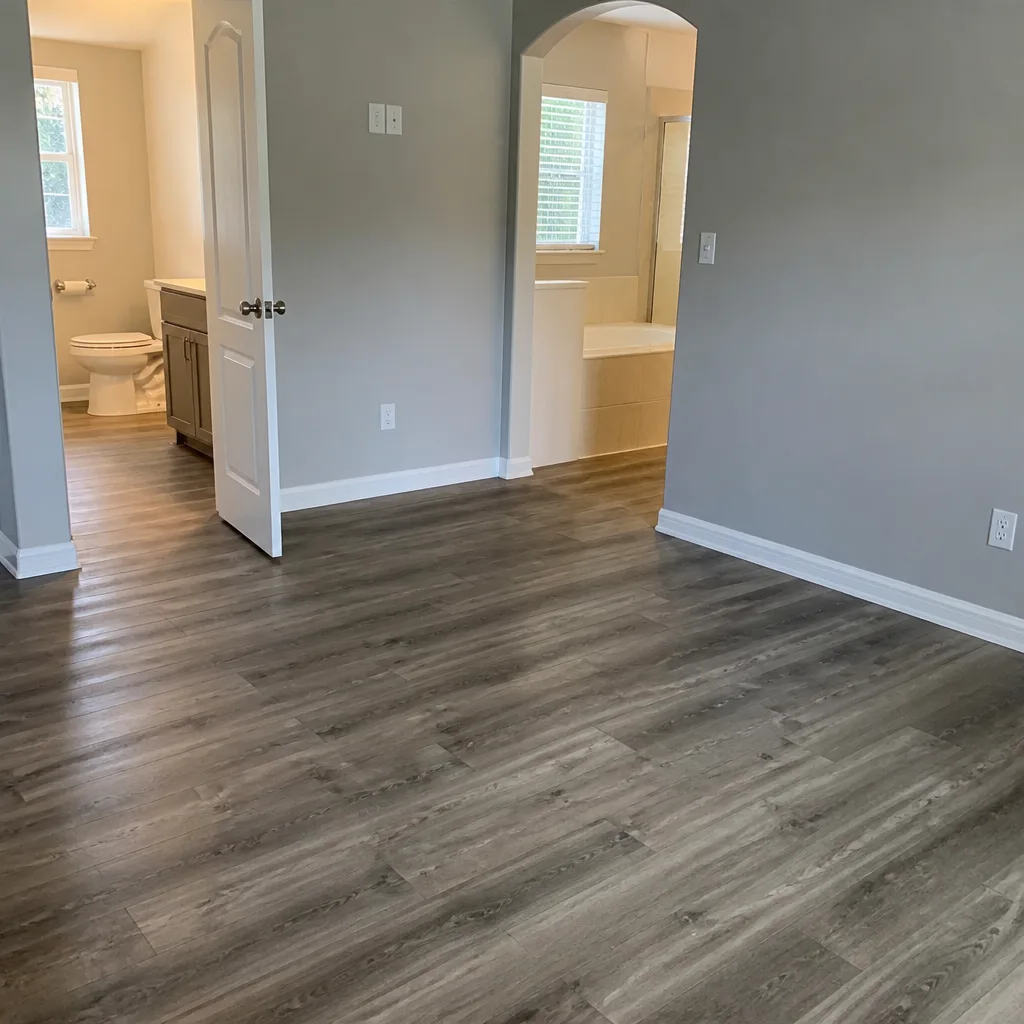
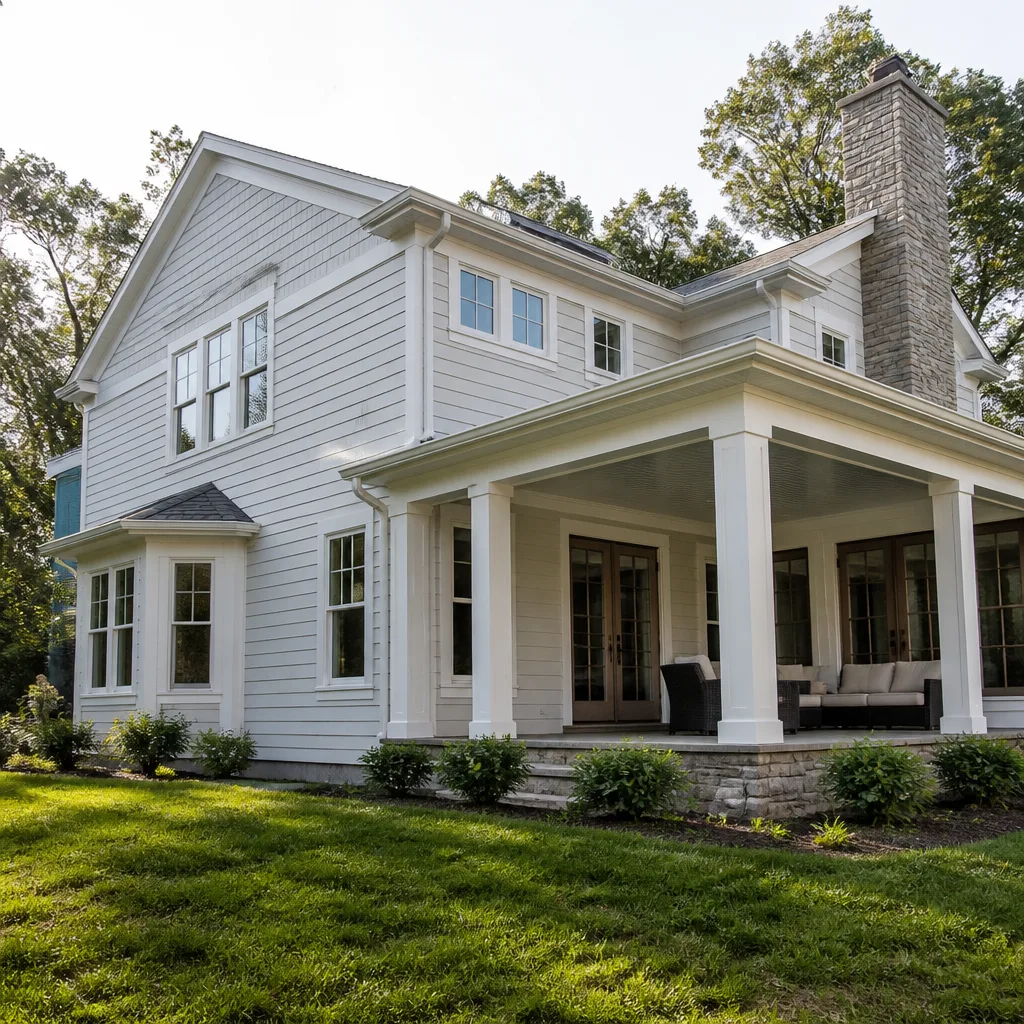
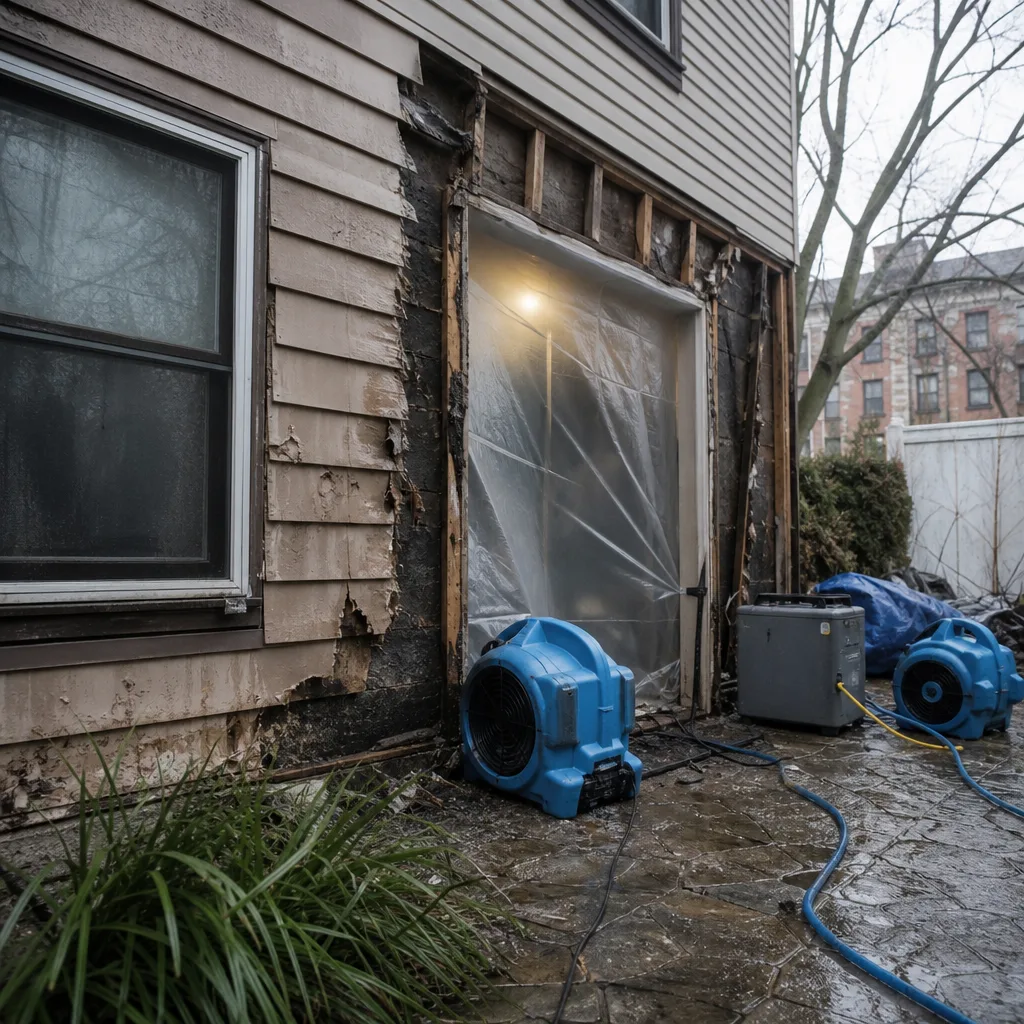 Before
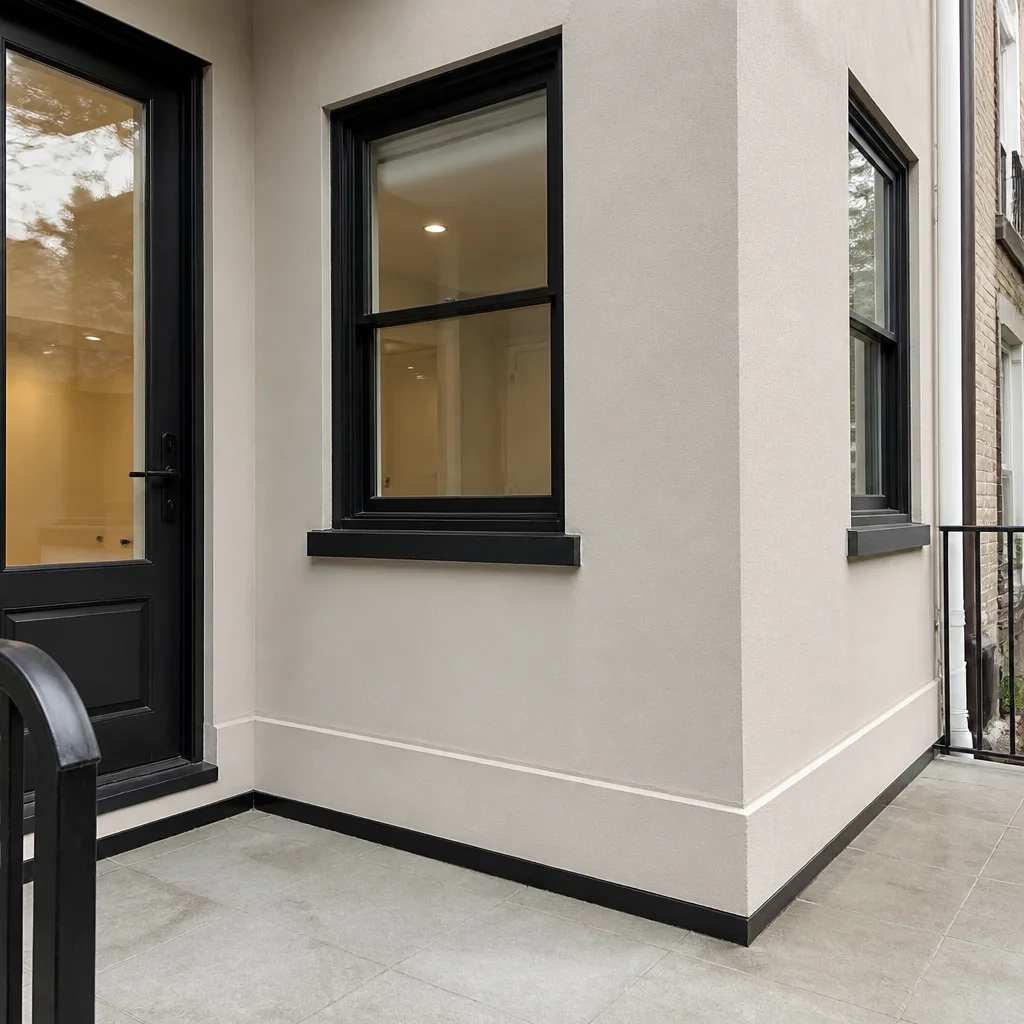 After
After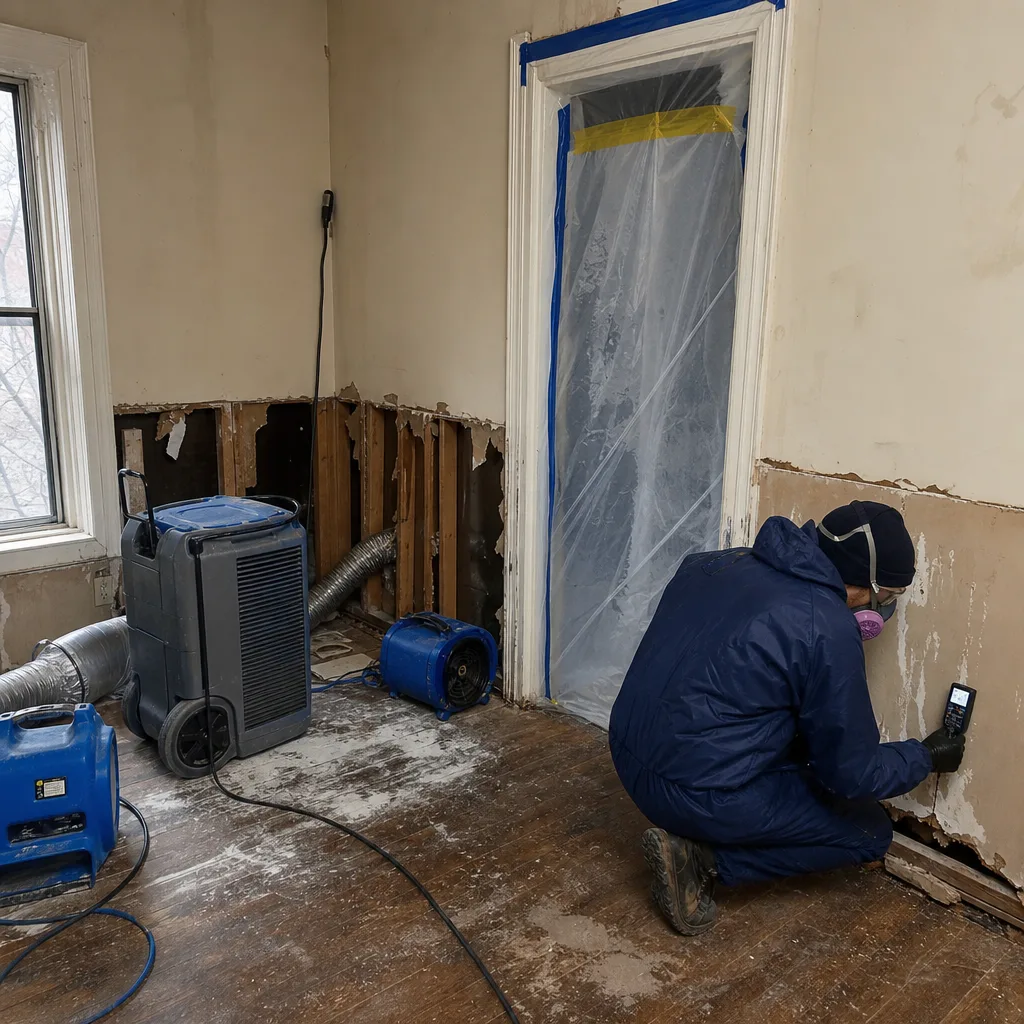 Before
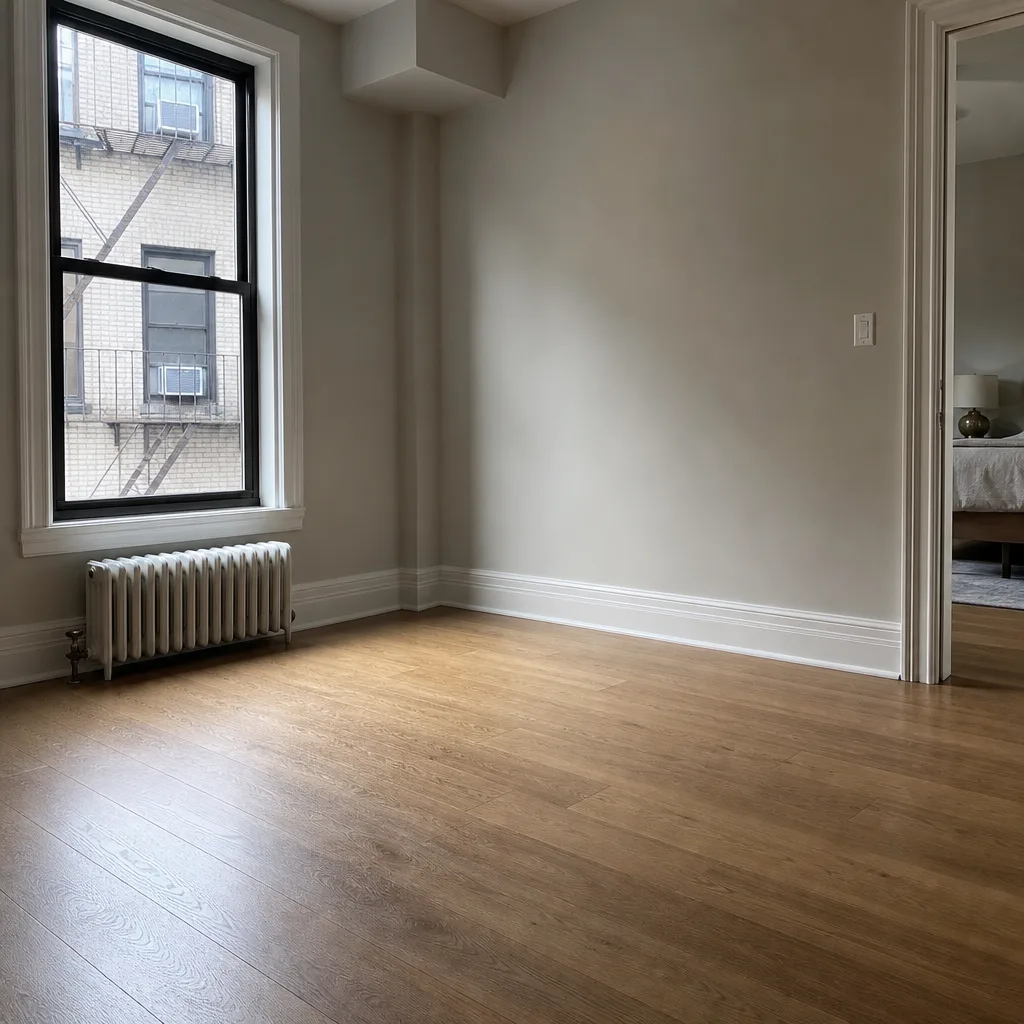 After
After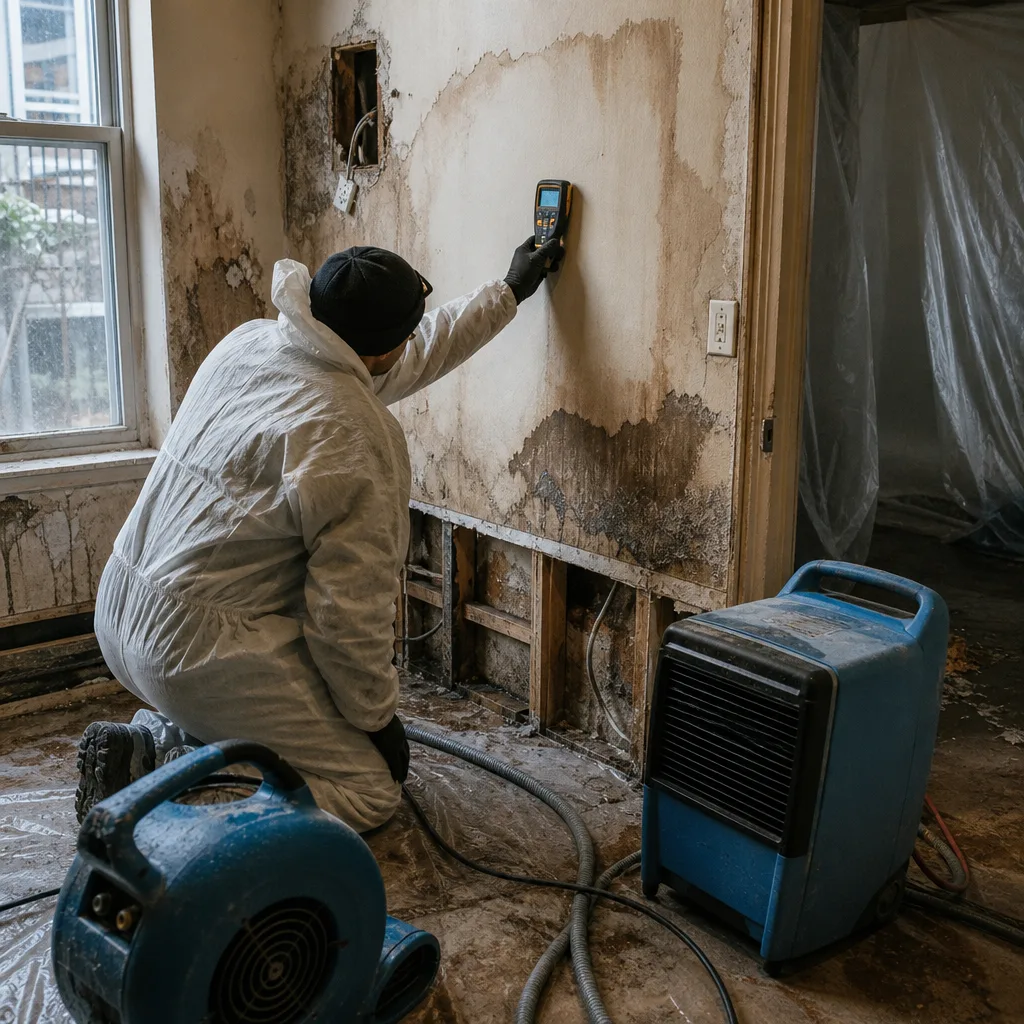 Before
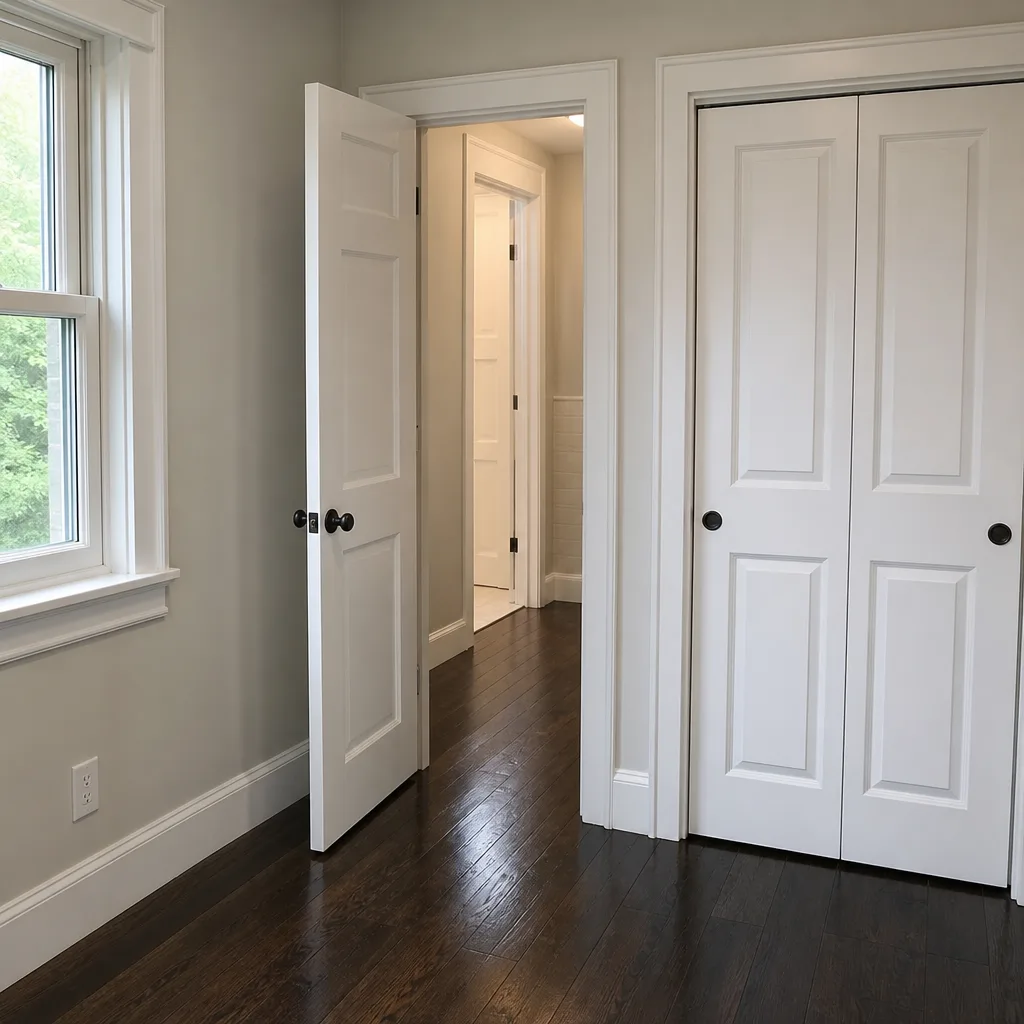 After
After24/7 Emergency Mold Remediation in Financial District
Call (516) 687-5786 and a live person answers. No voicemail, no callback queue. We dispatch crews directly into the Financial District from our New York City office, and we offer free visual inspections to assess visible mold and moisture conditions on the spot. The first hour after water intrusion matters because mold colonies establish within 24 to 48 hours on organic building materials, and in Financial District’s converted commercial towers, that timeline compresses further in sub-basements where the harbor’s hydrostatic pressure keeps moisture present even when the visible water is gone.
Understanding Mold Remediation Severity in Financial District Properties
We classify mold jobs by the contamination extent, the underlying moisture source, and the building assembly involved. A Category 1 water loss, clean supply-line water, presents straightforward drying if caught within 24 hours. Category 2, gray water from appliance drains or sump backflow, requires antimicrobial treatment. Category 3, black water from sewage or harbor surge, demands full PPE, negative-air containment, and disposal of porous materials.
Financial District’s building stock complicates every category. The dominant early-to-mid 20th century masonry towers converted to residential since the late 1990s contain pre-1980 fireproofing and floor tiles that routinely test positive for asbestos, requiring abatement protocols before our crews can begin structural drying or demolition. The 19th-century low-rise masonry around Stone Street and Fraunces Tavern adds historic-fabric preservation constraints. We map moisture with thermal imaging and document psychrometric data, vapor pressure differential, and specific humidity readings, then explain each in plain terms on your written scope. Tertiary drying, the final phase where bound moisture releases from dense masonry and plaster, often extends timelines in these older assemblies compared to modern stick-frame construction.
Why Financial District Property Owners Choose Back to Dry Restoration Manhattan
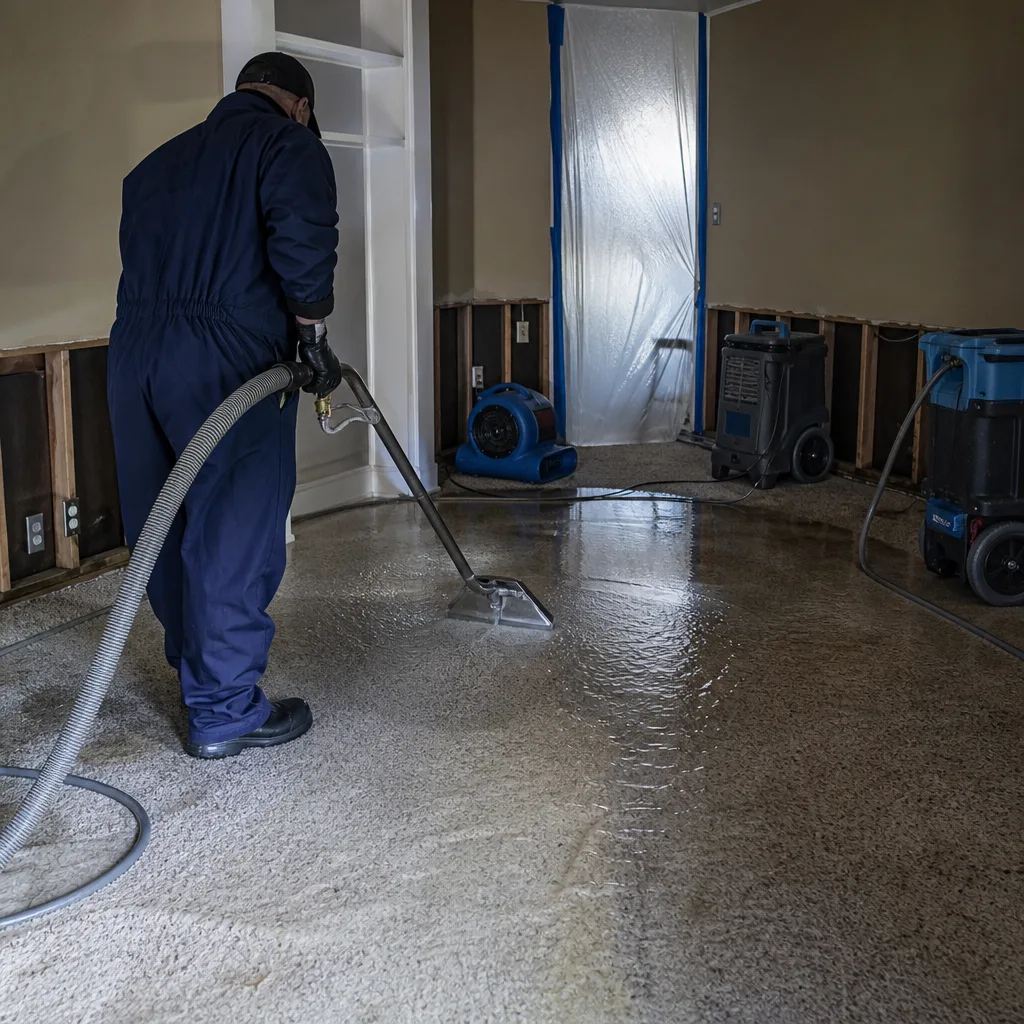
- 45-minute response commitment to Financial District addresses, with crews staged for the southern tip of Manhattan.
- 24/7 live answer by a real person, never an automated system, on every call to (516) 687-5786.
- IICRC-certified crews holding WRT (Water Damage Restoration Technician) and AMRT (Applied Microbial Remediation Technician) designations.
- Free visual inspection with documented photo record before any scope is proposed.
- Direct insurance billing with adjuster coordination handled by our in-house documentation team.
- One team from containment through reconstruction, so no handoff gaps between drying, remediation, and rebuild.
BeforeAfterOur Mold Remediation Process
1. Inspection & Assessment
We perform moisture mapping with FLIR thermal imaging and penetrating hygrometers, identify the water category and mold contamination extent, and test pre-1980 materials for asbestos before disturbing any assembly. A written price is delivered before work begins, every time, with no exceptions, Haven Standard, Clause 1.
2. Containment & Air Filtration
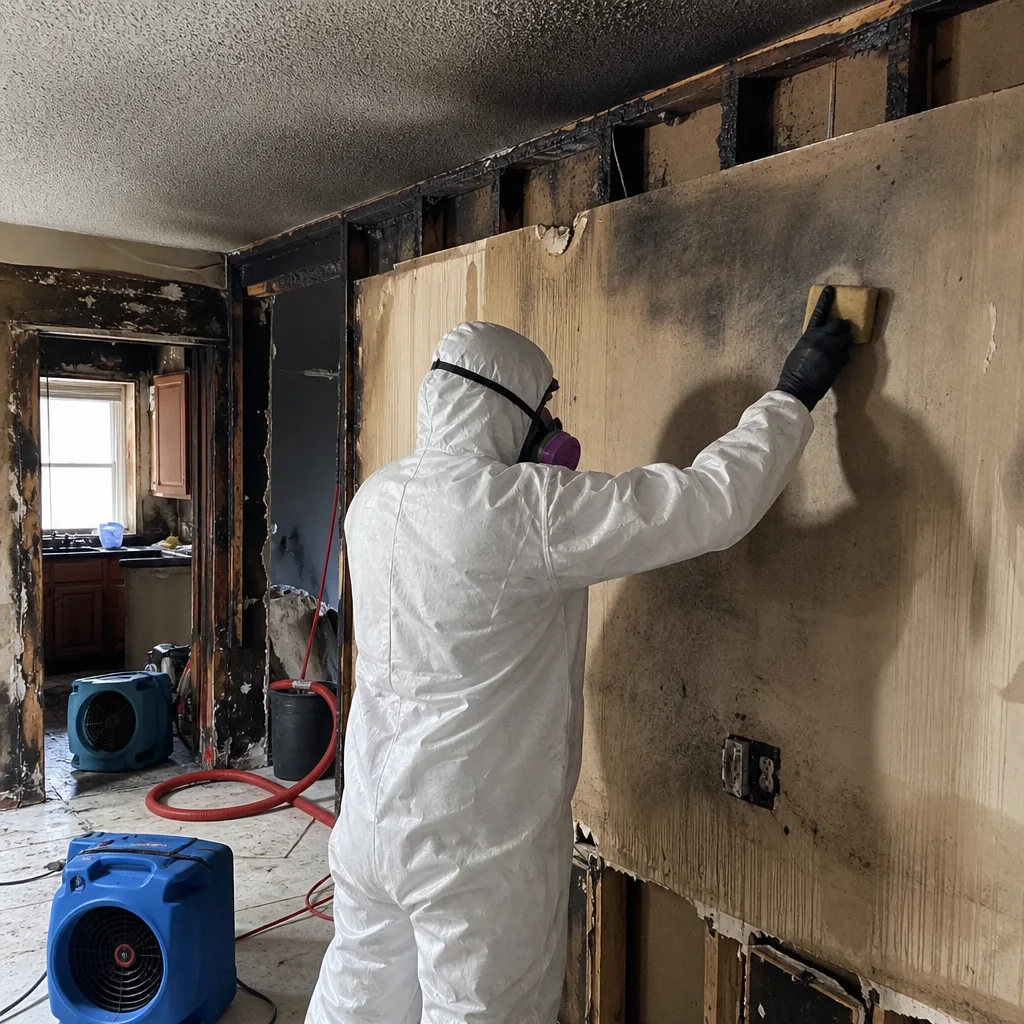
We establish negative-air containment with 6-mil poly barriers and HEPA-scrubbed airlocks, then deploy Phoenix HEPA air scrubbers to capture airborne spores. In Financial District’s converted towers, we coordinate with building engineers to avoid disrupting shared HVAC systems.
3. Drying & Dehumidification
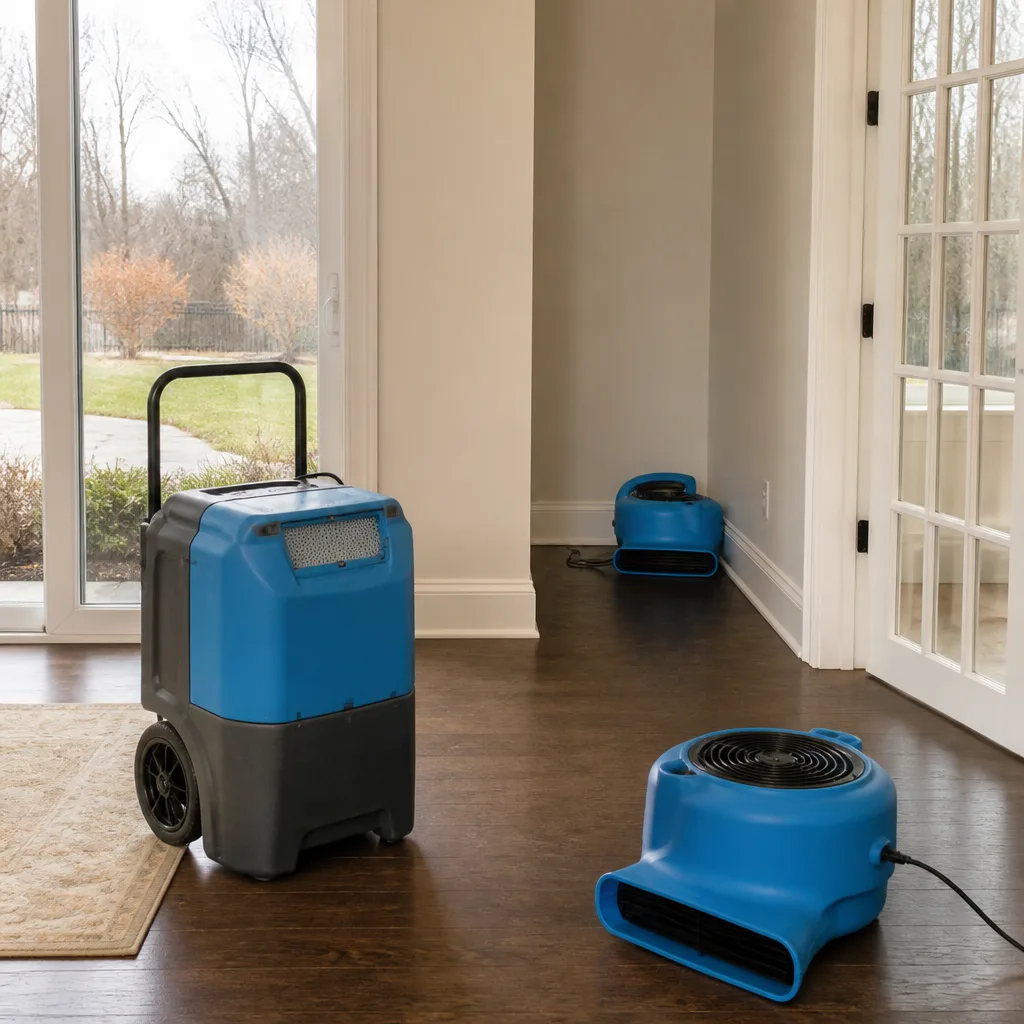
We size dehumidification using Dri-Eaz and Phoenix LGR units with XPOWER air movers to create vapor pressure differential that pulls moisture from dense masonry and original furring strips. Daily moisture logs track specific humidity and grain depression until materials reach IICRC drying goals.
4. Cleaning & Antimicrobial Treatment
HEPA vacuuming precedes antimicrobial application on affected framing and sheathing. In FiDi sub-basements with chronic hydrostatic intrusion, we treat band joists and sill plates with botanical-based antimicrobials rated for ongoing moisture exposure, not just one-time events.
5. Moisture & Humidity Control
We install permanent dehumidification solutions where the high water table beneath the Water Street corridor creates recurring conditions. This includes vapor-barrier assessment, mechanical ventilation sizing, and humidity monitoring recommendations to prevent secondary mold bloom after we leave.
6. Clearance Testing & Documentation
Independent third-party clearance sampling confirms airborne spore counts below outdoor baseline. We deliver your photo record, drying logs, written scope, and signed 365-Day Done Right Promise under The Haven Standard before final walkthrough.
Need Emergency Mold Remediation in Financial District Now?
Crews minutes away, answering live 24 hours a day. The sooner we start, the less it costs.
Working With Your Insurance Company
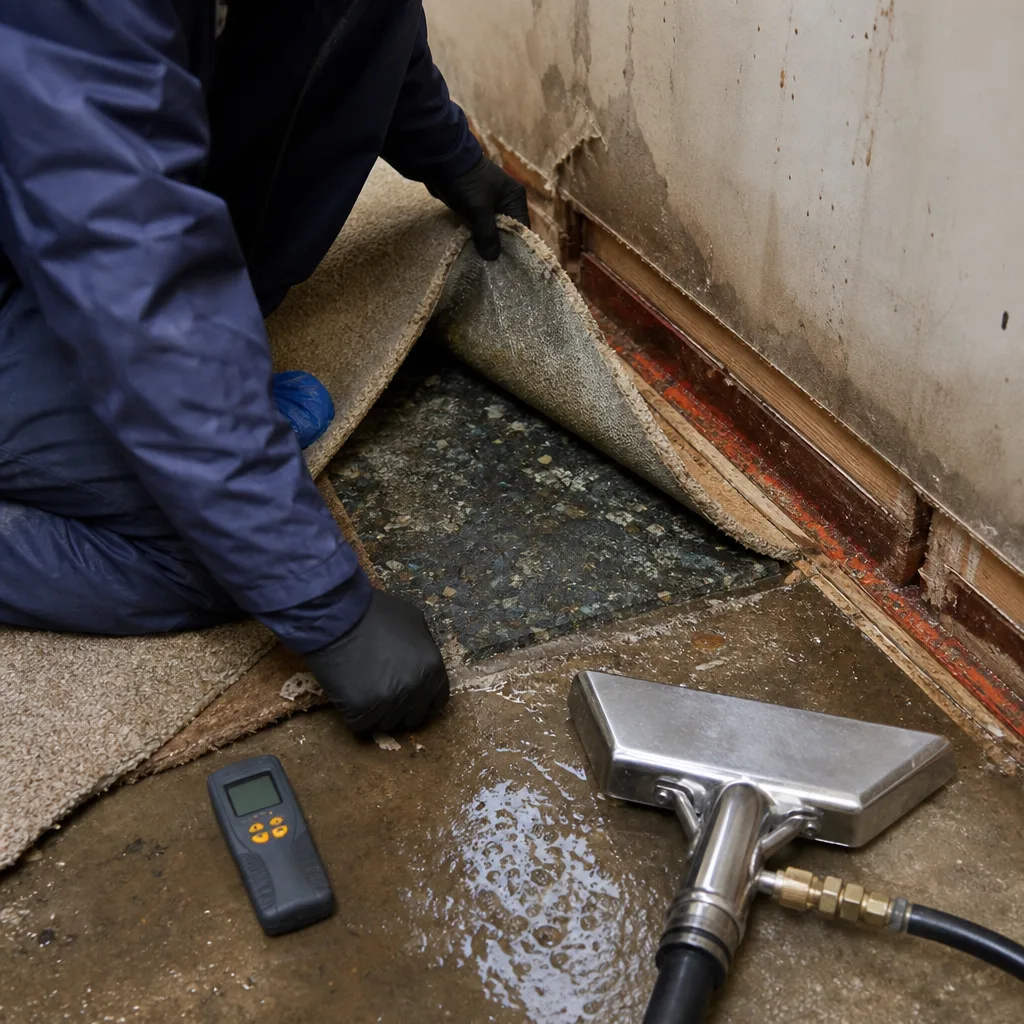
We document from the first hour because Alicia Brennan founded Back to Dry in 2011 after watching homeowners lose claims to incomplete files. Our estimates follow industry-standard Xactimate pricing with line-item detail. We speak directly with your adjuster, provide room-by-room photo documentation, and coordinate supplemental approvals when hidden damage extends the scope.
What We Provide Your Insurer
- Thorough documentation of the loss
- Photos of all damage, room by room
- Moisture readings and drying logs
- A detailed, line-item scope of work
- Direct coordination with your carrier
Built for Financial District’s Loss Calendar
January deep freezes burst aging cast-iron and galvanized supply lines in converted towers where original plumbing was never engineered for residential occupancy. Spring thaw and sustained nor’easter rainfall drive harbor surge and groundwater intrusion simultaneously, the hydrodynamic exposure unique to this peninsula where the Hudson and East River converge. Summer humidity, compounded by outdated mechanical systems in sub-basements, sustains mold growth even without fresh water intrusion. Tropical remnants and fall nor’easters, intensifying since Sandy’s 14-foot surge at the Battery, remain the highest-loss events, often triggering the Flood Resilience Zoning compliance layer that extends remediation timelines by weeks.
Mold Remediation Across Financial District’s Neighborhoods
Our crews know the building-specific protocols for each Financial District corridor. On Water Street and Pearl Street, the landfill-heavy eastern blocks toward the East River, we encounter chronic sub-grade moisture in converted towers where the water table sits inches below slab level; mold remediation here requires permanent humidity control, not just drying. Around Stone Street and the Fraunces Tavern block, 19th-century low-rise masonry with no modern vapor control demands careful moisture mapping of original furring strips and band joists, with daily drying logs to verify cavity conditions before any rebuild. Our Mold Remediation in Financial District teams coordinate with building management at addresses along Broad Street and Exchange Place, where post-Sandy Flood Resilience Zoning overlays require mechanical-system relocation above Base Flood Elevation before certificates of occupancy are reissued. On Greenwich Street and the Battery Park City edge, newer construction with proper vapor barriers still sees mold from envelope failures and window-wall leaks during wind-driven rain events.
Specialized Mold Remediation Services We Offer in Financial District
Mold Inspection & Testing
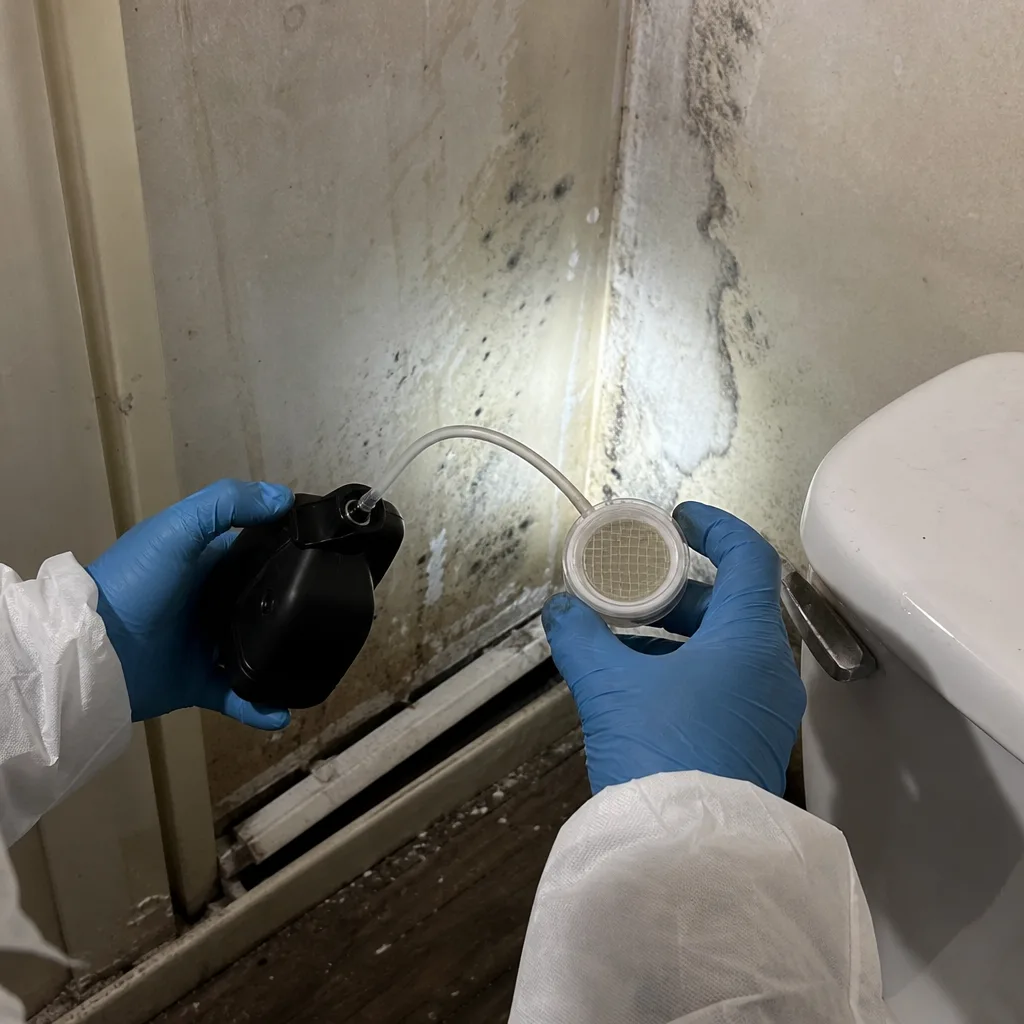
We use thermal imaging, moisture meters, and air sampling to locate hidden colonies in Financial District’s dense masonry assemblies. In converted towers, we inspect elevator pits, mechanical rooms, and electrical switchgear spaces below grade where chronic moisture often goes unreported until odor or health complaints surface.
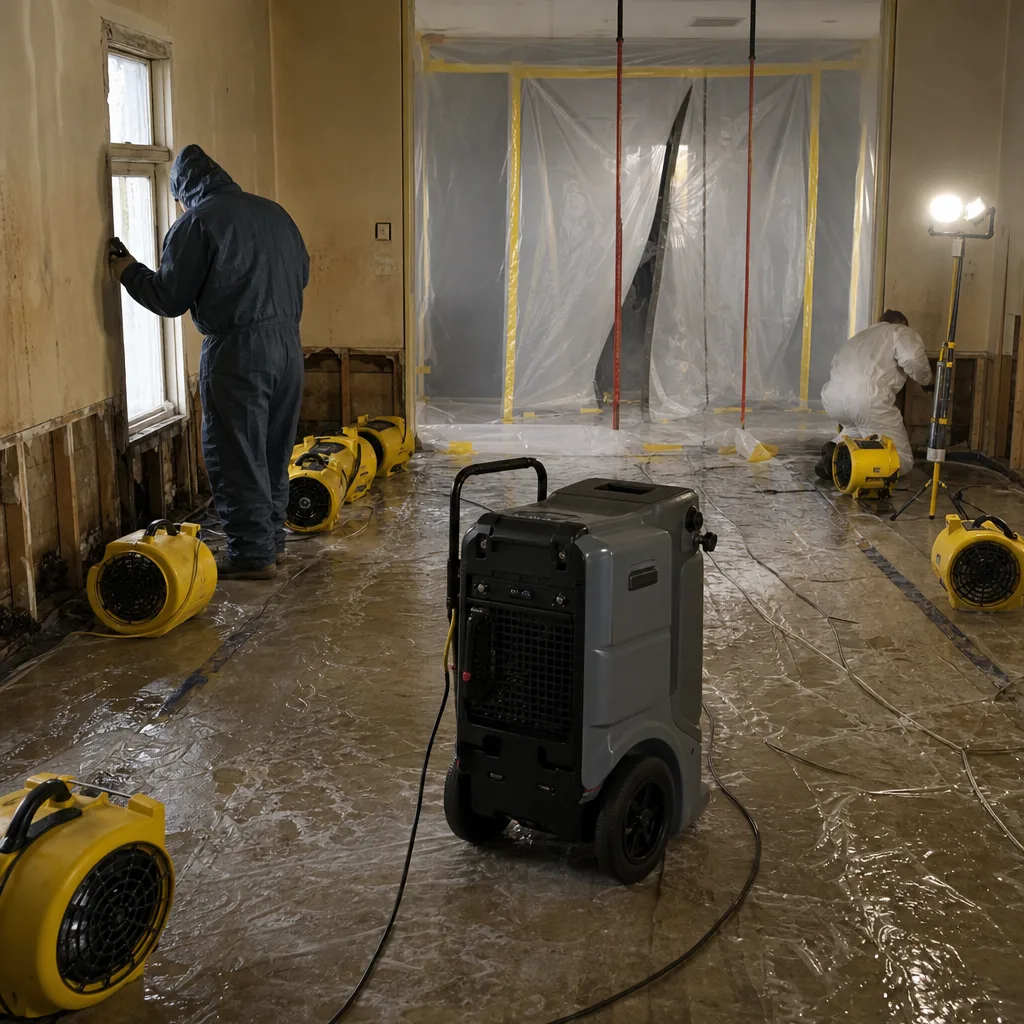
Mold Removal
Our AMRT-certified crews remove contaminated drywall, insulation, and porous materials under negative-air containment with HEPA filtration. In FiDi’s pre-war buildings, we test for asbestos before disturbing any pre-1980 assembly, preventing the protocol violations that halt jobs mid-stream.
Black Mold Remediation
Stachybotrys and other toxigenic species require full PPE, strict containment, and disposal as regulated waste. We document every step for insurance and, where building management requires it, for NYC Department of Health notification.
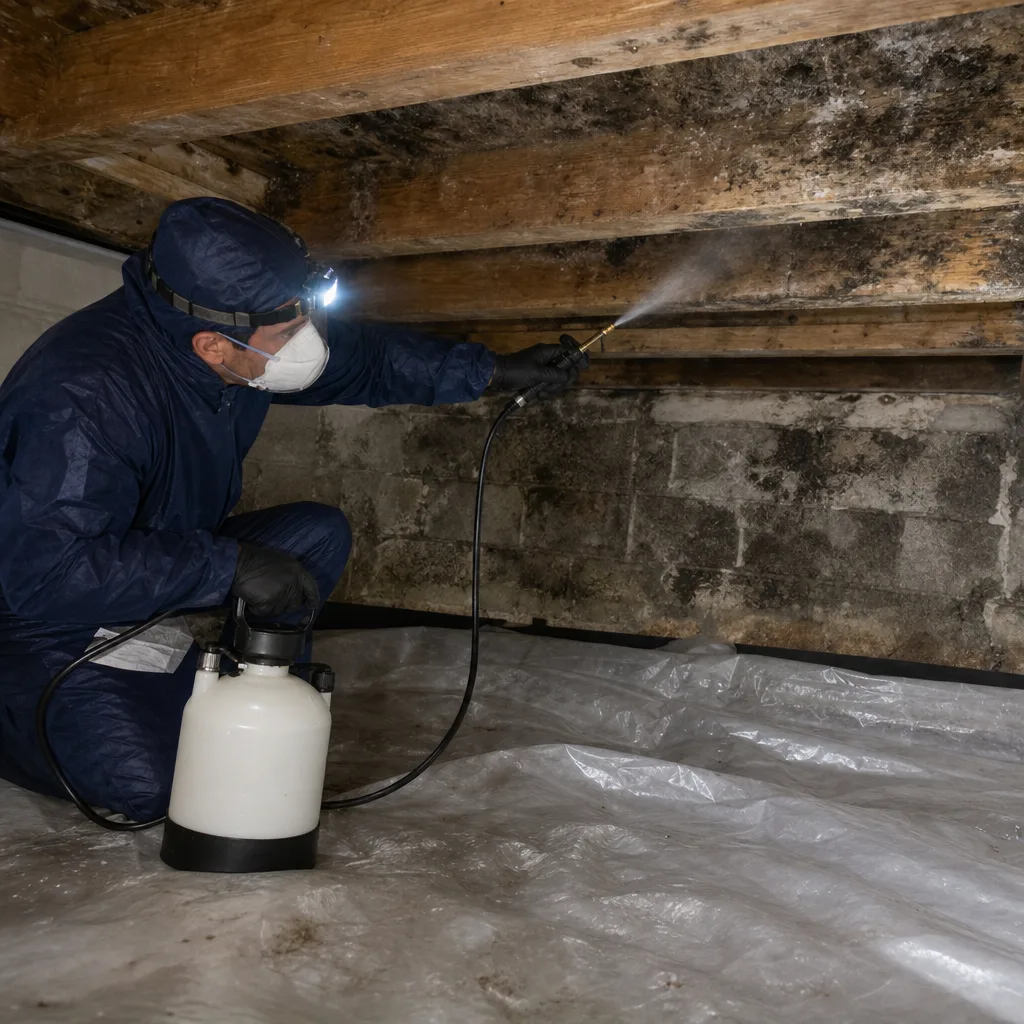
Air Quality Restoration
Post-remediation, we verify airborne spore counts with independent clearance testing. In Financial District’s shared-HVAC converted towers, we coordinate with building engineers to assess duct contamination and recommend cleaning or isolation protocols.
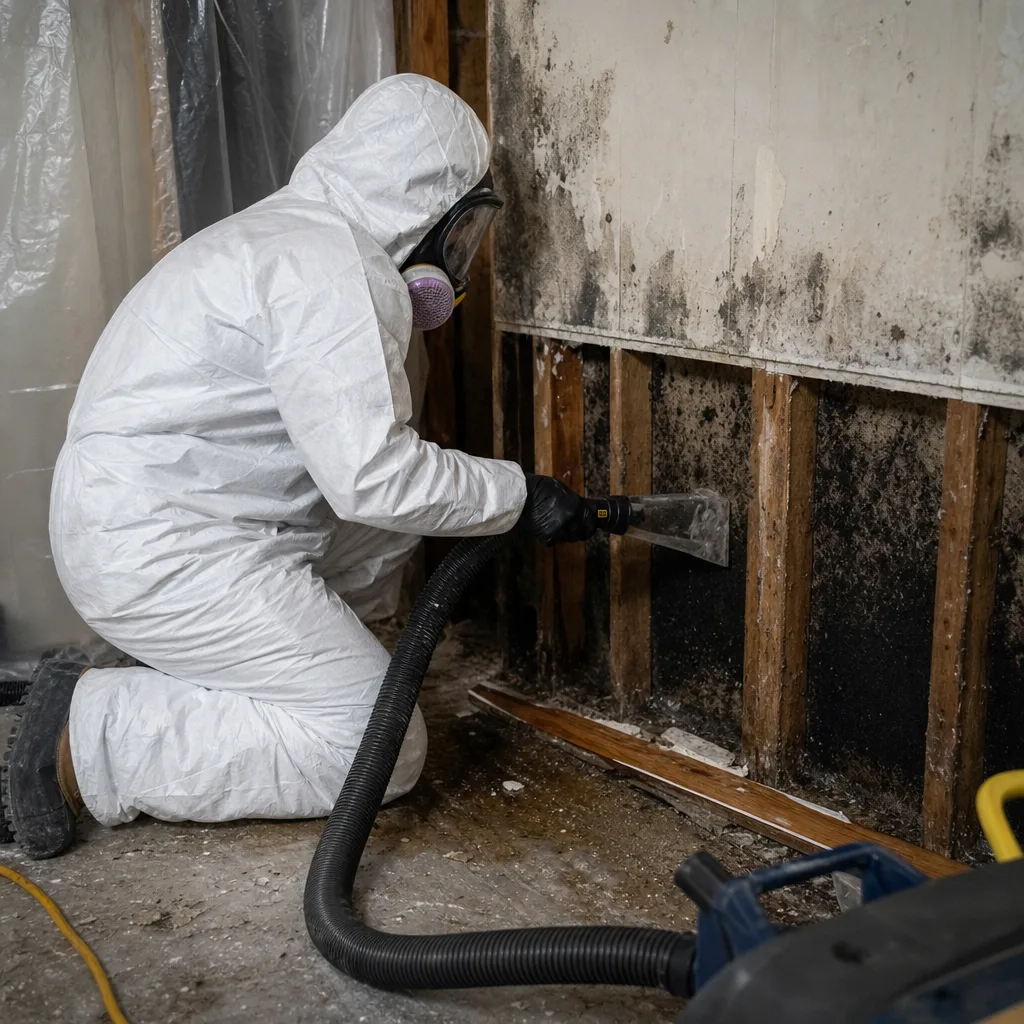
Crawl Space Treatment
While true crawl spaces are rare in high-rise FiDi, we treat the equivalent: sub-basement mechanical vaults, elevator pits, and plenum spaces where groundwater intrusion creates mold-conducive conditions. Vapor-barrier installation and mechanical dehumidification often follow remediation.
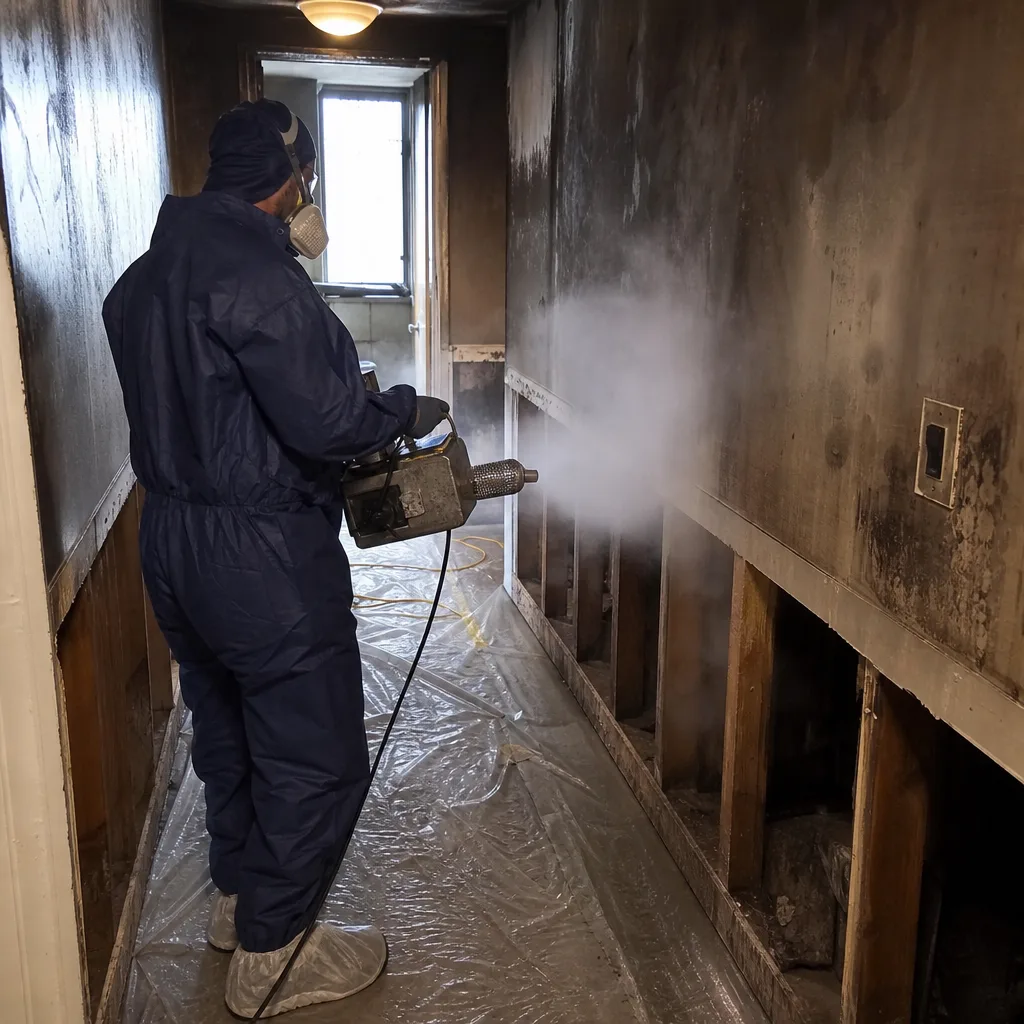
Moisture & Humidity Control
The high hydrostatic water table beneath the Water Street corridor means sub-grade moisture is chronic, not episodic. We install permanent dehumidification, improve ventilation, and monitor humidity to prevent the return mold blooms we see when crews treat these spaces as one-time storm damage.
What happens when you call
- 1
A real person answersNo phone trees - you reach a local pro.
- 2
You get an upfront price rangeHonest numbers before anyone is dispatched.
- 3
A background-checked tech heads outLicensed & insured, dispatched right away.
- 4
You approve before work beginsNothing starts until you say go.
Mold Remediation Costs in Financial District, NY
A typical mold inspection and testing in Financial District runs $350-$650 for residential units, $800-$1,500 for commercial or multi-level assessments. Contained mold removal in a single room costs $1,200-$3,500. Full remediation with negative-air containment, HEPA scrubbing, and antimicrobial treatment in a converted tower unit ranges $4,500-$12,000. Black mold remediation with full PPE and regulated disposal starts at $6,000 and can exceed $20,000 for multi-room contamination with asbestos abatement layered in.
What moves the price: asbestos testing and abatement adds $1,500-$5,000; Flood Resilience Zoning compliance coordination adds administrative time; sub-basement mechanical-space work requires confined-space protocols. Insurance typically covers mold resulting from sudden, accidental water damage with prompt reporting. Long-term neglect or maintenance-related moisture may fall to the property owner. We provide a written price before work begins, Haven Standard, Clause 1, and offer a Free Second Opinion on any competitor’s written estimate.
We Also Serve Cities Near Financial District
Our crews respond throughout lower and central Manhattan, including Mold Remediation services in Manhattan broadly, plus the Upper West Side, Upper East Side, and Morningside Heights. Each area carries distinct building stock and moisture patterns, and we adjust our documentation and drying protocols accordingly.
Serving Financial District, NY - Our Local Coverage Area
We’re based in the Financial District area and know this community well. Use the map below to see our service coverage - if you’re nearby, we can almost certainly help.
Financial District Mold Remediation Questions, Answered
Does a mold problem in a Financial District converted commercial tower need asbestos testing before remediation?
Yes, virtually every major remediation job in FiDi’s converted towers requires asbestos testing first because pre-1980 fireproofing and floor tiles routinely test positive. We sample before disturbing any assembly; if asbestos is present, abatement must precede drying or demolition, adding $1,500-$5,000 and several days. Call (516) 687-5786 for a free inspection and testing plan.
Why does mold keep coming back in FiDi sub-basements even after we dry them out?
The high hydrostatic water table beneath the landfill-heavy Water Street corridor pushes moisture through slab and foundation walls continuously, not just during storms. One-time drying without permanent dehumidification and vapor management guarantees recurrence. We log daily readings, install mechanical humidity control, and verify cavity conditions through seasonal cycles. Call (516) 687-5786 for an assessment that addresses the source, not the symptom.
Can our building’s FEMA elevation certificate affect a mold remediation scope?
Yes, in post-Sandy-era FiDi buildings enrolled in the Flood Resilience Zoning overlay, remediation that disturbs mechanical systems can trigger mandatory compliance reviews requiring relocation above Base Flood Elevation before reoccupancy. We coordinate this layer with your building management and insurer so the mold scope and compliance scope proceed together, not in conflict. Call (516) 687-5786 to review your building’s certificate status.
How fast does mold grow after a water intrusion in a Financial District building?
Mold colonies establish on wet organic materials within 24 to 48 hours. In Financial District’s sub-basements, where harbor humidity and hydrostatic pressure keep materials near saturation, that window compresses further. Our 45-minute response commitment targets interruption before colonization spreads beyond the initial wet zone. Call (516) 687-5786 for immediate dispatch.
What’s the difference between Category 1, 2, and 3 water when you scope a FiDi mold job?
Category 1 is clean supply-line water with straightforward drying if caught quickly. Category 2, gray water from drains or sump backflow, requires antimicrobial treatment. Category 3, black water from sewage or harbor surge, demands full containment, PPE, and disposal of porous materials. In FiDi, Sandy-era flooding and combined sewer overflows during heavy rain frequently elevate losses to Category 3, changing both the remediation protocol and the insurance documentation requirements. Call (516) 687-5786 for category confirmation and scope.
Will my insurance cover mold remediation in my Financial District condo?
Insurance covers mold resulting from sudden, accidental water damage that is promptly reported and documented. Long-term leaks, maintenance neglect, or pre-existing moisture may be excluded. We document the loss origin with photo records, moisture logs, and written scopes that support your claim from the first hour. Call (516) 687-5786 and we will review your policy language with you.
How long does mold remediation take in a Financial District building?
Contained single-room remediation takes 3 to 5 days. Multi-room jobs with asbestos abatement and Flood Resilience Zoning compliance coordination extend to 2 to 4 weeks. Tertiary drying in dense masonry, common in FiDi’s converted towers, adds days that faster-drying modern construction avoids. We provide a written timeline with your written price before work begins. Call (516) 687-5786 for a specific schedule.
Can we stay in the unit during mold remediation?
Residents typically relocate during active remediation because negative-air containment, HEPA equipment noise, and antimicrobial application create uninhabitable conditions. For small, contained areas with isolated HVAC, partial occupancy may be possible. We assess this during your free visual inspection and specify relocation needs in your written scope. Call (516) 687-5786 to discuss your specific layout.
Our crew was called to a Stone Street low-rise after a nor’easter-driven rain event pushed water through 19th-century masonry into a sub-grade commercial space; moisture mapping of the band joists and original furring strips showed elevated moisture readings that standard handheld meters missed, so we set containment, ran Dri-Eaz and Phoenix dehumidification with XPOWER air movers, and performed antimicrobial treatment on the affected framing. Because the building’s pre-1900 masonry had no modern vapor control, we logged drying readings daily and returned to verify the sub-grade cavity stayed within tolerance before any rebuild - a step that prevented a second mold bloom after the next sustained rainfall.
Call (516) 687-5786 for a free visual inspection and written estimate. Every job carries the 365-Day Done Right Promise under The Haven Standard, with a written price before work begins and a documented photo record on every visit.
Written by Alicia Brennan, Owner at Back to Dry Restoration, serving Financial District since 2011.
Mold Remediation in Nearby Areas