
Free visual inspection and a written scope of work before any mitigation begins - photos, moisture readings, and drying logs go in your claim file
The scope we write is the scope we bill. Anything new gets shown to you, in writing, before we touch it.
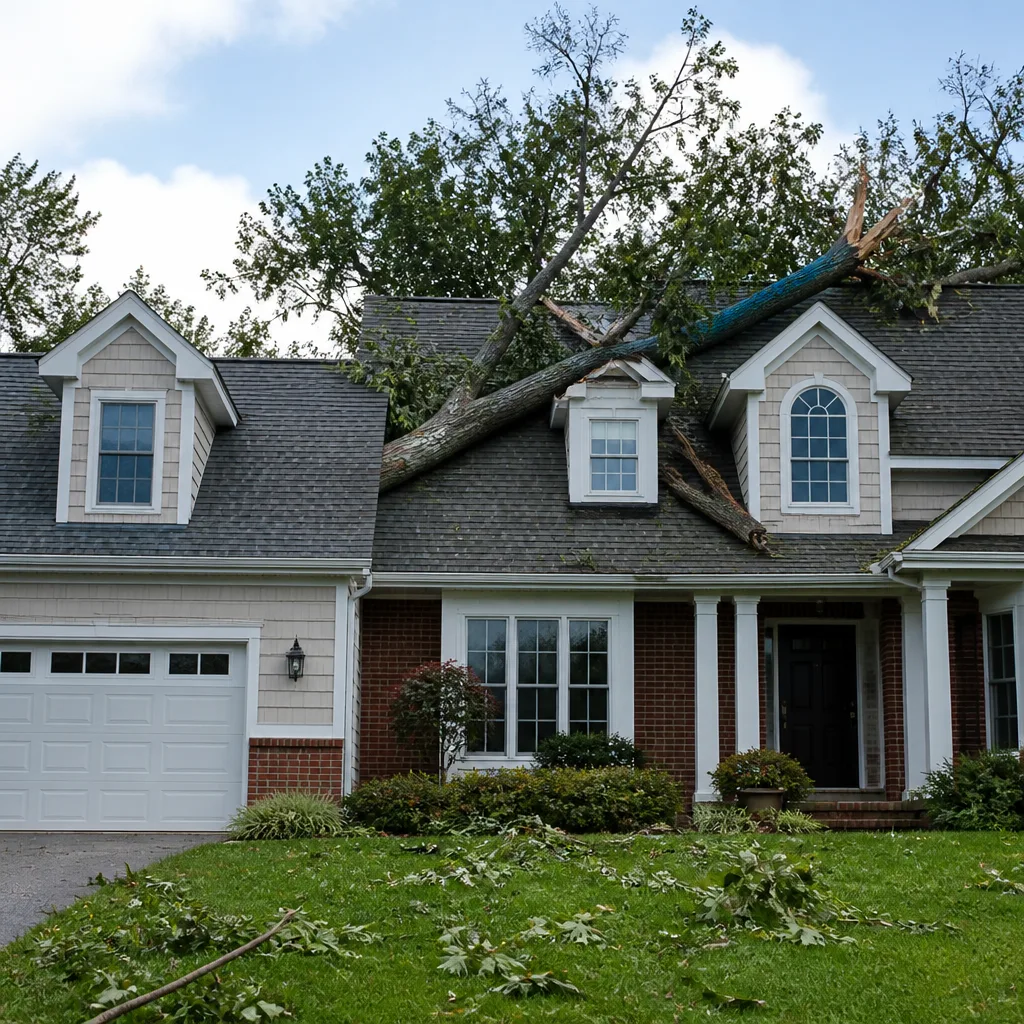
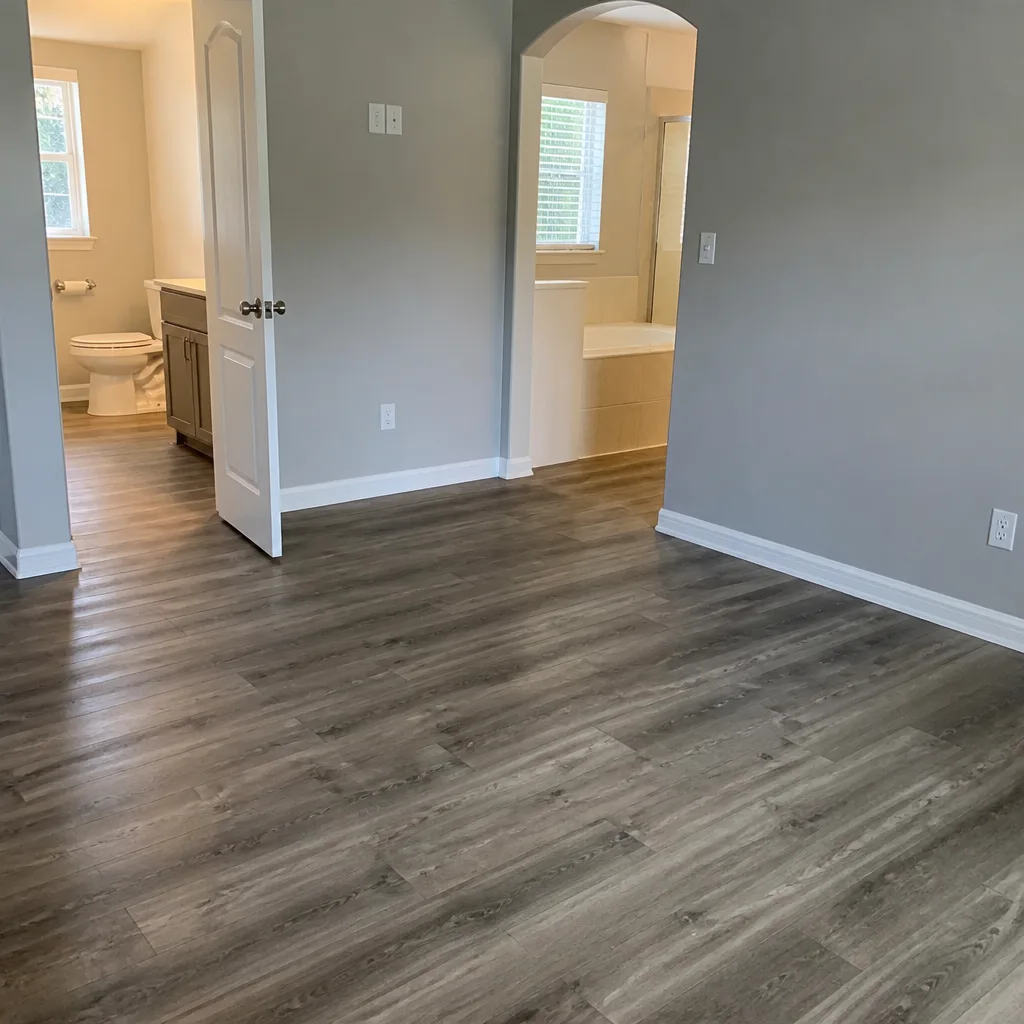
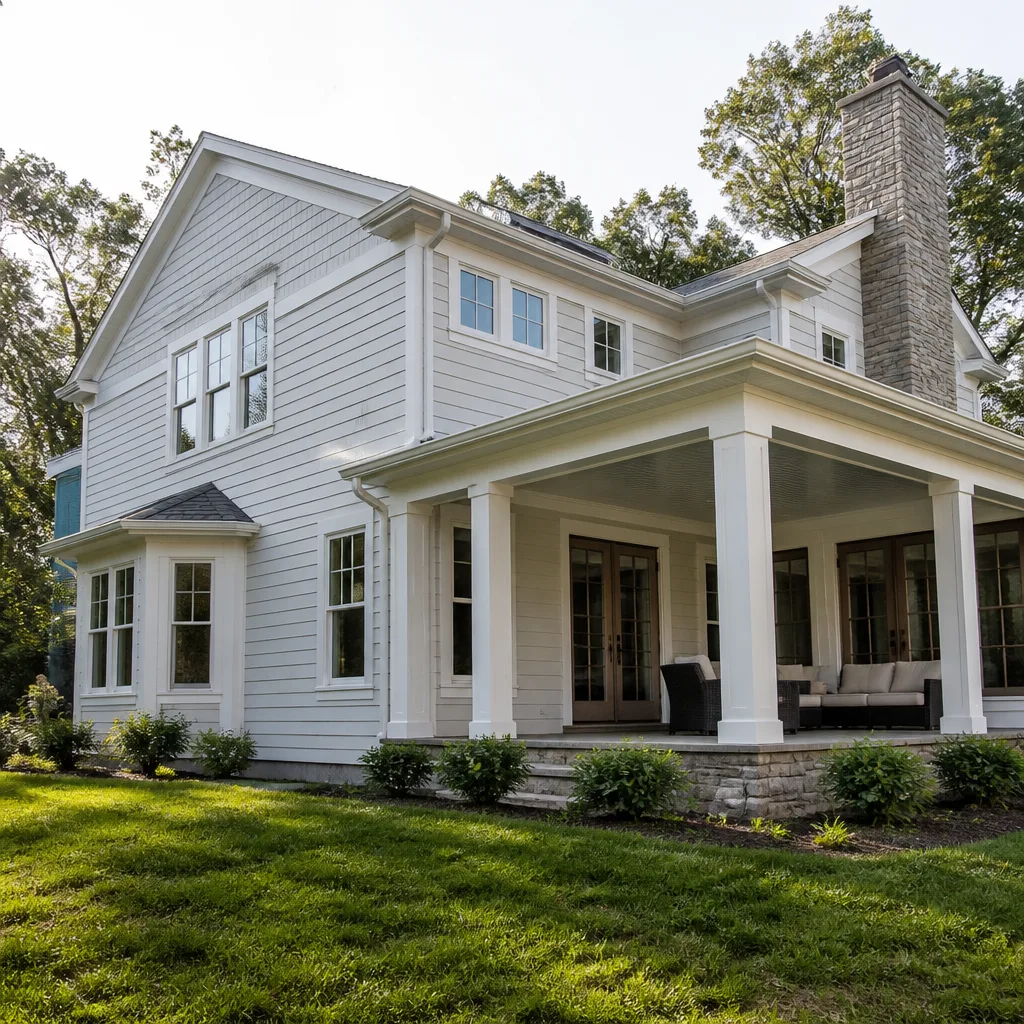
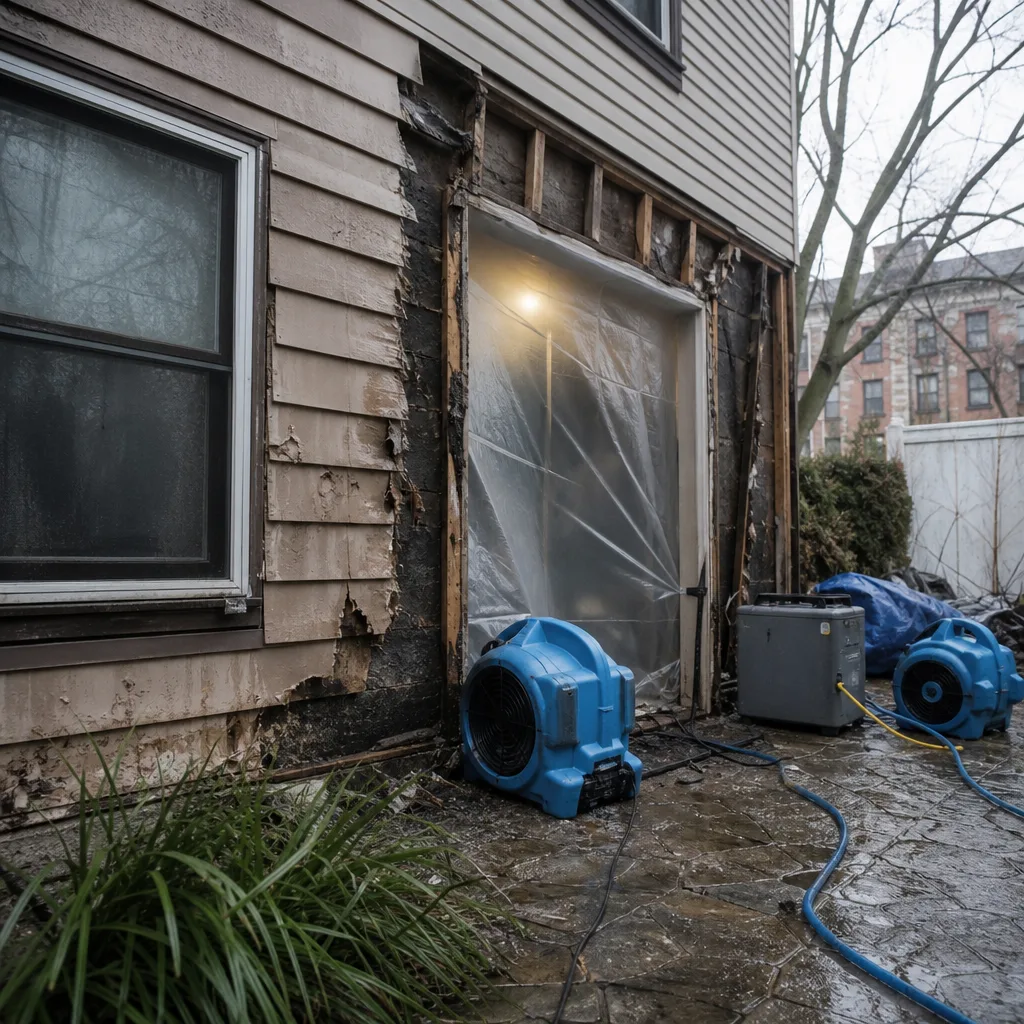 Before
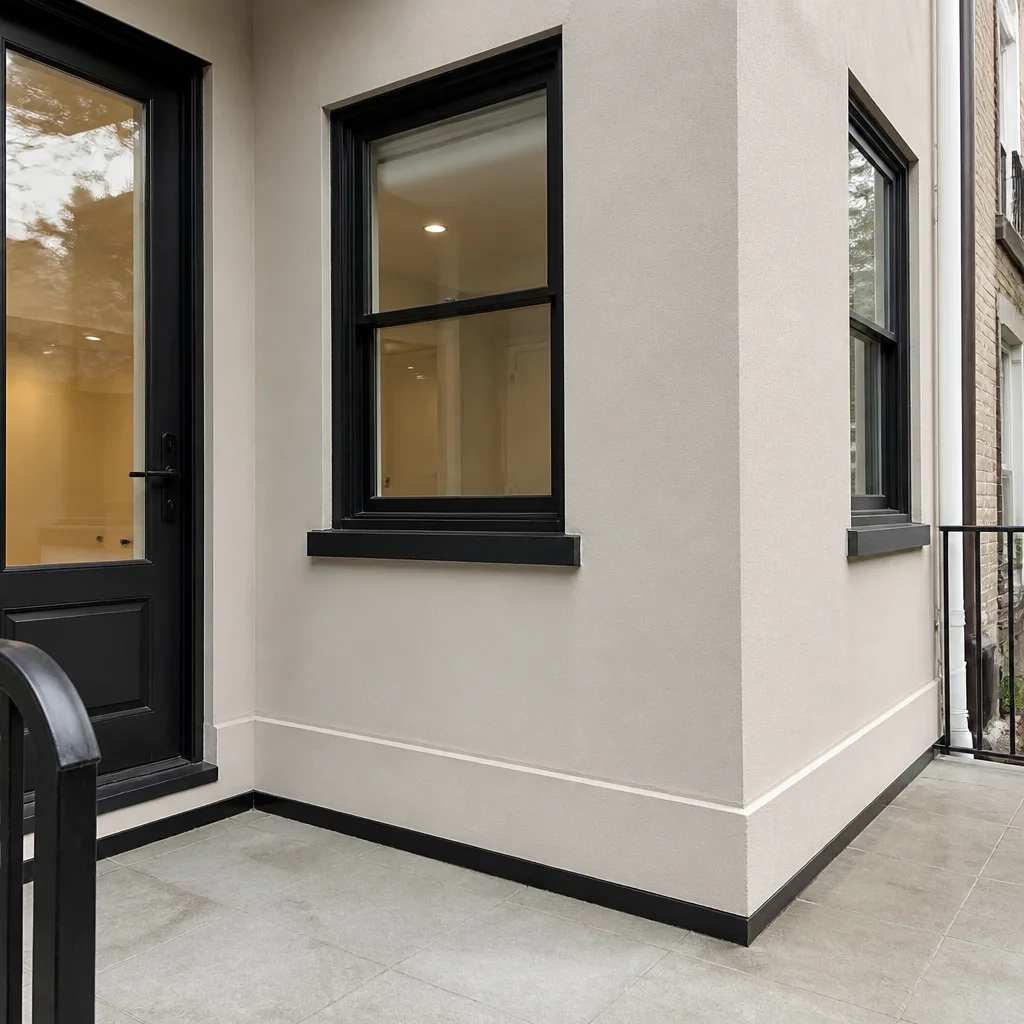 After
After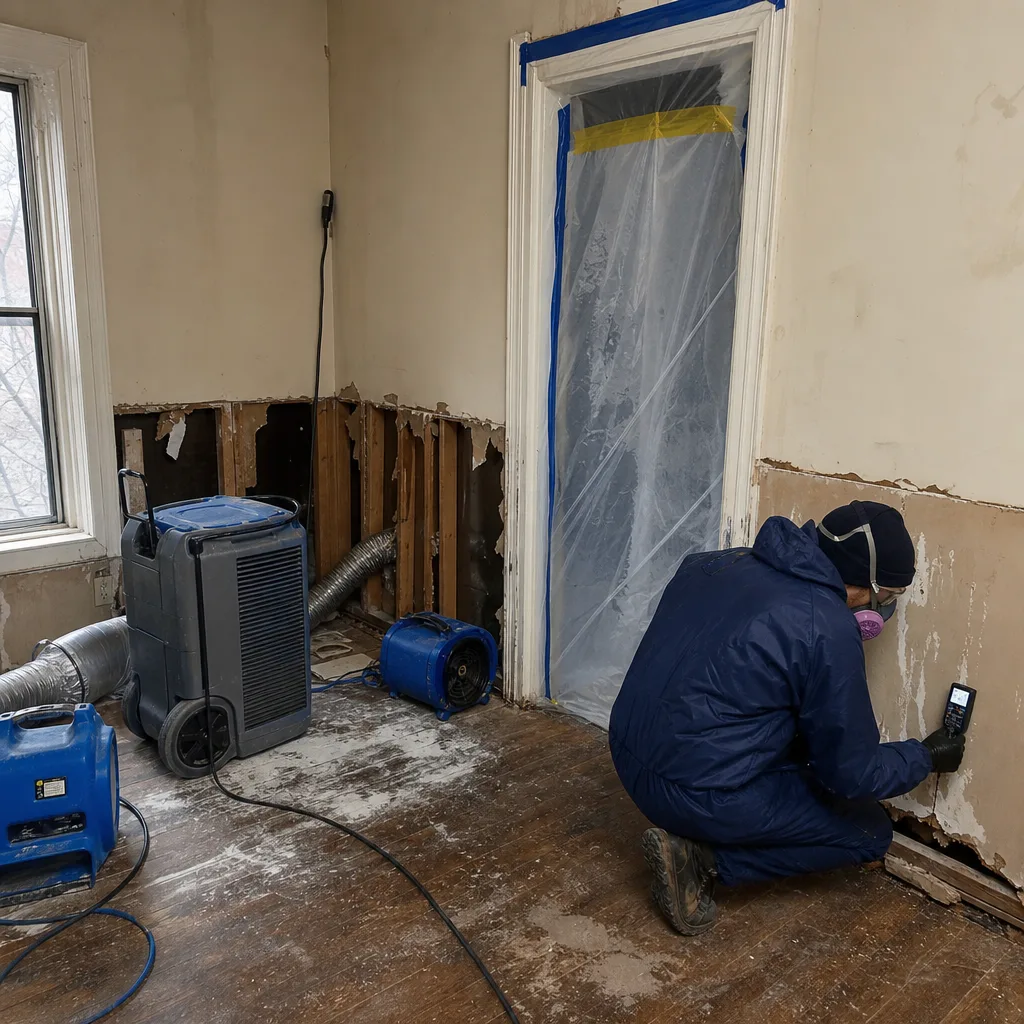 Before
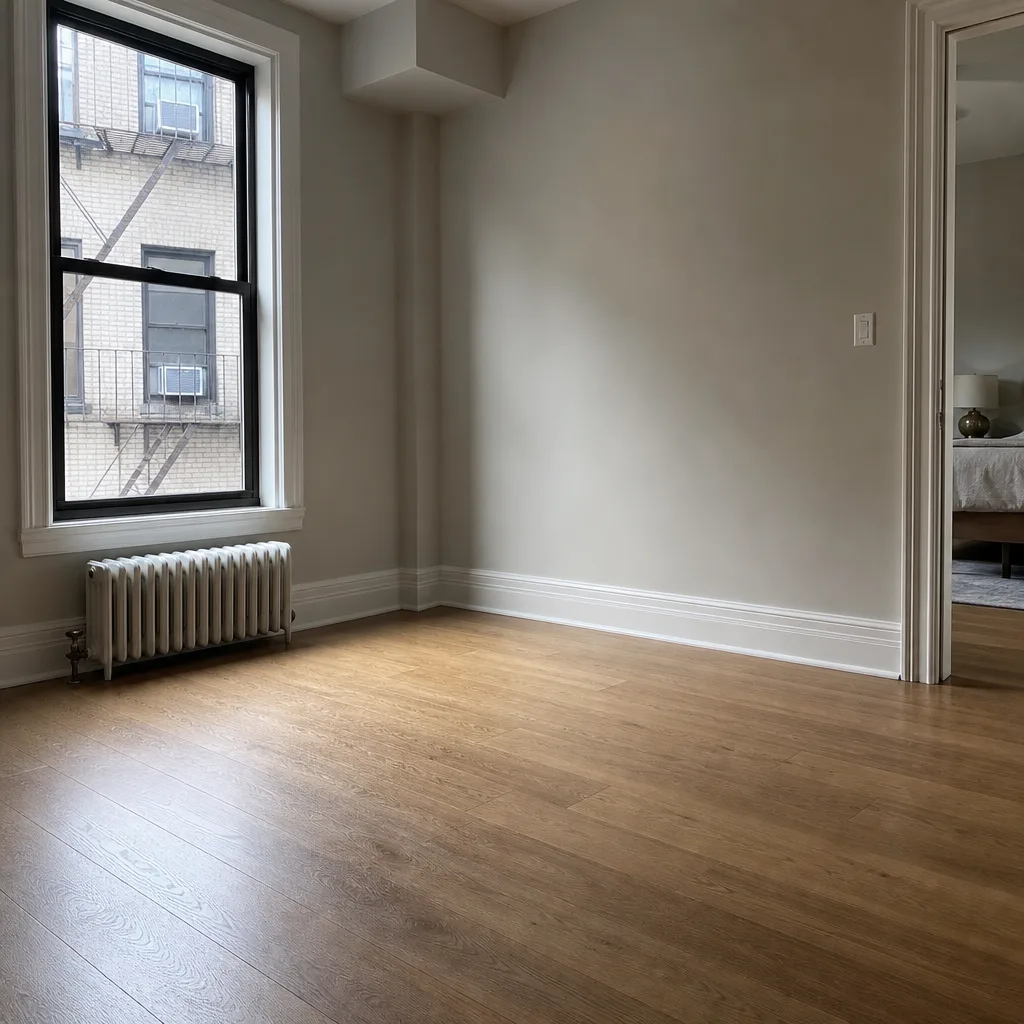 After
After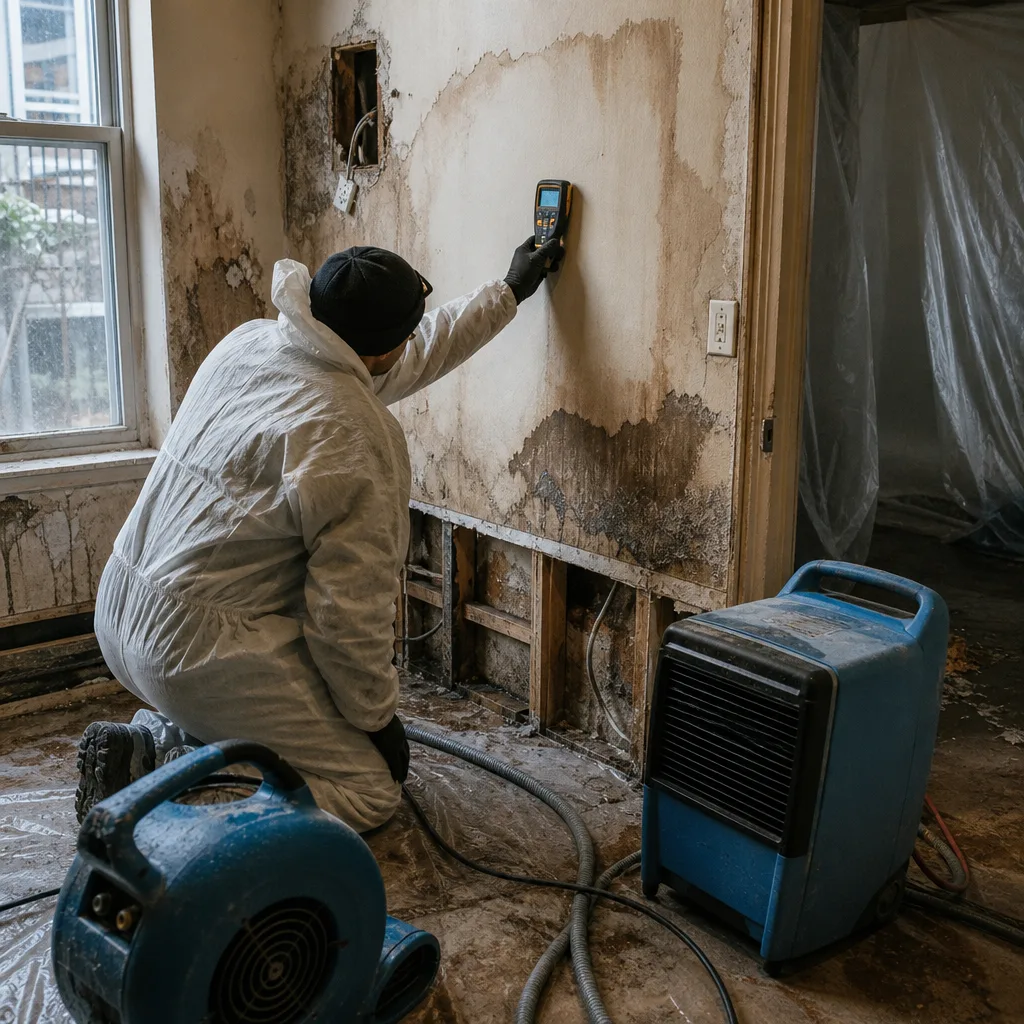 Before
 After
After24/7 Emergency Fire & Smoke Damage Restoration in East Harlem
Fire damage in East Harlem typically requires same-day board-up and stabilization, with full smoke and soot remediation running $3,200-$8,500 for a standard apartment unit and $12,000-$35,000 for structural repairs involving plaster-over-lath walls or NYCHA concrete tower restoration. Call (516) 687-5786 now - we answer live, 24 hours a day, 7 days a week, with no voicemail trees. Our crews dispatch from our New York City office and are typically on-site in East Harlem within 45 minutes of your call.
The first hour after a fire determines how far smoke migrates through wall cavities, how deeply soot embeds into porous plaster, and whether suppression water begins secondary mold colonization behind lath. In East Harlem’s pre-war tenements, unsealed chase walls and original cast-iron supply lines act like chimneys for smoke - we’ve seen fires contained to one unit cause Category 2 water damage in three adjacent apartments through pipe chases alone. Our Fire & Smoke Damage Restoration team brings thermal imaging, moisture mapping, and HEPA containment to every East Harlem fire call to document the full vertical and horizontal spread before any cleanup begins.
Understanding Fire & Smoke Damage Restoration Severity in East Harlem Properties
Fire damage severity in East Harlem breaks along two building typologies, each with distinct contamination profiles. In pre-war five- and six-story tenements - the brick rowhouses and walk-ups built largely between 1890 and 1930 - fires typically produce dry smoke residue from rapid wood-frame combustion, followed by wet smoke from smoldering plastics and synthetics, all of it migrating through plaster-over-lath walls with no fire-blocking. The plaster itself is hygroscopic; it absorbs both smoke odor and suppression water, making “cleaning” insufficient and requiring full removal of affected lath and plaster in most cases. These buildings also carry near-universal lead paint and asbestos-containing pipe insulation, so every fire job triggers a mandatory NYC DEP asbestos survey before any disturbance of building materials.
NYCHA tower blocks - Jefferson, Wagner, Carver, Taft, and Johnson Houses among them - present poured concrete construction that doesn’t burn but conducts heat, producing protein smoke residues from kitchen fires that etch into metal surfaces and require alkaline cleaning agents. Smoke migration here follows utility penetrations between floors, and the 2018 federal consent decree means every remediation scope must clear NYCHA’s centralized work order queue and HUD reporting requirements. A restoration contractor who hasn’t pre-registered as a NYCHA-approved vendor cannot legally enter the building, even when a tenant calls directly.
We classify fire damage by soot residue type (dry, wet, protein, or fuel-oil smoke), smoke migration path (direct flame contact, radiant heat, convection currents through HVAC or chase walls), and water contamination category from suppression systems. Category 1 water from a triggered sprinkler is rare in East Harlem tenements - most suppression comes from FDNY hose streams or burst cast-iron supply lines, producing Category 2 or Category 3 water requiring full extraction and antimicrobial treatment before any structural drying can begin.
Why East Harlem Property Owners Choose Back to Dry Restoration Manhattan
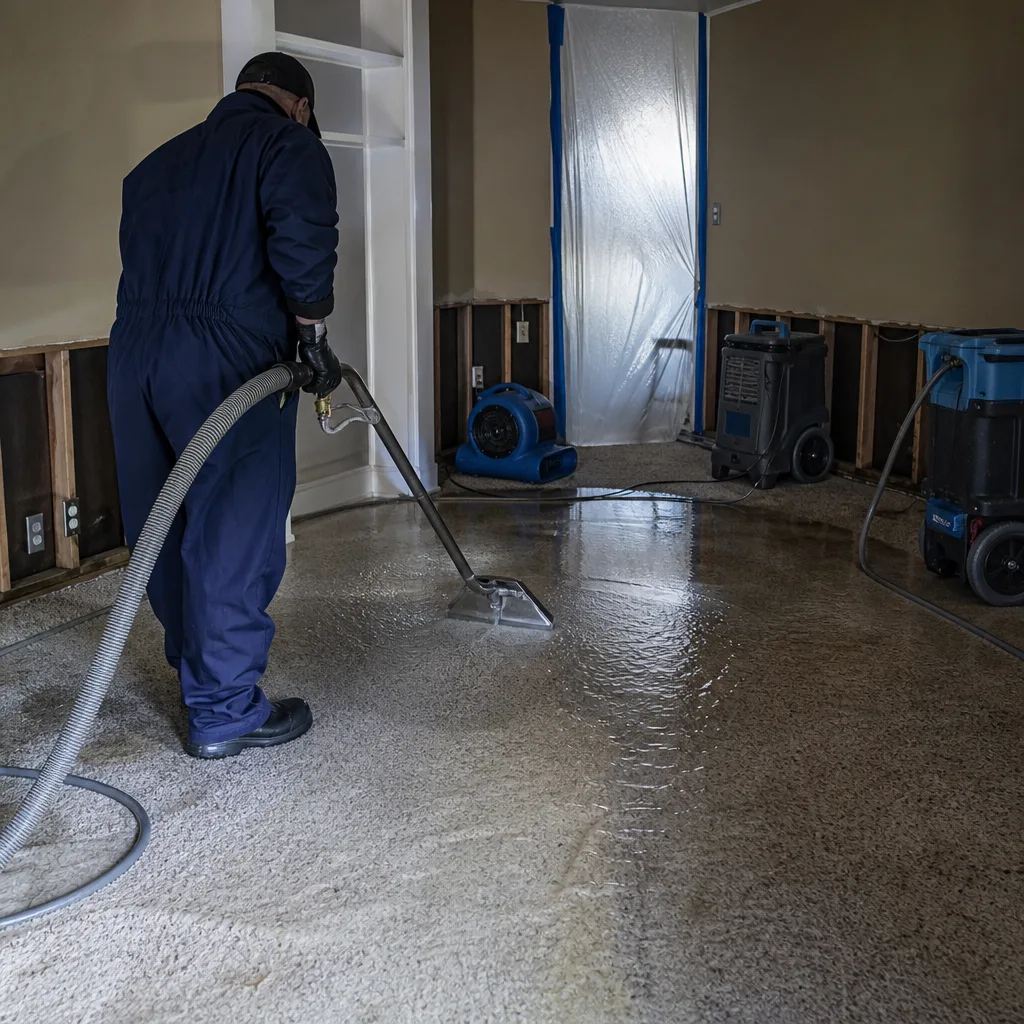
- 45-minute response commitment to East Harlem from our New York City dispatch office, with crews carrying board-up materials, HEPA containment, and moisture detection equipment on every truck.
- 24/7 live answer - a real person, never an automated system or voicemail tree, because fire damage doesn’t wait for business hours and neither do we.
- IICRC-certified crews holding FSRT (Fire and Smoke Restoration Technician), WRT (Water Damage Restoration Technician), and AMRT (Applied Microbial Remediation Technician) certifications, with license numbers documented on every job.
- Free visual inspection and moisture mapping before any work begins, so you know exactly what we’re finding before we name a price.
- Direct insurance billing with photo-documented estimates formatted to carrier standards, plus direct adjuster coordination so your claim moves without documentation delays.
- One team from board-up to reconstruction - no handoffs between mitigation and rebuild contractors, no gaps in your documentation chain, no blame-shifting when something doesn’t match.
BeforeAfterOur Fire & Smoke Damage Restoration Process
1. Inspection & Assessment
We arrive with thermal imaging cameras, hygrometers, and moisture meters to map smoke migration paths and water intrusion extent. In East Harlem pre-war buildings, we pay particular attention to cast-iron supply line chases and unsealed plaster wall cavities where smoke travels vertically between floors. Every finding is photographed and logged before any material is disturbed.
2. Emergency Board-Up & Stabilization
Broken windows, compromised doors, and exposed roof sections get temporary protection to prevent weather intrusion and unauthorized entry. For NYCHA properties, we coordinate with building management to ensure our board-up meets Housing Authority security specifications and doesn’t delay your work order approval.
3. Water Extraction & Moisture Control
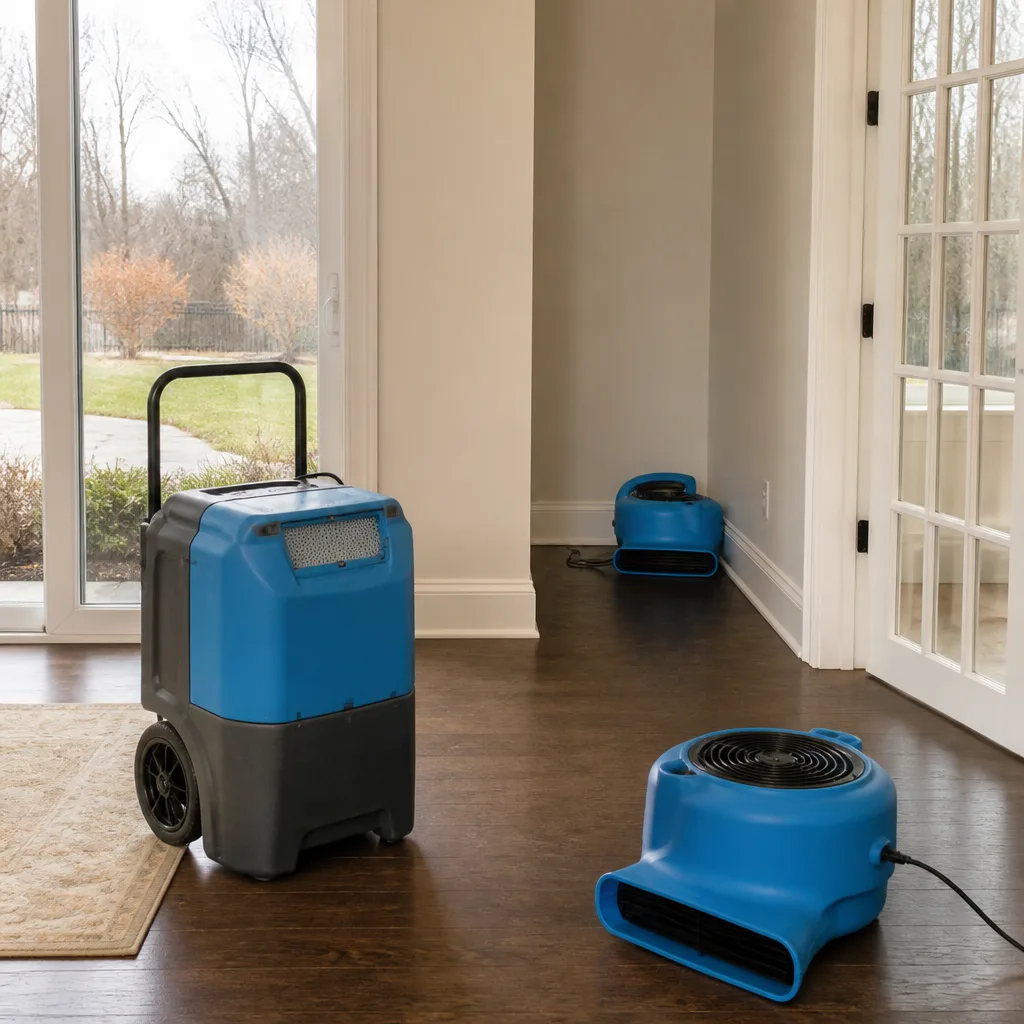
Fire suppression water gets classified by contamination level - Category 2 from cast-iron line breaks, Category 3 from FDNY source water or sewage backup - then extracted using truck-mounted systems or portable units from Dri-Eaz and Phoenix. We deploy LGR dehumidifiers and axial air movers to establish vapor pressure differential, the measurable force that pulls moisture from wet materials into the drier air.
4. Soot & Smoke Removal
Dry smoke residues get HEPA vacuumed before wet cleaning; wet smoke requires solvent-based cleaners to break the oily bond with surfaces. In East Harlem’s steam-heat tenements, we treat radiator fins and supply line surfaces where protein smoke etches metal, using alkaline cleaners documented to IICRC S700 standards. No soot removal begins before the NYC DEP asbestos survey clears - Haven Standard, Clause 1 applies to regulatory compliance too.
5. Odor Deodorization & Air Scrubbing
Embedded smoke odor in porous plaster, concrete, and framing requires thermal fogging or ozone treatment, followed by activated carbon filtration using Phoenix Guardian HEPA air scrubbers. We run hydroxyl generators in occupied spaces where ozone would be unsafe, documenting particle counts with laser photometers until readings return to pre-loss baselines.
6. Structural Repair & Restoration
Removed plaster gets replaced with moisture-resistant gypsum where code allows; historic preservation requirements may mandate lime plaster matching original composition. We coordinate NYC DEP lead abatement and asbestos remediation through licensed third-party contractors, then complete finish carpentry, painting, and flooring restoration under our 365-Day Done Right Promise.
Need Emergency Fire & Smoke Damage Restoration in East Harlem Now?
Crews minutes away, answering live 24 hours a day. The sooner we start, the less it costs.
Working With Your Insurance Company
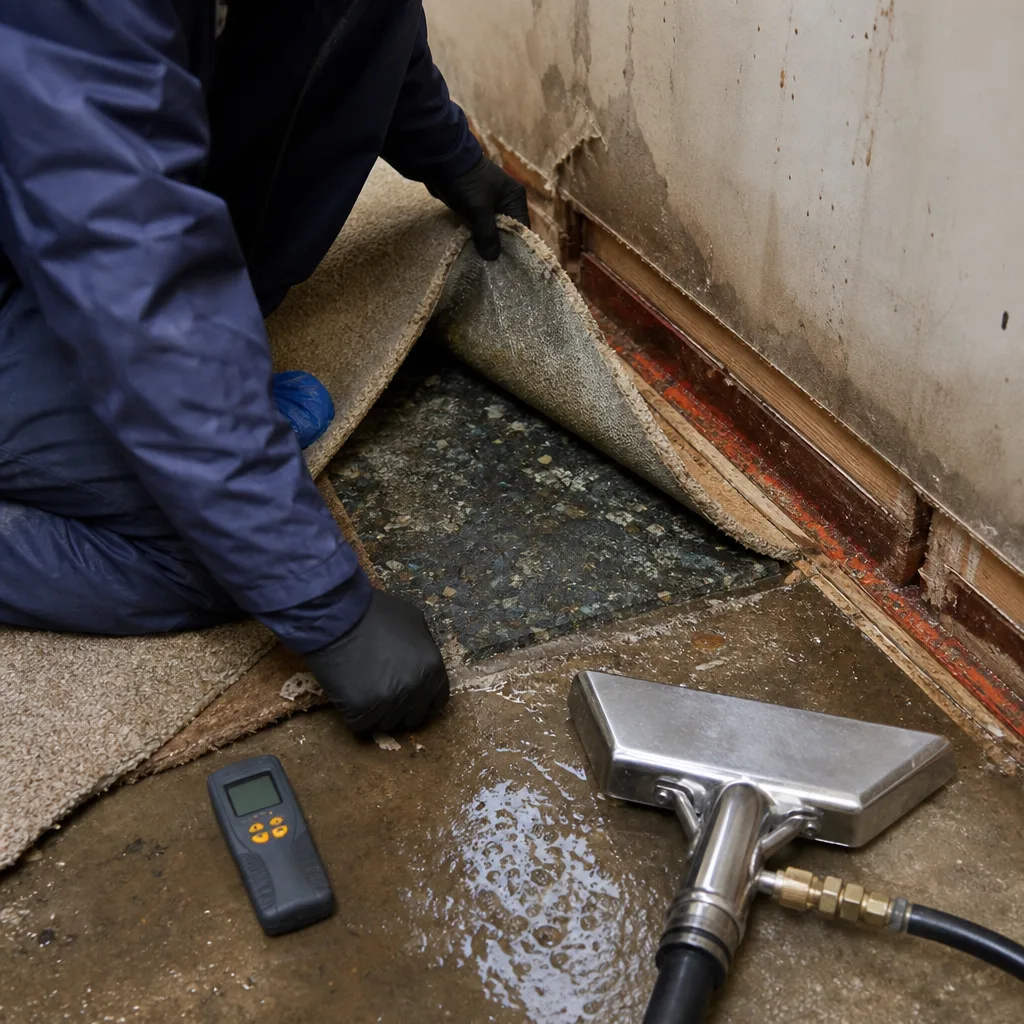
Fire claims fail on documentation gaps - the photo that wasn’t taken, the moisture reading that wasn’t logged, the scope item that wasn’t line-itemed. Back to Dry was founded in 2011 by a former claims adjuster who built the company around exactly this problem. We produce the daily drying logs, room-by-room photo records, and written scopes that turn restoration invoices into claims insurers pay without dispute.
From our first hour on your East Harlem property, we document every affected surface with geotagged photos, moisture content readings in affected and unaffected materials for comparison, and psychrometric data - temperature, relative humidity, and dew point - recorded at each visit. Our estimates follow Xactimate or Symbility formats standard to the insurance industry, and we communicate directly with your adjuster rather than handing you a bill to explain. Direct billing is available with most major carriers.
What We Provide Your Insurer
- Thorough documentation of the loss
- Photos of all damage, room by room
- Moisture readings and drying logs
- A detailed, line-item scope of work
- Direct coordination with your carrier
Built for East Harlem’s Loss Calendar
East Harlem’s fire season peaks in winter, when space heaters overload aging electrical systems in pre-war tenements and cooking fires spike in NYCHA kitchens during holiday gatherings. January through March brings the highest call volume to our East Harlem crews. The steam-heat systems that define these buildings create a secondary hazard: radiators left on high during cold snaps drive humidity into cold exterior brick cavities, producing condensation that wets fire-damaged plaster from both sides and complicates drying timelines.
Spring and fall see electrical fires from window AC units and aging knob-and-tube wiring still present in unrenovated tenements. Summer brings lightning strikes and transformer fires that send surge damage through multiple units. Year-round, the FDNY’s aggressive suppression tactics - necessary and effective - leave Category 2 or 3 water damage that must be addressed before soot removal or the result is mold behind lath within 72 hours. We’ve responded to fires on East 116th Street, Lexington Avenue corridor properties, and throughout the Jefferson Houses complex in every season; each building type demands a different drying and documentation protocol.
Fire & Smoke Damage Restoration Across East Harlem’s Neighborhoods
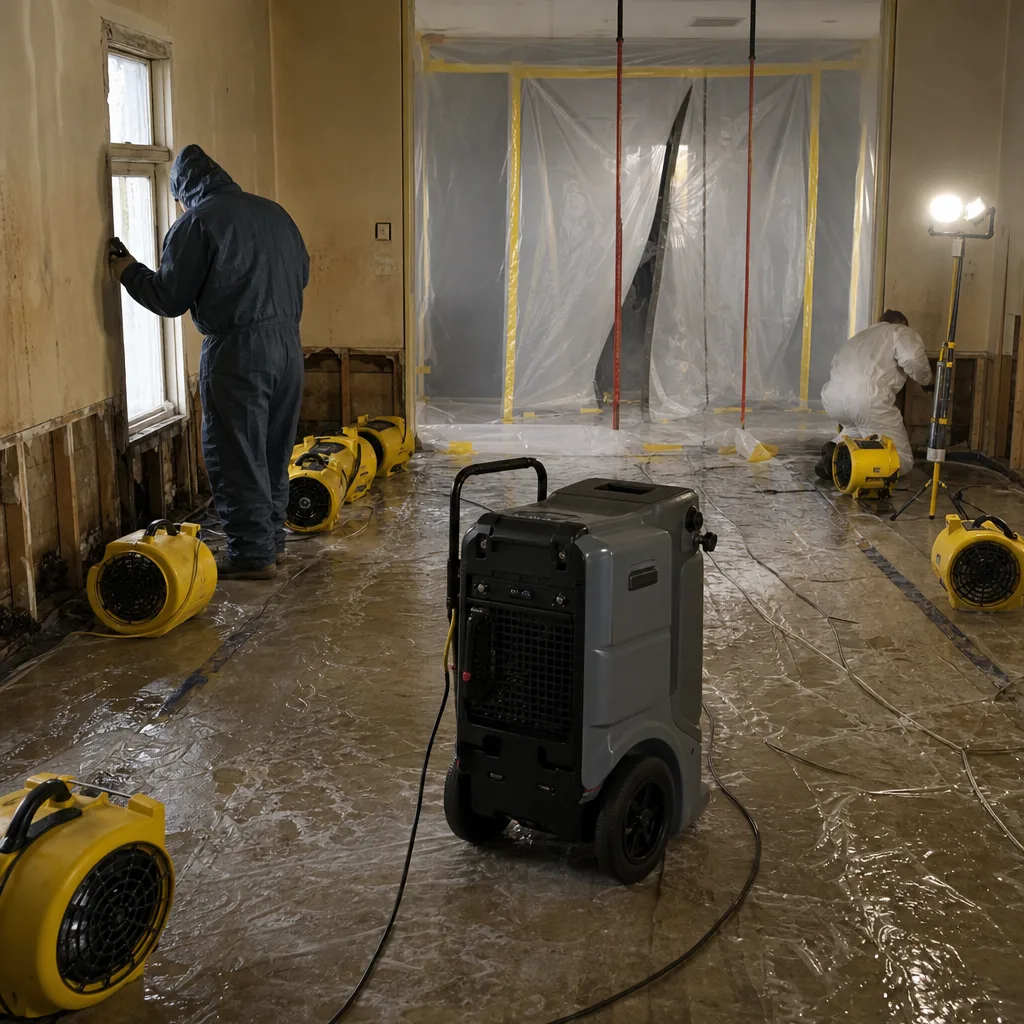
East Harlem’s geography shapes our response routes and restoration approach block by block. The East 116th Street corridor, from Lexington Avenue west to Fifth Avenue, holds some of the neighborhood’s oldest pre-war tenements, many with original cast-iron radiators and plaster walls that have survived a century of freeze-thaw cycling. Fire damage here almost always involves lead paint and asbestos pipe insulation, so our crews arrive prepared for the DEP survey delay and scope accordingly. We’ve restored units in buildings where the original 1920s supply lines tested sound after fire exposure, saving owners full replacement costs, and others where the lines were too corroded to trust.
The Lexington Avenue corridor from East 110th to East 125th Street mixes rent-stabilized tenements with newer infill construction, creating adjacency fires where modern Type V wood framing meets century-old Type III non-combustible construction. Smoke migration paths are unpredictable - we’ve traced protein smoke from a kitchen fire through three units via a shared plumbing chase that no building survey had documented.
NYCHA’s Jefferson, Wagner, and Carver Houses occupy the blocks from East 100th to East 120th Streets near the Harlem River. These poured-concrete towers don’t burn, but kitchen fires produce heavy protein smoke that etches metal and requires alkaline cleaning. The real challenge is procedural: since the 2018 federal monitor installation, every remediation scope must clear NYCHA’s centralized work order queue. We pre-registered as approved vendors specifically so our crews aren’t locked out of jobs that tenants call us about directly.
Properties near Marcus Garvey Park and along Madison Avenue’s eastern edge tend toward smaller walk-ups and converted brownstones, where fire damage is often more contained but restoration must navigate Landmarks Preservation Commission review for any exterior alteration. Our documentation protocols were built for exactly these regulatory layers.
Specialized Fire & Smoke Damage Restoration Services We Offer in East Harlem
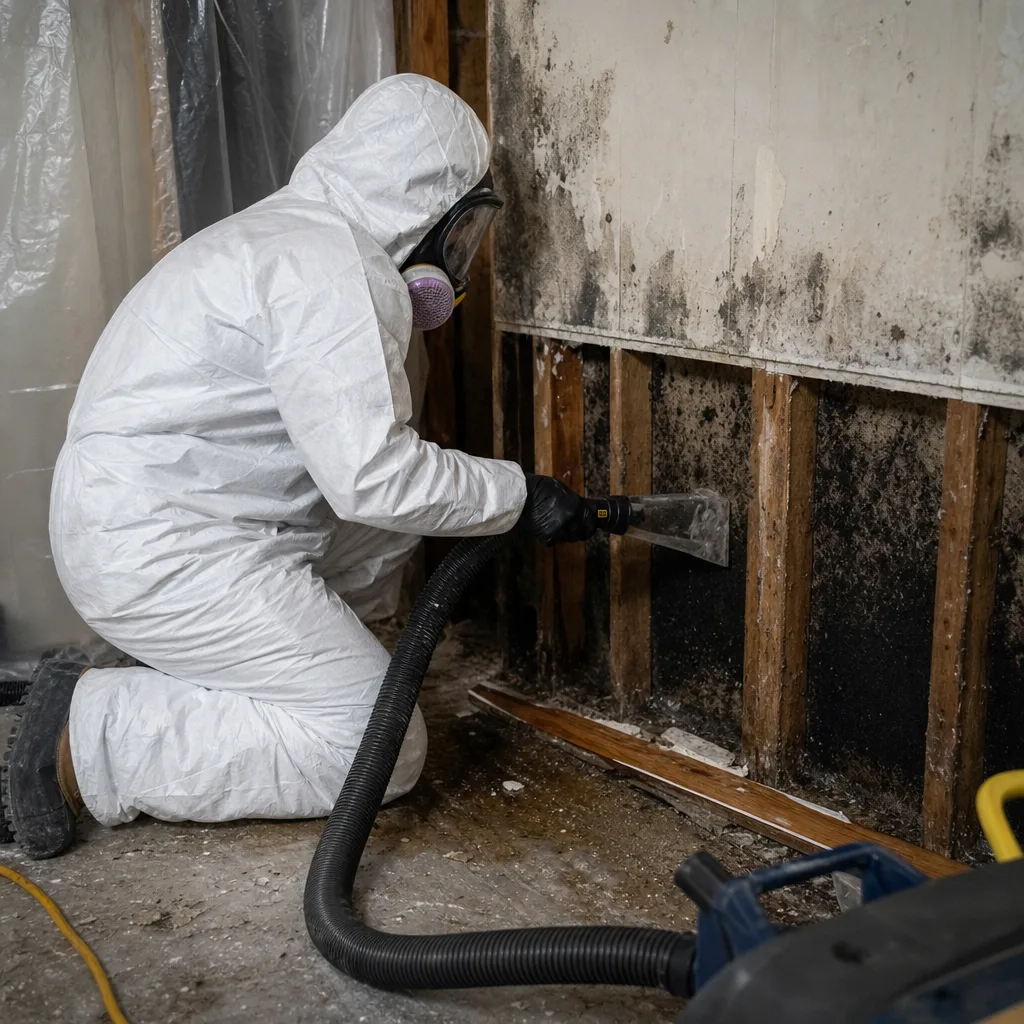
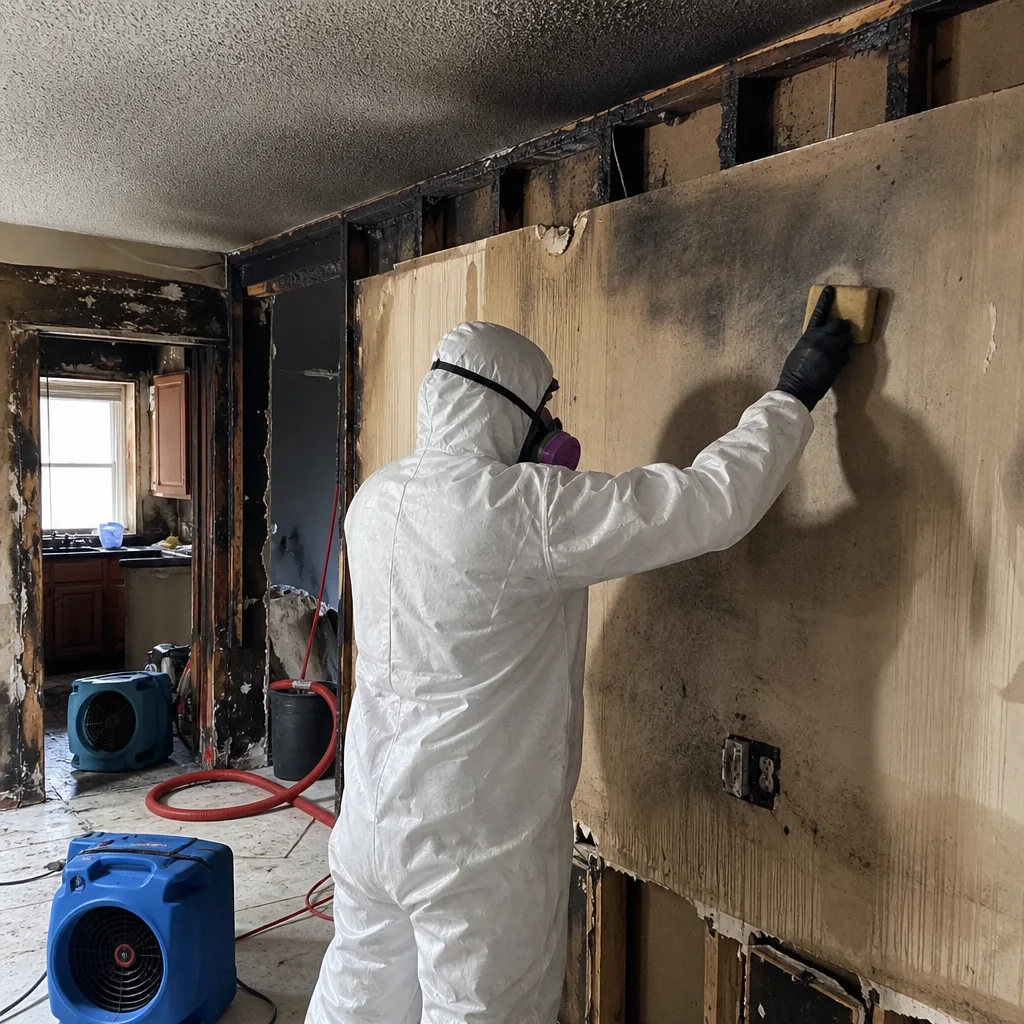
Smoke & Soot Removal
Dry smoke, wet smoke, and protein smoke each demand different cleaning chemistry and agitation methods. In East Harlem’s pre-war tenements, we frequently encounter all three residue types in the same fire - dry smoke from initial rapid combustion at the ceiling line, wet smoke from smoldering synthetics at floor level, and protein smoke from kitchen grease fires that leaves a nearly invisible but pungent film on every surface. We test residue type before selecting cleaning agents, then document the results with pre- and post-cleaning photos for your insurance file.
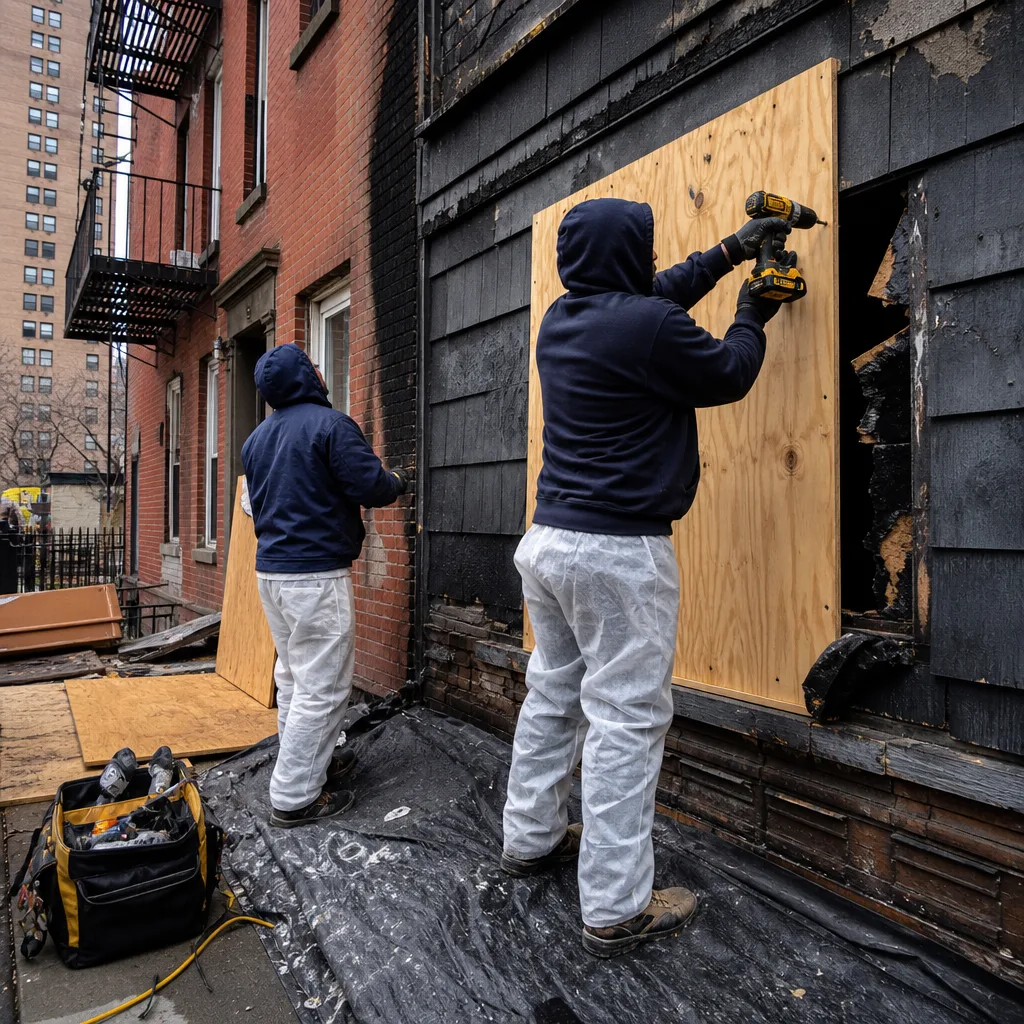
Emergency Board-Up & Tarping
Broken windows and compromised roof sections get temporary protection within our first hour on site, using plywood and weatherproof sheeting that secures against both intrusion and further water damage. For NYCHA properties, we coordinate board-up specifications with building management to avoid work order rejections. On a recent East 116th Street job near Jefferson Houses, our board-up preserved a unit’s interior while the DEP asbestos survey ran two weeks - the landlord avoided a total contents loss from rain intrusion.
Structural Fire Repair
Fire-damaged framing, compromised floor joists, and heat-weakened structural members get engineered assessment before any cosmetic repair. In East Harlem’s pre-war buildings, we frequently find that original dimensional lumber framing, charred superficially, retains structural integrity after cleaning and treatment - but we verify with moisture content readings and structural engineer sign-off before declaring sound. Where replacement is required, we match original species and dimensions where code permits, documenting every decision with photos for your insurance claim.
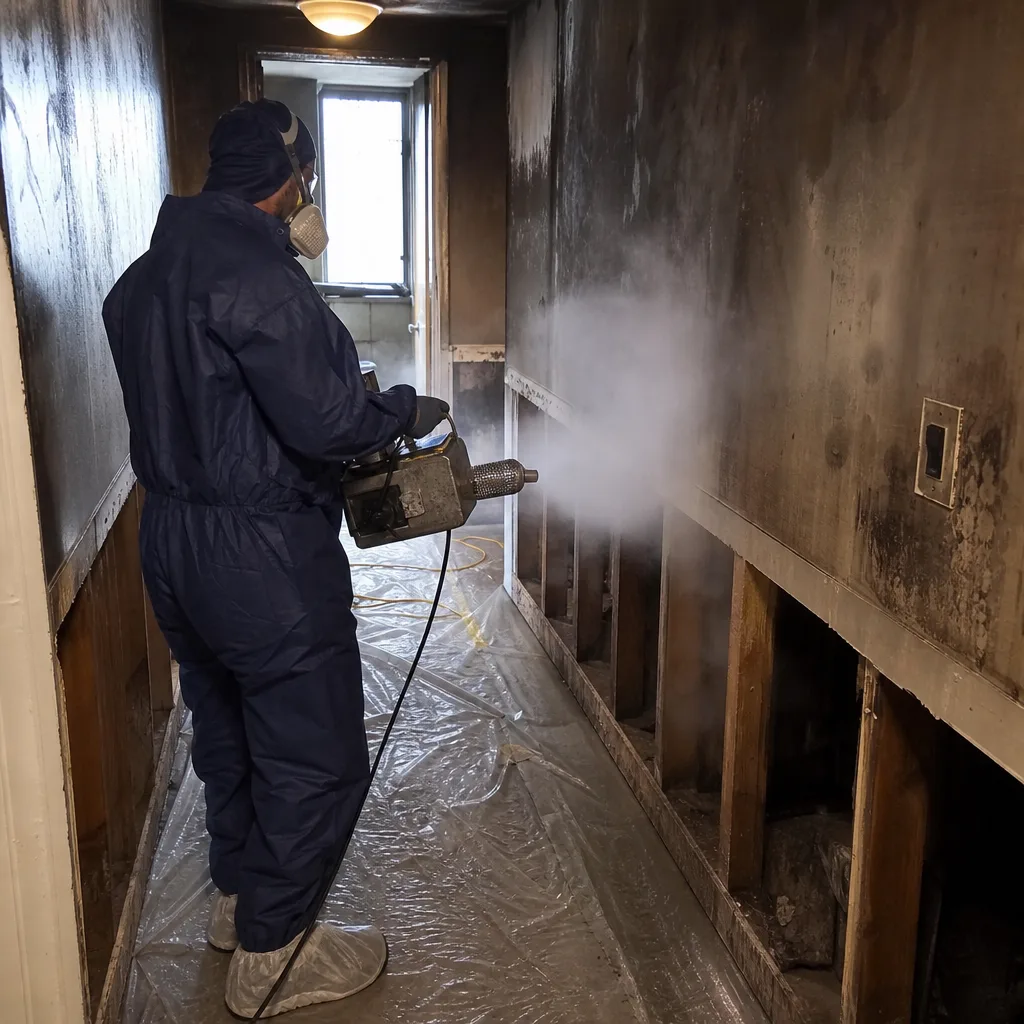
Odor Removal & Deodorization
Smoke odor in East Harlem’s steam-heat buildings presents a specific challenge: radiator convection currents recirculate airborne odor molecules through wall cavities season after season. Surface cleaning alone fails. We deploy thermal fogging to neutralize odor at the molecular level in void spaces, then seal accessible framing with odor-blocking primer. For occupied units where ozone is unsafe, hydroxyl generators run continuously until particle counts confirm clearance.
Contents Cleaning & Pack-Out
Salvageable contents get inventoried, photographed, and transported to our cleaning facility for ultrasonic, dry-cleaning, or ozone treatment as appropriate. Non-salvageable items are documented with replacement cost research for your insurance adjuster. In East Harlem’s smaller pre-war units, space constraints often require pack-out before any structural work can begin - we coordinate this sequence to avoid scope delays.
What happens when you call
- 1
A real person answersNo phone trees - you reach a local pro.
- 2
You get an upfront price rangeHonest numbers before anyone is dispatched.
- 3
A background-checked tech heads outLicensed & insured, dispatched right away.
- 4
You approve before work beginsNothing starts until you say go.
Fire & Smoke Damage Restoration Costs in East Harlem, NY
Fire restoration pricing in East Harlem reflects the neighborhood’s specific regulatory and building environment. A typical apartment-unit smoke and soot cleanup runs $3,200-$5,800, assuming no structural damage and DEP asbestos clearance within a week. Add structural repair of plaster-over-lath walls or ceiling replacement, and costs rise to $8,500-$15,000 for a standard one-bedroom unit. Full-gut reconstruction of a fire-damaged pre-war tenement apartment, including lead abatement and asbestos remediation coordination, ranges $25,000-$45,000.
NYCHA tower unit fires typically run lower for smoke remediation alone - $2,800-$4,500 - but procedural delays can extend temporary housing costs and contents storage fees. We itemize these separately so your adjuster sees the full picture.
What moves the price: asbestos survey delays (unavoidable but scopeable), Category 2/3 water from suppression requiring full extraction versus simple drying, and the extent of smoke migration through unsealed wall cavities. Insurance covers direct fire and smoke damage in virtually all policies; water damage from suppression is typically covered as a consequential loss. Our written scope, delivered before any work begins per Haven Standard, Clause 1, separates insurance-covered items from potential out-of-pocket costs so there are no surprises. Call (516) 687-5786 for a free inspection and firm written estimate.
We Also Serve Cities Near East Harlem
Our crews respond throughout Manhattan and adjacent neighborhoods, including the Upper West Side, Upper East Side, and Morningside Heights. Each area carries distinct building stock and regulatory requirements, and our documentation protocols adapt accordingly - from Morningside Heights’ university-owned properties with their own facilities departments to the Upper East Side’s co-op board approval processes. Wherever you are in Manhattan, the same Haven Standard applies: written price before work begins, photo record on every visit, 365-Day Done Right Promise.
Serving East Harlem, NY - Our Local Coverage Area
We’re based in the East Harlem area and know this community well. Use the map below to see our service coverage - if you’re nearby, we can almost certainly help.
East Harlem Fire & Smoke Damage Restoration Questions, Answered
Does a fire in an East Harlem pre-war tenement always require asbestos abatement before cleanup?
Not always full abatement, but always a NYC DEP asbestos survey before any disturbance of building materials.
East Harlem’s pre-war tenements carry near-universal asbestos-containing pipe insulation and floor tiles, along with lead paint. The survey determines whether materials are friable and require licensed abatement, or can be handled with modified work practices. Starting soot removal before survey completion risks failed inspection, work stoppage, and re-contamination. We schedule the survey as our first step and coordinate with licensed abatement contractors when required. Call (516) 687-5786 and we’ll walk through the timeline for your specific building.
Why does a NYCHA fire loss in East Harlem take longer to remediate than a private tenement fire?
NYCHA’s post-2018 federal consent decree requires every remediation scope to clear a centralized work order queue and meet HUD reporting requirements.
Private tenement restoration begins when the owner approves our written scope. NYCHA restoration requires pre-registration as an approved vendor, then queue clearance that can add days or weeks depending on backlog. We’ve seen units that would take three days to remediate in a private building sit for weeks awaiting approval. That’s why we pre-registered as NYCHA-approved vendors - so we’re not locked out of jobs that tenants call us about directly. Call (516) 687-5786 and we can check your building’s current queue status.
Can smoke odor come back after cleanup in East Harlem steam-heat buildings?
Yes, if odor neutralization doesn’t address the void spaces that radiator convection currents recirculate through.
East Harlem’s two-pipe steam systems drive air movement through wall cavities and chase walls all winter. Surface cleaning of visible soot removes the source of odor in occupied space, but smoke molecules embedded in framing and void spaces re-enter living areas when radiators cycle on. We thermal-fog void spaces and seal accessible framing with odor-blocking primer, then verify with air sampling before declaring the job complete. Our 365-Day Done Right Promise covers odor recurrence - if it comes back, we return. Call (516) 687-5786 to discuss your building’s heating system and our odor guarantee.
What fire damage can we handle before a licensed asbestos crew arrives?
Board-up, water extraction, and moisture mapping can proceed immediately; no material disturbance or soot removal begins until the DEP survey clears.
We secure the property, extract suppression water, classify contamination level, and document damage with photos and moisture readings - all without disturbing suspect materials. This early documentation often proves critical to insurance coverage and gives us a head start on drying once abatement completes. On a job off East 116th Street near Jefferson Houses, our pre-abatement moisture mapping revealed Category 2 water in the cast-iron chase that another contractor had missed, preventing mold colonization that would have added weeks to the timeline. Call (516) 687-5786 for immediate board-up and documentation.
Does fire-suppression water in an East Harlem building need water extraction or full removal?
It depends on the water category and the building materials involved.
FDNY hose streams and burst cast-iron supply lines in East Harlem tenements typically produce Category 2 or Category 3 water - gray or black water requiring full extraction and antimicrobial treatment, not simple structural drying. Plaster-over-lath walls that have absorbed Category 2 water usually require removal; the lath creates too many void spaces for effective drying, and residual contamination risks mold. We test water category on arrival and scope accordingly, documenting the classification with photos for your insurance file. Call (516) 687-5786 for same-day assessment.
How fast can your crew actually get to East Harlem after I call?
We commit to 45 minutes from dispatch to on-site arrival for East Harlem properties.
Our New York City office coordinates dispatch to East Harlem’s pre-war corridors and NYCHA complexes with trucks carrying board-up materials, HEPA containment, and moisture detection equipment pre-loaded. Live answer 24/7 means no delay for voicemail callbacks. The 45-minute clock starts when you reach a person, not when you leave a message. Call (516) 687-5786 now and we’ll confirm crew location and ETA.
Will my insurance cover the full restoration, or will I pay out of pocket?
Fire and smoke damage is covered in virtually all homeowner and landlord policies; water damage from suppression is typically covered as a consequential loss.
Where policyholders get stuck is documentation - the insurer disputes scope items that weren’t photo-documented or line-itemed. We produce the room-by-room photo record, moisture logs, and written scope that prevent these disputes. Our estimates follow industry-standard formats, and we bill directly with most carriers. Out-of-pocket costs typically arise only for policy deductibles, coverage limits, or upgrades beyond like-kind replacement. We separate these items clearly in our written scope before any work begins. Call (516) 687-5786 for a free inspection and insurance coordination.
What should I do in the first 30 minutes after the fire is out?
Ensure everyone is safe and accounted for, then call us before touching anything or attempting cleanup.
Smoke residues are chemically active and can etch surfaces permanently if disturbed with improper cleaning agents. Water from suppression continues wicking into plaster and framing. Opening windows for ventilation without understanding pressure differentials can drive smoke deeper into wall cavities. Our 24/7 live answer means you’ll reach a person who can guide immediate steps specific to your building type while crews dispatch. Document the scene with your own photos if safe to do so, but don’t disturb materials. Call (516) 687-5786 for immediate guidance.
Written by Alicia Brennan, Owner at Back to Dry Restoration, serving East Harlem since 2011 under The Haven Standard.
Fire & Smoke Damage Restoration in Nearby Areas