
Free visual inspection and a written scope of work before any mitigation begins - photos, moisture readings, and drying logs go in your claim file
The scope we write is the scope we bill. Anything new gets shown to you, in writing, before we touch it.
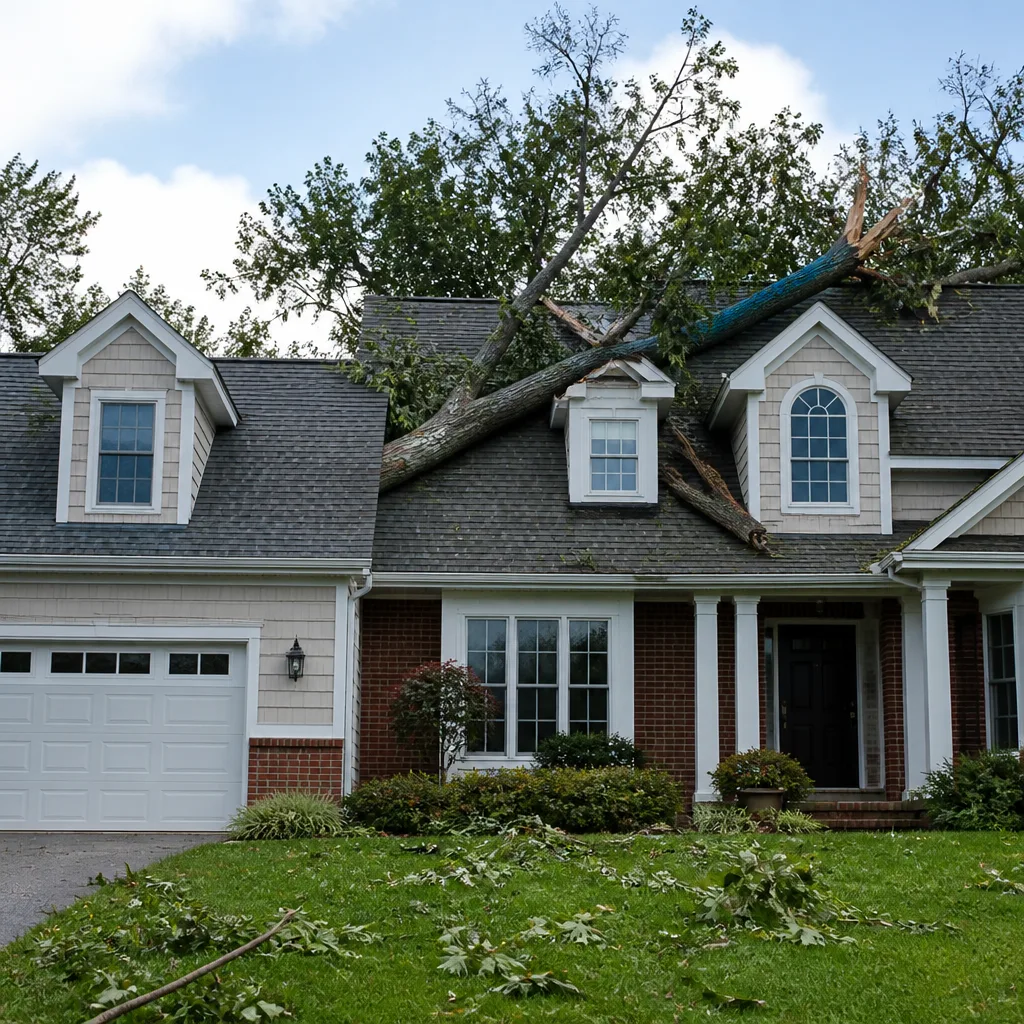
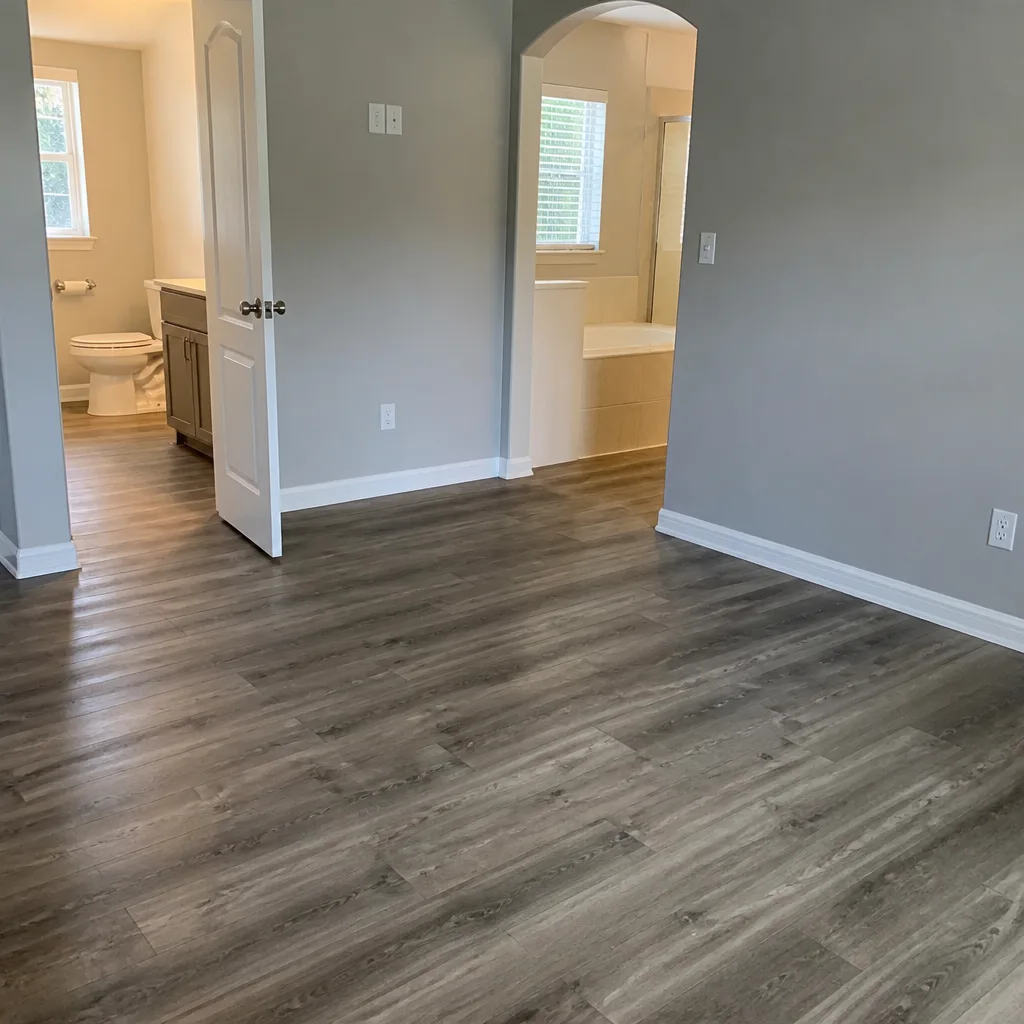
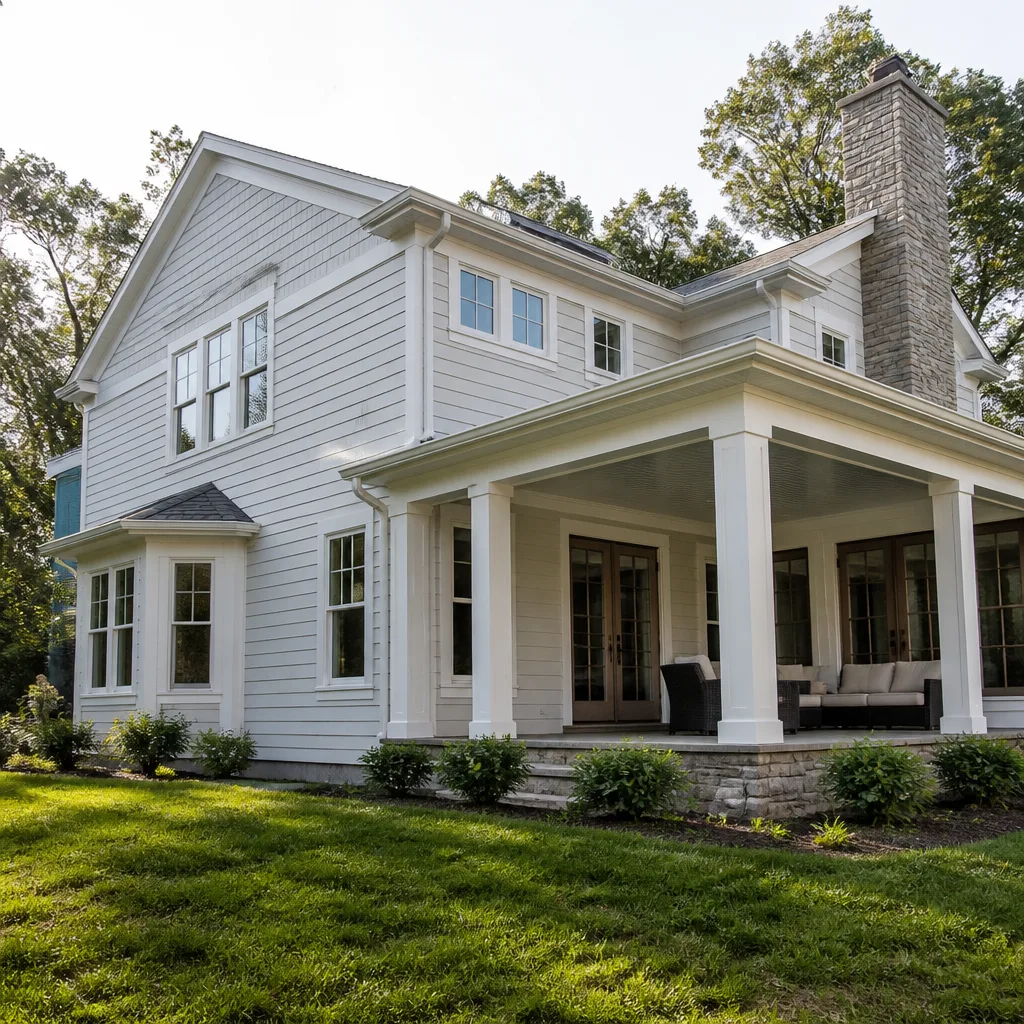
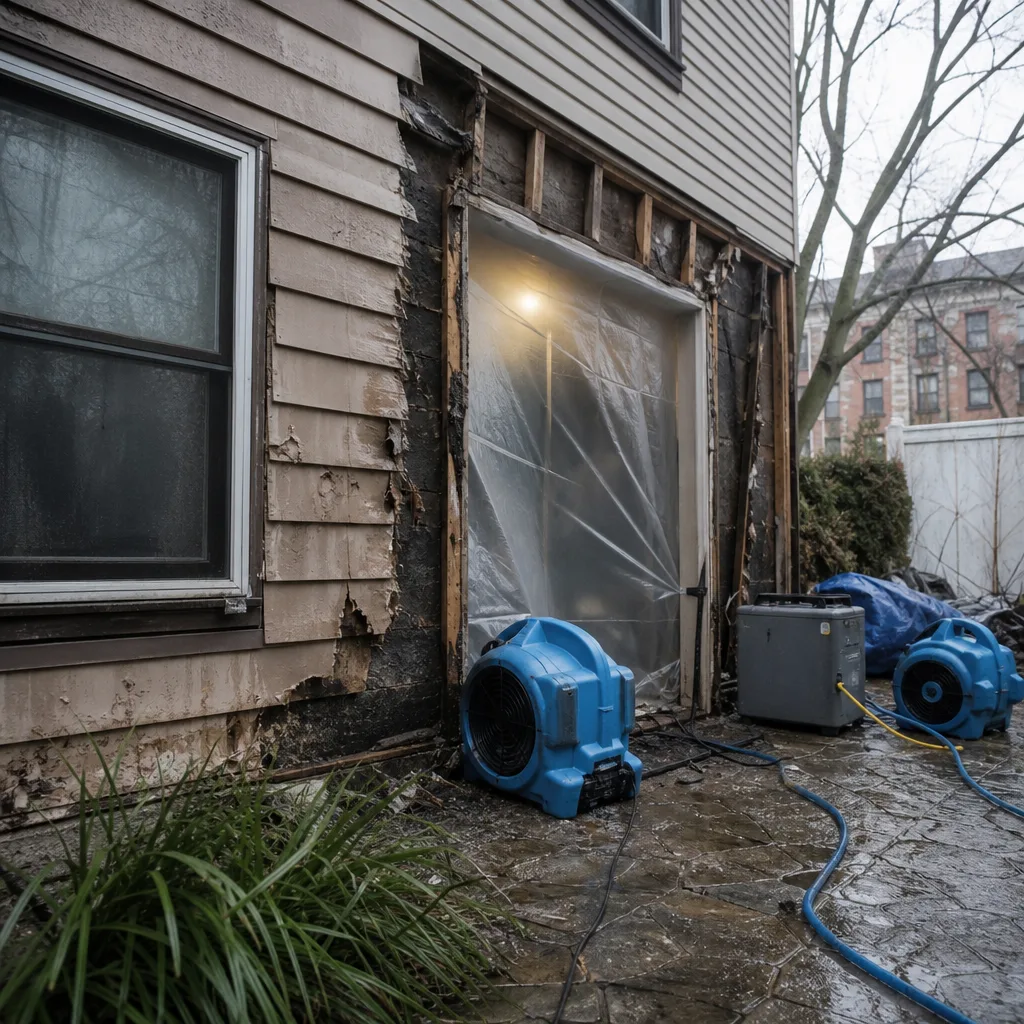 Before
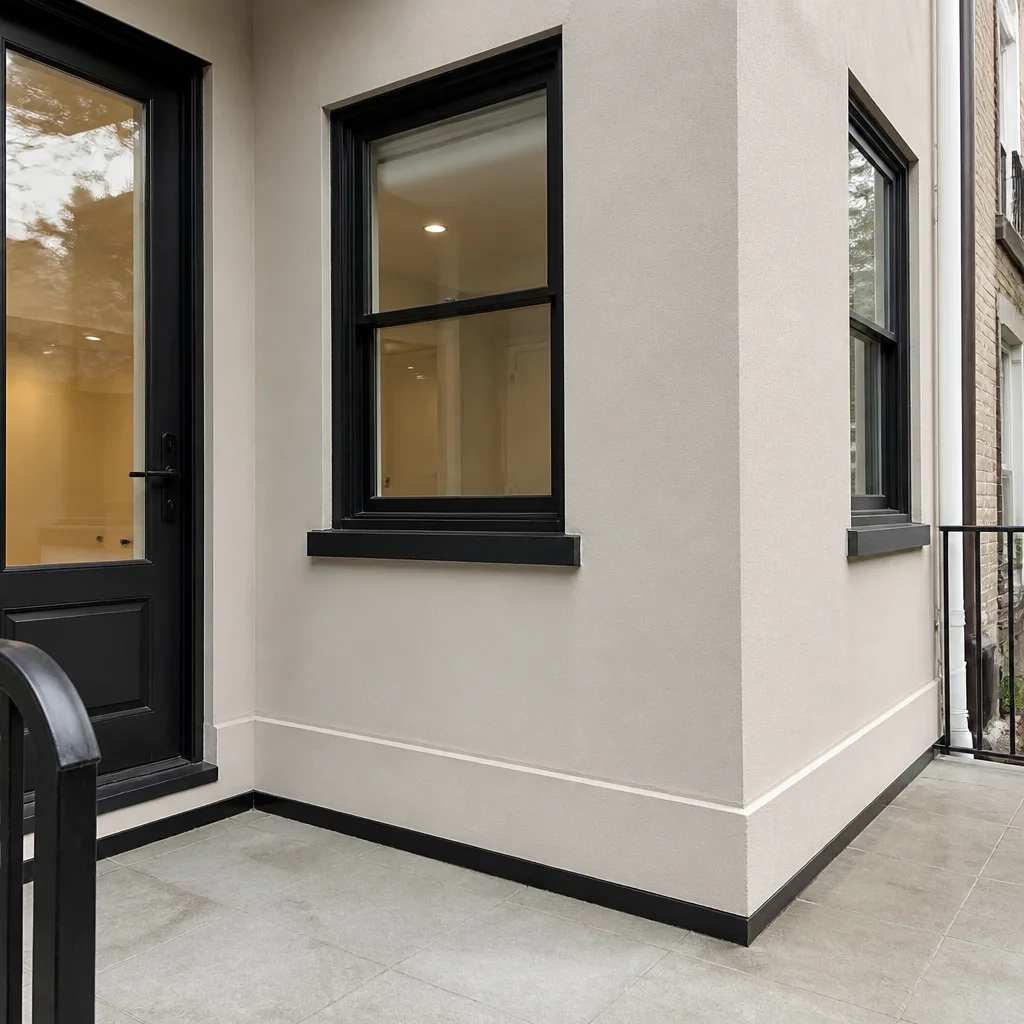 After
After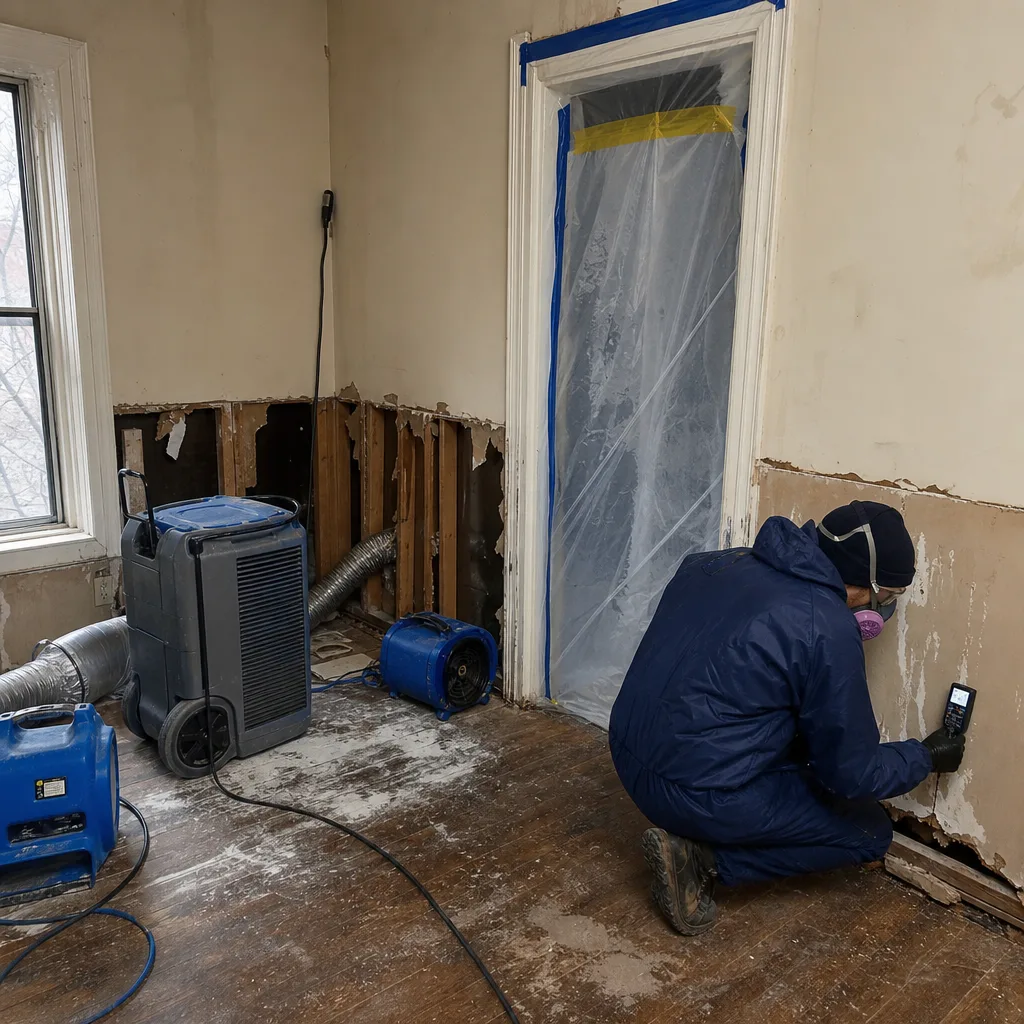 Before
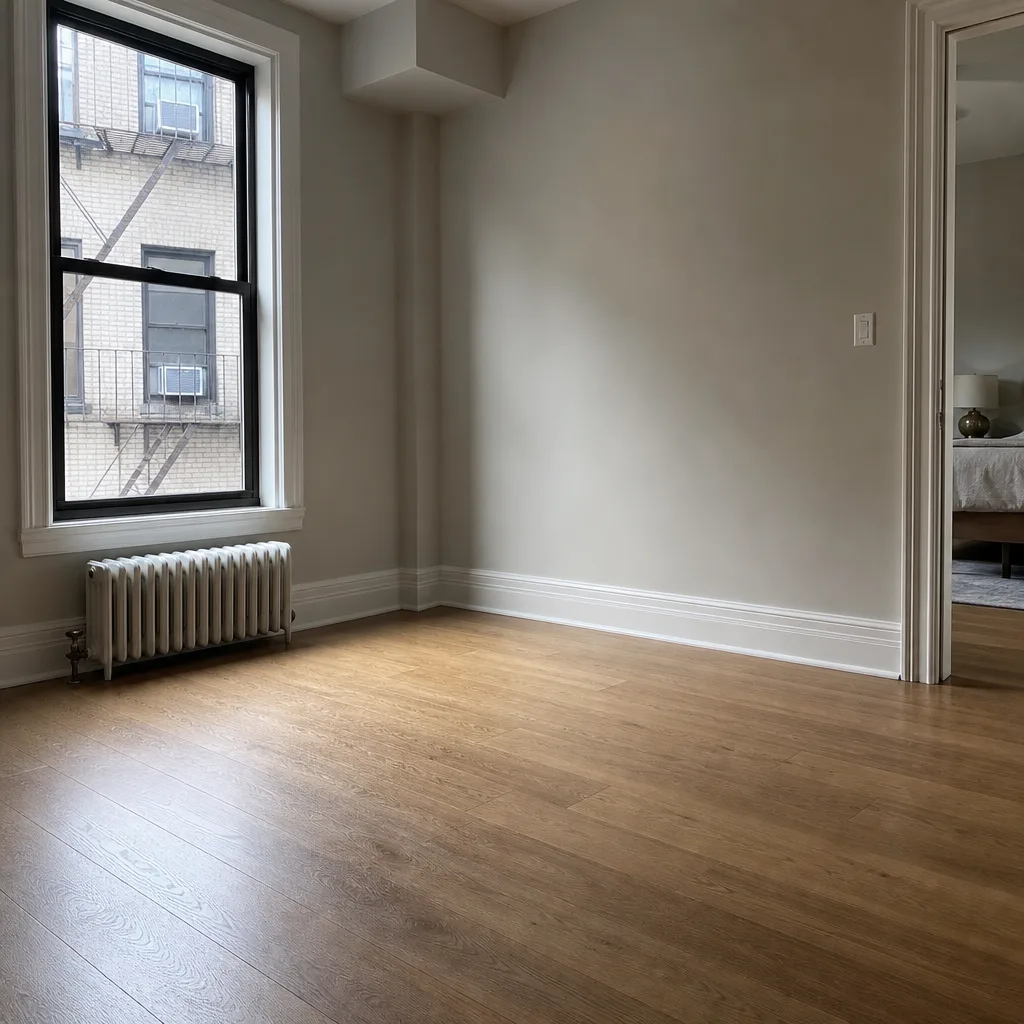 After
After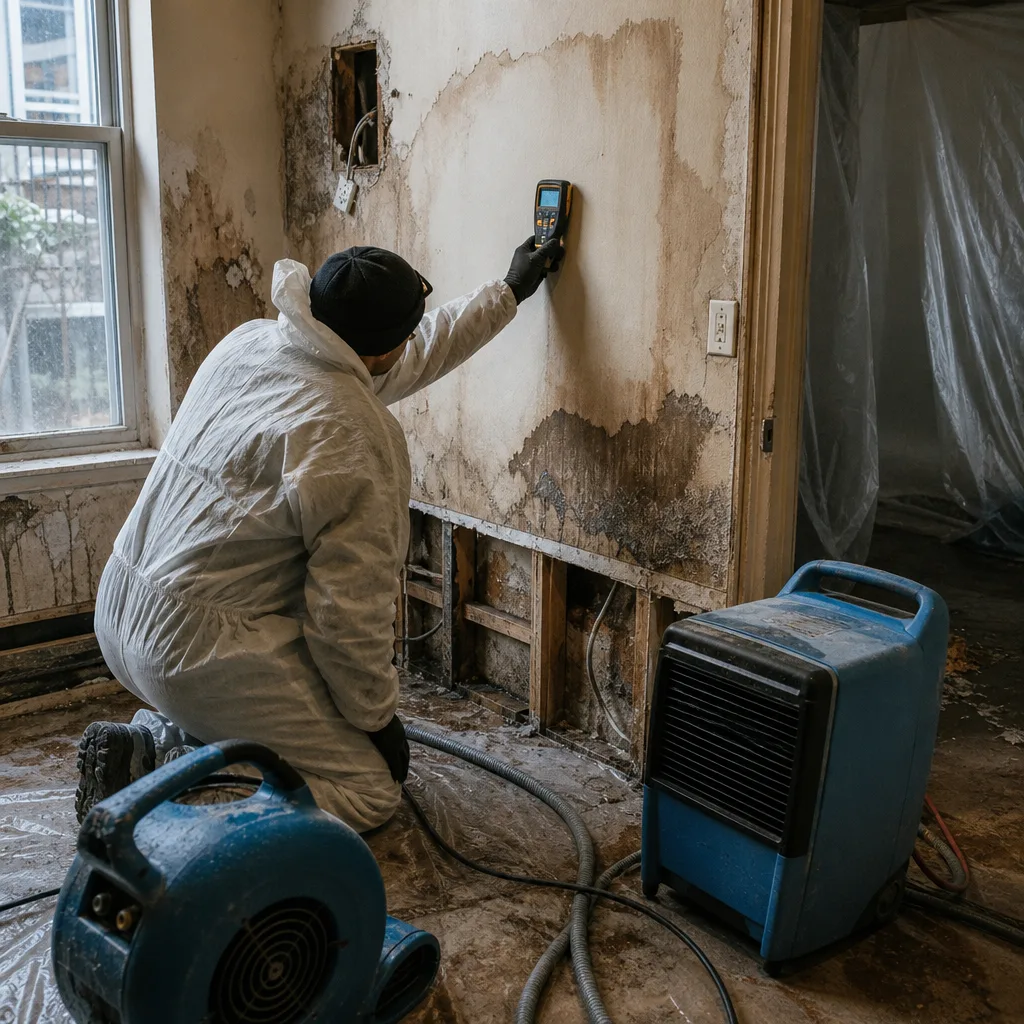 Before
 After
After24/7 Emergency Mold Remediation in East Harlem
Mold remediation in East Harlem typically runs $1,800-$4,500 for contained residential jobs and $5,000-$12,000+ for whole-unit or NYCHA tower work, with most private tenement projects starting within 24 hours of your call. Call (516) 687-5786 now and you’ll reach a live person, not a voicemail tree. Crews dispatch from our New York City office and can be on-site anywhere from the Jefferson Houses corridor to the pre-war blocks off Lexington Avenue in under 45 minutes during emergency hours. The first hour matters because mold colonies in Manhattan’s dense housing double their affected square footage in 24-48 hours when moisture readings stay above 16% wood moisture equivalent. We start every East Harlem response with a free visual inspection and moisture mapping, then deliver a written price before any containment goes up - Haven Standard, Clause 1.
Understanding Mold Remediation Severity in East Harlem Properties
Mold severity isn’t measured by what you can see. It’s measured by affected square footage, airborne spore counts, substrate classification, and the moisture source driving the colony. In East Harlem, that source is almost always one of three things: a one-time water intrusion (Category 1, 2, or 3) that may require East Harlem Water Damage Restoration, a chronic condensation cycle, or a failed vapor barrier in a building envelope.
Category 1 water - clean supply line breaks - produces the lightest mold loads when dried within 72 hours. Category 2, gray water from appliance overflows or tub surcharges, introduces bacterial nutrients that accelerate mold metabolism. Category 3, black water from sewage backup or flooding, triggers the most aggressive remediation protocols under IICRC S520 and NYC health codes. East Harlem’s pre-war tenements complicate every category: plaster-over-lath walls wick moisture vertically through stud bays, and original galvanized supply lines fail catastrophically inside walls where tenants can’t see the leak until the plaster blooms. NYCHA towers present the inverse problem - poured concrete doesn’t wick, but failed window seals and chronic HVAC imbalances create microclimates behind vinyl wall coverings that hide colonies until air sampling reveals them.
Our crews classify every East Harlem job by containment level (limited vs. full), negative air pressure requirements, and disposal classification - then document each decision in the written scope you receive before work begins.
Why East Harlem Property Owners Choose Back to Dry Restoration Manhattan
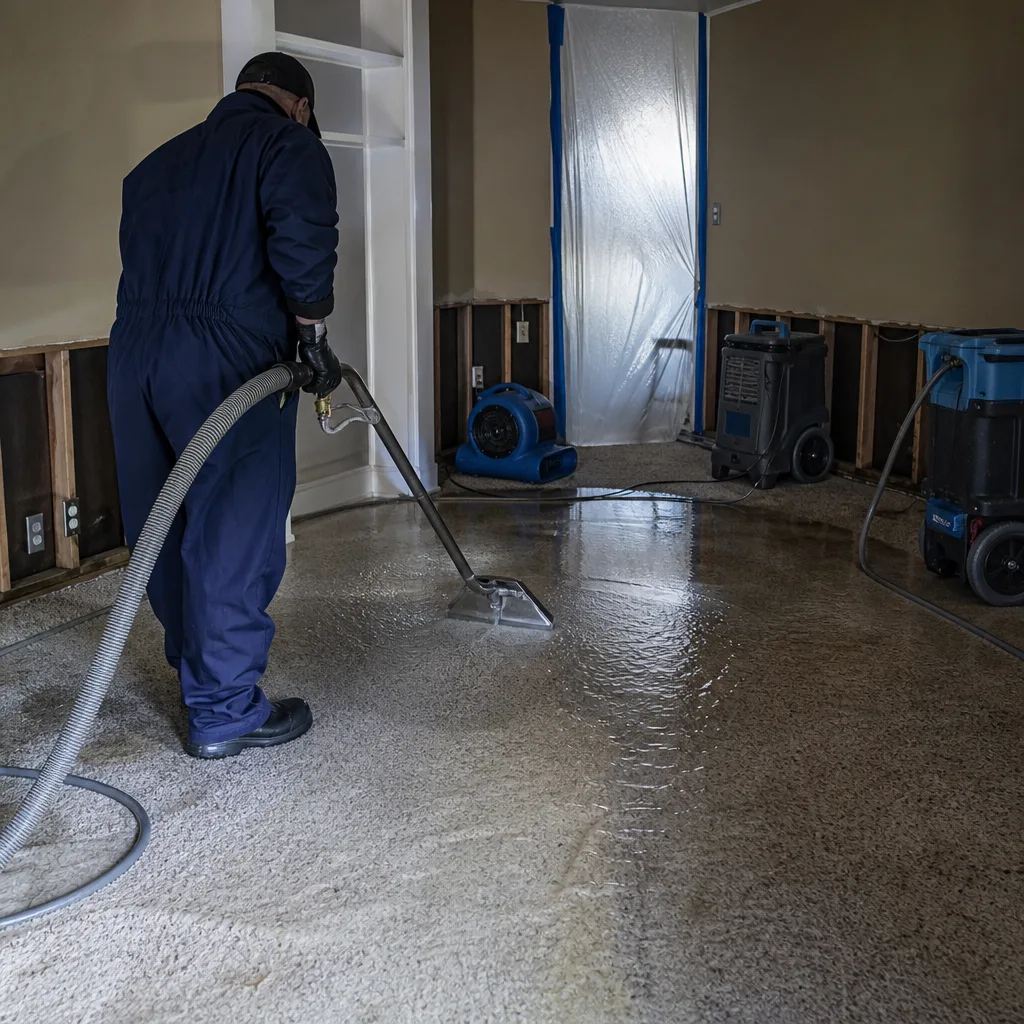
- 45-minute response commitment to East Harlem zip codes 10029, 10035, and 10037 during emergency hours, with crews staged from our Manhattan office.
- 24/7 live answer - a real person picks up every call, never an automated system or next-business-day callback while spore counts rise in your unit.
- IICRC-certified crews holding WRT (Water Damage Restoration Technician), AMRT (Applied Microbial Remediation Technician), and FSRT (Fire & Smoke Restoration Technician) credentials where dual-certification applies to fire-water-mold compound losses.
- Free visual inspection and moisture mapping on every East Harlem call, with no obligation to proceed and no diagnostic fee hidden in the scope.
- Direct insurance billing with photo-documented loss records, daily drying logs, and adjuster coordination handled by our in-house claims team.
- One team from extraction to reconstruction - the same crew that builds containment and runs HEPA filtration returns for drywall, plaster, or flooring restoration, so no handoff gaps in documentation.
BeforeAfterOur Mold Remediation Process
1. Inspection & Assessment
We map moisture readings with thermal imaging and calibrated hygrometers, identify the water category and mold classification, and test air quality where visible colonization exceeds 10 square feet. In East Harlem tenements, we specifically trace radiator-fed condensation cycles behind plaster, not just surface staining.
2. Containment & Air Filtration
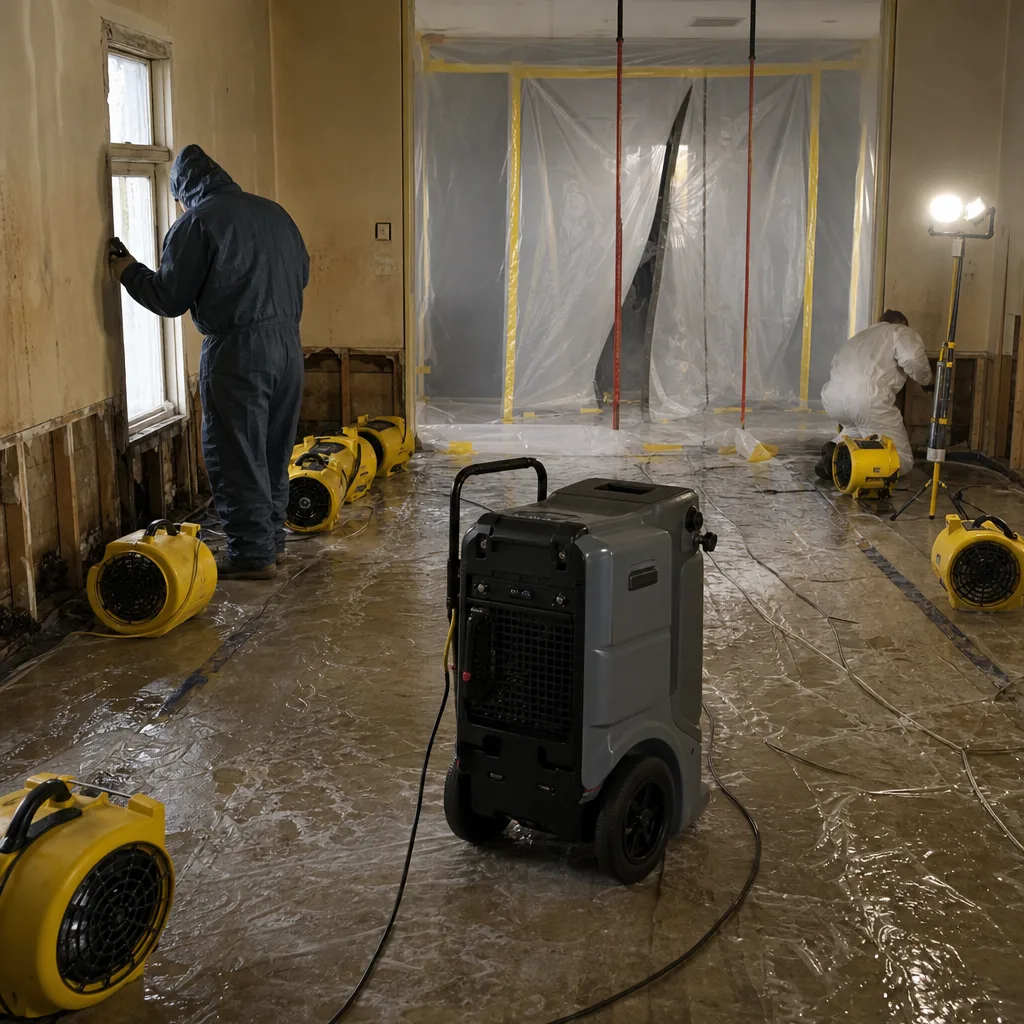
We seal the affected zone with 6-mil polyethylene barriers and establish negative air pressure using HEPA-scrubbed exhaust - critical in East Harlem’s tight floor plans where spore migration threatens adjacent units through shared HVAC or hallway air returns.
3. Moisture Source Elimination
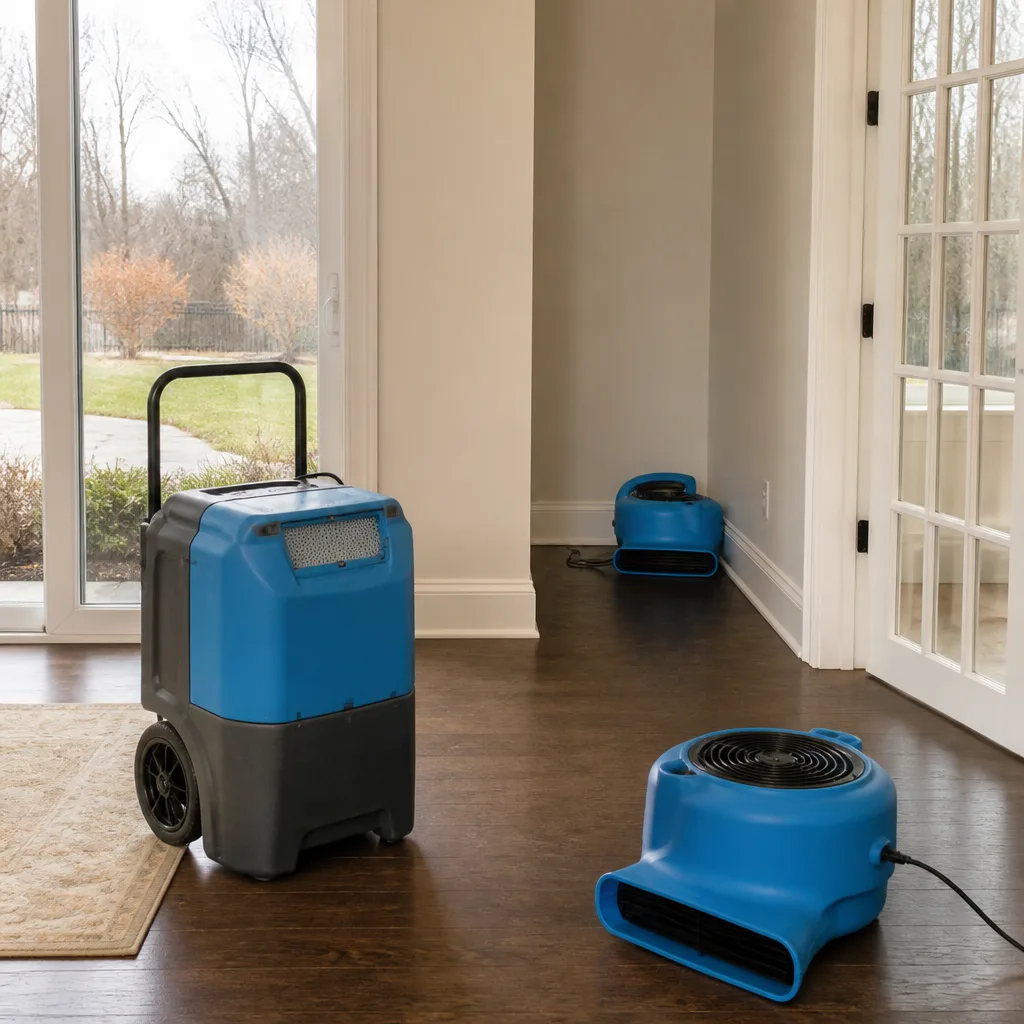
Our crews eliminate the active moisture driver before any material removal begins, whether that’s a failed supply line, steam-heat condensation behind brick, or NYCHA tower window seal failure. Dri-Eaz and Phoenix dehumidifiers lower the ambient dew point while XPOWER air movers accelerate evaporation from saturated substrates.
4. Controlled Demolition & Cleaning
We remove non-salvageable materials - plaster, drywall, insulation, flooring - under contained conditions, then HEPA-vacuum and apply antimicrobial treatment to remaining structural elements. Every East Harlem pre-war job requires NYC DEP asbestos survey clearance before this step; we coordinate the survey and hold work until documentation is in hand.
5. Structural Drying & Verification
We run Injectidry systems for cavity drying where lath-and-plaster voids hold moisture, and document daily psychrometric data - temperature, relative humidity, and vapor pressure differential - until moisture readings return to pre-loss baseline. This is the drying log that turns your restoration invoice into a payable insurance claim.
6. Repairs, Restoration & Clearance
Our crew rebuilds with moisture-resistant materials where code allows, then conducts post-remediation air sampling or third-party clearance testing per the written scope. The 365-Day Done Right Promise under The Haven Standard covers any recurrence at the treated location.
Need Emergency Mold Remediation in East Harlem Now?
Crews minutes away, answering live 24 hours a day. The sooner we start, the less it costs.
Working With Your Insurance Company
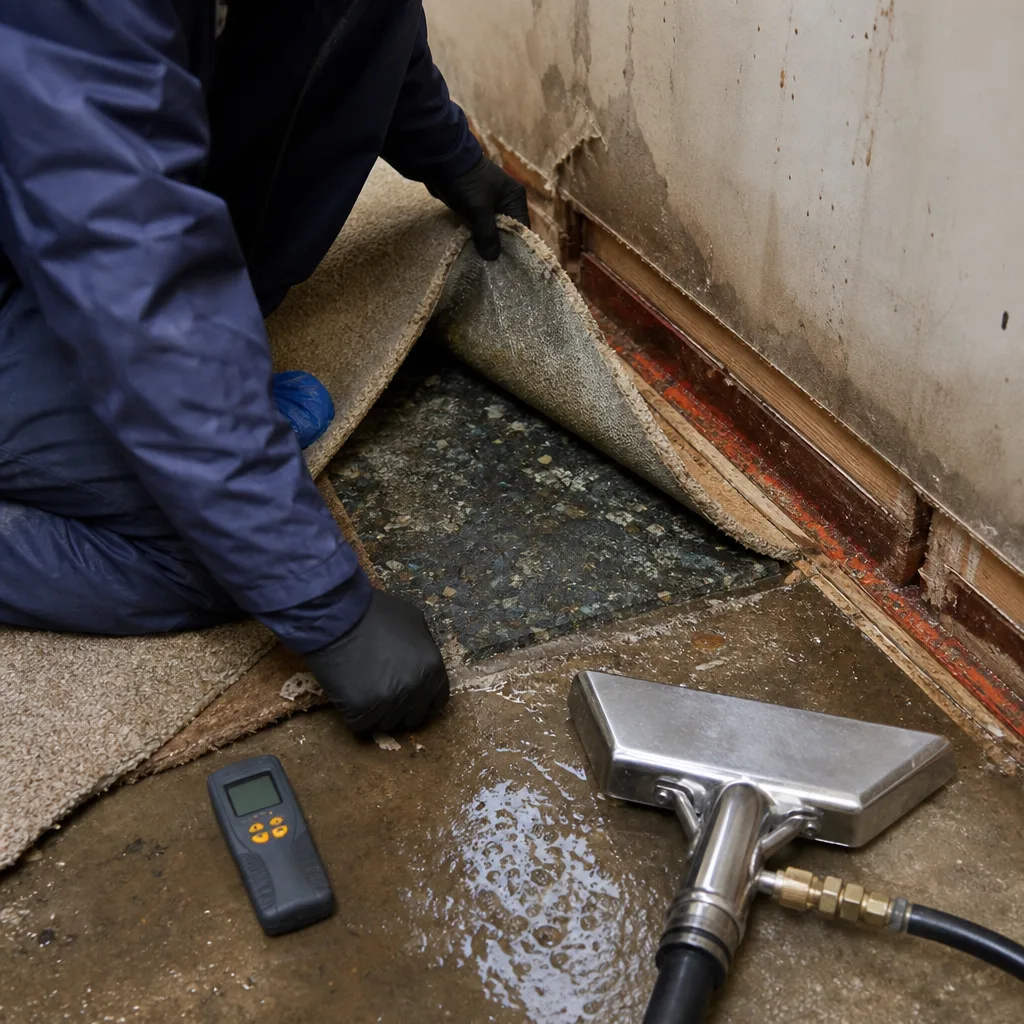
Back to Dry Restoration was founded in 2011 by a former claims adjuster who built the company around the documentation gap that costs homeowners their claims. We produce the file your adjuster needs from hour one: timestamped photos, moisture mapping diagrams, daily drying logs with psychrometric data, and a line-item scope written to Xactimate or Symbility standards. Our in-house team coordinates directly with your carrier, submits supplemental documentation when hidden damage extends the scope, and never asks you to float costs while coverage is determined. For NYCHA tenants, we navigate the separate HUD reporting requirements where the Authority’s insurance or federal relief programs apply. Every East Harlem job includes a photo record on every visit as a standard deliverable, never an upsell.
What We Provide Your Insurer
- Thorough documentation of the loss
- Photos of all damage, room by room
- Moisture readings and drying logs
- A detailed, line-item scope of work
- Direct coordination with your carrier
Built for East Harlem’s Loss Calendar
January through March, East Harlem’s aging steam-heat tenements produce their signature mold pattern: radiators drive interior humidity into cold exterior brick cavities, and condensation-fed colonies bloom behind the same plaster-over-lath walls in the same units year after year. Our crews know these addresses by their moisture signatures before we open the wall.
April’s spring thaw brings basement seepage in below-grade tenement units and NYCHA tower utility rooms where foundation drainage has failed. Summer thunderstorms overwhelm flat-roof tenement drains and NYCHA tower parapet flashing, sending Category 1 water through ceiling assemblies. September into November, hurricane remnants and nor’easters stress every building envelope in the flood-prone blocks near the Harlem River. December’s deep freeze returns the steam-heat cycle. Unlike seasonal businesses, we staff for East Harlem’s year-round mold calendar - because in a pre-war tenement, the heating season is the moisture season.
Mold Remediation Across East Harlem’s Neighborhoods
East Harlem isn’t one housing market. It’s two distinct restoration workflows compressed into the same zip code, and our Mold Remediation teams route and equip for both.
The blocks south of 116th Street and east of Fifth Avenue - the historic Italian Harlem core, now a mix of pre-war tenements and newer infill - present the classic Manhattan mold profile: century-old brick, plaster-over-lath, original two-pipe steam, and the chronic condensation cycle our moisture mapping is built to trace. At a fifth-floor pre-war walkup off Lexington Avenue near 110th Street, our techs responded to a tenant complaint of a musty bedroom wall; moisture readings showed the plaster was saturated not from a burst pipe but from decades of condensation driven by the building’s two-pipe steam radiators into the cold brick cavity. We built containment, stripped the failing plaster-over-lath, ran HEPA filtration with Dri-Eaz dehumidifiers and XPOWER air movers for structural drying, and treated the exposed masonry with antimicrobial treatment - then documented every moisture reading in drying logs so the landlord had a pre-loss condition record. The unit was dry in three days; on the NYCHA side of the same zip code, that same scope can sit in a centralized work order queue for weeks awaiting Housing Authority clearance.
The NYCHA corridor - Jefferson, Wagner, Carver, Taft, and Johnson Houses along First and Second Avenues - operates under the 2018 federal consent decree. Every remediation scope must clear NYCHA’s centralized work order queue and HUD reporting requirements. Contractors who don’t pre-register as NYCHA-approved vendors find themselves legally locked out of jobs that desperate tenants are calling them about directly. We’re pre-registered. We know the procurement protocol.
The blocks west of Lexington, toward Central Park North, include some of East Harlem’s most price-appreciated pre-war stock - buildings where 2015-2025 purchasers expect documentation that matches their mortgage lender’s requirements. We deliver it.
Specialized Mold Remediation Services We Offer in East Harlem
Mold Inspection & Testing
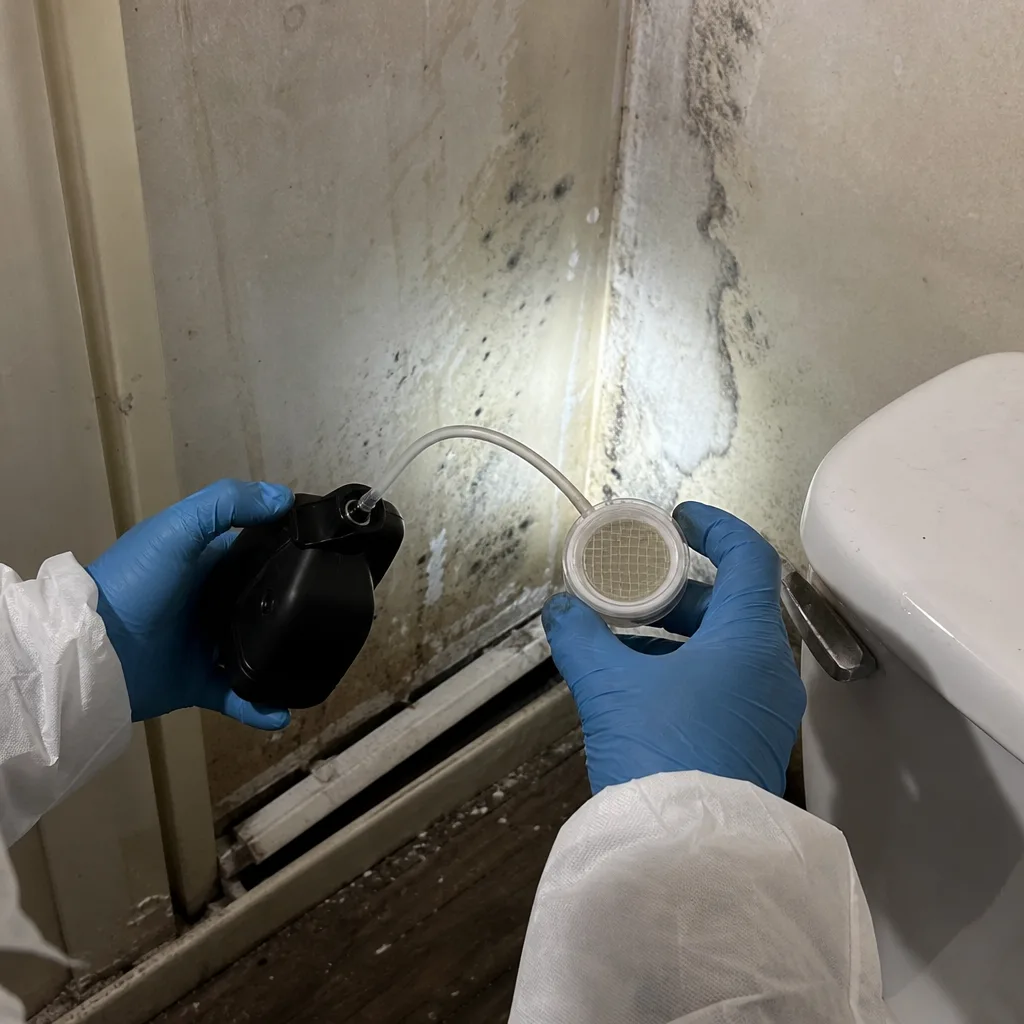
Every East Harlem inspection starts with moisture mapping, not guesswork. We use thermal imaging and calibrated hygrometers to trace the actual moisture source - critical in pre-war tenements where the visible mold is rarely the whole story. Air sampling and surface testing follow when colonization exceeds 10 square feet or when occupants report respiratory symptoms.
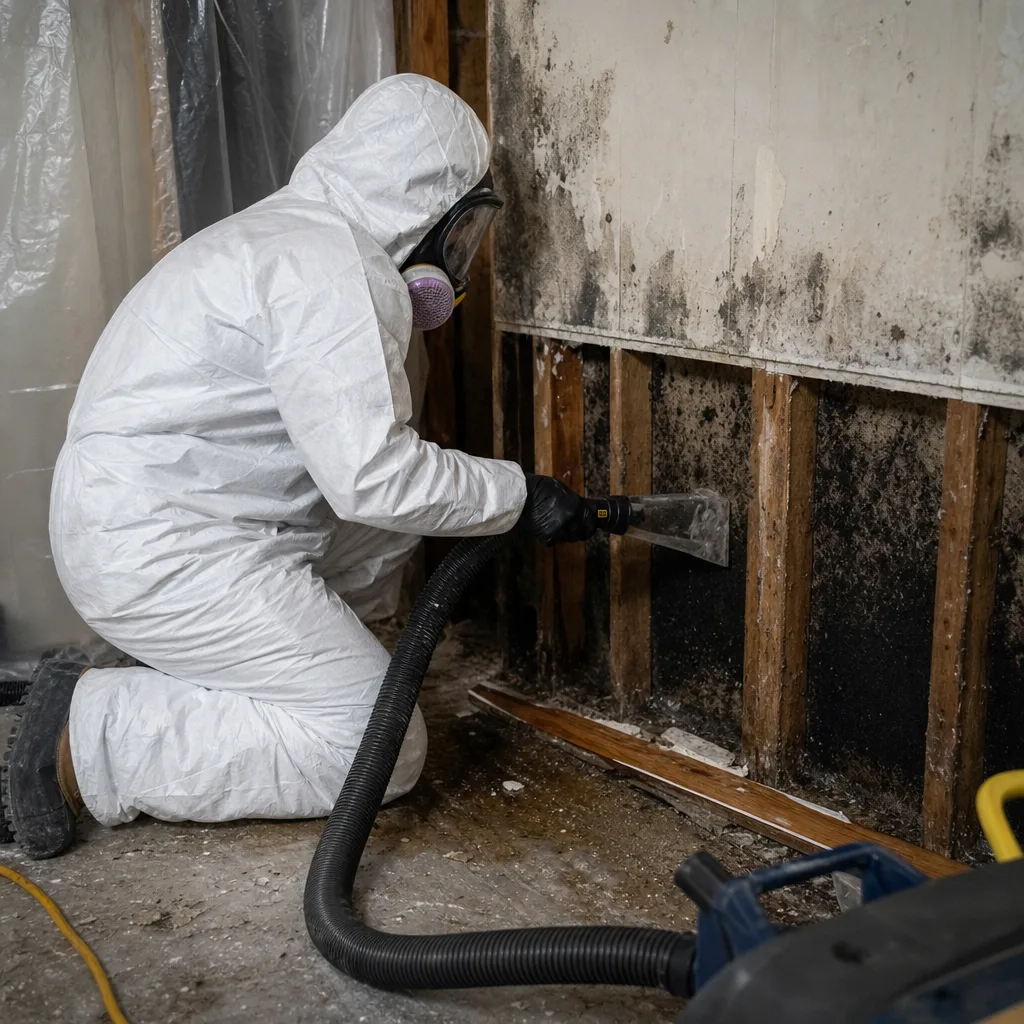
Mold Removal
Our removal protocols follow IICRC S520 and NYC health department guidelines: containment, negative air pressure, HEPA filtration, controlled demolition, and antimicrobial treatment. In East Harlem, removal always waits on asbestos survey clearance for pre-war buildings - we coordinate the survey, we don’t skip it.
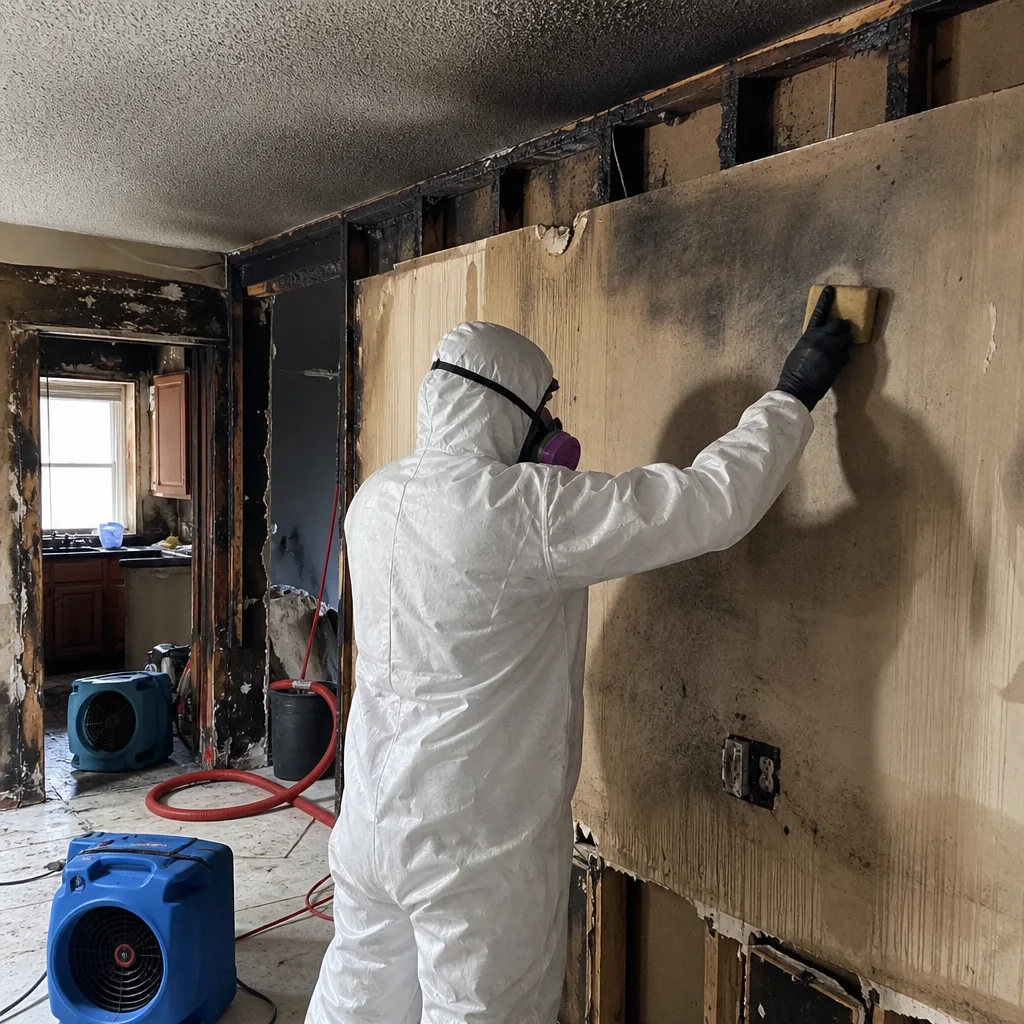
Black Mold Remediation
Stachybotrys chartarum and other toxigenic species require full containment and specialized PPE. We don’t use scare tactics - we use air sampling data and written protocols. East Harlem’s chronic moisture tenements can harbor heavy black mold loads behind intact plaster; our thermal imaging finds it before demolition confirms it.
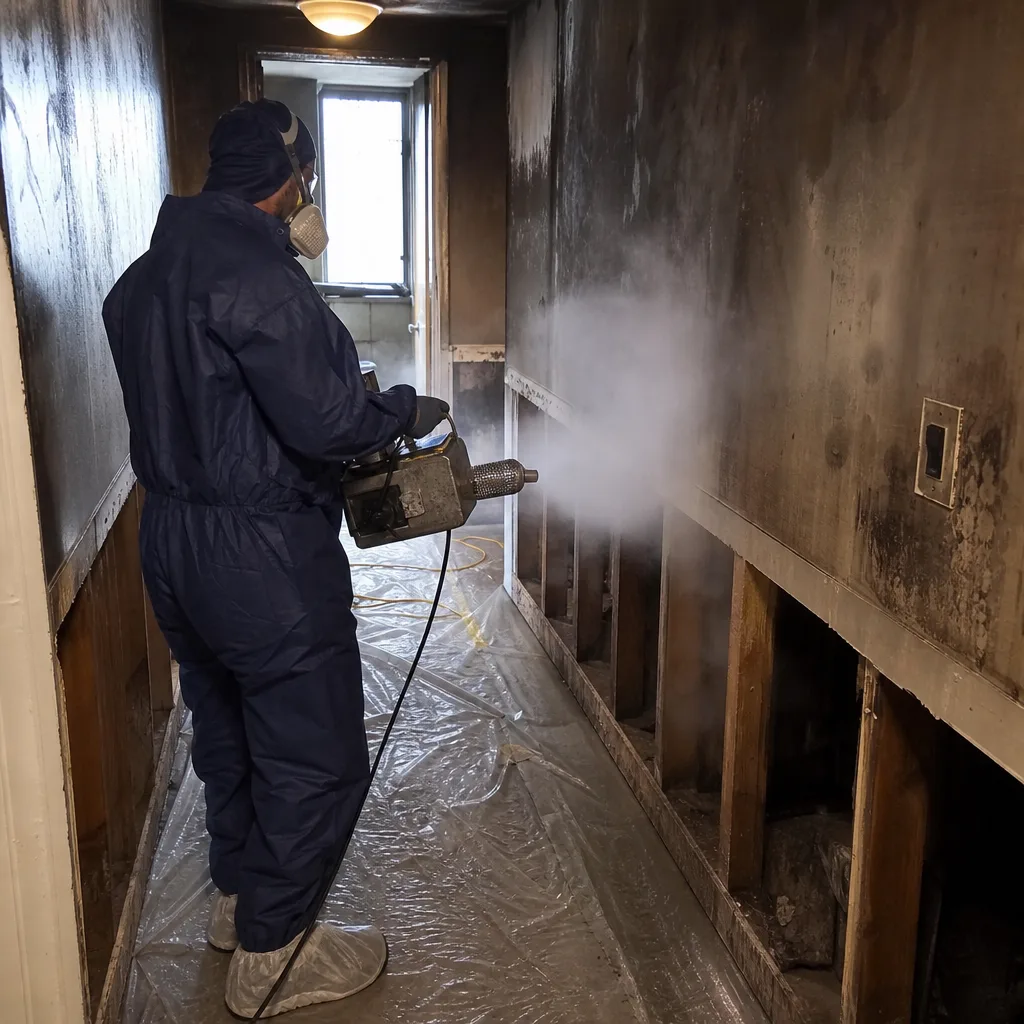
Air Quality Restoration
Post-remediation, we verify air quality with particle counters and, where the scope specifies, third-party laboratory analysis. For East Harlem’s tight apartment layouts and shared ventilation systems, this step isn’t optional - it’s how we document that adjacent units weren’t cross-contaminated during remediation.
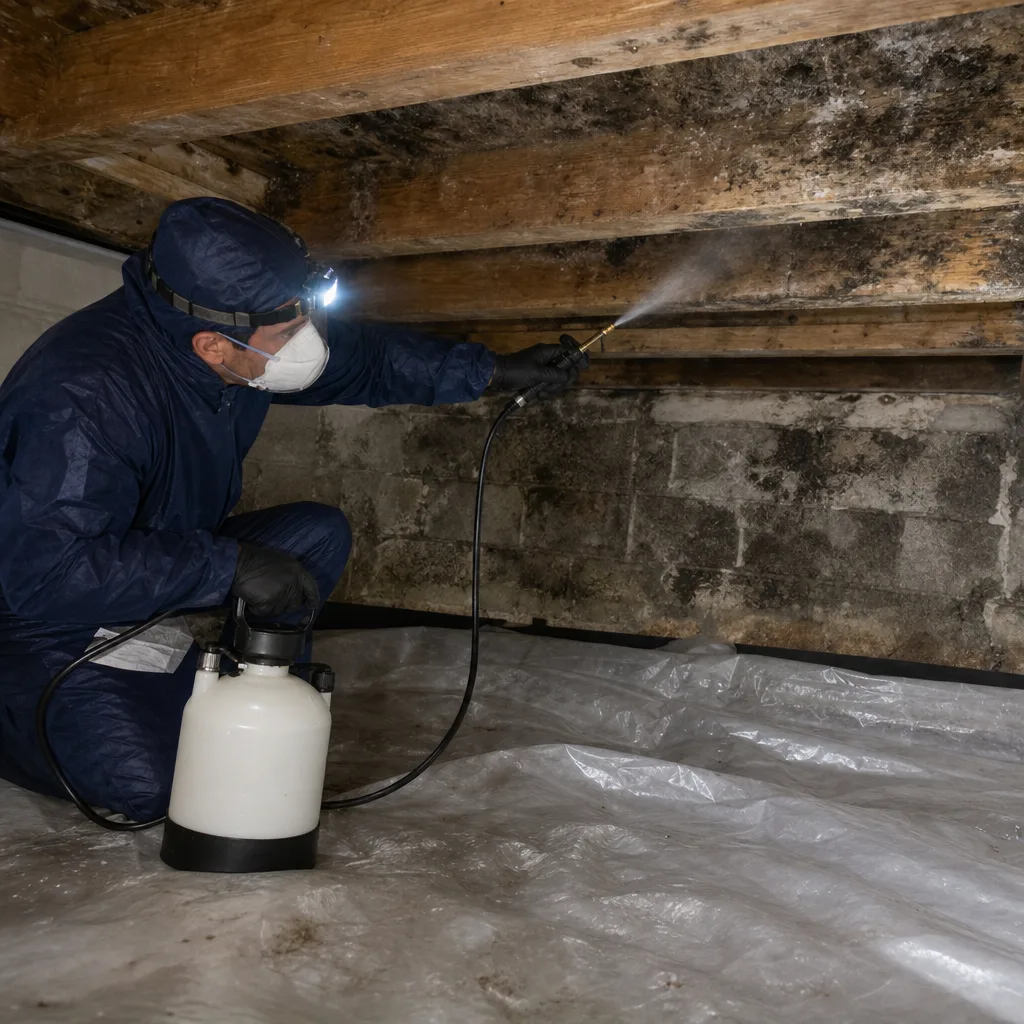
Crawl Space Treatment
East Harlem’s limited crawl space inventory is concentrated in below-grade tenement utility areas and NYCHA tower mechanical rooms. We treat these with vapor barrier installation, dehumidification, and structural drying - the same documentation standards apply, even when the space isn’t living area.
Moisture & Humidity Control
This is the service that breaks East Harlem’s recurrence cycle. After remediation, we specify humidity control solutions - dehumidification, ventilation correction, radiator balancing - based on the actual psychrometric data from your building. Without this step, the steam-heat condensation returns. With it, the drying log becomes a baseline for prevention.
What happens when you call
- 1
A real person answersNo phone trees - you reach a local pro.
- 2
You get an upfront price rangeHonest numbers before anyone is dispatched.
- 3
A background-checked tech heads outLicensed & insured, dispatched right away.
- 4
You approve before work beginsNothing starts until you say go.
Mold Remediation Costs in East Harlem, NY
Honest pricing starts with honest ranges. A typical contained mold remediation in an East Harlem private tenement unit runs $1,800-$4,500, depending on affected square footage, accessibility, and whether asbestos abatement is required. Whole-unit or multi-room jobs in larger pre-war apartments range $4,500-$8,500. NYCHA tower units, where HUD reporting and extended procurement timelines add administrative scope, typically start at $3,500 and range to $12,000+ for complex multi-unit responses.
What moves the price: the water category (Category 3 adds sanitation and disposal costs), the presence of lead or asbestos requiring licensed abatement, the need for third-party clearance testing, and whether reconstruction is included or handled separately. Insurance typically covers mold remediation when it’s tied to a covered water loss; gradual maintenance-related mold is usually excluded. We review your policy language and document the loss origin to support your claim. Every East Harlem job gets a written price before work begins - Haven Standard, Clause 1 - and our Free Second Opinion on any competitor’s written estimate means you can verify our scope against theirs at no charge. Call (516) 687-5786 for your exact quote; estimates are free.
We Also Serve Cities Near East Harlem
Our crews respond throughout Manhattan from the same staging location, including the East Harlem corridor and adjacent neighborhoods: Manhattan proper to the south, Upper West Side across Central Park, Upper East Side along the park’s eastern edge, and Morningside Heights to the northwest. Each area carries distinct building stock and moisture patterns, and we route crews with the right equipment and certifications for each.
Serving East Harlem, NY - Our Local Coverage Area
We’re based in the East Harlem area and know this community well. Use the map below to see our service coverage - if you’re nearby, we can almost certainly help.
East Harlem Mold Remediation Questions, Answered
How fast can mold start growing in a water-damaged East Harlem tenement unit?
Mold colonies can establish visible growth in 24-48 hours when moisture readings stay above 16% wood moisture equivalent. In East Harlem’s pre-war tenements, plaster-over-lath substrates hold moisture longer than modern drywall, so the growth window extends even after surface water appears dry. Call (516) 687-5786 for emergency moisture mapping - the sooner we start, the less square footage we contain.
Why does mold keep coming back in my East Harlem apartment every winter?
Because the source is usually steam-heat condensation, not a one-time leak. East Harlem’s two-pipe radiator systems drive humidity into cold exterior brick cavities all heating season; without moisture mapping that traces the seasonal cycle and humidity control that interrupts it, surface remediation just strips the symptom while the cause continues. We scope against the steam cycle, not just the stain.
What’s the difference between Category 1, 2, and 3 water in a mold remediation scope?
Category 1 is clean water from a supply line break, requiring the lightest sanitation. Category 2 is gray water with bacterial load - appliance overflows, tub surcharges - accelerating mold metabolism and requiring antimicrobial treatment. Category 3 is black water from sewage or flooding, triggering full PPE, aggressive containment, and specialized disposal under NYC health codes. The category determines the remediation protocol and the documentation standard for your insurer.
Do NYCHA apartments in East Harlem take longer to remediate than private tenements?
Yes. Since the 2018 federal consent decree, every NYCHA remediation scope must clear a centralized work order queue and meet HUD reporting requirements. A job that takes three days in a private tenement can sit for weeks awaiting Housing Authority clearance. We’re pre-registered as NYCHA-approved vendors and understand the procurement protocol - but we can’t bypass the queue. We build realistic timelines into every NYCHA scope.
Does my East Harlem building need an asbestos survey before mold removal can start?
If your building was constructed between the 1890s and 1980s, yes - virtually every East Harlem pre-war tenement and mid-century NYCHA tower contains asbestos in floor tiles, pipe insulation, or joint compound, and NYC DEP requires survey clearance before any disturbance that could release fibers. We coordinate the survey and hold all demolition until documentation is in hand; starting without it risks a stop-work order and liability exposure.
Will my insurance cover mold remediation in East Harlem?
Insurance covers mold when it’s caused by a sudden, accidental water loss - burst pipes, appliance failures, storm intrusion - that’s explicitly covered in your policy. Gradual maintenance-related mold is typically excluded. We document the loss origin with photos, moisture readings, and written scope to support your claim, and we coordinate directly with your adjuster. Call (516) 687-5786 and we’ll review your coverage context with your inspection.
How long does mold remediation take in an East Harlem apartment?
Contained private tenement jobs typically run 3-5 days from containment to clearance testing. NYCHA units add procurement timeline variability that we can’t control. Reconstruction - drywall, plaster, flooring - follows remediation and is scheduled separately with its own written scope and price.
Can I stay in my East Harlem apartment during mold remediation?
For limited containment under 10 square feet in an isolated room, often yes. For full containment, multi-room colonization, or toxigenic species, we recommend relocation until clearance testing confirms safe reoccupancy. We specify the reoccupancy recommendation in your written scope before work begins - no surprises.
Back to Dry Restoration Manhattan has operated under The Haven Standard since 2011, completing 12,000+ restorations with a written price before every job and a documented record when the crew left. Our Mold Remediation teams serve East Harlem with the same documentation-first discipline that built the company: moisture mapping, photo records, daily drying logs, and the 365-Day Done Right Promise stamped on every job. Call (516) 687-5786 for a free inspection and written estimate - estimates are free, and our Free Second Opinion means you can bring any competitor’s quote for comparison at no charge.
Written by Alicia Brennan, Owner at Back to Dry Restoration, serving East Harlem since 2011.