
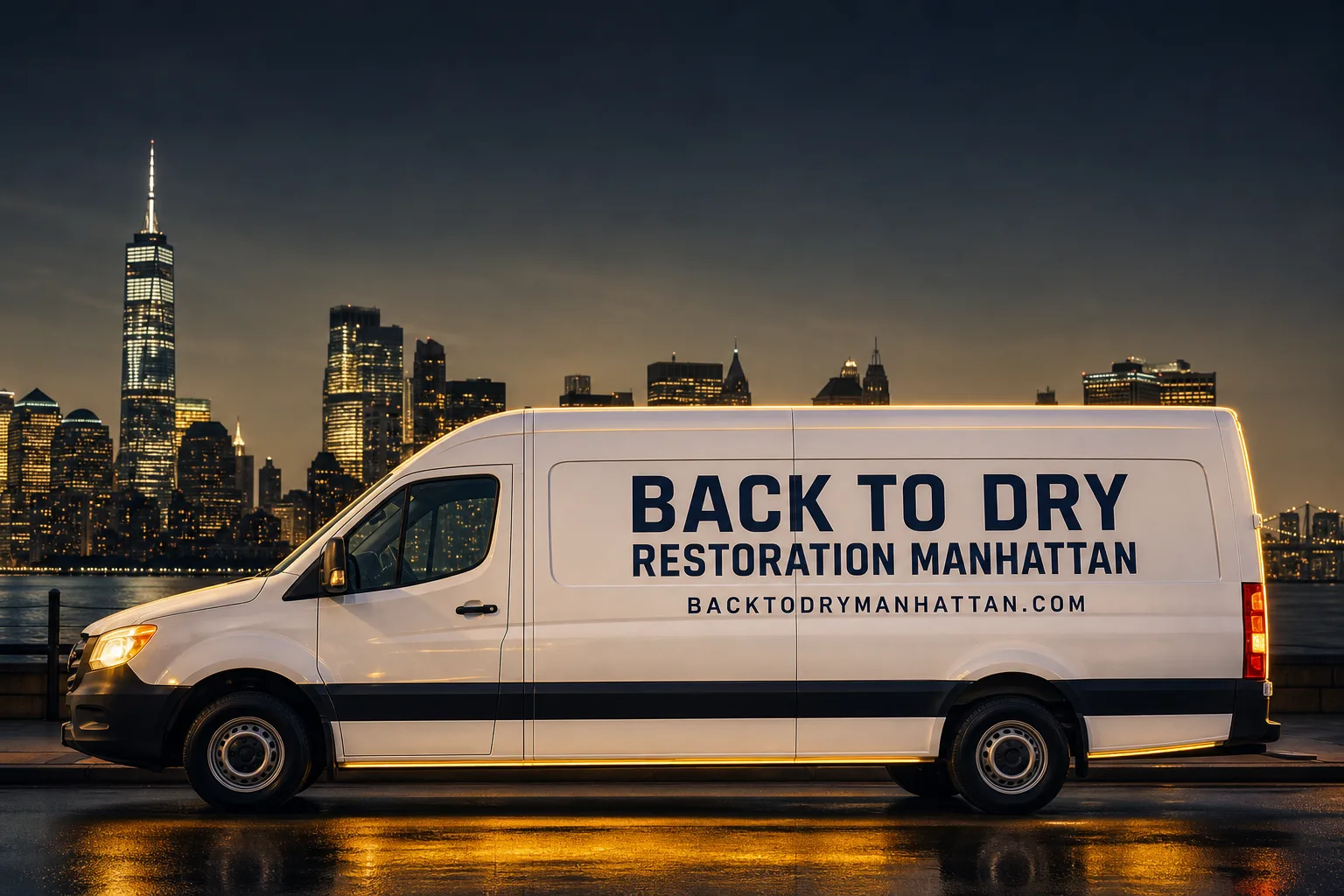
Free visual inspection and a written scope of work before any mitigation begins - photos, moisture readings, and drying logs go in your claim file
The scope we write is the scope we bill. Anything new gets shown to you, in writing, before we touch it.
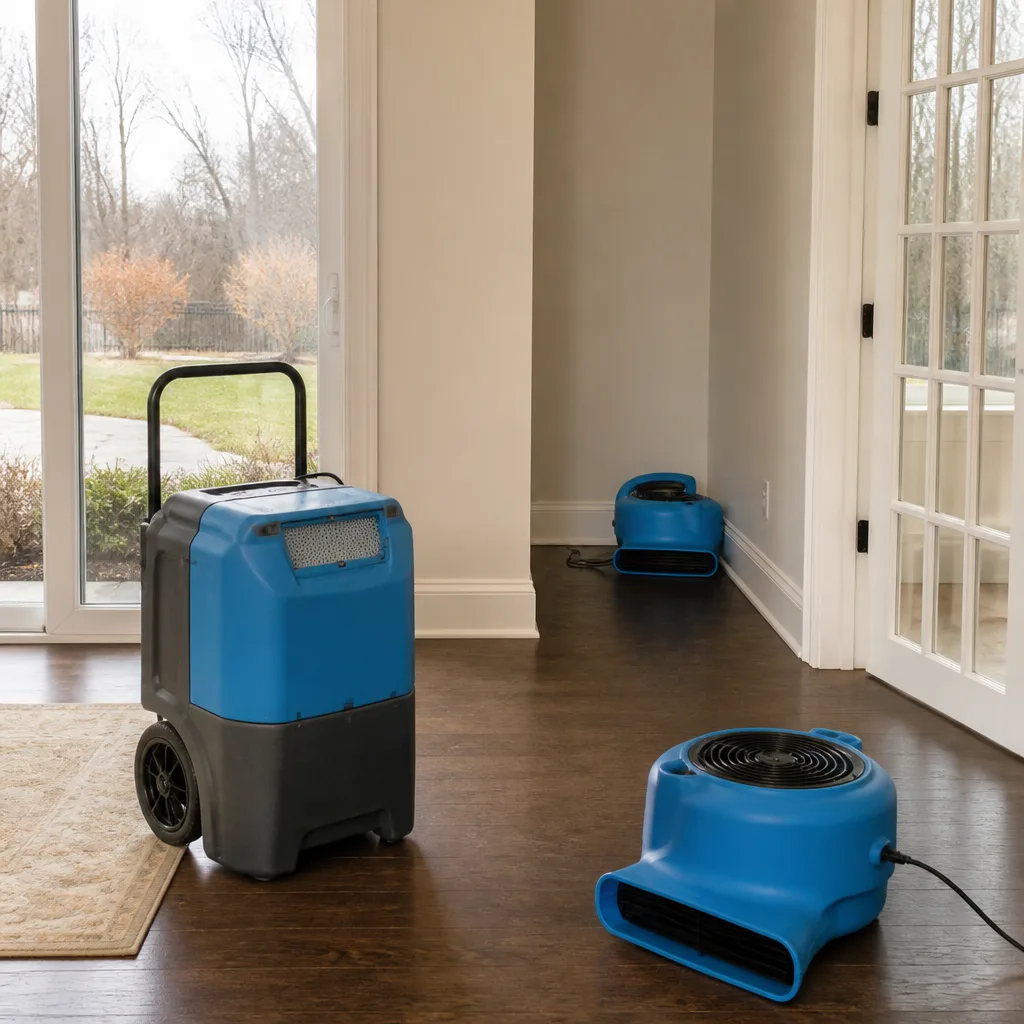
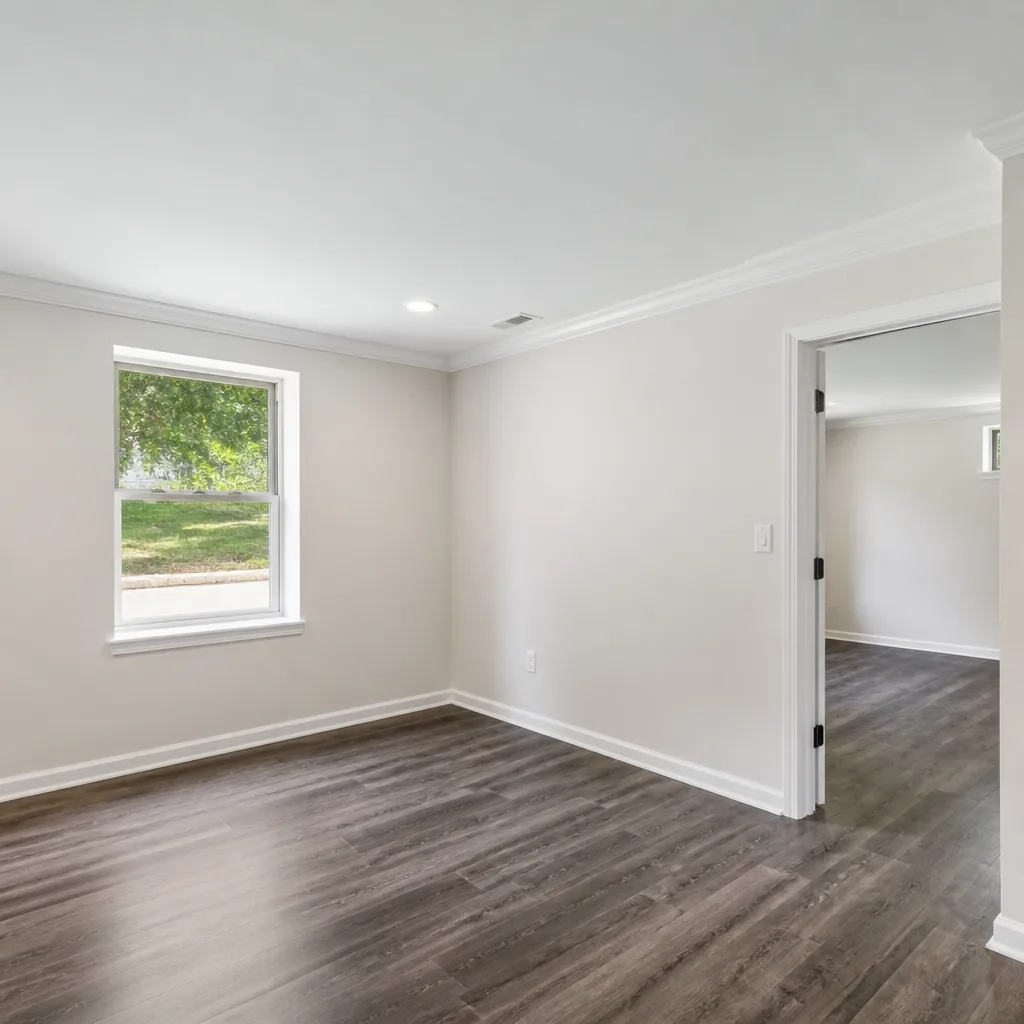
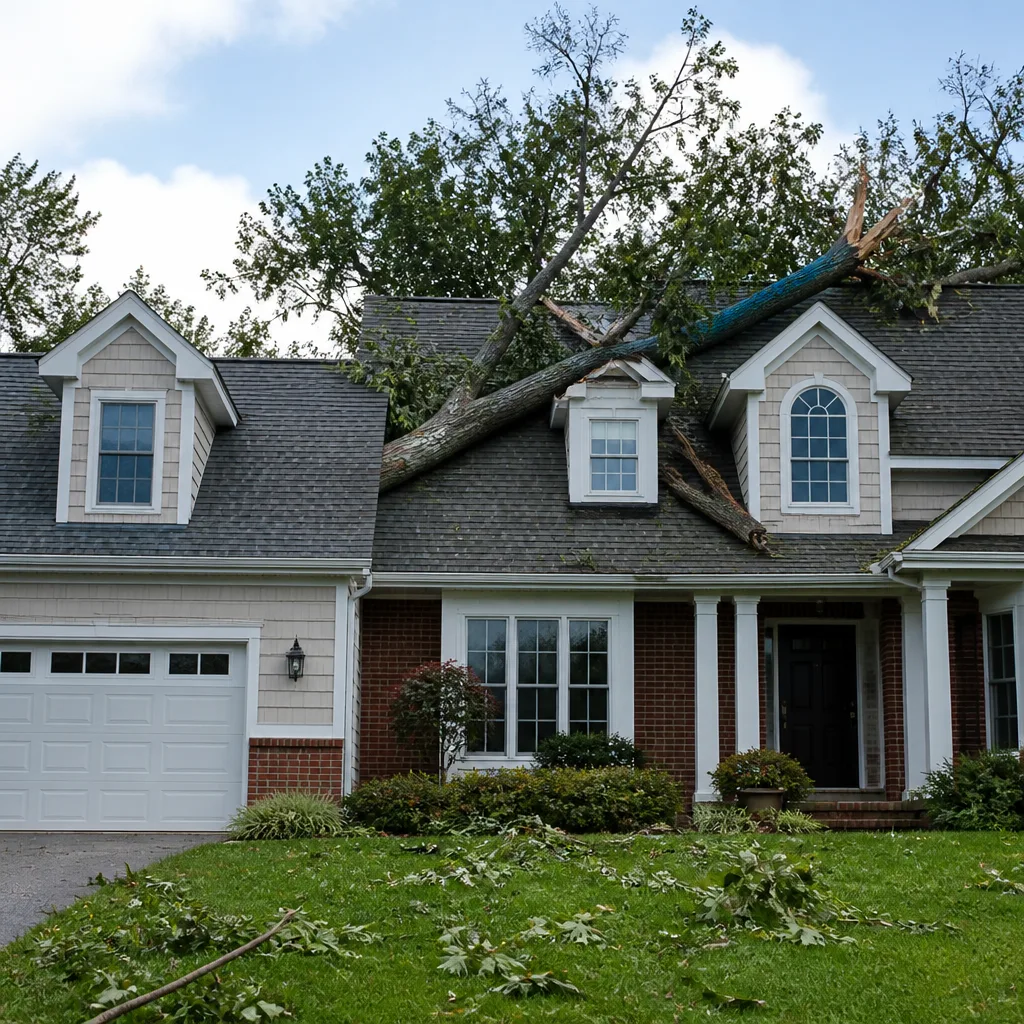
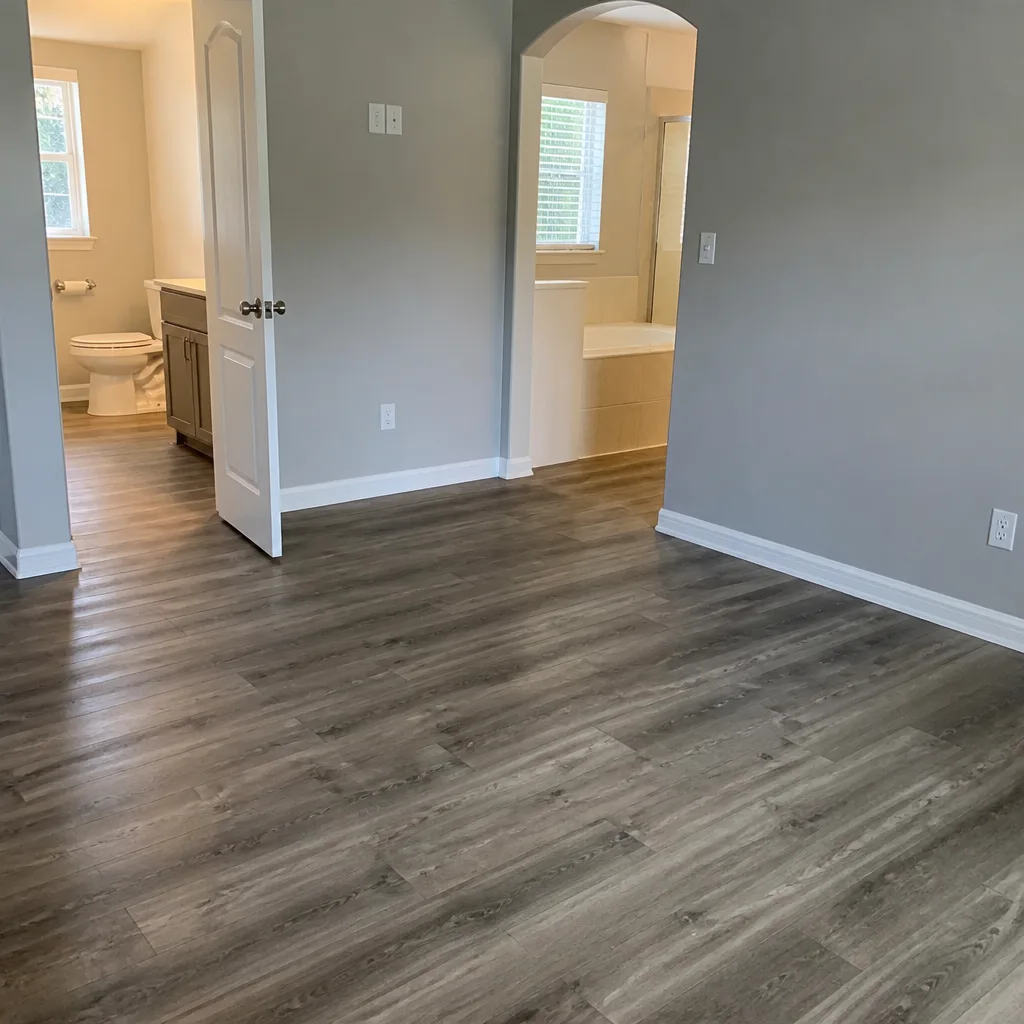
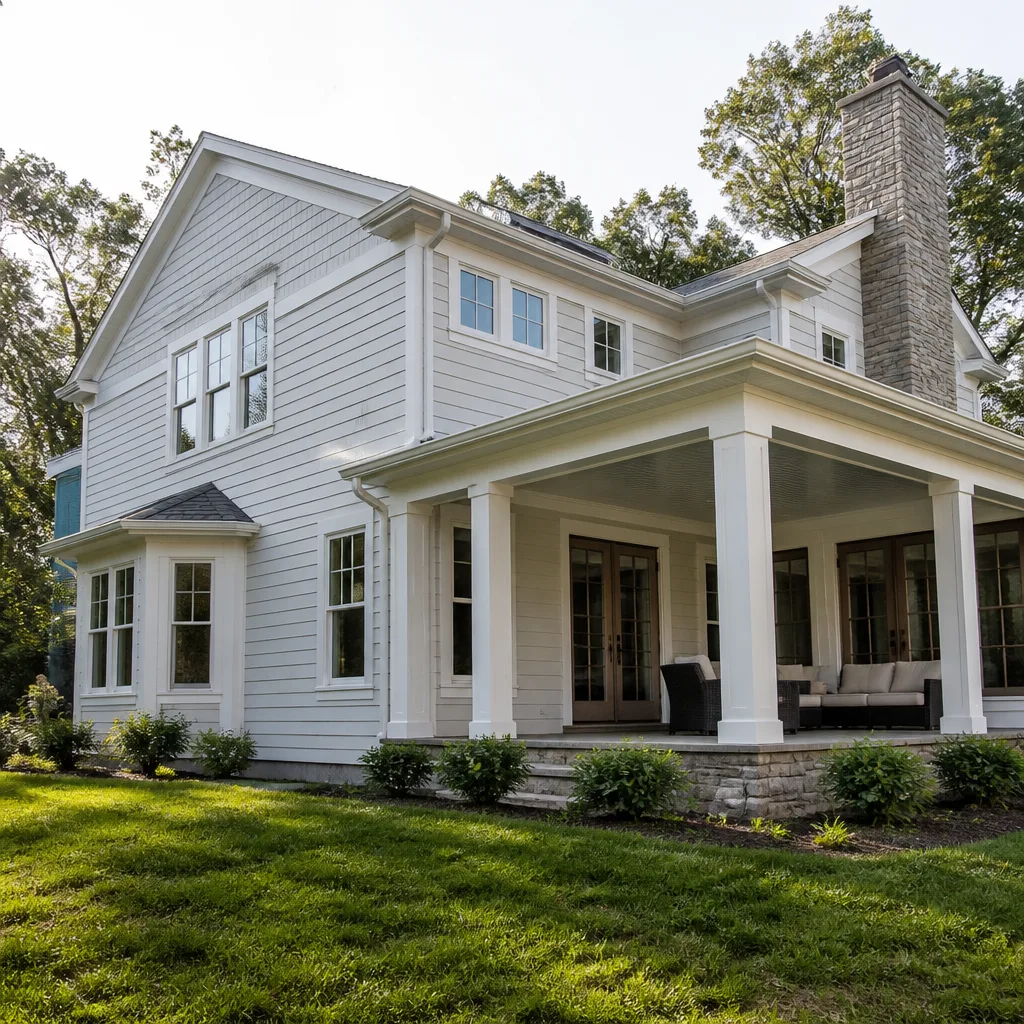
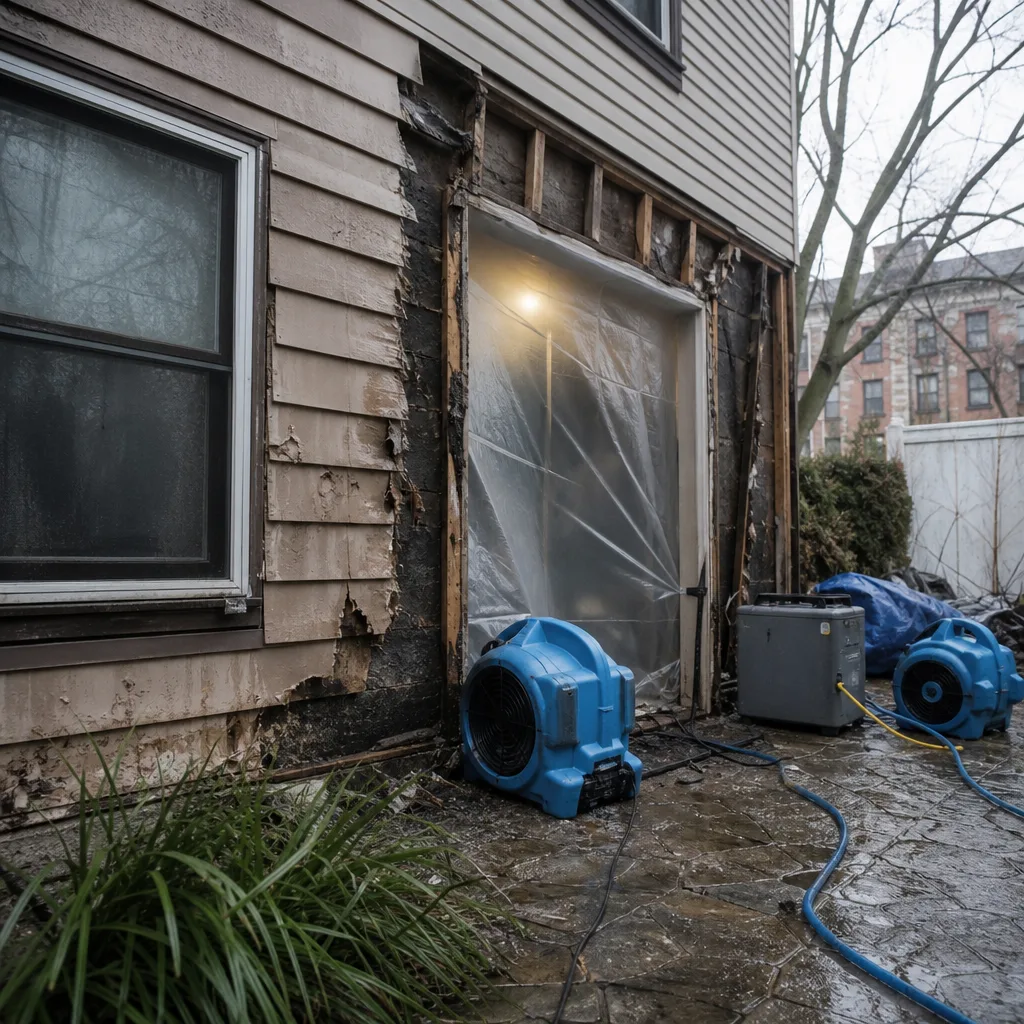 Before
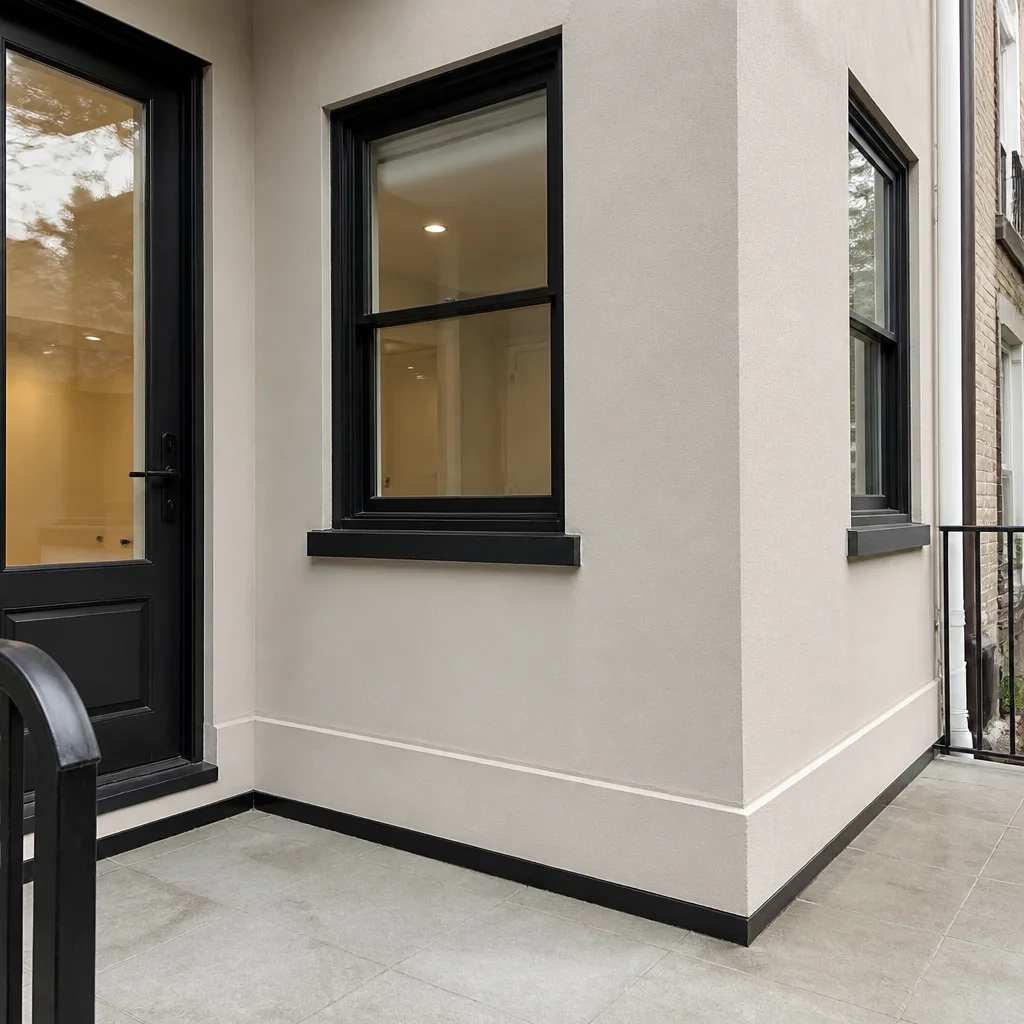 After
After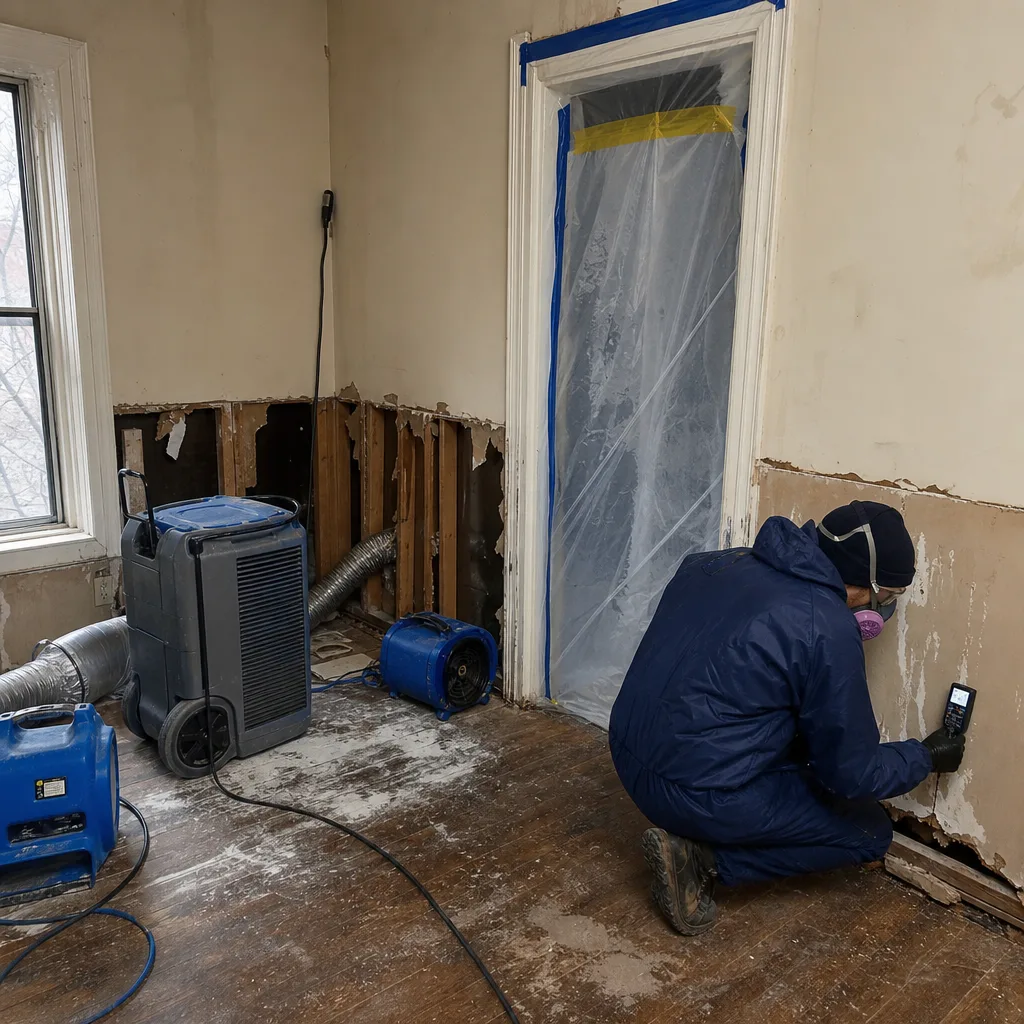 Before
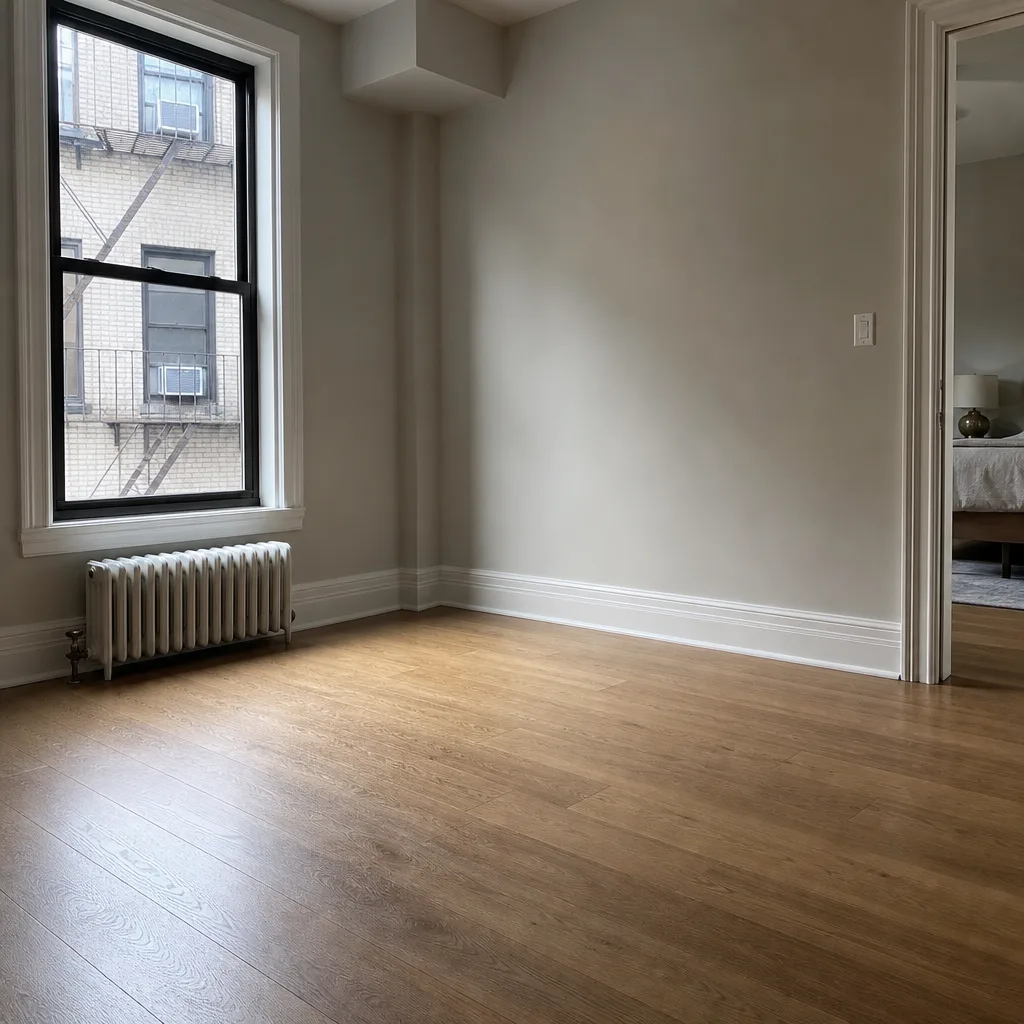 After
After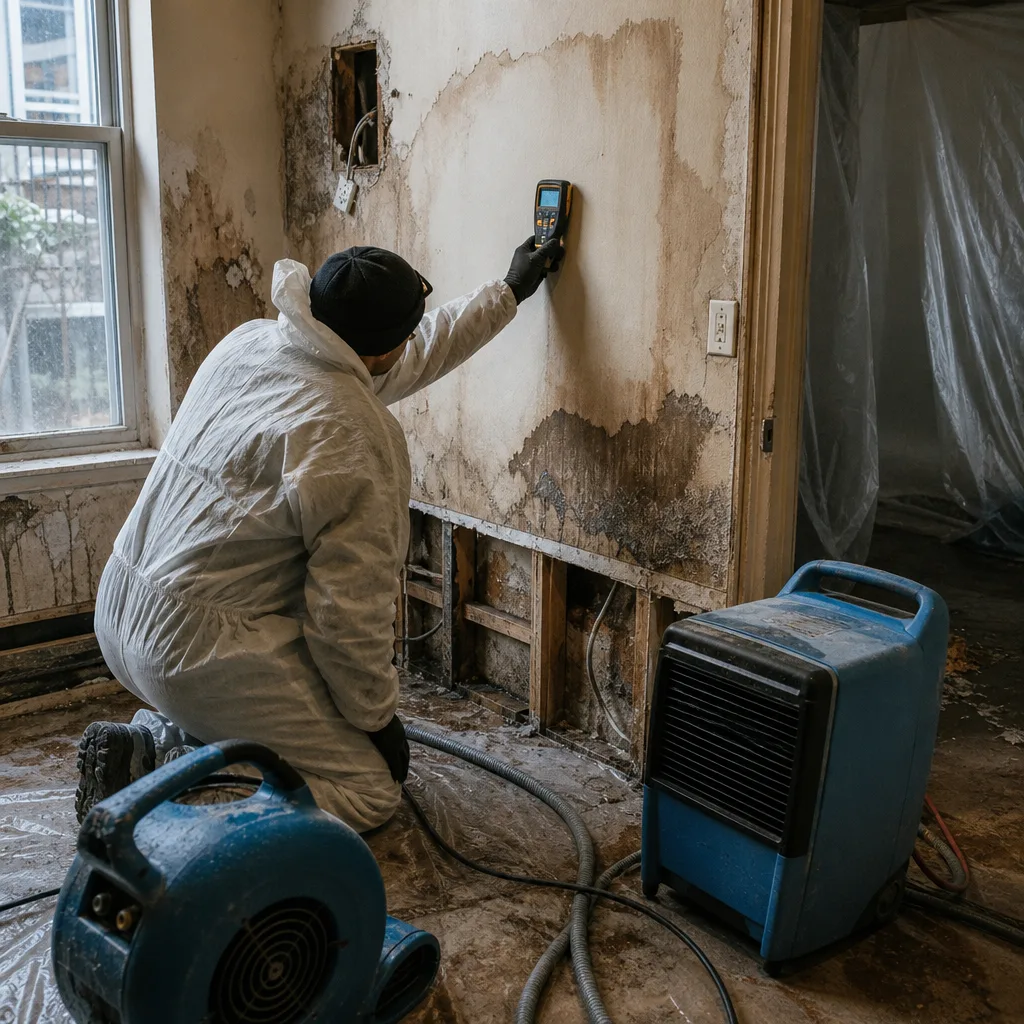 Before
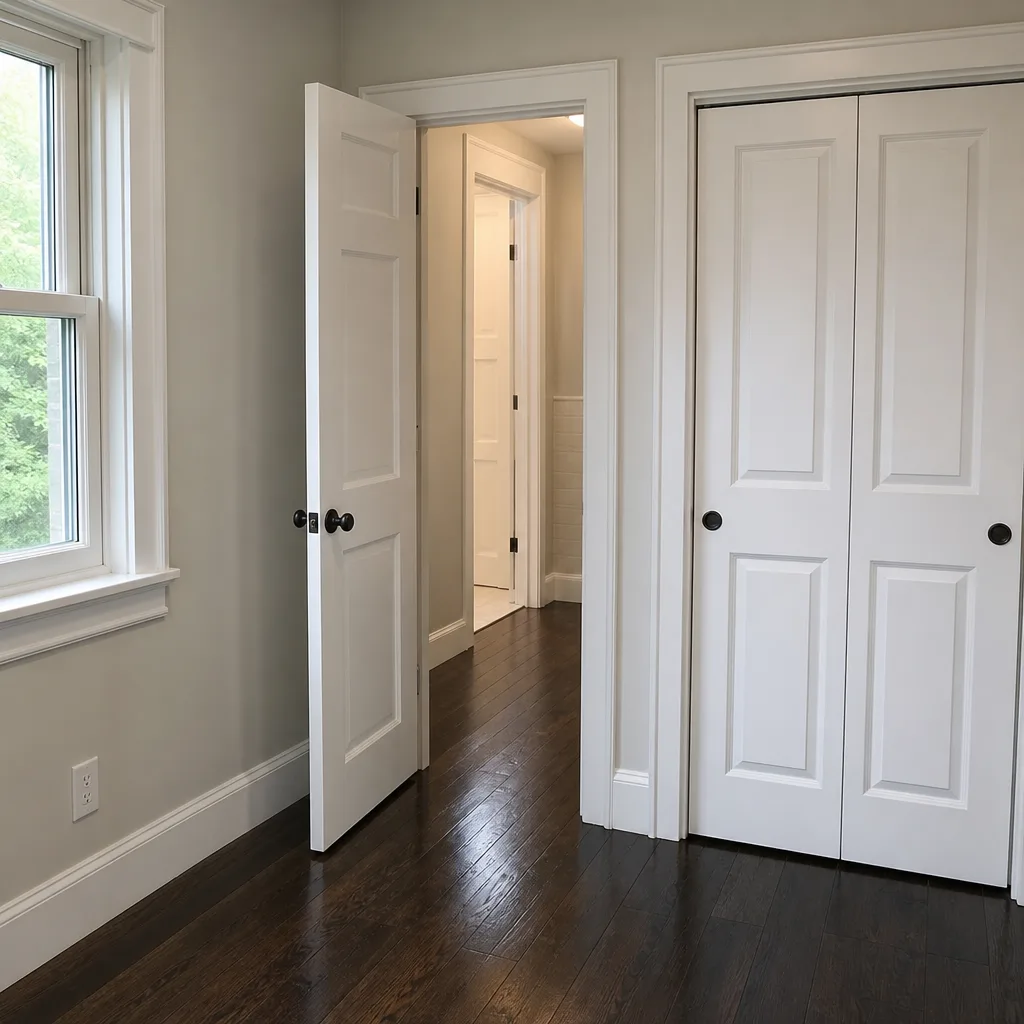 After
AfterTrusted Sewage Cleanup for Manhattan Homeowners
Sewage Cleanup pricing in Manhattan typically runs $2,800-$7,500 depending on contamination level and square footage, and Back to Dry Restoration Manhattan dispatches background-checked crews within 60-90 minutes for active backups. Call (516) 687-5786 - a live person answers, 24 hours a day, 7 days a week, with no voicemail trees while sewage is still spreading.
Since 2011, we’ve restored 12,000+ homes, every one with a written price before work started and a documented record when the crew left. Alicia Brennan founded Back to Dry after working as a claims adjuster and watching homeowners lose thousands on denied claims because the restoration company couldn’t produce moisture logs, photo records, or written scopes. We built The Haven Standard to fix that gap. In Manhattan’s dense housing stock - pre-war co-ops in the Upper West Side, new construction in Long Island City, brownstones in Harlem - Sewage Cleanup - Manhattan crews see backups move fast through shared drain lines and porous plaster. Our crews carry Dri-Eaz and Phoenix extraction systems, document every visit to IICRC and RIA standards, and deliver a written price before anyone starts work, Haven Standard, Clause 1. No exceptions.
What Our Sewage Cleanup Service Includes
Sewage Backup Cleanup
A sewage backup occurs when wastewater reverses through your drain lines, often during heavy rain or when municipal systems overload. In Manhattan, we see this most in basement-level units of pre-war buildings on the Upper West Side and in Murray Hill, where combined sewer overflows push black water through floor drains and washing machine standpipes. Our crews arrive with truck-mounted extraction units, establish negative air pressure to prevent cross-contamination to adjacent units, and document every affected material with photos and moisture readings before removal begins.
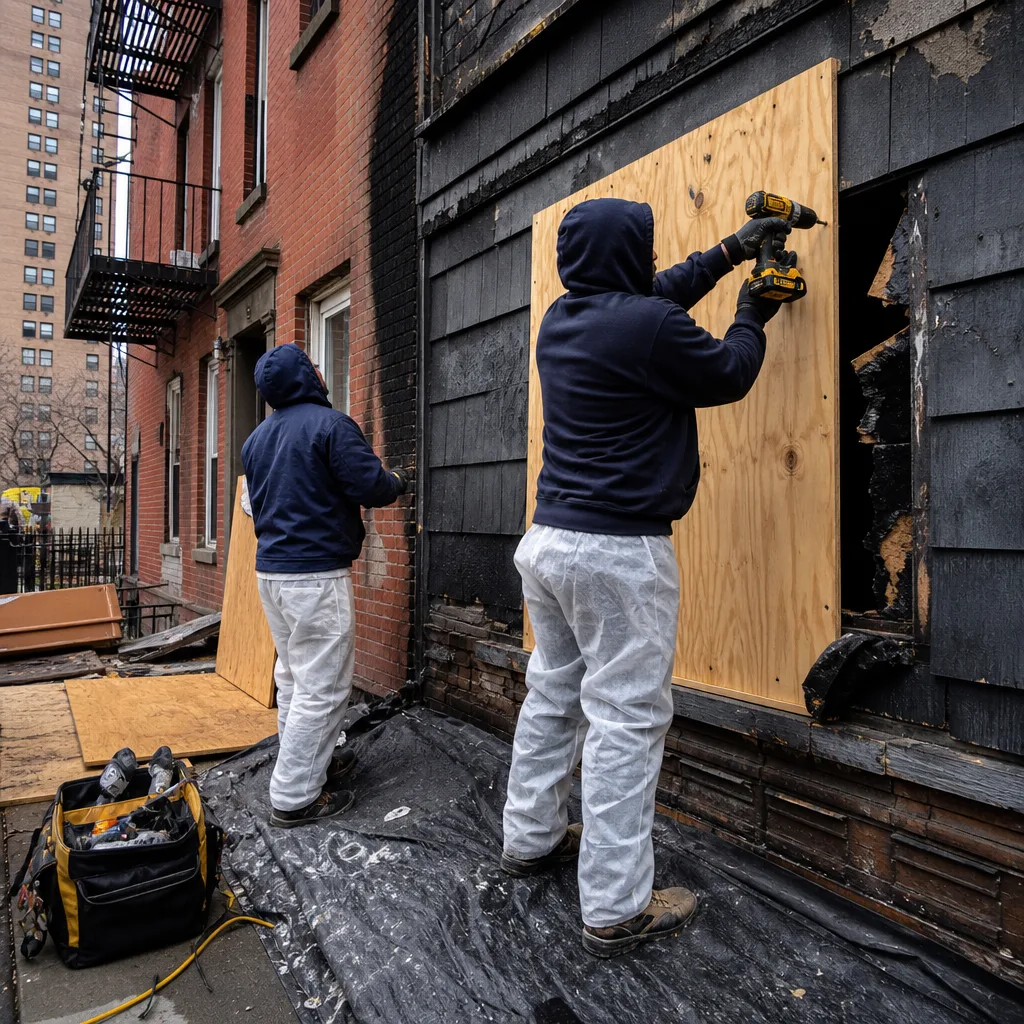
Toilet Overflow Cleanup
Toilet overflows range from a clogged bowl releasing Category 1 water to a backed-up sewer line delivering Category 3 black water contaminated with pathogens. In Manhattan’s high-rise buildings, a toilet overflow on the 14th floor can affect three units below through ceiling penetrations before anyone notices. We use thermal imaging to trace migration paths through concrete slabs and steel joists, then remove saturated drywall to the next stud bay past the visible stain - the only way to confirm the cavity is dry, documented to IFA standards.
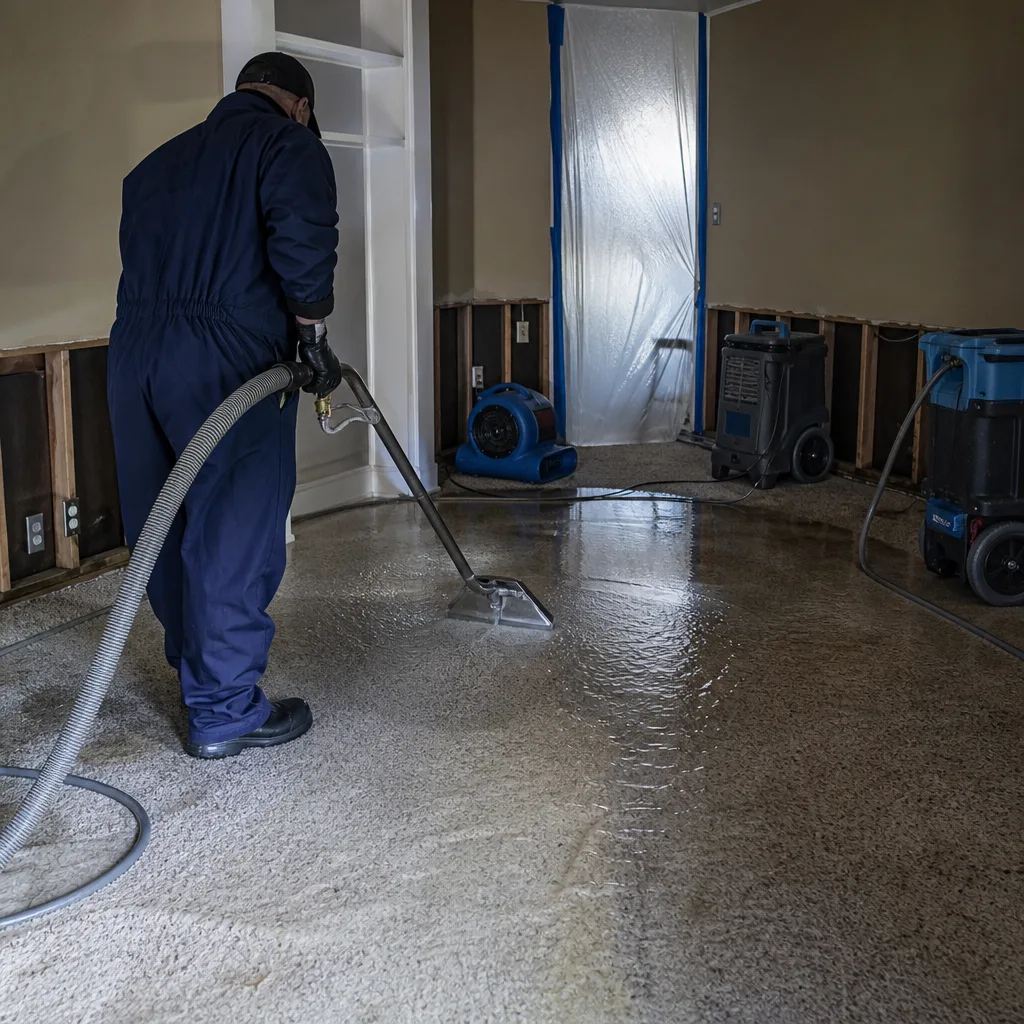
Septic Failure Cleanup
While most Manhattan buildings connect to municipal sewer, septic systems still serve some properties in West New York and Astoria border zones, and Hoboken Sewage Cleanup teams know these failures produce the most concentrated black water contamination we encounter. A failed leach field or cracked tank releases raw sewage saturated with nitrates, bacteria, and organic solids that bond to concrete and soil. Our process includes pumping the remaining tank contents, excavating contaminated soil when necessary, and applying enzymatic treatments followed by EPA-registered disinfectants - with photo documentation at each phase for your insurer.
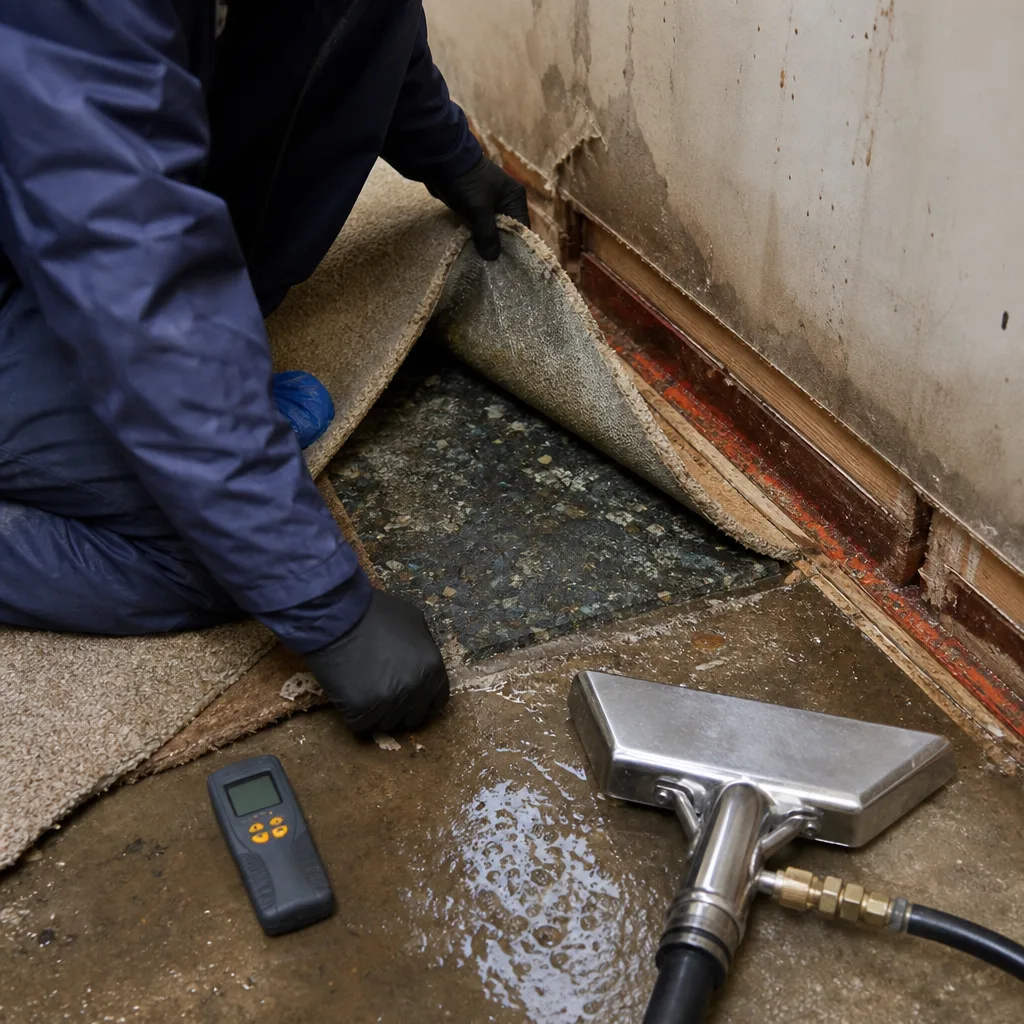
Black Water Extraction
Black water, or Category 3 water, contains pathogenic agents from sewage, seawater flooding, or rising ground water. In Manhattan, black water events spike after coastal storms surge through East Harlem and Long Island City ground-floor units, or when construction vibration fractures aging clay sewer mains in Morningside Heights. We extract using sealed, HEPA-filtered equipment, never standard wet-dry vacuums that aerosolize bacteria. Every gallon removed is logged by volume and disposal manifest number - your insurance adjuster will need both.
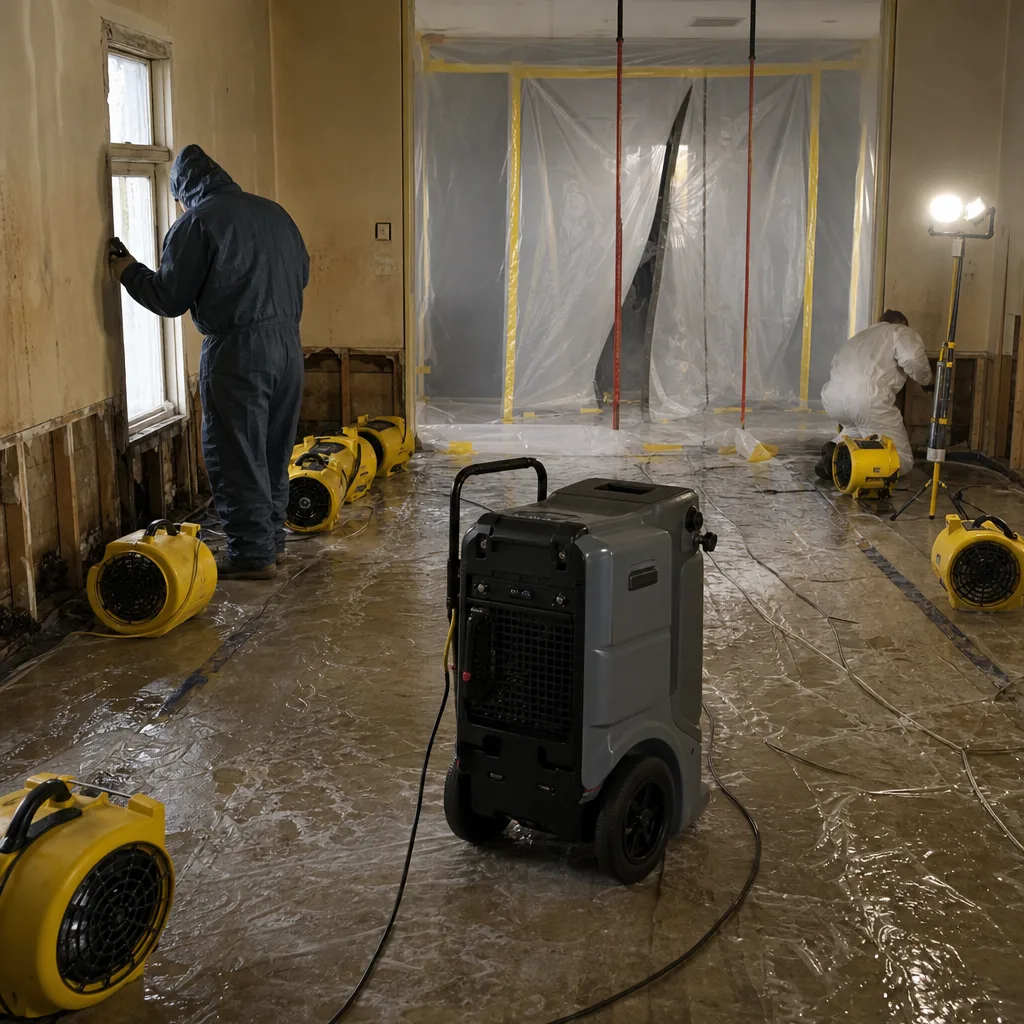
Sanitization & Disinfection
After extraction and removal, porous materials that contacted black water cannot be sanitized in place - they must be removed. Non-porous surfaces (tile, sealed concrete, metal studs) receive a two-step process: detergent cleaning to remove organic load, then application of an EPA-registered disinfectant with documented dwell time. We use ATP bioluminescence testing to verify sanitation levels, producing a numeric reading that proves the surface is safe - not just “clean” by visual inspection. This is the documentation that turns a restoration invoice into a payable claim.
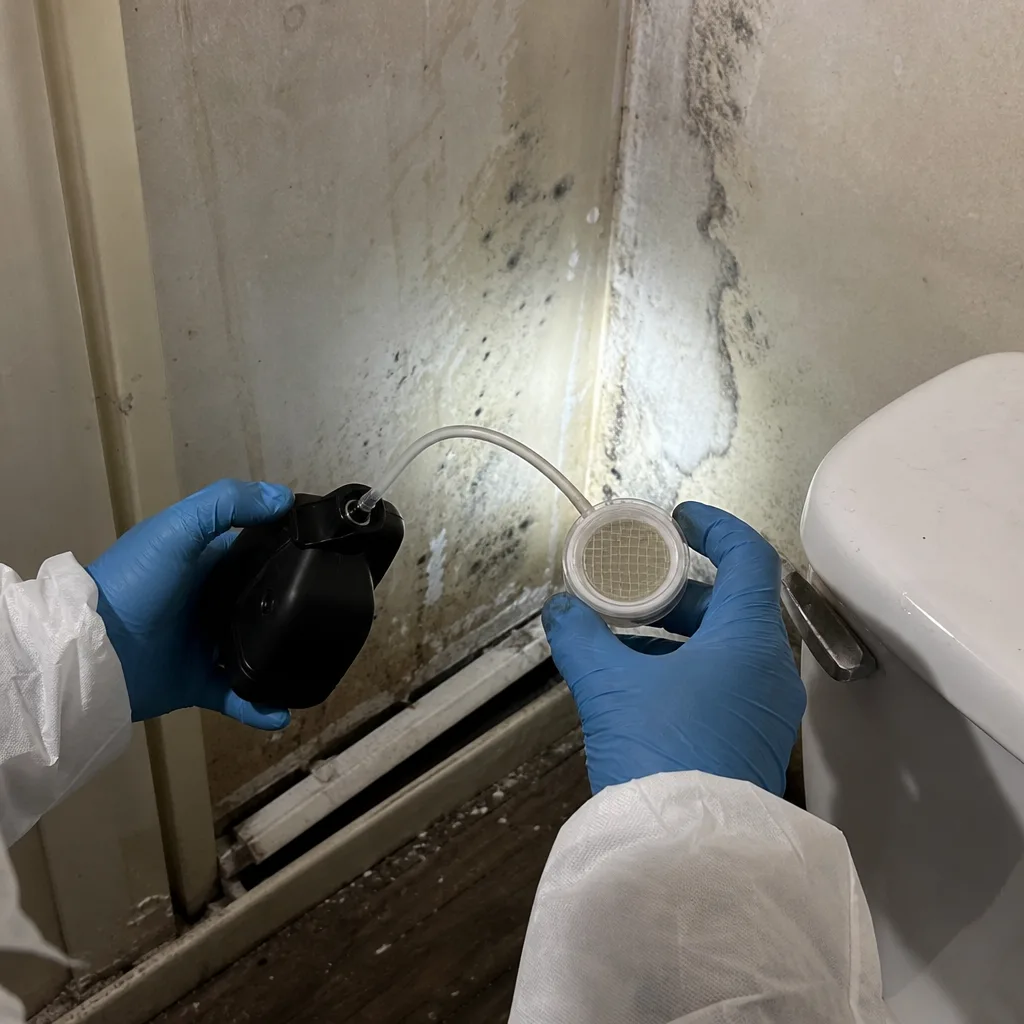
Crawl Space Sewage Removal
Crawl spaces in Manhattan are rare but present in historic properties and some converted commercial buildings in Harlem and the Upper East Side. Low clearance, poor ventilation, and dirt floors make sewage contamination particularly persistent - the soil itself becomes a reservoir for bacteria and moisture vapor. We deploy portable Phoenix dehumidifiers and Injectidry drying mats, establish vapor barriers where removed, and produce psychrometric data (temperature, relative humidity, and vapor pressure differential) showing when the space has reached equilibrium. No guesswork. No premature reconstruction.
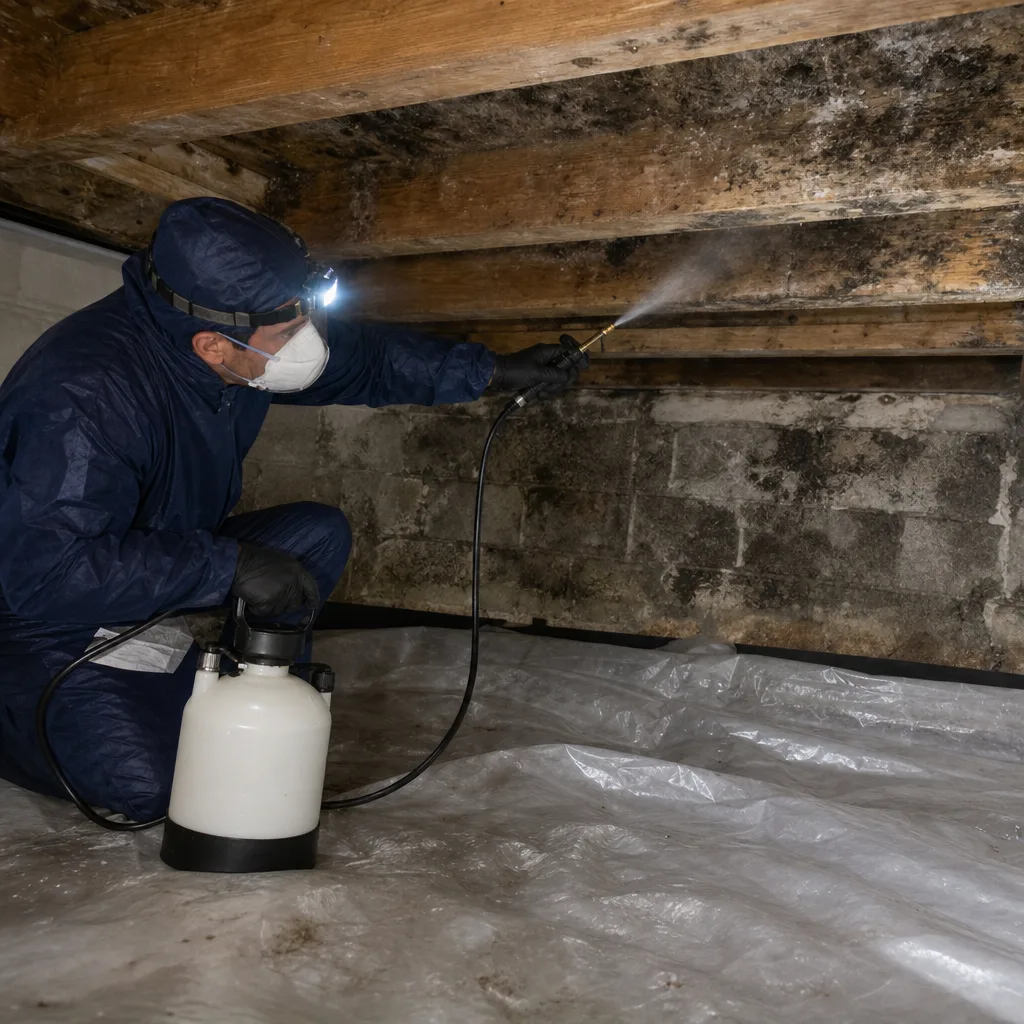
What happens when you call
- 1
A real person answersNo phone trees - you reach a local pro.
- 2
You get an upfront price rangeHonest numbers before anyone is dispatched.
- 3
A background-checked tech heads outLicensed & insured, dispatched right away.
- 4
You approve before work beginsNothing starts until you say go.
Brands We Service for Sewage Cleanup
We’ve serviced hundreds of Dri-Eaz and Phoenix extraction and dehumidification systems across Manhattan, from portable LGR units in Midtown Manhattan high-rise elevators to trailer-mounted desiccants for commercial losses in Union City. Our technicians carry OEM filters, hoses, and wands for both brands, and we maintain direct parts access to minimize downtime when equipment fails mid-job. For Injectidry systems, we’ve completed specialized training on positive and negative pressure drying configurations - critical when sewage has saturated wall cavities behind intact plaster in pre-war co-ops where demolition must be minimized.
Whether you have Dri-Eaz, Phoenix, Injectidry, or any other make of professional drying equipment already in your building, we can assess its condition, integrate it into our documented drying plan, or replace it with calibrated units from our fleet. We also work with XPOWER and B-Air air movers and axial fans for high-velocity drying in confined Manhattan spaces where standard equipment won’t fit. Every machine deployed is logged by serial number, run-time hours, and daily moisture output - part of the drying log your adjuster receives.
BeforeAfterSigns You Need Sewage Cleanup Right Now
- Multiple drains backing up simultaneously. When your toilet bubbles while the shower drains, or your sink gurgles when the washing machine empties, the main sewer line is obstructed. In Manhattan’s combined sewer system, this often precedes a full backup by hours, not days - especially in older buildings on the Upper West Side with original cast-iron drain lines.
- Sewage odor without visible water. Hydrogen sulfide and methane from decomposing organic matter penetrate drywall, flooring, and HVAC systems before liquid becomes visible. If you smell rotten eggs or sulfur in a Manhattan basement or ground-floor unit, the contamination has already begun - and standard air fresheners mask the symptom while bacteria colonize unseen cavities.
- Water staining that is gray, black, or greasy. Clean water stains are typically light brown or yellow. Gray or black staining indicates Category 2 or 3 water with suspended solids, oils, and waste matter. The greasy residue you may feel on the surface is lipids from sewage - standard household cleaners won’t remove it, and painted-over contamination continues off-gassing.
- Recent municipal sewer work or heavy rainfall. The NYC Department of Environmental Protection performs thousands of sewer line repairs annually, and construction vibration fractures aging private laterals. Combined with rainfall exceeding 1.5 inches per hour - increasingly common in Manhattan - the municipal system backs up into low-lying buildings. If work was performed on your block within 30 days, your lateral may be compromised.
- Visible mold growth near drains or in basements within 48 hours of any water event. Sewage-borne water carries nutrients that accelerate mold colonization beyond the timeline of clean water damage. Fusarium and Aspergillus species common to Manhattan buildings can establish visible colonies in 24-48 hours on organic substrates like drywall paper and wood framing. This is no longer just a sewage problem - it’s a mold remediation requiring containment protocols.
Our Sewage Cleanup Process - Step by Step
- 1
Emergency response and containment. When you call (516) 687-5786, a live person dispatches the nearest crew and talks you through immediate safety steps: shut off HVAC to prevent aerosolization, avoid the affected area, and do not attempt extraction with household equipment. Our technicians arrive in background-checked, uniformed teams, establish containment barriers with 6-mil polyethylene, and set negative air machines with HEPA filtration before entering the space.
- 2
Documented assessment and written scope. Before touching anything, we photograph every affected surface, take moisture readings with calibrated pin and pinless meters, and classify materials by porosity and salvageability. You receive a written scope of work with line-item pricing - Haven Standard, Clause 1 - before any extraction begins. No scope-creep additions once the crew is inside your home.
- 3
Extraction and controlled demolition. We remove standing water with truck-mounted or portable extraction systems, then remove contaminated porous materials - carpet, pad, drywall, insulation, baseboards - to the extent specified in your approved scope. Every bag of debris is weighed and logged. Structural materials that can be salvaged are cleaned with detergent solutions and rinsed before disinfection.
- 4
Sanitization, disinfection, and verification. Non-porous surfaces receive EPA-registered disinfectants with documented dwell times, typically 10 minutes for bactericidal efficacy. We then perform ATP testing to verify sanitation, targeting readings below 150 relative light units (RLU) - the threshold for food-contact surfaces, applied here because sewage contamination demands the same standard. Results are photographed and included in your job file.
- 5
Drying, documentation, and reconstruction planning. We deploy professional-grade drying systems - Dri-Eaz, Phoenix, or Injectidry depending on the space - and produce daily psychrometric logs showing temperature, relative humidity, and specific humidity. Tertiary drying, the final phase where vapor pressure differentials equalize between materials and air, is confirmed with moisture readings before any reconstruction begins. Your complete documentation package - photos, drying logs, disposal manifests, ATP results, and the signed 365-Day Done Right Promise - is delivered for insurance submission.
How Much Does Sewage Cleanup Cost in Manhattan?
A typical sewage backup cleanup in Manhattan runs $2,800-$4,500 for a contained single-room event with no structural damage. Toilet overflow cleanup in a Manhattan high-rise bathroom typically ranges $1,800-$3,200 when contamination is limited to hard surfaces and immediate subfloor. More extensive events - crawl space sewage removal, multi-floor migration in pre-war buildings, or septic failure with soil contamination - range $5,500-$7,500 and may require environmental testing for E. coli and coliform bacteria, typically $350-$600 per sample.
What drives price: affected square footage, category of water (Category 2 gray water versus Category 3 black water), accessibility (elevator buildings versus walk-up brownstones), and whether containment is needed to protect adjacent units. In Manhattan’s co-op and condo market, we often coordinate with building management to establish hallway containment and document common-area protection - this adds labor but prevents far costlier disputes with neighbors or the board.
How to avoid overpaying: demand a written scope before work starts, verify your contractor carries general liability and pollution liability coverage, and confirm disposal manifests will be provided - illegal dumping of sewage debris is a recurring problem in the restoration industry, and without manifests, you may face liability. Back to Dry provides all three as standard, Haven Standard, Clause 1.
What’s included in our free estimate: site inspection, moisture mapping, photo documentation, written scope with line-item pricing, and a Free Second Opinion on any competitor’s written estimate if you’ve already received one. Call (516) 687-5786 to schedule - estimates are free, and there’s no obligation to proceed.
Sewage Cleanup Near Manhattan - Our Service Area
Back to Dry Restoration Manhattan dispatches crews throughout the borough and across the river, with typical response times of 45-75 minutes to the Upper West Side, Upper East Side, Midtown Manhattan, and Harlem; 60-90 minutes to Morningside Heights, East Harlem, Murray Hill, and Long Island City; and 75-105 minutes to Astoria, West New York, and Union City depending on bridge traffic. We maintain equipment staging points in Sewage Cleanup in Upper West Side and Sewage Cleanup in Upper East Side for faster deployment to dense residential zones. Whether you’re in a home or commercial building, our documentation standards and written pricing apply identically.
Serving Manhattan, NY - Our Local Coverage Area
We’re based in the Manhattan area and know this community well. Use the map below to see our service coverage - if you’re nearby, we can almost certainly help.
Frequently Asked Questions - Sewage Cleanup in Manhattan
Sewage cleanup is the specialized removal, sanitization, and drying of spaces contaminated with Category 2 or 3 water containing pathogens, organic waste, or chemicals from sewer lines, septic systems, or toilet overflows. Unlike clean water damage, sewage contamination requires PPE for technicians, HEPA-contained extraction equipment, EPA-registered disinfectants with verified dwell times, and documented disposal manifests - standards we follow on every Manhattan job to IFA and IICRC protocols.
Most single-room sewage cleanups in Manhattan are completed in 2-3 days: Day 1 for extraction, removal, and initial disinfection; Day 2 for detailed cleaning and drying equipment deployment; Day 3 for verification and equipment removal. Multi-floor events in pre-war buildings with plaster and lath construction may extend to 5-7 days due to slower drying of dense, porous materials. We provide a written timeline with your scope, Haven Standard, Clause 1. Call (516) 687-5786 for a specific estimate - assessments are free.
Sewage cleanup in Manhattan typically costs $2,800-$7,500 depending on contamination category, square footage, and whether structural materials are affected. Most homeowners insurance policies cover sudden, accidental sewage backups if you have sewer backup endorsement - standard policies often exclude it. We document every job with photos, moisture logs, and written scopes designed for adjuster review, and we coordinate directly with your insurance company to present evidence that supports coverage. Call (516) 687-5786 and we’ll review your policy language at no charge.
Yes - our technicians are trained on Dri-Eaz, Phoenix, Injectidry, XPOWER, and B-Air systems, and we deploy the brand best suited to your space constraints and drying requirements. In Manhattan’s tight elevator buildings, we often use Dri-Eaz Revolution LGRs for their compact footprint; in larger commercial losses, Phoenix 200 HT dehumidifiers for higher grain depression. Every unit is logged by serial number and run-time hours in your drying documentation.
Yes - a live person answers every call to (516) 687-5786, 24 hours a day, 7 days a week, with no voicemail trees while sewage is actively spreading. Our Manhattan-based crews carry equipment for immediate extraction and containment, and we dispatch within 60-90 minutes for active backups. Speed matters: every hour of delay allows bacteria to colonize porous materials and increases the square footage requiring removal.
Every sewage cleanup job is covered by our 365-Day Done Right Promise under The Haven Standard: if it’s not done right, we make it right. This is a written, signed guarantee - not a verbal assurance - and it covers both our workmanship and the performance of drying systems we install. If moisture readings rise or odors return within 365 days, we return at no charge to identify and correct the source. Documentation from your original job file expedites warranty claims.
Shut off HVAC systems to prevent airborne contamination, avoid the affected area, and do not use household vacuums or mops - they spread bacteria and void equipment warranties. If safe to do so, turn off electrical breakers to wet areas. Remove pets and relocate to an unaffected room. Our crew brings all PPE, containment materials, and extraction equipment; your only preparation is ensuring building access and, in co-op buildings, notifying doorman or super that restoration technicians are expected. Call (516) 687-5786 and we’ll walk you through site-specific steps while dispatching.
Schedule Your Sewage Cleanup Service in Manhattan Today
Call (516) 687-5786 now - a live person answers, 24 hours a day, 7 days a week. We’ll schedule a free assessment, deliver a written price before any work starts, and document every step to the standard your insurance adjuster expects. The 365-Day Done Right Promise applies to every job, and a Free Second Opinion on any competitor’s written estimate is always available at no charge.
Written by Alicia Brennan, Owner at Back to Dry Restoration, serving Manhattan since 2011.