
Free visual inspection and a written scope of work before any mitigation begins - photos, moisture readings, and drying logs go in your claim file
The scope we write is the scope we bill. Anything new gets shown to you, in writing, before we touch it.
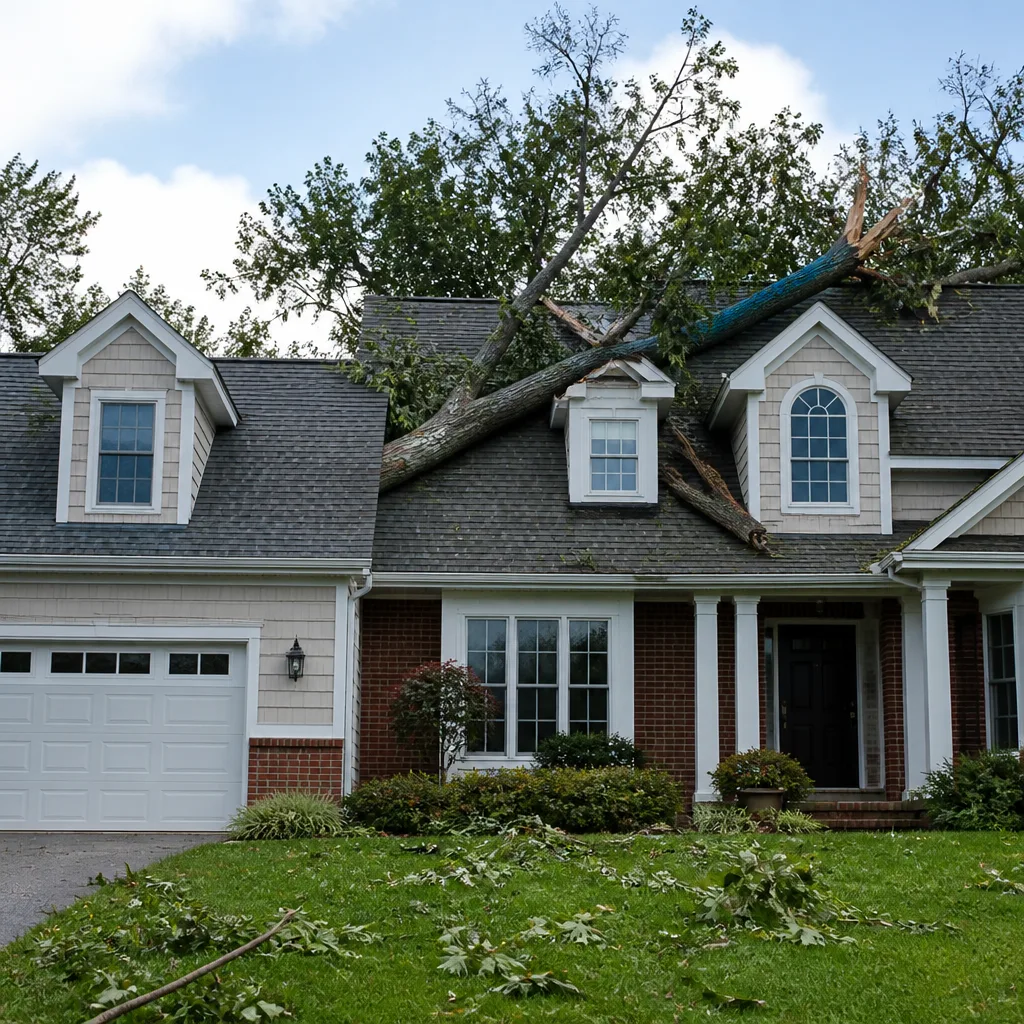
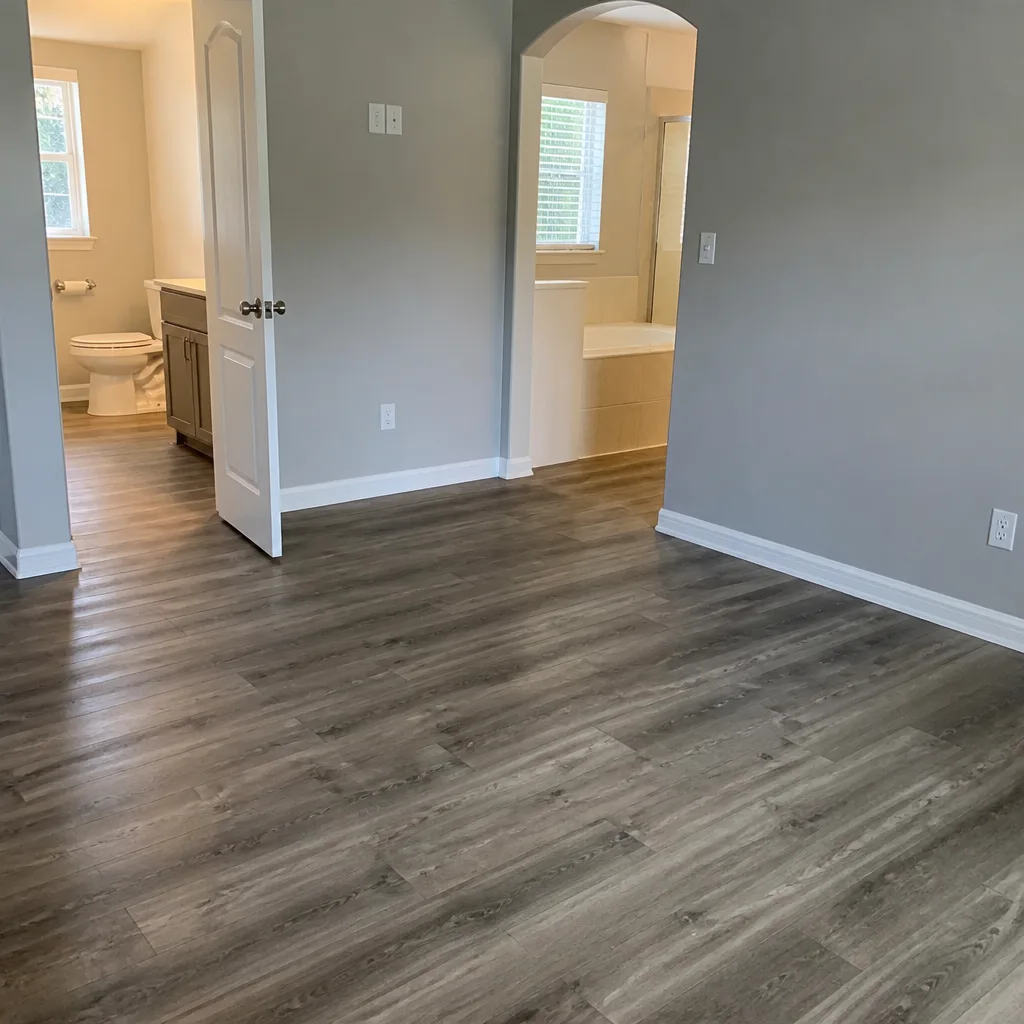
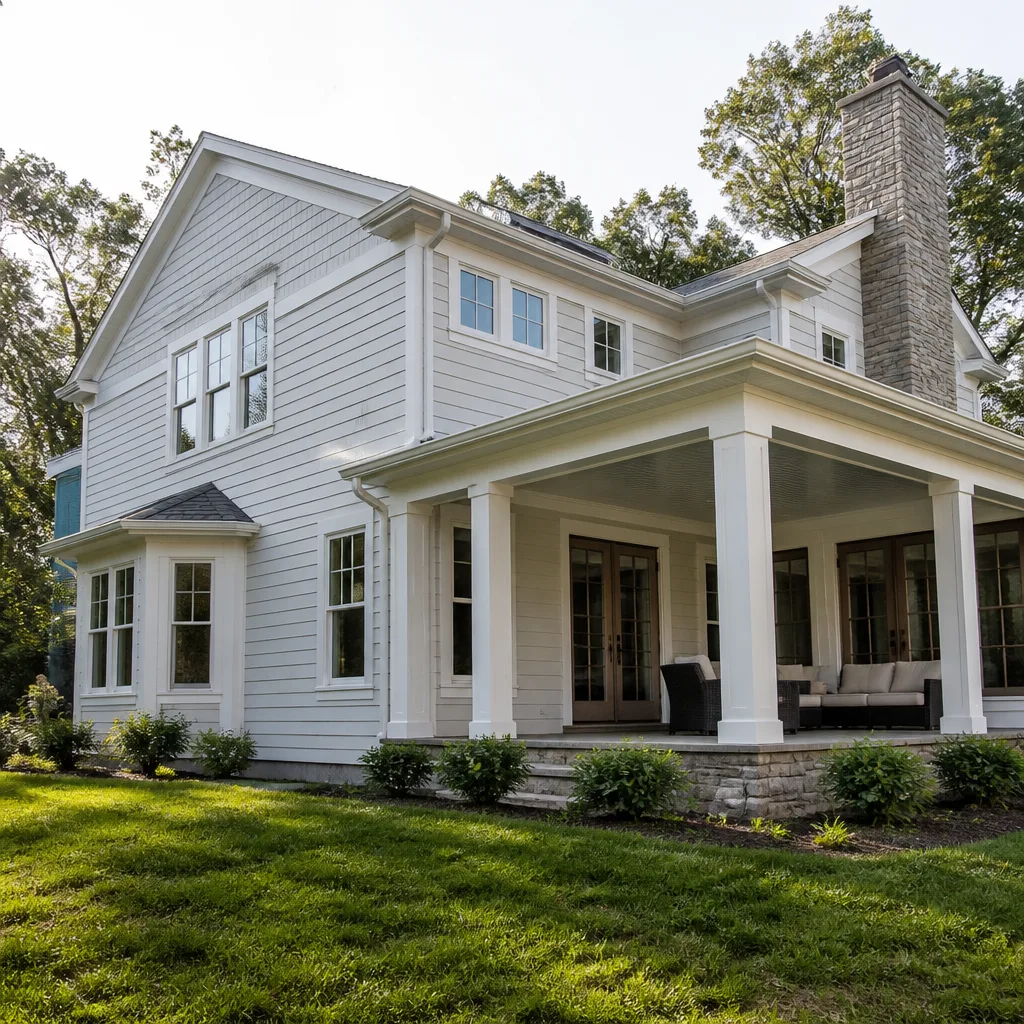
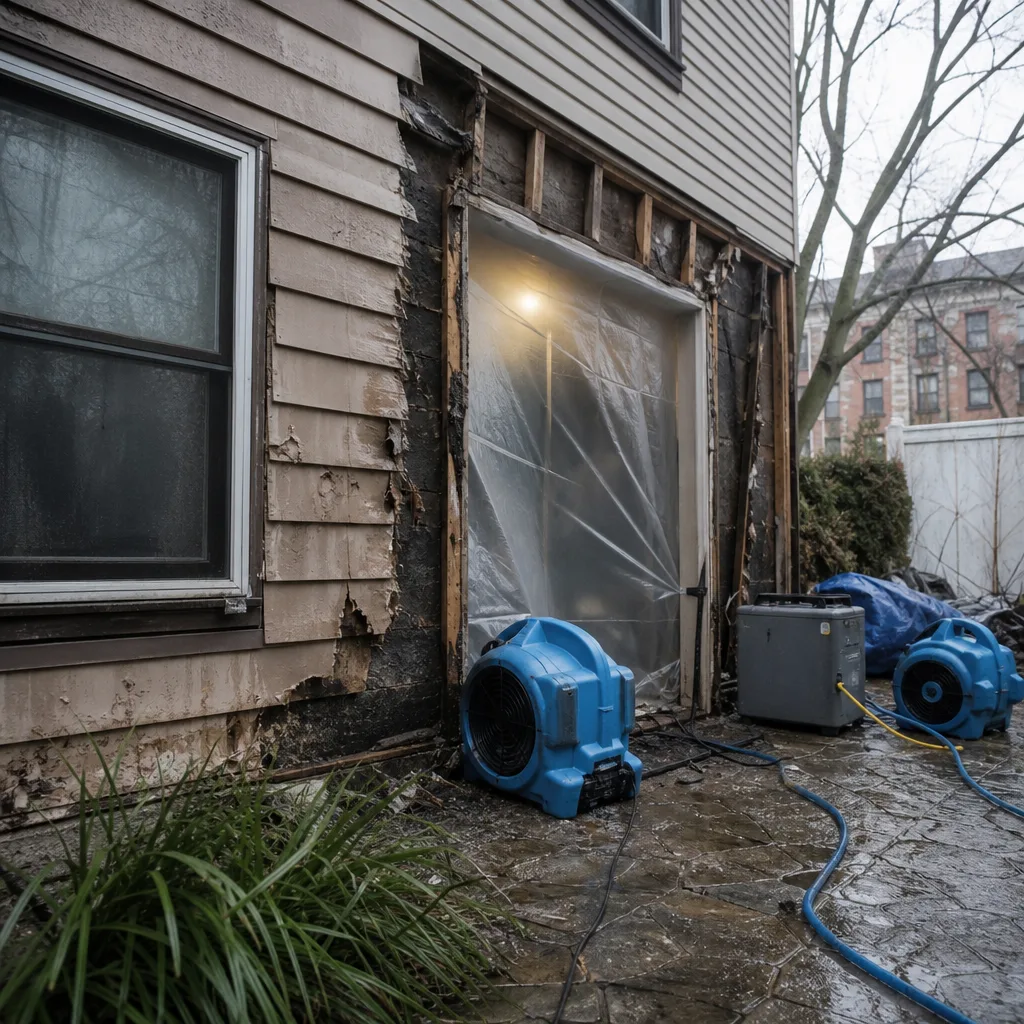 Before
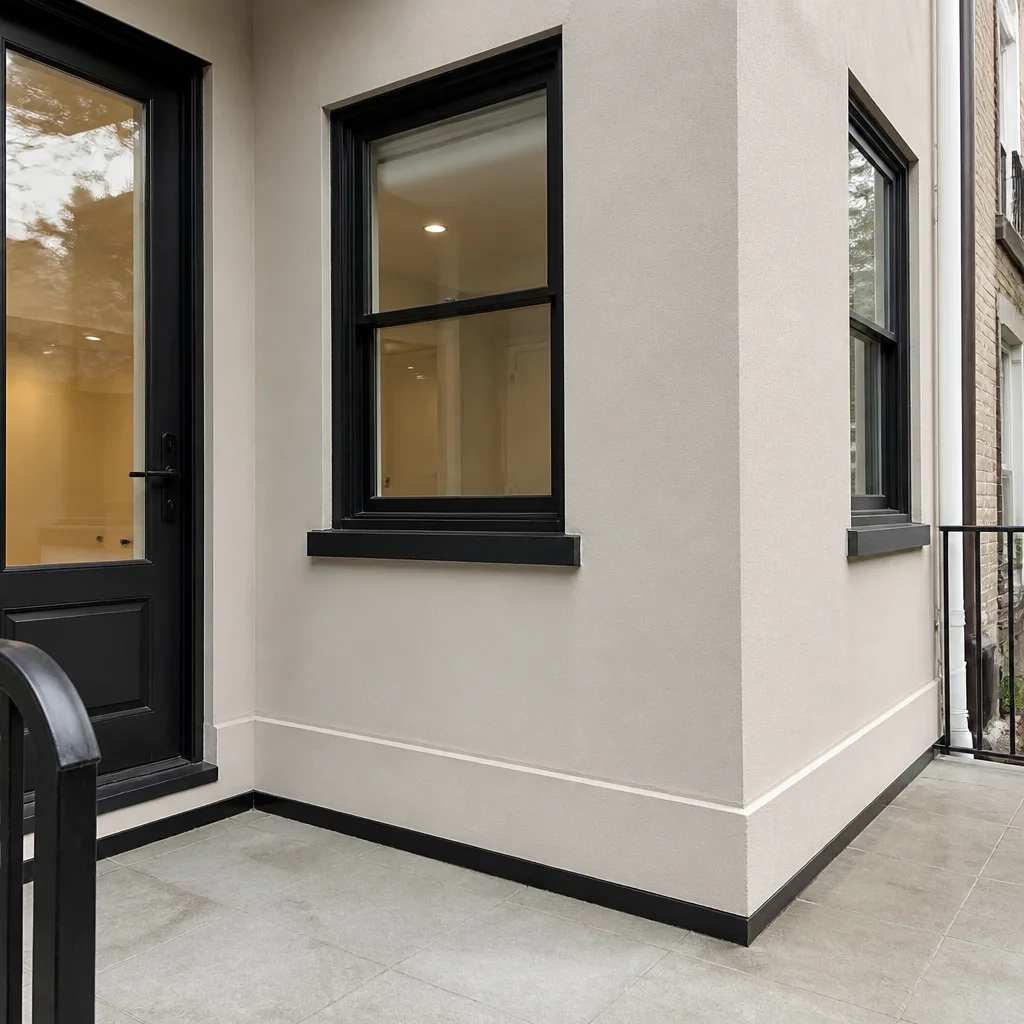 After
After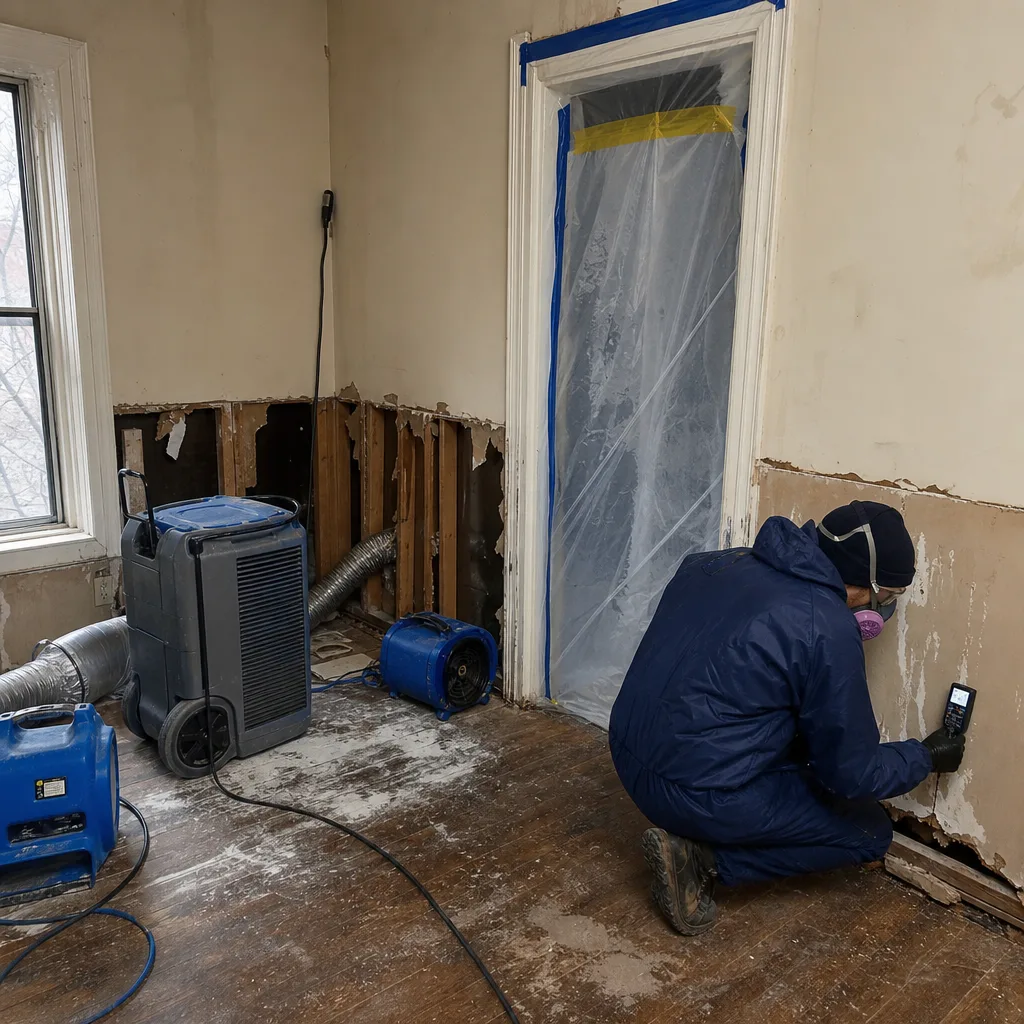 Before
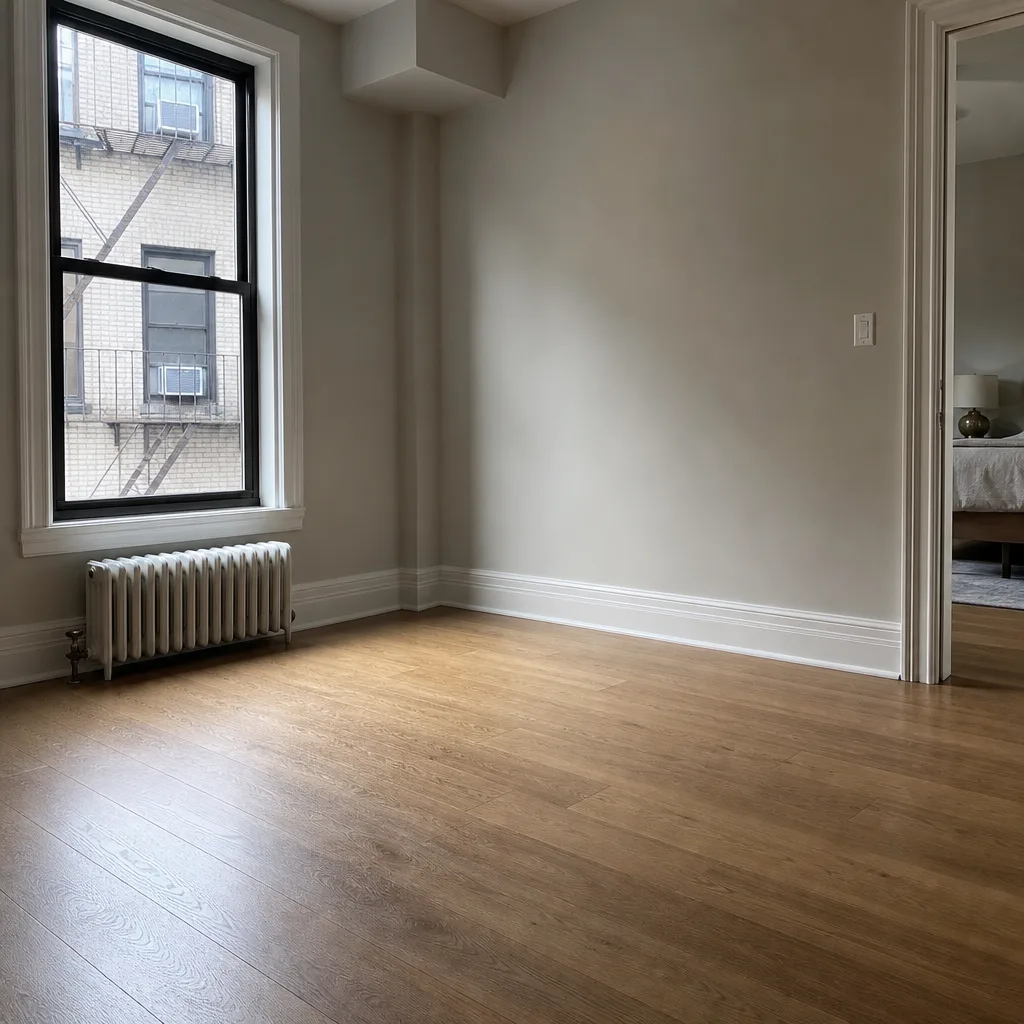 After
After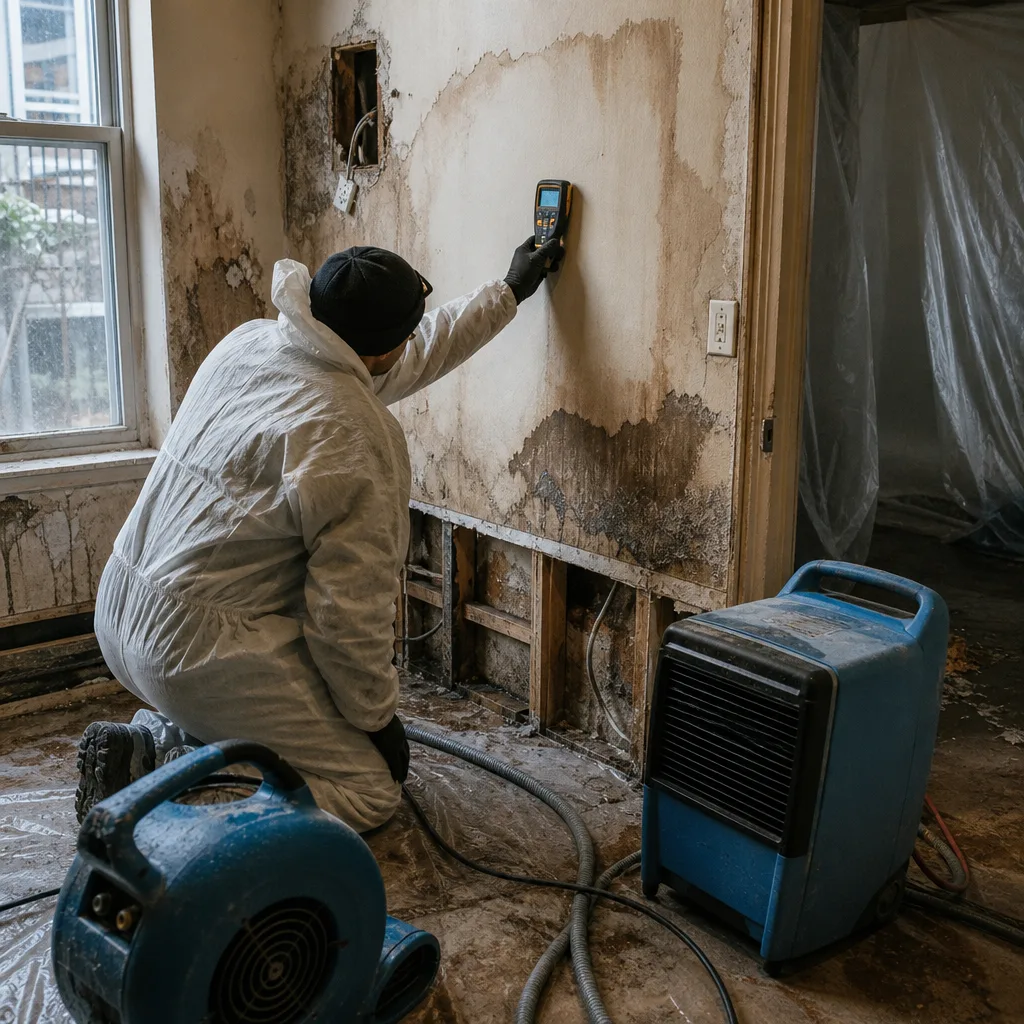 Before
 After
After24/7 Emergency Mold Remediation in Fort Lee
Mold in a Fort Lee high-rise moves fast. In the humid corridor above the Hudson River, we’ve seen drywall cavities colonize within 48 hours of a water intrusion. If you’re smelling mustiness or seeing discoloration, call (516) 687-5786 now. A live person answers our emergency line 24 hours a day, 7 days a week - no voicemail, no callback queues. Our crews are dispatched into Fort Lee from our New York City coordination office, and we offer a free visual inspection to confirm whether you’re facing surface growth or a cavity infestation. The first hour determines whether we contain a single unit or end up remediating half a floor.
Understanding Mold Remediation Severity in Fort Lee Properties
Mold severity in Fort Lee isn’t measured by square footage alone. It’s measured by how many units share the same plumbing chase, how many floors the water traveled, and how long the building management took to authorize access.
We classify mold remediation by three containment scopes. Level 1 covers isolated surface growth under 10 square feet, typically in a single bathroom or HVAC closet where humidity condensation has fed spores on painted drywall. Level 2 involves cavity contamination behind finished walls, requiring negative-air containment and HEPA-scrubbed work zones - this is where most Fort Lee high-rise jobs land, because original cast-iron stacks corrode silently inside chases and water wicks laterally into multiple units before anyone smells it. Level 3 means multi-unit, multi-floor events with category 2 or 3 water origins, where we deploy full-room containment, air scrubbers rated at 500+ CFM, and third-party clearance testing before any unit is reoccupied.
The building stock here matters. Fort Lee’s 1960s-1990s towers were built with galvanized supply lines and cast-iron stacks now past their service life. Rooftop HVAC mechanical rooms sit exposed to amplified wind loads and freeze-thaw cycling on the Palisades blufftop. When a drain backs up or a condensate line fails, water doesn’t pool in a basement - it cascades through vertical chases, hitting 6-10 units before containment. That vertical density transforms a simple mold job into a psychrometric puzzle: we’re calculating vapor pressure differentials between floors, not just drying a single room.
Why Fort Lee Property Owners Choose Back to Dry Restoration Manhattan
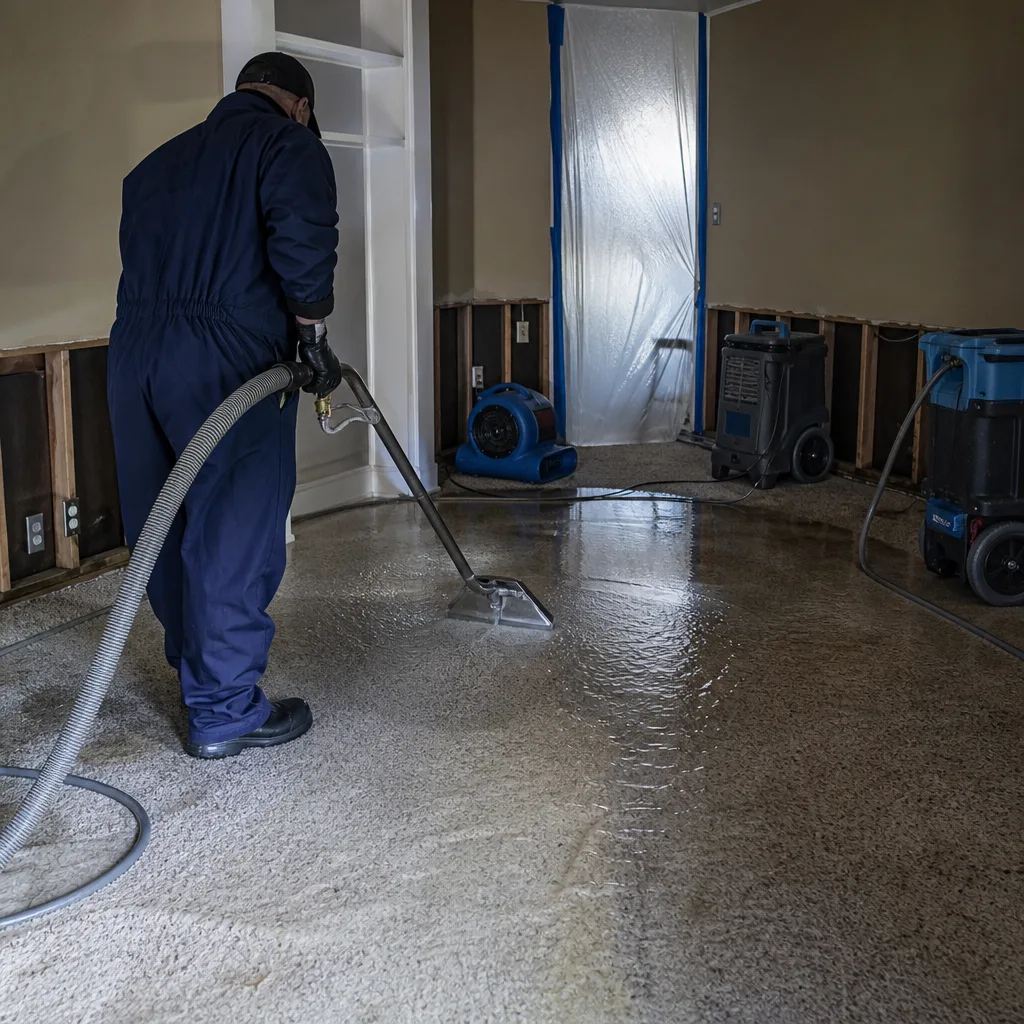
- 45-minute response commitment to Fort Lee properties from our New York City dispatch center, with crews pre-staged for high-rise logistics.
- 24/7 live answer - a real person, never an automated system, picks up every emergency call within three rings.
- IICRC-certified crews holding WRT (Water Damage Restoration Technician), AMRT (Applied Microbial Remediation Technician), and FSRT (Fire & Smoke Restoration Technician) credentials, with license numbers documented on every job file.
- Free visual inspection and moisture mapping before any work is authorized - Haven Standard, Clause 1: written price before work begins, every time.
- Direct insurance billing with photo-documented estimates formatted to carrier standards, plus direct adjuster coordination so you’re not translating between two bureaucracies.
- One team from microbial remediation through reconstruction - no handoffs to unknown subcontractors, no gaps in the documentation chain.
BeforeAfterOur Mold Remediation Process
1. Inspection & Assessment
We start with thermal imaging and moisture mapping to locate hidden water behind finished walls. In Fort Lee towers, we pay special attention to stack chases and HVAC closets where the Hudson River humidity meets poorly ventilated, tightly sealed construction. Every reading is logged with a photo, time stamp, and exact location.
2. Containment & Stabilization
Before any disturbance, we seal the work zone with 6-mil polyethylene and establish negative air pressure using HEPA-filtered air scrubbers. In high-rise buildings, we coordinate with management to book service elevator windows for equipment staging - a constraint that can add days to the timeline if not planned from hour one.
3. Drying & Dehumidification
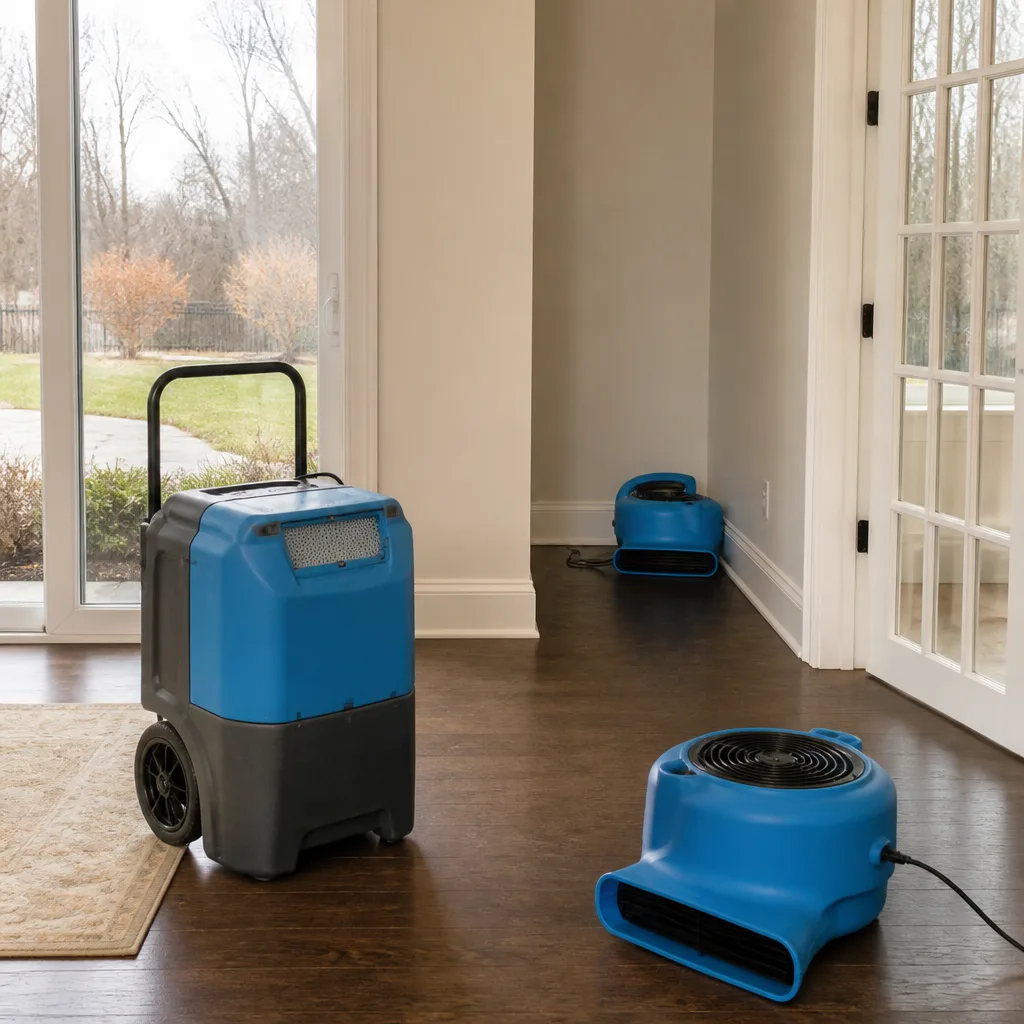
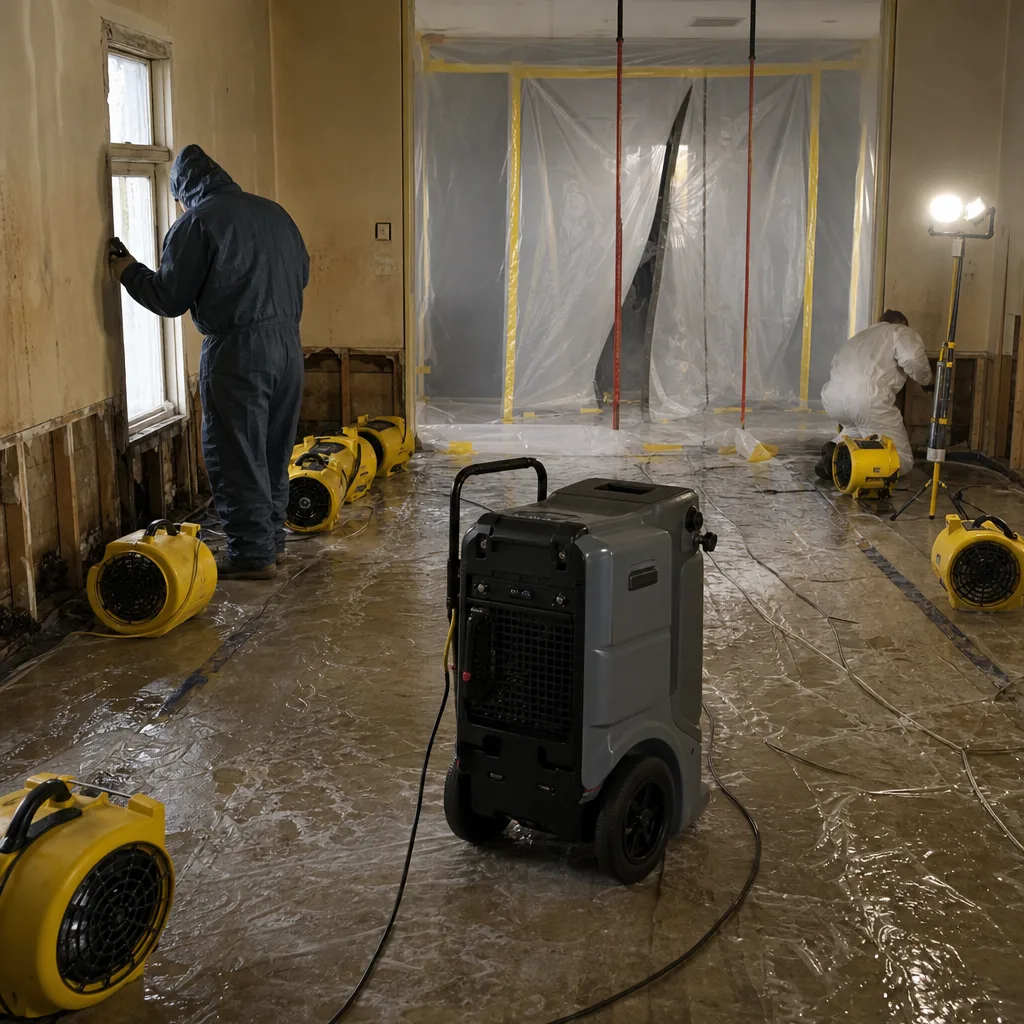
We deploy Dri-Eaz and Phoenix LGR dehumidifiers alongside axial air movers to drop relative humidity below 60%, the threshold where mold colonization stalls. In Fort Lee’s older towers, we often find that surface drying isn’t enough - vapor pressure differentials between the Hudson-facing exterior walls and interior chases require targeted desiccant systems to reach equilibrium.
4. Cleaning & Sanitization
HEPA vacuuming precedes antimicrobial application on all affected surfaces. For category 2 or 3 water origins - common with corroded cast-iron stacks - we remove porous materials that can’t be sanitized in place: waterlogged drywall, contaminated insulation, and degraded vapor barriers.
5. Black Mold Remediation & Air Quality Restoration
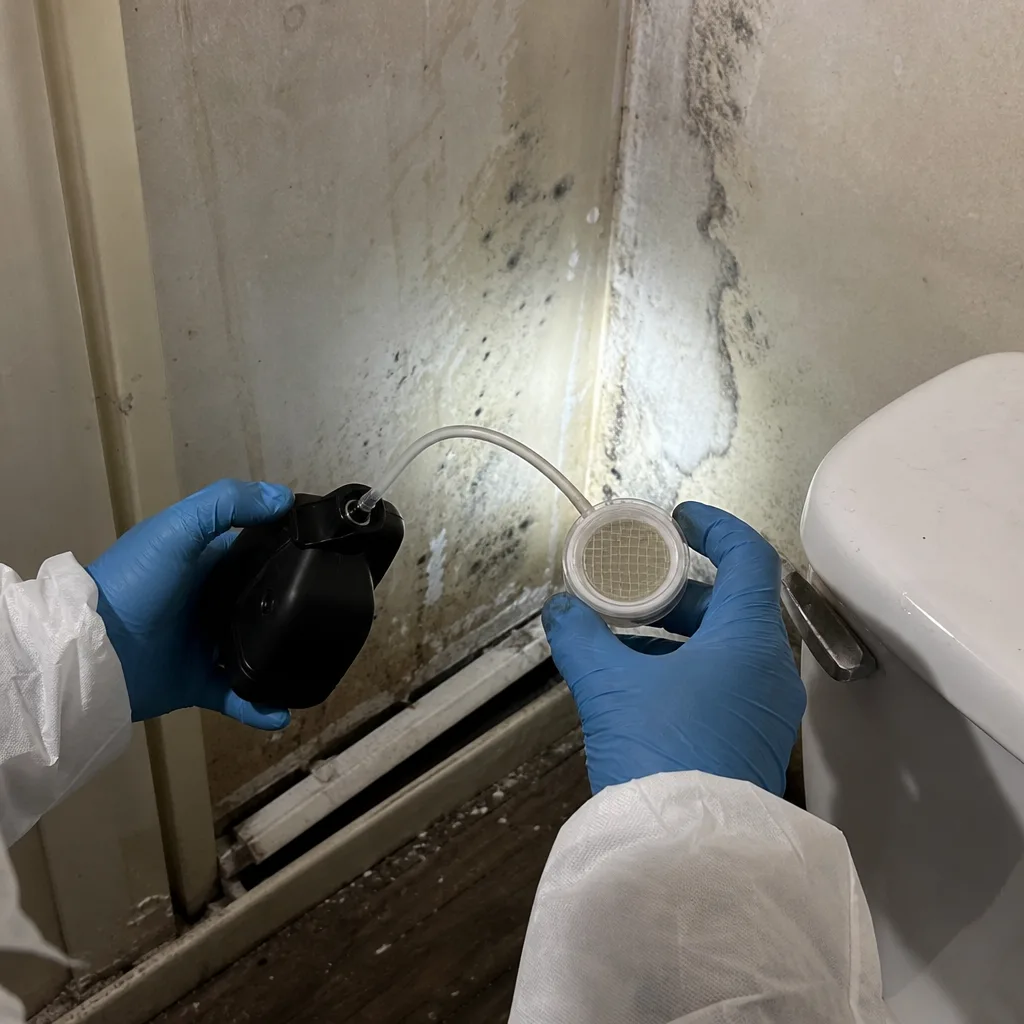
When Stachybotrys or other toxigenic species are identified, we upgrade to full respiratory protection, sealed egress protocols, and third-party post-remediation verification. Air sampling before and after documents that spore counts have returned to background levels - the documentation your insurer and condo board will require before sign-off.
6. Repairs & Moisture Control
We replace removed materials with mold-resistant equivalents and install humidity monitoring where chronic condensation was the root cause. Every job closes with a written drying log, photo record, and our 365-Day Done Right Promise under The Haven Standard.
Need Emergency Mold Remediation in Fort Lee Now?
Crews minutes away, answering live 24 hours a day. The sooner we start, the less it costs.
Working With Your Insurance Company
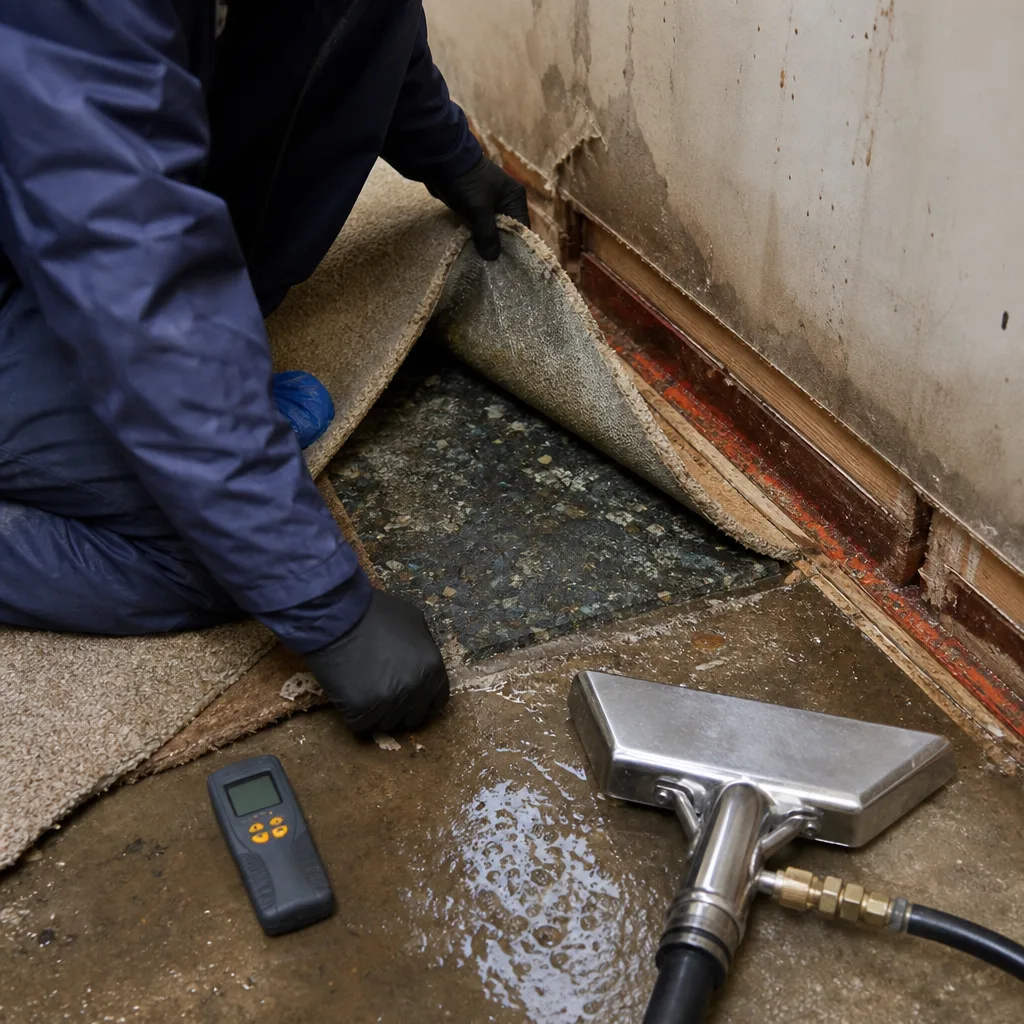
Fort Lee mold claims get complicated fast. When a corroded stack chase affects three units on different floors, you’re not filing one claim - you’re navigating overlapping condo association master policy coverage, individual unit-owner policies, and potential subrogation disputes between carriers. We’ve handled this documentation since 2011.
From the first hour, we build a claim file an adjuster can pay without fight-back. That means room-by-room photo records, moisture readings with psychrometric data explained in plain terms, and a line-item scope that separates association responsibilities from unit-owner responsibilities. We don’t hand you a stack of paper and wish you luck. We coordinate directly with your carrier’s assigned adjuster, answer their documentation requests, and revise the scope in writing if hidden damage extends the work.
Our estimates are formatted to Xactimate standards, the pricing database most major carriers use. That alignment alone shaves days off claim resolution.
What We Provide Your Insurer
- Thorough documentation of the loss origin, spread pattern, and affected materials
- Photos of all damage, room by room, with date and time stamps
- Moisture readings and daily drying logs with target vs. actual humidity percentages
- A detailed, line-item scope of work separating remediation from reconstruction
- Direct coordination with your carrier’s adjuster, including conference calls with condo association representatives when needed
Built for Fort Lee’s Loss Calendar
Fort Lee’s mold season doesn’t follow a simple calendar. January deep freezes split corroded galvanized supply lines in rooftop mechanical rooms, and the thaw sends water down stack chases before anyone notices ice on the parapet. Spring brings driving rain against Hudson-facing elevations, finding every gap in aging caulking around window frames and HVAC penetrations. Summer humidity peaks in July and August, when the river corridor sustains dew points that let condensation bloom inside sealed, air-conditioned units - especially on the lower floors where stack effect pulls warm, moist air upward.
Nor’easters in October through December test building envelopes that were never designed for wind loads this intense. We’ve responded to Lemoine Avenue towers where rain entered through a failed roof membrane and wasn’t discovered until mold had colonized the top three floors’ ceiling cavities. The pattern repeats: water enters, finds a chase, travels vertically, and hides until the smell gives it away.
Our crews carry the equipment to dry in place when possible and demolish when necessary. The difference is always in the moisture mapping, not the marketing.
Mold Remediation Across Fort Lee’s Neighborhoods
Hudson Terrace and the Palisades corridor hold Fort Lee’s densest concentration of 1970s-era towers. We got a call from a 1970s-era tower on Hudson Terrace after a rooftop mechanical-room drain backed up and water ran down the cast-iron stack chase. Moisture mapping showed category 2 water had wicked into three separate unit walls, and we found black mold already colonizing the drywall cavities within 48 hours. Because the building only allowed equipment moves after 7 p.m., our tech staged Dri-Eaz and Phoenix air movers overnight and ran containment in two units at a time, logging moisture readings each morning until every wall cavity tested dry.
Center Avenue and the downtown core mix older garden apartments with newer infill construction. The garden apartments - built in the 1950s and 60s - have crawl spaces and partial basements that flood during spring thaw, creating chronic humidity conditions. We treat these with sub-slab dehumidification and vapor barrier installation, not just surface antimicrobial.
Lemoine Avenue and the eastern ridge face the Hudson most directly. Wind-driven rain finds every envelope breach, and we’ve found mold in upper-floor units where the problem started six floors below in a corroded stack. Moisture mapping is non-negotiable here - visual inspection alone misses the vertical travel pattern.
Linwood Park and the southern residential pockets hold Fort Lee’s remaining single-family and small multi-family stock. These jobs move faster - no service elevator scheduling, no condo-board sign-offs - but the same humidity dynamics apply. Crawl spaces under 1940s bungalows are particularly vulnerable to summer groundwater rise and fall.
Specialized Mold Remediation Services We Offer in Fort Lee
Mold Inspection & Testing
We don’t guess. Our inspections combine thermal imaging, moisture mapping with calibrated hygrometers, and air sampling when toxigenic species are suspected. In Fort Lee towers, we always inspect adjacent units and the common chase - the visible mold is rarely the full extent. A written report with photo documentation is delivered within 24 hours.
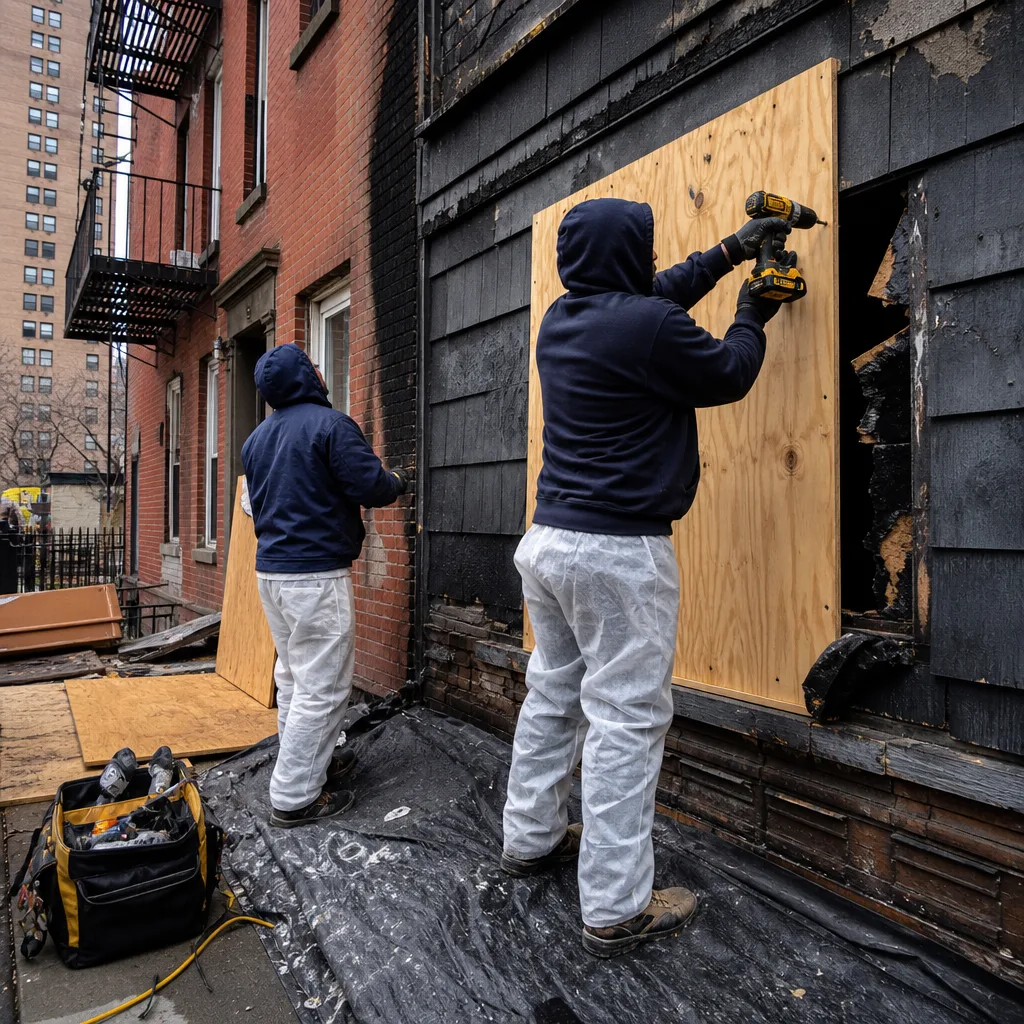
Black Mold Remediation
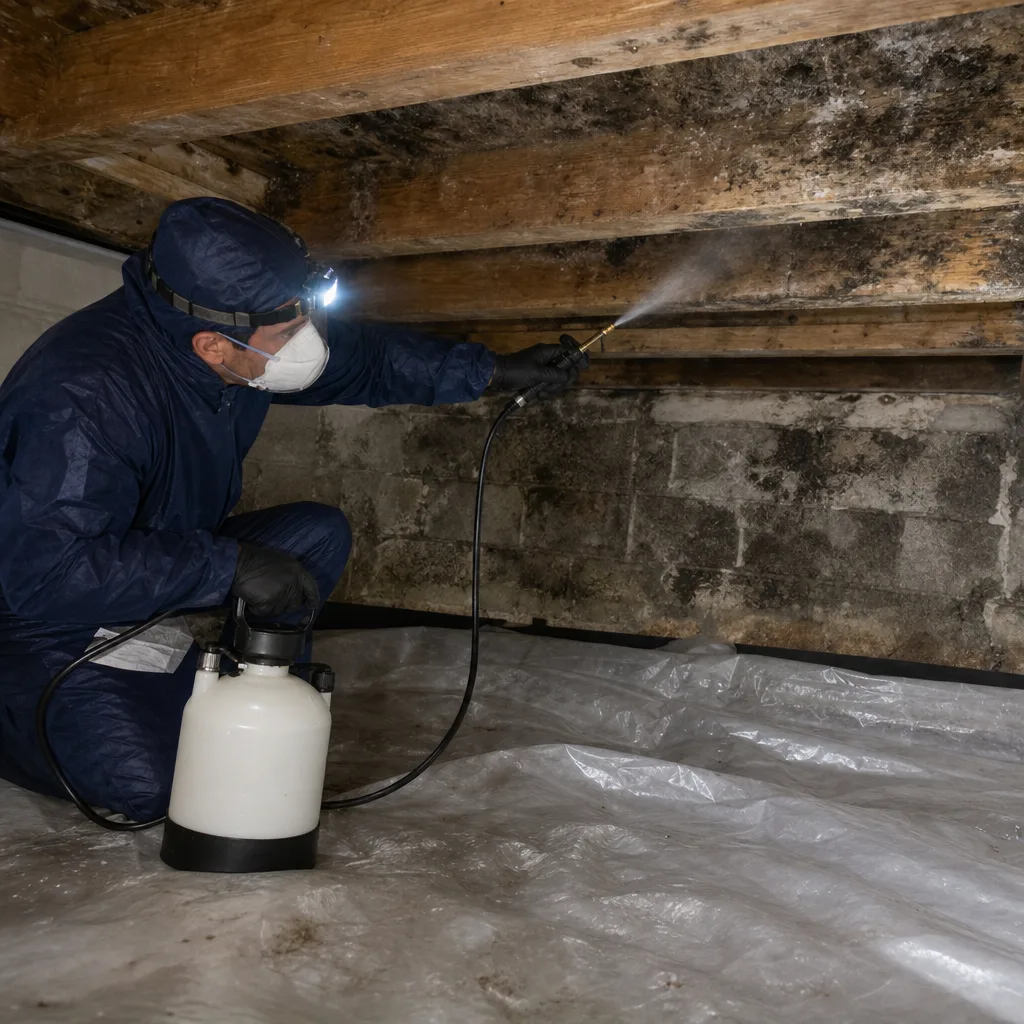
Stachybotrys chartarum and other toxigenic molds require enhanced containment, full-face respirators, and third-party clearance testing. We’ve performed black mold remediation in Fort Lee units where the colony originated from a single corroded stack fitting three floors above. The protocol is strict, the documentation is exhaustive, and no unit reoccupies without independent verification.
Moisture & Humidity Control
In Fort Lee’s tightly sealed towers, elevated Hudson River humidity alone can sustain mold without any visible leak. We install permanent dehumidification in chronic-problem units - HVAC closet systems, whole-unit ventilators, and humidity monitoring that alerts building management before condensation becomes colonization. Surface antimicrobial without humidity control fails within weeks here. We’ve seen it.
What happens when you call
- 1
A real person answersNo phone trees - you reach a local pro.
- 2
You get an upfront price rangeHonest numbers before anyone is dispatched.
- 3
A background-checked tech heads outLicensed & insured, dispatched right away.
- 4
You approve before work beginsNothing starts until you say go.
Mold Remediation Costs in Fort Lee, NJ
We publish ranges because Haven Standard, Clause 1 demands a written price before work begins - and that price has to come from somewhere.
| Service | Typical Range in Fort Lee |
|---|---|
| Level 1 surface mold remediation (single room, under 10 sq ft) | $800 - $1,800 |
| Level 2 cavity remediation with containment (single unit, stack chase involvement) | $2,500 - $6,500 |
| Level 3 multi-unit, multi-floor with third-party clearance | $7,500 - $18,000+ |
| Mold inspection with moisture mapping and thermal imaging | $350 - $650 (free if remediation proceeds) |
| Air quality testing (pre- and post-remediation) | $400 - $800 per sampling round |
| Crawl space moisture control and vapor barrier | $2,000 - $4,500 |
What moves the price: how many units are affected, whether the condo association or building management restricts access hours, if original cast-iron plumbing requires demolition beyond the visible damage, and whether third-party clearance testing is required by the building’s bylaws. Insurance typically covers mold remediation when the origin is a sudden, accidental water loss - slow leaks and humidity-only colonization often fall under maintenance exclusions. We review your policy language and document the loss origin to support coverage where it applies.
Call (516) 687-5786 for a free visual inspection and written scope - estimates are free, and we offer a Free Second Opinion on any competitor’s written estimate.
We Also Serve Cities Near Fort Lee
Our crews respond daily across the Hudson River corridor. We also provide Mold Remediation to property owners in Fort Lee‘s neighboring communities: Palisades Park, where the same high-rise density and aging stock create identical stack-chase problems; Secaucus, with its mix of marsh-adjacent humidity and new construction; Union City, where pre-war brownstones and newer towers sit side by side; and Hoboken, whose flood-zone geography adds groundwater intrusion to the mold risk profile. The same documentation standards, the same equipment, the same live-answer dispatch.
Serving Fort Lee, NJ - Our Local Coverage Area
We’re based in the Fort Lee area and know this community well. Use the map below to see our service coverage - if you’re nearby, we can almost certainly help.
Fort Lee Mold Remediation Questions, Answered
How fast can mold start in a Fort Lee high-rise after a water leak?
In Fort Lee’s Hudson River humidity, we’ve documented mold colonization in drywall cavities within 24 to 48 hours of a category 2 water intrusion. The tightly sealed construction of 1960s-80s towers traps moisture, and the stack effect pulls spores through shared chases. If you’ve had a leak, don’t wait for visible growth - call (516) 687-5786 for moisture mapping now.
Why does mold remediation in Fort Lee take longer than in a suburban house?
Service elevator scheduling and condo-board sign-offs add days to every high-rise job. A dry-out that finishes in 48 hours in a single-family home often stretches across a full week in a Fort Lee tower, with equipment moves restricted to overnight windows and containment requiring coordination with adjacent unit owners. We pre-book elevator slots on the initial call to minimize delay.
What do category 1/2/3 water classifications mean for mold cleanup in a Fort Lee condo?
Category 1 is clean water from a supply line - mold risk is lower, but not zero if drying is delayed. Category 2 contains significant contamination from sources like washing machine drains or corroded cast-iron stacks, requiring removal of porous materials. Category 3 is grossly contaminated sewage or groundwater, where mold is secondary to bacterial hazard and full demolition is standard. Most Fort Lee stack-chase leaks are category 2.
Do you need condo-board approval before starting mold remediation in a Fort Lee tower?
Yes, almost always. The building’s master insurance policy, common-area access, and service elevator use all require management sign-off. We prepare the documentation package - scope, insurance carrier coordination, and equipment staging plan - so the board review moves fast. Starting without approval risks stop-work orders and liability disputes. Call (516) 687-5786 and we’ll handle the board interface.
Can high humidity alone cause mold in a Fort Lee apartment without a visible leak?
Yes. The Hudson River corridor sustains ambient humidity levels that, combined with poor ventilation in older tower construction, regularly produce condensation-fed mold in HVAC closets, behind bathroom vanities, and inside exterior wall cavities. We’ve treated units where the only water source was seasonal condensation. Surface antimicrobial without dehumidification fails - we install permanent humidity control where the root cause is environmental.
Will my insurance cover mold remediation in my Fort Lee condo?
Coverage depends on the water origin. Sudden, accidental losses like burst pipes or mechanical-room drain backups are typically covered. Slow leaks, condensation from poor ventilation, or maintenance-deferred plumbing usually fall under exclusion clauses. We document the loss origin with photos, moisture readings, and material analysis to support your claim. Direct adjuster coordination is included on every job. Call (516) 687-5786 for a free inspection and policy review.
How do I know if I need full remediation or just a cleaning?
Surface growth under 10 square feet on non-porous materials may respond to professional cleaning with HEPA vacuuming and antimicrobial application. Growth inside wall cavities, on porous materials like drywall or insulation, or any toxigenic species identification requires full containment remediation. Our inspection distinguishes the two - we don’t sell remediation where cleaning suffices. Haven Standard, Clause 1: the written scope defines exactly what you’re paying for.
What should I do in the first 30 minutes after discovering mold?
Don’t disturb it - agitation releases spores. Turn off HVAC if the unit serves the affected area. Document with photos. Call (516) 687-5786 for our 24/7 live answer line. We’ll guide you through immediate containment steps and dispatch a technician for moisture mapping. The first 30 minutes sets the documentation baseline that determines whether your insurer pays without a fight.
Back to Dry Restoration Manhattan provides Mold Remediation in Fort Lee and across Bergen County. Every job is quoted in writing before work begins, documented with a photo record on every visit, and covered by our 365-Day Done Right Promise under The Haven Standard. Call (516) 687-5786 for a free visual inspection and written scope.
Written by Alicia Brennan, Owner at Back to Dry Restoration, serving Fort Lee since 2011.