
Free visual inspection and a written scope of work before any mitigation begins - photos, moisture readings, and drying logs go in your claim file
The scope we write is the scope we bill. Anything new gets shown to you, in writing, before we touch it.
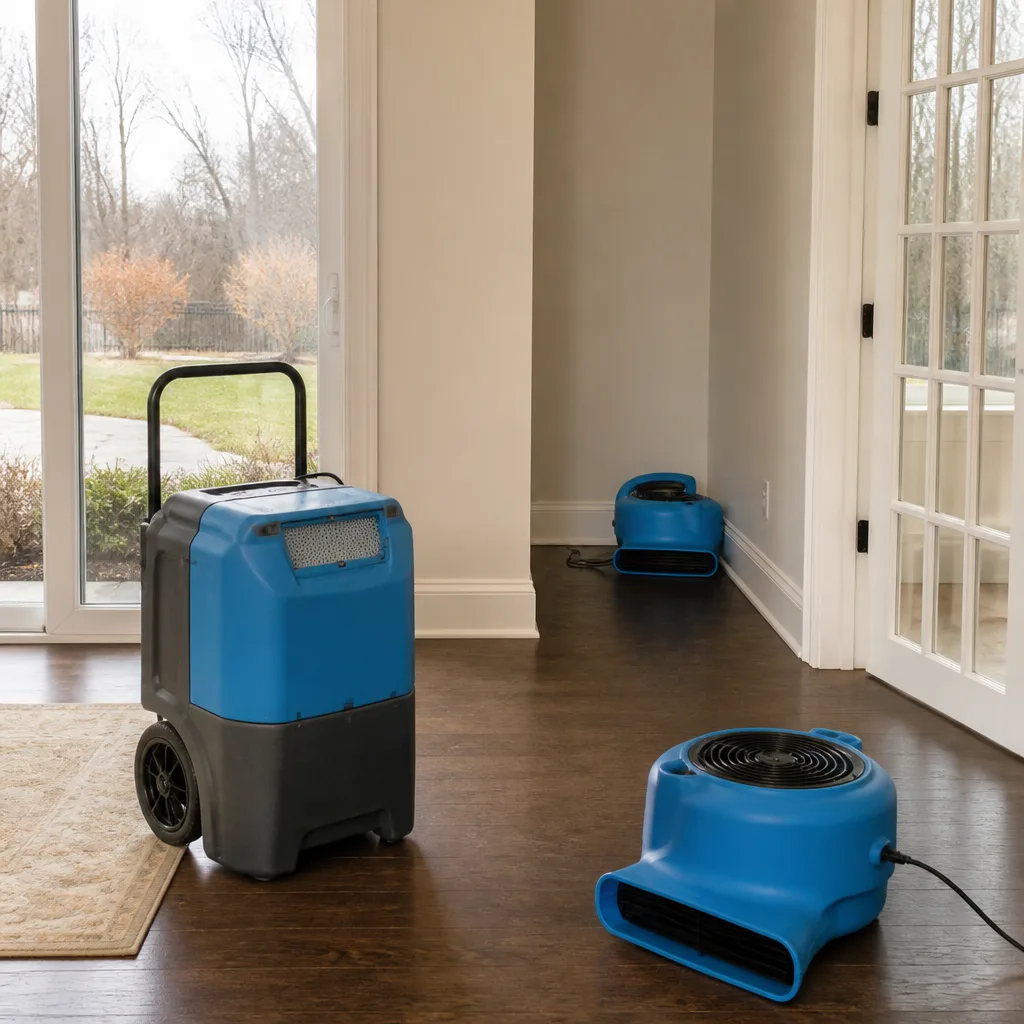
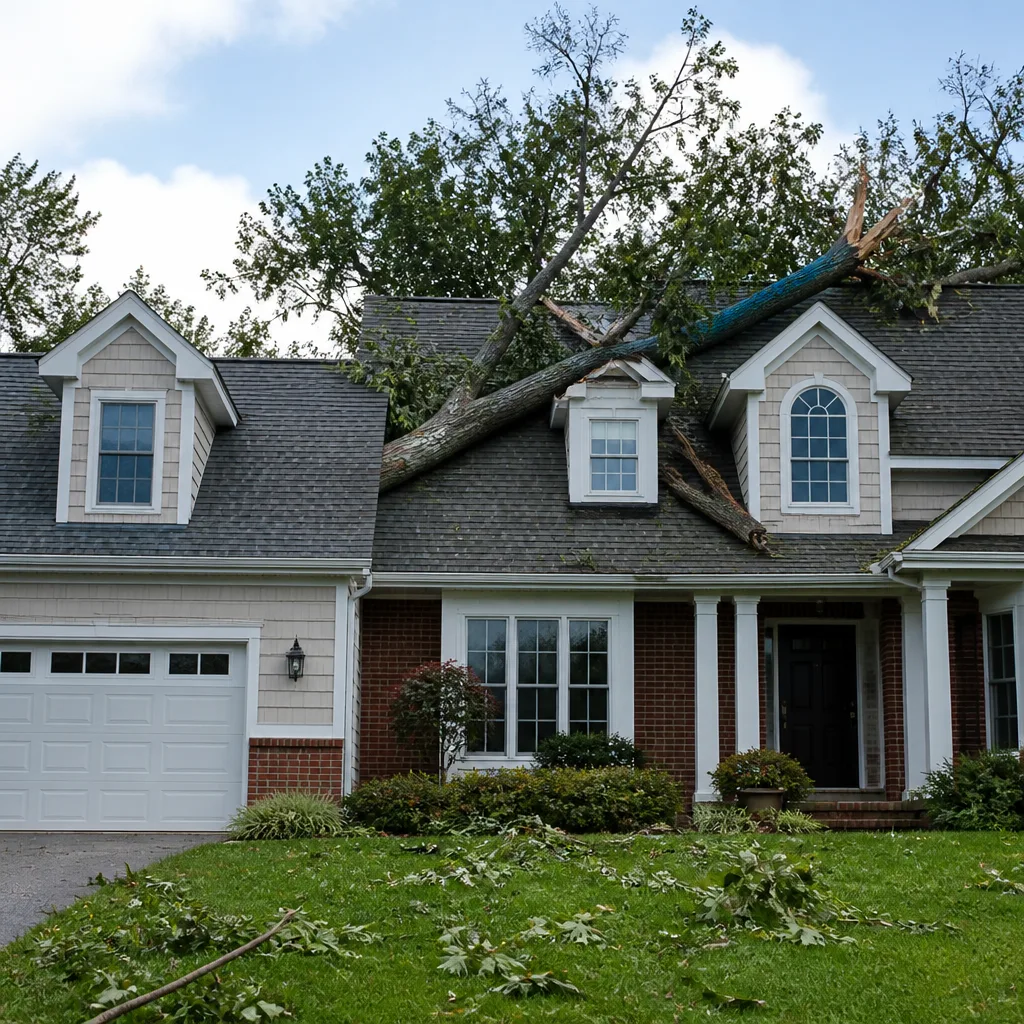
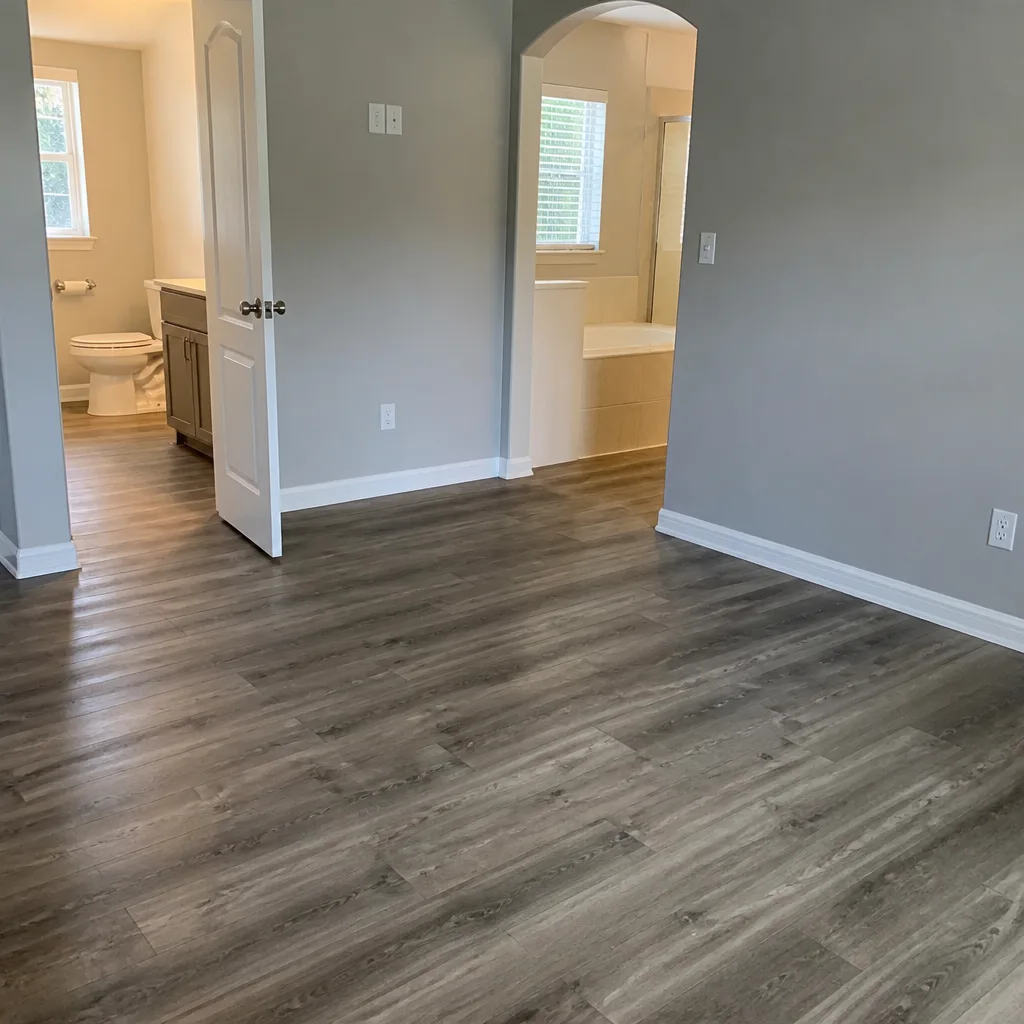
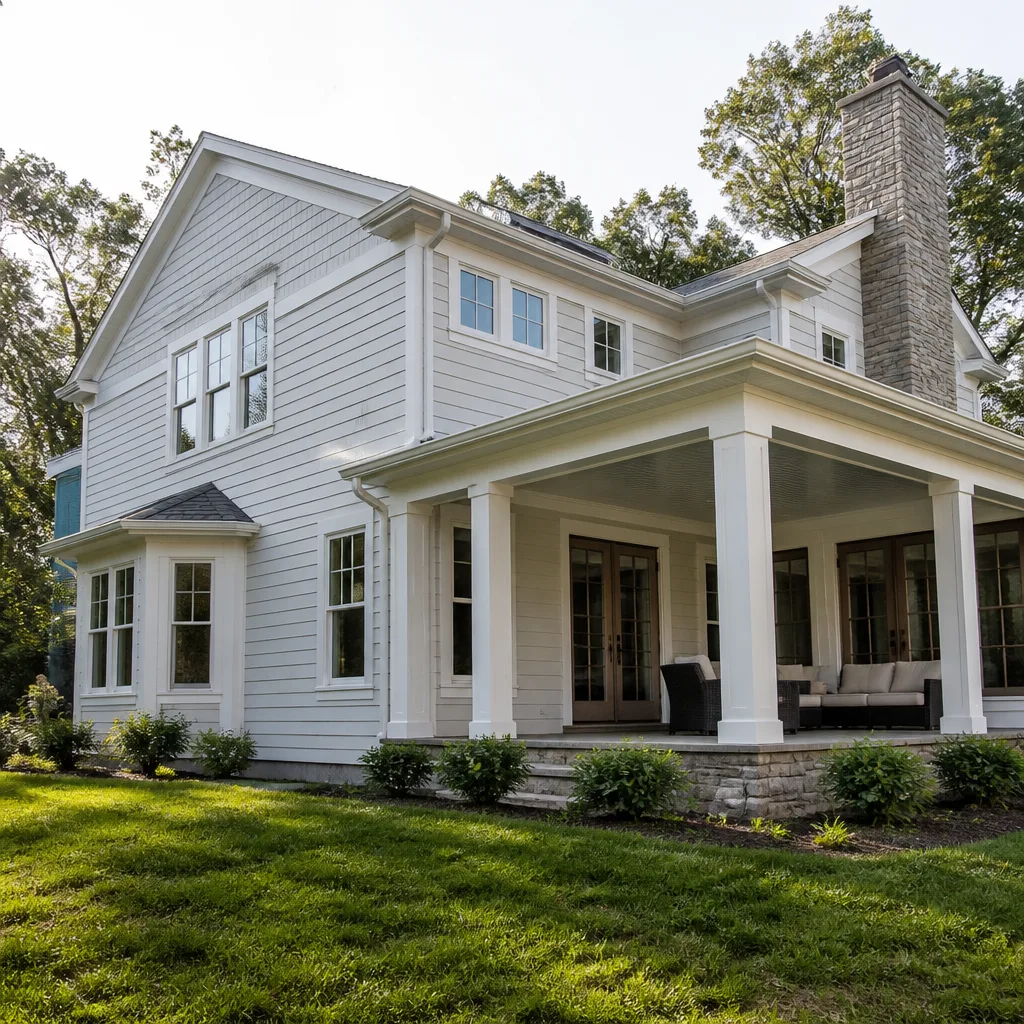
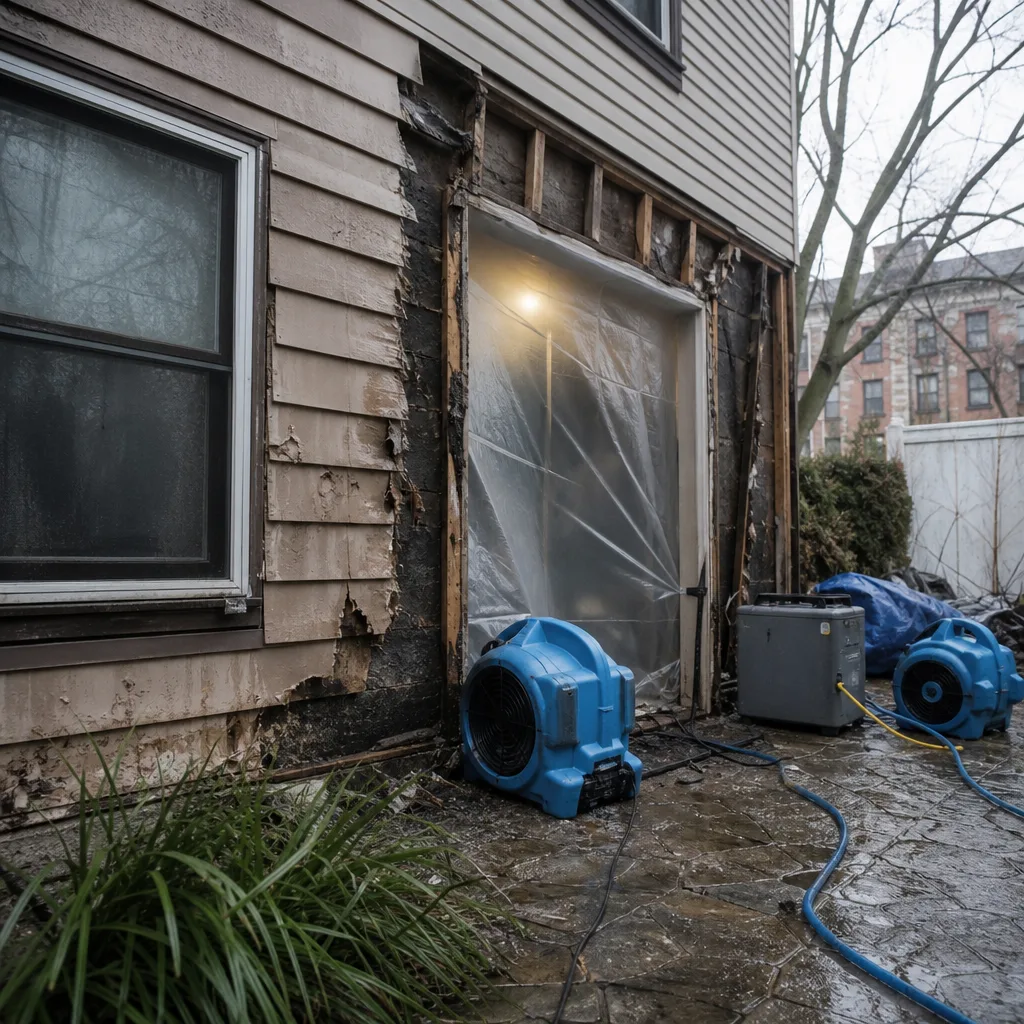 Before
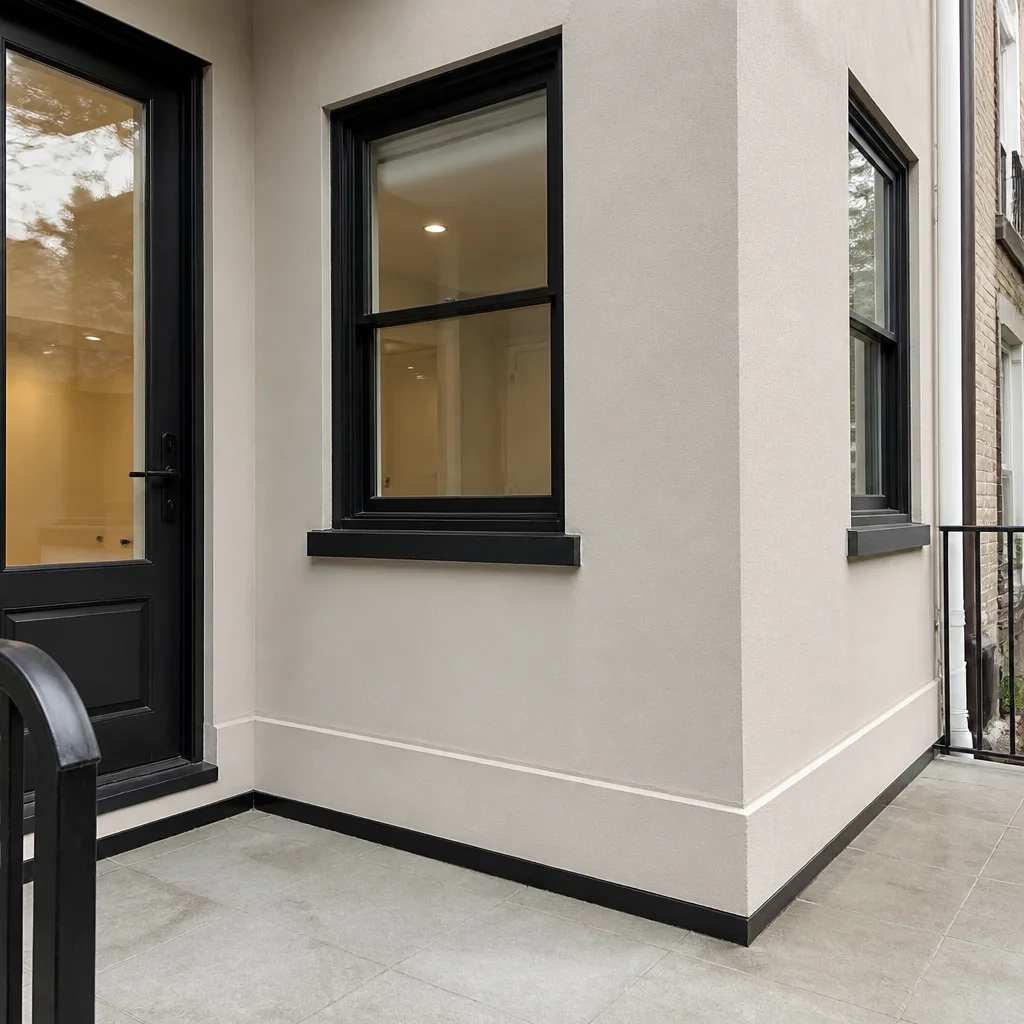 After
After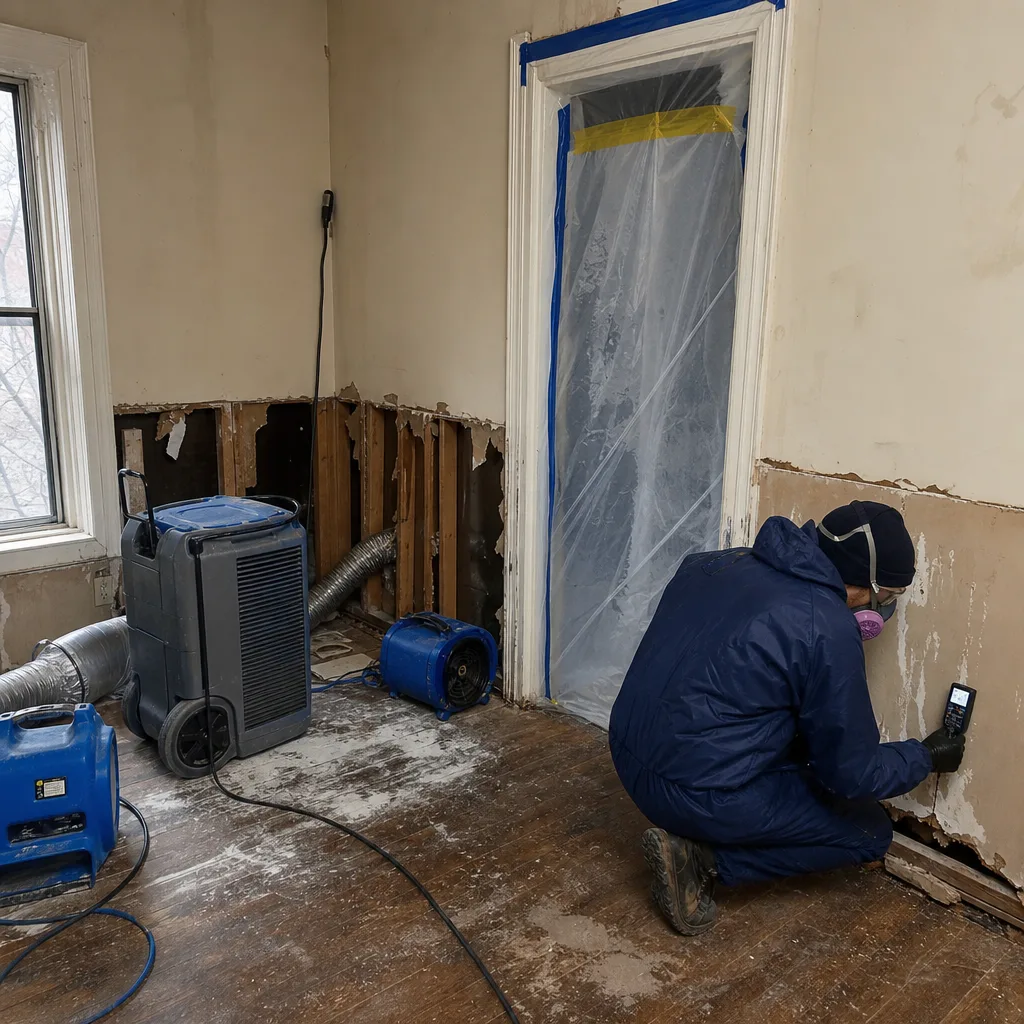 Before
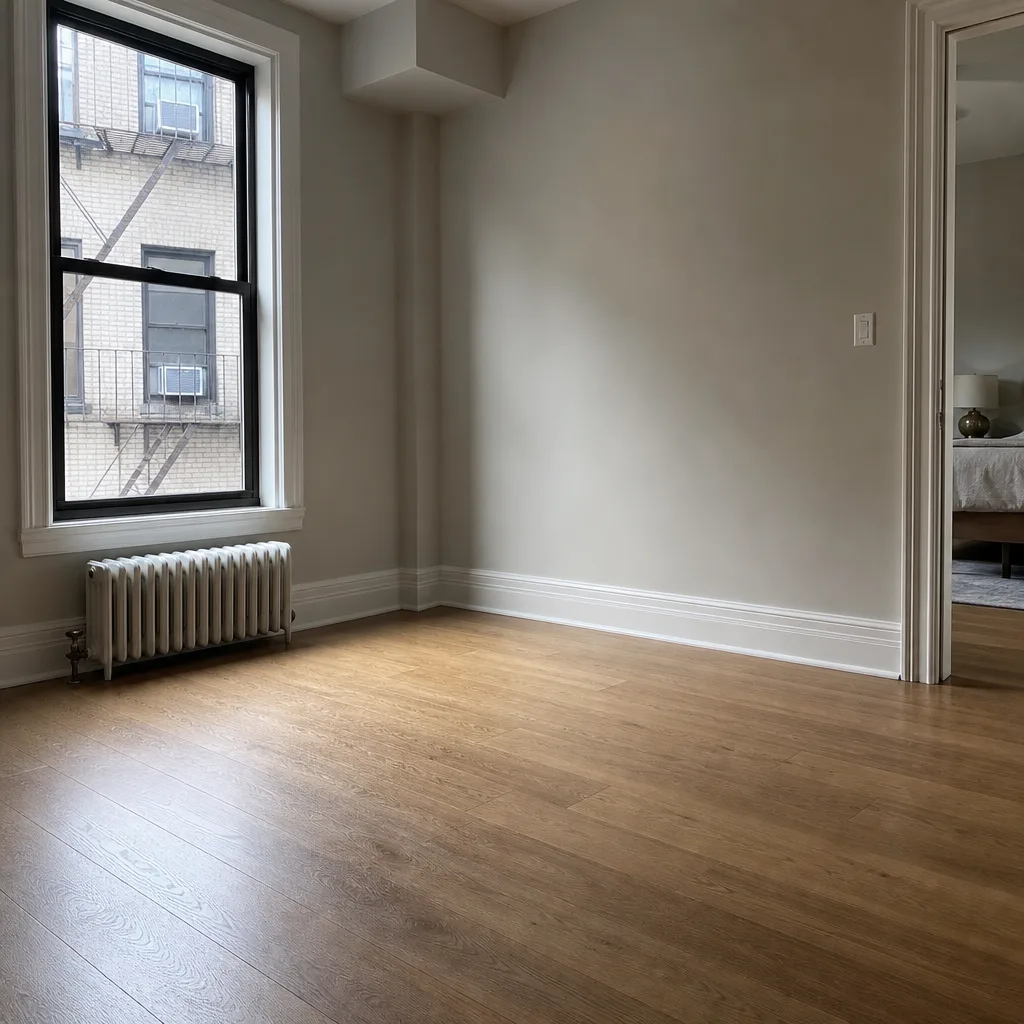 After
After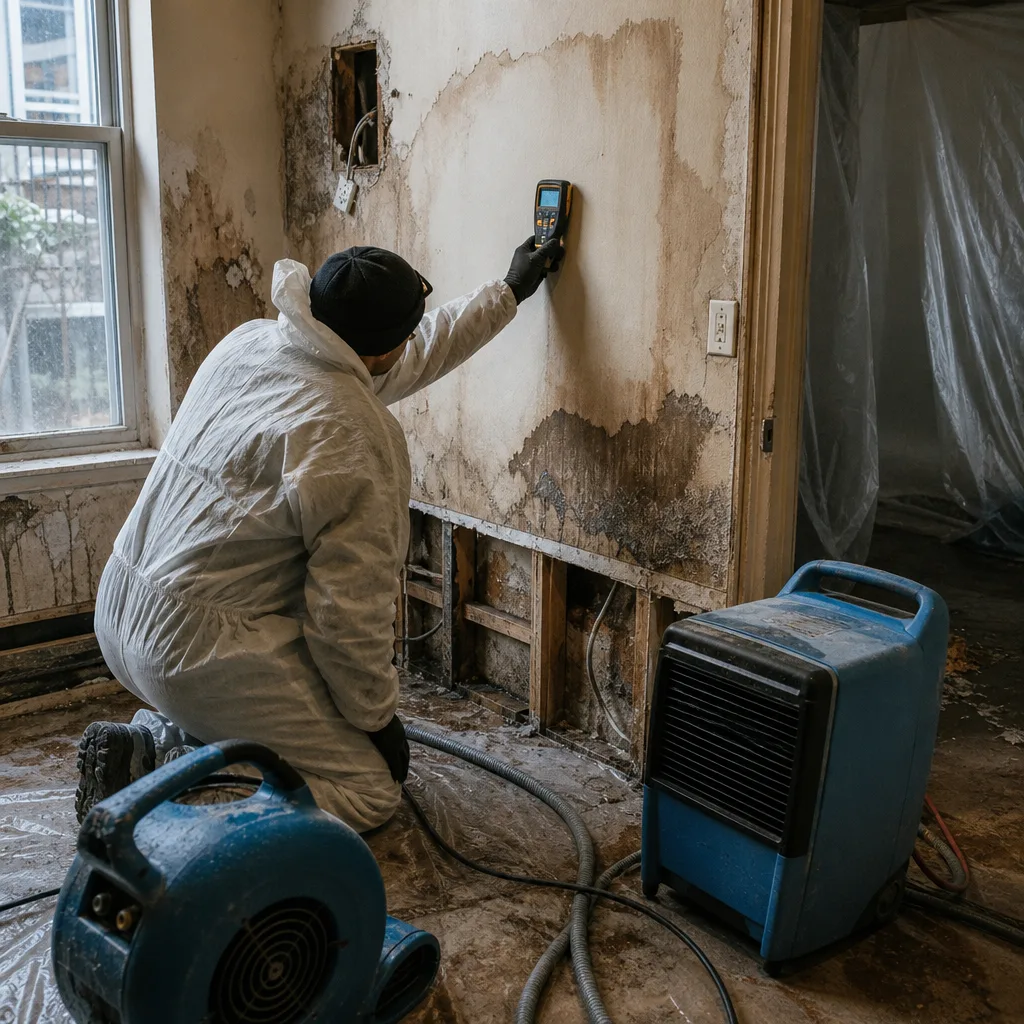 Before
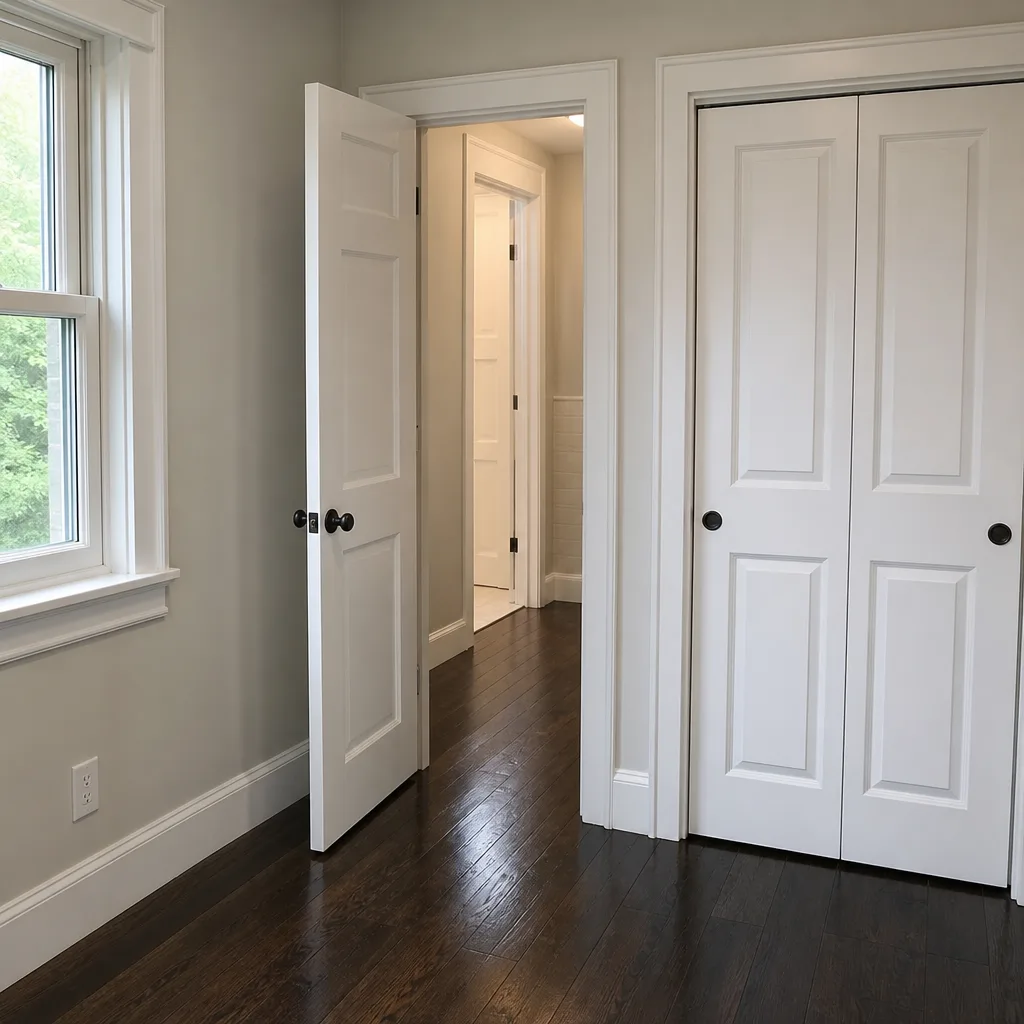 After
After24/7 Emergency Water Damage Restoration in Palisades Park
Water damage restoration in Palisades Park typically costs $1,800-$4,500 for a standard basement extraction and drying job, with emergency calls answered live at (516) 687-5786 around the clock. Crews are dispatched from our New York City coordination office and can be on-site anywhere in the borough within 45 minutes. The first hour determines whether moisture stays contained to one room or wicks through shared footings into adjoining units.
Palisades Park’s hyper-dense housing stock and shallow basalt bedrock create a unique emergency profile: storm water has nowhere to percolate, so it pools against foundations with speed that surprises homeowners who’ve never seen their sump overwhelmed. Our live dispatchers take your call, confirm your address, and alert the crew to check for adjoining-unit exposure before they arrive. A free visual inspection begins the moment we’re on-site, with a written price delivered before any equipment runs - Haven Standard, Clause 1.
Understanding Water Damage Restoration Severity in Palisades Park Properties
Water damage classification follows three categories. Category 1 is clean water from a burst supply line or overflowing sink. Category 2, gray water, carries detergents or light contaminants from washing machines or sump failures. Category 3, black water, involves sewage backup or ground-surface flooding carrying pathogens. In Palisades Park, we see Category 2 most often: aging sump pumps fail during nor’easters, and clay-tile drain lines back up with water that’s picked up soil bacteria from the surface runoff.
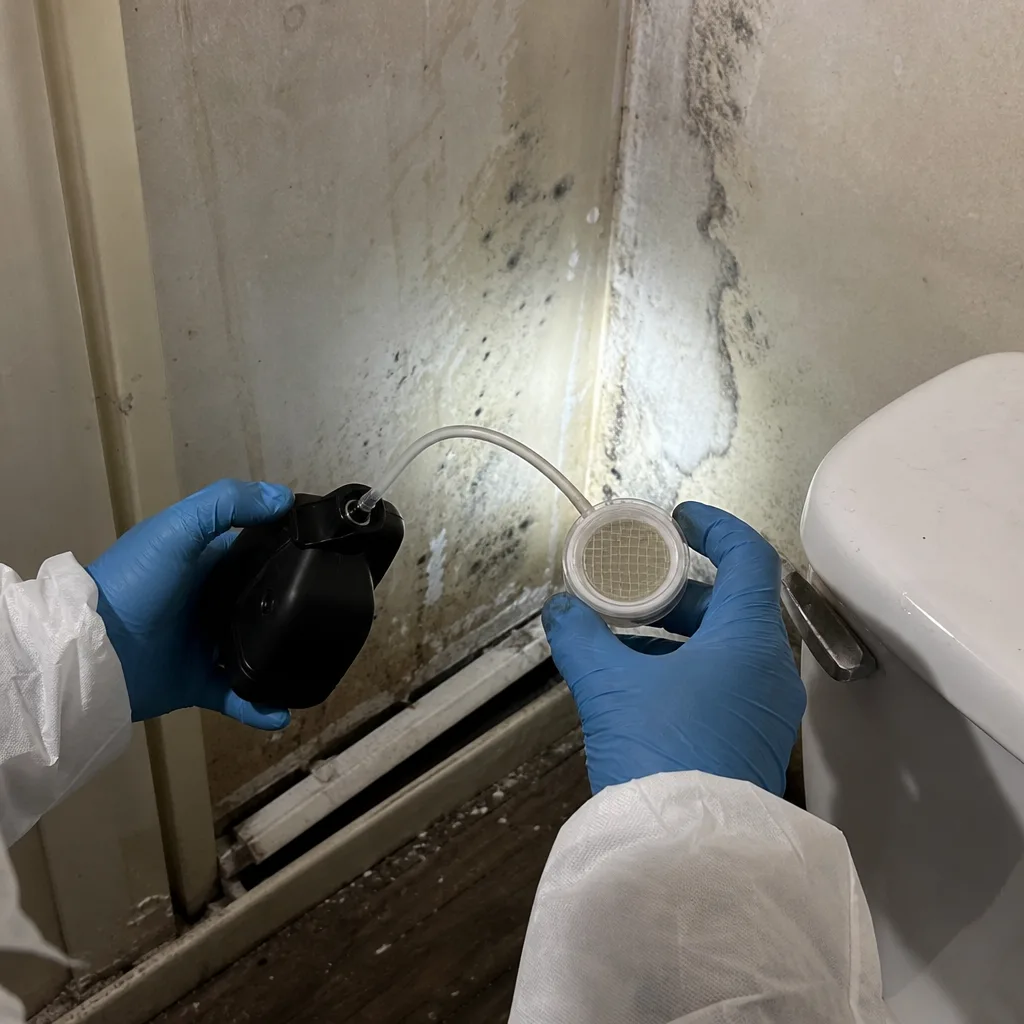
Moisture mapping with thermal imaging and penetrating hygrometers tells us where water has traveled, not just where it’s visible. In a 1960s two-family on West Edsall Boulevard, we might find 18% moisture content in the basement drywall and 22% in the shared party wall framing - readings that demand different drying protocols. Structural drying uses psychrometric data, the measurement of temperature, humidity, and vapor pressure, to calculate exactly how much dehumidification capacity a space needs. Tertiary drying, the final phase, targets bound moisture in dense materials like plaster or hardwood that release water slowly.
The borough’s building stock complicates every reading. Postwar brick and wood-frame construction lacks modern vapor barriers. Ground-floor mixed-use spaces along Broad Avenue have been reconfigured so many times that original wall locations are guesswork until we open a cavity. Our crews document every reading, every photo, every material classification - the documentation that turns a restoration invoice into a claim an insurer pays without argument.
Why Palisades Park Property Owners Choose Back to Dry Restoration Manhattan
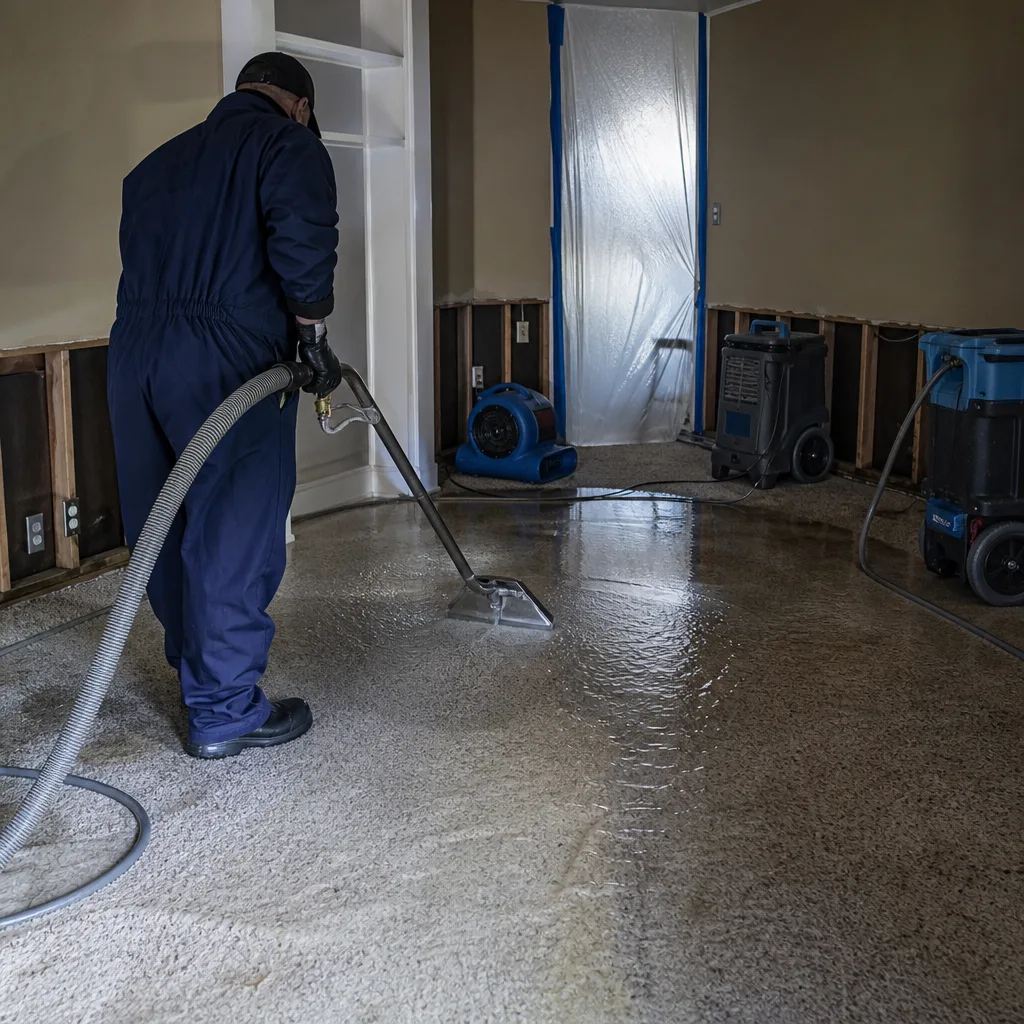
- 45-minute response commitment to any address in Palisades Park, with crews staging equipment to avoid blocking tight alleys or dense street parking.
- 24/7 live answer - a real person, never an automated system or voicemail tree, because water doesn’t wait for business hours.
- IICRC-certified crews holding WRT (Water Damage Restoration Technician) and AMRT (Applied Microbial Remediation Technician) credentials, with license numbers verified before arrival.
- Free visual inspection and written scope before any work begins, every time, with no exceptions.
- Direct insurance billing and adjuster coordination, including photo-documented daily drying logs that satisfy carrier requirements on the first submission.
- One team from extraction through reconstruction - no handoffs to unknown subcontractors, no gaps in documentation between phases.
BeforeAfterOur Water Damage Restoration Process
1. Inspection & Assessment
We arrive with moisture meters, thermal imaging cameras, and hygrometers to map the full extent of water migration. In Palisades Park, this always includes checking adjoining units on zero-lot-line blocks and photographing party walls before any equipment moves in.
2. Extraction & Stabilization
Truck-mounted or portable extractors remove standing water. For basement floods in dense neighborhoods, we stage gear to preserve alley access and secure rolling-code security doors. Category 2 or 3 water gets immediate antimicrobial application.
3. Drying & Dehumidification
We deploy Dri-Eaz and Phoenix low-grain refrigerant dehumidifiers, XPOWER and B-Air air movers, and Injectidry panel drying systems for wall cavities. Equipment capacity is calculated from psychrometric readings, not guesswork. Daily moisture logs track progress to IICRC standards.
4. Cleaning & Sanitization
HEPA air scrubbers run continuously during drying. Affected surfaces receive antimicrobial treatment appropriate to the water category. We document every product and application for your insurer’s file.
5. Multi-Unit Coordination & Documentation
On shared-footing properties, we coordinate drying schedules with adjoining owners to prevent moisture rebound across party walls. Separate photo records and moisture logs are maintained per unit, per policy, with clear documentation of pre-existing conditions versus new damage.
6. Repairs & Restoration
Once moisture readings hit dry standard - typically 12-16% for wood framing in Palisades Park’s climate - we deliver a written reconstruction scope. Drywall, flooring, trim, and finishes are restored under the same 365-Day Done Right Promise that covers the drying phase.
Need Emergency Water Damage Restoration in Palisades Park Now?
Crews minutes away, answering live 24 hours a day. The sooner we start, the less it costs.
Working With Your Insurance Company
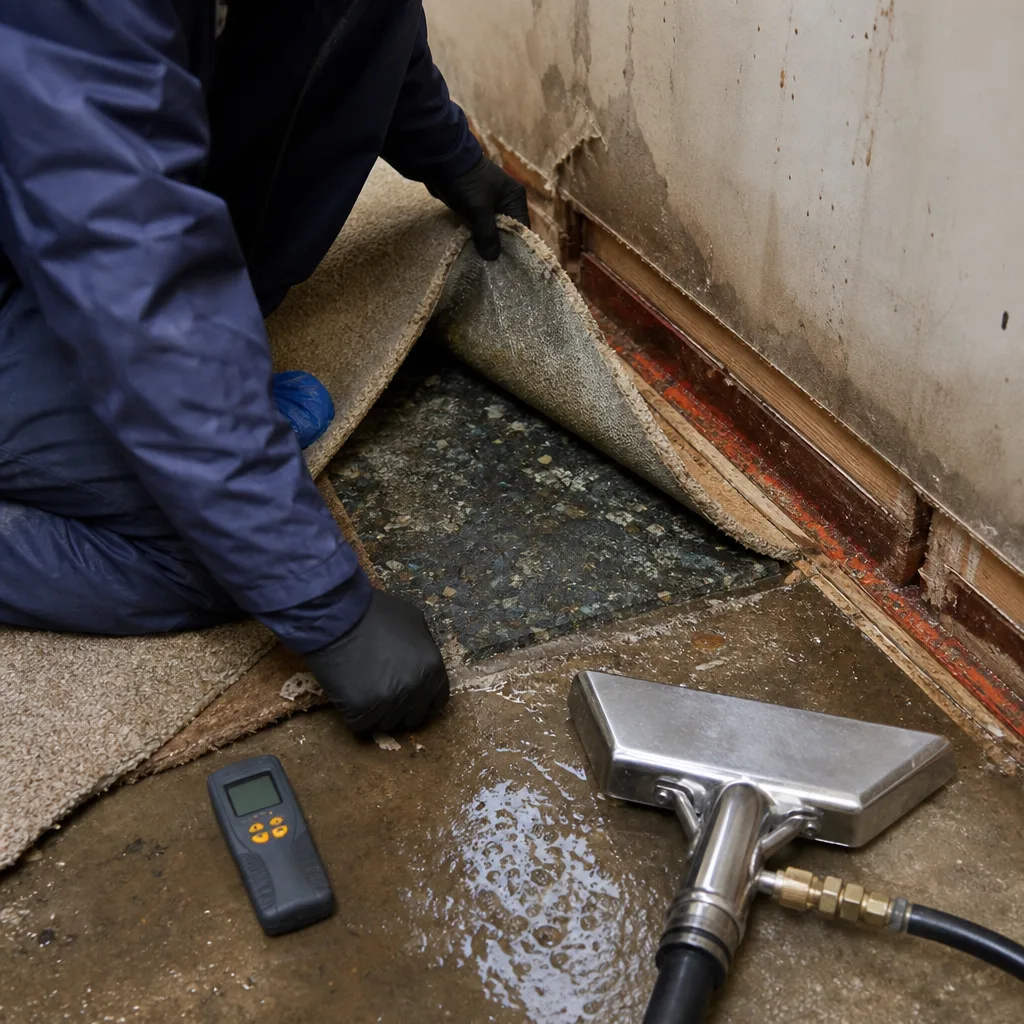
Insurance claims fail for two reasons: insufficient documentation and disputed scope. We solve both from the first hour. Every Back to Dry crew photographs the loss scene before anything moves. Moisture readings are time-stamped and geo-tagged. Drying logs show equipment placement, daily psychrometric conditions, and progress toward dry standard. Your adjuster receives a line-item estimate built to industry-standard pricing, not a round-number guess.
We also coordinate directly with your carrier’s adjuster, attending inspections when requested, and providing supplemental documentation if the initial scope needs revision. Our founder, Alicia Brennan, built this company after years as a claims adjuster watching homeowners lose valid claims to sloppy paperwork. That origin is why documentation isn’t an upsell here. It’s the baseline.
What We Provide Your Insurer
- Thorough documentation of the loss
- Photos of all damage, room by room
- Moisture readings and drying logs
- A detailed, line-item scope of work
- Direct coordination with your carrier
Built for Palisades Park’s Loss Calendar
January brings deep freezes that split copper supply lines in unheated crawl spaces and exterior walls of 1950s-era two-families. February and March see thaw cycles that overwhelm clay-tile drains never designed for rapid snowmelt on basalt. April through June delivers the heaviest rain, with nor’easters driving wind-driven rain against the cliff-exposed borough; shallow bedrock means runoff concentrates in minutes, not hours.
July and August thunderstorms flash-flood streets and push water through basement window wells. September and October hurricane remnants can stall over the Hudson corridor, dropping inches in hours. November through December returns freeze-thaw volatility. Year-round, the aging infrastructure of postwar attached housing fails predictably: sump pumps installed in the 1990s die without warning, clay-tile lateral drains collapse, and shared drainage systems between adjoining units create cascading failures that single-family contractors don’t anticipate.
Water Damage Restoration Across Palisades Park’s Neighborhoods
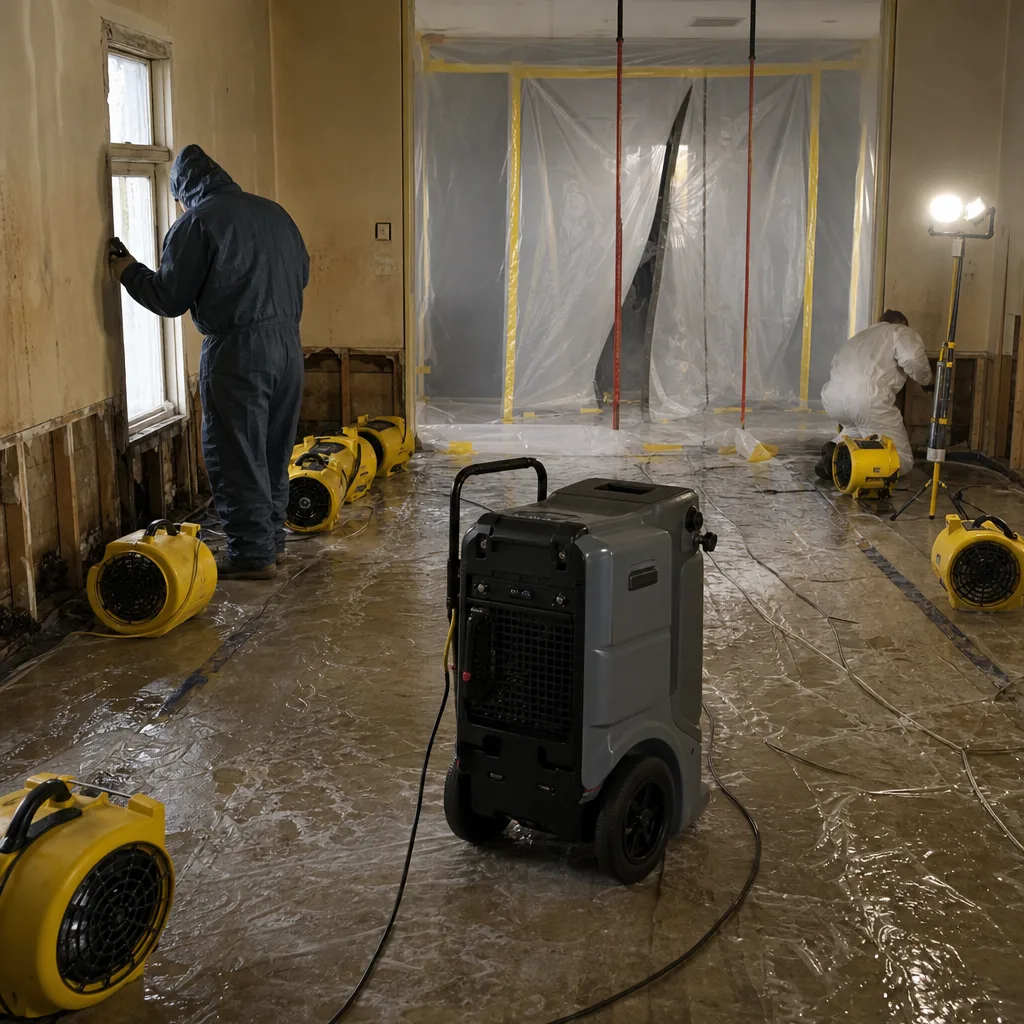
East of Broad Avenue, the zero-lot-line blocks demand our most specialized protocol. Shared footings between 1960s brick two-families mean water migration is nearly automatic. We knock on both doors before unloading, photograph the party wall junction, and run parallel moisture mapping in both basements. The alley behind East Central Boulevard is barely wide enough for our van; we stage air movers and dehumidifiers in sequence rather than all at once, preserving neighbor access.
West of Broad, toward the ridge overlooking the Hudson, the 1970s low-rise apartment buildings present different challenges. Flat roofs with original drains pool water that finds path of least resistance through decades of tenant-improved ceilings. We coordinate with building management for roof access and document which units show secondary damage from vertical migration versus primary roof failure.
The Broad Avenue commercial corridor itself mixes ground-floor retail with residential above. Korean-American owned storefronts often have extensive non-original interior buildouts - dropped ceilings, partition walls, specialized flooring - that complicate structural drying scoping. We map these configurations carefully because the tenant’s improvements and the landlord’s structure fall under different coverages.
Near the borough’s northern edge toward Fort Lee, slightly larger lots from the 1940s and early 1950s offer marginally better drainage, but the basalt bedrock is just as shallow. Basement water removal here still requires sump-and-drain assessment, and we still check adjoining properties because the shared-wall pattern extends block by block.
Specialized Water Damage Restoration Services We Offer in Palisades Park
Emergency Water Extraction
Standing water begins secondary damage within hours: drywall wicks upward at one inch per hour, hardwood cups, and mold colonizes in 48-72 hours. Our truck-mounted extractors pull thousands of gallons per hour, and portable units reach basements with alley-only access. In Palisades Park’s tight lots, speed of extraction is inseparable from speed of equipment staging.
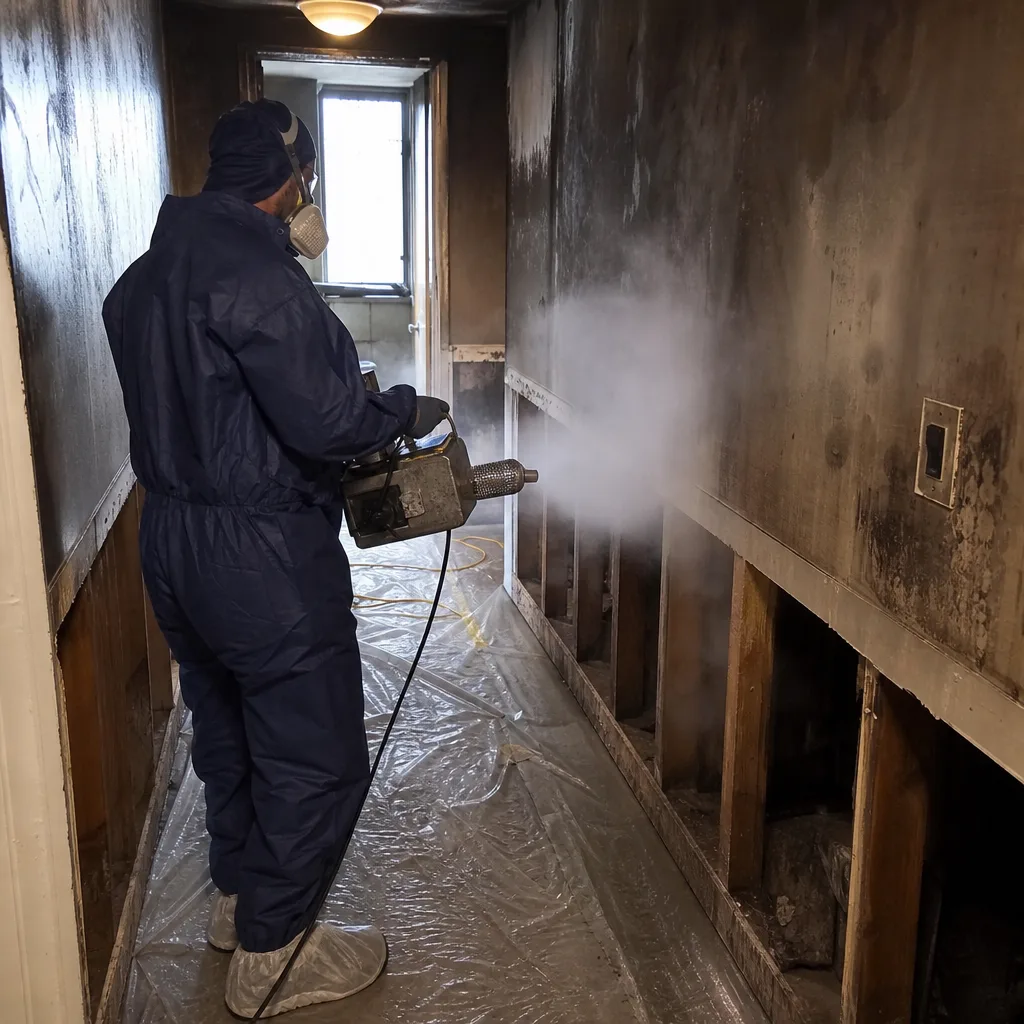
Structural Drying & Dehumidification
We calculate dehumidifier capacity from cubic footage, material type, and initial moisture readings, not rule-of-thumb. A 900-square-foot Palisades Park basement with cinder block walls and panelized ceiling needs different equipment than a ground-floor retail space with plaster-on-lath. Dri-Eaz and Phoenix LGR units drop specific humidity to levels that pull bound moisture from dense materials. Injectidry systems dry wall cavities without removing finish surfaces when possible.
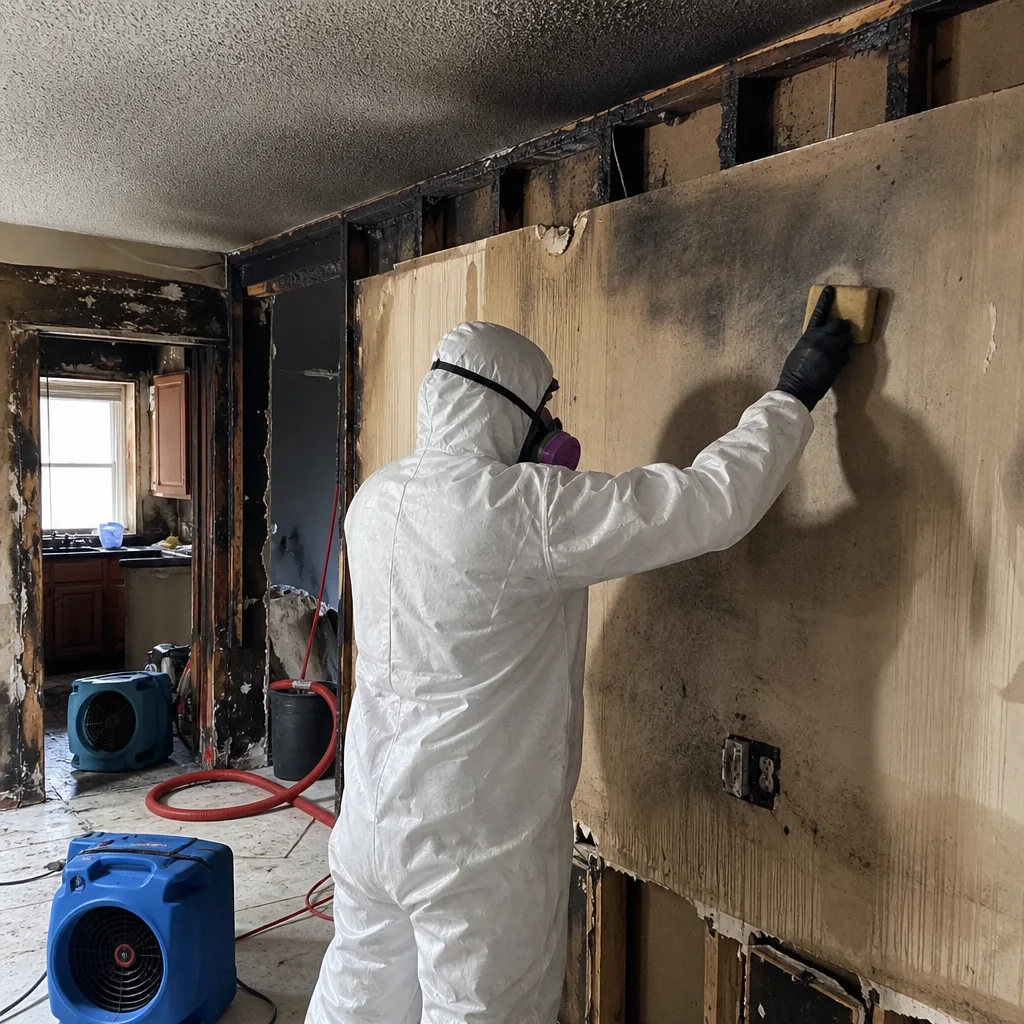
Flood Cleanup
Surface flooding in Palisades Park carries Category 2 or 3 classification depending on source: storm runoff through streets and window wells, or sewer backup through floor drains. We test and classify before cleanup begins, because the category determines PPE requirements, antimicrobial selection, and disposal protocols. Documentation of flood height lines and contamination patterns supports your insurance position.
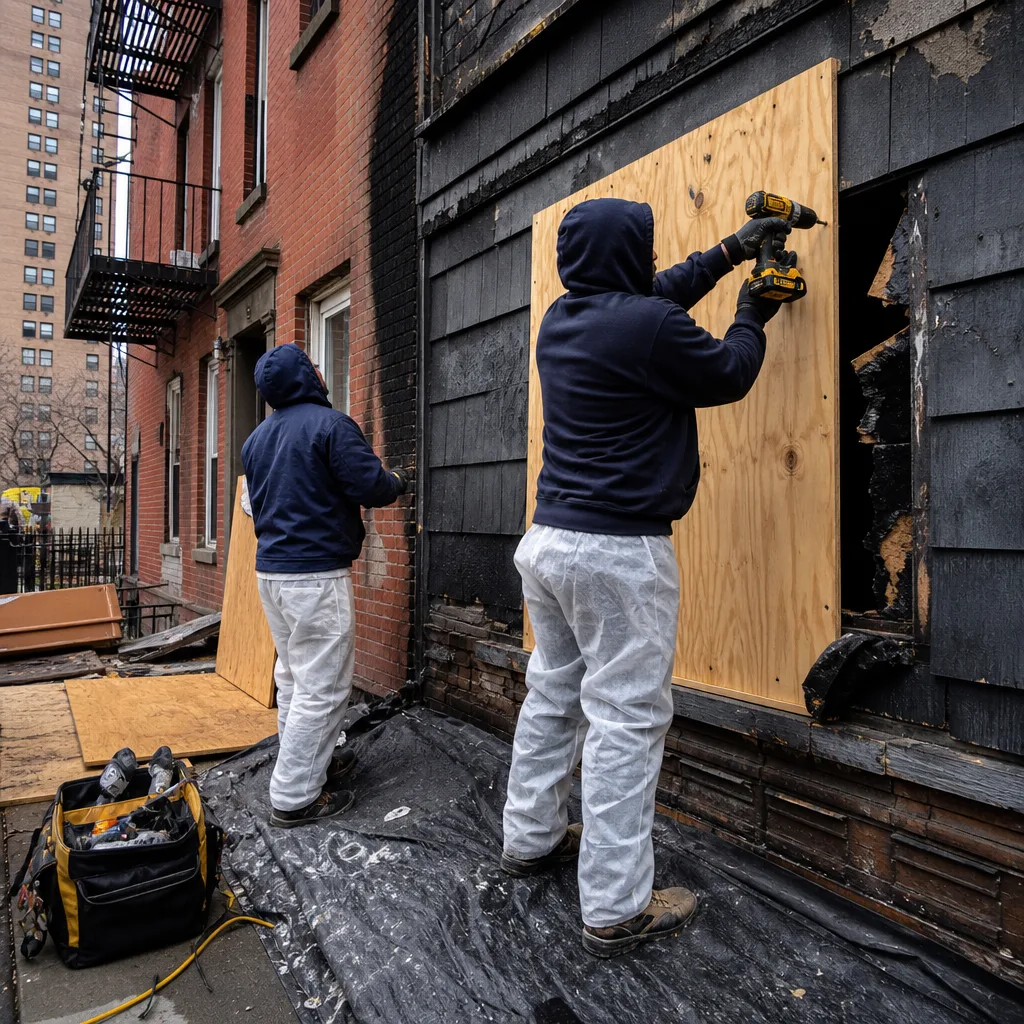
Burst Pipe Restoration
January freezes split copper and PEX alike in unheated exterior walls and crawl spaces. We extract, dry, and document the water damage; we also photograph the failed pipe location and condition for your adjuster’s causation review. The written scope separates water damage restoration from plumbing repair, which keeps coverage clear.
Basement Water Removal
The dominant call type in Palisades Park. Basalt bedrock, zero-lot-line construction, and aging sump systems create predictable failure patterns. We remove water, assess the sump and drain line condition, dry the space, and document whether the intrusion was hydrostatic pressure, surface runoff, or plumbing failure - three different coverages, three different documentation requirements.
What happens when you call
- 1
A real person answersNo phone trees - you reach a local pro.
- 2
You get an upfront price rangeHonest numbers before anyone is dispatched.
- 3
A background-checked tech heads outLicensed & insured, dispatched right away.
- 4
You approve before work beginsNothing starts until you say go.
Water Damage Restoration Costs in Palisades Park, NJ
Typical water damage restoration in Palisades Park runs $1,800-$4,500 for basement extraction and drying of a standard two-family unit. Category 1 clean-water jobs with limited square footage start near $1,200. Category 2 or 3 contamination, multi-unit coordination, or extensive reconstruction push toward $6,000-$9,000. Burst pipe restoration with contained damage averages $2,200-$3,800. Ground-floor mixed-use spaces on Broad Avenue, with tenant improvements and business-interruption considerations, typically scope higher due to documentation and scheduling complexity.
What moves the price: water category (clean vs. contaminated), affected square footage, material types (drywall vs. plaster vs. specialty finishes), whether adjoining units require parallel drying, and whether reconstruction is included. Insurance typically covers sudden and accidental water damage from plumbing failures or storm intrusion, but not long-term seepage or maintenance-related sump failure. We provide a written price before work begins - Haven Standard, Clause 1 - and a Free Second Opinion on any competitor’s written estimate if you want comparison.
We Also Serve Cities Near Palisades Park
Our crews respond throughout the immediate Bergen and Hudson County area, including Water Damage Restoration in Palisades Park and neighboring Fort Lee, Secaucus, Union City, and Hoboken. Each city shares the Hudson River corridor’s weather patterns but presents distinct building stock and access challenges that our documentation-first approach addresses.
Serving Palisades Park, NJ - Our Local Coverage Area
We’re based in the Palisades Park area and know this community well. Use the map below to see our service coverage - if you’re nearby, we can almost certainly help.
Palisades Park Water Damage Restoration Questions, Answered
Why does water in my Palisades Park basement often show up next door too?
Zero-lot-line construction with shared footings means water migrates through the common foundation wall before you notice it in your own space.
On blocks east of Broad Avenue, the adjoining unit’s basement is essentially the same structural cavity separated by a party wall that was never designed as a moisture barrier. We knock on both doors immediately, photograph the wall junction before drying equipment runs, and run parallel moisture mapping. Skip this step and you risk a multi-policy dispute over which unit’s damage started where. Call (516) 687-5786 if you’re seeing water and aren’t sure about the neighbor’s status - we’ll assess both sides during the free inspection.
Does the Palisades ridge bedrock change how fast we need to act on water damage?
Yes - basalt bedrock with virtually no percolation means surface water pools against foundations within minutes of heavy rain, not hours.
In towns with deeper soil profiles, some runoff absorbs before reaching basements. In Palisades Park, the shallow bedrock directs every gallon against your foundation. That concentration overwhelms aging sump systems and clay-tile drains faster than homeowners expect. We recommend calling at the first sign of seepage, not after the sump fails completely. Faster response means less square footage affected, lower drying costs, and better insurance documentation. (516) 687-5786, answered live 24 hours.
Can you dry out a ground-floor mixed-use storefront on Broad Avenue without shutting down the business?
We can often contain the drying zone to minimize business interruption, but the approach depends on the water source and contamination level.
For Category 1 clean water in a defined area, we build containment with plastic sheeting and run HEPA air scrubbers to protect customer spaces. Category 2 or 3 contamination requires more extensive isolation. We schedule equipment staging around business hours when possible, and we document every decision for your insurer’s business-interruption review. The written scope delivered before work begins includes a clear schedule. Call for a free inspection and we’ll walk the space with you.
How do you handle security openers and parking when the equipment needs to run overnight?
We program our staging to preserve your security protocols and neighbor access.
For rolling-code garage door openers, we coordinate with you on entry methods rather than leaving doors unsecured. In tight Palisades Park alleys, we use smaller portable equipment when truck-mounted units would block access. Air movers and dehumidifiers run overnight with minimal crew presence; we check readings daily and adjust equipment without unnecessary visits. Security and documentation are compatible - we photograph equipment placement and door status on every visit. Questions about your specific access situation? Call (516) 687-5786.
What water category do you typically find in Palisades Park storm-related basement calls?
Category 2, gray water, is most common in storm-related basement flooding here.
Runoff from Palisades Park’s streets and impermeable surfaces picks up soil, road residue, and organic material before entering through window wells, foundation cracks, or failed sump systems. It’s not clean rainwater by the time it reaches your basement. We test and classify on-site, because Category 2 requires antimicrobial treatment and different disposal protocols than Category 1. Misclassification by a less careful contractor can create health risks and insurance problems later. We document our classification methodology in every file.
Will my insurance cover water damage restoration in Palisades Park?
Most sudden and accidental water damage is covered, but the specific source and your policy language determine the final answer.
Burst supply lines, storm-driven rain through damaged roofing, and overflow from plumbing fixtures are typically covered. Long-term seepage, maintenance-related sump failure, and groundwater intrusion without backup coverage often are not. We document causation from the first hour - where the water came from, how it entered, and what was damaged - to support your adjuster’s coverage determination. We also coordinate directly with your carrier and provide the line-item scope their system requires. Bring us your policy concerns; the free inspection includes a preliminary coverage assessment.
How long does structural drying take in Palisades Park’s typical postwar basement?
Three to five days is standard for a Palisades Park two-family basement with cinder block or poured concrete walls.
Dense materials like plaster or multiple layers of paneling extend this. We measure progress with daily moisture readings, not calendar guesses, and we don’t remove equipment until wood framing reads 12-16% and drywall reads below 1% above normal for the space. Rushing drying causes mold, warping, and reconstruction callbacks. Our drying logs show your adjuster exactly when dry standard was reached and why equipment was removed when it was. For a timeline specific to your space, call (516) 687-5786 for the free inspection.
Can my family stay in the home during water damage restoration?
Often yes for Category 1, sometimes no for Category 2 or 3, depending on the affected area and your home’s layout.
When bedrooms, kitchens, or HVAC systems are involved, or when antimicrobial application requires ventilation, we recommend temporary relocation. We document this recommendation for your insurer’s additional living expense review. In Palisades Park’s dense housing, some families stay with relatives in adjoining units - which makes our multi-unit coordination protocol even more important, since drying equipment noise and airflow affect shared spaces. We’ll give you a clear, written recommendation as part of your scope.
We got a call from a two-family brick home on East Central Boulevard after a nor’easter overwhelmed the aging sump and clay-tile drain line, pushing category 2 water across a shared party wall into both units. Our techs knocked on the neighbor’s door before unloading, photographed the wall junction, then ran moisture mapping with Dri-Eaz and Phoenix air movers plus Injectidry panel drying on the refinished basement walls - tight clearance and a rolling-code opener meant we staged gear in the alley and kept the security door secured overnight. Drying logs showed the shared footing dried evenly, and both policies closed without the insurance dispute that stalls so many Palisades Park jobs.
Written by Alicia Brennan, Owner at Back to Dry Restoration, serving Palisades Park since 2011 under The Haven Standard.
Water Damage Restoration in Nearby Areas