
Free visual inspection and a written scope of work before any mitigation begins - photos, moisture readings, and drying logs go in your claim file
The scope we write is the scope we bill. Anything new gets shown to you, in writing, before we touch it.
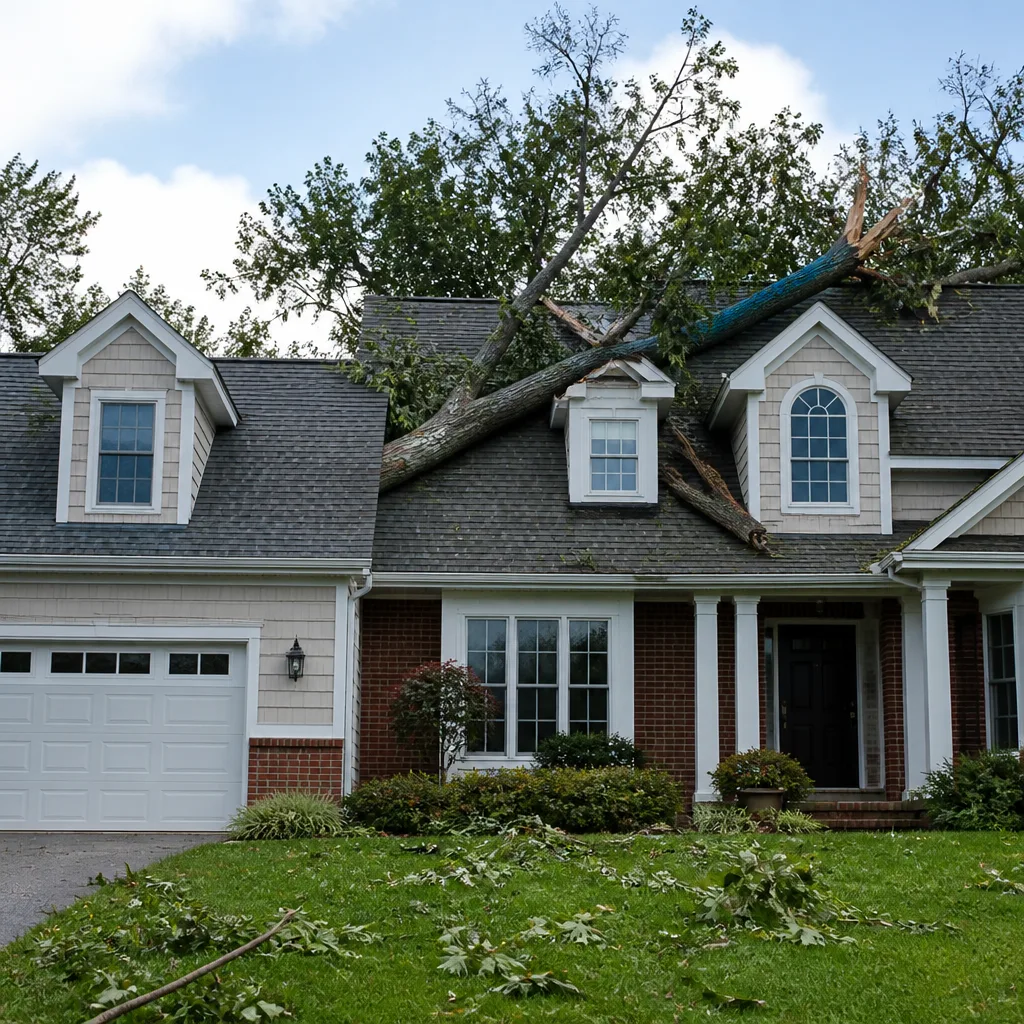
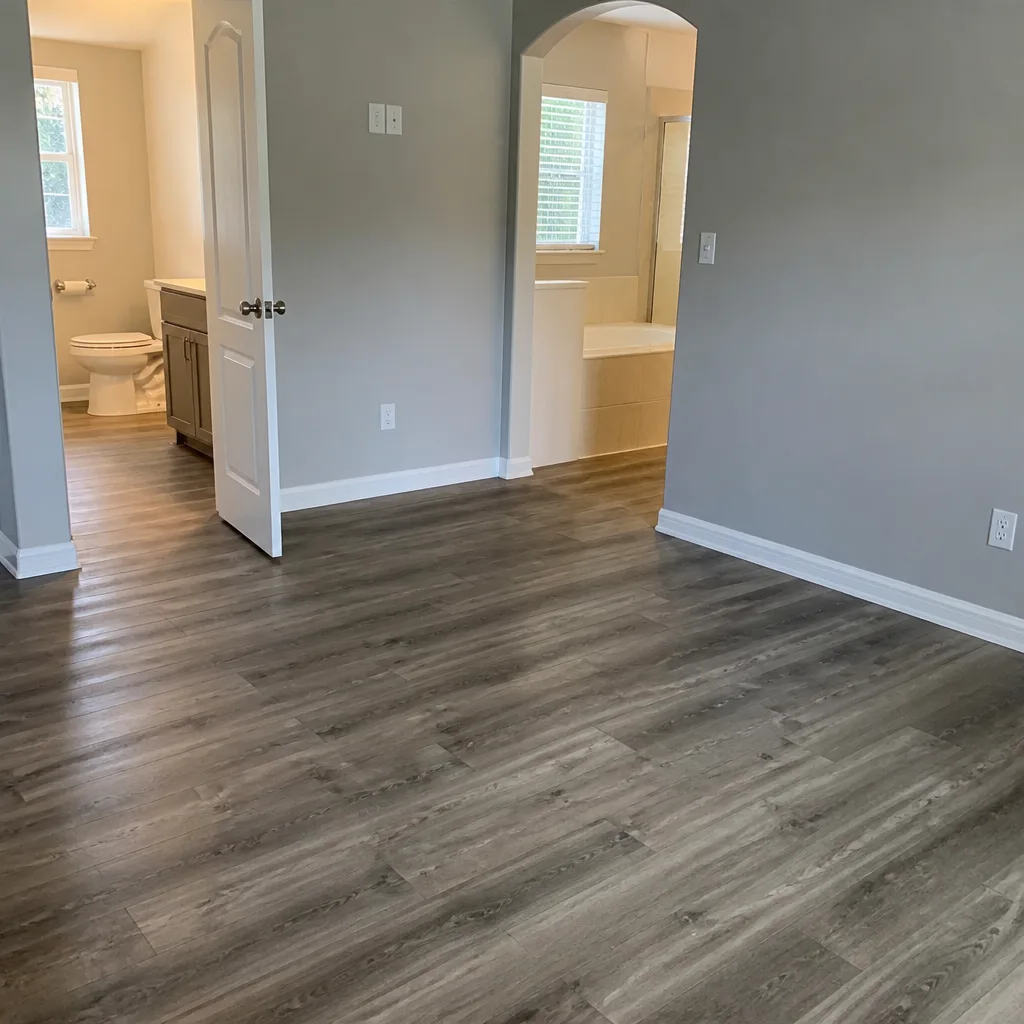
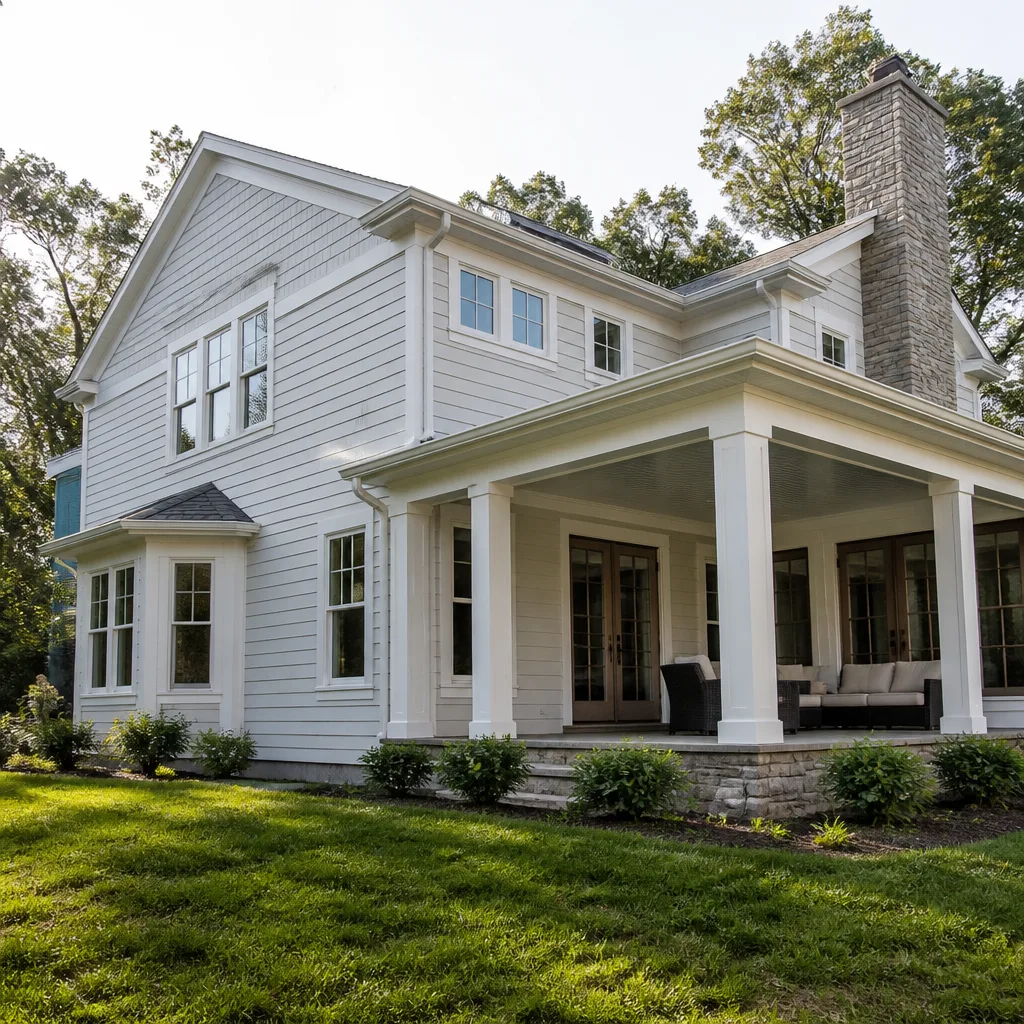
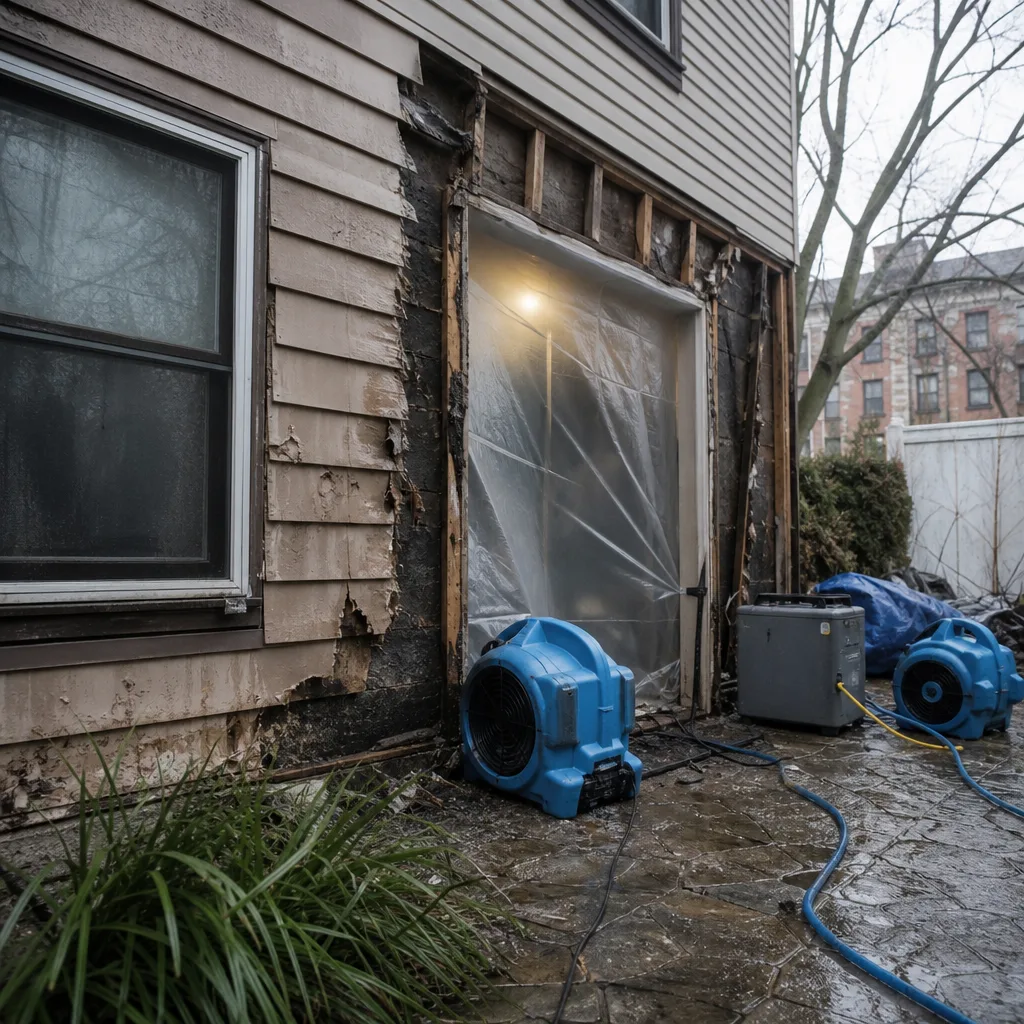 Before
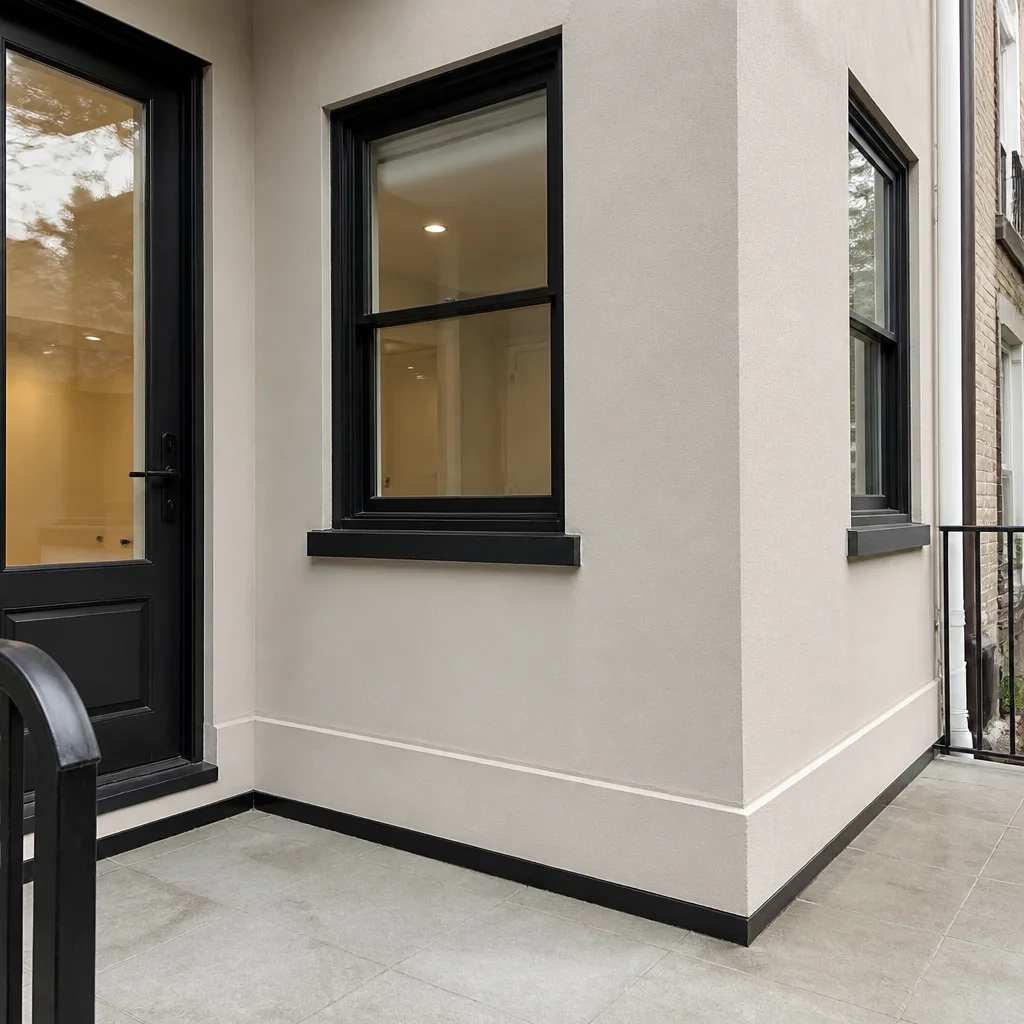 After
After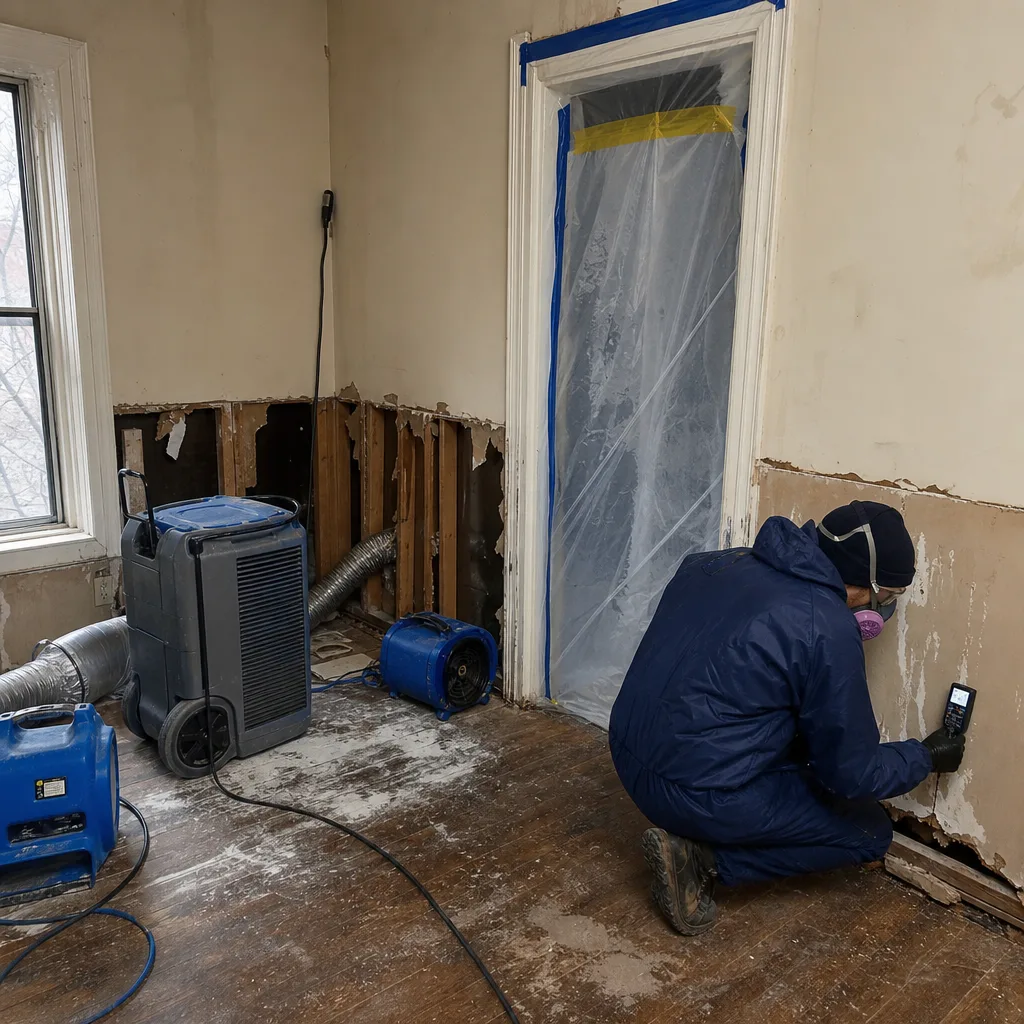 Before
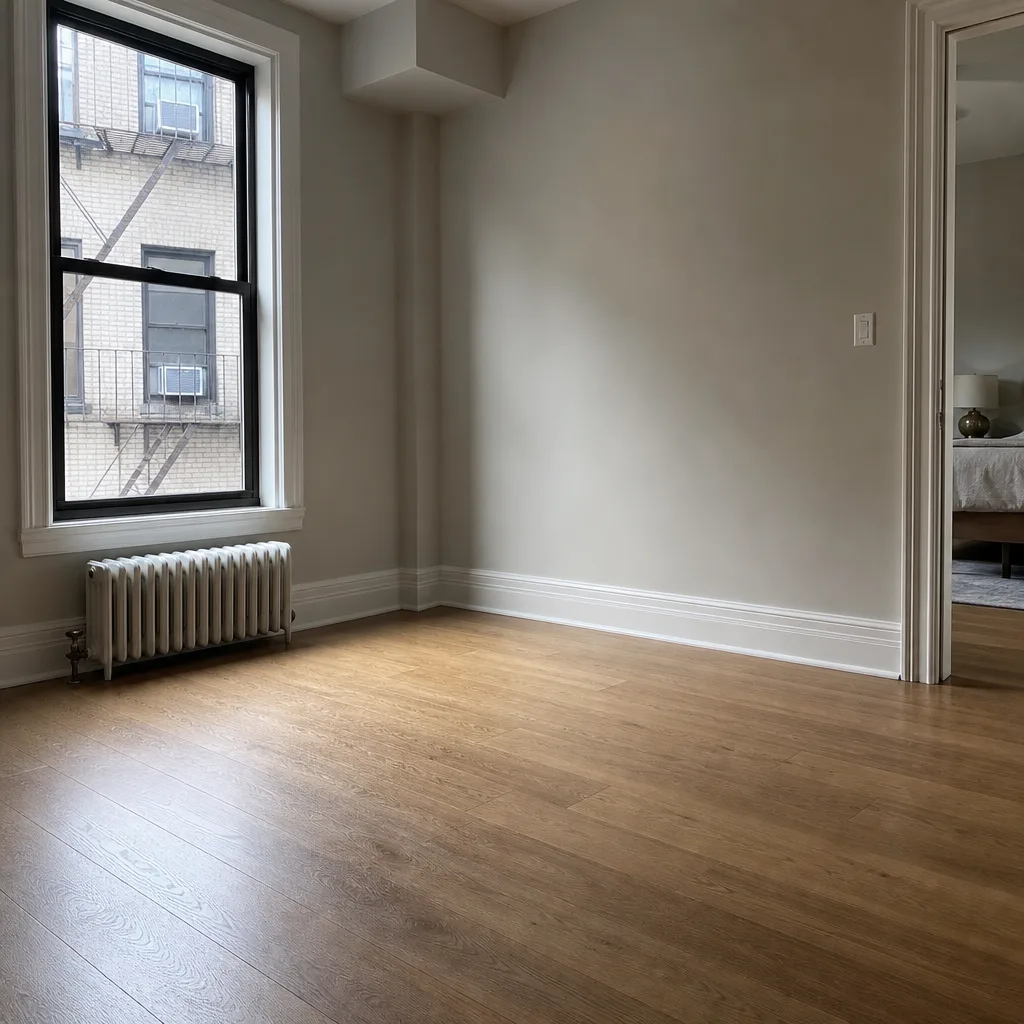 After
After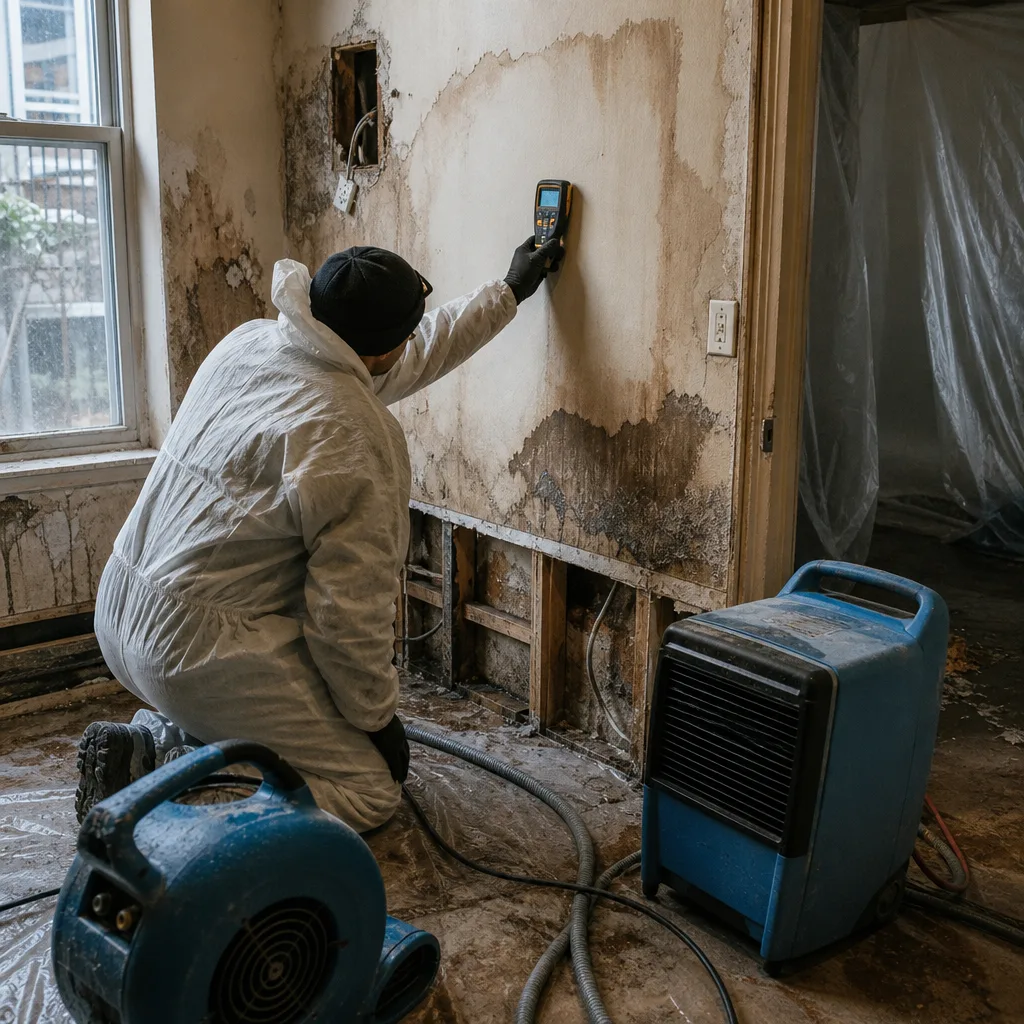 Before
 After
After24/7 Emergency Water Damage Restoration in Midtown Manhattan
Water damage restoration in Midtown Manhattan typically runs $2,800-$8,500 for commercial extraction and drying, with emergency response available now at (516) 687-5786. Our crews dispatch from our New York City office and reach Midtown towers within 45 minutes, because in a high-rise stack, water doesn’t stop at the floor where it started. Every minute of delay adds floors, tenants, and claim complexity.
We answer live, 24 hours a day, 7 days a week. No voicemail trees, no next-business-day callbacks while water is still moving through your building. A free visual inspection begins the moment we arrive, and a written price follows before any equipment is powered on. Haven Standard, Clause 1.
The first hour determines whether a single-floor leak becomes a multi-tenant, multi-carrier event. In Midtown’s commercial towers, where a single sprinkler head discharges 15-25 gallons per minute, that hour is measured in floors soaked, not square feet.
Understanding Water Damage Restoration Severity in Midtown Manhattan Properties
Water damage in Midtown Manhattan falls into three categories under IICRC standards. Category 1 is clean water from a broken supply line or failed riser, common in the district’s pre-war towers with original cast-iron plumbing. Category 2 carries significant contamination from HVAC condensate or dishwasher discharge. Category 3 is grossly contaminated, the standard outcome when combined sewer backups flood sub-basements after summer cloudbursts overwhelm the city’s drainage.
Moisture mapping with thermal imaging and pinless meters tells us what the eye cannot: how far water has migrated through concrete slabs, how deep it has wicked into plaster over terra cotta, whether vapor pressure differential is pushing moisture into adjacent tenant spaces. Psychrometric data, the temperature and relative humidity readings that govern drying science, is logged every 24 hours.
Midtown’s building stock intensifies every severity factor. Pre-war office towers near Bryant Park and the Garment District retain 1920s-1940s steam-heat infrastructure tied to Con Edison’s district steam system. A split cast-iron riser in one of these buildings doesn’t leak, it floods vertically. Modern glass curtain-wall towers present the opposite problem: their tight envelopes trap moisture, making tertiary drying, the final phase of moisture removal from dense materials, slower and more documentation-intensive.
Why Midtown Manhattan Property Owners Choose Back to Dry Restoration Manhattan
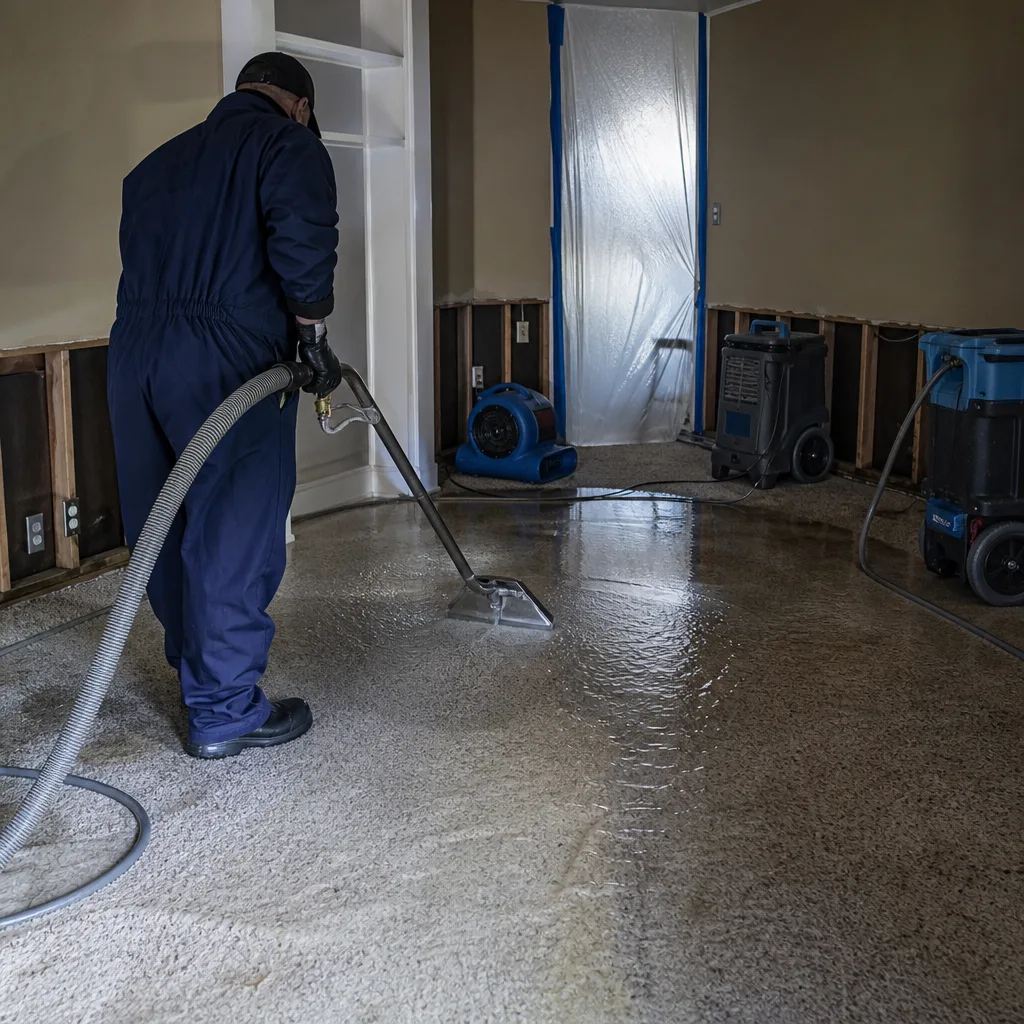
- 45-minute response commitment to Midtown Manhattan addresses, with crews staged to reach towers from the Hudson Yards corridor to the East River.
- 24/7 live answer - a real person, never an automated system, picks up every call to our emergency line.
- IICRC-certified crews holding WRT (Water Damage Restoration Technician) and FSRT (Fire & Smoke Restoration Technician) certifications, with AMRT (Applied Microbial Remediation Technician) staff for Category 3 losses.
- Free visual inspection and moisture assessment before any commitment or charge.
- Direct insurance billing with photo-documented estimates formatted to carrier standards, plus direct adjuster coordination for multi-tenant commercial claims.
- One team from extraction to reconstruction - no handoffs between vendors, no gaps in documentation, no disputed scopes at the end.
BeforeAfterOur Water Damage Restoration Process
1. Inspection & Assessment
We arrive with thermal imaging cameras, pin and pinless moisture meters, and hygrometers to map the full extent of migration. In Midtown high-rises, this means identifying every affected floor, documenting pre-existing conditions in adjacent tenant spaces, and photographing all damage before any equipment touches the space. The written scope starts here.
2. Extraction & Stabilization
Truck-mounted and portable extraction units remove standing water from carpet, hard surfaces, and structural cavities. For commercial towers, we coordinate with building engineering to isolate the source, whether that’s a failed riser, a sprinkler head, or a compromised roof membrane. Extraction continues until moisture readings plateau at extractable limits.
3. Structural Drying & Dehumidification
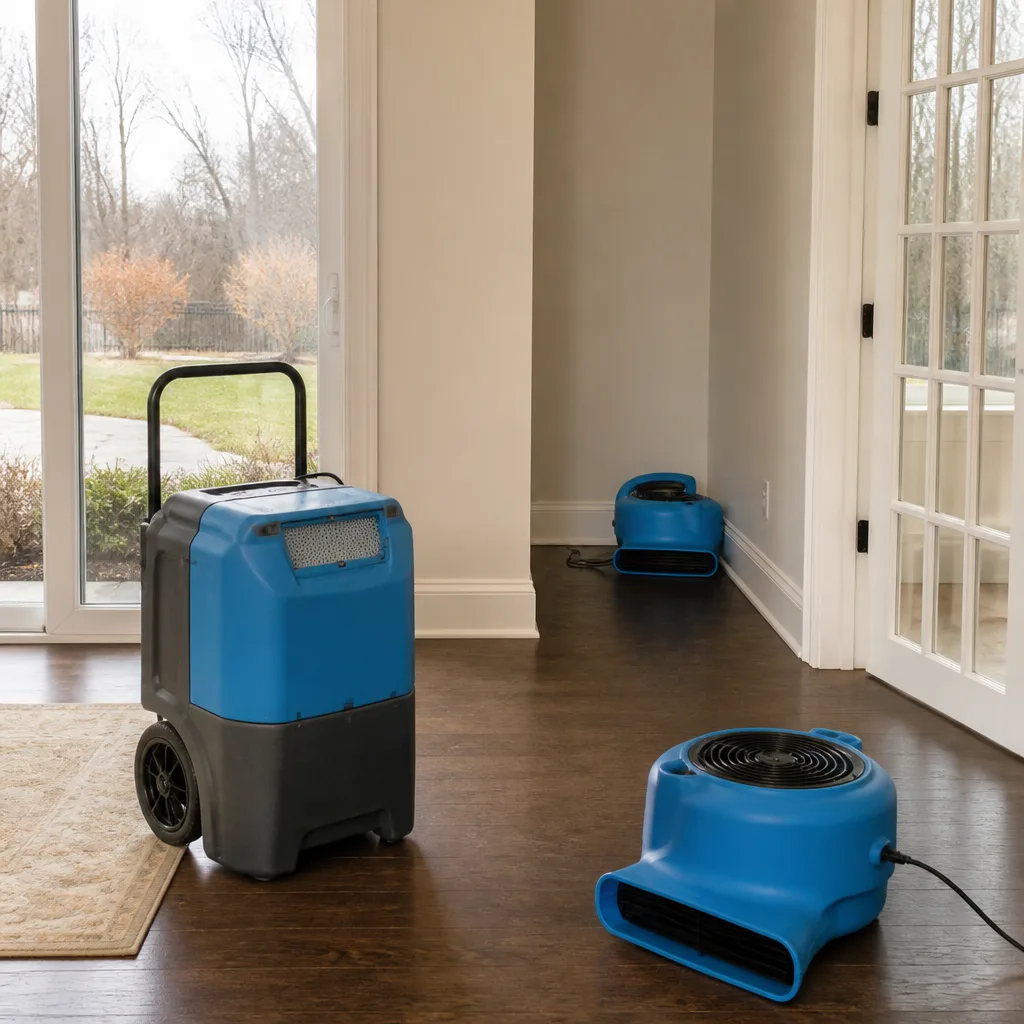
We deploy low-grain refrigerant dehumidifiers from Dri-Eaz and Phoenix, axial and centrifugal air movers from XPOWER, and specialized drying systems from Injectidry for wall cavities and hardwood floors. Daily moisture logs track specific humidity, temperature, and vapor pressure differential until materials reach established drying goals.
4. Cleaning & Sanitization
Category 2 and 3 losses receive antimicrobial treatment to EPA-registered standards. HEPA air scrubbers run during this phase to capture airborne particulates. In Midtown’s sub-basements, where combined sewer backups introduce genuine biological hazard, this step is documented to IFA and RIA standards for carrier review.
5. Sprinkler & Riser Source Remediation
We identify and document the exact failure point, whether it’s vibration-triggered sprinkler heads during renovation, freeze-split cast-iron risers, or compromised steam lines. Our report includes material classification, age assessment, and photographic evidence for building management and carrier subrogation files.
6. Repairs & Restoration
Drywall, ceiling tile, flooring, and finish carpentry are restored to pre-loss condition. A final moisture reading set confirms drying goals are met. The 365-Day Done Right Promise, backed by The Haven Standard, is signed and delivered with the complete photo record and drying log.
Need Emergency Water Damage Restoration in Midtown Manhattan Now?
Crews minutes away, answering live 24 hours a day. The sooner we start, the less it costs.
Working With Your Insurance Company
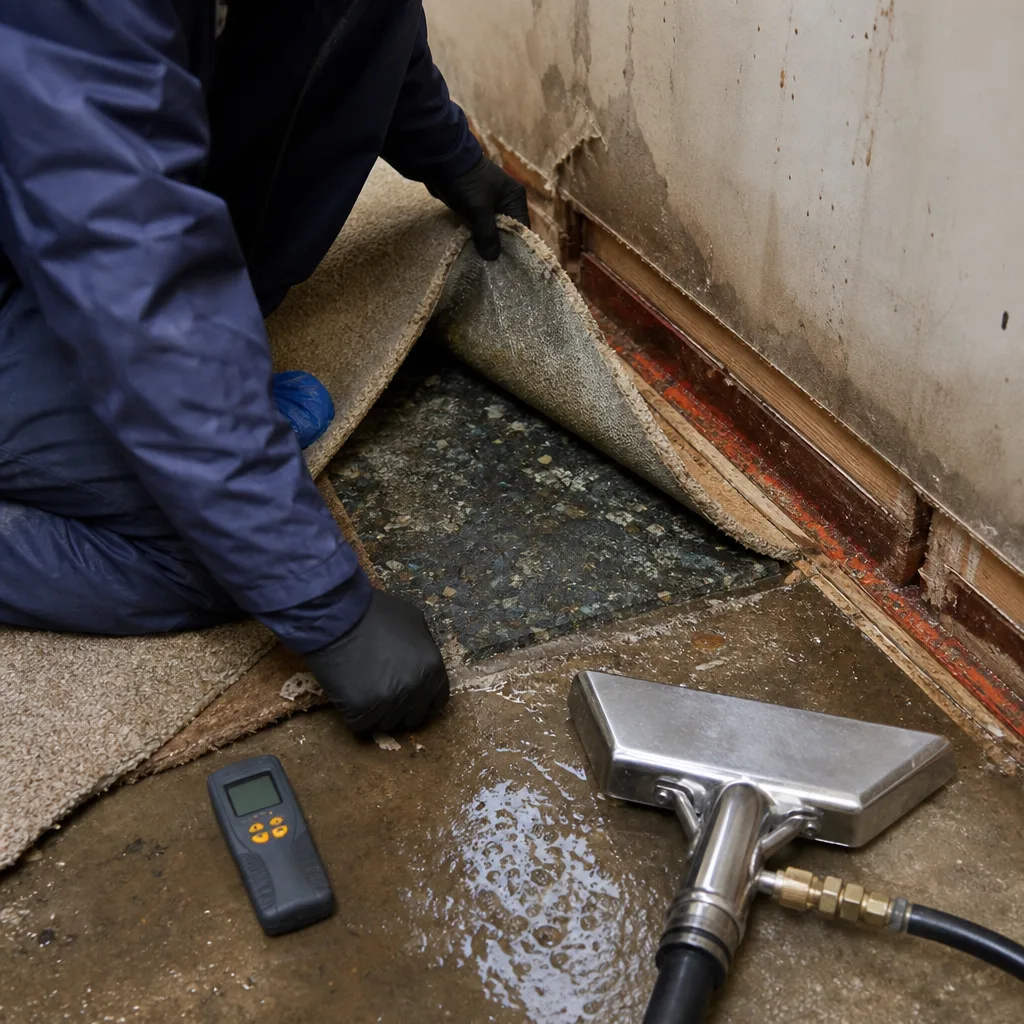
Documentation from the first hour is what turns a restoration invoice into a paid claim. We photograph every room before we touch anything, log moisture readings at every visit, and produce drying records that meet IICRC, RIA, and IFA standards. Our estimates are formatted to carrier specifications, and we communicate directly with adjusters rather than handing you a bill to dispute alone.
In Midtown’s commercial towers, one water loss often involves multiple tenant carriers, building insurance, and sometimes a contractor’s policy. We keep separate documentation streams clear and deliverable, so no carrier can delay payment by claiming the scope is commingled or unclear.
What We Provide Your Insurer
- Thorough documentation of the loss
- Photos of all damage, room by room
- Moisture readings and drying logs
- A detailed, line-item scope of work
- Direct coordination with your carrier
Built for Midtown Manhattan’s Loss Calendar
January deep freezes split cast-iron risers in pre-war towers from the Garment District to Murray Hill. The district steam system that heats many of these buildings can flash-boil standing water in failed lines, turning a slow leak into a pressurized spray. Late winter freeze-thaw cycles stress aging masonry envelopes and low-slope roofs, driving chronic infiltration through parapet walls and coping joints.
Spring thaw brings no relief. The city’s combined sewer system, already at capacity, backs into sub-basements when snowmelt coincides with rain. Midtown buildings have almost no ground-level drainage options given the density of subway tunnels and utility corridors below the street.
Summer cloudbursts are the worst. Intense rainfall overwhelms roof drains and plaza-level drains simultaneously. Buildings with below-grade mechanical rooms see Category 3 water rise through floor drains with no warning. And year-round, renovation hot-work in commercial towers triggers accidental sprinkler discharges that cascade through tenant floors before the fire-control room can respond, often requiring Fire & Smoke Damage Restoration - Midtown Manhattan alongside water mitigation.
Water Damage Restoration Across Midtown Manhattan’s Neighborhoods
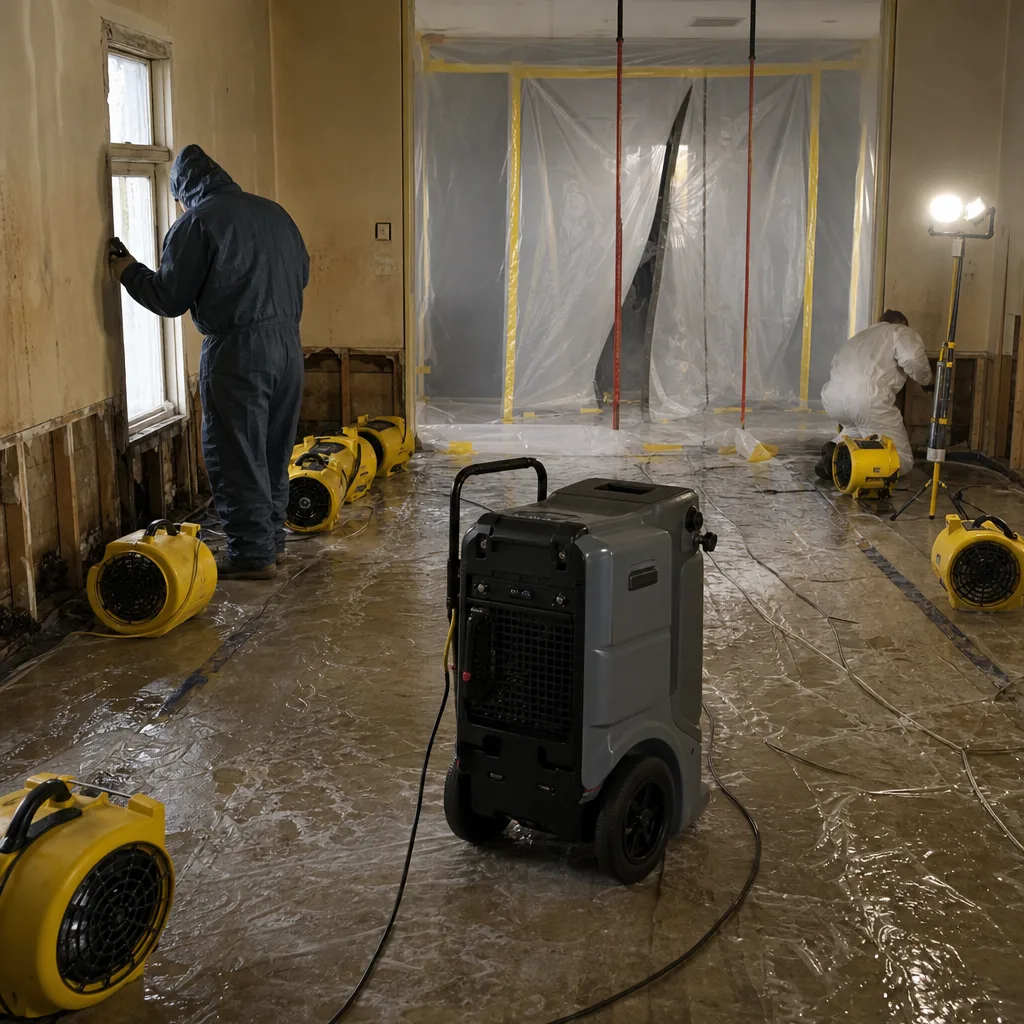
Near Bryant Park and the West 38th Street corridor, 1930s office towers with original cast-iron plumbing dominate. When a frozen riser split on a 14th-floor tower here, our crew started extraction at 3 AM while coordinating with building management to isolate the line. We used moisture mapping across 11 floors, set up containment to stop cross-contamination, and logged three days of structural drying with Dri-Eaz and Phoenix equipment before turning over the drying logs to three separate tenant carriers.
The Garment District, roughly between West 35th and West 41st Streets, mixes pre-war loft buildings with newer commercial towers. Many lofts retain original wooden water tanks on the roof, fed by cast-iron downfeeds that fail without warning. A tank overflow at 2 AM can flood a full vertical stack before morning.
Murray Hill, east of Fifth Avenue, has a higher concentration of mixed-use towers with residential condominiums above commercial bases. These buildings present dual-occupancy claims: the restaurant on 3 gets the visible damage, but the residential unit on 8 discovers it three days later when mold appears behind gyp board.
Hudson Yards and the far west corridor represent newer construction, but tight building envelopes and complex mechanical systems create their own problems. A failed fan-coil unit in a glass tower can produce concealed condensation damage for weeks before anyone notices staining on the ceiling below.
Specialized Water Damage Restoration Services We Offer in Midtown Manhattan
Emergency Water Extraction
Standing water in a commercial tower is never just standing water. It’s wicking into elevator pits, migrating through expansion joints, and finding every path to floors below. Our extraction teams arrive with truck-mounted units for lobbies and parking levels, portable units for tenant floors, and submersible pumps for sub-basements. In Midtown, our first call is always to building engineering to isolate the source before extraction begins.
Structural Drying & Dehumidification
High-rise structural drying requires equipment that can run 24 hours without tripping building electrical systems. We deploy Phoenix and Dri-Eaz LGR dehumidifiers, XPOWER air movers, and Injectidry cavity drying systems that pull moisture from behind walls without demolition. Daily psychrometric readings are logged and delivered as part of the carrier documentation package.
Flood Cleanup
Midtown flooding is almost always Category 2 or 3: stormwater mixed with sewage from combined sewer backups, or plaza-level runoff carrying petroleum and debris. Cleanup requires antimicrobial treatment, HEPA air scrubbing, and documented clearance before reconstruction. We do not dry in place after Category 3 exposure without full remediation.
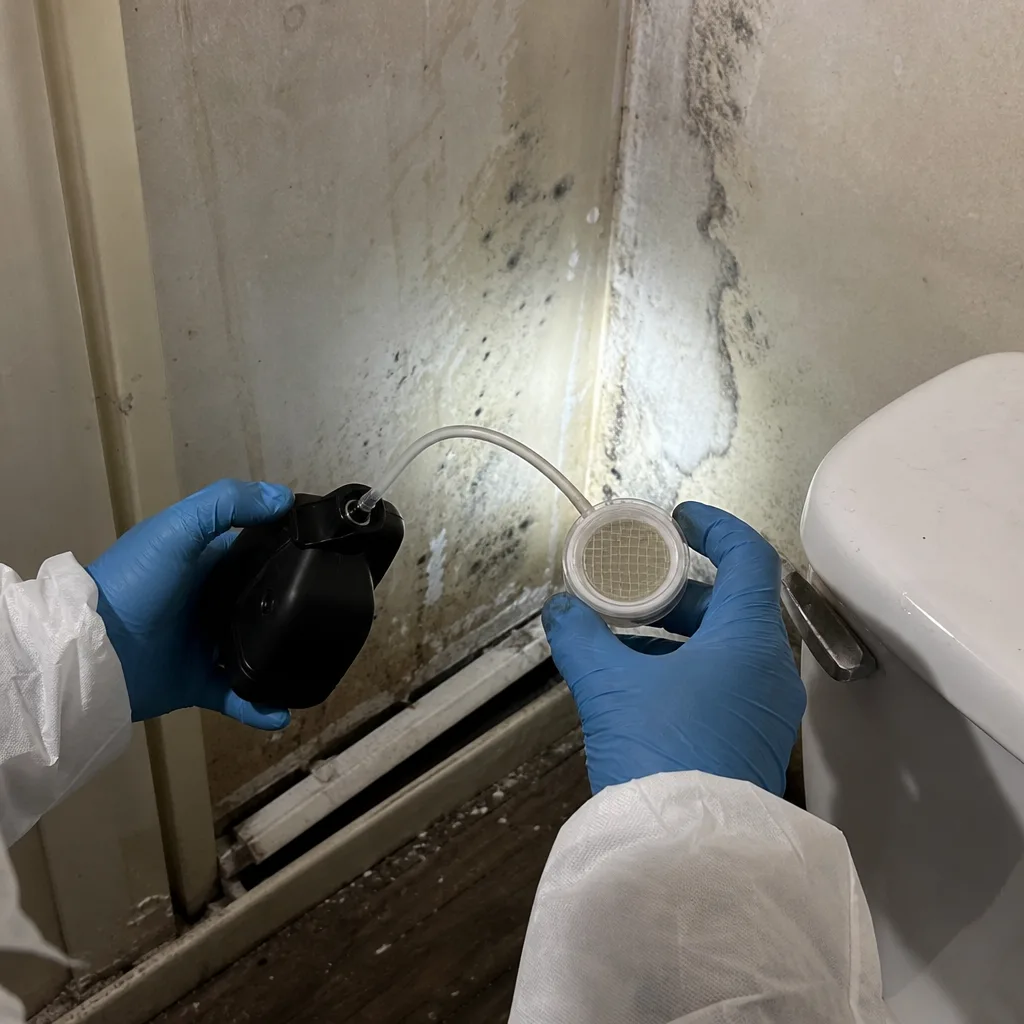
Burst Pipe Restoration
Cast-iron risers in pre-war towers, copper lines in mid-century buildings, and PEX in newer construction each fail differently. We identify the material, document the failure mode, and produce a scope that addresses not just the water damage but the source repair coordination with building plumbing contractors.
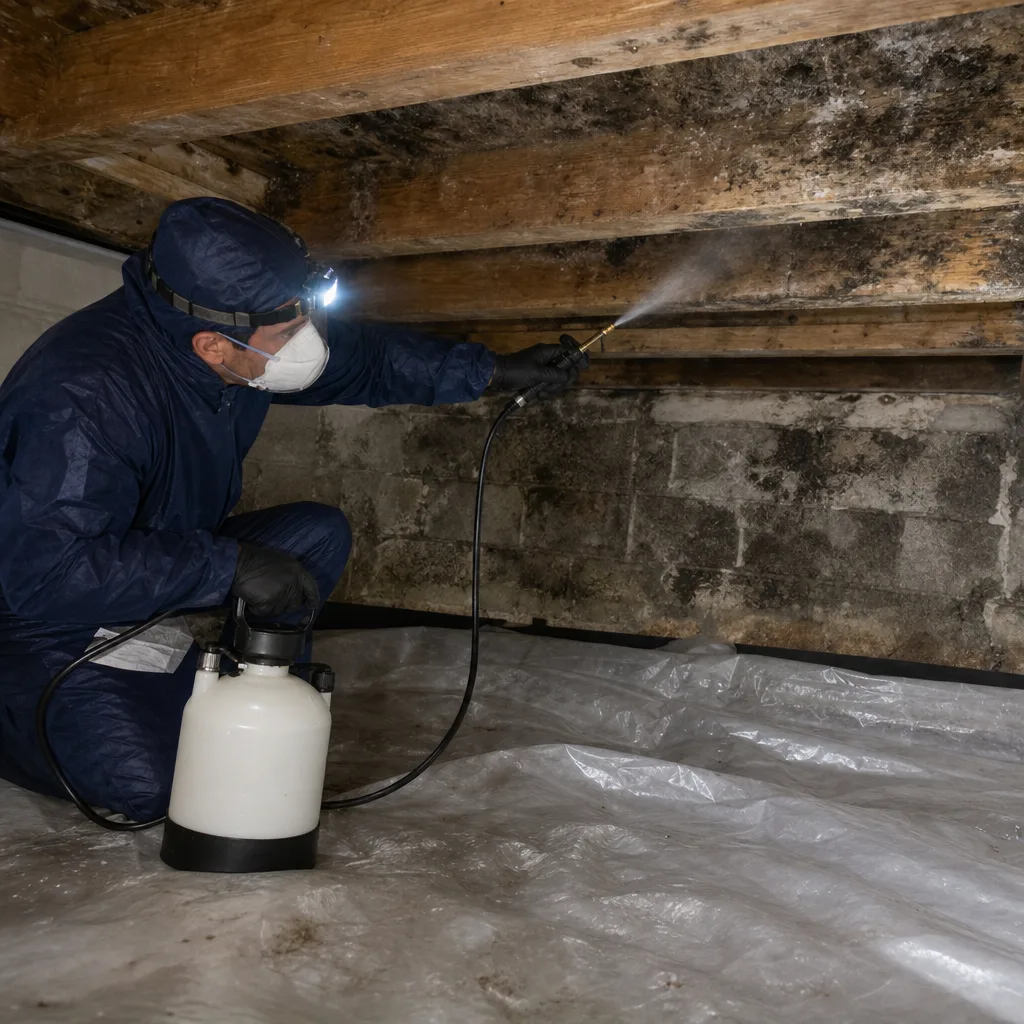
Basement Water Removal
Midtown sub-basements are mechanical spaces, not storage cellars. Water here threatens elevators, electrical switchgear, and emergency generators. Removal requires coordination with building engineers, confined-space protocols, and often dewatering pumps that can handle debris from combined sewer backups.
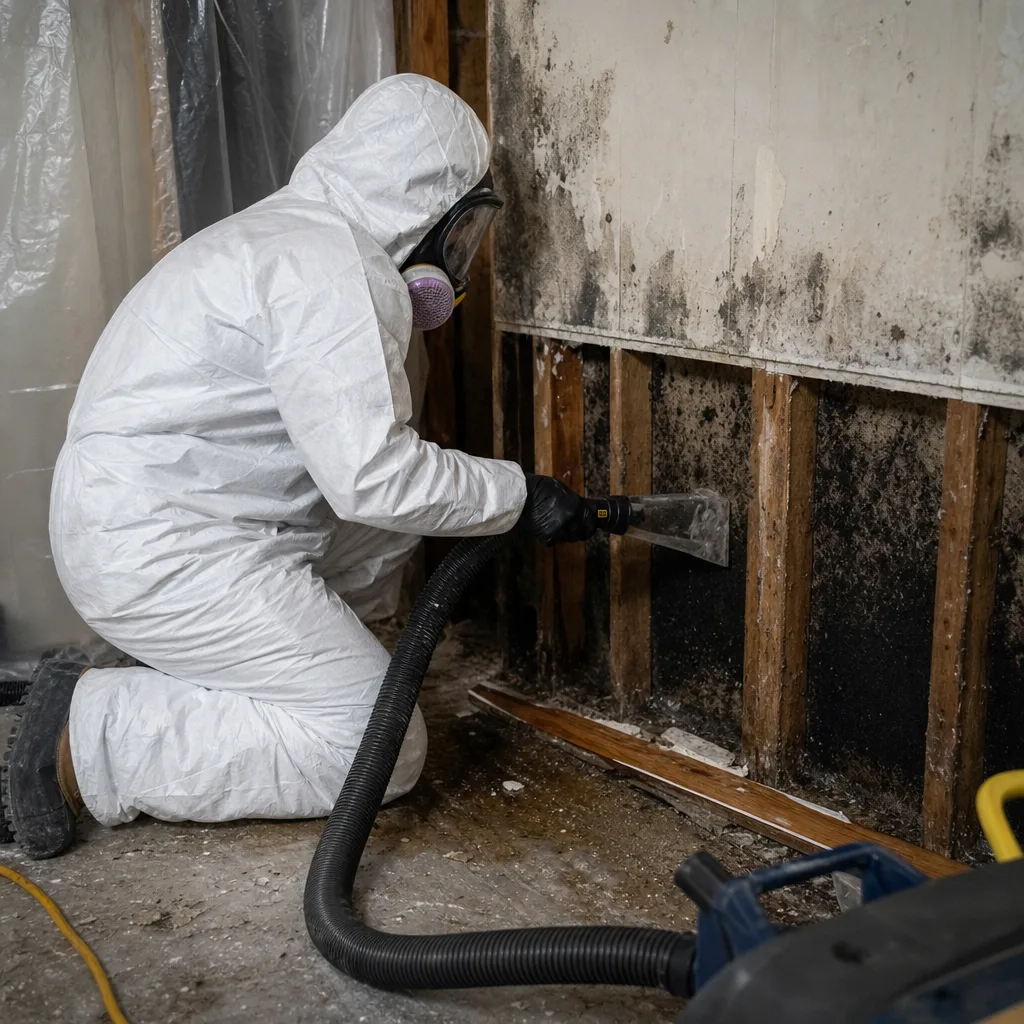
Ceiling & Roof Leak Water Damage
Low-slope roofs and aging parapet walls in Midtown’s older towers leak chronically during freeze-thaw cycles. We trace the actual entry point, which is rarely directly above the visible stain, and document the full migration path for carrier review. Roof repair coordination is scoped separately from interior drying.
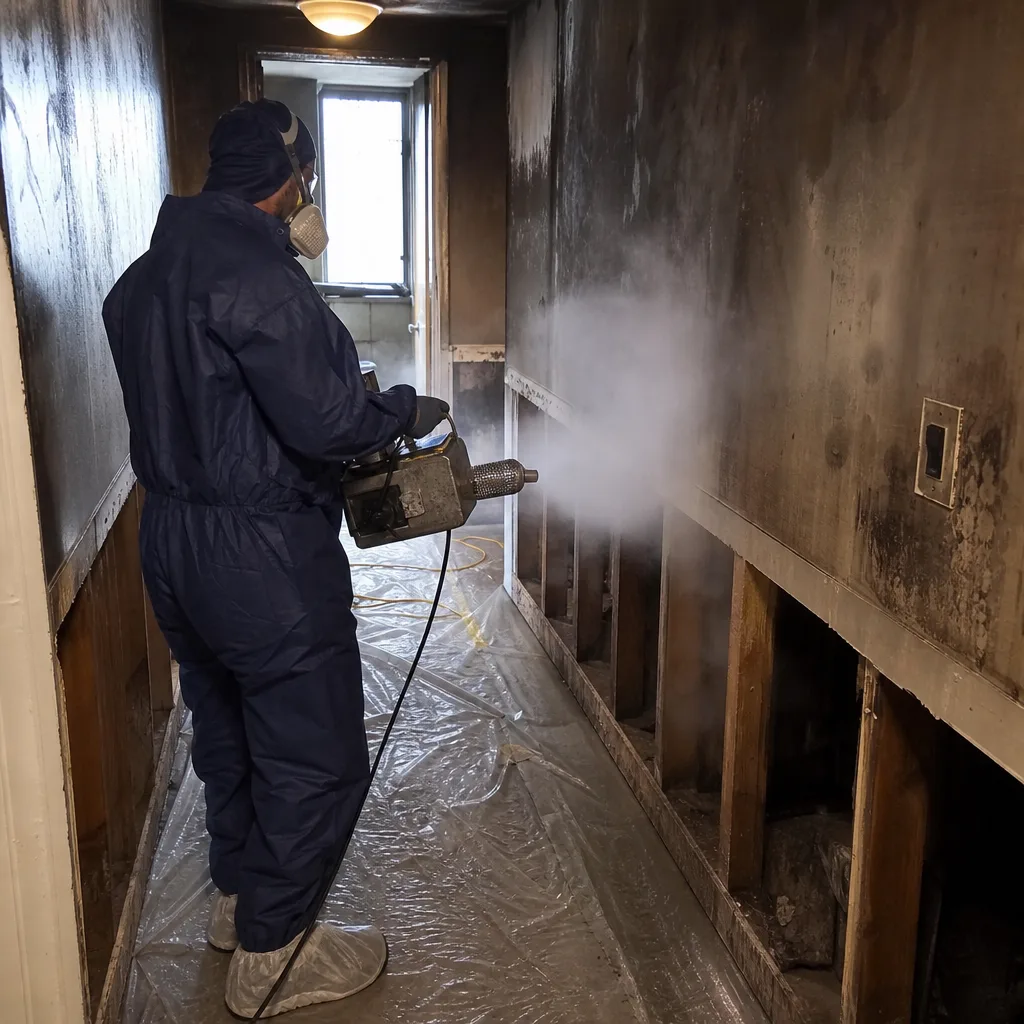
What happens when you call
- 1
A real person answersNo phone trees - you reach a local pro.
- 2
You get an upfront price rangeHonest numbers before anyone is dispatched.
- 3
A background-checked tech heads outLicensed & insured, dispatched right away.
- 4
You approve before work beginsNothing starts until you say go.
Water Damage Restoration Costs in Midtown Manhattan, NY
Typical water damage restoration in Midtown Manhattan runs $2,800-$8,500 for commercial extraction and drying projects, with severe multi-floor losses reaching $15,000-$45,000 when reconstruction is included. Emergency water extraction alone typically costs $1,200-$2,800 for the first visit. Structural drying and dehumidification runs $150-$350 per day per piece of equipment, with most commercial tower jobs requiring 3-7 days.
What moves the price: the number of floors affected, whether the source is isolated, whether Category 3 contamination requires antimicrobial treatment and disposal, and whether asbestos or lead-containing materials are present in pre-war construction. Insurance typically covers sudden and accidental water damage from burst pipes or sprinkler failures; gradual leaks and maintenance-related issues are often excluded.
We deliver a written price before work begins, every time, with no scope-creep additions once the crew is inside. Haven Standard, Clause 1. Bring a competitor’s written estimate and we’ll review it at no charge.
We Also Serve Cities Near Midtown Manhattan
Our Water Damage Restoration in Midtown Manhattan crews also respond to losses in Midtown Manhattan, Manhattan, Upper West Side, Upper East Side, and Morningside Heights. Dispatch and scheduling are coordinated from our New York City office; crews serve all these areas with the same 45-minute response commitment and live-answer availability.
Serving Midtown Manhattan, NY - Our Local Coverage Area
We’re based in the Midtown Manhattan area and know this community well. Use the map below to see our service coverage - if you’re nearby, we can almost certainly help.
Midtown Manhattan Water Damage Restoration Questions, Answered
How does a sprinkler head discharge in a Midtown high-rise affect multiple floors?
A single sprinkler head discharges 15-25 gallons per minute until the fire-control room shuts the zone valve, which routinely takes 5-15 minutes in large commercial towers. That volume overwhelms floor drains and migrates through vertical chases, elevator shafts, and expansion joints to soak three to five tenant floors below the activation point. We coordinate immediately with building engineering to isolate the zone, then extract and dry each affected floor with separate documentation for every tenant carrier. Call (516) 687-5786 for immediate response.
What permits does a Midtown water damage restoration job need from NYC Department of Buildings?
Most emergency extraction and drying requires no permit, but reconstruction involving structural elements, electrical, or plumbing replacement triggers DOB filing requirements. In commercial towers, asbestos surveys are often required before disturbance of pre-war materials, and Type 2 alterations need registered design professional sign-off. We coordinate permit requirements as part of our written scope before reconstruction begins. Call (516) 687-5786 to discuss your specific building.
Why does freeze-thaw weather matter for Midtown commercial towers?
Midtown’s pre-war towers rely on cast-iron risers and district steam infrastructure that expands and contracts through freeze-thaw cycles. Water trapped in failed masonry joints or compromised roof membranes freezes, expands, and opens new paths for infiltration. The cycle repeats until spring, when accumulated damage reveals itself as widespread ceiling stains and concealed cavity moisture. We document the full seasonal damage pattern for carrier review. Call (516) 687-5786 for moisture mapping.
Can we dry in place after a sub-basement sewer backup in Midtown?
No. Combined sewer backups in Midtown sub-basements are Category 3 water, grossly contaminated with biological and chemical hazards. Drying in place without full antimicrobial treatment, removal of contaminated porous materials, and documented clearance testing violates IICRC standards and creates liability for building owners. We scope remediation, not shortcuts. Call (516) 687-5786 for a written scope.
How fast can our crew start water extraction in Midtown after a burst riser?
Our crews reach Midtown Manhattan within 45 minutes of your call, and extraction begins immediately upon arrival. In a 2024 West 38th Street incident, we were extracting at 3 AM while building engineering isolated the failed riser. Speed matters because water in a high-rise stack doesn’t stay where it started. Call (516) 687-5786 now.
Will insurance cover my Midtown water damage restoration?
Sudden and accidental damage from burst pipes, sprinkler failures, and storm-driven water intrusion is typically covered under commercial property and HO-6 policies. Gradual leaks, maintenance failures, and flood from rising surface water require separate flood coverage. We document the loss to carrier standards from hour one and coordinate directly with your adjuster. Call (516) 687-5786 for a free inspection and carrier-ready estimate.
How long does structural drying take in a Midtown commercial tower?
Most commercial tower drying projects reach established goals in 3-7 days, depending on material density, air circulation limitations, and whether the building envelope is tight. Pre-war plaster and terra cotta take longer than modern gyp board. We log daily moisture readings and deliver the drying record to your carrier as proof of completion. Call (516) 687-5786 for a timeline specific to your loss.
What should I do in the first 30 minutes after discovering water damage?
Call building engineering to isolate the source if it’s a riser or sprinkler, then call us at (516) 687-5786. Do not enter flooded electrical rooms or elevator pits. Photograph visible damage for your records, but do not delay professional assessment to do so. We document everything upon arrival, and early moisture mapping prevents the secondary damage that makes claims disputed.
Back to Dry Restoration Manhattan is independently owned and operated under The Haven Standard. Our Water Damage Restoration team has restored 12,000+ homes and commercial properties since 2011, every one with a written price before work started and a documented record when the crew left. Alicia Brennan founded the company on the documentation gap that costs property owners their claims, and that origin still defines every job we take.
Call (516) 687-5786 for a free visual inspection and written estimate. Live answer, 24 hours a day, 7 days a week.
Written by Alicia Brennan, Owner at Back to Dry Restoration Manhattan, serving Midtown Manhattan since 2011.