
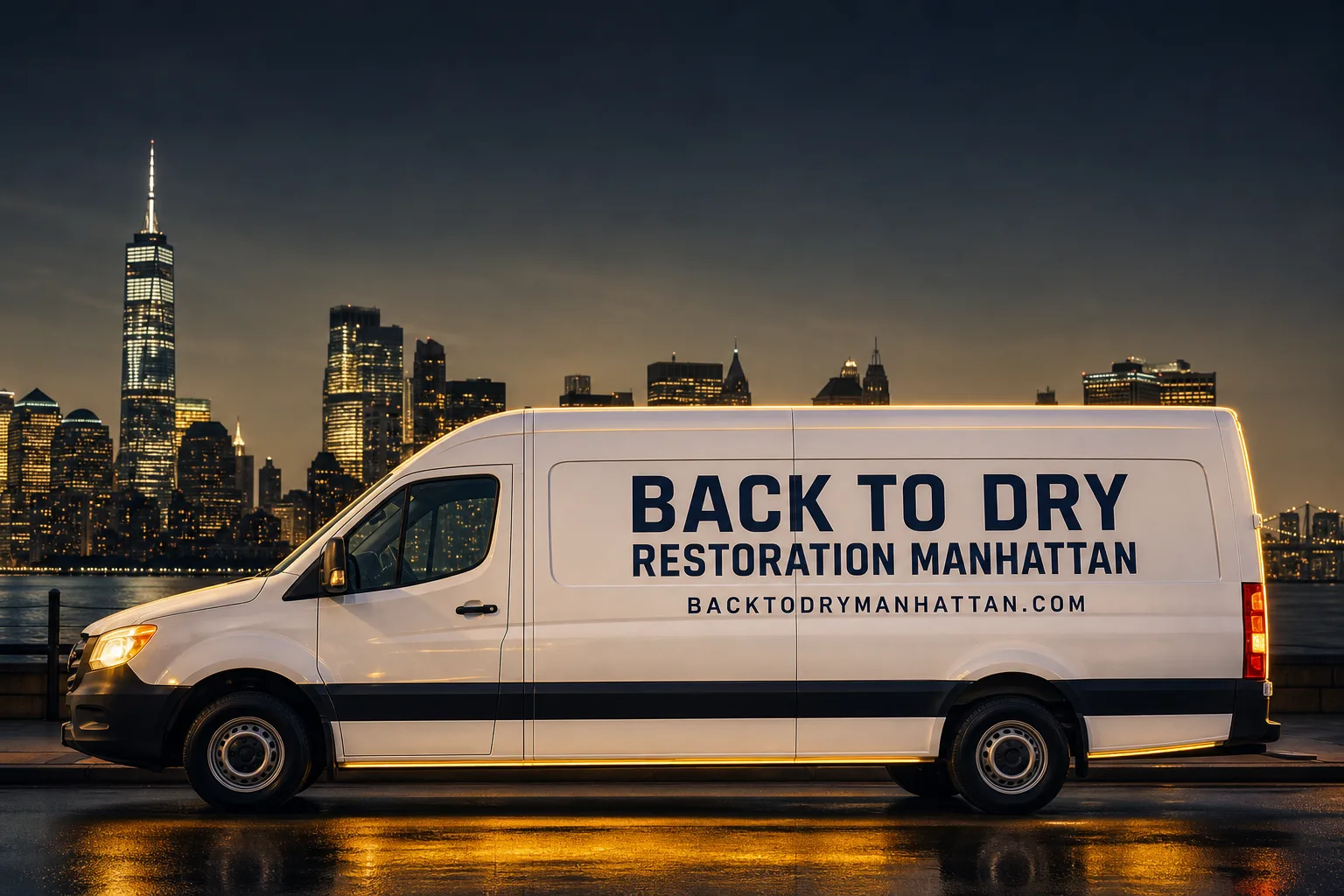
Free visual inspection and a written scope of work before any mitigation begins - photos, moisture readings, and drying logs go in your claim file
The scope we write is the scope we bill. Anything new gets shown to you, in writing, before we touch it.
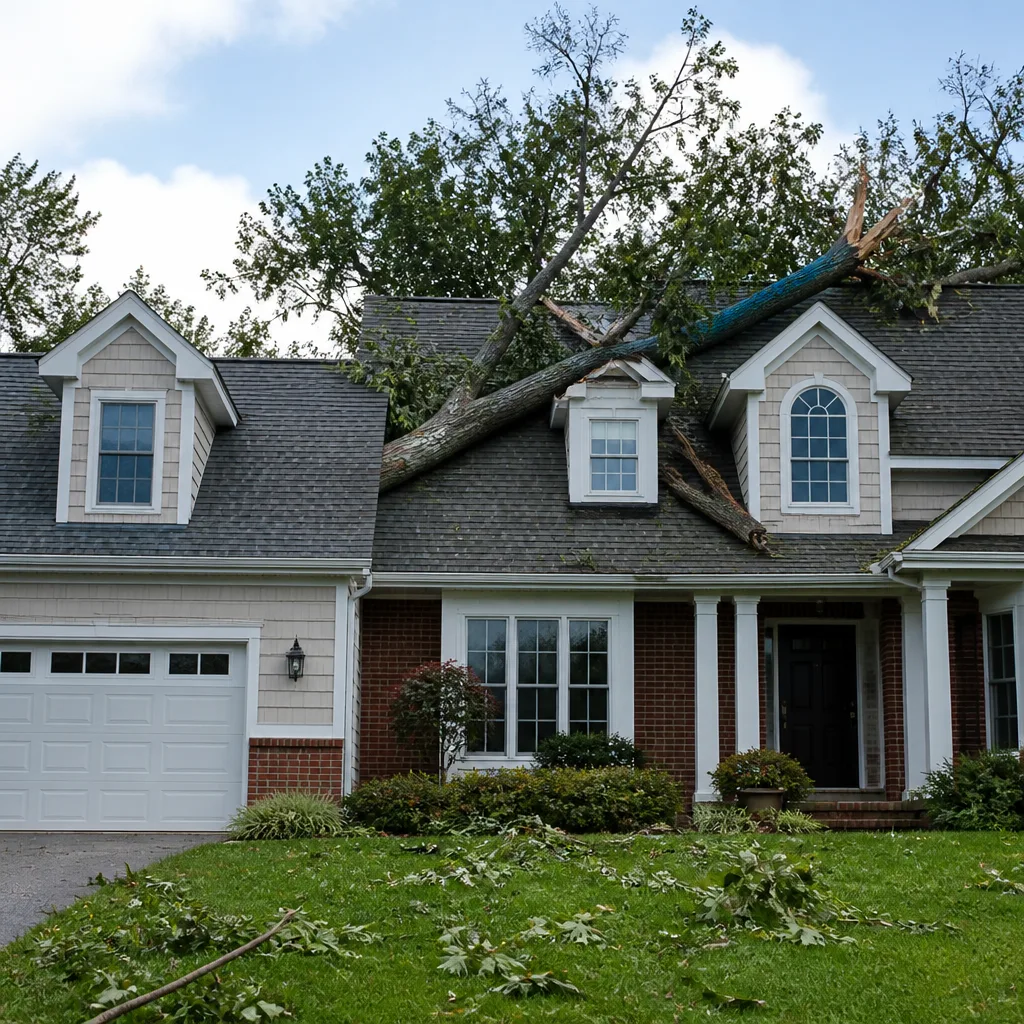
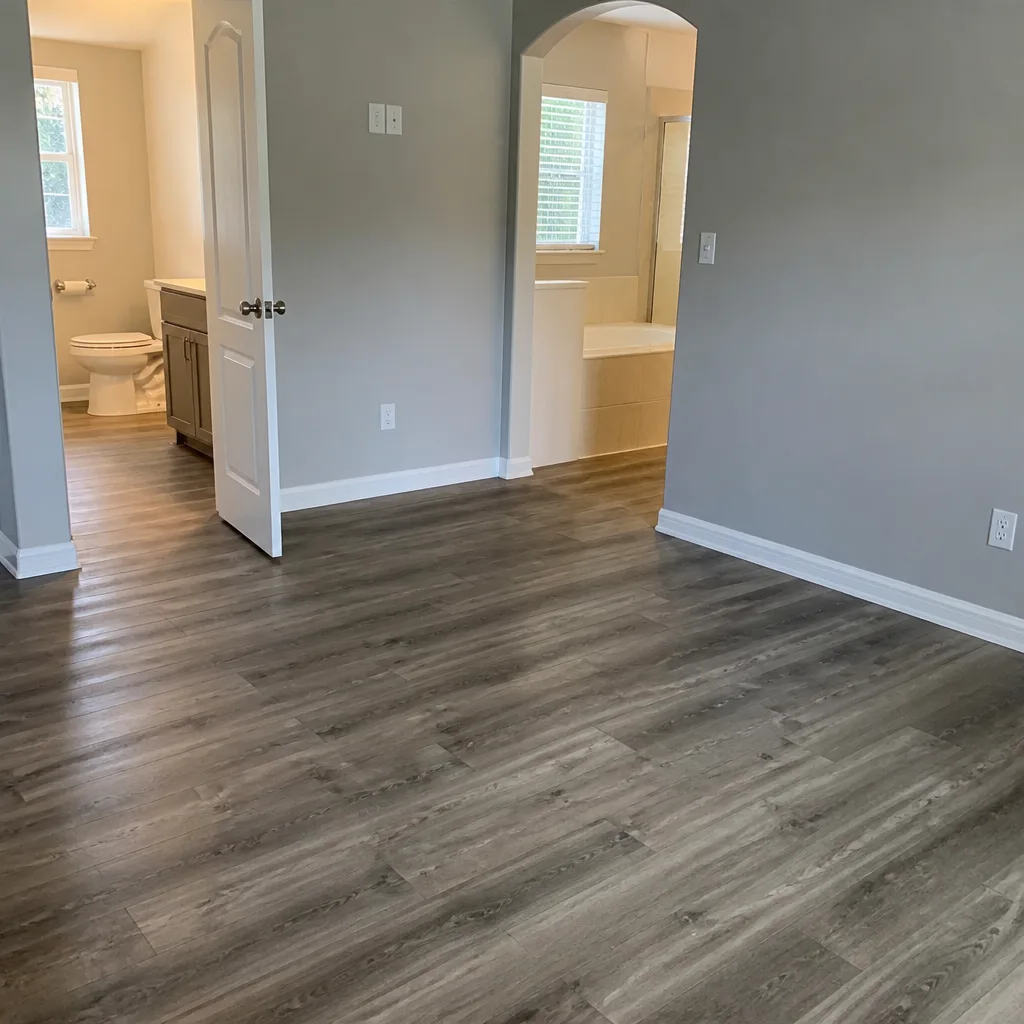
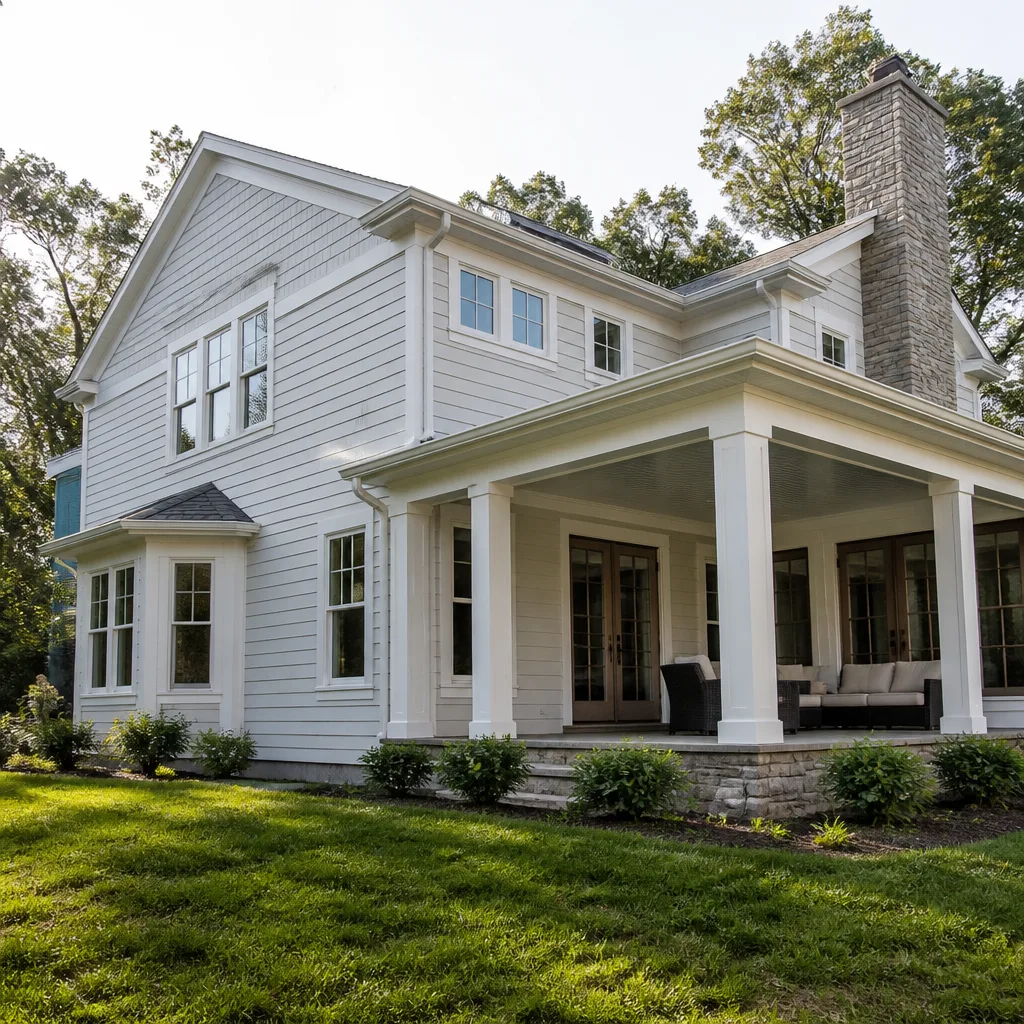
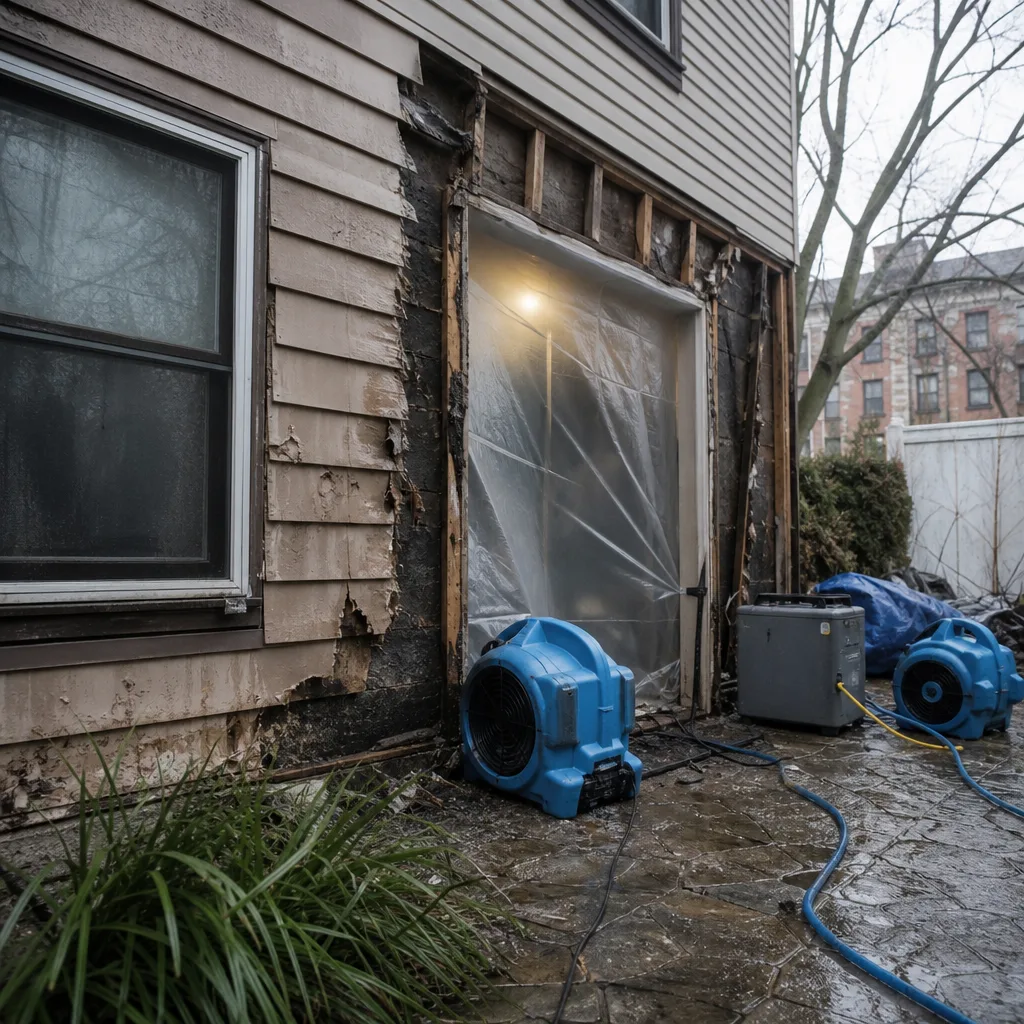 Before
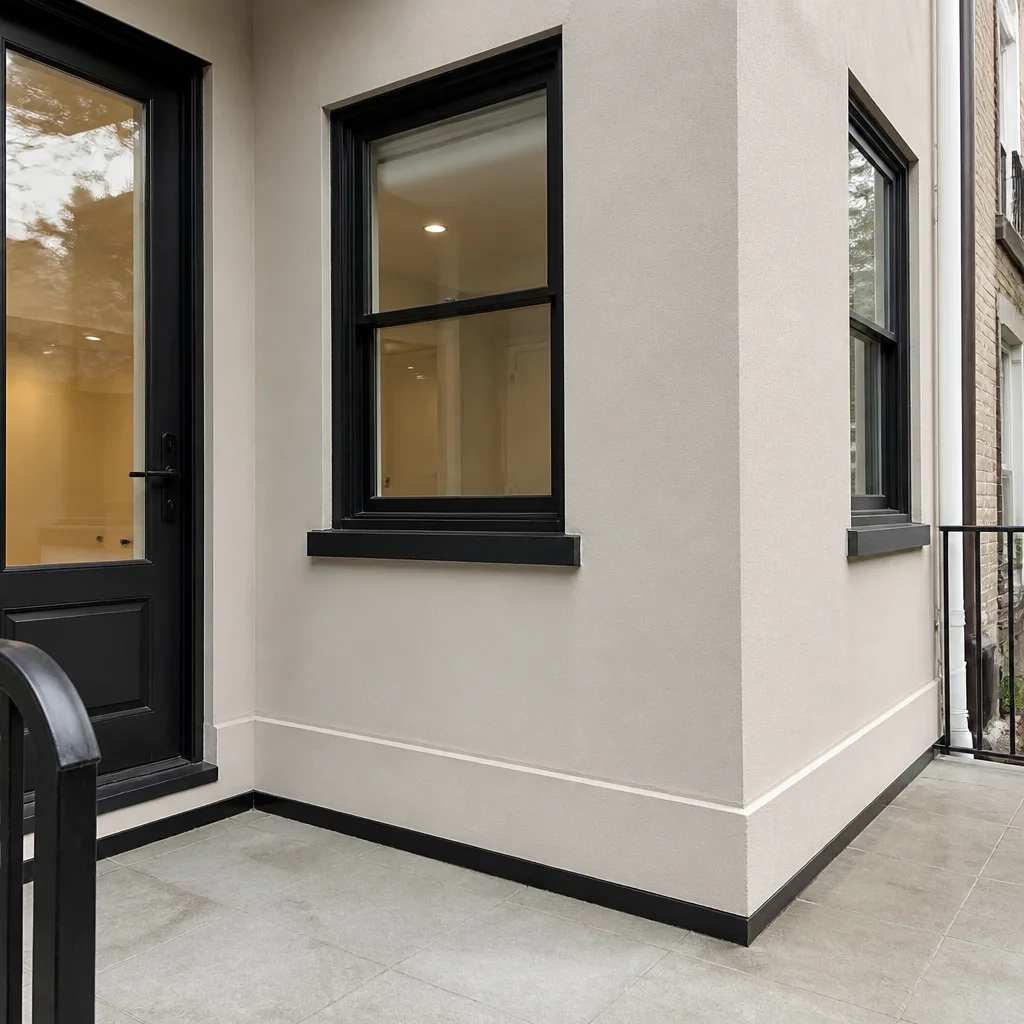 After
After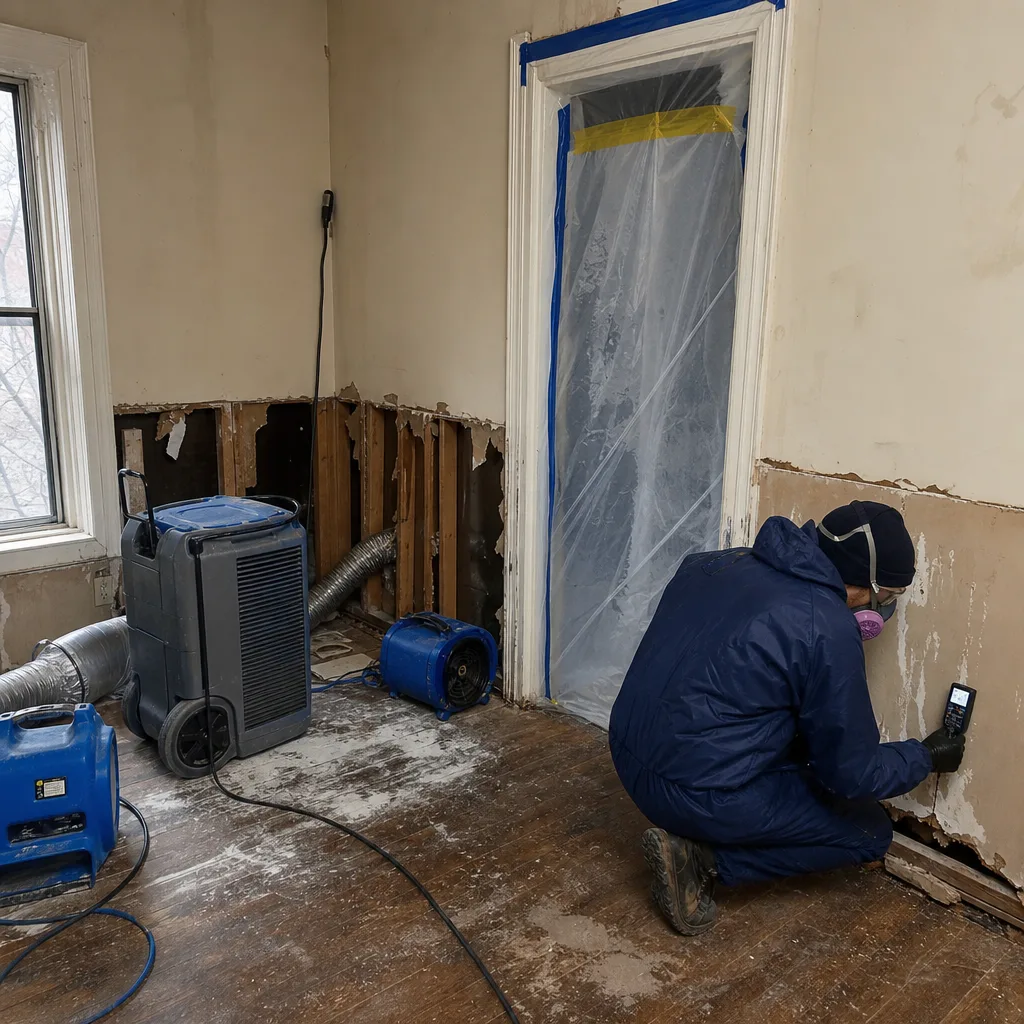 Before
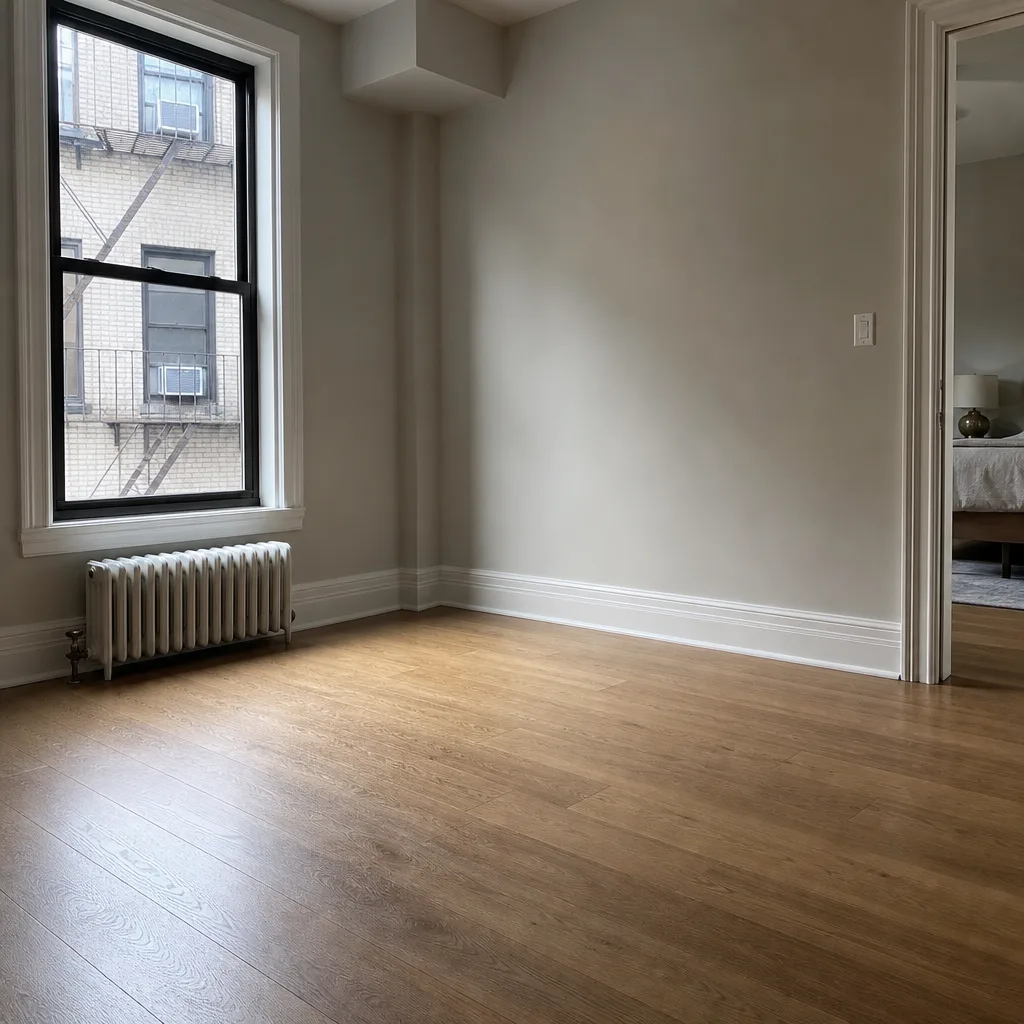 After
After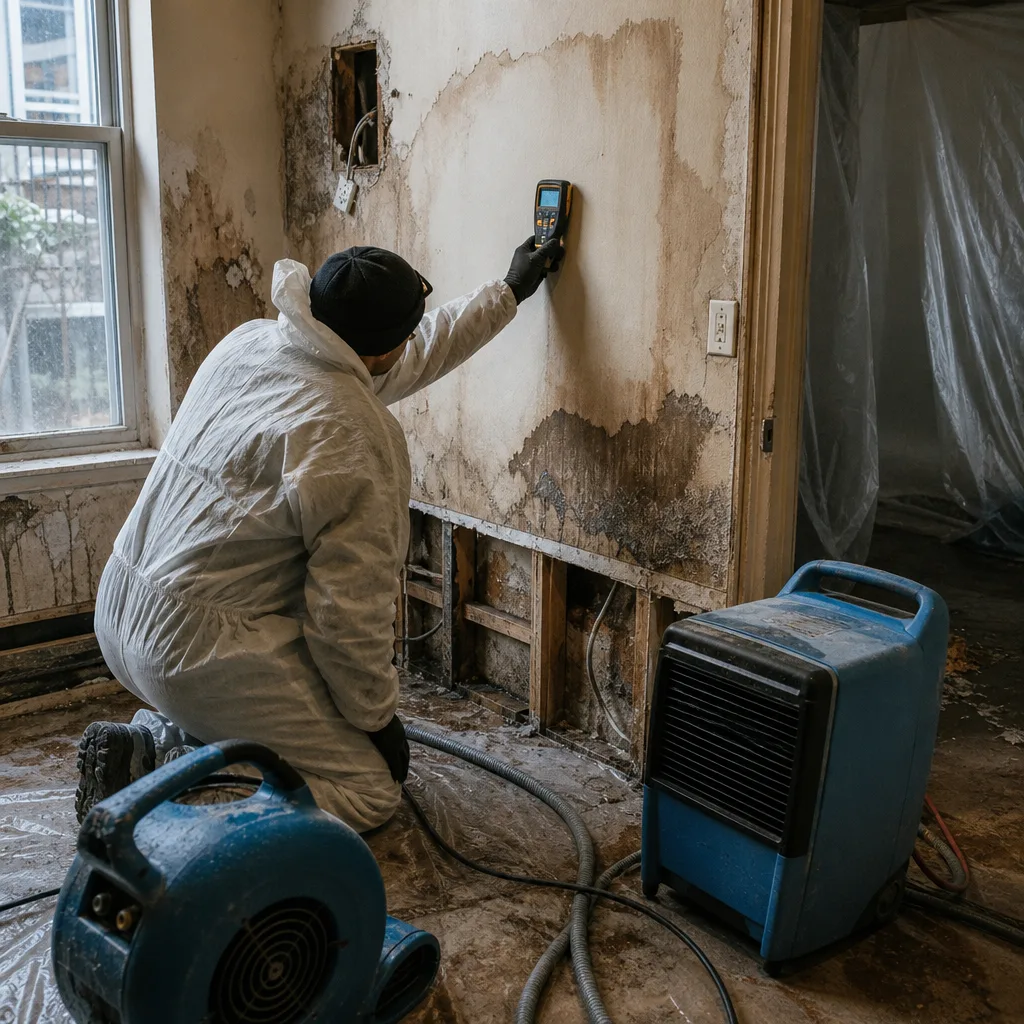 Before
 After
After24/7 Emergency Fire & Smoke Damage Restoration in Murray Hill
Fire and smoke damage in Murray Hill’s pre-war co-op buildings demands a response that understands dual-authorization access, riser-chase smoke migration, and the plaster-on-lath construction that hides residue behind finished walls. Our crews answer live at (516) 687-5786 24 hours a day, 7 days a week, and we dispatch to Murray Hill within 45 minutes of your call. The first hour after a fire determines whether smoke odor becomes a permanent fixture in your apartment or a solved problem - hydrochloric and sulfuric acids in soot begin etching metal and glass within minutes, and porous plaster absorbs odor compounds that become progressively harder to neutralize.
We provide a free visual inspection, document every surface with photo evidence, and deliver a written price before any work begins. Haven Standard, Clause 1. No exceptions.
Understanding Fire & Smoke Damage Restoration Severity in Murray Hill Properties
Smoke damage severity in Murray Hill is classified by residue type and migration path, not merely by proximity to flame. Dry smoke residues from fast-burning, high-heat fires produce fine, powdery carbon particles that cling to vertical surfaces and require dry-cleaning sponges or HEPA vacuuming before wet cleaning sets the stain. Wet smoke residues from slow, smoldering fires - common in kitchen fires where synthetic materials burn - are sticky, acidic, and penetrate plaster-on-lath walls through hairline cracks that are invisible until we cut inspection ports.
Protein residues from kitchen fires leave nearly invisible, intensely pungent films that standard cleaning compounds cannot remove; they require enzyme-based cleaners and thermal fogging. In Murray Hill’s pre-war buildings, smoke migrates through shared steam riser chases and original plaster wall cavities, creating tertiary contamination in units that never saw flame. Our crews map migration paths with thermal imaging and borescope inspection, then classify affected areas by residue type to determine whether dry cleaning, wet cleaning, abrasive blasting, or full material removal is required.
The age of Murray Hill’s housing stock compounds every severity factor. Plaster-on-lath walls from the 1920s-1940s are more porous than modern drywall, and decades of paint layers create surfaces where soot bonds chemically rather than physically. Timber floor framing in brownstone rowhouses can harbor odor in the grain for weeks if not addressed with vapor-pressure differential drying and sealed containment.
Why Murray Hill Property Owners Choose Back to Dry Restoration Manhattan
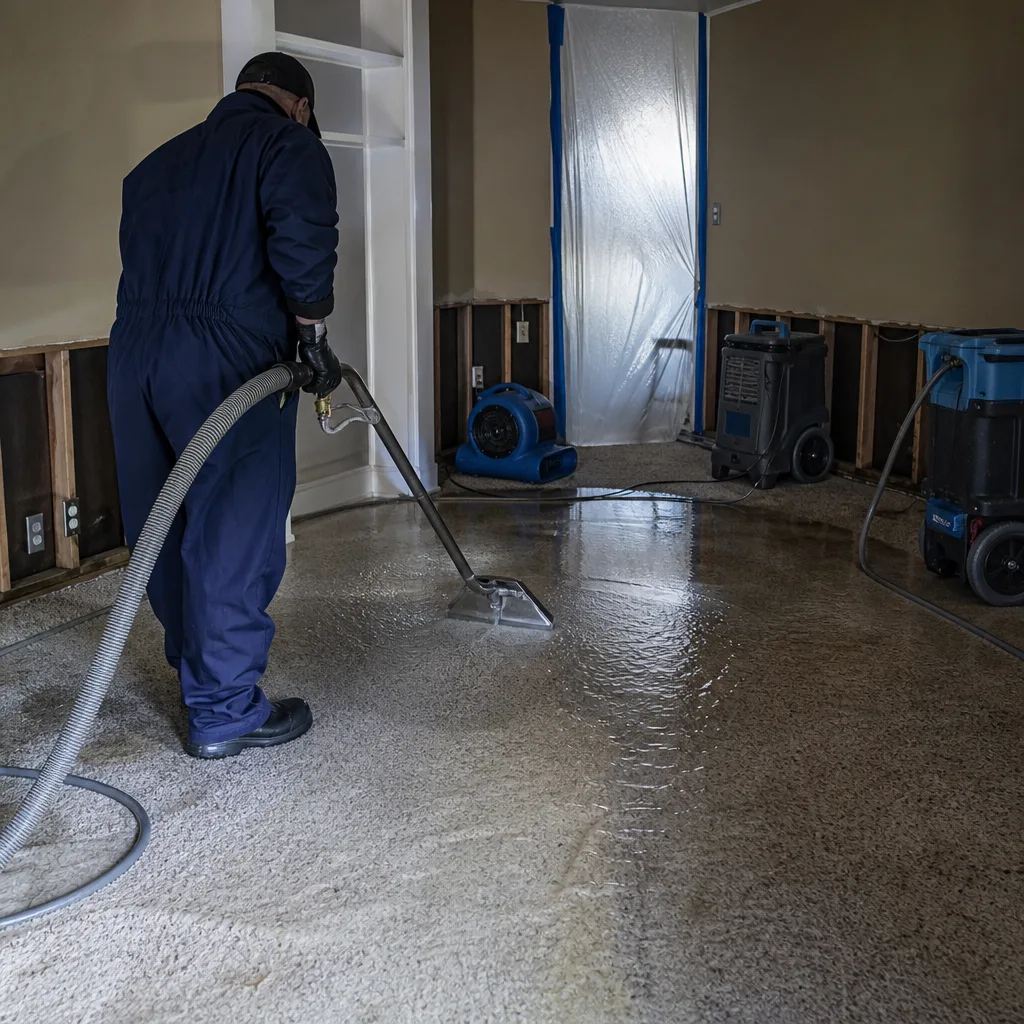
- 45-minute response commitment to Murray Hill from our New York City office, with crews carrying negative-air machines, HEPA scrubbers, and board-up materials on every truck.
- 24/7 live answer by a real person, never an automated system or voicemail tree - emergency lines are staffed around the clock because smoke damage doesn’t wait for business hours.
- IICRC-certified crews holding FSRT (Fire and Smoke Restoration Technician) and WRT (Water Damage Restoration Technician) credentials, with background checks and license verification completed before any technician enters your building.
- Free visual inspection with documented photo record and moisture readings, delivered as a standard deliverable on every visit - never an upsell.
- Direct insurance billing with adjuster coordination from day one; our drying logs and written scopes are formatted to the standards that claims departments pay without dispute.
- One team from emergency board-up through structural fire repair, eliminating the handoff gaps that leave co-op shareholders coordinating between multiple contractors and managing agents.
BeforeAfterOur Fire & Smoke Damage Restoration Process
1. Inspection & Assessment
We arrive with thermal imaging cameras, moisture meters, and borescopes to map smoke migration through plaster-on-lath cavities and riser chases. Every surface is photographed, residue type is classified, and we identify which building systems require managing agent access before containment can begin. You receive a written scope and price before we start.
2. Emergency Board-Up & Tarping
Broken windows, compromised doors, and roof damage are secured with fire-rated plywood and weather-resistant tarps. In Murray Hill elevator buildings, we coordinate with doormen and building engineers to stage materials through service entrances and freight elevators, minimizing disruption to residents.
3. Smoke & Soot Removal
Dry-cleaning sponges lift loose soot from vertical surfaces before wet cleaning drives residue deeper. For wet smoke and protein residues, we apply pH-balanced cleaners specific to the material - alkaline solutions for wood, acidic for stone and tile. HEPA air scrubbers run continuously during removal to capture airborne particles.
4. Odor Removal & Deodorization
Thermal fogging recreates the heat and pressure that opened pores during the fire, driving deodorizing compounds into the same spaces smoke entered. Hydroxyl generators run for 24-72 hours to break odor molecules at the chemical level. In pre-war buildings with deep plaster absorption, we may seal affected surfaces with odor-blocking primers before repainting.
5. Contents Cleaning & Pack-Out
Textiles, electronics, and documents are inventoried, photographed, and transported to our facility for ultrasonic cleaning, ozone treatment, or specialized restoration. We provide your adjuster with a line-item contents list and pre-loss condition documentation - the baseline that determines replacement vs. restoration coverage.
6. Structural Fire Repair & Restoration
Charred framing is sistered or replaced, plaster is repaired with three-coat traditional methods matching original construction, and finishes are restored to pre-loss condition. Our 365-Day Done Right Promise under The Haven Standard covers every repair: if it’s not done right, we make it right.
Need Emergency Fire & Smoke Damage Restoration in Murray Hill Now?
Crews minutes away, answering live 24 hours a day. The sooner we start, the less it costs.
Working With Your Insurance Company
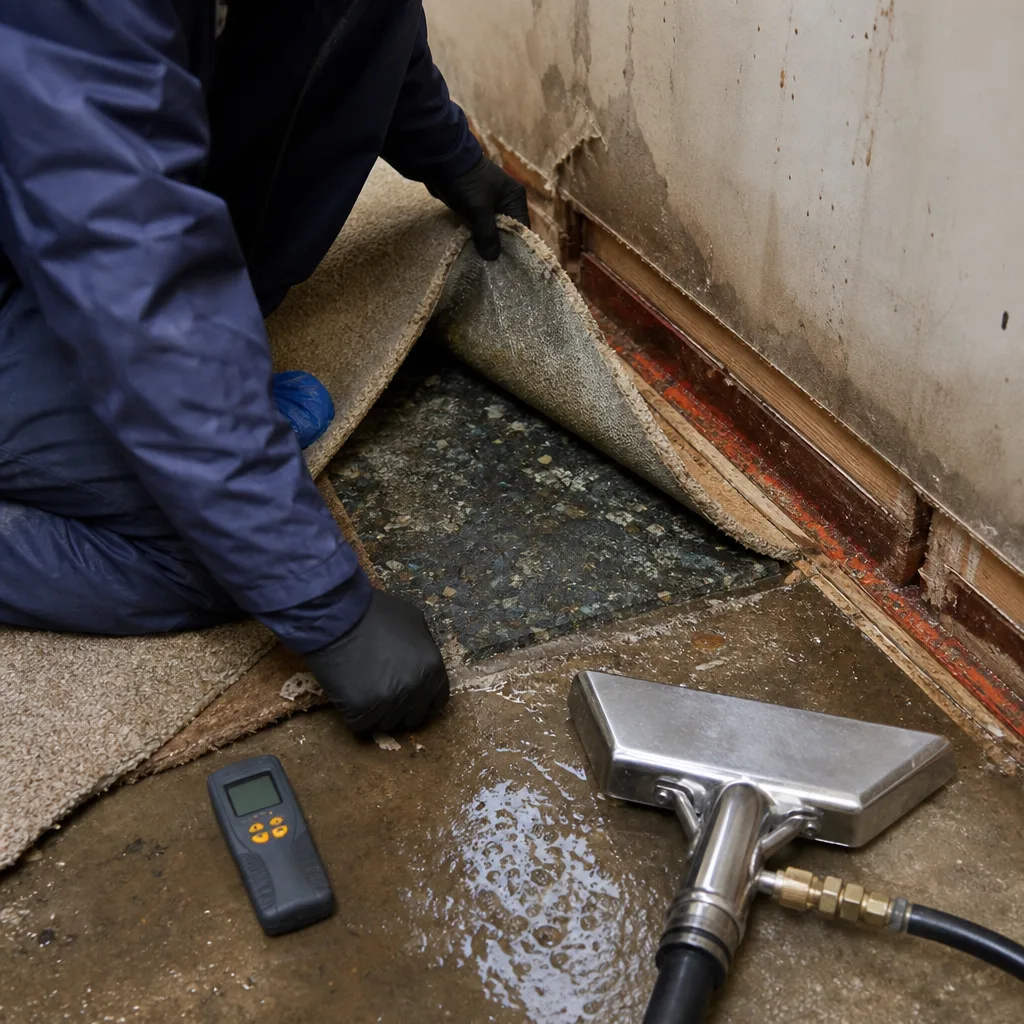
Fire claims in Murray Hill co-ops involve more parties than standard homeowner policies: the shareholder’s or tenant’s carrier, the co-op building’s master policy, and sometimes a neighbor’s carrier when smoke has migrated across units. From the first hour, we document with photographs, moisture readings, and written observations formatted to the standards that adjusters recognize and pay. Our estimates follow industry-standard pricing databases, and we coordinate directly with your carrier’s adjuster to resolve scope questions before they become disputes.
We got a call from a managing agent on East 37th Street after a kitchen fire in a sixth-floor co-op pushed smoke through the original plaster-on-lath walls and into the riser chase. We set up containment with negative air and HEPA filtration, then used a thermal fogger and hydroxyl generators to neutralize odor in the affected unit and two neighboring apartments that had no visible soot. Our tech logged moisture readings and air scrubber run times in drying logs, and the managing agent signed off on the scope of work the same day so we could begin structural fire repair without waiting on the shareholder’s adjuster.
What We Provide Your Insurer
- Thorough documentation of the loss with timestamped photos from every visit
- Photos of all damage, room by room, including borescope images of cavity conditions
- Moisture readings and drying logs showing psychrometric data - temperature, relative humidity, and vapor pressure differential - in plain language
- A detailed, line-item scope of work with written price before any work begins, Haven Standard, Clause 1
- Direct coordination with your carrier’s adjuster, including conference calls with managing agents when co-op access is disputed
Built for Murray Hill’s Loss Calendar
Fire and smoke damage in Murray Hill follows patterns tied to the neighborhood’s building stock and seasonal stresses. January through March, heating system failures in pre-war steam-riser buildings cause boiler room fires and smoke migration through riser chases into stacked units. The same freeze-thaw cycles that stress roof flashings can crack boiler lines, creating the slow, smoldering fires that produce the most penetrating wet smoke residues and may require Mold Remediation in Murray Hill if moisture lingers after suppression.
Spring and summer bring electrical fires from aging knob-and-tube wiring in brownstone renovations, often discovered only when smoke pushes through shared walls. Summer kitchen fires spike when residents open windows for ventilation and create pressure differentials that draw smoke deeper into plaster cavities. Year-round, the density of Murray Hill’s co-op buildings means that a single apartment fire routinely triggers multi-unit claims - the operational reality that defines every Fire & Smoke Damage Restoration in Murray Hill job we handle.
Fire & Smoke Damage Restoration Across Murray Hill’s Neighborhoods
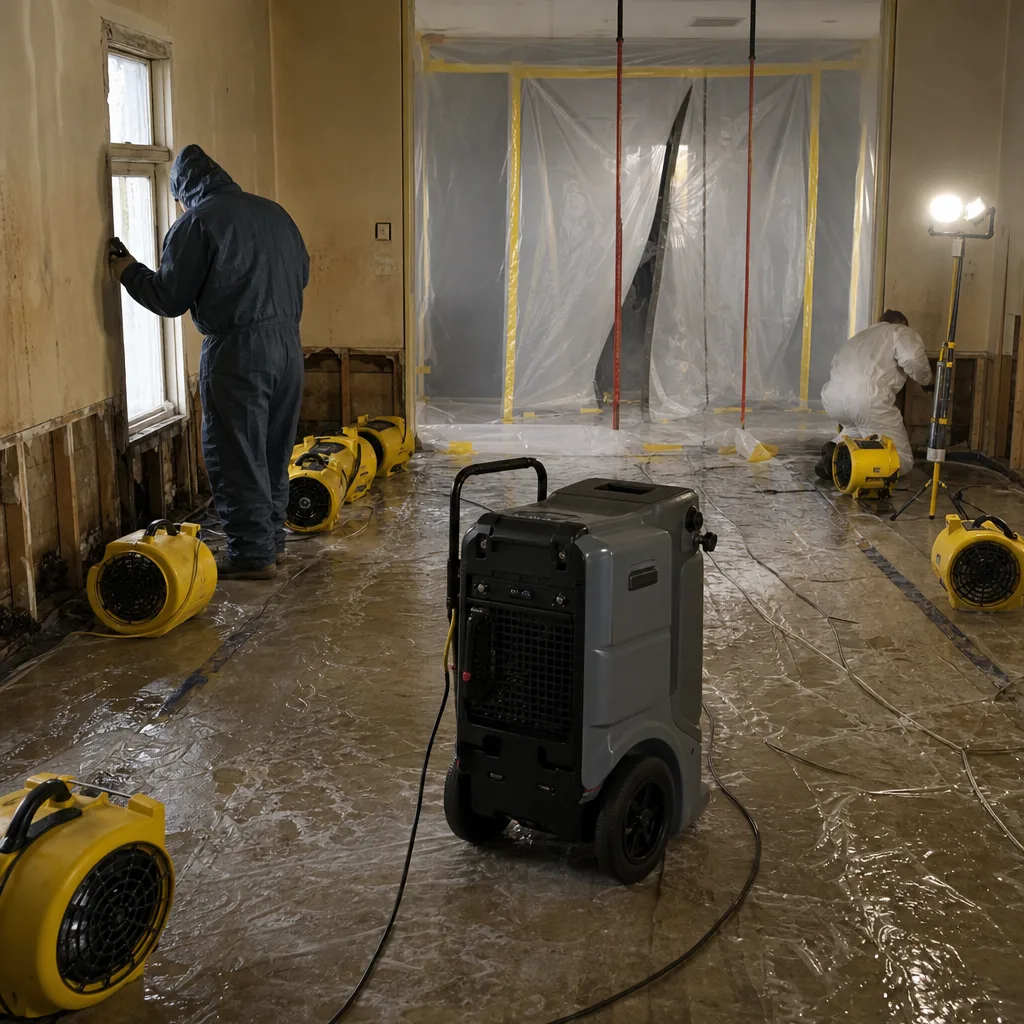
Our Fire & Smoke Damage Restoration crews serve the full Murray Hill grid, from the East 30s corridor near the Queens-Midtown Tunnel approach - where post-war high-rises with centralized HVAC systems create distinct smoke migration patterns - to the quieter side streets between Lexington and Third Avenues, where 1920s-era co-ops with original plaster-on-lath construction require the most aggressive cavity inspection.
Along Park Avenue, pre-war white-glove buildings with dedicated staff allow faster coordination for emergency board-up, but stricter alteration agreements mean our written scope must specify every surface we intend to cut or treat. Near Murray Hill’s western edge toward Fifth Avenue, smaller walk-up buildings and converted townhouses present access challenges: no freight elevator, narrow stairwells, and street-level staging that requires permits for sidewalk protection. We plan every Murray Hill response around the building type, not a generic protocol.
Specialized Fire & Smoke Damage Restoration Services We Offer in Murray Hill
Fire Damage Cleanup
Structural debris, charred materials, and compromised surfaces are removed with documented photo evidence at every stage. In Murray Hill co-ops, we coordinate debris removal through service corridors to avoid resident lobbies, and we classify all materials for proper disposal per New York City fire code requirements.
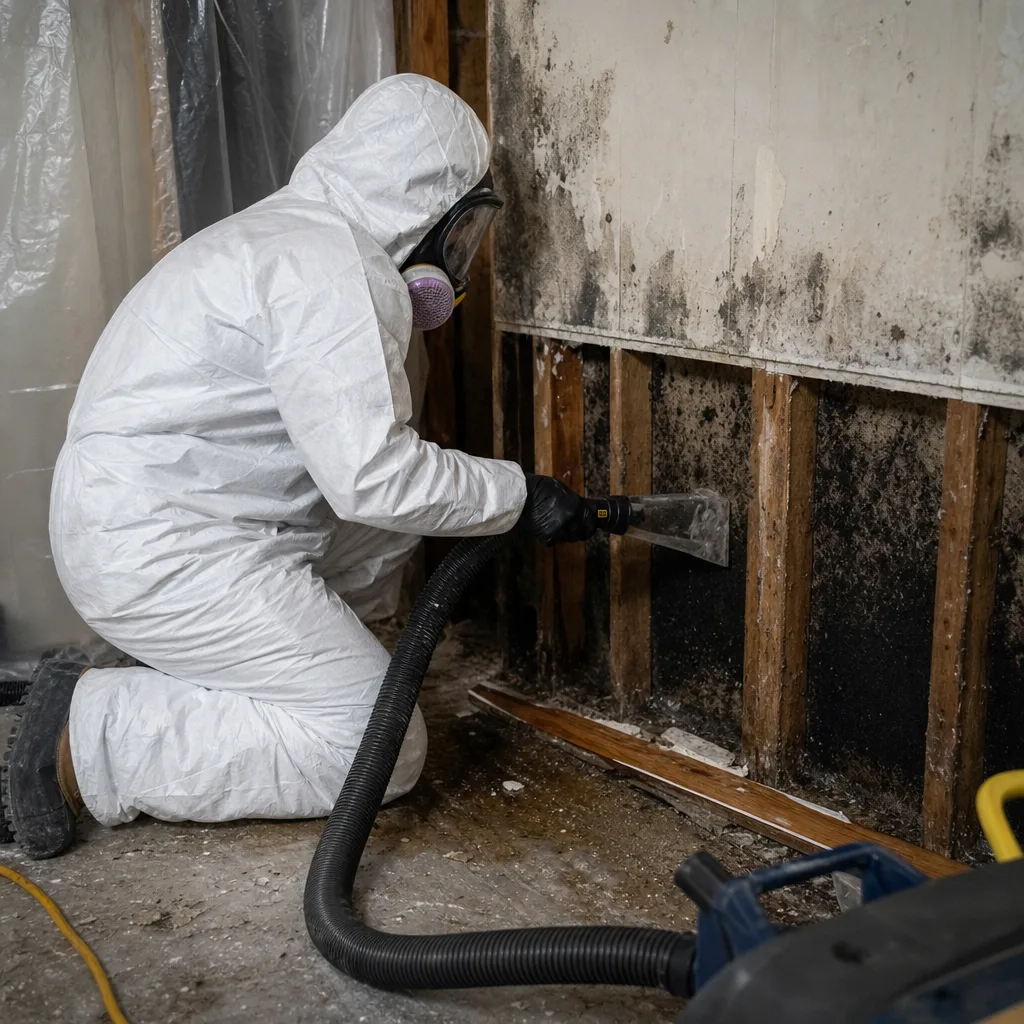
Smoke & Soot Removal
Dry, wet, and protein residues are identified by surface type and treated with the appropriate cleaning compound - never a one-size-fits-all approach that drives residue deeper. We start soot removal only after securing managing agent access to shared chases and risers; beginning without that authorization is the most common failure mode we see from less experienced contractors, and it leaves odor migrating for weeks.
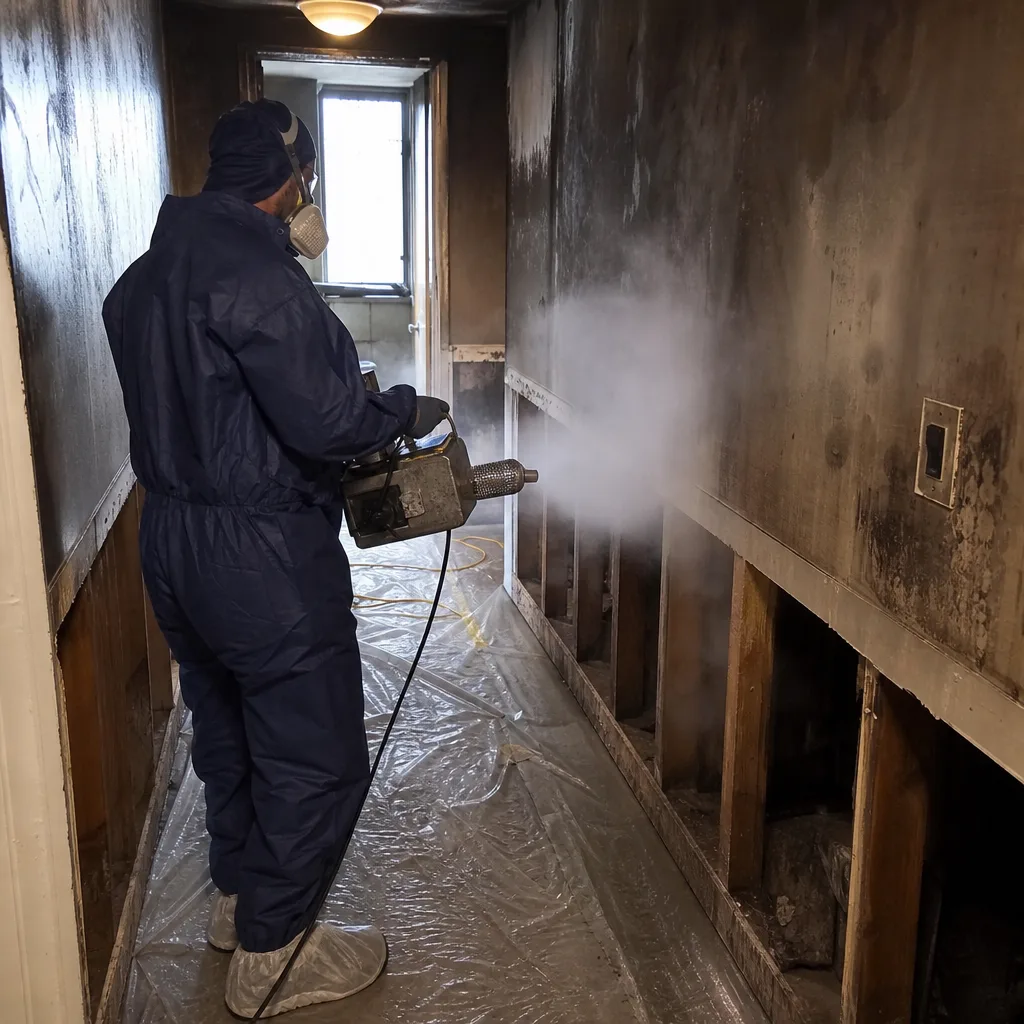
Odor Removal & Deodorization
Thermal fogging, hydroxyl generation, and vapor-phase deodorization are selected based on odor penetration depth and material porosity. Pre-war plaster in Murray Hill can require sealing with odor-blocking primers after chemical neutralization; we specify this in the written scope so the adjuster understands why primer is restoration, not cosmetic improvement.
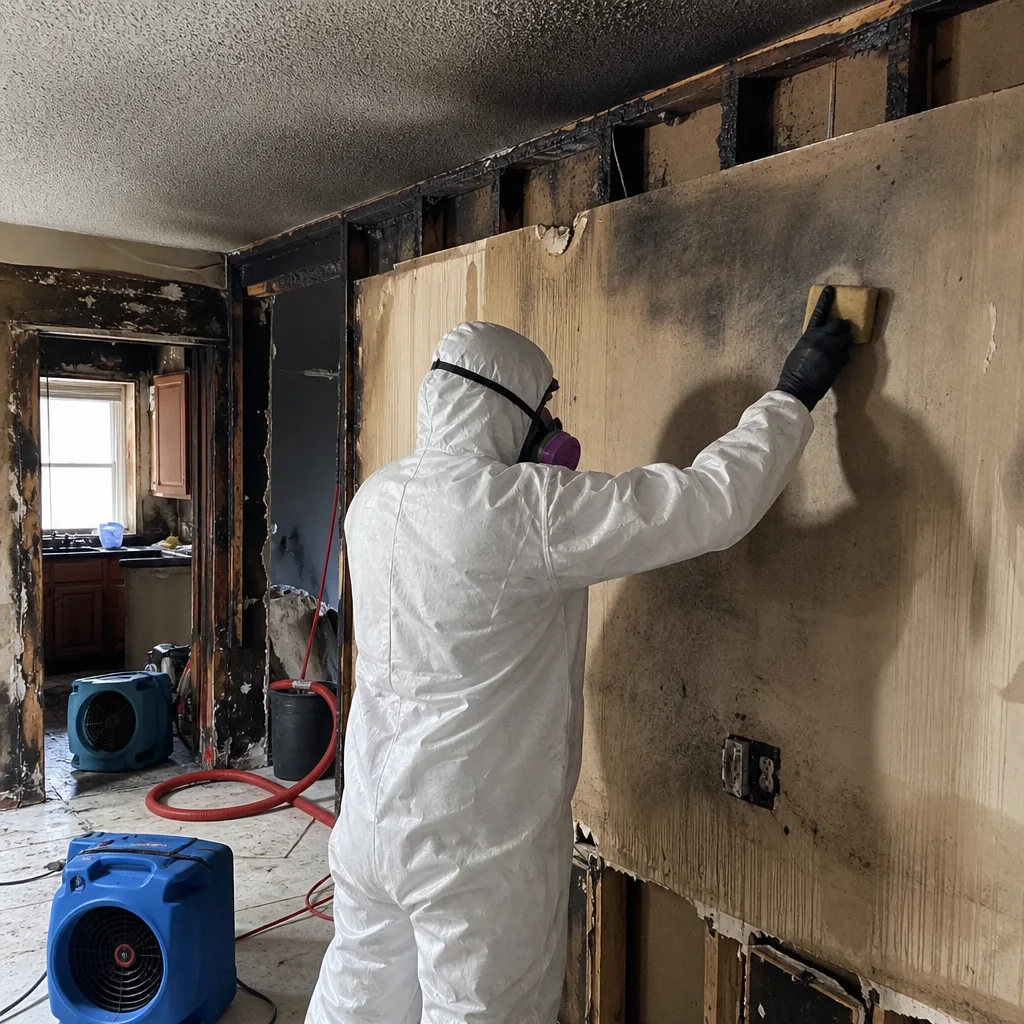
Contents Cleaning & Pack-Out
Your belongings are inventoried, photographed, and transported to our facility for specialized cleaning. We document pre-loss condition meticulously because Murray Hill’s pre-war apartments often contain built-in cabinetry, original hardware, and fixtures that blur the line between contents and structure - a distinction that matters to your carrier’s coverage determination.
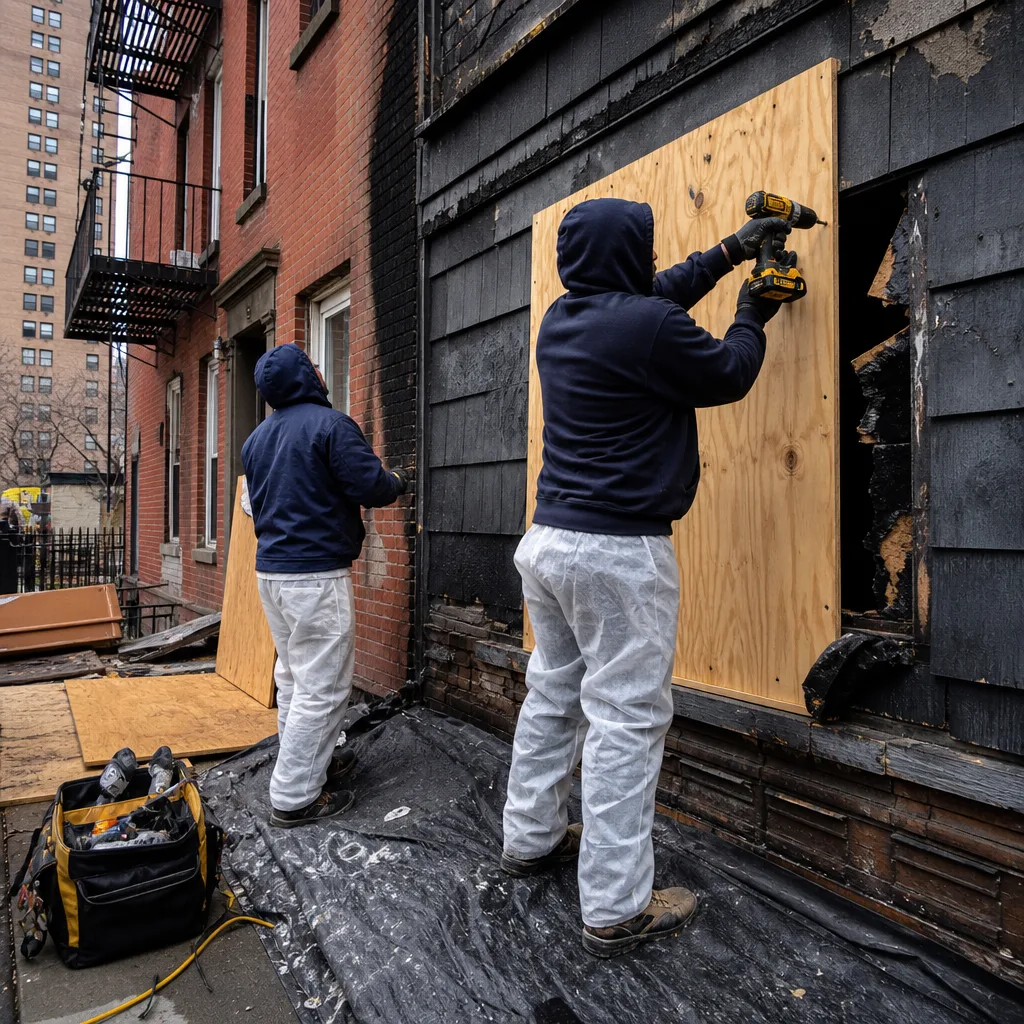
Emergency Board-Up & Tarping
Fire-damaged openings are secured immediately with fire-rated plywood and weather-resistant materials. In Murray Hill elevator buildings, we coordinate with building staff for freight elevator access and after-hours entry, and we provide the managing agent with a temporary repair certificate for the building’s insurance file.
What happens when you call
- 1
A real person answersNo phone trees - you reach a local pro.
- 2
You get an upfront price rangeHonest numbers before anyone is dispatched.
- 3
A background-checked tech heads outLicensed & insured, dispatched right away.
- 4
You approve before work beginsNothing starts until you say go.
Fire & Smoke Damage Restoration Costs in Murray Hill, NY
Fire and smoke restoration pricing in Murray Hill reflects Manhattan labor rates, co-op access complexity, and the specialized cleaning required for pre-war construction. A typical smoke and soot removal project in a one-bedroom co-op apartment runs $3,200-$6,800. Odor removal and deodorization with thermal fogging and hydroxyl generation adds $1,800-$4,500 depending on cavity access and the number of affected rooms. Emergency board-up and tarping for a standard apartment starts at $850-$1,600. Contents cleaning and pack-out is priced per item and cubic foot, typically $2,500-$7,000 for a furnished one-bedroom. Structural fire repair, including plaster restoration and finish matching, ranges $8,000-$22,000 for localized damage.
Insurance coverage for fire damage is broader than for most other perils, and our documentation package - photo record, drying logs, written scope - is designed to secure full coverage without dispute. Out-of-pocket costs arise primarily from deductible obligations and coverage limits on high-value contents. We provide a Free Second Opinion on any competitor’s written estimate; bring it to us and we’ll review it at no charge.
We Also Serve Cities Near Murray Hill
Our New York City office dispatches crews throughout Manhattan and adjacent neighborhoods. We also provide fire and smoke damage restoration in Murray Hill, the Upper West Side, Upper East Side, and Morningside Heights, with the same written-price guarantee and documented approach on every job.
Serving Murray Hill, NY - Our Local Coverage Area
We’re based in the Murray Hill area and know this community well. Use the map below to see our service coverage - if you’re nearby, we can almost certainly help.
Murray Hill Fire & Smoke Damage Restoration Questions, Answered
Can smoke from a fire in one Murray Hill co-op apartment get into my unit even if I don’t see soot?
Yes. Smoke migrates through original plaster-on-lath wall cavities and shared steam riser chases in Murray Hill’s pre-war buildings, depositing odor compounds in units that never saw flame. We map these hidden pathways with thermal imaging and borescopes, then set up containment and air scrubbing before odor neutralization begins. Call (516) 687-5786 for a free inspection if you smell smoke after a neighboring fire.
Who authorizes fire damage cleanup in a Murray Hill co-op - the shareholder or the managing agent?
Both. The shareholder controls their unit’s insurance claim, but the managing agent controls physical access to risers, chases, and mechanical rooms. Our crews proactively bridge this communication gap on the first call, presenting a written scope that both parties can review and sign off on before work starts. This prevents the 24-48 hour delays that stall less prepared contractors.
How fast do we need to start smoke and soot removal after a fire in a brownstone rowhouse?
Within hours, not days. Soot contains hydrochloric and sulfuric acids that etch metal and glass permanently within the first 24 hours, and timber floor framing in Murray Hill brownstones absorbs odor compounds that become progressively harder to neutralize. Our 45-minute response commitment to Murray Hill means we can begin HEPA vacuuming and dry-cleaning before permanent damage sets. Call (516) 687-5786 now.
Does fire damage restoration in Murray Hill involve a pack-out of contents?
Often yes, when smoke residue has contacted textiles, electronics, or documents that require specialized cleaning off-site. We inventory every item with photographs, provide your adjuster with a line-item list, and clean or restore contents at our facility. The pack-out is documented to IICRC standards and covered under our 365-Day Done Right Promise.
Can you board up or tarp a fire-damaged apartment in a Murray Hill elevator building the same day?
Yes. We carry fire-rated plywood and weather-resistant tarps on every truck, and we coordinate with building staff for freight elevator access and after-hours entry. The managing agent receives a temporary repair certificate for the building’s insurance file. Emergency board-up in Murray Hill typically begins within 2-3 hours of your call.
Will my insurance cover the full cost of fire damage restoration in a Murray Hill co-op?
Fire damage is among the most broadly covered perils in standard policies, but co-op claims involve coordination between your individual policy and the building’s master policy. Our documentation package - photo record, moisture readings, written scope, drying logs - is formatted to the standards that claims departments pay without dispute. We coordinate directly with your adjuster from day one. Call (516) 687-5786 and we’ll review your coverage at no charge.
How long does smoke odor removal take in a pre-war Murray Hill apartment?
Typical odor removal in a one-bedroom co-op with plaster-on-lath walls requires 3-7 days of active treatment: thermal fogging, hydroxyl generation, and air scrubbing with documented run times. Deeply absorbed odors in multiple rooms or buildings with limited chase access may extend to 10-14 days. We provide daily moisture readings and air quality logs so you and your adjuster can track progress.
What should I do in the first 30 minutes after a fire in my Murray Hill apartment?
Ensure everyone is safe and the FDNY has cleared the building for re-entry. Do not touch soot-covered surfaces - skin oils will set stains permanently. Open windows only if weather permits and your managing agent approves; pressure differentials from open windows can draw smoke deeper into plaster cavities. Call (516) 687-5786 immediately so we can begin documented assessment before residue bonds to surfaces.
Written by Alicia Brennan, Owner at Back to Dry Restoration, serving Murray Hill since 2011 under The Haven Standard.