
Free visual inspection and a written scope of work before any mitigation begins - photos, moisture readings, and drying logs go in your claim file
The scope we write is the scope we bill. Anything new gets shown to you, in writing, before we touch it.
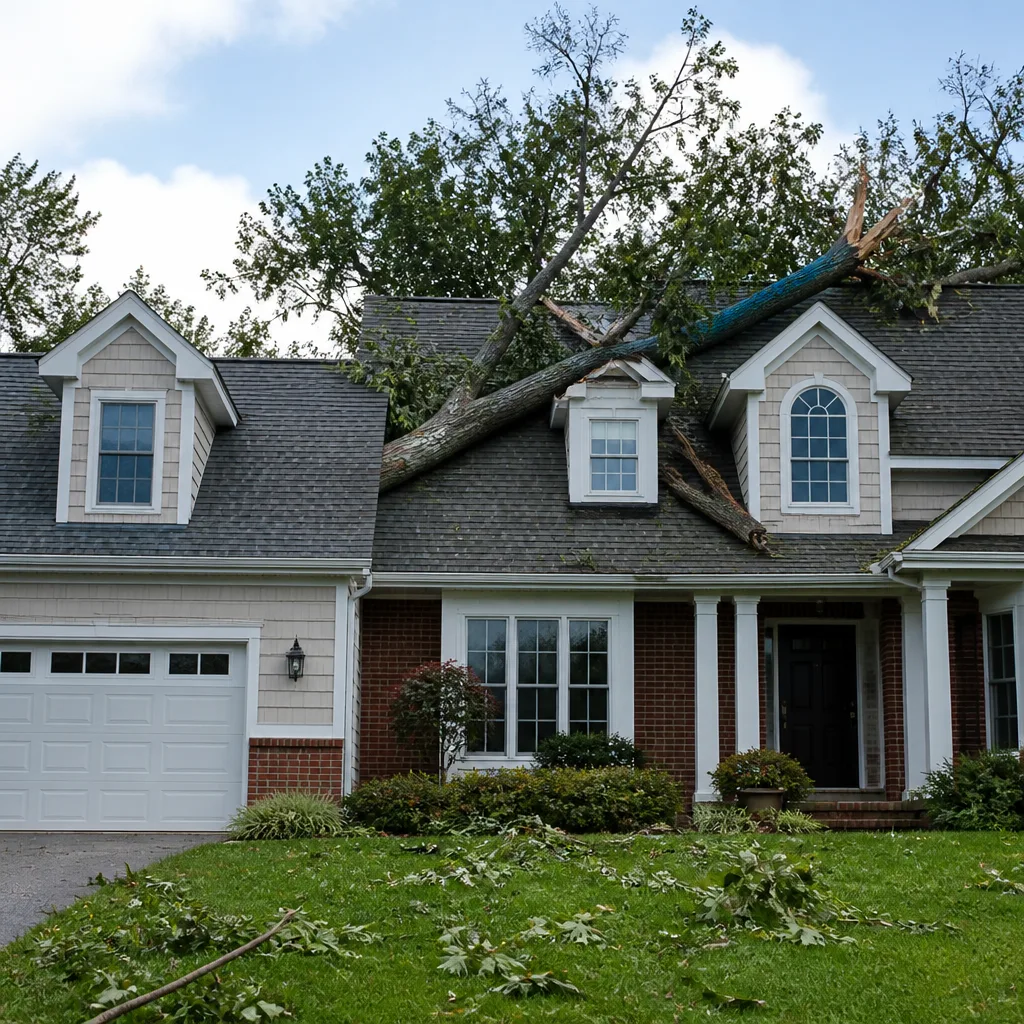
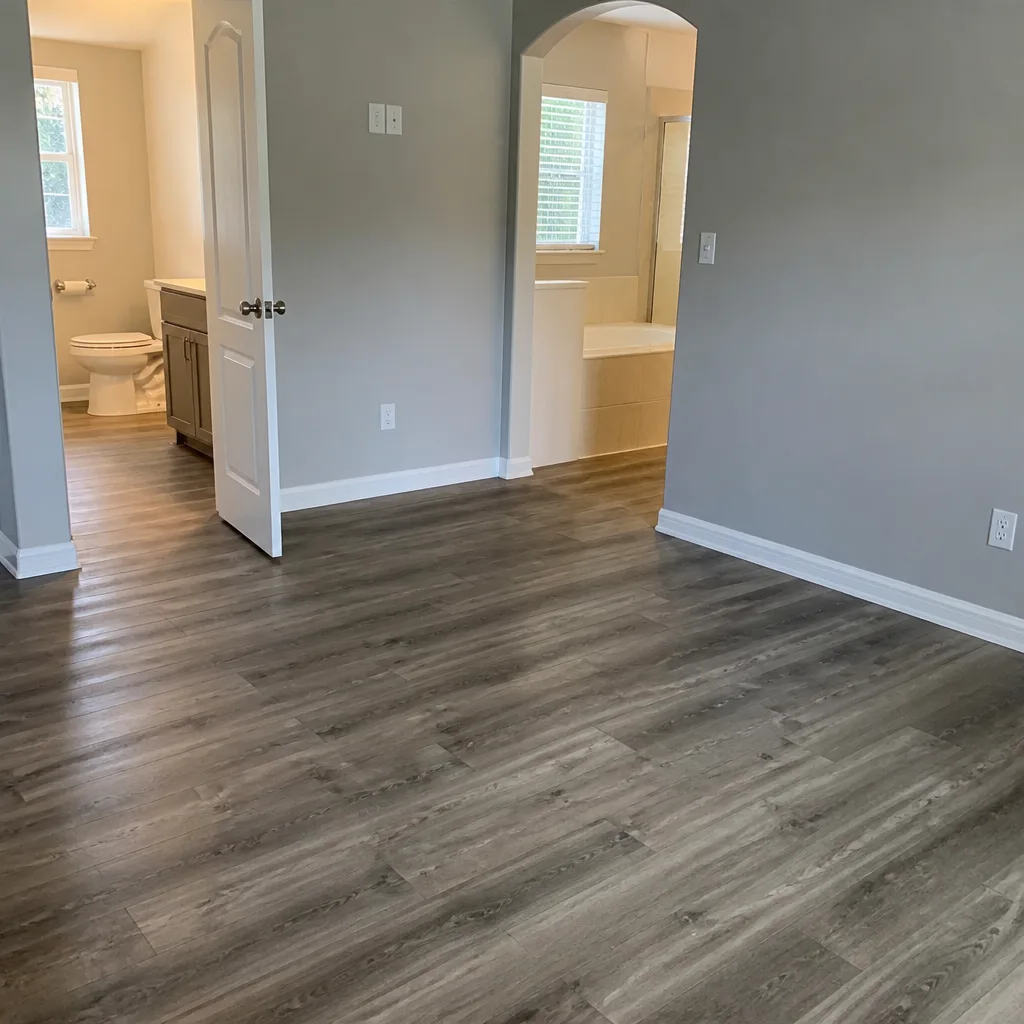
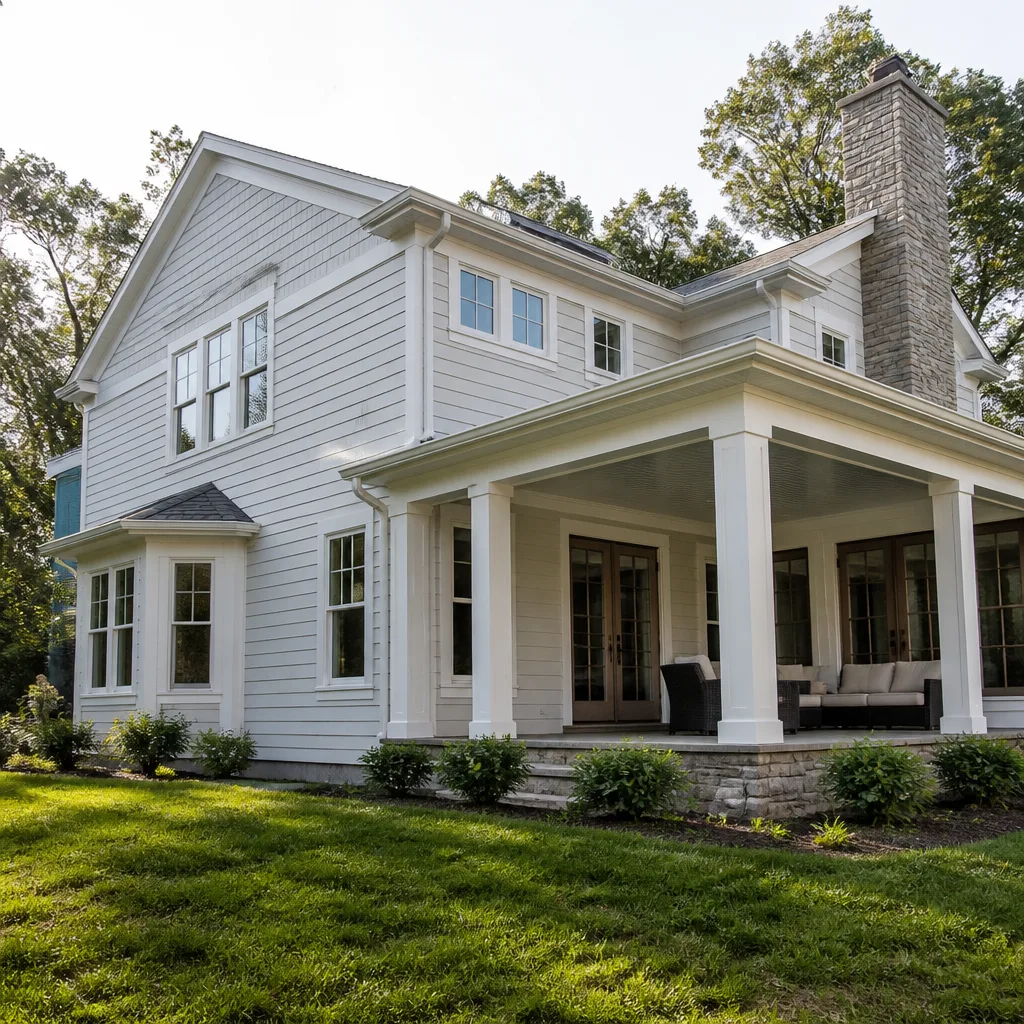
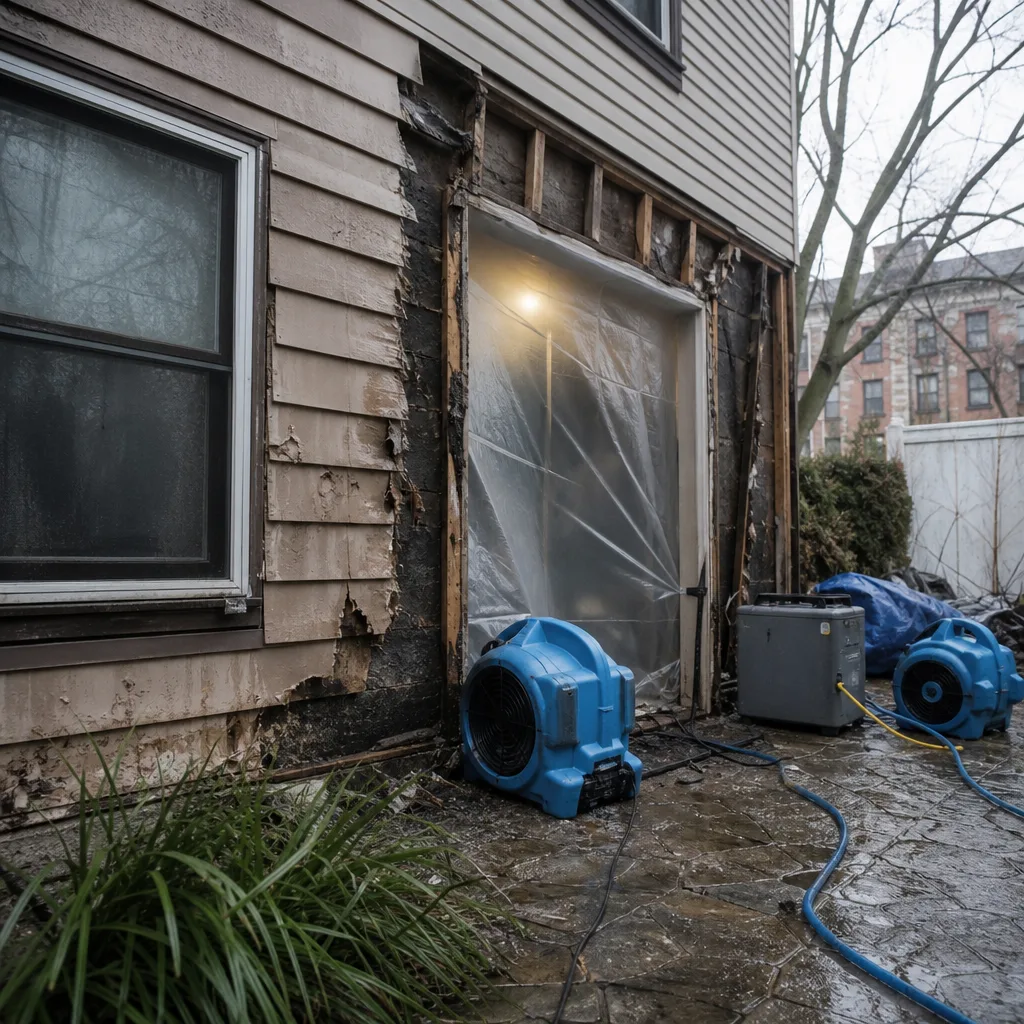 Before
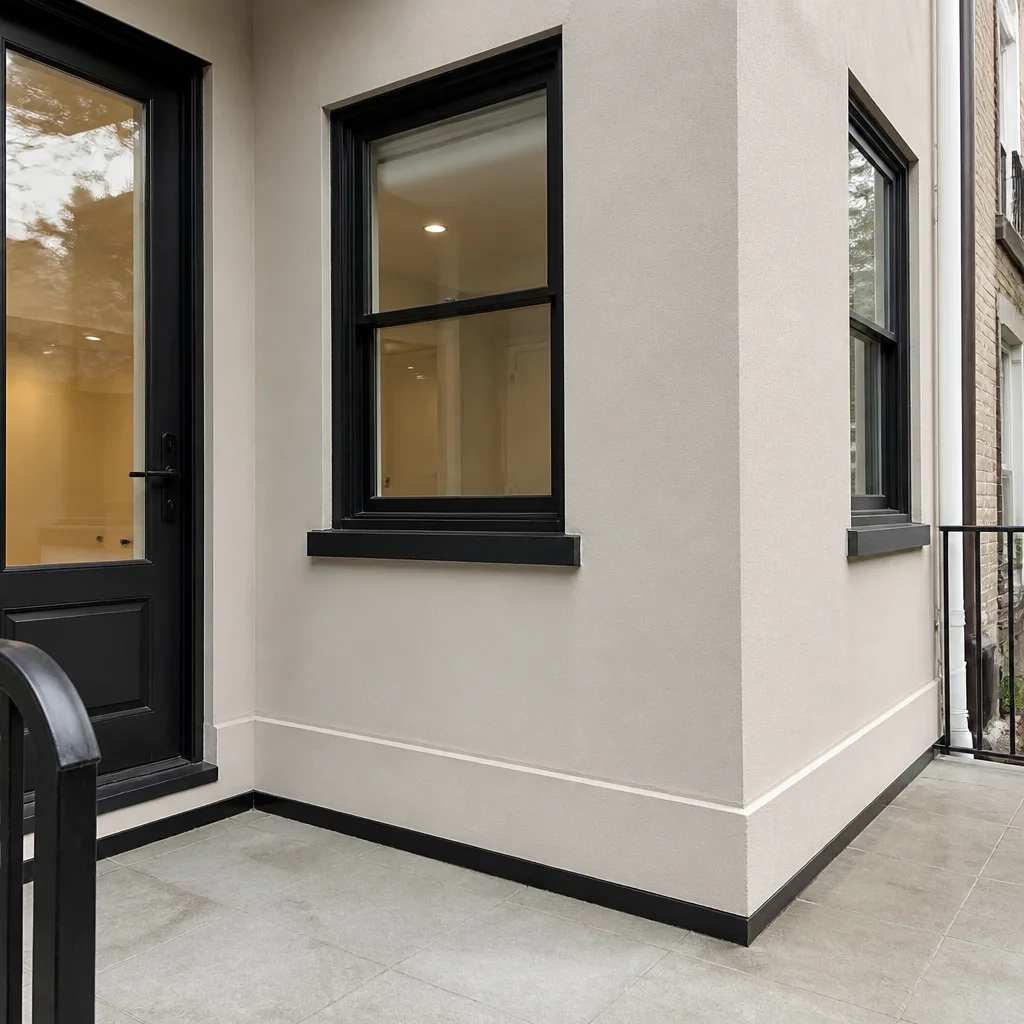 After
After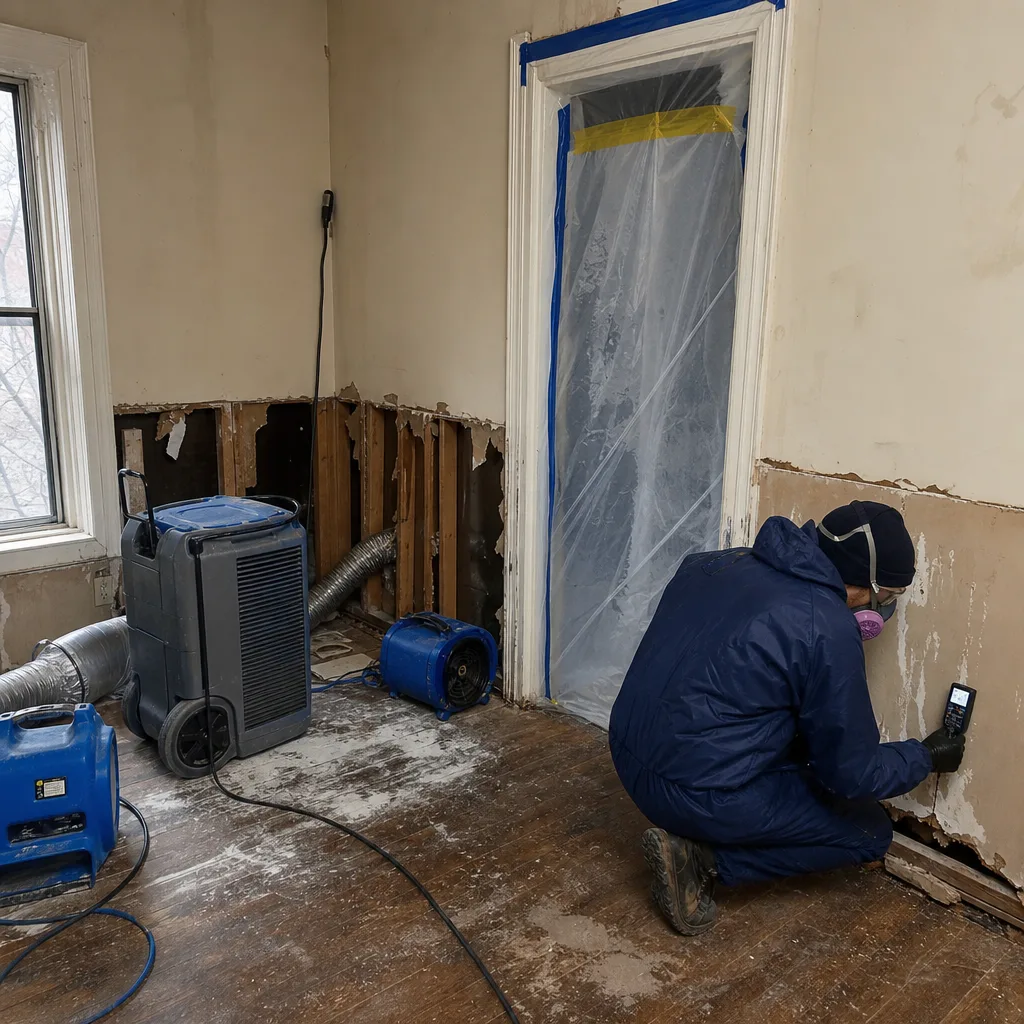 Before
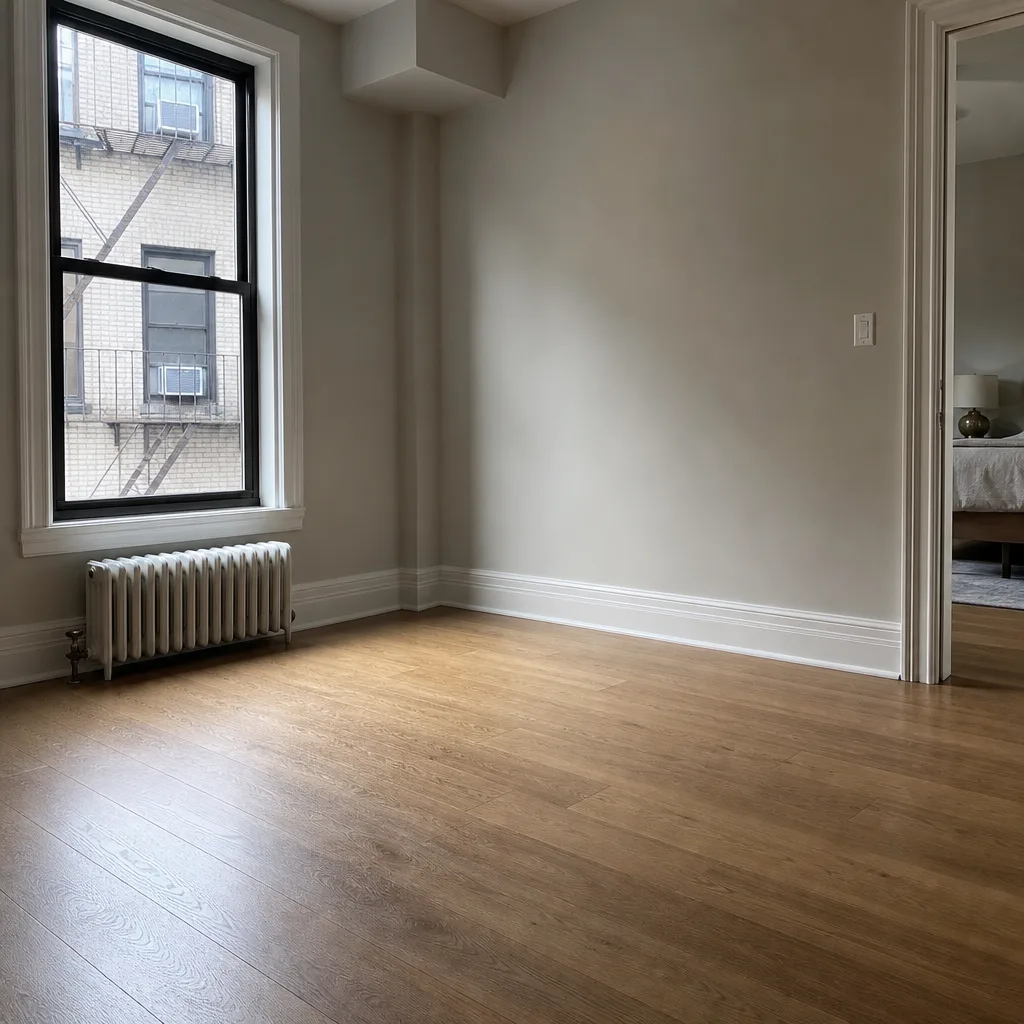 After
After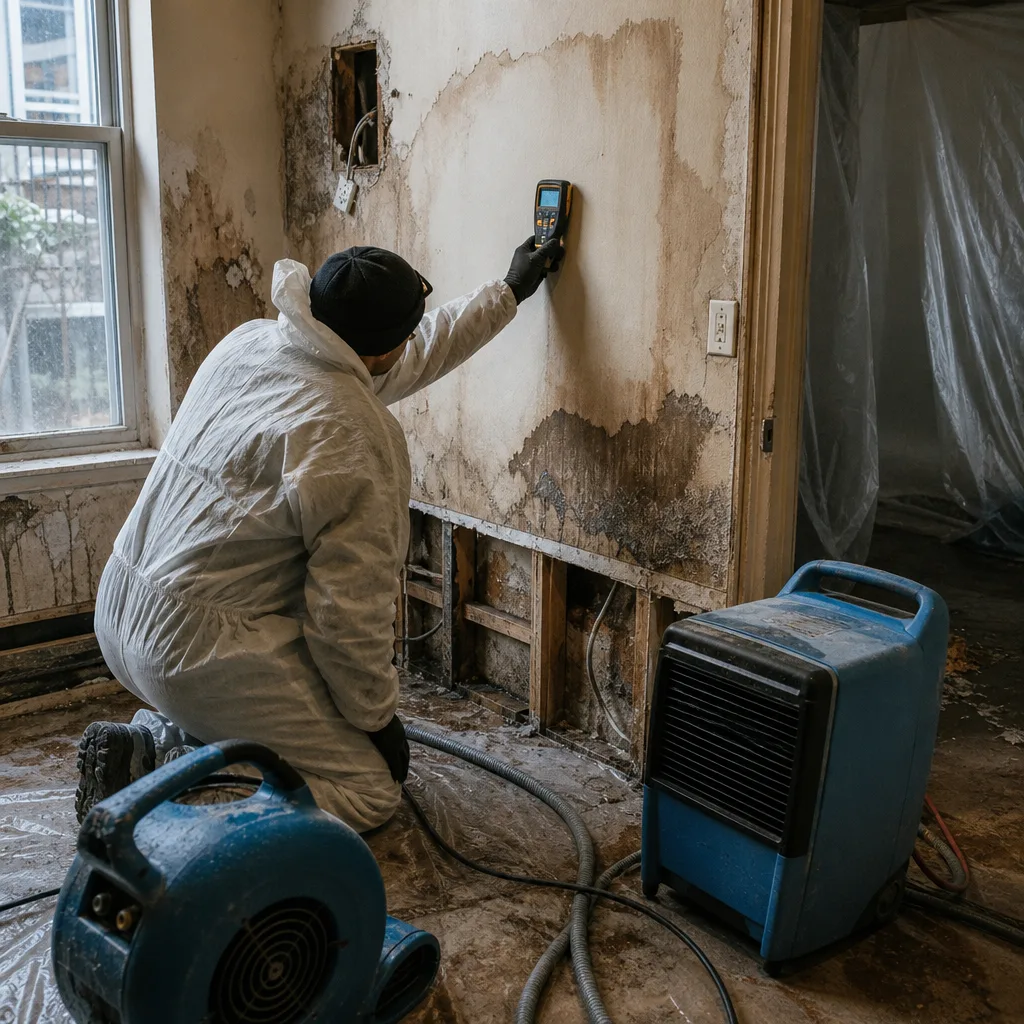 Before
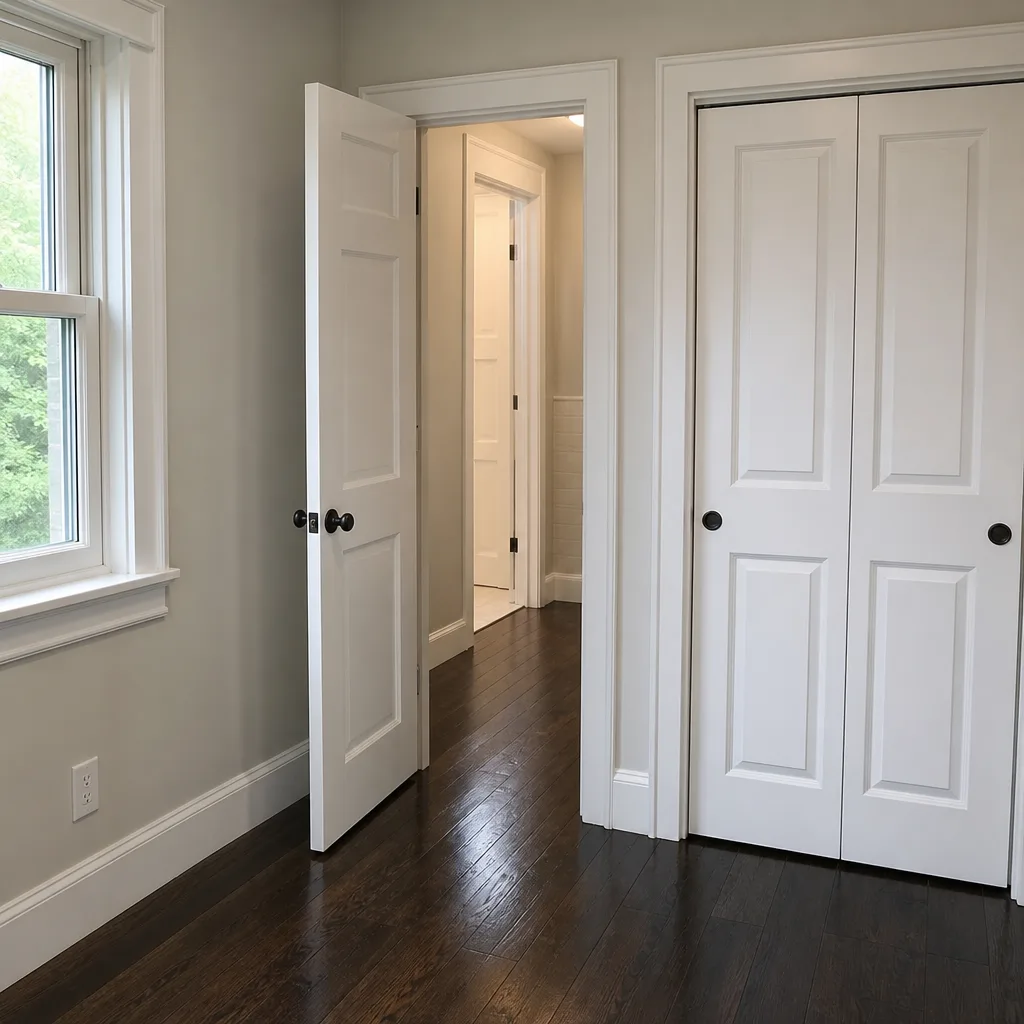 After
After24/7 Emergency Mold Remediation in Upper West Side
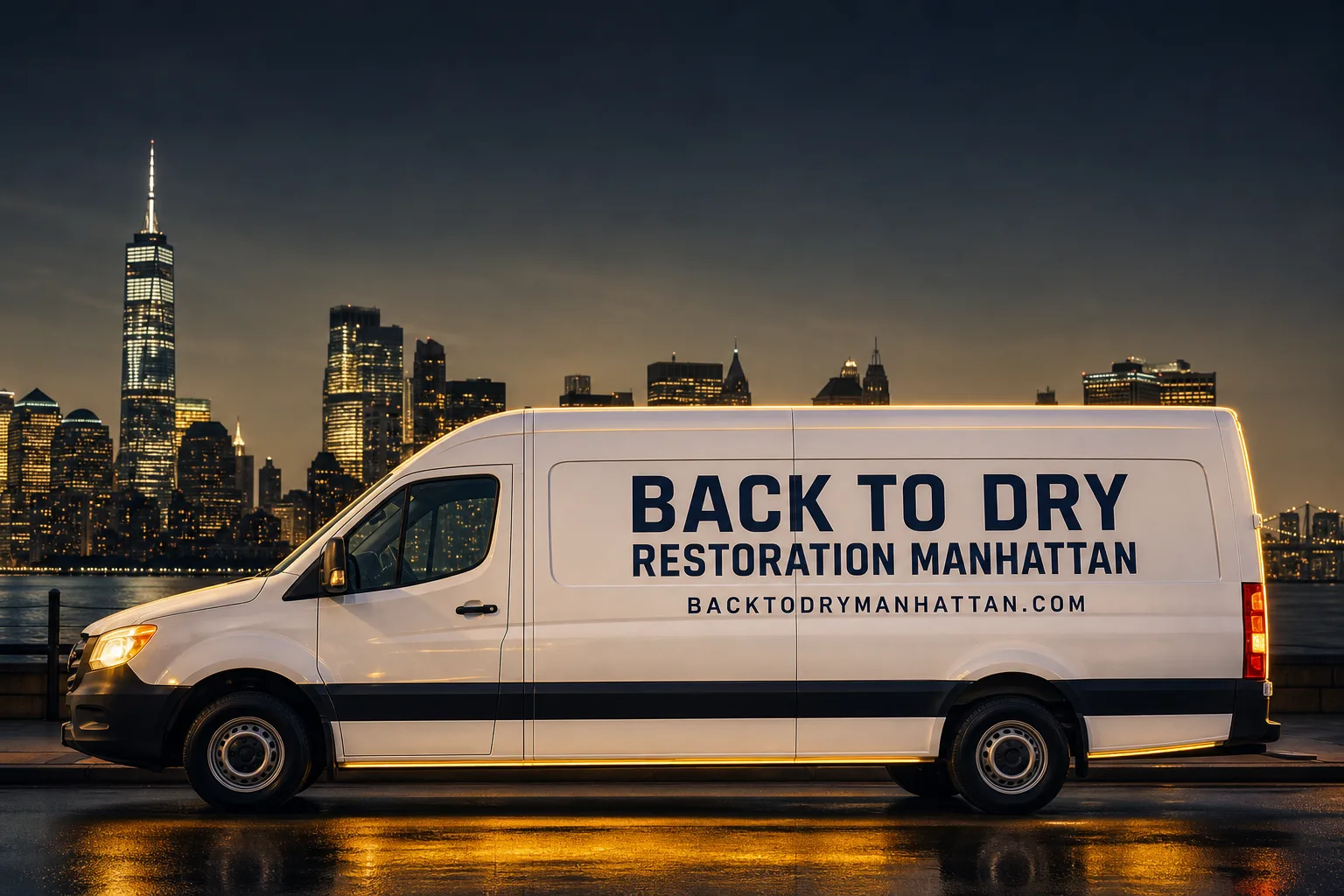
Call (516) 687-5786 - we answer live, 24 hours a day, 7 days a week, with no voicemail trees. Crews serving Upper West Side are dispatched from our New York City office and typically arrive within 45 minutes of your call. The first hour after water intrusion is when mold colonization begins on cellulose surfaces; after 48 hours, visible growth is likely and remediation costs climb steeply. We provide a free visual inspection upon arrival, document moisture readings with calibrated meters, and deliver a written price before any work starts - Haven Standard, Clause 1.
Understanding Mold Remediation Severity in Upper West Side Properties
Mold damage in Upper West Side buildings falls into three containment tiers based on square footage, substrate type, and whether the loss involves shared building systems. Level 1 (under 10 square feet, non-HVAC) can often be addressed with localized containment and HEPA air scrubbing. Level 2 (10-30 square feet) requires full plastic containment, negative air pressure, and personnel in respirators. Level 3 (over 30 square feet or HVAC-involved) demands critical barriers, decontamination chambers, and third-party clearance testing.
The Upper West Side’s pre-war housing stock complicates every tier. Original plaster-and-lath walls behind ornamental crown moldings aren’t drywall; they wick moisture laterally through hollow cavities and can harbor Stachybotrys chartarum for weeks before surfacing. Cast-iron steam risers and galvanized supply lines, still in service inside thick masonry walls, create vapor pressure differentials that standard moisture meters miss without deep-probe attachment. We map every job with thermal imaging and penetrating probes, then document psychrometric data - temperature, relative humidity, and vapor pressure - to establish pre-loss condition and prove dry standard to your insurer.
Why Upper West Side Property Owners Choose Back to Dry Restoration Manhattan
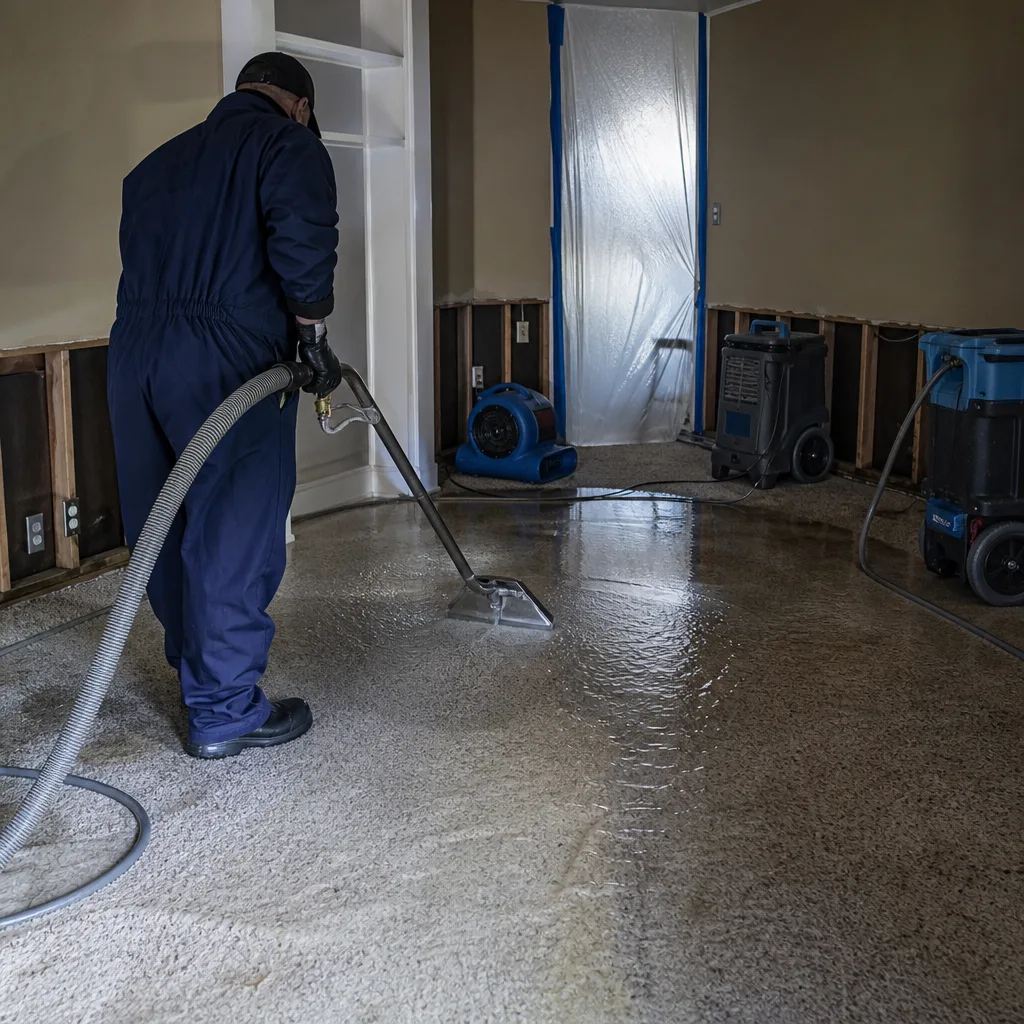
- 45-minute response commitment to Upper West Side addresses, with crews carrying containment materials, HEPA scrubbers, and moisture mapping equipment on every truck.
- 24/7 live answer - a real person, never an automated system; our dispatchers can begin documenting your loss while crews are en route.
- IICRC-certified crews holding WRT (Water Damage Restoration Technician), AMRT (Applied Microbial Remediation Technician), and FSRT (Fire & Smoke Restoration Technician) certifications where cross-training applies to combined losses.
- Free visual inspection upon arrival, with moisture readings taken and explained before any scope is proposed.
- Direct insurance billing with photo-documented estimates formatted to carrier standards, plus direct adjuster coordination so you’re not translating between two bureaucracies.
- One team from extraction to reconstruction - no handoffs that lose documentation or change the scope mid-claim.
BeforeAfterOur Mold Remediation Process
1. Inspection & Assessment
We arrive with thermal imaging cameras, penetrating moisture meters, and hygrometers to map affected areas in three dimensions. In Upper West Side pre-war buildings, we specifically probe shared partition walls and plumbing chases where lateral wicking hides from surface readings. Every reading is photographed and logged.
2. Containment & Air Filtration
Polyethylene barriers create negative pressure zones; HEPA air scrubbers (Phoenix and Dri-Eaz units rated at 99.97% efficiency at 0.3 microns) run continuously to prevent cross-contamination to adjacent units. In co-op buildings, we seal HVAC returns before disturbance.
3. Moisture Control & Structural Drying
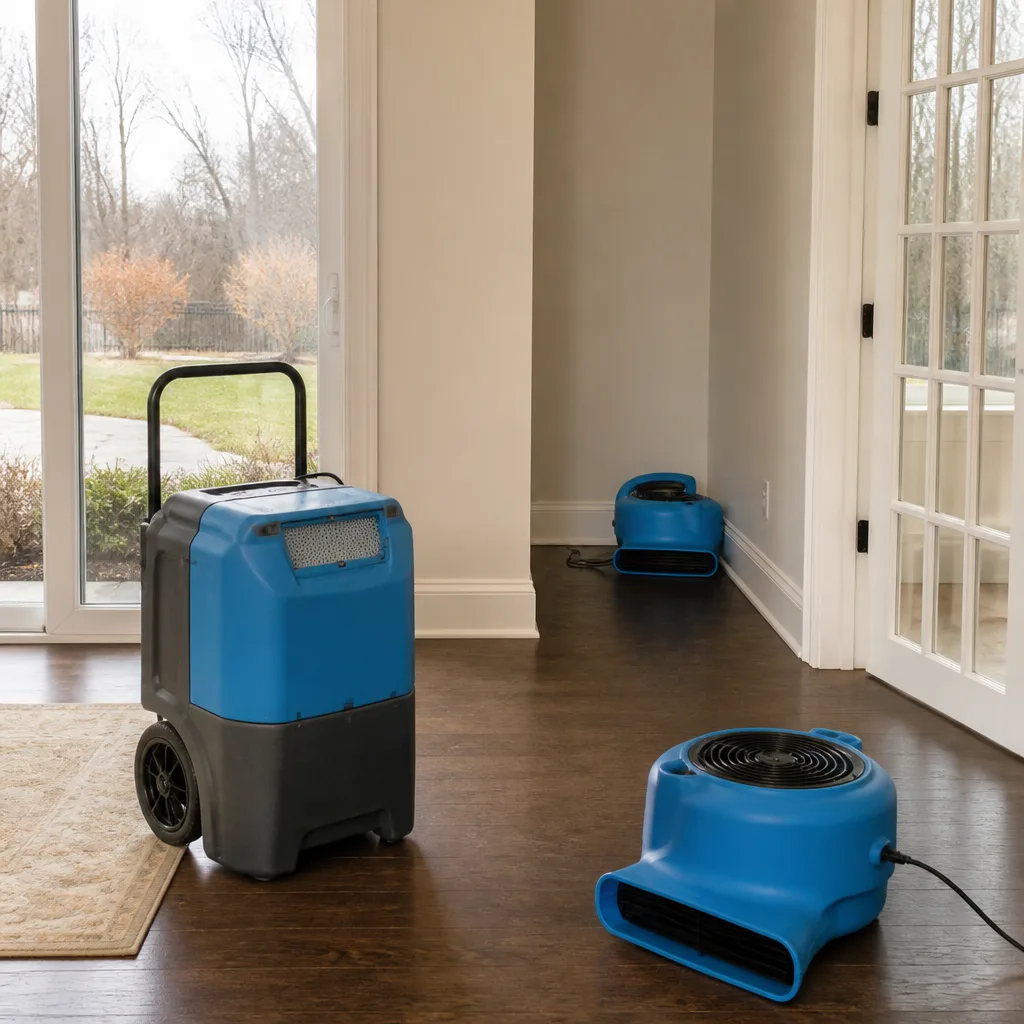
Injectidry panel systems direct airflow into wall cavities without destroying ornamental plaster. Dri-Eaz and XPOWER dehumidifiers maintain vapor pressure differential, pulling moisture from dense masonry and lath. Daily drying logs track every room to pre-loss equilibrium.
4. Cleaning & Antimicrobial Treatment
HEPA vacuuming precedes application of EPA-registered antimicrobial agents. In UWS buildings with probable asbestos-containing materials, abatement contractors work under OSHA-compliant protocols before our remediation begins - we coordinate this sequence, document it, and bill it properly.
5. Air Quality Restoration & Clearance Testing
Third-party industrial hygienists collect air and surface samples for laboratory analysis. We don’t self-certify. Clearance criteria follow NYC Department of Health guidelines and IICRC S520 standards, with results delivered to you, your board, and your carrier.
6. Repairs & Documentation
Our reconstruction team restores plaster, hardwood, and ornamental moldings using methods appropriate to pre-war construction. Every phase is photo-documented; the final deliverable includes drying logs, moisture maps, lab results, and our 365-Day Done Right Promise under The Haven Standard.
Need Emergency Mold Remediation in Upper West Side Now?
Crews minutes away, answering live 24 hours a day. The sooner we start, the less it costs.
Working With Your Insurance Company
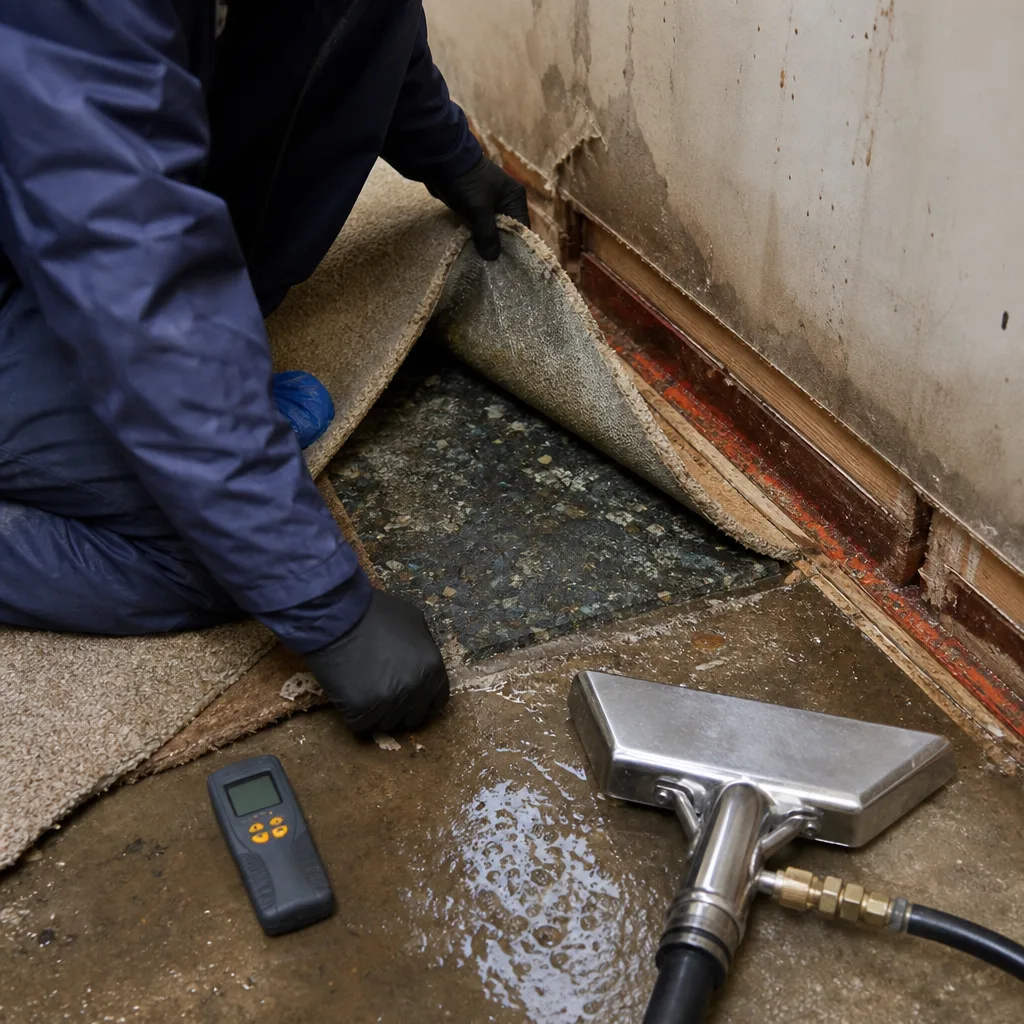
Documentation gaps kill claims. Alicia Brennan founded Back to Dry in 2011 after watching homeowners lose coverage because restorers couldn’t produce moisture data or photo sequences that matched the estimate line items. We document from the first hour: every moisture reading is time-stamped and photographed, every piece of equipment is logged with serial number and placement photo, and every drying log is signed by the technician who took the readings.
Our estimates follow industry-standard formats that adjusters recognize. We speak directly with your carrier, provide additional documentation on request, and never ask you to front costs for covered losses. In Upper West Side co-op buildings where multiple owners and carriers are involved, this documentation discipline prevents the disputes that stall remediation for weeks.
What We Provide Your Insurer
- Thorough documentation of the loss
- Photos of all damage, room by room
- Moisture readings and drying logs
- A detailed, line-item scope of work
- Direct coordination with your carrier
Built for Upper West Side’s Loss Calendar
January deep freezes burst supply lines in exterior-wall plumbing chases that were never insulated - we see these spike every year in buildings along Riverside Drive and West End Avenue, where wind exposure accelerates pipe chilling. The freeze-thaw cycle plus the UWS’s position between the Hudson River’s humidity corridor and Central Park’s micro-climate keeps masonry envelopes persistently damp, making mold colonization after any water loss more aggressive than in drier markets.
Spring thaw brings basement seepage in lower-level units of pre-war buildings with deteriorated foundation waterproofing. Summer thunderstorms overwhelm aging roof drains and parapet flashing, sending water through multiple floors. Year-round, corroded galvanized supply elbows and failed steam traps inside shared partition walls create the slow, hidden losses that generate our most complex Upper West Side calls - moisture wicking for weeks before any visible sign, with mold established across three or four units by the time a ceiling stain appears.
Mold Remediation Across Upper West Side’s Neighborhoods
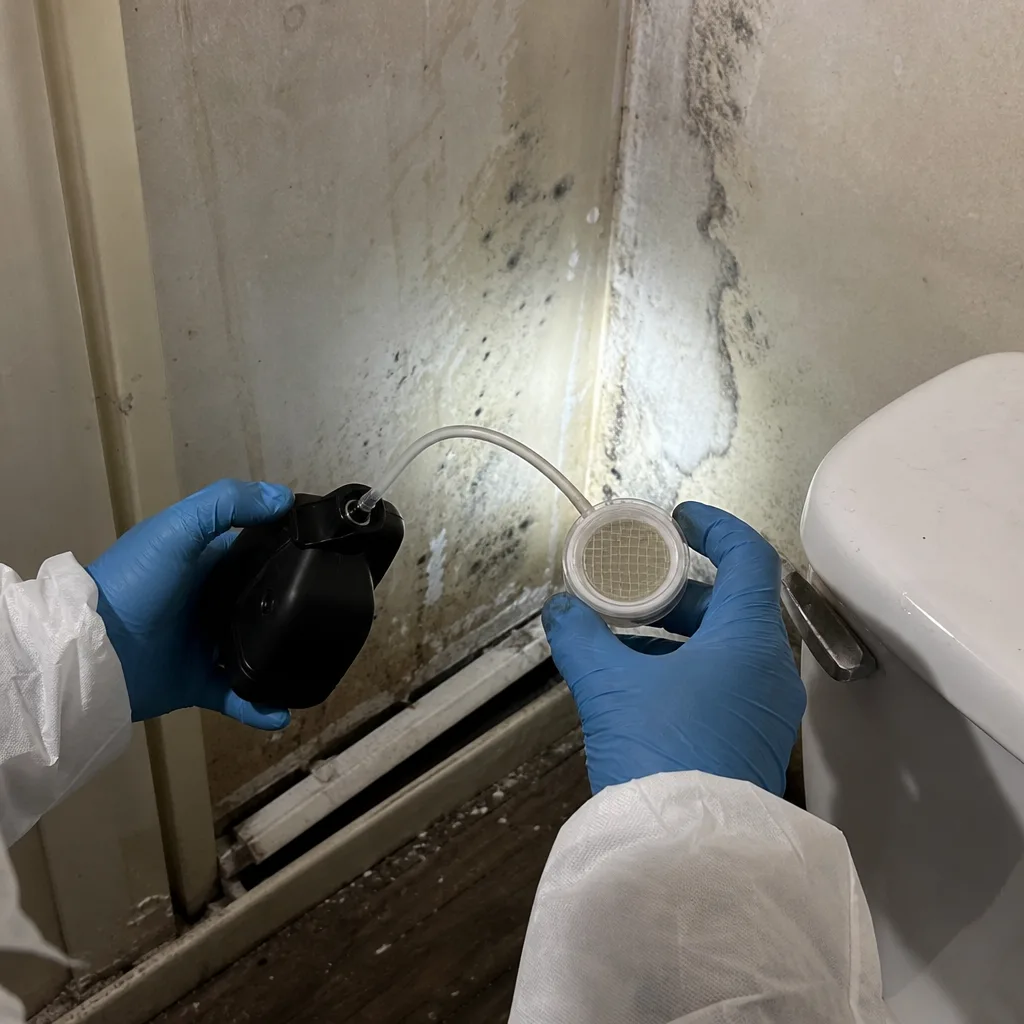
We respond throughout the Upper West Side, and the building type shapes our approach on every call.
Central Park West - The grand limestone co-ops and condos, many 15-20 stories, with original plaster crown moldings and herringbone parquet that cannot be replaced with modern equivalents. Mold remediation here requires conservator-grade documentation for board approval and often involves coordinating with the Central Park West Historic District guidelines for any visible exterior work.
Riverside Drive - Wind-driven rain penetrates aging mortar in these river-facing masonry buildings, especially above the 10th floor. We frequently find chronic envelope moisture behind built-in cabinetry in pre-war units, with Aspergillus and Penicillium species established in exterior wall cavities. Our crews carry extra dehumidification capacity for these jobs.
West End Avenue - Dense blocks of 1920s-era elevator buildings with shared wet-column plumbing. We were called to a West End Avenue pre-war co-op where a corroded galvanized supply elbow inside a shared partition wall had been weeping for weeks; moisture readings showed category 2 water migrating laterally into the neighboring unit, so we set up containment, performed moisture mapping, laid Injectidry panels against the original plaster-and-lath, and ran Dri-Eaz dehumidification until drying logs confirmed both apartments reached pre-loss condition. Because the work involved opening a shared wall, we coordinated with the co-op board’s managing agent on the scope of work and filed daily drying logs so each owner’s separate carrier could see the same moisture data.
Amsterdam Avenue corridor - Mixed pre-war and post-war stock, with more recent conversions that hide original construction behind renovated surfaces. We probe aggressively here; new drywall over old plaster creates interstitial moisture traps that standard surface readings miss.
Specialized Mold Remediation Services We Offer in Upper West Side
Mold Inspection & Testing
Our inspections include air sampling, surface sampling, and ERMI dust analysis where indicated. In Upper West Side co-ops, we specifically inspect units above, below, and beside the reported loss - because shared partition walls wick moisture laterally, the unit with the visible stain is rarely the only affected one. Testing follows AIHA and ACAC protocols; results come from independent laboratories with chain-of-custody documentation.
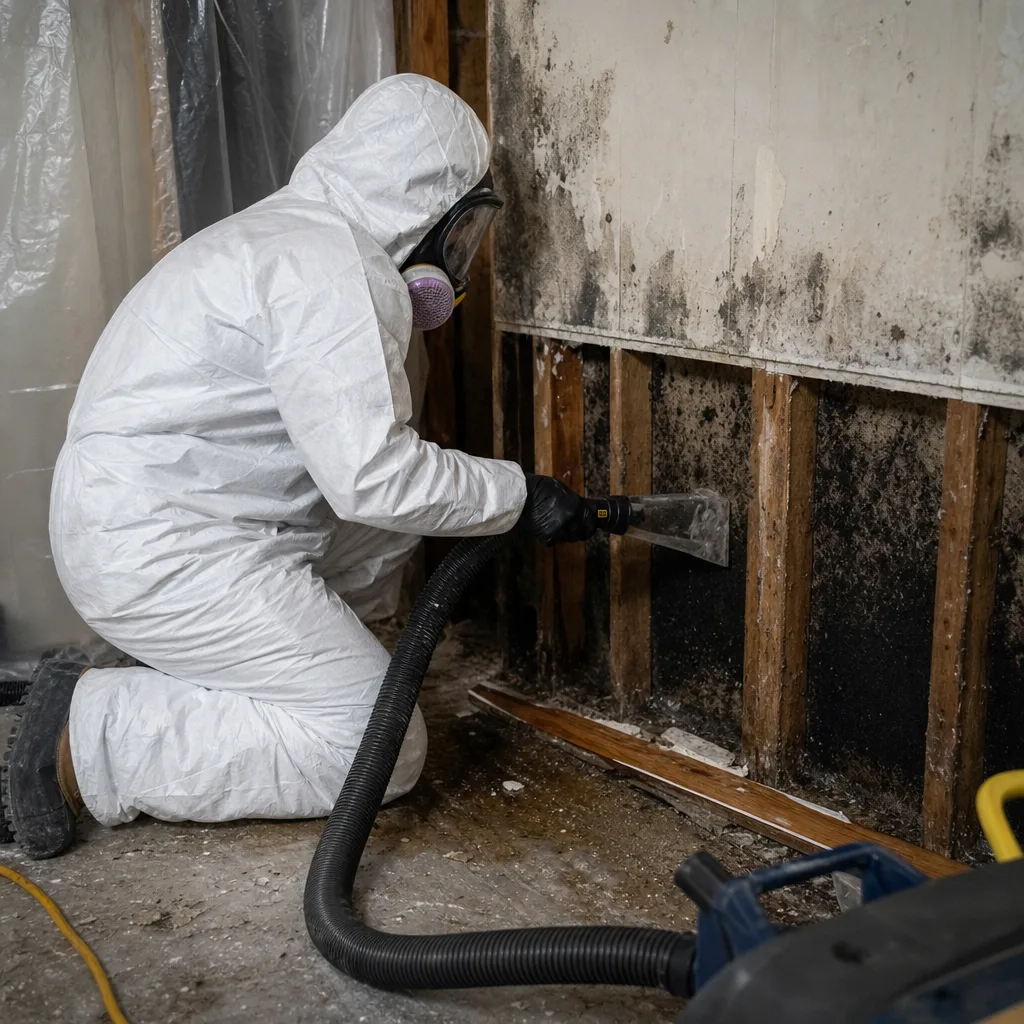
Mold Removal
Removal protocols follow IICRC S520 and NYC Department of Health guidelines. In UWS pre-war buildings, we never begin cutting until lead and asbestos surveys are complete - original plaster-and-lath walls in these buildings almost always carry lead paint and probable asbestos-containing materials, and disturbing them without abatement contaminates the unit and violates OSHA. We coordinate certified abatement contractors and document their clearance before our remediation begins.
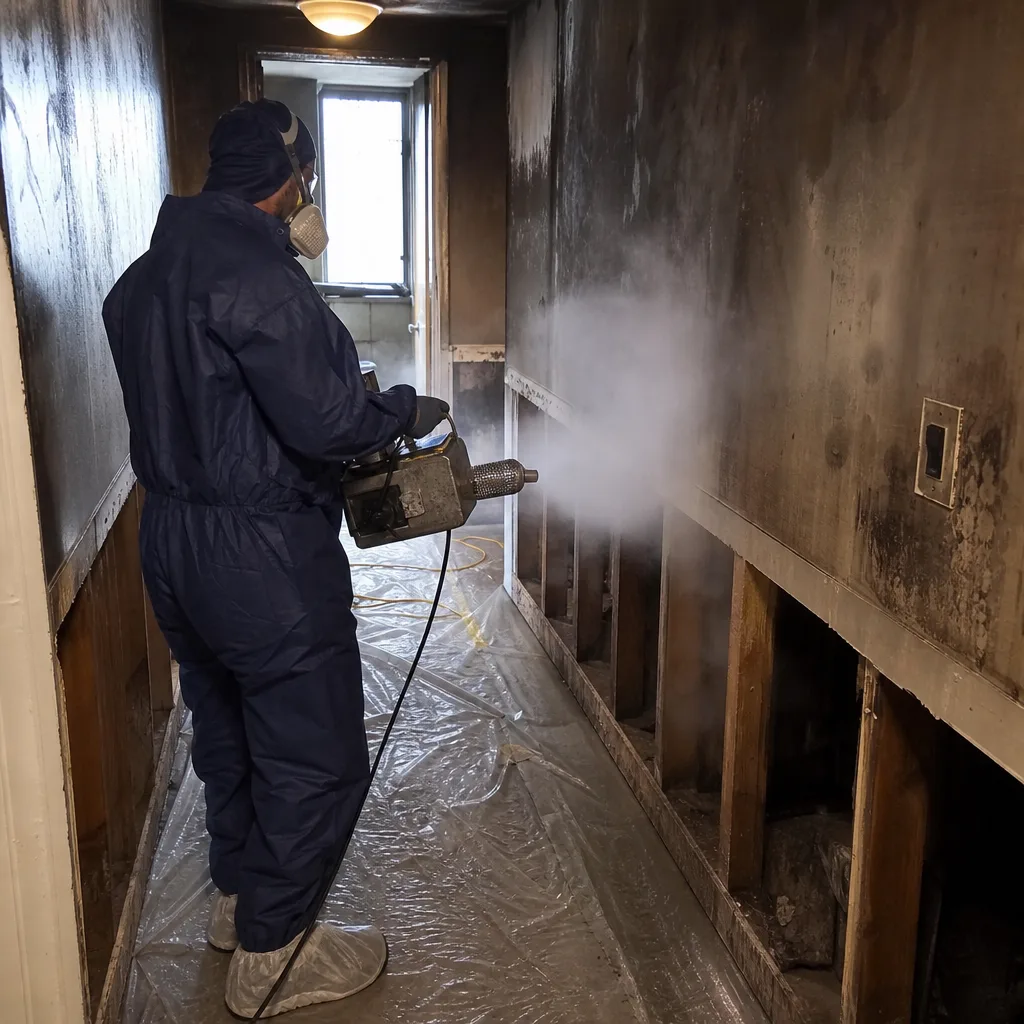
Black Mold Remediation
Stachybotrys chartarum requires Level 3 containment and full PPE. We establish critical barriers, decontamination chambers, and negative air pressure with HEPA scrubbers running at 6-12 air changes per hour. Post-remediation clearance testing is mandatory; we don’t self-certify.
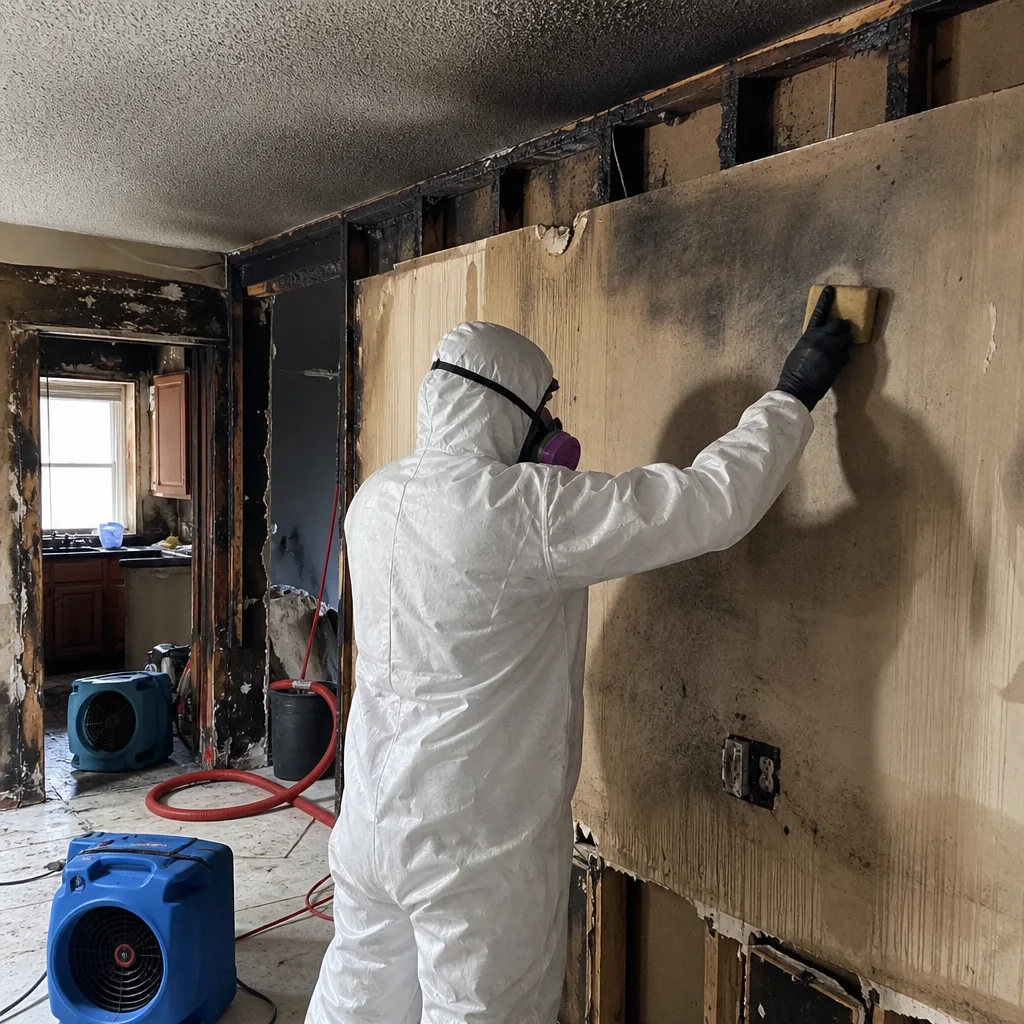
Air Quality Restoration
After remediation, we restore breathable air quality through source removal, HEPA filtration, and third-party verification. In Upper West Side buildings with centralized HVAC, we inspect and clean ductwork where spore deposition is suspected. Final air samples compare to outdoor baseline levels per AIHA guidelines.
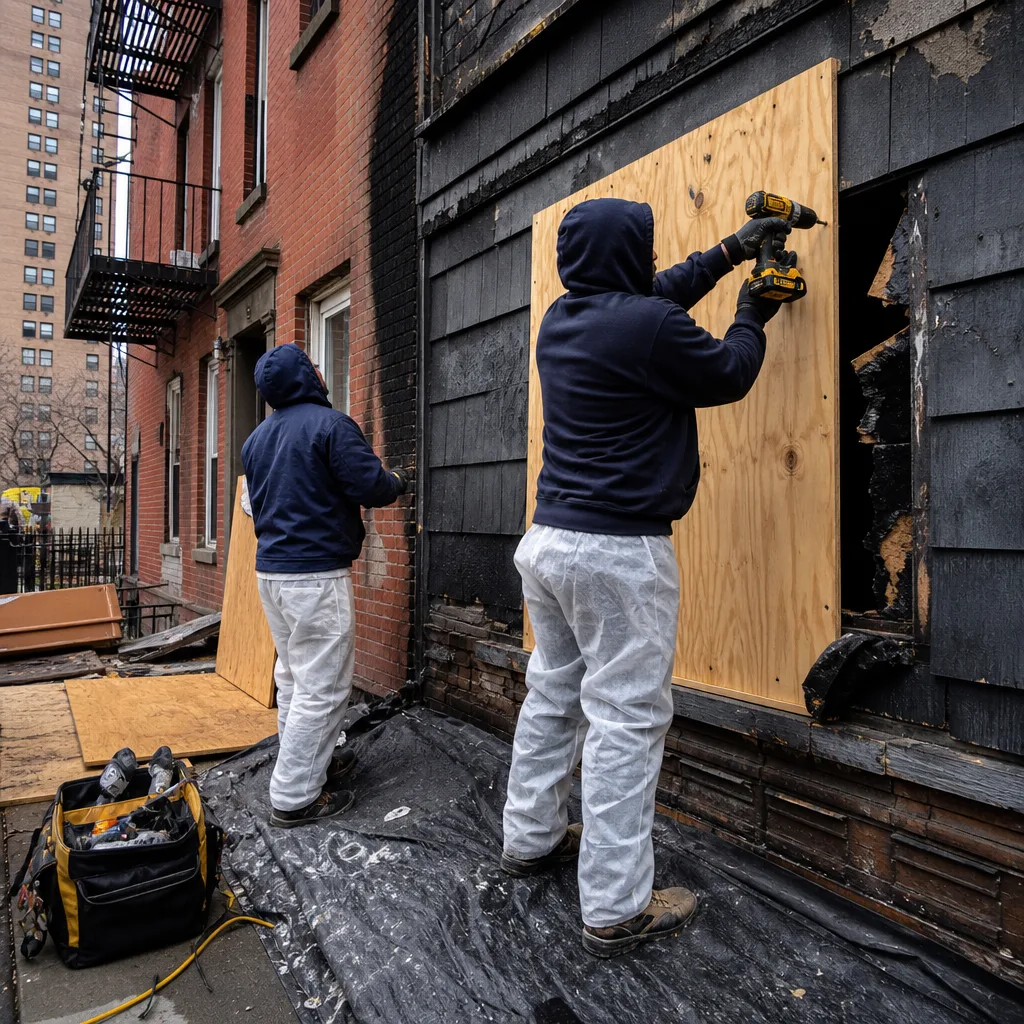
Crawl Space Treatment
While true crawl spaces are rare in Upper West Side high-rises, we treat sub-cellar utility vaults, elevator pit areas, and basement mechanical rooms with the same protocols: moisture barrier installation, dehumidification, and antimicrobial treatment of structural elements.
Moisture & Humidity Control
Permanent humidity control prevents recurrence. We specify and install commercial-grade dehumidification for chronic envelope moisture in river-facing buildings, and we recommend building-wide solutions where the loss traces to systemic issues like failed steam traps or roof drainage. Every recommendation includes written specifications and pricing - Haven Standard, Clause 1.
What happens when you call
- 1
A real person answersNo phone trees - you reach a local pro.
- 2
You get an upfront price rangeHonest numbers before anyone is dispatched.
- 3
A background-checked tech heads outLicensed & insured, dispatched right away.
- 4
You approve before work beginsNothing starts until you say go.
Mold Remediation Costs in Upper West Side, NY
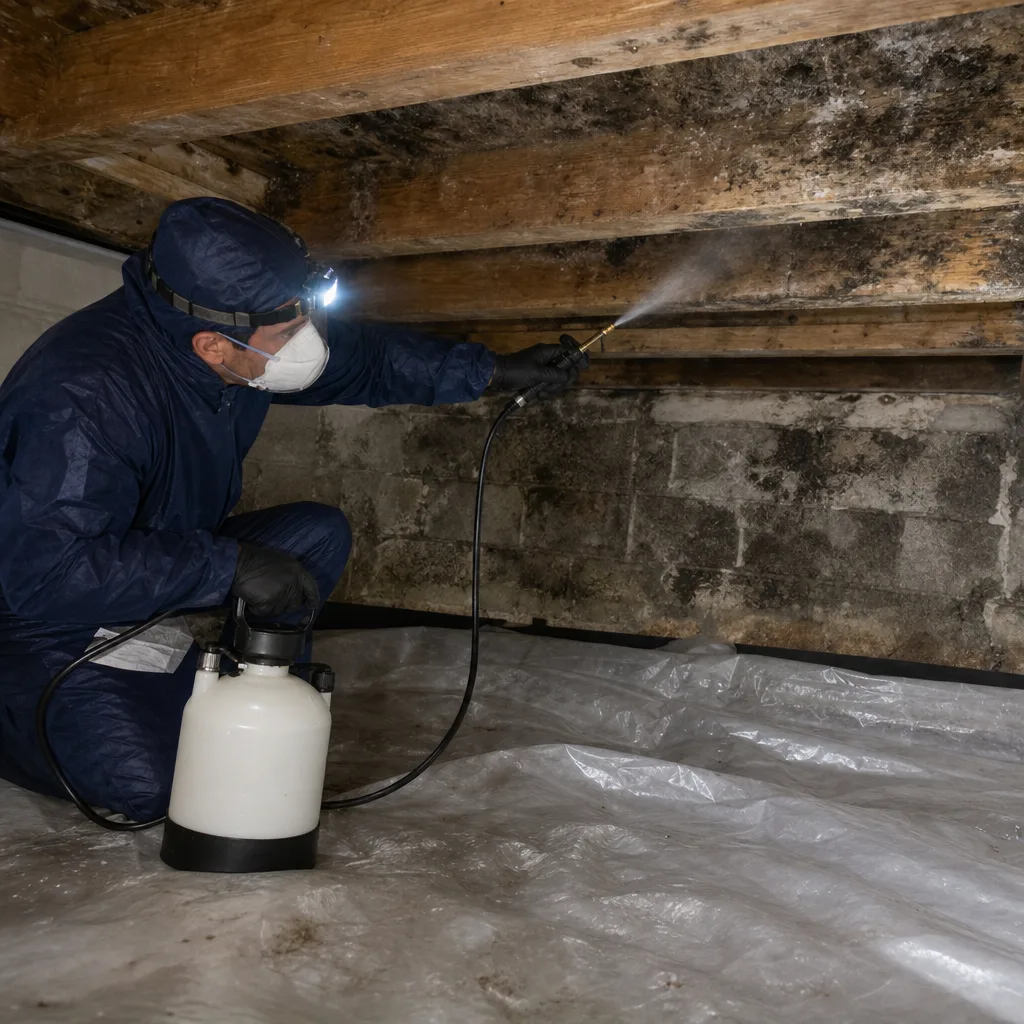
Our Mold Remediation pricing for Upper West Side reflects Manhattan labor rates, pre-war construction complexity, and the coordination required with co-op boards and multiple carriers.
| Service | Typical Range in Upper West Side |
|---|---|
| Level 1 mold remediation (localized, under 10 sq ft) | $1,800 - $3,400 |
| Level 2 mold remediation (contained area, 10-30 sq ft) | $3,400 - $7,200 |
| Level 3 mold remediation (extensive or HVAC-involved) | $7,200 - $18,000+ |
| Mold inspection with air/surface sampling | $650 - $1,400 |
| Third-party clearance testing | $450 - $900 |
| Lead/asbestos abatement coordination (pre-war buildings) | $2,500 - $8,000+ |
What moves the price: square footage of visible growth, hidden damage in shared walls, need for lead/asbestos abatement before remediation, number of affected units, and whether HVAC systems require cleaning. Insurance typically covers mold remediation when it results from a covered water loss; maintenance-related mold or long-term humidity issues may be excluded. We review your policy and provide a written scope with line-item pricing before any work begins - no exceptions. Call (516) 687-5786 for a free inspection and exact quote.
We Also Serve Cities Near Upper West Side
Our crews respond throughout Manhattan, including the Upper West Side and neighboring districts. We also serve Upper East Side, Morningside Heights, and East Harlem with the same documentation standards and response commitments.
Serving Upper West Side, NY - Our Local Coverage Area
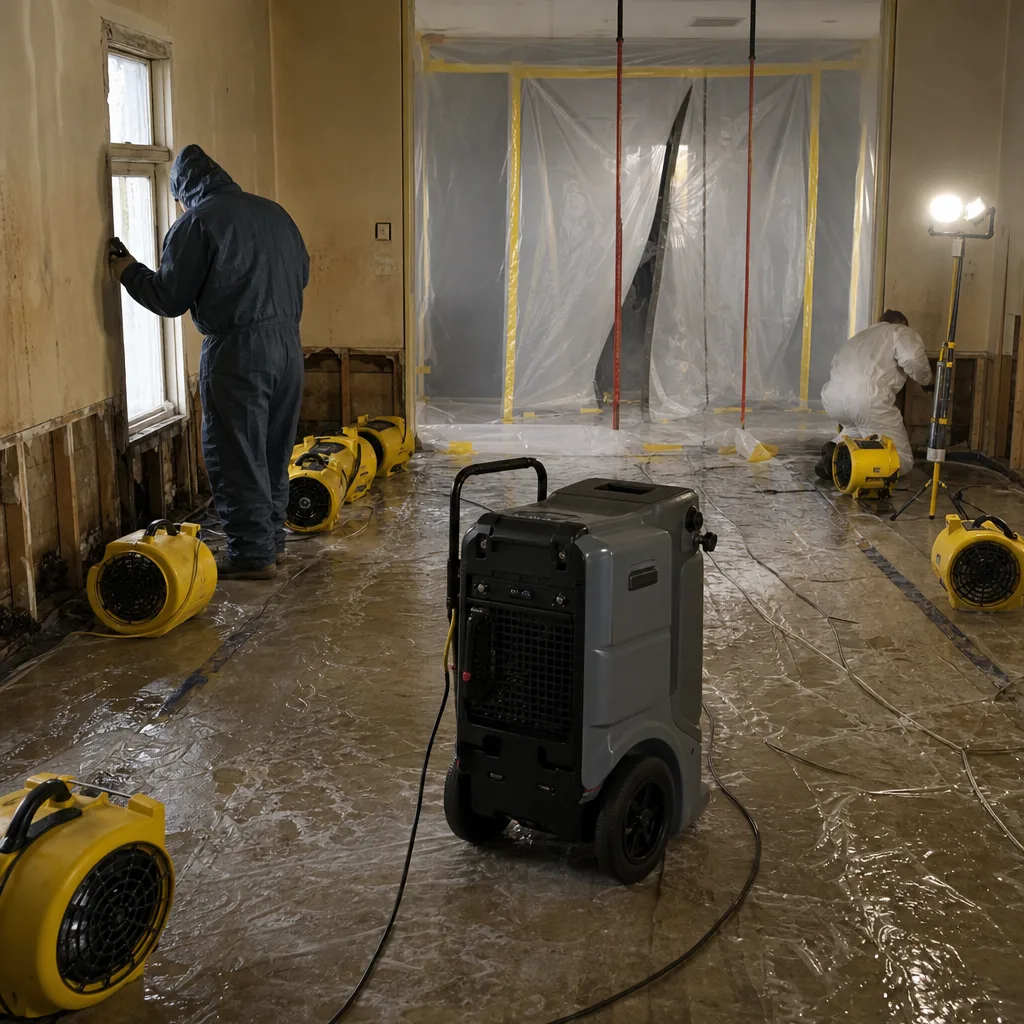
We’re based in the Upper West Side area and know this community well. Use the map below to see our service coverage - if you’re nearby, we can almost certainly help.
Upper West Side Mold Remediation Questions, Answered
Our Upper West Side pre-war co-op has a ceiling stain that just appeared - why does the mold inspection need to include the units above and beside us?
Because the stain you see is rarely where the mold started. In Upper West Side pre-war high-rises, steam risers and wet-column plumbing run inside partition walls shared across units; a failed steam trap or corroded supply elbow wicks moisture laterally through hollow plaster cavities for weeks before any ceiling shows it. By the time you see a stain, three or four apartments may have hidden mold growth, and the owners don’t realize they share a wet wall. We inspect adjacent units with the building’s permission, probe shared walls with penetrating meters, and document moisture migration paths so the co-op board and all affected carriers see the same data. Call (516) 687-5786 to schedule - estimates are free.
Why can’t our building just cut out the wet plaster and drywall and dry it like a normal apartment?
Because UWS pre-war construction isn’t “normal” by modern standards, and cutting without testing contaminates the unit. The limestone and brick elevator buildings along Central Park West, Riverside Drive, and West End Avenue contain original plaster-and-lath walls that almost always carry lead paint and probable asbestos-containing materials. Disturbing these without OSHA-compliant abatement protocols releases fibers into the living space, violates federal law, and typically halts the job when an inspector sees it. We coordinate certified abatement before remediation begins, document that sequence, and restore with methods appropriate to pre-war construction rather than drywall-era shortcuts. Call (516) 687-5786 for a written scope.
Does the co-op board have to approve mold remediation before you can start?
Non-emergency structural work in Upper West Side co-ops requires board approval, and emergency work still needs prompt notification. We prepare scopes in the format managing agents expect: line-item pricing, moisture data, equipment specifications, and a clear statement of pre-loss condition. Our documentation has been reviewed by boards up and down Central Park West and West End Avenue; we know what they need to approve quickly. For emergency stabilization, we begin immediately with verbal notice, then file formal documentation within 24 hours. Call (516) 687-5786 and we’ll coordinate directly with your managing agent.
Is a January pipe-freeze loss in an Upper West Side apartment more likely to turn into mold than in a drier market?
Yes. Manhattan’s freeze-thaw winters combined with the UWS’s position between the Hudson River humidity corridor and Central Park’s micro-climate create persistent condensation and envelope moisture in older masonry buildings. January pipe-freeze losses in exterior-wall plumbing chases that were never properly insulated introduce water into walls that are already damp from winter humidity. Without aggressive antimicrobial treatment and extended dehumidification, mold rebounds after what looks like successful structural drying. We run Dri-Eaz and Phoenix dehumidification longer than drier markets require, and we document moisture equilibrium with psychrometric data before declaring dry standard. Call (516) 687-5786 for immediate response.
How do you handle water that’s leaked from another unit - do you treat it differently?
We treat the moisture, not the ownership. Category 2 water (gray water) from an upstairs supply line or failed steam riser requires the same antimicrobial protocols regardless of origin. The difference is documentation: we map moisture in both the source unit and the affected unit, establish separate drying logs for each, and file scope details that let each owner’s carrier assign liability correctly. In shared-wall cases, we coordinate with both unit owners and the co-op board so no one is left with undocumented damage that their carrier disputes. Call (516) 687-5786 - we’ll explain the documentation process on arrival.
How fast can your crews actually get to Upper West Side?
We typically arrive within 45 minutes of your call. Our New York City office dispatches crews carrying containment materials, HEPA scrubbers, and moisture mapping equipment; they don’t return to a warehouse first. Live phone coverage is available 24 hours a day, 7 days a week with no voicemail on emergency lines. The first hour matters: mold colonization begins within 24-48 hours of water intrusion, and every hour of delay expands the affected area. Call (516) 687-5786 now.
Will my insurance cover mold remediation, or is this out of pocket?
Insurance covers mold remediation when it results from a sudden, accidental water loss - burst pipes, appliance failures, storm damage. Long-term humidity issues, maintenance neglect, or pre-existing conditions are typically excluded. We review your policy, document the loss origin with photo evidence and moisture data, and format our estimate to carrier standards. Direct billing means you don’t front costs for covered losses. Bring any competitor’s written estimate and we’ll provide a Free Second Opinion at no charge. Call (516) 687-5786 to discuss your specific situation.
How long does mold remediation take in an Upper West Side pre-war building?
Level 1 jobs: 2-3 days. Level 2: 4-7 days. Level 3 or jobs requiring lead/asbestos abatement coordination: 1-3 weeks. The variable isn’t our process speed; it’s the building’s construction and board coordination. Pre-war plaster-and-lath dries slower than drywall, shared walls require adjacent-unit access, and abatement clearance adds 24-48 hours. We don’t rush drying - we document it. Daily drying logs show every room’s progress to pre-loss moisture equilibrium, and we don’t remove equipment until the data supports it. Call (516) 687-5786 for a timeline based on your specific loss.
Contact Back to Dry Restoration Manhattan
Mold in an Upper West Side pre-war building isn’t a standard remediation job. Shared walls, lead and asbestos protocols, co-op board coordination, and multiple carriers require a restoration company that documents every step and writes every price before starting work. We’ve restored 12,000+ homes since 2011 under The Haven Standard, with a 365-Day Done Right Promise on every job. Call (516) 687-5786 now - we answer live 24 hours a day, and your inspection is free.
Written by Alicia Brennan, Owner at Back to Dry Restoration, serving Upper West Side since 2011.