
Free visual inspection and a written scope of work before any mitigation begins - photos, moisture readings, and drying logs go in your claim file
The scope we write is the scope we bill. Anything new gets shown to you, in writing, before we touch it.
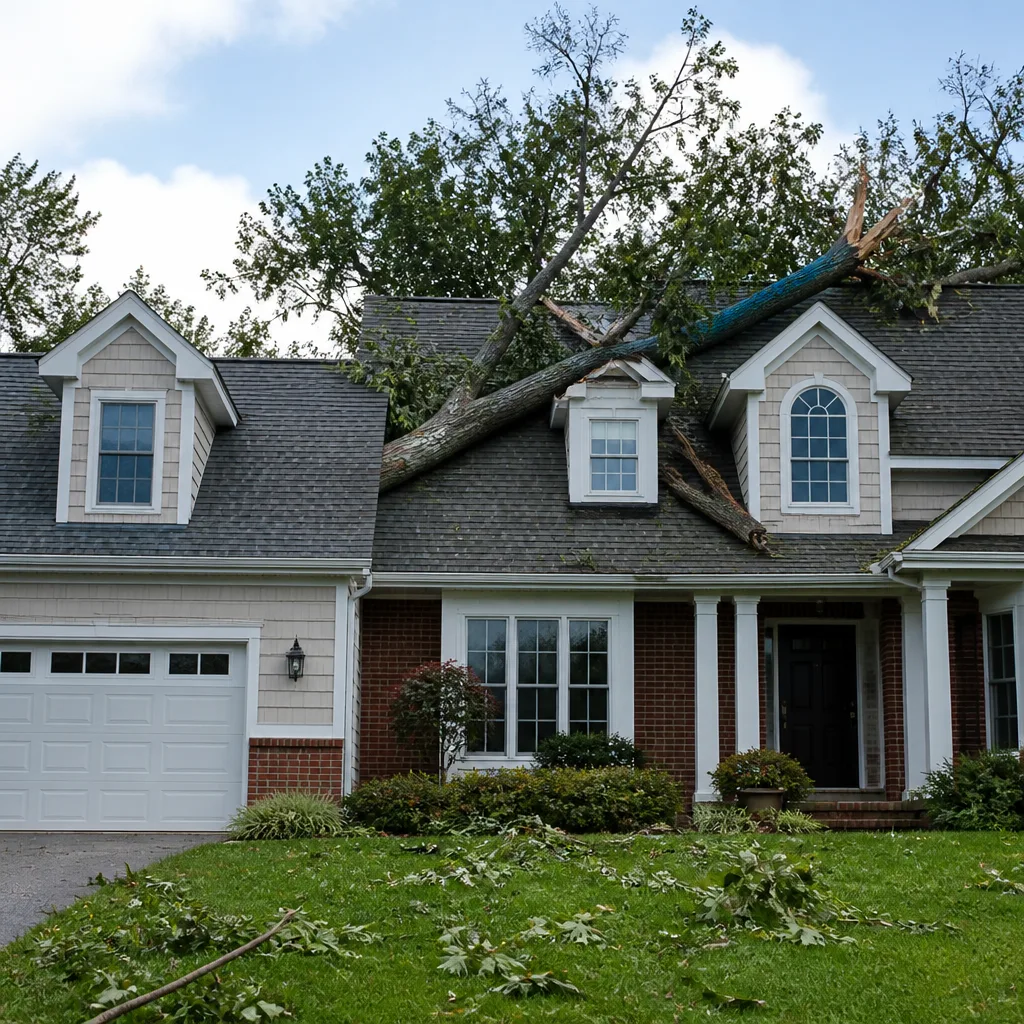
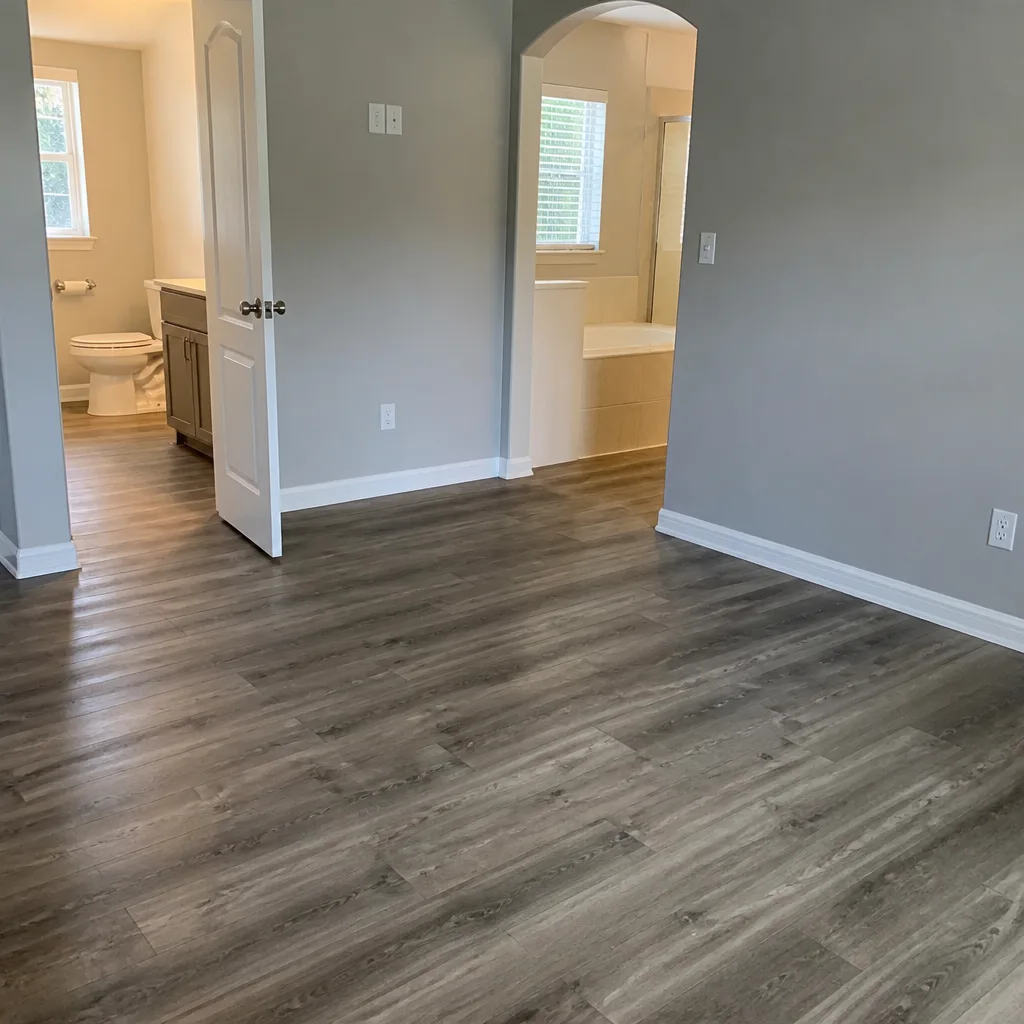
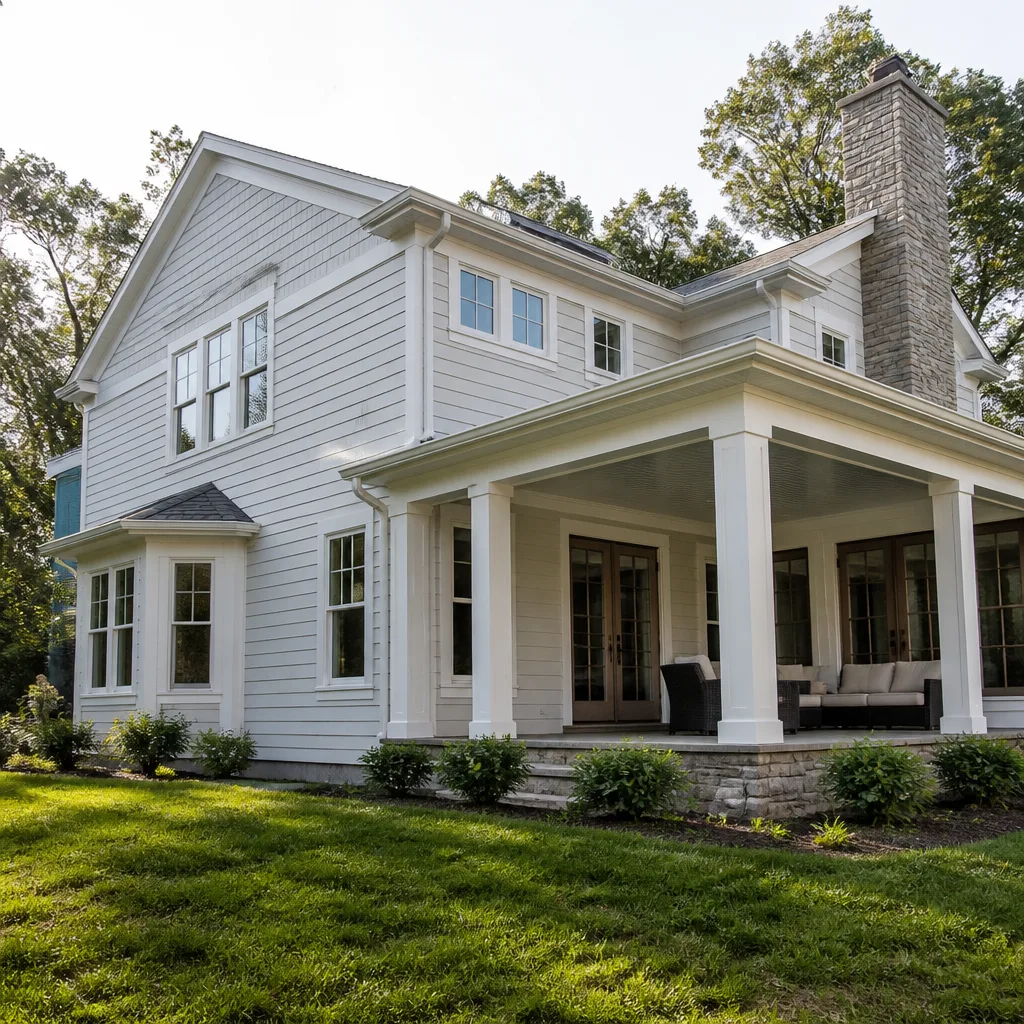
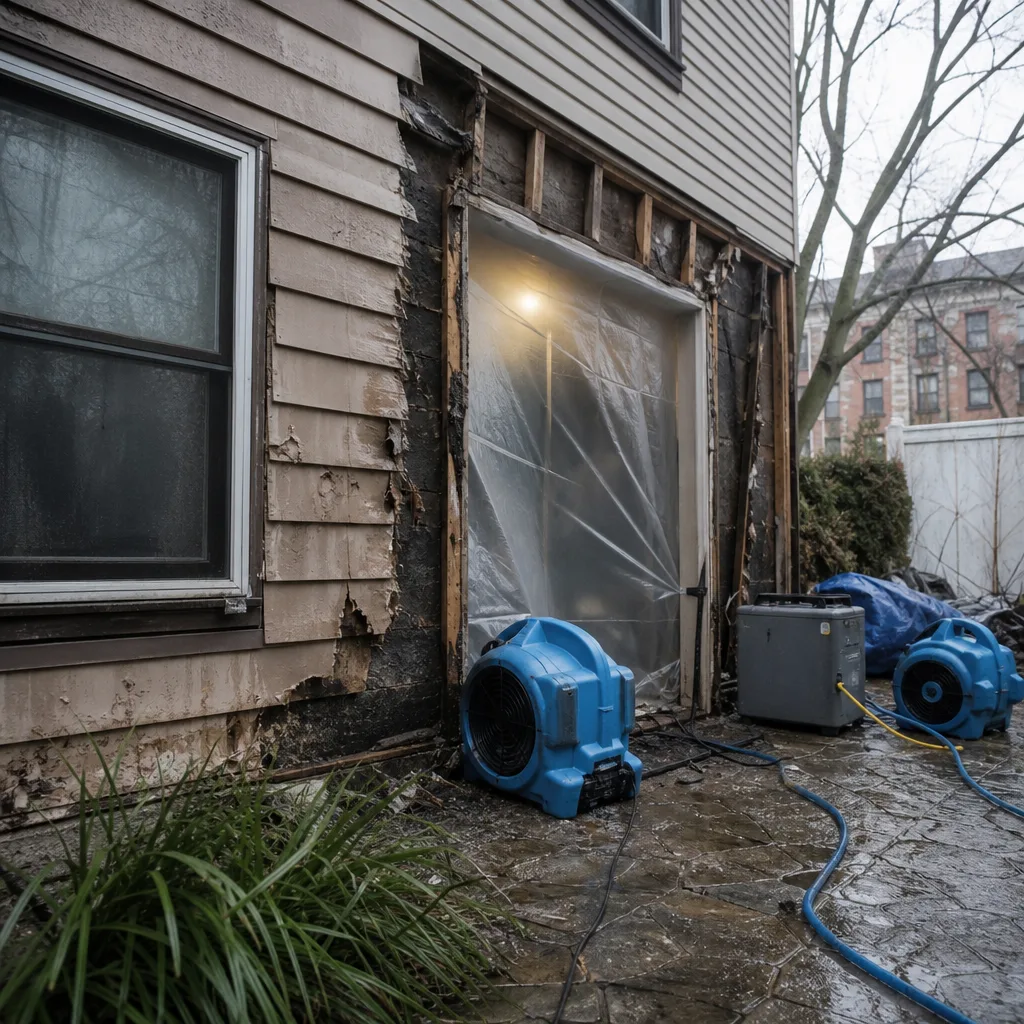 Before
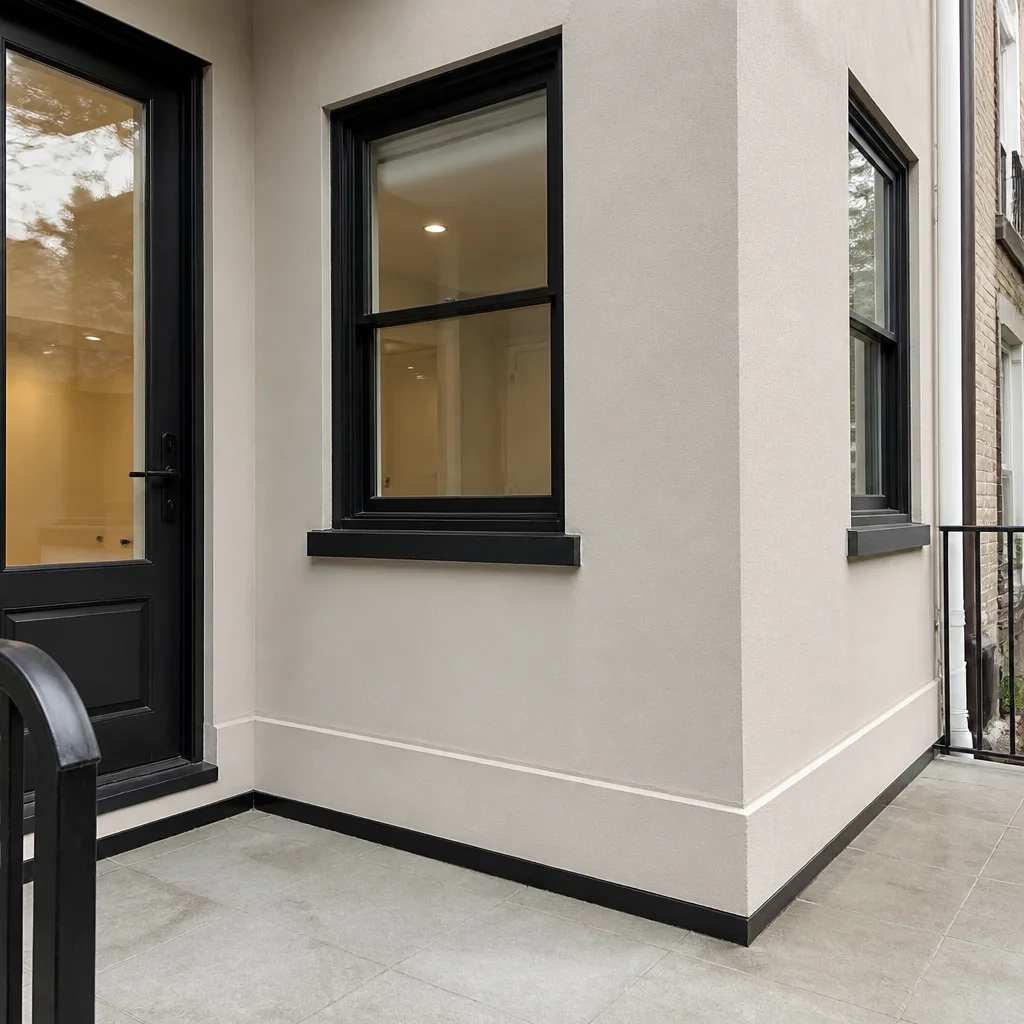 After
After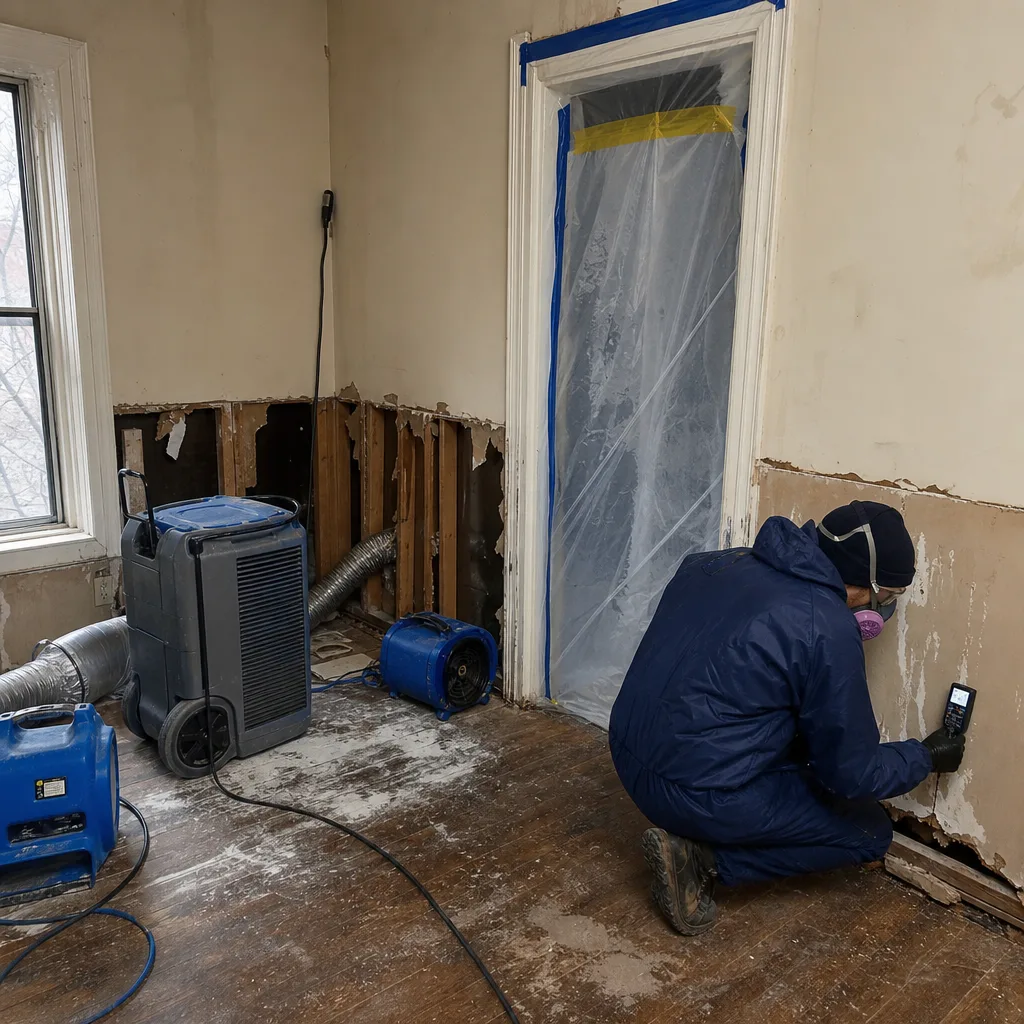 Before
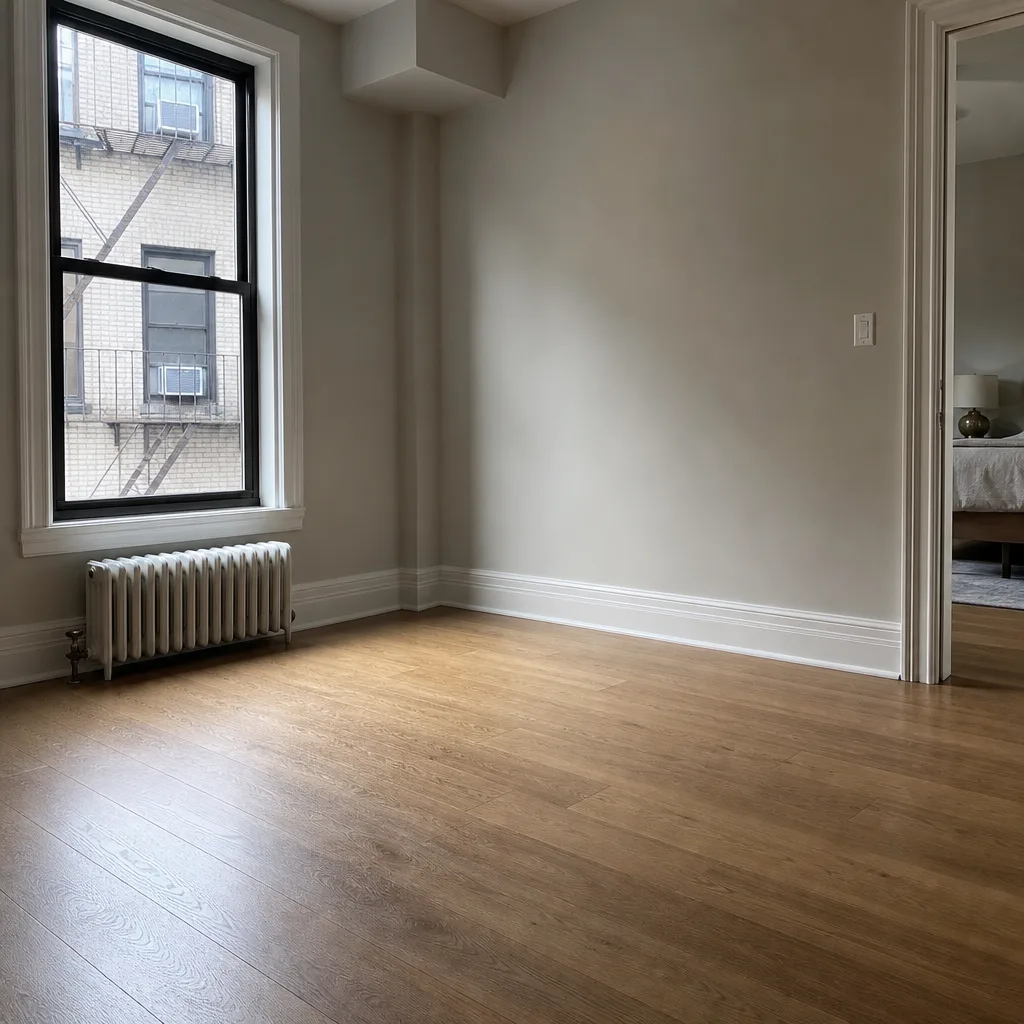 After
After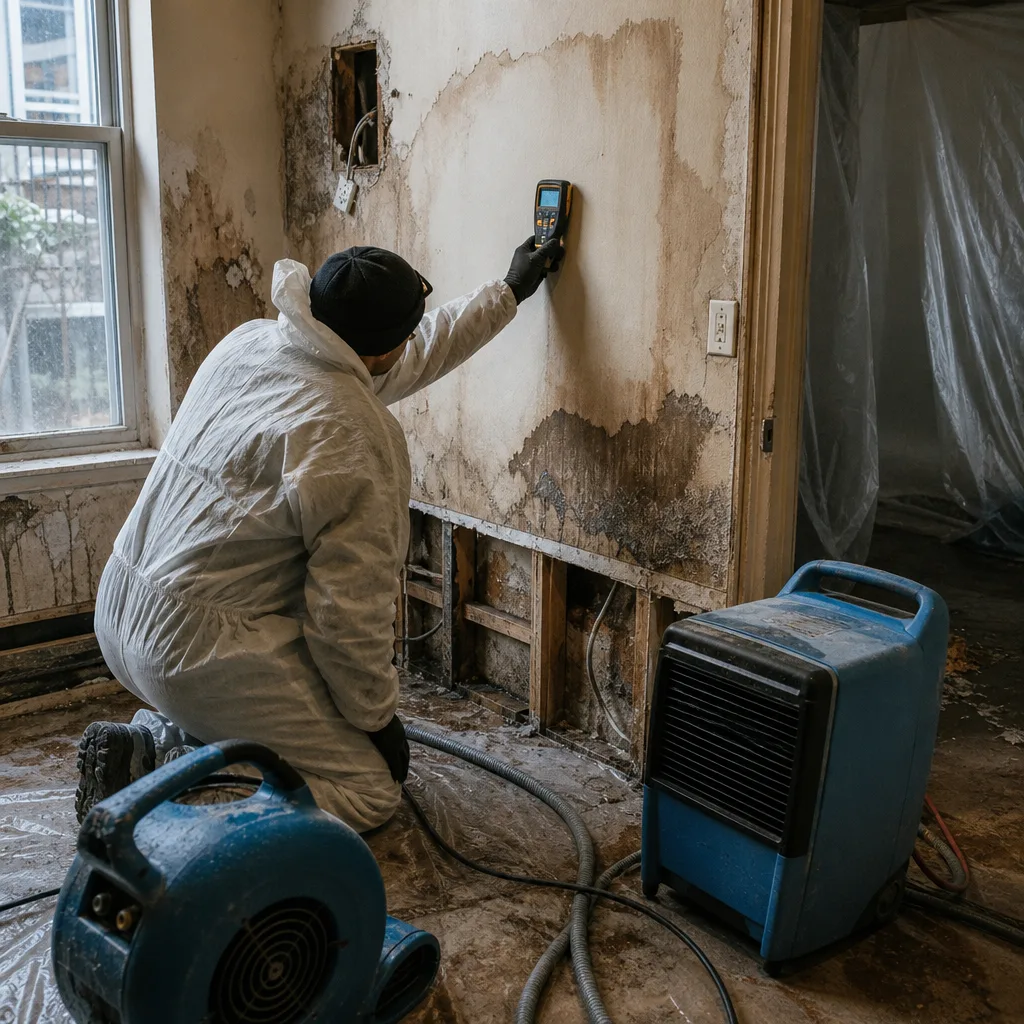 Before
 After
After24/7 Emergency Mold Remediation in Jackson Heights
Mold remediation in Jackson Heights typically costs $1,800-$6,500 depending on affected square footage and whether the source is a contained leak or storm-driven rain through a landmark-regulated exterior assembly. Most inspections are scheduled same-day, and crews can begin containment within hours when moisture is still active. Call (516) 687-5786 - a live person answers, 24 hours a day, no voicemail trees.
Speed matters because mold colonizes wet plaster-on-metal-lath in 48 to 72 hours, and in Jackson Heights’ dense garden-apartment co-ops, that colony rarely stays in one unit. Shared plumbing risers, original boiler systems, and the thermal bridging of 1930s brick courtyards move moisture laterally and vertically through multiple apartments before shareholders notice a musty smell. Our crews are dispatched from our New York City office and carry thermal imaging, pin moisture meters, and HEPA containment gear configured for pre-war multi-family buildings.
Understanding Mold Remediation Severity in Jackson Heights Properties
Mold severity in Jackson Heights is rarely a single-room problem. The neighborhood’s defining stock - pre-war brick garden apartments built between 1910 and 1935, many within the Jackson Heights Historic District - uses plaster-on-metal-lath ceilings and walls, shared cast-iron drain stacks, and original galvanized supply lines that corrode from the inside. When water enters, it wicks through these assemblies in ways that gypsum drywall in a 1980s condo simply does not allow.
We classify mold projects by three factors: the category of water that initiated growth, the square footage of visible colonization, and the extent of hidden spread through shared building systems. Category 1 water - a clean supply line break - can still produce Category 3 mold conditions if it sits in original plaster lath for more than 72 hours, because the metal lath and horsehair plaster bind organic material that feeds fungal growth. Category 2 or 3 water, which includes the wind-driven rain that penetrates failed balcony door gaskets or original steel casement windows in courtyard buildings, demands full antimicrobial treatment and often requires removal of saturated plaster rather than surface cleaning alone.
Psychrometric data - temperature, relative humidity, and vapor pressure differential - drives our drying strategy. In Jackson Heights’ masonry buildings, vapor pressure differential often pushes moisture from the warm, humid courtyard side to the cooler interior wall cavity, meaning the wet spot you see is rarely the full extent of the problem.
Why Jackson Heights Property Owners Choose Back to Dry Restoration Manhattan
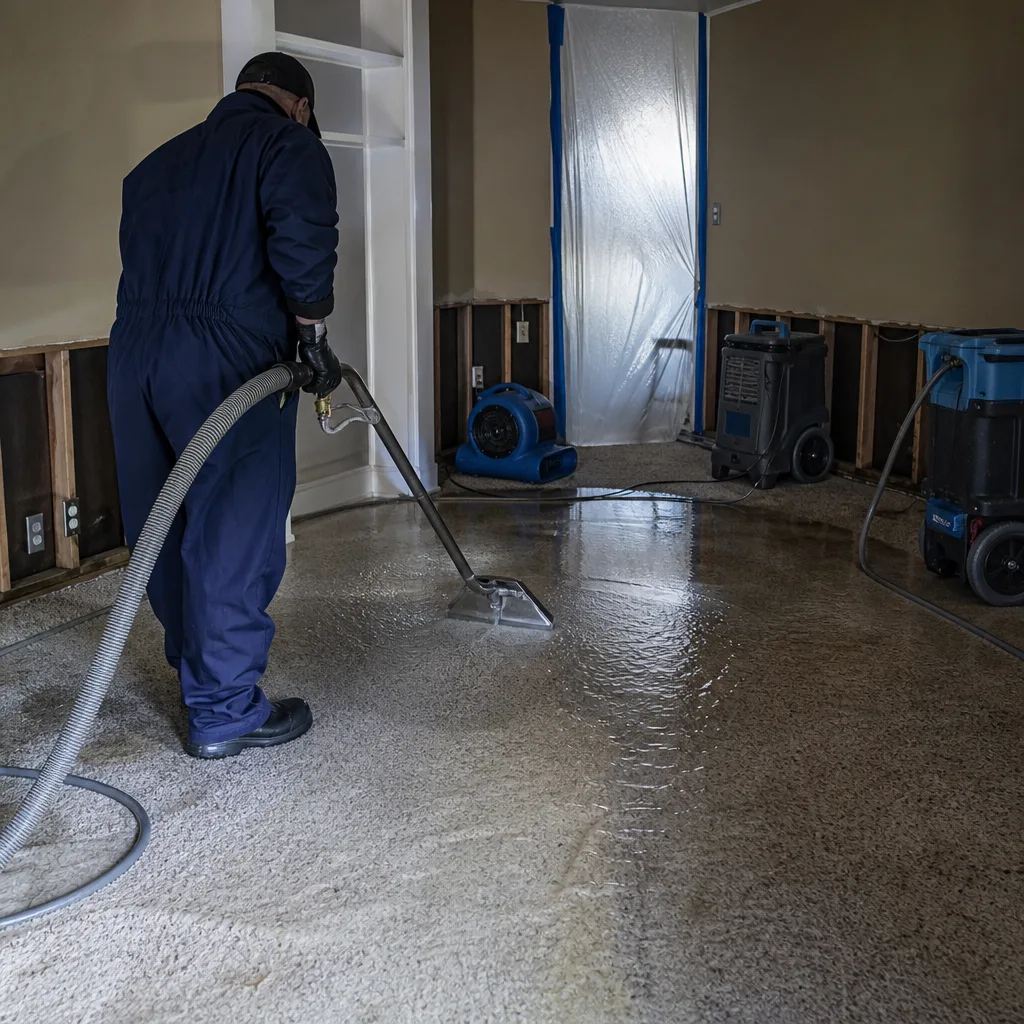
- 45-minute response commitment to Jackson Heights from dispatch, with crews carrying thermal imaging and moisture mapping equipment on every truck.
- 24/7 live answer - a real person, never an automated system - because mold does not wait for business hours, and neither do co-op board emergencies.
- IICRC-certified crews holding WRT (Water Damage Restoration Technician), AMRT (Applied Microbial Remediation Technician), and FSRT (Fire & Smoke Restoration Technician) credentials where cross-training applies to fire-water-mold sequences.
- Free visual inspection and moisture assessment, with a written scope delivered before any work begins - Haven Standard, Clause 1.
- Direct insurance billing and adjuster coordination, including photo-documented daily drying logs that turn restoration invoices into payable claims.
- One team from containment through reconstruction, so the crew that mapped your moisture profile also scopes your build-back - no handoff gaps, no repeated explanations.
BeforeAfterOur Mold Remediation Process
1. Inspection & Assessment
We map moisture with FLIR thermal imaging and Delmhorst pin meters, identifying hidden migration through plaster-on-metal-lath assemblies and shared riser cavities. In Jackson Heights co-ops, we inspect adjacent units before writing scope, because lateral spread through original construction is routine, not exceptional.
2. Containment & Air Filtration
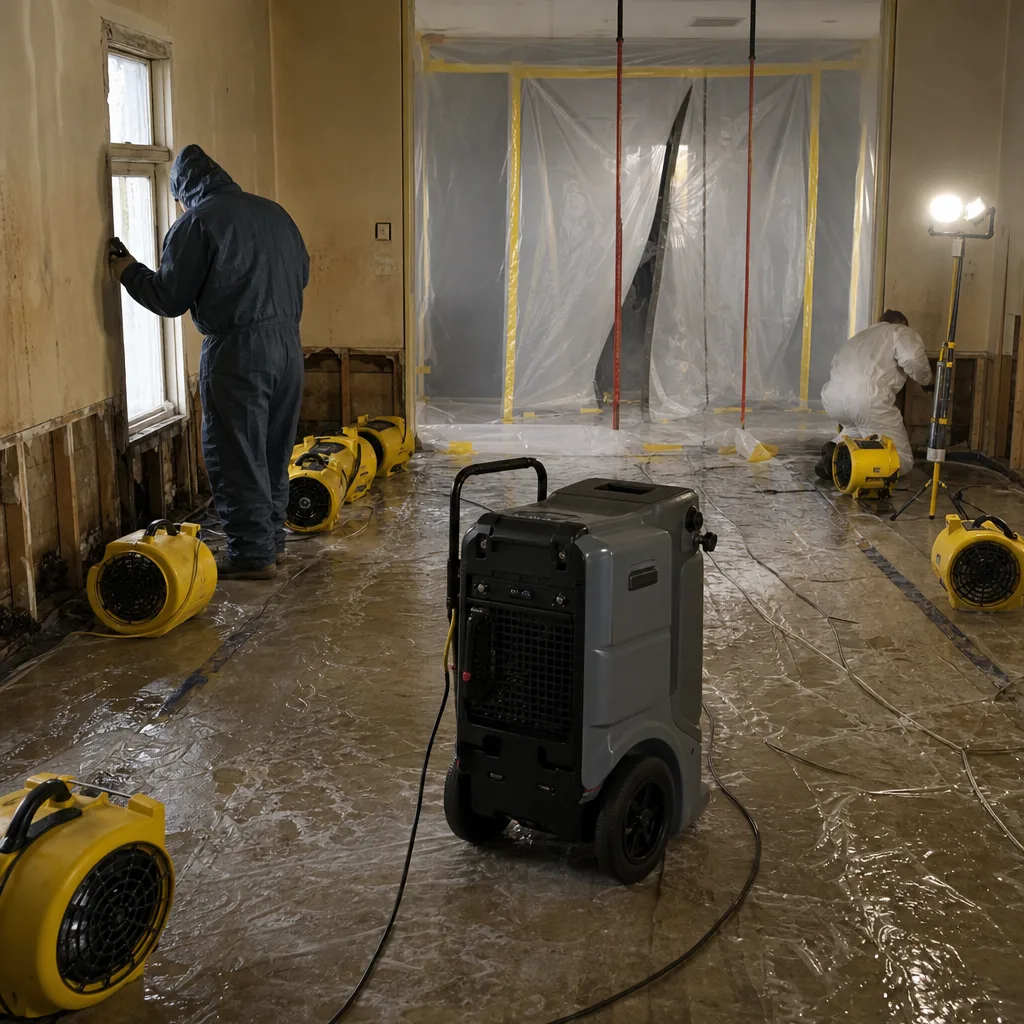
Polyethylene containment barriers seal the work zone; HEPA air scrubbers (negative air machines) run continuously to prevent spore migration through shared hallways and ventilation systems. We document pressure differentials and particle counts for the insurer and co-op board.
3. Drying & Dehumidification
Dri-Eaz and Phoenix LGR dehumidifiers, paired with axial air movers and Injectidry cavity-drying systems, reduce moisture content in plaster lath and structural framing to below 16% wood moisture equivalent. Daily psychrometric readings are logged to IICRC S520 standards.
4. Cleaning & Antimicrobial Treatment
HEPA vacuuming of all surfaces, followed by EPA-registered antimicrobial application to kill residual hyphae in porous plaster and wood. Wind-driven rain through 1930s brick and courtyard masonry carries enough soil load that we treat these as Category 2 or 3 events, even when the source appears clean.
5. Moisture & Humidity Control
We install permanent or temporary dehumidification solutions calibrated to Jackson Heights’ specific vapor pressure dynamics - warm, humid courtyard air pressing against cooler interior masonry. Crawl space and basement units receive dedicated humidity control to prevent recurrence.
6. Repairs, Clearance & Documentation
Post-remediation clearance testing by a third-party hygienist confirms spore counts at or below outdoor baseline. We deliver the photo record, drying logs, written scope, and signed 365-Day Done Right Promise under The Haven Standard before final billing.
Need Emergency Mold Remediation in Jackson Heights Now?
Crews minutes away, answering live 24 hours a day. The sooner we start, the less it costs.
Working With Your Insurance Company
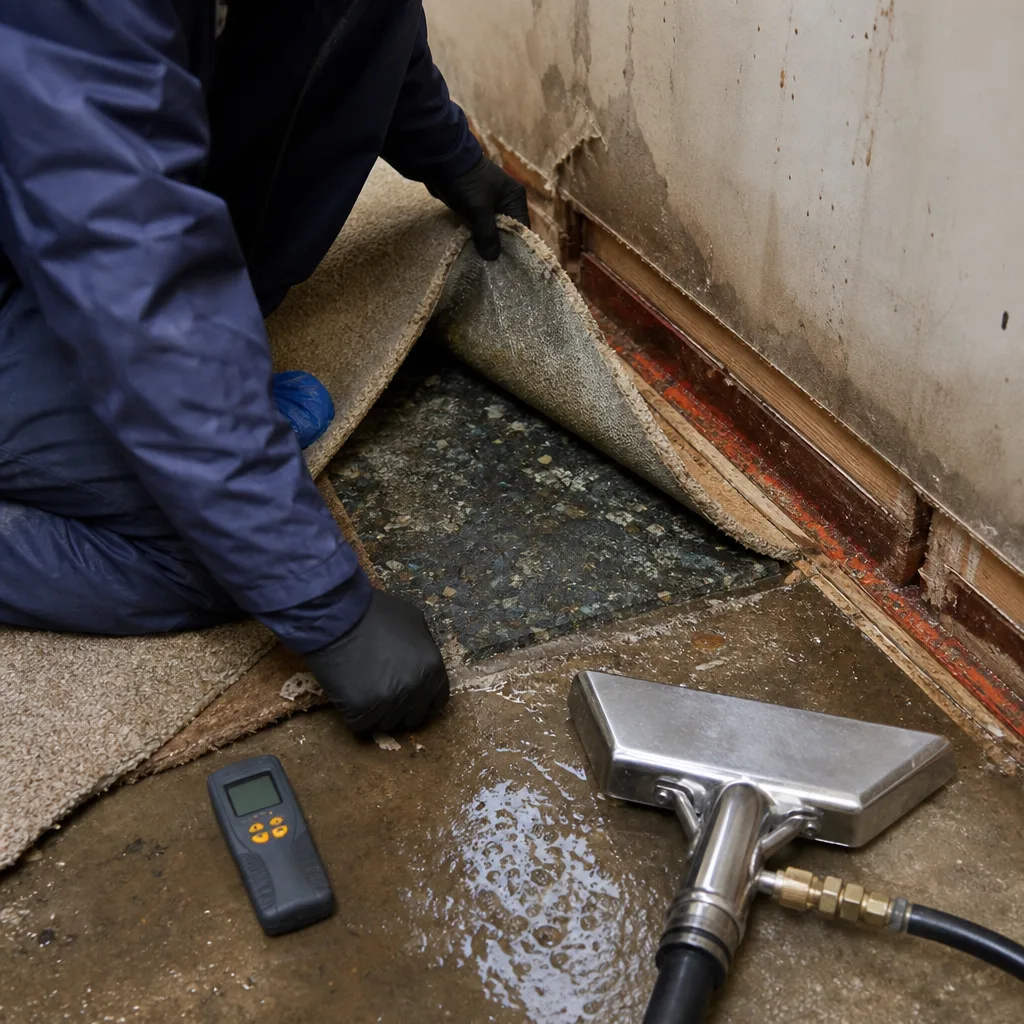
Insurance claims for mold in Jackson Heights fail most often on documentation gaps - the adjuster cannot see what was wet, for how long, or why the scope includes four units instead of one. We close that gap from the first hour. Every moisture reading is photographed with its location tag. Every drying log is time-stamped. Every scope is line-itemed with trade-standard pricing.
Our estimates are built to Xactimate or Symbility standards, and we coordinate directly with your carrier’s adjuster rather than handing you a bill to negotiate alone. For co-op shareholders, we also document our findings for the building’s master policy carrier when the loss originates in common-area plumbing or exterior envelope failure.
What We Provide Your Insurer
- Thorough documentation of the loss, including cause-of-loss determination
- Photos of all damage, room by room, with moisture readings visible in frame
- Daily moisture readings and drying logs to IICRC S500/S520 standards
- A detailed, line-item scope of work with unit costs and quantities
- Direct coordination with your carrier’s adjuster, including supplemental requests when hidden damage extends scope
Built for Jackson Heights’s Loss Calendar
January deep freezes burst original galvanized supply lines in garden-apartment basements and crawl spaces, with ice formation in cast-iron stacks that cracks fittings when it thaws. Spring brings basement seepage through century-old foundations as the water table rises along Roosevelt Avenue’s low corridor. Summer thunderstorms and flash flooding strain Queens’s combined sewer network - the same network that backed sewage into Jackson Heights cellars during Hurricane Ida on September 1, 2021, killing residents and destroying ground-floor units.
Nor’easters drive wind-driven rain through failed balcony door gaskets and original steel casement windows in courtyard-facing units, particularly in the Chateau, Linden Court, and English Garden complexes. The rain wets plaster-on-metal-lath walls that cannot dry quickly in masonry buildings with minimal wall cavity ventilation. By late fall, heating-season humidity imbalances - overheated units with poorly ventilated bathrooms - trigger secondary mold events in bathrooms and kitchens where exhaust fans were never upgraded from original 1930s specs.
Mold Remediation Across Jackson Heights’s Neighborhoods
North of Northern Boulevard, the Jackson Heights Historic District’s garden-apartment co-ops - Chateau, Towers, Linden Court, Dunolly Gardens - present our most complex mold projects. A single wind-driven rain event through a failed courtyard-facing door gasket routinely affects four to eight stacked and adjacent units, with moisture migrating through shared plumbing risers and original plaster lath. Our crews know these buildings by name, know which supers have master keys, and know that any exterior work triggers Landmarks Preservation Commission review.
Along Roosevelt Avenue and 74th Street, the dense mixed-use corridor combines pre-war residential above commercial with newer construction that has its own problems - inadequate vapor barriers in 1960s and 1970s brick infill, flat roofs with original membrane failure, and illegal basement conversions with no ventilation. Mold here often follows chronic humidity rather than acute water loss, requiring permanent dehumidification solutions rather than one-time remediation.
West toward 31st Street and the border with Woodside, detached and semi-attached wood-frame houses from the 1910s and 1920s sit on crawl spaces and partial basements with stone foundations. These structures dry differently than masonry co-ops - we use different equipment configurations, with more emphasis on subfloor drying and crawl space vapor barrier installation.
Near Travers Park and the 82nd Street corridor, newer co-op and condo conversions combine original 1920s structures with 1980s and 1990s additions. The interface between old and new construction - different vapor permeability, different insulation, different framing - creates thermal bridges where condensation and mold concentrate. Our moisture mapping identifies these interface zones before we write scope.
Specialized Mold Remediation Services We Offer in Jackson Heights
Mold Inspection & Testing
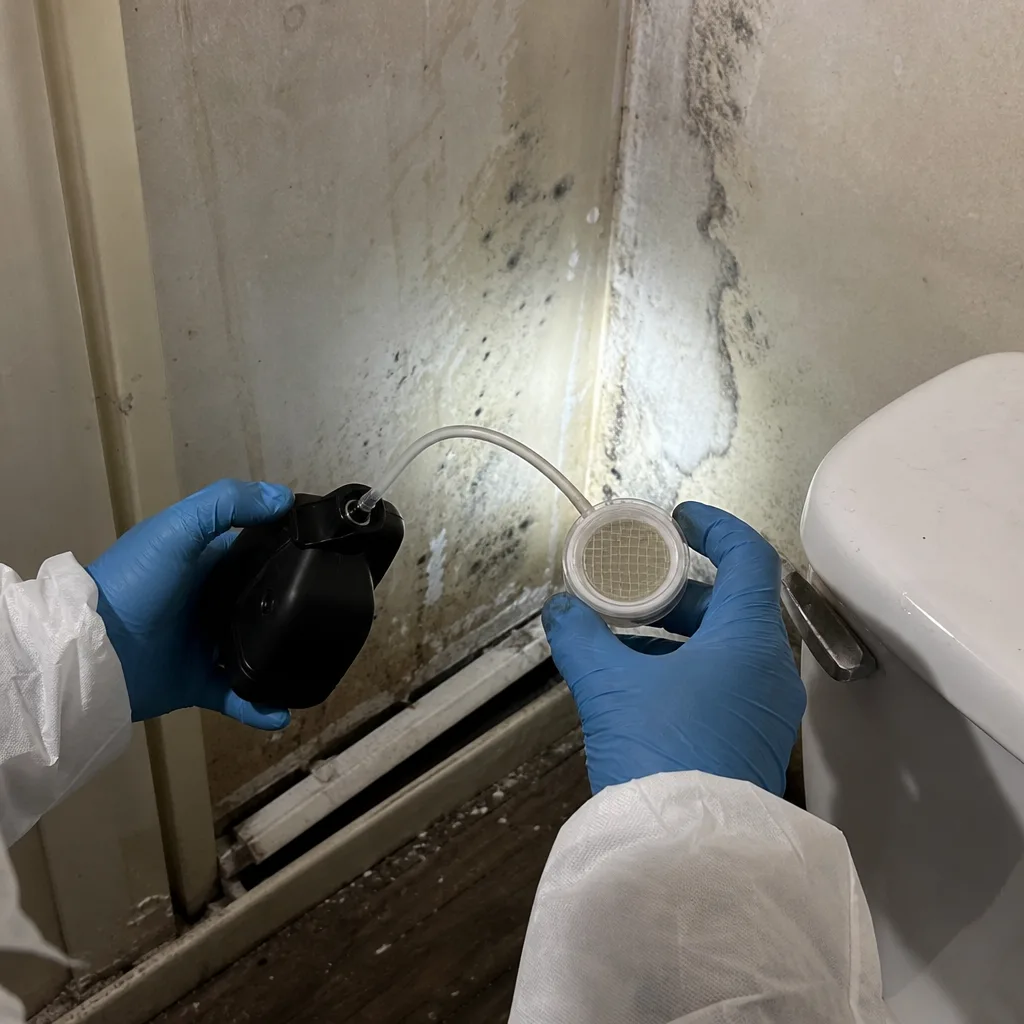
We do not guess. Our inspections combine thermal imaging, pin and non-invasive moisture meters, and air sampling where visible colonization is ambiguous. In Jackson Heights’ pre-war buildings, we inspect adjacent units and common areas as standard practice, because shared construction means shared risk. Air samples are analyzed by independent AIHA-accredited laboratories; we do not perform our own testing to avoid conflict of interest.
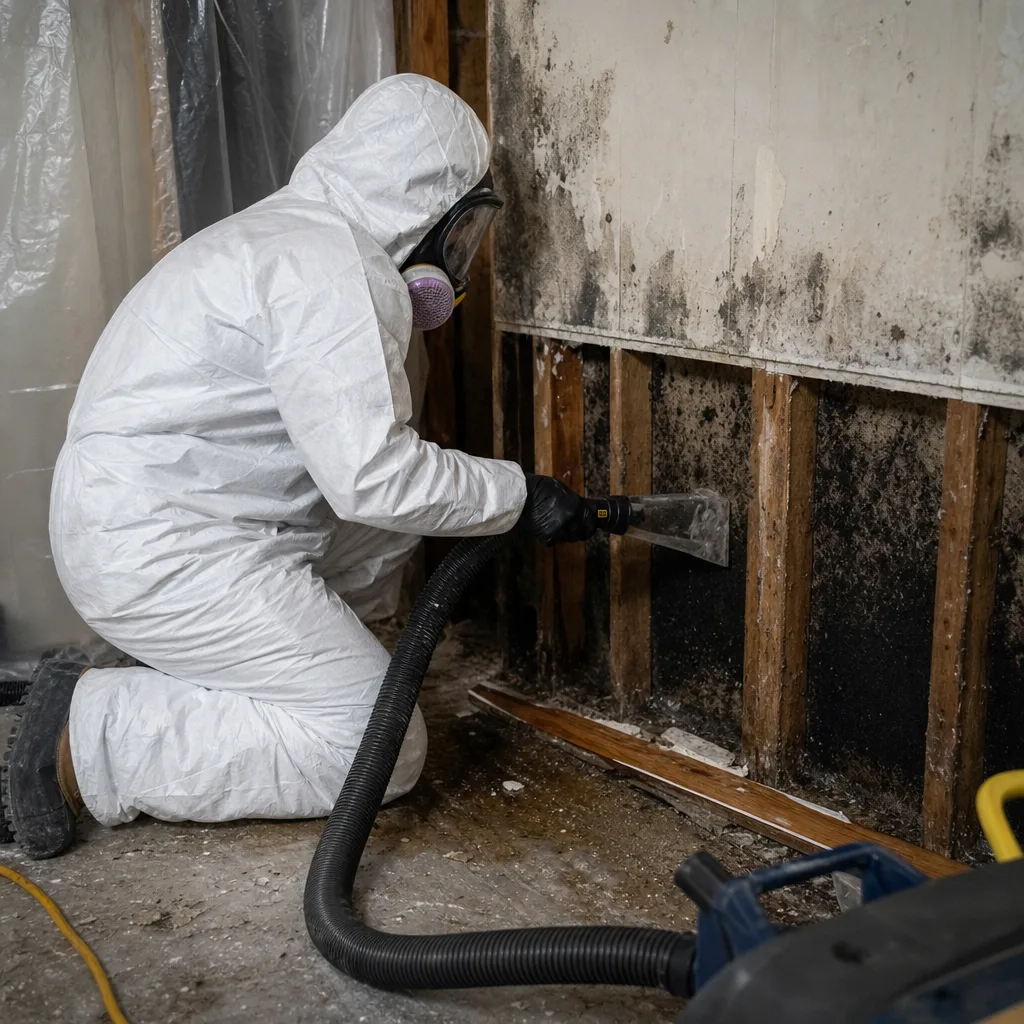
Mold Removal
Removal protocols follow IICRC S520: containment, negative air, HEPA vacuuming, antimicrobial treatment, and post-remediation verification. In plaster-on-metal-lath walls, we assess whether the lath is salvageable - often it is, with proper drying and treatment - rather than defaulting to full demo. This matters in Jackson Heights, where Landmarks review can complicate even interior plaster replacement if it affects historic character.
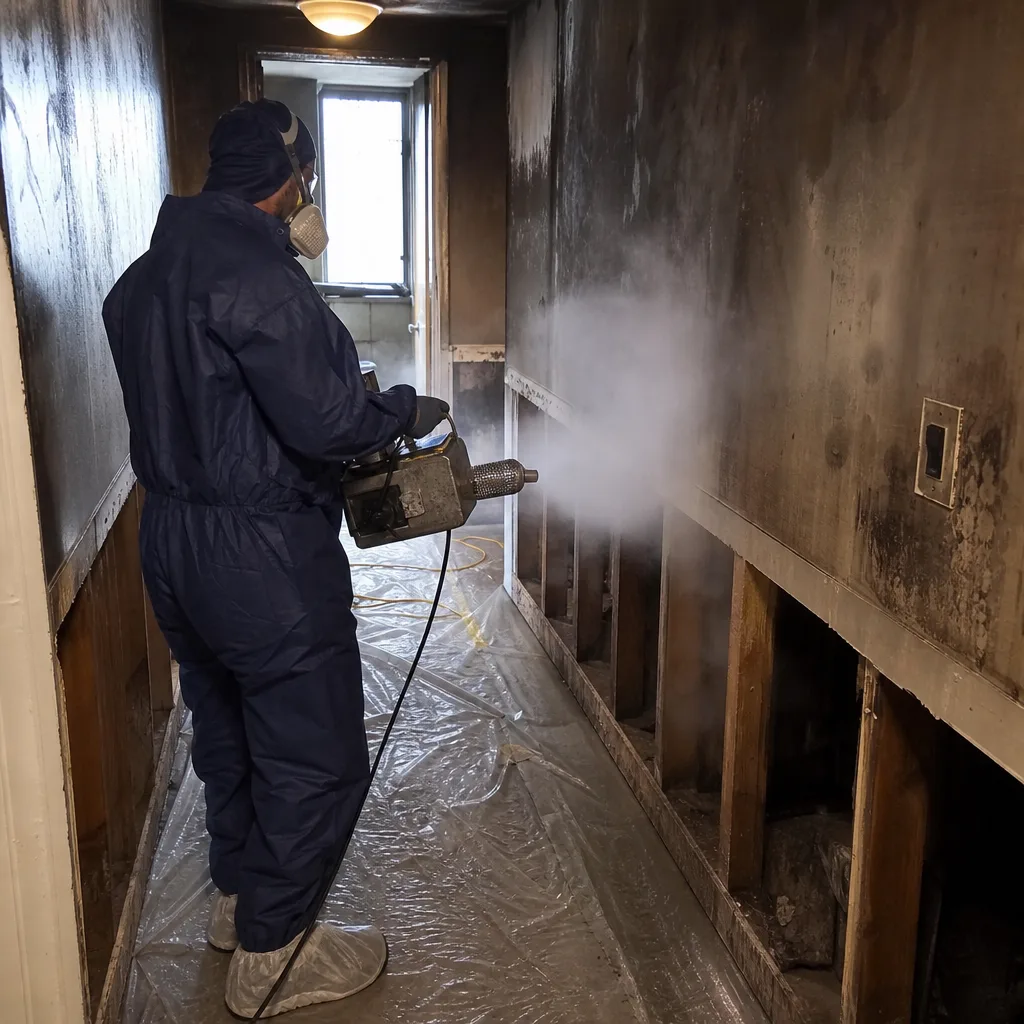
Black Mold Remediation
Stachybotrys chartarum and other toxigenic species require enhanced containment and PPE, but the protocol is not mysterious - it is rigorous execution of S520 with documented clearance testing. We treat all mold as potentially harmful to sensitive occupants; “black mold” is not a separate service, but a classification that demands verified containment and third-party clearance.
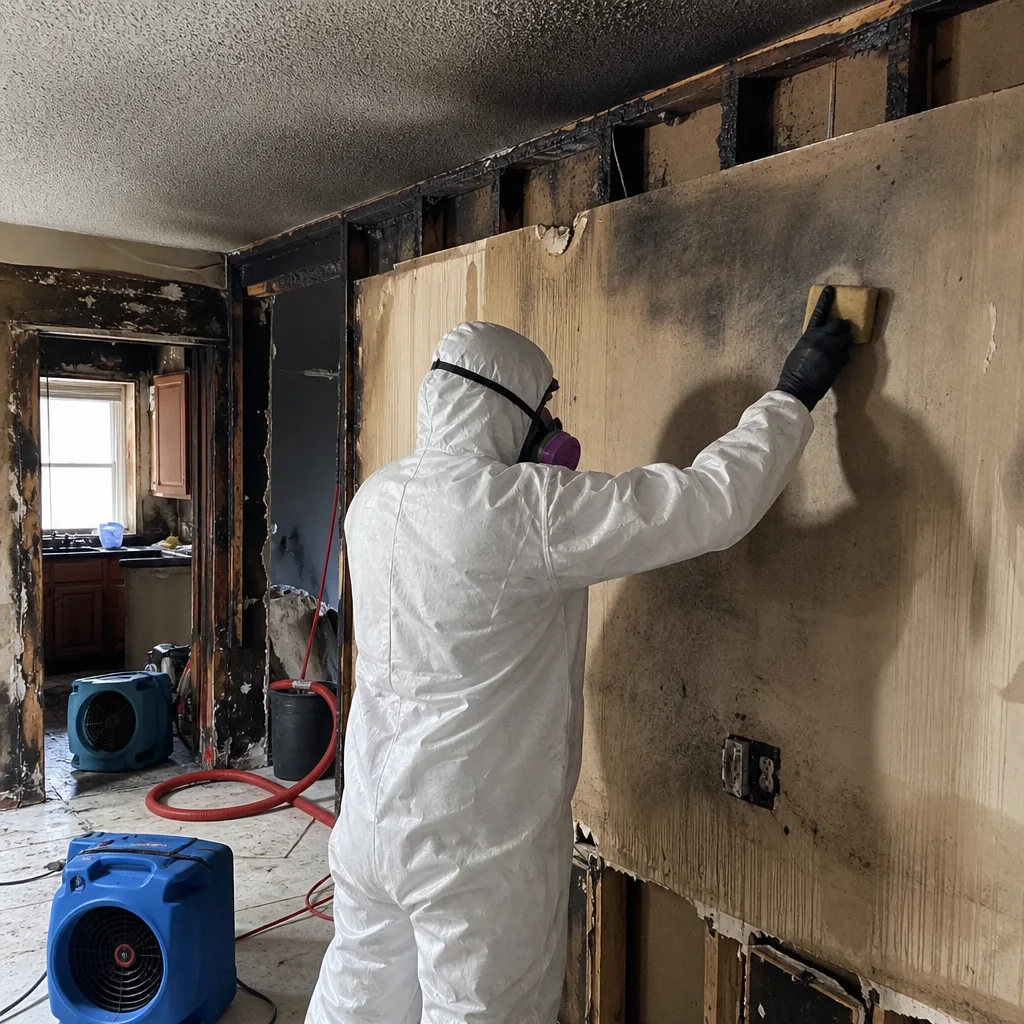
Air Quality Restoration
Post-remediation, we restore breathable air through HEPA filtration, duct cleaning where contamination has entered HVAC systems, and humidity control to prevent recurrence. In Jackson Heights’ shared-mechanical buildings, we coordinate with building engineers to assess whether spores have entered common return air.
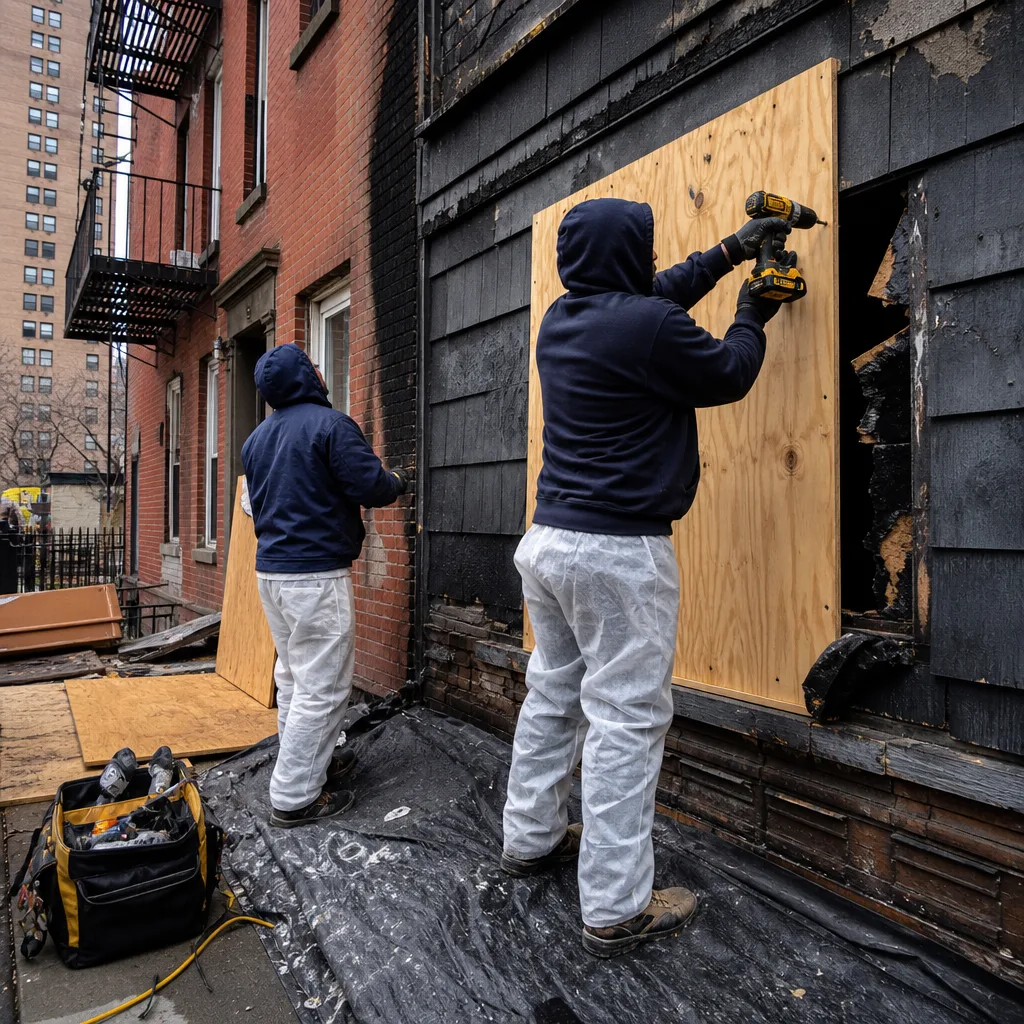
Crawl Space Treatment
Wood-frame properties near Travers Park and west of 31st Street often have vented crawl spaces with dirt floors and stone foundations. We install vapor barriers, seal vents where appropriate, and deploy dedicated dehumidification to bring relative humidity below 60% - the threshold for mold growth.
Moisture & Humidity Control
Permanent humidity control is often the difference between one remediation and repeated callbacks. We size and install dehumidification systems calibrated to Jackson Heights’ specific conditions: masonry thermal mass, courtyard microclimates, and the vapor pressure differentials that drive moisture through pre-war walls.
What happens when you call
- 1
A real person answersNo phone trees - you reach a local pro.
- 2
You get an upfront price rangeHonest numbers before anyone is dispatched.
- 3
A background-checked tech heads outLicensed & insured, dispatched right away.
- 4
You approve before work beginsNothing starts until you say go.
Mold Remediation Costs in Jackson Heights, NY
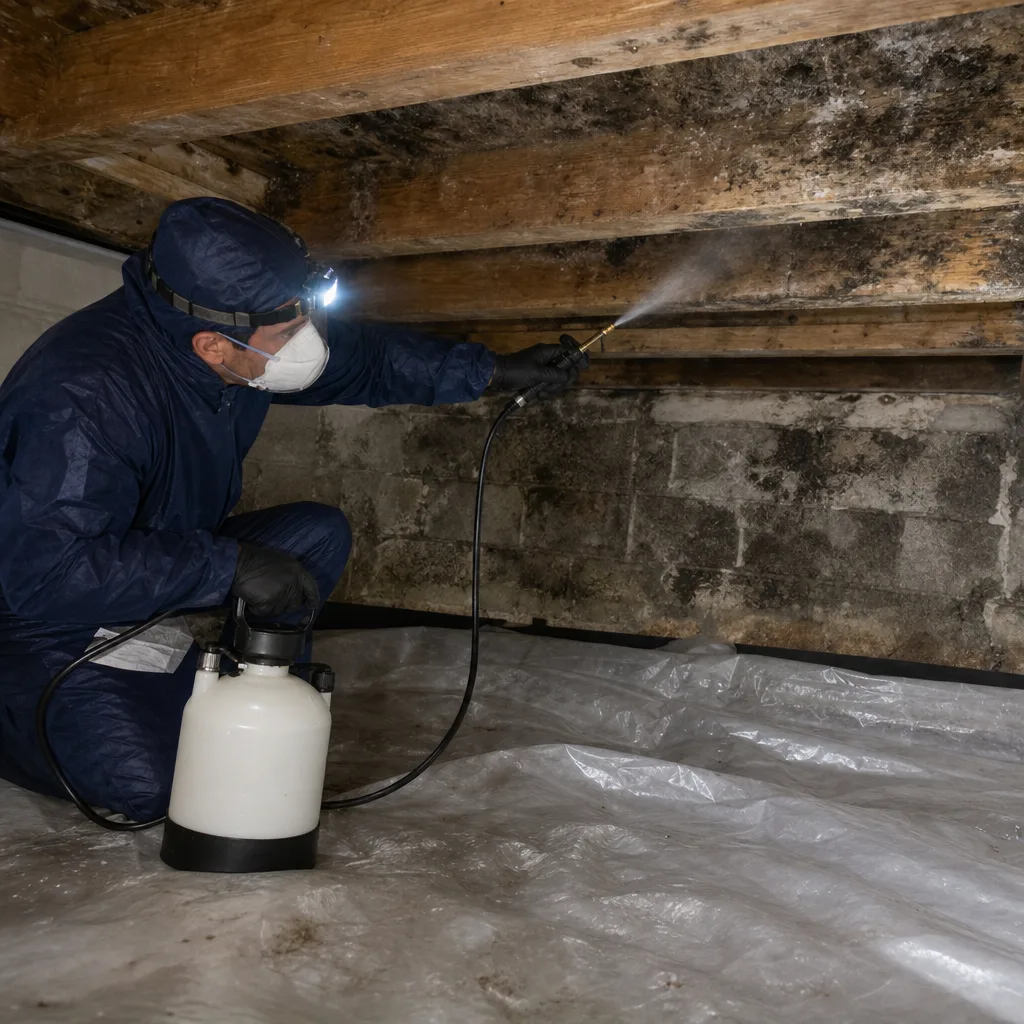
Honest pricing starts with inspection. We do not quote over the phone for mold - the extent of hidden growth in plaster lath and shared assemblies is impossible to estimate without moisture mapping. Our free visual inspection includes thermal imaging and pin-meter readings; the written scope that follows is your price, fixed before work begins. Haven Standard, Clause 1.
Typical ranges in the Jackson Heights market:
- Contained single-room mold, surface growth on modern drywall: $1,800-$3,200
- Multi-room remediation in pre-war plaster lath with limited demo: $3,500-$5,800
- Storm-driven rain through failed exterior assembly, multiple co-op units, with LPC coordination: $5,500-$12,000+
- Crawl space treatment with vapor barrier and permanent dehumidification: $2,800-$5,500
- Third-party post-remediation clearance testing: $450-$750 (often insurance-covered)
Insurance typically covers mold remediation when it results from a covered water loss - burst pipe, storm damage, etc. - but may limit or exclude mold from long-term maintenance failures. We review your policy language and document the cause of loss to support coverage arguments. Our Free Second Opinion on any competitor’s written estimate gives you a documented comparison at no charge.
We Also Serve Cities Near Jackson Heights
Our crews respond throughout western Queens and into Manhattan: Mold Remediation in Jackson Heights is coordinated from our New York City office, with direct routes to Elmhurst’s pre-war apartments and medical corridor, Astoria’s waterfront and mixed-density housing, Long Island City’s high-rise conversions and new construction, and Manhattan’s varied building stock from walk-ups to doorman buildings. Each market has distinct loss patterns, pricing, and regulatory environments; we scope accordingly.
Serving Jackson Heights, NY - Our Local Coverage Area
We’re based in the Jackson Heights area and know this community well. Use the map below to see our service coverage - if you’re nearby, we can almost certainly help.
Jackson Heights Mold Remediation Questions, Answered
Why does mold show up in Jackson Heights co-ops after a storm even when the rain never seemed to get inside?
Wind-driven rain penetrates failed balcony door gaskets and original steel casement windows in courtyard-facing units, then wicks through plaster-on-metal-lath walls where it stays hidden for days. The masonry thermal mass of 1930s brick buildings slows drying, and by the time you smell mustiness, mold has colonized the wall cavity. Thermal imaging finds it before it spreads to neighboring units. Call (516) 687-5786 for same-day moisture mapping.
Do you need Landmarks approval before you can remediate mold in a Jackson Heights Historic District building?
Interior mold remediation generally does not require Landmarks Preservation Commission approval, but if the water source is a failed exterior door, window, or masonry element - common in courtyard co-ops - replacement of that source triggers LPC review before the exterior scope can proceed. We identify this regulatory layer during initial inspection and coordinate with co-op boards to prevent mid-project stops that stall drying and let mold spread. Call (516) 687-5786 for an inspection that accounts for LPC timelines.
What category of water is wind-driven rain through a 1930s brick courtyard building?
It is typically Category 2 or 3, not Category 1. Rain traveling through original brick, mortar, and courtyard masonry picks up soil load, biological material, and historic contaminants before reaching interior plaster. We treat these events with full antimicrobial protocol and document the classification for insurance. Surface drying without treatment leaves active contamination in the wall assembly. Call (516) 687-5786 for proper category determination.
Can mold from one Jackson Heights unit spread to neighboring co-op apartments?
Yes, and it does routinely. Shared plumbing risers, original boiler flues, and the continuous plaster lath and masonry construction of garden-apartment buildings create pathways for moisture and spores to migrate laterally and vertically. Our inspections include adjacent units as standard practice; missing this spread is the most common cause of callback mold jobs in Jackson Heights. Call (516) 687-5786 for multi-unit assessment.
How do you dry a Jackson Heights apartment without tearing out original plaster and triggering a landmark review?
We use Injectidry cavity-drying systems, controlled dehumidification with Dri-Eaz and Phoenix LGR units, and targeted air movement to dry plaster lath in place when structurally sound. The key is reaching the moisture content threshold - below 16% wood moisture equivalent - before fungal colonization advances. If plaster is already compromised, we document the structural necessity for replacement and coordinate with LPC only when exterior elements are involved. Call (516) 687-5786 for a drying plan that preserves original fabric where possible.
How fast can your crew actually get to Jackson Heights?
We commit to 45 minutes from dispatch for active moisture emergencies, with crews staged for western Queens response. Mold containment can begin within hours of your call; full remediation scope follows the free inspection. Live answer 24 hours a day at (516) 687-5786.
Will my insurance cover mold remediation in my Jackson Heights co-op?
Insurance covers mold that results from a sudden, accidental water loss - burst pipes, storm damage, etc. - subject to your policy’s mold sublimit. It typically does not cover mold from long-term maintenance failure or humidity. We document cause of loss with photo evidence, moisture logs, and written scope to support your claim, and we bill your carrier directly. Call (516) 687-5786 for policy review with your inspection.
What should I do in the first 30 minutes after discovering mold?
Do not disturb visible mold - agitation releases spores. Turn off HVAC if the unit serves the affected area. Note the location, any recent water event, and whether adjacent units have reported similar issues. Then call (516) 687-5786. We answer live, dispatch a crew with containment gear, and begin moisture mapping before writing scope. The first hours determine whether this stays a contained remediation or becomes a multi-unit claim.
A super at a 1930s co-op on 35th Avenue called us after a nor’easter drove rain sideways through a failed balcony door gasket, soaking the plaster-on-metal-lath walls of four stacked units. Our tech ran moisture mapping with thermal imaging and pin meters, set up containment with HEPA air scrubbers and Dri-Eaz dehumidifiers tied to drying logs, and applied antimicrobial treatment after removing the saturated drywall - but we had to pause the pack-out and exterior scope mid-dry-out because the courtyard-facing door assembly fell under the Jackson Heights Historic District’s Landmarks review. We coordinated directly with the co-op board and LPC to keep the mitigation on schedule while the replacement wind-rated door was approved.
This is the reality of Mold Remediation in Jackson Heights: a storm leak in a courtyard co-op is never just a leak. It is a multi-unit, multi-party, LPC-gated project that out-of-neighborhood estimators routinely underprice because they do not know the buildings, the boards, or the regulatory layer. We do. Twelve thousand homes since 2011, every one with a written price before work started, a photo record on every visit, and the 365-Day Done Right Promise under The Haven Standard.
Call (516) 687-5786 now. A live person answers. Your inspection is free. Your written scope is your fixed price. And if we do not get it right, we make it right - that is Haven Standard, Clause 1 and Clause 7, in writing, on every job.
Written by Alicia Brennan, Owner at Back to Dry Restoration, serving Jackson Heights since 2011.
Mold Remediation in Nearby Areas