
Free visual inspection and a written scope of work before any mitigation begins - photos, moisture readings, and drying logs go in your claim file
The scope we write is the scope we bill. Anything new gets shown to you, in writing, before we touch it.
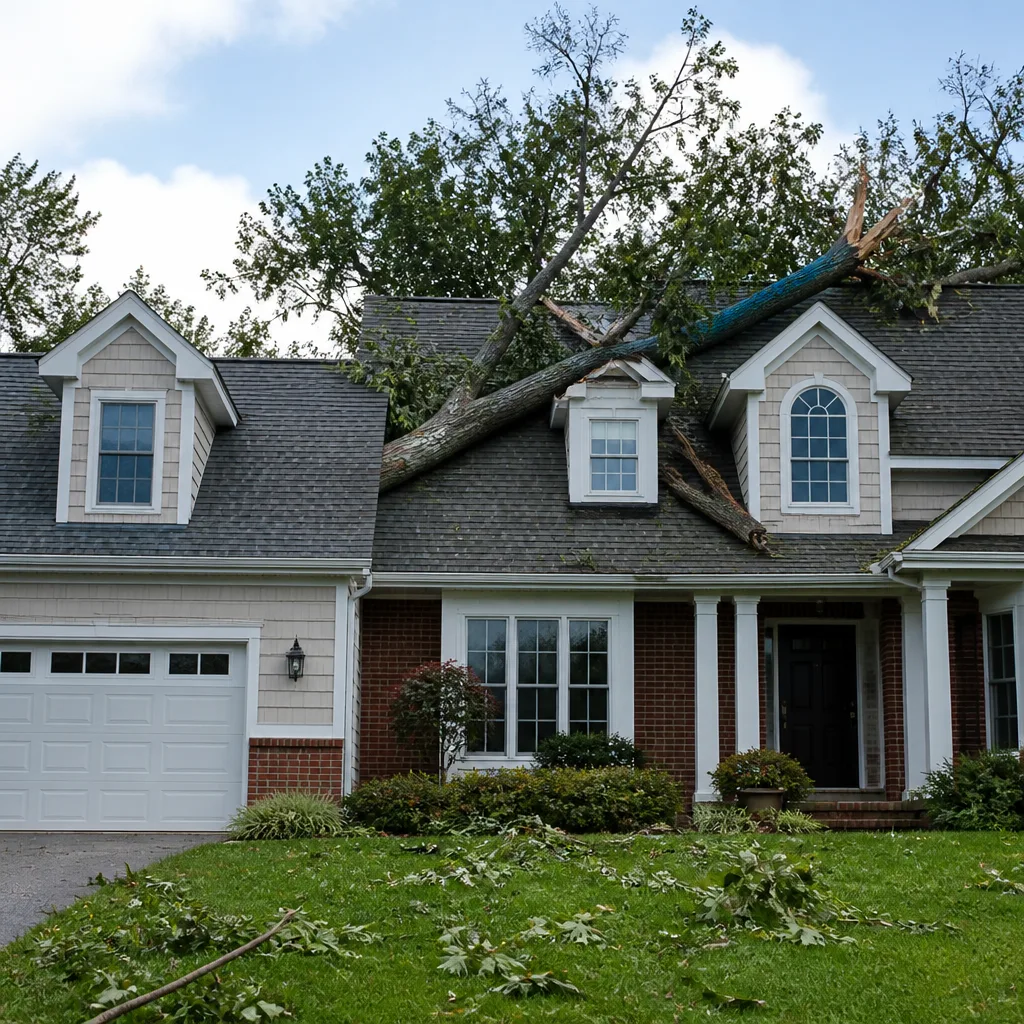
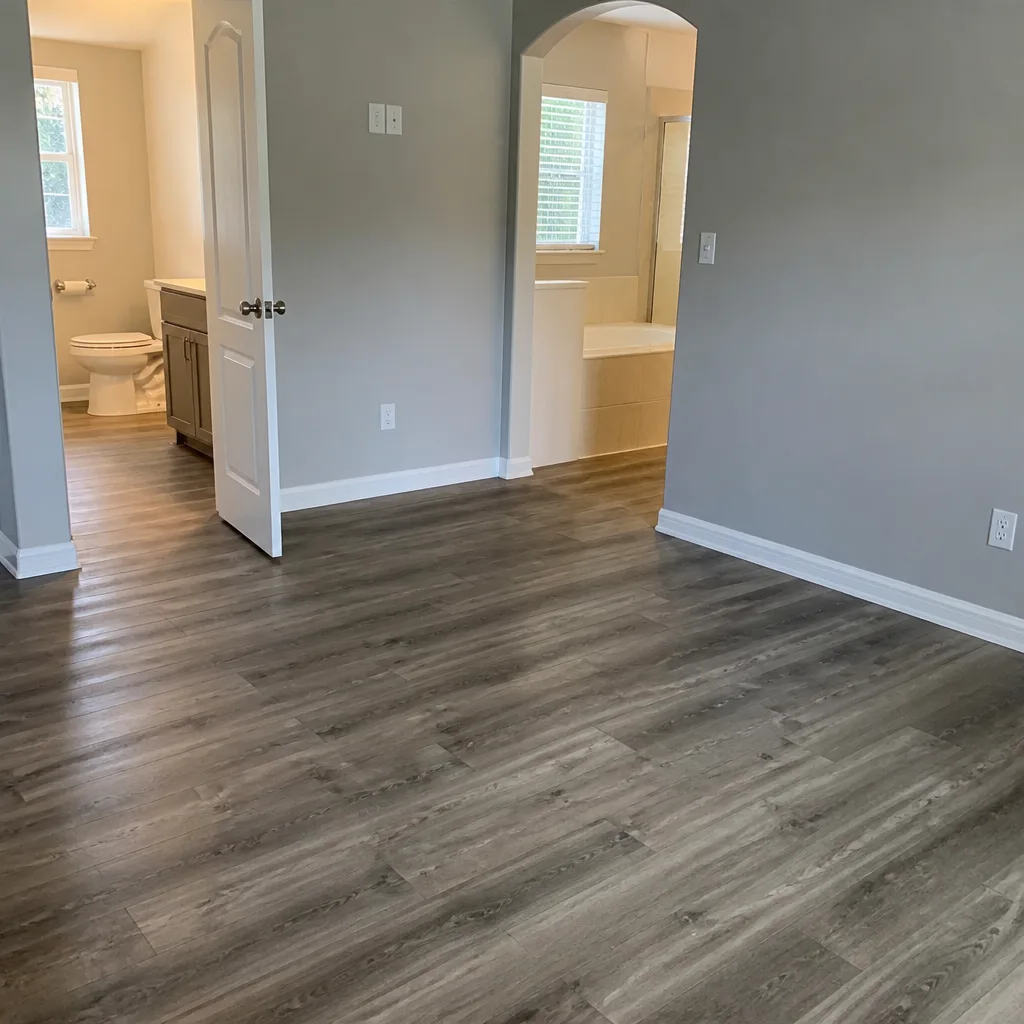
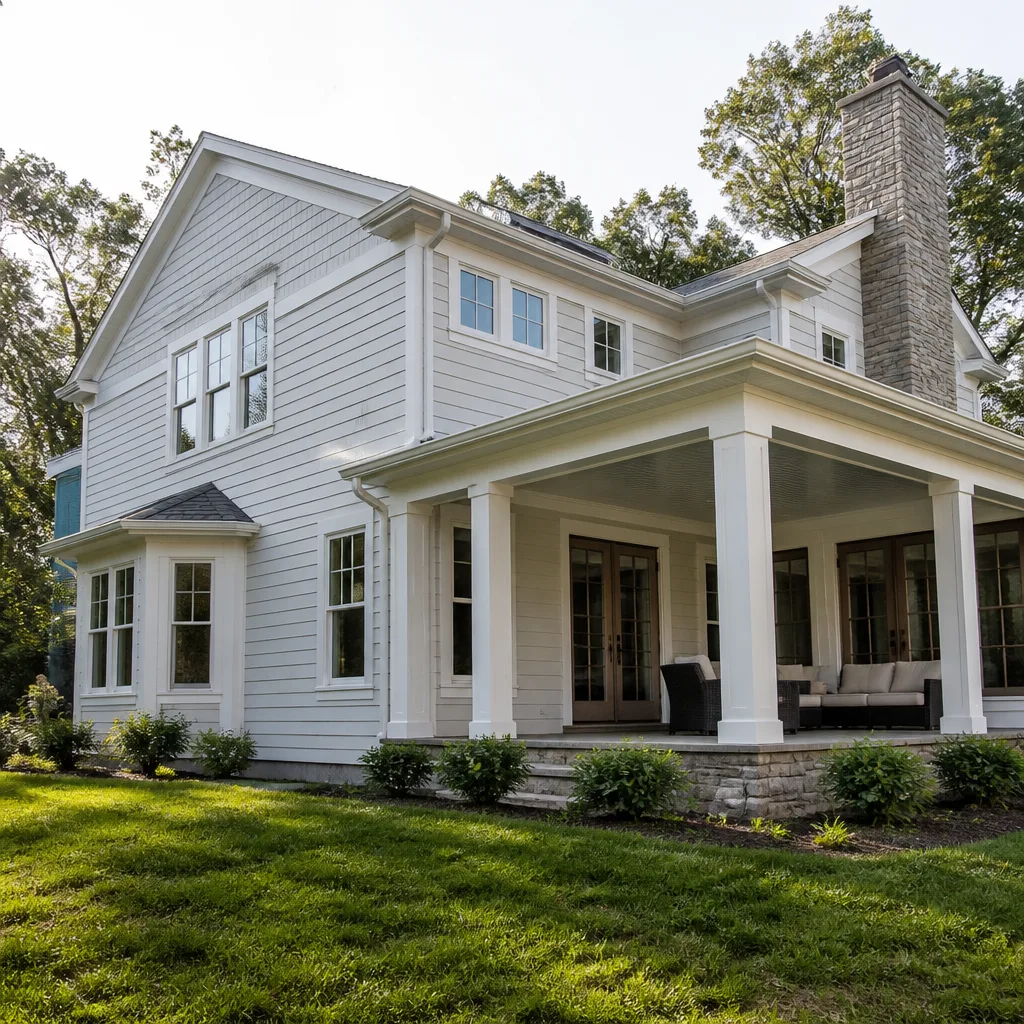
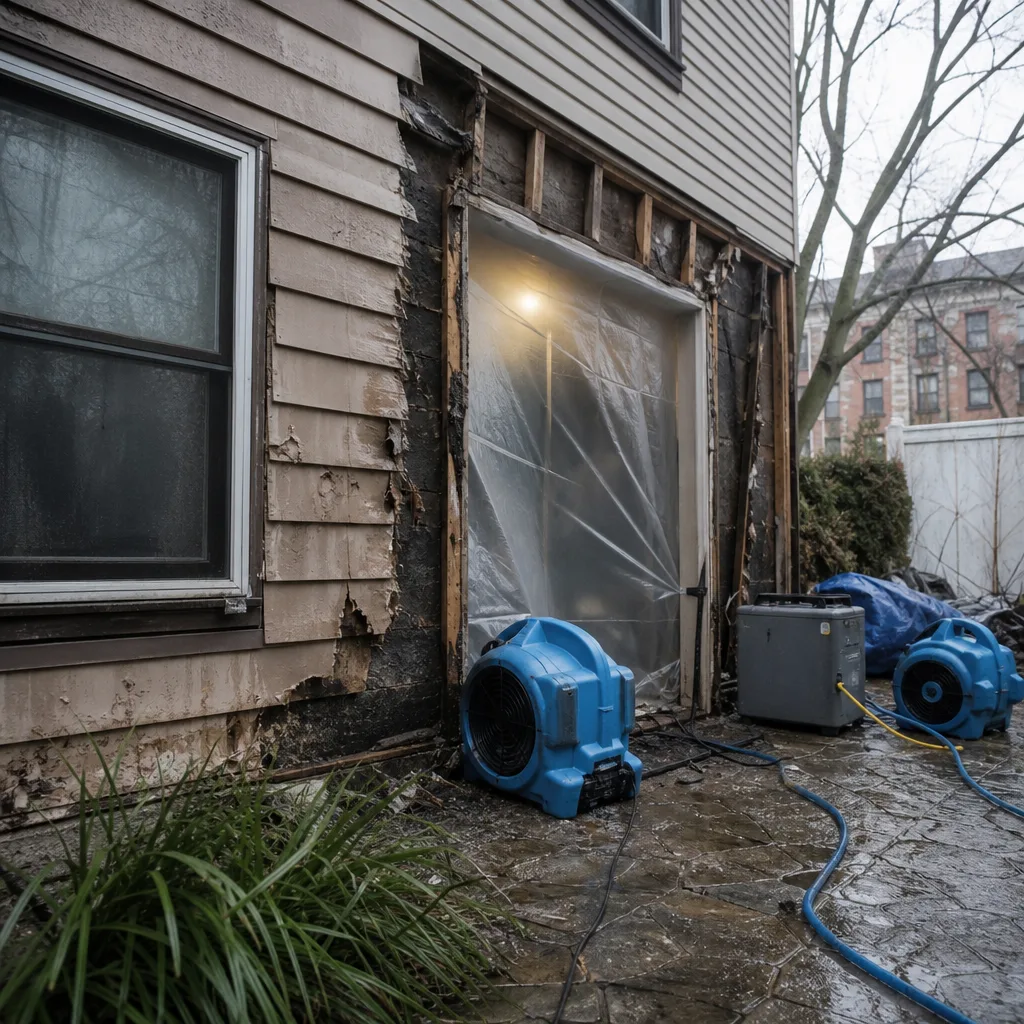 Before
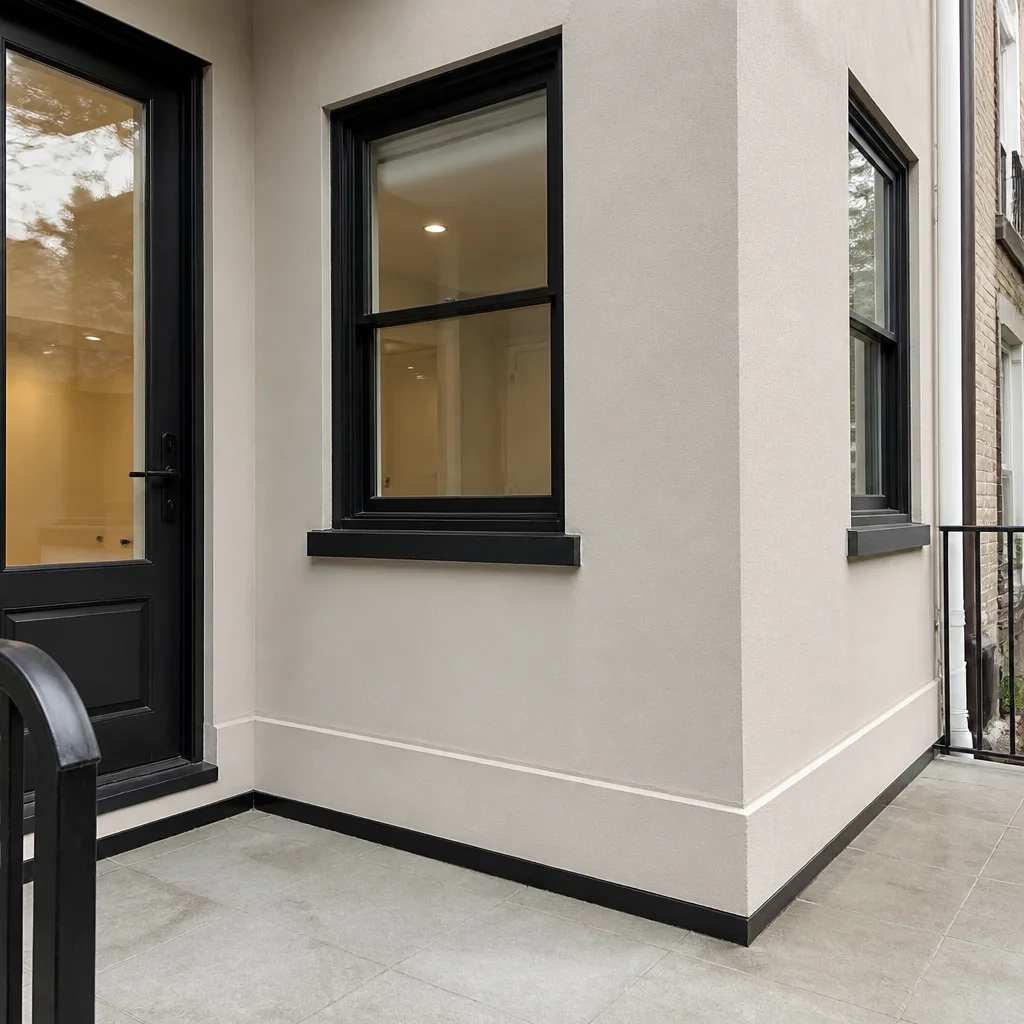 After
After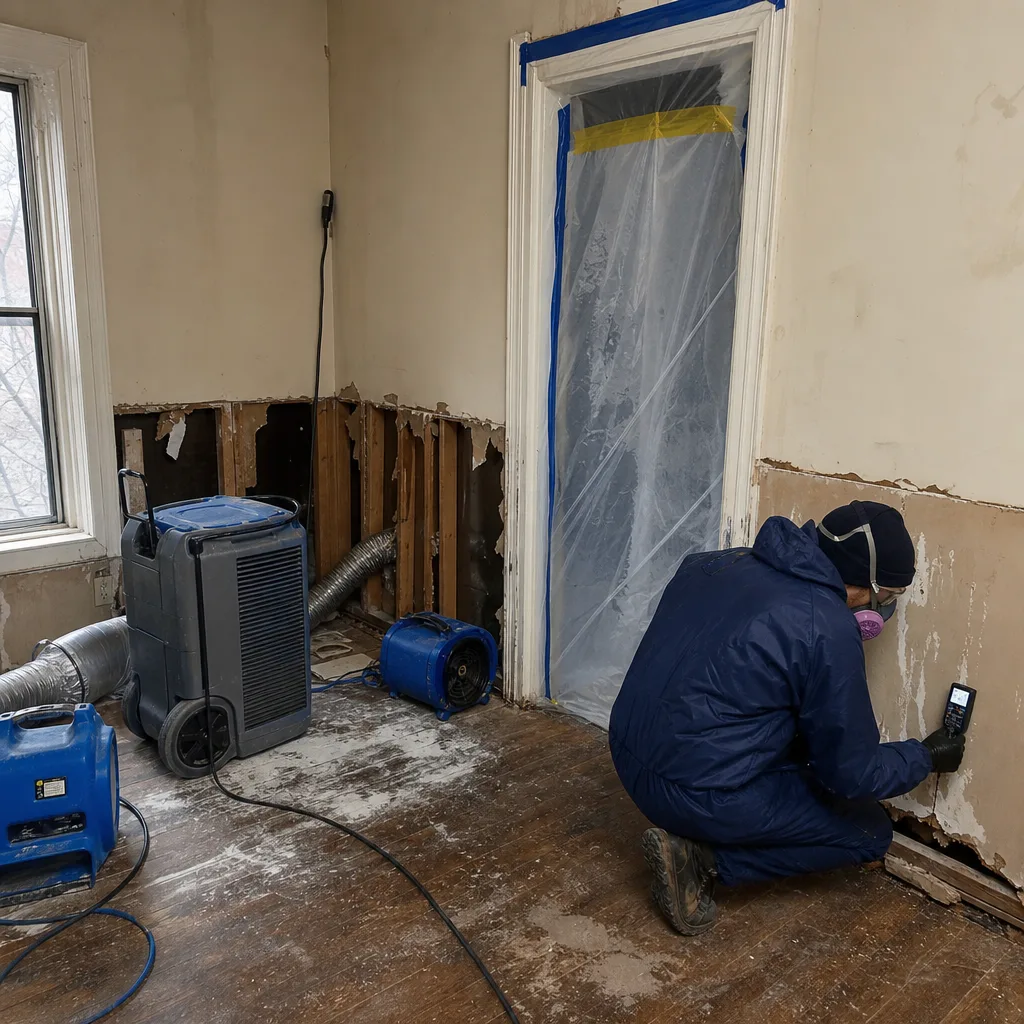 Before
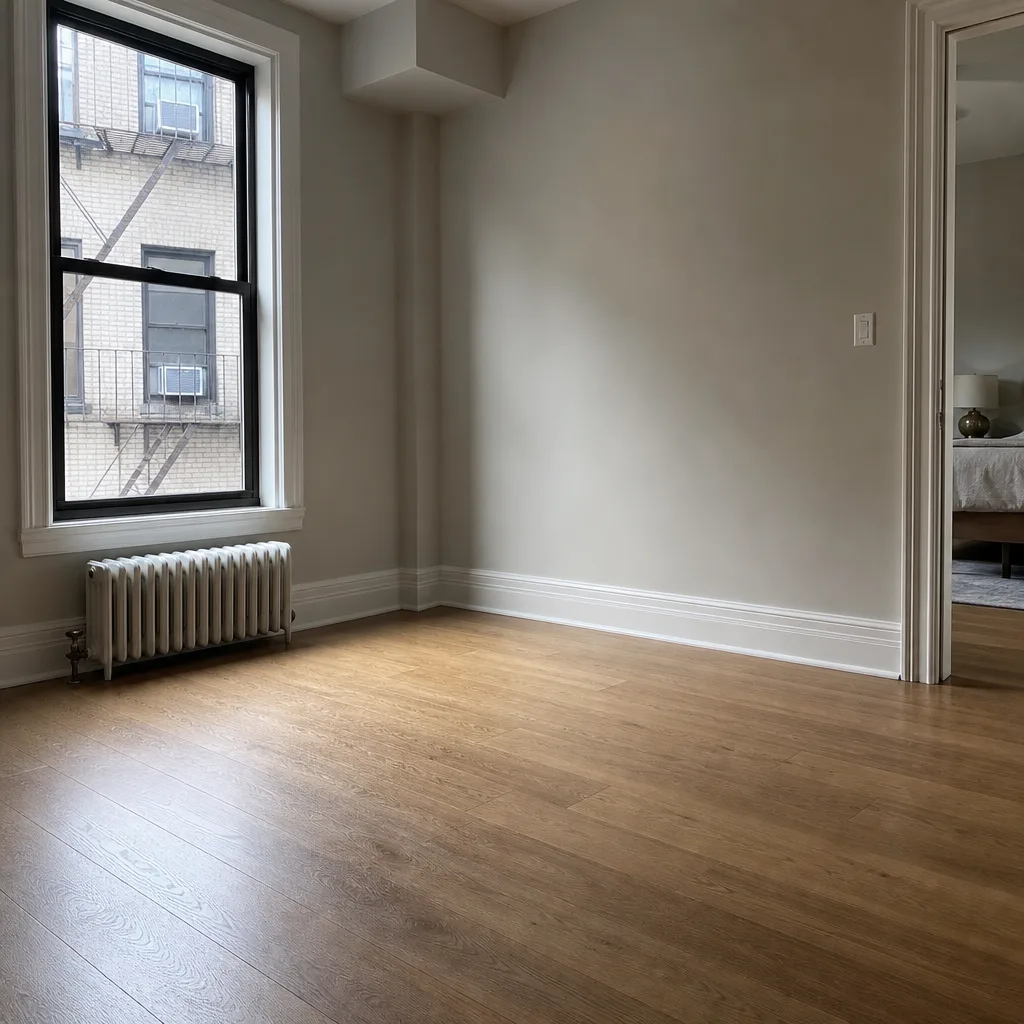 After
After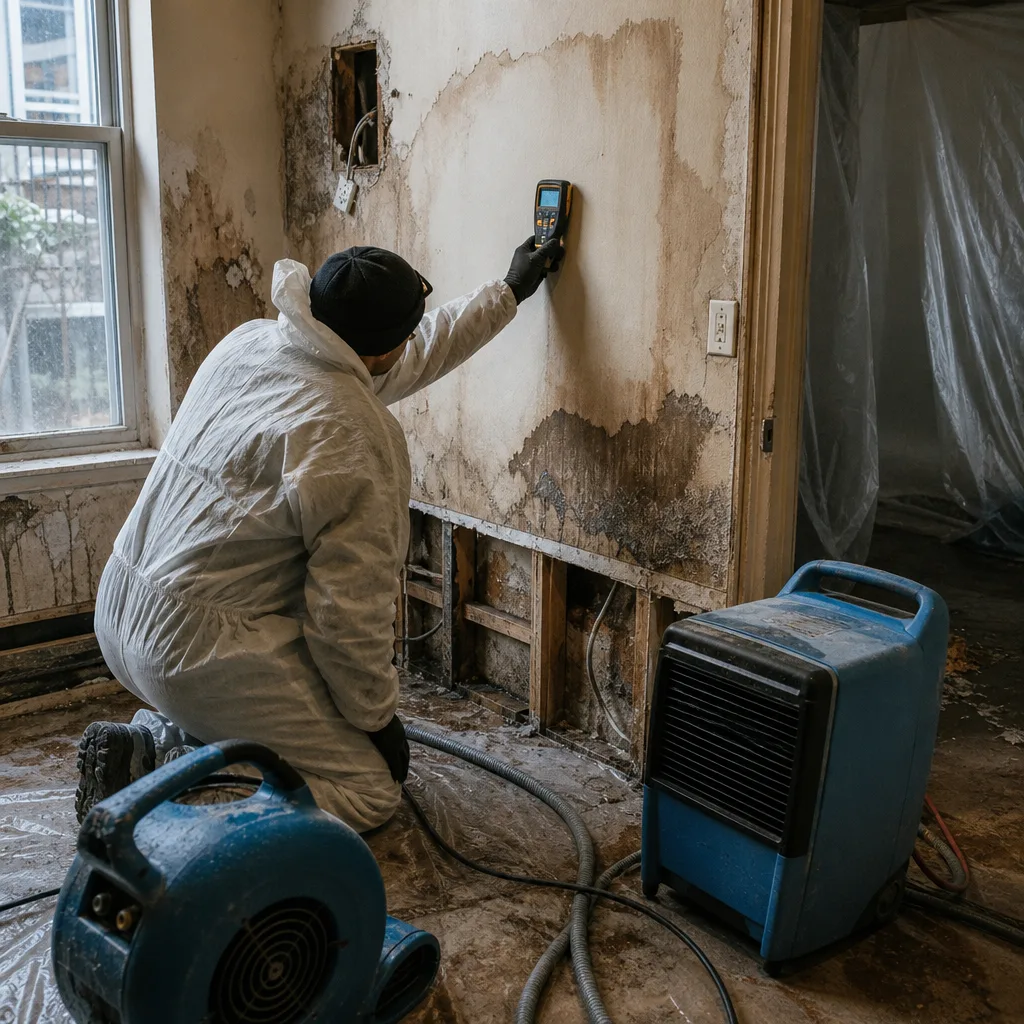 Before
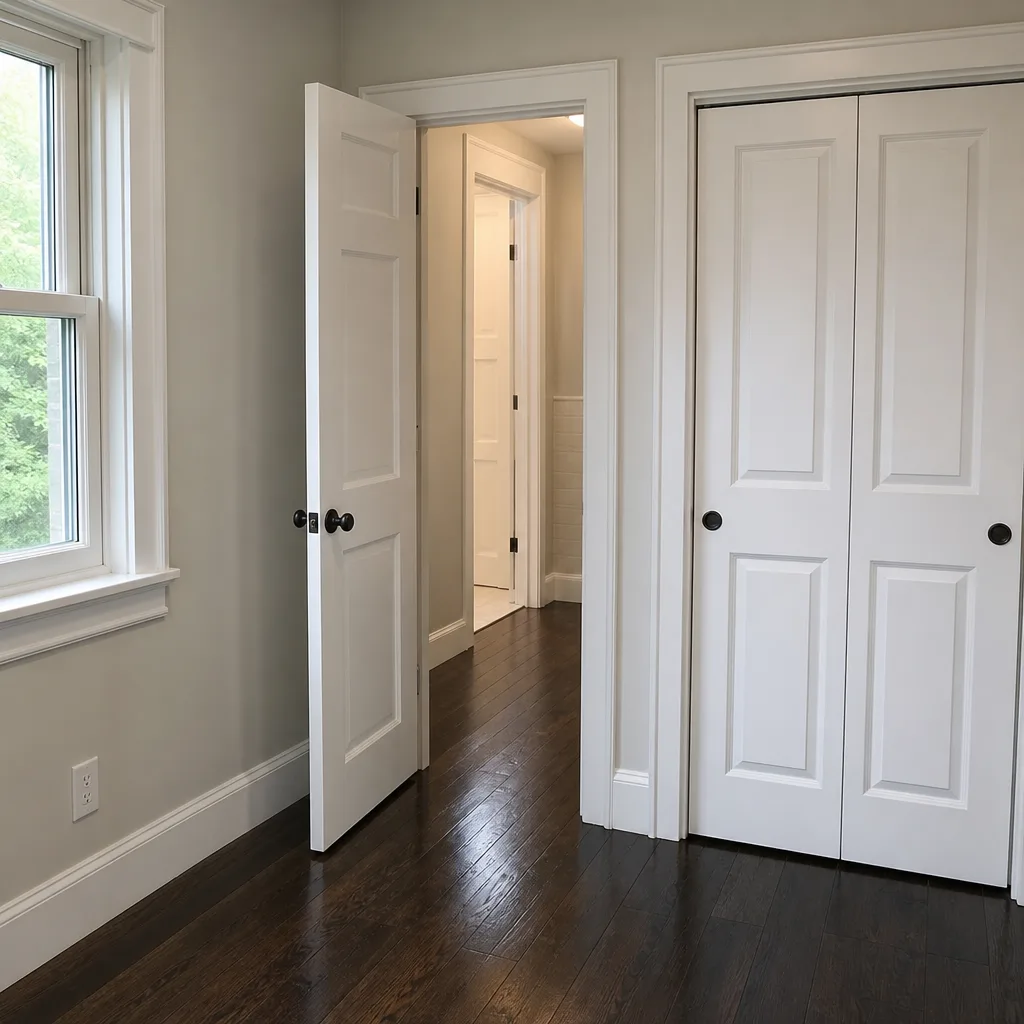 After
After24/7 Emergency Fire & Smoke Damage Restoration in Williamsburg
Fire damage in a Williamsburg property rarely stays where the flames touched. Smoke migrates through shared HVAC risers, seeps into the porous structural brick of converted lofts, and bonds to concrete surfaces that standard cleaning can’t reach. If you’re standing in a fire-damaged unit anywhere from the North Side tenements to the Kent Avenue corridor, call (516) 687-5786 now. We answer live, 24 hours a day, 7 days a week. Crews dispatched from our New York City office can be on-site in Williamsburg within 45 minutes. The first hour determines whether soot residue becomes a permanent odor reservoir or a documented, reversible loss.
Our Fire & Smoke Damage Restoration team starts every Williamsburg job with a free visual inspection and a written scope before any work begins. Haven Standard, Clause 1. No exceptions.
Understanding Fire & Smoke Damage Restoration Severity in Williamsburg Properties
Fire damage severity in Williamsburg isn’t measured by what you can see. It’s measured by where smoke traveled, what it landed on, and whether that surface was already holding moisture from a prior flood event.
We classify fire and smoke losses by residue type and migration path. Dry smoke residue from fast-burning, high-heat fires produces powdery, non-smeary particles that cling to vertical surfaces. Wet smoke residue from slow, oxygen-starved burns is sticky, acidic, and penetrates porous materials deeply. Protein residue from kitchen fires is nearly invisible but carries an intense, persistent odor. In Williamsburg’s converted warehouse lofts, we encounter a fourth category: smoke that has bonded to brick already wicking moisture from tidal surge or flat-roof failure, creating a hybrid contamination that resists standard cleaning protocols.
The building stock here dictates our approach. Pre-war brick tenements along Berry Street and Wythe Avenue have aging cast-iron plumbing chases that carry firefighting water into hidden cavities. Post-2000 condo towers near the waterfront have centralized HVAC systems that distribute soot across multiple units. Polished concrete floors in converted lofts don’t absorb water like standard subflooring, but they do trap hydrophilic soot compounds in surface pores. Each structure requires different containment strategy, equipment selection, and documentation standards.
Why Williamsburg Property Owners Choose Back to Dry Restoration Manhattan
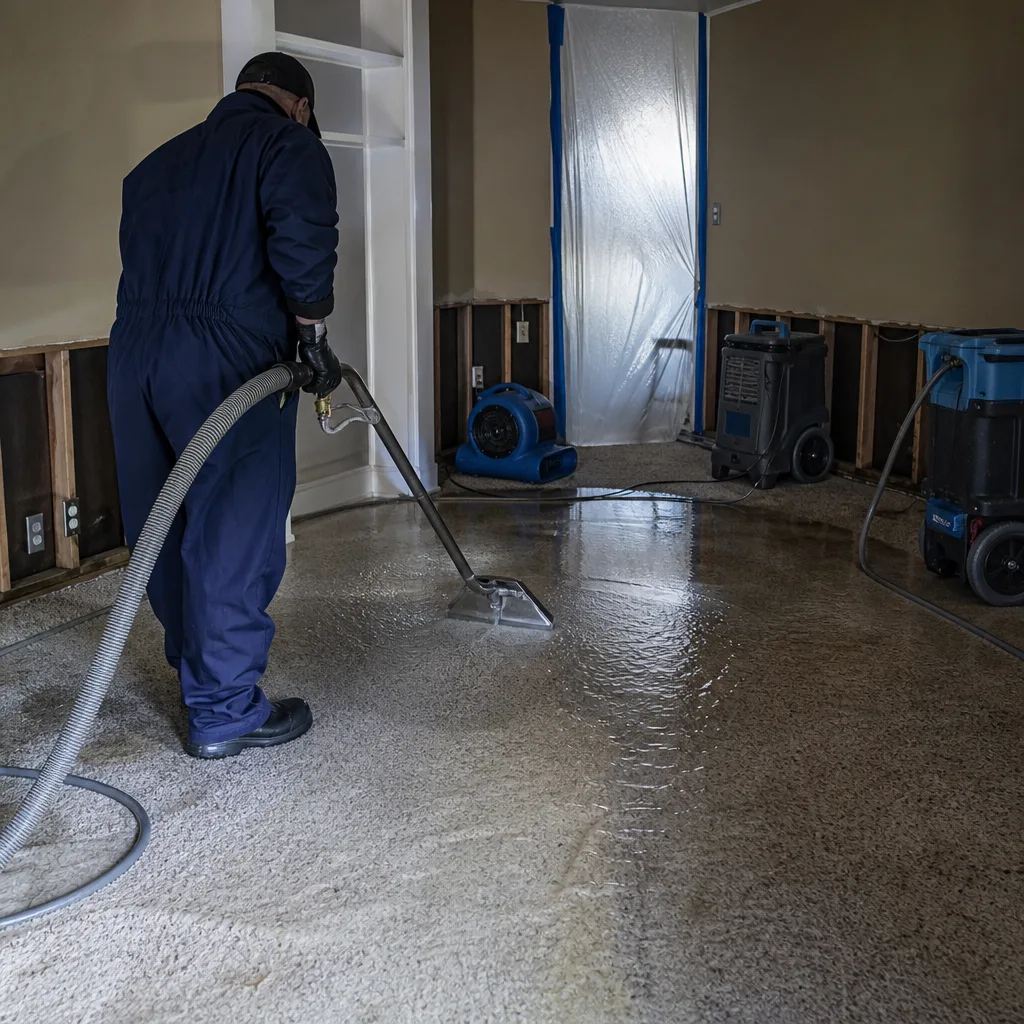
- 45-minute response commitment to any Williamsburg address, from the South Side to the waterfront, because smoke residue sets permanently within the first few hours.
- 24/7 live answer - a real person, never an automated system or voicemail tree, on every call at (516) 687-5786.
- IICRC-certified crews holding FSRT (Fire and Smoke Restoration Technician) and WRT (Water Damage Restoration Technician) certifications, because Williamsburg fires are almost always water damage events too.
- Free visual inspection with a written price delivered before any work starts, every time, documented under Haven Standard, Clause 1.
- Direct insurance billing with photo-documented estimates, room-by-room moisture readings, and daily drying logs that adjusters pay without dispute.
- One team from emergency stabilization through reconstruction - no handoffs between mitigation and rebuild contractors, no gaps in documentation.
BeforeAfterOur Fire & Smoke Damage Restoration Process
1. Inspection & Assessment
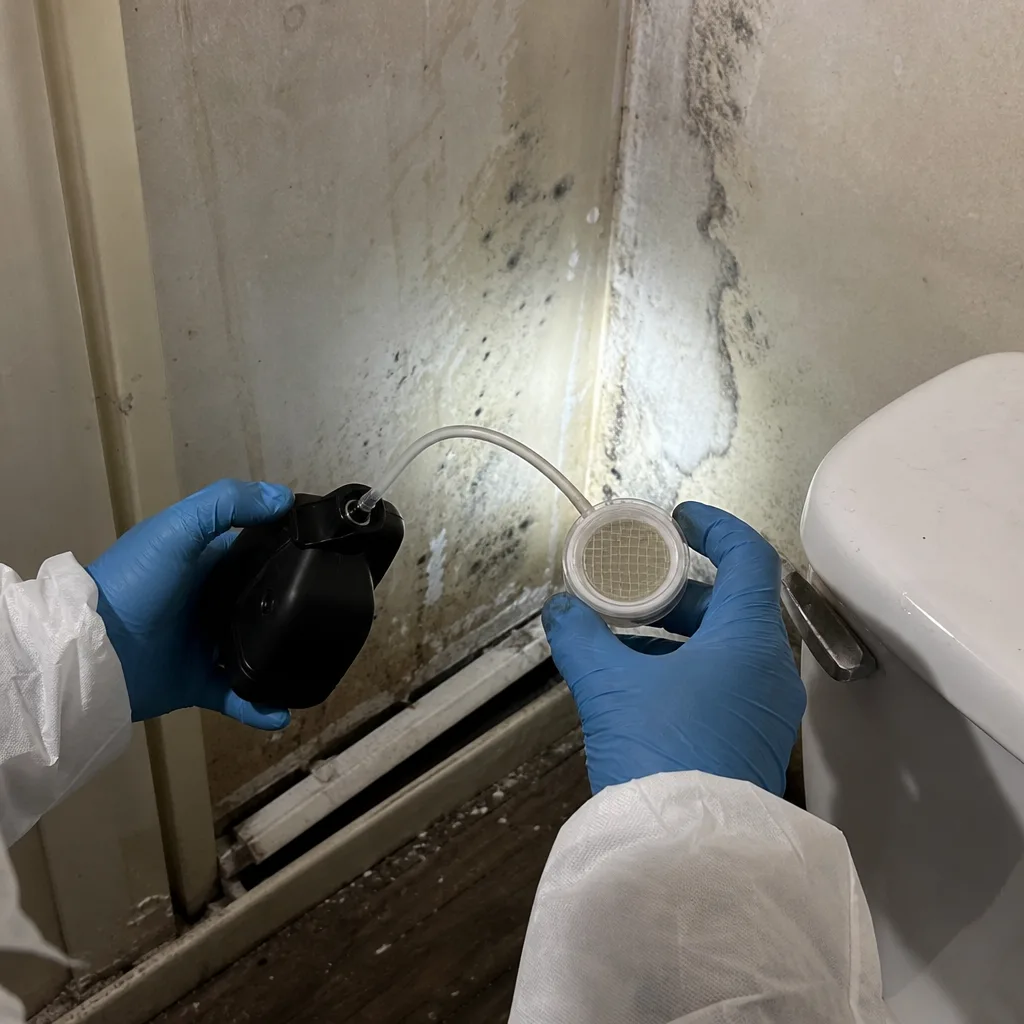
We document the full migration path using thermal imaging cameras, moisture meters, and hygrometers. In Williamsburg loft conversions, we specifically test the furring-strip cavities behind exposed brick where smoke and moisture converge. Every reading is logged.
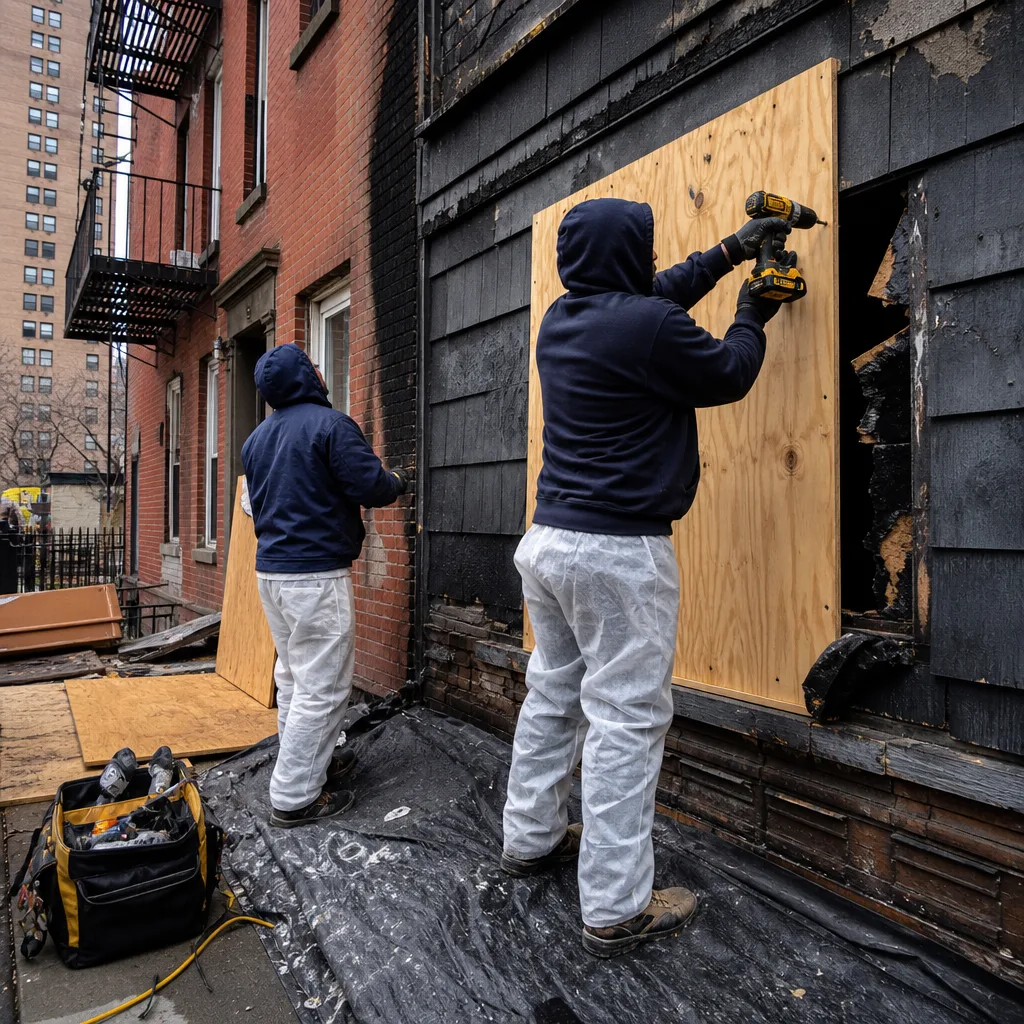
2. Emergency Board-Up & Stabilization
Broken windows, compromised roofs, and damaged entry points are secured immediately. For ground-floor units in FEMA AE flood zones, we assess whether tidal surge has re-entered the structure and document Category 2 or 3 water contamination before proceeding.
3. Water Extraction & Structural Drying
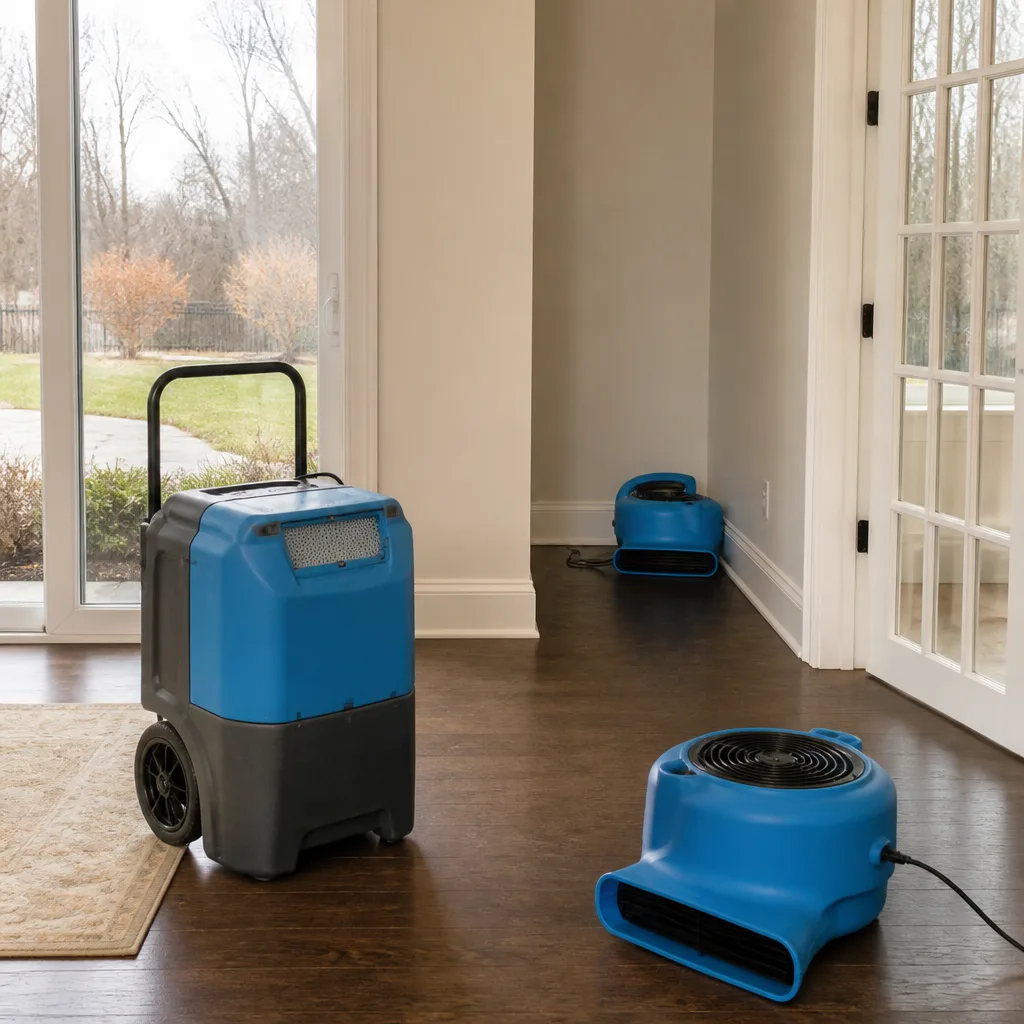
Firefighting water is extracted; air movers, dehumidifiers from Dri-Eaz and Phoenix, and Injectidry cavity-drying systems are deployed. In pre-war tenements, we trace water through cast-iron plumbing chases and flat-roof drains that pool water in wall cavities.
4. Smoke & Soot Removal
HEPA vacuums, chemical sponges, and ultrasonic cleaning address visible residue. For porous structural brick and polished concrete common in Williamsburg lofts, we apply alkaline-based cleaners and mechanical abrasion to open surface pores that standard methods miss.
5. Odor Removal & Deodorization
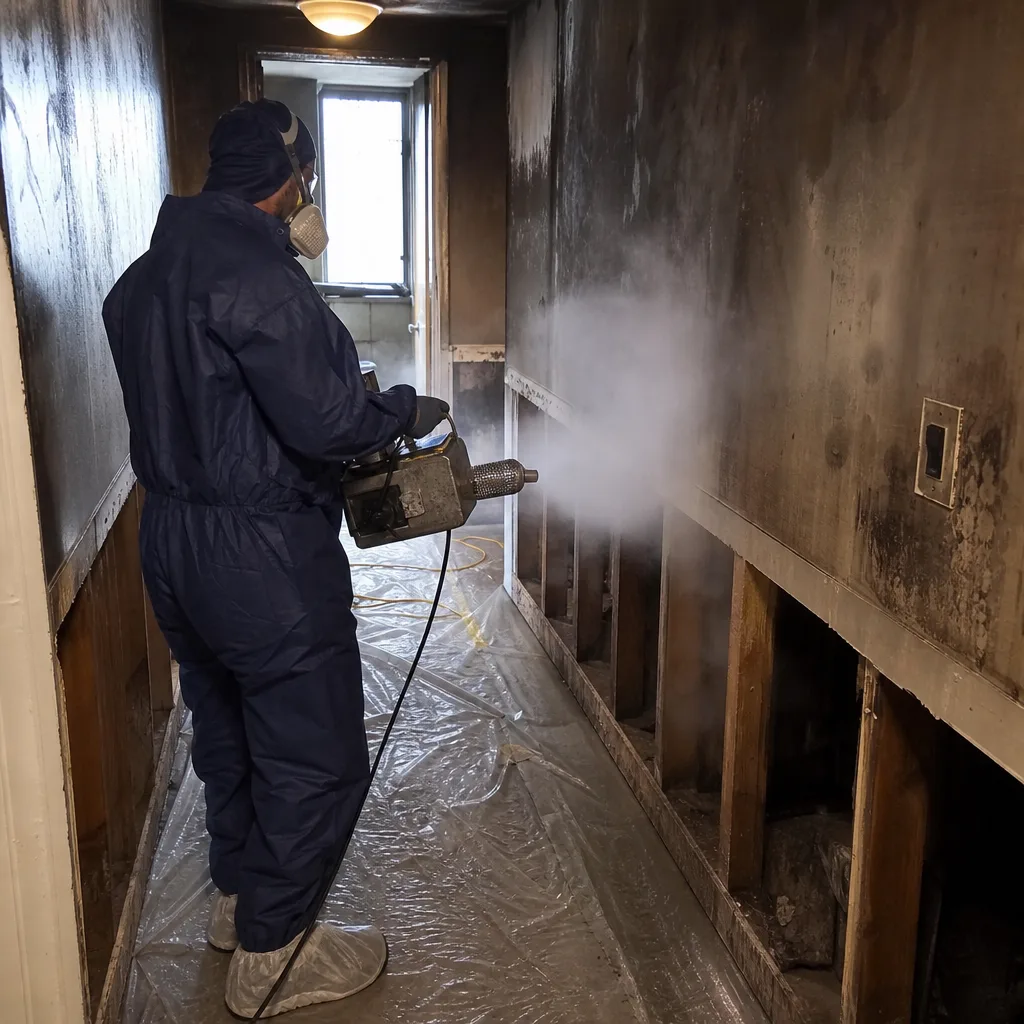
Hydroxyl generators and thermal fogging neutralize odor molecules at the source. Containment barriers prevent cross-contamination in buildings with shared HVAC. We verify results with olfactory testing and air sampling, not guesswork.
6. Contents Cleaning, Pack-Out & Restoration
Salvageable items are inventoried, photographed, and transported to our facility for ultrasonic, ozone, or specialized textile cleaning. Unsalvageable items are documented for insurance replacement value. Reconstruction follows a written scope with a signed 365-Day Done Right Promise.
Need Emergency Fire & Smoke Damage Restoration in Williamsburg Now?
Crews minutes away, answering live 24 hours a day. The sooner we start, the less it costs.
Working With Your Insurance Company
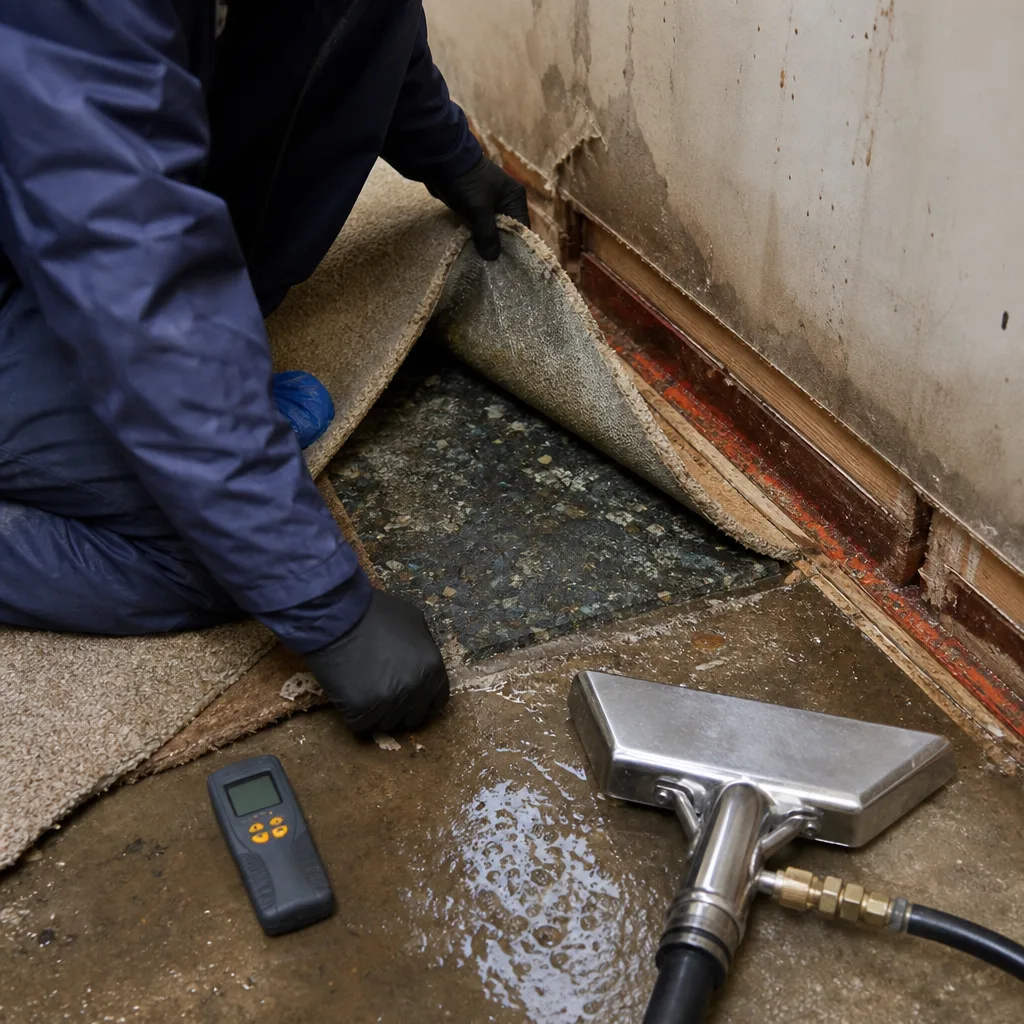
Fire claims fail at the documentation stage more often than at the damage stage. Back to Dry was founded in 2011 by a former claims adjuster who watched homeowners lose tens of thousands because their restoration contractor couldn’t produce a defensible record. We built our process to prevent that.
From the first hour on your Williamsburg property, we photograph every affected room, record moisture content percentages in building materials, and maintain daily drying logs that track psychrometric conditions: temperature, relative humidity, and vapor pressure differential. Your adjuster receives a line-item scope with material classifications, labor codes, and equipment deployment logs. We coordinate directly with your carrier’s representative and provide a Free Second Opinion on any competitor’s written estimate if you want comparison documentation.
What We Provide Your Insurer
- Thorough documentation of the loss
- Photos of all damage, room by room
- Moisture readings and drying logs
- A detailed, line-item scope of work
- Direct coordination with your carrier
Built for Williamsburg’s Loss Calendar
Williamsburg’s fire and smoke damage patterns follow the neighborhood’s unique intersection of aging infrastructure, coastal exposure, and high-density residential conversion.
January through March bring the deepest freeze-thaw stress on pre-war flat roofs. Ice dams and membrane failures send water through tenement ceiling assemblies, saturating insulation that later contacts electrical systems and creates fire risk. When fires do occur in these conditions, firefighting water has nowhere to drain; aging cast-iron roof drains and galvanized waste lines back up into wall cavities.
Spring and fall nor’easters drive tidal surge against the East River waterfront. Buildings along Kent and River Avenues in FEMA AE flood zones take ground-floor inundation that wicks six to eight inches up unreinforced brick party walls. That moisture remains concealed for weeks or months, creating the exact substrate where smoke residue bonds permanently and odor colonies establish.
Summer brings peak occupancy in converted lofts and increased kitchen fire frequency from high-use residential units in buildings never designed for full-time habitation. Shared HVAC systems in these structures distribute smoke across floor plates and between units with alarming efficiency.
Fire & Smoke Damage Restoration Across Williamsburg’s Neighborhoods
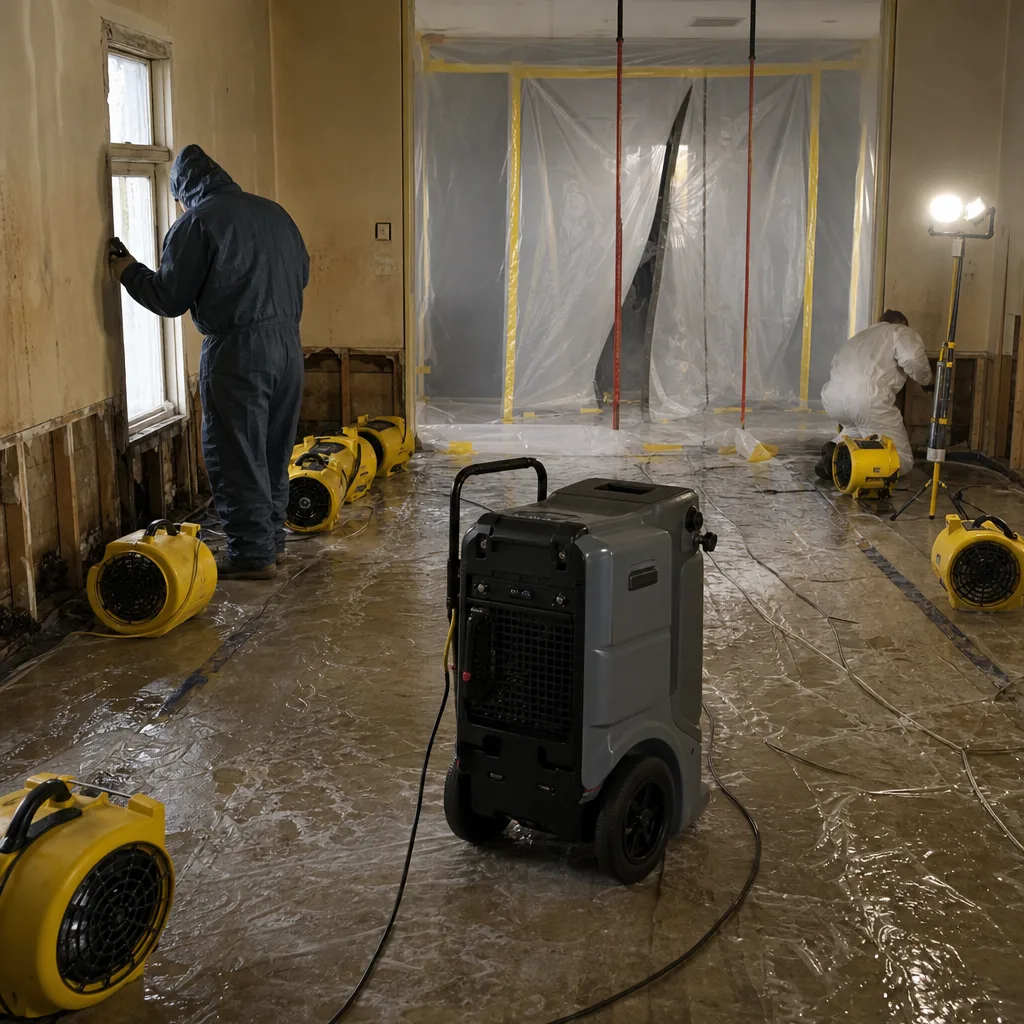
We respond across Williamsburg’s distinct corridors, and each presents different restoration challenges.
The North Side along Bedford Avenue and Wythe Avenue is dominated by late-19th and early-20th century brick tenements, four to six stories with aging cast-iron and galvanized plumbing. Fire damage here typically involves significant water migration through plumbing chases and failed roof drains. We plan for 24-to-48-hour mold colonization windows in these structures because the building envelope has been compromised by decades of freeze-thaw cycling.
The waterfront corridor along Kent Avenue and River Avenue contains the converted warehouse and factory lofts that define Williamsburg’s architectural identity. These buildings lack standard residential framing, use exposed structural brick and polished concrete, and have complex HVAC configurations. On a Kent Avenue loft conversion, a kitchen fire on the third floor sent smoke through a shared HVAC riser, depositing soot on polished concrete and exposed structural brick in units two floors up. Our crew used air movers and HEPA scrubbers under containment, applied antimicrobial treatment to the brick, and pulled moisture readings along the party wall because smoke residue had bonded to brick that was still wicking from the storm surge that had entered the ground-floor loading bay years earlier. After a full pack-out and deodorization with hydroxyl generators, the tenant’s pre-loss condition was documented in a drying log that the condo board used for its insurance claim.
The South Side near Broadway and the Williamsburg Bridge approach mixes older residential stock with newer infill construction. Fire losses here often involve smaller footprints but tighter access for equipment staging. We deploy XPOWER and B-Air compact drying systems when elevator and stairwell dimensions limit standard equipment.
East Williamsburg and the industrial transition zones near the Brooklyn-Queens Expressway contain live-work spaces and maker studios with chemical storage that complicates smoke contamination classification. We test for volatile organic compounds and hazardous residue when fire involvement includes these occupancies.
Specialized Fire & Smoke Damage Restoration Services We Offer in Williamsburg
Smoke & Soot Removal
Smoke residue bonds to the porous, unpainted structural brick and polished concrete common in Williamsburg loft conversions. Standard soot sponges and dry-cleaning methods don’t reach into open pores, so odor returns within weeks. We use alkaline-based cleaners, mechanical abrasion, and in severe cases, soda blasting to restore these surfaces to pre-loss condition. Every treatment is documented with before-and-after photos.
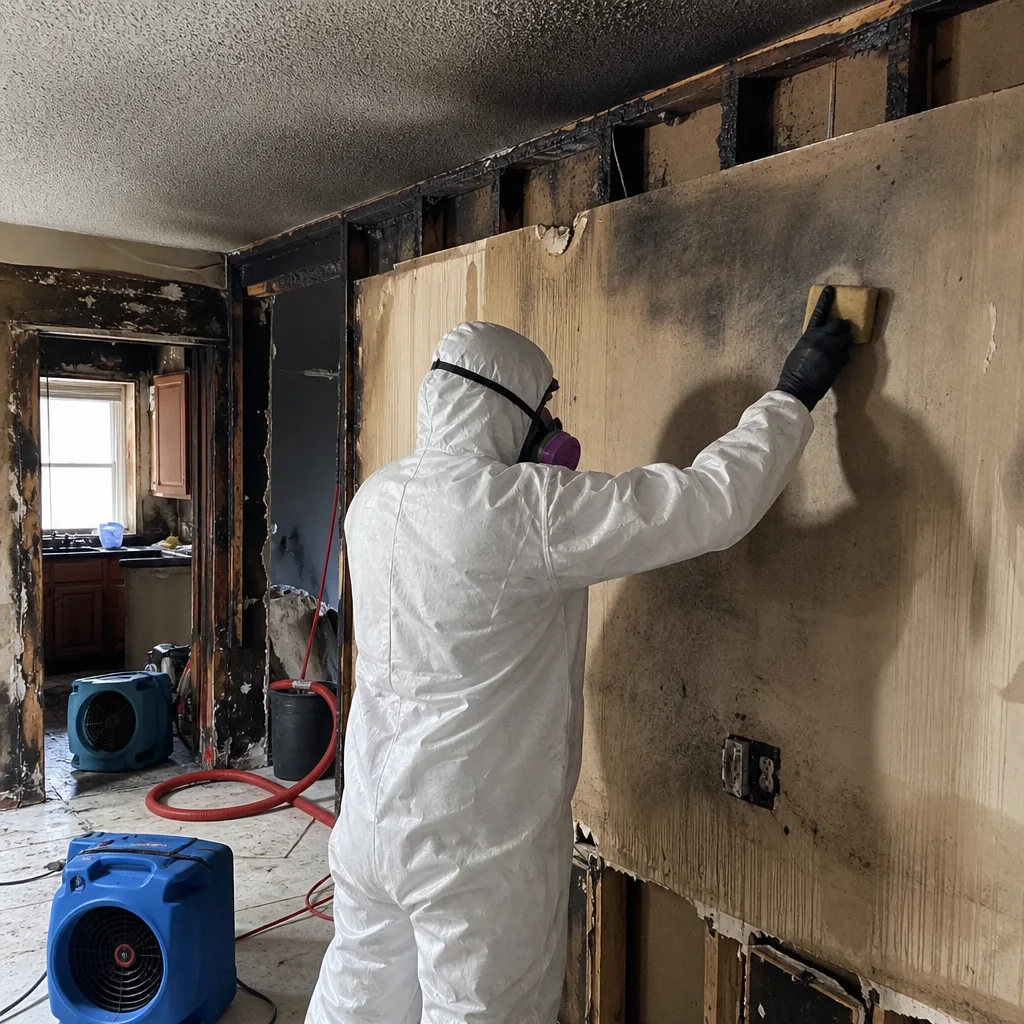
Odor Removal & Deodorization
In Williamsburg’s converted loft buildings, what looks like surface soot is frequently a concealed odor reservoir hidden in furring-strip cavities behind exposed brick. Thermal imaging and invasive moisture readings reveal these reservoirs. We deploy hydroxyl generators for occupied spaces and thermal fogging for severe contamination, then verify results with air sampling rather than subjective smell tests.
Contents Cleaning & Pack-Out
Williamsburg apartments, especially in converted lofts with open floor plans, contain high-value furnishings and art collections that can’t be cleaned on-site. We inventory every item with photo documentation, transport to our facility for ultrasonic or specialized textile cleaning, and store in climate-controlled conditions until reconstruction completes. Unsalvageable items are documented for insurance replacement.
Emergency Board-Up & Tarping
Fire-damaged ground-floor units along the East River waterfront sit in FEMA AE flood zones where residual storm-surge moisture can re-enter through compromised openings. Our board-up includes weatherproofing against tidal surge and documentation of any new water intrusion that affects contamination classification.
Fire Damage Cleanup
Pre-war brick tenements along the North Side present a dual hazard: firefighting water travels through aging cast-iron and galvanized plumbing chases and flat-roof drains, creating hidden moisture pockets that drive mold growth within 24 to 48 hours. Our crews plan for this from arrival, not as an afterthought.
What happens when you call
- 1
A real person answersNo phone trees - you reach a local pro.
- 2
You get an upfront price rangeHonest numbers before anyone is dispatched.
- 3
A background-checked tech heads outLicensed & insured, dispatched right away.
- 4
You approve before work beginsNothing starts until you say go.
Fire & Smoke Damage Restoration Costs in Williamsburg, NY
Fire and smoke restoration in Williamsburg runs higher than national averages because of the building stock complexity and concealed contamination patterns typical here. These are actual ranges we quote in writing before work begins:
| Service | Typical Range in Williamsburg |
|---|---|
| Emergency board-up and stabilization | $800 - $2,400 |
| Smoke and soot removal (per affected room) | $1,200 - $3,500 |
| Odor removal and deodorization (whole unit) | $1,800 - $5,000 |
| Contents pack-out and cleaning | $2,500 - $8,000 |
| Structural drying (when firefighting water is present) | $1,500 - $4,500 |
| Full reconstruction (per affected room) | $4,000 - $12,000 |
What moves the price: the square footage of smoke migration, whether shared HVAC distributed contamination to other units, the presence of concealed moisture in brick or concrete, and whether contents require off-site specialized cleaning. Most Williamsburg fire losses involve some insurance coverage; we document for direct billing and provide the written scope your adjuster needs to approve payment. Call (516) 687-5786 for a free inspection and exact quote.
We Also Serve Cities Near Williamsburg
Our crews respond throughout the immediate service area from our New York City office. We regularly restore fire and smoke damage in Williamsburg and neighboring Manhattan, Upper West Side, Upper East Side, and Morningside Heights. Building stock and fire damage patterns vary across these areas, and we adjust our documentation and equipment accordingly.
Serving Williamsburg, NY - Our Local Coverage Area
We’re based in the Williamsburg area and know this community well. Use the map below to see our service coverage - if you’re nearby, we can almost certainly help.
Williamsburg Fire & Smoke Damage Restoration Questions, Answered
Why does smoke smell keep coming back in my Williamsburg loft after a fire?
Smoke odor returns because residue has bonded to porous structural brick or polished concrete that wasn’t properly treated, or because moisture in concealed furring-strip cavities is reactivating soot compounds. Standard surface cleaning doesn’t reach these reservoirs. We use thermal imaging to locate hidden moisture, then apply alkaline cleaners and mechanical abrasion to open pores, followed by hydroxyl generator deodorization verified with air sampling. Call (516) 687-5786 for an inspection that finds what others missed.
How does Williamsburg’s East River waterfront location affect fire damage restoration?
The waterfront location means many buildings, especially along Kent and River Avenues, sit in FEMA AE flood zones where prior storm surge has left residual moisture in brick party walls and concrete subfloors. That moisture reactivates soot and odor after a fire, and restoration that doesn’t first address structural drying can seal contaminants in. We test moisture content in building materials before cleaning begins, document Category 2 or 3 water contamination when present, and dry before we deodorize. Call (516) 687-5786 for a waterfront-specific assessment.
Can you pack out and clean contents from a fire-damaged Williamsburg apartment?
Yes. We inventory, photograph, and transport contents to our facility for ultrasonic cleaning, ozone treatment, or specialized textile restoration. High-value items common in Williamsburg lofts receive individual assessment and custom cleaning protocols. Climate-controlled storage protects items until reconstruction completes, and full documentation supports your insurance claim. Call (516) 687-5786 to schedule pack-out.
What should I do first after a fire in a Williamsburg brick tenement?
Ensure everyone is safe and the FDNY has cleared re-entry, then call (516) 687-5786 immediately. Do not attempt to clean soot yourself; improper technique drives residue deeper and can void insurance coverage. In pre-war tenements, firefighting water is likely traveling through aging cast-iron plumbing chases and flat-roof drains, creating hidden moisture pockets that drive mold within 24 to 48 hours. We respond within 45 minutes to document, contain, and begin extraction before secondary damage spreads.
How do you document fire and smoke damage for a Williamsburg condo board or landlord?
We provide a complete documentation package: room-by-room photos, moisture readings and drying logs, line-item scope of work with material classifications, and direct adjuster coordination. For condo boards, we specifically document common-element damage versus unit-owner responsibility, and we identify whether shared HVAC distributed contamination to other units. The Haven Standard requires this documentation on every job; it’s never an upsell. Call (516) 687-5786 to discuss your building’s requirements.
How fast can your crew actually get to Williamsburg?
We dispatch crews to any Williamsburg address within 45 minutes of your call, 24 hours a day, 7 days a week. Our New York City office coordinates routing to the North Side, South Side, waterfront corridor, or East Williamsburg. Live answer, no voicemail. Call (516) 687-5786 now.
Will my insurance cover fire and smoke restoration in Williamsburg?
Most homeowner and condo policies cover fire, smoke, and water damage from firefighting efforts, subject to your deductible and coverage limits. We document every aspect of the loss to support your claim, provide direct adjuster communication, and offer a Free Second Opinion on any competitor’s written estimate. Our daily drying logs and photo records turn restoration invoices into payable claims. Call (516) 687-5786 and we’ll review your coverage specifics during the free inspection.
How long does complete fire and smoke restoration take in Williamsburg?
Typical timelines: emergency stabilization and board-up within hours; smoke and soot removal 2 to 5 days; structural drying 3 to 7 days when firefighting water is present; odor removal and verification 2 to 4 days; contents cleaning 1 to 2 weeks; reconstruction varies by scope. Williamsburg loft conversions with exposed brick and concrete often require extended treatment because porous surfaces hold residue longer than standard drywall assemblies. We provide a written timeline with your written scope before work begins. Call (516) 687-5786 for your specific timeline.
Written by Alicia Brennan, Owner at Back to Dry Restoration, serving Williamsburg since 2011 under The Haven Standard.
Fire & Smoke Damage Restoration in Nearby Areas