
Free visual inspection and a written scope of work before any mitigation begins - photos, moisture readings, and drying logs go in your claim file
The scope we write is the scope we bill. Anything new gets shown to you, in writing, before we touch it.
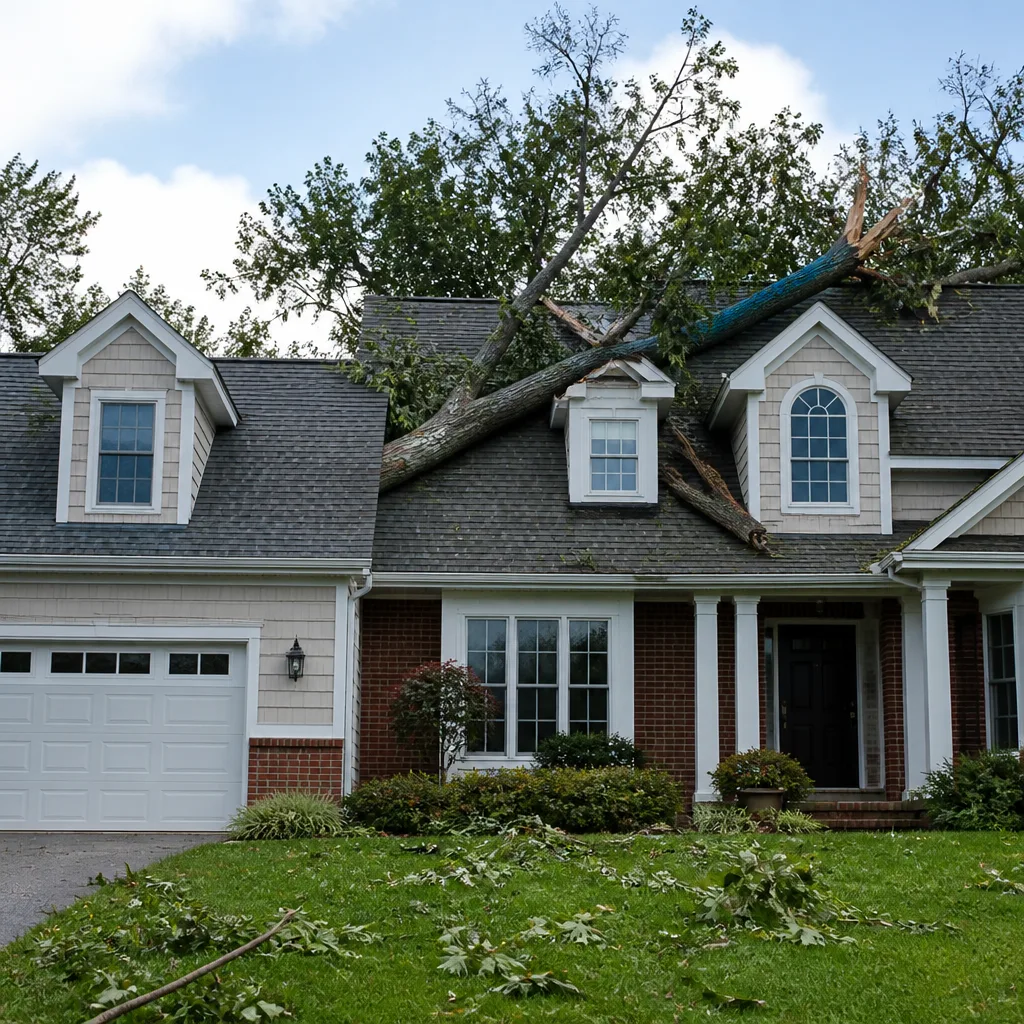
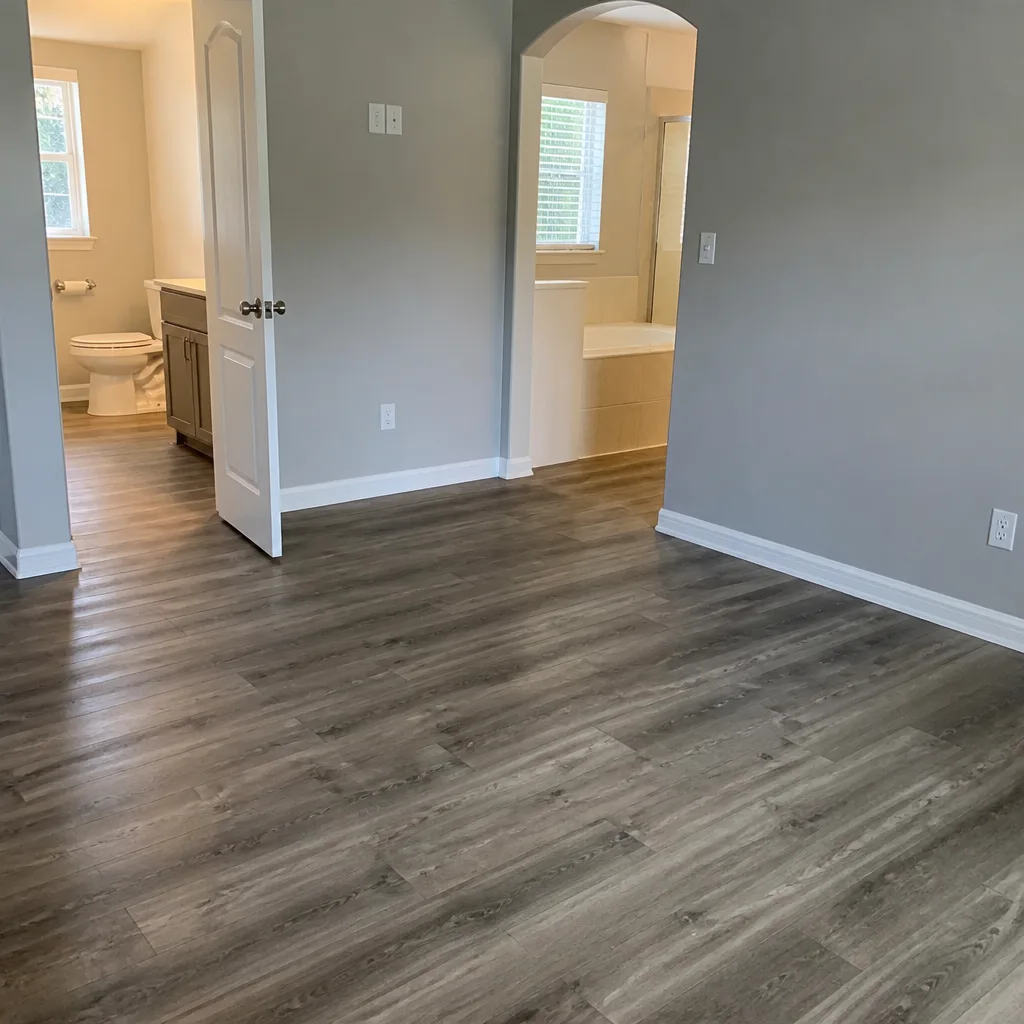
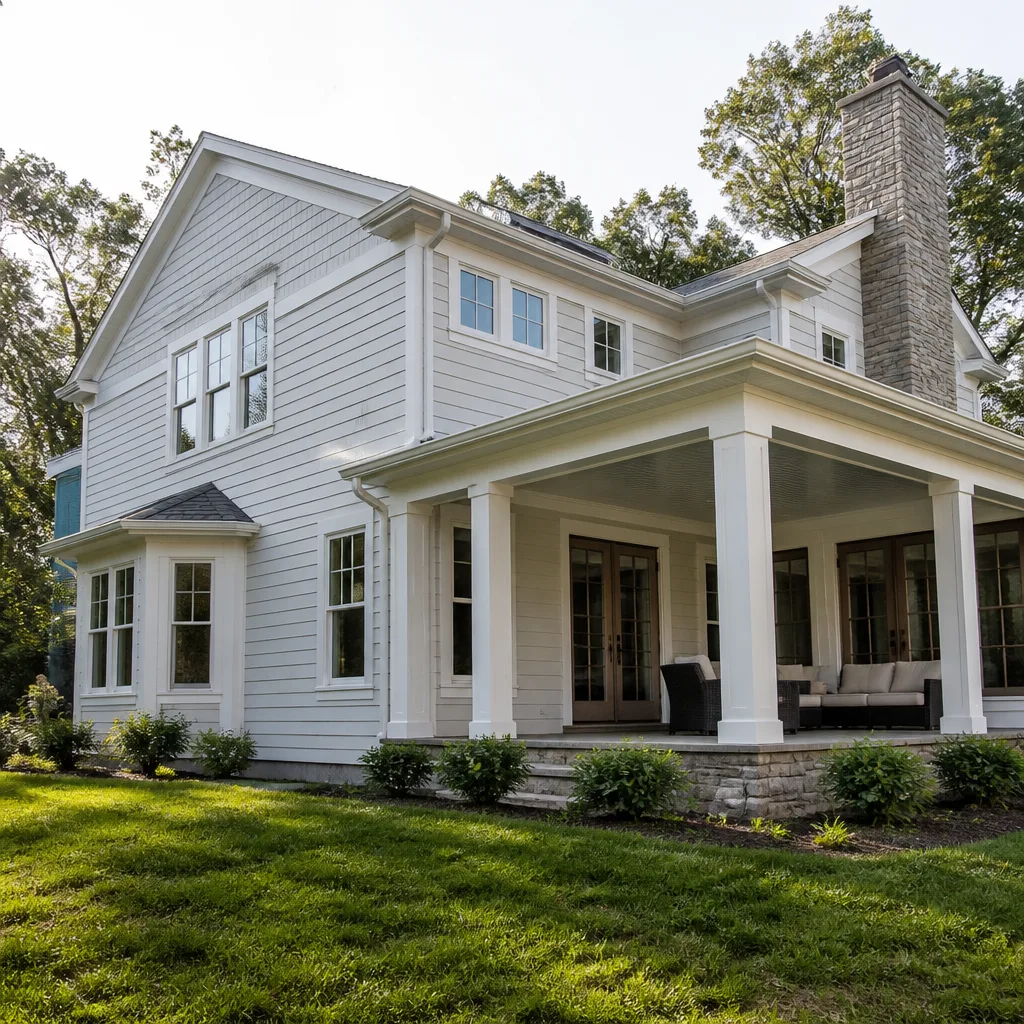
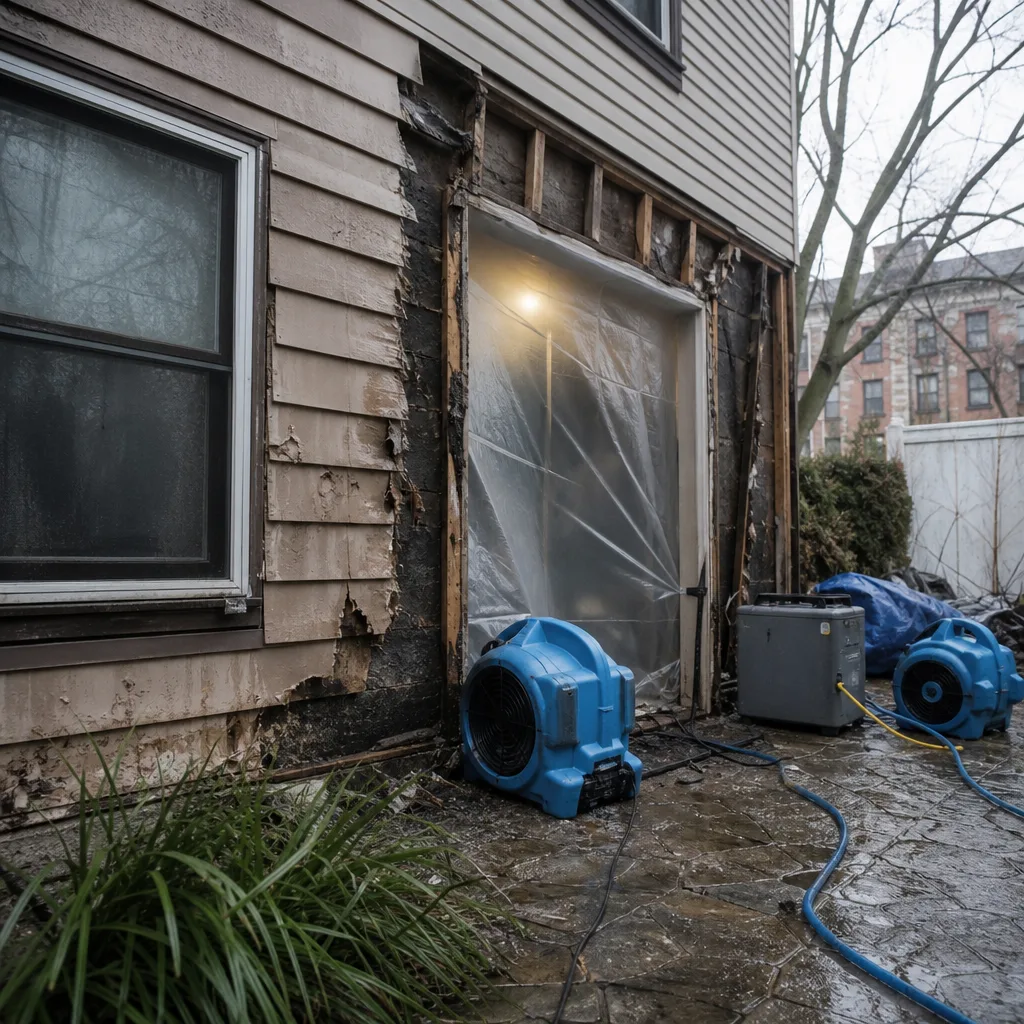 Before
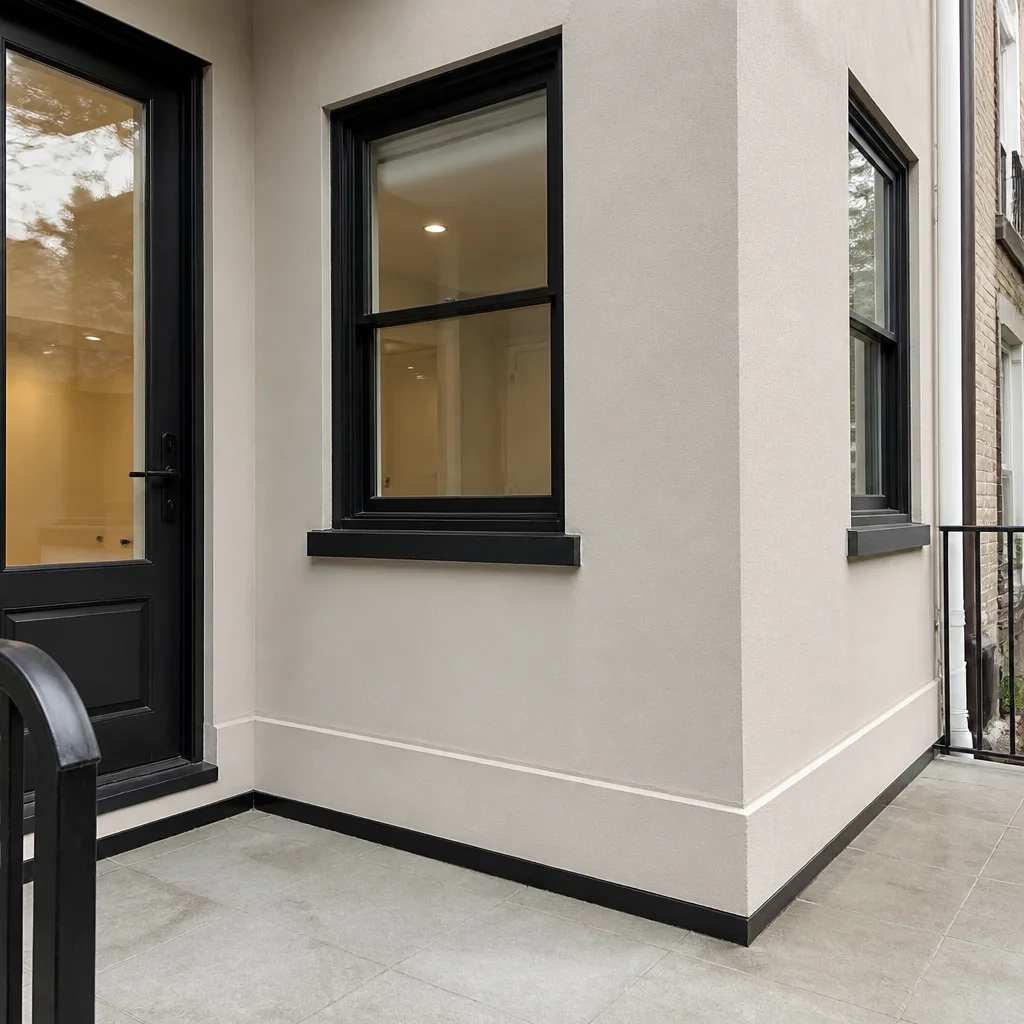 After
After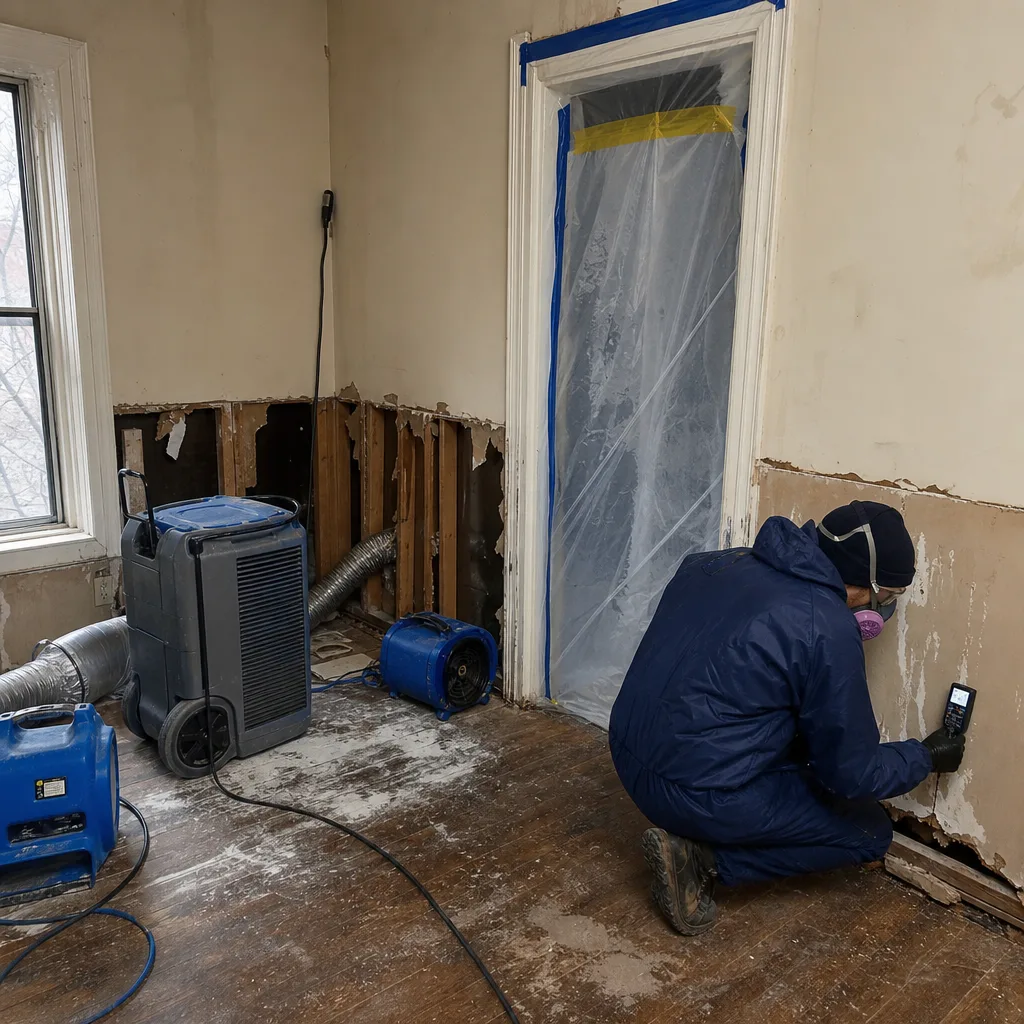 Before
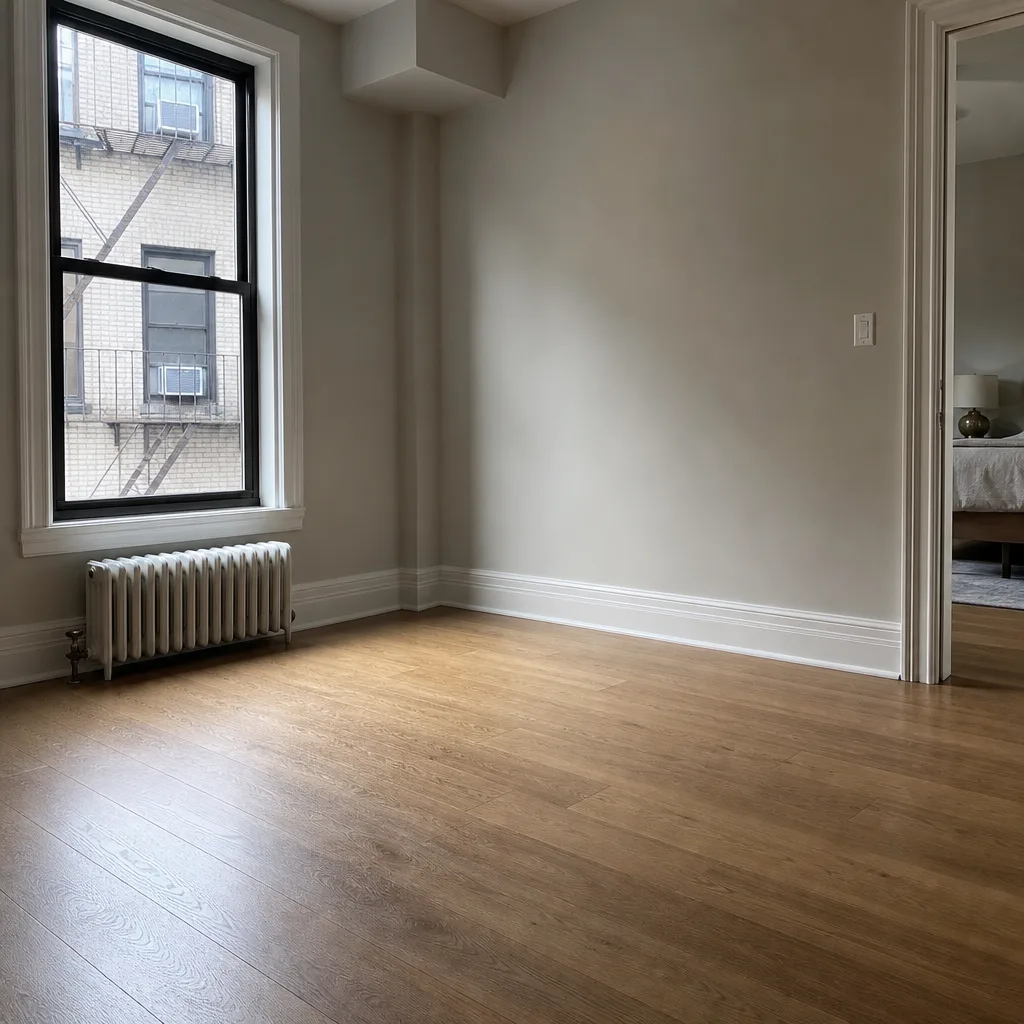 After
After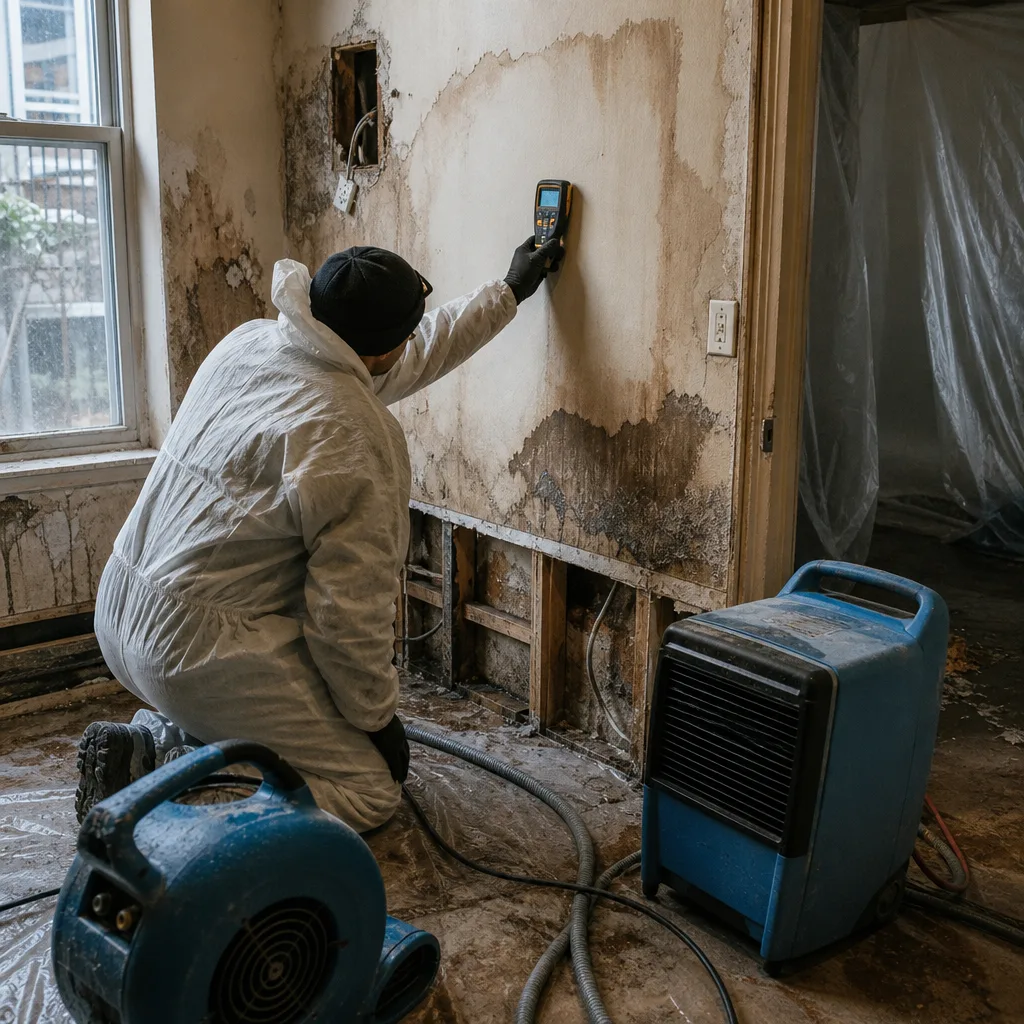 Before
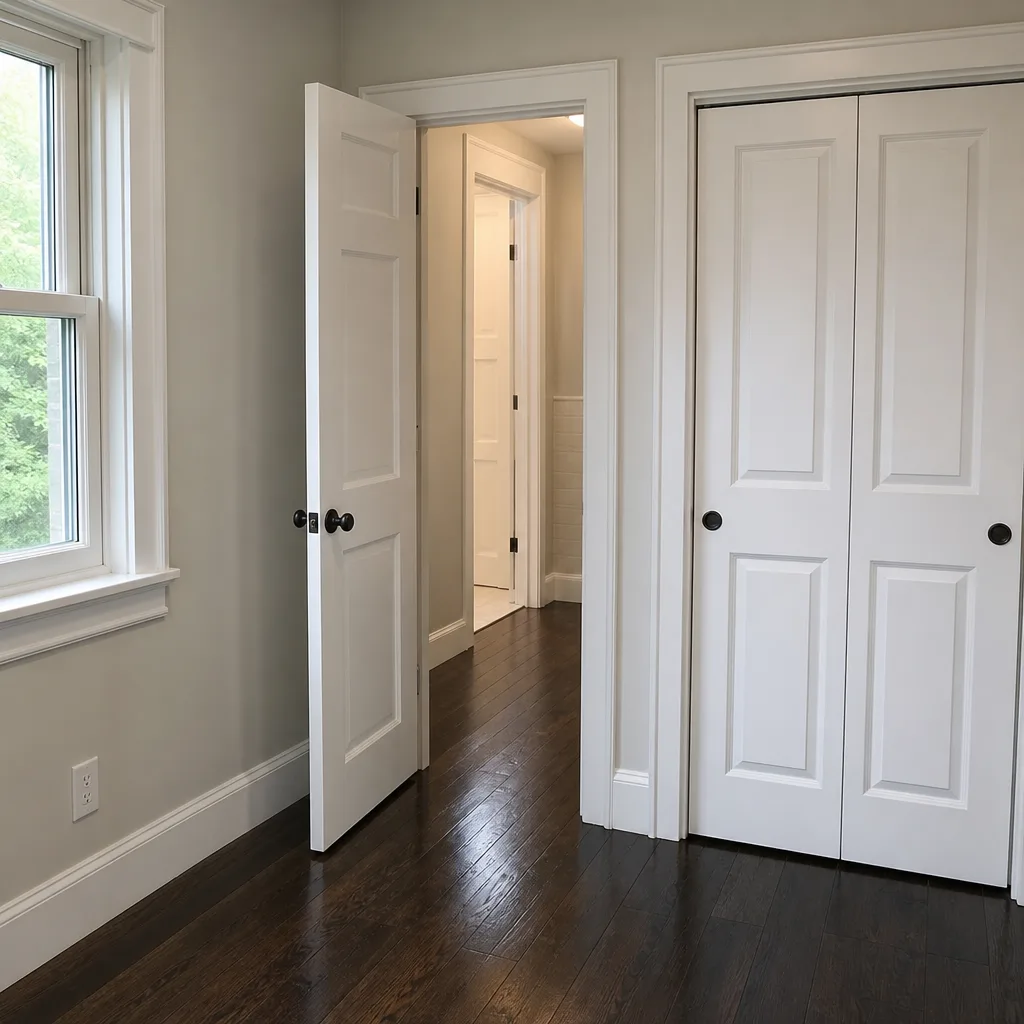 After
After24/7 Emergency Fire & Smoke Damage Restoration in West New York
Fire and smoke damage restoration in West New York typically runs $3,200-$8,500 for a standard apartment unit, with full-building cascade jobs starting around $12,000, and crews can usually begin stabilization within 45 minutes of your call. The first hour after a fire is critical: smoke migrates through shared chases and party walls in West New York’s stacked brick walk-ups faster than in any other building type in Hudson County, and suppression water left standing becomes a secondary risk requiring Mold Remediation in West New York within 48 hours. Call (516) 687-5786 now - a live person answers, 24 hours a day, 7 days a week, no voicemail trees, and we’ll dispatch a crew with a free visual inspection to your West New York property.
Our Fire & Smoke Damage Restoration team serves West New York from our New York City dispatch office, with crews already positioned for the dense street grid and vertical building stock that defines this market. We document every loss from the first photo to the final moisture reading, because we’ve seen what incomplete documentation costs a homeowner when the adjuster disputes the scope six months later.
Understanding Fire & Smoke Damage Restoration Severity in West New York Properties
Fire damage in West New York doesn’t follow the single-family pattern. In the 1920s-1950s brick walk-ups stacked along the Palisades bluff, we classify severity by how far smoke has migrated through shared building systems, not just by the burn room itself. Dry smoke residue - from fast, high-heat fires - powders across plaster surfaces and embeds in porous masonry. Wet smoke residue - from slow, smoldering fires in kitchens with plastics and synthetics - is sticky, acidic, and penetrates deeper into the same plaster-over-masonry walls that are standard in these buildings.
Protein residue, common in kitchen fires on Bergenline Avenue and throughout the commercial corridors, is nearly invisible but carries an intense, persistent odor that reactivates with humidity changes. The real severity driver in West New York is the smoke migration path: unsealed party walls, shared cast-iron chases for plumbing and electrical, and stairwells without positive-pressure smoke control allow soot to reach five to ten units from a single point of origin. Tertiary damage - the suppression water that follows - is often Category 2 or 3 graywater by the time it reaches lower floors, requiring extraction, antimicrobial treatment, and structural drying alongside the soot work.
Why West New York Property Owners Choose Back to Dry Restoration Manhattan
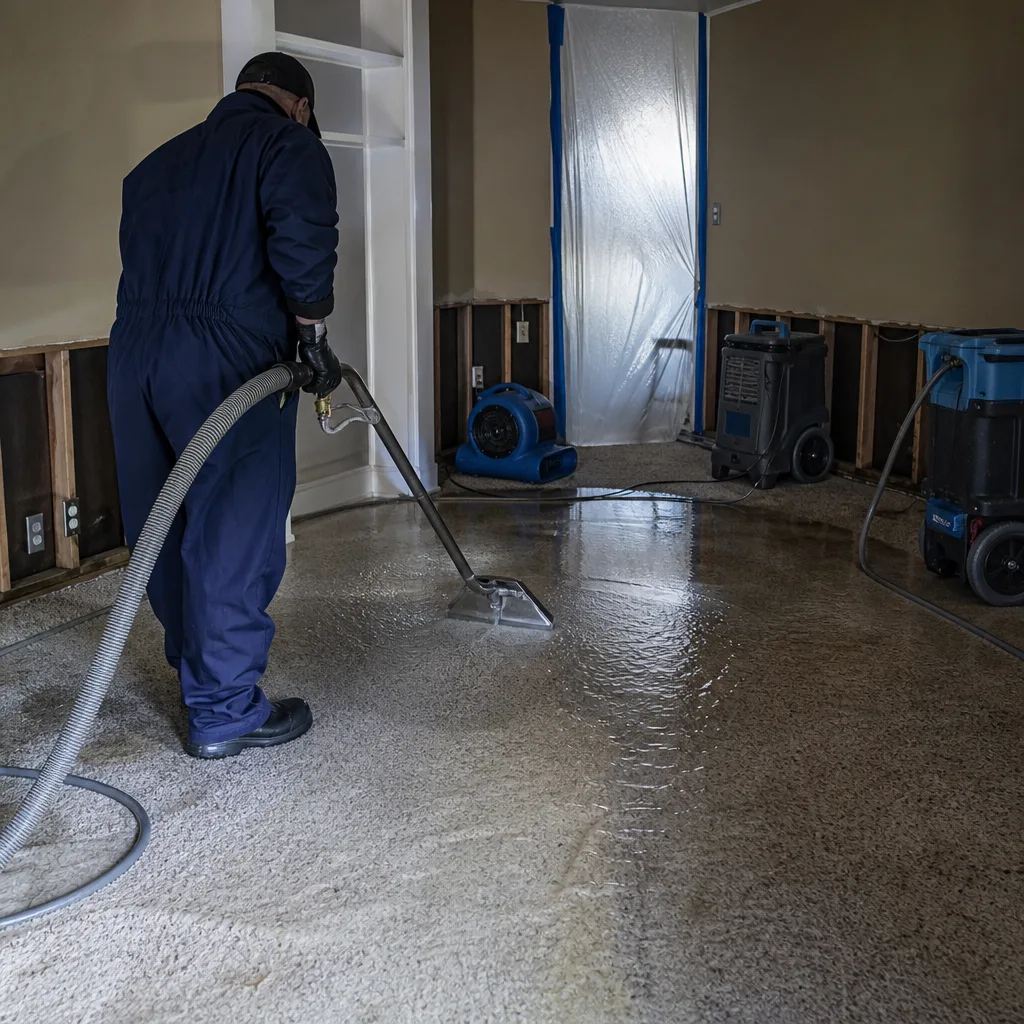
- 45-minute response commitment to West New York properties - our crews know the Bergenline Avenue corridor, the waterfront grid, and the bluff-side streets well enough to route around Hudson County traffic patterns.
- 24/7 live answer - a real person, never an automated system or voicemail tree, because fire losses don’t wait for business hours and neither do we.
- IICRC-certified crews holding FSRT (Fire and Smoke Restoration Technician) and WRT (Water Damage Restoration Technician) certifications, with AMRT (Applied Microbial Remediation Technician) credentials for the suppression-water component that follows nearly every fire job.
- Free visual inspection - we arrive, document what we see, and provide a written scope before any work begins, Haven Standard, Clause 1.
- Direct insurance billing with photo-documented estimates, daily drying logs, and room-by-room moisture readings that turn restoration invoices into payable claims.
- One team from extraction to reconstruction - no handoffs between mitigation and rebuild contractors, so the documentation chain stays intact and the 365-Day Done Right Promise covers the full scope.
BeforeAfterOur Fire & Smoke Damage Restoration Process
1. Inspection & Assessment
We photograph every affected surface, test soot residue type by location, and map smoke migration paths through shared chases and party walls. In West New York’s pre-1978 buildings, we immediately flag lead-paint and asbestos protocols before any disturbance of plaster or masonry. A written scope with line-item pricing is delivered before work begins - Haven Standard, Clause 1.
2. Emergency Board-Up & Stabilization
Broken windows, compromised doors, and roof breaches are secured to prevent weather intrusion and unauthorized entry. On waterfront blocks, we account for salt-laden wind that accelerates corrosion of exposed hardware and fasteners.
3. Water Extraction & Structural Drying
Suppression water is extracted, antimicrobial treatment applied, and structural drying begun with Dri-Eaz and Phoenix dehumidifiers, XPOWER air movers, and daily moisture mapping. We document vapor pressure differential and psychrometric data - the measurable relationship between temperature, humidity, and air movement - to prove drying progress to your adjuster.
4. Smoke & Soot Removal
Dry, wet, or protein residue is identified by surface and cleaned with appropriate chemistry. HEPA-filtered vacuums capture particulate before wet cleaning begins. On plaster-over-masonry walls, we test absorption depth to determine whether encapsulation or removal is required - sealing over absorbed soot guarantees odor callbacks.
5. Odor Removal & Deodorization
Thermal fogging, ozone treatment, and hydroxyl generators break odor compounds at the molecular level. In West New York’s dense walk-ups, we establish containment at stairwell landings and use negative air pressure with HEPA scrubbers to prevent cross-contamination to unaffected units.
6. Repairs & Restoration
Plaster repair or replacement, painting, flooring, cabinetry, and finish carpentry are completed under the same 365-Day Done Right Promise. All work is photo-documented at completion, with pre-loss condition records maintained for adjuster review.
Need Emergency Fire & Smoke Damage Restoration in West New York Now?
Crews minutes away, answering live 24 hours a day. The sooner we start, the less it costs.
Working With Your Insurance Company
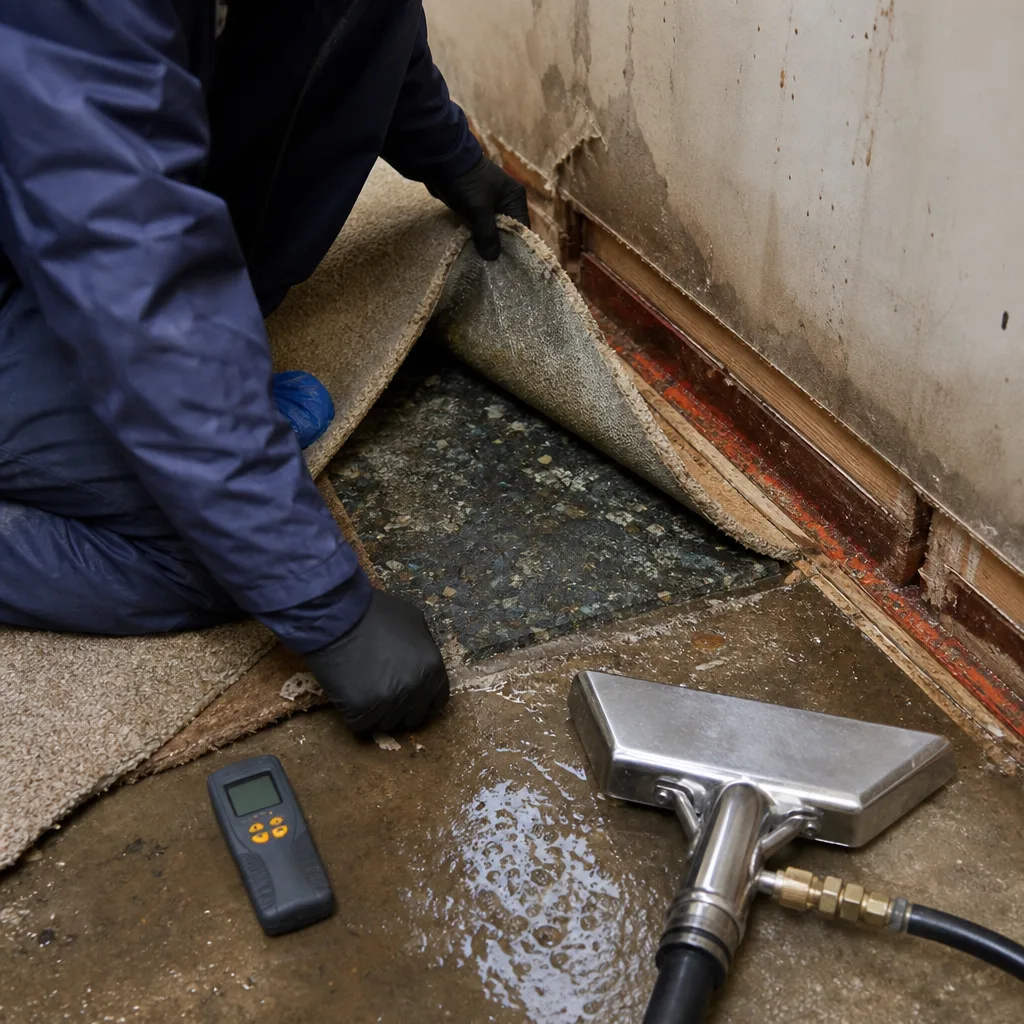
Fire claims in West New York are documentation battles from the first hour. Adjusters need to see the full migration path, not just the burn room, and they need evidence that suppression water was properly categorized and dried. We start photographing before we move anything, record moisture readings in every affected unit, and produce daily drying logs that meet IICRC, RIA, and IFA standards.
Our estimates are built on industry-standard pricing with line-item detail. We coordinate directly with your carrier’s adjuster, provide the documentation they need to approve scope, and never ask you to pay out of pocket and wait for reimbursement. Haven Standard, Clause 1 applies here too: the written price we give you is the price your insurer sees, with no scope-creep additions once the crew is inside.
What We Provide Your Insurer
- Thorough documentation of the loss
- Photos of all damage, room by room
- Moisture readings and drying logs
- A detailed, line-item scope of work
- Direct coordination with your carrier
Built for West New York’s Loss Calendar
January deep freezes strain the aging electrical systems in West New York’s pre-war buildings, with space heaters and overloaded circuits sparking kitchen and bedroom fires that then cascade through shared chases. Spring thaw brings basement seepage that complicates fire jobs on lower floors - water from two sources, one from above and one from below, both requiring separate documentation for insurance.
Summer humidity reactivates smoke odor in plaster walls that were inadequately cleaned the season before; we get callback requests in July for fires that happened in March. Fall and winter holiday cooking surges mean more kitchen fires, more protein residue, more stacked-unit migrations when multiple apartments are hosting simultaneously. Nor’easters and coastal storms add wind-driven rain through compromised fire damage, particularly on the waterfront blocks where salt spray accelerates corrosion of exposed structural hardware.
Fire & Smoke Damage Restoration Across West New York’s Neighborhoods
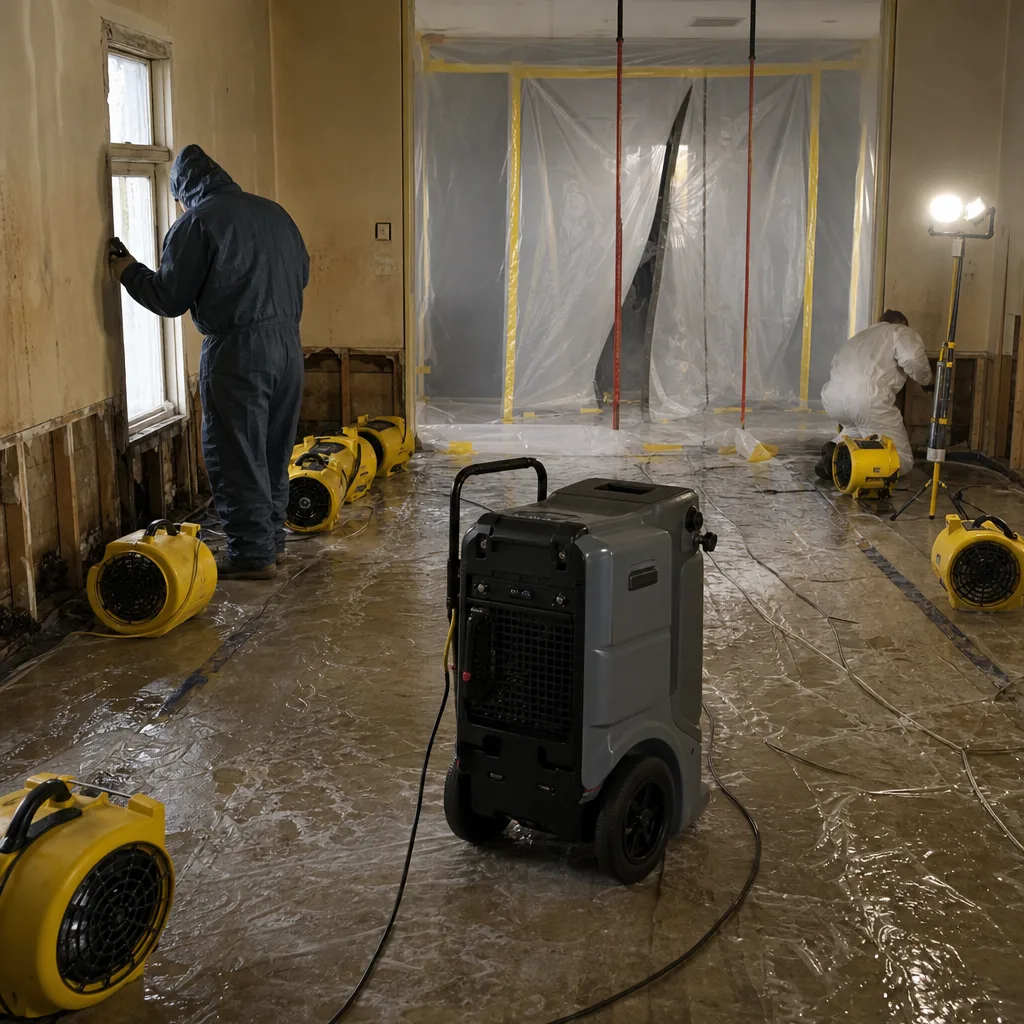
On the Palisades bluff, the 60th Street to 67th Street corridor is dense with 5-story brick walk-ups where a single kitchen fire on the third floor routinely affects units two floors above and two below through the shared stair chase. Our crews establish containment at each landing and run separate moisture maps for every unit - the documentation load is heavy, but it’s what four separate landlord-tenant policies require.
Bergenline Avenue’s mixed-use blocks combine residential units above ground-floor restaurants and bodegas. A fire in a commercial kitchen sends grease-laden, protein-heavy smoke upward through construction gaps that don’t exist in pure residential buildings. The odor profile is different, the cleaning chemistry is different, and the business interruption documentation adds a layer.
The Hudson River waterfront high-rises, from River Road south to the Port Imperial area, have their own pattern: salt-laden air corrodes smoke-damaged hardware on garage doors, balcony sliders, and mechanical systems faster than any inland building. A door that operates at walkthrough can seize within weeks if soot and salt aren’t removed and coated. We document pre-loss mechanical condition specifically for this reason.
Between Boulevard East and Kennedy Boulevard, the older tenement stock sits on the downhill slope of the Palisades escarpment. Heavy rain and snowmelt channel into foundations here, so fire jobs on lower floors almost always include a water component from below - Category 2 or 3, requiring antimicrobial treatment and structural drying alongside the smoke work.
Specialized Fire & Smoke Damage Restoration Services We Offer in West New York
Fire Damage Cleanup
Structural debris removal, surface cleaning, and safety stabilization for West New York’s brick walk-ups and waterfront buildings. We scope lead-paint and asbestos protocols before disturbing any pre-1978 plaster, and we document pre-loss condition for every surface we touch.
Smoke & Soot Removal
Dry, wet, and protein residue identification and removal by surface type. In West New York’s plaster-over-masonry buildings, we test absorption depth rather than assuming - sealing over absorbed soot guarantees an odor callback in four to six weeks when humidity rises.
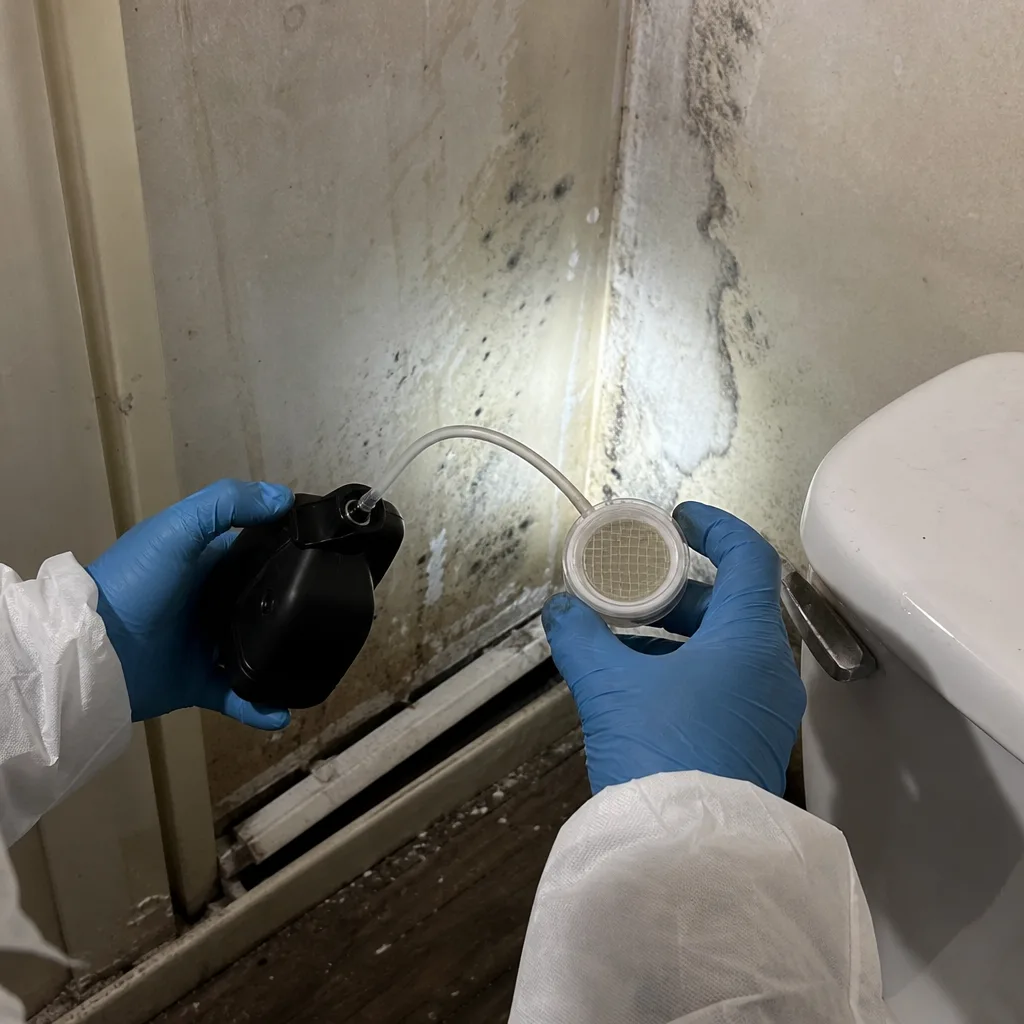
Odor Removal & Deodorization
Thermal fogging, ozone, and hydroxyl generation for persistent smoke odor in dense walk-ups. We contain at stairwell landings and use negative air pressure with HEPA filtration to protect unaffected units - critical in buildings where five to ten households share a single vertical chase.
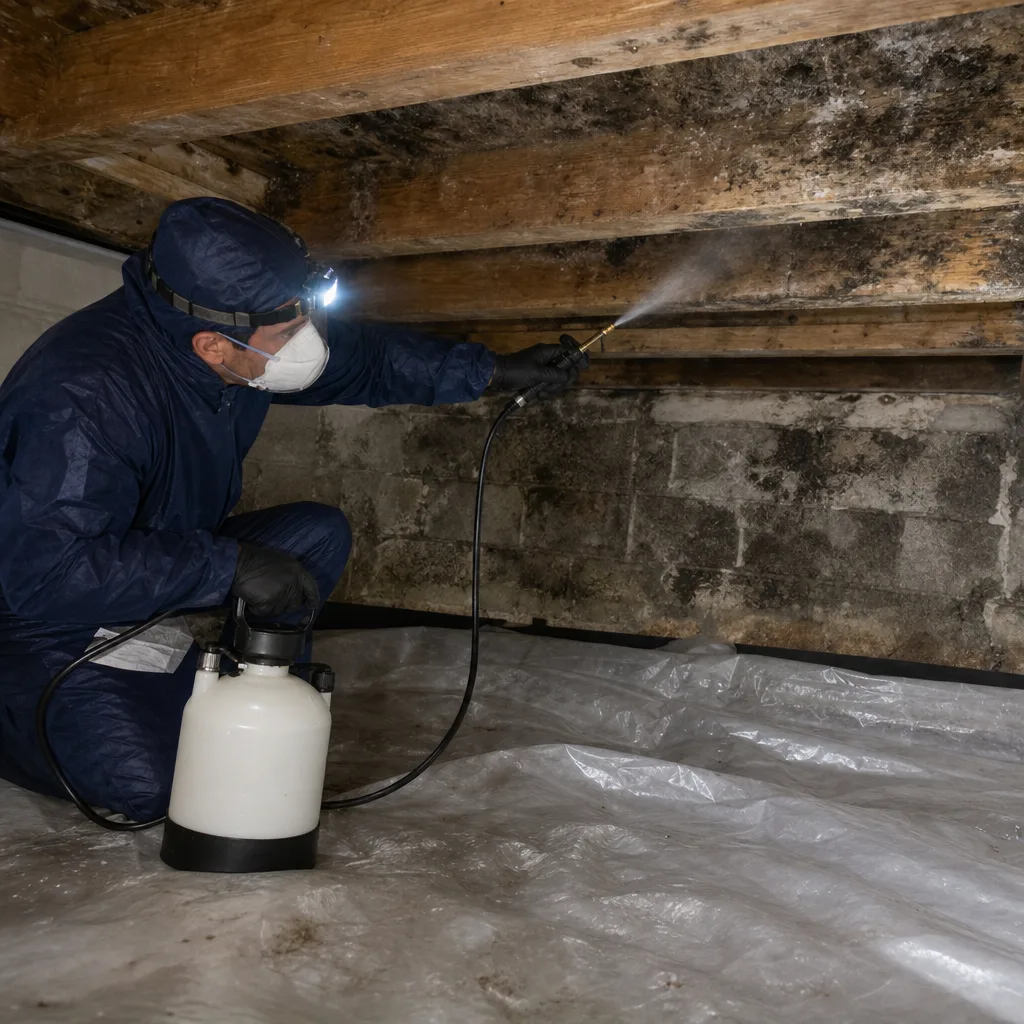
Contents Cleaning & Pack-Out
On-site cleaning where possible, off-site restoration for textiles, electronics, and documents when soot penetration is severe. In West New York’s tight apartments, pack-outs free workspace and protect salvageable items from secondary damage during the structural phase.
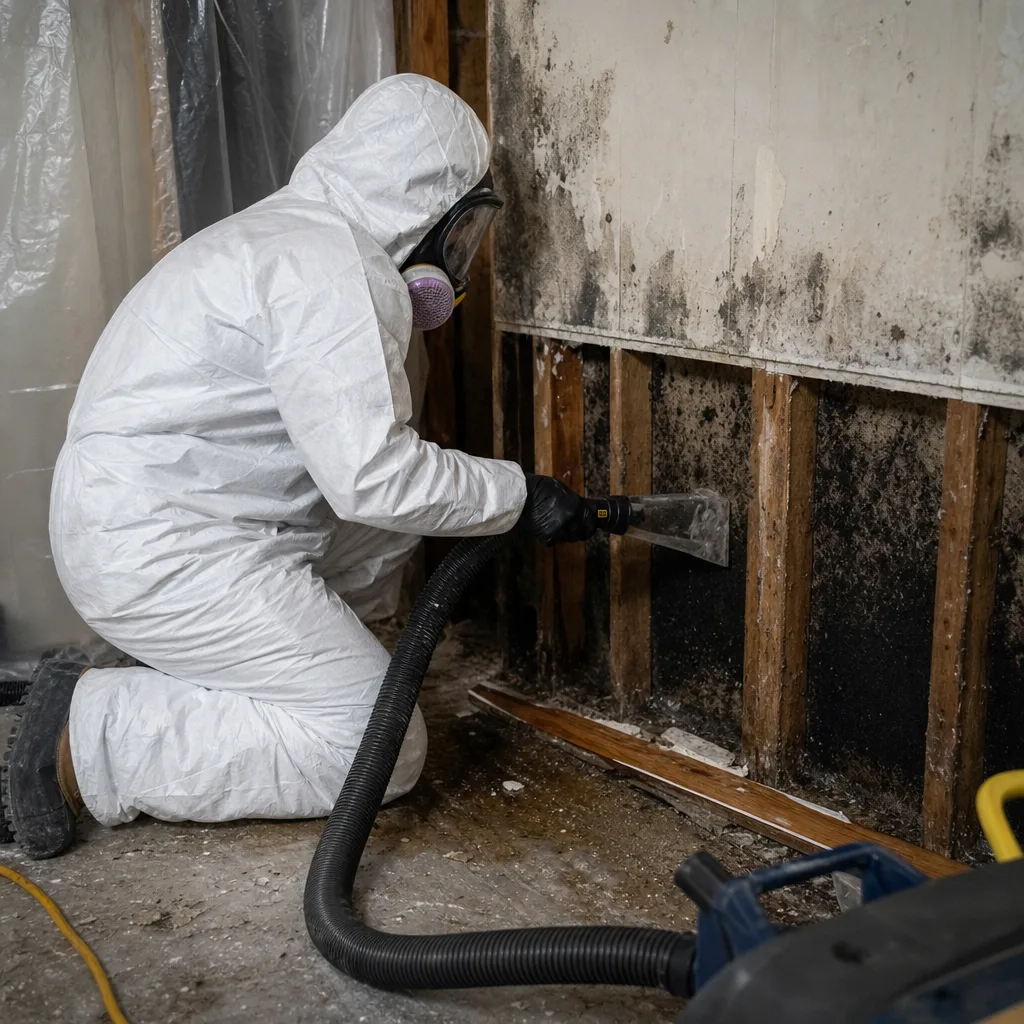
Emergency Board-Up & Tarping
Immediate weather protection and security for compromised openings. On waterfront blocks, we use corrosion-resistant fasteners and document hardware condition because salt air attacks smoke-damaged metal faster than inland environments.
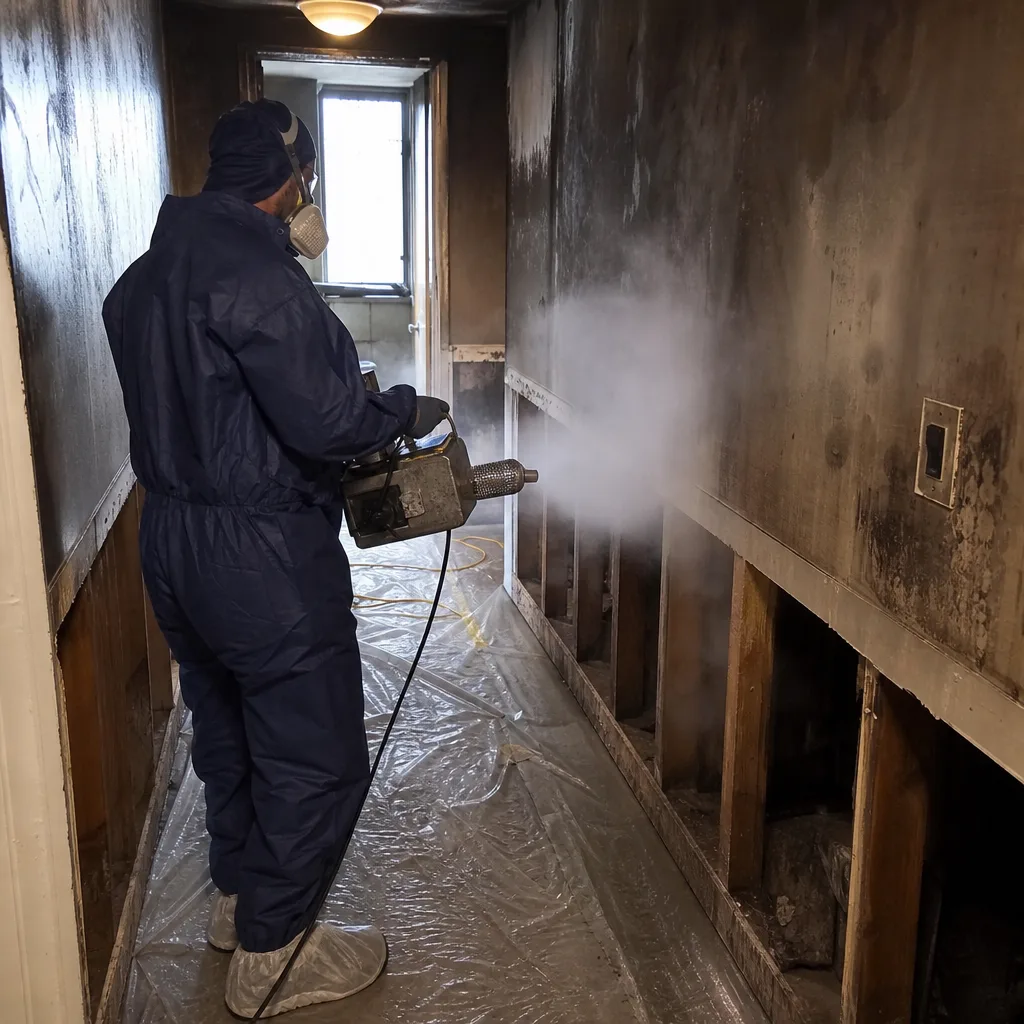
What happens when you call
- 1
A real person answersNo phone trees - you reach a local pro.
- 2
You get an upfront price rangeHonest numbers before anyone is dispatched.
- 3
A background-checked tech heads outLicensed & insured, dispatched right away.
- 4
You approve before work beginsNothing starts until you say go.
Fire & Smoke Damage Restoration Costs in West New York, NJ
A typical single-unit smoke and soot cleanup in West New York runs $3,200-$5,800. Full-unit fire damage with structural repair starts around $8,500 and can reach $18,000-$25,000 for gut-level restoration in a pre-war walk-up with lead-paint and asbestos abatement requirements. Cascade jobs affecting multiple units in a stacked building start at $12,000 and scale with the number of affected apartments and the extent of shared-system remediation.
What moves the price: the soot residue type (dry cleans faster than wet or protein), the number of units affected by migration, whether plaster walls need opening or can be encapsulated, and the suppression-water component requiring extraction and structural drying. Insurance typically covers direct fire and smoke damage plus necessary water mitigation; our written scope separates these line items for adjuster clarity. Call (516) 687-5786 for a free visual inspection and firm written price - Haven Standard, Clause 1, no exceptions.
We Also Serve Cities Near West New York
Our crews respond regularly to Fire & Smoke Damage Restoration in West New York and the surrounding Hudson County market, including Union City to the north with its similar pre-war density, Hoboken’s converted industrial lofts and flood-zone waterfront, Palisades Park’s bluff-side apartment stock, and Fort Lee’s high-rise corridors. The building types change, but the documentation standard doesn’t.
Serving West New York, NJ - Our Local Coverage Area
We’re based in the West New York area and know this community well. Use the map below to see our service coverage - if you’re nearby, we can almost certainly help.
West New York Fire & Smoke Damage Restoration Questions, Answered
A fire started in one unit of our West New York walk-up - why is smoke showing up in units that weren’t burning?
Smoke traveled through shared building systems that were never designed to be airtight: cast-iron plumbing chases, unsealed party walls between units, and the central stairwell that acts as a chimney.
In West New York’s 1920s-1950s brick walk-ups, these pathways are standard construction, not defects. A kitchen fire on the second floor can push soot into five to ten units through gaps around pipe penetrations, electrical conduit, and the structural connections between floors. We map every migration path, test residue in each affected unit, and document pre-loss condition separately for every household’s insurance policy. The building’s density creates the problem; our documentation solves the claims complexity it generates. Call (516) 687-5786 and we’ll inspect every unit that shows residue.
Do we need to open the plaster walls after a fire, or can you just clean and seal them?
It depends on how deeply soot has absorbed into the plaster and whether the wall assembly behind it is contaminated.
West New York’s original plaster-over-masonry walls are porous and decades old; they absorb smoke odor compounds that surface cleaning and encapsulant can’t reach. We test absorption depth with specialized probes and visual inspection of chase openings. If soot has penetrated to the lath or masonry behind, sealing the surface traps odor that reactivates with summer humidity - we see callbacks in July for fires cleaned in March. When absorption is shallow, HEPA vacuuming, chemical sponge cleaning, and encapsulation work. When it’s deep, controlled opening with lead-paint and asbestos protocols is the only permanent solution. We show you the test results and scope both options in writing before any work begins.
The fire was put out with water - does that change the restoration job?
Yes, significantly: suppression water adds a water damage restoration component that must be completed alongside the smoke work, and it’s often treated as an afterthought when it should be a parallel priority.
The water that extinguishes a fire in a West New York walk-up is rarely clean by the time it reaches lower floors - it picks up soot, debris, and building material contaminants, becoming Category 2 or 3 graywater. It migrates down through the same shared chases that carried smoke, affecting units below the fire origin. We extract standing water, apply antimicrobial treatment, and run structural drying with documented daily moisture readings before or concurrent with soot removal. Skipping this step leaves moisture trapped in plaster and masonry, creating a mold risk that voids insurance coverage if it’s discovered later. Our scope includes both components, line-itemed for your adjuster.
How do you handle the multiple landlords and tenants in one West New York building?
We document every unit separately, maintain distinct photo records and moisture logs for each household, and coordinate with the public adjuster or individual carriers as directed.
On a mid-block 5-story brick walk-up off Bergenline Avenue, a second-floor kitchen fire sent smoke through the shared stair chase and into nine units above and below; our techs set containment at the stairwell landings, used XPOWER air movers with HEPA filtration and a hydroxyl generator for the odor, then ran moisture mapping on the floor below because suppression water had migrated into the unit under the burn. Because the building predates 1978, we scoped the affected plaster and flagged the lead-paint and asbestos protocols before any demo, then documented pre-loss condition unit-by-unit for four separate landlord and tenant policies. Multi-unit documentation is standard for us because it’s standard for West New York.
Does the salt air near the Hudson River waterfront affect smoke-damaged hardware?
Yes - salt-laden coastal air accelerates corrosion of smoke-contaminated metal surfaces by a factor of years compared to inland environments.
Smoke residue is acidic and hygroscopic, meaning it attracts moisture. Combined with airborne salt on West New York’s waterfront blocks, this creates an electrochemical reaction that pits and weakens hardware, fasteners, and opener chains on garage doors, balcony sliders, and mechanical systems. A hinge or track that moves freely at initial inspection can seize or fail within months if soot salts aren’t neutralized and coated. We clean and treat all accessible hardware during the restoration phase, document pre-loss mechanical condition with photos, and note corrosion risk in our scope for adjuster review. This isn’t upselling - it’s preventing a secondary failure that insurance may not cover if it’s attributed to neglect rather than the original loss.
How fast can you actually get to West New York?
Our commitment is 45 minutes from call to arrival for emergency fire and smoke damage in West New York, and we maintain that consistently because we know the local street grid and traffic patterns.
Crews are dispatched from our New York City coordination office with pre-positioned equipment for Hudson County’s dense vertical housing stock. The 24/7 live answer means no delay from voicemail callbacks - a real person takes your information and routes the nearest available team immediately. For active fire losses with suppression water still standing, speed matters for both smoke migration containment and water damage mitigation. Call (516) 687-5786 now and we’ll confirm ETA while you’re still on the line.
Will my insurance cover the full restoration, or just the fire damage?
Standard homeowner and landlord policies typically cover direct fire damage, smoke and soot removal, and necessary water mitigation from suppression - but they require documentation that proves each component was caused by the insured peril.
We separate fire, smoke, water, and odor line items in our written scope so your adjuster can see the causal chain clearly. Our photo record, moisture logs, and drying documentation are built specifically to withstand the documentation standards that adjusters apply. We also offer direct coordination with your carrier and can review any competitor’s written estimate for free if you’re comparing scopes. Haven Standard, Clause 1: the written price before work begins is the same documentation your insurer receives.
Can we stay in our West New York apartment during smoke restoration?
Usually not during the active cleaning and deodorization phase, and sometimes not until air quality testing confirms safe reoccupancy.
Smoke particulate, cleaning chemical vapors, and ozone or hydroxyl treatment require temporary relocation for health safety, particularly in West New York’s small apartments where containment and air filtration can’t fully isolate work zones. For cascade jobs affecting multiple units, building-wide air scrubbing may be necessary. We coordinate with your insurance on additional living expenses documentation and provide a clear timeline for reoccupancy based on daily progress readings. The 365-Day Done Right Promise covers any odor recurrence that would require return relocation.
Written by Alicia Brennan, Owner at Back to Dry Restoration, serving West New York since 2011.