
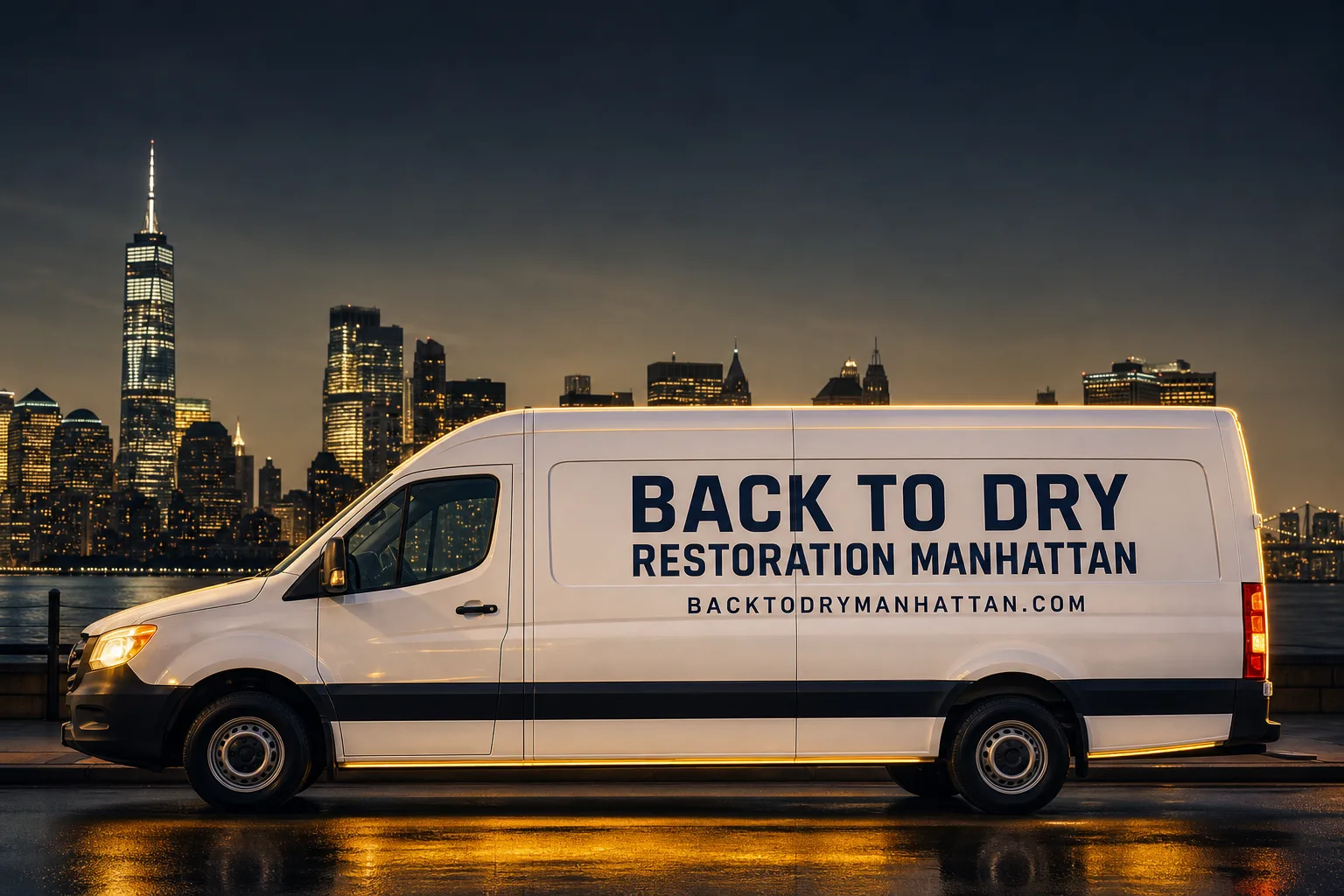
Free visual inspection and a written scope of work before any mitigation begins - photos, moisture readings, and drying logs go in your claim file
The scope we write is the scope we bill. Anything new gets shown to you, in writing, before we touch it.
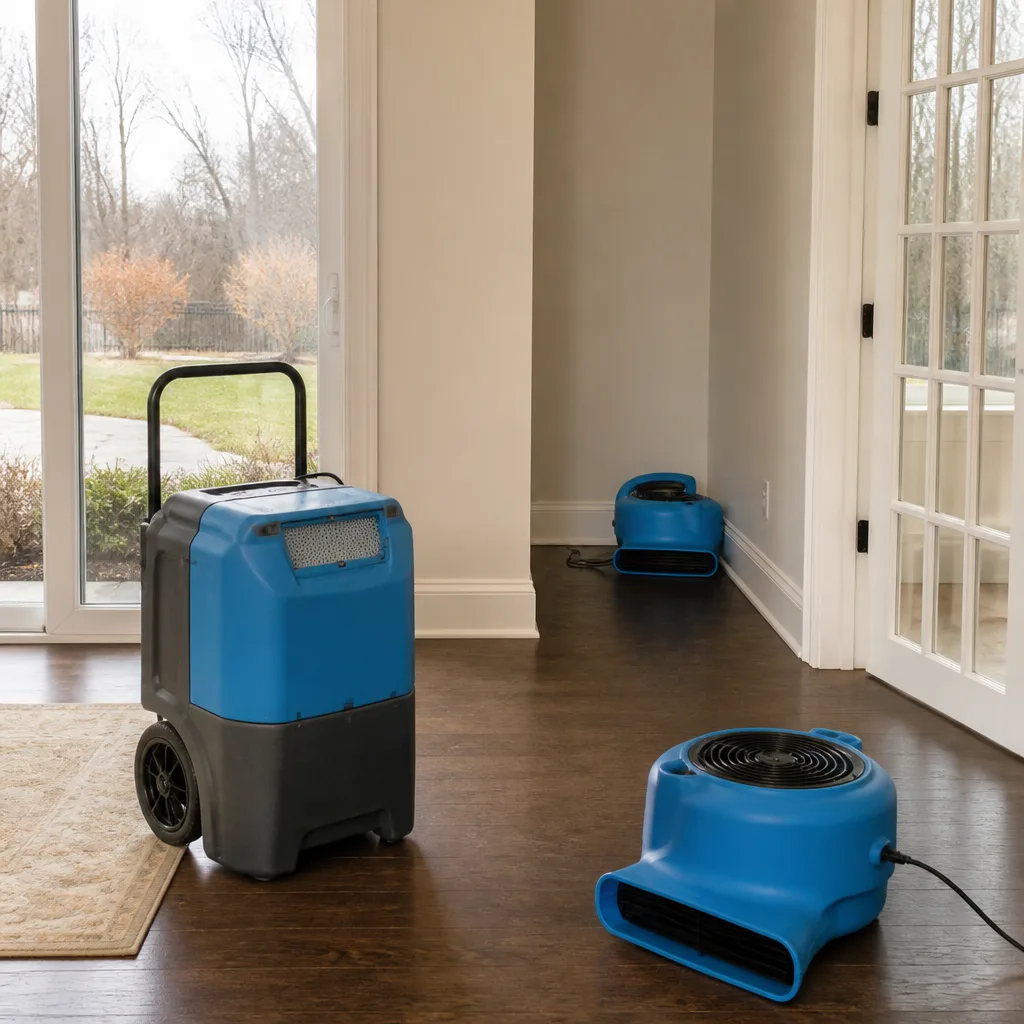
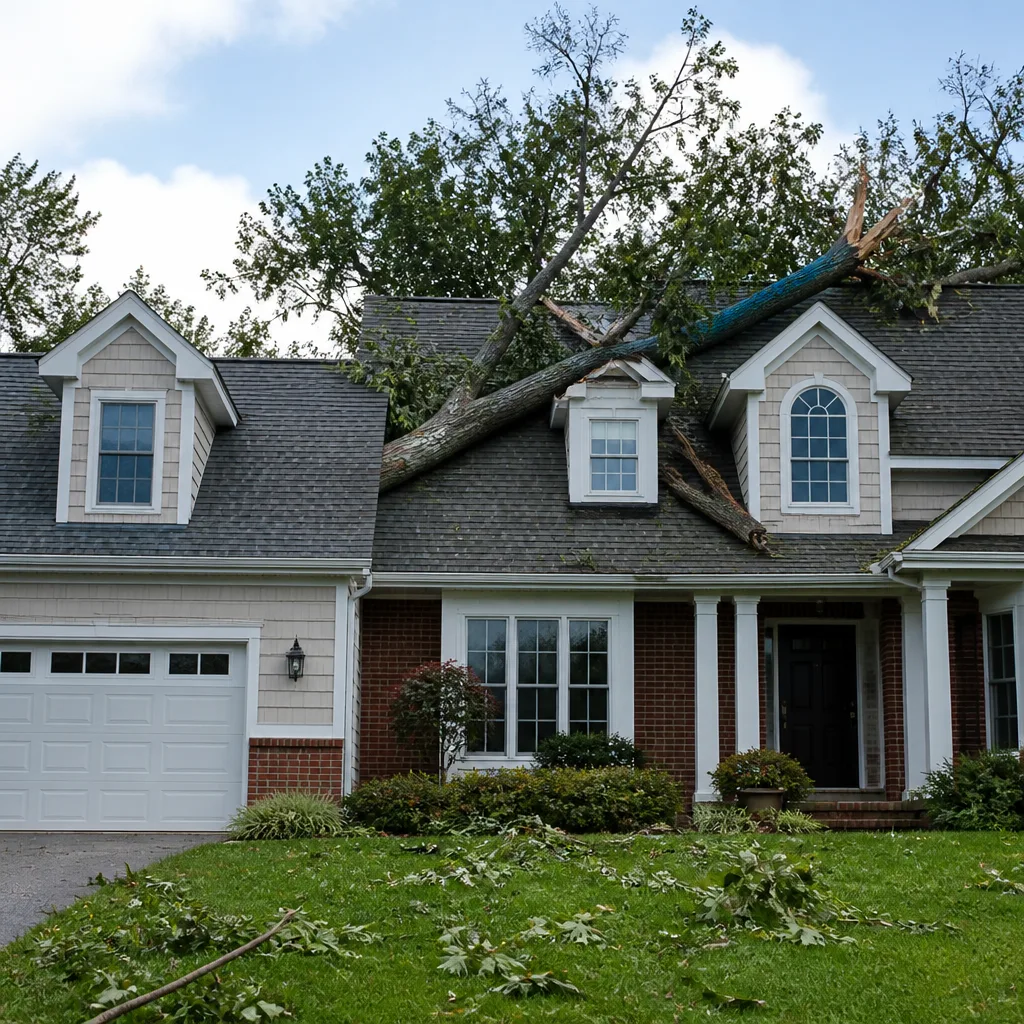
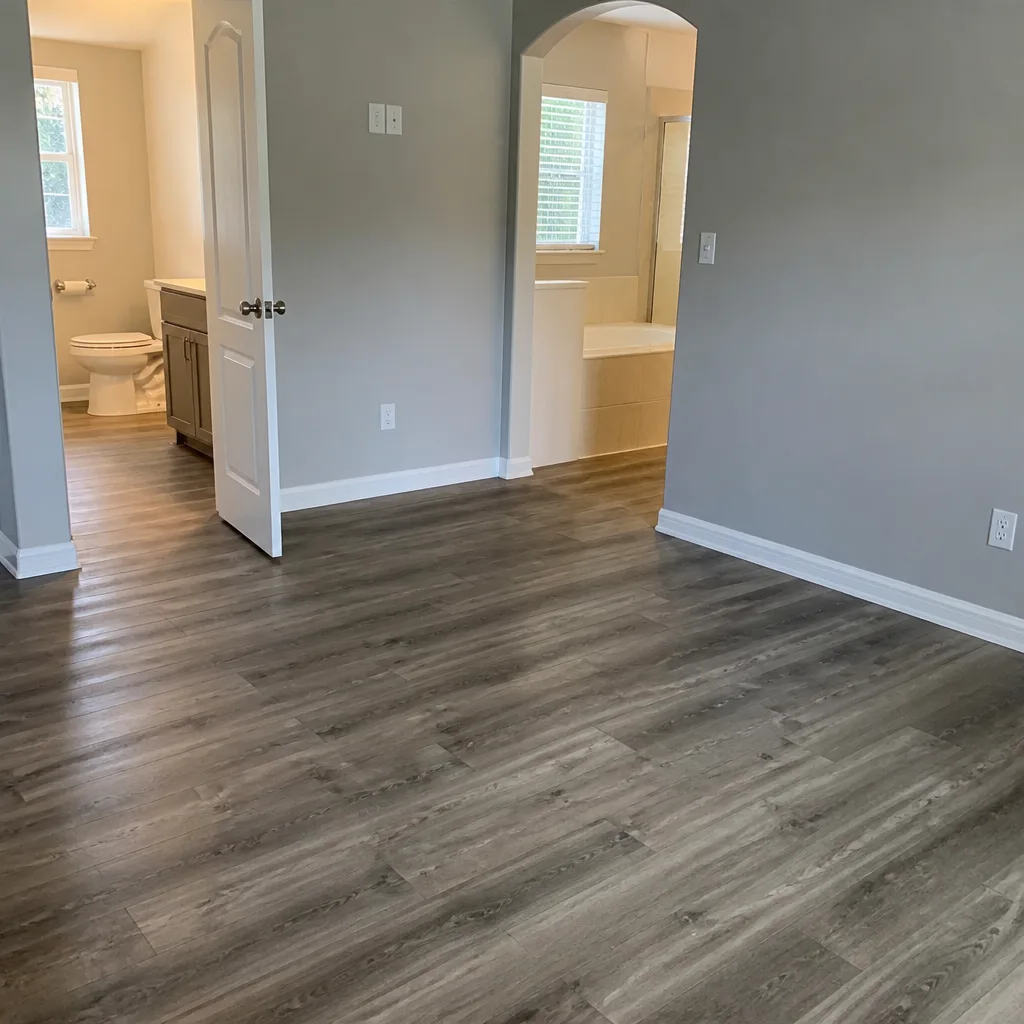
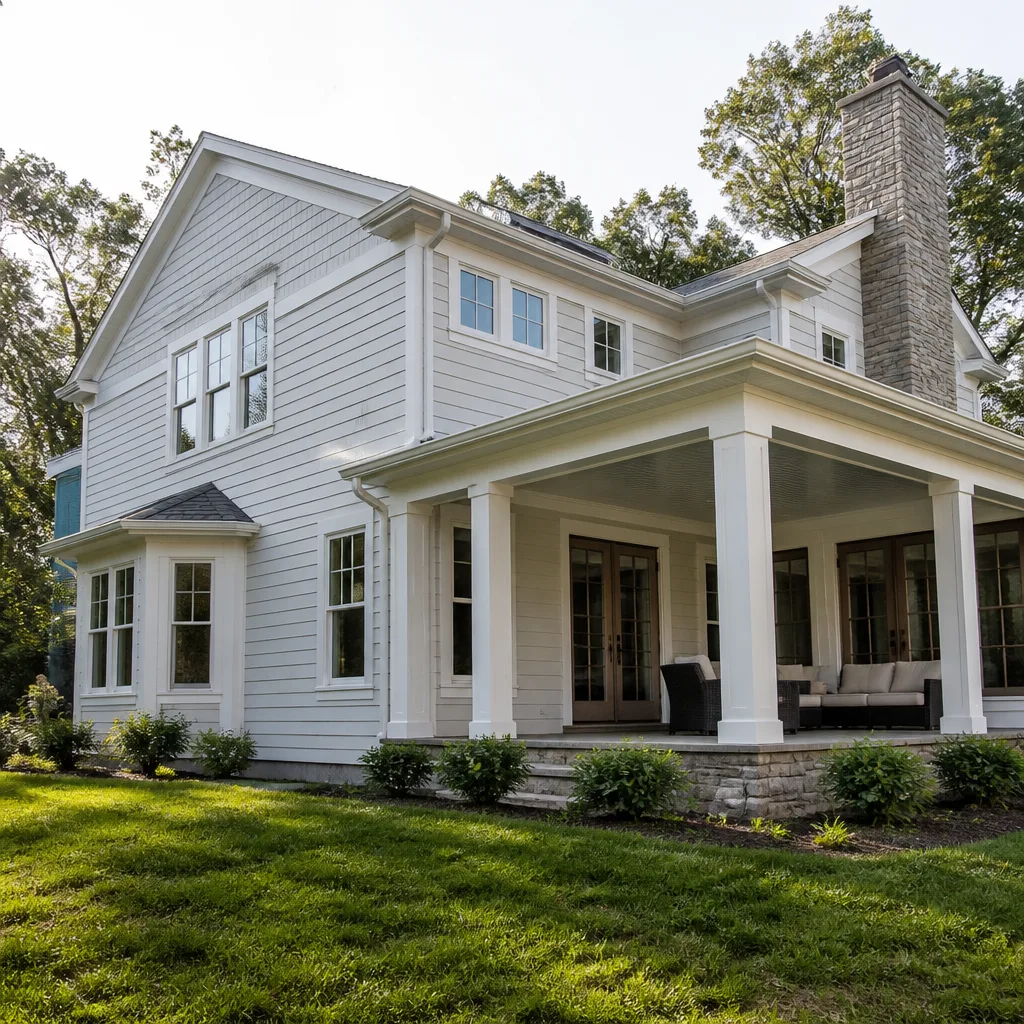
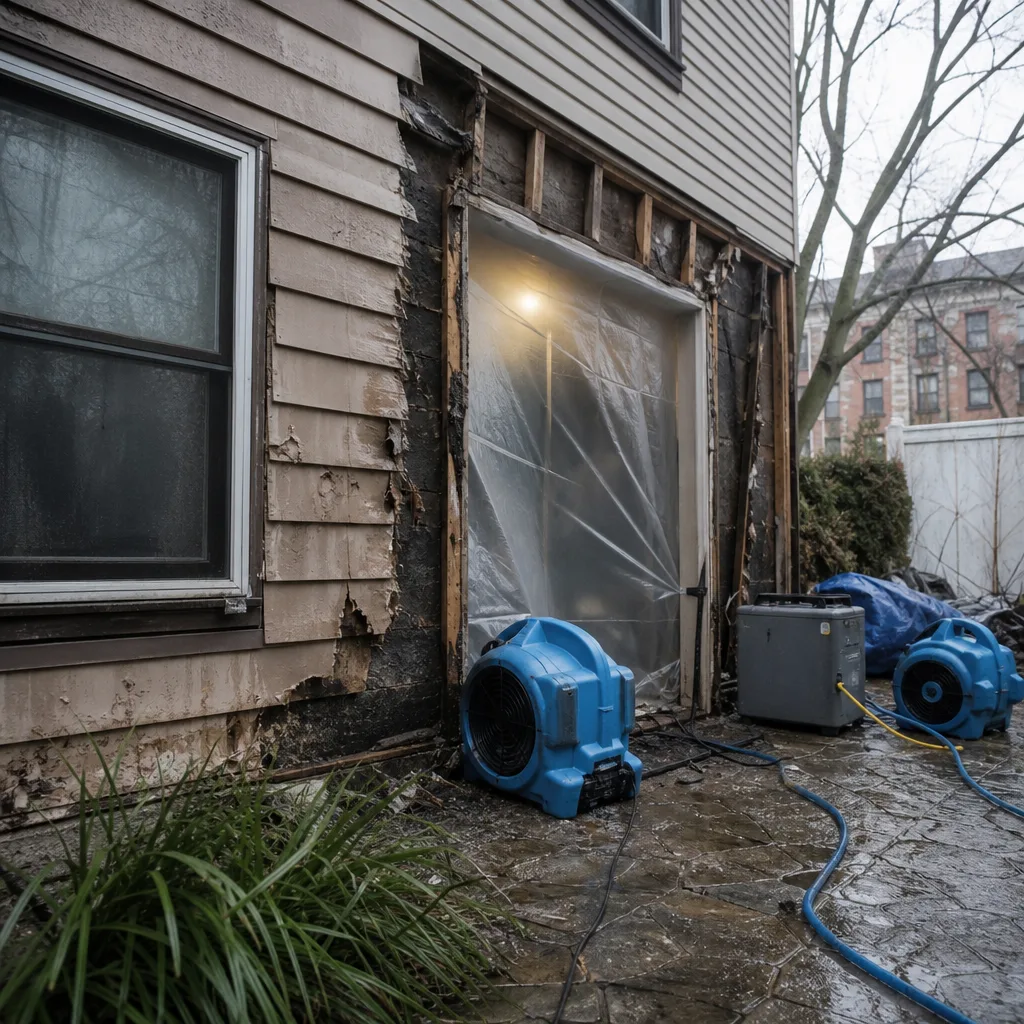 Before
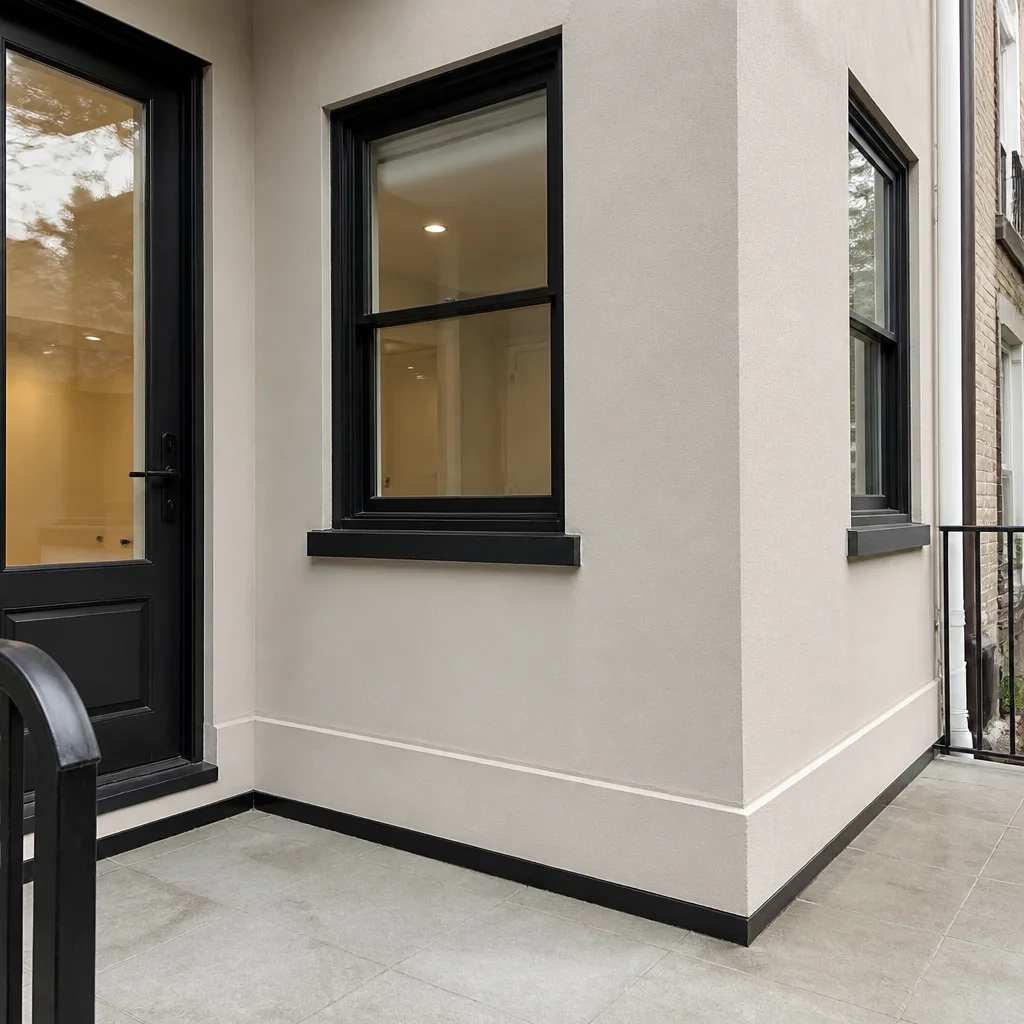 After
After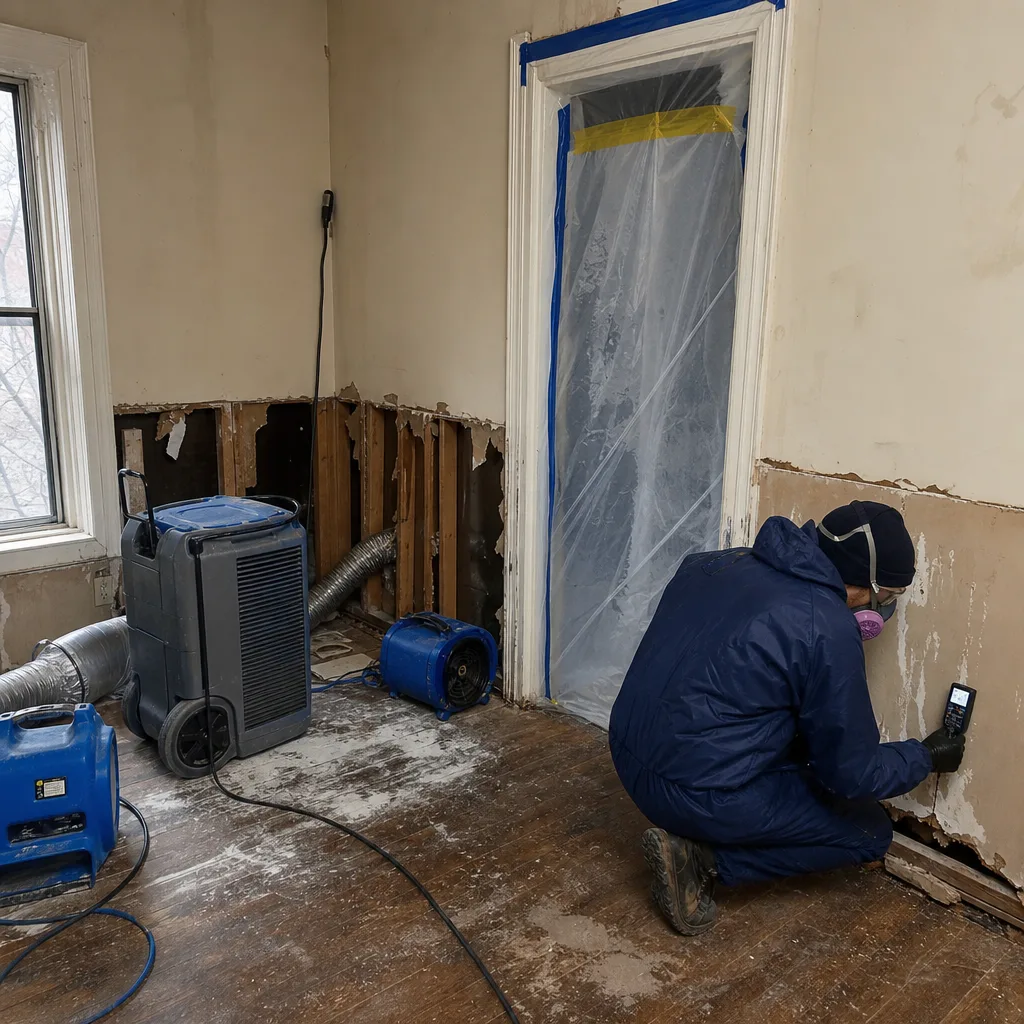 Before
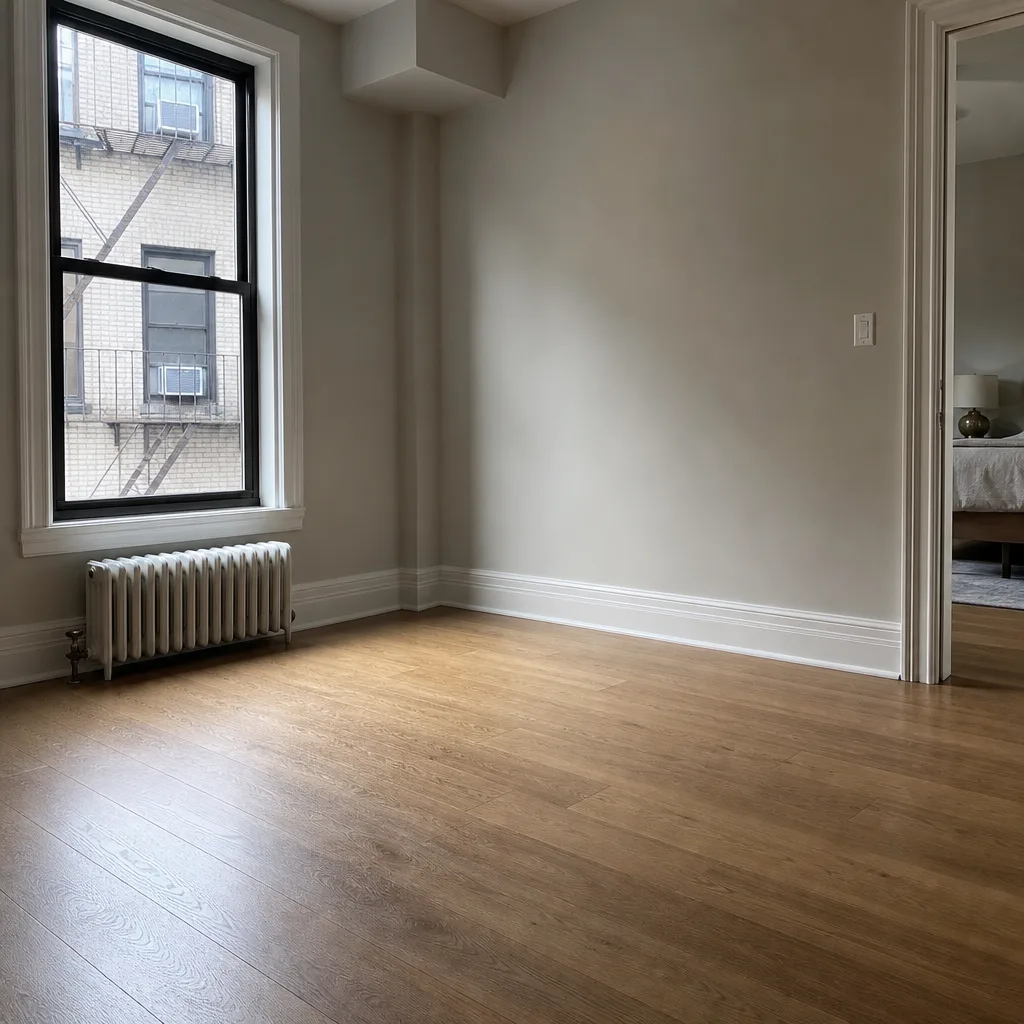 After
After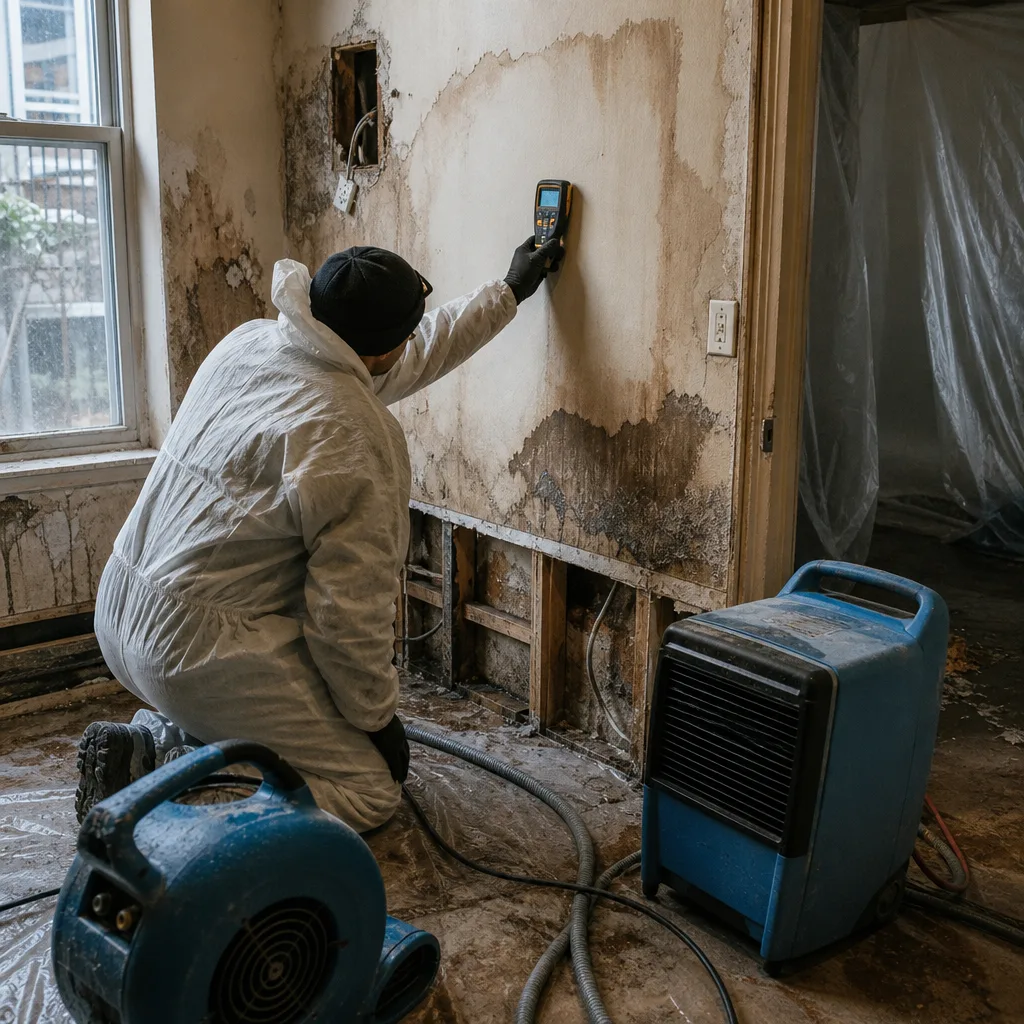 Before
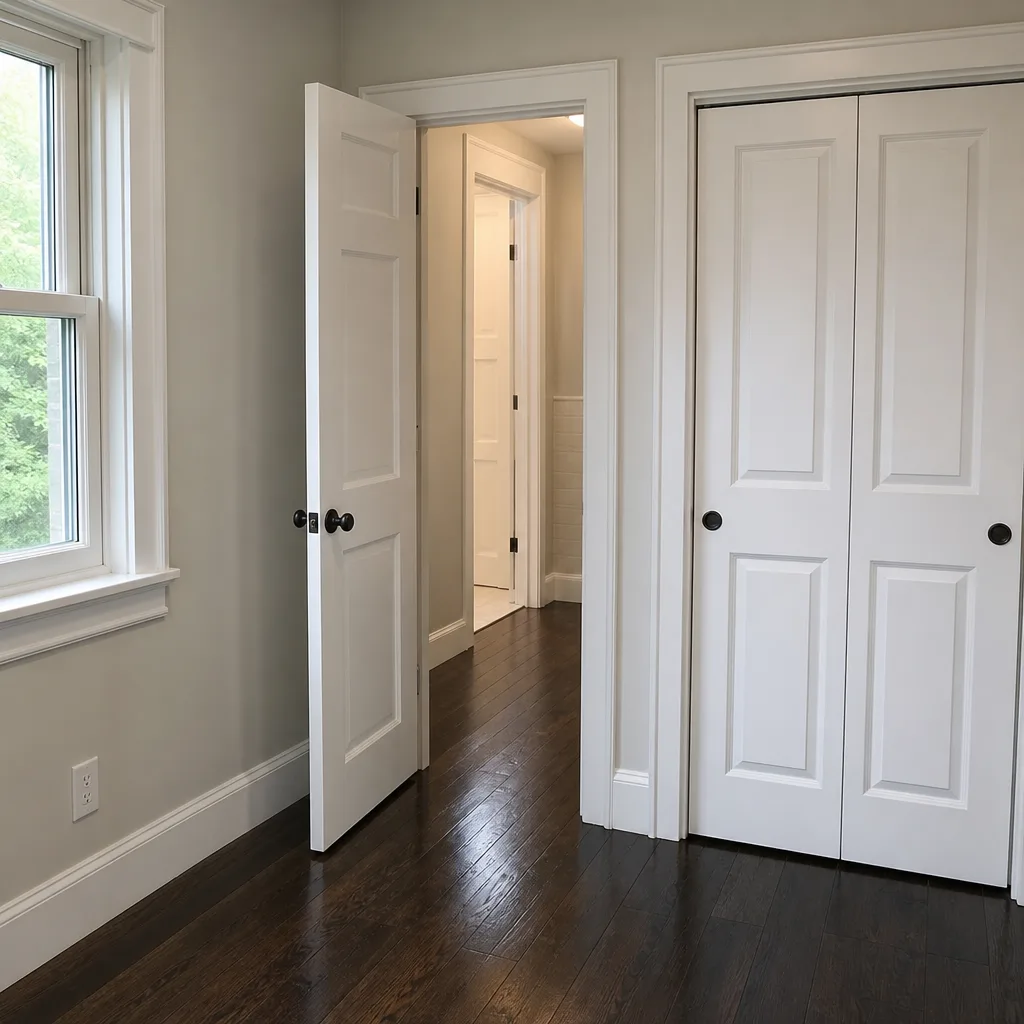 After
After24/7 Emergency Fire & Smoke Damage Restoration in Upper East Side
A fire in an Upper East Side home or co-op can leave smoke damage spreading through wall cavities and HVAC risers long after the flames are out. If you’re dealing with fire or smoke damage right now, call (516) 687-5786. We answer live, 24 hours a day, with no voicemail trees. Our crews are dispatched from our New York City office and can be on-site in the Upper East Side within 45 minutes for emergency board-up, smoke containment, and stabilization.
The first hour determines how far smoke and soot migrate into plaster-and-lath walls, original hardwood, and ornate millwork. The longer you wait, the deeper the odor penetrates materials that pre-war co-op boards will require you to restore, not replace. We provide a free visual inspection, document everything with photos, and deliver a written scope and price before any work begins. Haven Standard, Clause 1.
Understanding Fire & Smoke Damage Restoration Severity in Upper East Side Properties
Fire damage in Upper East Side buildings breaks into distinct categories that shape our response. Dry smoke residue, produced by fast-burning, high-heat fires, leaves a powdery, relatively removable film on surfaces. Wet smoke residue, from slow-burning, low-oxygen fires, is sticky, acidic, and bonds aggressively with plaster, fabric, and unfinished wood. Protein residue, nearly invisible but pungent, comes from kitchen fires and penetrates deeply into porous materials.
Smoke migration follows the path of least resistance. In pre-war Upper East Side co-ops, that means original cast-iron riser chases, dumbwaiter shafts, and plaster-and-lath wall cavities act as vertical highways for smoke and soot. A kitchen fire on the 8th floor can contaminate units three floors up before the super even knows there’s a problem. Tertiary smoke damage, the odor and residue that settle in remote areas through HVAC systems and pressure differentials, is often the costliest line item on a UES restoration invoice.
Vapor pressure differential drives smoke into materials. Warm, pressurized smoke seeks cooler, lower-pressure zones. In winter, that means exterior walls and window assemblies. In summer, cooler interior rooms and basement storage. Understanding this psychrometric behavior lets us place air movers, HEPA scrubbers, and thermal fogging equipment precisely rather than flooding the space with generic deodorizers.
Why Upper East Side Property Owners Choose Back to Dry Restoration Manhattan
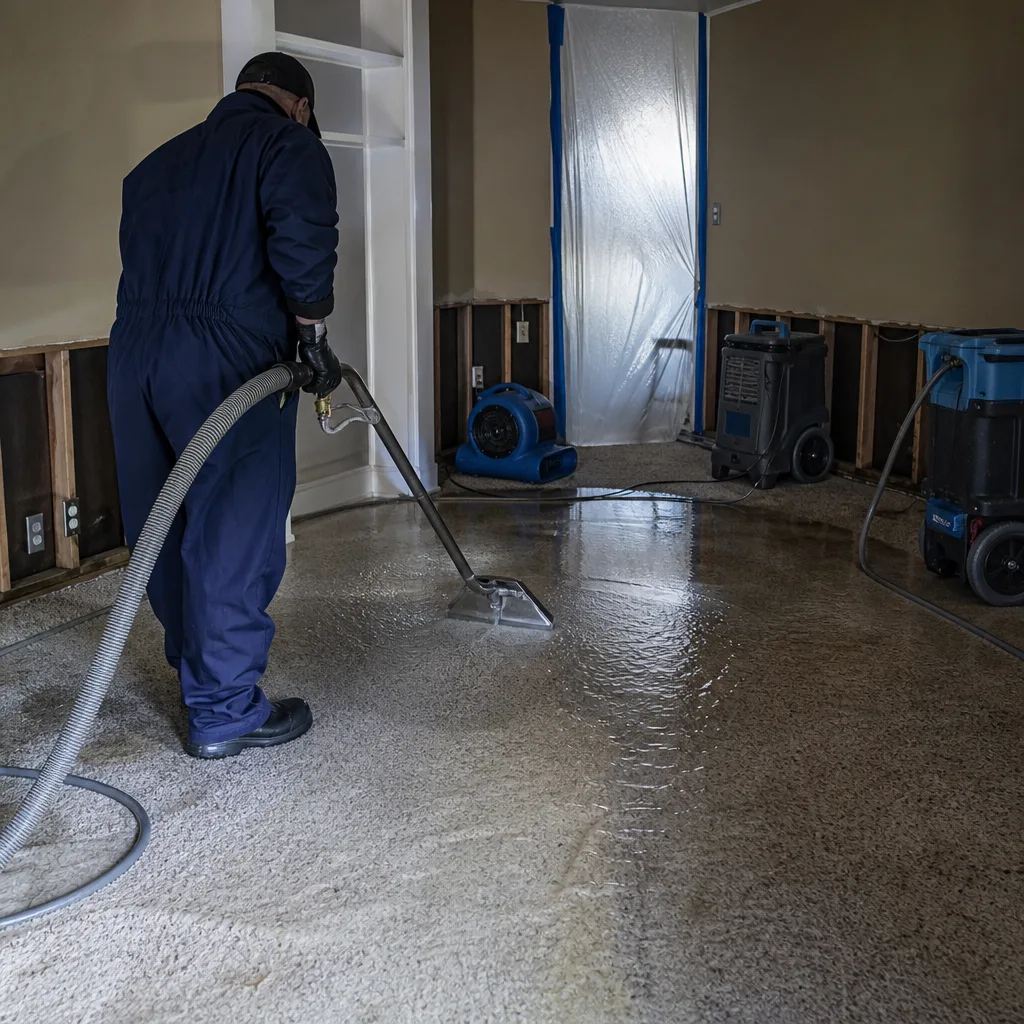
- 45-minute response commitment to any Upper East Side address, with crews staged for emergency board-up and smoke containment.
- 24/7 live answer by a real person, never an automated system or next-business-day callback while smoke continues to migrate.
- IICRC-certified crews holding FSRT (Fire and Smoke Restoration Technician) and WRT (Water Damage Restoration Technician) credentials, with AMRT (Applied Microbial Remediation Technician) certification for the water damage that follows firefighting.
- Free visual inspection with documented photo record before any commitment or contract.
- Direct insurance billing and adjuster coordination, with daily drying logs and line-item scopes that turn restoration invoices into payable claims.
- One team from emergency stabilization through structural fire repair, eliminating handoff gaps that delay co-op board approvals.
BeforeAfterOur Fire & Smoke Damage Restoration Process
1. Inspection & Assessment
We walk the loss with thermal imaging cameras and moisture meters to map smoke migration, water intrusion from firefighting, and structural compromise. Every damaged room is photographed. We test soot residue type (dry, wet, or protein) to select the correct cleaning chemistry. A written scope and price is delivered before any work begins, per Haven Standard, Clause 1.
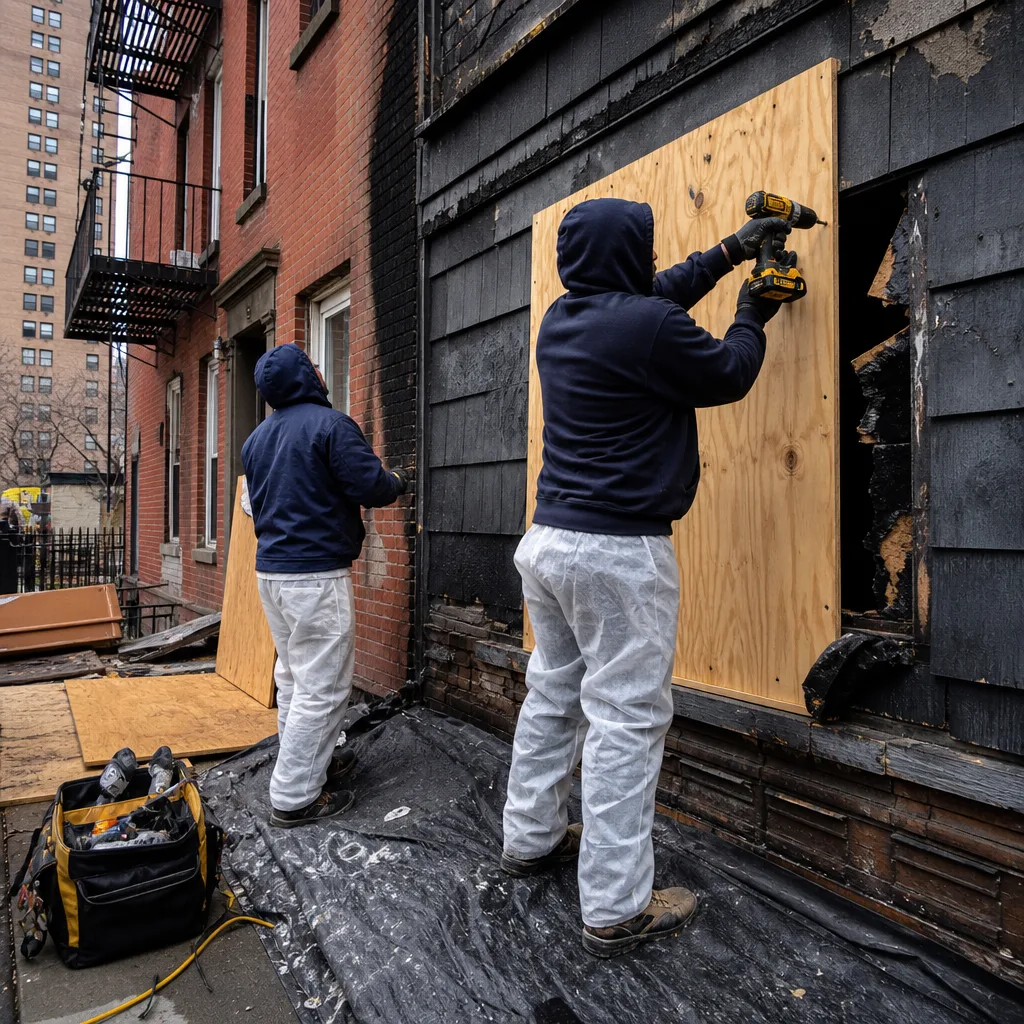
2. Emergency Board-Up & Stabilization
Broken windows, compromised doors, and damaged roof areas are secured with code-compliant materials. Near Yorkville and the FDR Drive, where wind-load and storm-surge code apply, we spec impact-rated temporary closures that meet DOB requirements, not just plywood sheets.
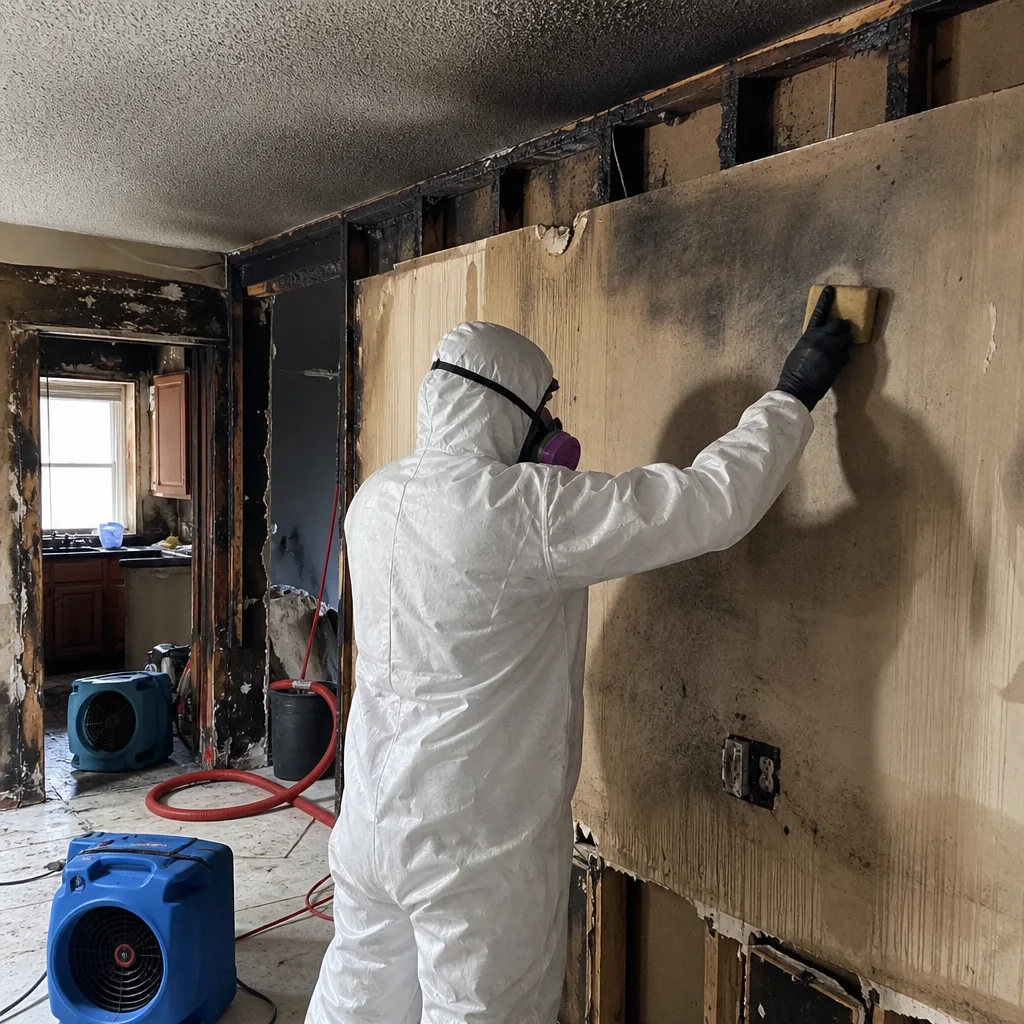
3. Smoke & Soot Removal
Dry smoke is lifted with HEPA vacuuming and dry sponges. Wet smoke requires solvent-based cleaning agents matched to the substrate. Protein residue demands enzyme digesters. We use Dri-Eaz and Phoenix air scrubbers with activated carbon filtration to capture airborne particulate during this phase.
4. Odor Removal & Deodorization
Thermal fogging recreates the heat and pressure that drove smoke into materials, opening pores to accept neutralizing agents. Ozone treatment and hydroxyl generators break odor molecules at the source. In pre-war Upper East Side buildings, we avoid methods that damage original plaster or accelerate corrosion in cast-iron systems.
5. Contents Cleaning & Pack-Out
Salvageable items are inventoried, photographed, and transported to our facility for ultrasonic cleaning, ozone treatment, or textile restoration. Non-salvageable items are documented for insurance with pre-loss condition photos. The managing agent receives a complete pack-out manifest before reconstruction begins.
6. Structural Fire Repair
Reconstruction follows the written scope exactly. In Upper East Side co-ops, this means like-kind plaster-and-lath repair, parquet or strip hardwood restoration, and custom millwork replication. We coordinate directly with board engineers and managing agents, submitting photo documentation at each inspection milestone.
Need Emergency Fire & Smoke Damage Restoration in Upper East Side Now?
Crews minutes away, answering live 24 hours a day. The sooner we start, the less it costs.
Working With Your Insurance Company
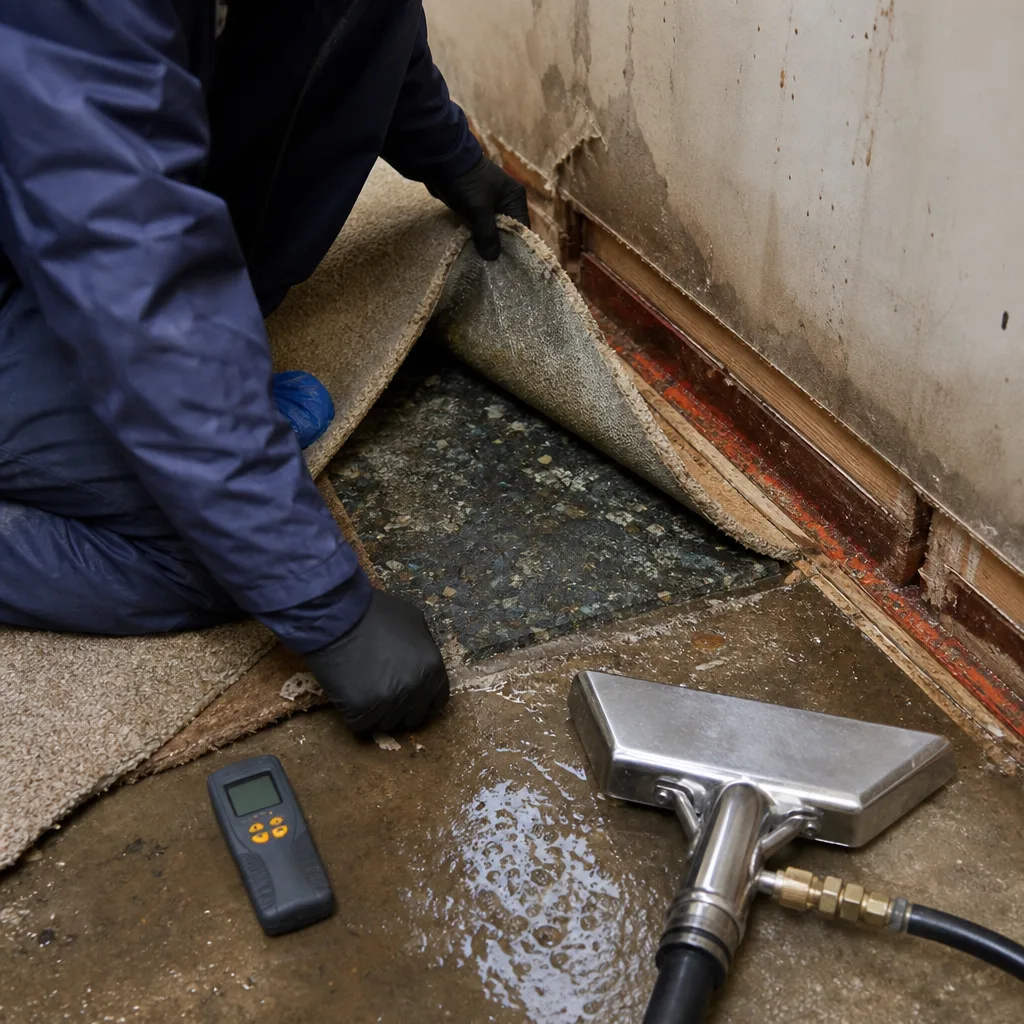
Fire claims in Upper East Side co-ops involve multiple policies: the building’s master policy, the shareholder’s HO-6, and sometimes a neighbor’s claim for smoke migration. We document from the first hour to keep all three straight. Our estimates follow Xactimate and Symbility industry standards. We communicate directly with your adjuster, providing the photo record, moisture readings, and drying logs that justify every line item.
After a kitchen fire in a pre-war co-op off East 79th Street, our crew found soot had been pulled through the original cast-iron riser chases into the unit above. We set up containment with air movers and HEPA scrubbers, performed antimicrobial treatment on the plaster, and used Injectidry to dry the wall cavities before the board’s engineer would approve any reconstruction. The managing agent required a full scope of work with pre-loss condition photos before we could even begin pack-out of the contents. That level of documentation is standard on every job we handle.
What We Provide Your Insurer
- Thorough documentation of the loss
- Photos of all damage, room by room
- Moisture readings and drying logs
- A detailed, line-item scope of work
- Direct coordination with your carrier
Built for Upper East Side’s Loss Calendar
January through March, deep freezes stress the aging electrical systems in pre-war UES buildings. Space heaters overload knob-and-tube wiring still present in some 1920s co-ops. Kitchen fires spike during the holidays when residents cook for large gatherings in compact galley kitchens with limited ventilation.
April and May bring spring thunderstorms with lightning strikes to high-rise rooftops and penthouse mechanical spaces. Summer air conditioning season strains older electrical panels, particularly in buildings where 1960s-era service upgrades never reached every unit. The risk of fire-smoke-water compound damage peaks in these months, when a fire on the 15th floor triggers sprinklers that flood units below.
September through November, nor’easters and wind events stress the eastern edge of the Upper East Side. Yorkville buildings near the FDR Drive and East River face wind-driven rain through compromised window and door seals, a vulnerability compounded if fire damage has already destroyed weatherstripping or warped frames. Post-fire exterior repairs in this zone must address both the immediate fire damage and the wind-load code requirements that a standard board-up ignores.
Fire & Smoke Damage Restoration Across Upper East Side’s Neighborhoods
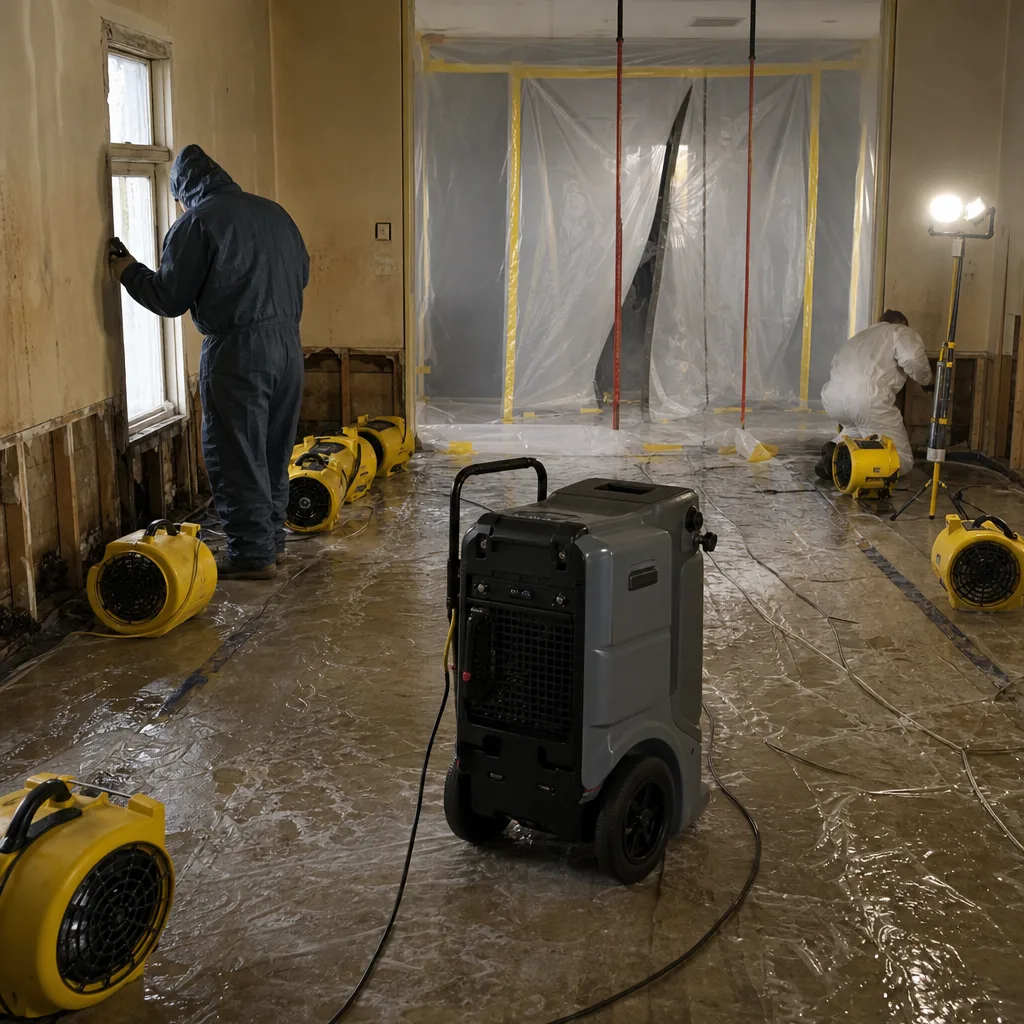
Lenox Hill (East 60s to East 77th, west of Lexington) contains some of the densest concentrations of pre-war co-ops in Manhattan. Fires here typically involve kitchen grease or electrical faults in compact apartments. Smoke migrates aggressively through shared riser chases. Board approval for wall opening can take 48-72 hours, so our containment strategy emphasizes sealing, not demolition, in the critical first days.
Yorkville (East 79th to East 96th, east of Third Avenue, approaching the FDR Drive) presents the unique combination of pre-war housing stock and storm-surge exposure. Fire damage to exterior doors or windows must be repaired to wind-rated and impact-resistant standards, not merely boarded. We’ve replaced fire-damaged terrace doors with code-compliant assemblies that satisfy both the co-op board’s aesthetic requirements and the Department of Buildings’ wind-load specifications.
Carnegie Hill (East 86th to East 96th, Fifth to Lexington) features landmark-protected buildings where any exterior alteration requires Landmarks Preservation Commission review. Interior fire restoration must preserve original plaster moldings, marble mantels, and decorative tile. Our crews work with LPC-approved restoration specialists when fire damage touches protected fabric.
The Gold Coast (Fifth Avenue corridor, East 60s to East 96th) represents the highest concentration of full-floor and duplex co-ops. Fires in these units often involve custom kitchens with high-BTU commercial-style ranges. Smoke damage extends to private elevator lobbies and dedicated HVAC systems. Restoration requires coordination with building staff who manage these exclusive systems.
Specialized Fire & Smoke Damage Restoration Services We Offer in Upper East Side
Fire Damage Cleanup
We remove charred debris, test structural integrity, and establish a safe work perimeter. In Upper East Side co-ops, this phase includes photographing pre-loss conditions of plaster, hardwood, and millwork that the board will require restored to exact match. Our Fire & Smoke Damage Restoration team handles everything from single-room kitchen fires to full-unit losses.
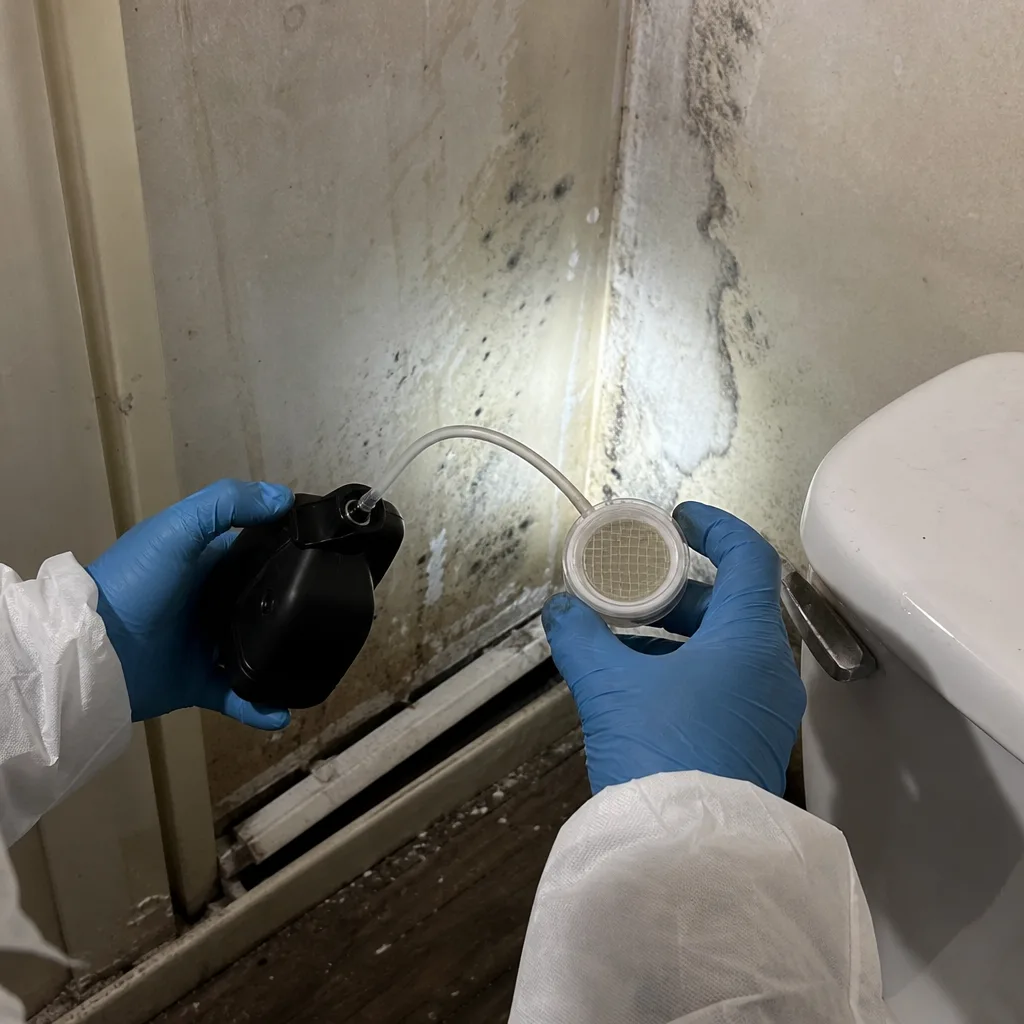
Smoke & Soot Removal
Different soot types demand different approaches. We identify residue chemistry first, then select cleaning agents that won’t etch marble bathroom surfaces or degrade original parquet finishes common in UES pre-war units. HEPA air scrubbers run continuously during this phase to protect adjacent apartments.
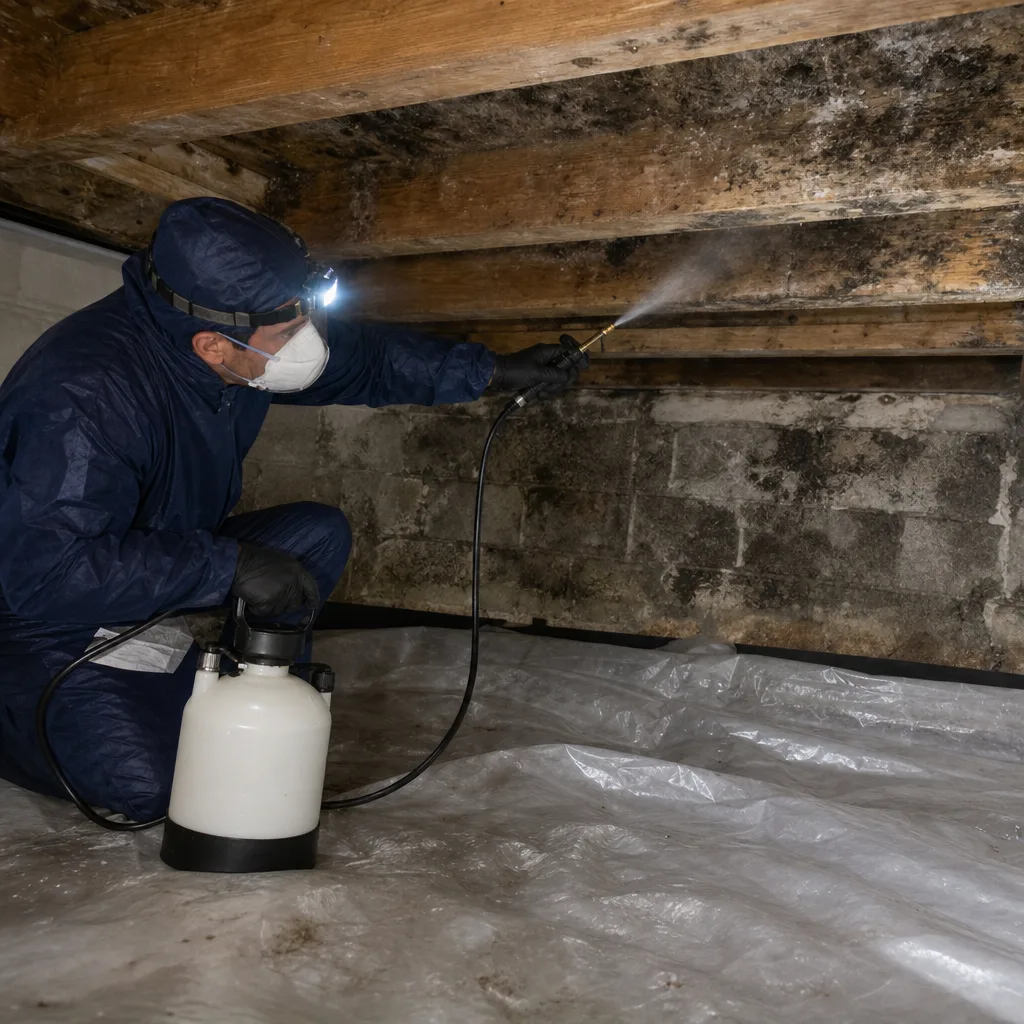
Odor Removal & Deodorization
Smoke odor in plaster-and-lath construction is stubborn. The lath creates thousands of small cavities that hold odor molecules. We combine thermal fogging, which opens these pores, with activated carbon filtration and, when appropriate, sealed encapsulation of inaccessible voids. This is where national franchises often fail in Upper East Side buildings, applying surface treatments that leave odor recurring months later.
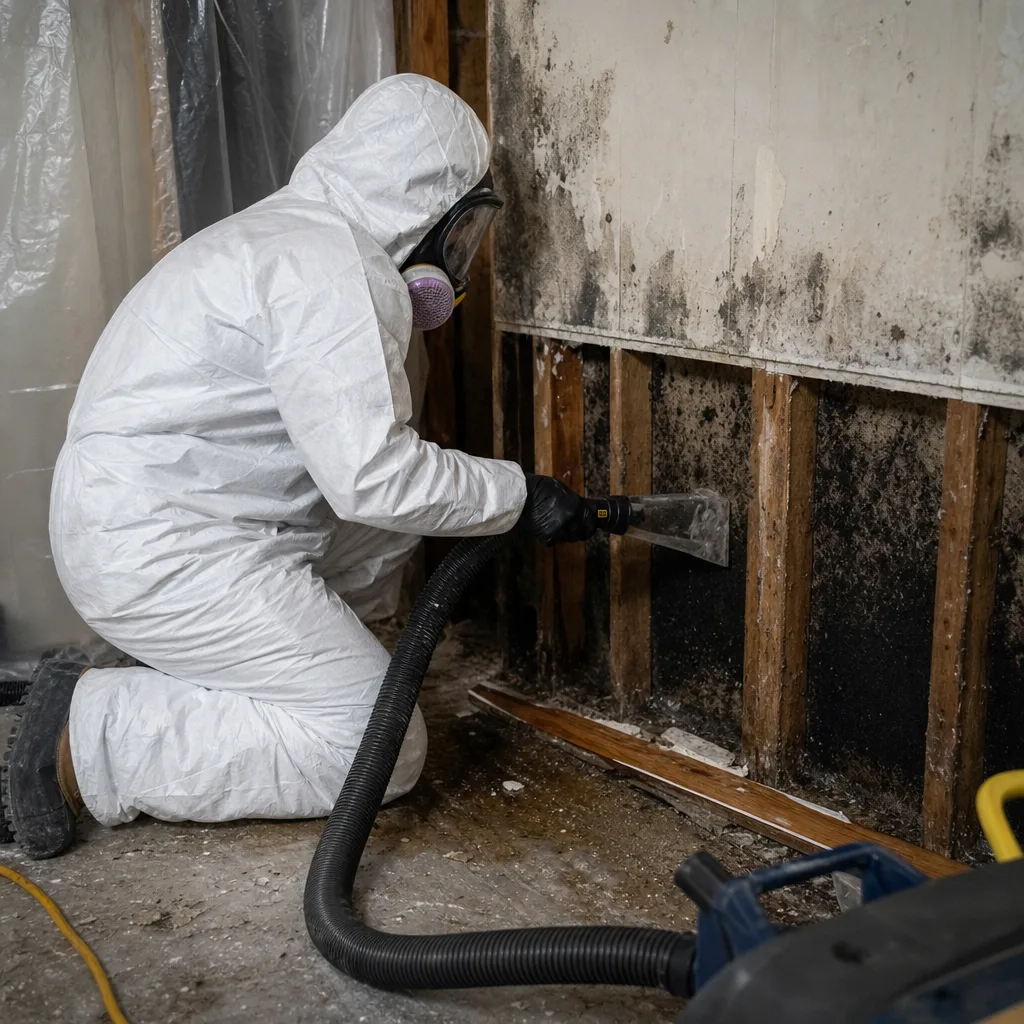
Contents Cleaning & Pack-Out
We inventory, photograph, and transport salvageable items to our facility. Non-salvageable items are documented for insurance replacement value. In co-op buildings with limited service elevator access, we coordinate with building staff for off-peak moving windows and freight elevator reservations.
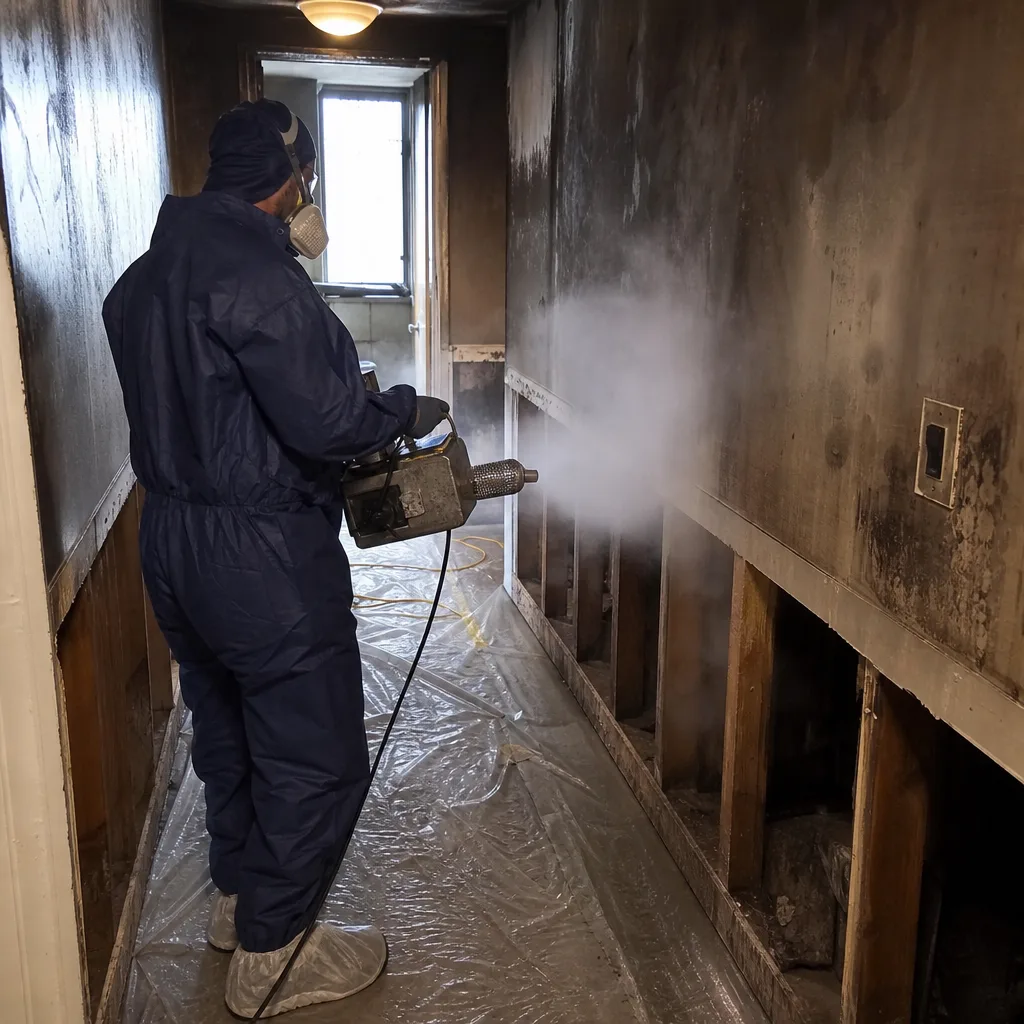
Emergency Board-Up & Tarping
Broken windows and compromised doors are secured immediately. In Yorkville and near the FDR, we spec wind-rated temporary closures that satisfy post-Sandy building code amendments. A standard plywood board-up that ignores wind-load requirements will be red-tagged by DOB inspectors.
Structural Fire Repair
Reconstruction follows the approved scope exactly. We repair plaster-and-lath walls, restore parquet and strip hardwood flooring, and replicate custom crown molding and baseboards. Every material substitution is documented and approved by the managing agent before installation. We serve Upper East Side property owners with the understanding that “close enough” fails board inspection here.
What happens when you call
- 1
A real person answersNo phone trees - you reach a local pro.
- 2
You get an upfront price rangeHonest numbers before anyone is dispatched.
- 3
A background-checked tech heads outLicensed & insured, dispatched right away.
- 4
You approve before work beginsNothing starts until you say go.
Fire & Smoke Damage Restoration Costs in Upper East Side, NY
Fire and smoke restoration in the Upper East Side runs higher than outer-borough markets due to co-op board requirements, specialized material sourcing, and the labor intensity of working in occupied buildings with restricted access hours.
| Service | Typical Range in Upper East Side |
|---|---|
| Emergency board-up (standard opening) | $450-$850 |
| Smoke & soot removal (per affected room) | $1,200-$2,800 |
| Odor removal & deodorization (full apartment) | $2,500-$5,500 |
| Contents pack-out, cleaning, and return | $3,500-$8,000 |
| Plaster-and-lath wall restoration (per room) | $4,500-$9,500 |
| Parquet hardwood repair/refinishing | $8-$18 per sq. ft. |
| Custom millwork replication | $2,500-$7,500 per element |
| Full-unit structural fire repair | $35,000-$150,000+ |
What moves the price: the square footage affected, the soot residue type (wet smoke costs more to remediate than dry), whether water damage from firefighting requires separate mitigation, and the co-op board’s material specifications. Insurance typically covers direct fire and smoke damage, plus water damage from firefighting, under the building’s master policy and the unit owner’s HO-6. We provide a free visual inspection and written scope before any work begins. Call (516) 687-5786 for an exact quote on your specific loss.
We Also Serve Cities Near Upper East Side
Our crews respond throughout Manhattan, including the Upper West Side with its Riverside Drive pre-war stock, Morningside Heights and its university-owned and converted brownstone housing, and East Harlem with its mix of NYCHA developments, new construction, and historic rowhouses. Each neighborhood presents distinct fire restoration challenges that our documentation-first approach addresses.
Serving Upper East Side, NY - Our Local Coverage Area
We’re based in the Upper East Side area and know this community well. Use the map below to see our service coverage - if you’re nearby, we can almost certainly help.
Upper East Side Fire & Smoke Damage Restoration Questions, Answered
Why do Upper East Side co-op boards require special approval for fire damage restoration?
Co-op boards in the Upper East Side require approval because shareholders do not own their walls, floors, or structural elements; the cooperative corporation does. Any opening, demolition, or material change affects the building’s common property and must be documented, engineered, and approved before work proceeds. Boards also enforce like-kind restoration standards: plaster must be repaired with plaster, not replaced with drywall; parquet floors must be restored, not covered with floating laminate. Our written scopes include material specifications and pre-loss photos that satisfy managing agents and board engineers on first submission, avoiding the rework delays that occur when contractors submit generic restoration plans.
How does smoke travel differently in pre-war Upper East Side buildings?
Smoke travels through cast-iron riser chases, dumbwaiter shafts, and the gaps between plaster and lath that modern buildings don’t have. These pathways create vertical superhighways that can deposit soot three floors above the fire origin. Pressure differentials between heated and cooled spaces pull smoke into exterior walls in winter and interior rooms in summer. We map migration with thermal imaging and set containment at these natural collection points, not just at the visible damage.
Can you handle fire damage near the FDR Drive where storm surge is a concern?
Yes. Buildings in Yorkville and near the East River face combined wind-load and storm-surge code requirements that standard fire restoration ignores. A fire-damaged exterior door or window must be repaired or replaced to impact-resistant standards, not merely boarded with plywood. We specify temporary closures and permanent replacements that satisfy post-Hurricane Sandy building code amendments and coordinate with DOB inspectors when required. Call (516) 687-5786 to discuss your specific location and code requirements.
What is the biggest mistake when cleaning smoke odor in an Upper East Side apartment?
The biggest mistake is treating smoke odor as a surface problem. In plaster-and-lath construction, odor molecules penetrate thousands of small cavities behind the visible wall surface. Surface deodorizers, ozone treatments without thermal fogging, or painting over smoke damage without sealing the substrate all fail within weeks. The correct approach opens the material pores with controlled heat and pressure, introduces neutralizing agents deep into the lath cavities, and seals inaccessible voids with encapsulants designed for fire restoration. Anything less wastes money and leaves odor that recurs every summer when humidity rises.
How quickly can mold start after firefighting water in a pre-war co-op?
Mold can begin colonizing within 24 to 48 hours of water intrusion, and pre-war plaster-and-lath walls retain moisture longer than modern drywall because the lath creates capillary pathways that standard air movement can’t easily dry. In co-op buildings, board approval delays for wall opening can push past this window. We use Injectidry systems and targeted dehumidification to dry wall cavities without full demolition when possible, and we document moisture readings daily to prove drying progress to managing agents who are reluctant to approve tear-out. If mold is already present, our AMRT-certified technicians handle remediation under the same documented protocol.
Will my insurance cover fire and smoke damage restoration in my co-op?
Typically, yes. The building’s master policy covers the “walls in” structure: plaster, flooring, fixtures, and built-ins. Your HO-6 policy covers personal property, additional living expenses if you’re displaced, and sometimes improvements and betterments you’ve made to the unit. Smoke damage to neighboring units may trigger the building’s liability coverage. We coordinate with all involved adjusters, provide the documentation each policy requires, and bill carriers directly when authorized. Bring us any competitor’s written estimate for a free second opinion before you commit.
How fast can your crew actually get to my Upper East Side building?
We commit to 45 minutes from call to on-site for emergency fire and smoke damage in the Upper East Side. Our New York City office dispatches crews with pre-loaded equipment for board-up, containment, and initial assessment. Live phone coverage means no voicemail delays. The sooner we establish containment and begin smoke removal, the less damage spreads to common areas and neighboring units, and the lower your total restoration cost. Call (516) 687-5786 now.
What should I do in the first 30 minutes after a fire in my Upper East Side apartment?
Ensure everyone is safe and the FDNY has cleared re-entry. Do not touch soot-covered surfaces; the oils in your skin will set the residue permanently. Turn off your HVAC system to prevent smoke circulation. Open windows only if weather permits and the fire department approves; forced ventilation can spread contamination. Then call us. We will guide you through immediate steps, dispatch a crew for emergency board-up and containment, and begin documenting for your insurance claim while the scene is fresh. Every minute of delay lets smoke settle deeper into materials that your co-op board will require restored, not replaced.
Written by Alicia Brennan, Owner at Back to Dry Restoration, serving Upper East Side since 2011 under The Haven Standard.