Free visual inspection and a written scope of work before any mitigation begins - photos, moisture readings, and drying logs go in your claim file
The scope we write is the scope we bill. Anything new gets shown to you, in writing, before we touch it.
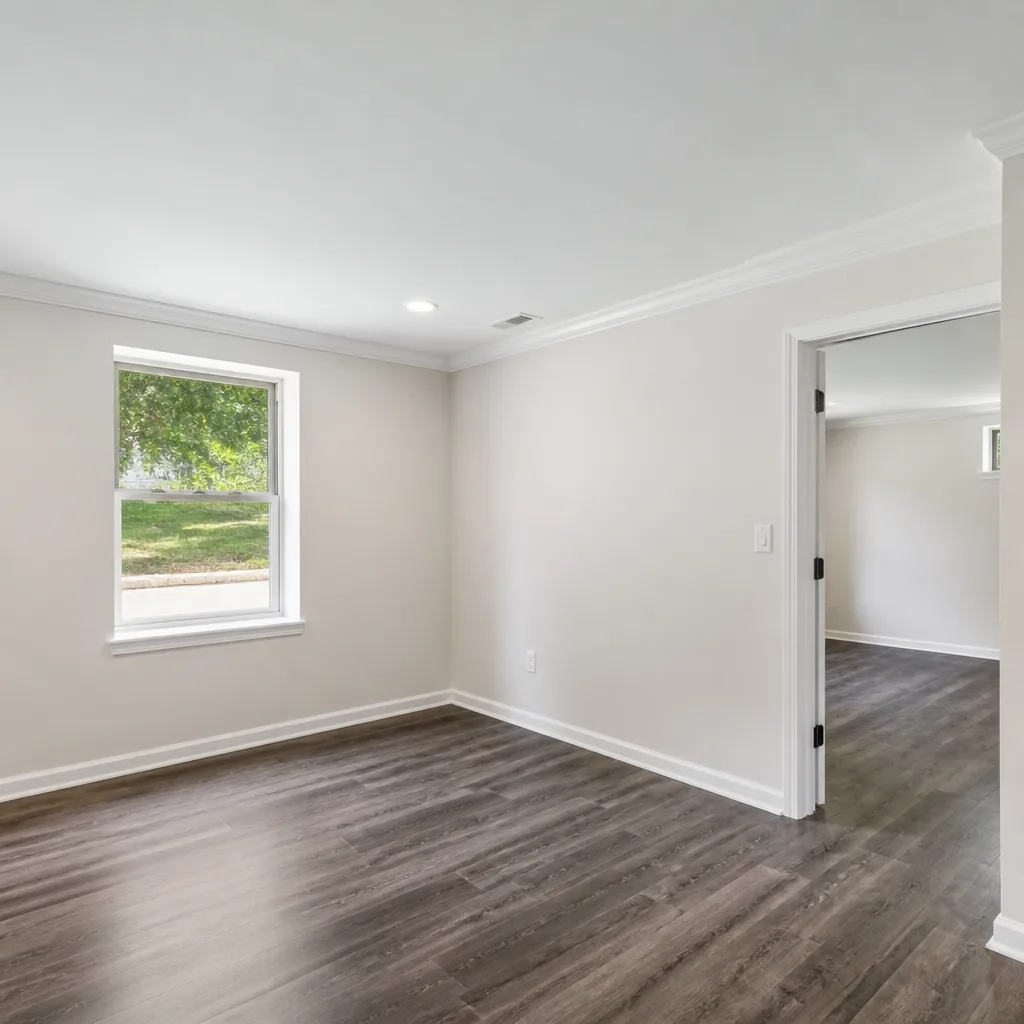
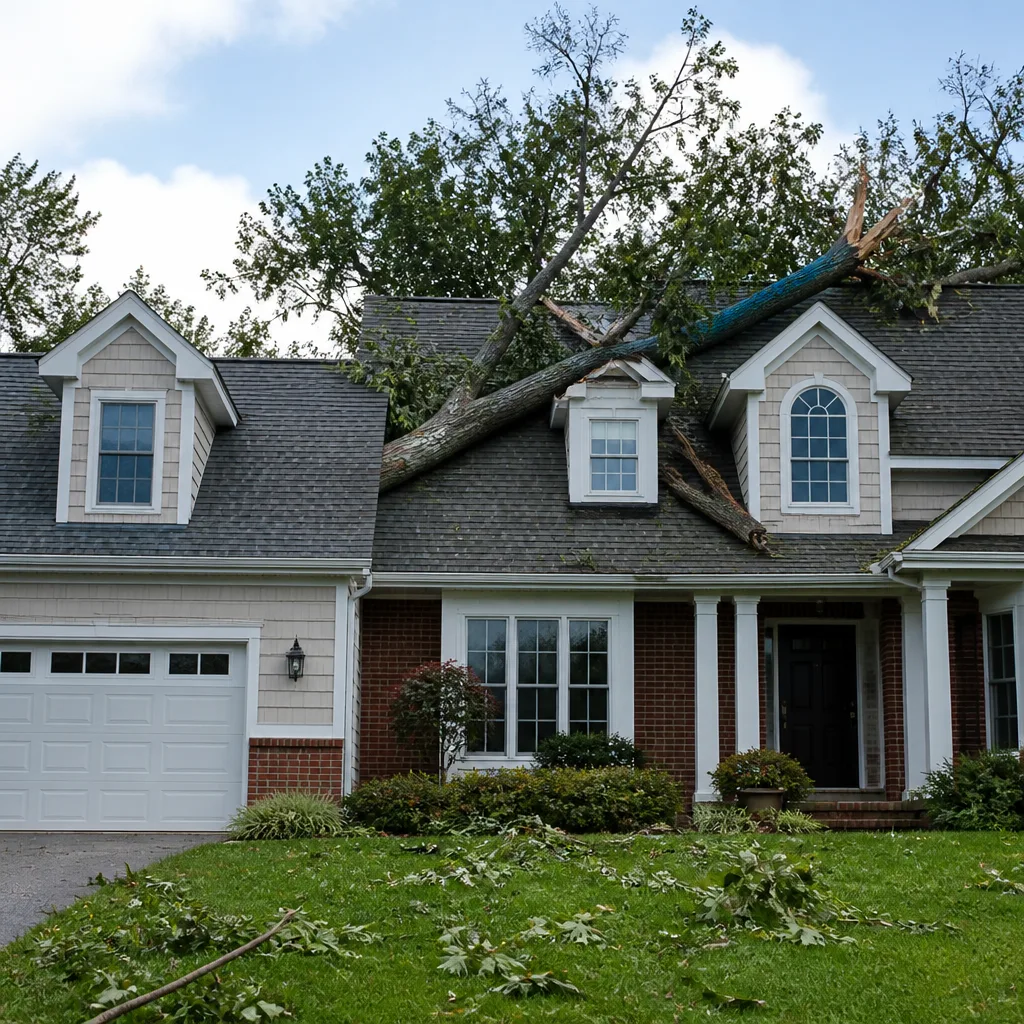
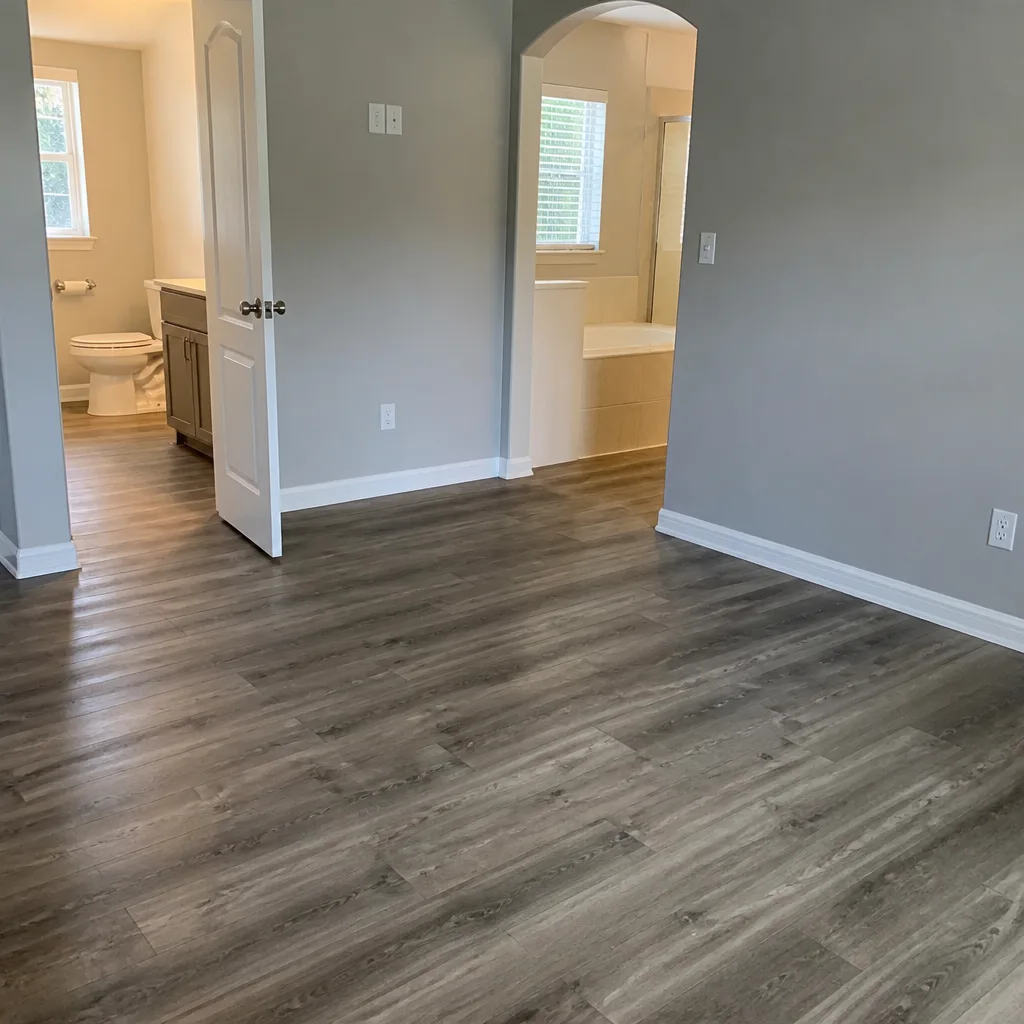
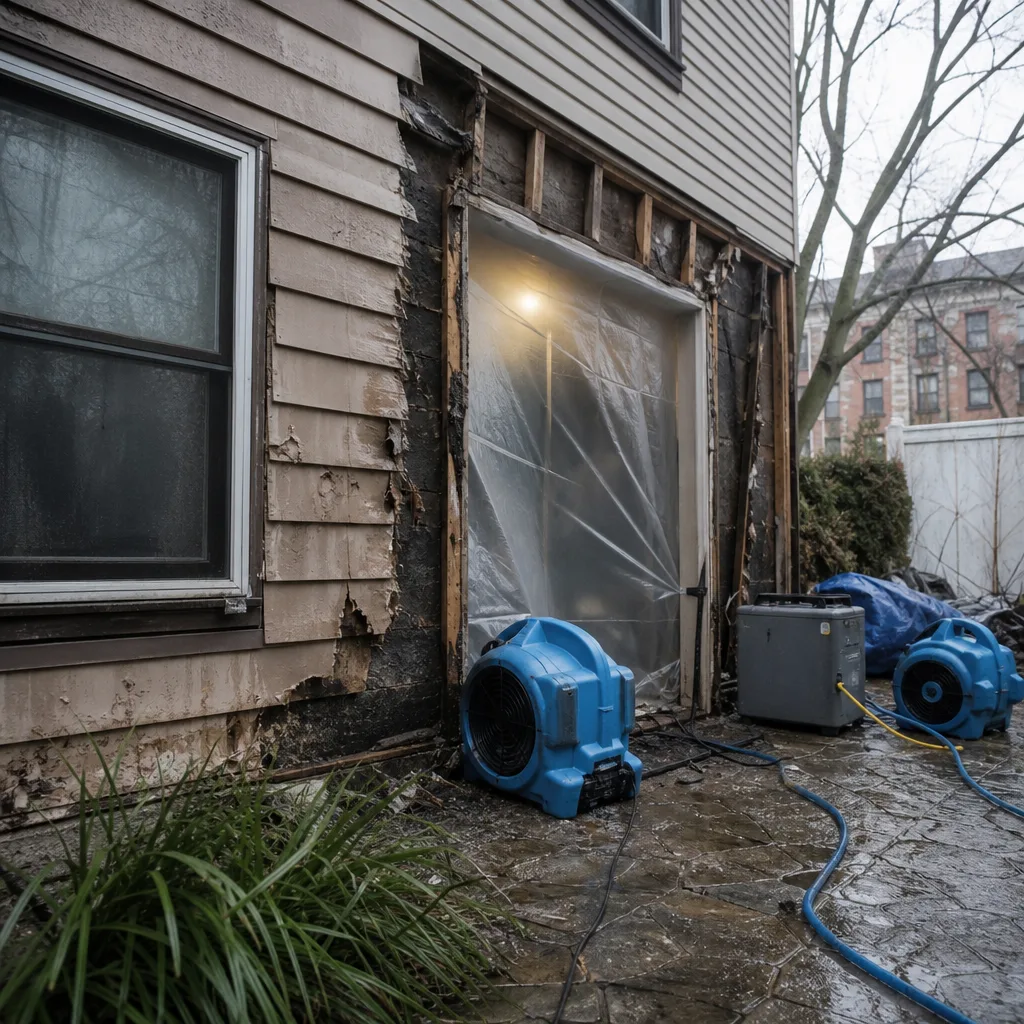 Before
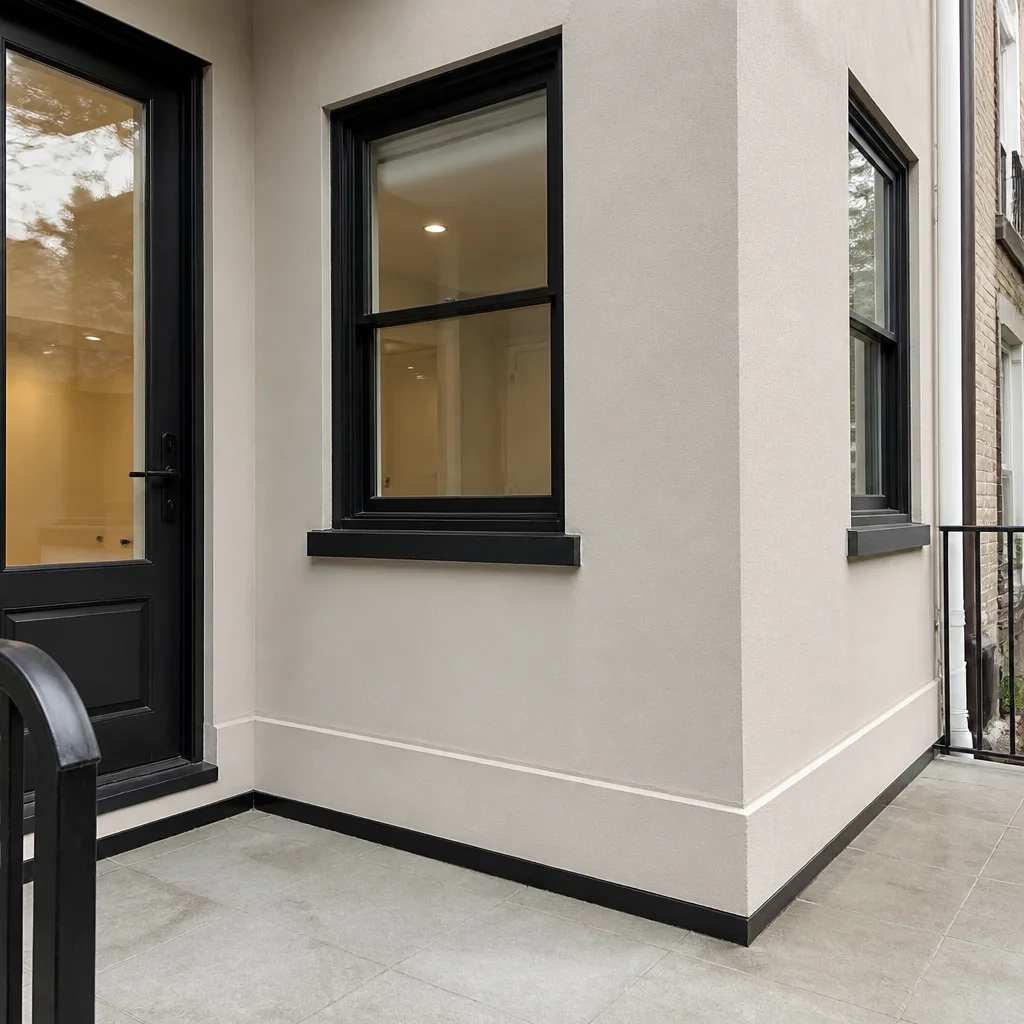 After
After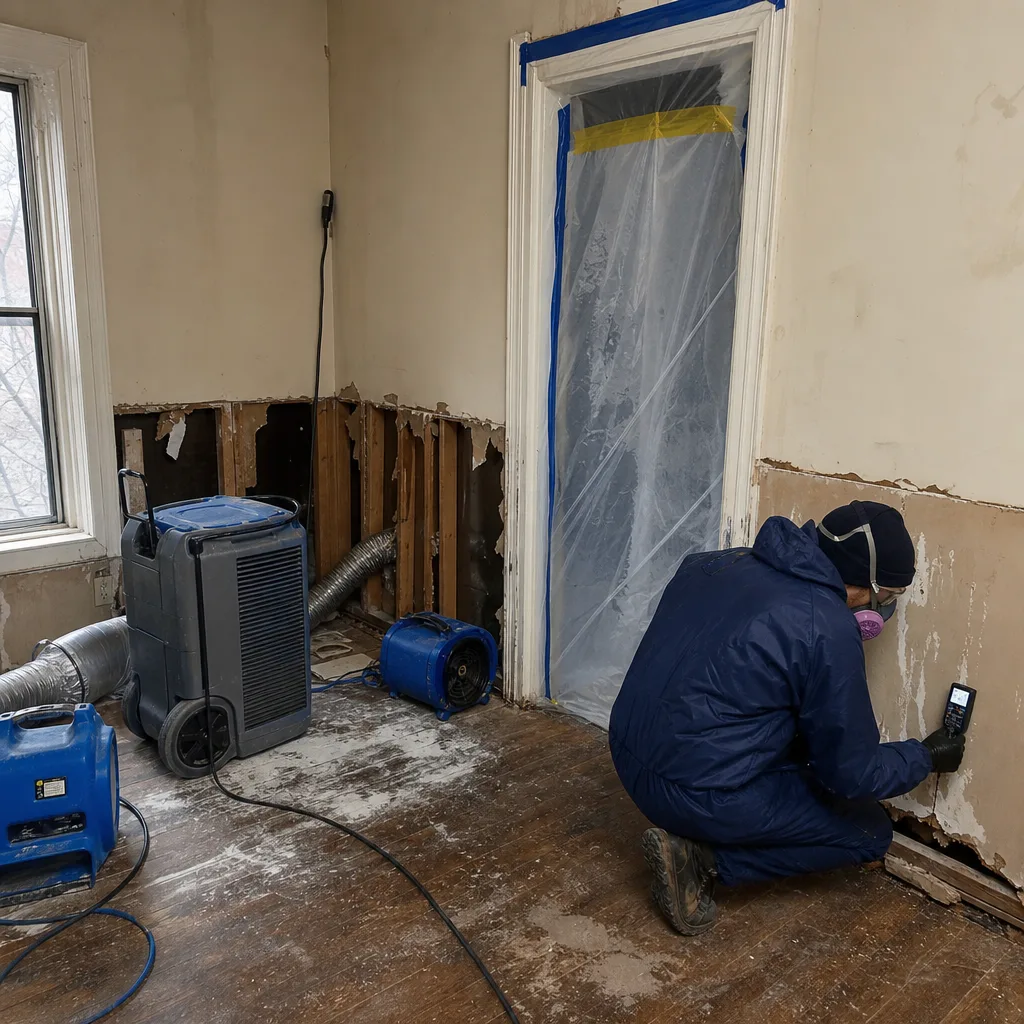 Before
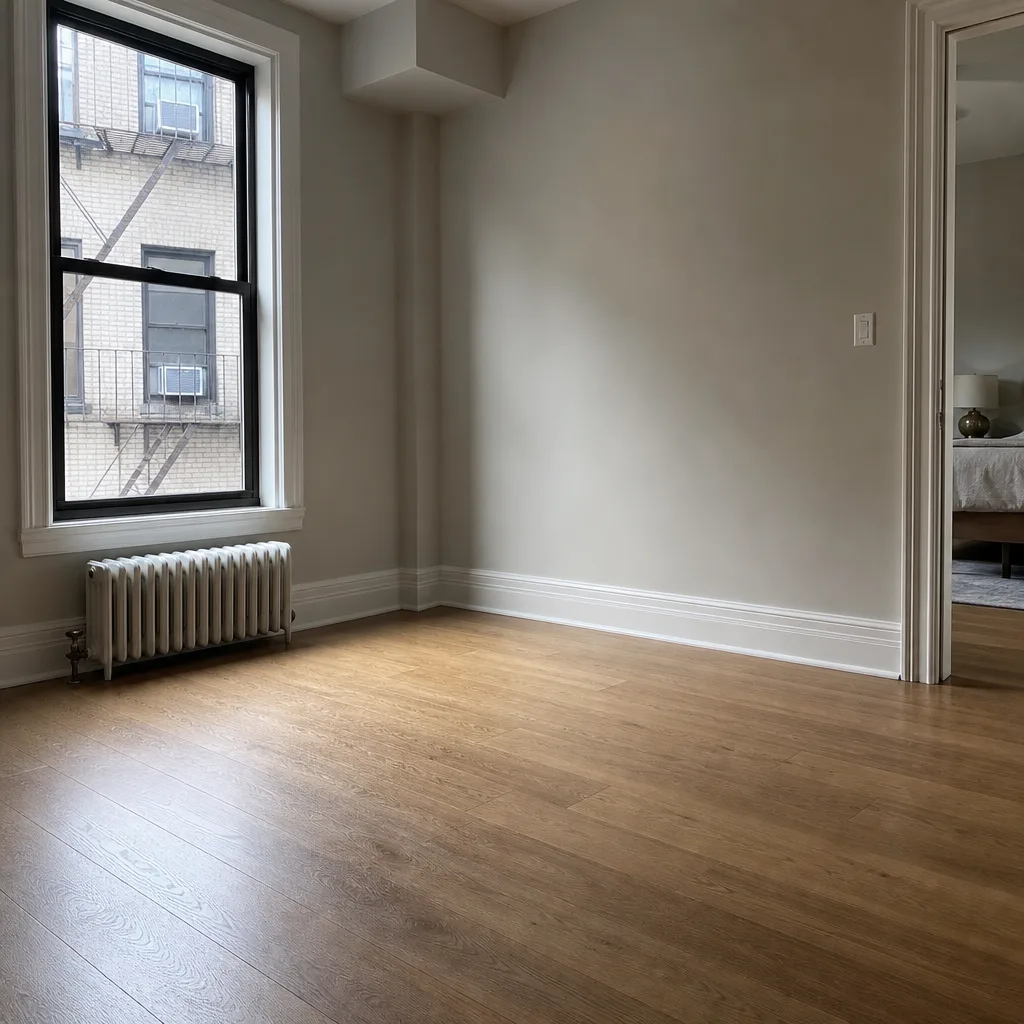 After
After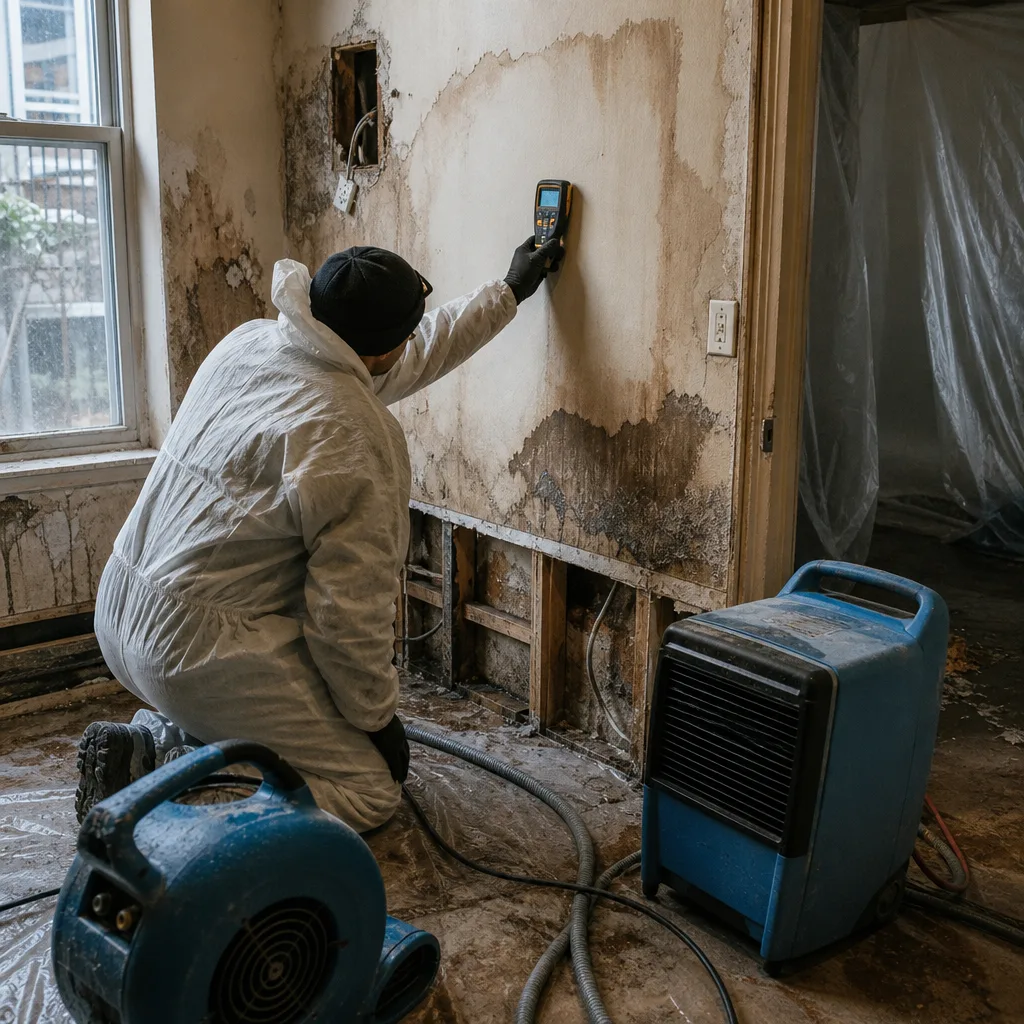 Before
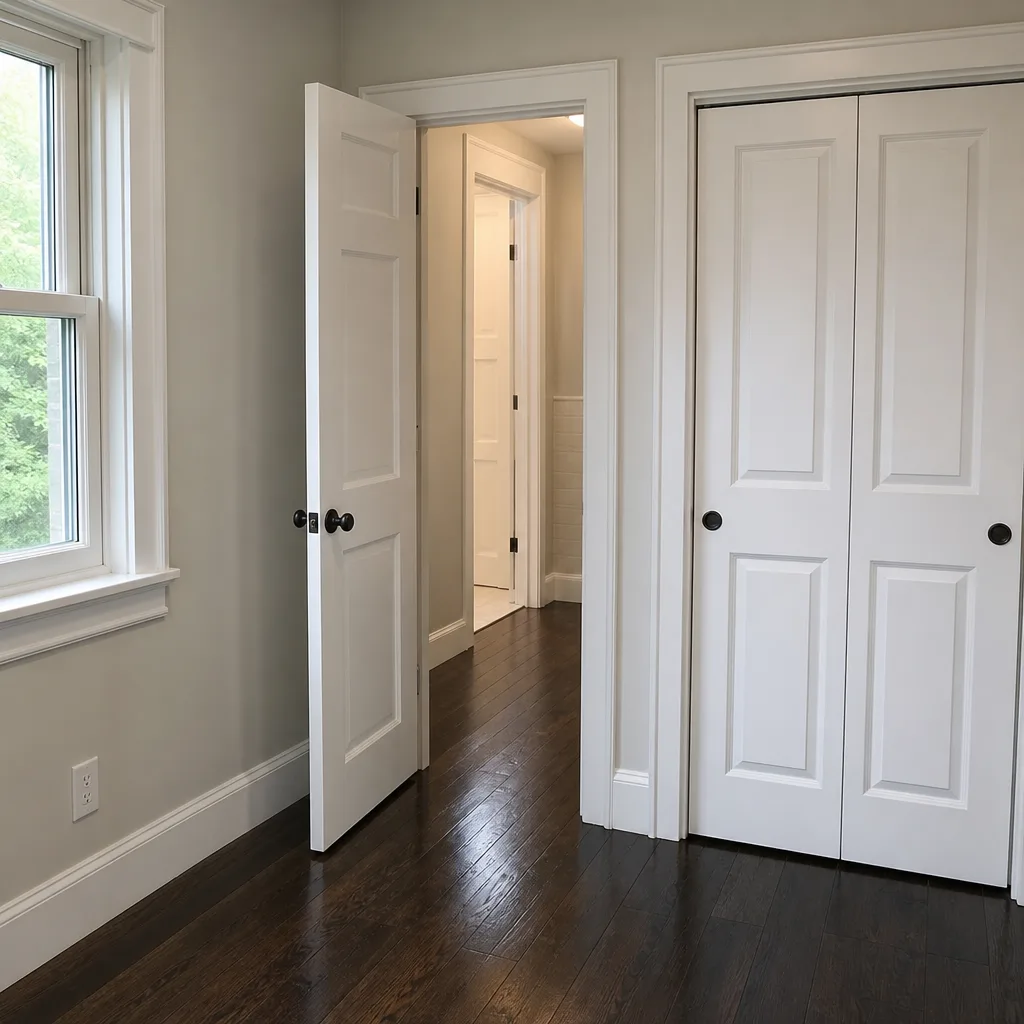 After
After24/7 Emergency Mold Remediation in Greenpoint
Call (516) 687-5786 any hour, day or night, and a live person answers. No voicemail, no callback queue. Crews serving Greenpoint are dispatched from our New York City office and typically arrive within 45 minutes of your call. We provide a free visual inspection on arrival, and we start documenting from the first minute - photos, moisture readings, and a written scope before any equipment runs. In mold work, the first hours matter because spores colonize drywall and framing within 24 to 72 hours of water contact. The longer colonization progresses, the larger the containment area, the more material must be removed, and the higher the remediation cost. Fast response limits the spread and preserves more of your building.
Understanding Mold Remediation Severity in Greenpoint Properties
We classify mold contamination by affected square footage, material porosity, and the water category that started it. Category 1 - clean water from a supply line - may allow drying in place if caught within 24 hours. Category 2 - gray water from appliance discharge or sump failures - requires removal of porous materials in most Greenpoint basements because the neighborhood’s aging cast-iron stacks and clay laterals add bacterial load. Category 3 - black water from combined sewer overflow - is common along Greenpoint’s waterfront blocks after heavy rain; this demands full removal of affected drywall, insulation, and base materials, plus antimicrobial treatment of framing, with no exceptions.
Greenpoint’s housing stock intensifies every severity level. The 4-to-6-story brick tenements built between 1880 and 1930 have plaster-and-lath walls that wick moisture vertically, balloon framing that channels vapor between floors, and below-grade basements at or near the water table. We moisture-map with thermal imaging and pinless meters to find the full extent before we cut anything. Tertiary drying - the final phase where we use vapor pressure differential to pull bound moisture from dense materials - often runs longer in these old masonry walls than in modern construction.
Why Greenpoint Property Owners Choose Back to Dry Restoration Manhattan
- 45-minute response commitment to Greenpoint addresses, confirmed at dispatch.
- 24/7 live answer: a real person, never an automated system or voicemail tree.
- IICRC-certified crews holding WRT (Water Damage Restoration Technician) and AMRT (Applied Microbial Remediation Technician) credentials.
- Free visual inspection on every call, with moisture readings taken before any proposal.
- Direct insurance billing and adjuster coordination, with photo documentation on every visit.
- One team from containment through reconstruction - no handoffs to unknown subcontractors.
BeforeAfterOur Mold Remediation Process
1. Inspection & Assessment
We moisture-map with FLIR thermal cameras and Protimeter pinless meters, identify the water category and source, and document pre-loss condition with dated photos. In Greenpoint, we also screen groundwater intrusion for hydrocarbon contamination before any drying equipment is placed.
2. Containment & Air Filtration
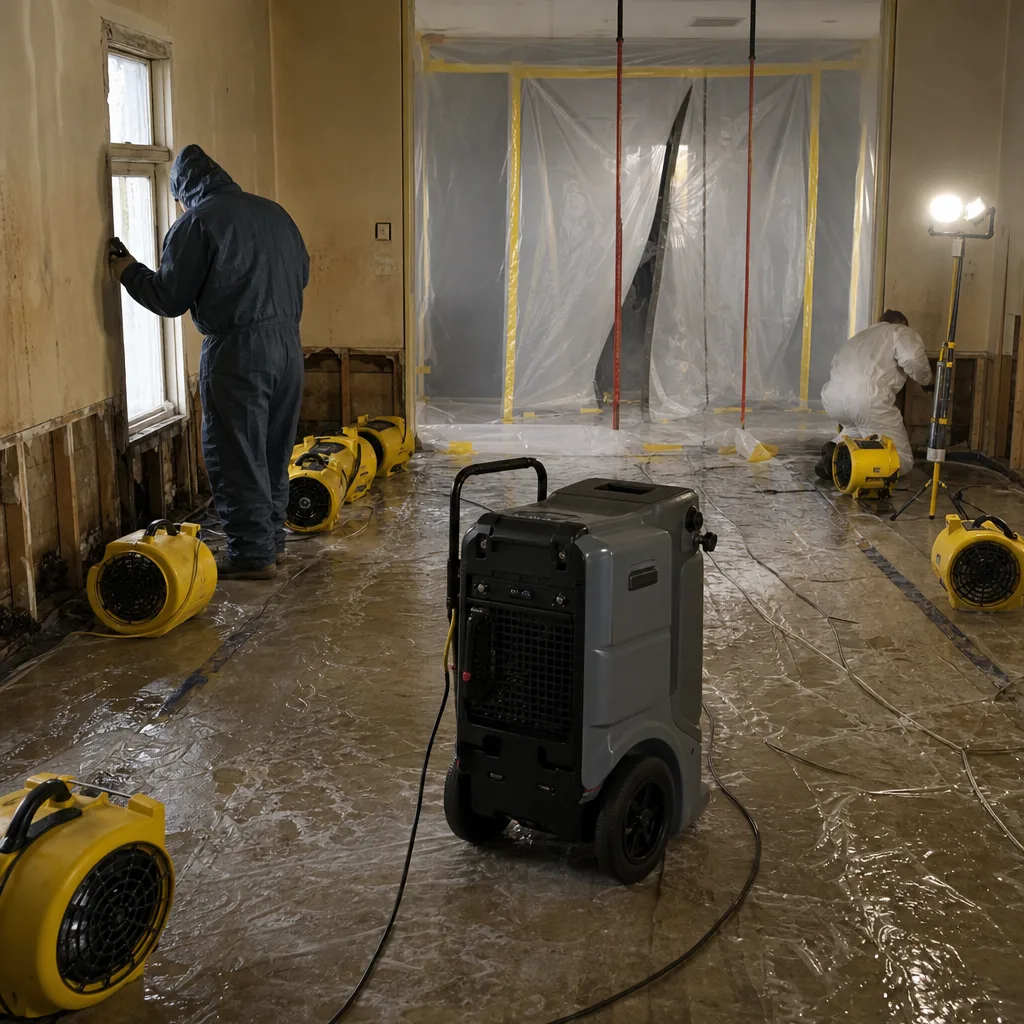
We establish negative-pressure containment with 6-mil poly barriers and run HEPA air scrubbers at 4 to 6 air changes per hour to prevent cross-contamination. Air quality readings are logged before, during, and after.
3. Material Removal & Antimicrobial Treatment
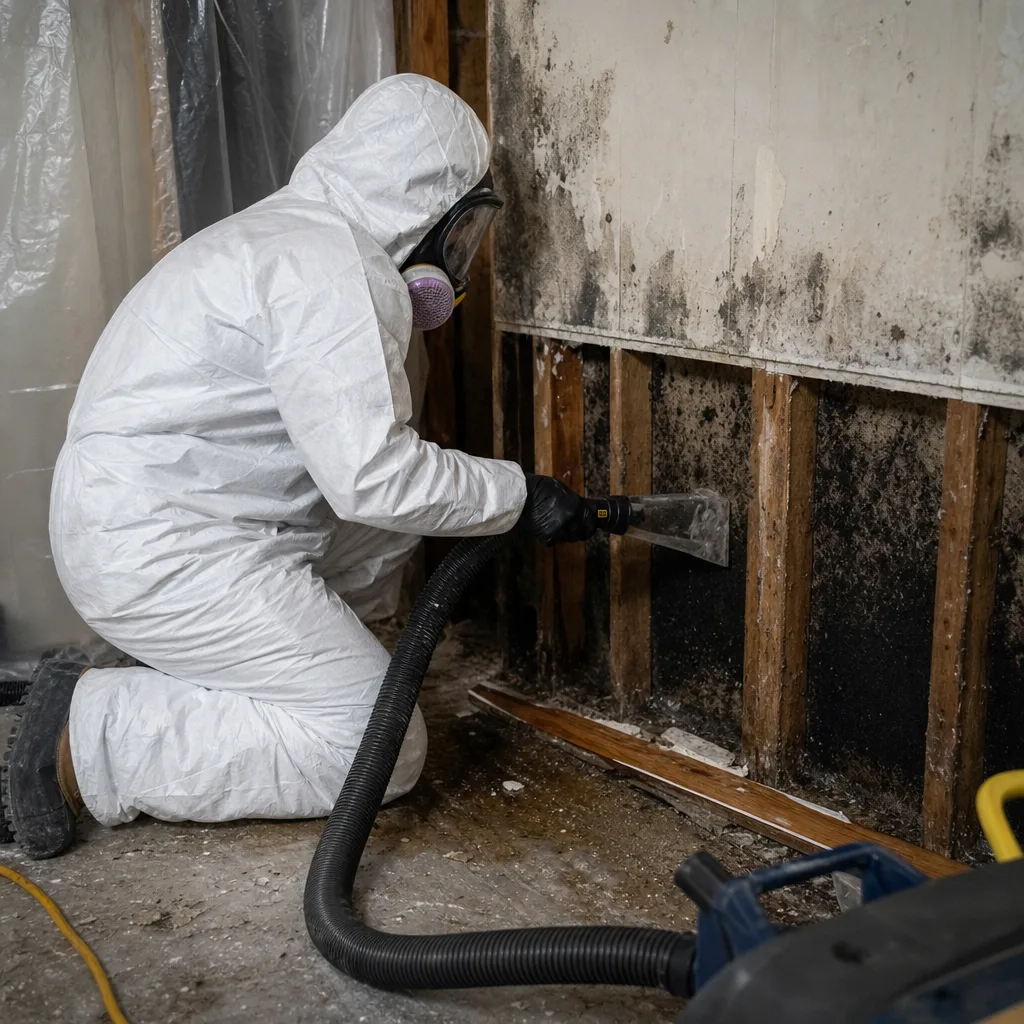
Non-salvageable porous materials are removed per IICRC S520 standards. Framing and masonry receive antimicrobial application, with dwell times logged. We never attempt to dry Category 3-affected materials in place.
4. Drying & Dehumidification
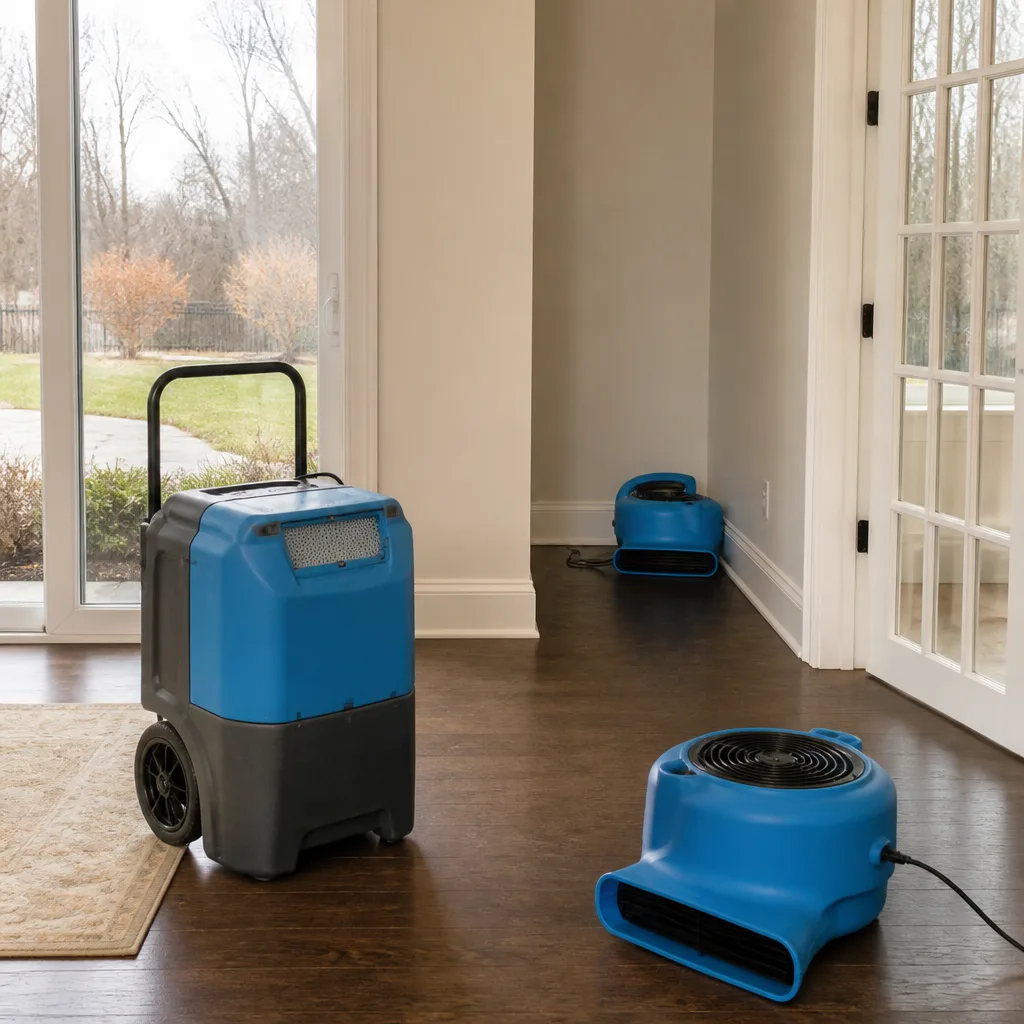
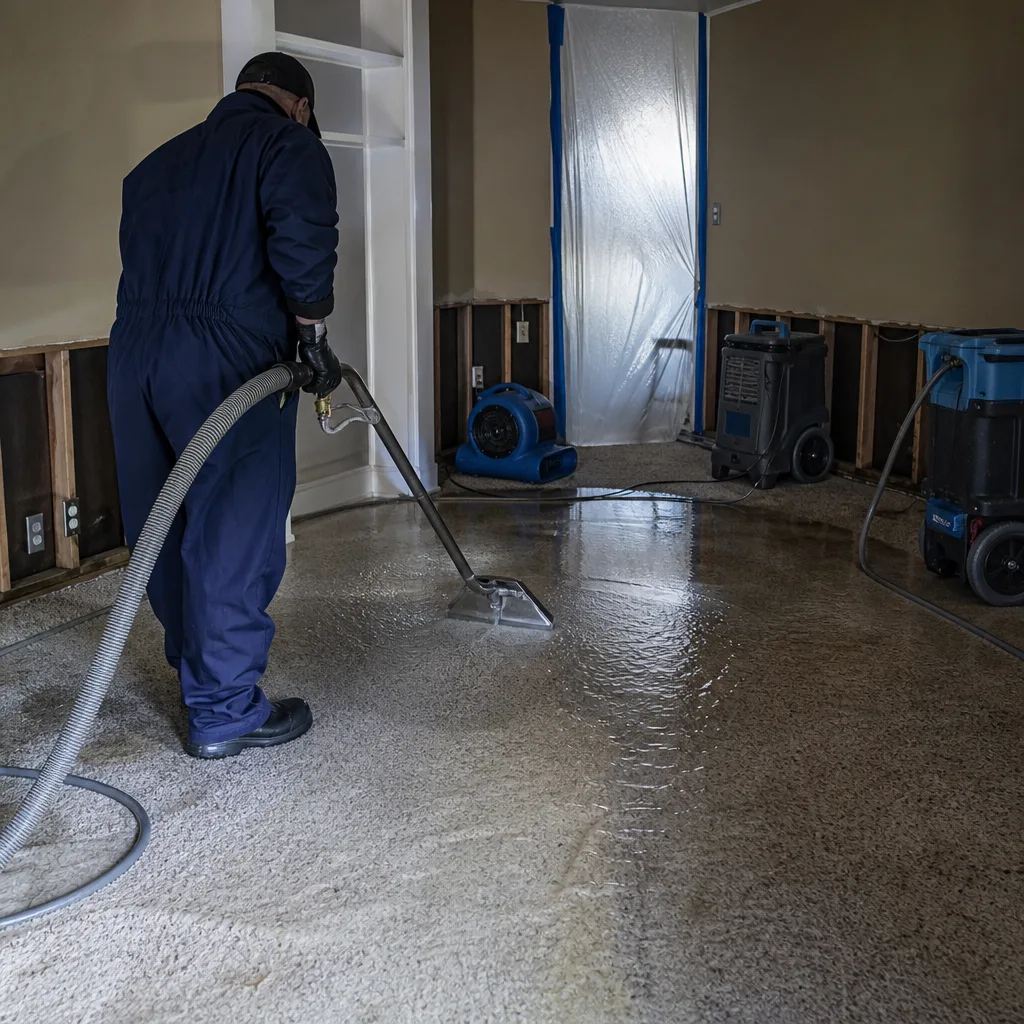
We deploy Dri-Eaz and Phoenix LGR dehumidifiers with XPOWER air movers, targeting specific humidity ratio and vapor pressure setpoints. Daily psychrometric readings are logged and shared with your insurer.
5. Air Quality Restoration & Clearance Testing
Post-remediation, we run independent air sampling for spore counts and mycotoxin screening where indicated. Clearance is documented with lab results, not visual judgment alone. This is standard on every Greenpoint job, never an upsell.
6. Repairs & Moisture Control
Our crew repairs or replaces removed materials and installs moisture control measures - dehumidification systems, improved drainage, or vapor barriers - to prevent recurrence. A written 365-Day Done Right Promise closes every file.
Need Emergency Mold Remediation in Greenpoint Now?
Crews minutes away, answering live 24 hours a day. The sooner we start, the less it costs.
Working With Your Insurance Company
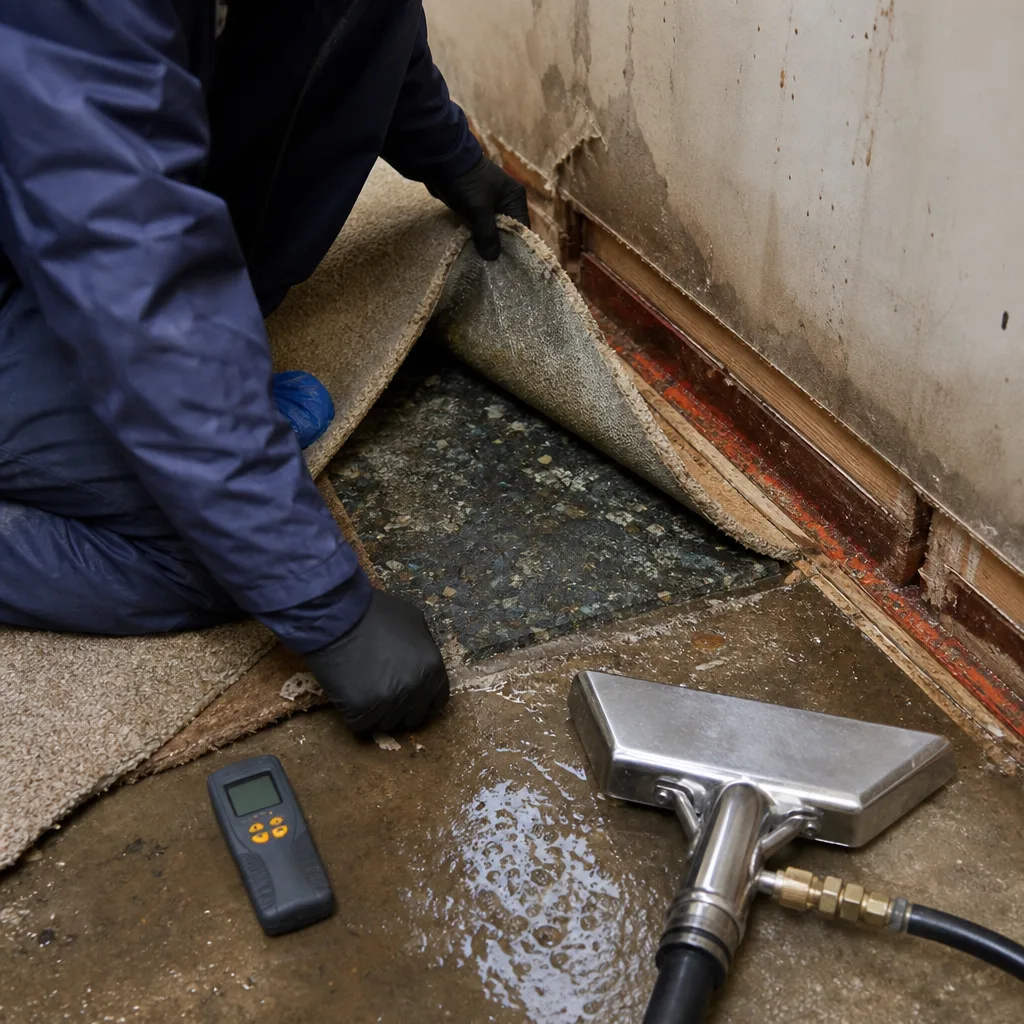
We built our documentation protocols around what claims adjusters actually need to approve an invoice without dispute. Alicia Brennan founded Back to Dry in 2011 after years as an adjuster watching homeowners lose coverage over missing photos, incomplete moisture logs, and scopes that changed after work started. Every Greenpoint job now delivers a complete file from hour one: dated photos of each room, moisture mapping with equipment serial numbers, daily drying logs with psychrometric data, and a line-item scope signed before work begins. We coordinate directly with your carrier, provide supplemental documentation on request, and never alter the agreed scope without written approval. Haven Standard, Clause 1: the price you sign is the price you pay.
What We Provide Your Insurer
- Thorough documentation of the loss
- Photos of all damage, room by room
- Moisture readings and drying logs
- A detailed, line-item scope of work
- Direct coordination with your carrier
Built for Greenpoint’s Loss Calendar
January deep freezes split supply lines in unheated tenement basements along Franklin Street and Manhattan Avenue, with water often running undetected for days until tenants report pressure loss. March and April bring thaw and basement seepage through century-old foundations; the clay sewer laterals shift with frost heave and crack, inviting groundwater intrusion. Summer thunderstorms overwhelm Greenpoint’s combined sewer system, pushing Category 3 black water into low-lying basements near the waterfront - a pattern that worsened after Hurricane Sandy confirmed the neighborhood’s FEMA flood zone status. Fall nor’easters drive wind-driven rain through aging pointing in brick facades, saturating wall cavities from the outside in. Each season demands a different mold risk profile, and our crews carry the equipment and protocols for all of them.
Mold Remediation Across Greenpoint’s Neighborhoods
On the waterfront blocks near Java Street and West Street, we respond to recurring Category 3 basement floods from combined sewer overflow. Property owners here need containment protocols built for bacterial contamination, not standard water damage assumptions. The Meeker Avenue corridor presents our most complex calls: groundwater intrusion that carries the petroleum sheen of the Newtown Creek plume, requiring immediate work stoppage and environmental notification before any standard remediation proceeds. Our Mold Remediation team has handled dozens of these layered jobs.
Along Manhattan Avenue and the commercial spine near Greenpoint Avenue, we more often treat mold in mixed-use buildings where residential units sit above restaurants or laundromats - elevated humidity from commercial exhaust systems creates chronic condensation in shared walls. In the residential interior near Nassau Avenue and Humboldt Street, the classic 1880-to-1930 tenements dominate: plaster-and-lath construction, balloon framing, and basements that have been finished and refinished multiple times, each layer trapping moisture from the last event. We serve Greenpoint with protocols scaled to each building type.
Specialized Mold Remediation Services We Offer in Greenpoint
Mold Inspection & Testing
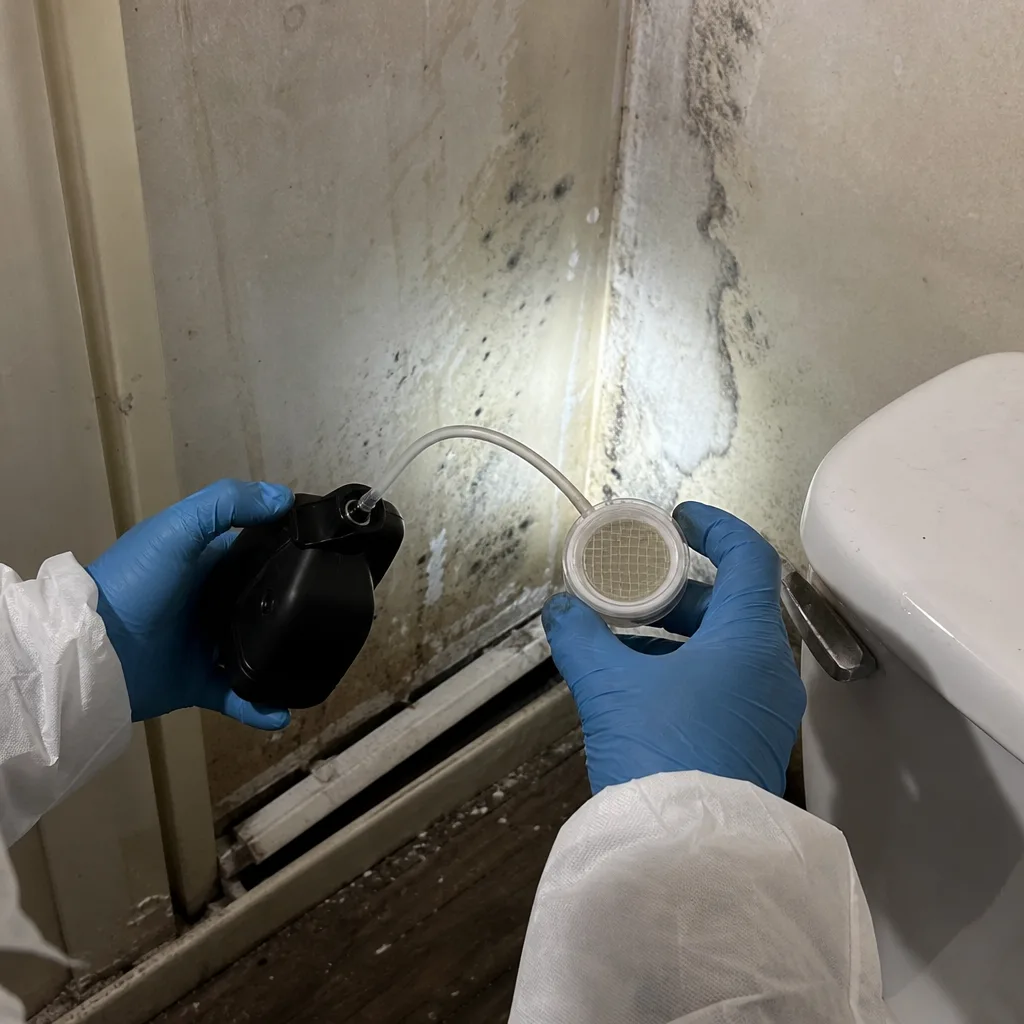
We start every Greenpoint job with moisture mapping, air sampling, and surface testing where visible colonization is present. In tenements with layered renovation history, we use borescopes to inspect inside wall cavities without destructive opening. Lab results typically return within 48 hours.
Mold Removal
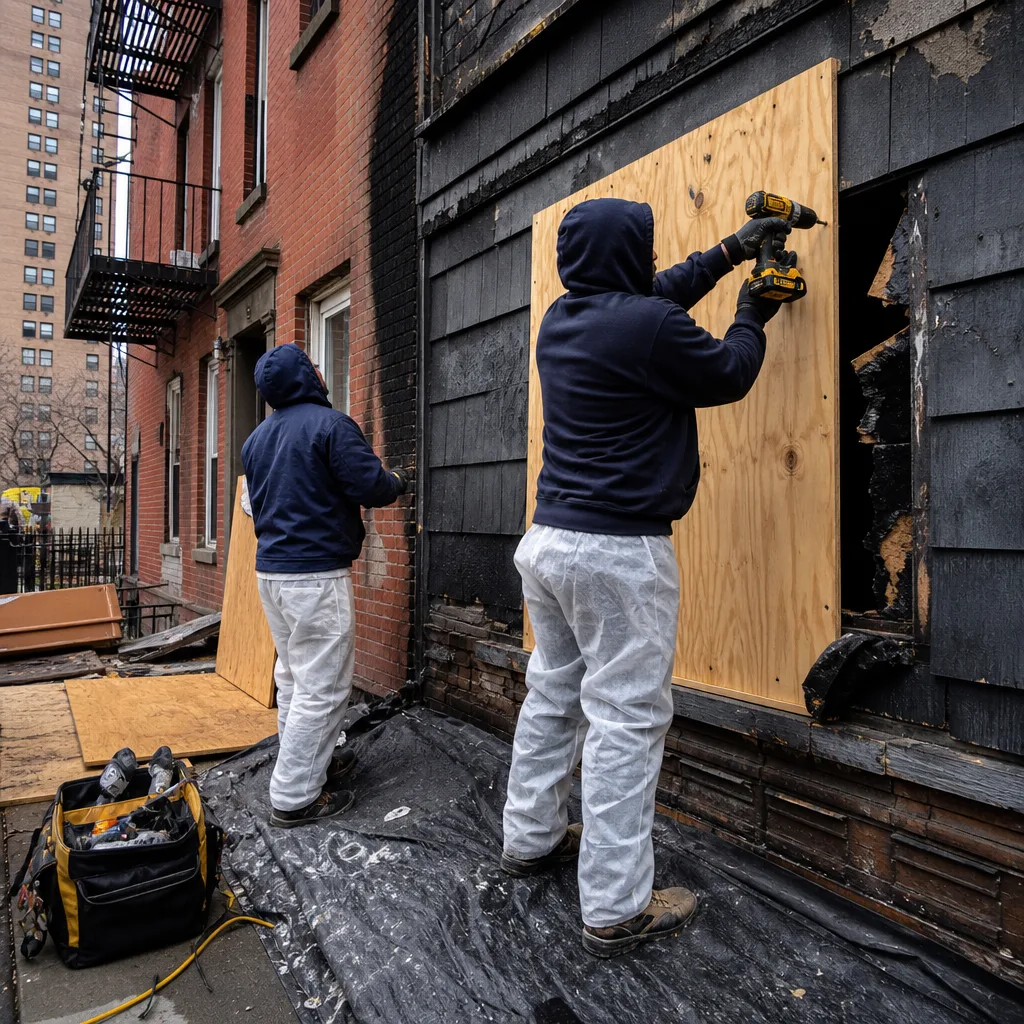
Removal follows IICRC S520 containment standards: negative air pressure, HEPA filtration, and systematic disposal of non-salvageable materials. In Greenpoint’s older buildings, we often find mold extending beyond the visibly stained area because plaster wicks moisture and balloon framing channels vapor horizontally.
Black Mold Remediation
Stachybotrys and other toxigenic species require enhanced PPE, strict containment, and post-remediation clearance testing. We do not treat black mold as a marketing category; we identify the species through lab analysis and scope accordingly.
Air Quality Restoration
Post-remediation air scrubbing runs a minimum of 24 hours after visible removal is complete. We measure particulate counts and spore levels with calibrated laser particle counters, then confirm with independent lab sampling before lifting containment.
Crawl Space Treatment
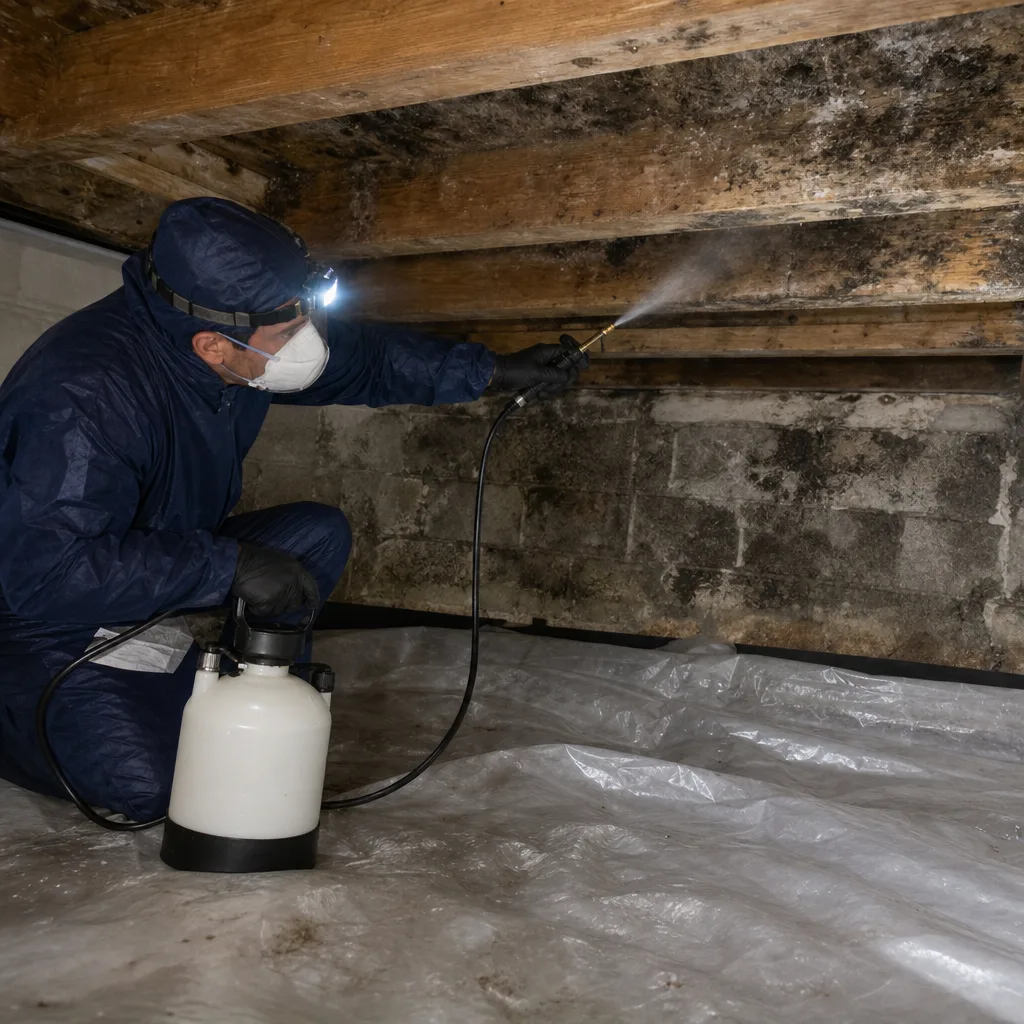
Greenpoint’s few remaining crawl spaces - mostly in converted carriage houses and rear additions - suffer from soil vapor intrusion and poor ventilation. We install vapor barriers, dehumidification, and sealed conditioned envelopes where structurally feasible.
Moisture & Humidity Control
Long-term mold prevention requires controlling the source. We install permanent dehumidification, improve drainage paths, and specify waterproofing repairs. In plume-affected areas, we coordinate with environmental consultants on vapor intrusion mitigation.
What happens when you call
- 1
A real person answersNo phone trees - you reach a local pro.
- 2
You get an upfront price rangeHonest numbers before anyone is dispatched.
- 3
A background-checked tech heads outLicensed & insured, dispatched right away.
- 4
You approve before work beginsNothing starts until you say go.
Mold Remediation Costs in Greenpoint, NY
A typical mold inspection with moisture mapping and air sampling in Greenpoint runs $350-$650. Containment and remediation of a localized basement area, approximately 100 to 200 square feet, typically costs $1,800-$3,400. Whole-basement remediation in a tenement building, including material removal, antimicrobial treatment, drying, and air quality restoration, generally ranges $4,500-$8,500. Jobs complicated by Category 3 water or petroleum contamination add hazmat disposal and environmental coordination, pushing complex cases to $10,000-$15,000.
What moves the price: square footage affected, material type (plaster vs. drywall), whether containment must extend to multiple floors, and whether the water source was Category 1, 2, or 3. Most Greenpoint mold losses following a covered water event are partially or fully covered by homeowners insurance. We provide a written price before work starts, every time, with no additions once the crew is inside - Haven Standard, Clause 1. Bring a competitor’s written estimate and we’ll review it free under our Second Opinion policy.
We Also Serve Cities Near Greenpoint
Our crews respond throughout the immediate area: Manhattan, Upper West Side, Upper East Side, and Morningside Heights. Dispatch and scheduling are coordinated from our New York City office; crews serve Greenpoint locally with the same documentation standards and response commitments.
Serving Greenpoint, NY - Our Local Coverage Area
We’re based in the Greenpoint area and know this community well. Use the map below to see our service coverage - if you’re nearby, we can almost certainly help.
Greenpoint Mold Remediation Questions, Answered
Why does mold show up so fast in Greenpoint basements after a flood?
Greenpoint’s below-grade basements sit at or near the water table, and the neighborhood’s combined sewer system backs up during heavy rain, delivering Category 3 black water that accelerates bacterial and fungal growth. The old brick and plaster construction wicks moisture vertically through walls, so colonization spreads beyond the visibly wet area within 48 to 72 hours. Call (516) 687-5786 for a free inspection and moisture mapping - we’ll show you exactly where the moisture is traveling.
How do you handle a basement that smells like oil or shows a sheen in Greenpoint?
We stop work immediately, document the condition with photos and video, and notify the appropriate environmental authorities before any air movers or dehumidifiers are placed. On a rowhouse block off Meeker Avenue we pulled baseboard, moisture-mapped a finished basement wall, and found the wet drywall reading soaked while a faint petroleum sheen rode the seepage across the slab - so we stopped drying, documented pre-loss condition, and notified before any air movers ran. Once the groundwater was cleared, we contained the wall cavity, ran antimicrobial treatment, and set Dri-Eaz dehumidification with drying logs to bring the framing back down. This is the only Greenpoint mold remediation guide that ties the Newtown Creek petroleum plume directly to how we scope inspection and containment. Call (516) 687-5786 if you see or smell hydrocarbons in your basement water.
What’s the difference between Category 1, 2, and 3 water for my Greenpoint flood?
Category 1 is clean water from a supply line; limited porous materials may be dried in place if caught quickly. Category 2 is gray water with elevated bacterial load, common in Greenpoint from sump failures or appliance discharge; most porous materials must be removed. Category 3 is black water from sewage or flooding, routine along Greenpoint’s waterfront after combined sewer overflow - this demands full removal of affected materials and antimicrobial treatment of all remaining surfaces, with no drying in place permitted. Call (516) 687-5786 and we’ll classify your water source on arrival.
Can mold come back after remediation in an old Greenpoint tenement?
Yes, if the moisture source isn’t resolved. Greenpoint’s original clay sewer laterals and cast-iron drain stacks crack and leak chronically, re-wetting the same cavity within a season. Our remediation includes identifying and documenting the source, and our repairs phase addresses permanent moisture control. The 365-Day Done Right Promise covers return visits if mold recurs from the same source. Call (516) 687-5786 for an inspection that includes source identification, not just surface treatment.
Do you test air quality after mold removal in Greenpoint?
Yes. Air quality restoration and clearance testing are standard on every Greenpoint job, never an optional upsell. We run HEPA air scrubbers for a minimum 24-hour cycle post-removal, then collect independent air samples for spore count analysis. Lab-confirmed clearance is documented and provided to you and your insurer. Call (516) 687-5786 to schedule remediation with guaranteed post-work verification.
How fast can your crew get to Greenpoint?
We typically arrive within 45 minutes of your call, 24 hours a day, 7 days a week. Dispatch is coordinated from our New York City office with crews already positioned to serve Greenpoint. Call (516) 687-5786 and a live person will confirm your ETA immediately.
Will my insurance cover mold remediation in Greenpoint?
Most homeowners policies cover mold remediation when it results from a sudden, covered water event - burst pipes, appliance failures, or storm damage. Chronic leaks and deferred maintenance are typically excluded. We document the loss as a covered peril from the first photo, provide line-item scopes in industry-standard format, and coordinate directly with your adjuster. Call (516) 687-5786 and we’ll review your policy’s likely coverage during the free inspection.
What should I do in the first 30 minutes after discovering mold?
Stop the water source if you can do so safely, turn off HVAC systems to prevent spore distribution, and avoid disturbing visible growth. Do not attempt to clean or paint over it - disturbed spores aerosolize and spread. Call (516) 687-5786 immediately; our live dispatcher will guide you through immediate protective steps while the crew is en route.
Written by Alicia Brennan, Owner at Back to Dry Restoration, serving Greenpoint since 2011.
Mold Remediation in Nearby Areas